April 2025

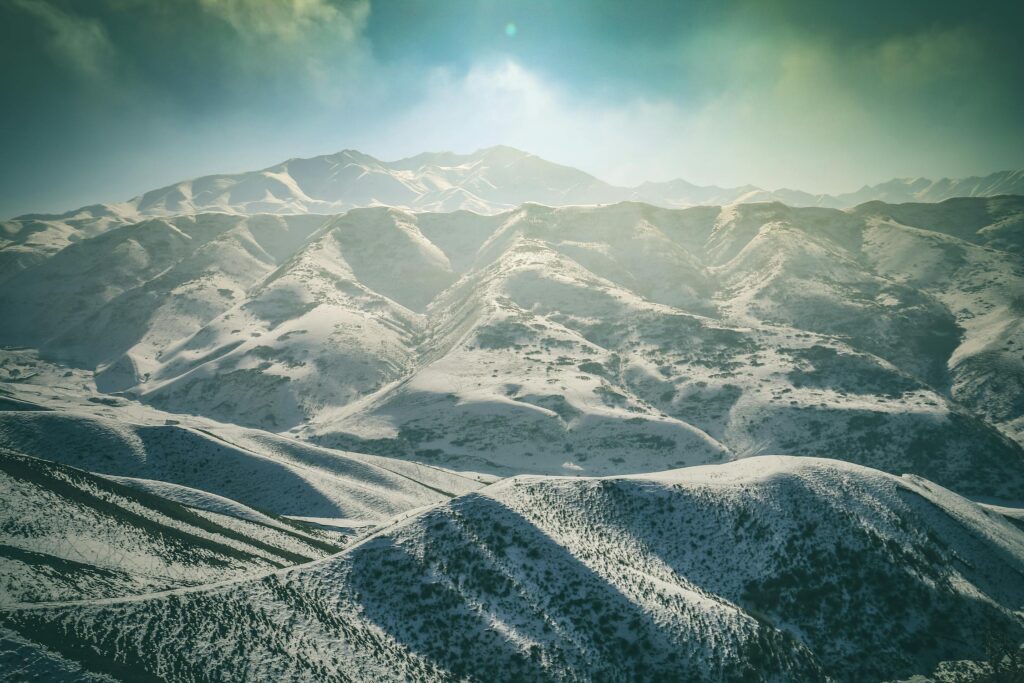
Panoramic vista of the Tian Shan mountains in Kyrgyzstan, showcasing rugged peaks and alpine meadows.

Kyrgyzstan: A Comprehensive Guide for Budget-Conscious Indian Travelers

Kyrgyzstan: A Comprehensive Guide for Budget-Conscious Indian Travelers Have you ever dreamed of a place where majestic mountains, ancient history, and vibrant culture blend seamlessly with affordability and adventure? Welcome to Kyrgyzstan—a hidden gem in Central Asia that offers Indian travelers an experience like no other. Whether you’re a student, a backpacker, or simply someone who loves discovering offbeat destinations, this guide will take you through every aspect of planning your trip—from visa tips and transport to the best time to visit and must-see attractions. In this comprehensive guide, we will explore why Kyrgyzstan has become a hotspot for budget travelers. We’ll answer key questions such as the details of kyrgyzstan visa for indians, reveal the secrets behind its incredible landscapes, and provide practical tips for an unforgettable journey. So, grab a cup of chai and let’s embark on this adventure together! Introduction: The Allure of Kyrgyzstan Kyrgyzstan, officially the Kyrgyz Republic, is a landlocked country in the heart of Central Asia. Often called the “Switzerland of Central Asia” due to its dramatic mountain ranges, over 80% of its terrain is covered by the majestic Tian Shan and Pamir ranges. For budget-conscious Indian travelers, Kyrgyzstan offers a unique combination of rugged natural beauty, rich cultural heritage, and unbeatable value. What sets Kyrgyzstan apart is not just its scenic vistas or its historical significance along the ancient Silk Road—it’s also the genuine warmth of its people and the ease of travel. With affordable accommodation, inexpensive local cuisine, and friendly transport options, this destination allows you to immerse yourself in local life without burning a hole in your pocket. And yes, we’ll also cover important details like kyrgyzstan visa for indians to make your travel planning even smoother. Where is Kyrgyzstan Located? Unveiling the Heart of Central Asia Geography and Regional Context So, where is Kyrgyzstan located? Nestled between Kazakhstan to the north, Uzbekistan to the west, Tajikistan to the south, and China to the east, Kyrgyzstan lies at the crossroads of various cultures and historical trade routes. This strategic location has shaped its diverse heritage and traditions, making it a fascinating melting pot of Turkic, Mongol, and Russian influences. For those planning your journey, a detailed Kyrgyzstan map is essential. It not only helps you visualize the country’s diverse geography—from expansive steppes to rugged highlands—but also guides you through the main travel hubs and cultural centers like Bishkek, the capital city. Why Its Location Matters Kyrgyzstan’s location is a major draw for Indian travelers. The country’s position along the ancient Silk Road means that its history is filled with tales of caravans, trade, and cultural exchange. For Indian tourists, this connection can feel familiar—reminding you of the historical ties that have long linked India with Central Asia. This cultural affinity, combined with modern travel conveniences, makes Kyrgyzstan an appealing destination for those seeking both adventure and comfort. Navigating the Visa Process: Your Guide to Kyrgyzstan Visa for Indians One of the most frequently asked questions by Indian travelers is about the visa process. Let’s demystify it: Visa Options for Indian Citizens For the most up-to-date and detailed information, you can visit the official Kyrgyz visa portal. This streamlined process makes obtaining a kyrgyzstan visa for indians simpler than ever. The Best Time to Visit Kyrgyzstan: When to Experience the Magic Timing is everything when planning your trip. So, what’s the best time to visit Kyrgyzstan? Seasonal Breakdown For more detailed insights into seasonal weather patterns, check out resources like Lonely Planet’s guide to Kyrgyzstan and Steppes Travel. Budget Breakdown: Maximizing Your Money in Kyrgyzstan Traveling on a budget doesn’t mean sacrificing experiences. In Kyrgyzstan, you can enjoy a rich travel experience without breaking the bank. Let’s break down the costs: Flights International flight prices vary depending on the season and booking time. Here are some rough estimates for round-trip fares from major Indian cities: Airlines like Air Astana, Air Arabia, and Turkish Airlines offer competitive fares, often with layovers in Dubai, Istanbul, or Almaty. For the latest deals, visit sites like Kayak. Visa and Entry Accommodation Kyrgyzstan offers a range of lodging options suited for every budget: Websites like Booking.com and Hostelworld are great for finding affordable accommodation. Food Local food in Kyrgyzstan is both delicious and wallet-friendly: Transportation Getting around in Kyrgyzstan is economical: Activities and Entrance Fees Many of Kyrgyzstan’s attractions are very affordable: For an overall picture of daily expenses, refer to the table below, which outlines a sample 7-day itinerary’s costs: Day Location Estimated Cost (INR) Estimated Cost (USD) 1 Bishkek 1,700 – 2,200 20 – 26 2 Bishkek 1,600 – 2,000 19 – 24 3 Ala Archa National Park 1,800 – 2,300 22 – 28 4 Issyk-Kul (Cholpon-Ata) 2,000 – 2,600 24 – 31 5 Issyk-Kul 1,800 – 2,400 22 – 29 6 Bokonbaevo 2,300 – 2,800 28 – 34 7 Bishkek (Departure) 1,000 – 1,500 12 – 18 Total   12,200 – 15,800 146 – 190 Note: These estimates exclude international flight costs and visa fees. Daily expenses typically average between ₹1,745 and ₹2,260 (roughly $21 – $27). Planning Your Itinerary: A Detailed 7-Day Travel Plan To help you maximize your experience while keeping costs low, here’s a comprehensive 7-day itinerary specifically designed for budget-conscious Indian travelers. Day 1: Arrival in Bishkek Day 2: Exploring Bishkek and Cultural Immersion Day 3: A Day Trip to Ala Archa National Park Day 4: Journey to Issyk-Kul (Cholpon-Ata) Day 5: Exploring Issyk-Kul and Cultural Sites Day 6: Immersion in Bokonbaevo and Local Traditions Day 7: Return to Bishkek and Departure This detailed itinerary is designed to give you a taste of everything Kyrgyzstan has to offer, while keeping expenses in check. It also leaves some room for spontaneity—because sometimes the best adventures happen when you deviate from the plan. Key Comparisons and Insights: Kyrgyzstan Versus Other Destinations To truly appreciate what Kyrgyzstan brings to the table, let’s compare it with some other popular travel destinations: Feature Kyrgyzstan Southeast Asia (e.g., Thailand) Europe (e.g., Italy) Affordability Extremely budget-friendly;

Kyrgyzstan: A Comprehensive Guide for Budget-Conscious Indian Travelers Read More »

Sandy shores of Kuta Beach in Bali, bustling with surfers. Enjoy beach activities during your Bali vacation.

Your Essential Bali Travel Guide: Best Time to Visit, Flights from the USA, and First-Timer Tips

Looking for the ideal time for your Balinese escape? Generally, the dry season, from April to October, is considered best for sunny weather. For fewer crowds and pleasant conditions, you might consider the shoulder months of May, June, and September. Want to explore during the wet season for potentially lower prices and a quieter atmosphere? The months from November to March could be an option, just be prepared for more rain. Keep reading for a more detailed monthly breakdown and insights to help you pinpoint your perfect travel window! Bali Travel Guide for First-Timers: Best Time to Travel, Flights from the USA I. Introduction: Discovering the “Island of the Gods” Bali, often referred to as the “Island of the Gods,” is a captivating destination that conjures images of tranquil beaches, verdant rice paddies, and a vibrant culture. For travelers making their first journey from the USA, the enchantment of this Indonesian paradise is particularly strong. This guide is specifically designed to provide first-time visitors from the United States with all the essential knowledge required to plan an unforgettable Balinese adventure, addressing common queries about the best time to travel to Bali, understanding flights to Bali, and offering a comprehensive Bali travel guide for first timers. It is important to remember that Bali is a province and an island that forms part of the Republic of Indonesia, a large archipelago in Southeast Asia. Prepare to uncover the magic that awaits on this enchanting island as we delve into every crucial aspect to ensure a smooth and enriching travel experience. Bali Travel Guide: Quick Clarity Table for First-Time Visitors Category Key Information at a Glance Reader Action/Takeaway Best Time to Visit Dry Season (Apr-Oct): Sunny, best for beaches, surfing (West coast). Shoulder (May-Jun, Sep-Oct): Pleasant, fewer crowds, good deals. Wet (Nov-Mar): Rain, lush, quieter, budget-friendly. Decide based on your priorities: Weather preference vs. budget vs. crowd levels. Check monthly breakdown for specifics. Flights from USA No Direct Flights. Expect layovers in Asian hubs (Singapore, Hong Kong, Dubai, etc.). Flight time: 20+ hours. Airlines: Singapore, Emirates, Qatar, Cathay Pacific, etc. Prepare for a long journey. Factor in layover time. Use flight comparison sites. Book in advance for better deals. Visa & Entry (US) Visa on Arrival (VOA) for tourism (30 days, extendable). Passport: 6 months validity, blank pages. Return/onward ticket needed. VOA fee approx. $35 USD. Ensure passport validity and blank pages. Budget for VOA fee. Check latest visa rules before travel. Money Matters Currency: Indonesian Rupiah (IDR). Exchange USD to IDR in Bali (authorized changers/ATMs). Cards widely accepted in tourist areas, but carry cash. Exchange currency in Bali for better rates. Have cash for smaller places and tips. Inform your bank of travel dates. Bali Basics Bali is a province of Indonesia, not a country. “Island of the Gods,” Hindu culture. Capital: Denpasar. Cultural heart: Ubud. Understand Bali’s context within Indonesia. Be aware of the unique Hindu culture and local customs. Essential Customs Dress modestly at temples (cover shoulders/knees). “Om Swastiastu” greeting. Right hand for giving/receiving. Respect offerings (Canang Sari). Be mindful of public behavior. Show respect for Balinese culture. Learn basic phrases. Be aware of temple etiquette and general customs. Getting Around Taxis (Bluebird recommended, use meter). Ride-hailing apps (Grab/Gojek) popular, but some area restrictions. Traffic can be congested. Use metered taxis or ride-hailing for transport. Be patient with traffic, especially in tourist areas. Accommodation Wide range: Hostels to luxury villas. Popular areas: Kuta (budget), Seminyak/Nusa Dua (upscale), Ubud (wellness/nature). Book in advance, especially in peak season. Choose accommodation based on budget and preference. Book ahead to secure best options and prices. Top Things to See/Do Temples: Tanah Lot, Uluwatu, Tirta Empul, Besakih. Nature: Rice terraces, waterfalls, Mount Batur. Beaches: Kuta, Seminyak, Canggu, Nusa Dua, Uluwatu. Culture: Ubud, art villages, Kecak dance. Prioritize attractions based on your interests. Plan your itinerary to cover key highlights. Health & Safety Vaccinations recommended (Hepatitis A, Typhoid). Travel insurance essential. Drink bottled/filtered water. Be cautious with food. Petty crime in tourist areas. Respect animal safety. Licensed money changers only. Consult doctor for vaccinations. Get travel insurance. Be mindful of food/water safety and general safety precautions. Packing Essentials Light, tropical clothing. Sunscreen, insect repellent, medications. Rain jacket (wet season). Pack light and for the tropical climate. Don’t forget essentials for sun protection and health. Timing Your Trip: Finding the Best Time to Visit Bali Understanding Bali’s tropical climate and tourist seasons is key to planning your visit.A. Understanding Bali’s Tropical Climate and Seasons The Dry Season, generally spanning from April to October, is often considered the ideal time for outdoor pursuits. This period is typically characterised by sunny and breezy conditions with less rainfall and lower humidity, making it perfect for beach activities and water sports. The Wet Season, which typically runs from November to March, brings occasional heavy rains and higher humidity. While rainstorms can be sudden and intense, they often pass quickly, allowing for a mix of sun and showers. The landscapes during this time are often lush and vibrant.B. Navigating Bali’s Tourist Seasons The High Season in Bali generally falls between June to August and November to December. These periods typically see larger crowds and higher prices for both flights and accommodations. This aligns with summer vacations in Europe, America, and Australia, as well as the Christmas and New Year holidays. The Shoulder Seasons, which include April to May and September to October, are often considered by many as the best time to travel. During these months, you can expect pleasant weather with fewer tourists, potentially leading to better deals on accommodations. The Low Season, from January to March, typically experiences the highest chance of rainfall. This period offers the quietest atmosphere and often the most budget-friendly prices. C. Weather Conditions and Activities by Season Dry Season (April-October): This season is ideal for beaches and sunbathing. It is also a great time for surfing, with the west coast experiencing the best swells from June to August. Hiking and exploring the inland areas are also favorable due to the sunny days and reduced humidity. Conditions are generally good for diving and snorkelling as well. Wet Season (November-March): While rain can affect water clarity for diving and snorkelling and may make some hiking trails

Your Essential Bali Travel Guide: Best Time to Visit, Flights from the USA, and First-Timer Tips Read More »

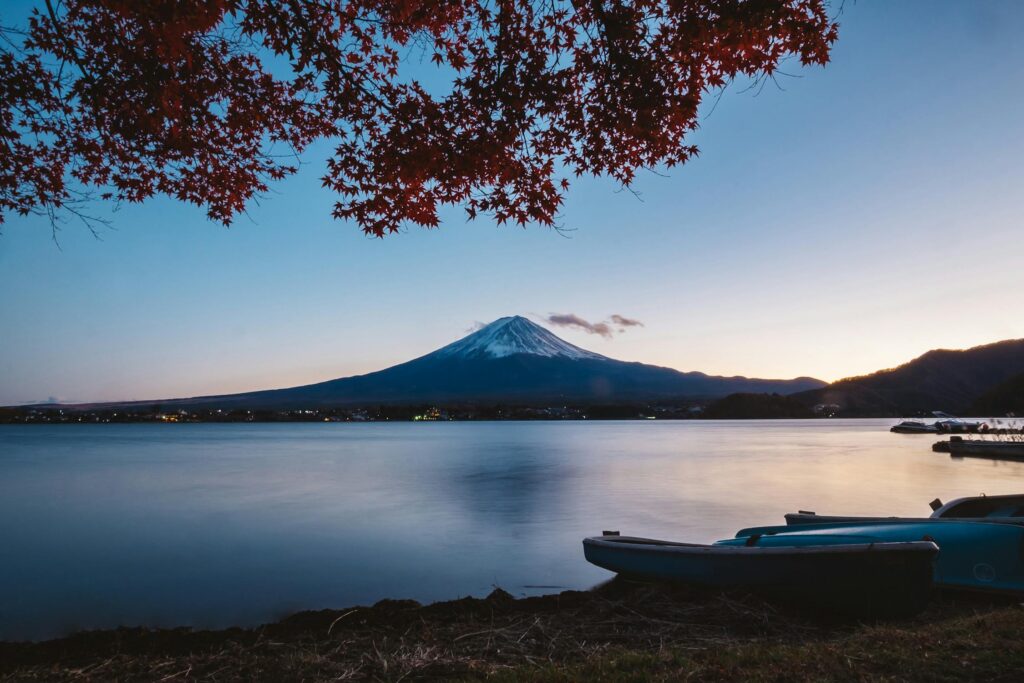
Mirror-like reflection of Mount Fuji in Lake Kawaguchiko, Yamanashi, Japan. A classic and serene view of Japan's iconic mountain.

Planning Your Perfect Japan Trip: Essential Tips and Insights for First-Time Visitors

  Travelling to Japan soon? Here are a few essential things to know before you go! Keep reading for more in-depth travel tips, including the best and worst times to visit, navigating transport, cultural etiquette, and much more to ensure a smooth and enjoyable trip to Japan! Japan, a captivating archipelago nation, presents a mesmerizing blend of ancient traditions and cutting-edge modernity. From the tranquil serenity of Kyoto’s temples to the vibrant energy of Tokyo’s bustling streets, the country offers a diverse array of experiences. This article serves as an essential resource, providing crucial information and tips for planning a smooth and enjoyable Japan trip, particularly for those visiting for the first time. Many first-timers opt for the popular tourist route, known as the golden route, which typically runs from Tokyo to Kyoto and then on to Osaka. Quick Guide to Essential Japan Trip Tips Topic Key Takeaway/Clarity Point Why it Matters/Further Detail Cash & Cards Carry cash & get a SUICA card. Cash is still vital, especially in smaller places. SUICA card simplifies local transport and convenience store purchases. Best Time to Visit Spring (cherry blossom) & Autumn (fall) are ideal, but busy. Enjoy beautiful scenery and comfortable weather. Be prepared for crowds. Avoid late June-early Sept (hot, humid, typhoon season). Golden Route Tokyo-Kyoto-Osaka is a great first-timer route. Covers major highlights and offers a good introduction to Japan’s blend of modern and traditional. Transportation Shinkansen (bullet train) is efficient for long distances. Book Shinkansen in advance, especially for luggage space and peak times. SUICA card is essential for local travel. JR Pass Likely not cost-effective for standard Golden Route. Price has increased. Only consider if you plan extensive train travel across Japan beyond the typical tourist routes. Budgeting Japan can be expensive; budget  100−100− 200 USD daily. Costs vary by city (Tokyo & Kyoto pricier). Food can be affordable if eating at convenience stores & local eateries. Transport (Shinkansen) impacts budget. Accommodation Variety of options: Hotels, Ryokans, Hostels. Consider Ryokans for cultural experience. Shibuya in Tokyo is central. Hotel rooms can be smaller than you’re used to. Food & Drink Konbini (convenience stores) are amazing & affordable. Great for quick, quality meals and snacks. Explore vending machines and local eateries for unique experiences. Try regional specialties & Ekiben on trains. Etiquette Be quiet in public, don’t eat while walking, no tipping. Show respect for Japanese culture. Quietness is valued. Tipping is not customary and can be considered rude. Booking Ahead Book popular activities & transport in advance. Essential during peak seasons. Use platforms like Klook for easy booking in your currency. Overtourism (Kyoto) Kyoto can be very crowded. Visit major temples early (5-6 am) or explore lesser-known areas for a more peaceful experience. Internet Access Get an eSIM for your phone. Essential for navigation, translation, and staying connected. Luggage on Shinkansen Book oversized luggage seats if needed. Ensure luggage is properly stored on Shinkansen. Platforms like Klook help with booking these seats. Safety Japan is very safe. Be mindful of surroundings and take basic safety precautions as you would anywhere. Visa Visa requirements vary by nationality. Check visa requirements based on your passport well in advance of your trip. E-visa options may be available for some nationalities. 1. When to Visit Japan: Navigating the Seasons Choosing the right time to visit can significantly impact your Japan trip. 2. Must-See Destinations: Exploring Japan’s Highlights Japan boasts a wealth of incredible destinations, but for many first-time visitors, the golden route is a natural starting point. 3. Getting Around Japan: Mastering the Transportation System Japan boasts an incredibly efficient and comprehensive transportation network. 4. Money Matters: Currency, Budgeting, and Payments Understanding Japan’s currency and budgeting is crucial for a smooth trip. 5. Accommodation in Japan: Finding Your Home Away From Home Japan offers a diverse range of accommodation options to suit various budgets and preferences. 6. Food and Drink: A Culinary Adventure Japanese cuisine is a major highlight of any trip. 7. Essential Things to Know Before You Go: Practical Tips Here are some crucial tips to keep in mind before and during your Japan trip. 8. Japanese Culture and Etiquette: Showing Respect Understanding and practicing basic Japanese etiquette will greatly enhance your travel experience and ensure you show respect to the local people. 9. Booking in Advance: Planning Ahead is Key Given Japan’s popularity, especially during peak seasons, booking activities and transportation well in advance is crucial. 10. Navigating Overtourism: Especially in Kyoto Overtourism can be a significant issue in popular destinations like Kyoto, especially during peak seasons like autumn. 11. Visa Information Visa requirements for Japan vary depending on your nationality. Conclusion A Japan trip promises a truly unique and unforgettable experience, blending the wonders of ancient culture with the excitement of modern life. By understanding the best times to visit, navigating the efficient transportation system, being mindful of your budget and Japanese etiquette, and remembering to book key aspects of your trip in advance, you can ensure a smooth and stress-free adventure in the Land of the Rising Sun. Use the tips and resources provided to craft your perfect Japan trip and create memories that will last a lifetime. FAQ’s  www.xploreheaven.com

Planning Your Perfect Japan Trip: Essential Tips and Insights for First-Time Visitors Read More »