July 2025

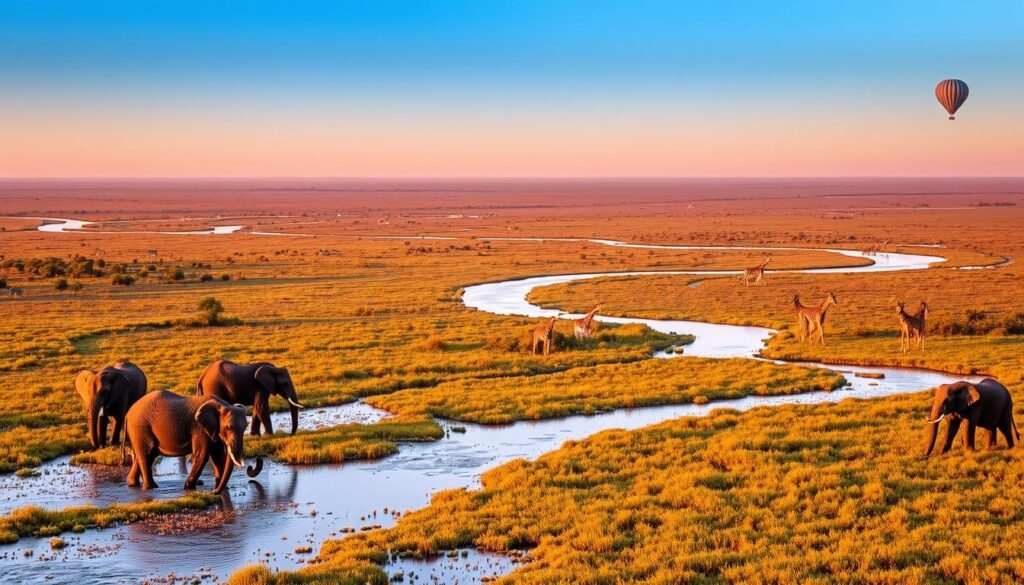
Lion image, sossusvlei safari

Unveiling the Magic of a Sossusvlei Safari: Your Ultimate Guide

Sossusvlei Safari The optimal time to visit Sossusvlei is during Namibia’s cooler, drier winter season, which spans from May to September, with June, July, and August being particularly recommended. This period offers crisp, clear mornings and evenings, which are ideal for activities such as hiking the towering dunes, and provides excellent conditions for photography, ensuring vibrant colours and minimal haze. While it is possible to experience a significant amount in a single day, it is highly recommended to allocate at least two to three nights in the Sesriem area. This allows for two full days within Sossusvlei, providing ample opportunity to explore thoroughly without rushing and to capture the best light during sunrise and sunset. For a comprehensive guide to planning your Sossusvlei adventure, including detailed itineraries, crucial driving tips for navigating the park’s unique terrain, strategic accommodation choices for optimal access, and insights into the most captivating photo opportunities and activities available, please continue reading for in-depth information. I. Introduction: Redefining “Safari” in Namibia’s Ancient Desert II. Exploring the Iconic Landscapes: Key Attractions and Activities III. Planning Your Sossusvlei Safari: Logistics and Practicalities IV. Packing Essentials for Your Desert Adventure V. Photography Tips: Capturing the Sossusvlei Dreamscape VI. Combining Sossusvlei with Other Namibian Destinations VII. Conclusion: An Unforgettable Journey into Namibia’s Soul Sossusvlei is truly a “natural wonder” and often described as a “photographer’s paradise”. The experience offers an “incredible sense of remoteness” and a deep connection with the “raw, ancient, and hypnotic” landscapes. A Sossusvlei safari is not just a trip; it’s an immersive journey into a unique and breathtaking part of the world, leaving you awe-struck and wanting to return. Think of a Sossusvlei safari as painting with light on an ancient canvas, where every shade and shadow tells a story of time and solitude. FAQ’s Analogy: Think of Sossusvlei as a magnificent, ancient outdoor art gallery. Each dune is a unique sculpture, constantly reshaped by the light and wind, while Deadvlei is the gallery’s haunting centrepiece, a permanent exhibit of time-frozen natural history. To fully appreciate this gallery, you need the right “lens” (the camera gear and photography tips), the right “guide” (knowing the best locations and times), and the right “wardrobe” (packing appropriately for the desert’s surprising conditions). And just like a gallery that might have special viewing hours for certain patrons, staying inside the park gives you early access to the best “lighting” for your visual masterpiece. Related Posts:

Unveiling the Magic of a Sossusvlei Safari: Your Ultimate Guide Read More »

Cheapest Month to Visit Dubai

Cheapest Month to Visit Dubai: When to Travel Smart & Save Big

What if the secret to experiencing Dubai’s luxury isn’t about how much you spend—but when you go? Timing transforms this glittering metropolis from a budget-buster to an affordable wonderland. While most travelers flock during mild winters, savvy explorers unlock Dubai’s hidden rhythm—a seasonal shift where iconic skyscrapers, desert adventures, and world-class attractions become surprisingly accessible. June emerges as the golden window for bold adventurers. Hotel rates drop by up to 50%, flights become wallet-friendly, and crowds vanish. Yes, the heat tests your resolve—but imagine private desert safaris at group-tour prices or Burj Khalifa views without elbow-to-elbow crowds. This isn’t about compromising quality. It’s about redefining value. Five-star resorts roll out summer deals, while indoor attractions like Dubai Mall thrive year-round. Your savings fund extras—a sunset yacht cruise or a spice-scented souk shopping spree. Key Takeaways June offers the lowest travel costs with fewer tourists and discounted luxury stays Strategic timing lets you experience premium attractions at budget-friendly rates Indoor activities and early-morning exploration beat the summer heat Flight and hotel deals during this period can save hundreds of dollars Cultural festivals and indoor events keep the city vibrant year-round Why This Question Matters Your dream Dubai escape hinges on one invisible force—timing. Like desert winds shaping dunes, seasonal patterns sculpt what’s possible for your budget. Crack this code, and you’ll unlock experiences others dismiss as “too expensive”. Understanding the Impact on Your Budget Picture this: identical hotel stays costing 60% less simply by shifting dates. From November to March, sky-high demand pushes prices for flights and resorts into luxury territory. But when summer arrives, golden opportunities emerge. Savvy travelers redirect those savings into premium add-ons—private dining under the stars or helicopter tours over Palm Jumeirah. Your money stretches further when you align plans with pricing rhythms. The Relevance of Seasonal Trends Dubai’s calendar follows two distinct beats. Winter brings perfect weather—and crowded attractions. Summer offers empty photo spots at Burj Al Arab… if you embrace strategic indoor exploration. Flight costs swing like desert temperatures—₹35,000 in December vs ₹18,000 in August for Mumbai-Dubai routes. These patterns aren’t random—they’re predictable tools for crafting your ideal trip. Dubai Season Overview Dubai’s seasons don’t follow nature’s script—they rewrite the rules of smart travel. While most destinations cycle through four periods, this desert jewel operates on three distinct rhythms that shape your experience and expenses. Identifying Peak, Shoulder, and Low Seasons Peak season (November-March) turns the city into a global magnet. Daytime temperatures hover at 20-26°C—ideal for beach days and desert safaris. Hotels charge premium rates, but you’ll join festivals like Dubai Shopping Festival and witness the iconic Burj Khalifa light shows. Shoulder months—April-May and September-October—offer a clever compromise. Crowds thin as temperatures climb to 28-33°C. You’ll find hotel deals up to 30% lower than peak rates while still enjoying outdoor mornings and evenings. June-August’s summer months reveal Dubai’s best-kept secret. Though daytime heat hits 34-37°C, indoor marvels like Ski Dubai and the Louvre Abu Dhabi shine. Flight prices drop dramatically, and five-star resorts roll out “Summer Surprise” packages with spa credits and dining perks. “Travelers who embrace summer’s rhythm unlock private experiences at group rates—imagine having the Dubai Fountain’s front row to yourself.” Your choice shapes adventures: winter’s lively energy, shoulder seasons’ value-packed calm, or summer’s air-conditioned luxury. Each season holds unique magic—it’s about matching the rhythm to your travel heartbeat. Month-by-Month Guide to Visiting Dubai Dubai’s calendar pulses with shifting opportunities—each month unlocks new adventures tailored to your priorities. Whether chasing cultural festivals or craving air-conditioned luxury, here’s how the city transforms throughout the year. Detailed Weather, Events, and Temperature Insights January greets you with crisp 20°C days—ideal for strolling along JBR Walk. The Dubai Shopping Festival dazzles with midnight sales and live entertainment, turning retail into a spectator sport. New Year’s fireworks over Burj Khalifa linger in memory long after the confetti settles. February’s 21°C warmth pairs perfectly with Global Village’s cultural pavilions. Savor aromatic biryani at food festivals while planning desert picnics under starry skies. This month balances pleasant weather with fewer crowds than peak season. When March hits 24°C, desert safaris become your golden ticket. Morning dune bashing adventures thrill before afternoon heat arrives. Evening camel rides reveal sunsets painting the sands in burnt orange hues. The summer months (June-August) test your resolve with 34-37°C temperatures—but reward smart planners. Dubai Eye observation wheel offers climate-controlled city views, while mall adventures range from indoor skiing to aquarium encounters. Hotel rates drop like the mercury rises. December circles back to 21°C perfection with UAE National Day parades. Watch the city transform into a glittering wonderland as NYE approaches—prime time for rooftop dining with Burj Khalifa light shows as your backdrop. Breakdown of Pros & Cons for Different Seasons Your Dubai journey’s success hinges on balancing seasonal trade-offs—golden sands of savings versus perfect weather dreams. Let’s decode how each season shapes your experience. Why Off-Peak Travel Rewards Bold Explorers June-August transforms Dubai into your private playground. Five-star hotels slash prices by 40-60%—imagine lagoon-access suites at mid-range budgets. Attractions like Burj Khalifa’s observation decks welcome you with zero queues, while desert camps offer VIP treatment without premium costs. Early mornings become your secret weapon. Beat the heat with sunrise visits to Miracle Garden before retreating to climate-controlled marvels like Dubai Frame. Reduced crowds mean unobstructed photos at Burj Al Arab’s iconic sail structure. Peak Season’s Double-Edged Sword November-March delivers picture-perfect 24°C days but demands strategic planning. Global tourists flood the city, turning popular spots into packed arenas. Last-minute bookings often mean paying 2x standard rates for mid-tier hotels. Festivals like Dubai Shopping Festival dazzle but require advance reservations. That sunset dune dinner? Booked solid weeks ahead. You’ll trade spontaneity for guaranteed access to top-tier events. Factor Peak Season Off-Peak Hotel Rates ₹15,000-₹25,000/night ₹6,000-₹12,000/night Crowd Levels 90-100% capacity 30-50% capacity Weather 20-26°C (outdoor ideal) 34-42°C (indoor focus) Event Access Guaranteed with booking Limited seasonal closures The best time depends on your priorities. Crave vibrant energy and perfect skies? Embrace peak season’s costs. Prefer tailored

Cheapest Month to Visit Dubai: When to Travel Smart & Save Big Read More »

What to do in Dubai for a Week

Explore Dubai in 7 Days: Your Ultimate Itinerary

Dubai welcomes over 16 million visitors annually, yet fewer than 8% venture beyond its iconic skyscrapers to discover its authentic cultural heartbeat. This seven-day journey redefines Middle Eastern exploration, blending luxury with tradition across seven Emirates and neighboring Oman. Your adventure begins where most tours end – in the vibrant intersections of ancient heritage and cutting-edge innovation. United Airlines business class travelers recently completed this ambitious route, proving you can experience both Bedouin traditions and futuristic cityscapes without rushing. Imagine sipping Arabic coffee in 18th-century forts before sunset cocktails atop the world’s tallest building – this itinerary makes it possible. Each day builds like a masterclass in Arabian discovery. You’ll navigate spice-scented souks one morning and marvel at AI-controlled metro systems the next. The real magic lies in curated moments: dune-bashing through ruby-red deserts, private museum tours with historians, and tasting fusion cuisine that spans millennia. Key Takeaways Combine modern marvels with cultural immersion across seven diverse Emirates Access exclusive experiences through strategic business-class travel perks Discover hidden oases and archaeological sites most visitors miss Balance iconic landmarks with authentic local interactions Optimize transit time between destinations using premium air routes Experience Oman’s mountain villages as a seamless extension of your UAE journey Introduction: Dubai’s Blend of Modernity and Tradition Dubai’s skyline tells two stories: glass towers pierce clouds while century-old wind towers channel desert breezes. This city in the United Arab Emirates masterfully balances its Bedouin roots with 22nd-century ambitions. Wander through Al Fahidi district, where mud-brick homes stand minutes from AI-powered metro stations. The culture here thrives on contrasts. Gold souks sparkle beside textile markets filled with Indian silks, reflecting the Middle East’s deep trade connections. Over 200 nationalities contribute to daily life, creating neighborhoods where mosque prayers blend with Bollywood beats. Aspect Traditional Modern Architecture Barjeel wind towers Rotating skyscrapers Commerce Dhows carrying dates Drone delivery hubs Cultural Influences Arabic coffee rituals Global fusion restaurants Your itinerary gains depth through these layers. Watch artisans craft wooden dhows using techniques unchanged for generations, then marvel at 3D-printed office complexes. The United Arab heritage shines brightest where old meets new – like the Dubai Frame, literally bridging past and future. This guide reveals how to experience both worlds authentically. Savor camel milk chocolate in restored merchant houses, then discuss AI trends with local tech pioneers. Every moment becomes a conversation across centuries. Day One – Discovering Old Dubai and the Historic Dubai Creek Begin your journey where the city’s story first unfolded—along the shimmering waters of Dubai Creek. This natural saltwater inlet fueled trade routes long before skyscrapers dominated the horizon. Watch wooden abras glide like water beetles, carrying passengers for just 1 dirham across the historic divide. A Walking Tour of Heritage and Culture Step into Al Seef district’s recreated wind towers and narrow alleys, where the past feels vividly present. Local guides at the Sheikh Mohammed Centre for Cultural Understanding reveal why Emirati men wear crisp white kanduras and how gender-separated spaces shaped daily life. “Our traditions adapt without disappearing,” explains a historian during tours of restored merchant houses. Experiencing the Spice and Gold Souks Let cinnamon-scented breezes guide you through the market’s kaleidoscope of saffron pyramids and rose-petal mounds. Vendors offer tasting spoons of date honey while photographers snap vibrant spice displays. Three blocks east, the gold souk’s window displays glitter with 24-karat necklaces—each piece government-certified for purity. Experience Spice Souk Gold Souk Signature Find Iranian dried limes Emirati-inspired jewelry Bargaining Style Playful haggling Fixed prices with discounts Cultural Tip Sample before buying Request assay certificates Refuel at Al Fanar Restaurant, where camel meat burgers and luqaimat dumplings showcase Bedouin flavors. As dusk paints the creek gold, join fishermen mending nets—a timeless scene against Dubai’s modern skyline. Your one day here becomes a masterclass in Arabian culture’s enduring spirit. Day Two – Skyscrapers, Shopping, and Iconic Landmarks Downtown Dubai redefines urban ambition with glass giants casting shadows over man-made lakes. This district pulses with energy day and night, offering more architectural wonders than some countries boast nationwide. Urban Wonderland Exploration The Dubai Mall astonishes with scale and surprises. Beyond 1,200 luxury boutiques, you’ll find aquatic marvels like a 10-million-liter aquarium and Olympic-sized ice rink. “Our goal was to create a city within a city,” shares a mall architect, nodding to the Jurassic-era dinosaur skeleton guarding the fashion district. Touch the Sky Reaching the Burj Khalifa‘s observation deck becomes an event itself. Smart travelers book tickets online to bypass winding queues. The elevator’s 60-second ascent to the 124th floor features starry animations mirroring the building‘s record-breaking height. Feature Downtown Dubai Las Vegas Strip Total Area 2.2 sq miles 4.2 sq miles Tallest Structure 2,722 ft 1,149 ft Annual Visitors 80 million 42 million From the cloud-piercing deck, watch the city‘s grid dissolve into desert waves. This view explains why 85% of tower residents hail from abroad – Emirati citizens typically prefer spacious villas funded by government housing programs. As twilight paints the skyline gold, the fountain show below dances to Arabic symphonies. Your day among giants concludes with a vital lesson: in the United Arab Emirates, even gravity-defying achievements remain grounded in cultural pride. Day Three – A Day Trip Beyond: The Musandam Peninsula, Oman Your day trip unveils Arabia’s wild side as you cross into Oman’s northernmost territory. This geological wonderland features limestone cliffs plunging into turquoise water, creating a landscape more reminiscent of Baja California than the Arabian Peninsula. Crossing Borders for a Scenic Dhow Cruise The journey becomes part of the adventure. After passing through Sharjah’s art districts and Ras Al Khaimah’s mountain roads, border agents stamp passports with practiced efficiency. “This enclave showcases how cultures shift with geography,” notes a local guide as you approach Khasab harbor. Traditional Omani dhows await with plush cushions and sun-shaded decks. As engines hum to life, dolphins race alongside the wooden hull. The fjord-like khors (inlets) reveal secret beaches and 2,000-foot cliffs striped with mineral deposits. Choose your aquatic adventure: Snorkel above coral gardens teeming with

Explore Dubai in 7 Days: Your Ultimate Itinerary Read More »