November 2025

Why Is Madidi National Park Dangerous? Risks, Reality & Safety Guide for Jungle Travelers

If you’ve been researching why is Madidi National Park dangerous, you’re already showing the kind of smart caution that keeps jungle travelers safe. Madidi National Park in Bolivia is one of Earth’s most biodiverse protected areas, home to over 1,000 bird species, jaguars, giant otters, and ecosystems that shift from steaming Amazon lowlands to icy Andean peaks. But this remarkable wilderness comes with serious risks that demand respect, preparation, and honest conversation. This guide breaks down the real dangers—from venomous wildlife and jungle diseases to accessibility challenges and human threats—while showing you how to experience Madidi responsibly and safely. Table of Contents Section Key Topics Covered Quick Risk Summary Wildlife, health, accessibility, environmental, human threats Geographic Complexity Altitude variation, climate zones, terrain challenges Wild Animals & Jungle Hazards Jaguars, poison dart frogs, venomous snakes, fire ants Health Risks & Diseases Malaria, yellow fever, parasites, medical evacuation Accessibility & Remoteness Transport difficulties, communication gaps, guide necessity Human & Environmental Threats Dam projects, illegal mining, logging, mercury contamination Real Stories & Case Studies Yossi Ghinsberg survival story, documented incidents Risk Timing & Zones Seasonal differences, terrain variations, traveler types Safety Tips Vaccinations, gear, insurance, choosing operators Conservation Ethics Indigenous communities, responsible tourism impact Comparison with Other Parks How Madidi stacks up against Tambopata, Manu FAQs Quick answers to common safety questions Quick Risk Summary — What Makes Madidi Dangerous (At a Glance) Let’s start with clarity. Madidi National Park safety risks fall into five main categories: Wildlife Hazards: Jaguars, pumas, venomous snakes (including fer-de-lance and bushmaster), poison dart frogs, fire ants, caimans, and stingrays inhabit the park. Most wildlife avoids humans, but encounters happen in low-visibility jungle conditions. Health Threats: Malaria and yellow fever are present. Waterborne parasites, dengue, and leishmaniasis pose additional risks. Medical facilities are hours or days away from most park areas. Environmental Extremes: Altitude ranges from 200 meters in the Amazon lowlands to nearly 6,000 meters in the Andean highlands create unpredictable weather, flash floods during rainy season, and challenging terrain. Accessibility Challenges: No roads penetrate most of the park. River transport from Rurrenabaque takes 3-6 hours minimum. Zero mobile phone or internet coverage exists in the interior. Evacuation requires boat travel followed by small aircraft. Human-Driven Dangers: The proposed Bala Dam project threatens flooding, illegal gold mining contaminates water with mercury, and logging operations create conflict zones near park boundaries. Understanding these risks doesn’t mean avoiding Madidi—it means approaching this extraordinary place with the preparation it deserves. Geographic & Environmental Complexity of Madidi — From Andes to Amazon 🏔️ Here’s what makes Madidi National Park’s geography so challenging: this isn’t your typical jungle. The park spans an extraordinary elevation range from 180-200 meters above sea level in the steaming Amazon lowlands to nearly 6,000 meters in the glacier-covered peaks of the Apolobamba Range. That’s a height difference equivalent to climbing from sea level almost to the summit of Mount Kilimanjaro—all within one protected area. This dramatic altitude variation between the Andes and Amazon creates multiple climate zones stacked on top of each other. The climate shifts from cold alpine conditions at high elevations to moderate temperatures at mid-levels and tropical heat in the northern lowlands. You could start your morning needing a winter jacket in cloud forest and finish the afternoon dripping sweat in humid rainforest. The park protects several distinct ecosystems: tropical rainforest along the Tuichi and Beni Rivers, cloud forests clinging to mountain slopes, Yungas subtropical forests bridging the Andes and lowlands, and even montane dry forests where grasslands meet scrubland [Source: Wildlife Conservation Society / Madidi National Park Documentation]. Each ecosystem brings its own hazards—flash floods in lowland areas, altitude sickness and cold exposure in highlands, and reduced visibility in dense cloud forest. Annual precipitation averages around 716mm in some areas but can reach 4,000mm in others, creating unpredictable micro-climates. The rainy season from October to March transforms rivers into raging torrents, while the dry season from May to September makes wildlife viewing easier but doesn’t eliminate danger. Cold fronts called “surazos” occasionally sweep up from the south during June-July, dropping temperatures from 25-33°C to as low as 7-10°C in the lowlands—a potentially deadly temperature swing if you’re unprepared. The terrain complexity adds another layer of risk. Steep slopes, meandering rivers, swamps, and dense jungle create navigation challenges even for experienced guides. There are no roads penetrating the interior—only river routes that can take 3-6 hours by motorboat from Rurrenabaque just to reach the park entrance [Source: Madidi Ecolodge / National Park Access Documentation]. This geographic diversity is precisely what makes Madidi the world’s most biodiverse national park, but it also means you’re dealing with multiple environments, each demanding different safety protocols and gear. Wild Animals, Poisonous Species & Jungle Hazards 🐆 Let’s talk about the real wildlife threats in Madidi rainforest. The danger isn’t usually what Hollywood shows you—it’s what you don’t see coming. Jaguars and Pumas: Stealth Predators Madidi is home to jaguars, pumas, sloths, and spectacled bears among its 272 recorded mammal species Andean Trails. Jaguar attacks on humans are rare, with experts citing jaguars as the least likely of all big cats to kill and eat humans Wikipedia. Most attacks happen when the animal is cornered or wounded. However, attacks by jaguars in Amazon regions, while less frequent than those from pumas or other big cats, are more common than previously recognized and demonstrate a real risk in certain areas Sage JournalsResearchGate. The real danger isn’t aggression—it’s visibility. Jaguars are ambush predators that wait in cover, often attacking from trees and blind spots. In Madidi’s dense jungle where visibility drops to mere feet, you could pass within meters of a jaguar and never know it. Pumas pose similar stealth risks. Jaguars are notoriously secretive creatures that avoid humans, with attacks being extremely rare Panthera, but the keyword is “avoid”—not “don’t exist in the same space.” When trails cut through hunting territory, encounters become possible. The Truth About Poison Dart Frogs The poison dart frog in Madidi gets sensationalized, but
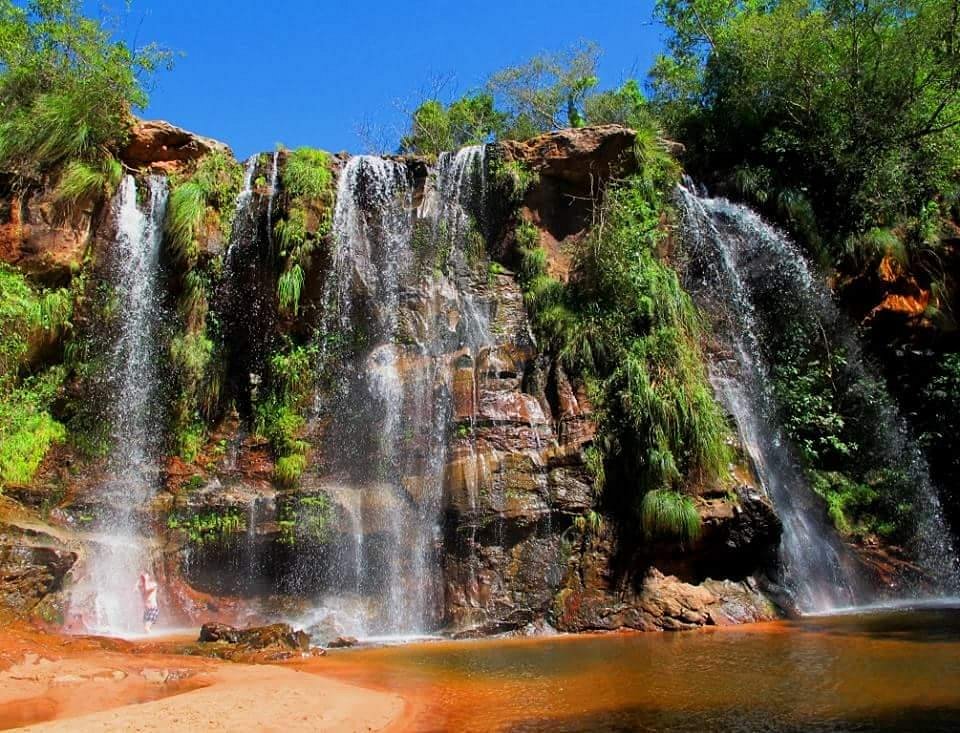
Why Is Madidi National Park Dangerous? Risks, Reality & Safety Guide for Jungle Travelers Read More »

Providencia Island Colombia: The Hidden Caribbean Gem You Must Visit in 2026

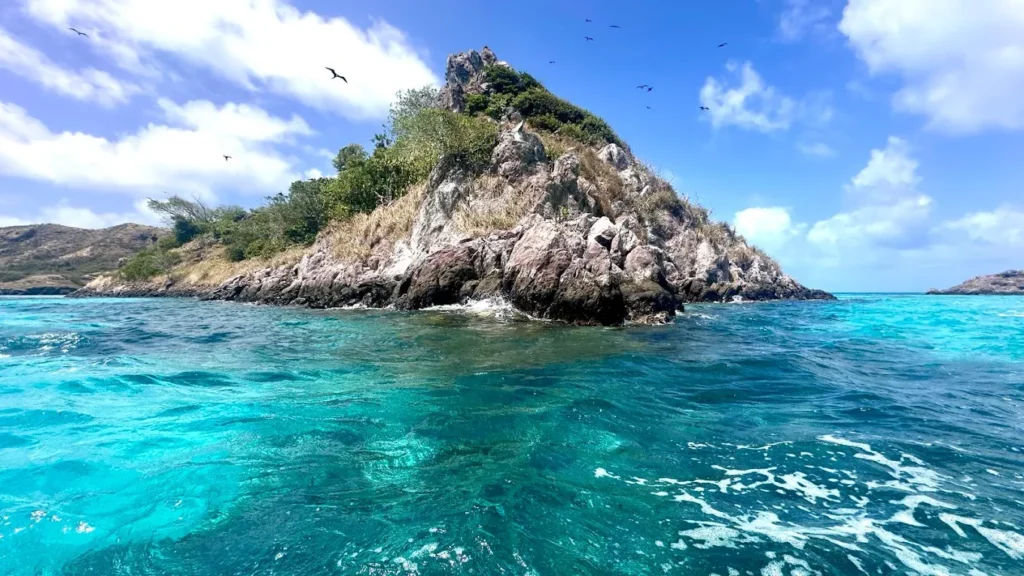
Forget the crowded beaches of Cartagena and the party scene of San Andrés. If you’re searching for an authentic Caribbean paradise that feels like stepping back in time, Providencia Island Colombia is your answer. This tiny volcanic island, rising from the turquoise waters off Colombia’s Caribbean coast, offers something most tropical destinations have lost: genuine tranquility, untouched natural beauty, and a culture that hasn’t been diluted by mass tourism. Picture this: you’re standing on a beach so secluded you can count the other visitors on one hand, gazing out at what locals call the sea of seven colours—layers of turquoise, emerald, sapphire, and aquamarine stretching toward the horizon. The warm Caribbean breeze carries the scent of salt air mixed with coconut bread baking in a nearby Raizal family’s kitchen. A parrot calls from the hillside while fishing boats painted in bright colors bob gently in the protected lagoon. This isn’t a postcard or a dream—this is daily life on Providencia Island. Quick Reference Guide to Providencia Island Essential Information Details Location Caribbean Sea, 775 km northwest of mainland Colombia Size Approximately 17 km² (6.5 square miles) Population Around 5,000 residents (predominantly Raizal people) Language Spanish and San Andrés-Providencia Creole (English-based) Currency Colombian Peso (COP) Best Time to Visit December to April (dry season) How to Get There Flight from mainland Colombia to San Andrés, then small plane or ferry to Providencia Airport El Embrujo Airport (PVA) UNESCO Status Part of Seaflower Biosphere Reserve Major Natural Park Old Providence McBean Lagoon National Natural Park Connected Island Santa Catalina Island (via pedestrian bridge) Average Daily Budget $50-100 USD (budget to mid-range) Accommodation Type Posadas (guesthouses), beach huts, small hotels Must-Try Food Rondón (seafood stew), pan de coco (coconut bread) Top Activity Snorkeling at Crab Cay (Cayo Cangrejo) Important Note Recovery ongoing from Hurricane Iota (2020)—verify current conditions What Is Providencia Island — Geography, People & Culture 🏝️ Providencia Island is a mountainous volcanic island that rises dramatically from the Caribbean Sea, its highest point—The Peak—reaching 360 meters (1,180 feet) above sea level. Connected to the smaller Santa Catalina Island by a charming pedestrian bridge called the Bridge of Love, Providencia feels worlds away from the hustle of modern life, despite being part of Colombia. The Raizal People: Guardians of Island Culture What truly sets Providencia apart isn’t just its natural beauty—it’s the Raizal people, an Afro-Caribbean community with roots dating back to English, Scottish, and African settlers from the 17th century. The Raizals speak San Andrés-Providencia Creole, an English-based Creole language that sounds like a melodic blend of Caribbean English, Spanish, and African linguistic influences. When you hear locals chatting in Creole while repairing fishing nets or selling fresh catch at the market, you’re experiencing a living cultural treasure. The island’s history is a fascinating tapestry woven from English colonization (it was under British rule until 1822), Spanish control, pirate legends (yes, Henry Morgan supposedly hid treasure here!), and African heritage. This unique blend created a culture that feels distinctly Caribbean rather than typically Colombian—more reggae than reggaeton, more cricket than soccer, more fish stew than arepas. The laid-back lifestyle here isn’t a marketing slogan—it’s a way of life. Island time means something on Providencia. Shops might close for an afternoon siesta, locals stop to chat for twenty minutes, and rushing is simply not part of the vocabulary. This slower pace is part of what makes the island so special for travelers seeking authentic experiences. Natural Beauty & Ecosystem — What Makes It Special 🌊 The Seven-Colours Sea: Nature’s Watercolor Masterpiece The seven-coloured sea surrounding Providencia isn’t just beautiful—it’s otherworldly. As you approach the island by plane, looking down feels like gazing at an artist’s palette where someone mixed every shade of blue and green imaginable. The phenomenon occurs due to varying depths of crystal-clear water over white sand and coral formations, creating distinct bands of color: deep navy in the channels, brilliant turquoise over shallow reefs, emerald green in the lagoons, and pale aquamarine near shore. This isn’t exaggeration or Instagram filters—the sea of seven colours is genuinely visible to the naked eye, especially on sunny days when the light penetrates the water. Scientists have identified at least seven distinct color zones, though locals joke you can see more if you look closely enough. A Marine Sanctuary of Global Importance Providencia sits within the Seaflower Biosphere Reserve, a UNESCO-designated area covering 65,000 km² of marine and coastal ecosystems—one of the largest marine protected areas in the Caribbean. The reserve earned this prestigious status in 2000 due to its exceptional biodiversity and the intact nature of its ecosystems. The island is surrounded by the third-largest barrier coral reef in the world, stretching approximately 32 kilometers (20 miles) and creating a natural breakwater that keeps the inner waters calm and protected. This massive reef system is home to the Old Providence McBean Lagoon National Natural Park, Colombia’s only oceanic natural park, established in 1995. The marine biodiversity here rivals anything in the Caribbean. The protected waters host over 150 species of fish, including parrotfish, angelfish, groupers, and barracudas. Sea turtles (hawksbill, green, and loggerhead) nest on Providencia’s beaches and feed in the seagrass beds. Spotted eagle rays glide through the channels, nurse sharks rest in shallow waters, and if you’re exceptionally lucky, you might spot a Caribbean reef shark patrolling the outer reef. The coral reef itself is a living kaleidoscope: brain corals the size of small cars, delicate sea fans waving in the current, neon-bright sponges, and forests of elkhorn and staghorn corals that provide nurseries for juvenile fish. Marine biologists consider the Seaflower Biosphere Reserve one of the healthiest coral reef systems remaining in the Caribbean—a remarkable achievement given the widespread coral bleaching and degradation elsewhere. Top Things to Do — Beaches, Snorkeling, Hiking & Island Life ⛱️ Dive into the Seven-Colours Sea: Underwater Paradise If you only do one thing on Providencia Island, make it exploring the underwater world. This is genuinely world-class snorkeling and diving, comparable to Belize,

Providencia Island Colombia: The Hidden Caribbean Gem You Must Visit in 2026 Read More »

Samaipata Bolivia Things to Do: Complete Travel Guide 2025–2026 (History, Nature, Local Gems & Insider Tips)

You know that feeling when you stumble into a place that just gets you? That’s Samaipata. This little mountain town sits right where the Andes decide to kiss the Amazon jungle, and honestly, it’s one of those places you plan to stay for two days and end up camping out for a week. If you’re searching for authentic Samaipata Bolivia things to do that go beyond the typical tourist circus, you’ve landed in the right place. No crowds fighting for selfie spots. No aggressive tour hawkers. Just crisp mountain air, ancient rock carvings, waterfalls cold enough to make you yelp, and a vibe that’s equal parts backpacker chill and Bolivian authenticity. Here’s the thing: Samaipata isn’t trying to impress anyone. The town square has more dogs napping in the sun than cars. The expat community runs cute cafés where you can get decent espresso (a miracle in rural Bolivia). And when you want adventure? You’re literally surrounded by cloud forests, pre-Inca ruins, and swimming holes that feel like your own private discovery. This guide covers everything you need: how to actually get there (the shared taxi situation is real), when to visit without getting soaked, the history behind those massive rock carvings, nature trails that’ll make your Instagram followers jealous, and the kind of insider tips that only come from spending real time in a place. Whether you’ve got three days or a full week, I’ll break down exactly how to experience Samaipata the right way. How to Get to Samaipata & When to Visit Getting There: The Shared Taxi Dance Samaipata sits about 120 kilometers southwest of Santa Cruz de la Sierra, Bolivia’s biggest city. Forget buses if you value your sanity and lower back. The move here is taking a “truffi” – these shared taxis that leave when they’re full (which is very Bolivian, very unpredictable, and somehow always works out). Head to the corner of Avenida Omar Chávez and Soliz de Olguín in Santa Cruz. Look for the cluster of white vans with drivers yelling “¡Samaipata! ¡Samaipata!” You’ll pay around 30-40 Bolivianos (about $4-6 USD). The ride takes 2.5 to 3 hours depending on whether your driver thinks he’s auditioning for Fast & Furious or actually respects the curves. The scenery shifts dramatically – you start in tropical lowlands and climb into pine-covered mountains. Crack a window and smell that change in the air. Pro tip: Truffis leave throughout the morning, but the sweet spot is 8-10 AM. Go too late and you might wait around. Too early and, well, nothing in Bolivia really starts before 8 AM anyway. Best Time to Visit Samaipata The dry season runs from May through October, and that’s your golden window. Clear skies, minimal mud on the trails, and temperatures that hover around 20-25°C (68-77°F) during the day. Nights get chilly though – we’re talking 5-10°C (41-50°F). You’ll want layers. November through April brings the wet season. It’s not a total write-off – the waterfalls are more impressive and everything’s absurdly green – but hiking becomes a muddy wrestling match. If you’re coming for Amboró National Park, stick to dry season unless you enjoy slipping down trails. Samaipata weather is that tricky mountain situation where you can experience four seasons in one day. Morning frost, afternoon sun that burns through your sunscreen, evening chill that has you hunting for your fleece. Pack accordingly. What to Pack: The Real List Top Things to Do in Samaipata Visit El Fuerte de Samaipata — History & Archaeology Let’s clear something up first: El Fuerte de Samaipata isn’t actually a fortress. The Spanish called it that because they have no imagination. This massive carved rock – the largest of its kind in the world – was a ceremonial center used by the Chané people (pre-Inca) and later the Incas themselves. UNESCO recognized it as a World Heritage Site in 1998, which is fancy talk for “this place is legitimately important.” The site sits about 9 kilometers from town. You can walk it (uphill, allow 2+ hours), bike it (rent in town for 30-40 BOB/day), or catch a ride with a tour. Entry costs 50 Bolivianos for foreigners. What makes El Fuerte de Samaipata history fascinating is what you’re actually looking at. The massive rock face is carved with channels, seats, geometric shapes, and animal representations. The most famous is the “Cascabel” – a serpent design that winds across the stone. These weren’t random doodles. They were sacred ceremonial spaces, possibly connected to water rituals and astronomical observations. The experience hits different early morning. You get there around 8 AM and the place is yours. The light is softer. You can run your hands along those ancient grooves (carefully – erosion is real) and actually process what it took to carve this. No metal tools. Just stone on stone and an incredible amount of intention. From the upper platform, the view spreads across the Samaipata Valley toward the cloud forest. On clear days, you can see layers of mountains fading into blue distance. Bring water – there’s minimal shade – and give yourself at least 2 hours to explore properly. Important: Stay on marked paths. The rock is sandstone, which means it erodes easily. Tourism is slowly damaging the carvings, so be a conscious visitor. Explore Nature — Amboró National Park & Surrounding Trails Here’s where Samaipata gets wild. Amboró National Park protects one of the most biodiverse areas on the planet. We’re talking the exact meeting point of three ecosystems: Andes mountains, Amazon rainforest, and the Chaco. That means you can see spectacled bears, jaguars, over 800 bird species, and more insects than you can possibly identify. The park’s cloud forest section near Samaipata is absolutely otherworldly. Giant tree ferns create canopies overhead. Everything is draped in moss. The air smells like wet earth and growing things. If you’ve seen Jurassic Park, that’s the vibe – you half expect a dinosaur to crash through the foliage. Critical info: You cannot enter Amboró alone. It’s

Samaipata Bolivia Things to Do: Complete Travel Guide 2025–2026 (History, Nature, Local Gems & Insider Tips) Read More »

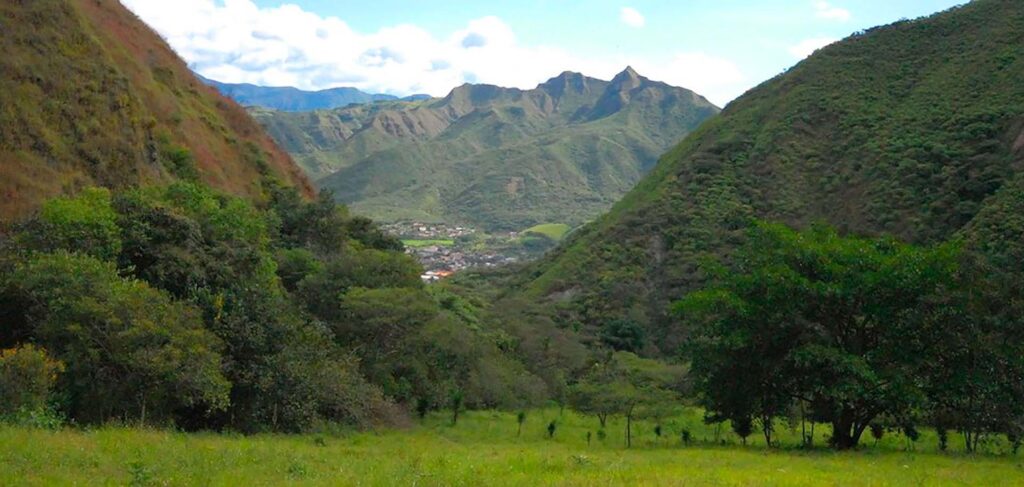
Vilcabamba Ecuador – The Lost City Where Longevity Meets Hidden Adventure

I still remember the first time I stepped off the bus in Vilcabamba, Ecuador – The Lost City, my lungs filling with air so crisp it felt medicinal. The emerald peaks of Mandango rose sharply against the impossibly blue Andean sky, and an elderly woman—easily in her nineties—strode past me carrying a basket of papayas without breaking stride. This wasn’t the tourist-packed Ecuador I’d expected. This was something else entirely: a place where time moved differently, where legends of people living to 120 weren’t just folklore but a tourism claim that sparked decades of scientific curiosity. Whether you’re a wellness seeker hunting for the world’s healthiest lifestyle, a hiker craving undiscovered trails, or a digital nomad searching for affordable paradise, Vilcabamba, Ecuador – The Lost City offers something rare in our hyperconnected world—a chance to truly disconnect and rediscover what living well actually means. At XploreHeaven.com, we specialize in unearthing hidden gems that most guidebooks skip over, and this sacred valley in southern Ecuador might be our most intriguing find yet. Quick Facts: About Vilcabamba, Ecuador – The Lost City at a Glance Detail Information Location Loja Province, Southern Ecuador Elevation 1,500 meters (4,921 feet) Climate Eternal Spring (15-26°C / 59-79°F year-round) Distance from Loja 45 km (28 miles), 1.5 hours by bus Distance from Quito 650 km (404 miles), 12-14 hours by bus or 1-hour flight to Loja + transfer Currency US Dollar Best Time to Visit June to September (dry season) Famous For Longevity legends, hiking, wellness retreats, expat community Primary Language Spanish (some English in expat areas) Population Approximately 5,000 (including surrounding areas) Where Is Vilcabamba Ecuador – The Lost City? Vilcabamba, Ecuador – The Lost City sits tucked away in the Loja Province, cradled between the rugged foothills of the Andes Ecuador hidden valley system. About 45 kilometers south of the colonial city of Loja, this sacred valley feels like it exists outside the normal flow of time. The name itself—derived from the Quechua word “Huillcopamba” meaning “sacred valley”—hints at the reverence indigenous communities held for this land. Getting here requires commitment, which is precisely why it remains unspoiled. From Quito, you’ll either endure a scenic but lengthy 12-14 hour bus journey through mountain passes and cloud forests, or you can fly to Loja (about an hour) and catch a local bus or taxi for the final leg. The road from Loja winds through eucalyptus groves and past small farms where horses graze freely. Cell service becomes spotty. The modern world starts to fade. The valley itself stretches along the banks of the Chamba River, surrounded by peaks that shift from green to gold depending on the season. At 1,500 meters elevation, you’re high enough to enjoy cool mountain air without the harsh altitude effects of places like Quito or Cusco. The climate here earned Vilcabamba its nickname: the land of eternal spring. Why “The Lost City”? Let me clear something up right away: Vilcabamba, Ecuador – The Lost City isn’t a ruins site like Machu Picchu or the actual Lost City (Ciudad Perdida) in Colombia. There are no ancient stone temples hidden in the jungle here. Instead, the “Lost City” moniker captures something more subtle—a sense of being forgotten by time, a place that modernity somehow overlooked. When I walked through the town square on my first evening, I understood. Old men in worn ponchos sat on benches, sharing jokes in Quechua-inflected Spanish. A farmer led his donkey down the cobblestone street. The only “chain” establishment was a single pharmacy. This wasn’t curated for Instagram—this was authentic smalltown Andean life continuing as it has for generations. The indigenous Palta people inhabited these valleys long before Spanish conquest, and their descendants still farm the surrounding hillsides. The Spanish colonizers largely bypassed Vilcabamba because it lacked precious metals and proved difficult to access. This isolation preserved traditional agricultural practices and a slower pace of life that would later attract both scientists and seekers. In the 1970s, when National Geographic and other outlets began publishing stories about the Valley of Longevity, the world suddenly took notice of this secluded paradise. Yet even today, it remains wonderfully off the beaten path—a true hidden gem for travelers willing to venture beyond the Galapagos-Quito-Cuenca circuit. The Longevity Myth & Science Here’s where things get fascinating—and where I need to separate fact from marketing hype. The Legend: Starting in the 1950s, stories emerged about residents of Vilcabamba routinely living to 120, 130, even 140 years old. Dr. Miguel Salvador of Quito reportedly found dozens of centenarians in the valley. By the 1970s, journalists and researchers flooded in, dubbing it the Valley of Longevity and comparing it to other “Blue Zones” like Okinawa and Sardinia. The Reality: Later scientific investigations—including work by Dr. Alexander Leaf from Harvard and demographic studies in the 1980s—revealed a less miraculous but still interesting truth [Link to Source: National Institutes of Health longevity studies]. Many age claims were exaggerated, often because residents lacked official birth certificates and conflated their ages with those of deceased relatives sharing the same name. The 140-year-old grandfather? Probably closer to 90. But here’s what remains true: The elderly population in Vilcabamba exhibits remarkable vitality. I met Don Miguel, who claimed to be 103 (likely closer to 85), still tending his coffee plants and walking two miles daily to visit his grandchildren. The combination of factors—clean mineral-rich water from mountain streams, an active lifestyle farming steep hillsides, a plant-based diet heavy on legumes and corn, strong social bonds, and that perfect climate—creates genuine health benefits. Modern researchers now focus on these lifestyle factors rather than record-breaking ages [Link to Source: Journal of Public Health Studies]. The longevity study Vilcabamba legacy isn’t about superhuman genetics but about how traditional mountain living naturally promotes wellness—a lesson increasingly valuable in our sedentary, processed-food world. Nature, Climate & Environment That Support Well-being The moment you arrive in Vilcabamba, you feel it—the air tastes different. Cleaner. Almost sweet. The Eternal Spring Climate delivers consistent temperatures between 15-26°C (59-79°F)

Vilcabamba Ecuador – The Lost City Where Longevity Meets Hidden Adventure Read More »

What to Do in Chiloé Island: A Complete Travel Guide

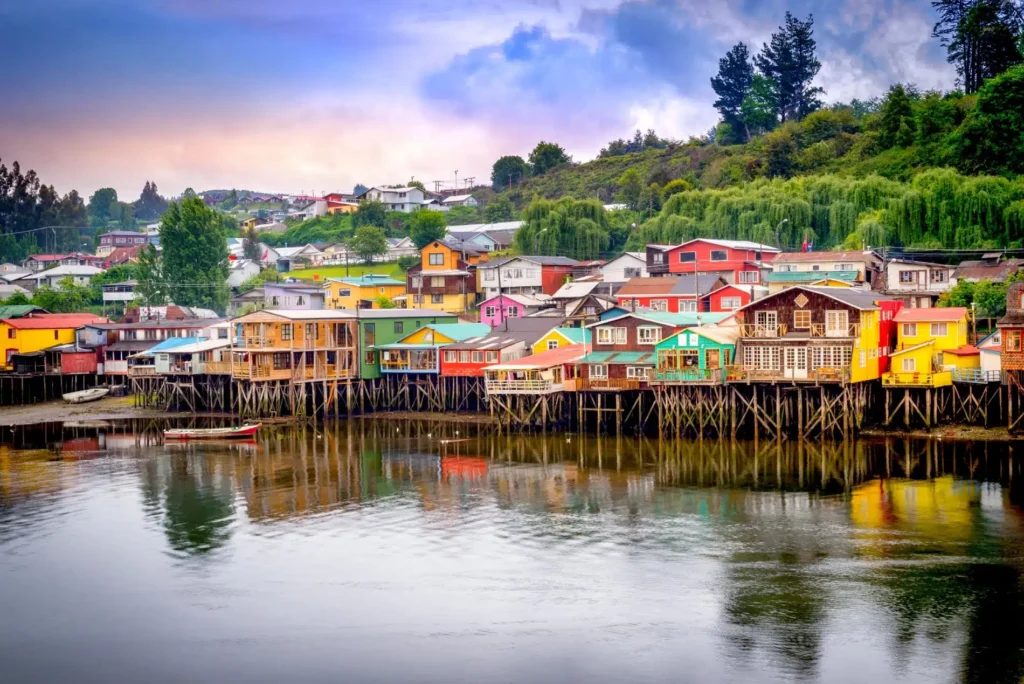
If you’re searching for what to do in Chiloé Island, you’ve just discovered Chile’s most magical destination. This mysterious archipelago off the southern coast combines ancient wooden churches, pristine rainforests, unique penguin colonies, and mouthwatering seafood traditions that you won’t find anywhere else on Earth. I’ve explored countless Chilean destinations, but Chiloé holds a special place in my travel memories. The moment the ferry crosses the Chacao Channel, you’ll feel like you’ve stepped into another world—one where myths and legends still shape daily life, where colorful stilt houses (palafitos) line the waterfront, and where the Mapuche culture blends seamlessly with Spanish colonial heritage. This guide covers everything from UNESCO-listed churches to hidden beaches, helping you plan the perfect Chiloé adventure whether you have 2 days or 2 weeks. Quick Reference: Chiloé Island at a Glance Category Details Location Los Lagos Region, 700 miles south of Santiago Best Time to Visit December to March (summer season) Main Towns Castro, Ancud, Dalcahue, Chonchi, Quellón Must-See Highlights UNESCO wooden churches, Puñihuil penguins, curanto feast Getting There Ferry from Puerto Montt (30 mins) or direct flight to Castro Budget $50-80 USD per day (mid-range) Weather Rainy year-round; pack waterproof gear Why Visit Chiloé Island? 🌧️ Chiloé Island isn’t your typical Chilean destination—and that’s exactly why it’s incredible. While most travelers rush from Santiago to Patagonia, this 118-mile-long island rewards those who take the detour with experiences you simply can’t find elsewhere. The Chiloé archipelago, Chile sits at the northern edge of Patagonia, separated from mainland Chile by the Chacao Channel. What makes it truly special is its cultural isolation. For centuries, Chiloé developed its own distinct identity, blending Mapuche culture Chiloé traditions with Spanish Jesuit influences. This cultural fusion created unique architectural styles, folklore filled with witches and ghost ships, and culinary traditions that predate European contact. Here’s what makes Chiloé unforgettable: the weather. Locals joke about experiencing “four seasons in a day,” and they’re not exaggerating. The maritime climate brings frequent rain, mist, and dramatic cloud formations that create an almost mystical atmosphere. Bring layers and waterproof gear—you’ll need them. But this constant moisture also nourishes the Valdivian temperate rainforest, one of Earth’s rarest ecosystems, covering the western side of the island. The landscape shifts dramatically as you explore. The eastern coast features gentle hills, colorful fishing villages, and calm inland seas perfect for kayaking. The western coast? Wild, rugged cliffs pounded by Pacific waves, with wind-bent forests that feel prehistoric. And down south, Tantauco Park Chiloé protects 291,000 acres of nearly untouched wilderness where Darwin’s foxes and pudú deer still roam. Top Experiences on Chiloé Island You Can’t Miss 🏛️ Visit the UNESCO Wooden Churches ⛪ The wooden churches Chiloé UNESCO sites represent Latin America’s most unique ecclesiastical architecture. Between the 17th and 19th centuries, Jesuit missionaries established a “Circular Mission” system throughout the archipelago, traveling by boat to evangelize indigenous communities. When they needed permanent structures, local Chilote carpenters—masters at building wooden boats—applied their shipbuilding techniques to create churches without a single nail. Sixteen of these wooden churches earned UNESCO World Heritage status in 2000, but over 150 still stand across the islands. The oldest is Santa María de Loreto in Achao (built in the 1730s), while the most photographed is San Francisco de Castro, with its striking yellow and purple facade overlooking the Plaza de Armas. What’s remarkable about these churches isn’t just their construction—it’s how they blend European Baroque elements with indigenous craftsmanship. The vaulted ceilings mimic the ribs of boats, and the wooden shingles (made from alerce, coigüe, and larch) withstand Chiloé’s intense humidity. Many churches feature bright exterior colors—yellows, blues, oranges—that pop against the gray skies and green landscapes. Pro tip: Visit Nuestra Señora del Patrocinio in Tenaún for the most Instagram-worthy shot. Its blue facade with painted stars is absolutely stunning, especially during golden hour. The churches in Dalcahue and Nercón (just 4 km from Castro) are also easily accessible and less crowded than Castro’s main church. For photography enthusiasts, early morning offers the best light for capturing these architectural gems without tour groups. Most churches are open daily, though some smaller ones may only open for Sunday mass. Always dress respectfully when entering—these are active places of worship, not just tourist attractions. Reference: UNESCO World Heritage Centre Wildlife & Nature: Penguins and Primeval Forests 🐧 Penguin Colony at Islotes de Puñihuil When wondering what to do in Chiloé Island, visiting the penguin colony Chiloé Island at Puñihuil tops most travelers’ lists—and for excellent reason. This is the only place on Earth where Humboldt and Magellanic penguins nest side by side, creating a unique wildlife spectacle. The Islotes de Puñihuil Natural Monument, declared protected in 1999, consists of three rocky islets about 27 km southwest of Ancud. From October to March, thousands of penguins arrive to breed and raise their chicks. By January, you’ll see adorable penguin chicks waddling around alongside their parents. Boat tours depart from Puñihuil Beach and last about 30 minutes, circling the islets while guides explain penguin behavior and point out other wildlife. You’ll also spot red-legged cormorants, Dominican gulls, Chilean dolphins, and occasionally sea otters (chungungos). The boats maintain a respectful distance from the nesting areas—bring binoculars or a zoom lens for close-up views. Cost: 10,000 Chilean pesos ($10 USD) for adults, 5,000 pesos ($5 USD) for children Best time: November through March, with January being peak chick season Getting there: Drive 26 km from Ancud (40 minutes) or take a tour from Castro, Puerto Montt, or Puerto Varas Reference: Go Patagonic – Puñihuil Guide Tantauco Park: Into the Rainforest For serious nature lovers, Tantauco Park Chiloé offers Chile’s most remote and biodiverse hiking destination outside Torres del Paine. This 291,000-acre private reserve protects pristine Valdivian temperate rainforest, ancient Guaitecas cypress groves, and endangered species like Darwin’s fox and the tiny pudú deer. The park features 140 km of well-maintained trails ranging from easy day hikes to challenging multi-day treks. The famous Sendero Transversal (Transversal Trail) is a 52-km, 5-day

What to Do in Chiloé Island: A Complete Travel Guide Read More »

Ultimate Guide to Lagoinha do Leste: How to Reach, What to Pack & Hidden Gems on Florianópolis’ Secret Beach

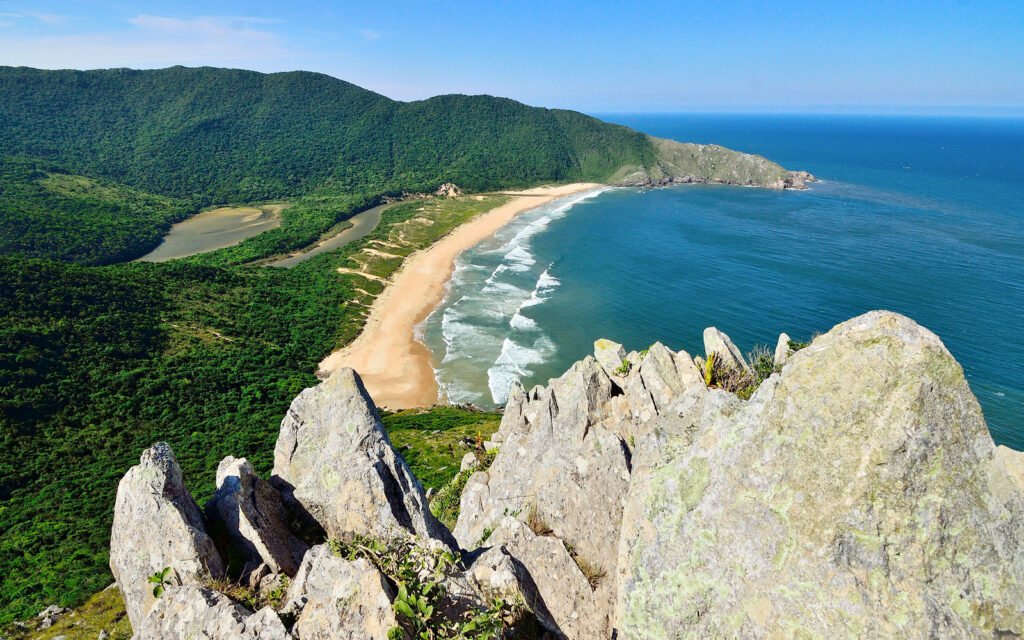
Picture yourself standing at the edge of paradise – a sweeping crescent of golden sand framed by emerald mountains, waves crashing against untouched shores, and a tranquil lagoon shimmering in the Brazilian sun. This isn’t a beach you stumble upon by accident. Lagoinha do Leste is earned, not given. And that’s exactly what makes it special. Located on Brazil’s stunning Santa Catarina Island in Florianópolis, Lagoinha do Leste has become one of South America’s most talked-about hidden beaches. But here’s the catch – there’s no road leading here. No parking lot. No easy way in. You’ll either trek through Atlantic rainforest or arrive by boat, which keeps the crowds thin and the experience authentic. After two decades exploring off-the-beaten-path destinations across six continents, I can confidently say this 1.2-kilometer stretch of preserved coastline ranks among the most rewarding beach adventures I’ve ever experienced. Quick Reference: Essential Information for Lagoinha do Leste Detail Information Location South Florianópolis, Santa Catarina Island, Brazil Access Methods Hiking trail from Pântano do Sul (2.4 km) or Matadeiro (4.3 km), or boat from Pântano do Sul Hiking Difficulty Moderate to Challenging Hiking Duration 50-60 minutes (Pântano do Sul route); 2-3 hours (Matadeiro route) Boat Cost R$50 one-way, R$80 round-trip (approx. $10-16 USD) Best Time to Visit April-October (autumn/winter for fewer crowds); December-March (summer for warmer water) Beach Length 1.2 km Water Temperature Cold year-round (16-22°C / 61-72°F) Facilities Limited – 2-3 small kiosks (cash only), no bathrooms Conservation Status Protected Natural Park (since 1992) Cell Service Limited/spotty 1. What is Lagoinha do Leste? 🏖️ Lagoinha do Leste translates to “Eastern Lagoon Beach” – and the name tells you everything. This isn’t just another Brazilian beach. It’s a protected conservation area designated as the Parque Natural Municipal da Lagoinha do Leste since 1992, which means construction is permanently banned. No hotels. No restaurants. No roads. Just raw, unfiltered nature. The beach showcases Brazil’s incredible biodiversity. Behind the sand, you’ll find dense Atlantic Forest (Mata Atlântica) – one of the world’s most threatened ecosystems. The forest hums with life: butterflies, lizards, colorful birds, and the occasional monkey swinging through the canopy. The beach itself curves dramatically between two mountain headlands, creating a natural amphitheater where the Atlantic Ocean meets a calm, S-shaped freshwater lagoon. This unique geography creates two completely different swimming experiences. The ocean side delivers powerful waves perfect for surfing, while the lagoon – fed by a small stream cascading down from the mountains – offers warmer, gentler water ideal for a post-hike dip. It’s this contrast that earned Lagoinha do Leste its reputation as Florianópolis’ secret beach, even though locals and savvy travelers have been making the pilgrimage here for decades. 2. How to Get to Lagoinha do Leste – Access Routes & Trail Options 🥾 Here’s where planning matters. You’ve got three main access options, each with distinct advantages: Route Comparison Table Route Starting Point Distance Duration Difficulty Terrain Cost A: Pântano do Sul Trail Rua Manoel Pedro Oliveira 2.4 km 50-60 min Moderate (steep sections) Forest, stairs, rocks Free B: Matadeiro/Armação Trail Praia do Matadeiro 4.3 km 2-3 hours Moderate (longer but gentler) Coastal cliffs, forest Free C: Boat Access Pântano do Sul Beach ~1 km (by sea) 30-40 min Easy Water (can be bumpy) R$50-80 Route A: Pântano do Sul – The Fast Track This is the most popular route for good reason. Starting from Pântano do Sul (a charming fishing village), the trail covers 2.4 kilometers and takes most hikers 50-60 minutes. The path begins on Rua Manoel Pedro Oliveira – just look for the clearly marked trailhead or parking areas charging around R$30 (about $6 USD). The trail immediately plunges into shaded Atlantic Forest. You’ll climb steeply at first – think of it as nature’s StairMaster – before leveling out along a ridge with occasional ocean glimpses. About halfway through, you’ll reach a crucial fork. The main trail continues straight down to the beach, but a right turn takes you to Morro da Coroa viewpoint (more on this gem later). The descent to the beach involves some loose rocks and can get slippery after rain, so solid footwear is non-negotiable. Getting there: From Florianópolis city center, take bus 563 or 564 to Pântano do Sul (about 1.5-2 hours). If driving or using Uber, punch “Trilha Lagoinha do Leste” into GPS. Route B: Matadeiro/Armação – The Scenic Marathon This 4.3-kilometer trail starts near Praia da Armação and winds along dramatic coastal cliffs before cutting inland through forest. It takes 2-3 hours but rewards you with spectacular panoramic views, including Toca da Baleia (Whale Cave), Florianópolis’ largest aquatic cave. The trail hugs cliffsides for much of the route – not for anyone with a fear of heights – but the scenery is absolutely worth it. You’ll spot multiple beaches, distant islands, and if you’re lucky (July-October), migrating whales offshore. The path eventually merges with the Pântano do Sul trail near the beach. Best for: Experienced hikers who want a longer adventure and don’t mind the extended commitment. Route C: Boat from Pântano do Sul – The Shortcut Not feeling the hike? Boats depart regularly from Pântano do Sul Beach (north end) between 9 AM and 5 PM, charging R$50 one-way or R$80 round-trip. The 30-40 minute ride offers stunning coastal perspectives and a totally different experience of the landscape. Important notes: Many smart travelers hike one way and boat back – getting the trail experience without the exhaustion of a round-trip trek. 3. Trail & Hike Tips for Lagoinha do Leste 💪 Let’s talk reality. This isn’t a casual beach stroll. The Pântano do Sul trail involves steep climbs, uneven terrain, and sections where you’re basically scrambling over roots and rocks. It’s rated moderate to challenging for a reason. Terrain Breakdown First 20 minutes: Steep uphill through dense forest. You’ll gain about 100 meters of elevation quickly. The canopy provides shade, which is a blessing, but humidity can make breathing feel harder. Middle section: Rolling terrain along ridgelines with occasional clearings.

Ultimate Guide to Lagoinha do Leste: How to Reach, What to Pack & Hidden Gems on Florianópolis’ Secret Beach Read More »

What to Do in Barichara, Colombia: Ultimate Guide to Colombia’s Most Beautiful Town

Picture this: you’re walking down ancient cobblestone streets bathed in golden afternoon light, with white adobe walls rising on either side and the distant Andean mountains painting the horizon. Welcome to Barichara, a place so stunning that Colombia officially declared it the country’s most beautiful town. If you’re wondering what to do in Barichara Colombia, you’ve landed in exactly the right spot. Nestled in the Santander region at 1,300 meters above sea level, Barichara isn’t just another colonial town – it’s a living museum where time moves differently. The name itself comes from the indigenous Guane language, meaning “a good place to rest,” and trust me, that’s exactly what this magical village delivers. Whether you’re a solo traveler seeking peaceful wandering, a family looking for cultural immersion, or an adventure enthusiast ready to hike ancient trails, this guide covers everything you need to plan the perfect Barichara travel experience. Ready to discover why travelers keep calling this hidden gem their favorite Colombian destination? Let’s dive in! Here is let’s Dive in – What to Do in Barichara Stroll Through a Living Museum: The Colonial Heart of Barichara Walking through Barichara’s colonial charm feels like stepping onto a movie set – in fact, this town inspired settings in Disney’s Encanto! Every corner reveals another postcard-perfect scene: terracotta roofs contrast brilliantly against whitewashed walls, hand-carved wooden doors frame blooming bougainvillea, and those famous golden-hued stones pave every street. The heart of town centers around Parque Principal, where locals gather on benches beneath shade trees and the magnificent Cathedral of the Immaculate Conception dominates the skyline. Built in 1838 entirely from locally quarried sandstone, this cathedral transforms into pure magic during sunset when the stone glows orange-gold. The polychrome wooden altarpiece inside, covered in gold leaf, is absolutely worth stepping inside to admire. Don’t miss the Capilla de Santa Bárbara, perched on a hill in the upper part of town. This 17th-century Romanesque chapel offers sweeping views over Barichara’s red rooftops and the surrounding canyon. The interior features fascinating sculptures of turtles and the sun, symbolizing domestic devotion. Meanwhile, the smaller Capilla de San Antonio provides another peaceful spot for reflection and photography. Pro Photography Tips: The best light for capturing Barichara’s architecture happens during the golden hours – arrive at Santa Bárbara around 6:30 AM for sunrise shots with minimal tourists, or head to El Mirador viewpoint around 5:30 PM to catch the town bathed in warm evening light. The streets of Calle del Encanto offer particularly charming doorways and balconies for detail shots. Historical Significance: In 1978, Colombia declared Barichara a Monumento Nacional, and in 2010 it received the prestigious designation of Pueblo Patrimonio (Heritage Town). The entire historic center is protected, preserving the traditional construction methods that have used local stone, clay tiles, and tapia pisada (rammed earth) for centuries. The town’s residents, affectionately called “patiamarillos” (yellow feet) because the ochre dust from the stone stains their shoes, take immense pride in maintaining their architectural heritage. Step Back in Time: Hiking the Historic Camino Real to Guane If there’s one activity that defines the Barichara experience, it’s hiking the legendary Camino Real to Guane. This isn’t just a scenic trail – it’s walking on history itself, following stones laid down centuries ago by the indigenous Guane people and later restored in 1864 by German engineer George von Lenguerke. Trail Details: What to Expect: The trail winds through stunning Colombian countryside with vibrant green meadows, unusual cacti, grazing white cows, and incredible views of the Suárez River Canyon. Bird lovers will spot numerous species flitting through the dry forest ecosystem. The entire path is paved with large flat stones, though they can be uneven and slippery after rain. Trail Hacks & Essential Tips: Best Time to Start: Begin your hike between 7:00-9:00 AM to avoid the intense midday heat. The trail is completely exposed with minimal shade, and temperatures can soar by noon. What to Pack: One-Way or Round-Trip? Most travelers hike from Barichara to Guane (downhill) and take the bus back. Hiking uphill from Guane to Barichara is significantly more challenging, especially in the heat. Save your energy for exploring! Returning to Barichara: Buses depart from Guane’s main plaza (near the church) approximately every hour, costing around 4,000 COP ($1 USD) for the 20-minute ride back to Barichara. The last bus typically leaves around 6:00 PM, so plan accordingly. Discovering Guane: Colombia’s Tiniest Treasure If you thought Barichara was small and charming, Guane will absolutely steal your heart. This pueblo consists of just a few streets around a central plaza, but what it lacks in size, it makes up for in authenticity and tranquility. What to Do in Guane: Extended Camino Real: For serious hikers, the Camino Real continues beyond Guane through Villanueva, Jordan, and eventually Los Santos – a challenging 35-kilometer, multi-day trek through remote countryside. Only attempt this with proper preparation and supplies. Chasing Horizons: Barichara’s Most Breathtaking Viewpoints Barichara’s location on a ridge overlooking the Suárez River Canyon creates some of the most spectacular vistas in the entire Santander department. Here are the must-visit viewpoints: El Mirador Located at the western edge of town, this viewpoint delivers panoramic views across the canyon and distant Andes mountains. The sunset here is legendary – arrive around 5:30 PM to watch the sky explode in shades of orange and pink while the town’s sandstone walls glow golden. Bring a blanket and some local snacks for an unforgettable evening. Mirador Salto del Mico A short walk from town center, this viewpoint provides excellent photo opportunities overlooking the valley. The name means “Monkey’s Leap Lookout,” though you’re more likely to spot impressive bird species than monkeys. The surrounding trails offer peaceful nature walks through dry forest ecosystems. Calle del Encanto Vantage Point Less crowded than the main viewpoints, this street offers charming perspectives of colonial architecture framed by mountain backdrops. Perfect for morning photography when the light is soft and the streets are quiet. Sunrise Viewpoint Walk For early risers, start

What to Do in Barichara, Colombia: Ultimate Guide to Colombia’s Most Beautiful Town Read More »

Ultimate Uyuni Salt Flats Travel Guide

Uyuni Salt Flats Travel Guide Imagine standing on a sea of white that stretches to infinity, where the sky kisses the ground in a perfect, dazzling mirror. You’re not dreaming—you’re in Bolivia’s Salar de Uyuni, the world’s largest salt desert. If you’re planning a trip to this otherworldly wonder, this uyuni salt flats travel guide will walk you through everything you need to know, from the mirror effect to altitude sickness prep, photography tricks to tour selection. Let’s get started on planning your adventure! Quick Reference: Uyuni Salt Flats Travel Guide Essentials Category Details Location Southwest Bolivia, Potosí Department Size 10,582 square kilometers (4,086 square miles) Altitude 3,656 meters (11,995 feet) above sea level Best Time for Mirror Effect January – April (rainy season) Best Time for Dry Season May – November Average Tour Cost (1-Day) $20-$40 USD Average Tour Cost (3-Day) $100-$150 USD Nearest Town Uyuni Main Starting Points Uyuni (Bolivia), San Pedro de Atacama (Chile), Tupiza (Bolivia) Currency Boliviano (BOB) – approximately 6.97 BOB = 1 USD Essential Gear Sunglasses, 50+ SPF sunscreen, layers, warm sleeping bag Altitude Medication Acetazolamide (Diamox) or Sorojchi pills What & Where Are the Uyuni Salt Flats? 🌍 The Salar de Uyuni isn’t just another pretty landscape—it’s a geological marvel that’ll blow your mind. This uyuni salt flats travel guide starts with the basics: what you’re actually looking at when you step onto that blinding white surface. Bolivia’s salt flats sit in the Daniel Campos Province of Potosí, right near the crest of the Andes Mountains. At 10,582 square kilometers, it’s the world’s largest salt flat—so massive you can see it from space! The entire landscape holds an estimated 10 billion tonnes of salt, with layers sandwiched between sedimentary deposits reaching 10 meters deep at the center. But here’s the fascinating part: millions of years ago, this wasn’t a desert of salt at all. The area was covered by prehistoric lakes—Lago Minchín and Lago Tauca—which eventually evaporated, leaving behind this stunning white crust. Today, beneath all that salt lies something even more valuable: approximately 70% of the world’s lithium reserves, the stuff that powers your smartphone and electric car. The salt flats sit at a breathtaking 3,656 meters (11,995 feet) above sea level, which means altitude is something you’ll need to take seriously (more on that later). The landscape is so flat that it’s actually used to calibrate satellites—talk about precision! Best Time to Visit & Weather Conditions 🌤️ Timing your trip right can make or break your Salar de Uyuni experience. Here’s the thing: there’s no single “best” time because it depends on what you want to see. Chasing the Mirror Effect (Rainy Season) 💧 When: December to April (peak: January – March) If you’ve seen those jaw-dropping photos where the sky and ground become one, you’re looking at the mirror effect. This happens during Bolivia’s rainy season when a thin layer of water (just a few inches) covers the salt flats, creating the world’s largest natural mirror. Pros: Cons: The Pure White Adventure (Dry Season) ☀️ When: May to November (peak: June – August) During the dry season, the water evaporates, revealing the iconic hexagonal salt patterns that look like nature’s own honeycomb design. The landscape transforms into an endless white desert under crystal-clear blue skies. Pros: Cons: The Secret Sweet Spot 🎯 Want the best of both worlds? Visit during the shoulder months—late March/early April or late November. You might catch both the mirror effect in some areas AND dry salt patterns in others. Plus, you’ll dodge the biggest crowds and sometimes score better deals on tours! How to Get There & Starting Point Options 🚌✈️ Getting to the Uyuni salt flats requires some planning, but don’t worry—it’s totally doable! Here’s your complete breakdown. Starting from La Paz (Most Common Route) La Paz sits about 570 kilometers from Uyuni, and most travelers use this route. Option 1: Overnight Bus (Most Popular) Option 2: Flight Starting from San Pedro de Atacama, Chile 🇨🇱 This route is popular for travelers coming from northern Chile or combining Bolivia with Chilean adventures. Option 1: Multi-Day Tour (Recommended) Option 2: Bus (Not Recommended) Comparison: Uyuni vs. San Pedro Starting Points Factor Starting in Uyuni Starting in San Pedro de Atacama Cost Cheaper ($20-150) More expensive ($150-250) Acclimatization Better if coming from La Paz (also high altitude) Challenging jump from 2,400m to 4,200m+ overnight Tour Options More variety (1-day to 4-day) Mainly 3-4 day options Border Hassles None Visa requirements for some nationalities Best For Budget travelers, more flexibility Coming from Chile, scenic route through lagoons From Tupiza (Argentina Route) If you’re traveling up from Argentina (via Villazón border), Tupiza makes an excellent starting point. The town sits at a lower altitude (2,800 meters), making it easier to acclimatize. Most operators recommend 4-day tours from Tupiza, with the Uyuni salt flats visited on the final day. Choosing the Right Tour (3-4 Day Itinerary) 🚙 Let’s be honest: you can’t explore the Salar de Uyuni independently. The lack of roads, extreme remoteness, and harsh conditions make tours absolutely necessary. But here’s how to pick a good one. Tour Length Options 1-Day Tours ($20-40 USD) 3-Day Tours ($100-150 USD) – Most Popular 4-Day Tours ($180+ USD) The Critical Safety Checklist ✅ Before booking ANY tour, ask these questions: Red Flags to Avoid: Recommended Operators (based on traveler reviews): Classic 3-Day Itinerary Breakdown Day 1: Train Cemetery → Colchani → Salt Museum → Uyuni Salt Flats → Incahuasi Island (giant cacti!) → Sunset → Overnight in basic refuge (Colcha K area) Day 2: Chiguana Salt Flat → Flamingo-filled lagoons (Cañapa, Hedionda) → Siloli Desert → Árbol de Piedra (rock tree) → Overnight near Laguna Colorada Day 3: Sunrise at Laguna Colorada → Sol de Mañana geysers → Hot springs → Laguna Verde → Optional drop-off at Chilean border or return to Uyuni What to Pack & How to Prepare (Altitude, Gear & Clothing) 🎒 This section could literally save your trip. I’m going to be very specific because

Ultimate Uyuni Salt Flats Travel Guide Read More »

What to Do in Salta: The Ultimate 2025 Travel Guide to Salta City & Beyond

Picture this: cobblestone streets lined with colonial buildings painted in sunset colors, mountain peaks touching cotton-candy clouds, and the sound of folk guitars drifting from candlelit doorways. Welcome to Salta la Linda—Salta the Beautiful—a city that sits pretty in Argentina’s northwest corner and refuses to follow the rules of typical South American travel. Most travelers zoom straight to Patagonia or Buenos Aires, but those in the know? They head north to Salta. This isn’t just another pretty colonial city (though it absolutely is that). It’s your gateway to some of the most jaw-dropping landscapes in Argentina—think rainbow mountains, endless salt flats that mess with your sense of reality, and wine valleys tucked between red-rock canyons. This guide covers everything you need to know about what to do in Salta, from wandering the city’s historic plazas to planning epic day trips into the surrounding Andes. Whether you’re here for three days or three weeks, we’ve got the insider scoop on attractions, logistics, local experiences, and those secret spots that make travel magical. Quick Salta Travel Information Category Details Best Time to Visit April-May & September-November (shoulder seasons) Airport Code SLA (Martín Miguel de Güemes International Airport) Altitude City: 1,187m (3,894 ft) / Excursions: Up to 4,170m (13,680 ft) Recommended Stay 4-6 days (2 city + 2-4 excursions) Currency Argentine Peso (ARS) – bring USD for better exchange rates Must-Try Empanadas Salteñas, Locro stew, Torrontés wine Don’t Miss Peña folklórica show, MAAM museum, Quebrada de las Conchas Budget Range Backpacker: $30-50/day | Mid-Range: $70-120/day | Luxury: $150+/day Getting to and Getting Around Salta How to Reach Salta Flying into Salta (SLA) is your easiest bet. Direct flights connect from Buenos Aires (2-hour flight), plus seasonal connections from other Argentine cities. The airport sits about 10 kilometers from downtown, making transfers quick and painless. If you’re doing the overland adventure thing, long-distance buses run from Buenos Aires (20+ hours—not for the faint of heart), Tucumán (4 hours), and other northern cities. Argentina’s bus system is surprisingly comfortable with reclining seats and meal service, but time-wise, flying makes way more sense unless you’re on a serious budget. Getting Around: Your Options Decoded Here’s where trip planning gets interesting. Salta city attractions are totally walkable—you can cover the historic center on foot in a day. But those incredible day trips? You’ve got choices: Rental Car (Best for Freedom Seekers)Renting a car gives you complete control over your schedule. The roads around Salta are generally good, though mountain passes require confidence with switchbacks and altitude. Gas stations exist but get sparse once you head into remote areas. This works beautifully if you want to stop every five minutes for photos (and trust me, you will). Organized Tours (Best for Ease)Nearly every hotel and hostel can book you on guided day trips. You’ll share a minibus with other travelers, hit all the highlights, and learn from local guides. The downside? Fixed schedules and less flexibility. Tours typically run 12-14 hours for the full-day excursions. Public Transport (Budget Option)Buses connect Salta to major towns like Cafayate and Cachi, but they don’t stop at scenic viewpoints along the way. You’ll miss photo ops at places like Quebrada de las Conchas. Only recommended if you’re seriously stretching pesos. Our Take: First-timers and solo travelers often prefer tours for the first excursion, then rent a car if they want more freedom. Families and groups find rental cars more economical when you split costs. Weather Watch Salta enjoys sunshine about 300 days a year, but seasons matter. Summer (December-February) brings afternoon rain and higher temperatures. Winter (June-August) delivers crystal-clear skies but chilly nights—especially at altitude. The sweet spot? April-May and September-November offer comfortable temps, fewer crowds, and perfect road conditions for exploring. Top Things to Do in Salta (City) – Your 1-Day Itinerary Morning: Museum Magic at MAAM Start your day at the Museo Arqueológico de Alta Montaña (MAAM)—possibly the most fascinating museum you’ve never heard of. This isn’t your dusty artifact warehouse. MAAM houses three incredibly preserved Inca children discovered at 6,700 meters on volcanic peaks, naturally mummified by extreme cold and altitude. The museum tells their story with respect and scientific rigor, explaining Inca capacocha ceremonies and high-altitude archaeology. It’s profound, moving, and completely unique. Plan for 60-90 minutes here. Check the official MAAM website for current hours and rotating exhibits—only one child is displayed at a time to ensure preservation. Late Morning: Colonial Center Circuit From MAAM, wander over to Plaza 9 de Julio, Salta’s beating heart. This isn’t just any plaza—it’s one of Argentina’s most beautiful, surrounded by orange trees and colonial architecture that’ll have your camera working overtime. Hit these spots around the plaza: Grab lunch at one of the cafes lining the plaza. Order empanadas salteñas—these aren’t your average empanadas. Salta-style means they’re smaller, perfectly spiced with cumin, and stuffed with beef, potatoes, and hard-boiled egg. Afternoon: Rise to Cerro San Bernardo After lunch, take the teleférico (cable car) up Cerro San Bernardo for panoramic views over the entire Lerma Valley. The city spreads below you in a patchwork of terracotta roofs and green plazas, with mountains rising dramatically in every direction. Feeling energetic? Skip the cable car and hike the 1,070 steps instead. The trail winds through gardens and past stations of the cross. It takes about 45 minutes and rewards you with that smug “I earned this view” feeling. Evening: Peña Folklórica Experience Here’s where Salta really shows its personality. A peña folklórica is a folk-music dinner show, but calling it that undersells the experience. These intimate venues pulse with traditional Argentine music—zambas, chacareras, and the haunting sound of bombo drums mixed with guitars. Locals pack these places on weekends, singing along and sometimes spontaneously joining the dancing. Try La Casona del Molino or Peña Gauchos de Güemes. You’ll eat regional dishes like locro (a hearty stew), humita (corn tamales), and tamales salteños while musicians rotate through sets. Pro tip: Peñas get crowded on Friday and Saturday nights—make reservations or arrive early. The

What to Do in Salta: The Ultimate 2025 Travel Guide to Salta City & Beyond Read More »

What to See in Vengurla – Ultimate Konkan Beach Guide

Quick Vengurla Travel Information Category Details Location Sindhudurg District, Maharashtra (South Konkan Coast) Distance from Mumbai ~520 km (10-11 hours by road) Distance from Pune ~430 km (8-9 hours by road) Distance from Goa ~120 km (3 hours by road) Best Time to Visit October to March (cool and pleasant) Nearest Railway Station Kudal (12 km away) Language Spoken Marathi, Konkani, Malvani Famous For Pristine beaches, lighthouse views, Malvani cuisine Ideal Trip Duration 2-3 days Introduction Ever felt tired of fighting for a spot on crowded beaches? Sick of overpriced shacks and noisy beach parties? Then Vengurla is calling your name. Tucked away in Maharashtra’s Sindhudurg district, Vengurla is that rare Konkan treasure most travelers haven’t discovered yet. While everyone’s rushing to Goa or standing shoulder-to-shoulder at Alibaug, this quiet coastal town offers something truly special – empty white-sand beaches, crystal-clear waters, and the kind of peace that makes you forget your phone exists. This guide will walk you through everything what to see in Vengurla, from its stunning beaches and historic lighthouse to hidden coves only locals know about. Whether you’re planning a family holiday, a solo escape, or a romantic weekend, Vengurla delivers that authentic Konkan experience you’ve been searching for. Ready? Let’s explore this hidden paradise. Best Beaches When Visiting Vengurla 1. Khavane Beach – The Crown Jewel Khavane Beach is where most travelers fall in love with Vengurla. Picture this: soft white sand stretching for miles, gentle waves perfect for swimming, and barely another soul in sight. The beach curves beautifully, creating natural pools during low tide that kids absolutely love. What Makes It Special: Beach-Specific Tips: Best Time Local Food Crowd Avoidance What to Pack 6:30-8:00 AM for sunrise magic Try Bhaji-Pav and fresh coconut water from the blue cart near the entrance Visit on weekdays; weekends get busier after 10 AM Sunscreen, hat, reusable water bottle, beach mat Local Secret: Walk to the rocky section at the south end during low tide (around 4-5 PM). You’ll find tide pools filled with tiny crabs and colorful fish – perfect for photography! 2. Kondura Beach – The Adventure Spot If you’re craving some action, Kondura Beach delivers. This beach is rockier than Khavane, making it ideal for exploring tide pools and watching powerful waves crash against ancient stones. It’s less crowded and has a wilder, more rugged charm. What Makes It Special: Beach-Specific Tips: Best Time Local Food Crowd Avoidance What to Pack 5:00-7:00 PM for golden hour Fresh fried fish from the shack near parking (ask for Surmai) Mornings are almost empty Water shoes (rocks can be sharp), camera, light jacket for evening breeze Safety Note: The waves here can be strong. Stay cautious if you’re planning to swim, especially during monsoon months. 3. Mochemad Beach – The Peaceful Retreat Want a beach all to yourself? Mochemad Beach is your answer. This lesser-known stretch is quieter than its famous neighbors, making it perfect for meditation, reading, or just listening to the waves without interruption. What Makes It Special: Beach-Specific Tips: Best Time Local Food Crowd Avoidance What to Pack Early morning or late afternoon (avoid midday sun) Carry your own snacks – limited food options nearby Already uncrowded! Picnic supplies, hammock (trees are perfect), binoculars for bird watching Insider Tip: This beach is ideal for practicing yoga or meditation. The morning silence is truly special. 4. Vayangani Beach – The Local Favorite Vayangani Beach sits slightly off the main tourist circuit, which means you’ll see more local families here than tourists. That’s exactly what makes it charming! The beach has a community feel, with fishermen mending nets and kids playing cricket on the sand. What Makes It Special: Beach-Specific Tips: Best Time Local Food Crowd Avoidance What to Pack 6:00-9:00 AM (join morning walkers) Small tea stall near the fishermen’s area serves fantastic chai and vada-pav Relatively quiet throughout the day Sports equipment (locals are friendly and might invite you for cricket!), camera 5. Sagareshwar Beach – The Temple Beach Named after the Sagareshwar Temple nearby, this beach combines spiritual vibes with natural beauty. It’s smaller than the others but has its own unique character, with black rock formations creating interesting patterns against the golden sand. What Makes It Special: Beach-Specific Tips: Best Time Local Food Crowd Avoidance What to Pack Post-temple visit (7-8 AM) or evening aarti time Limited food options – better to eat before coming Very quiet except during temple festivals Modest clothing (for temple visit), offerings if you wish to pray, sun protection Cultural Respect: If you visit the temple, dress modestly (covered shoulders and knees) and remove footwear before entering. Must-Visit Landmarks & Viewpoints in Vengurla Vengurla Lighthouse – The Iconic Viewpoint Standing tall since 1922, the Vengurla Lighthouse offers the most breathtaking 360-degree views of the Konkan coastline. Climbing the 135 steps is totally worth the effort when you see the Arabian Sea stretching endlessly before you. Visiting Details: Pro Tips: What You’ll See: From the top, spot dolphins if you’re lucky, watch fishing boats returning with their catch, and see the entire coastline from Mochemad to Sagareshwar beaches. Reference: Directorate General of Lighthouses and Lightships provides official information about lighthouse visiting policies. Vengurla Jetty – Where Life Happens The jetty isn’t just a landmark – it’s the heartbeat of Vengurla. Early mornings bring hundreds of fishing boats returning with the night’s catch, while evenings transform it into a social gathering spot for locals and travelers alike. Best Times to Visit: What to Experience: Bargaining Tip: If you’re hiring a boat to Tsunami Island or for fishing trips, establish the price clearly before starting. Fair prices range from ₹500-800 per boat (not per person) for a 2-3 hour trip. Sagareshwar Shiva Temple – Ancient Spirituality This centuries-old temple sits right by the beach, creating a rare combination of spiritual energy and natural beauty. The temple architecture showcases traditional Konkani style with intricate stone carvings. Visiting Guidelines: Why Visit: Even if you’re not religious, the peaceful atmosphere and historical

What to See in Vengurla – Ultimate Konkan Beach Guide Read More »