November 2025

Things to Do in Diveagar – The Complete Guide for Your Weekend Escape

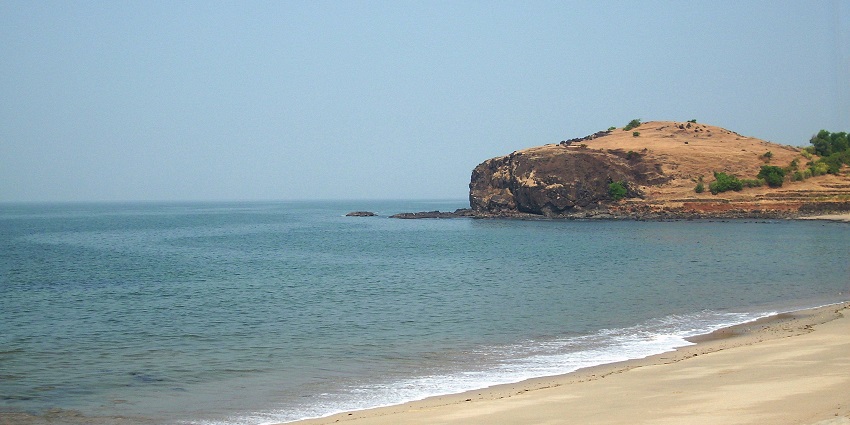
Picture this: soft waves gently kissing a stretch of pristine sand, coconut groves swaying in the salty breeze, and fishing boats dotting the horizon as the sun paints the sky in shades of orange and pink. Welcome to Diveagar, a hidden gem tucked along Maharashtra’s stunning Konkan coastline. Unlike the crowded beaches you’re probably tired of, this peaceful paradise offers the perfect blend of relaxation and adventure. Whether you’re hunting for the best things to do in Diveagar or simply craving a break from city chaos, this coastal village delivers an authentic experience that’ll refresh your soul. Just a comfortable drive from Mumbai or Pune, Diveagar has become my go-to spot whenever I need to hit the reset button. What makes it special? It’s the rare combination of untouched natural beauty, rich cultural heritage, thrilling water sports, and some of the most mouthwatering seafood you’ll ever taste. This guide covers everything you need to plan the perfect weekend escape—from the safest routes to hidden spots only locals know about, plus practical tips on where to stay, what to eat, and how to make every moment count. Quick Information: Diveagar at a Glance Category Details Distance from Mumbai Approx. 170 km (4-5 hours by road) Distance from Pune Approx. 180 km (4-5 hours by road) Best Time to Visit October to March (pleasant weather); June-Sept (monsoon beauty) Ideal Duration 1-2 nights (2 days recommended) Main Attractions Diveagar Beach, Suvarna Ganesh Temple, Water Sports, Phansad Wildlife Sanctuary Average Budget (2 Days) ₹3,000-₹8,000 per person (depending on accommodation) Food Specialty Fresh seafood, fish curry-rice, solkadhi, bombil fry Nearby Attractions Shrivardhan Beach (8 km), Harihareshwar (25 km), Murud-Janjira Fort (50 km) 1. Reach & Best Time: Planning Your Things to Do in Diveagar How to Reach Diveagar from Mumbai and Pune Getting to Diveagar is half the adventure! The journey takes you through scenic countryside, traditional villages, and lush greenery that’ll have you reaching for your camera. From Pune (Recommended Route): Here’s the route I always take—it’s smoother and safer. From Pune, take the Expressway to Khalapur and go via Pali and Mangaon to Diveagar. This route keeps you on better-maintained roads and cuts down on those nerve-wracking narrow patches. The entire journey takes about 4-5 hours, depending on traffic and how many chai stops you make (and trust me, you’ll want to stop at least once!). From Mumbai: Head out via the Mumbai-Goa Highway (NH66), take the turn at Mangaon, and follow the signs to Diveagar. The route passes through Mahad and offers gorgeous views of the Western Ghats. Early morning starts work best to avoid city traffic—aim to leave by 6 AM and you’ll reach in time for a late breakfast by the beach. By Train + Taxi: The nearest railway station is Mangaon (about 40 km away). From there, you can hire a taxi or catch a local bus. Check train schedules on Indian Railways for the most current timings. Pro Tip: Keep your fuel tank topped up—petrol pumps become sparse once you’re deep into the Konkan region. Best Time to Visit Diveagar October to March is absolutely perfect for beach lovers. The weather stays pleasant (20-30°C), the sea is calm enough for water sports, and you can spend hours on the sand without getting scorched. I remember watching the most stunning sunset in January—the sky turned into this incredible canvas of purples and golds. Monsoon (June-September) transforms Diveagar into a lush green paradise. The countryside becomes absolutely breathtaking, but here’s the catch—the sea gets rough and most water activities shut down. If you’re someone who loves rain-soaked landscapes and doesn’t mind skipping the beach swim, monsoon has its own magical charm. Summer (April-May) can get pretty hot and humid, though it’s still manageable if you stick to early mornings and evenings. How Long Should You Stay? Two days are enough to cover all the major attractions leisurely if you start early in the morning. A single night works if you’re really pressed for time, but you’ll be rushing. My best advice is to take it slow—this place deserves more than a quick checklist visit. Unique Tip: Set your alarm for an early morning walk on Diveagar Beach before 7 AM. The beach is practically empty, the air is crisp, and you might spot fishermen hauling in their fresh catch. It’s a completely different vibe from the afternoon crowd scene. 2. Diveagar Beach: Sun, Sand & Sea-side Strolls The star attraction! Diveagar Beach stretches for about 3 kilometers and offers a unique blackish-white sand mix (thanks to the minerals from the Sahyadri ranges). Unlike some Konkan beaches with steep drops, Diveagar has a gentle slope that makes it incredibly safe for families with kids. The waves here are relatively calm compared to other beaches along the coast. Sunrise & Sunset Magic The beach faces west, making it a sunset lover’s dream. But here’s a secret most tourists miss—head to the northern end near the coconut grove around 6:30 AM. You’ll find a quieter spot where local fishermen prepare their boats, and the morning light creates this golden glow across the sand. It’s perfect for photography or just soaking in the peaceful vibes. Sunset happens around 6-6:30 PM (depending on the season), and the entire beach comes alive. Families spread out picnic mats, couples take long walks, and food vendors start setting up their stalls. The sight of the sun dipping into the Arabian Sea never gets old. What Makes This Beach Special The fishing village vibe is authentic—no over-commercialization or pushy vendors. You’ll see traditional fishing boats (called nausenas) lined up on the shore, and if you’re lucky, you might witness the fishermen coming back with their morning catch. The coconut groves provide natural shade, perfect for when the afternoon sun gets intense. What to Pack Insider Tip: Walk towards the fishing village on the southern end of the beach. You’ll find a small path leading through coconut groves that opens up to a quieter beach section. This is where

Things to Do in Diveagar – The Complete Guide for Your Weekend Escape Read More »
Why is Amboli Ghat Famous? A Deep Dive into Maharashtra’s Hidden Hill-Station

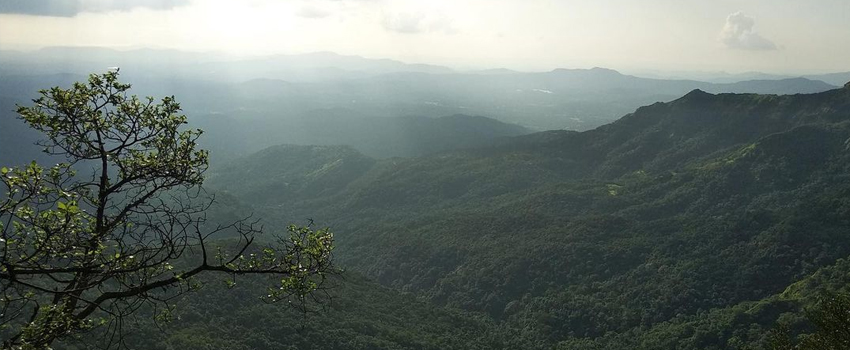
Picture this: You’re driving through thick mist, waterfalls cascading right next to your car, and suddenly the clouds part to reveal a breathtaking valley stretching endlessly below. Welcome to Amboli Ghat, Maharashtra’s best-kept secret that’s been quietly stealing hearts for decades. Why is Amboli Ghat famous? Simply put, it’s the ‘Cherrapunji of Maharashtra’ – a place where nature puts on its most spectacular show during the monsoons, where biodiversity thrives like nowhere else in the state, and where misty mountain magic meets the dramatic drop to the Konkan coast. This Amboli hidden gem Maharashtra offers isn’t just another hill station; it’s an experience that lingers long after you’ve left. Tucked away in the Western Ghats Maharashtra, Amboli transforms into a wonderland between June and September. The moment you arrive, you’ll understand why travelers, nature photographers, and adventure seekers can’t stop talking about this place. Whether you’re chasing waterfalls, spotting rare frogs, or simply soaking in the cool mountain air while munching on piping hot bhajis, Amboli delivers experiences that big-name tourist spots simply can’t match. Quick Information Table: Amboli Ghat at a Glance Feature Details Location Sindhudurg District, Maharashtra Altitude Approximately 690 meters (2,264 feet) Famous For Heavy monsoon rainfall, waterfalls, biodiversity hotspot Nickname “Cherrapunji of Maharashtra” Annual Rainfall Over 7,500 mm Source: India Meteorological Department Best Season June to September (Monsoon) Nearest Airport Goa International Airport (95 km), Belgaum Airport (90 km) Nearest Railway Station Sawantwadi Road (32 km) Distance from Mumbai Approximately 525 km (10-11 hours drive) Key Attractions Amboli Waterfall, Kavlesad Point, Nangarta Falls, Hiranyakeshi Temple Wildlife Significance Western Ghats UNESCO World Heritage Site, biodiversity hotspot 1. Location & Landscape – Why Amboli Ghat Stands Out Amboli Ghat sits perched at roughly 690 meters above sea level in Maharashtra’s Sindhudurg district, marking the final Amboli hill station before the land dramatically plunges toward the Konkan coast. This isn’t your typical plateau hill station – Amboli is positioned right on the edge, where the mighty Sahyadri range rain forest meets the Arabian Sea’s coastal plains. What makes this location truly special? It’s all about the geography. The Western Ghats Maharashtra section here acts like a giant natural wall, forcing moisture-laden monsoon winds from the Arabian Sea to rise rapidly. As these winds climb the steep slopes, they cool down and release their moisture – creating the perfect recipe for those legendary rains and the lush green carpet that covers every inch of the landscape Source: Western Ghats Ecology Studies, biodiversityindia.org. Stand at any viewpoint in Amboli, and you’ll witness nature’s drama unfold. On one side, dense tropical forests climb the mountain slopes, their canopy so thick that sunlight barely touches the forest floor. On the other, the land drops away sharply into the Konkan belt, revealing distant villages, rice paddies, and on clear days, even glimpses of the Arabian Sea shimmering in the distance. The “ghat” section – meaning mountain pass – winds through this terrain with hairpin bends that challenge even experienced drivers. But these twisting roads are part of Amboli’s charm. Each turn reveals something new: a hidden waterfall, a viewpoint shrouded in mist, or suddenly, an explosion of color from wildflowers clinging to rocky outcrops. The landscape here doesn’t just look pretty; it tells the story of millions of years of geological evolution, where ancient volcanic activity, erosion, and the relentless monsoons have sculpted a masterpiece. 2. Heavy Rainfall & Monsoon Magic – A Major Reason Why Amboli Ghat is Famous Let’s talk about rain – and not just any rain. Amboli Ghat records an average annual rainfall of over 7,500 mm, earning its well-deserved nickname as the “Cherrapunji of Maharashtra” Source: Indian Institute of Tropical Meteorology. Between June and September, the skies open up with such intensity that the entire region transforms into a living, breathing water world. Imagine waking up to the sound of rain drumming on your roof, stepping outside to see waterfalls that weren’t there yesterday now thundering down every cliff face, and watching mist roll through valleys like waves in slow motion. This is Monsoon waterfall Amboli season – when the hill station becomes absolutely magical. The already green landscape turns several shades deeper, streams swell into roaring rivers, and the air fills with the fresh, earthy smell of petrichor mixed with wild flowers. But here’s the thing about Amboli’s monsoons: they’re not gentle. The rain comes down with purpose, creating conditions that are both spectacular and demanding respect. Roads can become slippery, visibility drops to just a few meters, and those charming streams can turn into powerful torrents within hours. Your 3-Point Monsoon Safety Guide for Amboli: The monsoon here isn’t just weather; it’s an event. Local residents celebrate the first rains with festivals, and you’ll find families gathering around steaming cups of chai, sharing stories while the world outside turns silver with rain. This is when Amboli shows its true colors – quite literally, as the waterfalls create rainbow mists in the afternoon sun between showers. 3. Waterfalls & Viewpoints – The Visual Wonders That Make Amboli Ghat Famous Let’s get to the main attractions that keep cameras clicking and jaws dropping throughout the monsoon season. The Amboli water fall Maharashtra scene isn’t just about one or two cascades – it’s about dozens of waterfalls appearing across the landscape like nature’s own art installation. Amboli Waterfall stands as the star performer. Located just 6 kilometers from the main town, this multi-tiered cascade drops approximately 30 meters in a series of steps, creating natural pools where locals and visitors (carefully!) enjoy the cool mountain water. During peak monsoon, the falls swell dramatically, and the spray creates a constant mist that rainbows dance through when sunlight breaks through the clouds. The surrounding area has been developed with viewing platforms and steps, making it accessible while maintaining its natural beauty. Pro tip: Visit early morning around 7 AM to catch the falls in golden morning light and avoid the crowds. Nangarta Falls, about 4 kilometers away, offers a completely different

Why is Amboli Ghat Famous? A Deep Dive into Maharashtra’s Hidden Hill-Station Read More »