 Skip to content
 Picture this: You’re standing on a sun-warmed marble terrace as golden hour paints the Parthenon in shades of amber and rose. Below you, the city hums with life—scooters weaving through narrow streets, the distant clatter of taverna plates, and somewhere, a street musician’s bouzouki melody drifting on the evening breeze. This is Athens, where 3,000 years of history doesn’t just sit behind museum glass—it lives and breathes in every corner.
If you’re wondering what to see in Athens on your first visit, you’re in the right place. This ancient city can feel overwhelming with its mix of world-famous ruins, vibrant neighborhoods, and countless “must-see” lists. But here’s the truth: the best Athens experience combines those iconic bucket-list moments with quieter discoveries that most tourists rush past.
This guide gives you exactly that—a curated collection of 12 spots (7 iconic landmarks you absolutely can’t skip, plus 5 genuine local finds) along with practical tips to beat the crowds, navigate like a pro, and experience Athens the way it deserves to be experienced: with wonder, curiosity, and comfortable shoes.
Quick Athens Planning Guide
Before we dive into what to see in Athens, here’s a snapshot to help you plan:
| Planning Element | Key Information |
| Ideal Visit Length | 2-3 days minimum (4-5 days ideal with day trips) |
| Best Time to Visit | April-May or September-October (fewer crowds, perfect weather) |
| Crowd-Beating Strategy | Visit major sites at 8 AM opening or 2 hours before closing |
| Getting Around | Metro system (efficient), walking (best for neighborhoods) |
| Money-Saving Tip | Buy the €30 multi-site archaeological pass (valid 5 days) |
| Essential Download | Google Maps with offline Athens map |
| Dress Code | Modest clothing for religious sites; comfortable walking shoes mandatory |
How to Read This Guide
I’ve organized Athens sightseeing into clear categories—landmarks, neighborhoods, hidden spots, and day trips—so you can mix and match based on your interests. Whether you’re a history fanatic who could spend all day wandering Athens historical ruins or someone who craves authentic neighborhood vibes, you’ll find your perfect Athens here.
Later in this guide, I’ll share sample itineraries for 2 and 3-day visits, but here’s your golden rule right now: Major archaeological sites are least crowded during the first hour after opening (8 AM) or the final two hours before closing. Summer afternoons bring suffocating heat and tour bus crowds—avoid them.
The Iconic 7: Athens Must-See Landmarks
1. The Acropolis & Parthenon
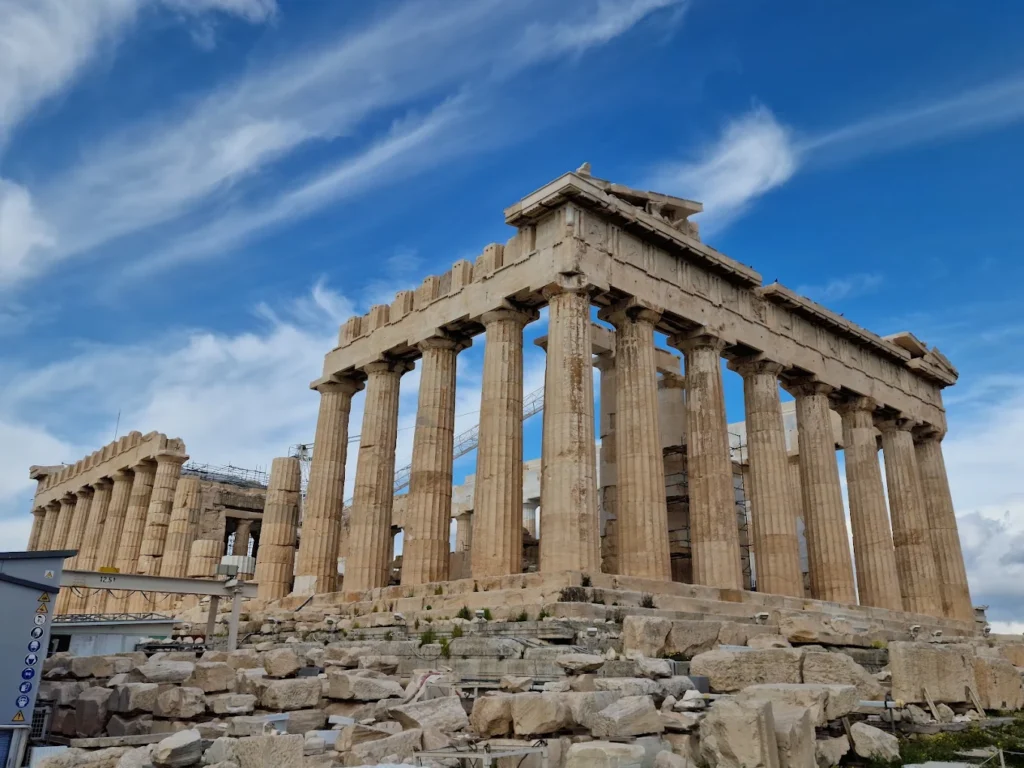
Why you can’t miss it: This isn’t just Greece’s most famous landmark—it’s the architectural achievement that defined Western civilization’s idea of beauty and democracy. Standing before the Parthenon’s Doric columns, you’re looking at a 2,500-year-old building that once housed a 40-foot gold-and-ivory statue of Athena.
Insider tip: Arrive at 8 AM sharp when gates open. You’ll have 45 minutes of relative solitude before the crowds arrive, and morning light makes the Pentelic marble glow softly. Don’t just photograph the Parthenon from the front—walk around to the north side for views framing it against modern Athens below. The Erechtheion’s Caryatid Porch (those famous maiden columns) photographs beautifully from the eastern approach.
Practical details: Tickets are €20 in high season (April-October), €10 in winter. The multi-site pass covering 7 archaeological sites costs €30 and is valid for 5 days—get it if you’re visiting multiple ruins. Book online at theacropolismuseum.gr to skip ticket lines.
2. Acropolis Museum
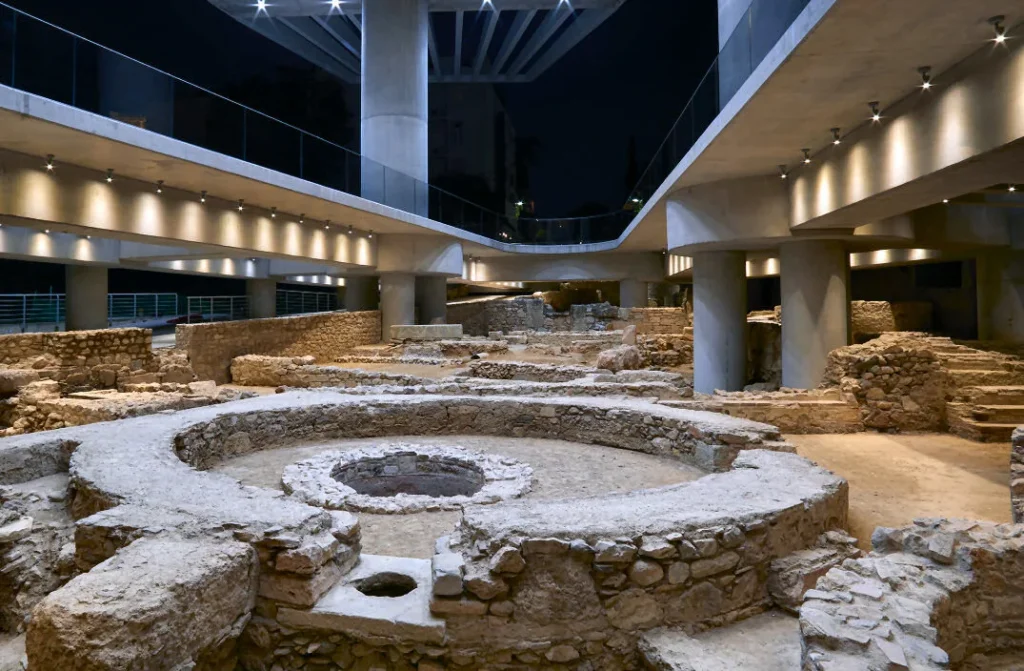
Why you can’t miss it: This stunning modern building houses treasures removed from the Acropolis for preservation, including the original Caryatids and the entire surviving Parthenon frieze. The top floor is designed as an exact replica of the Parthenon’s dimensions, with glass floors revealing ancient ruins excavated beneath the museum.
Insider tip: Visit the museum after you’ve been to the Acropolis hill—the context makes everything resonate deeper. The rooftop café offers Acropolis views; grab a Greek coffee there while you process everything you’ve seen. Friday evenings (April-October), the museum stays open until 10 PM with reduced crowds.
Practical details: €15 entry (€10 in winter); free on certain national holidays. The museum café serves surprisingly good food at reasonable prices for such a tourist location.
3. Ancient Agora & Roman Agora
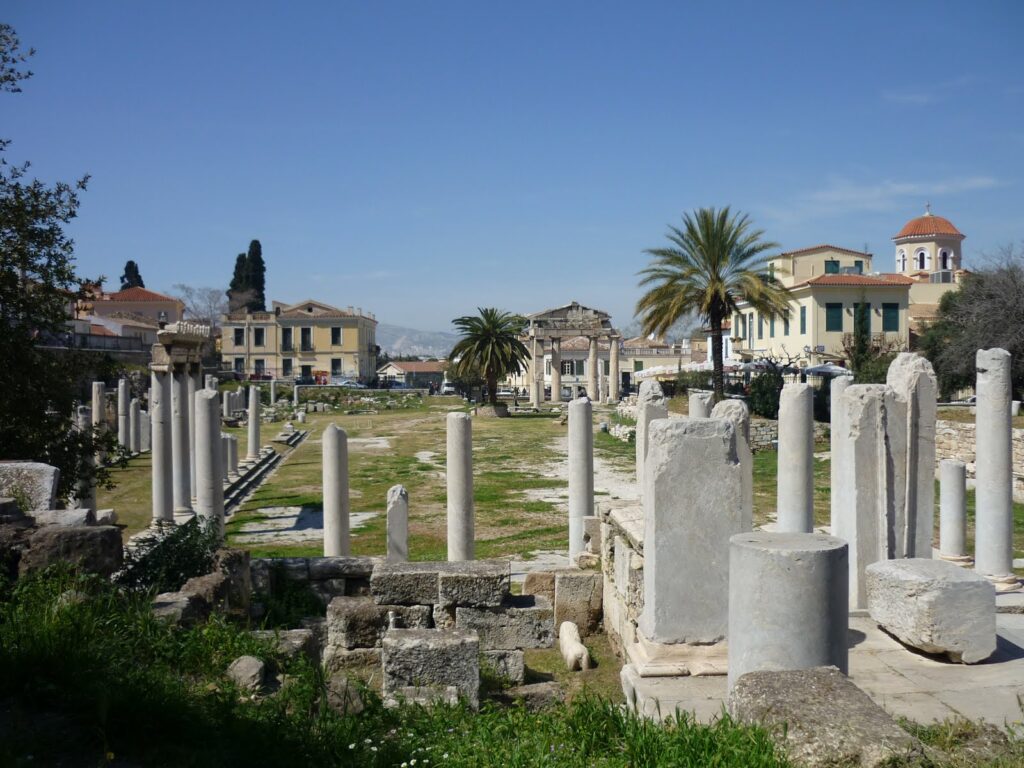
Why you can’t miss it: While tourists mob the Acropolis, the Ancient Agora below often feels refreshingly empty despite being equally important historically. This was Athens’ commercial, political, and social heart for a thousand years—where Socrates debated, merchants hawked their goods, and democracy was born.
Insider tip: The Temple of Hephaestus here is the best-preserved ancient Greek temple in existence, yet most visitors barely give it a glance while rushing between sites. Spend time there. The Stoa of Attalos (fully reconstructed) now houses an excellent museum with everyday objects—toys, kitchen items, voting tokens—that make ancient Athens feel human-scale.
Practical details: Included in the multi-site pass. The Roman Agora (Tower of the Winds) is nearby but separate; also included in the pass.
4. Temple of Olympian Zeus & Hadrian’s Arch
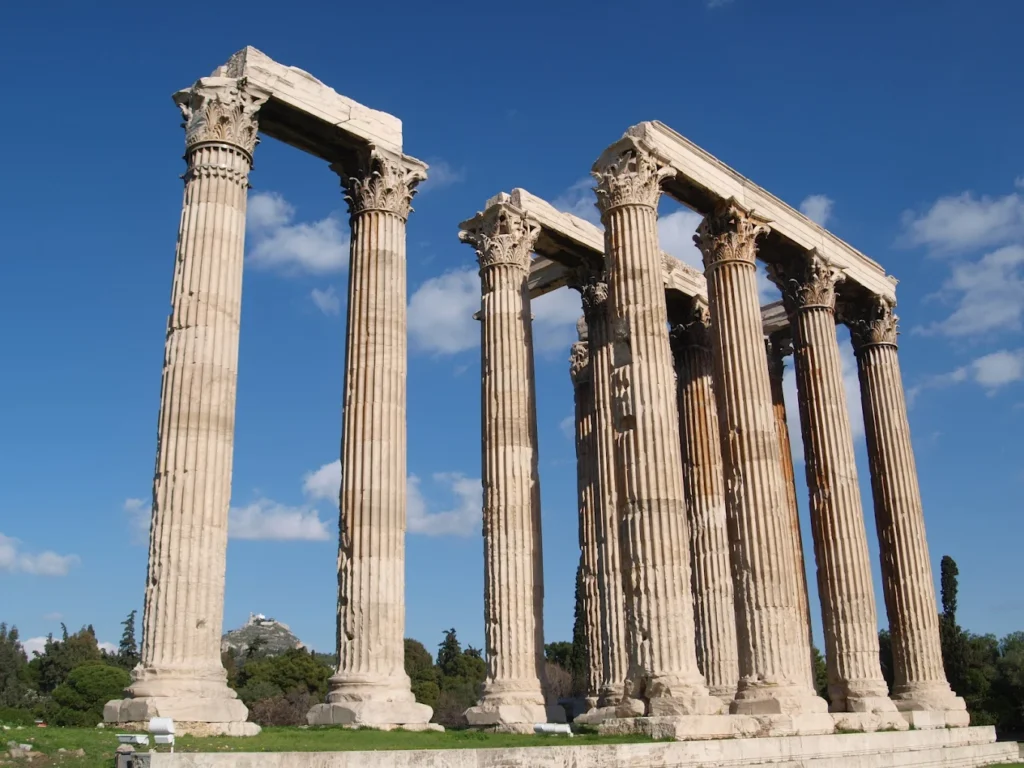
Why you can’t miss it: Size matters here. This temple was the largest in ancient Greece, with columns standing 56 feet tall. Only 15 of the original 104 columns remain, but they’re enough to make you feel tiny and humbled.
Insider tip: The site is surrounded by a fence, and honestly? The best views are from outside the gate, where you can photograph the columns framed by the Acropolis behind them. If you’re tight on time or budget, appreciate it from the perimeter and save your €8 entry fee for elsewhere. Hadrian’s Arch stands right beside it and is free to admire.
Practical details: Included in multi-site pass; otherwise €8. Takes only 30 minutes to explore fully.
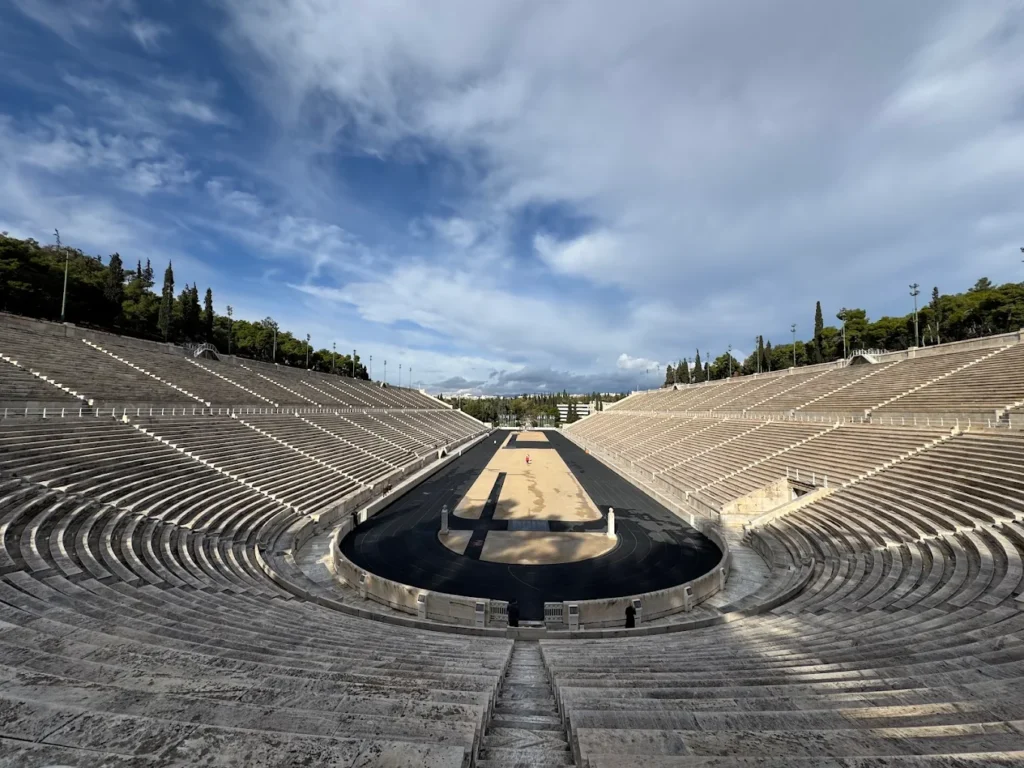
5. Panathenaic Stadium
Why you can’t miss it: This is where the first modern Olympics took place in 1896, and it’s the only stadium in the world built entirely of marble. Walking through the entrance tunnel and emerging onto that gleaming white track triggers something primal—you’ll want to run it.
Insider tip: Go ahead and run the track (before 2 PM when heat makes it uncomfortable). Climb to the top rows for panoramic views of Athens that most tourists never see. The small underground museum has original Olympic torches and medals worth a quick look.
Practical details: €10 entry includes an audio guide in 12 languages. Takes about an hour to explore. Located between Syntagma and the National Garden, making it easy to combine with other activities.
6. National Archaeological Museum
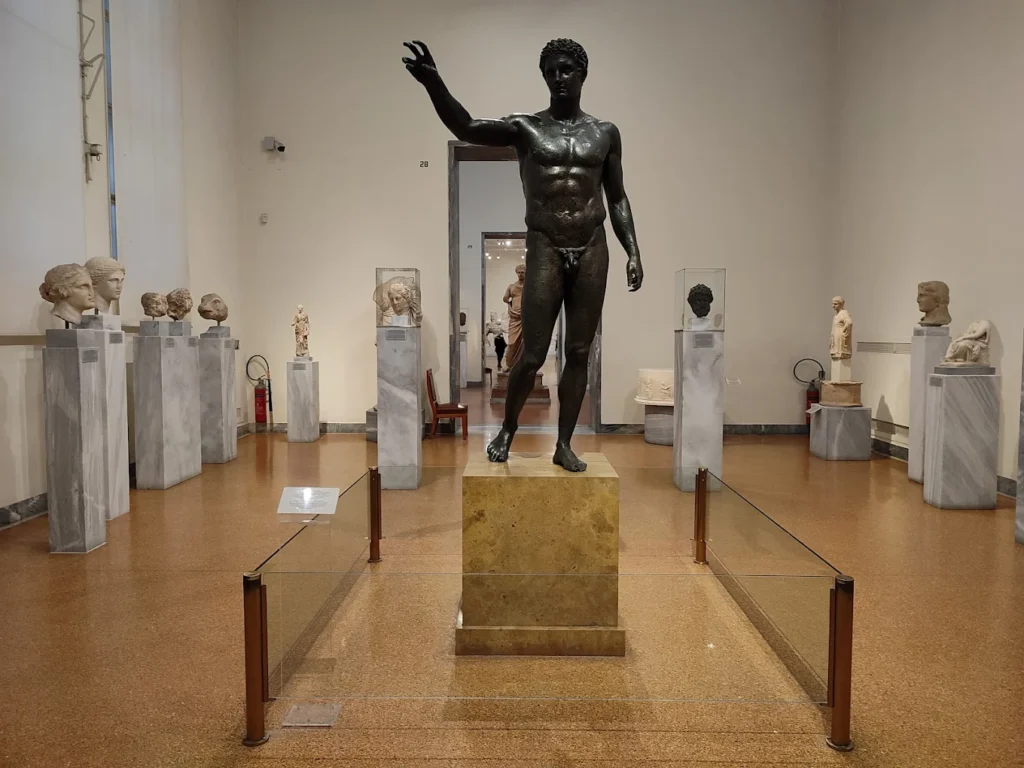
Why you can’t miss it: This is ground zero for understanding ancient Greek civilization. The Mask of Agamemnon, the Antikythera Mechanism (a 2,000-year-old astronomical computer), countless bronze sculptures pulled from shipwrecks—this museum houses treasures that make even the Acropolis Museum look modest.
Insider tip: It’s huge and overwhelming. Focus on these galleries: Mycenaean (Ground Floor, Room 4) for the gold death masks; Bronze Collection (First Floor) for the Artemision Bronze and Jockey of Artemision; and the Antikythera Mechanism display. Allow 2-3 hours minimum.
Practical details: €12 entry; half-price November-March. Located north of downtown—take Metro Line 1 to Victoria station. The café/restaurant in the garden courtyard is a peaceful lunch spot.
7. Mount Lycabettus
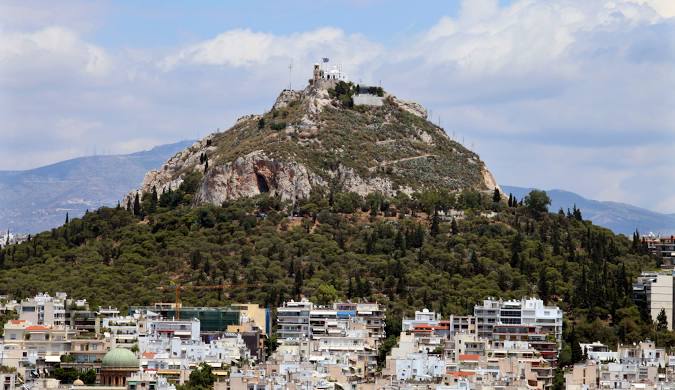
Why you can’t miss it: For the best views in Athens, nothing beats standing 900 feet above the city as sunset transforms the Acropolis from white stone to gold to silhouette. This limestone hill rises dramatically from the urban landscape, and the view from its summit explains Athens’ entire geography at a glance.
Insider tip: You have three options to reach the top: hike the winding path (30-40 minutes, moderately strenuous), take the funicular railway (€10 round-trip), or grab a taxi to the parking area partway up then walk the final 10 minutes. My recommendation? Funicular up, walk down as dusk settles—the neighborhoods below light up beautifully. The summit has St. George Chapel (worth a peek) and Orizontes restaurant (overpriced food, but drinks on the terrace at sunset are worth it).
Practical details: The summit is free to access. Funicular runs until midnight in summer. The rooftop views Athens offers here surpass any hotel bar.
Athens Neighborhoods to Explore: Where the City Lives
What to see in Athens extends far beyond monuments. The city’s neighborhoods each tell their own story, and walking tour Athens routes through these areas reveal the capital’s modern soul.
Plaka & Anafiotika
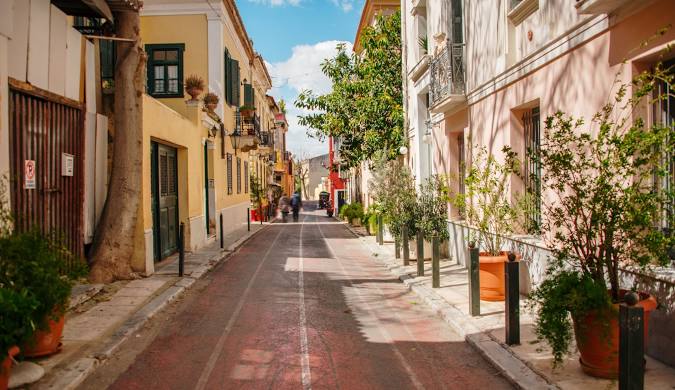
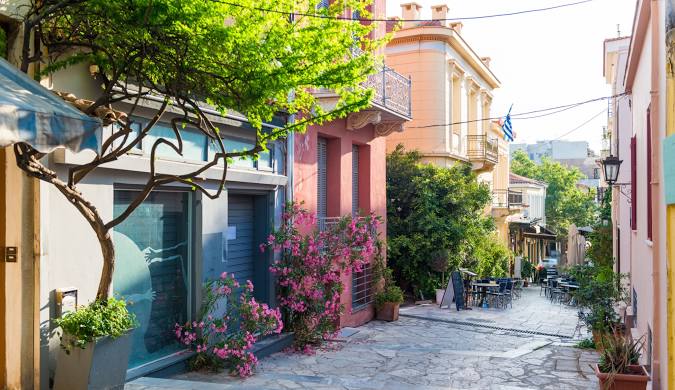
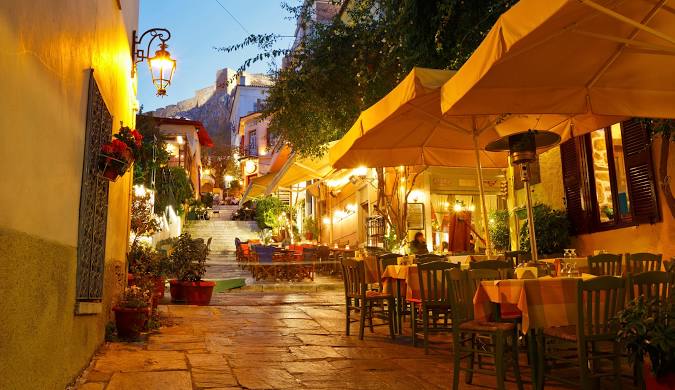
Plaka is touristy, yes—its pedestrian lanes overflow with souvenir shops and tavernas with aggressive hawkers. But look up. Those neoclassical buildings with their painted shutters and bougainvillea-draped balconies are genuinely beautiful. More importantly, Plaka is your gateway to Anafiotika.
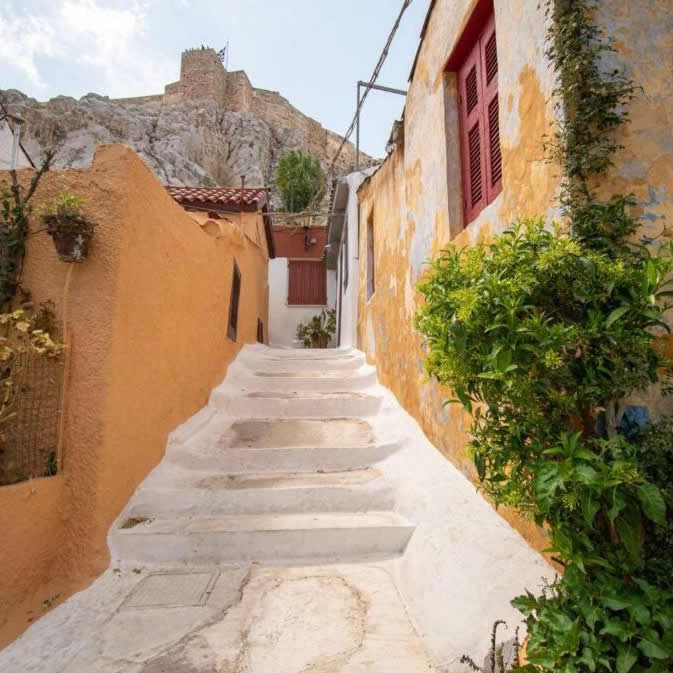
Anafiotika is Athens’ secret: a cluster of tiny whitewashed houses built by craftsmen from Anafi island in the 19th century, clinging to the Acropolis’s north slope. It feels like you’ve been teleported to a Cycladic island—narrow stairs barely wide enough for one person, cats sleeping on sun-warmed steps, geraniums spilling from window boxes. There are no shops, no restaurants, just residential quiet. Put your phone away and wander aimlessly for 20 minutes. You’ll emerge at unexpected viewpoints overlooking the city.

Monastiraki
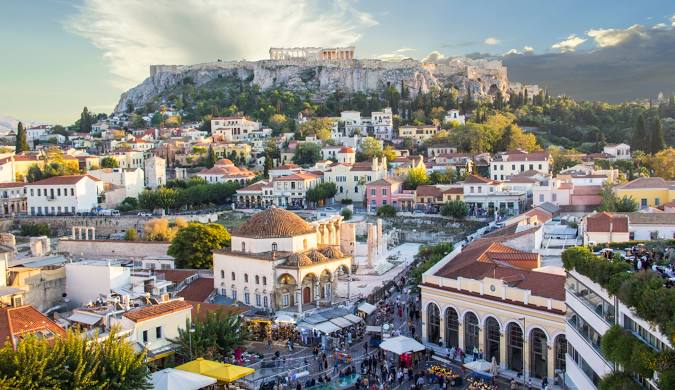
Monastiraki Square pulses with energy—street vendors, the metro entrance disgorging crowds, and the constant backdrop of ancient ruins casually integrated into the urban fabric. Sunday mornings bring a flea market where you can browse antiques, vinyl records, and questionable “ancient” coins alongside locals doing the same.
The food scene here leans toward souvlaki joints and tourist traps, but venture just a block off the main square into the side streets and you’ll find serious vintage shops and artisan boutiques that actually cater to Athenians.
Psyrri
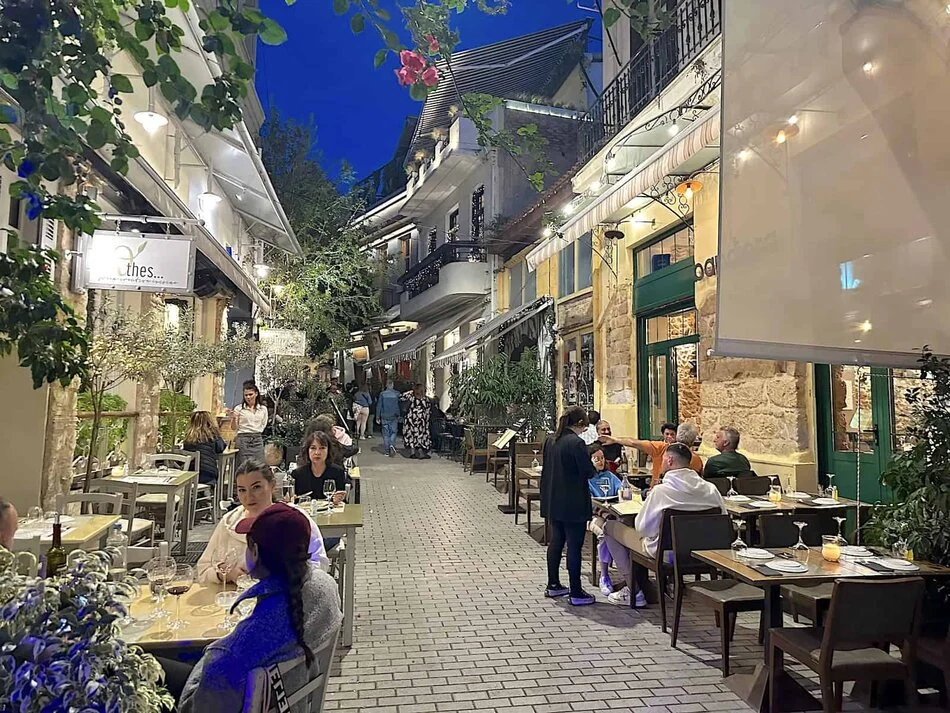
By day, Psyrri is a bit scruffy—industrial buildings covered in world-class street art, workshops where craftsmen still practice traditional trades. By night, it transforms into Athens’ nightlife heartbeat. The bars here range from grungy rock venues to sophisticated cocktail spots, often occupying the same block.
Athens offbeat experiences thrive here. Look for A For Athens cocktail bar (rooftop with Acropolis views), TAF The Art Foundation (a cultural space in a former printshop), and the countless tiny bars down Aischylou and Karaiskaki streets. This is where young Athenians actually spend their evenings, not in Plaka.
Kolonaki
If Psyrri is Athens’ rebellious younger sibling, Kolonaki is its sophisticated older sister. Tucked against the base of Lycabettus, this neighborhood is where Athens’ wealthy shop at designer boutiques, sip Freddo espressos at marble-topped cafés, and walk small dogs wearing sweaters.
You’re not here for monuments but for atmosphere. Browse the designer shops along Voukourestiou Street, people-watch from a café in Kolonaki Square, or visit the Benaki Museum (Greek culture from prehistoric to modern times, with an excellent rooftop restaurant). The neighborhood’s Athens cultural walks feel distinctly European—tree-lined streets, elegant neoclassical buildings, and a slower pace.
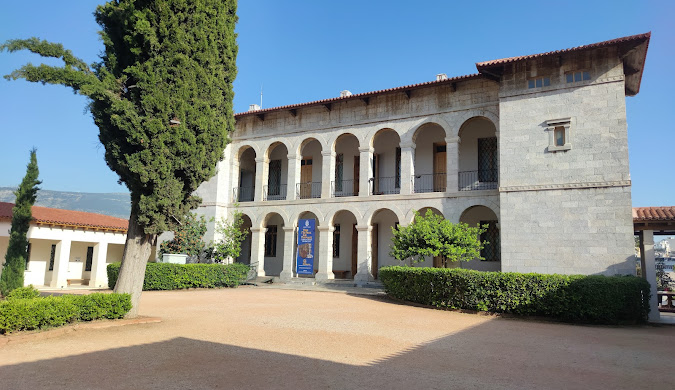
Hidden Spots in Athens: The Unexpected 5
These are the places that separate a good Athens trip from an unforgettable one. You won’t find tour buses at these locations.
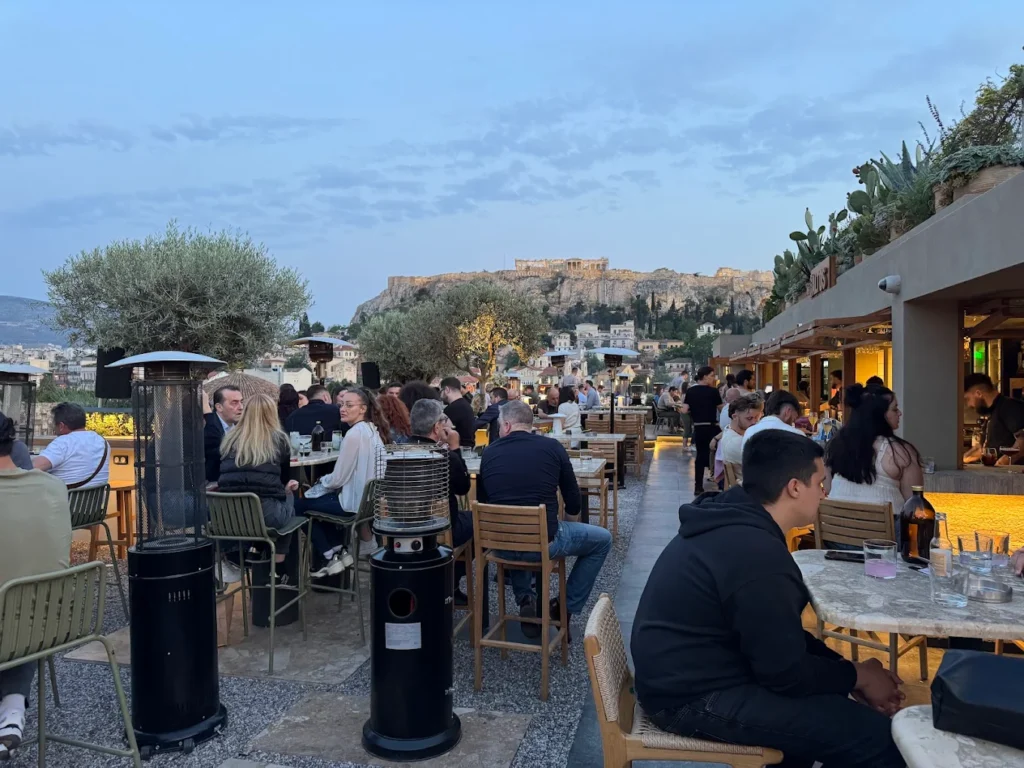
1. Secret Rooftop: 360 Cocktail Bar
Everyone knows about the Grand Bretagne’s rooftop. Skip it. Instead, find 360 Cocktail Bar near Monastiraki Square—a locals’ favorite with 360-degree city views (hence the name), creative cocktails, and DJ sets on weekends. The Acropolis views rival any five-star hotel, the crowd is actually Greek, and prices are half what you’d pay at tourist spots.
Practical tip: Arrive before 9 PM to grab outdoor seating without a reservation. The sunset-to-blue-hour transition is magical here.
2. Anafiotika’s Hidden Alleys (The Actual Hidden Parts)
Most visitors photograph Anafiotika’s main staircase and leave. Go deeper. Follow Stratonos Street until it becomes a narrow path ascending sharply. You’ll pass houses built literally against the Acropolis rock face, tiny gardens where elderly residents tend herbs, and eventually reach a viewpoint where Athens spreads before you with zero crowds.
Practical tip: This is genuinely residential. Be respectful—don’t peer into windows or make noise. These are people’s homes, not a theme park.
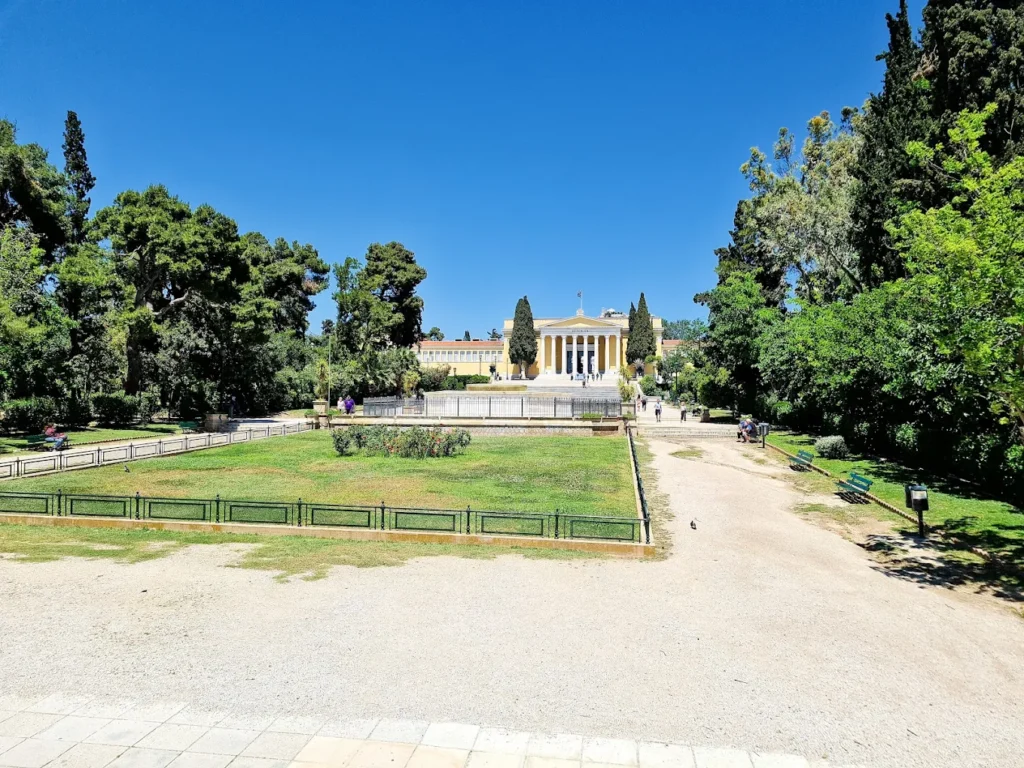
3. National Garden’s Hidden Ruins
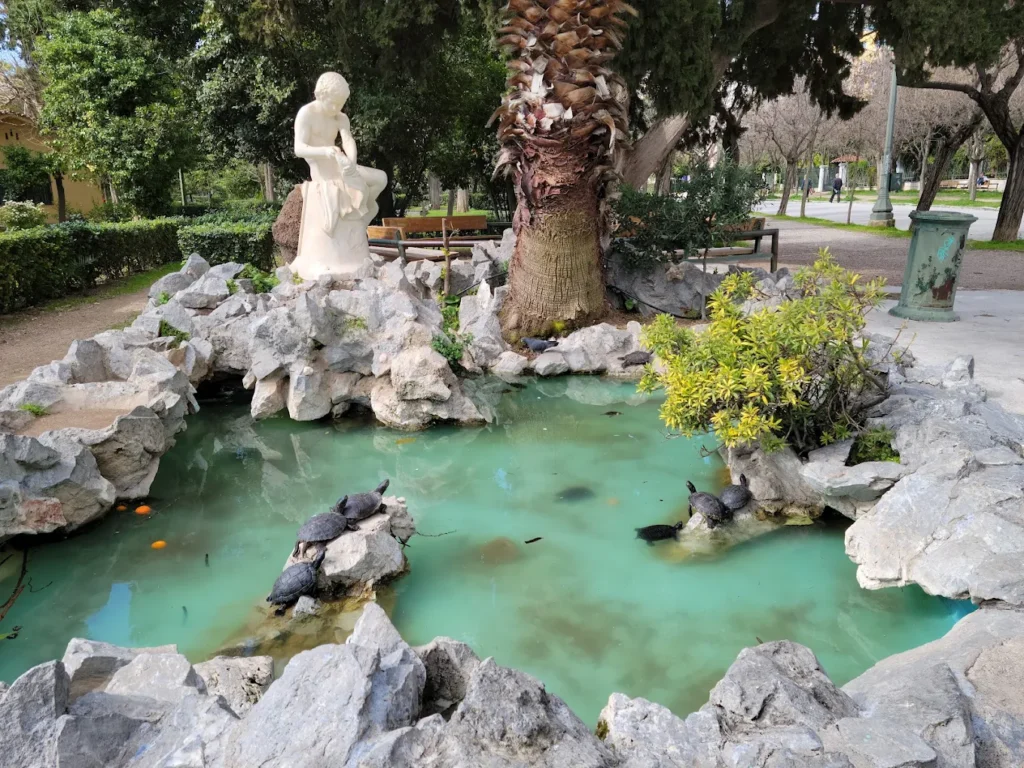
Most tourists speed-walk through the National Garden (also called National Gardens) on their way between Syntagma and the Panathenaic Stadium. They miss the magic. Deep inside this 40-acre park, barely signposted, you’ll find Roman floor mosaics, ancient column fragments half-swallowed by tree roots, and a small pond with ducks and turtles.
Practical tip: Enter from Vasilissis Amalias Avenue and wander. The café inside the garden serves cheap coffee and is frequented entirely by locals. The Zappeion building at the garden’s southern end is an architectural gem worth circling.

4. Urban Beekeeping Experience
This is peak modern Athens: On certain rooftops and urban gardens across the city, local organizations maintain beehives and offer workshops on urban beekeeping and sustainability. It’s a completely unexpected activity that connects you to Athens’ environmental initiatives and its surprising amount of green space.
Practical tip: Book through Bee in the City Athens or check with The Art Foundation (TAF) which sometimes hosts beekeeping workshops. This is a seasonal activity (April-October).
5. Kerameikos Cemetery
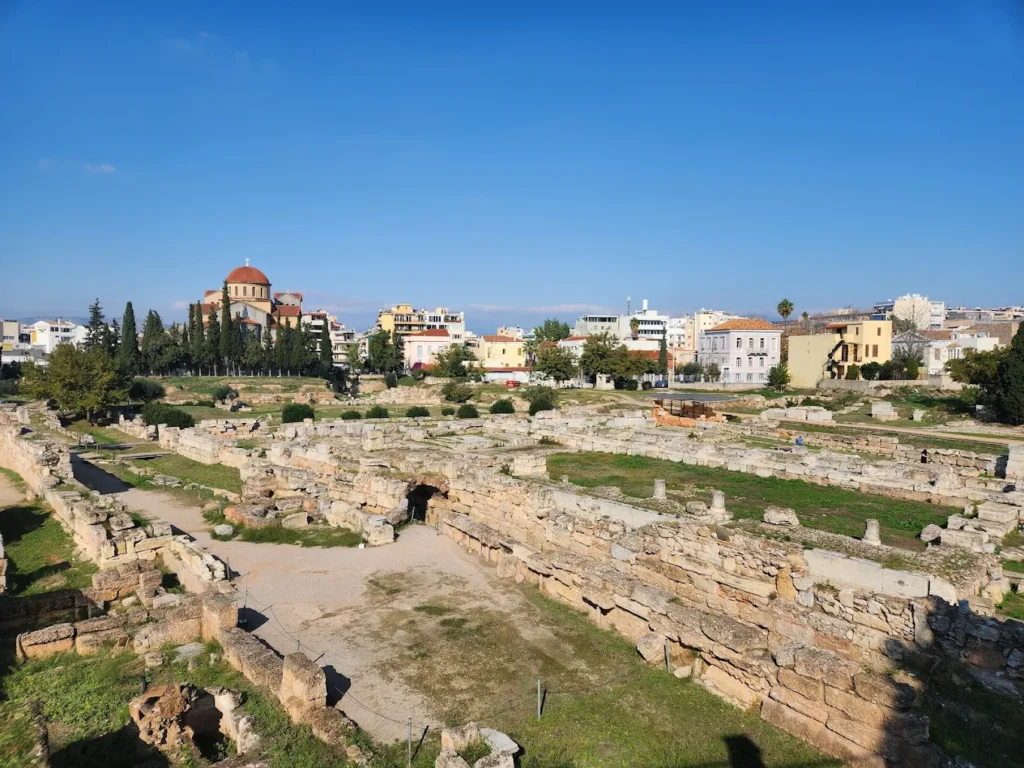
While crowds overwhelm the Acropolis, Kerameikos—ancient Athens’ cemetery—sees maybe a dozen visitors daily. It’s peaceful, shaded by trees, and contains some of the most beautiful funerary sculptures and stelae you’ll see in Greece (though most are replicas; originals are in the National Archaeological Museum).
Insider tip: The small museum on-site displays pottery and grave goods that make ancient burial practices tangible. The Sacred Way, which connected Athens to Eleusis, begins here—you can still see the ancient road’s worn stones.
Practical details: Included in multi-site pass; otherwise €8. Takes 45 minutes to explore. It’s a 10-minute walk from Monastiraki but feels worlds away.
Essential Day Trip from Athens
After immersing yourself in Athens historical ruins and urban energy, these nearby destinations offer perfect contrasts.
Cape Sounion & Temple of Poseidon
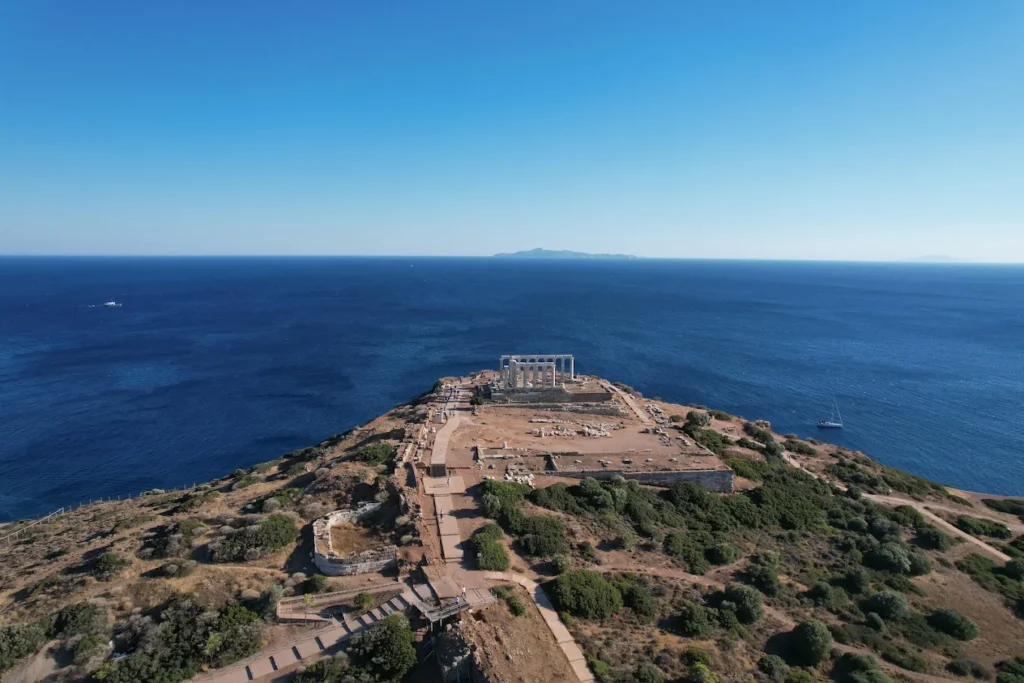
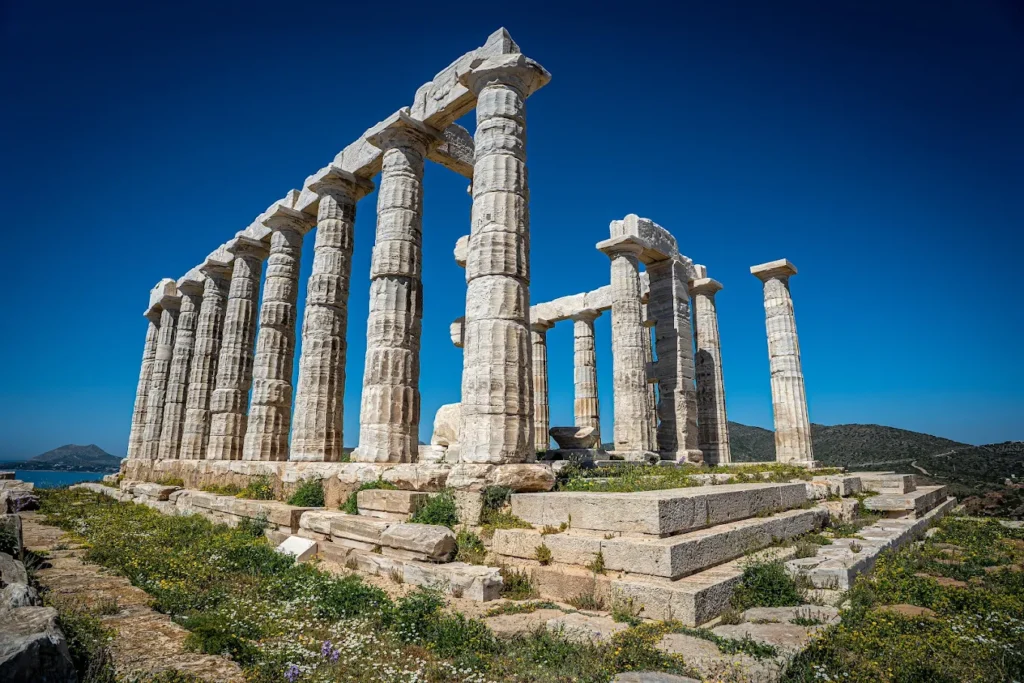
Why go: The Temple of Poseidon perches on a cliff 200 feet above the Aegean Sea, and watching sunset from here—Doric columns silhouetted against an orange sky—is one of Greece’s iconic experiences. Lord Byron carved his name into one of these columns in 1810 (don’t follow his example).
Practical tip: Join an organized half-day tour (around €50, including transport and entrance) or rent a car and drive the coastal road yourself. Arrive 90 minutes before sunset to beat tour bus crowds and secure a good viewing spot. The drive along the Athens Riviera passes beaches worth stopping at.
Time needed: Half-day (4-5 hours total).
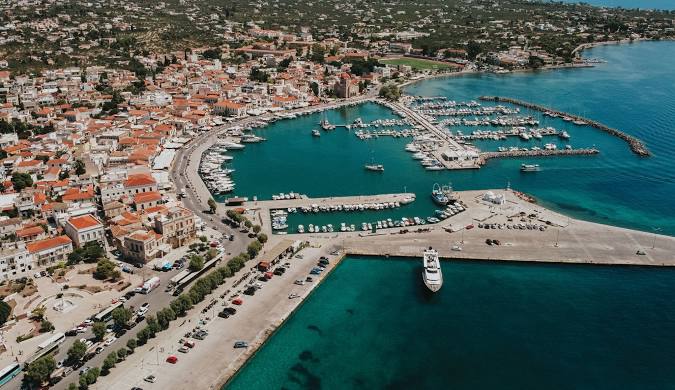
Aegina Island
Why go: In just 40 minutes by ferry, you’ll reach this Saronic Gulf island with its relaxed pace, waterfront tavernas, and the remarkable Temple of Aphaia—one of the best-preserved ancient temples anywhere, rivaling those in Athens.
Practical tip: Morning ferries (8-9 AM) from Piraeus get you there early. Rent a scooter or bike to explore the island, swim at Marathonas Beach, and eat pistachios (Aegina’s famous crop) by the kilo. Return on an afternoon ferry, arriving back in Athens for dinner.
Time needed: Full day.
How to Get Around Athens: Practical Logistics
Understanding Athens’ transport makes everything easier.
Public Transit
The metro is clean, efficient, and covers major tourist areas. Lines 2 (red) and 3 (blue) run through Syntagma (the city’s central square), connecting you to most important sites. A single ticket costs €1.40 and is valid for 90 minutes across all public transport. The 5-day tourist ticket (€9) pays for itself quickly.
Beat the crowd in Athens by using the metro during off-peak hours (10 AM-4 PM and after 8 PM). Taxis are cheap by US standards—a cross-city ride rarely exceeds €10—but traffic during rush hours turns a 10-minute trip into 40 minutes.
Walking
Athens is surprisingly walkable for Athens for first-time visitors. From Syntagma Square, you can reach Plaka (5 minutes), Monastiraki (10 minutes), and the Acropolis entrance (15 minutes) on foot. The city center is compact, and walking lets you discover those unexpected moments—a tiny Byzantine church squeezed between modern buildings, a bakery where the elderly owner has been making koulouri since 1962.
Important: Athens has serious hills. Comfortable, broken-in walking shoes aren’t optional—they’re survival gear. I’ve seen countless tourists limping by day two in inadequate footwear.
Money-Saving Multi-Site Pass
The €30 combo ticket grants access to seven major archaeological sites: Acropolis, Ancient Agora, Roman Agora, Kerameikos, Temple of Olympian Zeus, Aristotle’s Lyceum, and Hadrian’s Library. Valid for five days, it pays for itself after just three sites. Buy it at any included site or online.
Best Seasons
What to see in Athens in 2/3 days depends partly on timing:
- April-May: Perfect weather (65-75°F), flowers blooming, manageable crowds. Peak season for visiting.
- September-October: Warm sea (still swimmable), autumn light, fewer tourists than summer. Equally ideal.
- June-August: Brutally hot (90-100°F+), expensive, mobbed with tourists. Major sites are miserable midday. If you must visit in summer, adapt your schedule—sightsee 8-11 AM and after 5 PM, retreat to air-conditioned Athens museums during peak heat.
- November-March: Cool, occasionally rainy, but cheap and empty. Perfect if you don’t mind weather uncertainty.
Sample Athens Itineraries
The 2-Day Athens Whirlwind
Day 1: Ancient Athens
- 8:00 AM: Acropolis (arrive at opening, spend 2 hours)
- 10:30 AM: Walk through Anafiotika’s alleys
- 11:30 AM: Acropolis Museum (2-3 hours)
- 2:00 PM: Lunch in Plaka
- 3:30 PM: Ancient Agora (1.5 hours)
- 5:30 PM: Sunset from Mount Lycabettus
- 8:00 PM: Dinner in Psyrri
Day 2: Neighborhoods & Hidden Athens
- 9:00 AM: National Archaeological Museum (3 hours)
- 12:30 PM: Lunch near Monastiraki
- 2:00 PM: Explore Monastiraki flea market area
- 3:30 PM: Temple of Olympian Zeus (quick visit)
- 4:30 PM: Panathenaic Stadium
- 6:00 PM: Wander Kolonaki, coffee break
- 8:00 PM: Rooftop cocktails and dinner
The 3-Day Explorer
Follow the 2-day itinerary above, then add:
Day 3: Day Trip OR Deep Neighborhood Dive
Option A: Full-day trip to Aegina Island or half-day to Cape Sounion
Option B: Slow exploration day
- Morning: National Garden leisurely walk, find the hidden ruins
- Late morning: Kerameikos Cemetery
- Afternoon: Deep dive into one neighborhood (Psyrri street art walk or Kolonaki boutique browsing)
- Evening: Find that secret rooftop bar, reflect on your Athens experience
FAQ: Quick Answers for Athens for First-Time Visitors
Is there an entry fee for the Acropolis? Yes, €20 in high season (April-October), €10 in low season. The €30 multi-site pass covering seven major archaeological sites is better value if you’re visiting multiple ruins. Book online at theacropolismuseum.gr or buy at the site.
Can I do Athens in one day? Technically yes, but you’d only scratch the surface. One day allows the Acropolis, a quick museum visit, and a neighborhood walk. You’d miss the city’s layered complexity. Budget at least two full days, ideally three.
Best time to visit to avoid crowds? Early morning (8 AM) at major sites, or shoulder season months (April-May, September-October). Avoid summer middays when cruise ship groups descend en masse.
Are English tours widely available? Absolutely. Most major sites offer audio guides in English, and countless tour companies provide English-language walking tour Athens options. Many Athenians speak English, particularly in tourist areas.
Is Athens safe? Yes, very safe by international standards. Petty theft (pickpocketing) occurs in crowded tourist areas like Monastiraki and on packed metro cars, so stay aware. Avoid Omonia Square late at night, but otherwise, Athens is welcoming and safe for solo travelers, women, and families.
Your Athens Awaits
Athens isn’t a city you simply see—it’s a city you feel. The weight of history in every stone, yes, but also the energy of a modern capital where people argue passionately about politics over coffee, where street art transforms industrial buildings into canvases, where a restaurant tucked down an anonymous alley serves food that tastes like someone’s grandmother made it (because she probably did).
The Athens sightseeing formula that works best? Start your days early at the famous ruins when they’re quiet and golden. Spend midday exploring neighborhoods, eating, and occasionally getting pleasantly lost. End your evenings on a rooftop somewhere, watching the Acropolis shift from white to amber to indigo as city lights blink on below.
Mix the iconic seven landmarks with those five hidden spots. Walk more than you think you can, rest when your feet demand it, and always—always—order one more plate of food than seems reasonable because Greek portions feed armies and everything tastes better here.
What will you discover in Athens? I’ve given you the framework, but the best moments can’t be mapped. They’re waiting in an unexpected conversation, a perfect view you stumbled upon, or that evening when everything—the light, the temperature, the music drifting from somewhere—aligns perfectly.
Share your favorite Athens discoveries in the comments below. Planning your first trip? Ask your questions—I read and respond to every comment. And if this guide helped you, share it with someone who’s Athens-curious. The city deserves more visitors who look beyond the obvious.
Safe travels, and kalo taxidi (good journey)!
References & Official Resources
For the most accurate, up-to-date information and to support your Athens planning:
- Acropolis & Acropolis Museum: theacropolismuseum.gr
- National Archaeological Museum: namuseum.gr
- Official Athens Tourism: thisisathens.org
- Greek Ministry of Culture (archaeological sites): culture.gov.gr
- Athens Metro & Transport: athenstransport.com
- Temple of Poseidon, Cape Sounion: Managed by Greek Ministry of Culture
- Benaki Museum: benaki.org
These official sources ensure you’re getting accurate pricing, hours, and booking information directly from the organizations that manage these incredible sites.

Read More Articles;
- Maldives Water Villa Guide 2026: Price, Best Resorts & Is It Worth It? (Budget to Luxury)
- Indians Traveling Phu Quoc Advisory 2026: Visa Rules, Hidden Risks & Must-Know Travel Guidelines
- Northeast India Tourism Guide 2026: Best Places, Itinerary, Cost & Hidden Gems
- Thailand Hidden Islands Travel Guide 2026: Secret Islands, Budget Itinerary & Crowd-Free Beaches for Indians
- Sri Lanka Travel Guide 2026 for Indians: ₹50K Budget, 7-Day Itinerary, Visa & Hidden Gems
