 Skip to content
 Picture this: a city carved entirely from stone, where homes are sculpted into limestone cliffs, and narrow alleyways wind through ancient cave dwellings that have sheltered families for over 9,000 years. Welcome to Matera, Italy – a place so breathtaking that it feels like stepping onto another planet (fun fact: it’s been the filming location for multiple biblical movies!).
While Rome, Florence, and Venice grab most of the spotlight, Matera quietly sits in Italy’s heel, offering something you won’t find anywhere else on Earth. This isn’t just another pretty Italian town with cobblestone streets and gelato shops. This is one of the world’s oldest continuously inhabited cities, where you can literally sleep in a cave hotel, hike through dramatic ravines, and watch the sunset paint ancient stone houses in shades of honey and gold.
If you’re searching for the best things to do in Matera Italy, you’ve landed in the right place. This guide goes way beyond the basics. I’m sharing hidden viewpoints the tour groups miss, family-run bakeries where you can watch bread-making traditions that haven’t changed in centuries, and trails that lead to secret cave churches. Ready to explore the Sassi di Matera? Let’s go!
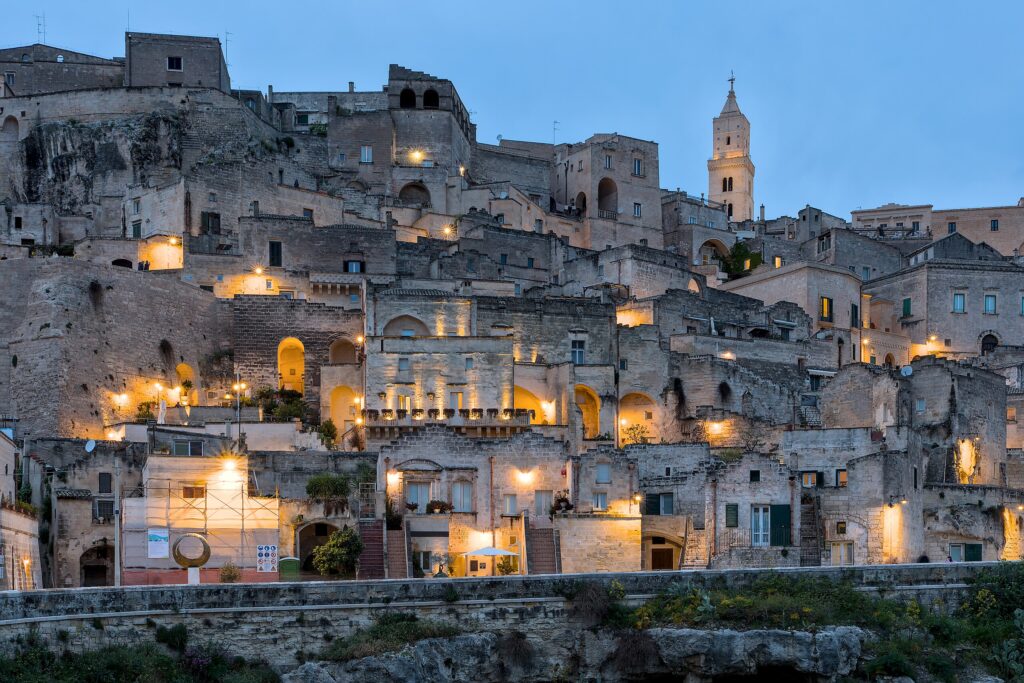
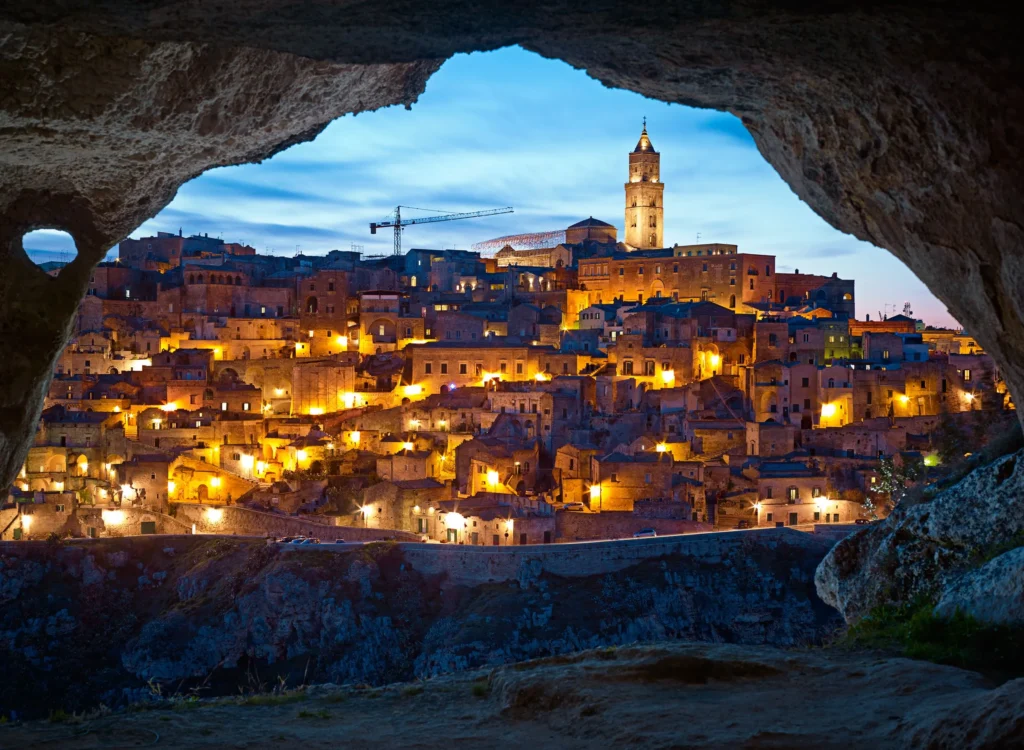
Quick Guide to Matera at a Glance
| Category | Details |
| Best Time to Visit | April-May & September-October (spring & fall) |
| Recommended Stay | 2-3 days |
| Getting There | Train/bus from Bari (1-1.5 hours) |
| Walking Difficulty | Moderate to challenging (many stairs & hills) |
| Must-Try Food | Pane di Matera, crapiata, peperoni cruschi |
| UNESCO Status | World Heritage Site since 1993 |
| Region | Basilicata, Southern Italy |
| Budget Level | €€ (Moderate) |
| Parking | Limited; use designated lots outside city center |
1. Get Wonderfully Lost in the Sassi Districts: Barisano & Caveoso
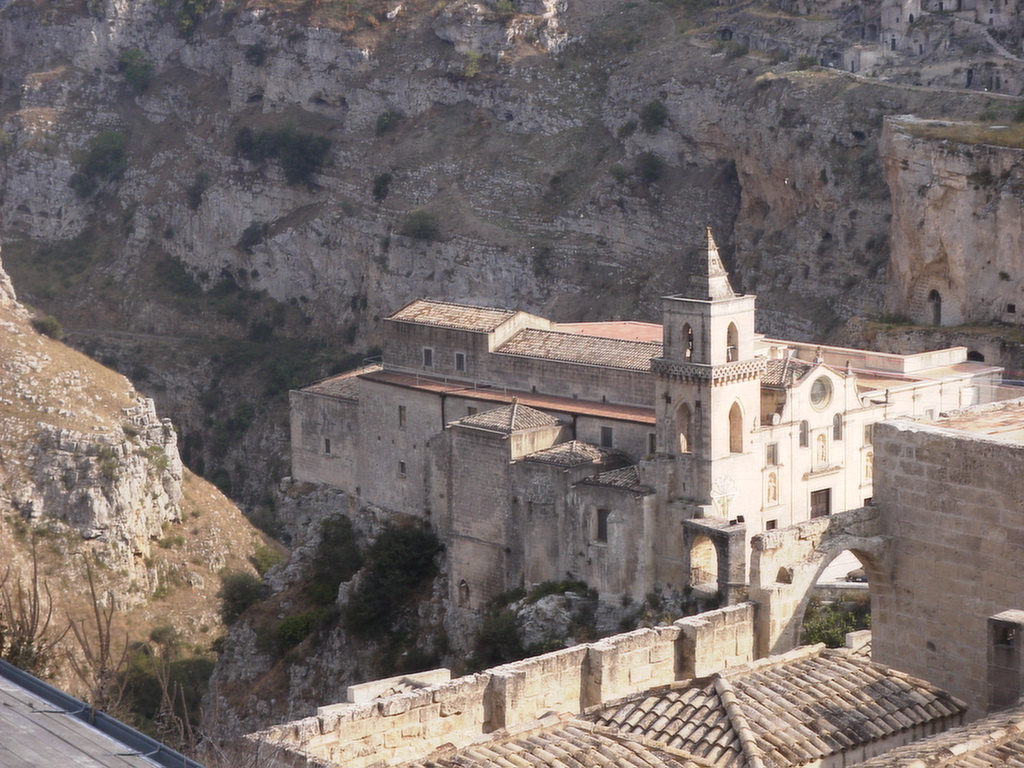
The heart and soul of Matera beats in its two ancient neighborhoods: Sassi Barisano and Sassi Caveoso. These aren’t your typical Italian quarters – they’re entire districts of cave dwellings stacked on top of each other like a three-dimensional puzzle made of stone.
Sassi Barisano sits on the western side and is slightly more polished. You’ll find more shops, restaurants, and restored cave homes here. Many buildings have beautiful facades hiding the cave rooms behind them. It’s perfect for your first introduction to Matera’s unique architecture.
On the flip side, Sassi Caveoso on the eastern slope feels rawer and more authentic. The caves here look exactly as they did decades ago – rough-hewn stone, tiny doorways, and staircases that seem to lead nowhere. This district gives you the truest sense of what life was like when thousands of families lived in these stone shelters.
Your Insider Game Plan:
The magic happens during golden hour – that’s early morning (around 7-8 AM) or late afternoon (5-7 PM depending on season). The warm light makes the honey-colored stone absolutely glow, and you’ll have the narrow streets mostly to yourself before the tour groups arrive.
Here’s a secret most visitors miss: head to Piazza San Pietro Caveoso early in the morning. Grab a coffee from the small bar there, sit on the stone steps, and watch the city wake up. It’s one of the quietest spots in Matera, tucked away from the main tourist flow. From here, explore the maze of stairs and passages leading downward – you’ll discover hidden courtyards, ancient cisterns, and doorways that frame perfect views of the ravine.
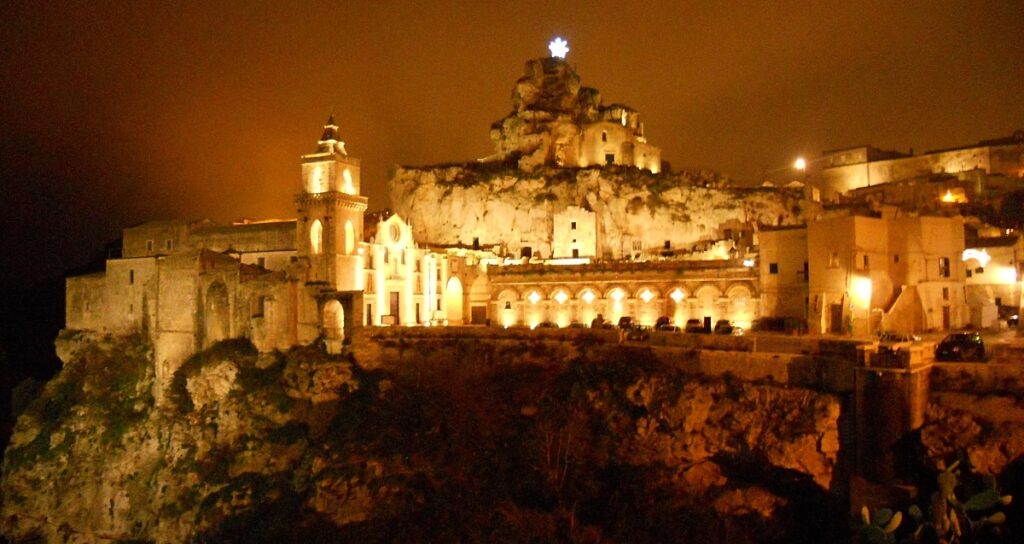
Pro tip: Wear comfortable walking shoes with good grip. These stone streets get slippery, and you’ll be climbing up and down all day!
2. Travel Back in Time: Matera’s Must-See Museums
To truly understand Matera, you need to know its story. Until the 1950s, more than 15,000 people lived in the Sassi without running water or electricity. Families shared their cave homes with livestock, diseases spread easily, and life was incredibly hard. The Italian government eventually relocated everyone, and the Sassi sat abandoned for decades before being reborn as the cultural treasure you see today.
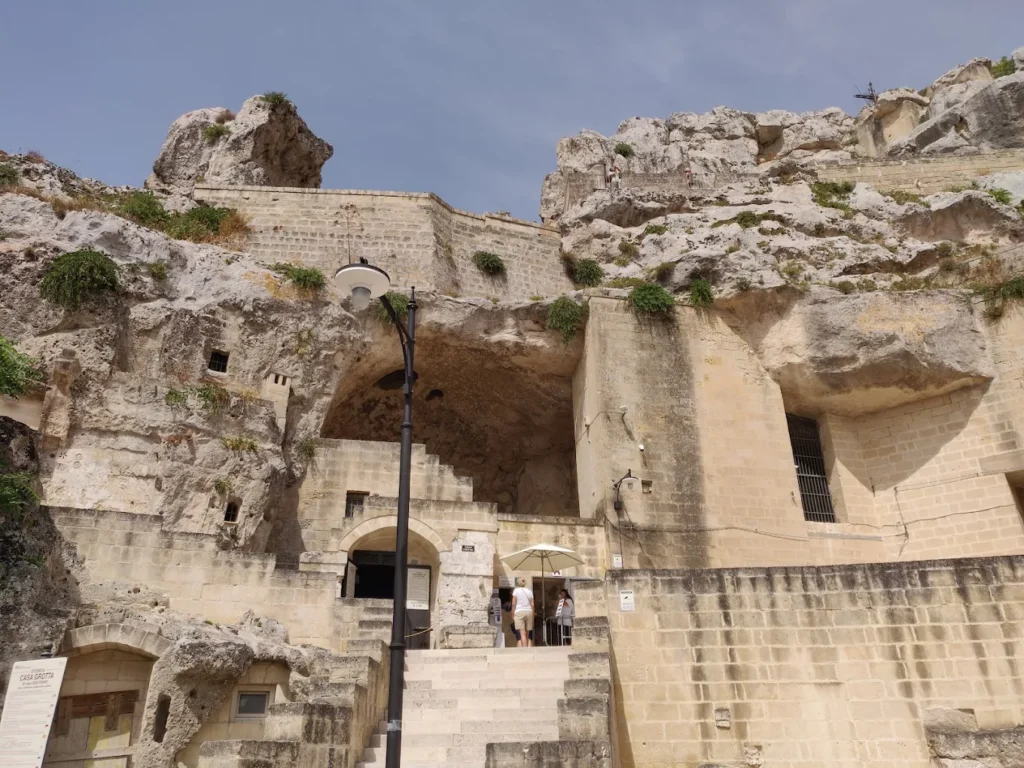
Casa Grotta di Vico Solitario
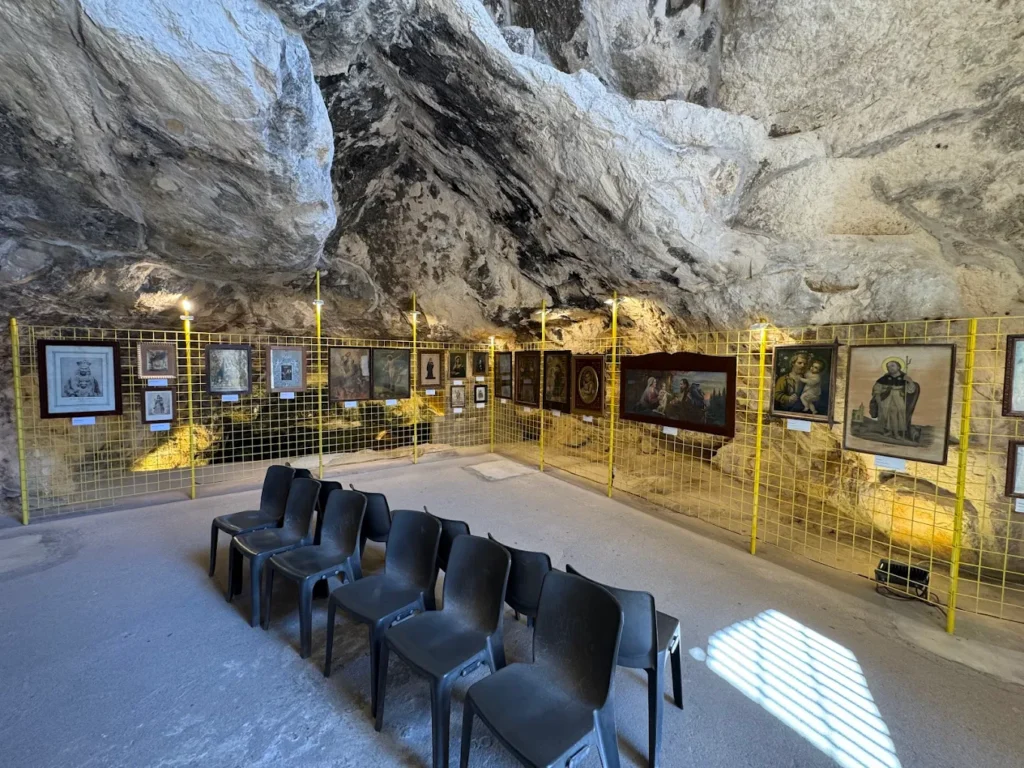
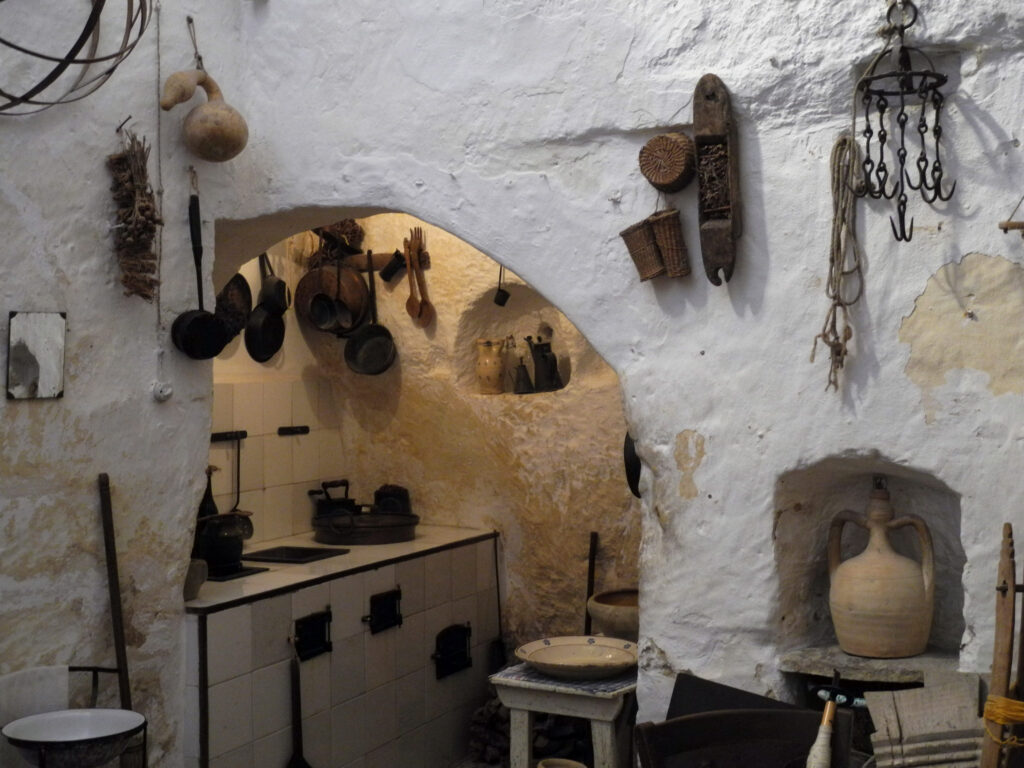
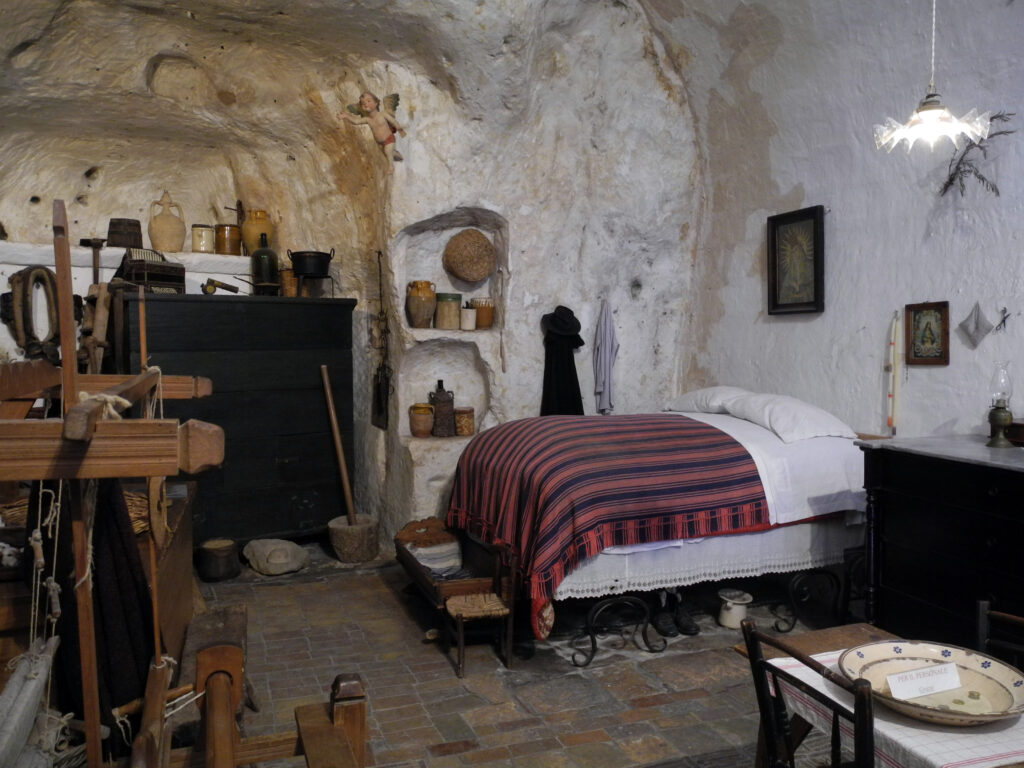
Start your historical journey at Casa Grotta (Cave House), a perfectly preserved cave dwelling that shows exactly how families lived before the evacuation. You’ll see the stone bed where entire families slept, the manger where the donkey stayed (yes, inside the house!), and the simple tools used for daily survival.
The Museum of Rural Life takes this experience deeper, displaying farm equipment, traditional clothing, and photographs that bring Matera’s past to life. These museums aren’t huge, but they pack an emotional punch. (Official Matera Tourism)
Make It Interactive:
Several local artisans and bakers offer hands-on workshops where you can learn traditional crafts or bake Pane di Matera yourself. Check out Casa del Gusto for bread-making sessions or pottery workshops at Artigianato Lucano. These experiences transform history from something you observe into something you participate in.
Practical details: Most museums charge €3-5 for entry. You can find combo tickets at the tourist office that cover multiple sites for around €10-12. Visit museums in the afternoon when everyone else is out exploring – you’ll have more space and time to really absorb the experience.
3. Sleep Like a Cave Dweller (But Way More Comfortable)
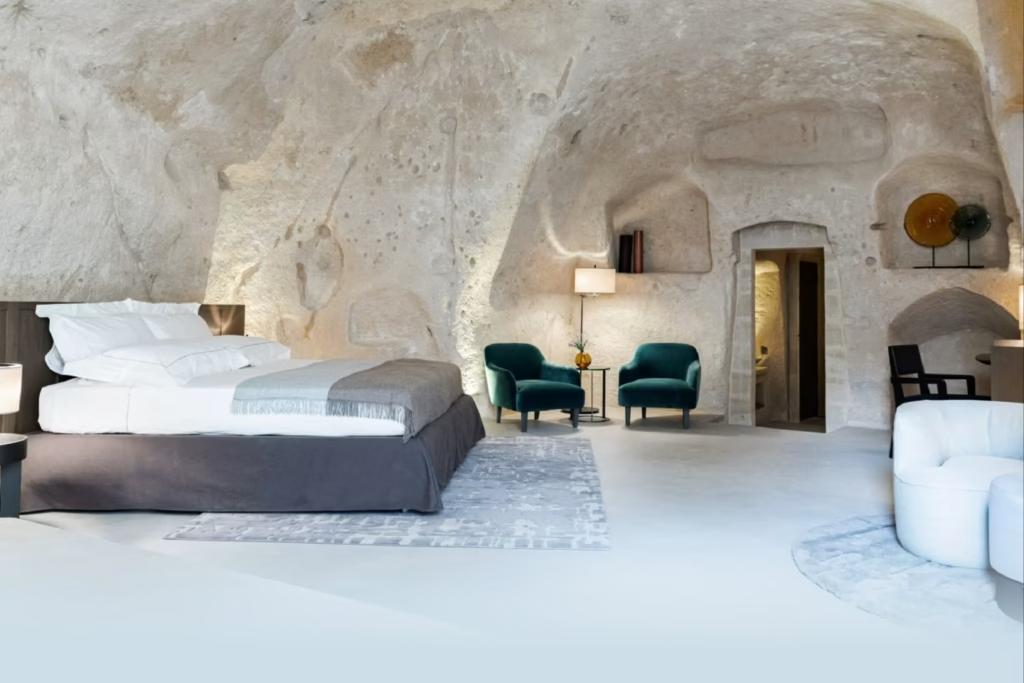
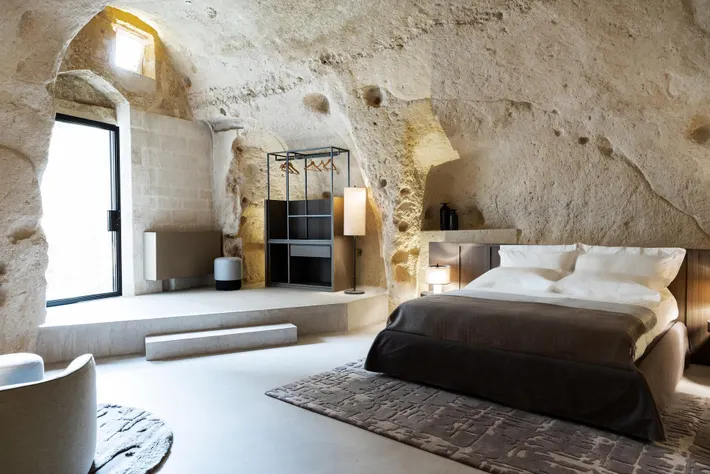
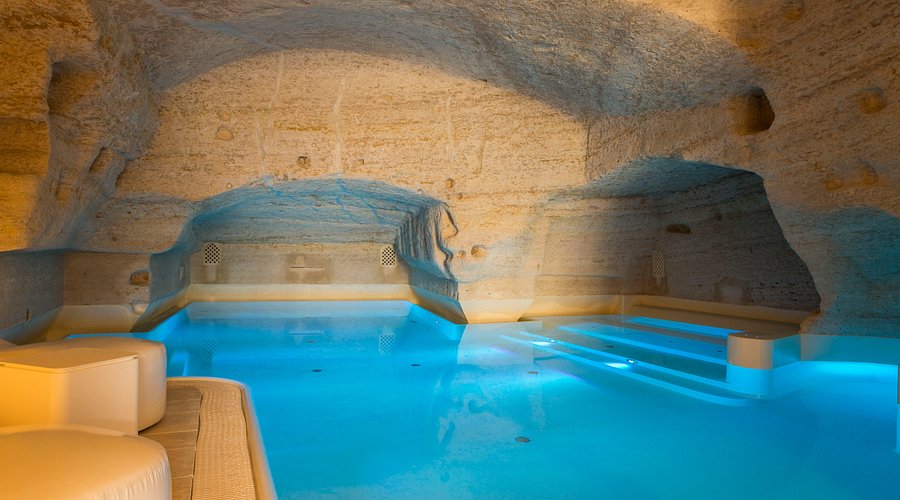
Let’s be honest – staying in a cave hotel Matera is probably the coolest accommodation experience you’ll ever have. These aren’t rustic, uncomfortable caves. Modern cave hotels blend ancient stone architecture with heated floors, rainfall showers, and sometimes even jacuzzis carved into the rock!
My Top Cave Hotel Picks:
Luxury Pick: Sextantio Le Grotte della Civita
This place is jaw-dropping. Each cave suite is unique, featuring original frescoes, stone alcoves, and furnishings made by local craftsmen. Some rooms have private terraces overlooking the Sassi. It’s pricey (€300-500/night), but if you’re celebrating something special, this is it. (Sextantio Official Site)
Mid-Range Marvel: Sant’Angelo Luxury Resort
Perched on the edge of the ravine, Sant’Angelo gives you that luxury feeling without breaking the bank (€150-250/night). The cave rooms have modern amenities, and the breakfast terrace has views that’ll make your Instagram followers jealous.
Budget-Friendly Gem: Locanda di San Martino
Don’t let the lower price fool you (€80-130/night) – this hotel offers comfortable cave rooms with personality. The location in Sassi Barisano puts you right in the heart of everything.
Important Booking Notes:
Book at least 2-3 months ahead for spring and fall visits, 4-6 months for summer. The best cave hotels fill up fast! Also, pack light – you’ll likely face stairs carrying your luggage. Many hotels can arrange luggage transfer if you ask ahead.
Cave rooms stay naturally cool (around 15-18°C/59-64°F year-round), so they’re perfect in summer but need heating in winter. Don’t worry – modern cave hotels have excellent climate control!
4. Where Ancient Caves Meet Modern Art: MUSMA
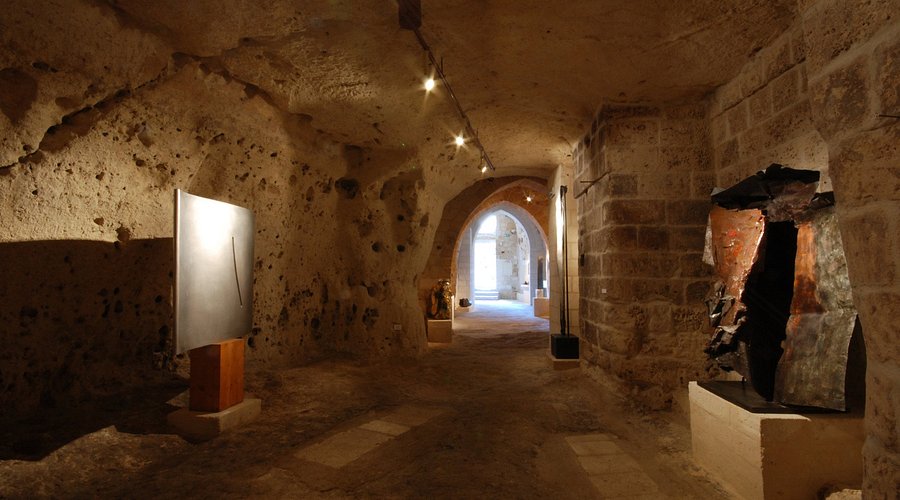
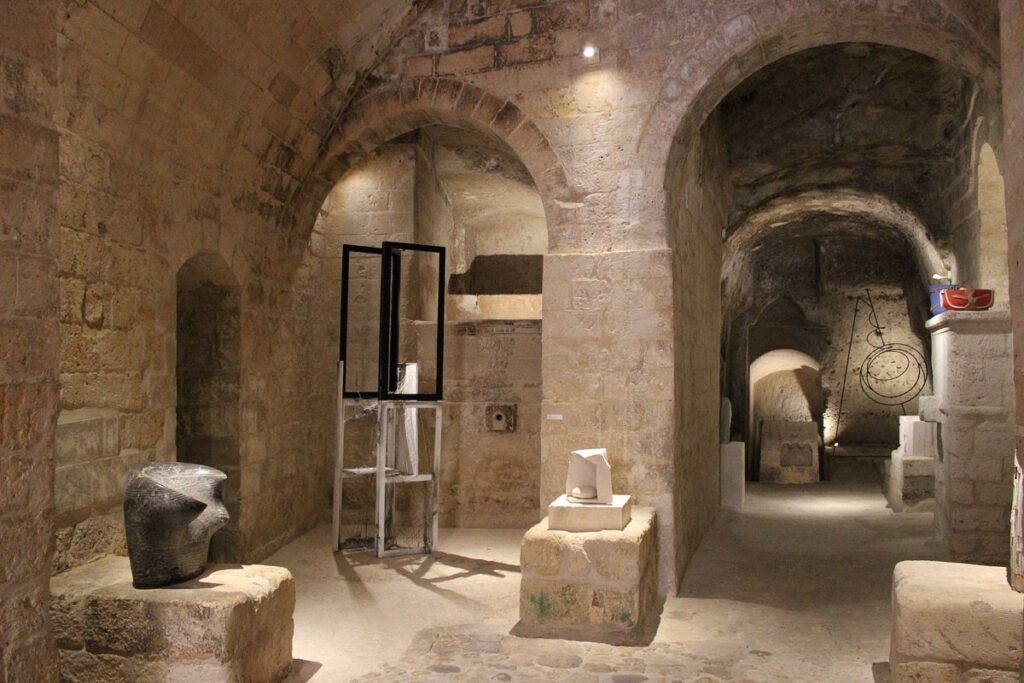
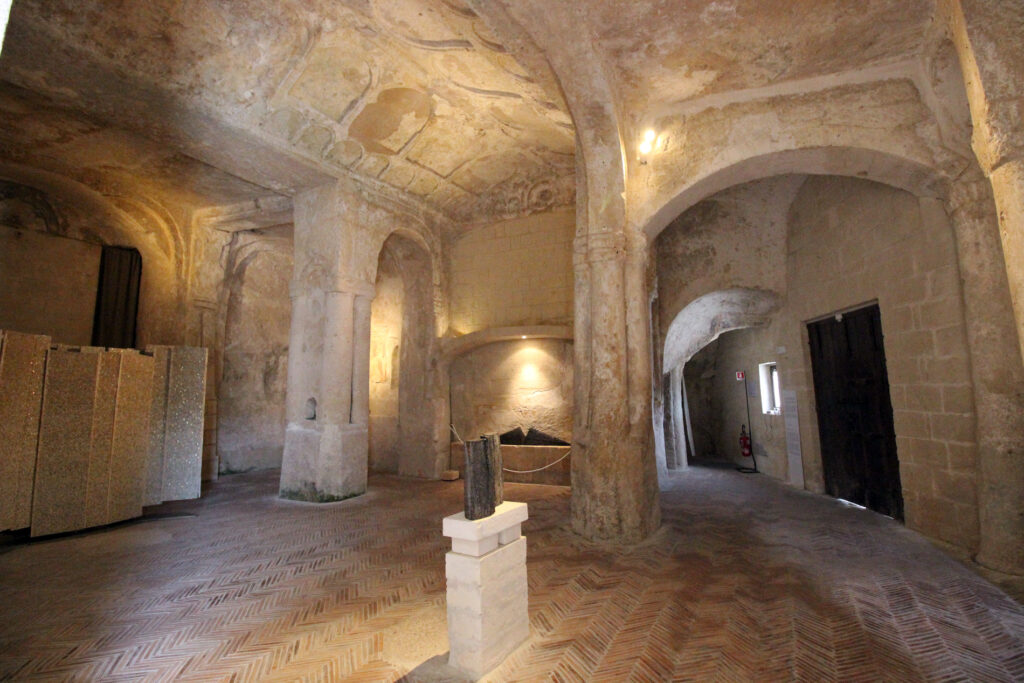
Here’s something unexpected: MUSMA (Museum of Contemporary Sculpture Matera) puts cutting-edge modern sculptures inside ancient cave rooms. The contrast is stunning – smooth marble sculptures against rough stone walls, contemporary installations in spaces that date back thousands of years.
The museum spreads across Palazzo Pomarici, a 17th-century palace built over (you guessed it) more caves. You’ll wander through multiple levels of cave galleries filled with works by Italian and international sculptors. The way light filters through the caves and interacts with the art creates a viewing experience you won’t find in any traditional museum. (MUSMA Official)
Beyond MUSMA:
Matera’s art scene goes deeper than one museum. Check out these spots:
- Fondazione Zetema: A small gallery featuring local contemporary artists
- Cave Art Spaces: Various restored caves now serve as rotating art installations
- Street Art Trail: Look for murals and installations scattered throughout the Sassi
Insider scoop: MUSMA occasionally hosts evening events with live music or artist talks. Check their website before your visit – experiencing the museum after dark with special programming adds another layer of magic.
Entry costs about €5, and the museum is closed Mondays. Visit mid-morning on a weekday for the quietest experience.
5. Chase the Perfect Sunset: Matera’s Best Viewpoints
Matera’s panoramic views are legendary, and trust me, you’ll want to experience them at different times of day. The city looks completely different at dawn, midday, and twilight.
The Classic: Belvedere Murgia Timone
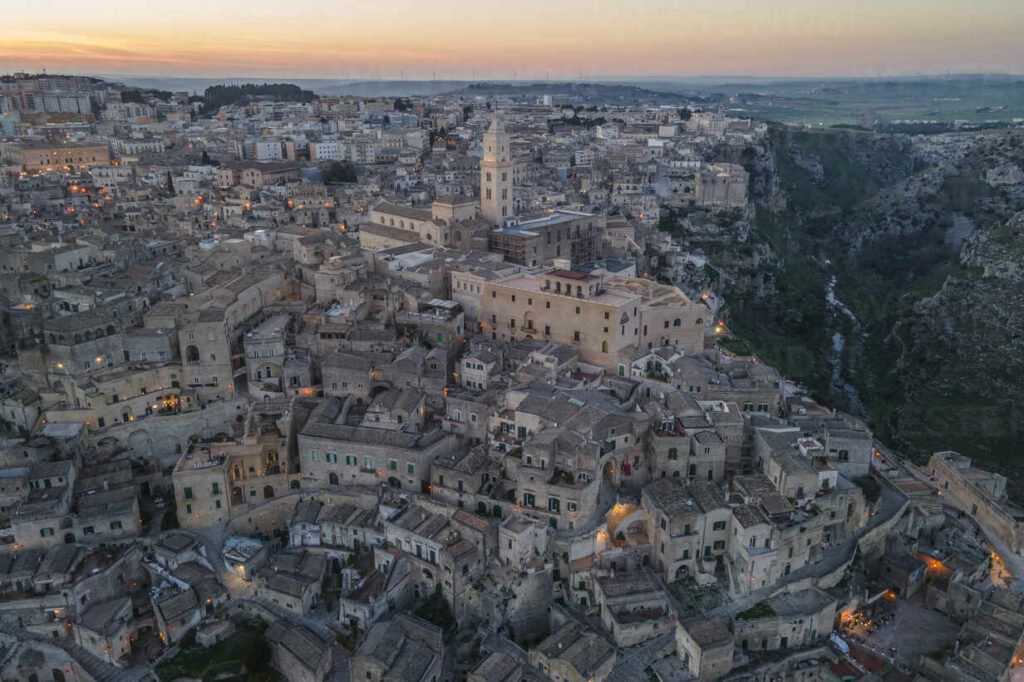
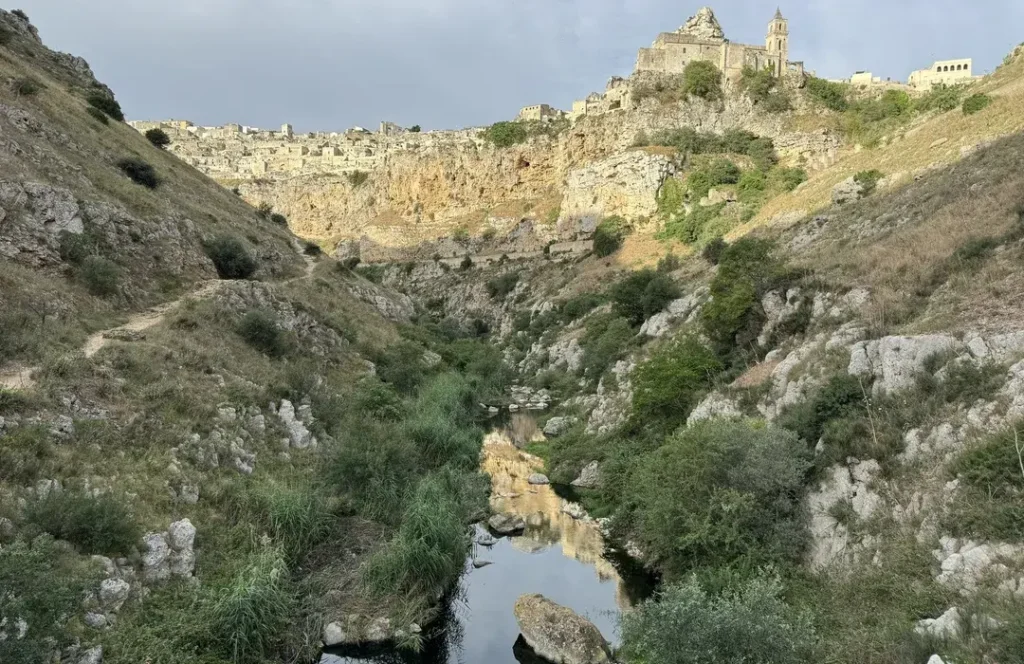
Cross the gorge to reach Belvedere Murgia Timone – this is THE iconic viewpoint you’ve seen in every Matera photo. From here, the entire Sassi district spreads out before you, with the Gravina di Matera ravine cutting dramatically through the landscape.
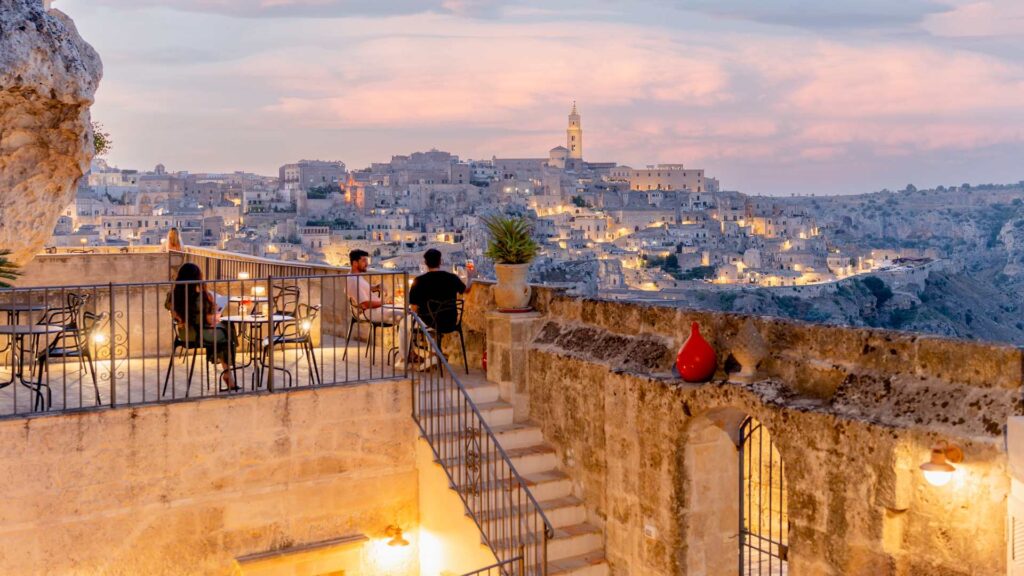
Sunset here is absolutely spectacular. The stone buildings turn from honey to deep amber as the sun drops, and lights begin twinkling across the Sassi as darkness falls. Get there about 30-45 minutes before sunset to claim a good spot.
The Cathedral View: Matera Cathedral Plaza
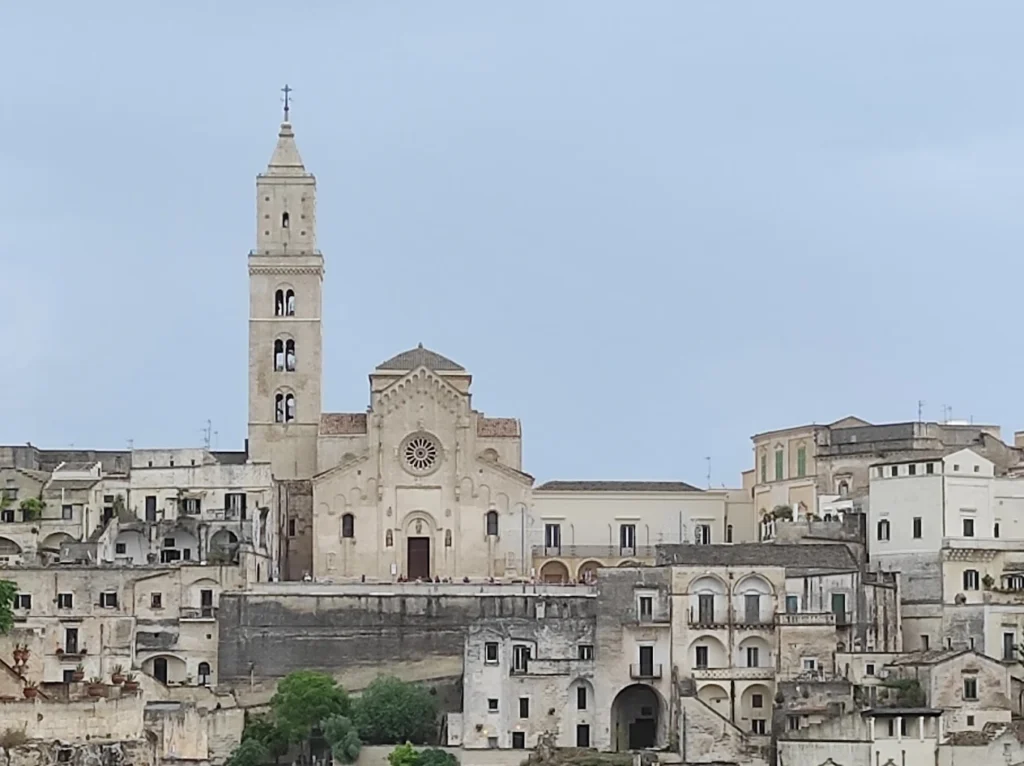
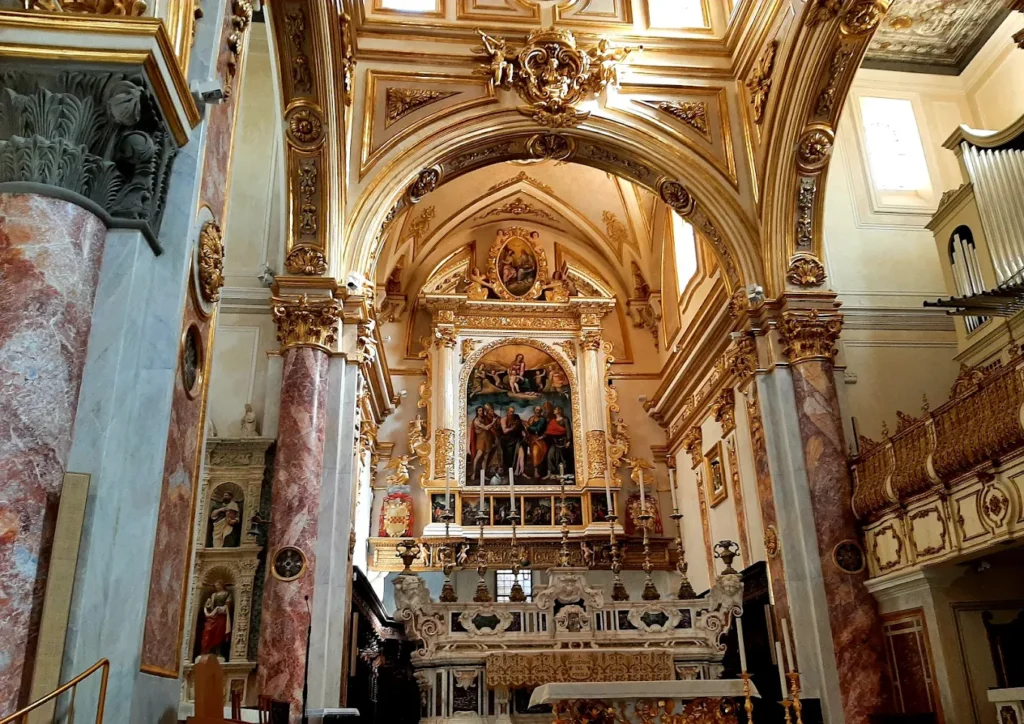
The square in front of Matera Cathedral offers sweeping views over Sassi Barisano. This spot is perfect for sunrise – you’ll watch golden light slowly illuminate the ancient caves while most of Matera still sleeps. Plus, the cathedral itself is gorgeous, with its Romanesque architecture and 16-meter (52-foot) tall bell tower.
The Secret Spot: Via Madonna delle Virtù
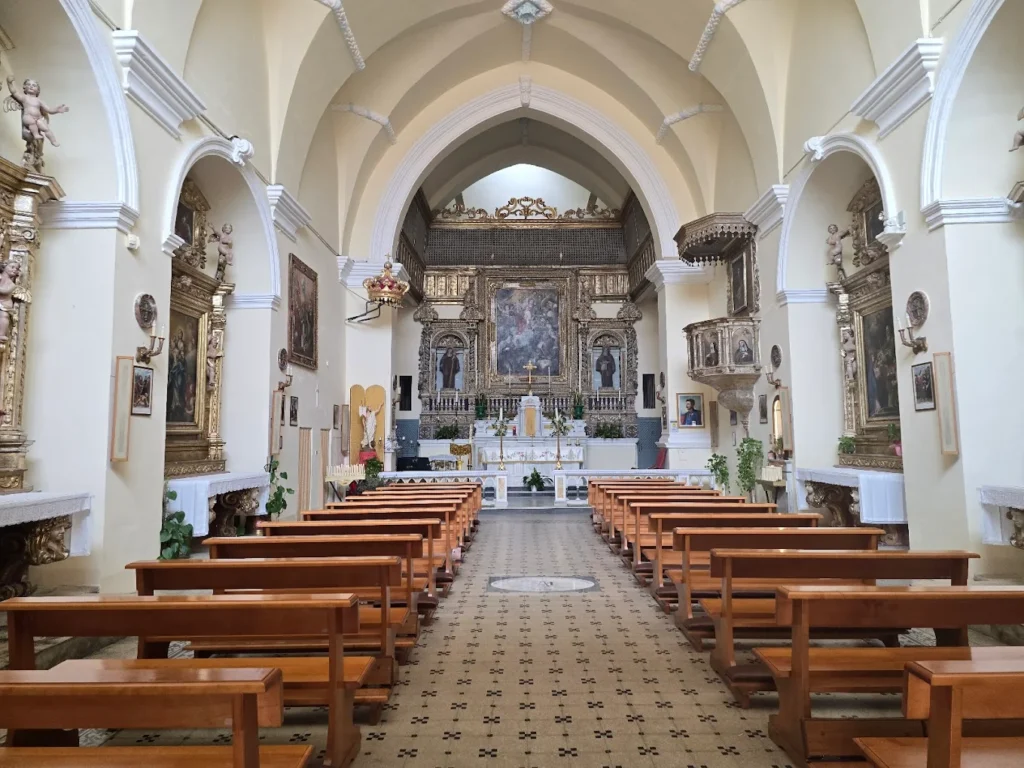
Want a viewpoint without the crowds? Head to Via Madonna delle Virtù, near the rock church of the same name. This elevated pathway gives you fantastic views of the ravine and Sassi Caveoso, but far fewer people know about it. It’s especially peaceful in the early morning.
Photography tip: Bring a wide-angle lens (16-35mm) to capture the full scope of the Sassi. For sunset shots at Belvedere, a tripod helps as light gets low. Golden hour is 60-90 minutes after sunrise or before sunset – that’s when you’ll get that dreamy, warm glow.
6. Taste History: Pane di Matera and Basilicata’s Food Scene
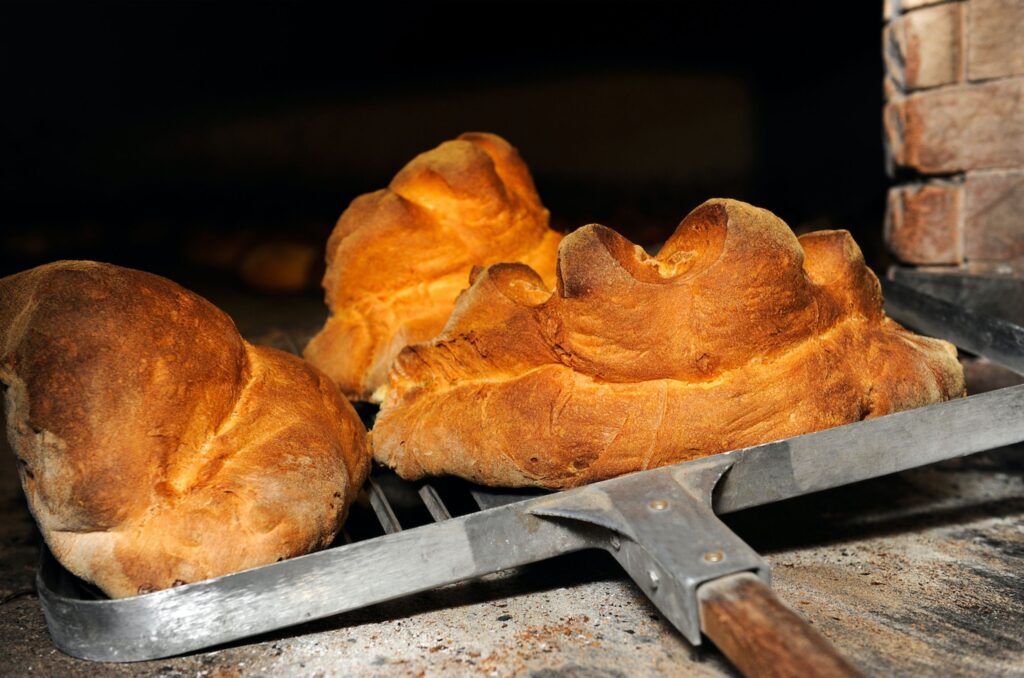
Food in Matera tells a story of survival, creativity, and tradition. The star of the show? Pane di Matera – a massive, hard-crusted bread with a soft interior that stays fresh for up to a week.
This isn’t just any bread. Pane di Matera has IGP (Protected Geographical Indication) status, meaning it can only be made following specific traditional methods using local durum wheat. The loaves are huge (often 2+ kilograms), shaped like a horn, and baked in wood-fired ovens that give the crust its signature deep golden color and incredible flavor.
The Bread Experience:
Visit Panificio San Giorgio or Forno Santa Rita to watch bakers pull these enormous loaves from ancient ovens. Even better, some bakeries offer tours where you can shape your own loaf and learn about the fermentation process that makes this bread special.
Pro tip: Buy a loaf (around €5-8), tear off chunks, and use it to soak up sauces at dinner. Locals often drizzle it with olive oil and rub it with tomatoes for a simple, perfect snack.
More Basilicata Flavors to Try:
- Crapiata: A hearty soup made with legumes, grains, and vegetables – traditionally eaten on August 1st but available year-round
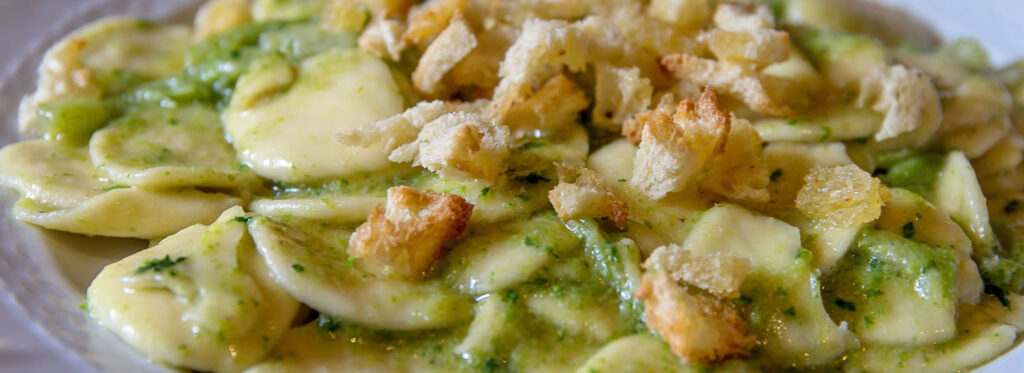
- Peperoni Cruschi: Dried sweet peppers fried until crispy, adding a sweet-smoky crunch to pasta dishes
- Caciocavallo Podolico: A local cheese made from rare Podolica cow milk
- Lucanica Sausage: Spicy pork sausage seasoned with fennel seeds
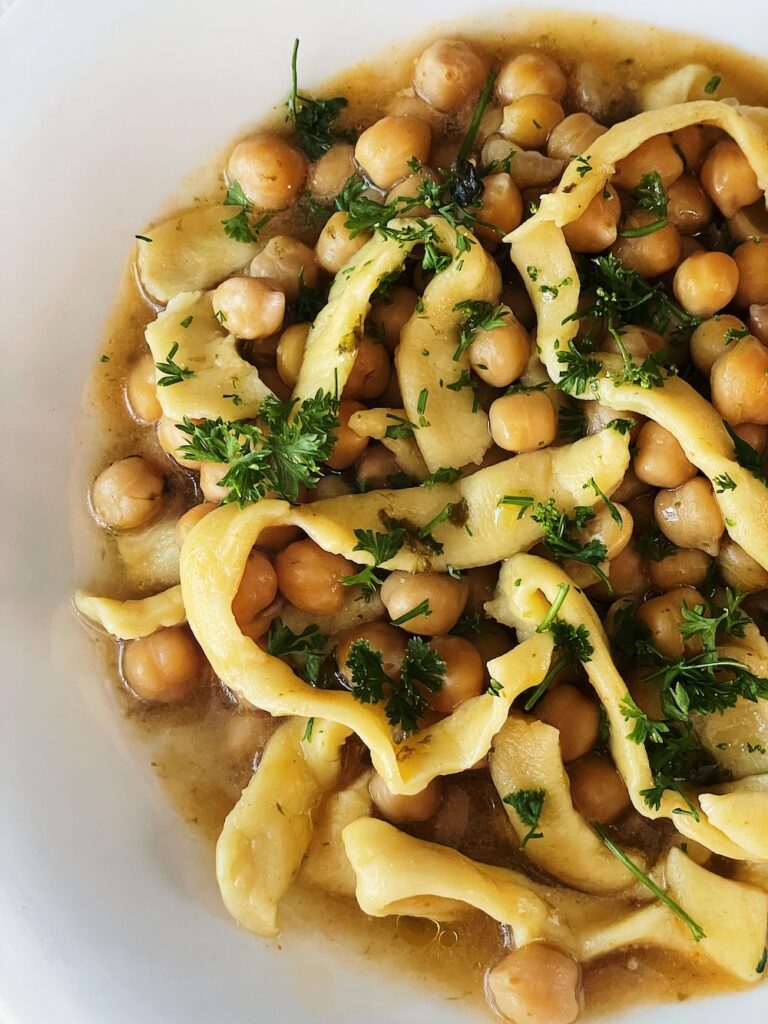
Wine pairing: Grab a bottle of Aglianico del Vulture, the region’s famous red wine. It’s bold, complex, and pairs beautifully with Basilicata’s rustic cuisine.
Don’t miss the local farmers’ market on Via Lucana (weekday mornings) where you can buy fresh produce, cheese, olives, and chat with local vendors. (Basilicata Food Guide)
7. Adventure Time: Hiking the Gravina Ravine
Ready to get your heart pumping? The Gravina di Matera ravine offers some of the most dramatic hiking in Southern Italy. This deep gorge carved by the Gravina stream creates a natural border around the ancient city.
The Suspension Bridge Adventure:
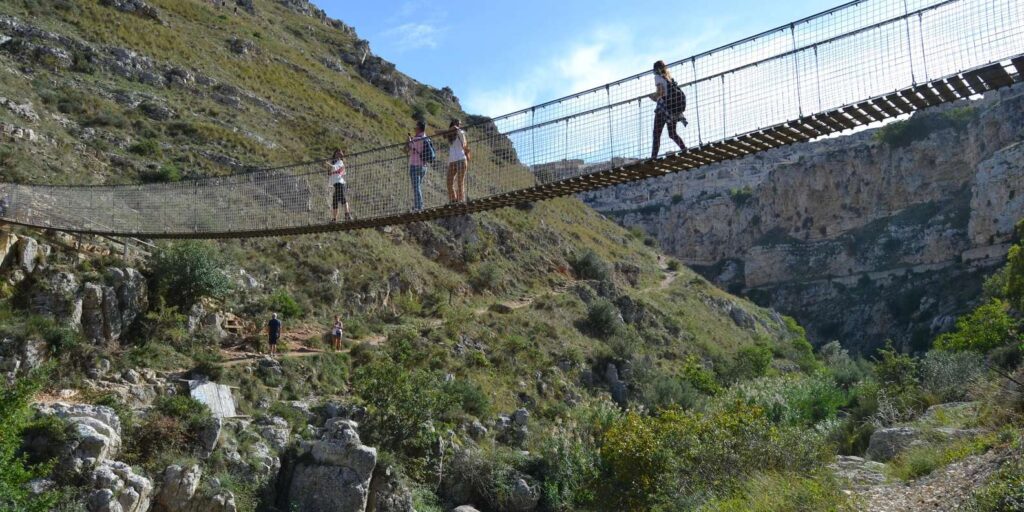
The main attraction is the Tibetan-style suspension bridge (Ponte Tibetano) that sways gently as you cross 80 meters (260 feet) above the ravine floor. It’s thrilling but safe, with proper cables and supports. From the bridge, you get unique perspectives of the Sassi that you can’t see from anywhere else.
Once across, explore the Murgia Materana Park, home to over 150 rock-hewn churches dating back to the 8th-13th centuries. These aren’t fancy buildings – they’re simple cave churches carved into cliff faces, some still containing faded Byzantine frescoes.
The Trail:
The full loop trail (Belvedere to bridge to cave churches and back) takes about 2-3 hours. Here’s the route most people follow:
- Start at Belvedere Murgia Timone
- Take the trail down into the ravine (about 20 minutes)
- Cross the suspension bridge
- Explore Chiesa di Madonna delle Tre Porte and other cave churches
- Return via the same route or loop back through Parco della Murgia
Less crowded alternative: Take the trail starting from Via Madonna delle Virtù that leads down to Chiesa di San Nicola all’Ofra. This route sees fewer hikers but offers equally stunning views.
Essential Hiking Tips:
- Start early (7-8 AM) in summer – the ravine gets brutally hot by midday with little shade
- Wear sturdy hiking shoes – the terrain is rocky and uneven
- Bring plenty of water (at least 1.5 liters per person)
- Apply sunscreen and wear a hat
- The trail involves climbing stairs and steep sections – it’s moderate difficulty but requires decent fitness
Entry to Murgia Materana Park costs €3. (Parco della Murgia Materana)
8. Beyond Matera: Hidden Gems in Basilicata Region
While Matera deserves at least 2-3 days, using it as a base to explore the Basilicata region reveals even more surprises. Skip the obvious day trips everyone recommends (like Alberobello – it’s overcrowded) and check out these lesser-known treasures:
Craco: The Ghost Town
About 45 minutes from Matera sits Craco, an abandoned medieval village perched on a steep hillside. Landslides forced the evacuation in the 1960s, and now it stands frozen in time – a haunting, beautiful reminder of nature’s power.
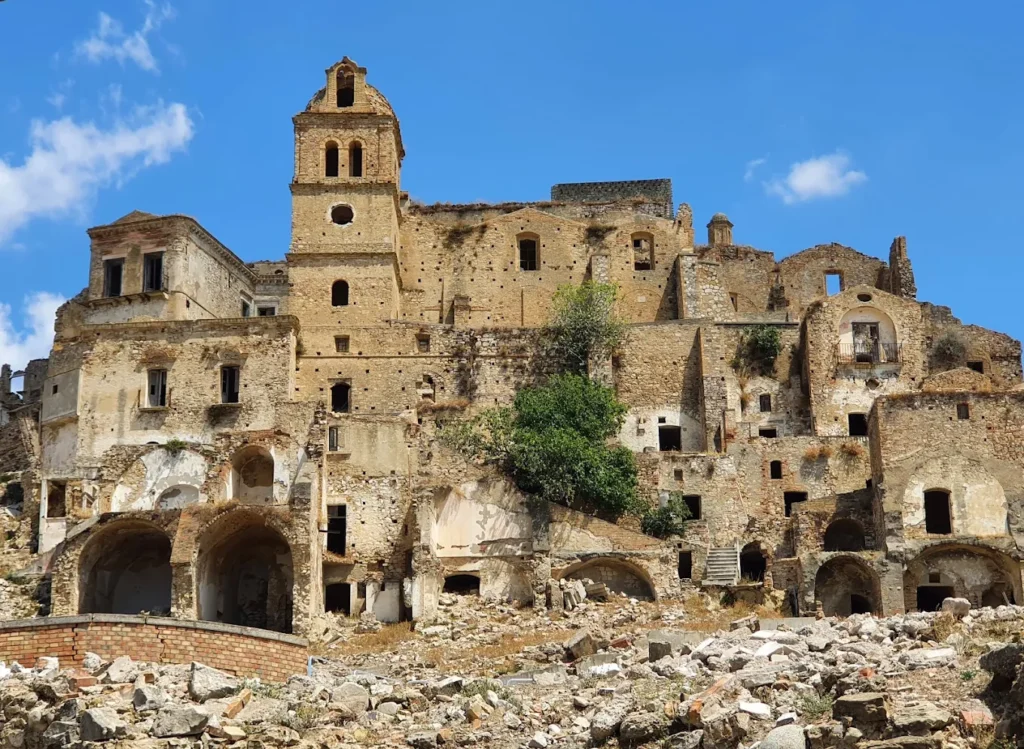
You can only visit with a guided tour (€10) that includes hard hats (for safety). The experience is surreal – walking through empty streets, peeking into abandoned homes, and imagining life before the town fell silent. (Visit Craco)
Castelmezzano & Pietrapertosa: The Dolomites of the South
These two tiny mountain villages in the Lucanian Dolomites look like they’re growing right out of the rocky peaks. The scenery is absolutely stunning – jagged mountains, deep valleys, and medieval stone houses clinging to impossible slopes.
The real thrill? Il Volo dell’Angelo (The Angel’s Flight) – a zip line that connects the two villages. You’ll fly 1,500 meters (nearly a mile) at speeds up to 120 km/h (75 mph) suspended over the valley. It’s one of the most exhilarating experiences in Italy!
Getting around: Renting a car is your best bet for exploring Basilicata. Public transport is limited and infrequent. Expect to pay €40-70/day for a compact car. Book through Auto Europe or Rentalcars.com for the best deals.
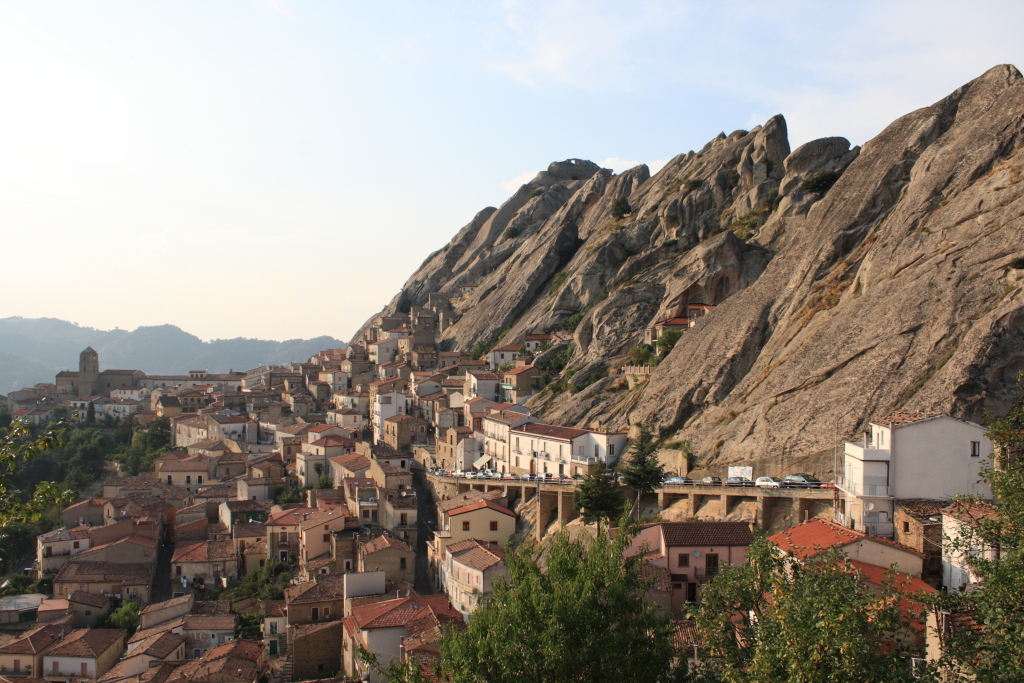
Matera parking: Here’s the tricky part – the historic center is mostly closed to traffic. Use the designated parking lots:
- Parcheggio Via Lucana: €1.50/hour, closest to Sassi Barisano
- Parcheggio Madonna delle Virtù: €1/hour, near Belvedere
- Free parking: Available further out near Piazza Matteotti (15-minute walk)
9. Dining with a View: Where to Eat in Matera
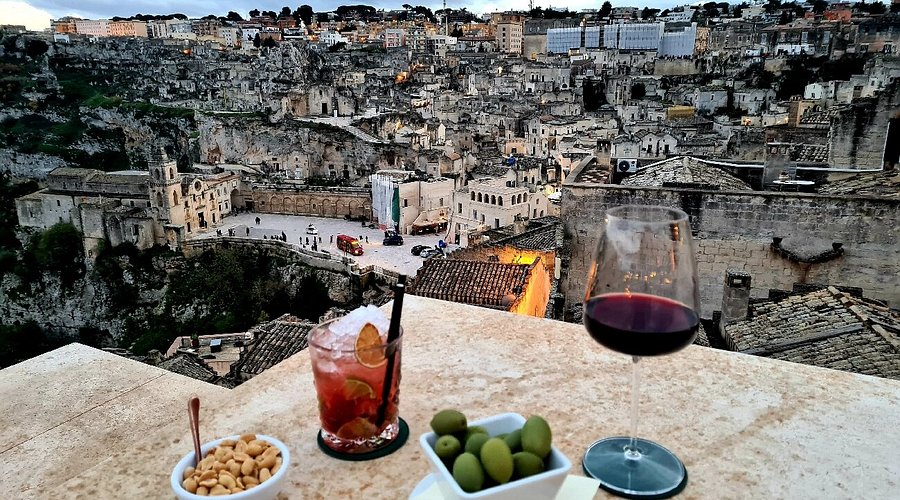
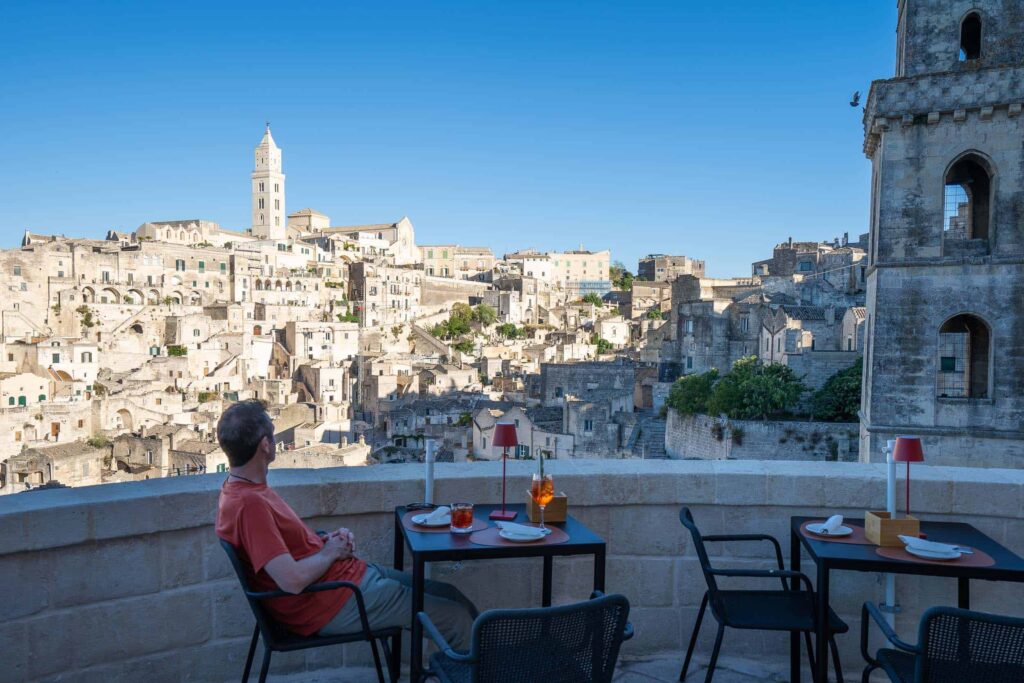
Eating in Matera isn’t just about the food (though the food is fantastic) – it’s about the experience. Watching the Sassi light up at night while enjoying local cuisine creates memories that last way longer than any museum visit.
The View Restaurants:
Ristorante Francesca
Perched on the edge of Sassi Barisano with a terrace overlooking the ravine, this restaurant serves traditional Lucanian dishes with a modern twist. Try their orecchiette with cruschi peppers or lamb with local herbs. The sunset views are unbeatable. Book a table for 7-7:30 PM to catch golden hour.
Baccanti
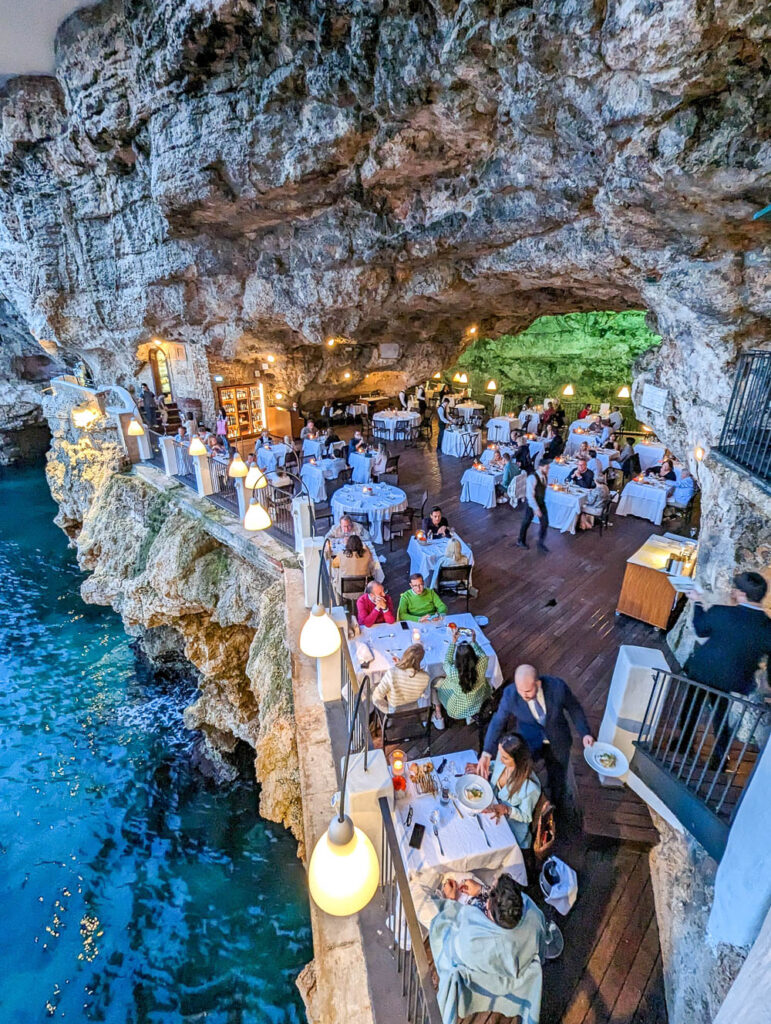
This cave restaurant features stone archways, candlelight, and a menu focused on regional specialties. The ambiance alone makes it special – you’re literally dining inside ancient caves.
The Local’s Secret:
Trattoria Lucana
Located slightly off the main tourist path in the newer part of town, this family-run spot serves the most authentic Materan food at half the price of the Sassi restaurants. The portions are generous, the welcome is warm, and you’ll likely be the only tourist in the room. Order whatever the nonna (grandmother) recommends that day – trust me on this!
Budget-Friendly Options:
- L’Arturo: Simple, delicious sandwiches with local salumi and cheese (€5-8)
- I Vizi degli Angeli: Excellent pizza in a cave setting (€8-12)
- Panificio Perrone: Grab focaccia and pastries for a picnic lunch
Reservation tip: For any restaurant with a view, book at least 2-3 days ahead for dinner, especially in peak season (April-October). Most places accept reservations via WhatsApp or Instagram messages.
Average meal costs:
- Budget lunch: €10-15
- Mid-range dinner: €25-35 per person
- Upscale dining: €50-80 per person
10. Practical Tips: Everything You Need to Know
Let’s talk logistics – the practical stuff that makes your Matera trip smooth instead of stressful.
When Should You Visit Matera?
Best time: April-May and September-October
Spring and fall offer perfect weather (15-25°C/59-77°F), fewer crowds, and lower prices. The light is beautiful for photography, and you can hike comfortably without melting.
Summer (June-August): Hot! Temperatures hit 30-35°C (86-95°F), and the stone streets radiate heat. Plus, peak tourist season means packed restaurants and higher hotel rates. If you must visit in summer, start your days very early and take long siesta breaks.
Winter (November-March): Quiet and atmospheric, but chilly (5-12°C/41-54°F). Some restaurants and hotels close for the season. However, if you don’t mind the cold, you’ll practically have the Sassi to yourself.
Getting to Matera from Bari
Most international visitors fly into Bari Karol Wojtyła Airport (about 65km from Matera). Here are your options:
Train: Trenitalia runs trains from Bari Centrale to Matera Centrale (€5-8, 1.5 hours). Book at Trenitalia.
Bus: Faster and more comfortable. Marino buses run multiple times daily (€5-6, 1-1.5 hours). Check Marinobus.it.
Private transfer: Around €80-100 if you’re traveling as a group and want door-to-door service.
Rental car: Best option if you plan to explore Basilicata region (€40-70/day).
Can You Visit Matera as a Day Trip?
Technically yes, but please don’t! Matera deserves more than a rushed 4-hour visit. The real magic happens when you experience the city at different times – sunrise over the Sassi, afternoon exploring museums, evening watching lights twinkle across the caves. Stay at least 2 nights (giving you 2 full days) to really appreciate this place.
The Mobility Reality Check
Let’s be honest: Matera is NOT mobility-friendly. The entire Sassi district is built on steep hillsides with endless stone staircases, narrow alleys, and uneven surfaces. There are no elevators, no ramps, and many paths are too narrow for wheelchairs.
If you have mobility concerns:
- Stay in the “new town” (Piano) where streets are flatter
- Take taxis to main viewpoints (many drivers know accessible spots)
- Focus on the Matera Cathedral area and Via Ridola which are more manageable
- Book tours that provide transportation to viewpoints
Honestly though, if stairs are difficult for you, Matera will be challenging. I wish it were different, but the ancient architecture makes accessibility nearly impossible to add without destroying what makes it special.
Sustainable Travel in Matera
Help preserve Matera for future generations:
✓ Support local artisans – Buy crafts directly from makers, not tourist shops
✓ Choose locally-owned hotels and restaurants over international chains
✓ Conserve water – Basilicata faces water shortages; take shorter showers
✓ Respect the caves – Don’t climb on fragile structures or remove any stones
✓ Use refillable water bottles – Fill up at public fountains throughout the city
✓ Travel off-season – Helps distribute tourism impact year-round
Your Matera Packing Checklist
Essentials:
- Comfortable walking shoes with excellent traction
- Light layers (temperatures fluctuate between caves and sun)
- Sun protection (hat, sunscreen, sunglasses)
- Refillable water bottle
- Power bank for your phone/camera
- Comfortable day pack
For Summer:
- Lightweight breathable clothing
- Extra water bottles
- Cooling towel
For Winter:
- Warm jacket (caves are cold!)
- Rain gear
- Warm layers for evening
Photography Gear:
- Wide-angle lens for architecture
- Tripod for low-light shots
- Extra memory cards and batteries
How Much Time Do You Really Need?
2 days: Minimum to see highlights and feel the atmosphere
3 days: Ideal – lets you explore thoroughly without rushing, plus one day trip
4-5 days: Perfect for slow travelers who want deep immersion plus regional exploration
Your Matera Adventure Awaits
Matera isn’t just another stop on your Italy itinerary – it’s a place that changes how you think about history, architecture, and human resilience. Where else can you sleep in a 9,000-year-old cave dwelling with WiFi and a rain shower? Where else combines UNESCO World Heritage status with suspension bridges over dramatic ravines? Where else do ancient stones glow golden at sunset while locals share bread-making traditions unchanged for centuries?
These 15 things to do in Matera Italy give you a solid foundation, but the real magic happens when you put down your phone, wander without a map, and let the Sassi surprise you. Take the path that looks interesting. Chat with the baker. Watch sunrise from a quiet corner. Get lost on purpose.
Whether you’re a history lover, adventure seeker, foodie, or photographer, Matera delivers experiences you’ll talk about for years. The city that was once called “the shame of Italy” is now one of its greatest treasures – and your ultimate Sassi adventure is waiting.
Now I want to hear from you: Which of these Matera experiences excites you most? Are you team sunrise hike or team sunset views? Drop a comment below and let me know what you’re adding to your Matera bucket list!
And if you found this guide helpful, subscribe for more off-the-beaten-path Italy travel guides that go beyond the tourist basics. Trust me, we’re just getting started exploring this incredible country.
Frequently Asked Questions About Visiting Matera
How many days do you need in Matera?
Spend at least 2-3 days in Matera to fully experience the city. Two days lets you explore both Sassi districts, visit museums, enjoy the viewpoints, and try local restaurants without feeling rushed. Three days is perfect if you want to add a hike through the Gravina ravine or take a day trip to nearby attractions like Craco. While some visitors do Matera as a day trip from Bari, you’ll miss the magical experience of watching sunset and sunrise over the caves – which is honestly when Matera looks most spectacular.
Is Matera easy to walk around?
Not really – be prepared for a workout! The Sassi districts are built on steep hillsides, meaning you’ll constantly climb and descend stone staircases, navigate narrow alleys, and walk on uneven surfaces. It’s moderate to challenging depending on your fitness level. Wear comfortable shoes with excellent grip (the stones get slippery), take breaks, and carry water. The effort is absolutely worth it, but travelers with serious mobility issues will find Matera very difficult to navigate. Start your days early when it’s cooler, and pace yourself.
What is the best month to visit Matera?
April, May, September, and October are ideal for visiting Matera. During these shoulder season months, you’ll enjoy pleasant temperatures (15-25°C/59-77°F), fewer crowds, beautiful light for photography, and comfortable hiking weather. Spring brings wildflowers to the ravine, while autumn offers golden evening light. Summer (June-August) gets extremely hot and crowded, though cave hotels stay naturally cool. Winter is quiet and atmospheric but some businesses close, and you’ll need warm layers for the chilly weather.
Can you visit Matera as a day trip from Bari?
Yes, you technically can, but I strongly recommend staying overnight instead. Bari to Matera takes about 1-1.5 hours by train or bus, so a day trip is physically possible. However, you’d miss the best parts of Matera – watching the Sassi glow at sunset, sleeping in a cave hotel, experiencing the city in the quiet morning hours, and really soaking in the atmosphere. Matera deserves more than a rushed 4-5 hour visit. If you absolutely must do a day trip, take the earliest bus/train, stay until evening, and focus on the main Sassi districts and at least one viewpoint at sunset.
Do you need to book hotels and tours in Matera in advance?
Yes, especially for cave hotels and popular tours. Cave hotels are unique properties with limited rooms, so they fill up fast – book 2-3 months ahead for spring and fall visits, 4-6 months for summer. Regular hotels are more flexible, but it’s still smart to book at least a month early during peak season.
For restaurants with views, reserve tables 2-3 days ahead for dinner. Walking tours and cooking classes should be booked 1-2 weeks in advance. The good news? Many attractions like museums, viewpoints, and hiking trails don’t require advance booking – just show up. But those special experiences (cave hotels, sunset dinners, guided tours) need planning.
Ready to explore more of Italy? Check out these related guides on xploreheaven.com:
- Hidden Gems in Puglia: Beyond the Tourist Trail
- The Complete Guide to Basilicata Region
- Southern Italy Road Trip Itinerary: 10 Days of Adventure
Have questions about planning your Matera trip? Drop them in the comments below – I love helping fellow travelers plan unforgettable Italian adventures!
References & Useful Resources:
- Matera Official Tourism Website
- UNESCO Matera Information
- Parco della Murgia Materana
- Basilicata Tourism Board
- MUSMA Museum

Read More Articles;
- Northeast India Tourism Guide 2026: Best Places, Itinerary, Cost & Hidden Gems
- Thailand Hidden Islands Travel Guide 2026: Secret Islands, Budget Itinerary & Crowd-Free Beaches for Indians
- Sri Lanka Travel Guide 2026 for Indians: ₹50K Budget, 7-Day Itinerary, Visa & Hidden Gems
- Bali Travel Guide 2026: Best Places, Itinerary, Budget & Hidden Gems (Complete Planner)
- Alleppey Tourist Places: 25 Best Places to Visit in Alleppey Backwaters (2026 Travel Guide)
