 Skip to content
 Picture this: you’re standing on a cobblestone street lined with candy-colored colonial houses, each one painted in shades of sunshine yellow, electric blue, and fiery orange. The air smells like freshly brewed coffee mixed with the earthy scent of rain on mountain soil. Behind you, the Andes Mountains rise up like sleeping giants, and somewhere in the distance, the world’s tallest palm trees are swaying in the breeze like nature’s own skyscrapers.
Welcome to Salento, Colombia—a tiny mountain town that punches way above its weight when it comes to charm, adventure, and pure travel magic.
Whether you’re a solo traveler looking for your next adventure, a family planning a holiday that combines nature and culture, or just someone who wants to escape the noise of everyday life, Salento has something special waiting for you. This isn’t your typical tourist trap. Sure, everyone knows about the famous wax palms in Valle de Cocora, but what to do in Salento Colombia goes far beyond that single (admittedly spectacular) experience.
In this guide, I’ll walk you through 10 unforgettable experiences that showcase the real heart of this Salento Colombia coffee region gem. From hiking cloud forests to sipping coffee straight from the farm, exploring hidden waterfalls, and even learning a quirky local game involving gunpowder (yes, really!), you’re about to discover why Salento should be at the top of your Colombia bucket list.

Quick Information Table
| Category | Details |
| Best Time to Visit | December to March (dry season) or June to August |
| Recommended Stay | 3-4 days for full experience; 2 days minimum |
| Main Activities | Hiking, coffee tours, viewpoints, day trips |
| Getting There | Fly to Pereira or Armenia, then 1-hour bus ride |
| Budget Range | $30-60 USD per day (mid-range traveler) |
| Ideal For | Solo travelers, families, nature lovers, coffee enthusiasts |
| Language | Spanish (basic English in tourist areas) |
| Safety Level | Very safe for tourists, including solo travelers |
Planning Your Salento Adventure: Getting There & Orienting Yourself
How to Reach Salento
Getting to Salento is easier than you might think, though it does require a bit of planning. The town sits in Colombia’s Coffee Triangle (Eje Cafetero), nestled between the larger cities of Armenia and Pereira.
By Air: Your best bet is flying into either Matecaña International Airport in Pereira (45 minutes away) or El Edén International Airport in Armenia (30 minutes away). [Cite Source: Colombian Civil Aviation Authority]. From there, you’ll hop on a local bus or arrange a private transfer. Buses run regularly throughout the day and cost around 8,000-10,000 Colombian pesos (roughly $2-3 USD).
By Bus: If you’re coming from Bogotá, expect a scenic 8-10 hour bus journey through the mountains. From Medellín, it’s about 6-7 hours. Companies like Expreso Bolivariano and Expreso Palmira offer comfortable overnight buses with reclining seats. [Cite Source: Terminal de Transporte websites]
Pro Tip for Solo Travelers: The bus terminals in Pereira and Armenia are safe, but arrive during daylight hours if possible. Keep your valuables close and use official taxi services or apps like DiDi or InDriver for the final leg to Salento.
Orienting Yourself in Town
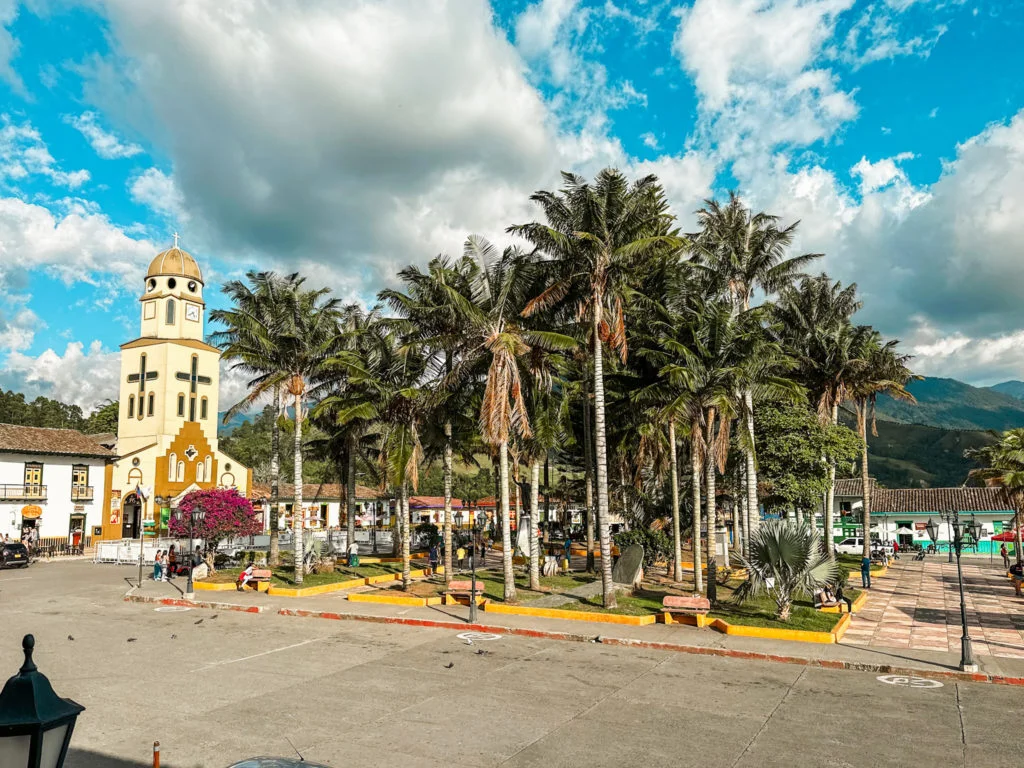
Salento is wonderfully compact—you can walk from one end to the other in about 15 minutes. The heart of town is the Plaza de Bolívar, surrounded by restaurants, artisan shops, and cafés. From the plaza, Calle Real (also called Carrera 6) is the Instagram-famous street lined with colorful colonial architecture that climbs uphill toward the Mirador Alto de la Cruz.
The Mirador Salento Colombia view is worth the 240-step climb. You’ll get panoramic views of the valley below, with the wax palms of Cocora visible on clear days. Go at sunset for the most dramatic lighting—the golden hour turns those colorful buildings into something out of a storybook.
Best Time to Visit Salento Colombia
Timing matters in the mountains. Salento has two dry seasons: December through March and June through August. These months offer the clearest skies for hiking the Cocora Valley wax palms trail and exploring surrounding nature.
That said, this is the cloud forest—rain is part of the charm. Even during “dry” season, afternoon showers are common. The rainy seasons (April-May and September-November) bring lush green landscapes and fewer crowds, though trails can get muddy.
Weekend vs. Weekday: Salento gets packed with Colombian tourists on weekends and holidays. If you’re looking for a quieter experience, visit mid-week. You’ll have trails more to yourself and won’t wait in line for jeeps to Cocora Valley.
Where to Stay
Accommodation options range from $10 USD hostel dorms to $80+ boutique hotels. For solo travel Salento Colombia adventures, try hostels like The Plantation House or La Serrana Eco Farm Hostel—both are social spots perfect for meeting other travelers. Families might prefer places like Hotel Salento Real or Casa de las Palmas, which offer private rooms with mountain views.
The Magnificent Outdoors: Salento’s Must-Do Nature Experiences
Hiking the Legendary Valle de Cocora
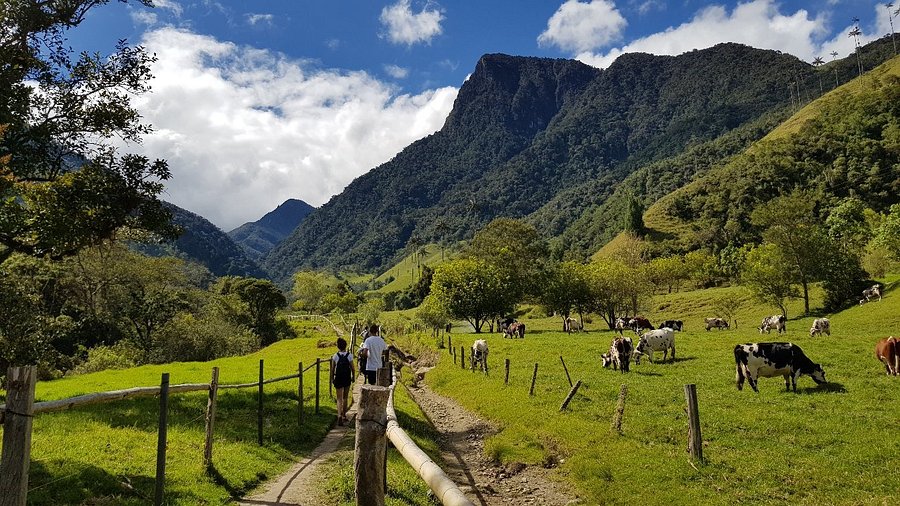
Let’s be honest—the Cocora Valley wax palms are the main reason most people come to Salento, and they absolutely live up to the hype. These towering Quindío wax palms (Ceroxylon quindiuense) are Colombia’s national tree and the tallest palm species on Earth, reaching heights of up to 200 feet. Seeing them rising out of the misty valley feels like stepping onto another planet.

The Hiking Options:
There are two main ways to experience Valle de Cocora:
1. The Full Loop (5-6 hours): This 14-kilometer trail takes you through cloud forest, across rickety wooden bridges, past rushing rivers, and finally into the valley where the palms stand like natural monuments. The route is moderately challenging with some steep sections and stream crossings. [Cite Source: Colombian National Parks Service]
Is the hike in Cocora Valley hard? I’ll be straight with you—it’s not a walk in the park, but it’s totally doable for anyone with average fitness. The elevation (you’ll be between 2,400-2,800 meters above sea level) might leave you breathing harder than usual. Wear good hiking boots, bring rain gear, and pack snacks and water.
2. The Short Walk (1-2 hours): If you’re short on time or traveling with young kids, you can simply walk into the valley floor, snap photos with the palms, and head back. You’ll miss the cloud forest section, but you’ll still see the iconic landscape that makes this place famous.
Getting There: From Salento’s main plaza, catch a vintage Willys jeep (an absolute experience in itself—these colorful WWII-era vehicles are packed with locals and tourists alike). The 30-minute ride costs about 4,000-5,000 pesos ($1-1.25 USD) each way and drops you at the park entrance. [Internal Link: Best Transportation in Colombia’s Coffee Region]

What to Bring:
- Waterproof hiking boots (trails get muddy)
- Rain jacket (even in dry season)
- Reusable water bottle (there are refill stations)
- Sun protection (the altitude intensifies UV rays)
- Small bills for the 15,000 peso ($4 USD) entrance fee
Alternative Ways to Explore Nature
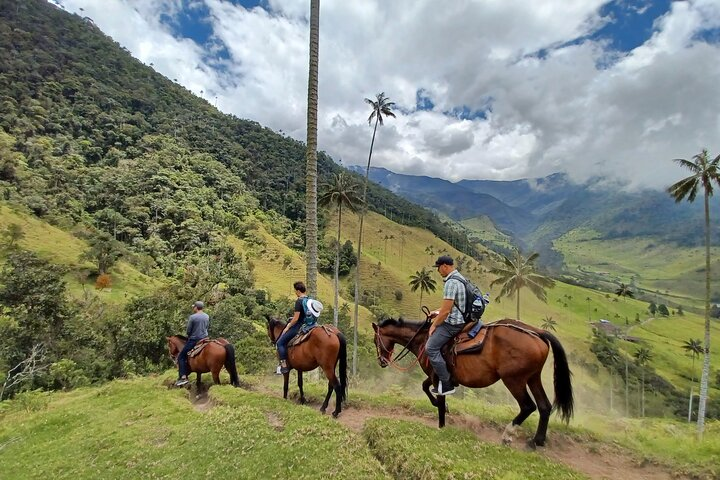
Not everyone wants to hike for six hours, and that’s totally okay. Horse riding Salento Colombia tours offer a gentler way to explore Valle de Cocora and the surrounding countryside. Several local operators offer guided horseback tours ranging from 2-4 hours, taking you through the valley and up to viewpoints that most hikers never reach.
Expect to pay around 60,000-80,000 pesos ($15-20 USD) for a guided tour. The horses are well-treated, and guides are knowledgeable about the local ecology. It’s a great option for families with younger children or anyone who wants to see more ground without the physical strain.
Chasing Waterfalls & Relaxation Spots
Beyond Cocora Valley, the region hides several beautiful Salento Colombia waterfall hot springs experiences. Here are two worth adding to your itinerary:
Santa Rita Hot Springs: About 90 minutes from Salento (you’ll need to arrange transport), these natural thermal springs are fed by volcanic activity deep underground. The warm waters are rich in minerals and surrounded by lush forest. It’s the perfect reward after a day of hiking. [Cite Source: Colombian Tourism Board]
Cañón del Río Barbas: This protected nature reserve features multiple waterfalls, including the stunning 60-meter Cascada de los Ángeles. It’s a day trip from Salento Colombia that combines hiking, bird watching (over 200 species), and waterfall swimming.
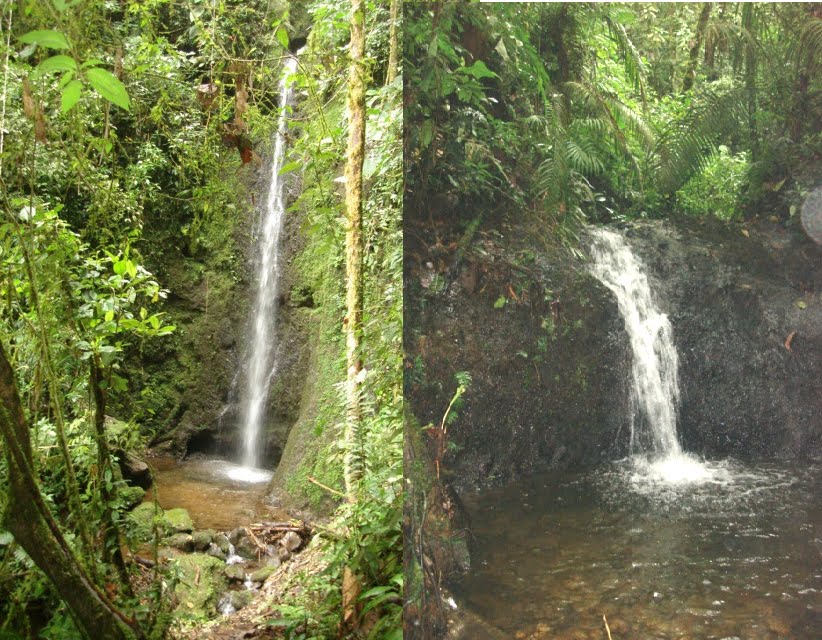
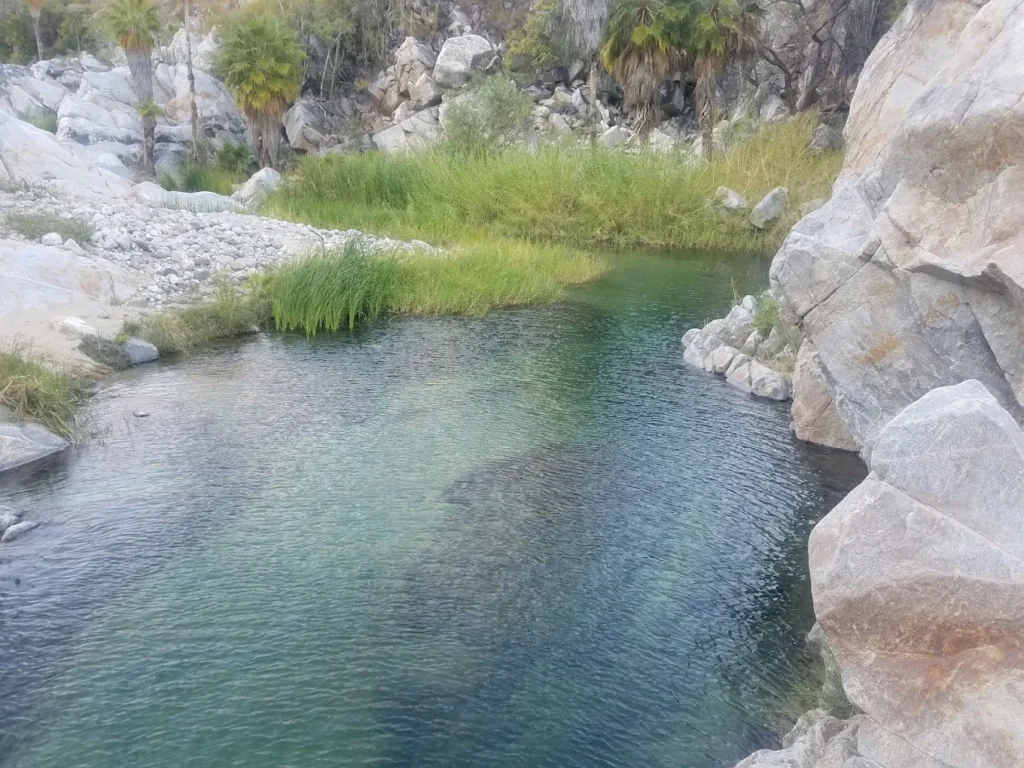
Pro Tip: Pack a swimsuit in your daypack if you’re doing any waterfall hikes. The water is cold but incredibly refreshing, and nothing beats cooling off under a mountain cascade after sweating through humid trails.
Immersion in Colombia’s Coffee Axis
Why Salento is the Heart of the Coffee Region
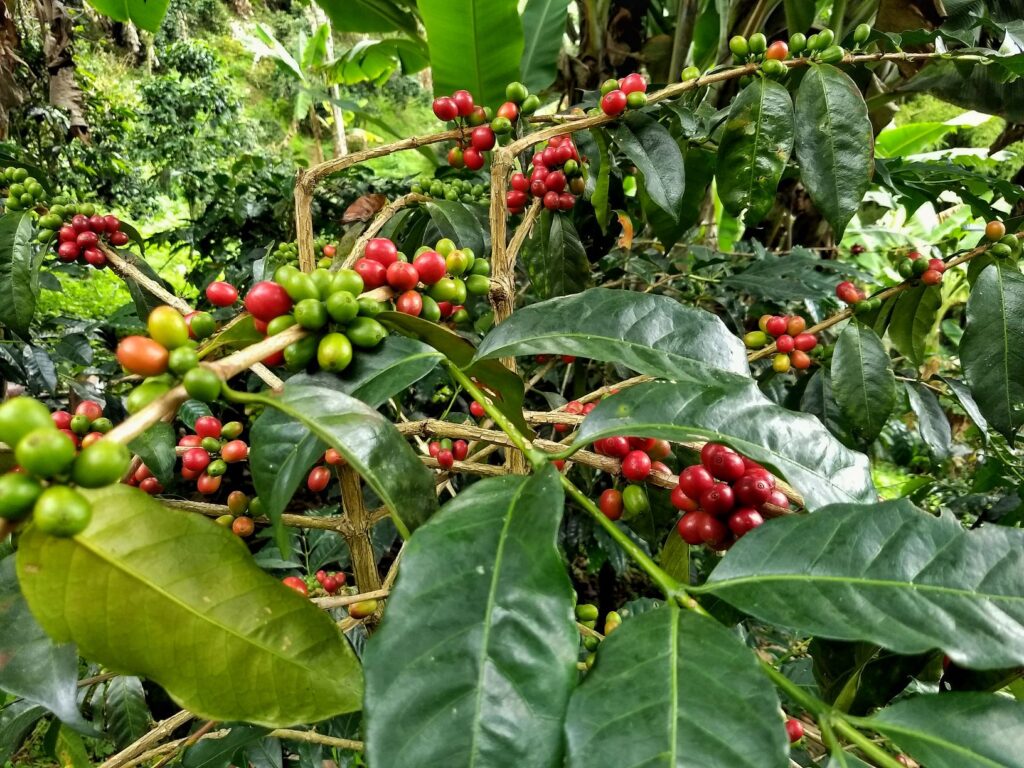
Colombia produces some of the world’s finest coffee, and the Salento Colombia coffee region (part of the larger Coffee Triangle) is where that magic happens. The combination of volcanic soil, perfect altitude (1,200-2,000 meters), and consistent rainfall creates ideal growing conditions for arabica beans.
But here’s what makes Salento special: it’s still authentic. Unlike more commercialized coffee regions, many farms here are family-owned, small-scale operations where grandparents work alongside grandchildren to hand-pick each cherry at peak ripeness.

The Coffee Farm Experience
A coffee farm tour Salento Colombia is absolutely non-negotiable. This isn’t just about learning how coffee is made (though you will)—it’s about connecting with the people whose families have been growing coffee for generations.
What to Expect:
Most tours last 2-3 hours and walk you through the entire process from seed to cup. You’ll:
- Walk through the coffee plantations learning to identify ripe cherries
- Hand-pick coffee cherries yourself
- See how beans are washed, fermented, and dried
- Watch the roasting process up close
- Finally, taste coffee that was literally picked that morning
Tours typically cost 25,000-40,000 pesos ($6-10 USD) per person. [Cite Source: Colombian Coffee Federation]
Recommended Farms:
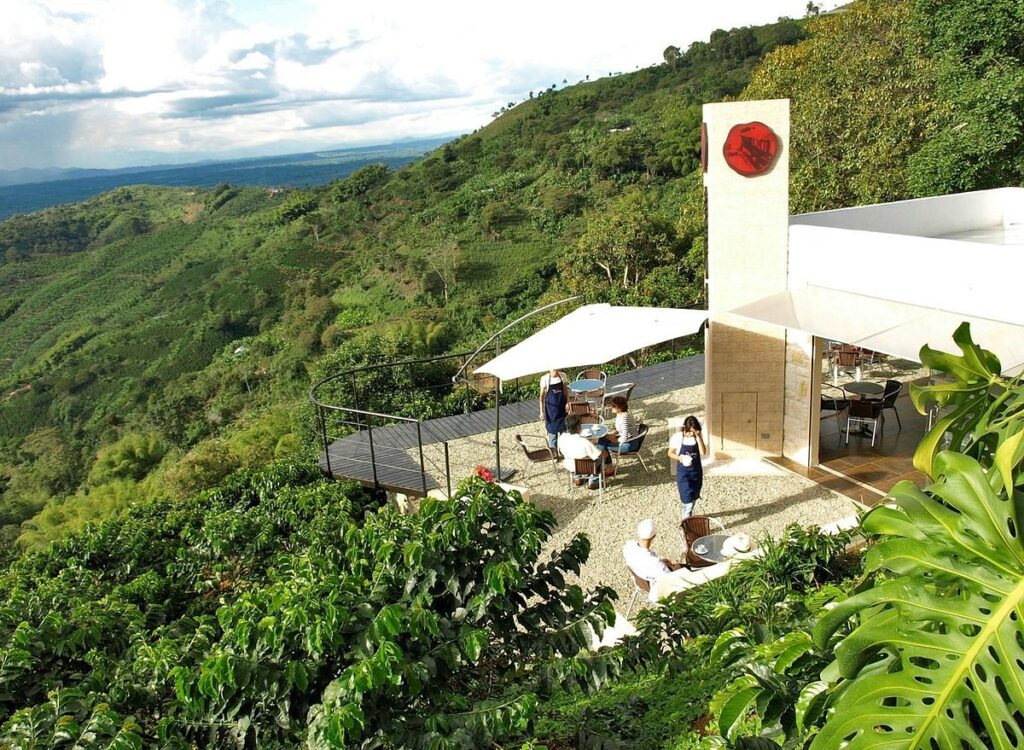
Don Elias Coffee Farm: A smaller, family-run operation where Elias himself leads tours with infectious enthusiasm. The property has stunning valley views, and tours feel personal rather than scripted.
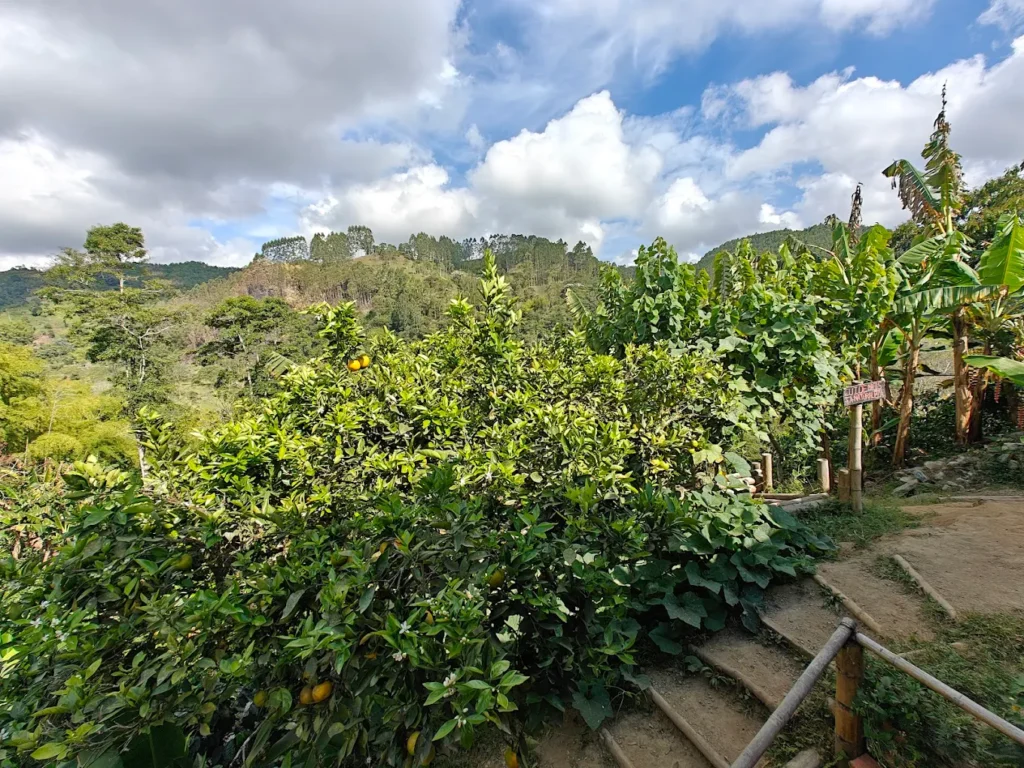
Finca El Ocaso: One of the most popular options, this organic farm emphasizes sustainable practices. They also offer overnight stays if you want the full coffee farmer experience.
Café San Alberto: A bit more upscale, this farm has won international awards for their beans. The tour is thorough, and their café serves some of the best coffee you’ll ever taste.
Ethical Considerations: Choose farms that pay fair wages and use sustainable practices. Ask about their environmental policies—good farms are proud to discuss water conservation, composting, and organic pest control methods.
Can You Visit Coffee Farms in Salento Without a Tour?
Yes, but I’d recommend joining a guided experience at least once. The knowledge and stories from the farmers add layers of meaning you’d miss wandering on your own. That said, some larger farms like Café San Alberto welcome walk-in visitors to their café and shop without booking a formal tour.
Non-Farm Coffee Tasting
After your farm visit, explore Salento’s café culture. Brunch (yes, that’s the name) on Calle Real serves excellent coffee in a cozy setting with garden views. Jesús Martin Café near the plaza roasts their own beans and offers tasting flights where you can compare different regions and roasting profiles.
Town Life, Culture & The Perfect Day Trip
Exploring the Iconic Town
Salento’s colonial architecture is a photographer’s dream. The town was founded in 1842 by settlers from Antioquia, and the Paisa style of architecture features wooden balconies, bright paint jobs, and clay tile roofs. [Cite Source: Colombian Ministry of Culture]
Start at Plaza de Bolívar, the social hub where locals gather in the evenings. Then wander Calle Real, stopping at artisan shops selling hand-carved wood items, woven baskets, and locally-made jewelry. The street climbs steadily uphill toward the Mirador Alto de la Cruz.
Those 240 steps to the Mirador Salento Colombia view might leave you winded (remember, you’re at altitude), but the payoff is worth every breath. From the top, you’ll see the entire valley spread below, with the Andes forming a dramatic backdrop. On clear mornings and late afternoons, you can even spot the wax palms in the distance.
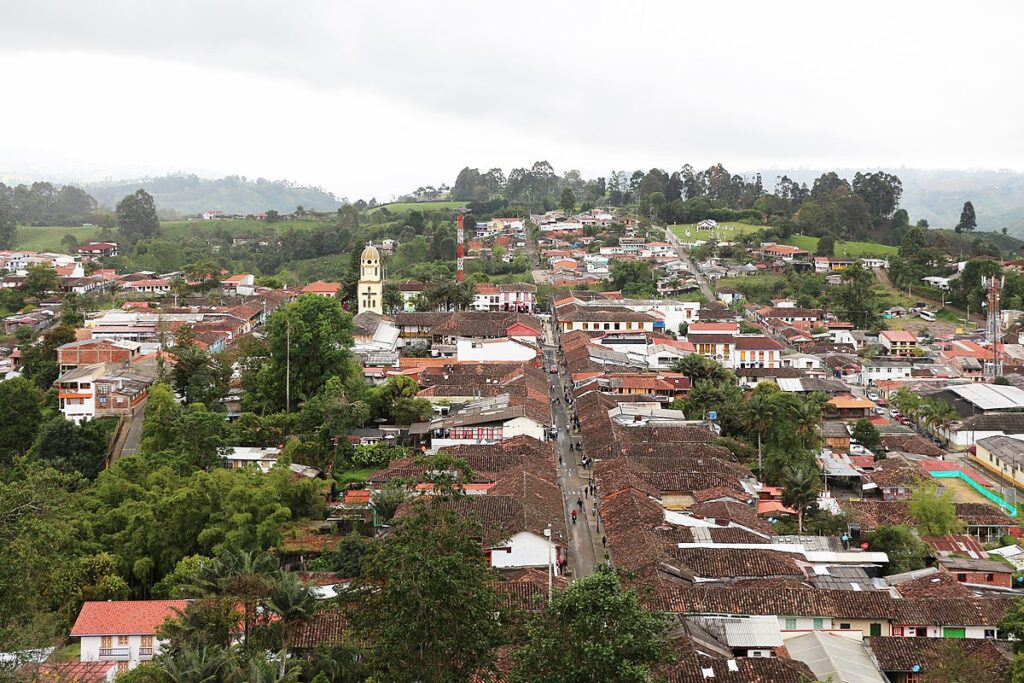
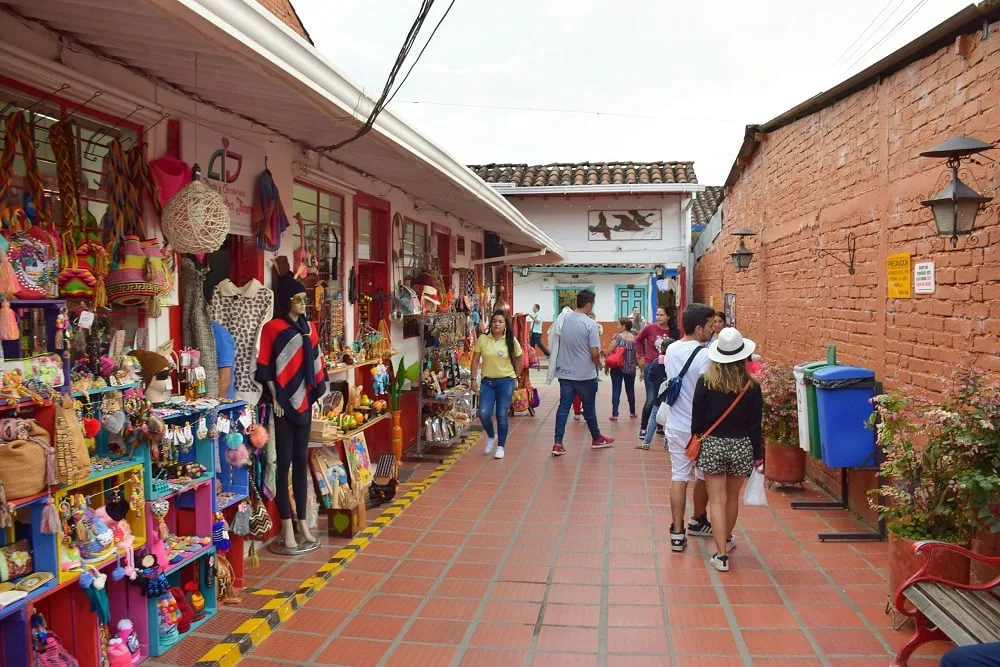
Photography Tip: Visit the Mirador at three different times—morning (clear light), midday (dramatic clouds), and sunset (golden glow on the buildings). Each offers a completely different mood.
Local Culture & Food
Tejo: Here’s where things get fun. Tejo is Colombia’s national sport, and it involves throwing metal discs at clay targets embedded with small packets of gunpowder. When you hit the target just right—BOOM! It’s part skill, part luck, and entirely entertaining. Several bars in Salento have Tejo courts where you can play for a few thousand pesos while enjoying a cold beer. [Cite Source: Colombian Sports Federation]
Food You Must Try:
Trucha (Trout): Salento is famous for rainbow trout from local mountain streams. Order it grilled, fried, or in garlic sauce. Restaurante Donde Laurita serves excellent trucha with patacones (fried plantains) and fresh salad.
Bandeja Paisa: This massive platter represents the region’s agricultural heritage—beans, rice, ground meat, chorizo, fried egg, avocado, arepa, and chicharrón. It’s enough food for two people, and it’s delicious.
Artisan Chocolate: Salento has several small chocolate makers using locally-grown cacao. Chocolate (yes, another straightforward name) offers tours and tastings where you’ll learn about cacao processing and sample different percentages and flavor combinations.


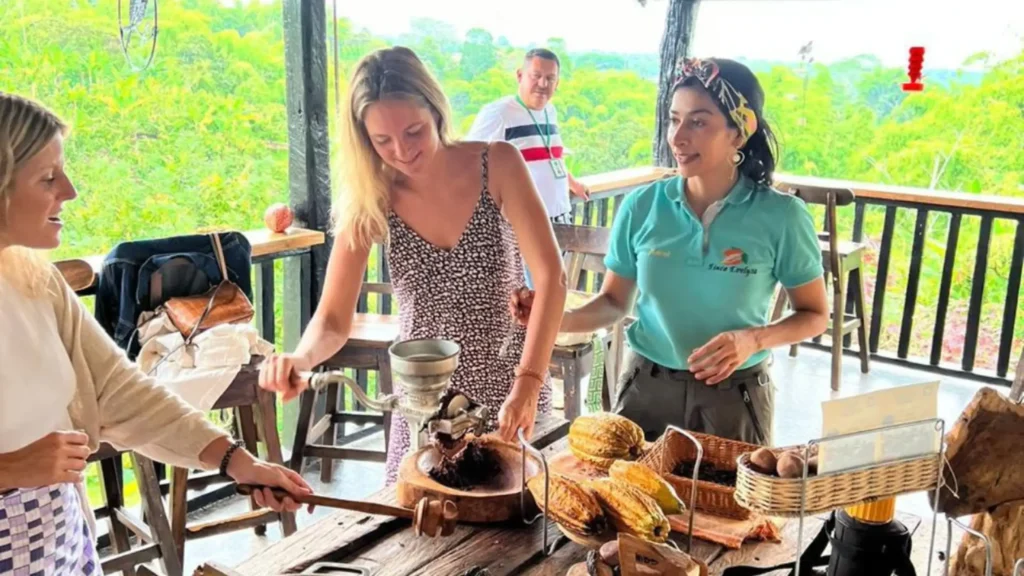
Source: www.getyourguide.com/salento-colombia

Source: www.getyourguide.com/salento-colombia
The Essential Day Trip: Filandia
Just 30 minutes from Salento lies Filandia, a equally colorful but far less touristy town that offers a different flavor of coffee country life. This Filandia Colombia day trip is perfect for your second or third day when you want something new but don’t want to travel far.
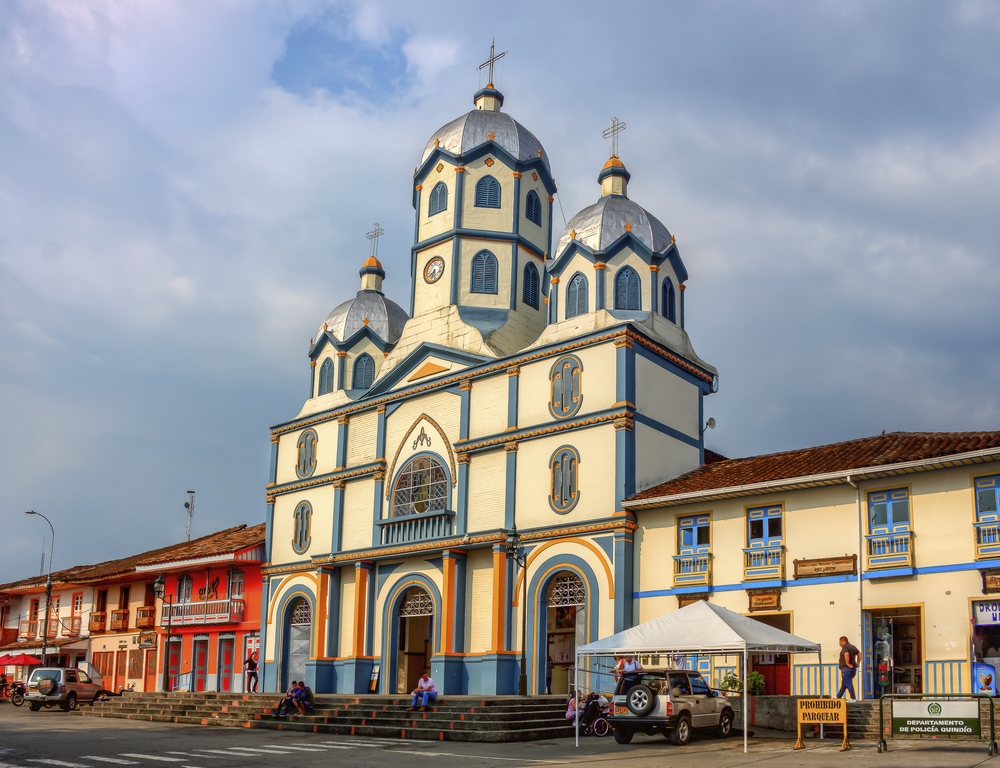
How to Get There: Catch a local bus from Salento’s main road (ask any shop owner to point you toward the “bus a Filandia”). The ride costs about 3,000 pesos ($0.75 USD) and drops you right in the town center.
What to Do:
Mirador de Filandia: This viewpoint tower offers 360-degree views of the Coffee Triangle, including both the Central and Western Andes ranges. On clear days, you can see multiple volcanoes. The entrance is free, and it’s a short walk from the main plaza.
Shopping: Filandia is known for its wicker furniture and handicrafts. The main street has dozens of shops selling beautifully woven chairs, baskets, and decorative items at lower prices than Salento.
Lunch: Helena Adentro is a local favorite serving traditional Colombian food in a lovely garden setting. Try their ajiaco (chicken and potato soup) or sancocho (hearty vegetable stew).
Filandia is quieter and more authentically Colombian—you’ll see more locals going about their daily routines than tourists posing for photos. It’s a refreshing contrast to Salento’s busier vibe.
Beyond the Brochure: Hidden Gems & Off-Beat Activities
Lesser-Known Coffee Experiences
While the famous farms are great, some of the most memorable coffee experiences happen at smaller operations that don’t appear in guidebooks.
Finca La Bonita: This tiny organic farm runs tours by appointment only. The owner, Doña María, has been growing coffee for 40 years and shares stories about how the industry has changed. Her tour is less polished but far more intimate—you’ll probably end up having lunch with the family.
Coffee Cupping Sessions: Several specialty cafés offer proper coffee cupping (professional tasting) sessions where you’ll learn to identify flavor notes, assess acidity and body, and understand what makes Colombian coffee unique. Café Bernabé hosts sessions on weekday afternoons for about 35,000 pesos ($9 USD).
Local Artisan Deep Dive
Beyond the main tourist shops, Salento has a thriving community of artisans working in wood, leather, ceramics, and textiles.
Taller de Carpintería (Woodworking Workshop): Some local carpenters welcome visitors to watch them work. They create everything from furniture to decorative items using traditional hand tools. It’s not advertised—you’ll need to ask around or have your hostel make an introduction.
Cacao & Chocolate Tours: While coffee gets all the glory, Colombia also grows excellent cacao. Small-batch chocolate makers like Cacao & Cahucha offer bean-to-bar workshops where you’ll roast, grind, and temper your own chocolate to take home.
Quiet Night Life
Salento isn’t a party destination, and that’s part of its charm. Evenings here are about relaxed conversations over local craft beer or aguardiente (Colombian anise-flavored liquor).
Café Cóndor: This laid-back bar has live music on weekends—usually acoustic guitar or small bands playing vallenato and traditional Colombian rhythms. The crowd is a mix of travelers and locals, and the atmosphere is welcoming rather than scene-y.
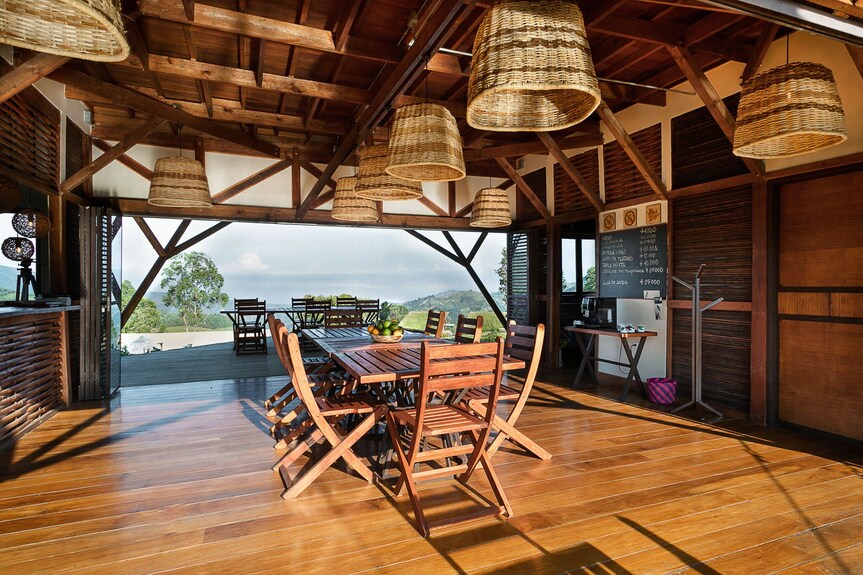
Plaza Hangouts: On warm evenings, locals gather in the plaza to chat, play guitar, and watch life go by. Grab some empanadas from a street vendor, find a bench, and soak in the small-town vibe.
Ethical Bonus: Community Connections
For travelers interested in giving back, several community organizations in Salento welcome volunteers or offer experiences that directly benefit local families.
Fundación ProAves: This conservation organization works to protect the wax palms and surrounding ecosystems. They occasionally need volunteers for reforestation projects or wildlife monitoring. Even a day of volunteer work helps. [Cite Source: Fundación ProAves official website]
Community Tourism Initiatives: Some indigenous Quimbaya communities near Salento offer cultural exchange experiences—sharing traditional meals, demonstrating ancestral farming techniques, and telling stories about pre-Colombian life in these mountains. These visits require advance planning but provide authentic cultural insight while supporting indigenous economies.
Budgeting & Solo Traveler Planner
Approximate Costs
Here’s a realistic breakdown of what you’ll spend in Salento:
Accommodation:
- Budget hostel dorm: $8-12 USD per night
- Mid-range hostel private room: $20-35 USD per night
- Boutique hotel: $60-100+ USD per night
Food:
- Local restaurant meal: $3-6 USD
- Mid-range restaurant: $8-12 USD
- Coffee or snack: $1-2 USD
- Craft beer: $2-3 USD
Activities:
- Cocora Valley entrance: $4 USD
- Jeep to Cocora (round trip): $2.50 USD
- Coffee farm tour: $6-10 USD
- Horse riding tour: $15-20 USD
Transportation:
- Local buses: $0.50-1 USD
- Day trip bus (to Filandia): $0.75 USD
- Taxi within town: $2-3 USD
Total Daily Budget:
- Budget Traveler: $25-35 USD (hostel, local food, some activities)
- Mid-Range Traveler: $50-75 USD (private room, varied restaurants, all activities)
- Comfort Traveler: $100+ USD (boutique hotels, private tours, nice meals)
Solo Traveler Checklist: Practical Salento Colombia Travel Tips
Safety: Salento is very safe, even for solo travel Salento Colombia adventures. Violent crime is rare, and locals are genuinely friendly. That said, follow basic precautions—don’t flash expensive gear, avoid walking alone on isolated trails, and keep copies of important documents.
Meeting People: Stay at social hostels like The Plantation House or La Serrana where organized activities (like group hikes to Cocora) make it easy to connect with other travelers. The town’s small size means you’ll run into the same faces multiple times, naturally forming travel friendships.
Connectivity: Wi-Fi is available at most accommodations and cafés. For mobile data, buy a local SIM card from Claro, Movistar, or Tigo at the airport or in Pereira/Armenia. A tourist SIM with data costs around 20,000-30,000 pesos ($5-8 USD) and works well in town (though reception gets spotty on remote trails).
Language: Spanish is essential. Very few locals speak English, even in tourist businesses. Download Google Translate’s offline Spanish pack, and learn basic phrases like “¿Cuánto cuesta?” (How much?), “¿Dónde está…?” (Where is…?), and “Gracias” (Thank you). Your efforts will be appreciated.
Sample Itineraries: How Long Should You Stay in Salento?
2-Day Quick Getaway:
- Day 1 Morning: Arrive, explore town, climb to Mirador
- Day 1 Afternoon: Coffee farm tour
- Day 2 Morning: Cocora Valley hike
- Day 2 Afternoon: Lunch, last walk through town, departure
3-Day Full Experience:
- Day 1: Town exploration, Mirador, Tejo, evening in plaza
- Day 2: Full Cocora Valley loop hike, coffee tasting in town
- Day 3: Coffee farm tour, day trip to Filandia or hot springs
4+ Day Slow Travel:
- Days 1-2: Follow the 3-day itinerary above
- Day 3: Waterfall and hot springs day trip
- Day 4: Horse riding, artisan workshops, chocolate tour, relaxation
- Extra Days: Volunteer opportunities, revisit favorite spots, explore surrounding villages
Recommended Duration: Three days gives you enough time to experience the main highlights without rushing. Four days lets you slow down and discover hidden gems. Two days works if you’re on a tight schedule, but you’ll wish you’d stayed longer.
Packing: Salento-Specific Essentials
Clothing:
- Waterproof hiking boots (trails get muddy)
- Lightweight rain jacket (pack-friendly)
- Layers (mornings are cool, afternoons warm)
- Long pants for hiking (protects from plants/insects)
- Comfortable walking shoes for town
Gear:
- Reusable water bottle
- Small daypack (for hikes)
- Sun hat and sunscreen (altitude intensifies UV)
- Insect repellent (DEET-based works best)
- Basic first aid kit
Tech:
- Phone with Spanish translator app downloaded offline
- Portable charger (electricity can be spotty on trails)
- Camera or smartphone with good photo capability
- Waterproof phone case or plastic bag
Don’t Overpack: Salento has small shops where you can buy forgotten items. The hostel/hotel vibe is casual—no one’s dressing up.
Sustainable & Responsible Travel in Salento
Mindful Travel Practices
Tourism has brought economic benefits to Salento, but it also creates environmental and social challenges. Here’s how to travel responsibly:
Support Local Businesses: Choose family-run coffee farms, eat at locally-owned restaurants, and buy crafts directly from artisans rather than from large souvenir shops. Your money has more impact when it stays in the community.
Reduce Plastic: Bring a reusable water bottle and shopping bag. Many cafés offer free water refills. Avoid buying single-use plastic bottles—Salento’s tap water is safe to drink in most places (ask your accommodation to confirm).
Respect Indigenous & Nature Sites: The lands around Salento have cultural significance to indigenous Quimbaya people. Follow trail markers, don’t remove plants or stones, and listen to local guides about sacred areas.
Offset Your Footprint: Consider carbon offsetting for your flights, or volunteer a few hours with environmental organizations working in the region.
Protecting the Wax Palms
The Cocora Valley wax palms are a protected species under Colombian law. These palms grow incredibly slowly—a 100-foot tree might be 80-100 years old. [Cite Source: Alexander von Humboldt Institute]
How to Help:
- Stay on marked trails (walking through palm groves damages roots)
- Don’t carve or write on trees
- Support farms that plant wax palm seedlings (some coffee tours include tree-planting activities)
- Spread awareness about their endangered status
Off-Peak Travel
Visiting mid-week or during shoulder seasons reduces strain on trails, local infrastructure, and wildlife. You’ll also enjoy a better experience with smaller crowds and more authentic interactions with locals.
Final Tips & Wrap Up
Top 5 Things to Do in Salento Colombia (Quick Summary)
- Hike Valle de Cocora to see the world’s tallest palm trees rising from misty valleys
- Tour a coffee farm to understand why Colombian coffee is legendary
- Climb to Mirador Alto de la Cruz for panoramic views over colorful colonial rooftops
- Try local foods like fresh trout, bandeja paisa, and artisan chocolate
- Take a day trip to Filandia for a quieter, equally charming coffee town experience
What to Avoid
Crowded Weekends: If possible, skip Saturday and Sunday when Colombian tourists pack the town and trails. You’ll wait longer for jeeps, pay higher prices, and fight for photo spots.
Unlicensed Tours: Some people offer “unofficial” coffee tours or transportation at lower prices. These cut out legitimate local businesses and often provide poor experiences. Book through recommended farms and use official jeeps.
Rushing: Salento rewards slow travel. Don’t try to cram everything into one day—you’ll miss the magic of simply sitting in a café watching hummingbirds or chatting with locals in the plaza.
Ignoring the Weather: Mountain weather changes quickly. Even if it’s sunny when you start hiking, bring rain gear. Getting caught in a downpour without protection makes for a miserable experience.
Your Salento Adventure Awaits
Salento isn’t just another stop on the backpacker trail—it’s a place that invites you to slow down, breathe deep, and remember why you started traveling in the first place. Whether you’re chasing waterfalls, learning about coffee, or simply watching the clouds roll through the valley from a painted balcony, this little mountain town has a way of working its way into your heart.
The things to do in Salento Colombia extend far beyond checking boxes on a tourist itinerary. This is a place for morning coffees that taste like the mountains themselves, for conversations with farmers who’ve spent their lives perfecting their craft, for hikes that challenge your legs but feed your soul.
So pack those hiking boots, download your Spanish translator, and get ready for an adventure that combines stunning nature, rich culture, and some of the most welcoming people you’ll ever meet. Salento is waiting—and trust me, you’re going to want to stay longer than you planned.
Have you been to Salento? What was your favorite experience? Drop a comment below and share your story—or ask any questions about planning your trip!
[Internal Link: More Colombia Travel Guides] | [Book Accommodation in Salento] | [Find Coffee Farm Tours]
FAQ Box: Your Salento Questions Answered
What is the best time to visit Salento Colombia?
The best time to visit Salento Colombia is during the dry seasons from December through March or June through August. These months offer clearer skies perfect for hiking the Cocora Valley and exploring mountain trails. That said, Salento sits in a cloud forest where afternoon showers happen year-round even during “dry” season. The rainy months (April-May and September-November) bring lush green landscapes and fewer tourists, though trails become muddier. If you don’t mind occasional rain and want a quieter experience, shoulder season can actually be ideal. Pack rain gear regardless of when you visit.
How long should you stay in Salento?
Most travelers should plan for 3-4 days in Salento to fully appreciate what the area offers. Three days allows you to hike Cocora Valley, tour a coffee farm, explore the town, and take a day trip to nearby attractions like Filandia or hot springs without feeling rushed. If you only have two days, you can hit the main highlights but will miss hidden gems and the slower pace that makes Salento special. Four or more days lets you discover lesser-known trails, connect with locals, try horse riding, and truly relax into the mountain town lifestyle. Many travelers arrive planning a quick stop and end up extending their stay—that’s the Salento effect.
Is the hike in Cocora Valley hard?
The full Cocora Valley loop hike is moderately challenging but doable for most people with average fitness. The 14-kilometer trail takes 5-6 hours and includes steep uphill sections, stream crossings on wooden bridges, and muddy paths, especially after rain. The elevation (2,400-2,800 meters) might leave you breathing harder than usual, particularly if you’re not accustomed to altitude. However, it’s not technical climbing—just steady hiking with some challenging sections. Wear proper hiking boots, bring plenty of water, and take breaks when needed. If the full loop sounds too intense, you can do the shorter 1-2 hour walk that just enters the palm valley without the cloud forest section. Horse riding tours offer an even easier alternative for seeing the landscape.
Can you visit coffee farms in Salento without a tour?
While it’s technically possible to visit some larger coffee farms like Café San Alberto without booking a formal tour (they welcome visitors to their café and shop), you’ll get much more value from a guided coffee farm tour in Salento Colombia. The tours typically last 2-3 hours and cost $6-10 USD, which includes a complete bean-to-cup education, hands-on picking experience, and tastings. The real value comes from the farmers’ stories and expertise—they’ll explain cultivation techniques, processing methods, and share family histories that span generations. Many smaller family farms only offer visits by reservation, so booking ahead is essential. If budget is a concern, some farms let you just visit their café and still learn basics about coffee production, but the full tour experience is worth the small investment.
Is Salento Colombia safe?
Yes, Salento is very safe and considered one of the safest destinations in Colombia for tourists, including solo travelers. The town has a strong tourism-focused community with a visible police presence, and violent crime against tourists is extremely rare. Local residents are genuinely friendly and welcoming, often going out of their way to help visitors navigate the area.
That said, you should still follow common-sense travel precautions. Keep valuables like expensive cameras and jewelry out of sight, avoid displaying large amounts of cash, and use official transportation services rather than unmarked taxis. When hiking trails like Cocora Valley, it’s safer to go during daylight hours and preferably with others—not because of crime, but due to changing weather conditions and trail safety.
Petty theft like pickpocketing is uncommon but can happen in crowded areas, especially during busy weekends. Keep your daypack in front of you on packed jeeps to Cocora Valley, and don’t leave belongings unattended at viewpoints or restaurants. Women traveling solo report feeling comfortable and respected in Salento, though basic awareness (like avoiding isolated areas after dark) applies as it would anywhere.
The surrounding Coffee Triangle region has been peaceful for years, with Colombia’s overall security situation dramatically improved since the 2016 peace agreement. [Cite Source: Colombia Reports & U.S. Department of State Travel Advisories]. Emergency services are accessible, and most hostels and hotels have English-speaking staff who can assist if any issues arise. Overall, Salento’s small-town atmosphere, tourism infrastructure, and community focus on visitor safety make it one of Colombia’s most worry-free destinations.
Reference Links;
References & Sources
- Colombian Civil Aviation Authority (Aerocivil)
- https://www.aerocivil.gov.co/
- Information on airports and flight connections to Pereira and Armenia
- Terminal de Transporte de Pereira
- https://www.terminalpereira.com/
- Bus schedules and transportation information
- Colombian National Parks Service (Parques Nacionales Naturales)
- https://www.parquesnacionales.gov.co/
- Official information on protected areas including Cocora Valley
- Colombian Tourism Board (ProColombia)
- https://www.colombia.travel/
- Official tourism information and travel guidelines
- Colombian Coffee Federation (Federación Nacional de Cafeteros)
- https://www.cafedecolombia.com/
- Authentic information about Colombia’s coffee region and industry
- Colombian Ministry of Culture
- https://www.mincultura.gov.co/
- Historical and cultural information about Colombian towns and architecture
- Colombian Sports Federation
- https://www.coc.org.co/
- Information about traditional Colombian sports including Tejo
- Alexander von Humboldt Institute
- http://www.humboldt.org.co/
- Scientific research on Colombian biodiversity including wax palm conservation
- Fundación ProAves
- https://www.proaves.org/
- Conservation efforts for wax palms and other endangered species
- UNESCO Coffee Cultural Landscape
- https://whc.unesco.org/en/list/1121/
- World Heritage Site designation for Colombia’s Coffee Cultural Landscape
- Lonely Planet – Salento Guide
- https://www.lonelyplanet.com/colombia/zona-cafetera/salento
- Travel tips and updated visitor information
- Colombia Reports
- https://colombiareports.com/
- Current news and safety updates for travelers in Colombia
- TripAdvisor – Salento Reviews
- https://www.tripadvisor.com/Tourism-g445060-Salento_Quindio_Department-Vacations.html
- Real traveler reviews and ratings for tours and accommodations
- Cocora Valley Official Website
- https://www.parquesnacionales.gov.co/nuestros-parques/parque-nacional-natural-los-nevados/
- Part of Los Nevados National Natural Park system
- Colombian Institute of Meteorology (IDEAM)
- http://www.ideam.gov.co/
- Weather patterns and climate information for planning visits
Additional Travel Resources
- Rome2Rio – https://www.rome2rio.com/ – Journey planning and transportation options
- Booking.com Salento – https://www.booking.com/city/co/salento.html – Accommodation options and reviews
- Hostelworld Salento – https://www.hostelworld.com/s?q=Salento,%20Colombia – Budget accommodation listings
This article was researched using information from official Colombian government sources, conservation organizations, and reputable travel resources to ensure accuracy and up-to-date information for travelers. All recommendations are based on current conditions as of October 2025.

Read More Articles;
- Indians Traveling Phu Quoc Advisory 2026: Visa Rules, Hidden Risks & Must-Know Travel Guidelines
- Northeast India Tourism Guide 2026: Best Places, Itinerary, Cost & Hidden Gems
- Thailand Hidden Islands Travel Guide 2026: Secret Islands, Budget Itinerary & Crowd-Free Beaches for Indians
- Sri Lanka Travel Guide 2026 for Indians: ₹50K Budget, 7-Day Itinerary, Visa & Hidden Gems
- Bali Travel Guide 2026: Best Places, Itinerary, Budget & Hidden Gems (Complete Planner)
