Picture this: cobblestone streets lined with colonial buildings painted in sunset colors, mountain peaks touching cotton-candy clouds, and the sound of folk guitars drifting from candlelit doorways. Welcome to Salta la Linda—Salta the Beautiful—a city that sits pretty in Argentina’s northwest corner and refuses to follow the rules of typical South American travel.
Most travelers zoom straight to Patagonia or Buenos Aires, but those in the know? They head north to Salta. This isn’t just another pretty colonial city (though it absolutely is that). It’s your gateway to some of the most jaw-dropping landscapes in Argentina—think rainbow mountains, endless salt flats that mess with your sense of reality, and wine valleys tucked between red-rock canyons.
This guide covers everything you need to know about what to do in Salta, from wandering the city’s historic plazas to planning epic day trips into the surrounding Andes. Whether you’re here for three days or three weeks, we’ve got the insider scoop on attractions, logistics, local experiences, and those secret spots that make travel magical.
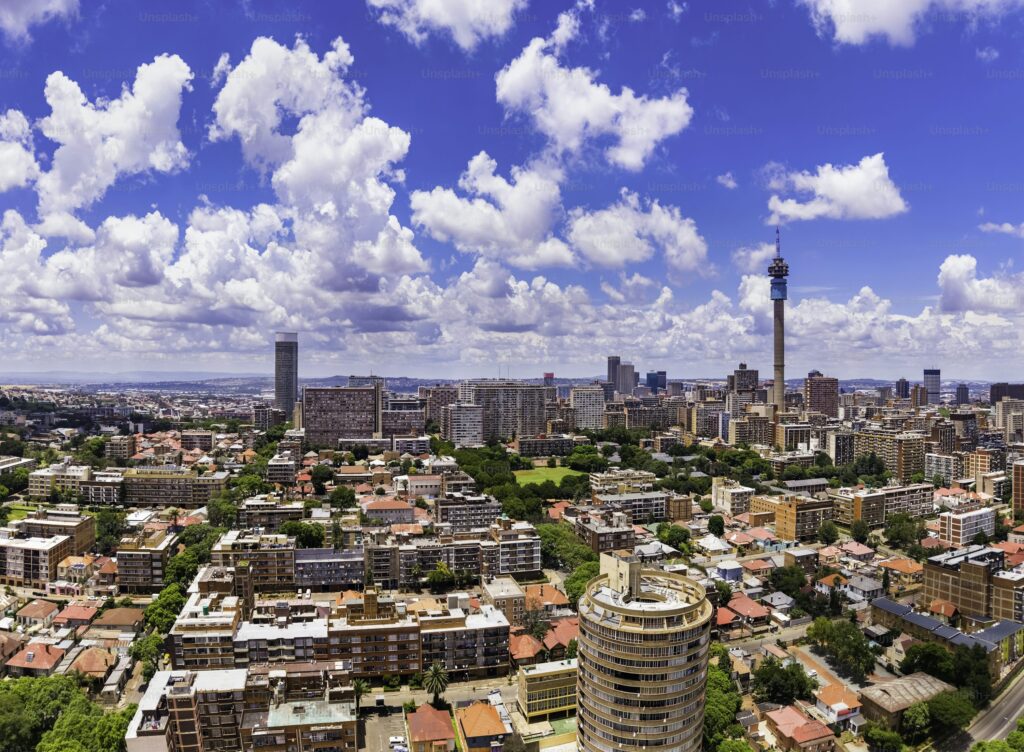
Quick Salta Travel Information
| Category | Details |
|---|---|
| Best Time to Visit | April-May & September-November (shoulder seasons) |
| Airport Code | SLA (Martín Miguel de Güemes International Airport) |
| Altitude | City: 1,187m (3,894 ft) / Excursions: Up to 4,170m (13,680 ft) |
| Recommended Stay | 4-6 days (2 city + 2-4 excursions) |
| Currency | Argentine Peso (ARS) – bring USD for better exchange rates |
| Must-Try | Empanadas Salteñas, Locro stew, Torrontés wine |
| Don’t Miss | Peña folklórica show, MAAM museum, Quebrada de las Conchas |
| Budget Range | Backpacker: $30-50/day | Mid-Range: $70-120/day | Luxury: $150+/day |
Getting to and Getting Around Salta
How to Reach Salta
Flying into Salta (SLA) is your easiest bet. Direct flights connect from Buenos Aires (2-hour flight), plus seasonal connections from other Argentine cities. The airport sits about 10 kilometers from downtown, making transfers quick and painless.
If you’re doing the overland adventure thing, long-distance buses run from Buenos Aires (20+ hours—not for the faint of heart), Tucumán (4 hours), and other northern cities. Argentina’s bus system is surprisingly comfortable with reclining seats and meal service, but time-wise, flying makes way more sense unless you’re on a serious budget.
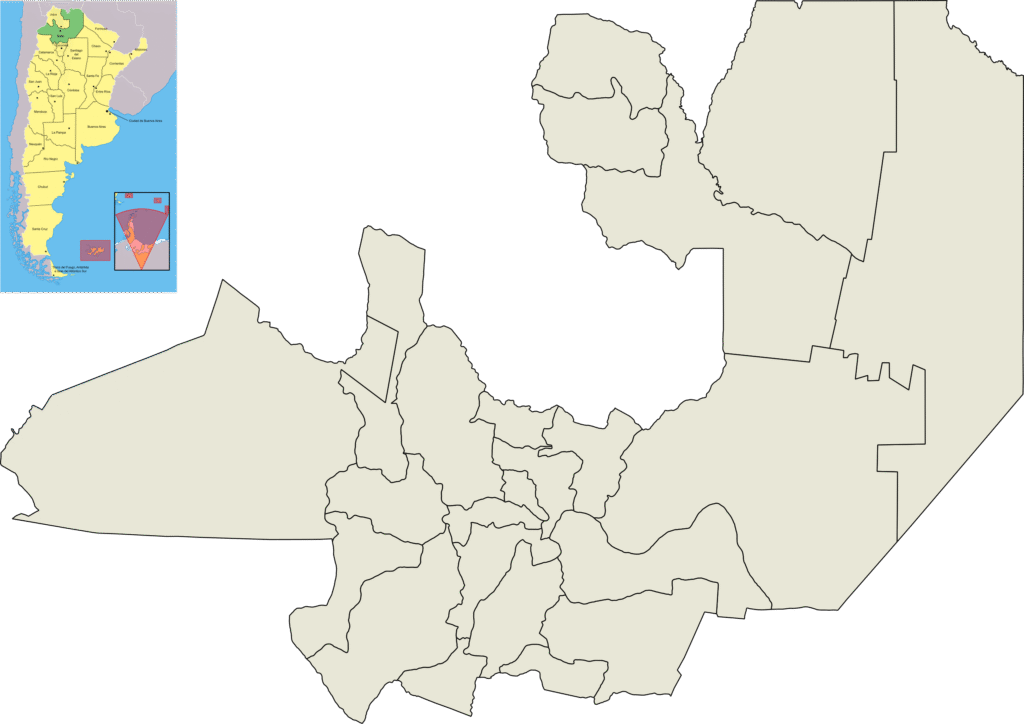
Getting Around: Your Options Decoded
Here’s where trip planning gets interesting. Salta city attractions are totally walkable—you can cover the historic center on foot in a day. But those incredible day trips? You’ve got choices:
Rental Car (Best for Freedom Seekers)
Renting a car gives you complete control over your schedule. The roads around Salta are generally good, though mountain passes require confidence with switchbacks and altitude. Gas stations exist but get sparse once you head into remote areas. This works beautifully if you want to stop every five minutes for photos (and trust me, you will).
Organized Tours (Best for Ease)
Nearly every hotel and hostel can book you on guided day trips. You’ll share a minibus with other travelers, hit all the highlights, and learn from local guides. The downside? Fixed schedules and less flexibility. Tours typically run 12-14 hours for the full-day excursions.
Public Transport (Budget Option)
Buses connect Salta to major towns like Cafayate and Cachi, but they don’t stop at scenic viewpoints along the way. You’ll miss photo ops at places like Quebrada de las Conchas. Only recommended if you’re seriously stretching pesos.
Our Take: First-timers and solo travelers often prefer tours for the first excursion, then rent a car if they want more freedom. Families and groups find rental cars more economical when you split costs.
Weather Watch
Salta enjoys sunshine about 300 days a year, but seasons matter. Summer (December-February) brings afternoon rain and higher temperatures. Winter (June-August) delivers crystal-clear skies but chilly nights—especially at altitude. The sweet spot? April-May and September-November offer comfortable temps, fewer crowds, and perfect road conditions for exploring.
Top Things to Do in Salta (City) – Your 1-Day Itinerary
Morning: Museum Magic at MAAM
Start your day at the Museo Arqueológico de Alta Montaña (MAAM)—possibly the most fascinating museum you’ve never heard of. This isn’t your dusty artifact warehouse. MAAM houses three incredibly preserved Inca children discovered at 6,700 meters on volcanic peaks, naturally mummified by extreme cold and altitude.
The museum tells their story with respect and scientific rigor, explaining Inca capacocha ceremonies and high-altitude archaeology. It’s profound, moving, and completely unique. Plan for 60-90 minutes here. Check the official MAAM website for current hours and rotating exhibits—only one child is displayed at a time to ensure preservation.
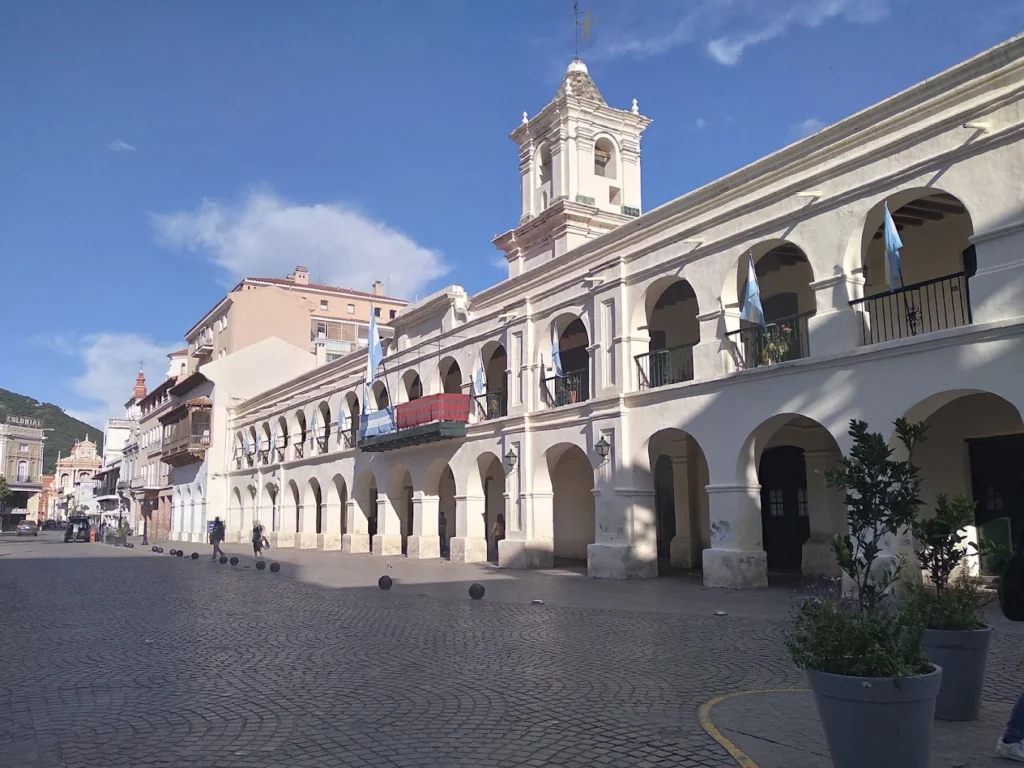
Late Morning: Colonial Center Circuit
From MAAM, wander over to Plaza 9 de Julio, Salta’s beating heart. This isn’t just any plaza—it’s one of Argentina’s most beautiful, surrounded by orange trees and colonial architecture that’ll have your camera working overtime.
Hit these spots around the plaza:
- The Cabildo (colonial government building, now a historical museum)
- Cathedral Basilica with its stunning pink and cream facade
- Iglesia San Francisco and its impossibly ornate bell tower (you can spot it from almost anywhere in the city)
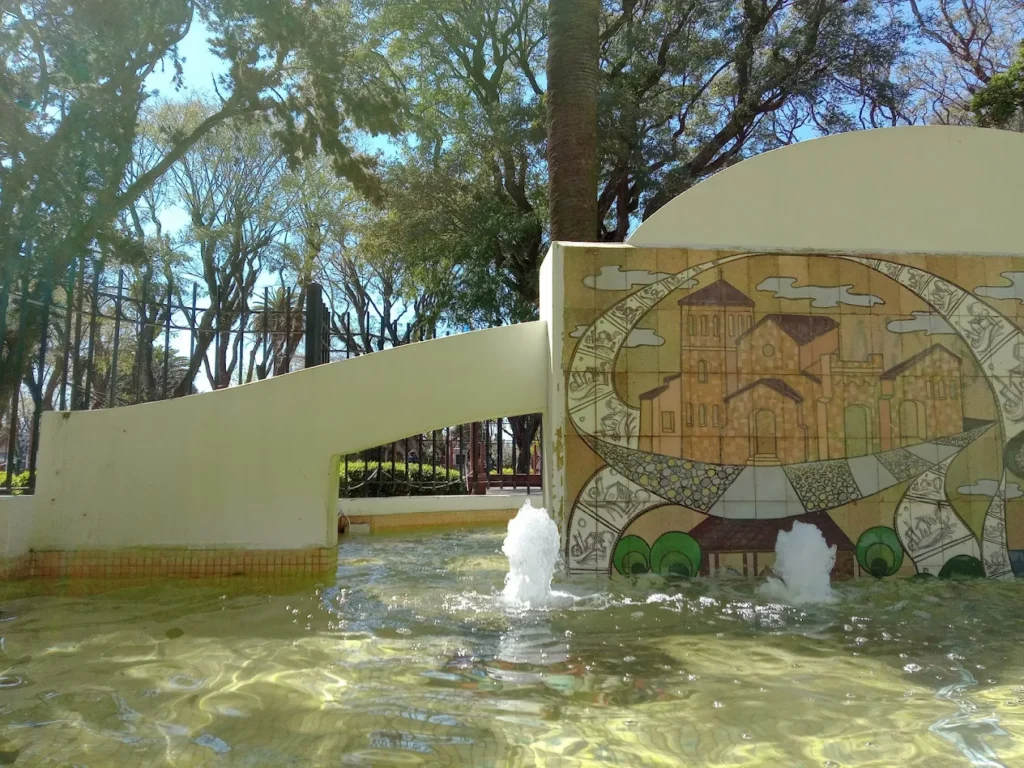
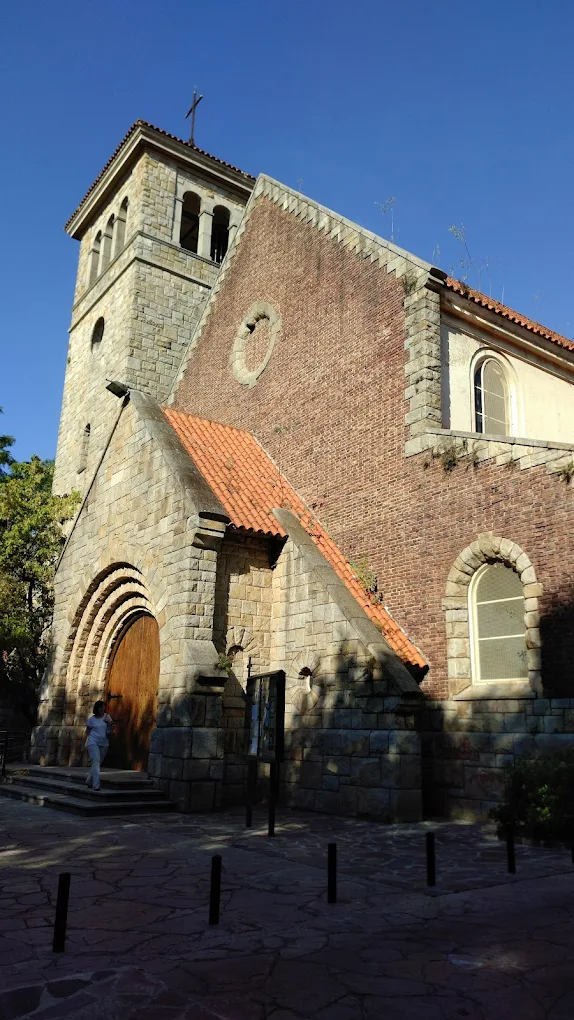
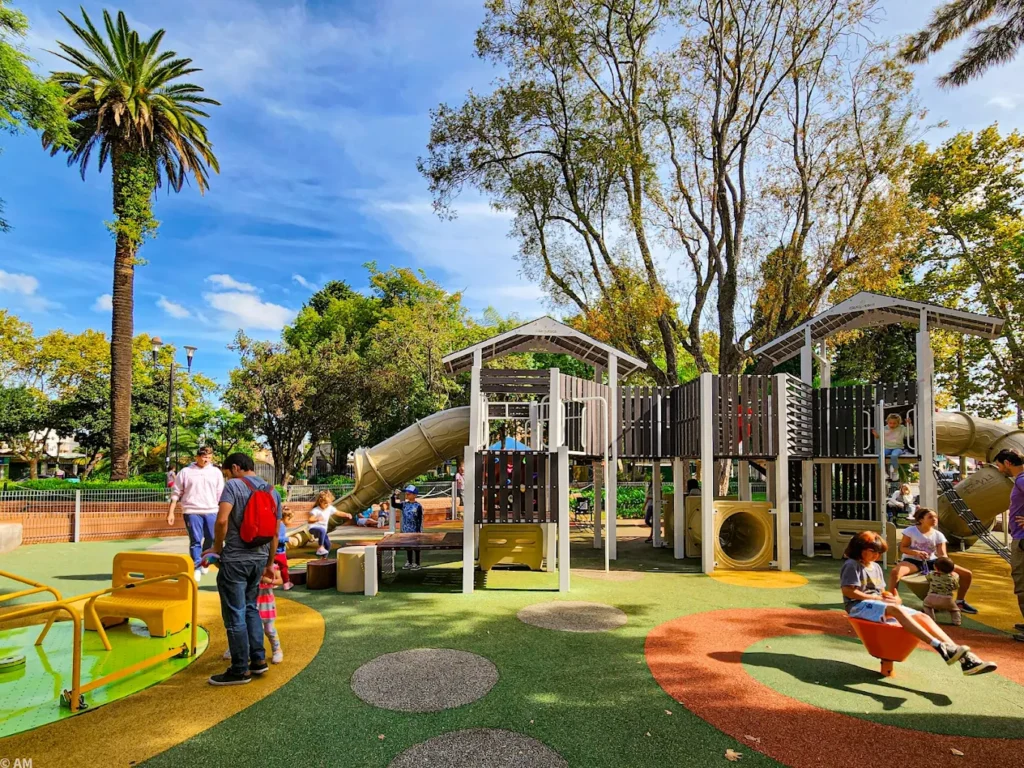
Grab lunch at one of the cafes lining the plaza. Order empanadas salteñas—these aren’t your average empanadas. Salta-style means they’re smaller, perfectly spiced with cumin, and stuffed with beef, potatoes, and hard-boiled egg.
Afternoon: Rise to Cerro San Bernardo
After lunch, take the teleférico (cable car) up Cerro San Bernardo for panoramic views over the entire Lerma Valley. The city spreads below you in a patchwork of terracotta roofs and green plazas, with mountains rising dramatically in every direction.
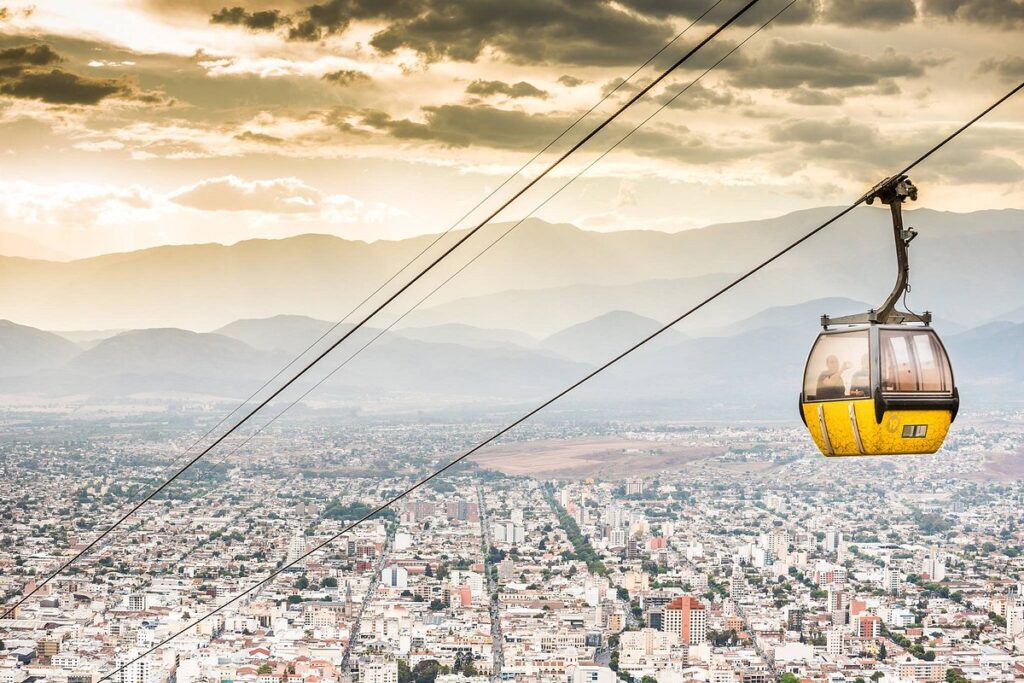
Feeling energetic? Skip the cable car and hike the 1,070 steps instead. The trail winds through gardens and past stations of the cross. It takes about 45 minutes and rewards you with that smug “I earned this view” feeling.
Evening: Peña Folklórica Experience
Here’s where Salta really shows its personality. A peña folklórica is a folk-music dinner show, but calling it that undersells the experience. These intimate venues pulse with traditional Argentine music—zambas, chacareras, and the haunting sound of bombo drums mixed with guitars.
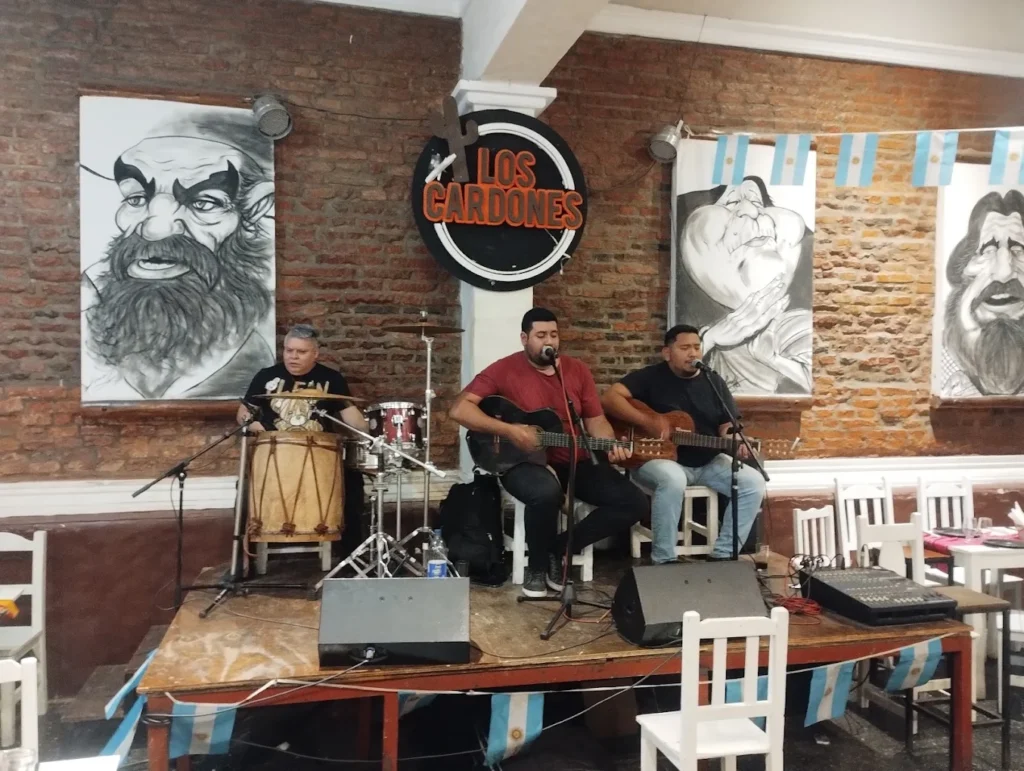
Locals pack these places on weekends, singing along and sometimes spontaneously joining the dancing. Try La Casona del Molino or Peña Gauchos de Güemes. You’ll eat regional dishes like locro (a hearty stew), humita (corn tamales), and tamales salteños while musicians rotate through sets.
Pro tip: Peñas get crowded on Friday and Saturday nights—make reservations or arrive early. The music starts around 10 PM and keeps going past midnight. This is the absolute soul of Salta culture, and missing it means missing what makes this city special.
Best Day Trips & Excursions from Salta (3 Must-Do’s)
The Salta excursions from city are honestly why you came here. The landscapes shift so dramatically that you’ll wonder if you accidentally crossed into another country.
1. Cafayate & Quebrada de las Conchas (The Wine & Rock Show)
Distance: 190 km (2.5-3 hours each way)
Best For: Wine lovers, geology nerds, photographers
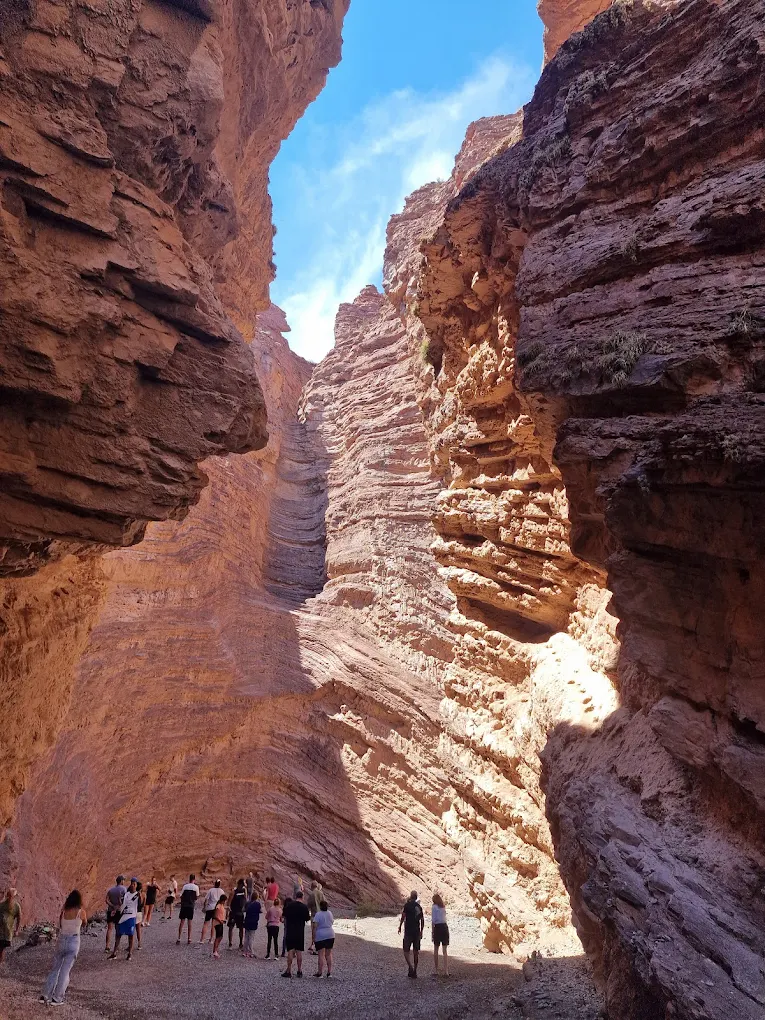
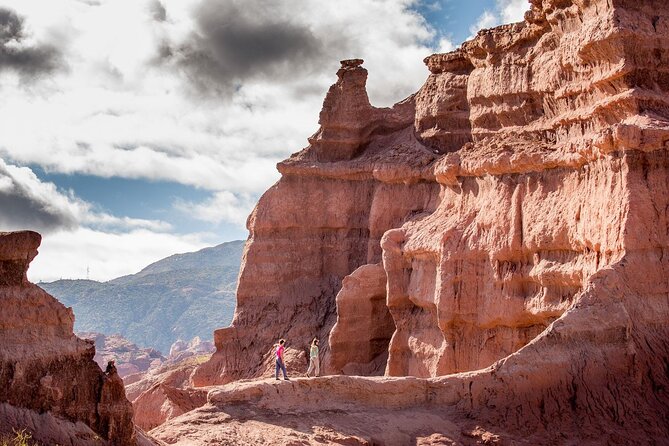
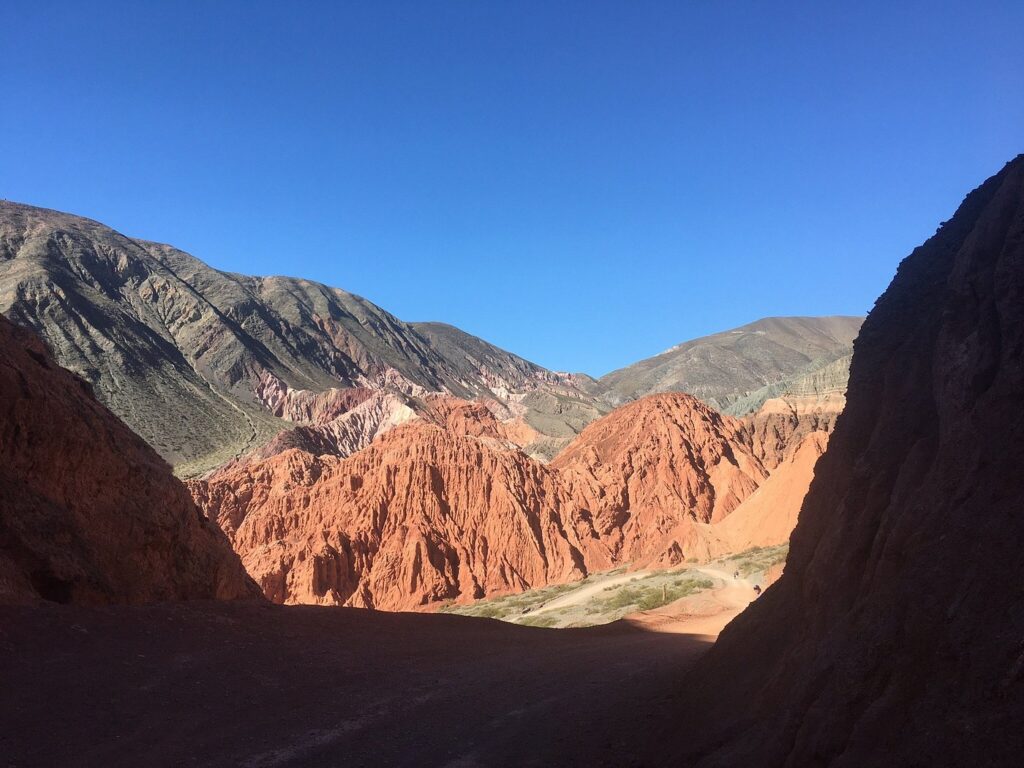
The drive to Cafayate through Quebrada de las Conchas might be Argentina’s most spectacular road trip. The canyon walls twist into impossible formations—red sandstone carved by millions of years of wind and water into shapes that earned names like Garganta del Diablo (Devil’s Throat), El Anfiteatro (natural amphitheater with incredible acoustics), and Los Castillos (castle-like rock towers).
Every few kilometers brings another “wait, we have to stop again” moment. The geology here tells stories from when this was an ancient seabed, and the colors shift from crimson to salmon to burnt orange depending on the sun’s angle.
Cafayate itself sits in the heart of Argentina’s high-altitude wine region. This is Torrontés territory—a white wine grape that thrives here and nowhere else quite like this. The wines taste floral and fruity with a crisp finish that pairs perfectly with the altitude and sunshine.
Visit wineries like Bodega El Porvenir de Cafayate or Finca Las Nubes for tastings. Many offer tours where you’ll learn why altitude matters (intense sun, cool nights, and low humidity create unique flavors). Some wineries require reservations, so plan ahead.
Timing Tip: Leave Salta by 8 AM to beat tour buses to the photo stops. Spend 2-3 hours in Cafayate, then head back. The return drive offers completely different lighting on the rock formations.
2. Cachi & Cuesta del Obispo (The High Mountain Pass)
Distance: 157 km (3.5 hours each way)
Best For: Mountain lovers, authentic village vibes, serious scenery
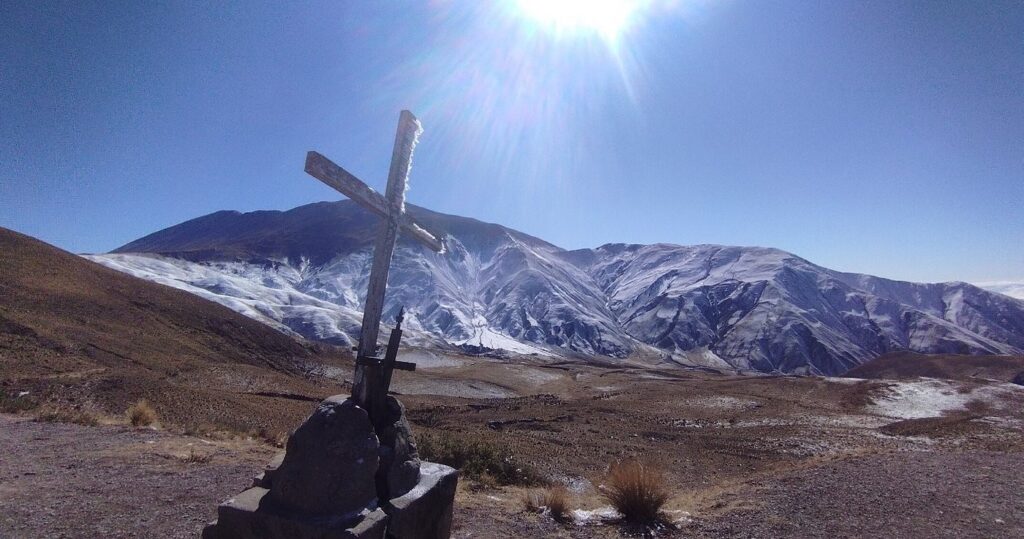
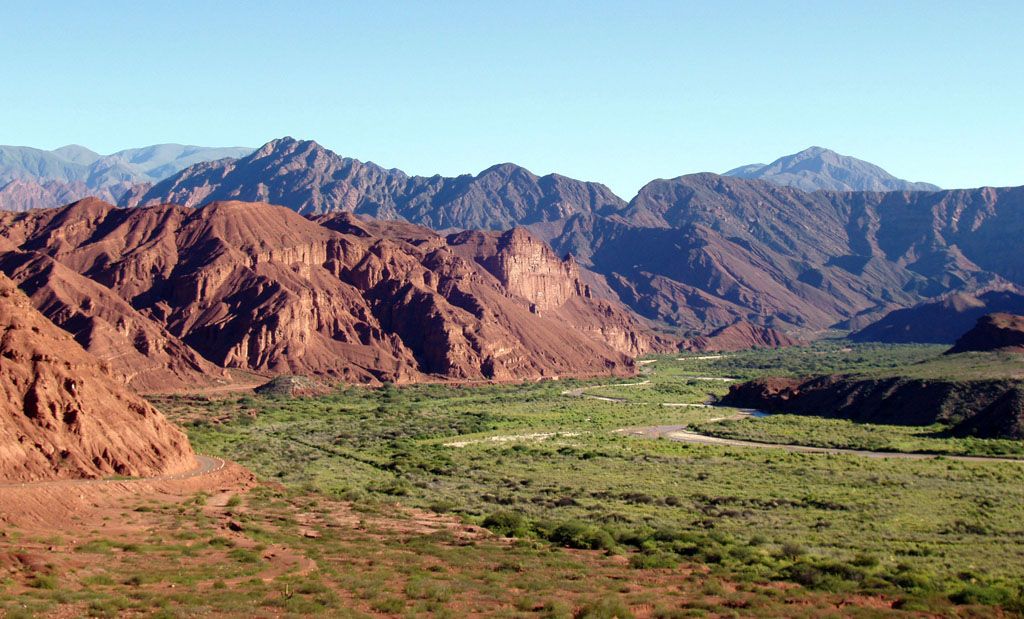
The route to Cachi climbs through one of Argentina’s most dramatic mountain passes—the Cuesta del Obispo. You’ll gain serious altitude, winding through 20+ switchbacks with clouds literally floating below you. The road cuts through Los Cardones National Park, where thousands of cardón cacti (giant candelabra-shaped cacti) dot the hillsides like an alien forest.
At the highest point, Piedra del Molino (3,348 meters), you’ll understand why they call this part of Salta the “Andean region.” The landscape turns stark and beautiful—think high-altitude desert meeting endless sky.
Cachi itself is a tiny colonial village that time forgot. White-washed buildings cluster around a peaceful plaza, and life moves at the pace of locals chatting in doorways. The 18th-century church features a ceiling made entirely from cardón cactus wood—one of the few churches in the world built this way.

Have lunch at a family-run restaurant serving cabrito (roasted goat) or llama stew. Yes, llama. It’s traditional here and tastes like tender, gamey beef.
Important: This route reaches serious altitude. Some people feel mild altitude sickness symptoms (headache, shortness of breath). Drink tons of water, skip alcohol the night before, and move slowly when you exit the car at high elevations.
3. Purmamarca, Salinas Grandes & The Hill of Seven Colors
Distance: 200+ km to salt flats (4+ hours each way)
Best For: Otherworldly landscapes, serious bragging rights, photography
This is the longest day trip but delivers landscapes you’ve never seen before. The journey takes you through the Quebrada de Humahuaca, a UNESCO World Heritage valley where mountains layer in geological bands of color.
First stop: Purmamarca, a postcard-perfect village sitting beneath Cerro de los Siete Colores (Hill of Seven Colors). This mountain displays literal rainbow stripes—pink, red, orange, yellow, purple—created by millions of years of sediment deposits, minerals, and erosion. Walk the short Paseo de los Colorados trail that circles the base for different angles.
The village square hosts an artisan market selling colorful textiles, llama wool goods, and local crafts. It’s touristy but the quality is generally good—just haggle respectfully.
Continue north and the landscape transforms completely. You’ll climb to over 4,000 meters (13,000+ feet) and suddenly find yourself on Salinas Grandes—one of Argentina’s largest salt flats. The perfectly white, crusty surface stretches to the horizon in every direction, creating that famous optical-illusion-perspective-photo opportunity.
The silence here is profound. The light is blinding. The experience is surreal. Small pools show where salt is still harvested by hand using traditional methods passed down through generations. You can visit the small salt museum and chat with local workers who’ll explain the process.
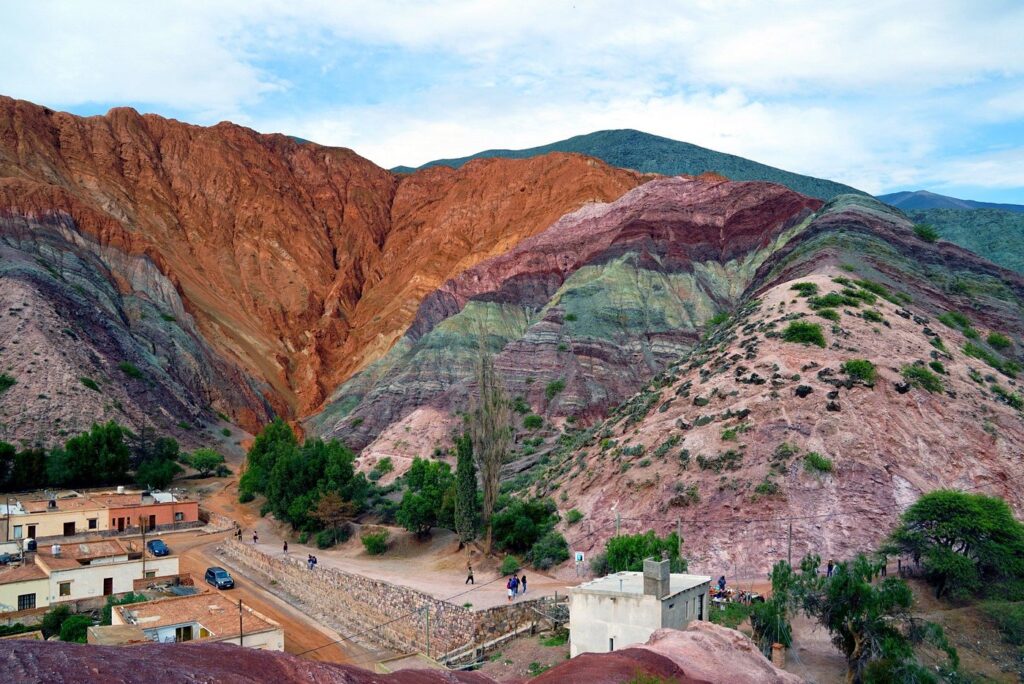
Reality Check: This is a LONG day—12-14 hours minimum. You’ll spend more time driving than exploring. Is it worth it? Absolutely. But know what you’re signing up for. Pack snacks, water, sunscreen, and patience.
Pro Tip: If you have extra days, consider staying overnight in Purmamarca or Tilcara (another charming Quebrada town). This lets you catch sunrise over the colored mountains and reduces the rushed feeling of a day trip.
Comparing Your Excursion Options: Self-Drive vs. Tours
| Factor | Self-Drive Loop | Separate Day Tours |
|---|---|---|
| Flexibility | Stop whenever you want, create your own schedule | Fixed itinerary and timing |
| Cost (2 people) | Rental car ~$40-60/day + gas ~$30-40/day = ~$70-100 total | ~$40-70/person per tour x 3 days = $240-420 total |
| Navigation | Requires confidence with mountain driving, GPS/offline maps | Driver handles everything |
| Learning | You miss local context and stories | Guides provide historical/cultural insights |
| Photography | Unlimited photo stops | Limited stops at designated viewpoints |
| Altitude Concerns | You control pace for acclimatization | Fixed schedule, less flexibility if feeling sick |
| Best For | Experienced drivers, couples/groups, photographers | Solo travelers, first-timers, people nervous about mountain roads |
Where to Stay in Salta
Salta city attractions cluster in the historic center, making accommodation choice pretty straightforward: stay central.
Budget-Friendly (Under $30/night)
Backpackers: Check out hostels near Plaza 9 de Julio like Marcopolo Hostel or Hostel Portal de Salta. You’ll find social atmospheres, tour booking services, and that traveler vibe where everyone swaps Salta tips over breakfast.
Mid-Range ($50-100/night)
This is Salta’s sweet spot. Boutique hotels occupy restored colonial buildings with courtyards, breakfast included, and genuine hospitality. Hotel Boutique Balcón de la Plaza or Delvino Boutique Hotel offer charm without breaking the bank.
Luxury ($120+/night)
For special occasions, splurge on places like Legado Mítico Salta—a boutique property where each room celebrates a different historical Argentine figure. Think original artwork, designer furnishings, and rooftop terraces. House of Jasmines by Kspare provides modern luxury in a renovated colonial mansion with a wine bar and spa.
Location Tip: Anywhere within 3-4 blocks of Plaza 9 de Julio puts you walking distance from restaurants, museums, and the cable car. Skip accommodations near the bus terminal—it’s farther from the action.
When to Visit Salta & What to Pack
Best Months for Salta Travel
April-May (Fall): Beautiful weather, harvest season in wine regions, fewer tourists. Daytime temps around 20-25°C (68-77°F), crisp nights.
September-November (Spring): Wildflowers bloom in valleys, perfect temps, clear skies for mountain views.
December-February (Summer): Warmest period but afternoon thunderstorms are common. Higher humidity. Still pleasant mornings.
June-August (Winter): Coldest months with nighttime temps near freezing. Crystal-clear days, almost no rain. Best for dramatic mountain photography but pack serious layers.
Altitude Awareness (Important!)
Salta city sits at 1,187 meters (3,894 feet)—most people don’t notice altitude here. But your day trips climb significantly higher:
- Cachi route: 3,348m (10,984 ft) at Piedra del Molino
- Salinas Grandes: 3,450m (11,319 ft)
- Some passes: 4,170m (13,680 ft)+
Prevention tips:
- Drink 3-4 liters of water daily
- Avoid heavy meals and alcohol 24 hours before high-altitude excursions
- Move slowly at high elevations—even walking fast can cause headaches
- Coca tea (legal and common in Argentina’s northwest) helps many people
- Consider spending 2-3 days in Salta city before attempting highest excursions
If you feel seriously dizzy, nauseous, or get a pounding headache that won’t quit, descend immediately. Altitude sickness is no joke.
Packing Essentials
Layers are your best friend. Temperature swings from morning to afternoon can hit 15-20°C (30-40°F).
✓ Lightweight hiking boots or sturdy walking shoes (cobblestones + dirt trails)
✓ Sun protection: SPF 50+ sunscreen, hat, sunglasses (high-altitude sun is intense)
✓ Warm jacket (even in summer for high-altitude excursions)
✓ Light rain jacket (summer especially)
✓ Refillable water bottle (stay hydrated at altitude)
✓ Camera with extra batteries (cold drains batteries faster)
✓ Cash in pesos (many small towns don’t accept cards)
✓ Offline maps downloaded (cell service gets spotty in mountains)
Budget & Luxury Travel Tips
Daily Budget Breakdown
Backpacker Budget ($30-50/day):
- Hostel bed: $10-15
- Empanadas/street food for lunch: $3-5
- Set menu dinner: $8-12
- Local bus or shared tour: $5-10
- Museum entry: $2-5
Mid-Range ($70-120/day):
- Boutique hotel: $40-70
- Restaurant meals (2): $20-35
- Private or small-group tour: $40-60
- Wine tastings/activities: $10-20
Luxury ($150+/day):
- High-end accommodation: $120-200
- Fine dining experiences: $40-80
- Private guides/custom tours: $100-150
- Premium wine experiences: $30-60
Free Things to Do in Salta
- Wander Plaza 9 de Julio and surrounding colonial streets
- Visit Iglesia San Francisco (no entry fee)
- Hike up Cerro San Bernardo instead of taking the cable car
- Explore the artisan market at Balcarce street
- Watch sunset from various city viewpoints
Splurge-Worthy Experiences
Private Vineyard Tour in Cafayate: Some wineries offer intimate tours with winemakers, multi-course lunches paired with wines, and behind-the-scenes cellar access ($80-150/person). Worth it for wine enthusiasts.
Hot Air Balloon Over Quebrada: Float over the colorful valleys at sunrise for perspective you can’t get from the ground ($200-300/person, weather-dependent).
Premium Peña Experience: Upscale folk-music venues like El Patio de la Empanada offer elevated versions with better acoustics, curated menus, and professional performances.
Sustainable & Local Community Travel
Travel done right means leaving places better than you found them. In Salta, this philosophy fits naturally.
Support Local Artisans: Those textiles and crafts at Purmamarca’s market? Many come from families who’ve practiced these techniques for generations. Buying directly from artisans keeps traditional skills alive. Ask about the weaving process—most artisans love sharing their craft.
Choose Smaller Tour Operators: Instead of big bus companies, book with family-run operations like Cachi Tours or Norte Trekking. You’ll get more personalized experiences, and your money stays in the local economy. Many smaller operators also hire guides from indigenous communities who share cultural perspectives you won’t find in guidebooks.
Respect Sacred Spaces: The Inca children at MAAM aren’t curiosities—they’re human beings with profound spiritual significance. Photography is prohibited in that room. Similarly, when visiting colonial churches or high-mountain apachetas (stone cairns), remember these are sacred spaces. Observe respectfully.
Eat at Family Restaurants: Skip international chains (there aren’t many anyway). Family-run places like Doña Salta or El Charrúa serve authentic regional food, and your meal directly supports local families.
Minimize Waste: Bring a refillable water bottle—Salta’s tap water is safe to drink in the city. Say no to plastic bags at markets. If you’re driving, pack out all trash from viewpoints (not all have bins).
Learn Basic Spanish Phrases: Even butchered Spanish shows respect. “Gracias,” “por favor,” and “¿habla inglés?” go a long way. In rural areas, fewer people speak English, so translation apps help.
According to Argentina’s National Tourism Board, sustainable tourism practices help preserve cultural heritage and natural landscapes for future generations while providing economic benefits to local communities.
FAQs: Quick Answers to Salta’s Most-Asked Questions
How many days do you need in Salta?
Plan for 4-6 days minimum—1-2 days exploring Salta city attractions, and 2-4 days for excursions. If you’re short on time, 3 days covers the essentials: one city day, Cafayate, and one other excursion.
Is Salta safe for tourists?
Yes, Salta is generally safe, especially the tourist areas. Use standard city precautions: watch belongings in crowded places, avoid flashing expensive gear, and take registered taxis or rideshares at night. Altitude poses more risk than crime here.
What’s the best way to do Salta day trips?
First-timers: Organized tours provide ease and local knowledge. Experienced drivers: Rental cars offer flexibility and better photo opportunities. Budget travelers: Combine public buses for travel with walking/hitchhiking locally (common and generally safe in rural Argentina).
Do I need a 4×4 vehicle?
No. All major excursion routes (Cafayate, Cachi, Salinas Grandes) are paved or well-maintained gravel suitable for regular cars. A 4×4 only matters if you’re planning off-road adventures or rainy-season travel.
Can you drink tap water in Salta?
Yes, Salta city tap water is safe to drink. Locals drink it, and it meets Argentine health standards. In remote areas during excursions, stick to bottled water to be cautious.
What’s the altitude in Salta and will I get sick?
Salta city sits at 1,187m—most people feel fine. Day trips reach 3,000-4,000m where mild symptoms (headache, fatigue) can occur. Acclimatize by spending 1-2 days in the city before high excursions, stay hydrated, and move slowly at elevation.
Is Salta expensive to visit?
Compared to Buenos Aires or international destinations, Salta offers excellent value. Budget travelers can manage on $30-50/day, while mid-range comfort runs $70-120/day. Argentina’s inflation affects prices, but the blue/parallel exchange rate often benefits foreign visitors (always check current rates).
What food should I try in Salta?
Must-tries: Empanadas salteñas (small, spicy beef empanadas), locro (hearty corn/bean/meat stew), humita (corn tamales), tamales salteños, cabrito (roasted goat), and llama steak. Pair meals with Torrontés wine from Cafayate.
Can you see Salta without speaking Spanish?
Yes, though Spanish helps significantly. Salta city has decent English in hotels and tour companies, but restaurants and rural areas require Spanish or translation apps. Most locals appreciate any attempt to speak Spanish, no matter how basic.
Conclusion: Why Salta Will Capture Your Heart
So here’s the thing about Salta—it doesn’t try to compete with Argentina’s more famous destinations. It doesn’t need to. While everyone else chases Patagonian glaciers or Buenos Aires tango shows, Salta quietly offers something deeper: authenticity mixed with adventure, culture rooted in centuries of tradition, and landscapes that genuinely take your breath away (literally, thanks to that altitude).
The colonial streets lined with bougainvillea, the folk music echoing from those intimate peñas, the way the mountains change color throughout the day, the warmth of locals who still chat with strangers in plaza cafes—this is Argentina before mass tourism changed everything.
Whether you’re spending three days hitting the highlights or a full week exploring every dusty village and wine valley, Salta Argentina travel guide experiences stick with you. They’re the stories you’ll tell at dinner parties. The photos friends won’t believe are real. The place that makes you rethink your entire South America itinerary.
Ready to start planning your Salta adventure? Bookmark this guide, check current flight prices, and subscribe to XploreHeaven for more Argentina travel insights, detailed regional guides, and insider tips for South America’s most incredible destinations.
The colored mountains, endless salt flats, and folk-music nights are waiting. Salta la Linda is calling—will you answer?
Pin this guide for later and share it with your travel crew. Got questions about planning your Salta trip? Drop them in the comments below!

Read More Articles;
- Munnar Tourist Places: 20 Best Places to Visit in Munnar, Tea Gardens, Itinerary & Hidden Gems (2026 Travel Guide)
- Is Sardinia Worth Visiting? Complete Travel Guide to Sardinia, Italy
- What to Do in Gozo: 25 Best Things to Do in Gozo Malta (Hidden Gems + Local Tips)
- What to Do in Bali: Ultimate Travel Guide 2026 (Top Activities, Itineraries & Hidden Gems)
- Okinawa Japan Travel Guide 2026: Culture, Beaches & Seasonal Blossoms (Ultimate Itinerary + Local Tips)
Thanks very interesting blog!