You know that feeling when you stumble into a place that just gets you? That’s Samaipata. This little mountain town sits right where the Andes decide to kiss the Amazon jungle, and honestly, it’s one of those places you plan to stay for two days and end up camping out for a week. If you’re searching for authentic Samaipata Bolivia things to do that go beyond the typical tourist circus, you’ve landed in the right place. No crowds fighting for selfie spots. No aggressive tour hawkers. Just crisp mountain air, ancient rock carvings, waterfalls cold enough to make you yelp, and a vibe that’s equal parts backpacker chill and Bolivian authenticity.
Here’s the thing: Samaipata isn’t trying to impress anyone. The town square has more dogs napping in the sun than cars. The expat community runs cute cafés where you can get decent espresso (a miracle in rural Bolivia). And when you want adventure? You’re literally surrounded by cloud forests, pre-Inca ruins, and swimming holes that feel like your own private discovery.
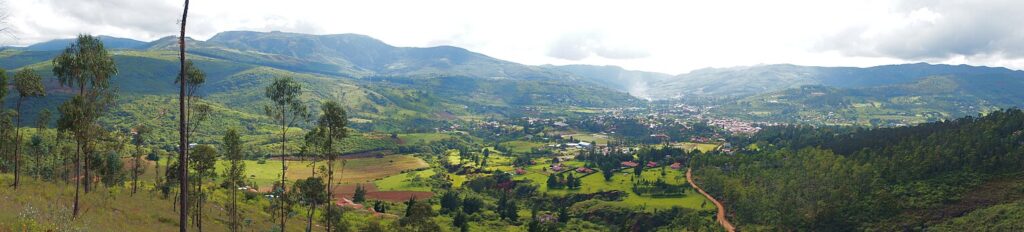
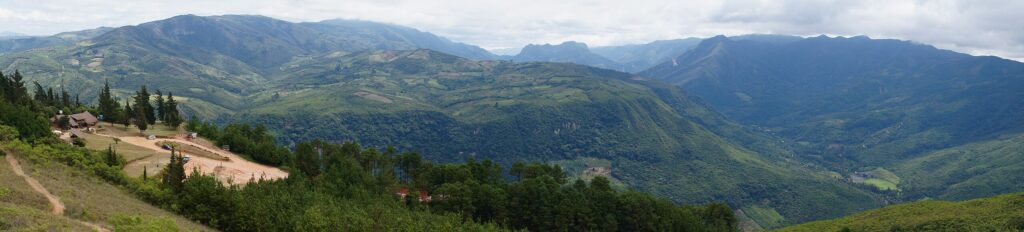
This guide covers everything you need: how to actually get there (the shared taxi situation is real), when to visit without getting soaked, the history behind those massive rock carvings, nature trails that’ll make your Instagram followers jealous, and the kind of insider tips that only come from spending real time in a place. Whether you’ve got three days or a full week, I’ll break down exactly how to experience Samaipata the right way.
How to Get to Samaipata & When to Visit
Getting There: The Shared Taxi Dance
Samaipata sits about 120 kilometers southwest of Santa Cruz de la Sierra, Bolivia’s biggest city. Forget buses if you value your sanity and lower back. The move here is taking a “truffi” – these shared taxis that leave when they’re full (which is very Bolivian, very unpredictable, and somehow always works out).
Head to the corner of Avenida Omar Chávez and Soliz de Olguín in Santa Cruz. Look for the cluster of white vans with drivers yelling “¡Samaipata! ¡Samaipata!” You’ll pay around 30-40 Bolivianos (about $4-6 USD). The ride takes 2.5 to 3 hours depending on whether your driver thinks he’s auditioning for Fast & Furious or actually respects the curves. The scenery shifts dramatically – you start in tropical lowlands and climb into pine-covered mountains. Crack a window and smell that change in the air.
Pro tip: Truffis leave throughout the morning, but the sweet spot is 8-10 AM. Go too late and you might wait around. Too early and, well, nothing in Bolivia really starts before 8 AM anyway.
Best Time to Visit Samaipata
The dry season runs from May through October, and that’s your golden window. Clear skies, minimal mud on the trails, and temperatures that hover around 20-25°C (68-77°F) during the day. Nights get chilly though – we’re talking 5-10°C (41-50°F). You’ll want layers.
November through April brings the wet season. It’s not a total write-off – the waterfalls are more impressive and everything’s absurdly green – but hiking becomes a muddy wrestling match. If you’re coming for Amboró National Park, stick to dry season unless you enjoy slipping down trails.
Samaipata weather is that tricky mountain situation where you can experience four seasons in one day. Morning frost, afternoon sun that burns through your sunscreen, evening chill that has you hunting for your fleece. Pack accordingly.
What to Pack: The Real List
- Hiking boots with actual grip – The red clay mud here is slippery as ice when wet
- Layers – Tank top for noon, fleece for 7 PM
- Serious sunblock – High altitude means UV rays don’t play around
- Water shoes – For the waterfall scrambles
- Cash – ATMs in Samaipata are temperamental at best
- Headlamp – Streets get dark and sidewalks are uneven
- Reusable water bottle – Tap water isn’t drinkable; fill up at your hostel
Top Things to Do in Samaipata
Visit El Fuerte de Samaipata — History & Archaeology
Let’s clear something up first: El Fuerte de Samaipata isn’t actually a fortress. The Spanish called it that because they have no imagination. This massive carved rock – the largest of its kind in the world – was a ceremonial center used by the Chané people (pre-Inca) and later the Incas themselves. UNESCO recognized it as a World Heritage Site in 1998, which is fancy talk for “this place is legitimately important.”
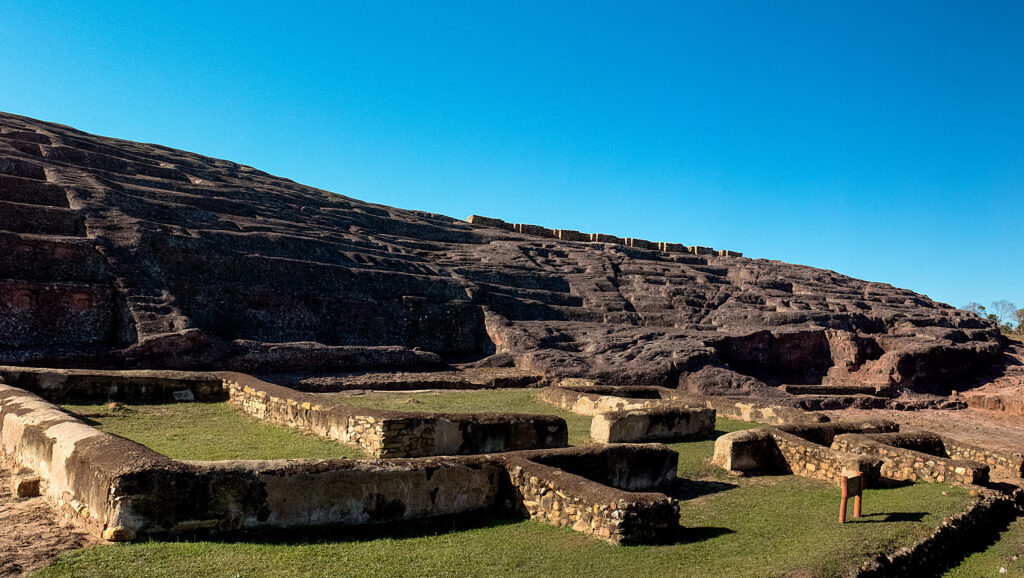
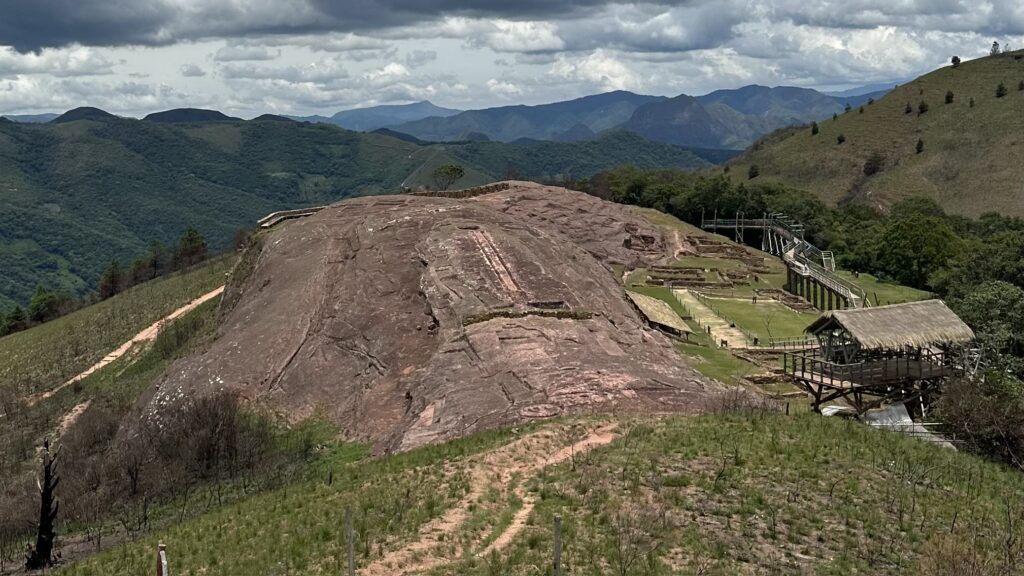
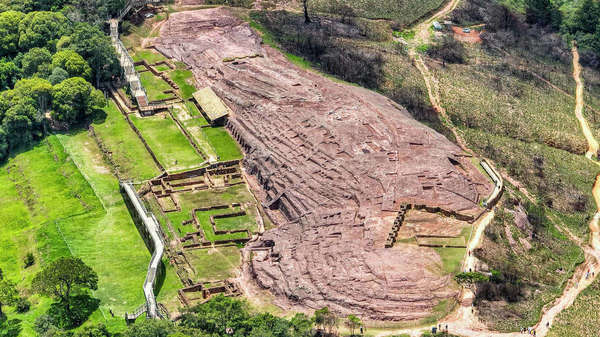
The site sits about 9 kilometers from town. You can walk it (uphill, allow 2+ hours), bike it (rent in town for 30-40 BOB/day), or catch a ride with a tour. Entry costs 50 Bolivianos for foreigners.
What makes El Fuerte de Samaipata history fascinating is what you’re actually looking at. The massive rock face is carved with channels, seats, geometric shapes, and animal representations. The most famous is the “Cascabel” – a serpent design that winds across the stone. These weren’t random doodles. They were sacred ceremonial spaces, possibly connected to water rituals and astronomical observations.
The experience hits different early morning. You get there around 8 AM and the place is yours. The light is softer. You can run your hands along those ancient grooves (carefully – erosion is real) and actually process what it took to carve this. No metal tools. Just stone on stone and an incredible amount of intention.
From the upper platform, the view spreads across the Samaipata Valley toward the cloud forest. On clear days, you can see layers of mountains fading into blue distance. Bring water – there’s minimal shade – and give yourself at least 2 hours to explore properly.
Important: Stay on marked paths. The rock is sandstone, which means it erodes easily. Tourism is slowly damaging the carvings, so be a conscious visitor.
Explore Nature — Amboró National Park & Surrounding Trails
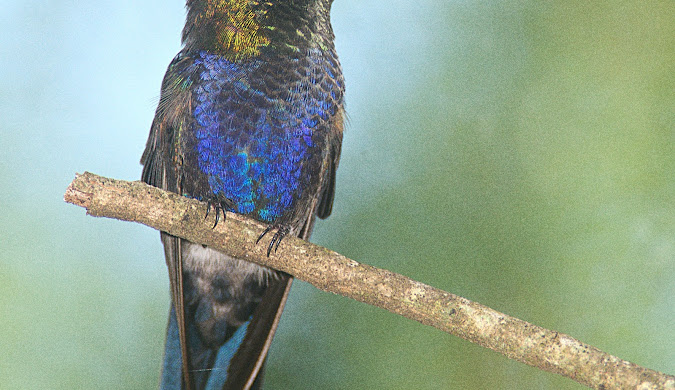
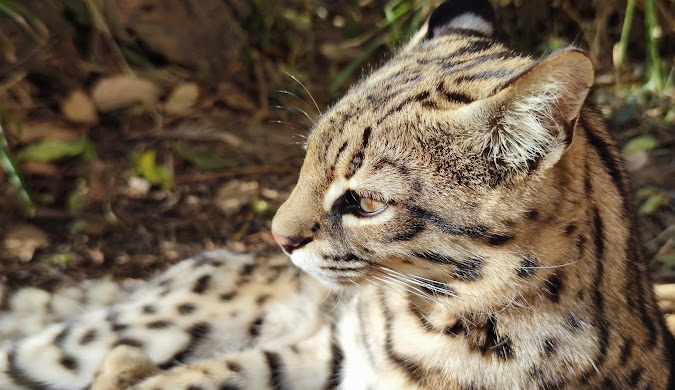
Here’s where Samaipata gets wild. Amboró National Park protects one of the most biodiverse areas on the planet. We’re talking the exact meeting point of three ecosystems: Andes mountains, Amazon rainforest, and the Chaco. That means you can see spectacled bears, jaguars, over 800 bird species, and more insects than you can possibly identify.
The park’s cloud forest section near Samaipata is absolutely otherworldly. Giant tree ferns create canopies overhead. Everything is draped in moss. The air smells like wet earth and growing things. If you’ve seen Jurassic Park, that’s the vibe – you half expect a dinosaur to crash through the foliage.
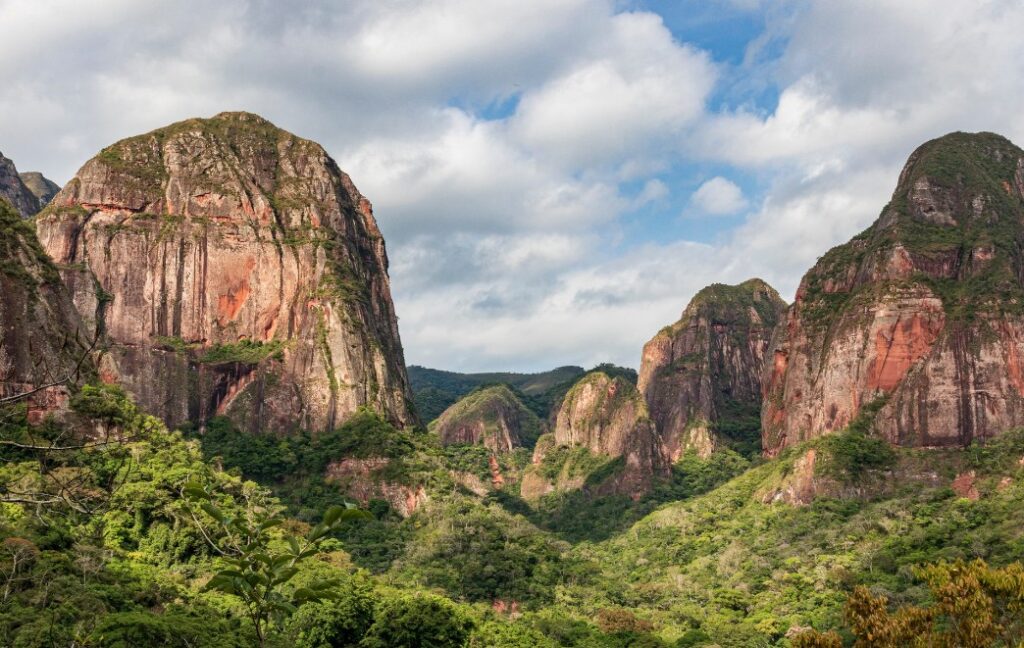
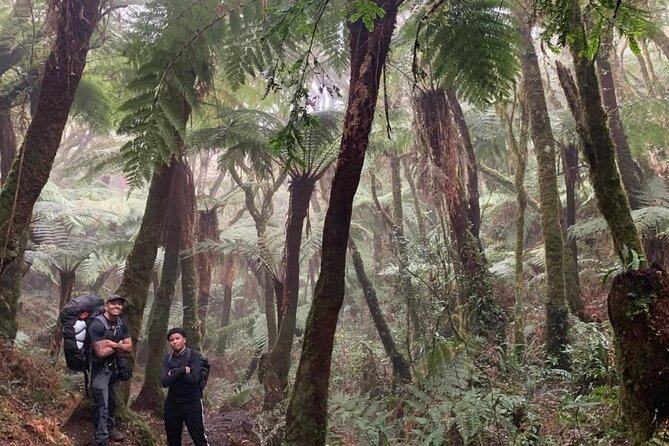
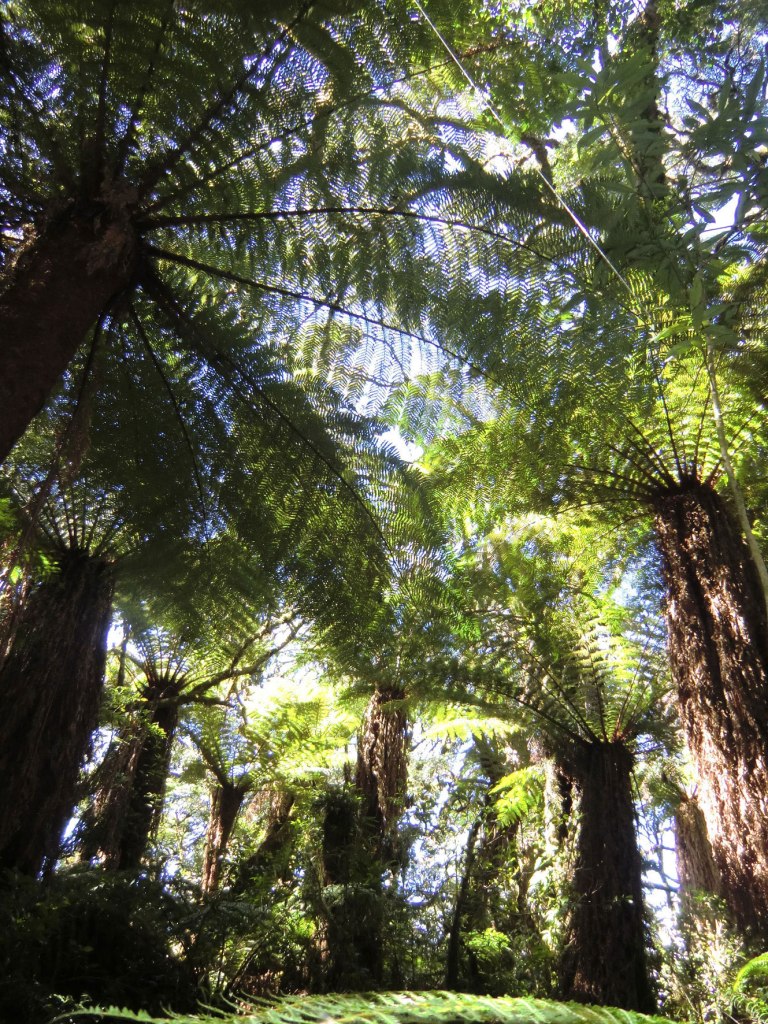
Critical info: You cannot enter Amboró alone. It’s illegal and genuinely dangerous. The park is massive (over 4,400 square kilometers), trails aren’t always marked, and people get lost. You must hire a licensed guide.
Most hostels in town can arrange this. A full-day trek runs about 200-300 Bolivianos per person, depending on group size. Your guide will spot wildlife you’d walk right past – tiny poison dart frogs, camouflaged snakes, bird species you didn’t know existed.
The most popular trail is the “Fern Forest” route. You’re walking through vegetation that towers overhead, crossing streams on fallen logs, listening to howler monkeys announce their territory in the distance. Wear long pants (bugs and scratchy plants), bring rain gear even in dry season, and carry out every scrap of trash. Leave No Trace principles aren’t optional here – the park has limited waste management, so whatever you bring in comes back to town with you.
Amboró National Park wildlife sightings are never guaranteed (it’s a jungle, not a zoo), but most people spot multiple bird species, interesting insects, and if you’re lucky, maybe a coati or some monkeys. The real prize is the experience itself – being deep in primary forest, surrounded by biodiversity, feeling very small and very alive.
Waterfall & Swimming Spots — Las Cuevas, La Pajcha & Natural Pools
After hiking sweaty trails, nothing hits like cold waterfall water. Samaipata delivers several excellent options.
Las Cuevas (The Caves) is the family-friendly favorite. It’s about 12 kilometers from town on a decent road. You can get there by taxi (negotiate around 50-70 BOB round trip including wait time), organized tour, or mountain bike if you’re feeling ambitious.
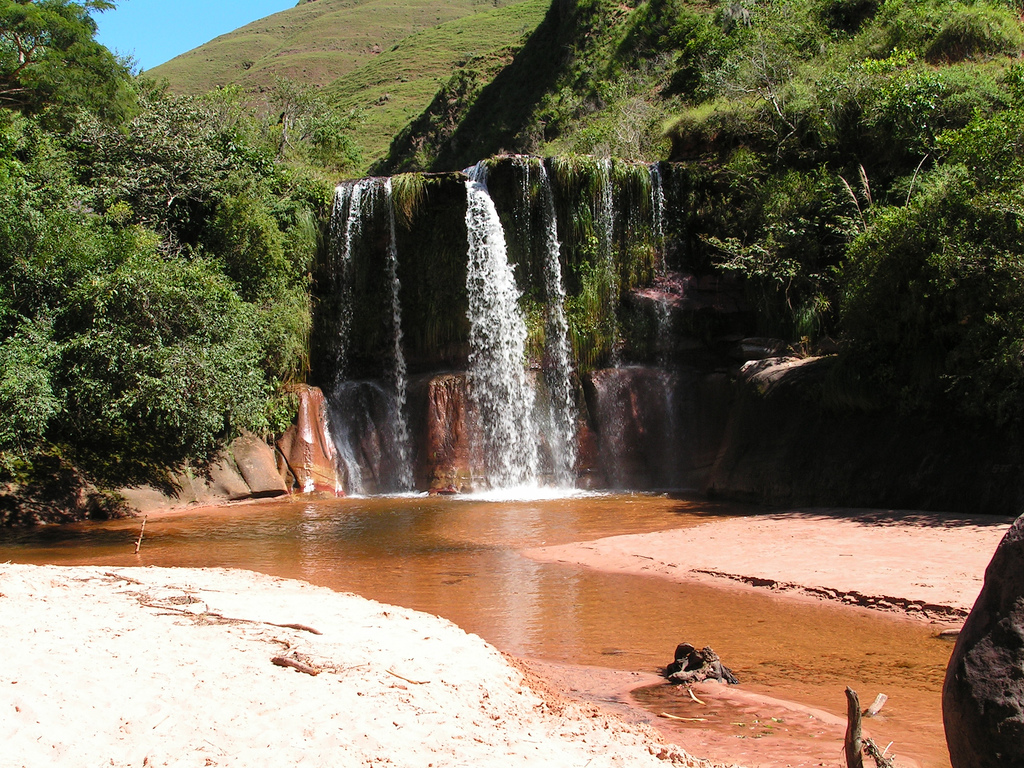
The site has three distinct waterfalls connected by an easy trail. The first is a gentle cascade perfect for kids. The second requires a bit of scrambling over rocks – this is where water shoes earn their keep. The third is the tallest and has a proper swimming hole beneath it. That water comes straight from mountain springs. It’s COLD. Like, gasp-out-loud, everything-clenches cold. But on a hot day? Absolutely perfect.
Entry costs around 10-15 Bolivianos. There are basic facilities (bathrooms, small snack stand) but bring your own food and water. Weekdays are quieter. Avoid Sundays if you want a peaceful experience – half of Santa Cruz shows up with coolers, speakers, and extended family.
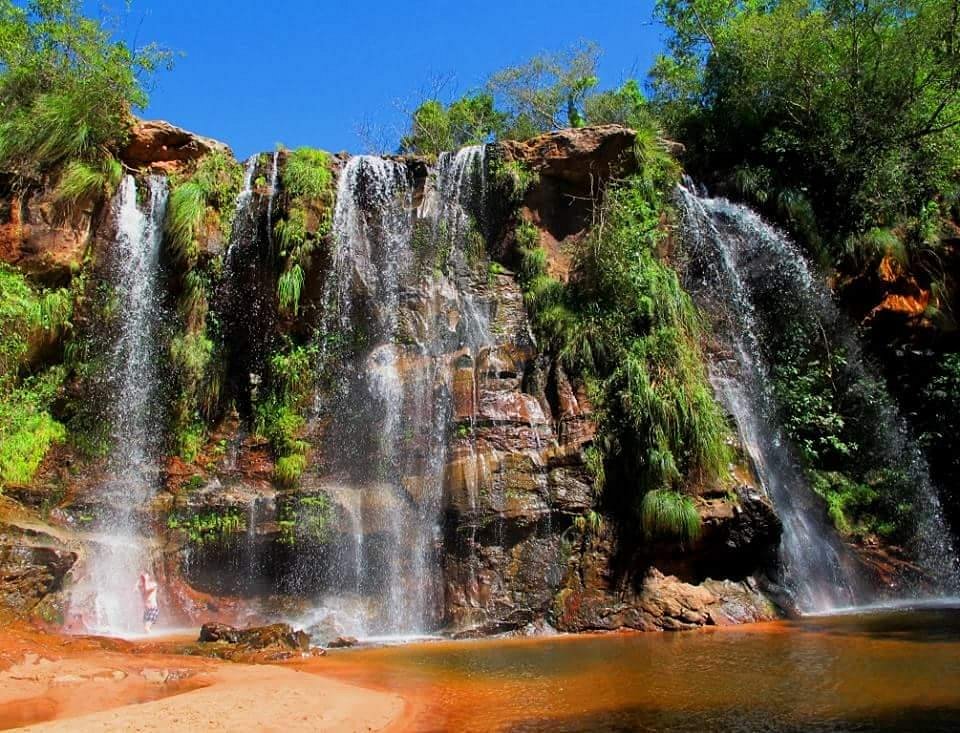
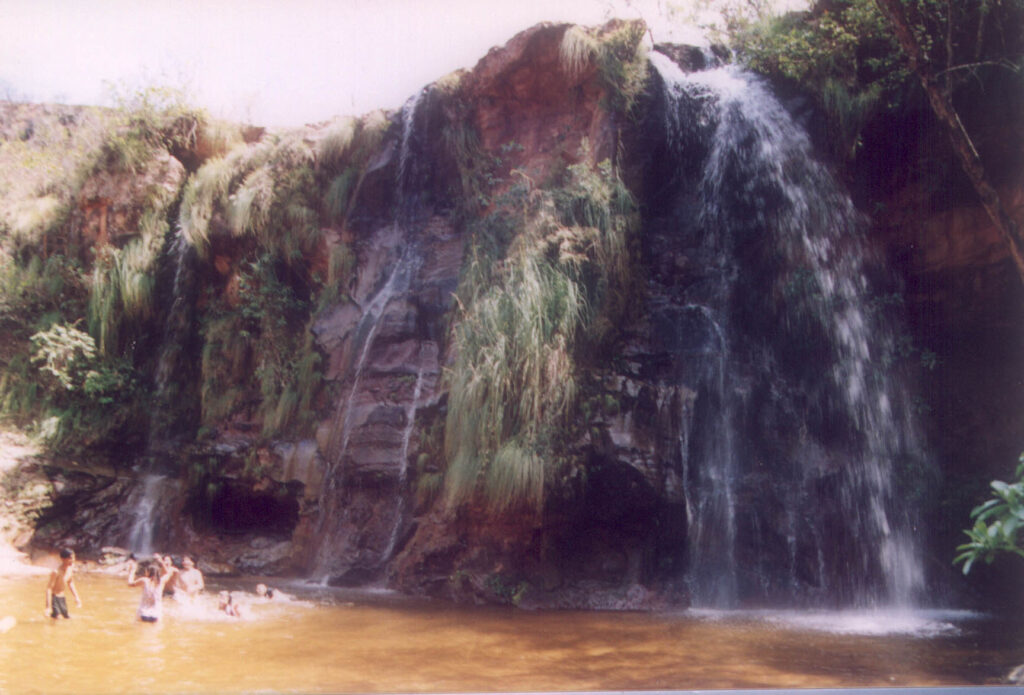
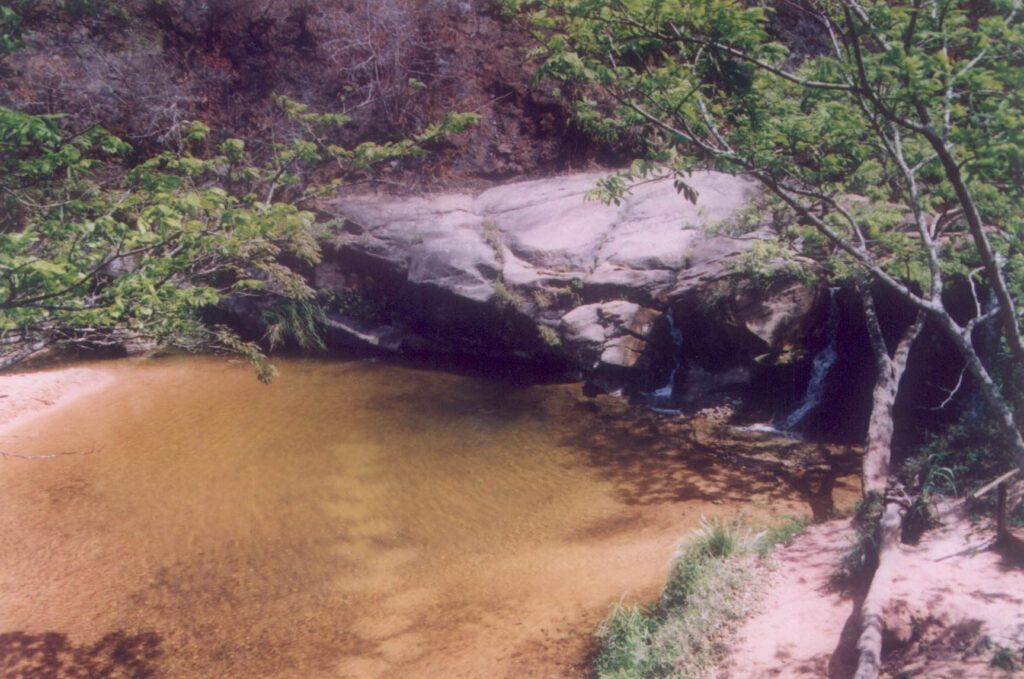
La Pajcha is the more rugged option. This waterfall is taller, more dramatic, and significantly less visited. The trail from the drop-off point is muddier and steeper. The waterfall itself drops about 40 meters into a pool surrounded by rock walls. The water here is even colder than Las Cuevas because it gets less direct sun.
This spot is better for confident hikers and strong swimmers. The pool is deep enough to dive (if you’re experienced and careful), but the rocks are slippery. Go with a group if possible. The isolation is part of the charm, but it also means there’s no help nearby if someone gets hurt.
Both spots are stunning for photography. The combination of red rocks, green vegetation, and white water creates natural contrast. Just protect your phone/camera from splashes.
Town Walk — Streets, Local Life, Cafés, Markets & Expat Atmosphere
Sometimes the best thing to do in Samaipata is absolutely nothing productive. The town itself is tiny – you can walk end to end in 15 minutes – but it’s got character.
Start at the main plaza. There’s a church that’s cute but unremarkable. What matters is the vibe: locals chatting on benches, street dogs sleeping in sun patches, maybe someone selling fresh empanadas from a cart. Grab one. The salteñas here (Bolivian stuffed pastries) are solid – flaky crust, savory filling with a bit of sweet raisin surprise.
Walk toward the local market (mercado) on the lower end of town. It’s not a tourist thing – this is where locals actually shop. You’ll find fresh produce, questionable meat hanging in open air (vegetarians, look away), bags of quinoa and amaranth, and the best people-watching. Try some fresh squeezed orange juice (2-3 BOB) or a bag of tumbo fruit if it’s in season. It tastes like passion fruit’s mellower cousin.
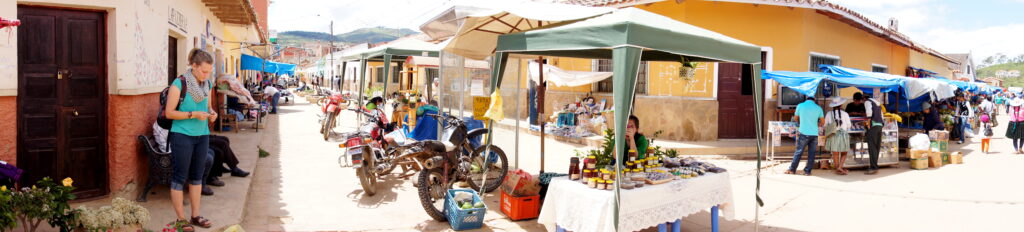
The expat community has blessed Samaipata with surprisingly good food options. You can get legitimate wood-fired pizza, Thai curry that doesn’t make Bolivians cry (they’re not about spicy food), and espresso that actually tastes like coffee. This mix of Bolivian classics and international offerings makes Samaipata easy to settle into, even if you’re sick of rice and potatoes.
Café culture here is real. Places like Latitude 18 and La Bohème have good wifi, comfortable seating, and that slow-travel atmosphere where nobody’s rushing you to order another coffee. Bring your journal, your book, or just sit and watch life happen. That’s the Samaipata energy – nobody’s in a hurry.
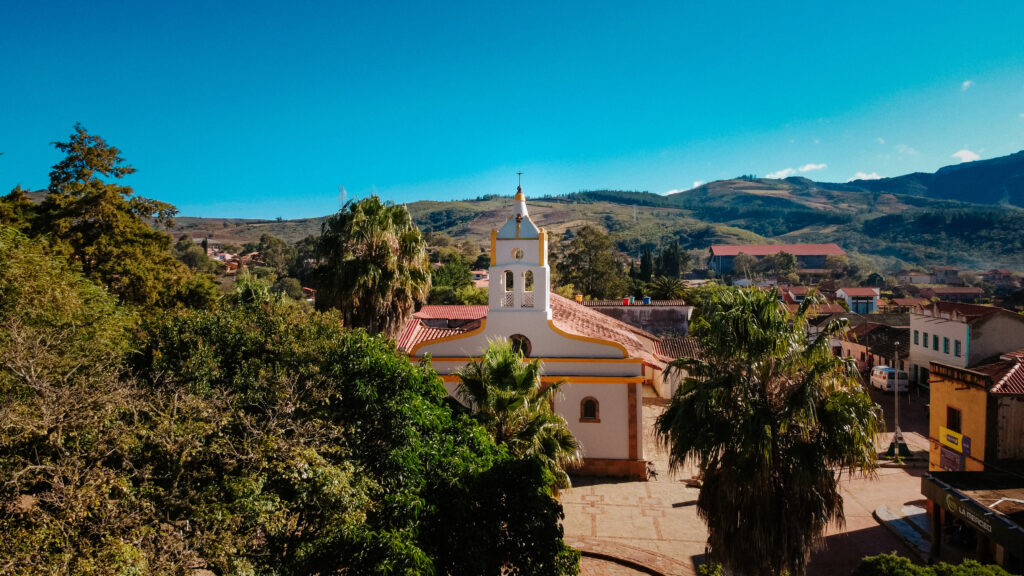
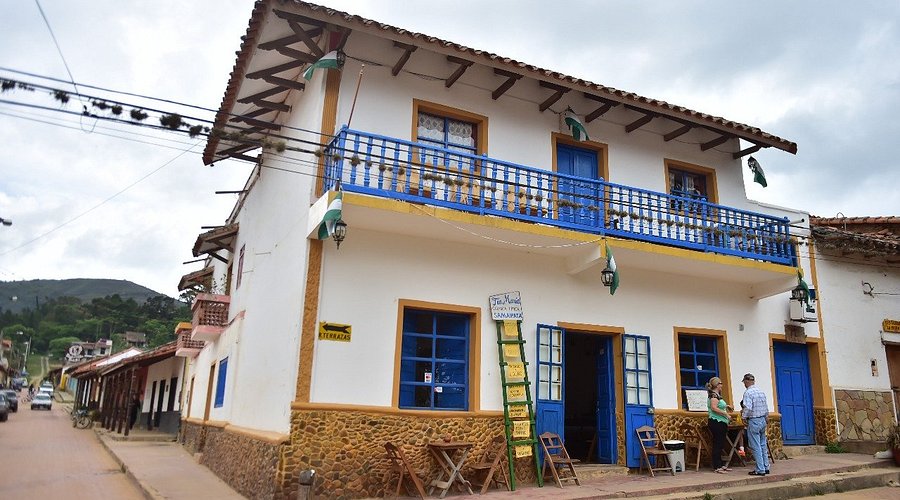
Evening in the plaza is prime time. As the sun drops and temperatures cool, locals and travelers mix. Sometimes there’s live music. Often there’s just conversation. The stars out here, away from city lights, are ridiculous. You’ll see constellations you forgot existed.
Offbeat & Local-Flavor Activities — Hidden Gems & Cultural Experiences
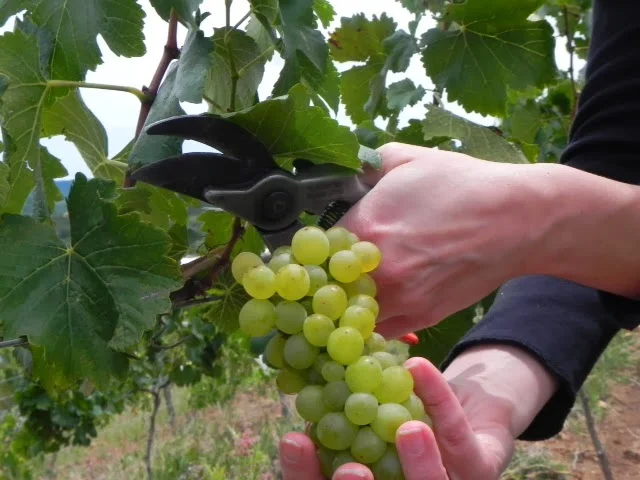
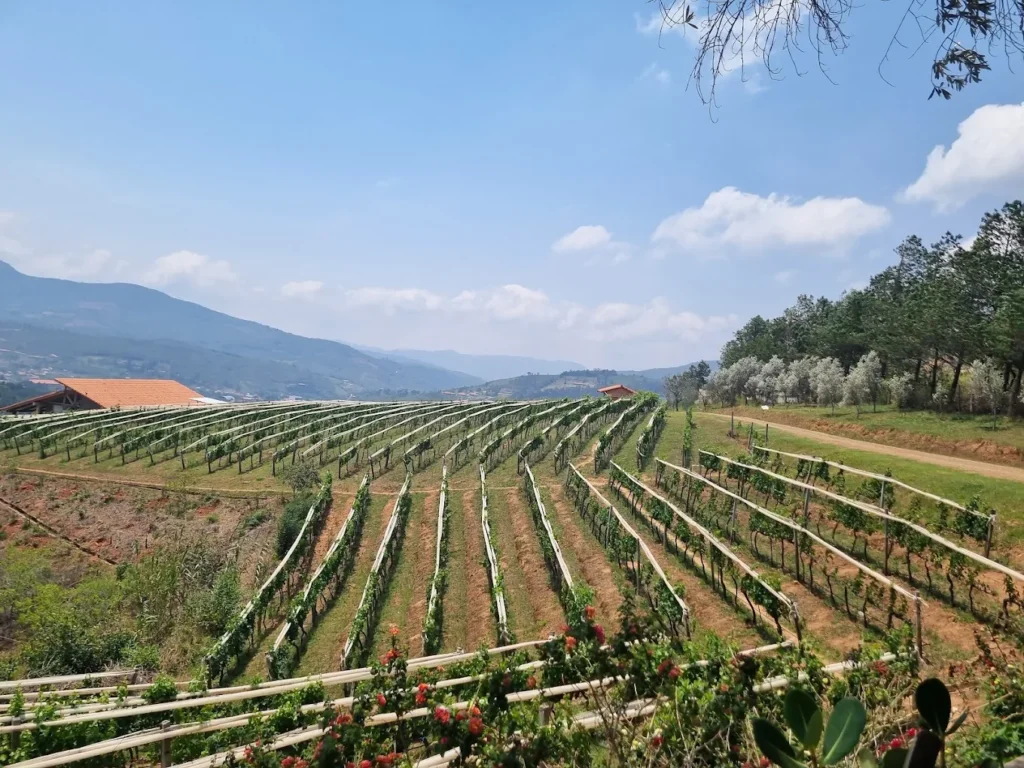
High-altitude wineries are a thing here, and it’s weird in the best way. The region produces wine at over 1,600 meters elevation. The most accessible is Uvairenda (also called 1750 Winery). They offer tours and tastings for around 40-50 BOB. The wine itself is… let’s say “interesting.” It’s not Napa Valley, but trying something made from grapes grown in such unusual conditions is worth it. The views from the vineyard across the valley are spectacular.
Horseback riding is available through several tour operators. A half-day ride through surrounding valleys and villages runs 150-200 BOB. You’re on quiet rural roads and trails, seeing the mountain lifestyle that tourism doesn’t reach.
For the truly slow travelers, several hostels and local organizations look for short-term volunteers. Teaching English, helping with organic farms, community projects – usually just a few hours a day in exchange for accommodation. It’s a way to actually connect with local life rather than just photograph it.
The Condor viewpoint is an excellent half-day hike. The trail is clearly marked from town (ask locals for “Mirador del Cóndor”). It’s steep but manageable, taking about 2-3 hours up. At the top, you get 360-degree views of the valley and, if you’re lucky and patient, actual Andean condors riding the thermals. These birds have 3-meter wingspans. Watching them float past at eye level is genuinely moving.
Don’t underestimate the value of simply existing in Samaipata without an agenda. Sit in the plaza with a book. Strike up conversations with locals selling crafts. Watch the mountain light change as afternoon moves into evening. This is the stuff you’ll remember – not which waterfall was slightly prettier.
Suggested Itineraries (3, 5, and 7 Days)
3 Days: The Highlights
Day 1: Arrive from Santa Cruz, settle into your hostel, walk the town to get oriented. Visit the local market, grab lunch, maybe café time. Evening in the plaza.
Day 2: Early morning trip to El Fuerte de Samaipata. Spend 2-3 hours exploring the ruins and soaking in the history. Afternoon at Las Cuevas waterfalls – bring swimwear and towel. Back to town for dinner.
Day 3: Half-day Amboró National Park trek with a guide (morning is best for wildlife). Afternoon exploring town shops, maybe the winery if you have energy. Catch your truffi back to Santa Cruz late afternoon.
This pace is doable but tight. You’ll hit the main attractions but won’t have much breathing room.
5 Days: The Explorer
Day 1: Arrive, settle in, town exploration. Get dinner recommendations from your hostel.
Day 2: El Fuerte de Samaipata in the morning when it’s cooler. Afternoon rest or town activities – this altitude can be tiring.
Day 3: Full-day Amboró National Park trek. Pack lunch, bring rain gear, be ready for adventure. Evening rest (you’ll be tired).
Day 4: Las Cuevas waterfalls for morning swimming. Afternoon winery tour and tasting at Uvairenda. Evening relaxation.
Day 5: Sleep in (you’ve earned it). Walk to the Condor viewpoint or just café-hop and people-watch. Depart late afternoon or stay another night.
This is the sweet spot – you hit everything major without rushing, plus you have time to actually relax and absorb the vibe.
7 Days: The Slow Traveler
Day 1: Arrive, settle, walk around with zero agenda.
Day 2: El Fuerte de Samaipata with plenty of time to sit and contemplate.
Day 3: Las Cuevas waterfalls – spend the whole day, bring a picnic, actually swim multiple times.
Day 4: Full-day Amboró trek.
Day 5: La Pajcha waterfall for something different, or a horseback riding tour.
Day 6: Winery visit, Condor hike, or volunteer with a local project.
Day 7: Complete rest day. Read in the plaza. Get a massage (they’re cheap here). Reflect on your week. Depart when ready or extend further (this happens a lot).
At seven days, you’re no longer just visiting Samaipata – you’re briefly living there. You’ll recognize faces. Vendors will remember you. That’s when travel gets real.
Practical Info, Costs & Tips — What You Need to Know Before You Go
Budget Breakdown
Budget Traveler ($25-30 USD/day):
- Hostel dorm bed: 40-60 BOB ($6-9)
- Three simple meals: 60-80 BOB ($9-12)
- Activities: One major attraction per day: 50-100 BOB
- Transport around town: Walking mostly, occasional taxi: 10-20 BOB
Mid-Range ($50-70 USD/day):
- Private room in nice hostel/small hotel: 150-250 BOB ($22-36)
- Mix of local and international restaurants: 120-180 BOB
- Multiple activities, guided tours: 200-300 BOB
- Comfort buffer for taxis, drinks, souvenirs
The beauty of Samaipata is that it’s genuinely affordable. A big meal with beer is still under $8. Coffee is $2. Your biggest expenses will be guided tours and transport to/from Santa Cruz.
Money Matters
Cash is absolutely king in Samaipata. Most places don’t take cards. The town has one or two ATMs, and they’re notoriously unreliable – they run out of money on weekends, randomly go offline, or just decide not to work that day for mysterious reasons.
Bring cash from Santa Cruz. Withdraw extra there. You’ll use Bolivianos for everything: hostel, food, tours, entrance fees, taxis. Having a USD emergency stash is smart, but you’ll get better rates changing money in Santa Cruz than in Samaipata.
Safety & Health
Samaipata is genuinely safe. It’s a small town where people know each other. Violent crime is essentially non-existent. Standard precautions apply: don’t leave valuables unattended, be aware of your surroundings at night, but honestly, the biggest danger is probably tripping on an uneven sidewalk.
Watch out for street dogs. They’re everywhere, mostly friendly, but they’re also territorial and not vaccinated. Don’t pet unknown dogs, and if one seems aggressive, just move away calmly.
Altitude acclimatization is real. Samaipata sits at about 1,650 meters (5,400 feet). That’s not extreme, but if you’re coming straight from sea level, you might feel headachy or tired the first day. Drink water constantly. Limit alcohol initially. Take it easy your first afternoon.
The sun at this altitude is serious. You’ll burn faster than you expect. Reapply sunscreen, wear a hat, don’t be stupid about UV exposure.
Water from taps isn’t safe to drink. Fill bottles at your accommodation (most places have filtered water), or buy bottled (cheap – 5-8 BOB for 2 liters).
Language & Connectivity
Spanish is the primary language. Very few people speak English, especially outside tourism businesses. Download Google Translate with Spanish saved for offline use. Learn basic phrases: “¿Cuánto cuesta?” (How much?), “¿Dónde está…?” (Where is…?), “Gracias” and “Por favor” will get you far.
Wifi exists in hostels and cafés but it’s not fast. Don’t expect to stream videos or upload 50 photos at once. Buy a local SIM card in Santa Cruz if you need reliable data (Tigo or Entel work decently).
Why Samaipata Should Be On Your Bolivia Itinerary
Most people hit Bolivia for the salt flats, La Paz, maybe Lake Titicaca. Those places are incredible, but they’re also crowded with tourists doing the exact same circuit. Samaipata offers something different: a chance to actually slow down.
You get legitimate history at El Fuerte – not some reconstructed tourist trap, but a real UNESCO site that makes you reconsider what pre-Columbian civilizations were capable of. You get nature that’s accessible but still wild – Amboró’s biodiversity is world-class, yet you can experience it without extreme trekking experience. You get a town that’s found this rare balance between authentic Bolivian life and the comfort of traveler infrastructure.
The Samaipata travel guide takeaway is this: come here to decompress between the intense experiences Bolivia throws at you. Come here to actually talk to people rather than just photographing them. Come here because not everywhere needs to be an adrenaline rush or an Instagram flex. Sometimes travel is just sitting in a mountain plaza with good coffee, watching clouds move across the valley, feeling grateful you found this place before everyone else did.
Book your spot now. Seriously. Samaipata is getting discovered. In five years, it might be completely different. Right now, it’s still real, still affordable, still the kind of place where locals wave hello and travelers swap genuine stories instead of just comparing itineraries.
You want authentic Bolivia? This is it.
FAQs: People Also Ask
What are the main attractions in Samaipata?
The top attractions are El Fuerte de Samaipata (UNESCO World Heritage archaeological site), Las Cuevas waterfalls for swimming, Amboró National Park for cloud forest trekking, and the town itself with its relaxed expat-Bolivian hybrid vibe. Wine tasting at high-altitude vineyards and the Condor viewpoint hike are excellent secondary activities.
How do I get from Santa Cruz to Samaipata?
Take a shared taxi (truffi) from the corner of Avenida Omar Chávez and Soliz de Olguín in Santa Cruz. The journey takes 2.5-3 hours and costs approximately 30-40 Bolivianos ($4-6 USD). Taxis leave throughout the morning when they fill up with passengers, with the best departure window being 8-10 AM.
Is El Fuerte de Samaipata worth visiting?
Absolutely. It’s the largest carved rock in the world and a UNESCO World Heritage Site with fascinating pre-Inca and Inca history. The ceremonial carvings, especially the Cascabel serpent design, are unique, and the panoramic valley views from the site are stunning. Go early morning for the best experience with fewer crowds and cooler temperatures.
Can you swim in Samaipata?
Yes! Las Cuevas offers three waterfalls with natural swimming pools – the water is cold but refreshing, and it’s the most accessible option with basic facilities. La Pajcha is another waterfall option that’s more remote with deeper pools. Both are popular activities, especially during the warmer dry season months.
What’s the best time to visit Samaipata?
The dry season from May through October is ideal, with clear skies, minimal rain, and perfect hiking conditions. Temperatures range from 20-25°C (68-77°F) during the day, though nights get chilly at 5-10°C (41-50°F). The wet season (November-April) brings impressive waterfalls but muddy trails that make hiking challenging.

Read More Articles;
- Madeira Travel Guide 2026: Top Things to Do, Best Itineraries & Insider Tips
- Tinajani Canyon Peru: Ultimate Travel Guide to the Valley of Stone Giants, Elevation, Trails & FAQs
- Isla Suasi: The Complete Guide to Peru’s Private Lake Titicaca Island
- Ikara-Flinders Ranges — Complete Travel Guide for 2026
- Phillip Island, Victoria: Ultimate Travel Guide (Wildlife, Best Time to Visit & Insider Tips)