Forget the crowded beaches of Cartagena and the party scene of San Andrés. If you’re searching for an authentic Caribbean paradise that feels like stepping back in time, Providencia Island Colombia is your answer. This tiny volcanic island, rising from the turquoise waters off Colombia’s Caribbean coast, offers something most tropical destinations have lost: genuine tranquility, untouched natural beauty, and a culture that hasn’t been diluted by mass tourism.
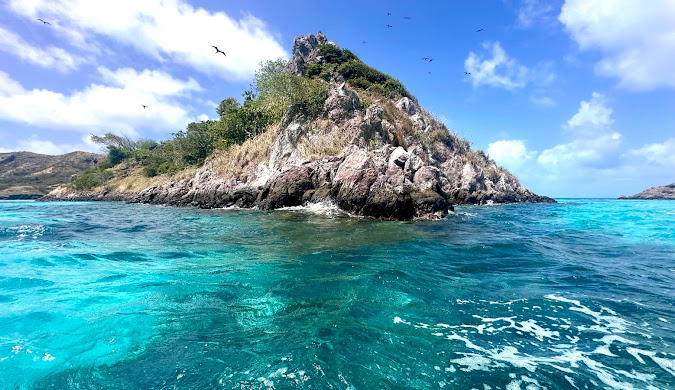
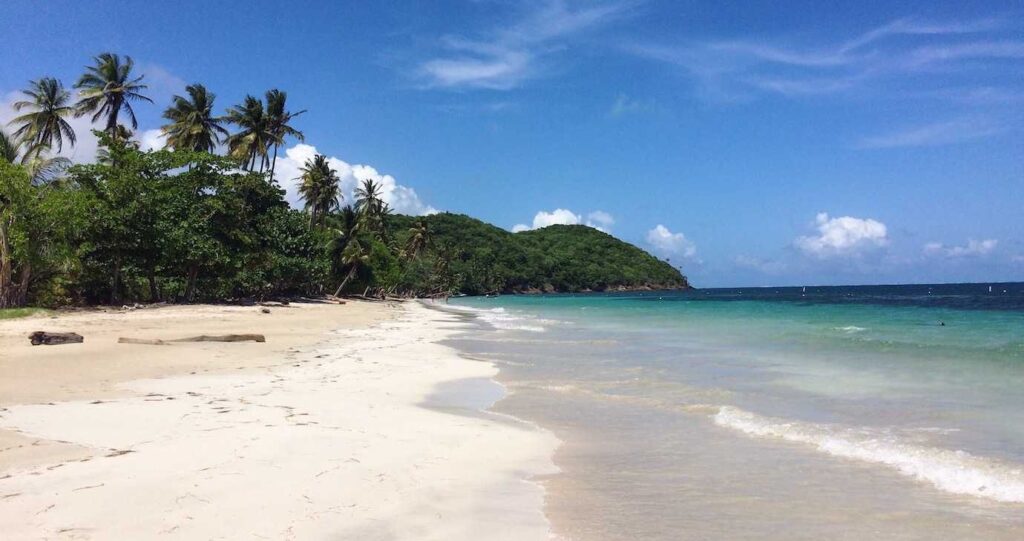
Picture this: you’re standing on a beach so secluded you can count the other visitors on one hand, gazing out at what locals call the sea of seven colours—layers of turquoise, emerald, sapphire, and aquamarine stretching toward the horizon. The warm Caribbean breeze carries the scent of salt air mixed with coconut bread baking in a nearby Raizal family’s kitchen. A parrot calls from the hillside while fishing boats painted in bright colors bob gently in the protected lagoon. This isn’t a postcard or a dream—this is daily life on Providencia Island.
Quick Reference Guide to Providencia Island
| Essential Information | Details |
| Location | Caribbean Sea, 775 km northwest of mainland Colombia |
| Size | Approximately 17 km² (6.5 square miles) |
| Population | Around 5,000 residents (predominantly Raizal people) |
| Language | Spanish and San Andrés-Providencia Creole (English-based) |
| Currency | Colombian Peso (COP) |
| Best Time to Visit | December to April (dry season) |
| How to Get There | Flight from mainland Colombia to San Andrés, then small plane or ferry to Providencia |
| Airport | El Embrujo Airport (PVA) |
| UNESCO Status | Part of Seaflower Biosphere Reserve |
| Major Natural Park | Old Providence McBean Lagoon National Natural Park |
| Connected Island | Santa Catalina Island (via pedestrian bridge) |
| Average Daily Budget | $50-100 USD (budget to mid-range) |
| Accommodation Type | Posadas (guesthouses), beach huts, small hotels |
| Must-Try Food | Rondón (seafood stew), pan de coco (coconut bread) |
| Top Activity | Snorkeling at Crab Cay (Cayo Cangrejo) |
| Important Note | Recovery ongoing from Hurricane Iota (2020)—verify current conditions |
What Is Providencia Island — Geography, People & Culture 🏝️
Providencia Island is a mountainous volcanic island that rises dramatically from the Caribbean Sea, its highest point—The Peak—reaching 360 meters (1,180 feet) above sea level. Connected to the smaller Santa Catalina Island by a charming pedestrian bridge called the Bridge of Love, Providencia feels worlds away from the hustle of modern life, despite being part of Colombia.
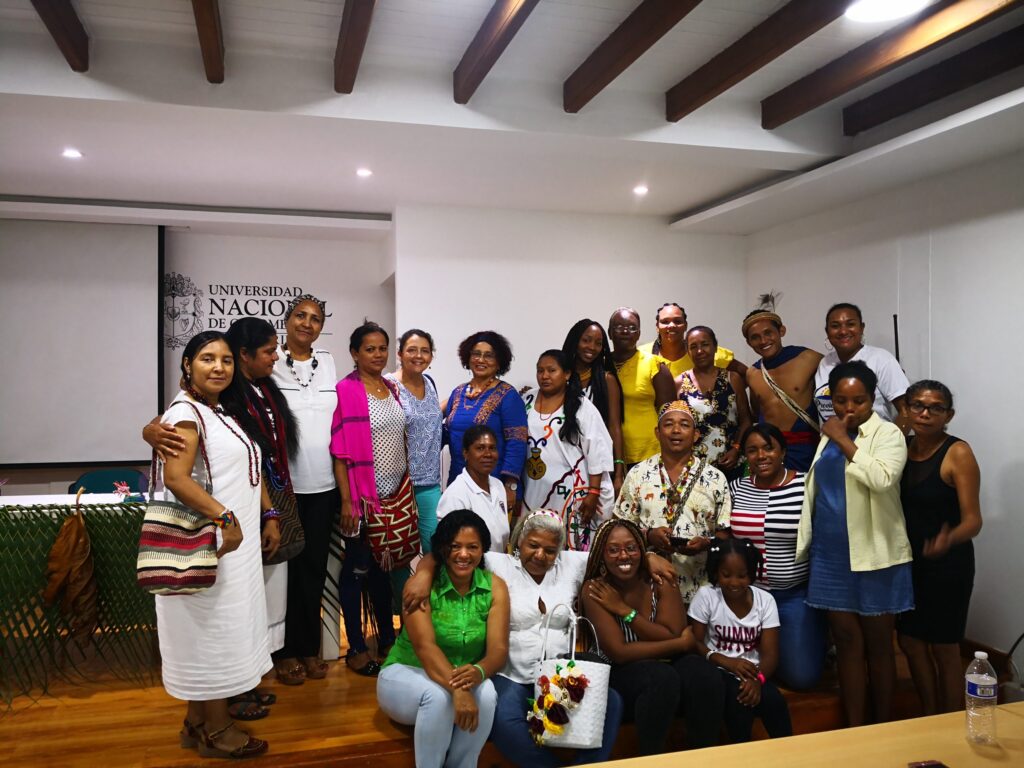
The Raizal People: Guardians of Island Culture
What truly sets Providencia apart isn’t just its natural beauty—it’s the Raizal people, an Afro-Caribbean community with roots dating back to English, Scottish, and African settlers from the 17th century. The Raizals speak San Andrés-Providencia Creole, an English-based Creole language that sounds like a melodic blend of Caribbean English, Spanish, and African linguistic influences. When you hear locals chatting in Creole while repairing fishing nets or selling fresh catch at the market, you’re experiencing a living cultural treasure.
The island’s history is a fascinating tapestry woven from English colonization (it was under British rule until 1822), Spanish control, pirate legends (yes, Henry Morgan supposedly hid treasure here!), and African heritage. This unique blend created a culture that feels distinctly Caribbean rather than typically Colombian—more reggae than reggaeton, more cricket than soccer, more fish stew than arepas.
The laid-back lifestyle here isn’t a marketing slogan—it’s a way of life. Island time means something on Providencia. Shops might close for an afternoon siesta, locals stop to chat for twenty minutes, and rushing is simply not part of the vocabulary. This slower pace is part of what makes the island so special for travelers seeking authentic experiences.
Natural Beauty & Ecosystem — What Makes It Special 🌊
The Seven-Colours Sea: Nature’s Watercolor Masterpiece
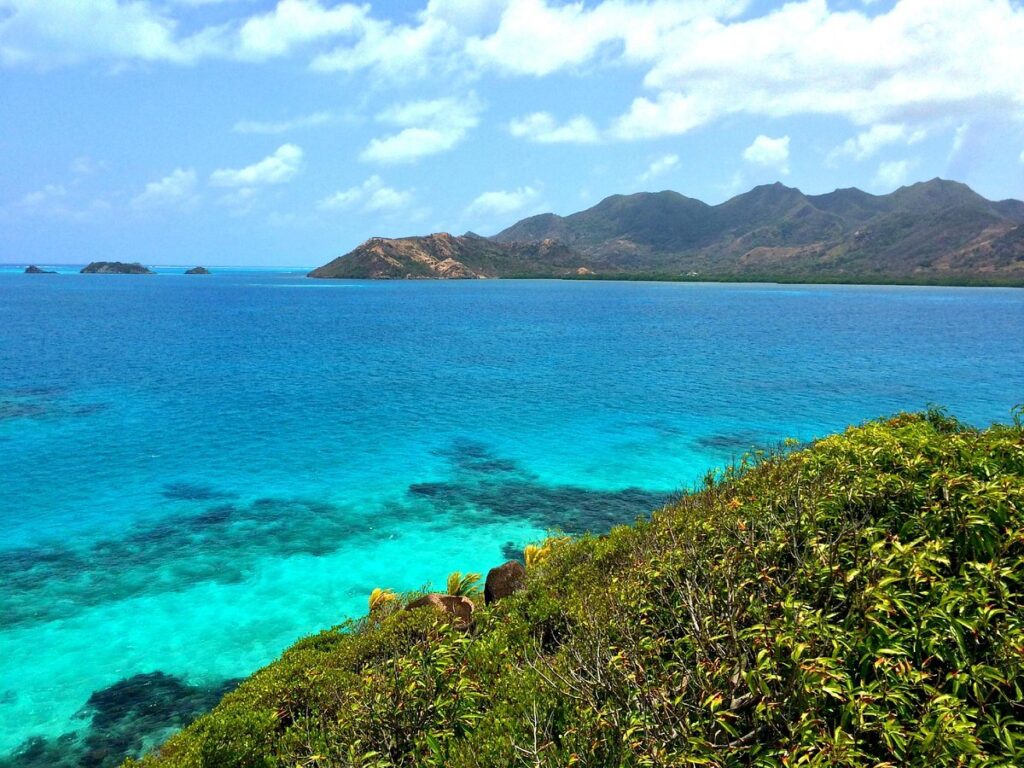
The seven-coloured sea surrounding Providencia isn’t just beautiful—it’s otherworldly. As you approach the island by plane, looking down feels like gazing at an artist’s palette where someone mixed every shade of blue and green imaginable. The phenomenon occurs due to varying depths of crystal-clear water over white sand and coral formations, creating distinct bands of color: deep navy in the channels, brilliant turquoise over shallow reefs, emerald green in the lagoons, and pale aquamarine near shore.
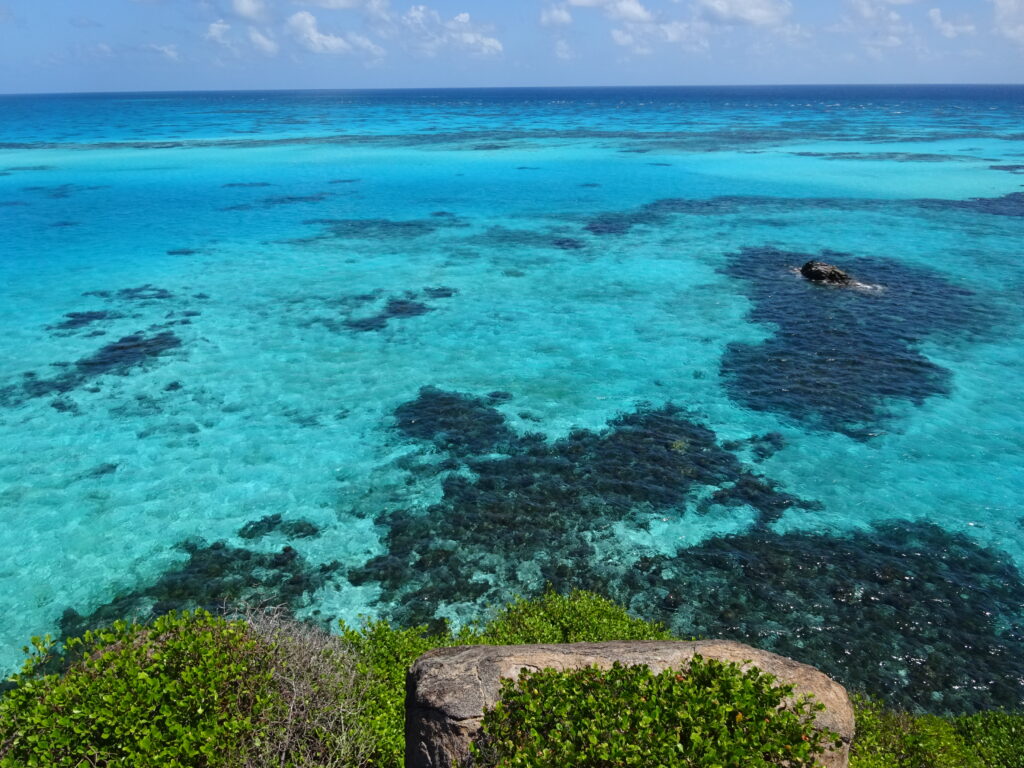
This isn’t exaggeration or Instagram filters—the sea of seven colours is genuinely visible to the naked eye, especially on sunny days when the light penetrates the water. Scientists have identified at least seven distinct color zones, though locals joke you can see more if you look closely enough.
A Marine Sanctuary of Global Importance
Providencia sits within the Seaflower Biosphere Reserve, a UNESCO-designated area covering 65,000 km² of marine and coastal ecosystems—one of the largest marine protected areas in the Caribbean. The reserve earned this prestigious status in 2000 due to its exceptional biodiversity and the intact nature of its ecosystems.
The island is surrounded by the third-largest barrier coral reef in the world, stretching approximately 32 kilometers (20 miles) and creating a natural breakwater that keeps the inner waters calm and protected. This massive reef system is home to the Old Providence McBean Lagoon National Natural Park, Colombia’s only oceanic natural park, established in 1995.
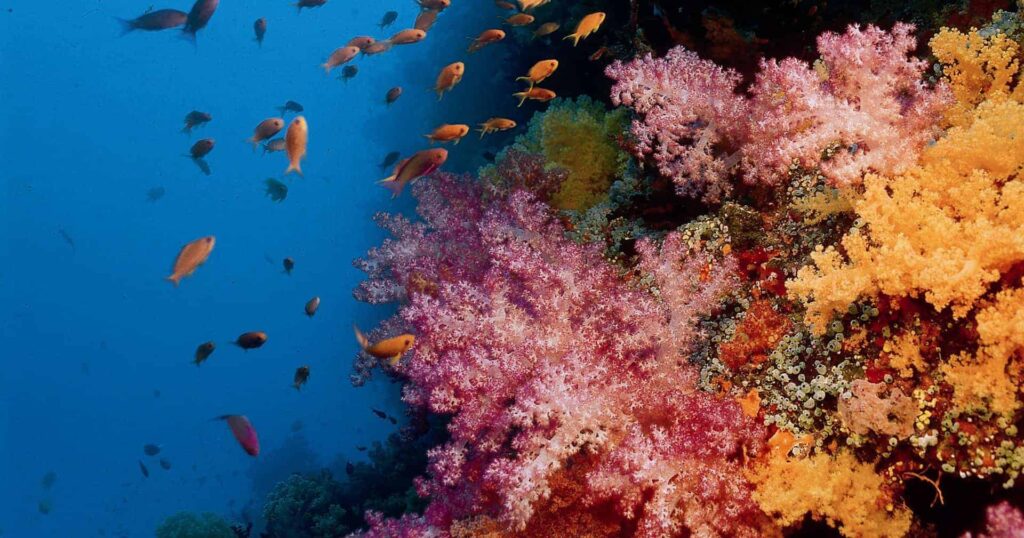
The marine biodiversity here rivals anything in the Caribbean. The protected waters host over 150 species of fish, including parrotfish, angelfish, groupers, and barracudas. Sea turtles (hawksbill, green, and loggerhead) nest on Providencia’s beaches and feed in the seagrass beds. Spotted eagle rays glide through the channels, nurse sharks rest in shallow waters, and if you’re exceptionally lucky, you might spot a Caribbean reef shark patrolling the outer reef.
The coral reef itself is a living kaleidoscope: brain corals the size of small cars, delicate sea fans waving in the current, neon-bright sponges, and forests of elkhorn and staghorn corals that provide nurseries for juvenile fish. Marine biologists consider the Seaflower Biosphere Reserve one of the healthiest coral reef systems remaining in the Caribbean—a remarkable achievement given the widespread coral bleaching and degradation elsewhere.
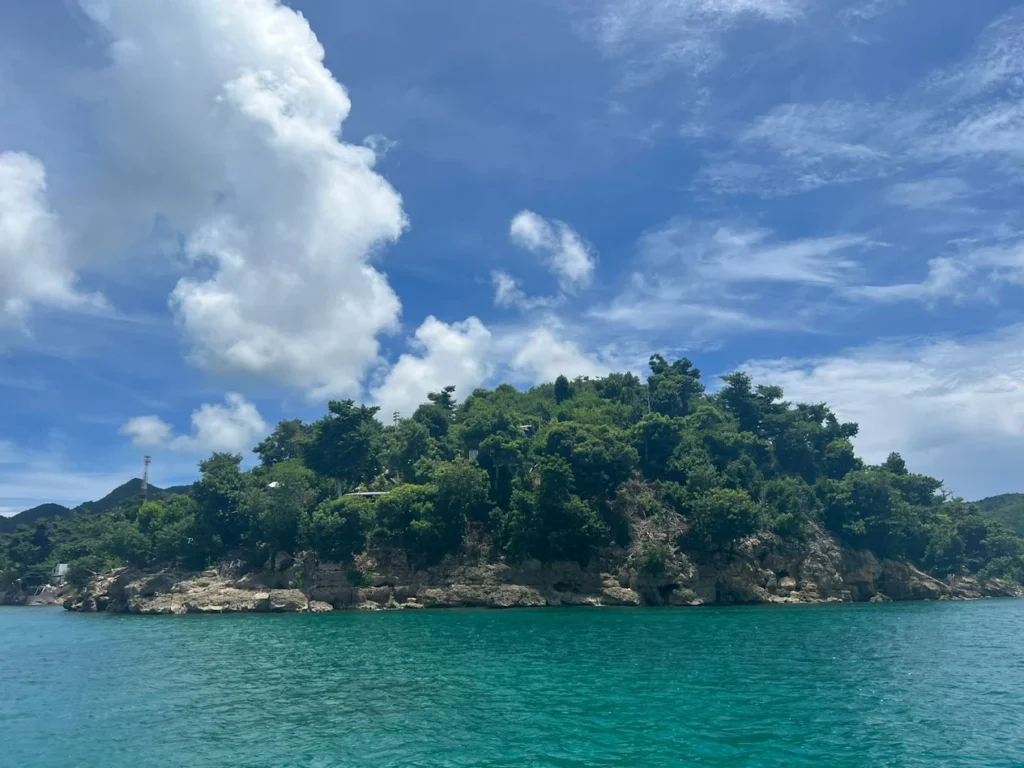
Top Things to Do — Beaches, Snorkeling, Hiking & Island Life ⛱️
Dive into the Seven-Colours Sea: Underwater Paradise
If you only do one thing on Providencia Island, make it exploring the underwater world. This is genuinely world-class snorkeling and diving, comparable to Belize, Bonaire, or the Cayman Islands—but with a fraction of the crowds.
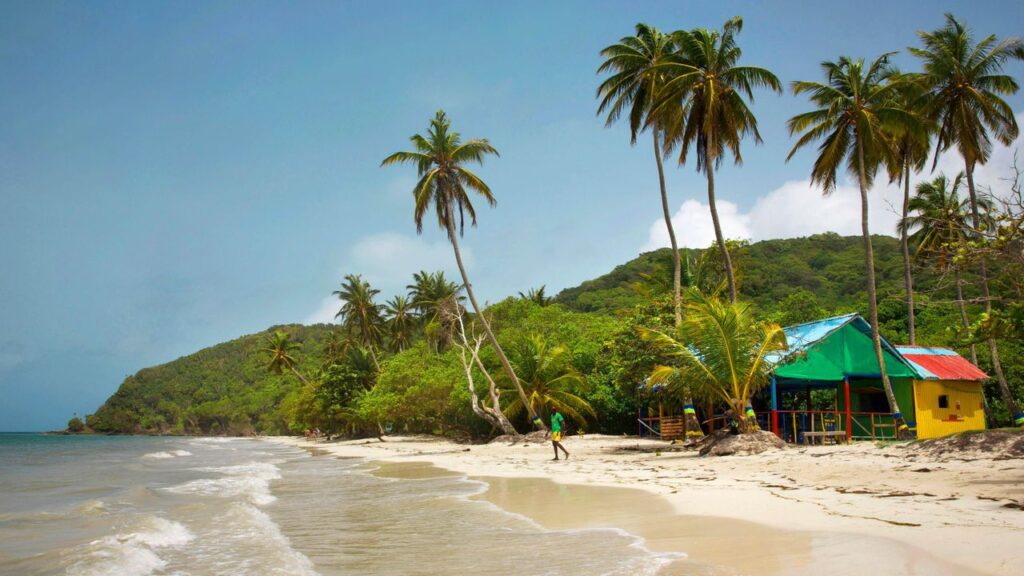
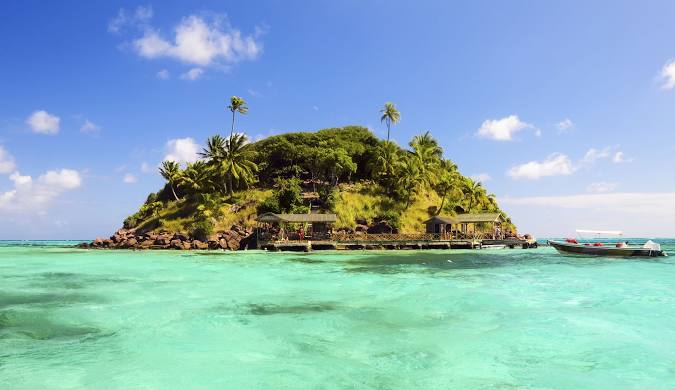
Crab Cay (Cayo Cangrejo) is the island’s snorkeling superstar. This tiny coral cay sits about 10 minutes by boat from the main island, surrounded by shallow reefs teeming with life. The water here is so clear you can see 30 meters (100 feet) to the bottom. Within minutes of entering the water, you’ll be surrounded by schools of tropical fish: blue tangs, sergeant majors, French angelfish, and butterflyfish in electric yellows and blacks. Sea turtles frequently cruise past, completely unfazed by snorkelers. The coral formations are healthy and vibrant, with purple sea fans swaying in the gentle current.
White Shoal, another popular snorkeling spot, features a sunken shipwreck that’s become an artificial reef. Barracudas often hang in the blue water just beyond the reef drop-off, looking menacing but harmless to snorkelers.
McBean Lagoon, within the national park, offers calm, protected waters perfect for beginners or families. The seagrass beds here attract sea turtles, rays, and countless juvenile fish. Kayaking through the mangrove channels reveals a different ecosystem entirely—herons stalking through the shallows, crabs scuttling across exposed roots, and the occasional nurse shark resting in the shadows.
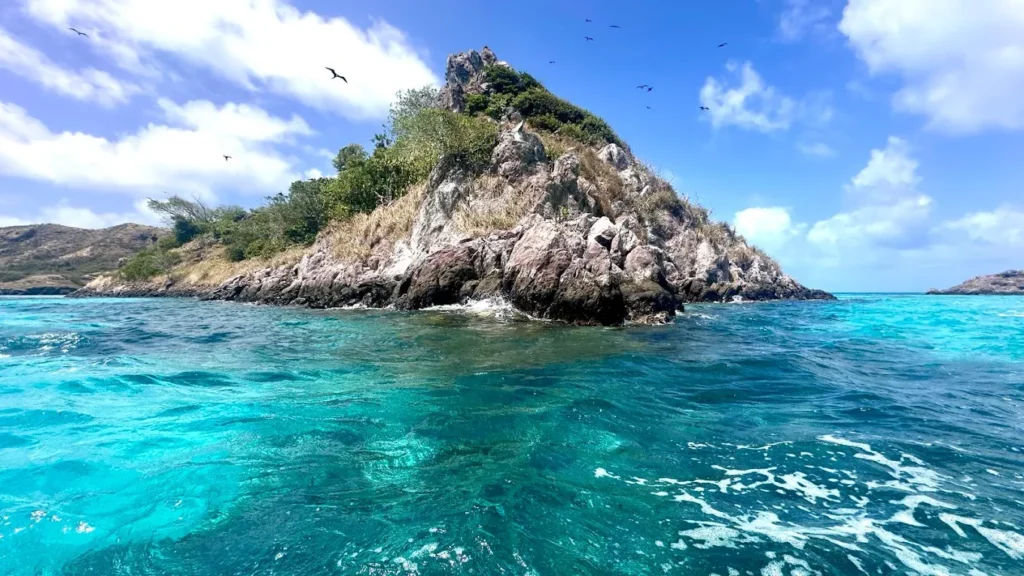
For certified divers, Providencia offers wall dives, drift dives, and reef dives suitable for all experience levels. Dive operators on the island are small-scale, personally run operations where safety and environmental responsibility take priority over volume. Expect small groups, personalized attention, and guides who know every fish by name.
Important note: The reefs were impacted by Hurricane Iota in 2020, but the protected status and natural resilience of the coral have allowed significant recovery. Shallow areas show impressive regeneration, though some deeper sections are still recovering. Local dive operators can update you on current conditions and the best spots.
The Island Pace and Laid-Back Lifestyle: Slow Travel at Its Best
One of Providencia’s greatest attractions isn’t something you do—it’s something you stop doing. This island teaches you to slow down, to notice, to be present. There are no mega-resorts, no all-inclusive buffets, no party boats blasting reggaeton. Instead, you’ll find:
- Deserted beaches like Southwest Bay, where you might be the only person for hours
- Local beach bars serving cold beers and fresh grilled fish while reggae plays softly in the background
- Sunset watching from rocky promontories with nothing but the sound of waves and seabirds
- Spontaneous conversations with Raizal fishermen who’ll tell you stories about growing up on the island
- Hammock time that stretches from minutes to hours without you noticing
This laid-back lifestyle isn’t manufactured for tourists—it’s how the island genuinely operates. You might plan to visit three beaches in one day and end up spending the entire afternoon at one, simply because it felt right. That’s not wasting time; that’s experiencing Providencia properly.
Hiking to The Peak: Panoramic Paradise
For the most spectacular view of the seven-coloured sea and the entire island, hike to The Peak (El Pico). The trail winds upward through tropical forest, past farms and pastures, gaining 360 meters in elevation. It’s a moderately challenging hike—muddy after rain, steep in sections, and taking about 45-60 minutes each way for average hikers.
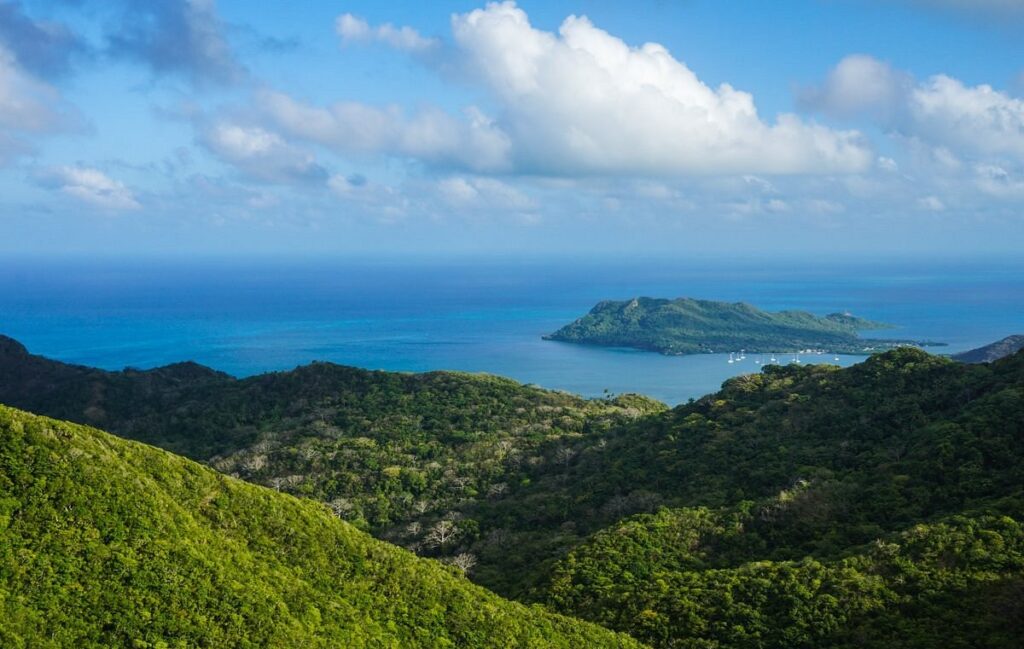
Your reward at the top is a 360-degree panorama that will make your jaw drop. The entire island spreads below you like a detailed map: the curved beaches, the lagoons in their different shades of blue and green, the barrier reef marked by white breaking waves, Santa Catalina Island connected by its pedestrian bridge, and on clear days, San Andrés Island visible in the distance. Bring water, wear good shoes, and start early to avoid the midday heat.
Exploring by Scooter or Buggy: Freedom on Two (or Four) Wheels
Renting a scooter or buggy is the best way to explore Providencia Island. The main road circles the island, and you can drive the entire perimeter in about 30-40 minutes without stopping (though you’ll want to stop constantly). There’s virtually no traffic, speeds are naturally slow due to the winding roads and occasional roaming chickens, and every turn reveals something new: a hidden beach, a colorful wooden house on stilts, a viewpoint overlooking the reef.
The freedom to stop wherever you want—to investigate that intriguing trail, to grab lunch at a roadside shack serving fresh fish, to watch fishermen bringing in their catch—makes the scooter rental worthwhile. Rental shops are easy to find, prices are reasonable ($15-25 USD per day for scooters), and no special license is required beyond your regular driver’s license.
Pro tip: Fill up with gas at the beginning of the day. There’s only one gas station on the island, and it occasionally runs out.
How to Get There & Practical Travel Info ✈️
The Journey: Your Route to Paradise
Getting to Providencia Island requires planning and patience—but that’s part of what keeps it special. There’s no direct international flight, no cruise ship terminal, no easy shortcut. Here’s exactly how to get there:
Step 1: Fly to San Andrés Island
First, you need to reach San Andrés Island, Providencia’s larger and more developed neighbor. Direct flights operate from several Colombian cities:
- Bogotá (2.5 hours, multiple daily flights)
- Cartagena (1.5 hours, daily flights)
- Medellín (2 hours, several weekly flights)
- Cali (2 hours, several weekly flights)
Major carriers include Avianca, LATAM, Viva Air, and Wingo. Book these flights well in advance, especially during high season (December-March) and Colombian holidays, as prices can spike dramatically.
Important: When entering San Andrés by air, you’ll pay a tourist entry tax (around 110,000-115,000 COP or about $25-30 USD). Keep your receipt—you’ll need it to enter Providencia.
Step 2: Get from San Andrés to Providencia
This is where it gets interesting. You have two options:
Option A: Small Plane (Recommended)
Small aircraft operate daily flights between San Andrés (Gustavo Rojas Pinilla International Airport) and Providencia’s El Embrujo Airport (one of the shortest commercial runways in the world at just 850 meters!). The flight takes only 20 minutes and offers stunning aerial views of the sea of seven colours.
- Operator: Satena (Colombian regional airline)
- Frequency: Usually 1-3 flights daily, depending on season
- Cost: Approximately 150,000-250,000 COP ($35-60 USD) each way
- Aircraft: Small 19-seat planes
- Baggage: Limited to 10-15 kg; excess baggage costs extra
- Booking: Reserve as far in advance as possible—these flights fill up fast
Option B: Ferry/Catamaran
A passenger ferry service connects San Andrés and Providencia, but it’s less reliable and not for the faint of stomach. The journey crosses open Caribbean waters and can be rough.
- Duration: 3-4 hours
- Cost: Around 80,000-100,000 COP ($20-25 USD) each way
- Schedule: Less frequent, weather-dependent, often canceled during rough seas
- Motion sickness: Very common on this route; bring medication if you’re prone to seasickness
Bottom line: Unless you’re on an extremely tight budget or have extra time and strong stomachs, the flight is worth the additional cost for convenience and reliability.
Where to Stay: Posadas, Guesthouses, and Local Hospitality
Providencia Island isn’t a resort destination, and that’s exactly the point. Forget five-star hotels with infinity pools and 24-hour room service. Instead, you’ll stay in posadas—family-run guesthouses that range from basic but clean rooms to charming beachfront bungalows with character to spare.
Types of Accommodation:
Posadas and Guesthouses: Most common option. These are small properties (3-10 rooms) run by local families, often Raizal. Expect simple but comfortable rooms, friendly hosts who’ll share insider tips, and authentic local breakfast. Prices range from 80,000-200,000 COP ($20-50 USD) per night.
Beach Cabañas: Wooden bungalows or huts, sometimes literally steps from the water. More rustic but incredibly atmospheric. Perfect for travelers who prioritize location and authentic island vibes over amenities.
Small Hotels: A handful of slightly larger properties (10-20 rooms) offer more amenities like air conditioning, hot water, and Wi-Fi, while maintaining the local feel. Prices: 200,000-400,000 COP ($50-100 USD) per night.
Booking Considerations:
- Many posadas don’t have online booking systems—you might need to call, email, or book through WhatsApp
- Hurricane Iota in 2020 destroyed many accommodations; some have rebuilt, others are still in recovery phase
- Always verify current availability and conditions before your trip, especially for 2026 travel
- Read recent reviews carefully—recovery is ongoing, and the situation continues to improve
Recommended Areas:
- Southwest Bay (Bahía Suroeste): Beautiful beach, several good posadas
- Freshwater Bay (Bahía Agua Dulce): Central location, easy access to dive shops and restaurants
- Santa Catalina Island: Quieter, more secluded feel, connected by pedestrian bridge
Getting Around: Scooters, Buggies, and Your Own Two Feet
Providencia Island has no public transportation system, no buses, no taxis circling looking for fares. Your options are refreshingly simple:
Scooter Rental: The most popular choice. The island’s small size and relatively flat coastal road make scooters perfect. Rental shops are easy to find, especially around Freshwater Bay. Cost: 60,000-100,000 COP ($15-25 USD) per day. Your regular driver’s license is typically sufficient.
Buggy/Golf Cart Rental: Great for couples or families, and more stable than scooters if you’re not confident on two wheels. Slightly more expensive: 120,000-180,000 COP ($30-45 USD) per day.
Walking: Totally viable if you’re staying in a central location and don’t mind slow exploration. The entire main road is about 17 km around the island, but steep hills make walking long distances challenging in the tropical heat.
Bicycle Rental: Available at some posadas and rental shops. The cheapest option for getting around, though the hills can be tough.
Water Taxis: For reaching offshore cays like Crab Cay, or traveling between beaches that aren’t connected by road, local boatmen offer water taxi services. Negotiate prices beforehand—expect 30,000-80,000 COP ($8-20 USD) for typical trips.
Important: Roads can be narrow and winding with occasional potholes. Drive carefully, especially after rain. Helmets are required for scooters.
When to Visit & Post-Hurricane Reality 🌤️
Best Time to Visit: Timing Your Caribbean Escape
Providencia Island enjoys a tropical climate, meaning it’s warm year-round. However, timing your visit makes a huge difference in your experience.
Dry Season (December to April) — Peak Season
This is the sweet spot for weather. Expect:
- Sunshine almost daily with minimal rain
- Calm seas perfect for snorkeling and diving
- Visibility underwater often exceeding 25-30 meters (80-100 feet)
- Temperatures around 27-30°C (80-86°F)
- Trade winds keeping things comfortable despite the heat
The downside? This is also when Colombian families take vacations (especially Christmas, New Year’s, and Easter week), prices rise, and accommodation fills up. Book everything months in advance if visiting during this period.
Shoulder Season (May and November) — Smart Traveler’s Choice
These months offer a sweet balance:
- Weather still mostly good with occasional rain showers
- Fewer tourists means cheaper prices and better availability
- Water temperature perfect for extended snorkeling sessions
- Everything is greener and more lush after rains
Rainy Season (June to October) — For the Adventurous
This period brings:
- Higher rainfall, often in afternoon downpours rather than all-day rain
- Hurricane risk (official Atlantic hurricane season runs June-November)
- Lower prices on accommodation and flights
- Rougher seas sometimes limiting boat activities
- Some businesses closed for the low season
Unless you can be flexible with dates and don’t mind potential rain, avoid September and October when hurricane risk peaks.
After Hurricane Iota (2020): The Recovery Story
This section is crucial for anyone planning a 2026 visit. In November 2020, Hurricane Iota, a catastrophic Category 5 hurricane, made a direct hit on Providencia Island. The storm packed sustained winds of 250 km/h (155 mph) and destroyed an estimated 98% of the island’s infrastructure. Homes were flattened, the hospital was severely damaged, the power grid was wiped out, and the natural environment took a severe beating.
The Recovery Progress:
Since 2020, the Colombian government, along with international aid organizations and the resilient Raizal community, has been working on rebuilding. Here’s what travelers need to know:
Infrastructure: The airport has been repaired and is fully operational. Electricity has been restored to most of the island. Roads have been repaired, though some areas show lingering damage.
Accommodations: Many posadas and small hotels have been rebuilt or repaired. However, some properties that existed before 2020 are still closed or operating at reduced capacity. The total accommodation capacity remains below pre-hurricane levels.
Marine Environment: Remarkably, the coral reefs and marine ecosystems showed impressive resilience. While some shallow corals were damaged by debris and storm surge, the deeper reef structures remained largely intact. Marine life populations have recovered well, and diving/snorkeling conditions are once again excellent.
Community: The Raizal people have shown incredible resilience. Local businesses have reopened, fishermen are back at work, and the island’s spirit remains strong. However, the disaster was traumatic, and rebuilding continues.
What This Means for 2026 Travelers:
✅ DO: Verify current accommodation availability before booking flights
✅ DO: Check recent reviews from travelers who visited in 2024-2025
✅ DO: Prepare for some infrastructure that might not be fully restored
✅ DO: Support local businesses—your tourism dollars directly aid recovery
✅ DO: Purchase comprehensive travel insurance that covers trip disruptions
❌ DON’T: Assume everything is exactly as it was pre-2020
❌ DON’T: Expect luxury amenities that haven’t been rebuilt
❌ DON’T: Arrive without confirmed accommodation
The good news: reports from travelers visiting in 2023-2024 indicate that Providencia Island is very much open for tourism and recovering steadily. The natural beauty—the seven-coloured sea, the reefs, the beaches—remains as stunning as ever.
For updated recovery information, check the Colombian National Parks website at https://www.parquesnacionales.gov.co and recent travel blogs from 2024-2025.
Seasonal Events: Nature’s Calendar
While Providencia doesn’t have major festivals or events that draw crowds (which is part of its charm), nature provides its own seasonal highlights:
January-April: Peak sea turtle nesting season on several beaches. Some posadas arrange nighttime turtle watching with guides.
April-June: Land crab migration! Thousands of crabs march from the forest to the sea to spawn. It’s a remarkable natural spectacle, though it can make driving interesting.
Year-round: Excellent birdwatching, with endemic species and migratory birds passing through.
Travel Tips & Local Realities — Plan Smart, Travel Respectfully 💡
What to Pack: The Essentials
Providencia Island is remote, and while you can buy basics, bringing the right gear makes your trip infinitely better:
Must-Have Items:
- Reef-safe sunscreen (mineral-based, zinc oxide or titanium dioxide)—chemical sunscreens damage coral reefs
- Insect repellent with DEET or picaridin—mosquitoes can be fierce, especially after rain
- Cash (Colombian pesos)—many small businesses don’t accept cards
- Waterproof phone case or dry bag for beach/boat days
- Quality snorkeling gear if you have your own (rentals available but bringing your own ensures good fit)
- Water shoes or reef-safe footwear for rocky areas
- Lightweight rain jacket or waterproof layer
- Reusable water bottle (help reduce plastic waste)
- First aid kit including any prescription medications
- Spanish phrasebook or translation app—English Creole is spoken, but Spanish is official
- Headlamp or flashlight (occasional power outages can still happen)
Comprehensive Travel Insurance:
This is non-negotiable for Providencia Island. You’re traveling to a remote location with:
- Limited medical facilities (basic health center only; serious emergencies require evacuation to San Andrés or mainland)
- Weather-dependent transportation (flights cancel for wind, ferries for rough seas)
- Ongoing recovery from natural disaster
Your insurance should cover:
- Medical emergencies and evacuation
- Trip cancellation/interruption
- Travel delays and missed connections
- Lost or delayed baggage
- Adventure activities (diving, snorkeling)
Recommended providers for Colombian travel include World Nomads, Safety Wing, or Allianz Travel.
Respecting the Raizal Culture: Be a Responsible Traveler
The Raizal people have maintained their unique culture for centuries, surviving colonization, political changes, and natural disasters. As a visitor, you have a responsibility to respect their home, traditions, and way of life.
Cultural DO’s:
✅ Learn a few Creole phrases: “Good morning” (Good mawnin), “Thank you” (Tengkyu), “How are you?” (Ow yu du?)
✅ Support local businesses: Eat at family-run restaurants, stay in locally-owned posadas, hire local guides
✅ Ask permission before photographing people, especially Raizal elders
✅ Dress modestly when not at the beach—this is a conservative Caribbean community
✅ Be patient with island time and different business hours
✅ Show genuine interest in the culture, history, and language ✅ Practice sustainable tourism: refuse single-use plastics, don’t touch coral, don’t feed fish
Cultural DON’Ts:
❌ Don’t assume everyone speaks English just because Creole sounds similar
❌ Don’t treat the island like a resort where everyone exists to serve you
❌ Don’t haggle aggressively over prices with local vendors—these are people’s livelihoods
❌ Don’t litter or damage the environment—the island is a fragile ecosystem
❌ Don’t touch or stand on coral—it takes decades to grow and seconds to destroy
❌ Don’t expect everything immediately—island pace is real, and rushing won’t change it
❌ Don’t compare Providencia negatively to other destinations—appreciate it for what it is
Environmental Responsibility:
The Seaflower Biosphere Reserve designation means you’re visiting a protected ecosystem of global importance. Your actions matter:
- Use only reef-safe sunscreen (most conventional sunscreens contain oxybenzone and octinoxate, which kill coral)
- Never touch, step on, or take coral or shells
- Don’t feed fish (disrupts natural behavior and ecosystem balance)
- Use refillable water bottles instead of buying single-use plastic
- Take all trash with you from beaches and boat trips
- Choose dive operators and tour companies that follow environmental guidelines
- Respect protected areas and restricted zones in the national park
Food & Cuisine: Tasting the Island
Food on Providencia Island reflects its Caribbean roots and Raizal culture. The cuisine centers on fresh seafood, coconut, local produce, and Creole cooking traditions.
Must-Try Dishes:
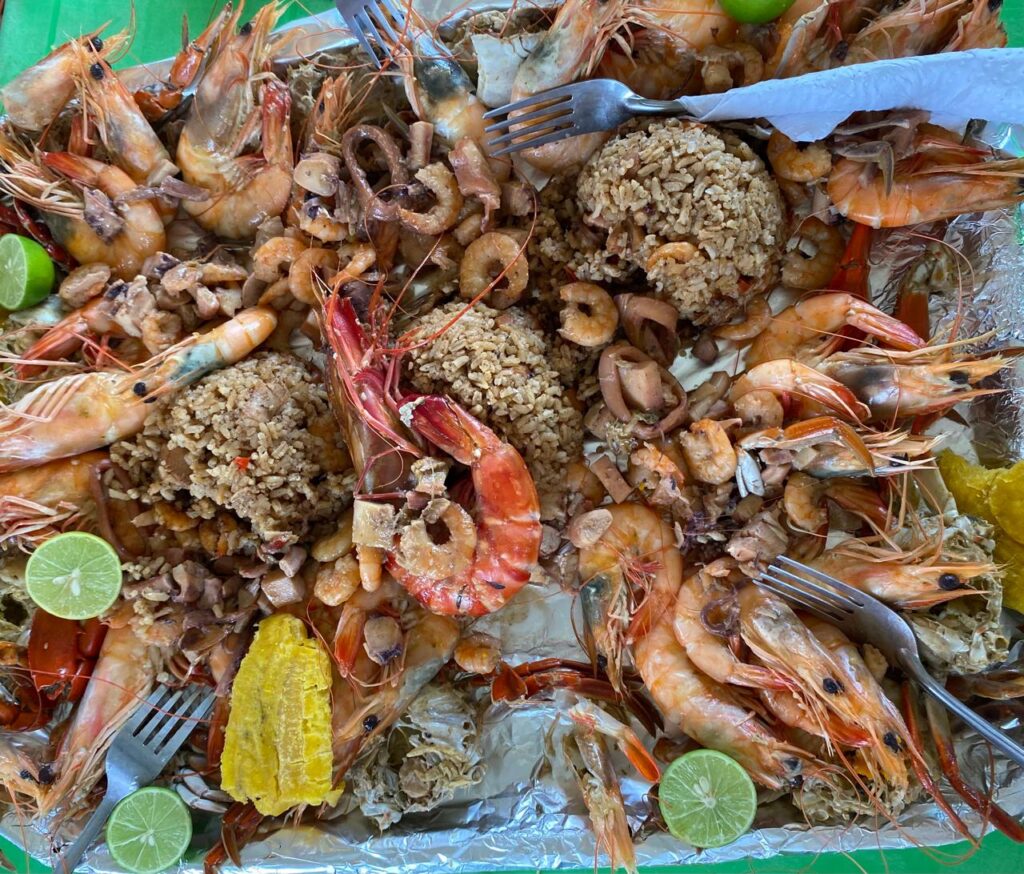
Rondón: The island’s signature dish—a hearty seafood stew made with fish, conch, crab, or lobster, cooked slowly in coconut milk with cassava, plantains, breadfruit, and dumplings. The name supposedly comes from “run down,” referring to how the fish “runs down” into the broth. This is comfort food Caribbean-style, rich and satisfying.
Pan de Coco (Coconut Bread): Sweet, dense bread made with fresh grated coconut. Locals bake it fresh daily, and you’ll smell it wafting through neighborhoods in the morning. Perfect with coffee or as a snack.
Fresh Seafood: Lobster, conch, snapper, grouper, and whatever the fishermen caught that morning. Grilled, fried, or in soup—it doesn’t get fresher. Lobster season runs July-March; outside this period, it’s illegal to serve (respect this sustainable fishing practice).
Crab Backs: Land crab meat mixed with spices and breadcrumbs, stuffed back into the shell and baked. A local delicacy, especially during crab migration season.
Plantain in Every Form: Fried green plantains (patacones), ripe sweet plantains, plantain chips—this Caribbean staple accompanies most meals.
Rice and Beans: Cooked with coconut milk, giving it a rich, slightly sweet flavor distinctly different from mainland Colombian versions.
Typical Meal Costs:
- Simple lunch at a local spot: 20,000-35,000 COP ($5-9 USD)
- Fresh fish dinner at a beach restaurant: 40,000-70,000 COP ($10-18 USD)
- Lobster dish (in season): 60,000-100,000 COP ($15-25 USD)
- Cold beer: 5,000-8,000 COP ($1.25-2 USD)
- Fresh coconut water straight from the nut: 3,000-5,000 COP ($0.75-1.25 USD)
Dining Tips:
- Hours can be unpredictable; don’t expect 24/7 food availability
- Many places are cash-only
- Fresh fish availability depends on daily catch and weather conditions
- Sunday lunch is often the biggest meal; some restaurants close Sunday evening
- The best food is usually at the simplest-looking places—follow locals’ recommendations
Why Providencia Is the Ultimate Caribbean Slow Travel Destination 🌴
In an era of overtourism, where beaches sag under the weight of umbrellas and cruise ships disgorge thousands of visitors into quaint villages, Providencia Island offers something increasingly rare: authenticity without artifice, beauty without commercialization, tranquility without pretension.
Sustainable Tourism here isn’t a marketing buzzword—it’s a survival strategy. The small size of the island, limited accommodation capacity, and challenging access naturally regulate tourist numbers. There’s no Airbnb boom displacing locals, no mega-resorts walling off beaches, no chains replacing family businesses. Tourism here directly benefits the Raizal community rather than enriching distant corporations.
Off-the-grid travel doesn’t mean discomfort (though you should adjust expectations)—it means disconnecting from the relentless pace of modern life. Unreliable Wi-Fi becomes a blessing rather than a curse. The lack of mass entertainment forces you to notice things: the changing colors of the sea throughout the day, the architecture of traditional wooden houses, the rhythm of island life dictated by tides and weather rather than clocks and calendars.
Compare Providencia to the typical Caribbean resort experience:
Typical Caribbean Resort: All-inclusive buffets with mediocre international food. Beaches crowded with chaise lounges. Scheduled activities and entertainment. Everything sanitized and predictable. You could be almost anywhere.
Providencia: Fresh seafood caught that morning, prepared by someone’s grandmother using recipes passed down through generations. Beaches where you might be alone for hours. Activities that happen spontaneously when a fisherman offers to show you his favorite snorkeling spot. Unpredictable, authentic, memorable.
This is slow travel in its purest form—not about checking off attractions or maximizing experiences per day, but about being fully present in a place, connecting with its people and rhythms, leaving room for serendipity and unexpected beauty.
The island teaches patience: patience waiting for the weather to clear for your snorkeling trip, patience with island time when your lunch takes longer than expected, patience with yourself as you finally, finally slow down to the pace of Caribbean island life.
For travelers tired of tourist traps and Instagram-engineered “authenticity,” Providencia Island Colombia delivers the real thing. Not perfect, not luxurious, not easy—but genuine, beautiful, and utterly unforgettable.
Conclusion & Your 2026 Travel Checklist ✈️
Providencia Island Colombia isn’t for everyone. If you need luxury resorts, constant Wi-Fi, fine dining, and nightlife, you’ll be disappointed. But if you’re searching for one of the last true Caribbean paradise destinations—where the sea of seven colours stretches before you like a living artwork, where Raizal people maintain centuries-old traditions, where coral reefs teem with life, and where laid-back lifestyle isn’t a slogan but the actual pace of existence—then Providencia should be at the very top of your 2026 travel list.
The island’s recovery from Hurricane Iota continues, making your visit in 2026 not just a vacation but a contribution to the rebuilding of a unique community and ecosystem. Your tourism dollars directly support local families and businesses working to restore their home.
Your Essential 2026 Providencia Checklist
Before You Book:
☑️ Verify current accommodation availability and read recent 2024-2025 reviews
☑️ Check Colombian government travel advisories and National Parks updates
☑️ Purchase comprehensive travel insurance covering medical evacuation and trip disruption
☑️ Research ferry vs. flight options and book transportation early
What to Pack:
☑️ Reef-safe sunscreen and strong insect repellent
☑️ Cash in Colombian pesos (ATMs limited; many places cash-only)
☑️ Waterproof gear for phones/cameras
☑️ Your own snorkel gear for best fit
☑️ Spanish phrasebook or translation app
☑️ First aid kit and any prescription medications
☑️ Lightweight rain jacket
☑️ Sense of adventure and flexible attitude
How to Get There:
☑️ Fly to San Andrés Island from Bogotá, Cartagena, Medellín, or Cali
☑️ Book small plane from San Andrés to Providencia’s El Embrujo Airport (recommended) or research ferry schedule
☑️ Pay tourist entry tax at San Andrés and keep receipt
☑️ Allow buffer time for weather delays
What to Respect:
☑️ Use only reef-safe sunscreen near water
☑️ Never touch or stand on coral
☑️ Support local Raizal-owned businesses
☑️ Learn basic Creole phrases
☑️ Embrace island time and slower pace
☑️ Minimize plastic use and pack out all trash
☑️ Ask permission before photographing people
☑️ Follow National Park rules and protected area guidelines
Don’t Miss:
☑️ Snorkeling at Crab Cay and McBean Lagoon
☑️ Hiking to The Peak for panoramic views
☑️ Trying rondón and fresh seafood
☑️ Exploring by scooter or buggy
☑️ Crossing the pedestrian bridge to Santa Catalina Island
☑️ Simply watching the seven-coloured sea change throughout the day
Final Words: Experience Slow Travel and Authenticity
The journey to Providencia Island requires effort—flights, transfers, patience—but that effort filters out the masses and preserves what makes the island special. In 2026, as the world grows increasingly connected and homogenized, places like Providencia become even more precious.
This isn’t a destination you visit to brag about conquering or to collect Instagram likes. It’s a place you go to remember what travel used to be: discovery, connection, wonder, and presence. It’s where you learn that paradise isn’t about perfect service or luxury amenities—it’s about clear water lapping against your ankles, warm sun on your shoulders, the taste of fresh coconut bread, and genuine smiles from people who welcome you to their home.
Providencia Island Colombia is waiting for you. The Caribbean paradise you’ve been searching for actually exists—it’s just been hiding in plain sight, protected by distance and difficulty, preserving its magic for travelers willing to make the journey.
Pack your reef-safe sunscreen, embrace island time, and prepare for one of the most authentic Caribbean experiences still available in 2026. The sea of seven colours is calling.
Important Disclaimer: Given the ongoing recovery from Hurricane Iota (2020), conditions on Providencia can change. Always verify current travel conditions, accommodation availability, and safety information before finalizing your 2026 trip. Check official sources including the Colombian National Parks website, recent travel forums, and up-to-date traveler reviews from 2024-2025.
Frequently Asked Questions (FAQ) About Providencia Island ❓
Is Providencia Island worth the extra effort compared to San Andrés or the mainland?
Absolutely yes—and that’s not just travel writer hyperbole. While San Andrés Island is easier to reach and has more infrastructure, it’s also significantly more developed, crowded, and commercialized. Providencia offers something San Andrés lost decades ago: authentic Caribbean island life, uncrowded beaches, pristine coral reefs, and genuine cultural immersion with the Raizal people.
The seven-coloured sea around Providencia is noticeably more vibrant and clear than San Andrés’s waters. The reefs are healthier, the marine life more abundant, and the entire atmosphere more relaxed. Mainland Colombian beaches (Cartagena, Santa Marta, Tayrona) are beautiful but face completely different Caribbean waters—they can’t compete with Providencia’s protected lagoons and barrier reef.
Think of it this way: San Andrés is where Colombian tourists go for a beach vacation. Providencia is where travelers go for a transformative island experience. The extra plane ride or ferry journey filters out casual visitors and preserves the island’s magic. If you have limited time and can only visit one Colombian Caribbean destination, choose Providencia—you can always see the mainland beaches another trip.
How many days are enough to enjoy Providencia?
Minimum 3 days, ideally 5-7 days if you truly want to soak up the laid-back lifestyle and explore properly. Here’s why:
3 days gives you time to snorkel the main sites (Crab Cay, McBean Lagoon), explore the island by scooter, hike to The Peak, and enjoy a couple of different beaches. You’ll get a taste of Providencia but will likely leave wanting more.
5 days allows you to slow down to island pace, revisit favorite beaches, do multiple snorkel/dive trips, cross over to Santa Catalina Island, perhaps try some fishing or kayaking, and truly disconnect. This is the sweet spot for most travelers.
7+ days is for the slow travel crowd who want to live like a temporary local—establishing routines (morning swim, afternoon hammock time, sunset viewpoint), making friends with posada owners and local fishermen, discovering secret spots, and completely decompressing from regular life.
Budget consideration: Since getting there requires time and money (flight to San Andrés, then to Providencia), staying for at least 4-5 days makes the journey worthwhile. Spending only 2 days means you’ll spend almost as much time traveling as you do on the island.
Pro tip: Prioritize Providencia over rushing to also see San Andrés. If you have a week total, spend 5-6 days on Providencia and just 1-2 days in San Andrés for the flight connection, rather than trying to split time evenly between the islands.
What is the best way to get to Providencia—flight or ferry?
Flight is strongly recommended for most travelers, despite the higher cost. Here’s the honest comparison:
Small Plane (Satena):
- Duration: 20 minutes
- Cost: ~$35-60 USD each way
- Reliability: High (flights operate daily, rarely cancel except in extreme weather)
- Comfort: Small aircraft can feel bumpy in wind, but it’s over quickly
- Views: Spectacular aerial views of the sea of seven colours
- Baggage: Limited to 10-15 kg, excess costs extra
- Best for: Most travelers, anyone prone to motion sickness, those with limited time
Ferry/Catamaran:
- Duration: 3-4 hours
- Cost: ~$20-25 USD each way
- Reliability: Low to moderate (frequently canceled for rough seas, especially during rainy season)
- Comfort: Can be extremely rough crossing open Caribbean waters
- Motion sickness: Very high likelihood if seas are choppy
- Baggage: No strict weight limits
- Best for: Budget travelers not prone to seasickness, those with flexible schedules who can handle cancellations
The reality: While the ferry saves $15-35 USD per person each way, you’re trading that saving for 3 hours of potentially rough crossing where motion sickness is common. Many travelers report the ferry as one of the worst boat rides they’ve experienced when seas are rough. When seas are calm, it can be pleasant—but you won’t know conditions until departure day.
Recommendation: Unless you’re extremely budget-conscious, have extra time to accommodate potential ferry cancellations, and have a strong stomach, book the flight. The time saved, reliability, and avoidance of seasickness make it absolutely worth the additional cost. Consider the ferry cost as the “budget option” and the flight cost as the “normal” way to reach the island.
Is the diving/snorkeling truly world-class, and are the reefs intact after the hurricane?
Yes, the diving and snorkeling are genuinely world-class, easily ranking among the best in the Caribbean. This isn’t exaggeration—the combination of the massive barrier coral reef, protected national park status (Old Providence McBean Lagoon National Natural Park), clear visibility, healthy marine populations, and uncrowded conditions creates exceptional underwater experiences.
What makes it world-class:
- Visibility: Often 25-30 meters (80-100 feet), sometimes more
- Reef health: Some of the healthiest coral in the Caribbean, thanks to protection and limited development
- Biodiversity: Over 150 fish species, sea turtles, rays, nurse sharks, barracudas
- Uncrowded: Unlike Cozumel, Caymans, or other famous dive sites, you’ll often have sites nearly to yourself
- Variety: Wall dives, reef dives, shallow lagoons, seagrass beds—different ecosystems to explore
Hurricane Iota Impact:
Hurricane Iota in November 2020 was catastrophic on land but, remarkably, the reefs showed impressive resilience:
Shallow reefs (0-5 meters depth): These areas took the most damage from wave action and debris. Some fragile corals (particularly branching species like staghorn and elkhorn) were broken or dislodged. However, recovery has been significant—by 2023-2024, visitors reported healthy coral growth and returning fish populations.
Medium-depth reefs (5-15 meters): Minimal damage. The deeper reef structures protected these areas from the worst effects. Most dive sites at these depths show little obvious impact.
Deep reefs and walls (15+ meters): Virtually untouched. The storm’s energy dissipated before reaching these depths.
Marine life populations: Fish, turtles, rays, and other marine animals rebounded quickly. Nature is remarkably resilient when protected.
Current status (2024-2025): Dive operators and recent visitor reports indicate that snorkeling and diving conditions are excellent. Crab Cay, McBean Lagoon, and other popular sites are thriving. The protected status of the Seaflower Biosphere Reserve has aided recovery.
Bottom line: Don’t let concerns about the hurricane keep you from experiencing these reefs. The underwater world of Providencia remains one of the Caribbean’s best-kept secrets and most beautiful dive destinations. For updated conditions, contact local dive operators directly before your trip.
What kind of food and lodging can I expect on the island?
Set your expectations appropriately, and you’ll have a wonderful time. Providencia Island is not—and will never be—a luxury resort destination. Here’s the realistic picture:
Lodging:
Posadas (Guesthouses): The primary accommodation type. These are family-run properties ranging from very basic (fan, shared bathroom, simple bed) to comfortable mid-range (air conditioning, private bathroom, hot water, perhaps a small porch or balcony). Expect:
- Simple but clean rooms
- Personal attention from hosts (often the owners live on-site)
- Insider tips and local knowledge
- Breakfast often included (fresh fruit, eggs, pan de coco, coffee)
- Limited amenities (no TV, spotty Wi-Fi, basic furnishings)
- Prices: $20-50 USD per night for basic to mid-range
Beach Cabañas: More rustic, often wooden structures directly on or very near the beach. These prioritize location and atmosphere over creature comforts. Expect:
- Basic construction (you might hear wind/rain clearly)
- Outdoor or semi-outdoor bathrooms in some cases
- Incredible views and beach access
- Fan cooling rather than air conditioning
- Authentic island experience
- Prices: $30-60 USD per night
Small Hotels: A handful of slightly more upscale properties exist, rebuilt or renovated after the hurricane. These might offer:
- Proper air conditioning and hot water
- More reliable Wi-Fi
- Small pools or common areas
- Private balconies with sea views
- More professional service standards
- Prices: $50-100 USD per night
What you WON’T find: Five-star resorts, all-inclusive properties, chain hotels, luxury spas, room service, or resort-style amenities.
Food:
Posadas and small restaurants: Most dining happens at family-run eateries, beach shacks, or your posada (many serve dinner if requested). Expect:
- Fresh seafood: Whatever was caught that morning—snapper, grouper, lobster (in season), conch
- Raizal Caribbean cooking: Rondón (seafood stew), rice and beans with coconut milk, fried plantains, fresh fish grilled or fried
- Local specialties: Pan de coco, crab backs, coconut-based dishes
- Simple preparations but delicious and authentic
- Portions are usually generous
- Irregular hours (some places close randomly, Sunday schedules vary)
- Mostly cash-only
What you WON’T find: Fine dining restaurants, extensive menus with dozens of options, international cuisine variety, 24-hour food availability, or the predictability of chain restaurants.
Setting Expectations:
- Embrace the simplicity—the lack of luxury is part of the authentic experience
- The best posadas book up months ahead during high season
- Some accommodations still rebuilding after Hurricane Iota may have limited availability
- Hot water can be unreliable (though rarely needed in tropical climate)
- Power outages can still occasionally occur (though much improved since 2020)
- Food options are limited, but what’s available is fresh and delicious
If you’re comparing Providencia to a Cancun resort or a boutique hotel in Cartagena, you’ll be disappointed. But if you’re seeking authentic Caribbean island hospitality, genuine local culture, and a break from commercialized tourism, you’ll find the simple accommodations and fresh local food utterly charming.
What is the latest update on Providencia’s recovery after Hurricane Iota (2020)?
Hurricane Iota made landfall on Providencia Island on November 16, 2020, as a catastrophic Category 5 hurricane with sustained winds of 250 km/h (155 mph). The devastation was nearly complete—an estimated 98% of structures were damaged or destroyed, including homes, businesses, the hospital, schools, and virtually all tourism infrastructure.
Recovery Timeline and Current Status (2024-2025):
Years 1-2 (2021-2022): Emergency and Initial Rebuilding
- Emergency aid arrived quickly; Colombian government and international organizations provided humanitarian assistance
- Focus on restoring basic services: electricity, water, medical care, communications
- Temporary housing for displaced residents
- Debris removal from roads and beaches
- Assessment of damage to natural resources
Years 3-4 (2023-2024): Reconstruction and Tourism Reopening
- Electricity restored to most of the island
- Many posadas and small hotels rebuilt or repaired and reopened
- Restaurants and local businesses reopened gradually
- Airport fully repaired and operational
- Road network largely restored
- Tourism began returning in significant numbers
- Dive shops and tour operators back in business
- Seaflower Biosphere Reserve and marine ecosystems showing strong natural recovery
Current Status (Late 2024-2025):
Infrastructure: Airport operating normally. Roads repaired, though some areas show wear. Ferry service operating (when weather permits). Electricity generally reliable with occasional outages.
Accommodation: Many posadas operational, though total capacity remains below pre-hurricane levels. Some properties that existed before 2020 remain closed or are still rebuilding. New construction and renovations ongoing.
Tourism Services: Scooter/buggy rentals available. Multiple dive operators and boat tour companies operational. Restaurants and local eateries serving visitors. Tour guides offering excursions.
Community: The Raizal population has shown remarkable resilience. Fishermen back at work. Local businesses operating. Schools rebuilt. The community spirit remains strong, and locals welcome visitors as part of their economic recovery.
Natural Environment: This is the most positive news—nature has recovered remarkably well. The coral reefs, after initial concerns, show healthy regeneration. Marine life populations rebounded quickly. Beaches are clean and beautiful. Terrestrial vegetation has regrown lushly.
What This Means for 2026 Travelers:
✅ The island IS ready for tourism and actively welcoming visitors
✅ Snorkeling/diving experiences are excellent with healthy reefs
✅ Basic infrastructure is functional—you can visit, stay, eat, and explore
✅ Your visit directly supports recovery by bringing economic activity to the community
⚠️ However, prepare for:
- Limited accommodation availability compared to pre-2020—book early
- Some infrastructure gaps—not everything that existed before has been rebuilt
- Higher prices than might seem typical due to limited competition and ongoing rebuilding costs
- Occasional service inconsistencies as businesses continue stabilizing
Before Your 2026 Trip:
- Research recent visitor experiences: Read TripAdvisor, Google reviews, and travel blogs from 2024-2025 for current conditions
- Contact accommodations directly: Email or WhatsApp your planned posada to confirm they’re operational and accepting bookings
- Book flights early: Satena flights fill up quickly with limited daily seats
- Purchase comprehensive insurance: Coverage for trip cancellation and travel disruption is even more important given the island’s ongoing recovery
- Be flexible and patient: Recovery continues, and some things may not work perfectly—that’s okay
For Updated Information:
- Colombian National Parks: https://www.parquesnacionales.gov.co
- Travel forums and recent trip reports (search “Providencia 2024” or “Providencia 2025”)
- Colombian Ministry of Tourism: Updates on Caribbean islands
- Contact local posadas and dive shops directly for firsthand status reports
The Bottom Line: By 2026, Providencia Island will be more than five years into recovery. The island is very much open for business, the natural beauty remains extraordinary, and your visit will contribute positively to the community’s continued rebuilding. Approach with realistic expectations, flexibility, and respect for a community that has endured and overcome incredible challenges—and you’ll have an unforgettable experience in one of the Caribbean’s last true hidden gems.
Reference Sources for Credibility:
- UNESCO Seaflower Biosphere Reserve: https://en.unesco.org/biosphere/lac/seaflower
- Colombian National Natural Parks (Old Providence McBean Lagoon): https://www.parquesnacionales.gov.co
- Satena Airlines (flights to Providencia): https://www.satena.com
- Colombian Ministry of Tourism: https://colombia.travel
- NOAA Hurricane Database (Hurricane Iota information): https://www.nhc.noaa.gov

Read More Article;
- Munnar Tourist Places: 20 Best Places to Visit in Munnar, Tea Gardens, Itinerary & Hidden Gems (2026 Travel Guide)
- Is Sardinia Worth Visiting? Complete Travel Guide to Sardinia, Italy
- What to Do in Gozo: 25 Best Things to Do in Gozo Malta (Hidden Gems + Local Tips)
- What to Do in Bali: Ultimate Travel Guide 2026 (Top Activities, Itineraries & Hidden Gems)
- Okinawa Japan Travel Guide 2026: Culture, Beaches & Seasonal Blossoms (Ultimate Itinerary + Local Tips)