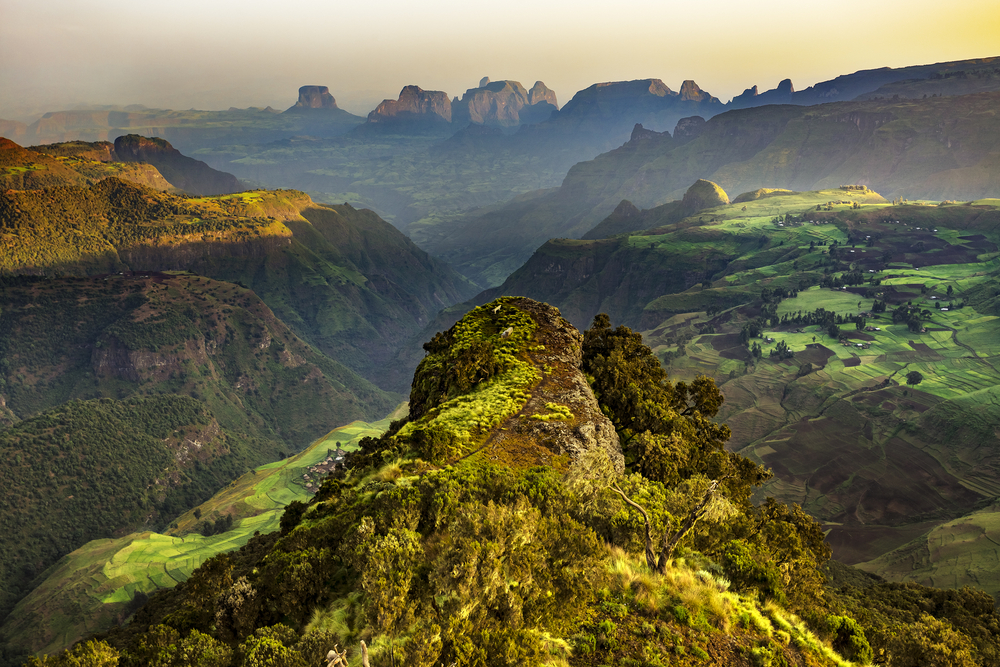
Standing at dawn on the windswept Sanetti Plateau, you might spot something extraordinary—a rust-colored wolf silhouetted against Africa’s largest Afro-alpine moorland. This isn’t just any wildlife encounter. The Bale Mountains Ethiopia harbor one of Earth’s most remarkable concentrations of endemic species, creatures found absolutely nowhere else on the planet. Stretching across southeastern Ethiopia, this UNESCO World Heritage Site candidate rises from 1,500 meters in the misty Harenna Forest to over 4,000 meters on the frozen plateau, creating a “lost world” where evolution took a unique path. The Bale Mountains aren’t just mountains—they’re living laboratories where rare Ethiopian Wolves hunt Giant Molerats, Mountain Nyalas browse ancient woodlands, and Bale Monkeys swing through bamboo forests that time forgot.
Quick Reference: Bale Mountains Wildlife at a Glance 🗺️
| Category | Key Information |
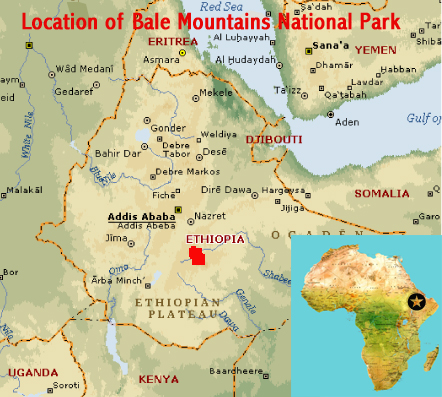
| Location | Southeastern Ethiopia, Oromia Region |
| Altitude Range | 1,500m – 4,377m (Tullu Dimtu peak) |
| Main Habitats | Afro-alpine Plateau, Montane Woodlands, Harenna Forest |
| Flagship Species | Ethiopian Wolf, Mountain Nyala, Bale Monkey |
| Total Mammal Species | 78+ species (29 endemic to Ethiopia) |
| Bird Species | 300+ species (16 endemic) |
| Best Wildlife Months | October – January (dry season) |
| UNESCO Status | World Heritage Site Tentative List |
| Conservation Priority | Critical (home to world’s rarest canid) |
| Unique Feature | Highest endemism rate for any mountain ecosystem globally |
Flagship Species — The Icons of Bale 🐺
Ethiopian Wolf (Canis simensis)
Imagine a fox that evolved into a wolf—that’s essentially what you’re looking at when you spot an Ethiopian Wolf. With its long legs built for the high-altitude chase, russet-red coat blazing against dark moorland, and distinctive white throat markings, this creature looks like it wandered out of a wildlife photographer’s dream. But here’s what makes your heart skip: fewer than 500 individuals exist on Earth, making this the world’s most endangered canid species.
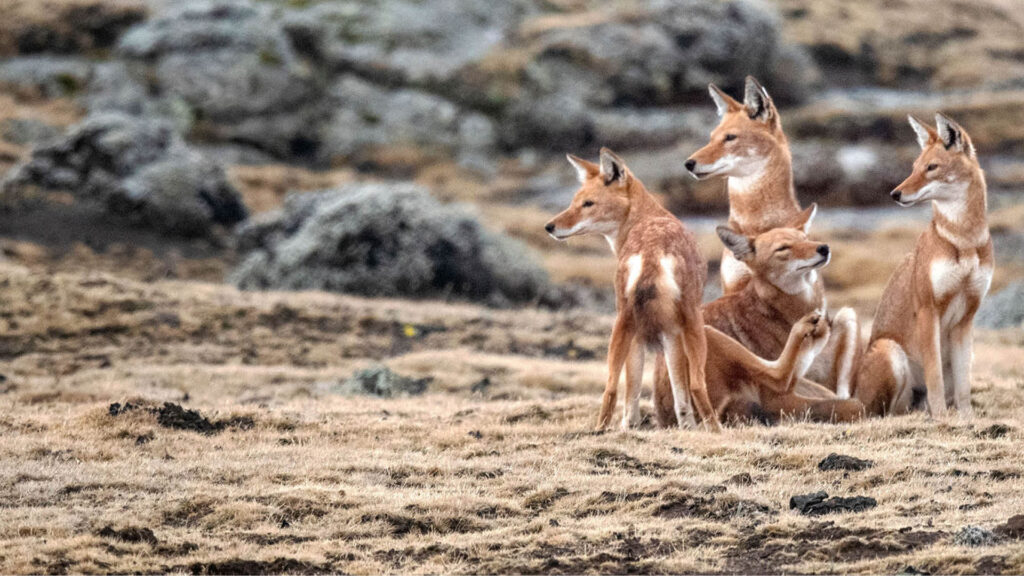
You’ll find them on the Sanetti Plateau, usually at dawn or dusk, nose-down in a hunting crouch. What are they hunting? Giant Molerats—those bizarre, buck-toothed rodents that pop up from underground burrows like whack-a-mole targets. The Ethiopian Wolf has perfected a hunting technique over millennia: patient stalking followed by a lightning-fast pounce. This predator-prey relationship isn’t just fascinating—it’s the backbone of the entire Afro-alpine ecosystem [Source: Ethiopian Wolf Conservation Programme].
Your best chance of spotting one? Drive the road crossing Sanetti Plateau between 6-8 AM. They’re surprisingly tolerant of vehicles when you maintain respectful distance, often hunting within 50 meters of the road. During mating season (August-November), you might even witness pack dynamics, with subordinate wolves helping raise pups in a communal den [Source: IUCN Red List – Ethiopian Wolf].
Mountain Nyala (Tragelaphus buxtoni)
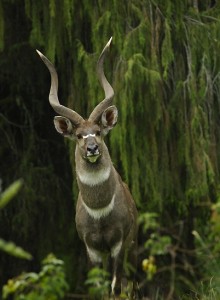
Picture an antelope the size of a large horse, draped in shaggy chocolate-brown fur, with males sporting magnificent spiral horns that corkscrew up to 118 centimeters. The Mountain Nyala is Ethiopia’s answer to the kudu, but bigger, rarer, and infinitely more elusive. These gentle giants are endemic to Ethiopia’s highlands, with the Bale Mountains hosting the largest population.
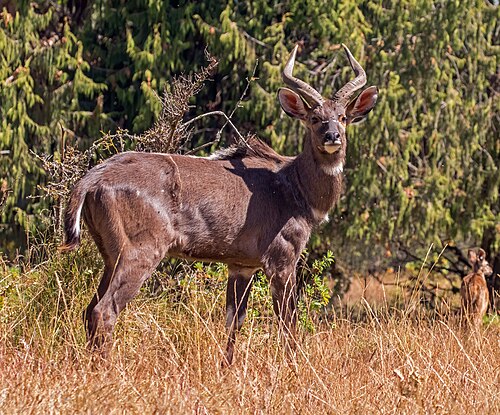
Mountain Nyalas prefer the transition zones—where montane woodlands meet forest edges, particularly around 3,000-3,400 meters elevation. They’re browsers, not grazers, delicately selecting leaves, shoots, and lichens with lips as precise as surgical instruments. Males are solitary wanderers for most of the year, only joining female herds during the November-December breeding season. Females travel in small groups of 4-6 individuals, often with calves hiding in thick vegetation.
Spotting them requires patience and local knowledge. The Dinsho area, near park headquarters, offers your best odds, especially early morning when they venture into open glades to feed. Move slowly, speak softly, and you’ll witness behaviors that few outsiders ever see—the territorial displays of dominant males, the protective vigilance of mothers, the playful curiosity of young calves [Source: African Wildlife Foundation – Mountain Nyala].
Lesser-Known Mammals — Rodents, Primates & More 🐒
Bale Monkey (Chlorocebus djamdjamensis)
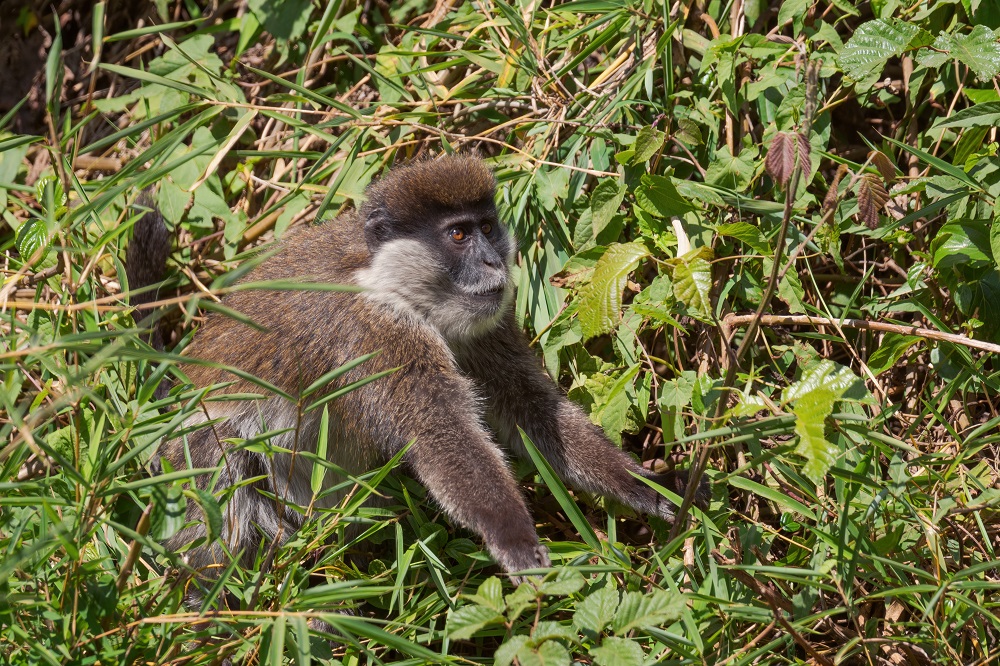
Here’s something most visitors miss entirely: deep in the Harenna Forest, a unique primate species swings through bamboo canopies in troops of 20-30 individuals. The Bale Monkey, also called the Bale Mountains Vervet, isn’t just another monkey—it’s a bamboo specialist found nowhere else.
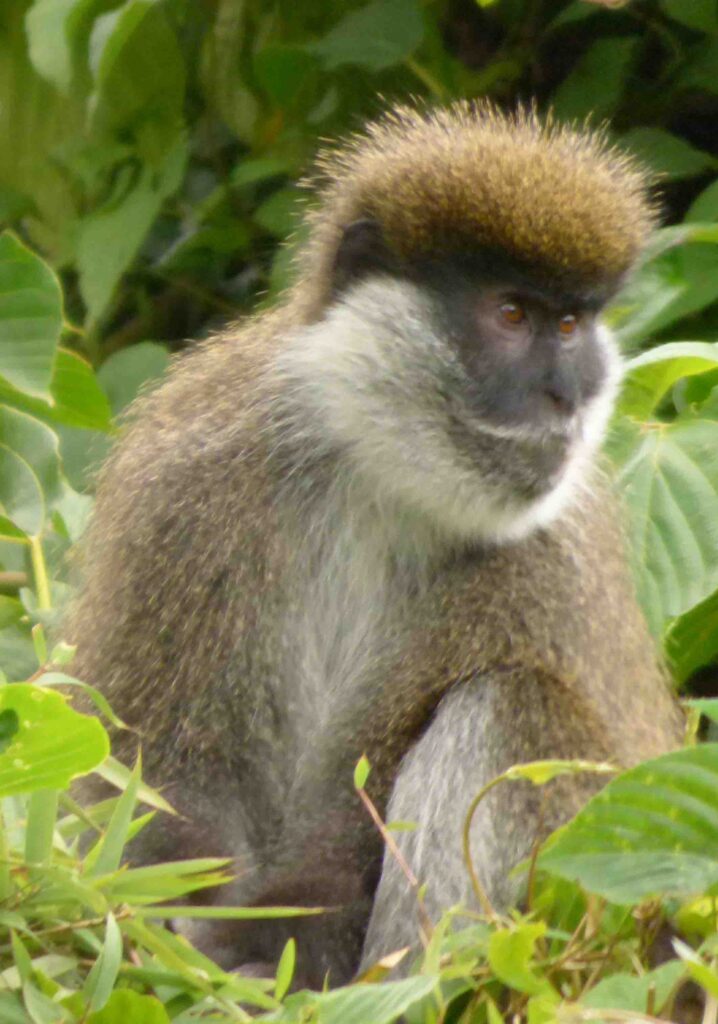
Unlike their lowland cousins, Bale Monkeys have adapted to life at 2,400-3,400 meters, where temperatures drop to freezing at night. Their diet consists heavily of bamboo shoots, leaves, and seeds, supplemented by forest fruits when available. Watch them closely and you’ll notice their thick fur coats, smaller body size compared to lowland vervets, and distinctive social behaviors adapted to dense forest living.
The Harenna Forest’s southern slopes provide the best viewing opportunities. Trek the Katcha Trail or the route toward Rira, and listen for their sharp alarm calls echoing through the canopy. They’re most active mid-morning when sunlight penetrates the forest, warming their preferred feeding zones. What makes them truly special? They represent an evolutionary adaptation to high-altitude forest life that scientists are still studying [Source: Primate Conservation – Bale Monkey Research].
Giant Molerat (Tachyoryctes macrocephalus)
You might think a rat deserves less attention than wolves and antelopes. You’d be wrong. The Giant Molerat is the unsung hero of the Bale Mountains Ethiopia ecosystem, and here’s why: without them, the Ethiopian Wolves wouldn’t survive.
These bizarre creatures look like someone mixed a beaver’s teeth with a potato, added tiny eyes (they’re nearly blind), and created an underground earth-moving machine. Weighing up to 900 grams, they’re the largest molerats in Africa. They spend 99% of their lives underground, excavating elaborate tunnel systems up to 3 meters deep, pushing up fresh soil mounds that dot the plateau like miniature volcanoes.
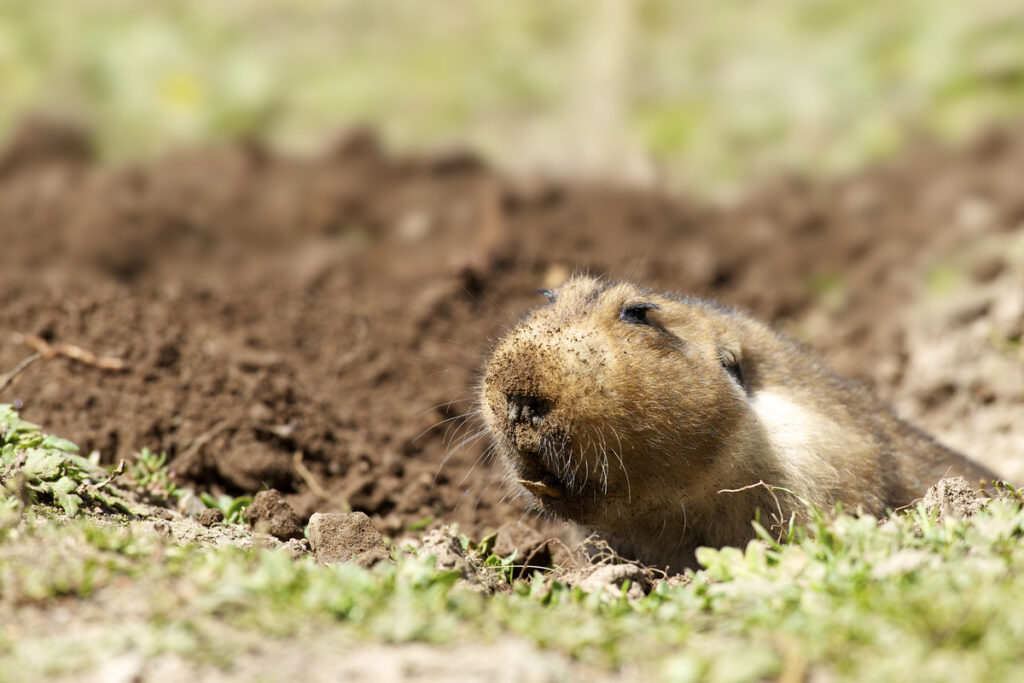
Here’s where it gets fascinating: Giant Molerats are the primary food source for Ethiopian Wolves, comprising up to 96% of their diet on the Sanetti Plateau. But their importance goes beyond being prey. Their constant digging aerates the soil, prevents vegetation from becoming too woody, and essentially maintains the entire Afro-alpine heathland ecosystem. They’re ecosystem engineers in the truest sense [Source: Journal of Zoology – Molerat Ecology Studies].
You won’t see them easily—they’re underground. But you’ll see their fresh earth mounds everywhere on the plateau, and if you’re incredibly patient and lucky, you might catch one popping its head above ground to check for predators. Watch for Ethiopian Wolves: where wolves hunt, molerats abound.
Other Small Mammals Worth Noting
The Bale Mountains harbor an astonishing diversity of endemic rodents that most visitors never consider. The Harenna Shrew, Blick’s Grass Rat, and multiple endemic mouse species represent evolutionary branches found nowhere else. Starck’s Hare bounds across open moorlands, while Menelik’s Bushbuck browses forest undergrowth.
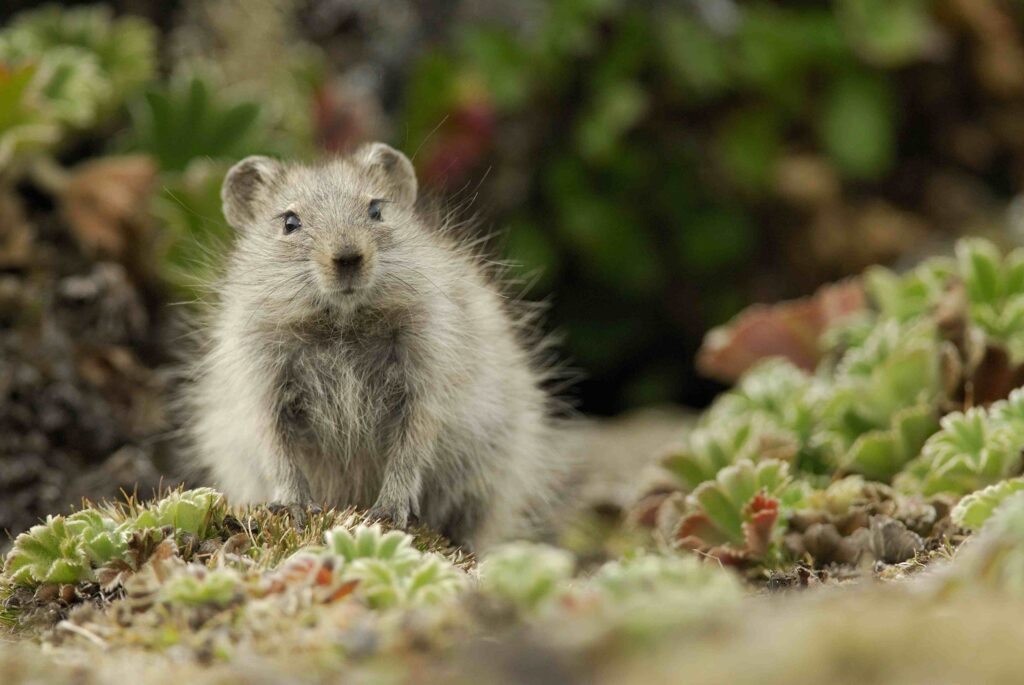
Even Common Warthogs here have adapted to high-altitude living, their burrows providing shelter not just for themselves but for numerous other species. This interconnected web of small mammals forms the foundation of the food chain, supporting everything from raptors to carnivores. Don’t overlook them—they’re proof that biodiversity thrives at every level [Source: Ethiopian Wildlife Conservation Authority].
Birds, Amphibians & Reptiles — The Hidden Diversity 🦅
A Birder’s High-Altitude Paradise
With over 300 bird species, including 16 Ethiopian endemics, the Bale Mountains rank among Africa’s premier birding destinations. The altitude variation creates distinct avian zones, each with specialized species you won’t find elsewhere.
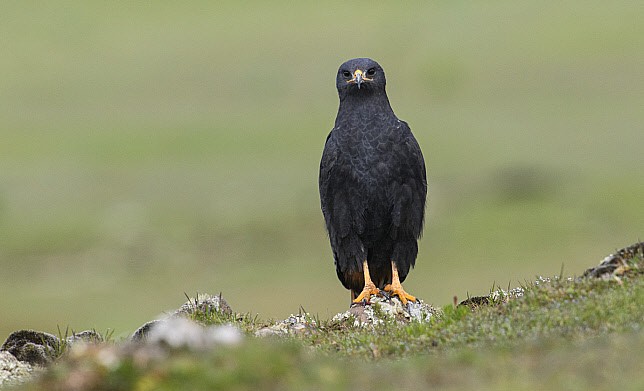
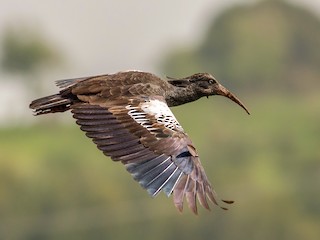
On the Sanetti Plateau, you’ll encounter the Blue-winged Goose grazing alongside Ethiopian Wolves—a goose that never migrates, living year-round at 3,000+ meters. The Spot-breasted Lapwing patrols open moorlands, its haunting calls echoing across the highlands. Raptors dominate here: Augur Buzzards, Lanner Falcons, and the occasional Lammergeier (Bearded Vulture) riding thermals above rocky cliffs.
Descend into the Harenna Forest and everything changes. The Abyssinian Catbird skulks through undergrowth, while the Abyssinian Longclaw perches conspicuously on bamboo tops. The Black-headed Siskin flits between hagenia trees, and if you’re extraordinarily lucky, you might spot the rare Abyssinian Owl in dense canopy shadows.
What makes Bale special for birders? The ecosystem diversity means you can record 80+ species in a single day, spanning multiple habitat zones from Afro-alpine to montane forest. The dry season (October-February) concentrates birds around water sources, while the wet season brings migratory species and breeding displays [Source: BirdLife International – Ethiopia Important Bird Areas].
The Underexplored World of Amphibians & Reptiles
Here’s where scientific knowledge gets exciting—and limited. The Bale Mountains harbor endemic frogs and chameleons that researchers are still cataloging. The Bale Mountains Treefrog (scientific studies ongoing) inhabits forest streams, while endemic chameleon species blend into bamboo thickets.
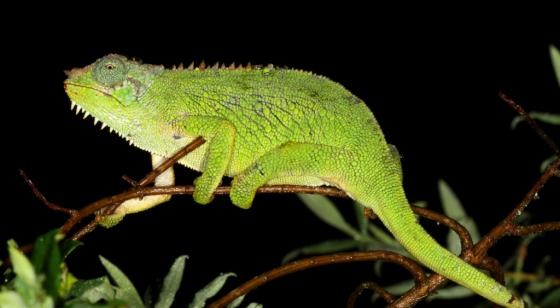
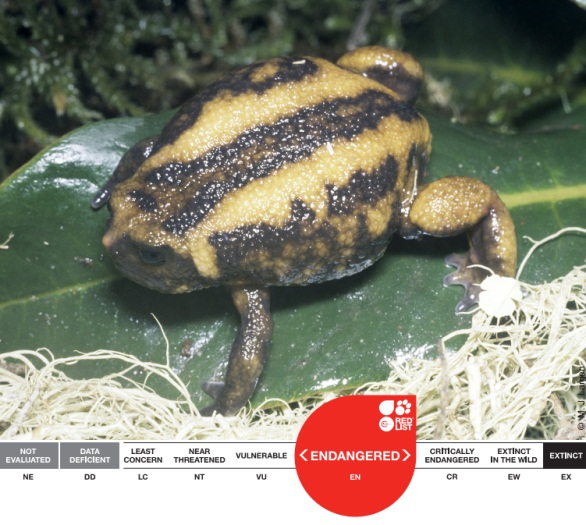
High-altitude reptiles here face extreme conditions: freezing nights, intense UV radiation, and limited food availability. Yet they persist, adapted through millions of years of evolution. Several lizard species found here exist nowhere else, representing unique genetic lineages.
Why does this matter? Every endemic species represents irreplaceable genetic diversity. The limited research on Bale’s herpetofauna means undiscovered species likely remain. Conservation efforts must extend beyond charismatic mammals to protect these lesser-known inhabitants [Source: Herpetological Conservation and Biology – Ethiopian Highland Studies].
Habitats & What Makes Them Unique 🏔️
The Dramatic Ecosystem Gradient
The Bale Mountains Ethiopia aren’t one habitat—they’re a vertical journey through multiple worlds stacked on top of each other. Understanding this gradient is key to understanding the wildlife.
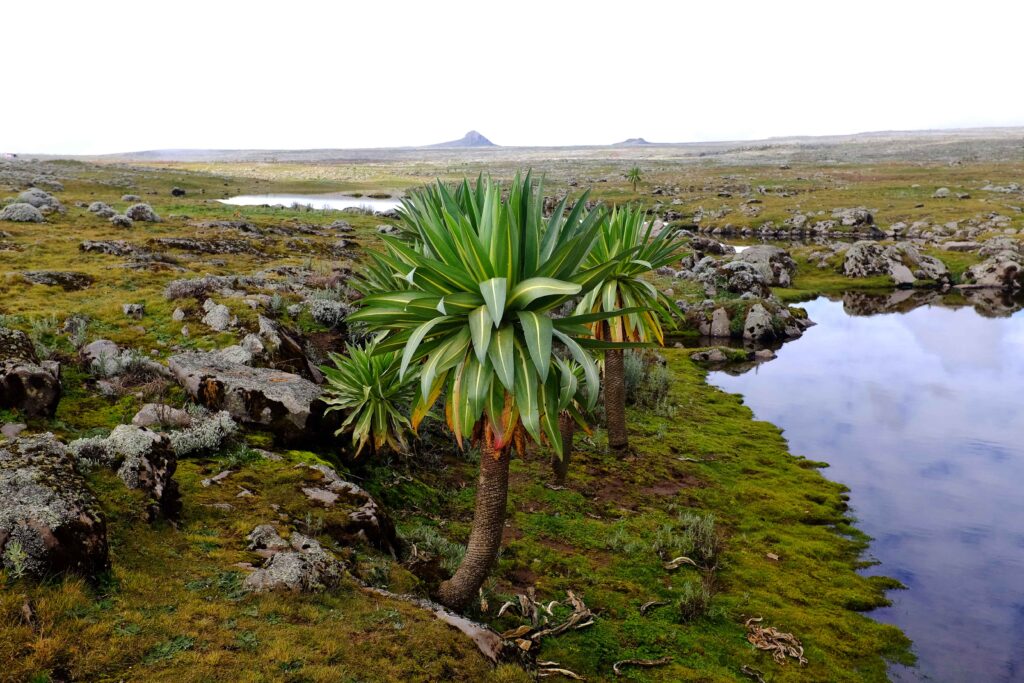
Sanetti Plateau (3,800-4,377m): Stand here and you’re on Africa’s largest Afro-alpine moorland, a treeless expanse where temperatures plunge below freezing nightly, even near the equator. Giant Lobelias grow like alien sculptures, Helichrysum shrubs release aromatic oils, and tussock grasses ripple like a frozen sea. This is Ethiopian Wolf territory, where adaptation means hunting in thin air with 40% less oxygen than sea level. The extreme conditions—high UV radiation, temperature swings of 30°C between day and night, and nutrient-poor soils—create a Darwinian filter that only the most specialized species survive [Source: UNESCO World Heritage Centre – Bale Mountains Nomination File].
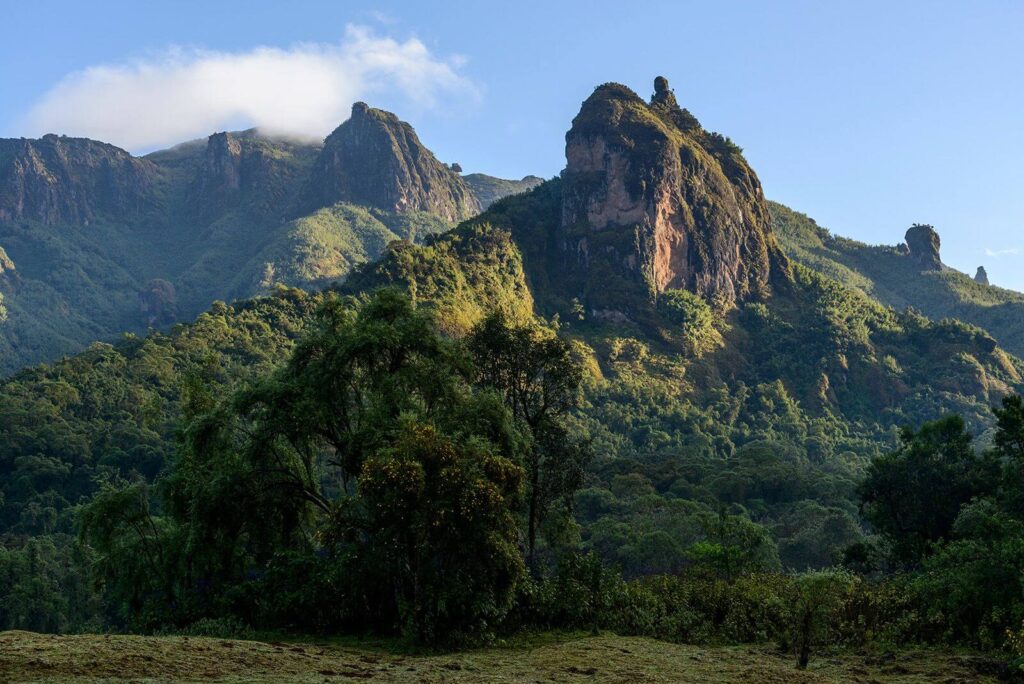
Montane Woodlands (2,500-3,800m): Descending from the plateau, you enter a transition zone of hagenia-juniper forests. Mountain Nyalas browse here, finding shelter in vegetation thick enough to hide their bulk. Temperature moderation and richer soils support diverse plant life, which in turn supports diverse herbivores.
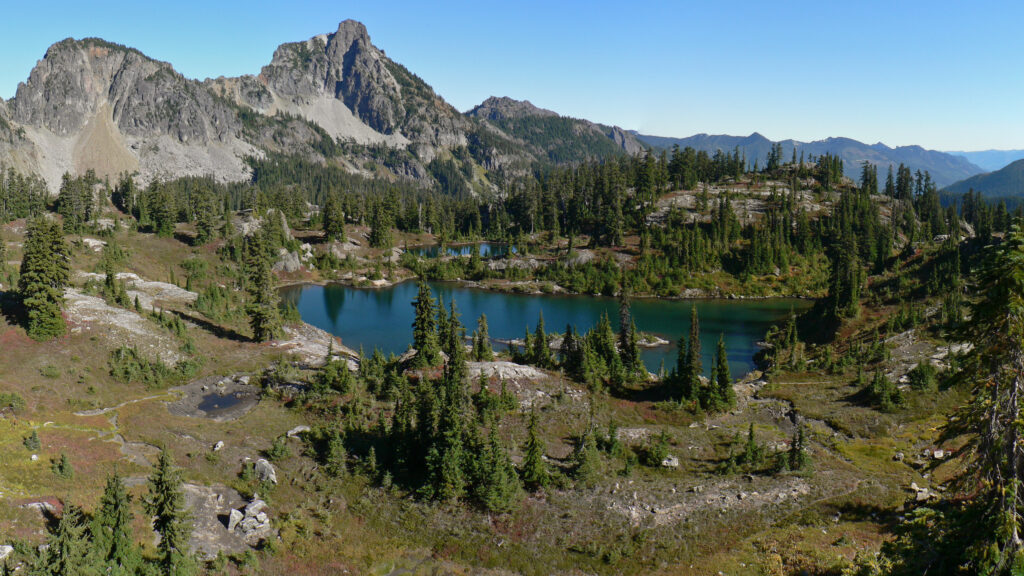
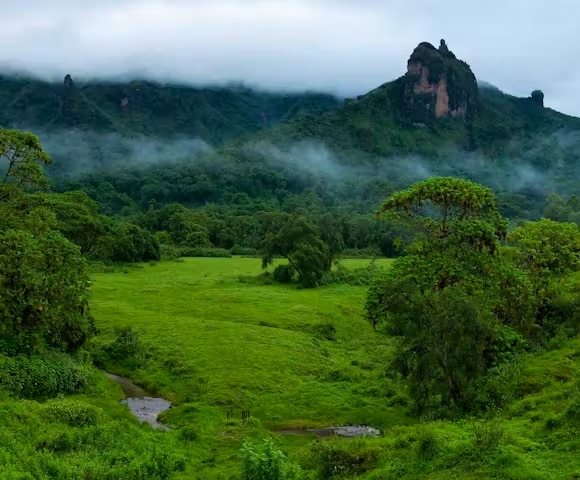
Harenna Forest (1,500-2,500m): Drop into this forest and you’ve entered another universe. Mist clings to ancient trees draped in lichens and moss. The air feels thick, humid, pregnant with growth. This is one of Africa’s largest remaining montane cloud forests, a wet wonderland where Bale Monkeys feed and forest hogs root through undergrowth. The contrast with the plateau couldn’t be more extreme: lush versus barren, wet versus dry, dense versus open.
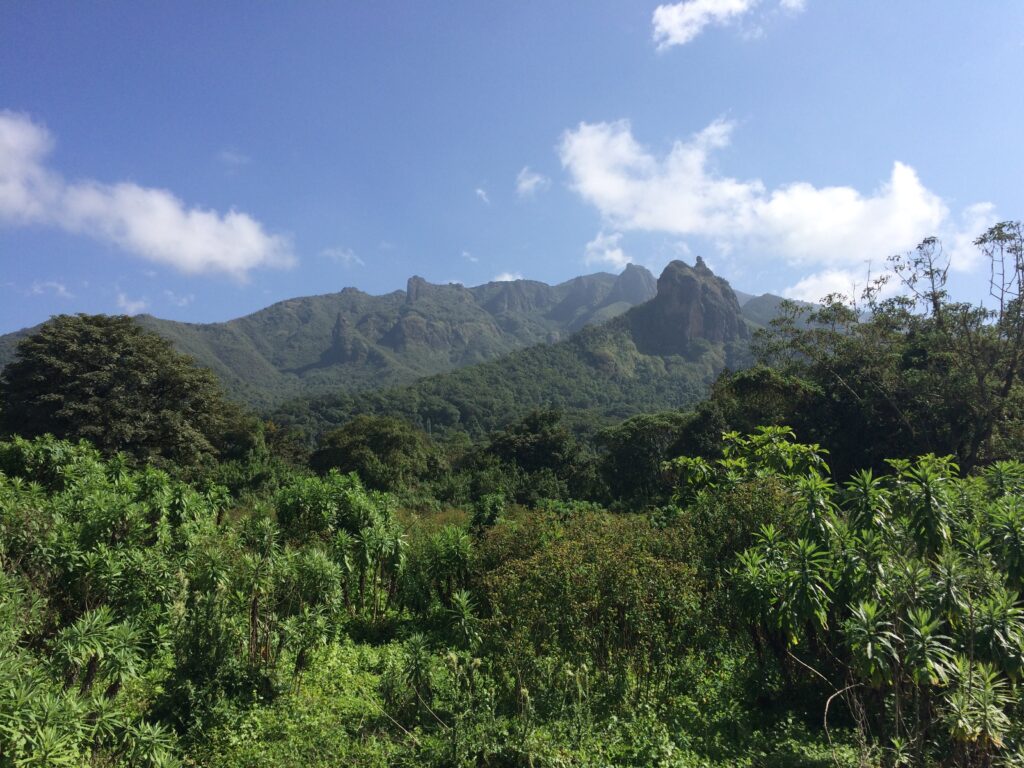
This massive altitudinal variation—nearly 3,000 vertical meters—creates isolated “sky islands” where species evolved independently, driving the extraordinary endemism that makes Bale globally significant [Source: Ethiopian Journal of Biological Sciences – Bale Ecosystem Studies].
Conservation Importance & Current Challenges ⚠️
A Global Biodiversity Reservoir Under Threat
The Bale Mountains Ethiopia represent something irreplaceable: an intact, functioning ecosystem harboring species found nowhere else on Earth. Lose Bale, and you lose these species forever—there’s no backup population, no zoo breeding program that can replace what evolution created here.
Four Critical Threats:
1) Habitat Loss Through Deforestation: The Harenna Forest’s edges bleed away gradually as local communities expand cultivation. Each hectare cleared eliminates Bale Monkey habitat permanently. Illegal logging for charcoal and construction further fragments the forest [Source: IUCN Red List – Bale Mountains Threats Assessment].
2) Livestock Encroachment: Domestic cattle increasingly graze plateau areas that should remain wild. They compete with Mountain Nyalas for browse, compact soil that Giant Molerats need, and alter vegetation composition that native herbivores depend upon.
3) Disease Transmission: This might be the most insidious threat. Domestic dogs from surrounding villages carry rabies and canine distemper—diseases that can devastate Ethiopian Wolf populations in weeks. A single outbreak in 2003-2004 killed approximately 75% of wolves in affected areas. Ongoing vaccination programs for domestic dogs provide the only defense [Source: Ethiopian Wolf Conservation Programme – Disease Management].
4) Climate Change Impact: High-altitude species have nowhere to go when temperatures rise. The Afro-alpine zone is already contracting, with tree lines moving upward. Ethiopian Wolves, Giant Molerats, and endemic rodents face habitat compression as their specialized environments shrink.
Conservation Efforts & Why They Matter
The Bale Mountains National Park designation provides legal protection, but enforcement requires resources. Conservation organizations work alongside local communities, creating alternative livelihoods that reduce pressure on the park. Vaccination campaigns protect wolves from domestic dog diseases. Research programs monitor population trends.
Here’s the crucial insight most miss: saving the Giant Molerat is as important as saving the Ethiopian Wolf. The entire food chain depends on lower trophic levels. Healthy molerat populations support healthy wolf populations, which regulate rodent populations, which maintain vegetation health, which supports all herbivores. It’s an interconnected web where every strand matters [Source: Fauna & Flora International – Bale Mountains Conservation].
The Bale Mountains aren’t just an Ethiopian treasure—they’re a global biodiversity reservoir protecting unique genetic lineages, ecosystem functions, and evolutionary potential that humanity cannot afford to lose.
When & Where to Spot Wildlife — Practical Guide 📍
Best Zones for Wildlife Viewing
Sanetti Plateau: This is Ethiopian Wolf headquarters. Drive the road crossing the plateau at dawn (6-8 AM) or dusk (4-6 PM) when wolves are most active. Scan open areas where Giant Molerat mounds concentrate—wolves will be nearby. The Web Valley area offers particularly good sightings. Raptors, Blue-winged Geese, and high-altitude bird species are everywhere.
Dinsho Area: Near park headquarters, this montane woodland zone provides the best Mountain Nyala viewing. Early morning walks along designated trails frequently encounter nyala groups. Warthogs, endemic rodents, and forest birds are abundant here.
Harenna Forest: The southern slopes, accessed via Rira or Katcha trails, offer Bale Monkey encounters. You’ll need a local guide who knows troop locations. Forest hogs, bushbuck, and forest bird specialists reward patient observers. This area also holds evidence of African Lions and Leopards, though sightings are exceptionally rare [Source: African Parks – Bale Mountains Management Plan].
Seasonal Considerations
Dry Season (October-January): Easier vehicle access, clearer skies for photography, and wildlife concentrated around remaining water sources. This is peak tourist season for good reason—you’ll have optimal sighting conditions. However, some migratory bird species won’t be present.
Wet Season (April-August): More challenging logistics with muddy roads, but spectacular scenery with wildflowers carpeting the plateau. Wildlife is more dispersed with abundant water everywhere. Migratory birds arrive, boosting species counts. Fewer tourists mean more solitude, but you’ll need proper rain gear and 4×4 vehicles [Source: Ethiopia Tourism Organization].
Ethical Wildlife Viewing
The Ethiopian Wolves and other wildlife here tolerate human presence only because visitors respect boundaries. Maintain 50+ meter distance from wolves—approaching closer stresses them and can disrupt hunting. Never feed any wildlife, which habituates them to humans and creates dangerous situations. Stay on designated trails in sensitive habitat. Use local guides who understand animal behavior and can interpret signs you’d miss.
Photography enthusiasts: long lenses are essential. The best wildlife photos come from patient observation, not aggressive pursuit. Support responsible tourism by choosing operators who prioritize conservation over just “getting the shot” [Source: Ethiopian Wolf Conservation Programme – Visitor Guidelines].
Why Bale Mountains Is Special — From Macro to Micro ✨
The Interconnected Web of Life
What truly distinguishes the Bale Mountains Ethiopia from other wildlife destinations is how perfectly it demonstrates ecosystem interconnectedness. This isn’t a simple food chain—it’s an intricate web where every species plays multiple roles.
Consider this cascade: Giant Molerats excavate burrows, aerating soil and preventing woody vegetation dominance → This maintains open grasslands → Which support specific plant communities → Which provide seeds for rodents → Which feed Ethiopian Wolves → Whose territorial behavior patterns rodent populations → Which allows vegetation recovery → Which creates heterogeneous habitat → Which supports diverse small mammals → Which feeds raptors and other predators → Which prevents any single species from dominating.
Remove one piece—say, the Giant Molerat—and the entire system begins unraveling. The highest endemism rate of any mountain ecosystem globally isn’t random—it’s the product of millions of years of such intricate co-evolution [Source: Ethiopian Journal of Biological Sciences – Ecosystem Dynamics].
Beyond Wildlife: The Genetic Repository
The Bale Mountains protect more than just animals. Wild populations of Arabica coffee’s genetic ancestors grow in Harenna Forest, harboring disease resistance genes that commercial coffee might desperately need. Medicinal plants used by local communities for generations contain compounds that pharmaceutical research has barely begun exploring. Endemic lichens, fungi, and microorganisms represent untapped scientific potential.
This is why conservation here matters globally. We’re not just protecting charismatic wolves and antelopes—we’re preserving genetic libraries, evolutionary laboratories, and ecosystem functions that humanity relies upon, even if we don’t always realize it [Source: Kew Royal Botanic Gardens – Ethiopian Highland Plant Conservation].
Frequently Asked Questions ❓
Q: What endangered animals live in Bale Mountains?
The Bale Mountains Ethiopia harbor several critically endangered and endangered species. The Ethiopian Wolf (Canis simensis) is the world’s rarest canid with fewer than 500 individuals remaining globally, making it critically endangered. The Mountain Nyala (Tragelaphus buxtoni) is listed as endangered, with the Bale population representing the species’ stronghold. The Bale Monkey (Chlorocebus djamdjamensis) is classified as vulnerable due to its restricted range entirely within this ecosystem. These species face threats from habitat loss, disease transmission from domestic animals, and climate change impacts on their specialized high-altitude habitats [Source: IUCN Red List].
Q: Is the Bale Monkey only found in Bale Mountains?
Yes, the Bale Monkey is endemic to the Bale Mountains, found nowhere else on Earth. This primate species inhabits bamboo forests and montane woodlands between 2,400-3,400 meters elevation, primarily in the Harenna Forest on the southern slopes. Their complete dependence on this single mountain range makes them especially vulnerable to habitat loss. Small isolated populations may exist in adjacent highlands, but the vast majority live within Bale Mountains National Park boundaries [Source: Primate Conservation Journal].
Q: Can tourists see the Ethiopian Wolf?
Absolutely, and the Bale Mountains offer the best wolf-watching opportunities on the planet. The Sanetti Plateau provides exceptional viewing, especially along the main road crossing the plateau during early morning (6-8 AM) and late afternoon (4-6 PM) hours when wolves are actively hunting Giant Molerats. Unlike most wild canids, Ethiopian Wolves here have become habituated to vehicles (not people), allowing close observation from your car. Success rates during the dry season (October-January) exceed 80% for multi-day visits. Always maintain respectful distances of 50+ meters and never attempt to feed or approach wolves on foot [Source: Ethiopian Wolf Conservation Programme].
Q: Are there big cats (lion/leopard) in Bale Mountains?
Yes, but sightings are extremely rare. African Lions and Leopards both inhabit the Harenna Forest, particularly in the southern reaches of the park. However, these populations are small, elusive, and primarily nocturnal. Most evidence comes from tracks, scat, and occasional camera trap photos rather than direct sightings. Local guides report hearing lion roars, but actual visual encounters happen perhaps once or twice per year. If you visit Bale specifically for big cats, you’ll likely be disappointed. Visit for the Ethiopian Wolves, Mountain Nyalas, and endemic species—any big cat sighting would be an extraordinary bonus [Source: African Parks – Bale Mountains Large Carnivore Survey].
Q: What is the best time of year to visit for wildlife spotting?
The dry season from October through January offers optimal wildlife viewing conditions in the Bale Mountains Ethiopia. During these months, wildlife concentrates around remaining water sources, making sightings more predictable. Roads are passable with standard 4×4 vehicles, skies are generally clear for photography, and daytime temperatures are comfortable (though nights remain freezing on the plateau). Ethiopian Wolf pup-rearing season (October-December) provides fascinating behavioral viewing opportunities. However, the wet season (April-August) brings spectacular wildflower displays, greener scenery, and migratory bird arrivals, though with more challenging road conditions. For the best combination of weather, accessibility, and wildlife activity, plan your visit for November or December [Source: Ethiopia Tourism Organization].
Conclusion & Take Action 🌍
The Bale Mountains Ethiopia represent something increasingly rare on our crowded planet—a functioning ecosystem where nature still operates on its own terms, where evolution’s ancient experiments continue, where you can witness wildlife dramas that have played out for millennia. From Ethiopian Wolves hunting across frozen plateaus to Bale Monkeys swinging through misty forests, this isn’t just a wildlife destination—it’s a journey to one of Earth’s last wild refuges.
Take Action: Your visit supports conservation directly through park fees and local employment. Choose responsible operators, respect wildlife viewing guidelines, and consider contributing to organizations like the Ethiopian Wolf Conservation Programme or Bale Mountains National Park. The animals you’ll encounter exist nowhere else—their survival depends on awareness, support, and action. Experience Bale, respect its wildness, and help ensure these mountains remain a sanctuary for generations to come.
Reference Sources:
- Ethiopian Wolf Conservation Programme (https://ethiopianwolf.org/)
- IUCN Red List of Threatened Species (https://www.iucnredlist.org/)
- Ethiopian Wildlife Conservation Authority (https://www.ewca.gov.et/)
- BirdLife International – Ethiopia IBAs (https://www.birdlife.org/)
- African Wildlife Foundation (https://www.awf.org/)
- UNESCO World Heritage Centre (https://whc.unesco.org/)
- Fauna & Flora International (https://www.fauna-flora.org/)
- African Parks Network (https://www.africanparks.org/)
- Bale Mountains National Park Official (https://www.balemountains.org/)

Read More Articles;
- Alleppey Tourist Places: 25 Best Places to Visit in Alleppey Backwaters (2026 Travel Guide)
- Munnar Tourist Places: 20 Best Places to Visit in Munnar, Tea Gardens, Itinerary & Hidden Gems (2026 Travel Guide)
- Is Sardinia Worth Visiting? Complete Travel Guide to Sardinia, Italy
- What to Do in Gozo: 25 Best Things to Do in Gozo Malta (Hidden Gems + Local Tips)
- What to Do in Bali: Ultimate Travel Guide 2026 (Top Activities, Itineraries & Hidden Gems)