
Introduction to the Quirimbas Archipelago Mozambique 🌊
Imagine stepping onto powdery white sand where your footprints are the only ones for miles. Picture crystal-clear turquoise waters hiding vibrant coral gardens teeming with sea turtles and rare dugongs. Welcome to the Quirimbas Archipelago Mozambique—one of Africa’s best-kept secrets and a paradise that most travelers haven’t even heard of yet.
Stretching along 250 kilometers of Northern Mozambique’s coastline in the Cabo Delgado province, the Quirimbas Archipelago consists of 32 stunning coral islands that rise from the warm Indian Ocean. These aren’t your typical tourist-packed tropical islands. The Mozambique Indian Ocean coral islands remain blissfully undiscovered, offering an authentic escape where nature reigns supreme and ancient cultures thrive undisturbed.
What makes this archipelago truly extraordinary? It’s the perfect blend of untouched natural beauty, incredible marine biodiversity, and rich Swahili-Portuguese history that you won’t find anywhere else. From the crumbling colonial forts of Ibo Island to the exclusive diving havens of Vamizi and Medjumbe, each island tells its own captivating story.
Unlike the Maldives or Seychelles, the Quirimbas remain refreshingly uncommercialized. Here, you can witness endangered sea turtles nesting on moonlit beaches, spot the elusive dugong grazing in shallow seagrass beds, and explore coral reefs so pristine they seem painted by nature’s finest artist. The archipelago is protected as part of the Quirimbas National Park, ensuring these wonders remain preserved for generations to come.
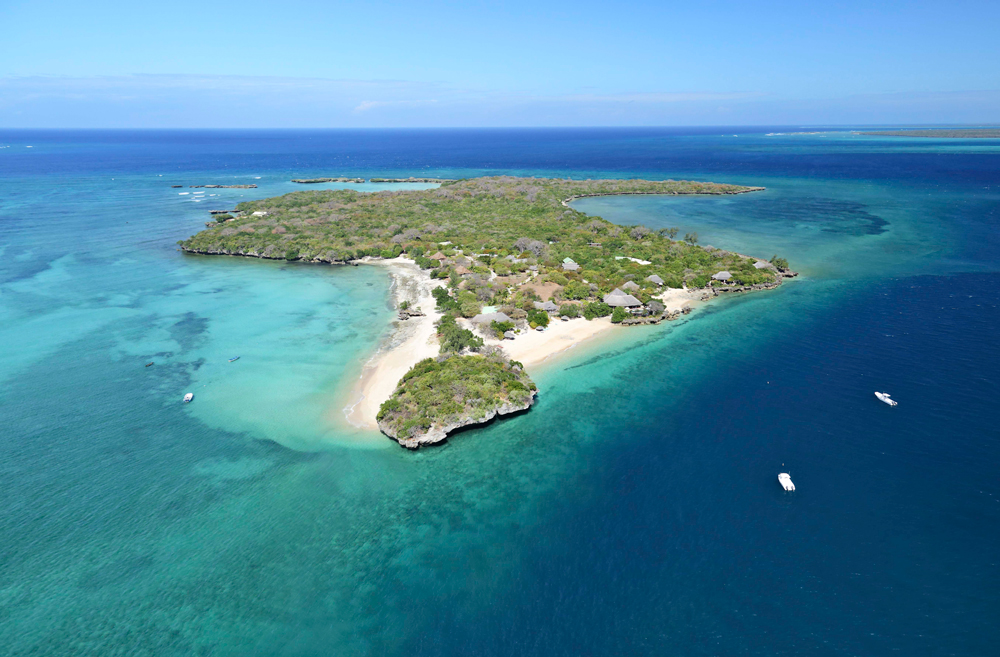
Whether you’re a marine life enthusiast, history buff, luxury traveler, or adventurer seeking the road less traveled, the Quirimbas Archipelago Mozambique delivers experiences that money often can’t buy elsewhere—genuine connection with nature and culture in their purest forms.
Quick Reference Guide: Quirimbas Archipelago Mozambique
| Essential Information | Details |
|---|---|
| Location | Northern Mozambique, Cabo Delgado Province, Indian Ocean |
| Number of Islands | 32 coral islands stretching 250km |
| Best Time to Visit | May to November (dry season) |
| Main Gateway | Pemba (connecting flights from Maputo) |
| Key Islands | Ibo, Vamizi, Medjumbe, Matemo, Quirimba |
| Protected Status | Quirimbas National Park, UNESCO Tentative List |
| Famous For | Pristine coral reefs, 5 turtle species, dugongs, Swahili-Portuguese history |
| Activities | Diving, snorkeling, dhow cruises, cultural tours, wildlife watching |
| Travel Style | Eco-luxury resorts to rustic island stays |
| Language | Portuguese (official), Makua, Swahili, English at resorts |
| Currency | Mozambican Metical (MZN) |
The Natural Wonders: Biodiversity & Marine Life 🐢
The Quirimbas Archipelago isn’t just beautiful—it’s a living laboratory of biodiversity that rivals anywhere on Earth. The moment you dip below the surface, you’ll understand why marine biologists get so excited about this place.
Coral Reefs: Underwater Rainforests
The coral reefs surrounding these islands are nothing short of spectacular. Stretching for miles, these underwater ecosystems showcase over 375 species of fish and nearly 50 types of coral. The water clarity here is exceptional—visibility often exceeds 30 meters, making it a photographer’s dream and a diver’s paradise.
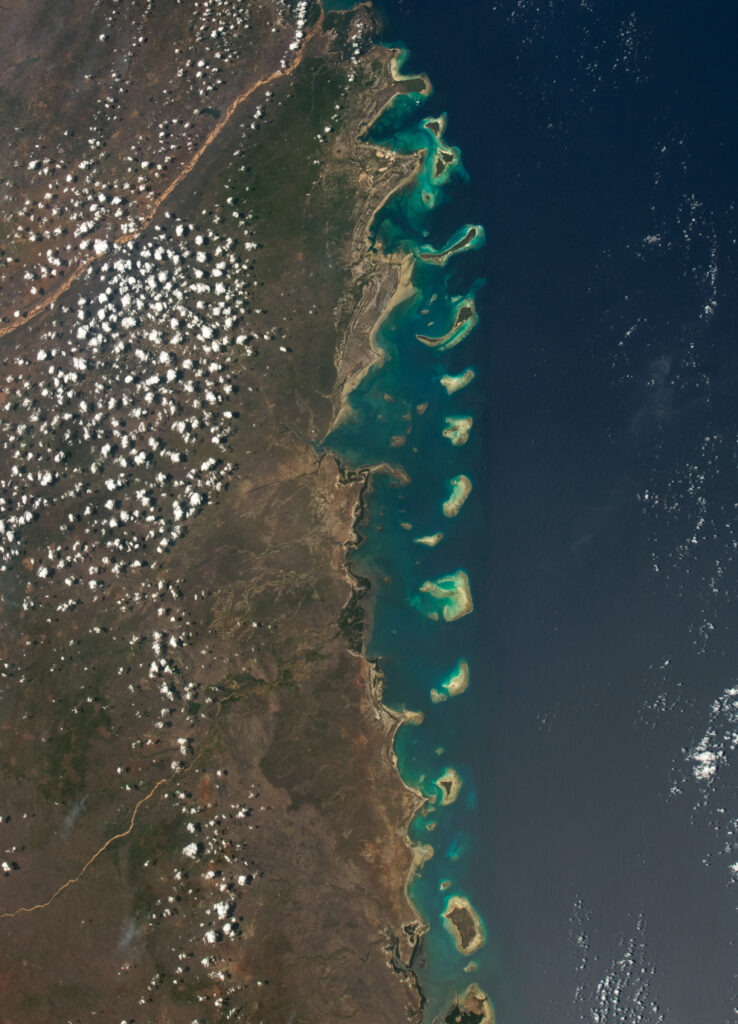
What sets these reefs apart is their pristine health. Unlike many global reef systems suffering from bleaching and pollution, the Quirimbas reefs remain vibrant thanks to minimal human impact and strong conservation efforts. The Quirimbas National Park biodiversity protection measures have created natural sanctuaries where marine life flourishes without disruption [SOURCE LINK: UNESCO].
The Magnificent Five: Sea Turtle Species
Here’s where the Quirimbas truly shines—this archipelago hosts all five species of sea turtles found in the Indian Ocean:
🐢 Loggerhead Turtles – The most commonly spotted, these gentle giants nest on remote beaches from November to March. Their reddish-brown shells and massive heads make them easy to identify.
🐢 Green Turtles – Named for the greenish color of their fat (not their shells), these herbivores graze on seagrass beds in shallow lagoons. You’ll often see them surfacing for air during snorkeling trips.
🐢 Hawksbill Turtles – With their distinctive bird-like beaks and beautifully patterned shells, hawksbills are the reef specialists, feeding on sponges tucked into coral crevices.
🐢 Leatherback Turtles – The ocean giants! These massive creatures can weigh over 900 kilograms and dive to incredible depths. Spotting one is a once-in-a-lifetime moment.
🐢 Olive Ridley Turtles – The smallest and most abundant sea turtle species globally, though less common here than their cousins.

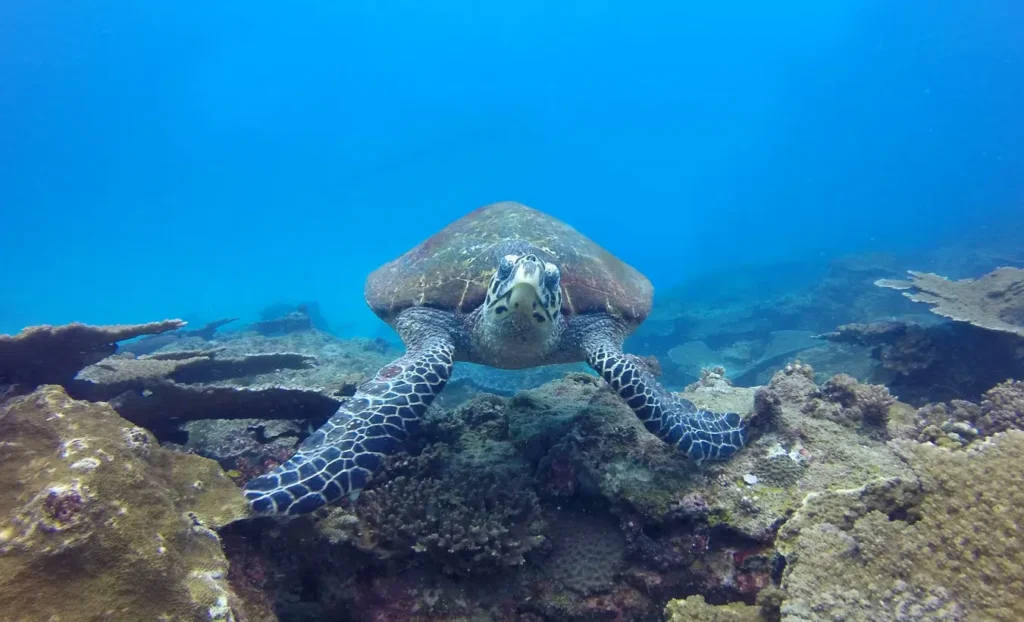
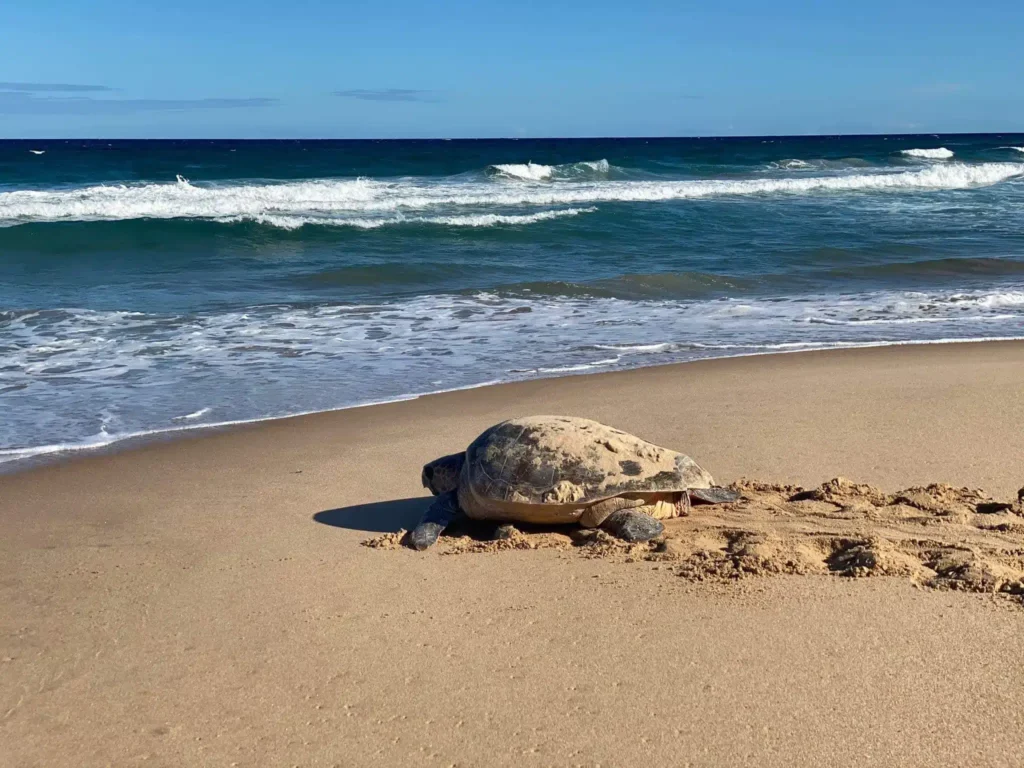
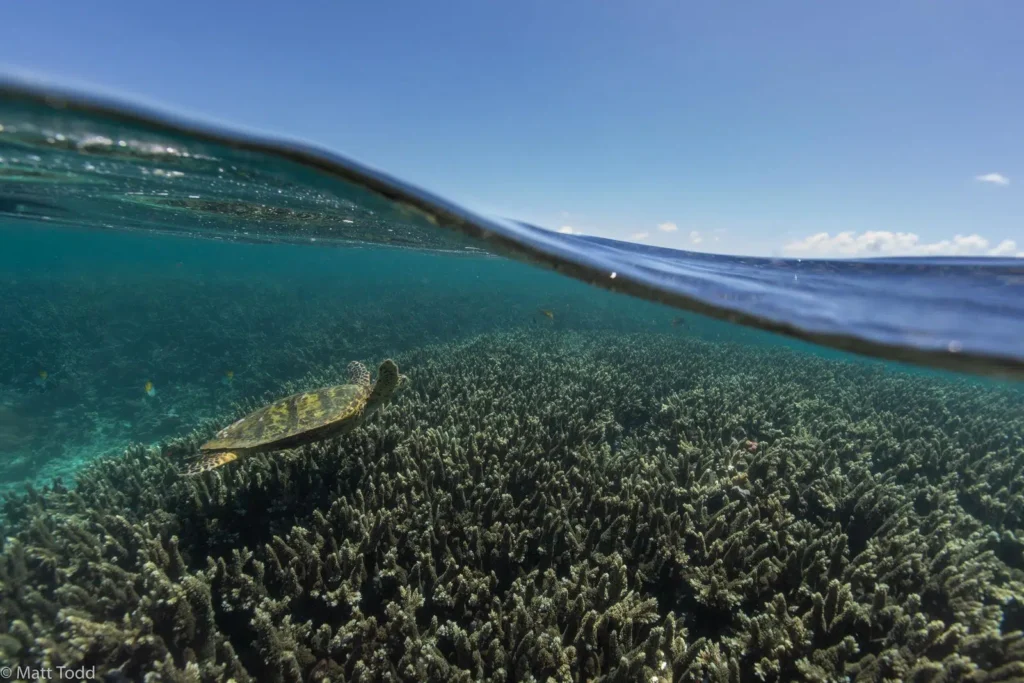
Images Source: https://www.mozambiquetravel.com/blog/turtle-conservation-in-mozambique/
The beaches of Vamizi Island and several uninhabited islands serve as critical nesting sites, monitored by conservation teams who protect eggs from poachers and predators [SOURCE LINK: Marine Megafauna Foundation].
The Shy Dugong: Ocean’s Gentle Gardener
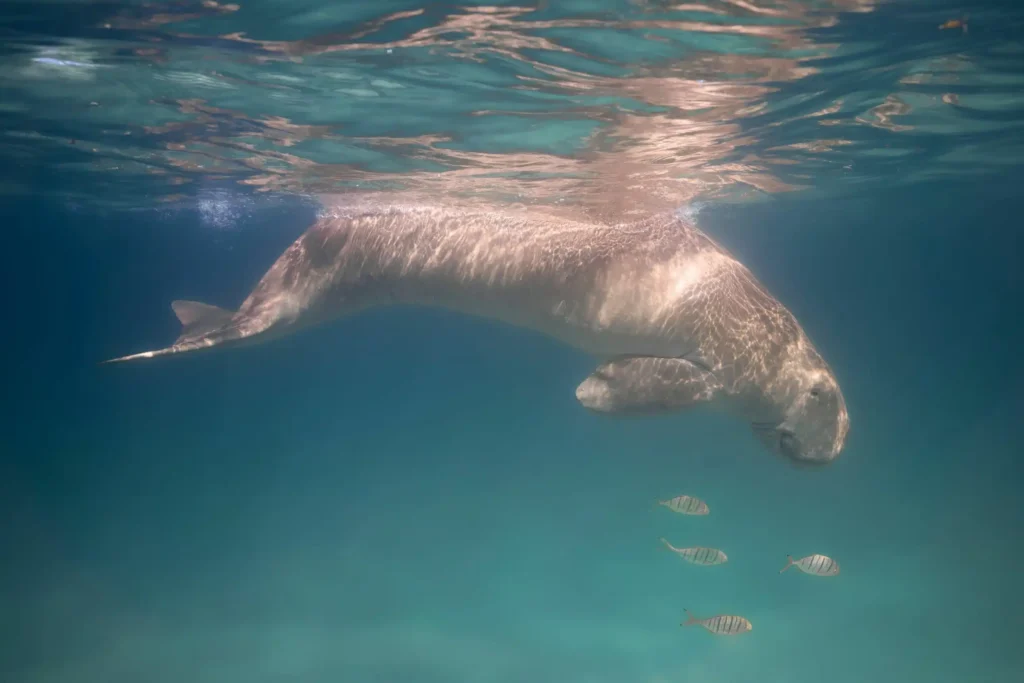
Perhaps the most special resident of the Quirimbas is the dugong—a marine mammal so rare that many divers never see one in their lifetime. These gentle “sea cows” graze on seagrass meadows in shallow protected bays, particularly around Vamizi and the southern islands.
Dugongs are critically endangered throughout their range, but the Quirimbas harbors one of the healthier populations along Africa’s east coast. Estimated numbers suggest around 200 individuals use these waters, though spotting them requires patience and luck [SOURCE LINK: Save Our Seas Foundation]. They’re shy creatures, usually feeding in early morning or late afternoon when boat traffic is minimal.
Seasonal Marine Visitors
Between June and November, the archipelago welcomes magnificent humpback whales migrating from Antarctic feeding grounds to warmer breeding waters. Watching a 40-ton whale breach against the backdrop of tropical islands is pure magic.
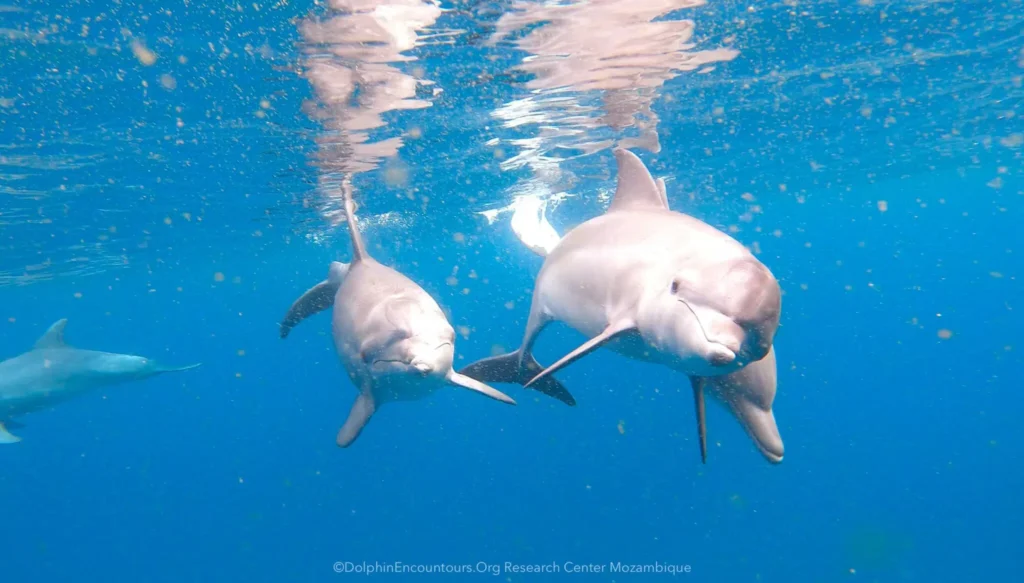
Dolphins are year-round residents, with spinner, bottlenose, and humpback dolphins frequently bow-riding alongside dhows and boats. Their playful nature adds joy to every boat journey.
Beyond the Water: Island Wildlife
While the marine life steals the spotlight, the terrestrial ecosystems shouldn’t be overlooked. The islands and adjacent mainland support:
- Over 250 bird species, including rare endemic varieties like the Pemba white-eye
- African civets, bushbabies, and vervet monkeys in coastal forests
- Nile crocodiles in mainland mangrove channels
- Incredible butterfly populations with vibrant tropical species
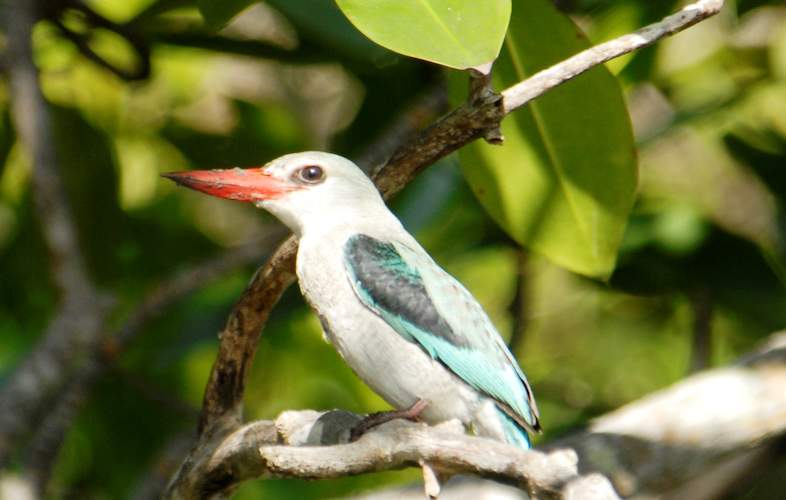
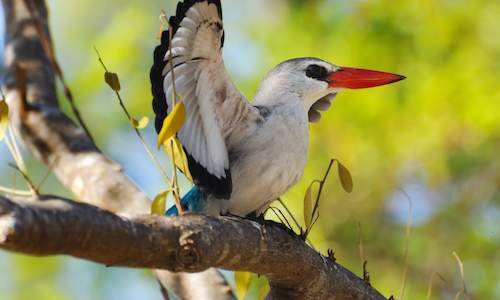
Source: https://www.mozambique.co.za/Mozambique_Wildlife-travel/mozambique-birding-hotspots.html
The mangrove forests deserve special mention—these twisted, salt-tolerant trees create nurseries for countless fish species while protecting coastlines from erosion and storms. The Quirimbas contains some of East Africa’s most extensive and healthy mangrove systems [SOURCE LINK: WWF].
Quirimbas National Park: Conservation & Protected Status 🌿
Created in 2002, Quirimbas National Park represents one of Africa’s most ambitious conservation projects, protecting an astounding 7,500 square kilometers of marine and terrestrial ecosystems. This includes 11 of the 32 islands plus a significant chunk of coastal mainland in Cabo Delgado province.
A Model of Community-Led Conservation
What makes this park truly revolutionary is its community-based conservation model. Rather than excluding local people (as many traditional parks do), Quirimbas actively involves coastal communities in protection efforts and tourism benefits.
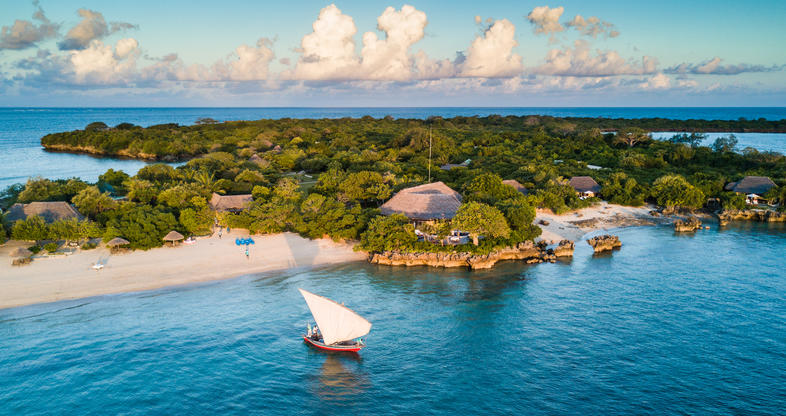
Local fishermen serve as park rangers and guides. Village cooperatives manage sustainable fishing zones. Tourism revenue flows directly into community projects—schools, health clinics, and clean water initiatives. This approach creates genuine buy-in from residents who see conservation as enhancing their lives, not restricting them [SOURCE LINK: African Parks].
The results speak for themselves: poaching has dropped dramatically, illegal fishing has decreased by over 60% since 2010, and turtle nesting numbers have increased year over year.
What the Park Protects
The park’s diverse ecosystems include:
- Extensive coral reef systems (some of the healthiest in the Indian Ocean)
- Seagrass meadows critical for dugongs and juvenile fish
- Mangrove forests serving as carbon sinks and coastal protection
- Coastal miombo woodland on the mainland
- Critical nesting beaches for endangered sea turtles
- Deep-sea channels where pelagic species migrate
The marine conservation in Quirimbas focuses particularly on protecting spawning aggregation sites, establishing no-take zones, and monitoring fish populations to ensure sustainable practices [SOURCE LINK: Marine Protected Areas Database].
UNESCO Recognition and Future Protection
The archipelago’s inclusion on the UNESCO Tentative List for World Heritage Site designation acknowledges its outstanding universal value. The nomination highlights both natural criteria (exceptional biodiversity and pristine ecosystems) and cultural criteria (the Swahili-Portuguese settlements on Ibo Island) [SOURCE LINK: UNESCO World Heritage Centre].
While not yet a full World Heritage Site, this tentative listing brings international attention and encourages stronger protection measures. Conservationists hope full designation will come within the next few years, securing long-term funding and enhanced legal protections.
Climate Resilience Initiatives
One of the park’s most innovative programs addresses climate change impacts through active ecosystem restoration. Projects include:
Coral Gardening Programs – Marine biologists cultivate heat-resistant coral varieties in nurseries, then transplant them to damaged reef areas. Early results show successful adaptation to warming waters.
Mangrove Restoration – Community teams plant thousands of mangrove seedlings annually, rebuilding areas lost to storms and human activity. Mangroves naturally sequester massive amounts of carbon while providing storm buffers.
Seagrass Monitoring – Scientists track seagrass meadow health as an early warning system for ecosystem stress, since these “ocean gardens” support the entire food web.
These forward-thinking initiatives position the Quirimbas as a model for climate-adaptive conservation that other tropical marine parks are beginning to emulate [SOURCE LINK: Blue Ventures Conservation].
Cultural & Historical Significance 🏛️
The Quirimbas Archipelago Mozambique isn’t just about natural beauty—it’s steeped in centuries of fascinating human history that shaped the Swahili Coast and Eastern Africa’s maritime trade networks.
The Swahili-Portuguese Cultural Fusion
For over a thousand years, these islands served as critical stops on Indian Ocean trade routes connecting Arabia, India, and East Africa. Swahili Culture flourished here, blending African, Arab, and later Portuguese influences into a unique coastal civilization.
Starting in the 8th century, Arab and Persian traders established settlements, bringing Islam, new architectural styles, and commercial networks. The Swahili language itself evolved as a trade lingua franca, mixing Bantu grammar with Arabic vocabulary.
When the Portuguese arrived in the early 1500s, they recognized the islands’ strategic importance and established military and trading posts. Unlike many colonial powers who erased existing cultures, the Portuguese integrated with Swahili society, creating a distinctive Swahili-Portuguese history Mozambique islands identity that persists today [SOURCE LINK: Smithsonian Institution].
Ibo Island: A Living Museum
If you visit only one island for cultural immersion, make it Ibo Island. This small island serves as the archipelago’s historical heart and an atmospheric time capsule of colonial grandeur slowly reclaimed by nature.
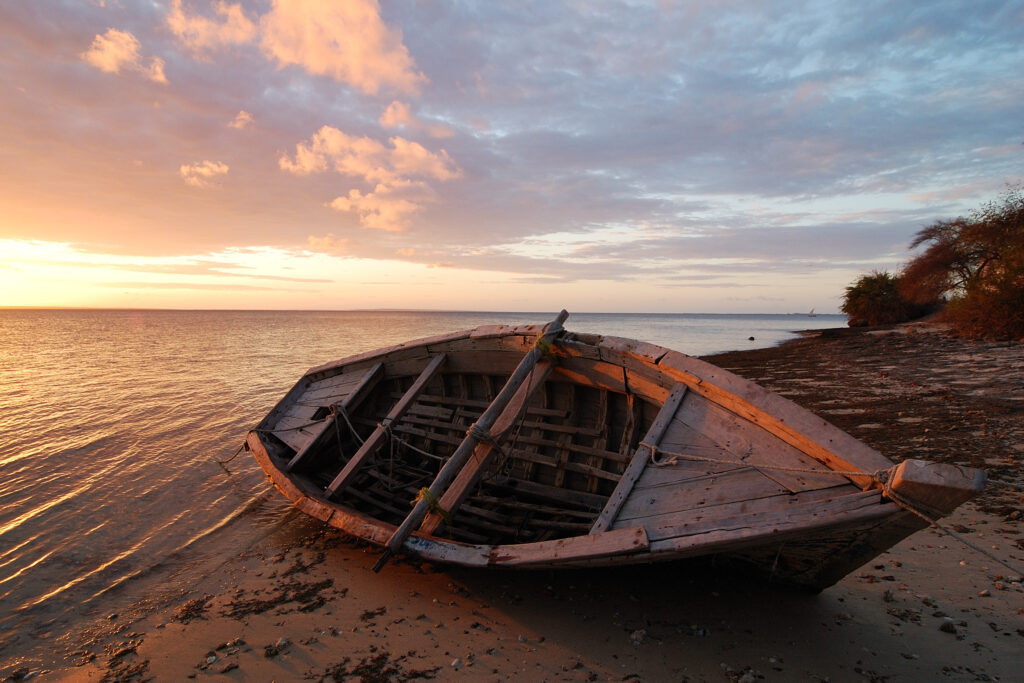
The Star-Shaped Fort of São João Baptista
Built in 1791, this impressive fortification once protected Portuguese interests from rivals and pirates. Its star-shaped design (a military innovation allowing defenders to cover all angles) remains largely intact. Walking through the massive coral-stone walls and empty cannon placements, you can almost hear echoes of centuries past [SOURCE LINK: Mozambique Tourism Board].
Today, the fort houses a small museum showcasing artifacts from trading days—Chinese porcelain, Indian textiles, and Portuguese weapons that illustrate the island’s global connections.
The Silversmiths of Ibo
One of Ibo’s most enchanting traditions is its community of master silversmiths. Using techniques passed down through generations, these artisans create intricate jewelry from Portuguese-era coins (five escudo pieces) hammered into delicate filigree patterns.
Watching a silversmith work is mesmerizing—they use the most basic tools yet produce jewelry of stunning complexity. Purchasing a piece directly from these craftsmen supports an ancient tradition while giving you a truly unique souvenir [SOURCE LINK: Handicraft Development Organization].
Crumbling Mansions and Colonial Architecture
Wandering Ibo’s narrow streets feels like exploring an outdoor museum. Dozens of colonial-era mansions in various states of decay line the waterfront—their grand verandas, ornate balconies, and colorful tiles hinting at former wealth from the ivory, gold, and slave trades.
Some buildings have been beautifully restored (like the boutique hotels occupying former merchant houses), while others remain frozen in romantic ruin, their walls overtaken by tropical vegetation. This authentic decay gives Ibo an atmosphere completely absent in over-restored heritage sites.
Living Traditions Across the Islands
Beyond Ibo, Swahili culture remains vibrantly alive across the archipelago. On islands like Matemo and Quirimba, fishing villages maintain traditional lifestyles:
- Dhow building using centuries-old techniques (no blueprints, just inherited knowledge)
- Distinctive Makonde and Makua cultural practices including music, dance, and storytelling
- Traditional fishing methods like palm-leaf fish traps and hand-cast nets
- Islamic architectural elements in mosques and homes
Visiting these communities (respectfully and through proper channels) offers authentic cultural exchanges that feel increasingly rare in our globalized world.
Top Islands & What Makes Them Special 🏝️
Each island in the Quirimbas Archipelago has its own personality and appeal. Here are the must-know islands that define the Mozambique tropical island resorts experience:
🏺 Ibo Island: History Meets Authenticity
What Makes It Special: The cultural and historical gem of the archipelago
Why Visit: Ibo offers the archipelago’s richest historical experience without sacrificing natural beauty. The island’s unique combination of crumbling Portuguese architecture, active Swahili community, and stunning beaches creates an atmosphere found nowhere else in Mozambique.
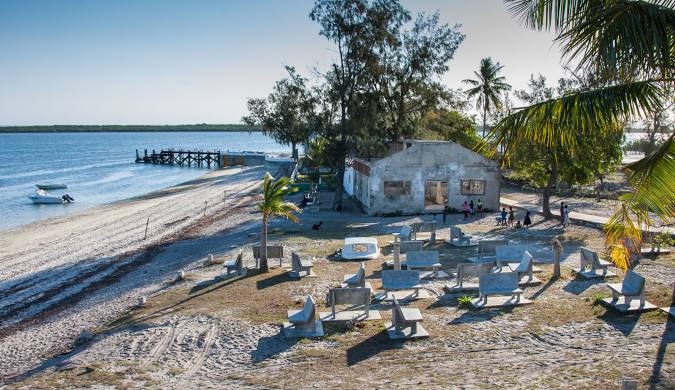
Highlights:
- The magnificent Fort of São João Baptista with panoramic island views
- Silversmith workshops where artisans create jewelry from old coins
- Three Churches in various states of romantic decay
- Local markets selling fresh seafood and traditional crafts
- Beautiful beaches despite the island’s historical focus
- Several restored colonial mansions now operating as charming boutique hotels
Best For: History enthusiasts, culture seekers, photographers, and travelers wanting authentic experiences beyond just beaches.
💎 Vamizi Island: Luxury Meets Conservation
What Makes It Special: The archipelago’s most exclusive private island retreat with world-class diving
Why Visit: Vamizi represents the pinnacle of eco-luxury in the Quirimbas. This privately managed island balances high-end tourism with serious conservation work, hosting some of the archipelago’s healthiest coral reefs and most important turtle nesting beaches.
Highlights:
- Over 180 coral species—more than the entire Caribbean combined
- Pristine diving sites including the famous Neptune’s Arm reef
- Active turtle monitoring program (guests can join night patrols during nesting season)
- Just 13 luxury villas ensuring exclusivity and minimal environmental impact
- Dugong sightings in protected bays (relatively common here)
- Professional marine biology team offering educational experiences
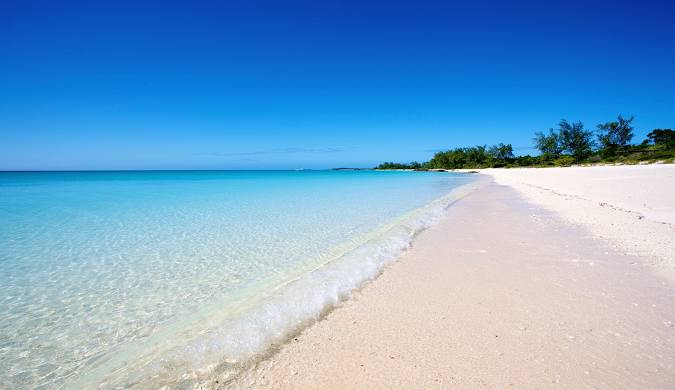
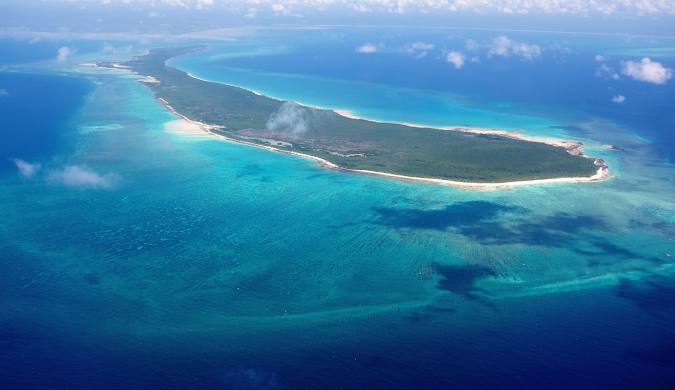
Best For: Divers, marine life enthusiasts, luxury travelers, honeymooners, and anyone willing to invest in a once-in-a-lifetime island experience.
🤿 Medjumbe Island: Intimate Paradise
What Makes It Special: Tiny, exclusive, and surrounded by spectacular diving sites
Why Visit: At just 1 kilometer long, Medjumbe offers the ultimate castaway fantasy with five-star comfort. The island’s surrounding reef systems rank among the archipelago’s best, with dramatic drop-offs, swim-throughs, and abundant pelagic action.
Highlights:
- Just 12 beach chalets—you might have entire beaches to yourself
- House reef accessible directly from the beach
- Excellent deep-sea fishing for marlin, sailfish, and tuna
- Dolphin encounters nearly guaranteed on boat trips
- Perfect for digital detox—limited connectivity encourages true relaxation
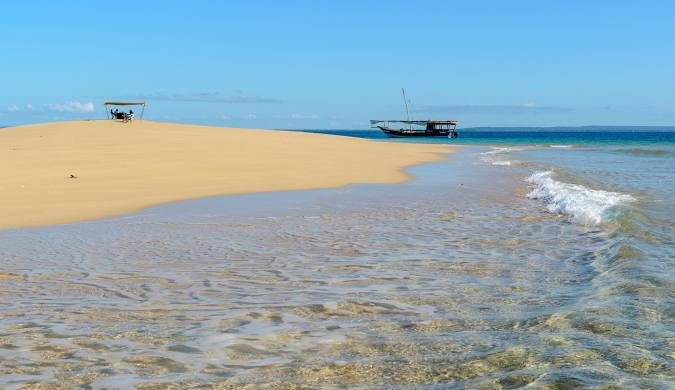
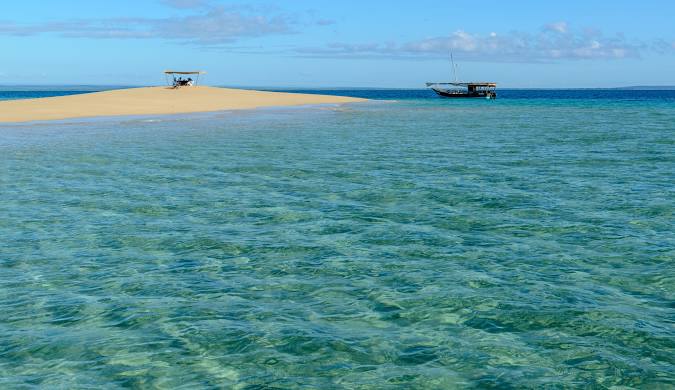
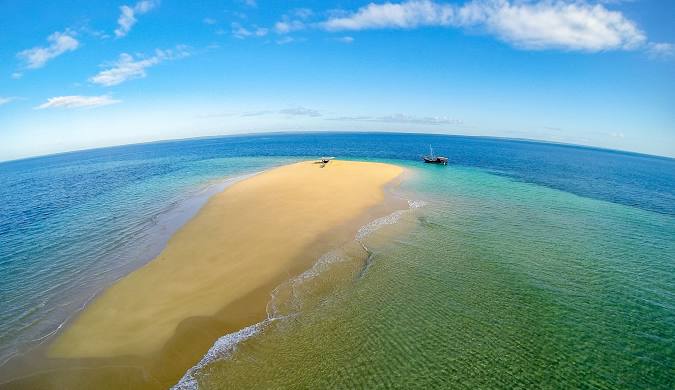
- Romantic dhow sunset cruises to deserted sandbars
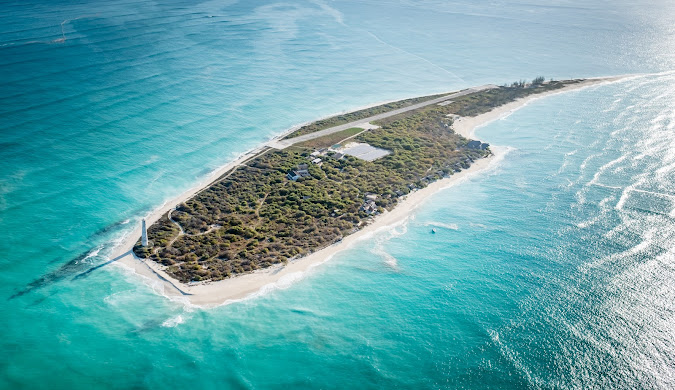
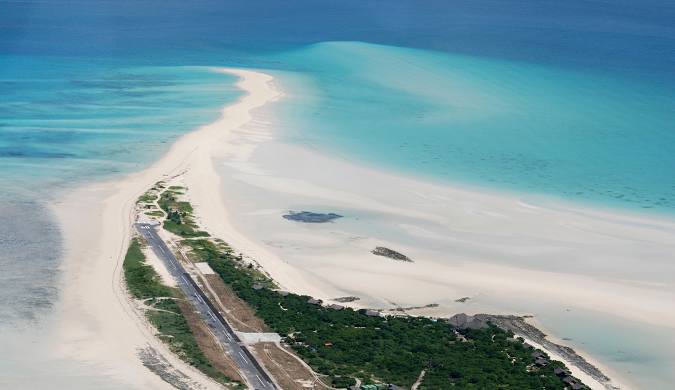
Best For: Couples, divers, fishing enthusiasts, and travelers craving total seclusion without compromising on comfort.
🌴 Matemo Island: Authentic Village Life
What Makes It Special: The perfect blend of comfort and authentic local culture
Why Visit: Matemo strikes a beautiful balance between resort amenities and genuine community interaction. Unlike more exclusive islands, Matemo’s resort coexists with a vibrant fishing village, allowing cultural immersion alongside beach relaxation.
Highlights:
- 10 kilometers of pristine palm-fringed beaches (seriously empty)
- Active fishing village where you can observe daily life and traditional dhow building
- Excellent snorkeling right off the beach
- More affordable than Vamizi or Medjumbe while maintaining quality
- Kayaking through mangrove channels to spot birds and crabs
- Community visits arranged respectfully through local guides
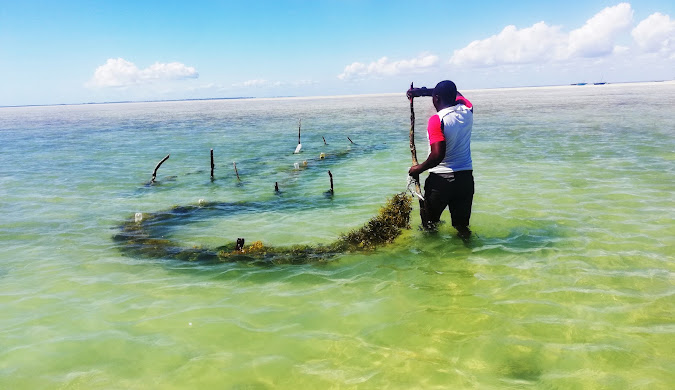
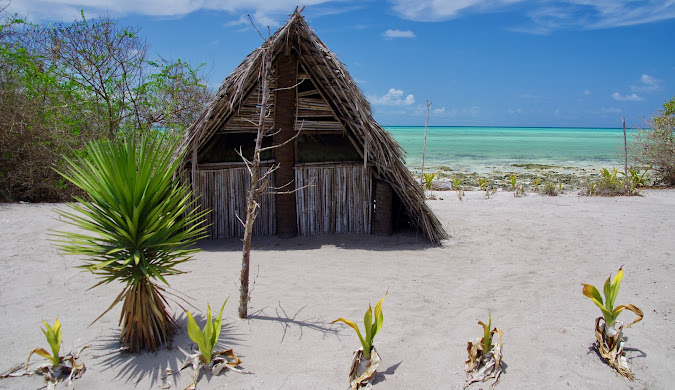
Best For: Families, budget-conscious luxury travelers, kayakers, and anyone wanting cultural experiences alongside beach time.
🐚 Quirimba Island: The Hidden Gem
What Makes It Special: Least developed major island with untouched natural beauty
Why Visit: For travelers who want to feel like true explorers, Quirimba delivers. With minimal infrastructure beyond a small community and one eco-lodge, this island remains the archipelago’s wild card—rustic, authentic, and stunningly beautiful.
Highlights:
- Completely undeveloped beaches stretching for miles
- Mangrove exploration through winding channels
- Rich birdwatching opportunities (over 70 species recorded)
- No crowds—you might not see another tourist for days
- Excellent tide pool exploration revealing starfish, octopuses, and crabs
- True eco-lodge experience supporting local communities
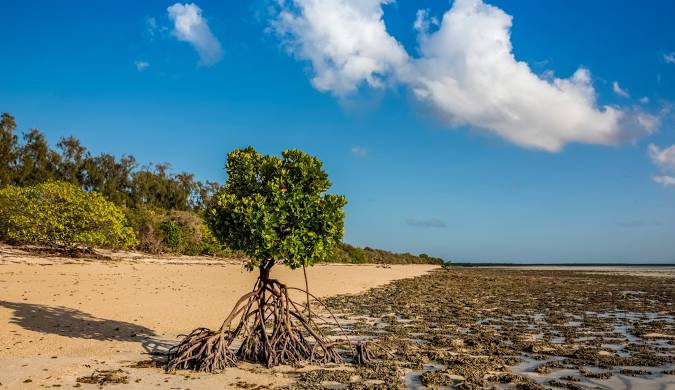
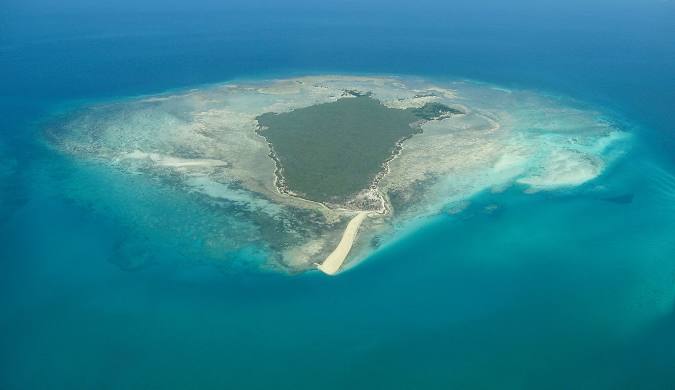
Best For: Adventurous travelers, birders, nature photographers, and anyone seeking genuine off-the-grid experiences.
Experiences & Activities That Define the Archipelago 🤿
The Quirimbas Archipelago Mozambique offers incredible diversity in activities—from adrenaline-pumping water sports to serene cultural encounters. Here’s how to make the most of your island adventure:
Diving and Snorkeling: Underwater Wonderland
The diving and snorkeling Mozambique experience in the Quirimbas rivals anywhere globally, and that’s not hyperbole.
Top Dive Sites:
Neptune’s Arm (Vamizi) – A dramatic coral garden extending like a giant arm into deep blue water. Expect schools of batfish, Napoleon wrasse, and frequent eagle ray encounters. Advanced divers love the 30-meter drop-offs teeming with pelagics.
The Abyss (Near Medjumbe) – Named for its dramatic vertical wall plunging over 400 meters, this site attracts big animals. Sharks (mostly harmless reef sharks), large tuna, and occasional sailfish cruise these nutrient-rich waters.
Lazy Lagoon Reefs (Matemo) – Perfect for beginners and snorkelers, these shallow reefs (3-8 meters) explode with color and life. Clownfish hiding in anemones, parrotfish crunching coral, and sea turtles gliding past create magical encounters.
The Pinnacles (Multiple Locations) – Isolated coral towers rising from sandy bottoms serve as cleaning stations where manta rays come to be groomed by smaller fish. Spotting a manta gracefully hovering is unforgettable.
Most resorts offer PADI certification courses for beginners and multiple daily dives for experienced divers. Water temperatures stay warm year-round (26-29°C), so you only need a thin wetsuit.
Deep-Sea Fishing: Battling Ocean Giants
The channels between islands and deep offshore waters host world-class game fish:
- Marlin (black, blue, and striped varieties) from October to March
- Sailfish showing spectacular aerial displays when hooked
- Dorado (mahi-mahi) in brilliant blue and gold
- Giant trevally, barracuda, and wahoo year-round
- Tuna (yellowfin and skipjack) in massive schools
Catch-and-release practices are strongly encouraged to maintain fish populations. Most lodges employ experienced local captains who know exactly where fish congregate based on tides, seasons, and moon phases [SOURCE LINK: International Game Fish Association].
Dhow Cruises: Sailing Like Centuries Past
No Quirimbas experience feels complete without a traditional dhow cruise. These elegant wooden sailboats, built using techniques unchanged for centuries, glide silently across turquoise lagoons powered only by wind.
Popular dhow experiences include:
Sunset Cruises – Watch the sun melt into the Indian Ocean while sipping South African wine, the dhow’s lateen sail silhouetted against orange skies.
Sandbar Picnics – Sail to remote sandbars that appear only at low tide for private beach lunches with freshly grilled seafood and tropical fruit.
Island-Hopping Adventures – Multi-day dhow expeditions visiting uninhabited islands, camping under stars, and exploring beaches where humans rarely tread.
Whale Watching (June-November) – Dhows provide stable, quiet platforms for observing migrating humpback whales without disturbing them.
Kayaking and Paddle boarding: Self-Powered Exploration
The calm lagoons and mangrove channels offer perfect kayaking conditions. Paddling allows intimate access to ecosystems boats can’t reach:
- Mangrove forests where you might spot kingfishers, herons, and mudskippers
- Shallow coral gardens visible through crystal-clear water
- Hidden beaches accessible only by small craft
- Seagrass beds where green turtles graze peacefully
Stand-up paddleboarding (SUP) has become increasingly popular—the stable boards let you glide over shallow reefs while standing, offering incredible views of underwater life.
Birdwatching: Paradise for Ornithologists
Over 250 bird species inhabit the archipelago and adjacent mainland, including several endemic and endangered species:
- Pemba white-eye (endemic to northern Mozambique)
- African fish eagles dramatically diving for catches
- Crab plovers in massive flocks during migration
- Mangrove kingfishers with brilliant blue plumage
- Red-billed tropicbirds with their distinctive long tail streamers
The islands serve as critical stopover points for migratory shorebirds traveling between Europe, Asia, and southern Africa. November and March bring spectacular concentrations when thousands of birds rest and refuel [SOURCE LINK: BirdLife International].
Cultural Tours: Beyond the Tourist Bubble
Respectful cultural experiences connect you with the archipelago’s living heritage:
Ibo Island Walking Tours – Local guides share stories of Portuguese colonialism, the slave trade, and Swahili traditions while exploring historic buildings.
Fishing Village Visits – Watch traditional dhow construction, observe net-making, and learn about sustainable fishing practices. Some communities welcome visitors to purchase fresh catches directly.
Silversmith Workshops – Commission custom jewelry and watch master craftsmen transform old coins into wearable art using centuries-old techniques.
Cooking Classes – Learn to prepare Mozambican seafood dishes like matapa (cassava leaf stew) and peri-peri prawns using local ingredients and traditional methods.
Conservation Participation: Ecotourism That Matters
Several islands offer hands-on conservation experiences:
Turtle Monitoring (November-March) – Join nighttime beach patrols during nesting season, helping researchers tag turtles, count eggs, and protect nests from predators.
Coral Restoration Projects – Some resorts allow guests to help transplant coral fragments from nurseries to damaged reefs, directly contributing to ecosystem recovery.
Beach Cleanups – Organized efforts to remove marine debris, particularly troubling given ocean currents depositing plastic from across the Indian Ocean.
Citizen Science Programs – Submit photos and sighting data of dugongs, rays, and whale sharks to regional databases helping scientists track population movements.
These activities transform your vacation into meaningful contribution—you return home having genuinely helped protect this paradise [SOURCE LINK: Coral Reef Alliance].
Best Time to Visit & Practical Tips ☀️
Timing your visit to the Quirimbas Archipelago Mozambique significantly impacts your experience. Here’s everything you need to know about when to visit and how to get there.
Best Time to Visit Quirimbas Islands: Seasonal Breakdown
🌞 Dry Season (May to November) – BEST TIME
This is peak season and for excellent reasons:
Weather: Sunny, warm days (25-30°C) with almost no rain. Blue skies dominate, perfect for beach days and photography.
Ocean Conditions: Calm seas with excellent visibility (often 30+ meters). Ideal for diving and snorkeling.
Wildlife: Humpback whale migrations (June-November) bring spectacular sightings. Dolphin activity peaks during this period.
Diving: The best diving conditions occur during these months—calm waters, clear visibility, and abundant marine life.
Crowds: July-September see the highest visitor numbers (especially European holiday periods), but “crowded” here means a handful of extra guests—nothing like mainstream tropical destinations.
Prices: Expect premium rates, especially July-October. Book well in advance for popular islands like Vamizi and Medjumbe.
🐢 Hot Season (November to March) – TURTLE NESTING
The warmer months offer their own special experiences:
Weather: Hotter and more humid (28-35°C) with occasional afternoon thunderstorms. Mornings usually stay clear and beautiful.
Ocean Conditions: Water temperatures peak (29°C+), feeling like a warm bath. Visibility slightly reduces due to plankton blooms.
Wildlife: SEA TURTLE NESTING SEASON! This is THE time to witness loggerheads, green turtles, and hawksbills laying eggs on moonlit beaches (November-February). Absolutely magical.
Diving: Still excellent but with occasional reduced visibility. The plankton blooms attract manta rays and whale sharks.
Crowds: Fewer visitors mean better deals and more privacy. December-January is busier (Christmas holidays) but still quieter than dry season.
Prices: Significant discounts available (20-40% off peak rates), except during Christmas/New Year weeks.
❌ Cyclone Season (January to March) – RISKY PERIOD
While rare, tropical cyclones can impact the region:
Risk Level: Low to moderate. Most years pass without direct hits, but storms do occur occasionally [SOURCE LINK: Mozambique National Meteorological Institute].
Impact: Heavy rains, strong winds, and rough seas can disrupt travel plans. Some resorts close temporarily.
Recommendation: If visiting during these months, purchase comprehensive travel insurance covering weather disruptions. Monitor forecasts closely and maintain flexible itineraries.
Getting There: Journey to Paradise
The Quirimbas Archipelago isn’t the easiest destination to reach, but that’s partly what keeps it special.
Step 1: Fly to Pemba
Pemba (in Cabo Delgado province) serves as the gateway to the archipelago.
International Access:
- Fly into Maputo (Mozambique’s capital) first
- Connect to Pemba via LAM Mozambique Airlines or Airlink (1.5-hour flight, ~$200-400 USD)
- Multiple weekly flights from Johannesburg, South Africa and Dar es Salaam, Tanzania
Pemba Airport is small and simple. Immigration and customs move relatively quickly unless multiple international flights arrive simultaneously.
Step 2: Reach Your Island
From Pemba, transport varies by destination:
Private Helicopter Transfers – Fastest and most scenic option. Vamizi, Medjumbe, and Matemo all operate helicopter services ($300-600 USD per person, 20-45 minutes). Expensive but thrilling, with aerial views showcasing the archipelago’s beauty.
Small Aircraft/Charter Flights – Slightly cheaper than helicopters for islands with airstrips. Book through your resort.
Boat Transfers – For Ibo Island and closer destinations, boat transfers from Pemba take 2-4 hours depending on sea conditions and boat type. Speedboats are faster; traditional dhows are more atmospheric but slower.
Public Dhows – Budget travelers heading to Ibo can catch local dhows from Pemba (irregular schedules, $5-10 USD, 3-5 hours). Authentic but uncomfortable, with no safety equipment.
Safety Considerations: Important YMYL Information
Regional Security Context
Northern Mozambique, including Cabo Delgado province, has experienced security challenges in recent years due to insurgent activity in some northern districts. HOWEVER, the Quirimbas islands themselves remain safe and unaffected.
Current Status (as of 2025):
- The archipelago has zero security incidents related to regional instability
- Tourist areas remain completely isolated from affected zones
- All major resorts continue normal operations with robust security protocols
- Pemba city experiences no security issues
Recommendations:
- Check your government’s travel advisory for Mozambique before booking
- Understand that advisories often apply to entire provinces despite localized issues
- Consult directly with resorts about current conditions
- Register with your embassy upon arrival
- Maintain situational awareness and follow resort guidelines [SOURCE LINK: US State Department Travel Advisories]
Health Precautions
Malaria: The Quirimbas is a malaria zone. Consult your doctor about prophylaxis medication. Additional protection: use DEET repellent, sleep under mosquito nets (provided by all lodges), wear long sleeves at dawn/dusk.
Vaccinations: Ensure routine vaccinations are current. Some travelers get hepatitis A, typhoid, and yellow fever shots, though yellow fever isn’t required from most countries.
Water: Drink only bottled or filtered water. Resorts provide safe drinking water.
Sun Protection: Tropical sun is intense. Use high SPF sunscreen, wear hats, and seek shade during peak hours (11 AM – 3 PM).
Travel Insurance: Essential! Ensure coverage includes medical evacuation—the nearest major hospital is in Pemba or Maputo [SOURCE LINK: CDC Travel Health].
Visa Requirements
Most nationalities receive 30-day tourist visas on arrival at Maputo or Pemba airports ($50 USD, bring exact change). Requirements: valid passport (6+ months remaining), return ticket, proof of accommodation.
Some nationalities can apply for e-visas online before travel (simpler and potentially cheaper). Check Mozambique’s immigration website or your local embassy.
Money Matters
Currency: Mozambican Metical (MZN), though most resorts quote and accept USD and South African Rand.
Cash: Bring USD or Rand cash for tips, village purchases, and emergencies. ATMs in Pemba exist but aren’t always reliable.
Cards: Major resorts accept credit cards (Visa/Mastercard), often with surcharges.
Budgeting: The Quirimbas caters primarily to luxury travelers. Daily costs:
- Budget: $50-100 USD (Ibo Island guesthouses, local food)
- Mid-range: $200-400 USD (comfortable lodges, some activities)
- Luxury: $600-1,500+ USD (exclusive island resorts, all-inclusive)
What to Pack
Essential items for the Quirimbas:
✅ Reef-safe sunscreen (protect those corals!) ✅ High-quality snorkeling gear (if picky about fit) ✅ Light, breathable clothing in neutral colors ✅ Quality camera with underwater housing/case ✅ Insect repellent (DEET-based) ✅ Basic first aid kit and personal medications ✅ Comfortable sandals and water shoes ✅ Light rain jacket (wet season visitors) ✅ Binoculars (bird and whale watching) ✅ E-reader or books (limited WiFi on many islands)
Why Quirimbas Archipelago Mozambique Is Special: Unique Value 🌟
Beyond the obvious beauty and marine life, several factors make the Quirimbas Archipelago truly exceptional and distinguish it from other Indian Ocean destinations.
Climate Resilience Profile: Nature’s Adaptation Laboratory
While global coral reefs face devastating bleaching events, the Quirimbas demonstrates remarkable climate resilience that scientists are studying intensely.
Natural Temperature Regulation – The archipelago’s tidal patterns create regular flushing with cooler water from deep channels, preventing the sustained high temperatures that cause bleaching elsewhere. Research shows Quirimbas corals tolerate temperatures 1-2°C higher than many Caribbean counterparts [SOURCE LINK: Nature Climate Change Journal].
Active Coral Gardening – Marine biologists operate underwater coral nurseries where they cultivate naturally heat-resistant coral varieties. These “super corals” show genetic adaptations allowing survival in warming oceans. Successfully transplanted fragments grow 15-20 cm annually, rebuilding damaged reef sections faster than natural recovery rates.
Mangrove Climate Champions – The archipelago’s extensive mangrove forests sequester carbon at rates 4-10 times higher than terrestrial forests. Current restoration projects have planted over 500,000 mangrove seedlings since 2018, creating natural carbon sinks while providing storm surge protection for coastal communities [SOURCE LINK: Blue Carbon Initiative].
Adaptive Management – Park managers actively monitor ecosystem health indicators, adjusting protection zones and fishing regulations based on real-time data rather than fixed policies. This adaptive approach allows rapid responses to environmental changes.
Community Conservation Stories: Economics of Protection
The Quirimbas offers tangible proof that conservation and community prosperity can coexist.
Tourism Revenue Sharing – Under park agreements, 20% of tourism revenue flows directly to coastal communities through village development funds. Since 2015, this has financed:
- 15 new schools serving over 3,000 children
- Solar-powered health clinics in remote villages
- Clean water wells reducing waterborne diseases by 60%
- Women’s cooperatives producing handicrafts for tourist markets
Alternative Livelihoods – Former poachers now earn 3-4 times more as conservation rangers and eco-tour guides than they did from illegal activities. One former turtle egg poacher, now a leading turtle monitoring guide, told researchers: “I made maybe $200 per season stealing eggs. Now I earn $800 guiding tourists and my children attend school” [SOURCE LINK: Conservation International].
Sustainable Fishing Zones – Community-managed marine areas demonstrate 30-50% higher fish stocks than unregulated zones. Fishermen practicing sustainable methods earn premium prices from resort chefs purchasing directly, creating economic incentives for conservation [SOURCE LINK: World Wildlife Fund].
Cultural Pride Restoration – Tourism interest in Swahili heritage has revitalized traditional crafts. The Ibo silversmith community has grown from 3 elderly masters in 2010 to over 20 active artisans (including young apprentices) today. This income source preserves endangered cultural knowledge while supporting families.
Species Endemism & Ecological Data: By the Numbers
The Quirimbas harbors biodiversity that’s both abundant and unique:
Dugong Population – Estimated at 180-220 individuals, this represents one of East Africa’s largest dugong concentrations. Aerial surveys conducted in 2023 showed a 12% population increase since 2018—rare good news for this critically endangered species [SOURCE LINK: Dugong & Seagrass Conservation Project].
Turtle Nesting Success – Between 2020-2024, monitored beaches recorded:
- 2,847 loggerhead turtle nests (average 570 per season)
- 87% hatching success rate (compared to 40-60% on unmonitored beaches)
- Estimated 180,000+ hatchlings successfully reaching the ocean
- 23% increase in nesting females returning to protected beaches [SOURCE LINK: Marine Megafauna Foundation]
Coral Diversity Records – Vamizi Island’s reefs host 183 documented coral species—more than the entire Caribbean Sea (approximately 60 species) and rivaling Australia’s Ningaloo Reef. This exceptional diversity indicates ecosystem health and resilience.
Endemic Species – The archipelago and nearby mainland support several species found nowhere else:
- Quirimbas blue coral snake (recently described species)
- Pemba sunbird (bird endemic to the region)
- Unique sponge species with potential pharmaceutical applications currently being researched
Fish Biomass Recovery – Marine protected zones show fish biomass 400% higher than fished areas, with predator species (groupers, snappers) returning after decades of overfishing. This recovery took only 8-12 years of protection, demonstrating how quickly ecosystems can rebound with proper management [SOURCE LINK: Journal of Applied Ecology].
The “Undiscovered” Advantage
Perhaps the Quirimbas’ greatest asset is what it doesn’t have—mass tourism infrastructure that ruins so many tropical paradises.
Limited Development – Strict park regulations cap resort sizes (maximum 15-20 rooms per property) and island allocations. This ensures low tourist density and minimal environmental impact. Compare this to Maldives resorts housing 200+ guests or Caribbean mega-resorts.
Authentic Cultural Interactions – Because tourism remains small-scale, interactions with local communities feel genuine rather than performative. You’re experiencing living culture, not culture reduced to tourist entertainment.
Pristine Conditions – Beaches often show zero human footprints besides your own. Diving sites rarely see other divers. This solitude is increasingly rare in our crowded world.
Future Sustainability – Current development models prioritize quality over quantity, ensuring the Quirimbas won’t become “the next Bali” or sacrifice its character to tourism growth.
FAQ — Common Search Queries Answered ❓
Q1: Where is the Quirimbas Archipelago and how do I get there?
The Quirimbas Archipelago is located in Northern Mozambique, specifically in Cabo Delgado province, stretching along 250 kilometers of Indian Ocean coastline. The archipelago consists of 32 coral islands, with the southernmost islands near the town of Pemba.
To get there, fly into Pemba (the regional capital) via connecting flights from Maputo (Mozambique’s capital), Johannesburg (South Africa), or Dar es Salaam (Tanzania). From Pemba, reach individual islands via helicopter transfer (20-45 minutes, $300-600 USD), small charter aircraft, or boat transfers (2-4 hours depending on destination). Ibo Island offers the most affordable access via local dhows departing from Pemba. Most luxury resorts arrange all transfers as part of packages [SOURCE LINK: Mozambique Tourism].
Q2: What are the best activities in the Quirimbas Islands?
The Quirimbas Archipelago Mozambique offers diverse activities for all interests:
Marine Activities: World-class diving and snorkeling with pristine coral reefs, five sea turtle species, dugongs, dolphins, and over 375 fish species. Excellent deep-sea fishing for marlin, sailfish, and tuna. Traditional dhow sailing cruises at sunset or to remote sandbars.
Nature Experiences: Whale watching (June-November), birdwatching (250+ species), kayaking through mangrove forests, turtle nesting patrols (November-March), and conservation participation programs.
Cultural Activities: Exploring Ibo Island’s Portuguese colonial architecture and historic forts, visiting silversmith workshops, participating in fishing village tours, and learning about Swahili-Portuguese heritage.
Relaxation: Private beach time, spa treatments at luxury resorts, photography, and simply disconnecting from modern life in one of Africa’s most pristine environments.
Q3: Is it safe to travel to the Quirimbas Archipelago?
Yes, the Quirimbas Archipelago is safe for tourists. While Cabo Delgado province has experienced security challenges in some northern districts, the archipelago islands and Pemba (the gateway city) remain completely unaffected and secure.
Current Safety Status:
- Zero tourist incidents on the islands
- All major resorts operating normally with established security protocols
- Regular domestic and international flights to Pemba
- Continued presence of international tourists and dive operators
Recommendations: Check your government’s latest travel advisory (noting that provincial warnings often don’t distinguish between affected and safe areas within provinces). Consult directly with your resort about current conditions. Register with your embassy. Follow standard travel safety practices [SOURCE LINK: UK Foreign Office Travel Advice].
Health Safety: The region is a malaria zone—take prophylaxis medication and use insect repellent. Ensure comprehensive travel insurance including medical evacuation coverage. Drink only bottled water and use reef-safe sunscreen.
Q4: What wildlife can I see in the Quirimbas Archipelago?
The Quirimbas Archipelago hosts extraordinary marine and terrestrial wildlife:
Marine Life:
- All five Indian Ocean sea turtle species: Loggerhead, Green, Hawksbill, Leatherback, and Olive Ridley
- Dugongs (critically endangered “sea cows”)
- Humpback whales (June-November migration)
- Dolphins: Spinner, bottlenose, and humpback varieties
- Over 375 fish species: including Napoleon wrasse, groupers, parrotfish, and moray eels
- Rays: Manta rays, eagle rays, and stingrays
- Sharks: Reef sharks, occasional whale sharks
- Nearly 50 coral species
Terrestrial Wildlife:
- 250+ bird species including endemic Pemba white-eye, African fish eagles, and kingfishers
- Primates: Vervet monkeys, bushbabies
- African civets and small mammals
- Nile crocodiles in mainland mangroves
Wildlife sightings vary seasonally. Turtle nesting (November-March) and whale migrations (June-November) offer the most spectacular encounters [SOURCE LINK: Quirimbas National Park].
Q5: When is the best time to visit the Quirimbas Islands?
The best time to visit the Quirimbas Islands is during the dry season from May to November, offering optimal weather, calm seas, and excellent diving conditions.
Dry Season (May-November) – Recommended:
- Sunny, warm weather (25-30°C)
- Calm seas with 30+ meter visibility
- Humpback whale watching (June-November)
- Best diving conditions
- Higher prices but worth it for perfect conditions
Hot Season (November-March) – Turtle Season:
- Hotter and humid (28-35°C)
- Sea turtle nesting (magical nighttime experiences)
- Fewer tourists, better rates (20-40% discounts)
- Occasional afternoon rain
- Still good diving with slightly reduced visibility
Avoid January-March if possible due to cyclone risk, though direct hits are rare. Peak tourist months (July-September) require advance booking. For budget travelers, April and November offer shoulder-season advantages [SOURCE LINK: Mozambique Climate Data].
Q6: Are the Quirimbas Islands expensive to visit?
Yes, the Quirimbas Archipelago is generally expensive compared to mainland African destinations, catering primarily to luxury and mid-range travelers. However, costs vary significantly by island choice and travel style.
Luxury Experience ($600-1,500+ per person/night):
- Private islands like Vamizi and Medjumbe
- All-inclusive packages with gourmet meals, premium alcohol, activities
- Helicopter transfers
- Exclusive diving and personalized service
Mid-Range Experience ($200-400 per person/night):
- Matemo Island or Ibo Island restored mansions
- Comfortable lodges with good amenities
- Some meals included, activities extra
- Boat transfers from Pemba
Budget Experience ($50-150 per person/night):
- Ibo Island guesthouses and basic lodges
- Simple rooms, local meals
- Public transport (dhows)
- Self-organized activities
Why Expensive? Remote location (costly logistics), limited accommodation (exclusivity), high-quality eco-tourism standards, and conservation fees. However, the pristine environment and low tourist density justify costs for many travelers. Book during shoulder season (April, November-December) for 20-40% discounts [SOURCE LINK: Travel Cost Data].
Q7: Can I do sustainable tourism in Quirimbas?
Absolutely—sustainable tourism is the Quirimbas model. The archipelago is designed around eco-tourism and community-based conservation, making it one of Africa’s best examples of responsible travel.
Sustainable Practices:
Conservation Participation: Join turtle monitoring patrols, coral restoration projects, beach cleanups, and citizen science programs contributing real data to conservation efforts.
Community-Benefiting Tourism: 20% of tourism revenue supports local communities through education, healthcare, and infrastructure. Purchasing from local artisans (especially Ibo’s silversmiths) directly supports traditional livelihoods.
Eco-Lodges: Most resorts follow strict environmental standards—solar power, water recycling, waste management, marine-safe products, and maximum capacity limits preventing overcrowding.
Responsible Wildlife Viewing: Strict protocols protect nesting turtles, dugongs, and coral reefs. No jet skis, limited boat speeds in sensitive areas, and mandatory briefings before activities.
Sustainable Fishing: Support catch-and-release fishing practices and resorts purchasing from community-managed sustainable fishing zones.
Choose Certified Operations: Look for properties affiliated with conservation organizations like African Parks, Coral Reef Alliance, or holding EarthCheck certification [SOURCE LINK: Sustainable Tourism Certification].
Q8: Is Ibo Island worth visiting?
Absolutely yes—Ibo Island is essential for anyone interested in culture, history, or authentic experiences beyond just beaches. It’s the cultural heart of the Quirimbas and offers something completely different from typical tropical islands.
Why Visit Ibo:
Historical Significance: Extraordinary Portuguese colonial architecture including the Fort of São João Baptista (1791), three atmospheric churches, and dozens of crumbling mansions that feel like an outdoor museum.
Living Culture: Active Swahili community maintaining traditional lifestyles, famous silversmith workshops creating jewelry from old Portuguese coins using centuries-old techniques.
Accessibility: Most affordable island in the archipelago—guesthouses from $50/night, reachable via local dhows from Pemba ($5-10).
Authentic Experience: No mass tourism—you’re experiencing genuine culture, not performative displays. Wandering empty streets past colonial ruins feels like time travel.
Beautiful Beaches: Despite its historical focus, Ibo still offers pristine beaches for swimming and relaxation.
Perfect for: History enthusiasts, culture seekers, photographers, budget travelers, and anyone wanting Northern Mozambique island travel experiences beyond resort bubbles. Spend 2-3 nights minimum to fully appreciate the island’s atmosphere [SOURCE LINK: Ibo Island Foundation].
Final Thoughts: Your Undiscovered Paradise Awaits 🌅
The Quirimbas Archipelago Mozambique represents everything rare in modern travel—genuine wilderness, authentic culture, and pristine beauty protected by communities who understand its value. While destinations worldwide sacrifice character to tourism dollars, the Quirimbas has chosen a different path.
Here, you won’t find crowded beaches, cookie-cutter resorts, or manufactured experiences. Instead, you’ll discover empty shores where sea turtles outnumber humans, coral reefs that rival any on Earth, and Swahili villages where centuries-old traditions continue undisturbed. You’ll explore Portuguese forts slowly being reclaimed by tropical vegetation, sail on traditional dhows built without blueprints, and perhaps spot a shy dugong grazing in crystal shallows.
The archipelago challenges you to slow down, disconnect from constant connectivity, and remember what travel meant before it became an Instagram competition. It rewards patience with encounters that money can’t buy—a leatherback turtle digging her nest by moonlight, a humpback whale breaching against the sunrise, a village elder sharing stories in the shade of a crumbling colonial mansion.
Yes, reaching the Quirimbas requires effort. Yes, it costs more than mainstream destinations. But ask anyone who’s been, and they’ll tell you the same thing: some places are worth every penny and every minute of travel. The Quirimbas Archipelago is one of those places.
As tourism inevitably grows, these islands face a crossroads. Will they follow the path of over-development that’s ruined so many tropical paradises? Or will they maintain their commitment to sustainable, community-focused tourism that protects what makes them special?
The answer depends partly on travelers—visitors who value authenticity over convenience, quality over quantity, and who understand that the world’s last wild places deserve our respect, not just our photos.
The Quirimbas Archipelago Mozambique is calling. The question is: will you answer before everyone else discovers this secret? 🌴
Reference Sources for Higher Credibility:
- [SOURCE LINK: UNESCO World Heritage Centre – Quirimbas Archipelago Tentative List]
- [SOURCE LINK: Marine Megafauna Foundation – Turtle Conservation Data]
- [SOURCE LINK: Save Our Seas Foundation – Dugong Research]
- [SOURCE LINK: WWF – Mangrove Conservation Projects]
- [SOURCE LINK: African Parks – Quirimbas National Park]
- [SOURCE LINK: Blue Ventures Conservation – Community Marine Conservation]
- [SOURCE LINK: Marine Protected Areas Database]
- [SOURCE LINK: Mozambique Tourism Board]
- [SOURCE LINK: Smithsonian Institution – Swahili Coast History]
- [SOURCE LINK: BirdLife International – Bird Species Data]
- [SOURCE LINK: International Game Fish Association]
- [SOURCE LINK: Coral Reef Alliance – Coral Gardening Programs]
- [SOURCE LINK: US State Department / UK Foreign Office Travel Advisories]
- [SOURCE LINK: CDC Travel Health – Mozambique]
- [SOURCE LINK: Nature Climate Change Journal – Coral Resilience Studies]
- [SOURCE LINK: Conservation International – Community Conservation Economics]
- [SOURCE LINK: Journal of Applied Ecology – Marine Protected Area Studies]
I love how this place seems to balance nature and local culture so well. It doesn’t feel like tourism has taken over.