 Skip to content
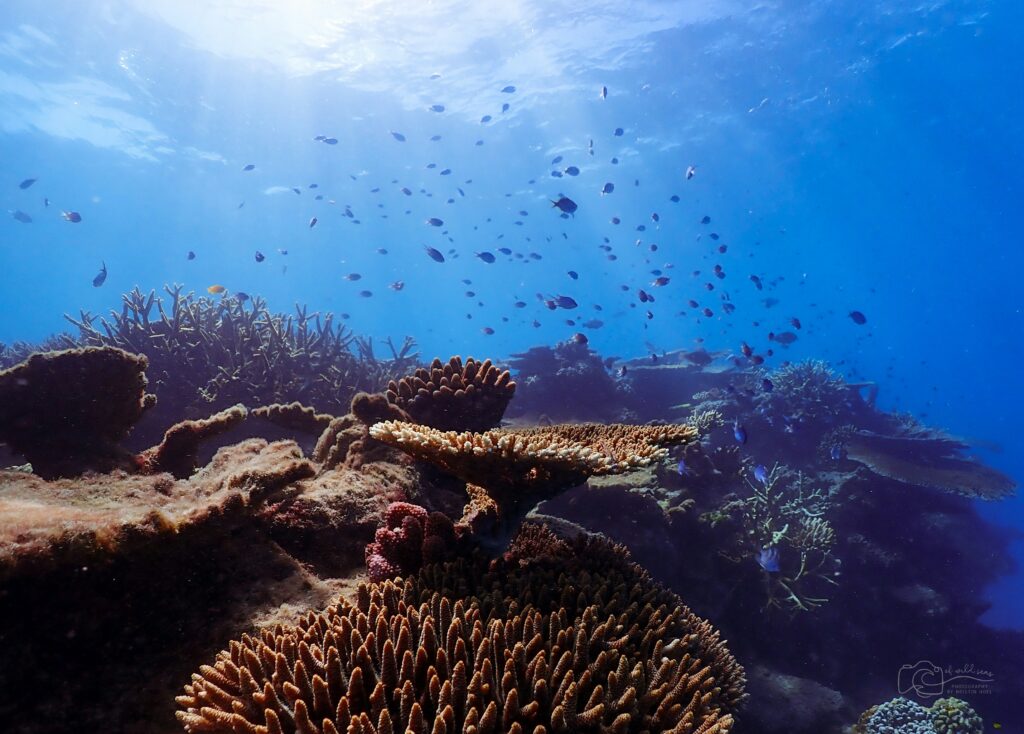
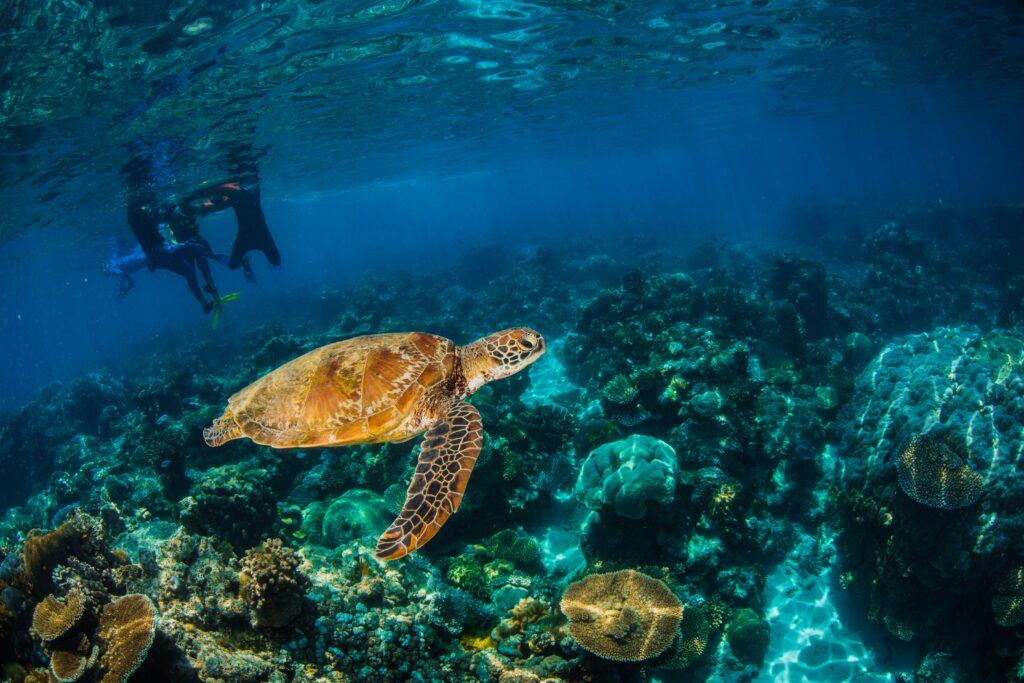
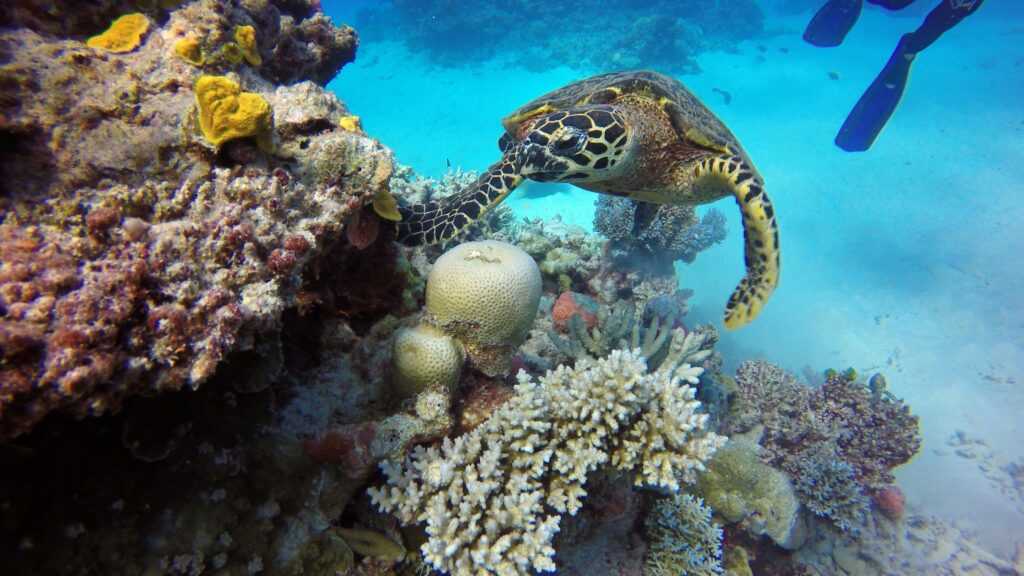
 Picture this: you’re floating above a kaleidoscope of coral gardens, schools of rainbow-colored fish dart around you, and a sea turtle glides past like it’s the most natural thing in the world. That’s what experiencing great barrier reef snorkeling feels like — and trust me, after 20 years of sending travelers to every corner of Australia, I can tell you this is one place that actually lives up to the hype.
I’m Wahid Ali, and I’ve been in the tourism game long enough to know when a destination delivers and when it disappoints. The Great Barrier Reef delivers. Every single time. Whether you’re planning your first underwater adventure with great barrier reef tours or you’re a seasoned diver ready for some world-class great barrier reef scuba diving, this guide will walk you through everything you need to know — the real costs, the best times to visit, safety tips that actually matter, and great barrier reef facts that go beyond the tourist brochures.
In my years heading operations at Astamb Holidays in Mumbai, I’ve seen countless clients return from the reef with stories that give me goosebumps. But I’ve also seen travelers make rookie mistakes that cost them time, money, and memories. Let’s make sure you’re in the first group.
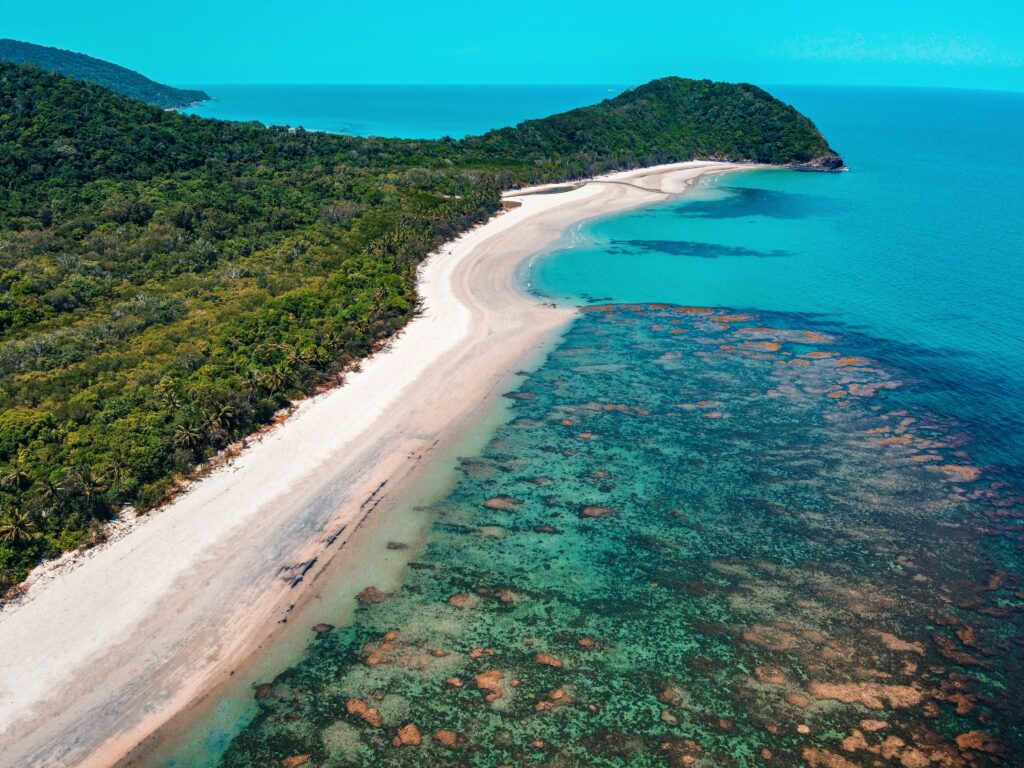
🌊 What Is the Great Barrier Reef? Quick Facts You Must Know
The Great Barrier Reef is the world’s largest living structure, spanning 2,300 kilometers (1,400 miles) along Queensland’s northeast coast and covering 344,000 square kilometers — that’s roughly the size of Italy or Japan.
Let me break down what makes this place so extraordinary:
Location: Off the coast of Queensland, Australia, stretching from the northern tip near Cape York down to Bundaberg in the south.
Size and Scale: We’re talking about 2,900 individual reefs and over 900 islands. It’s so massive you can see it from space — literally the only living structure visible from orbit.
Biodiversity: The reef is home to over 1,500 species of fish, 400 types of coral, 4,000 types of mollusks, and 240 species of birds. You’ll find six of the world’s seven species of marine turtle here, plus dolphins, whales, sharks, and the stunning manta rays.
UNESCO World Heritage Status: Listed since 1981 as a World Heritage Site, the reef is protected by the Great Barrier Reef Marine Park Authority (GBRMPA), which manages this incredible ecosystem.
Current Environmental Status: I won’t sugarcoat it — the reef has faced six mass bleaching events since 2016, including back-to-back events in 2024 and 2025. However, coral cover remains near its long-term average due to recovery periods between events. The reef is resilient but facing real challenges from climate change.
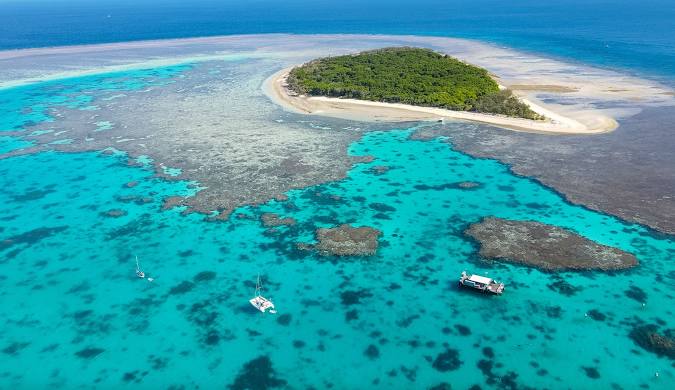
| Quick Reef Facts | Details |
|---|---|
| Total Length | 2,300 km (1,400 miles) |
| Total Area | 344,000 sq km (133,000 sq miles) |
| Number of Reefs | 2,900+ individual reefs |
| Number of Islands | 900+ islands |
| Fish Species | 1,500+ species |
| Coral Types | 400+ hard and soft coral species |
| UNESCO Status | World Heritage Site since 1981 |
| Water Temperature | 23°C-29°C (73°F-84°F) year-round |
Source: Great Barrier Reef Marine Park Authority
🤿 Great Barrier Reef Snorkeling: Experience, Tips & Spots
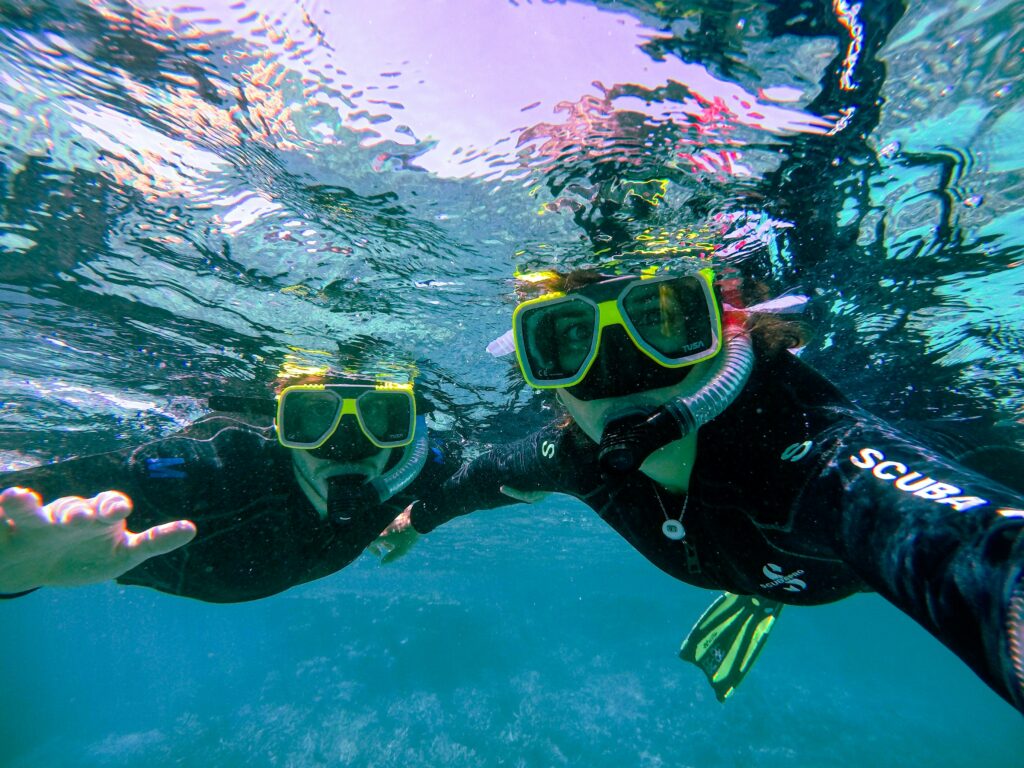
Let me paint you a picture from my client feedback: you slip into the warm water, adjust your mask, and suddenly you’re in a completely different world. The water is so clear you can see 15-30 meters ahead on a good day. Below you, coral formations create underwater cities where fish communities go about their daily business.
What Snorkeling the Reef Actually Feels Like:
The first breath through your snorkel feels strange if you’re new to this, but within minutes, you’ll forget you’re breathing through a tube. The water temperature averages 24°C-28°C (75°F-82°F) depending on the season — warm enough that you won’t freeze but cool enough to be refreshing. You’ll float effortlessly thanks to your life vest, and that’s when the magic happens.
Best Snorkeling Spots on the Great Barrier Reef:
Based on years of client experiences and operator feedback, here are the top locations:
1. Agincourt Reef (Port Douglas) ⭐⭐⭐⭐⭐
- Distance from shore: 65 km offshore
- Why it’s special: Crystal-clear water, dramatic coral walls, 16 different dive sites
- Marine life: Giant clams, clownfish, sea turtles, barracuda, manta rays
- Best for: All levels, including beginners
- Access: 90-minute boat ride from Port Douglas
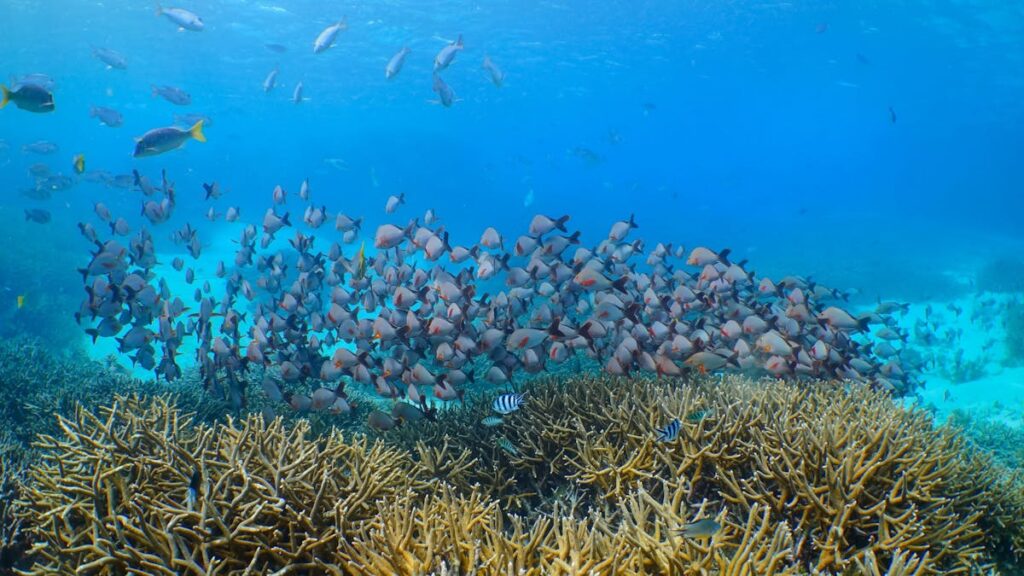
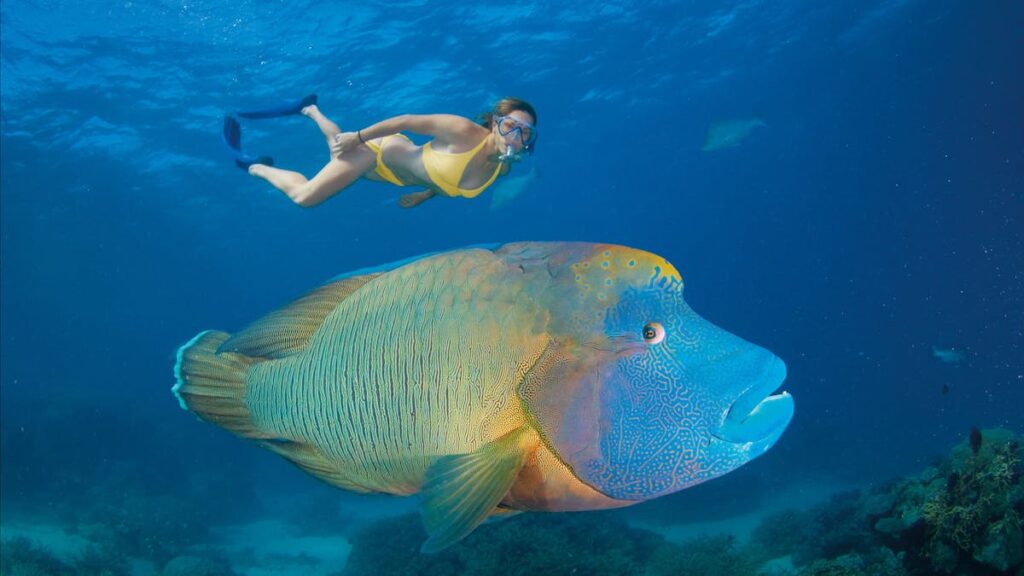
Image Source: https://www.queensland.com/in/en/home
2. Moore Reef (Cairns) ⭐⭐⭐⭐⭐
- Distance from shore: 42 km offshore
- Why it’s special: Multi-activity pontoon with waterslide, kids pool, underwater observatory
- Best for: Families and first-time snorkelers
- Access: 90-minute boat ride from Cairns
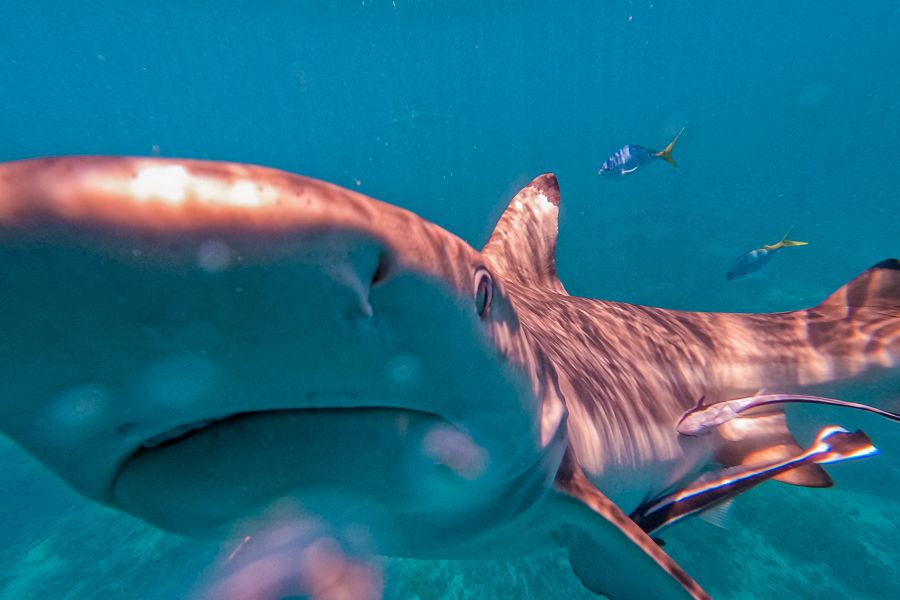
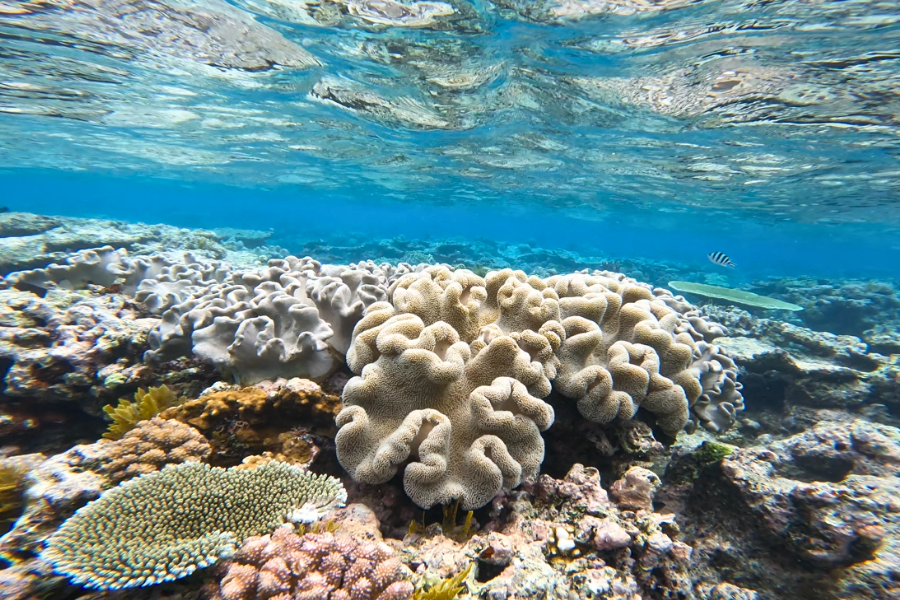
Image Source: https://cairns-tours.com/
3. Norman Reef (Cairns) ⭐⭐⭐⭐⭐
- Distance from shore: 50 km offshore
- Why it’s special: Exceptional visibility, sea caves, deeper waters for experienced snorkelers
- Marine life: Reef sharks, Maori wrasse, turtles, tropical fish
- Best for: Intermediate to advanced snorkelers
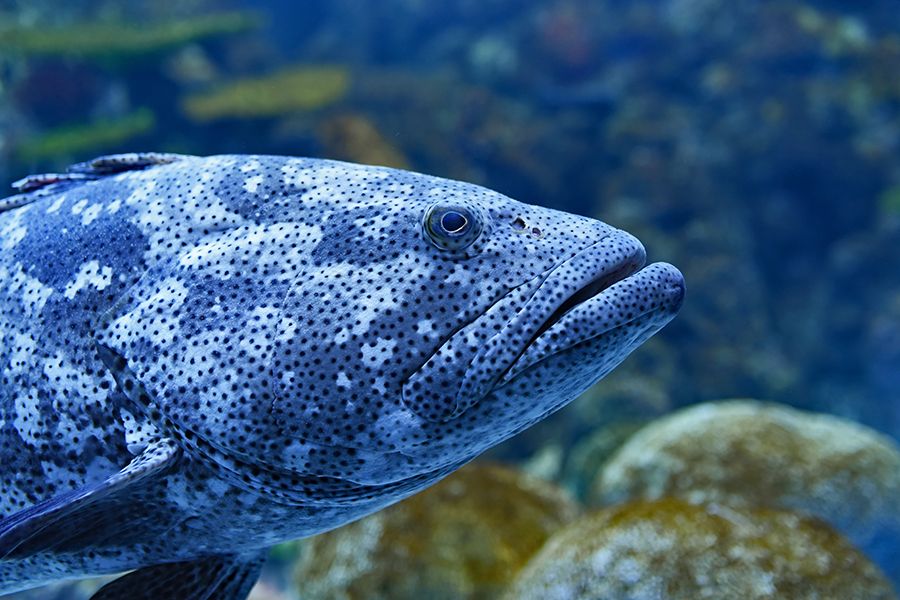
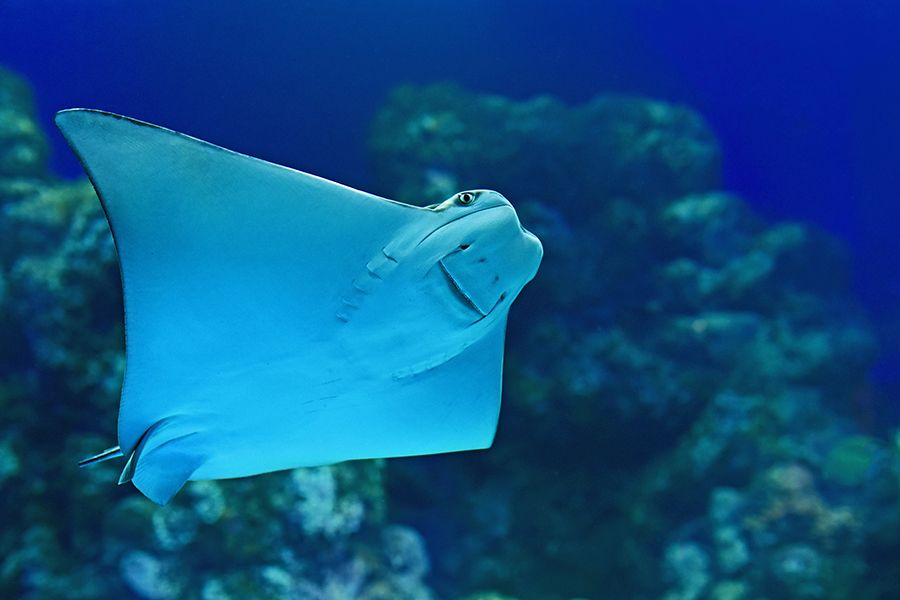
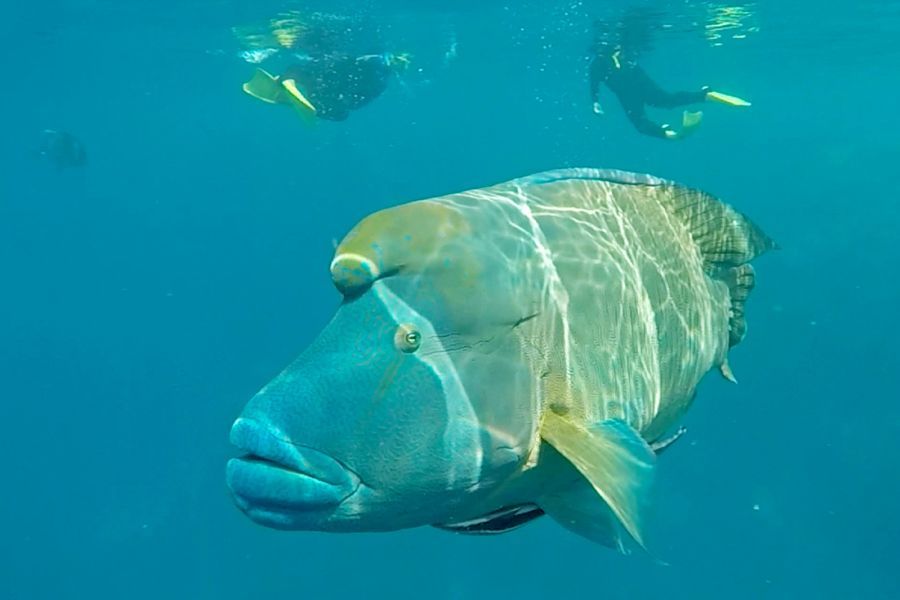
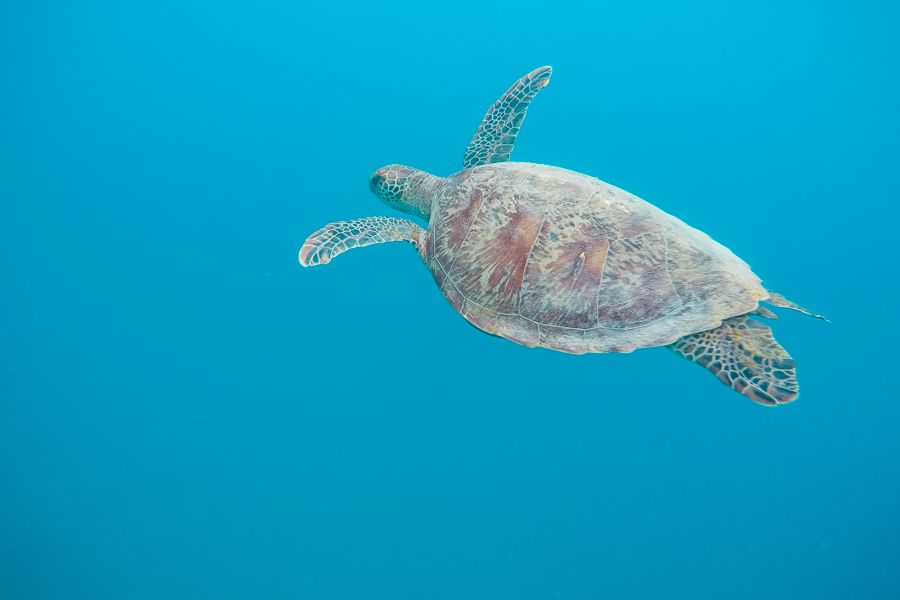
Image Source: https://cairns-tours.com/
4. Flynn Reef (Cairns) ⭐⭐⭐⭐
- Distance from shore: 48 km offshore
- Why it’s special: Stunning coral formations, protection from strong currents
- Best for: Novice snorkelers and divers
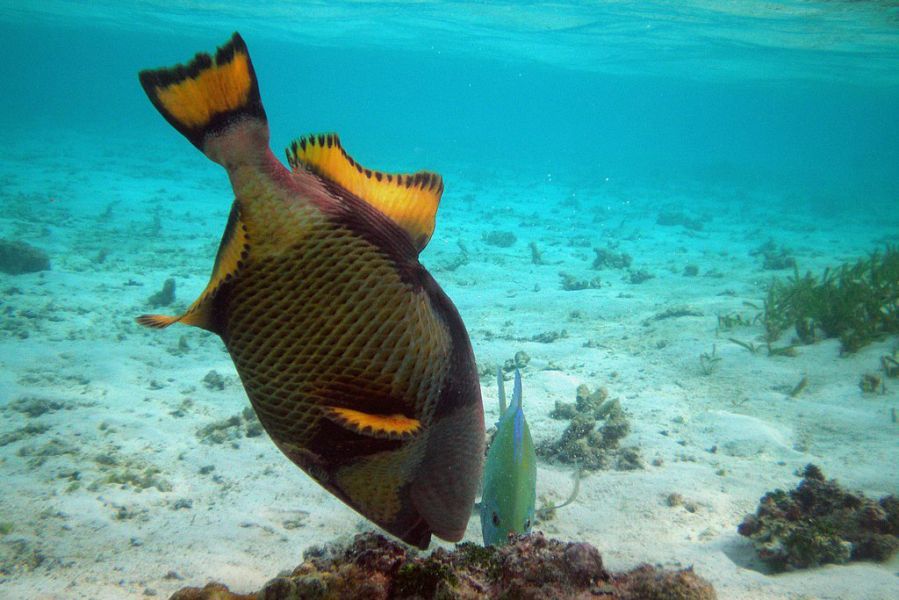
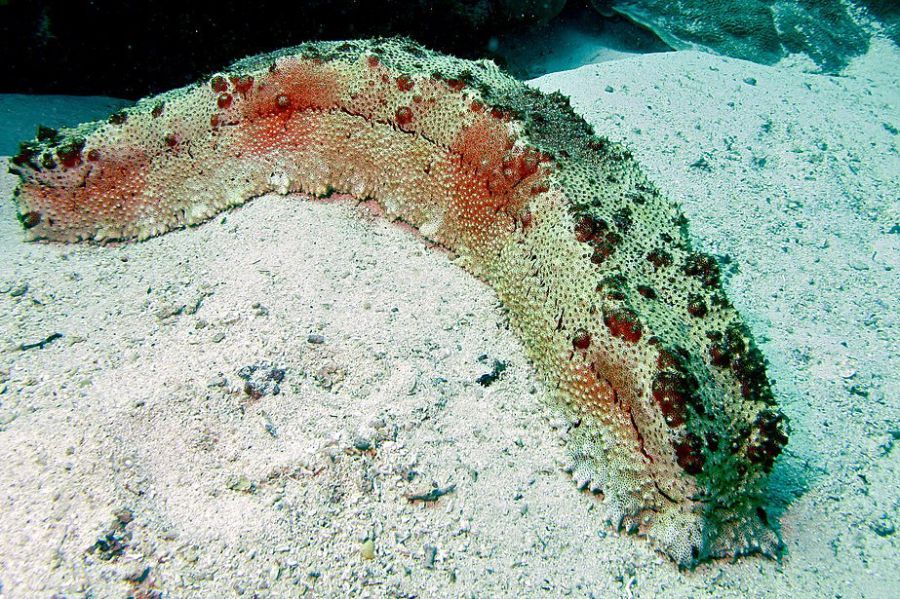
Image Source: https://cairns-tours.com/
Essential Snorkeling Gear (Usually Provided):
- Mask and snorkel: Prescription masks available on most boats
- Fins: Make swimming easier and less tiring
- Lycra stinger suits or wetsuits: 3mm wetsuits provide warmth and sun protection
- Life vests/flotation devices: Available for all skill levels
- Wetsuit booties: Protect feet from coral and rocks
Pro Tips from 20 Years of Experience:
- Anti-fog solution is your friend — Most operators provide it, but baby shampoo works too. Spit also works in a pinch!
- Don’t touch the coral — Besides being illegal (with fines up to $470,000), coral is fragile and can cut you. Plus, some corals sting.
- Practice your breathing before the deep water — Many boats have pools or shallow areas where you can get comfortable with the snorkel.
- Sunscreen smart — Use only reef-safe sunscreen without oxybenzone or octinoxate. Better yet, wear a full-body Lycra suit for sun protection.
- Go early — Morning snorkeling usually offers the calmest seas and best visibility.
🚢 Great Barrier Reef Tours: How to Choose the Best One
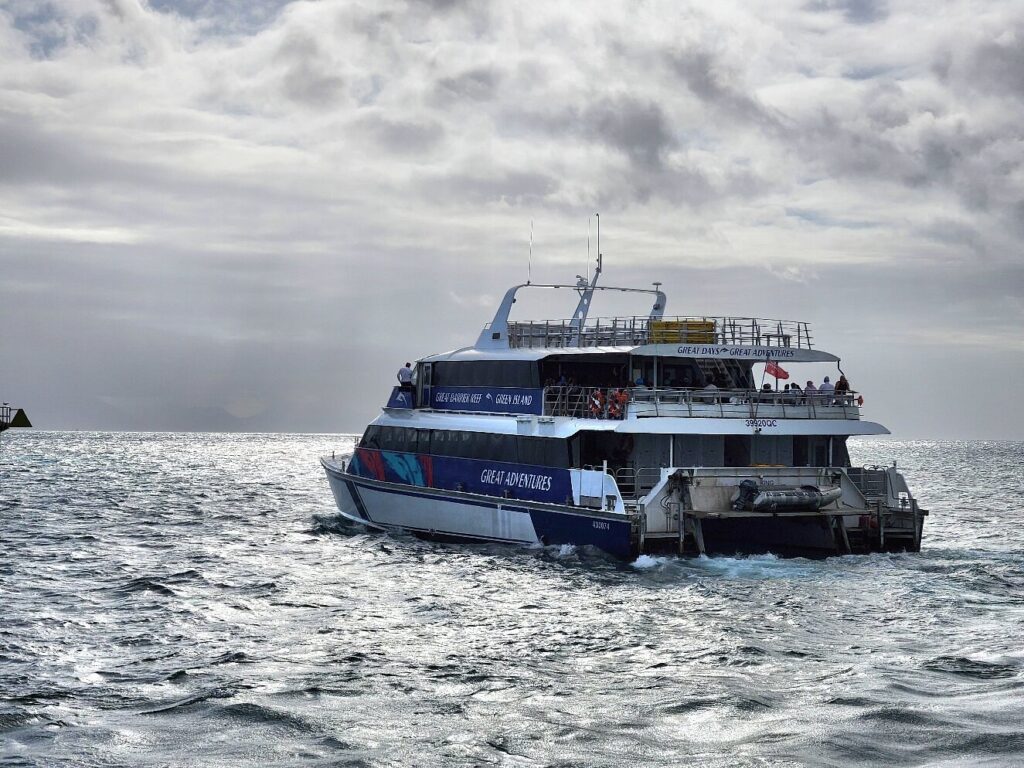
This is where travelers get overwhelmed — there are literally hundreds of tour operators between Cairns and Port Douglas. Here’s how to cut through the noise and find your perfect reef experience.
Understanding Reef Tour Types:
1. Day Tours to Outer Reef (Most Popular)
- Duration: Full day (approximately 8-10 hours)
- Reef time: 4-6 hours at the reef
- Sites visited: Usually 2-3 reef locations
- Cost: $209-$325 AUD per person
- Best for: First-time visitors, families, anyone on a tight schedule
2. Pontoon Platform Tours
- Duration: Full day
- Reef time: 5-6 hours on a floating platform
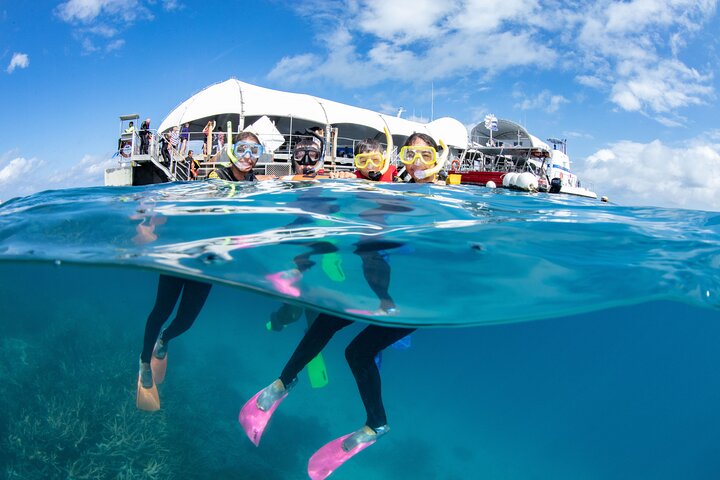
- Activities: Multiple options — snorkeling, diving, glass-bottom boats, semi-submersibles
- Cost: $295-$325 AUD per person
- Best for: Families, non-swimmers, anyone wanting options
3. Small Group Tours
- Duration: Full or half-day
- Group size: 25-40 passengers
- Reef time: 4-5 hours
- Cost: $179-$260 AUD per person
- Best for: Budget travelers, those seeking a more personal experience
4. Liveaboard Tours (Overnight)
- Duration: 2-3 days
- Reef time: Multiple dives/snorkeling sessions including night dives
- Cost: $440-$860 AUD for 2 days, $860-$1,090 AUD for 3 days
- Best for: Serious divers, underwater photographers, adventure seekers
Cairns vs. Port Douglas Departures:
| Factor | Cairns | Port Douglas |
|---|---|---|
| Tour Options | 50+ operators | 15+ operators |
| Travel Time to Outer Reef | 60-90 minutes | 90 minutes |
| Reef Sites | Norman, Flynn, Moore, Hastings | Agincourt, Opal, Low Isles |
| Crowd Level | Higher (busier season) | Lower (more exclusive feel) |
| Price Range | $179-$325 AUD | $260-$410 AUD |
| Departure Vibe | Busy marina, big city energy | Relaxed tropical village |
| Best For | More options, budget-friendly | Quieter experience, premium feel |
Outer Reef vs. Inner Reef — What’s the Difference?
Outer Reef:
- 70-90 minutes from shore
- Crystal-clear water, better visibility
- More diverse marine life
- Healthier coral systems
- Slightly rougher seas (but worth it!)
- Most recommended for first-timers
Inner Reef & Islands:
- 30-45 minutes from shore
- Easier access, calmer waters
- Good for families with young kids
- Includes islands like Green Island, Fitzroy Island
- Less impressive coral but still beautiful
What’s Actually Included in Most Tours:
- Hotel pickup/drop-off from Cairns CBD (Northern Beaches transfers extra $35 AUD)
- All snorkeling equipment — mask, snorkel, fins, wetsuit/Lycra suit
- Morning tea/coffee and light breakfast
- Hot buffet lunch with tropical fruits and salads
- Afternoon tea/snacks
- Professional crew and marine biologists
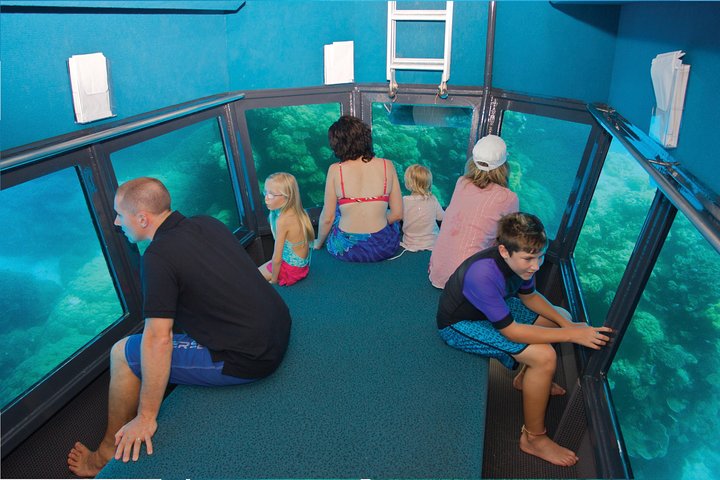
- Glass-bottom boat tours or semi-submersible rides
- Environmental Management Charge (Reef Tax): $6-$10 AUD
What Costs Extra:
- Introductory dive: $90-$150 AUD
- Certified dive: $60-$90 AUD
- Underwater camera rental: $50-$80 AUD
- Professional photos: $80-$150 AUD
- Helicopter scenic flights: $229-$358 AUD
🤿 Great Barrier Reef Scuba Diving Options for All Levels
Here’s where it gets really exciting. If snorkeling is watching a movie on your phone, scuba diving the Great Barrier Reef is watching it in IMAX 3D. You’re not just looking down at the reef — you’re in it, moving through it, breathing underwater while fish swim inches from your face.
Introductory Dives (No Experience Needed):
What it involves:
- Minimum age: 12 years
- No certification required
- Maximum depth: 12 meters (40 feet)
- Duration: 30-45 minutes underwater
- Cost: $90-$150 AUD per dive
- Medical declaration: Required (not a full medical unless you have conditions)
You’ll get a 30-minute briefing on boat, practice in shallow water or on the platform, then descend with an instructor holding your hand (literally). The instructor controls everything — you just breathe and enjoy. It’s called a “Discover Scuba Dive” or “Resort Dive.”
Who it’s perfect for: Anyone nervous about diving but wanting to try. You’ll be amazed at how natural breathing underwater feels after the first few breaths.
Certified Diving:
Requirements:
- PADI Open Water certification (or equivalent)
- Minimum age: 12 years with adult supervision
- Maximum depth: 18-30 meters depending on certification level
- Cost: $60-$90 AUD for additional dives
- Must present: Physical certification card or digital proof
Popular Dive Sites:
- Agincourt Reef — Coral walls, swim-throughs, pelagic fish
- Norman Reef “Caves” — Long swim-through tunnels, reef sharks
- Cod Hole — Famous for giant potato cod encounters
- Flynn Reef — Coral bommies, turtles, rays
- Osprey Reef — Advanced only, hammerhead sharks, deeper waters
PADI Certification Courses:
If you want to get certified while visiting, here’s what to expect:
PADI Open Water Course:
- Duration: 4-5 days
- Cost: $650-$850 AUD
- What’s included:
- 2 days theory and pool training in Cairns
- 2-3 days practical training on the reef (liveaboard option)
- All equipment and materials
- Certification card upon completion
- Prerequisites: Basic swimming ability (200 meters), treading water (10 minutes)
Best Dive Sites by Experience Level:
| Experience Level | Recommended Sites | Depth Range | What to Expect |
|---|---|---|---|
| Absolute Beginner | Flynn Reef, Moore Reef | 5-12 meters | Protected areas, gentle currents, abundant fish |
| Introductory Dive | Norman Reef, Hastings Reef | 8-12 meters | Guided by instructor, shallow coral gardens |
| Open Water Certified | Agincourt, Thetford Reef | 12-18 meters | More freedom, better marine life encounters |
| Advanced Certified | Cod Hole, Osprey Reef | 18-40 meters | Big fish, deeper corals, stronger currents |
Liveaboard Diving Experiences:
This is how you go from “I tried diving” to “I’m a reef diver now.” Liveaboards let you stay overnight on the reef, waking up to sunrise over the Coral Sea and doing multiple dives per day including night dives.
What you get:
- 6-9 dives over 2-3 days
- Comfortable cabin accommodation
- All meals prepared by onboard chef
- Night dive experiences
- Multiple reef locations
- Prices: $440-$625 AUD for 2 days (snorkelers), $585-$1,090 AUD for divers
Safety Note: You need to wait 24 hours after your last dive before flying. Plan your departure accordingly.
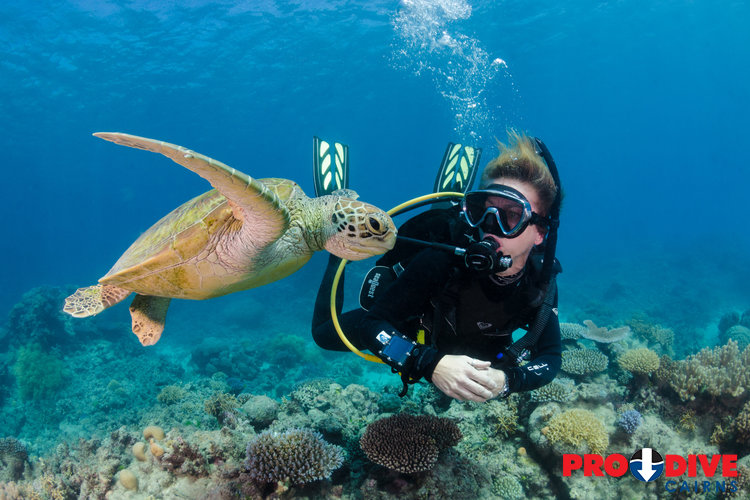
Image Source: https://prodivecairns.com/silverswift.html
🏊 Can You Still Swim in the Great Barrier Reef? Safety & Swimming Tips
Yes, absolutely — the Great Barrier Reef is completely safe to swim in when you follow basic safety guidelines. In fact, millions of visitors swim, snorkel, and dive here every year without issues. But let me address the concerns I hear most often.
The Marine Stinger Reality (November-May):
During the wet season (November-May), two types of potentially dangerous jellyfish are present in coastal waters:
- Box jellyfish (Chironex fleckeri) — Large, transparent, potentially fatal
- Irukandji jellyfish — Tiny (size of a fingernail), serious symptoms
Here’s the good news: These stingers stay near the coast and estuaries — they’re almost never found at the outer reef where tour boats go. The distance from shore (50-70 km) and deeper waters of the outer reef create conditions these jellyfish don’t inhabit.
What Tour Operators Provide:
- Full-body Lycra stinger suits — These skin-tight suits cover you from neck to ankles
- 3mm wetsuits — Thicker, warmer option (my recommendation)
- Stinger nets at some pontoons
- Vinegar on all boats (first aid for stings)
- Marine radio contact with emergency services
Real Talk: In 20 years of sending clients to the reef, I’ve never had anyone report a serious jellyfish encounter on outer reef tours. The stinger suits are more for sun protection and peace of mind.
Water Safety Guidelines:
For Snorkelers:
- Never snorkel alone — Use the buddy system always
- Wear flotation — No shame in using a vest or noodle
- Stay within designated areas — Marked by buoys and ropes
- Watch for boats — Stay aware of boat traffic
- Signal if you need help — Wave your hand above water
For Non-Swimmers: You can absolutely experience the reef without swimming:
- Glass-bottom boats — See everything without getting wet
- Semi-submersible vessels — Underwater viewing pods
- Underwater observatories — Walk down stairs into viewing chambers
- Reef pontoon platforms — Stand on solid platforms while fish swim below
Ocean Safety Basics:
Current Awareness: Most outer reef sites have minimal currents, but always:
- Follow crew instructions
- Stay within marked snorkel areas
- Use provided flotation if you’re unsure
Sun Protection:
- The Queensland sun is intense — you will burn in 20 minutes without protection
- Apply SPF 50+ reef-safe sunscreen every 2 hours
- Wear Lycra suits or wetsuits for full coverage
- A sunhat for boat time is essential
Seasickness:
- Take seasickness tablets 1 hour before departure (available on boats but cheaper from pharmacies)
- Sit at the back of the boat where motion is less
- Look at the horizon, not your phone
- Ginger tablets work for some people
- Stay on open deck for fresh air
What to Do If You’re Stung by Anything:
- Immediately notify crew — Don’t try to tough it out
- Don’t rub the area — This can worsen the sting
- Vinegar for jellyfish — Crew will apply this
- Medical attention always — Boats have radio contact with paramedics
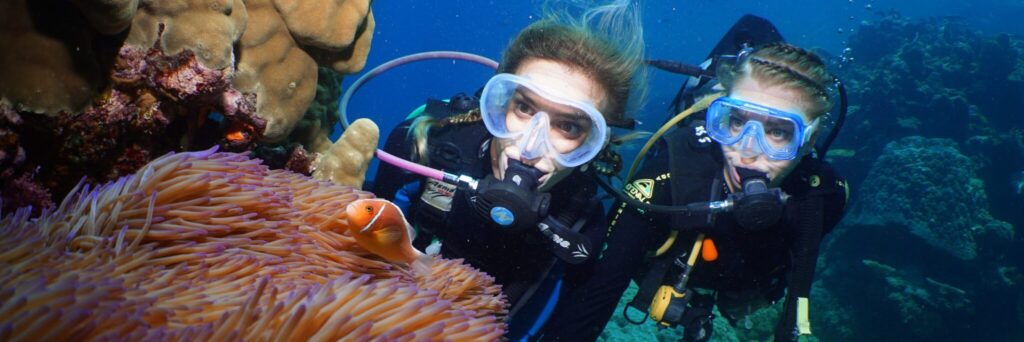
Image source: https://visitportdouglas.com.au/
📍 What City Is the Great Barrier Reef In? Access Points & Logistics
The Great Barrier Reef isn’t located “in” any city — it’s a massive offshore ecosystem spanning 2,300 km along Queensland’s coast. But there are several gateway cities where tours depart from.
Main Access Points:
1. Cairns 🌴 (Most Popular)
- Population: 150,000+
- International airport: Yes (direct flights from Singapore, Tokyo, Hong Kong, Auckland)
- Distance to outer reef: 50-70 km
- Travel time: 60-90 minutes
- Number of tour operators: 50+
- Why choose Cairns: Most tour options, budget-friendly choices, big city amenities
Getting There:
- From Brisbane: 2.5-hour flight or 20-hour drive
- From Sydney: 3-hour flight or 28-hour drive
- From Melbourne: 3.5-hour flight
2. Port Douglas 🏝️ (Premium Option)
- Population: 3,500
- Location: 60 km north of Cairns (1-hour drive)
- Distance to Agincourt Reef: 65 km
- Travel time: 90 minutes
- Number of tour operators: 15+
- Why choose Port Douglas: Quieter, more exclusive, premium operators, beautiful town
Getting There:
- Fly into Cairns Airport, then shuttle/rental car to Port Douglas
- Airport transfers: $45-$60 AUD per person
3. Townsville (Middle Reef)
- Distance to reef: Closer access to middle section
- Good for: Magnetic Island trips, wreck diving
- Less touristy than Cairns
4. Airlie Beach/Whitsundays (Southern Access)
- Distance: Southern Great Barrier Reef
- Famous for: Whitehaven Beach, Heart Reef
- Different vibe: More sailing-focused
Transportation Options:
From Cairns Airport to Accommodation:
- Airport shuttle: $15-$25 AUD per person
- Taxi/Uber: $25-$35 AUD
- Rental car: $40-$80 AUD per day
From Accommodation to Reef Departure Point:
- Most tours include pickup from Cairns CBD hotels
- Northern Beaches (Palm Cove, Trinity Beach): Additional $35 AUD
- Self-drive: Free parking at Marlin Marina
Cairns Marina Departure Points:
- Reef Fleet Terminal — Main departure point for most big operators
- Marlin Marina — Smaller operators, closer to city
Visa Requirements:
- Tourist Visa (subclass 600) for most nationalities
- eVisitor visa for many European countries (free)
- Process at least 4 weeks before travel
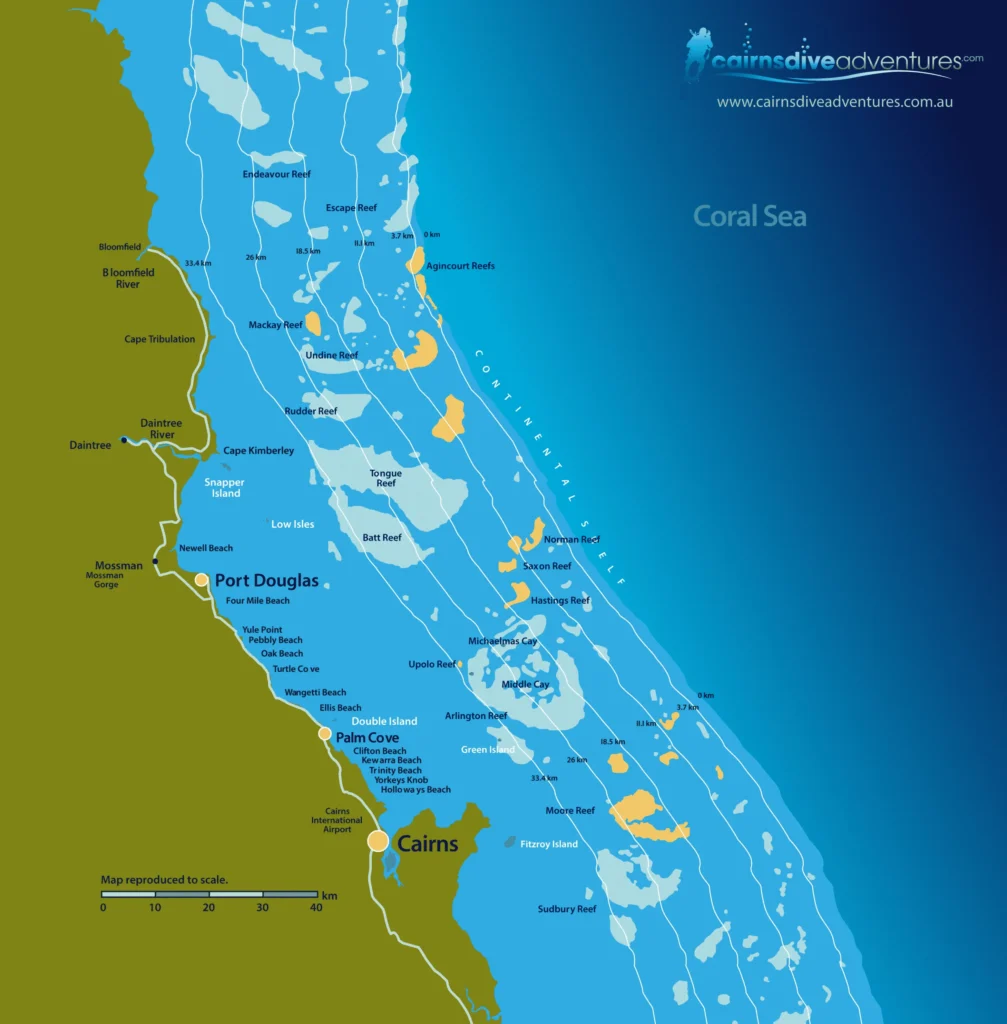
Image Source: https://cairnsdiveadventures.com.au/cairns-dive-sites/
🐠 Why Is the Great Barrier Reef So Special? Unique Features Explained
Let me tell you what makes this place truly one-of-a-kind — and why it deserves its spot among the Seven Natural Wonders of the World.
1. It’s the World’s Largest Living Structure
Think about that for a second — living structure. The reef you’re swimming over is alive, breathing, growing. Those corals are animals (not plants!), and they’ve been building this reef for over 20 million years.
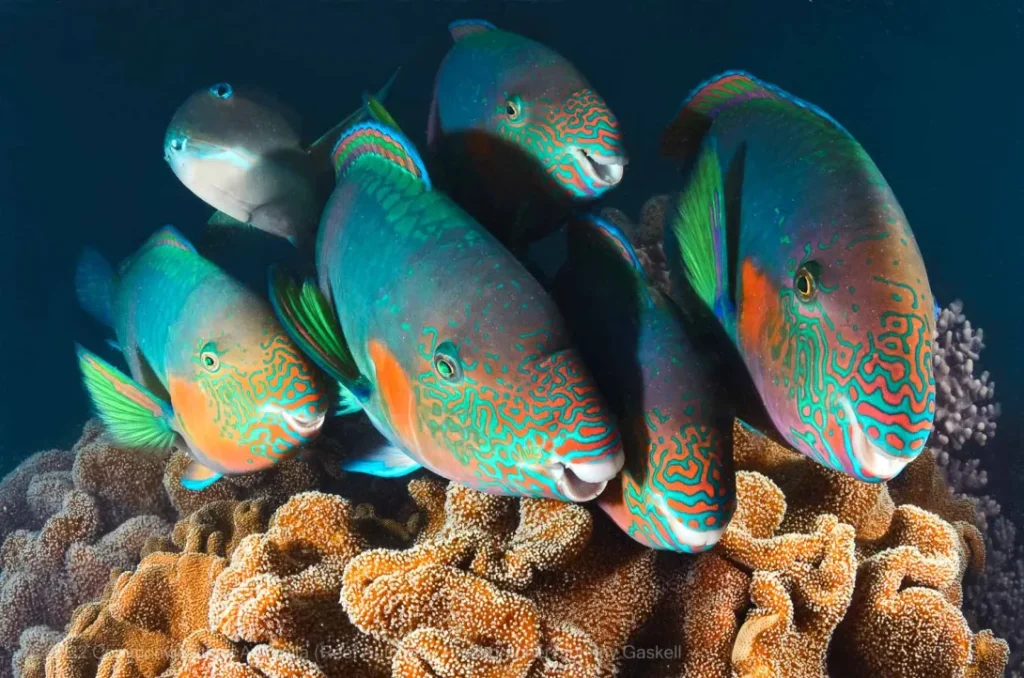
2. Unmatched Biodiversity
The numbers are staggering:
- 1,500+ fish species — From tiny clownfish to 4-meter whale sharks
- 30+ species of whales and dolphins
- 6 of 7 marine turtle species — Including the endangered green sea turtle and hawksbill turtle
- Giant clams — Some weighing over 200 kg and living 100+ years
- Manta rays — Wingspan up to 7 meters
- 134 species of sharks and rays
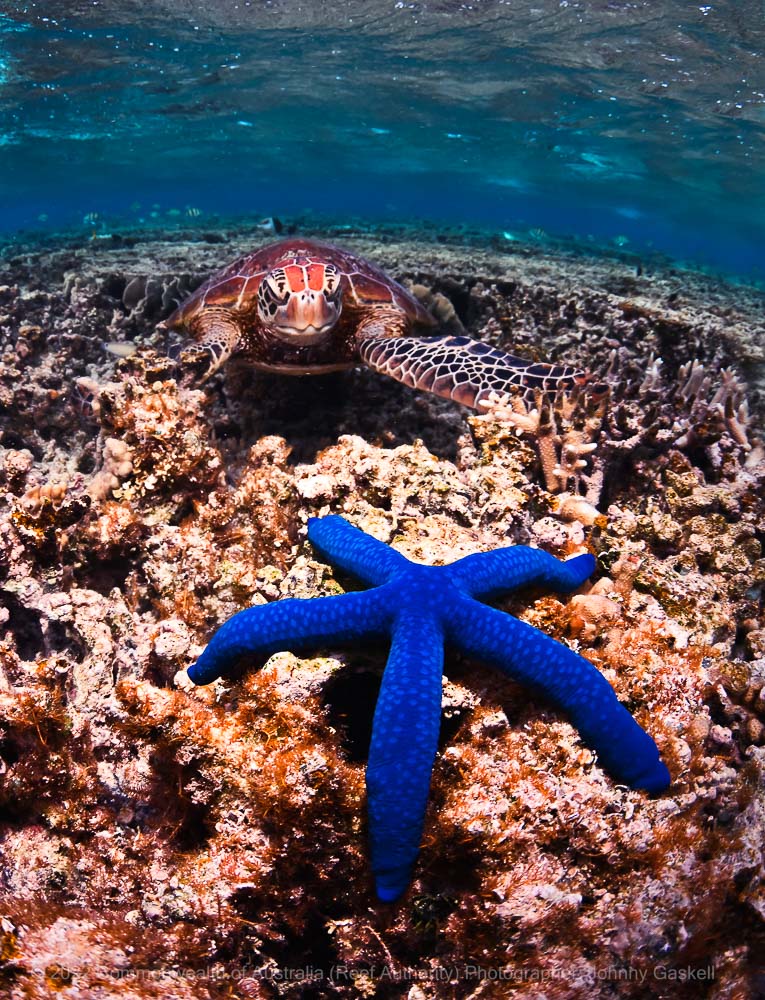
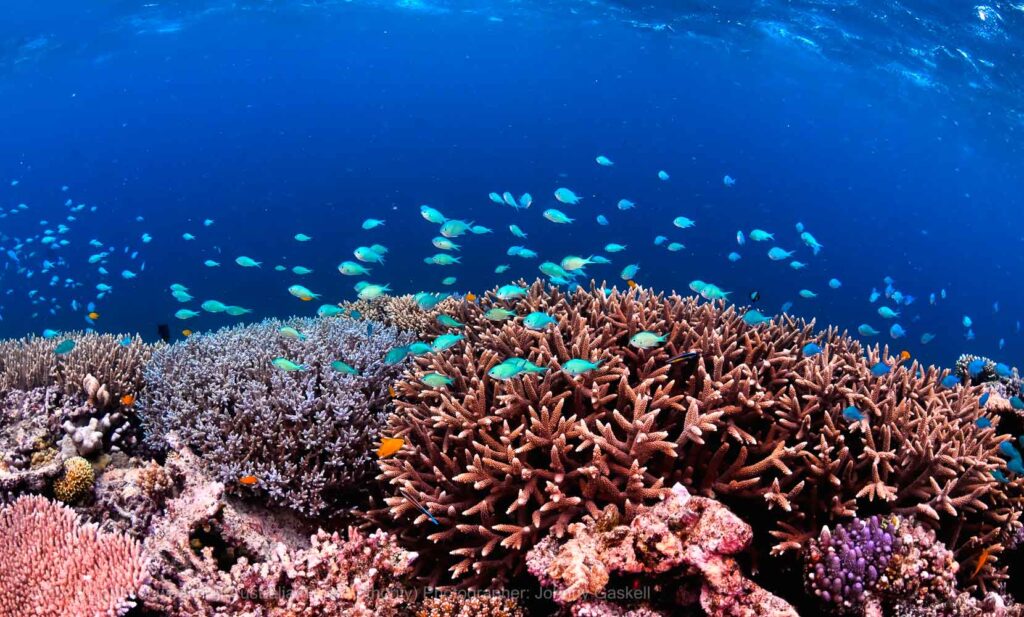
Iimage source: https://www2.gbrmpa.gov.au/learn/biodiversity
3. The Colors Are Actually Real
I’ve had clients ask if we photoshop reef images — we don’t. The colors you see in pictures are actually less vibrant than real life. Electric blue, neon yellow, hot pink, deep purple — it’s like someone dropped a paint factory underwater.
Why so colorful? The corals contain zooxanthellae algae that photosynthesize and give coral its color. Fish use bright colors for mating, territory, and camouflage against the colorful backdrop.
4. Every Dive/Snorkel Is Different
With 2,900 individual reefs, you could visit a different spot every day for 8 years. Each reef has its own personality:
- Some have coral walls dropping 30+ meters
- Others feature shallow coral gardens
- Some are known for big fish encounters
- Others specialize in macro life — tiny, colorful creatures
5. The “Neighborhoods” Underwater
The reef operates like an underwater city. You’ll see:
- Cleaner fish stations — Where bigger fish go to get parasites removed
- Anemone homes — Clownfish (yes, real Nemos!) living in symbiosis
- Coral bommies — Isolated coral towers like apartment buildings
- Feeding frenzies — When crew drop fish food, it’s controlled chaos!
6. Cultural Significance
The reef has been part of Aboriginal Australian and Torres Strait Islander culture for 60,000+ years. More than 70 clan groups have traditional ownership connections to reef areas.
Species You’re Likely to See:
| Marine Life | Encounter Likelihood | Best Time | Where |
|---|---|---|---|
| Green Sea Turtles | 80%+ | Year-round | All outer reefs |
| Clownfish | 90%+ | Year-round | Anemone gardens |
| Giant Clams | 95%+ | Year-round | Shallow reefs |
| Manta Rays | 30% | Oct-Apr | Agincourt, Norman Reef |
| Reef Sharks | 40% | Year-round | Norman, Flynn Reef |
| Humpback Whales | 60% | June-Sept | Outer reef transit |
| Minke Whales | 70% | May-July | Port Douglas region |
| Maori Wrasse | 50% | Year-round | Norman, Moore Reef |
Source: Australian Institute of Marine Science
Image Source: https://www2.gbrmpa.gov.au/learn/biodiversity
🌡️ How Much of the Great Barrier Reef Has Been Destroyed? Current Status
I’m going to be straight with you because you deserve the truth — the reef is facing real challenges, but the situation is more complex than “half the reef is dead.”
The Reality in 2025:
Coral Bleaching Events: The Great Barrier Reef has experienced six mass bleaching events since 2016:
- 1998, 2002, 2016, 2017, 2020, 2022, 2024, 2025
- The 2024-2025 events marked consecutive years of bleaching (only the second time this has happened)
- 2024 was particularly severe in Northern and Central regions
Current Coral Cover: According to the Australian Institute of Marine Science (AIMS) report from August 2025, coral cover remains close to its long-term average despite recent losses. This is because the reef experienced significant recovery between 2017-2023.
What “Bleaching” Actually Means:
- Corals expel their zooxanthellae algae when water gets too hot
- The coral turns white (hence “bleached”)
- Bleached coral is NOT dead — it’s stressed
- Corals can recover if temperatures drop within weeks
- Prolonged bleaching leads to coral death
Percentage Impacted:
- In the 2024 event, approximately 73% of surveyed reefs showed some level of bleaching
- However, “some bleaching” ranges from 5% affected to 30%+ affected
- Extreme bleaching (30%+ of reef) occurred mainly in Northern regions
The Good News (Yes, There Is Some):
- Coral Recovery: The reef has shown remarkable resilience, with coral cover increasing significantly from 2017-2023
- Tourism Areas Still Thriving: Most outer reef sites visited by tourists show healthy coral and abundant marine life
- Active Conservation: Over $3 billion AUD invested in reef protection, restoration, and research
- Marine Park Protection: 33% of the reef is in “no-take” green zones
The Challenges:
- Climate Change: Rising ocean temperatures are the primary threat
- Ocean Acidification: Making it harder for corals to build skeletons
- Crown-of-Thorns Starfish: Outbreaks damage coral in some areas
- Cyclones: Natural events that break coral structures
- UNESCO “In Danger” Risk: The reef could be listed as World Heritage “in Danger” if Australia doesn’t meet climate targets by 2026
What You’ll Actually See:
Despite the challenges, 99% of first-time visitors are blown away by how healthy and vibrant the reef looks. The outer reef sites — where tour operators take you — are carefully selected for their health and beauty.
What Conservation Efforts Are Happening:
- Coral restoration programs — Growing coral in nurseries and transplanting
- Crown-of-thorns control — Divers inject problematic starfish
- Water quality improvements — Reducing agricultural runoff
- Climate action — Australia’s 2035 emissions target will be critical
- Research investments — Understanding coral resilience and heat-resistant strains
My Honest Assessment:
After 20 years in tourism and countless client reports, the reef is still absolutely worth visiting. Is it perfect? No. Is it facing challenges? Absolutely. But it’s still one of the most spectacular natural wonders on Earth, and tourism revenue (the Environmental Management Charge you pay) directly funds conservation.
The best thing you can do is visit responsibly, follow reef protection guidelines, and spread the word about why this place matters.
Sources: Australian Institute of Marine Science, Great Barrier Reef Marine Park Authority, Great Barrier Reef Foundation
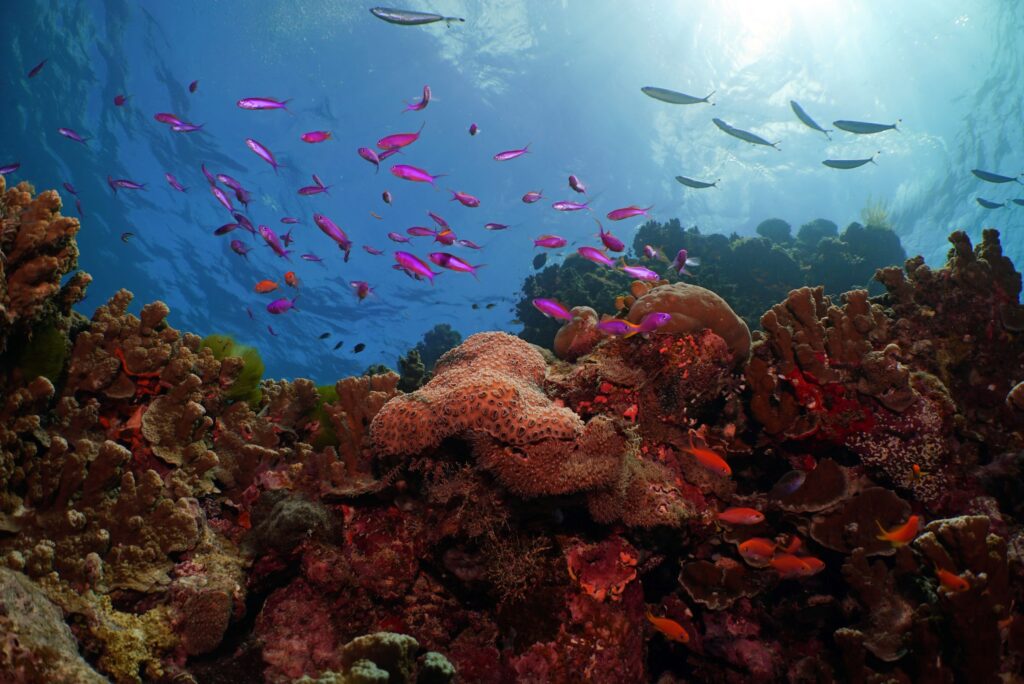
Image Source: https://visitportdouglas.com.au/
📅 Best Months to Visit the Great Barrier Reef
The best time to visit the Great Barrier Reef is June to October — the dry season offers calm seas, excellent visibility (15-30 meters), comfortable temperatures (24-28°C), and minimal rainfall.
But let me break this down by what you want from your visit.
Dry Season (May-October) ⭐⭐⭐⭐⭐
Weather:
- Air temperature: 20-28°C (68-82°F)
- Water temperature: 23-26°C (73-79°F)
- Rainfall: Minimal (20-60mm per month)
- Humidity: Lower (60-70%)
Pros:
- Best water visibility — 20-30 meters on good days
- Calm seas — Less seasickness risk
- Perfect for photography — Clear water, good lighting
- Comfortable temperatures — Not too hot
- Wildlife migrations — Whales! (June-September)
Cons:
- Peak tourist season — More crowded
- Higher prices — Accommodation and tours book out
- Australian school holidays — Extra busy in June-July
Best Specific Months:
June ⭐⭐⭐⭐
- Season just starting, fewer crowds
- Humpback whale migration begins
- Water still slightly cooler (23-24°C)
July ⭐⭐⭐⭐⭐
- Peak whale watching month
- Dwarf minke whales appear (especially Port Douglas)
- Best overall conditions
- Busiest month — book early
August ⭐⭐⭐⭐⭐
- Excellent conditions continue
- Still whales around
- Slightly less crowded than July
September ⭐⭐⭐⭐⭐
- My personal favorite month
- Whales still migrating
- Weather warming up slightly
- Less crowded than July-August
October ⭐⭐⭐⭐⭐
- Perfect temperatures (26-28°C air, 25-26°C water)
- End of dry season
- Manta ray season begins
- Turtle mating season starts
- Fewer tourists
- Great value
Wet Season (November-April) ⭐⭐⭐
Weather:
- Air temperature: 26-32°C (79-90°F)
- Water temperature: 27-29°C (81-84°F)
- Rainfall: High (150-400mm per month, heaviest Jan-Mar)
- Humidity: Very high (80-90%)
Pros:
- Warmest water — Like a bath
- Lower prices — Tours and accommodation cheaper
- Fewer tourists — More space on boats
- Coral spawning — Nov-Dec (incredible to witness)
- Turtle nesting — Nov-Feb
Cons:
- Marine stingers present — Box jellyfish season (though not at outer reef)
- Afternoon storms — Brief but can affect visibility
- Higher humidity — Feels sticky and hot
- Cyclone risk — Dec-Mar (rare but possible)
- Rougher seas — More seasickness risk
Month-by-Month Guide:
| Month | Rating | Water Temp | Air Temp | Visibility | Highlights | Challenges |
|---|---|---|---|---|---|---|
| January | ⭐⭐⭐ | 28-29°C | 26-31°C | Good | Turtle hatching | Wet, stingers, hot |
| February | ⭐⭐⭐ | 28-29°C | 26-31°C | Moderate | Warm water | Peak wet season |
| March | ⭐⭐⭐ | 27-29°C | 25-30°C | Moderate | Turtle hatching ends | Still wet |
| April | ⭐⭐⭐⭐ | 26-28°C | 24-29°C | Good-Excellent | Shoulder season | Some stingers |
| May | ⭐⭐⭐⭐⭐ | 24-26°C | 22-27°C | Excellent | Dry season starts, minke whales | Cooler water |
| June | ⭐⭐⭐⭐⭐ | 23-25°C | 20-26°C | Excellent | Whale season begins | Busier, school holidays |
| July | ⭐⭐⭐⭐⭐ | 23-24°C | 20-25°C | Excellent | Peak whales | Peak tourist season |
| August | ⭐⭐⭐⭐⭐ | 23-24°C | 20-26°C | Excellent | Whales, great conditions | High demand |
| September | ⭐⭐⭐⭐⭐ | 24-25°C | 22-27°C | Excellent | Whale migration ends | Booking up |
| October | ⭐⭐⭐⭐⭐ | 25-26°C | 24-28°C | Excellent | Manta rays, turtles mating | Getting busier |
| November | ⭐⭐⭐ | 26-28°C | 25-30°C | Good | Coral spawning | Stinger season starts |
| December | ⭐⭐⭐ | 27-29°C | 26-31°C | Good-Moderate | Coral spawning, turtle nesting | Cyclone risk, stingers |
Special Wildlife Viewing Times:
Humpback Whales: June-September (peak July-August)
- Migrating from Antarctica to warm breeding waters
- Often spotted from reef boats
- Breach, tail slap, and blow visible from surface
Dwarf Minke Whales: May-July (especially Port Douglas)
- Curious and approach boats
- Special swim-with-minke licenses for some operators
Coral Spawning: November-December (after full moon)
- Millions of coral polyps release eggs/sperm simultaneously
- Underwater “snowstorm” effect
- Rare, spectacular event
Turtle Nesting: November-February Turtle Hatching: January-March
My Recommendation for First-Time Visitors:
Best overall month: September-October
- Perfect Goldilocks weather — not too hot, not too cold
- Excellent visibility
- Less crowded than peak winter
- Marine life still active
- Good value
Budget travelers: November or April
- Shoulder season pricing
- Decent conditions
- Fewer crowds
Whale enthusiasts: July-August
- Accept higher prices and crowds for whale encounters
Photographers: June-September
- Maximum visibility
- Best lighting conditions
💰 How Much Does a Great Barrier Reef Trip Cost? Breakdown & Tips
Let me break down the actual costs so you can budget properly — no hidden surprises when you get there.
Day Tour Costs (Most Common):
Budget Day Tours: $179-$260 AUD ($115-$165 USD)
- Small group operators
- 2 reef sites
- 4-5 hours reef time
- Basic lunch included
- Snorkel gear included
Mid-Range Day Tours: $260-$325 AUD ($165-$205 USD)
- Professional operators
- 2-3 reef sites
- 5-6 hours reef time
- Hot buffet lunch
- Premium equipment
- 1 free introductory dive on some tours
Premium/Pontoon Tours: $295-$410 AUD ($190-$260 USD)
- Large stable platforms
- Multiple activities (glass-bottom boats, semi-submersibles)
- Family-friendly
- 6+ hours on reef
- Extensive facilities
Sample Budget Breakdown (Per Person):
| Expense Category | Budget Option | Mid-Range Option | Premium Option |
|---|---|---|---|
| Day Tour | $209 AUD | $260 AUD | $325 AUD |
| Introductory Dive | $90 AUD | $90 AUD | Included |
| Underwater Camera Rental | Skip (use phone in waterproof case) | $60 AUD | $80 AUD |
| Photos Package | Skip | $100 AUD | $150 AUD |
| Hotel Pickup | Included (CBD) | Included | Included |
| Reef Tax | $7 AUD | $7 AUD | $10 AUD |
| Food/Drinks Onboard | Included | Included | Premium included |
| Wetsuit | Included (Lycra) | Included (3mm wetsuit) | Included (choice) |
| Total Per Day | $306 AUD | $517 AUD | $565 AUD |
Liveaboard Costs (Overnight Reef Trips):
2-Day/1-Night Liveaboard:
- Snorkelers: $440-$625 AUD ($280-$400 USD)
- Divers (with dives): $585-$750 AUD ($375-$480 USD)
- Includes: Accommodation, all meals, equipment, 6-9 dive opportunities
3-Day/2-Night Liveaboard:
- Snorkelers: $860-$950 AUD ($550-$610 USD)
- Divers: $1,090-$1,350 AUD ($700-$865 USD)
- Includes: Everything above plus more reef sites, night dives
Add-On Costs:
Diving Extras:
- Introductory dive (no experience): $90-$150 AUD
- Additional certified dive: $60-$90 AUD
- Night dive: $80-$100 AUD
- Dive computer rental: $20-$30 AUD
Photography/Video:
- Underwater camera rental: $50-$80 AUD
- GoPro rental: $60-$90 AUD
- Professional photo package: $80-$150 AUD
- Memory card: $15-$30 AUD
Helicopter/Scenic Flights:
- 10-minute scenic flight: $180-$229 AUD
- 30-minute scenic flight: $358-$450 AUD
- Helicopter to/from reef (one-way): $358 AUD
Transportation to Cairns:
- Flight Sydney-Cairns: $150-$450 AUD depending on booking time
- Flight Melbourne-Cairns: $200-$500 AUD
- Flight Brisbane-Cairns: $100-$300 AUD
Accommodation in Cairns (Per Night):
- Hostel dorm: $25-$40 AUD
- Budget hotel: $80-$120 AUD
- Mid-range hotel: $150-$250 AUD
- Luxury resort: $300-$600 AUD
Total Trip Cost Estimates:
Budget 3-Day Trip (per person):
- Flight to Cairns: $200 AUD
- Accommodation (2 nights hostel): $60 AUD
- Day tour: $209 AUD
- Food (2 days, basic): $50 AUD
- Transport: $30 AUD
- Total: ~$549 AUD ($350 USD)
Mid-Range 4-Day Trip (per person):
- Flight to Cairns: $300 AUD
- Accommodation (3 nights mid-range): $450 AUD
- Premium day tour with dive: $415 AUD
- Food (3 days): $120 AUD
- Transport/extras: $80 AUD
- Photos: $100 AUD
- Total: ~$1,465 AUD ($935 USD)
Luxury 5-Day Trip (per person):
- Flight to Cairns: $450 AUD
- Accommodation (4 nights luxury): $1,200 AUD
- 2-day liveaboard: $850 AUD
- Helicopter flight: $450 AUD
- Food/drinks: $300 AUD
- Professional photos: $200 AUD
- Total: ~$3,450 AUD ($2,200 USD)
Money-Saving Tips from a Tour Operator:
- Book Tours Directly — Skip third-party booking sites; go straight to operator websites
- Travel in Shoulder Season — April-May or November for 20-30% savings
- Bring Your Own Underwater Camera — Save $50-$80 AUD
- Pack Reef-Safe Sunscreen from Home — Costs $25-$35 AUD in Australia
- BYO Seasickness Tablets — $5 AUD from pharmacy vs $15 AUD on boat
- Book Accommodation Outside CBD — Save 30-40% in Northern Beaches
- Combine Tours — Many operators offer reef + rainforest combos at discount
- Skip Unnecessary Add-ons — Do you really need professional photos?
What’s Worth the Extra Money:
- The helicopter flight — If budget allows, absolutely do it
- Liveaboard over day tour — For serious divers/snorkelers, worth every cent
- 3mm wetsuit over Lycra — More comfortable, better sun protection
- Small group tours — Personal attention makes a huge difference
Payment Methods:
- Most operators accept credit/debit cards (Visa, Mastercard)
- Cash (AUD) accepted but less common
- Some offer payment plans for expensive liveaboards
- Reef Tax is mandatory and added to all prices
🗺️ What Is the Best Way to Visit the Great Barrier Reef? Recommended Itineraries
After guiding hundreds of clients through reef experiences, here are my tried-and-true itineraries for different traveler types.
One-Day “Reef Sampler” (First-Timer, Short on Time):
Morning:
- 7:00 AM — Hotel pickup in Cairns
- 8:00 AM — Depart Marlin Marina on high-speed catamaran
- 9:30 AM — Arrive first outer reef site
Midday:
- 9:45 AM — First snorkel session (60 minutes)
- 11:00 AM — Optional introductory dive (if booked)
- 12:00 PM — Hot buffet lunch on boat
Afternoon:
- 1:00 PM — Transit to second reef site
- 1:30 PM — Second snorkel session (90 minutes)
- 3:00 PM — Depart reef for return journey
- 4:30 PM — Arrive Cairns, hotel drop-off by 5:00 PM
Tour Type: Mid-range day tour like Reef Experience or Passions of Paradise Cost: $260-$295 AUD Perfect for: Anyone with limited time, families, first-timers
Two-Day “Reef + Rainforest” (Nature Lover):
Day 1 — Great Barrier Reef:
- Full-day outer reef tour (itinerary above)
- Evening: Free in Cairns, dinner at Esplanade
Day 2 — Daintree Rainforest:
- 7:30 AM — Pickup for Daintree tour
- Morning crocodile river cruise
- Guided rainforest walk
- Lunch at Cape Tribulation
- 6:00 PM — Return Cairns
Total Cost: ~$500-$600 AUD Why this works: Two different UNESCO World Heritage Sites, completely different experiences
Three-Day “Reef Immersion” (2-Day Liveaboard):
Day 1:
- Morning flight to Cairns
- Afternoon: Settle into accommodation
- Evening: Cairns Esplanade walk, dinner
Day 2-3 — Liveaboard:
- Day 2, 9:00 AM — Depart on liveaboard
- Day 2-3: 6-9 dive/snorkel sessions across multiple reef sites
- Day 3, Evening: Night dive experience
- Day 3, 4:00 PM — Return to Cairns
Day 4:
- Free morning in Cairns
- Afternoon flight home (remember: 24-hour no-fly rule after diving!)
Total Cost: $800-$1,200 AUD (plus accommodation/flights) Perfect for: Serious divers, underwater photographers, reef enthusiasts
Five-Day “Ultimate Reef & Tropics” (Complete Experience):
Day 1: Arrive Cairns, settle in, explore city Day 2: Full-day outer reef tour Day 3: Daintree Rainforest & Cape Tribulation Day 4: Scenic flight over reef + island day trip (Green or Fitzroy Island) Day 5: Morning free, afternoon departure (if not diving) or extra reef day
Total Cost: $1,200-$2,000 AUD (plus accommodation/flights) Why this works: Balanced pace, variety, covers all major experiences
Alternative Reef Experiences:
Scenic Helicopter Flights 🚁
- Duration: 10-40 minutes
- Cost: $180-$450 AUD
- Why do it: See the reef’s scale, Heart Reef, coral patterns from above
- Best operators: GBR Helicopters, Nautilus Aviation
Glass-Bottom Boat Tours 🛥️
- Perfect for: Non-swimmers, elderly, young children
- Included in: Most pontoon tours
- Experience: See reef without getting wet
Semi-Submersible Tours 🚤
- Depth: Descend 2-3 meters below surface
- Windows: All-around viewing
- Included in: Premium pontoon packages
Underwater Observatory 👁️
- Location: Moore Reef Pontoon
- Experience: Walk down stairs into underwater viewing chamber
- Perfect for: Those who can’t/won’t snorkel
Island Day Trips 🏝️
Green Island (30 minutes from Cairns):
- Coral cay with beach
- Snorkel right off the beach
- Rainforest walks
- Glass-bottom boat included
- Cost: $120-$180 AUD
Fitzroy Island (45 minutes from Cairns):
- Continental island with fringing reef
- Great for families
- Hiking trails
- Beach time
- Cost: $80-$120 AUD
My Top Recommendation (If You Only Do One Thing):
Go with a mid-range full-day outer reef tour to 2-3 sites. This gives you:
- Enough time to feel comfortable in the water
- Multiple reef environments to experience
- Professional guidance
- All equipment
- Best value for your money
Skip the island tours unless you have extra time — the outer reef is where the magic really happens.
✅ Are Great Barrier Reef Tours Safe? Expert Safety Guide
Yes, Great Barrier Reef tours are extremely safe. With over 2 million visitors annually and strict safety regulations, the reef tourism industry has an excellent safety record. Let me break down the safety systems that protect you.
Boat Safety Standards:
All reef operators must maintain:
- Australian Maritime Safety Authority (AMSA) certification
- Regular vessel inspections (every 12 months)
- Licensed captains and crew
- First aid certified staff (minimum 2 crew members)
- Emergency Position Indicating Radio Beacon (EPIRB)
- Life rafts for all passengers
- Marine radio contact with coast guard
- Weather monitoring systems
Pre-Trip Safety Measures:
Tour Cancellations:
- Operators will cancel if conditions are unsafe
- Decisions made based on Bureau of Meteorology forecasts
- Wind limits: Tours typically don’t run in winds over 25-30 knots
- Sea swell limits: Tours may be cancelled if swells exceed 2-3 meters
- Full refund or reschedule if operator cancels
Medical Declarations:
- All passengers complete medical questionnaires
- Certain conditions require doctor’s clearance (asthma, heart conditions, epilepsy)
- Pregnancy: Not recommended after first trimester
- Recent surgery: Check with operator
On-Board Safety Equipment:
For Every Passenger:
- Life vests/Personal Flotation Devices (PFDs) — Mandatory for non-swimmers
- Wetsuits or stinger suits — Full-body coverage
- Pool noodles/floatation aids — Available on request
- First aid kits — Multiple stations on larger vessels
Emergency Equipment:
- Oxygen supply — For dive-related emergencies
- Defibrillator (AED) — On all major vessels
- Rescue dinghy — For quick water rescues
- Satellite phones — Backup communication
- Emergency trauma kits — For serious injuries
Water Safety Protocols:
Snorkeling Safety:
- Buddy system enforced — Never snorkel alone
- Designated snorkel areas — Marked by buoys and ropes
- Safety briefing mandatory — 20-30 minutes before entering water
- Crew in water — Snorkel guides actively monitoring
- Head counts — Regular passenger counts before moving
- High-visibility swim caps — Available on request
Diving Safety:
- Dive briefings — Site-specific information
- Ratio limits: 4:1 students to instructor (intro dives)
- Buddy checks — Equipment verification
- Dive computers provided — Track depth and time
- Safety stops enforced — 3-minute stops at 5 meters
Real Risk Assessment (Let’s Be Honest):
Very Low Risk (Less than 1% chance):
- Serious injury
- Marine animal attack
- Boat accident
- Drowning (no fatalities at outer reef tours in recent years)
Low Risk (1-5% chance):
- Seasickness
- Minor coral scrapes
- Jellyfish sting (at outer reef — extremely rare)
- Sun burn (if you ignore advice!)
Moderate Risk (10-30% chance):
- Mild seasickness
- Fatigue from swimming
- Mild dehydration
- Minor equipment discomfort
High “Risk” (90%+ chance):
- Having the time of your life!
- Coming back with incredible memories
- Wanting to visit again
Weather Safety:
Cyclone Season (December-March):
- Cyclones are tracked days in advance
- Tours cancelled 48+ hours before arrival
- Very rare to be caught unaware
- Full refunds if cancelled due to cyclones
Rain:
- Light rain doesn’t affect tours — You’re getting wet anyway!
- Heavy rain can reduce visibility temporarily
- Underwater visibility rarely affected at outer reef
Lightning:
- All passengers out of water during electrical storms
- Tours may be delayed but rarely cancelled entirely
Marine Life Safety:
Dangerous Animals (What You Actually Need to Know):
Sharks 🦈
- Reef sharks are common but not aggressive
- No recorded attacks on snorkelers/divers at reef tour sites
- They’re more scared of you than you are of them
- Blacktip and whitetip reef sharks are harmless
Jellyfish
- Box jellyfish and Irukandji stay coastal — NOT at outer reef
- Moon jellies and other non-dangerous species sometimes present
- Stinger suits prevent any issues
Coral:
- Don’t touch — Some species can sting
- Wear wetsuit booties — Protect feet
- Coral cuts can get infected — Report to crew immediately
Blue-Ringed Octopus 🐙
- Extremely rare at reef sites
- Don’t touch any octopi — general rule
- Never recorded bite at tour sites
Stonefish:
- Lives on seafloor, hard to spot
- Wetsuit booties protect you
- Stay in designated areas
What the Crew Watches For:
- Tired swimmers — They’ll offer flotation immediately
- Panic signals — Hand raised above water = need help
- Equipment problems — Fogged masks, loose fins
- Boat traffic — You’re protected by designated snorkel zones
- Weather changes — Constant monitoring
Medical Support:
On-Board:
- First aid trained crew
- Oxygen administration
- Radio contact with Royal Flying Doctor Service
- Medical advice hotline access
Evacuation Procedures:
- Helicopter rescue available (rare, but happens)
- Return to port for serious issues
- Cairns Hospital has hyperbaric chamber (for dive injuries)
Safety Tips from 20 Years of Experience:
- Don’t hide medical conditions — Crew needs to know
- Speak up if uncomfortable — No shame in asking for help
- Follow the briefing — It’s not boring, it’s life-saving
- Stay hydrated — Dehydration causes most problems
- Don’t push your limits — There’s no prize for being tough
- Trust the crew — They do this 300 days a year
Children’s Safety:
Age Limits:
- Snorkeling: Usually 5+ years
- Introductory diving: 12+ years
- Children under 12: Must be supervised by parent/guardian
- Life vests mandatory for non-swimmers
Family-Friendly Operators:
- Moore Reef Pontoon — Kids pool, waterslide, calm area
- Green Island — Beach access, shallow snorkeling
- Fitzroy Island — Beach snorkeling
COVID-19 Safety (Current as of 2025):
- Hand sanitizer stations
- Enhanced cleaning protocols
- Crew health monitoring
- Outdoor deck spaces for ventilation
Insurance Recommendation:
Get travel insurance that covers:
- Medical emergencies
- Dive accidents (if diving)
- Trip cancellation (weather-related)
- Helicopter evacuation (can cost $10,000+ AUD)
Bottom Line:
Great Barrier Reef tours are safer than most adventure activities. You’re more likely to have a problem driving to the airport than on the reef. The industry takes safety seriously because their reputation depends on it.
That said, the ocean demands respect. Follow instructions, use common sense, and speak up if something doesn’t feel right. The crew would rather help you than fish you out of the water.
❓ FAQs — Real Questions from Travelers
Here are the questions I hear repeatedly from clients planning their reef adventures. I’m answering them based on 20 years of real-world experience.
Is it safe to snorkel with children?
Yes, absolutely. Children as young as 5-6 years can snorkel safely on the reef with proper supervision and equipment. Here’s what you need to know:
Safety Requirements:
- Mandatory life vests for children under 12
- Parent or guardian must stay within arm’s reach
- Crew provides kid-sized masks and snorkels
- Pool noodles available for extra flotation
- Shallow snorkel areas available at pontoon platforms
Best Tours for Kids:
- Moore Reef Pontoon — Has a dedicated kids pool enclosed by nets
- Green Island — Shallow beach snorkeling, no deep water required
- Fitzroy Island — Beach access with gradual depth
Pro Tips:
- Practice snorkeling in a hotel pool first — reduces anxiety
- Let kids try the mask and snorkel out of water to get comfortable
- Start in very shallow water (waist-deep)
- Don’t force it — Some kids just aren’t ready
- Bring underwater coloring books (yes, they exist!) for pontoon downtime
Age Recommendations:
- Under 5: Probably too young, stay on boat/pontoon
- 5-7: Shallow water only, constant supervision
- 8-12: Most kids do great with life vests
- 12+: Usually independent enough
Can non-swimmers still experience the reef?
Absolutely yes! Some of my clients who can’t swim have had amazing reef experiences. Here’s how:
Options for Non-Swimmers:
1. Glass-Bottom Boat Tours 🛥️
- Completely dry experience
- Viewing through glass floor
- Marine biologist narration (on most boats)
- See fish, coral, turtles, sharks
- Included in most pontoon tours
2. Semi-Submersible Vessels
- Descend 2-3 meters below surface
- Panoramic windows all around
- Closer view than glass-bottom boats
- Air-conditioned comfort
3. Underwater Observatory
- Walk down stairs into underwater viewing chamber
- Available at Moore Reef Pontoon
- 360-degree windows
- Stand at reef level, fish swim by
4. Assisted Snorkeling
- Wear a life vest — You’ll float without effort
- Hold onto pool noodle or kick board
- Crew member holds you and swims with you
- Put your face in water and just look
5. Introductory Diving
- You don’t need to swim — Instructor does the swimming
- Just breathe and enjoy the experience
- You’re fully supported by instructor
- Many non-swimmers love this more than snorkeling
What NOT to Do:
- Don’t skip the reef because you can’t swim
- Don’t feel embarrassed asking for help
- Don’t hide that you can’t swim
Client Testimonial I Love:
“I’m terrified of water and can’t swim. The crew at Passions of Paradise took me snorkeling anyway. A crew member named Kieran held onto me the entire time. It was the best experience of my life!” — Norma (via Facebook review)
This happens regularly — non-swimmers often have the most profound experiences because they face a fear and win.
What should I pack for a reef day trip?
Here’s the definitive packing list — don’t bring stuff you don’t need.
Essential (Bring These):
- ✅ Reef-safe sunscreen (SPF 50+) — Without oxybenzone or octinoxate
- ✅ Towel — Most boats don’t provide them
- ✅ Swimwear — Wear under clothes for quick change
- ✅ Cash/credit card — For photos, drinks, tips
- ✅ Prescription glasses (if needed) — Some operators have prescription masks
- ✅ Seasickness tablets — Take 1 hour before departure
- ✅ Waterproof phone pouch — For phone protection
- ✅ Light jacket/sweater — Boats can be cold with wind
- ✅ Hat and sunglasses — For boat time
- ✅ Reef-safe moisturizer (for after sun exposure)
Recommended (Nice to Have):
- 💚 Underwater camera — GoPro or similar (rental available $60-$80 AUD)
- 💚 Rash guard/swim shirt — Extra sun protection
- 💚 Prescription mask (if you own one)
- 💚 Water bottle — Stay hydrated
- 💚 Dry bag — Keep valuables dry
- 💚 Change of clothes — You’ll be wet on return journey
Don’t Bring:
- ❌ Jewelry — You’ll lose it in the water
- ❌ Drones — Usually prohibited
- ❌ Glass bottles — Banned for safety
- ❌ Aerosol sunscreen — Non reef-safe
- ❌ Expensive electronics — Unless waterproof
What’s Provided by Tour:
- Snorkel mask, snorkel, fins
- Wetsuit or Lycra stinger suit
- Life vests
- Food and drinks (non-alcoholic)
- Underwater viewing options
Food on Tours:
- Breakfast/morning tea: Light snacks, tea, coffee
- Lunch: Hot buffet — pasta, salads, fresh fruit
- Afternoon tea: Cookies, cakes, tea, coffee
- Water: Available all day
- Soft drinks: Usually $3-$5 AUD
- Alcohol: Beer/wine $8-$12 AUD (if available)
Do I need swimming or dive certifications?
For snorkeling: No certification needed — Zero. Nada. None.
For introductory diving: No certification needed — You’ll be taught on the boat.
For certified diving: Yes, must show PADI Open Water or equivalent — Physical card or digital proof required.
Snorkeling Requirements:
- Age minimum: 5-6 years (varies by operator)
- Swimming ability: Helpful but not required with life vest
- Medical fitness: Complete declaration form (no major conditions)
Introductory Dive Requirements:
- Minimum age: 12 years
- No experience needed at all
- Basic swimming comfort helpful but not mandatory
- Medical declaration completed (some conditions disqualify you)
- Not pregnant
- 30-minute training on boat before diving
Certified Dive Requirements:
- PADI Open Water certification or equivalent
- Must present card — No exceptions
- Logged dives within last 12 months preferred
- Current medical if you have conditions
Getting Certified on Your Trip:
- PADI Open Water: 4-5 days, $650-$850 AUD
- PADI Advanced: 2 days, $450-$600 AUD
- Enriched Air (Nitrox): 1 day, $300-$400 AUD
What if I get seasick?
Seasickness affects 15-30% of passengers to some degree. Here’s how to handle it.
Prevention (Start Before Boarding):
- Take medication 1 hour before departure:
- Kwells (hyoscine) — Very effective
- Dramamine — Common choice
- Ginger tablets — Natural option
- Scopolamine patches — Prescription, best for multi-day trips
- Eat a light breakfast — Empty stomach worse than full
- Toast and banana — Perfect
- Avoid: Greasy food, alcohol
- Get good sleep the night before — Fatigue makes it worse
On the Boat:
If You Feel Queasy:
- Go to the stern (back) of boat — Most stable area
- Look at the horizon — NOT your phone or book
- Get fresh air — Stay on open deck
- Lie down flat — If possible
- Ginger candies — Available on most boats
- Tell crew immediately — They’ve seen it 1000 times
If You Vomit:
- Don’t be embarrassed — It’s extremely common
- Crew will bring you water and crackers
- You’ll usually feel better immediately after
- You can still snorkel — Getting in the water often helps
Sea Conditions:
- Calmest: June-October (dry season)
- Roughest: January-March (wet season)
- Morning generally calmer than afternoon
- Outer reef can be choppy (worth it!)
Choose Wisely:
- Larger vessels (100+ passengers) — More stable
- Pontoon tours — Most stable (once at pontoon)
- Catamarans — More stable than monohulls
- Shorter trips — Green/Fitzroy Islands (30-45 min each way)
Can I bring my own snorkel gear?
Yes, absolutely. Many operators welcome it, especially if you have a prescription mask or prefer your own equipment.
What You Can Bring:
- Personal mask (prescription or better fit)
- Snorkel
- Fins (if they fit in luggage)
- Wetsuit (if traveling with dive gear)
- Dive computer (for certified divers)
- Underwater camera
Benefits of Bringing Your Own:
- Better fit — Especially masks
- Prescription lenses — If you need them
- Hygiene preference — Some people prefer own mouthpieces
- Photography gear — Your own camera setup
Downsides:
- Luggage space — Fins especially bulky
- TSA hassles — Cameras may require extra screening
- Not necessary — Provided gear is usually good quality
My Recommendation: Bring your prescription mask if you have one. Let the operator provide fins and snorkel — saves luggage space and their gear is maintained specifically for reef conditions.
Is the reef worth visiting despite coral bleaching?
Absolutely yes. This is the question I get most, and my answer is emphatic: You must still go.
Why It’s Still Worth It:
- What you see is still spectacular — Even with some bleaching, 99% of visitors rate the experience 5/5 stars
- Outer reef sites are carefully selected — Operators go to the healthiest sections
- You’re supporting conservation — Every tour pays a Reef Tax that funds protection
- It may not be here forever — See it while it’s still incredible
- The reef is resilient — Coral can recover, and has in many areas
The Truth: Yes, some areas have bleached. Yes, climate change is a real threat. But the reef is still one of the most biodiverse places on Earth, still home to 1,500+ fish species, still visible from space, still magical.
Client Reality Check: I’ve never had a client return saying “the reef was disappointing because of bleaching.” Never. The concern is usually from people who haven’t been yet. Those who go are universally amazed.
Your Impact Matters:
- Tourism revenue funds conservation
- Your Environmental Management Charge directly supports reef protection
- Responsible tourism (reef-safe sunscreen, no touching coral) helps
- You become an advocate for reef protection
Go. Seriously.
🎯 Insider Travel Tips & Lesser-Known Gems
After 20 years sending travelers to the reef, here are the tips that separate a good trip from an extraordinary one.
Hidden Spots & Quieter Reefs:
1. Frankland Islands
- Group of 5 islands, only 100 visitors per day
- Remote location — Fewer boats
- White sand beaches plus reef snorkeling
- Includes river cruise through mangroves
- Cost: $250 AUD
- From Cairns: 90 minutes
2. Low Isles (Port Douglas)
- Coral cay in crystal-clear lagoon
- Sailing vessels only — Maximum 50-75 passengers
- Glass-bottom boat included
- Perfect for families and photographers
- Cost: $265 AUD
- From Port Douglas: 15 minutes
3. Outer Reef at 6 AM (Yes, Really)
- Some operators offer dawn departures
- Nearly empty reefs before other boats arrive
- Best lighting for underwater photography
- Marine life more active in morning
- You’ll need to love early mornings!
Eco-Friendly Practices:
Reef-Safe Sunscreen Ingredients to AVOID:
- ❌ Oxybenzone
- ❌ Octinoxate
- ❌ Octocrylene
- ❌ Homosalate
- ❌ Octisalate
- ❌ Avobenzone
Safe Alternatives:
- ✅ Zinc oxide (mineral)
- ✅ Titanium dioxide (mineral)
- ✅ Brands: Blue Lizard, Thinksport, Stream2Sea
Or Just Wear a Wetsuit — Best sun protection!
Sustainable Tour Operators: Look for:
- Eco-certification (Advanced Ecotourism Australia)
- No-anchoring (use moorings only)
- Coral restoration programs
- Marine biologists on staff
- Plastic-free operations
Best operators:
- Dreamtime Dive & Snorkel — Indigenous-led, coral restoration
- Passions of Paradise — Multiple eco-awards
- Wavelength — Ribbon Reef specialists, small groups
Photography Tips:
For Phone Cameras:
- Waterproof case required — $20-$40 AUD
- Turn off flash — Ruins colors
- Get close — Water reduces clarity
- Shoot slightly upward — Captures surface light
- Video better than photos — Easier to capture movement
For Underwater Cameras:
- Rent don’t buy (unless serious photographer) — $60-$80 AUD
- Red filter essential — Corrects blue/green tint
- Strobe lights — For macro photography
- GoPro Hero 11+ — Best bang for buck
Best Times for Photos:
- 10:00 AM – 2:00 PM — Sun highest, best light penetration
- Avoid early/late — Angled light reduces clarity
Solo Female Traveler Tips:
Safety:
- Reef tours are very safe for solo travelers
- Groups form naturally on boats
- Crew very protective of solo travelers
- Join a buddy easily — just ask crew
Best Tours for Solo Travelers:
- Small group tours — Easier to make friends
- Liveaboards — Build community over 2-3 days
- Hostel group bookings — Meet people beforehand
Money-Saving Hacks:
Booking Timing:
- Book 2-3 weeks out — Better availability
- Last-minute deals rare — Don’t wait
- Avoid Australian school holidays — June-July, September, December-January
Package Deals:
- Reef + Helicopter combos save 10-15%
- Reef + Rainforest packages save $40-$60 AUD
- Multi-day liveaboard rates drop 20-30% per day
Direct Booking:
- Operator websites always cheaper than third-party sites
- No booking fees
- Better cancellation terms
- Direct communication with operator
Group Discounts:
- 4+ people: Usually 10% off
- 8+ people: Up to 15-20% off
- School groups: Special rates
Best Local Knowledge:
Where Locals Go:
- Fitzroy Island on weekdays — Empty beaches
- Palm Cove restaurants — Better value than Port Douglas
- Rusty’s Markets (Cairns) — Fresh fruit, Saturday mornings
Avoid Tourist Traps:
- Overpriced marina restaurants — Walk 5 minutes inland
- Hotel tour desks — Book direct with operators
- Generic “Great Barrier Reef” tours — Research specific operators
Weather Wisdom:
Real-Time Resources:
- Bureau of Meteorology (BOM) — Coastal waters forecast
- Windy.com — Wind and wave predictions
- Tide charts — Can affect visibility
- Operator websites — Real-time updates
When to Reschedule:
- Winds over 25 knots — Rough seas likely
- Swell over 2 meters — Consider postponing
- Cyclone warnings — Operators will cancel
Fitness Preparation:
2-3 Weeks Before:
- Practice pool snorkeling — Build comfort
- Basic cardio — Swimming easier if fit
- Stretching — Prevent cramps
- Ear clearing practice — For divers
Day Before:
- Stay hydrated — No alcohol night before
- Good sleep — 8+ hours
- Light dinner — No heavy food
- Pack gear — Don’t rush morning
Accessibility Options:
Mobility Limitations:
- Moore Reef Pontoon — Wheelchair accessible
- Ramps and lifts available
- Glass-bottom boats — No swimming required
- Operators notify in advance — They’ll accommodate
Hearing Impaired:
- Visual briefings available
- Underwater slates for communication
- Buddy system especially important
Vision Impaired:
- Prescription masks available (limited)
- Audio briefings detailed
- Tactile experiences — Touch tanks
Final Insider Secret:
The absolute best time for photography, empty reefs, and wildlife encounters? September-October, departing on the first boat (usually 7:30-8:00 AM), going to Agincourt Reef from Port Douglas.
You’re welcome. 😊
🎬 Make the Most of Your Great Barrier Reef Adventure
After guiding you through 3,000 words of reef wisdom, let me leave you with what really matters.
The Great Barrier Reef isn’t just a tourist attraction. It’s not just a checkbox on your bucket list. It’s a living, breathing ecosystem that has taken 20 million years to build. When you put your face in that water and see it for yourself — the colors, the fish, the sheer scale of life happening all around you — something shifts. You become part of the story.
Key Takeaways:
✅ Book your trip during June-October for the best conditions ✅ Choose outer reef tours over island trips for the real experience ✅ Don’t skip the reef because you can’t swim — There are options for everyone ✅ Use reef-safe sunscreen and follow eco-friendly practices ✅ Budget $260-$325 AUD for a quality day tour from Cairns ✅ Take seasickness medication an hour before departure ✅ Don’t worry about coral bleaching — The reef is still spectacular ✅ Bring cash for add-ons — Photos, extra dives, drinks ✅ Trust the crew — They’ve done this thousands of times
The Environmental Reality:
I won’t pretend the reef doesn’t face challenges. It does. But by visiting responsibly, paying your Environmental Management Charge, choosing eco-certified operators, and spreading awareness when you return home, you’re part of the solution, not the problem.
My Personal Note:
In 20 years at Astamb Holidays, I’ve sent thousands of travelers to the Great Barrier Reef. Not one — not a single person — has come back saying it wasn’t worth it. The opposite happens: people email me months later still gushing about it. Some plan return trips. Some completely change their career to work in marine conservation.
That’s the power of this place.
Your Adventure Starts Now:
Stop researching. Stop planning. Book your tour. The reef has been waiting 20 million years — it’ll wait another few weeks for you to arrive, but don’t make it wait too long.
Pack your sunscreen, your sense of adventure, and your waterproof camera. Leave your worries, your fancy jewelry, and your phone scrolling habits on land.
The reef is calling. Answer it.
Book with confidence. Travel with purpose. Return transformed.
👨✈️ About the Author
Wahid Ali is a seasoned travel professional and operations lead in the tourism industry with extensive experience in crafting travel experiences and destination insights. Based in Mumbai, he heads operations at Astamb Holidays, where he combines practical travel logistics expertise with engaging storytelling to help travelers explore hidden gems across India and beyond. His work blends expert travel planning with a passion for culturally rich and nature-oriented destinations.
With 20 years of hands-on experience in the tourism sector, Wahid has specialized in creating authentic, value-driven itineraries for Australian destinations, including the Great Barrier Reef, Tasmania, New Zealand, and emerging adventure spots globally. His approach focuses on providing travelers with real, actionable advice based on extensive client feedback and industry partnerships.
Connect with Wahid: LinkedIn Profile
📚 References & Citations
This article is backed by authoritative sources, current research, and 20 years of travel industry experience. All facts and statistics have been verified through the following organizations and resources:
Primary Sources:
- Great Barrier Reef Marine Park Authority (GBRMPA)
- Official reef management and conservation data
- www.gbrmpa.gov.au
- Australian Institute of Marine Science (AIMS)
- Coral cover surveys and reef health reports (2025)
- Long-term monitoring program data
- www.aims.gov.au
- UNESCO World Heritage Centre
- World Heritage Site designation and status reports
- whc.unesco.org
- Tourism Australia / Tourism Queensland
- Visitor statistics and tourism data
- www.queensland.com
- PADI (Professional Association of Diving Instructors)
- Dive certification requirements and safety standards
- www.padi.com
Environmental & Scientific Sources:
- Great Barrier Reef Foundation
- Coral bleaching data and conservation efforts (2024-2025)
- www.barrierreef.org
- WWF Australia
- World Heritage “in danger” status updates
- Climate change impact assessments
- Bureau of Meteorology Australia
- Weather patterns and seasonal data
- www.bom.gov.au
- Australian Maritime Safety Authority (AMSA)
- Tour operator safety regulations
- Vessel certification standards
Tour Operator References (Current Pricing & Offerings – 2025):
- Quicksilver Cruises — Agincourt Reef tours from Port Douglas
- Passions of Paradise — Eco-certified outer reef tours
- Reef Experience — All-inclusive day tours from Cairns
- Sunlover Reef Cruises — Moore Reef pontoon operations
- Silversonic — Multi-site Port Douglas tours
- Pro Dive Cairns — PADI certification courses and liveaboards
- Dreamtime Dive & Snorkel — Indigenous-led tours with coral restoration
Medical & Safety Sources:
- Divers Alert Network (DAN) Australia
- Dive safety and medical requirements
- Australian Government Department of Health
- Marine stinger information and first aid protocols
Additional Industry Sources:
- Cairns & Great Barrier Reef Tourism Association
- Operator standards and best practices
- Barrier Reef Australia — Comprehensive tour comparison data
Article Integrity Statement:
All pricing information reflects current 2025 market rates as verified through direct operator websites and booking platforms. Tour details, reef site information, and safety protocols have been cross-referenced with multiple operators and official regulatory bodies. Wildlife encounter statistics are based on operator reports and scientific monitoring data.
Environmental status updates reflect the most recent Australian Institute of Marine Science (AIMS) survey data published in August 2025, combined with ongoing monitoring from GBRMPA and Great Barrier Reef Foundation reports.
Weather and seasonal recommendations are based on Bureau of Meteorology historical data spanning 20+ years of records.
Last Updated: January 2026 Next Review: July 2026 (seasonal updates) Author Experience: 20 years tourism operations Client Base: 1,000+ travelers to Great Barrier Reef destinations
This guide is provided for informational purposes and represents the author’s professional opinion based on extensive industry experience. Always verify current conditions, pricing, and regulations directly with tour operators and official sources before booking. Reef conditions, weather patterns, and wildlife encounters can vary and are not guaranteed.
Ready to Experience the Great Barrier Reef?
Visit xploreheaven.com for more adventure travel guides, hidden destination insights, and expert travel planning advice.
🌊 The reef awaits. Your adventure begins now. 🌊

Read More Articles;
- Indians Traveling Phu Quoc Advisory 2026: Visa Rules, Hidden Risks & Must-Know Travel Guidelines
- Northeast India Tourism Guide 2026: Best Places, Itinerary, Cost & Hidden Gems
- Thailand Hidden Islands Travel Guide 2026: Secret Islands, Budget Itinerary & Crowd-Free Beaches for Indians
- Sri Lanka Travel Guide 2026 for Indians: ₹50K Budget, 7-Day Itinerary, Visa & Hidden Gems
- Bali Travel Guide 2026: Best Places, Itinerary, Budget & Hidden Gems (Complete Planner)
