 Skip to content
 Bali travel guide — picture this: You’re sitting cross-legged on the edge of a rice terrace in Ubud, a warm cup of Balinese coffee in your hands, watching mist drift across the valley at golden hour. Monks chant somewhere below. A rooster crows. Time feels like it’s moved somewhere else entirely.
I’m Wahid Ali, Operations Head at Astamb Holidays, Mumbai — and I have been sending travelers to Bali for over 20 years. I have watched this island go from a backpacker’s secret to one of the world’s most loved destinations. But here’s the thing: Bali in 2026 is a different animal from what it was even five years ago.
The pandemic reset everything. The island slowed down, cleared out, and quietly became more intentional about tourism. Today’s Bali is calmer, more organized, and — if you know where to go — still deeply raw and real. There are new entry rules (the All Indonesia Arrival Card is now mandatory), a ₹150,000 IDR (~$10) tourism levy, and the Visa on Arrival is IDR 500,000 (~$35). Plan ahead, and your trip will be seamless.
Whether you have 5 days or 14, this guide covers everything — iconic spots, off-beat villages, real budgets, and the stuff most travel blogs won’t tell you.

🏛️ Must-Do Things in Bali (Iconic Experiences)
Quick Answer: The top must-do experiences in Bali include watching the Kecak Fire Dance at Uluwatu Temple (arrive by 5:30 PM), walking the Tegallalang Rice Terraces before 8 AM, exploring the Sacred Monkey Forest Sanctuary in Ubud, and spending a day at Waterbom Bali — one of Asia’s best water parks.
Uluwatu Temple & Kecak Dance
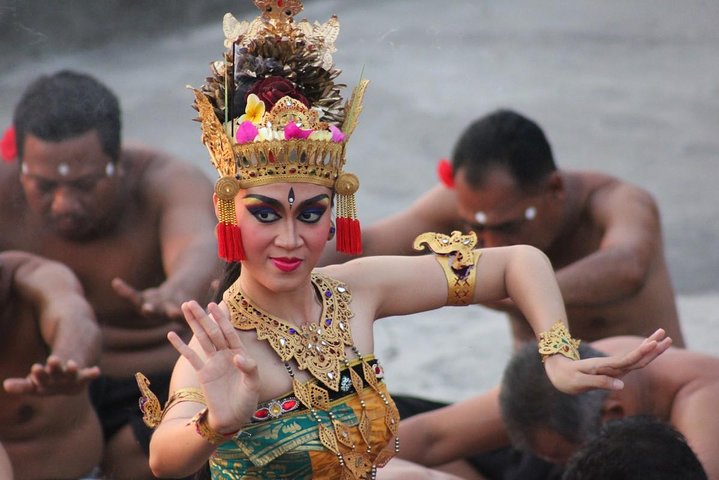
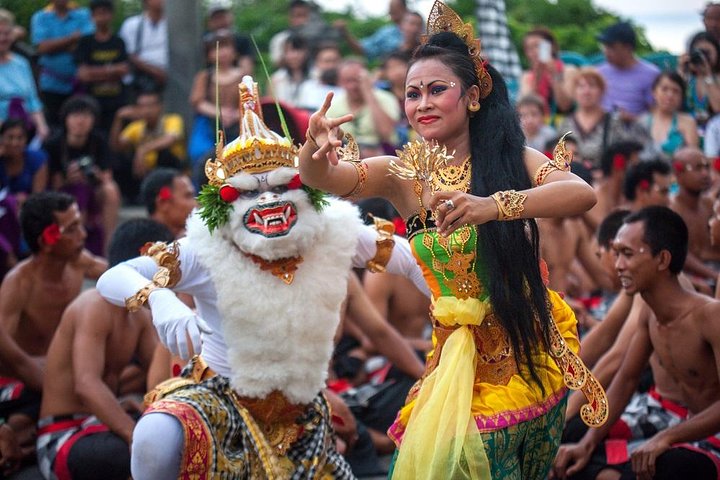
— Perched 70 meters above the Indian Ocean on a limestone cliff, Uluwatu Temple is possibly the most dramatic sunset spot in all of Asia. The nightly Kecak Dance starts at 6:00 PM and costs around IDR 150,000 (~$9). My tip: arrive by 5:00 PM to grab a cliff-side seat and watch the sky change colors behind the dancers. It is theatrical, spiritual, and genuinely unforgettable.
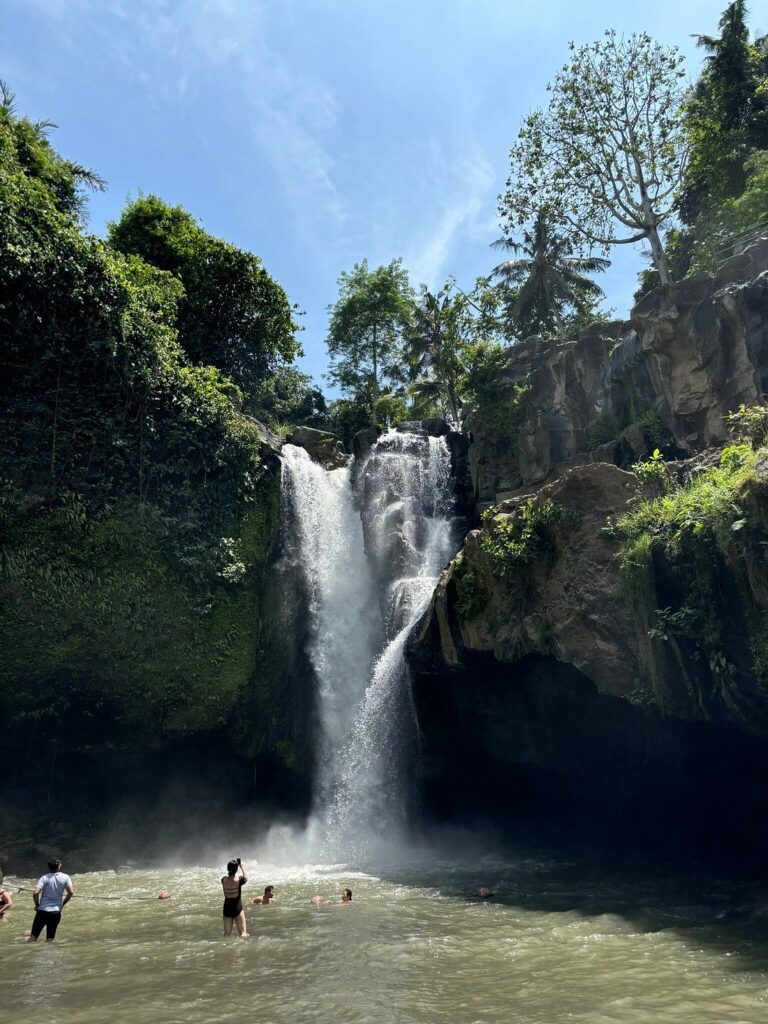
Tegallalang Rice Terraces —
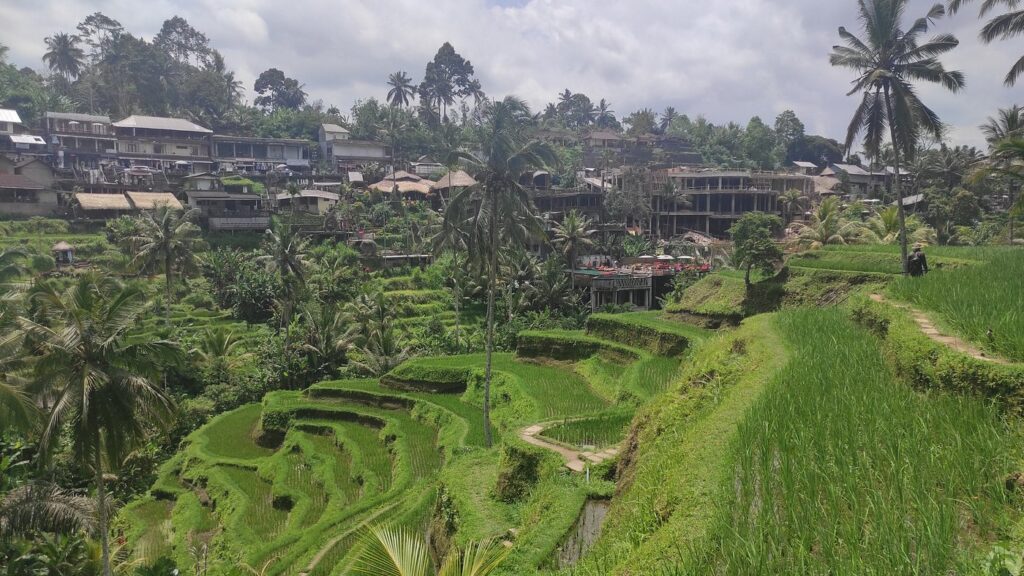
Skip the midday crowd and hit Tegallalang before 8:00 AM. The entrance area can get packed by mid-morning, but early risers get the soft light and near-empty terraces. Entry is free, but vendors along the path charge a IDR 15,000–30,000 walk-through fee. Worth every rupiah for the views.
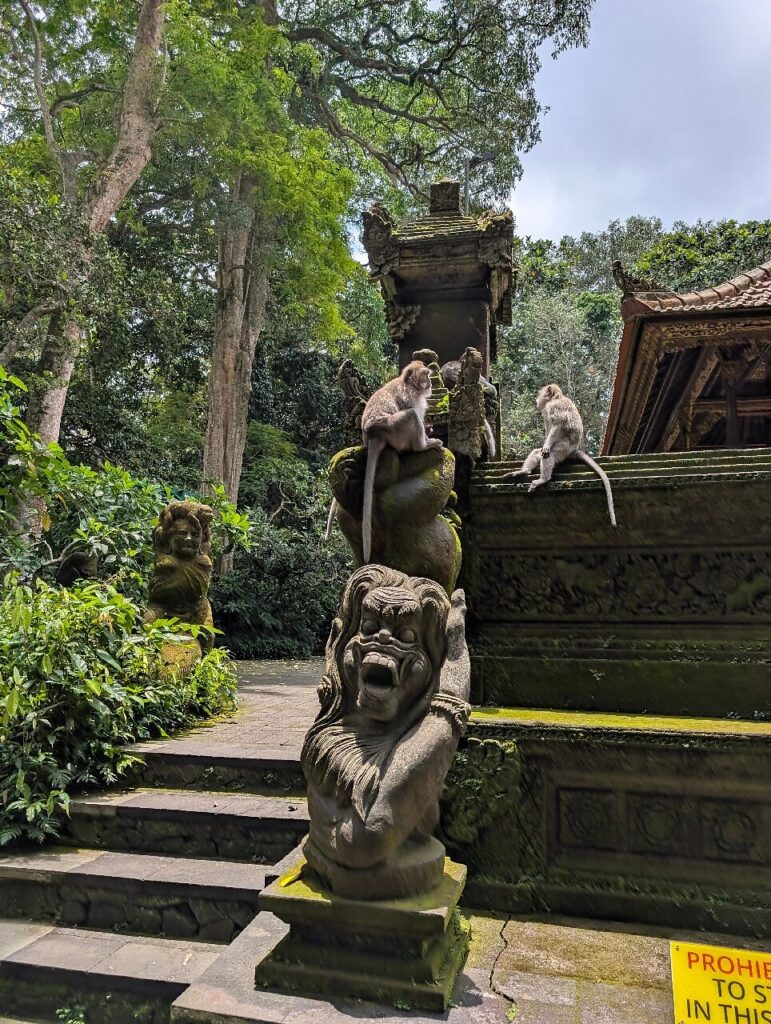
Sacred Monkey Forest Sanctuary —
Don’t go in flip-flops. Seriously. The Monkey Forest in Ubud is home to over 700 Balinese long-tailed macaques and entry costs IDR 80,000 (~$5). Keep your sunglasses on your face, not your head — the monkeys are fast. Visit before 9:00 AM for fewer crowds.
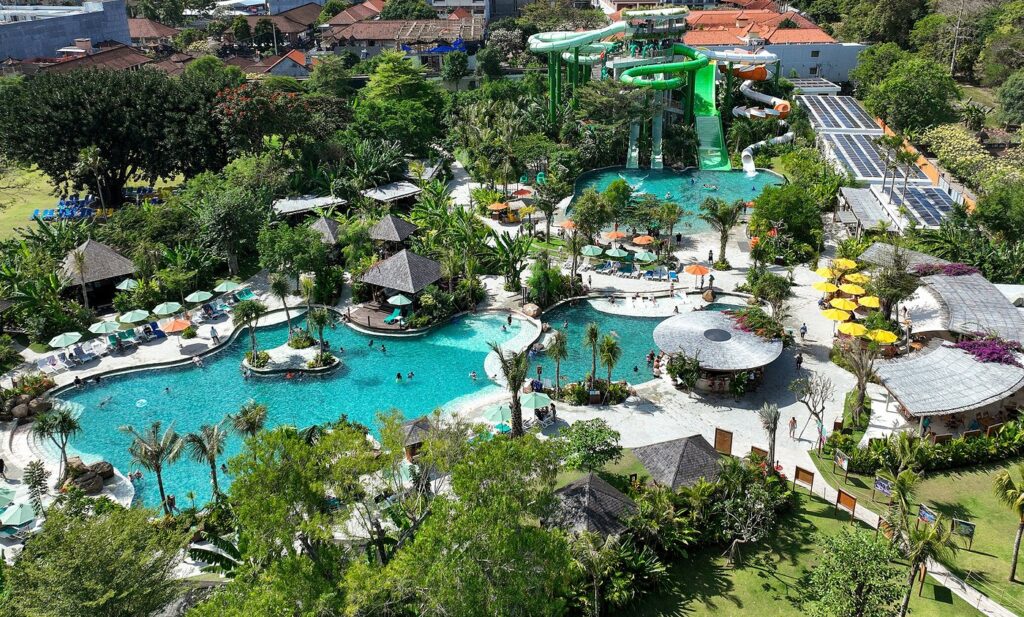
Waterbom Bali —
Located in Kuta, this water park is consistently rated as one of the best in Asia. Day passes run around IDR 600,000–700,000 (~$40) depending on the season. Go on a weekday to avoid weekend queues.

🏖️ Best Beaches in Bali
Quick Answer: Bali’s best beaches cater to every traveler — Kuta for beginner surfers, Seminyak for sundowners and beach clubs, and Pandawa Beach for dramatic cliffs and calmer waters. Each has a distinct energy and is worth a visit.
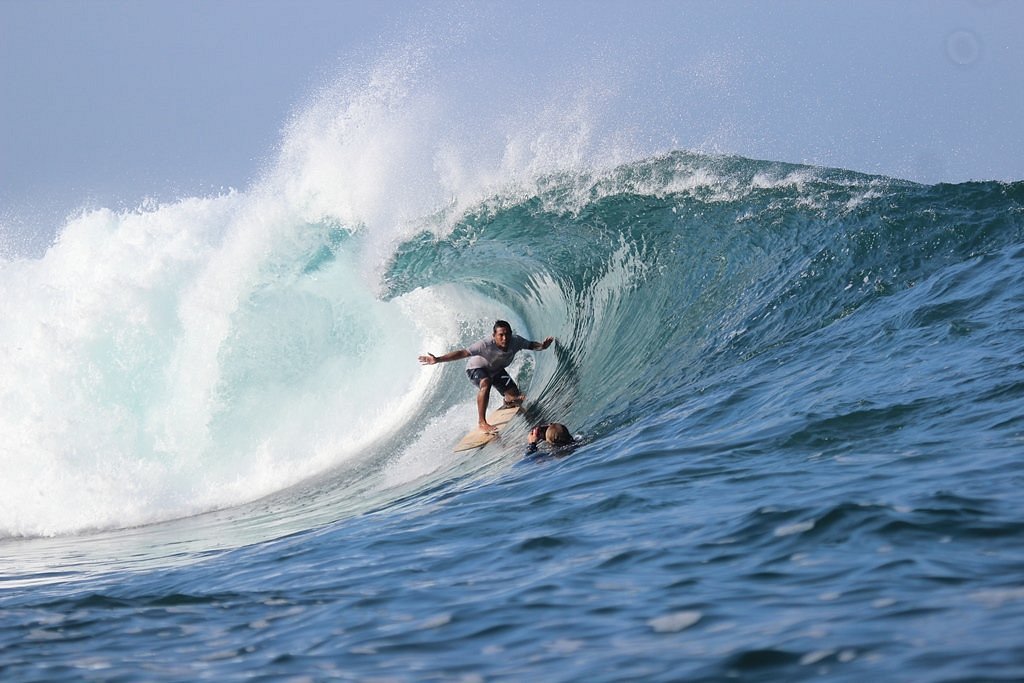
Kuta Beach —
The OG of Bali beaches. Kuta is where most travelers learn to surf. Schools like Rip Curl School of Surf run beginner lessons from $25–$35 including board and instructor. The waves are consistent and friendly for beginners. Sunsets here paint the sky in shades of orange and deep purple — and there is always a Bintang in hand nearby.
Seminyak Beach —
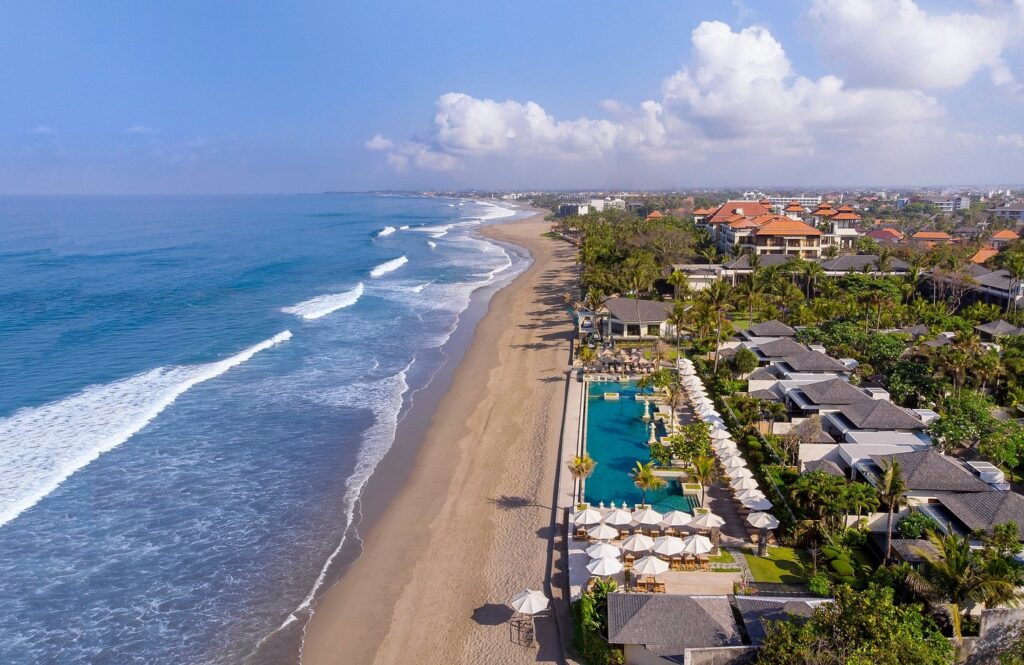
If Kuta is the party zone, Seminyak is where you go to feel fancy without breaking the bank. The beach stretches wide and clean, and iconic beach clubs like Ku De Ta and Potato Head Beach Club are right on the sand. The sunsets from Seminyak are legendary — show up by 5:30 PM and claim your spot.
Pandawa Beach —
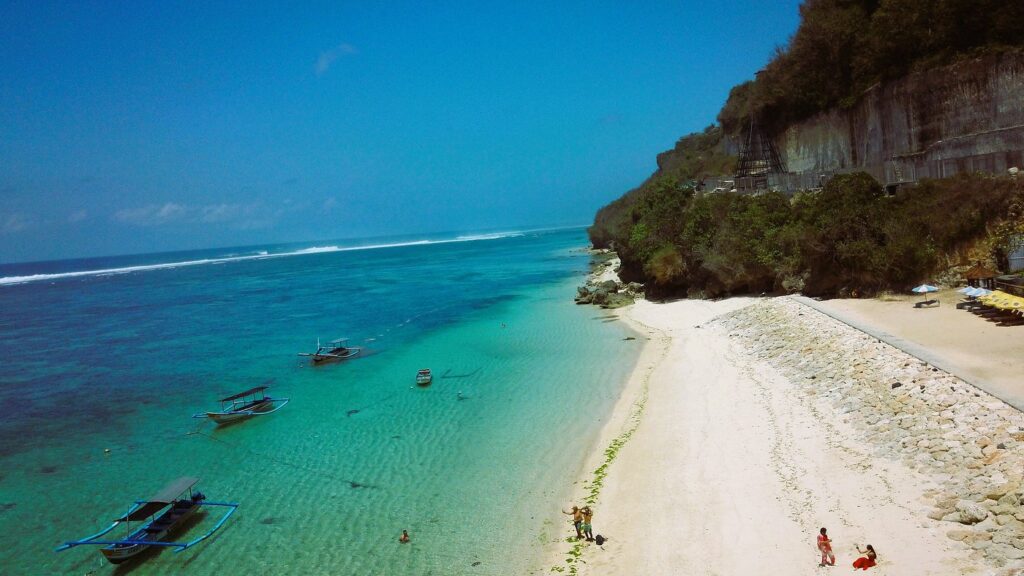
Hidden behind towering limestone cliffs, Pandawa was once a secret and is now a well-known gem. The cliffs are carved with statues of the five Pandawa brothers from Hindu mythology. The water is calmer here than at Kuta — great for a swim. Entry is IDR 10,000 (~$0.60). Go on a weekday if possible.
🎭 Cultural & Local Experiences
Quick Answer: Bali’s culture runs deep. From mesmerizing traditional dances and village markets full of life to the Penjor festival and the daily Canang Sari offerings, immersing yourself in Balinese culture will leave you genuinely moved.
One of the things I love most about sending people to Bali is watching them come back changed by the culture, not just the beaches. Bali’s Hindu traditions are woven into every moment of daily life.
Traditional Dance Performances — Beyond the Kecak at Uluwatu, look for Barong Dance performances in Batubulan village (starts at 9:30 AM daily, around IDR 100,000). The Barong represents good triumphing over evil and it’s one of the most visually rich performances you’ll see anywhere.
Warungs & Local Markets — A warung is a small family-run restaurant, and eating at one is probably the best decision you’ll make in Bali. Expect dishes like Nasi Goreng (fried rice), Mie Goreng (fried noodles), and Babi Guling (suckling pig) for IDR 20,000–40,000 ($1.50–$2.50). Visit Ubud Traditional Art Market early — by 8:00 AM before it gets packed with tour groups.
Canang Sari — The Daily Offering — You will see small woven palm-leaf baskets filled with flowers, rice, and incense on every doorstep, shop entrance, and temple step. These are Canang Sari — offerings Balinese Hindus make to the gods each morning. Please do not step on or photograph them disrespectfully. They are sacred, not props. This small act of awareness means the world to locals.
Penjor Festival (Galungan) — If your trip coincides with Galungan (a Balinese Hindu festival occurring every 210 days), you will see tall, curved bamboo poles called Penjor lining every road, decorated with palm leaves and offerings. It is breathtaking and very few tourists time their trips around it — making it feel especially authentic.
🧗 Adventure & Outdoor Activities
Quick Answer: For adventure seekers, Bali delivers big — hike Mount Batur for a sunrise at 1,717 meters, ride ATVs through jungle tracks in Ubud, or dive Crystal Bay in Nusa Penida for a chance to swim with oceanic manta rays and mola mola sunfish.
Mount Batur Sunrise Trek —
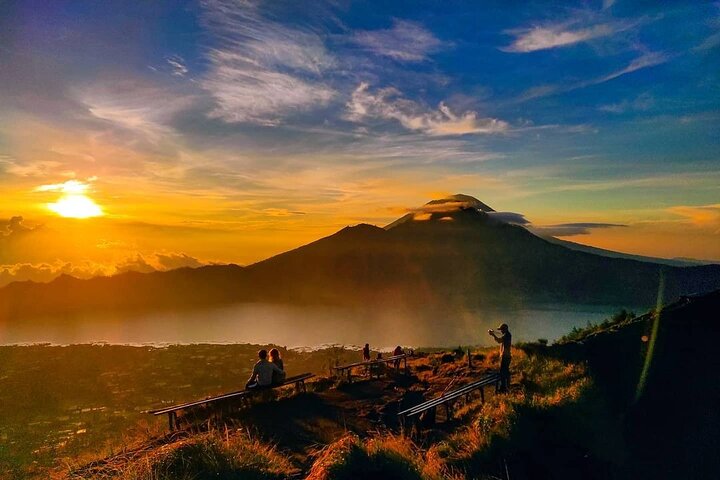
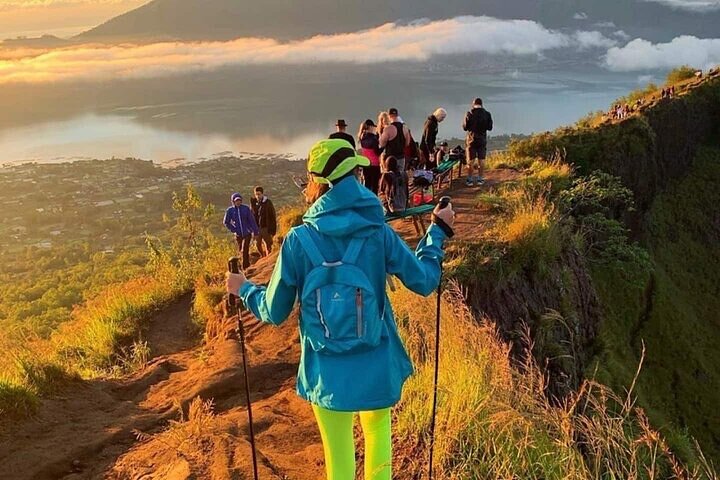
This is one of the most rewarding things you can do in Bali. Mount Batur stands at 1,717 meters and the trek takes around 2 hours each way. You leave around 2:00 AM with a guide to reach the summit before sunrise at 6:00 AM. The views from the crater rim, with clouds below you and the sun rising over Lake Batur, are jaw-dropping. Trek packages including a guide cost around IDR 350,000–500,000 ($22–$32). Always go with a licensed guide from the Batur Trekking Association.
ATV Rides & White Water Rafting —
Ubud is the adventure hub. ATV jungle rides run about IDR 350,000 ($22) for 1–2 hours through rice fields and rivers. White-water rafting on the Ayung River is equally popular — the class II–III rapids are fun without being terrifying, and operators like Mason Adventures run full-day packages with lunch for ~$45.


Scuba Diving at Crystal Bay, Nusa Penida —
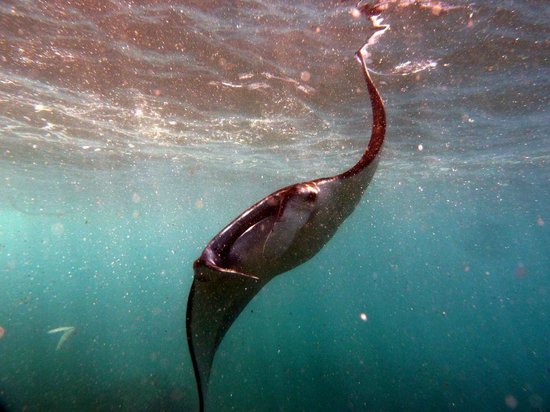
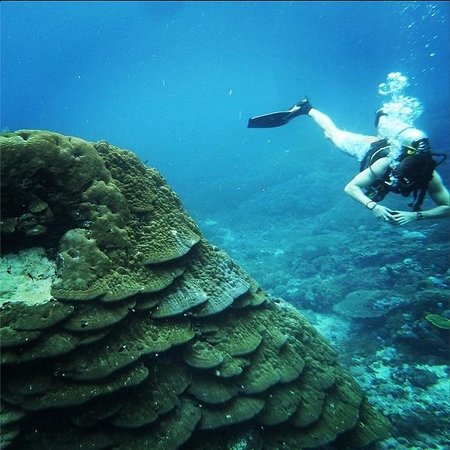
This is a bucket-list dive. Crystal Bay in Nusa Penida is famous for sightings of the oceanic manta ray and the bizarre, ancient-looking Mola Mola sunfish (best spotted July through October). Dive shops in Sanur and Nusa Penida offer two-dive packages from $60–$90. Water visibility can reach 30+ meters — one of the best diving conditions in all of Southeast Asia.
🌿 Hidden & Off-Beat Places to Visit in Bali
Quick Answer: Bali’s off-the-radar spots include the UNESCO-listed Jatiluwih Rice Terraces (far more impressive than Tegallalang and far less crowded), the traditional village of Sidemen Valley often called ‘Old Bali,’ and the inspiring Green School — an open-walled bamboo campus redefining education.
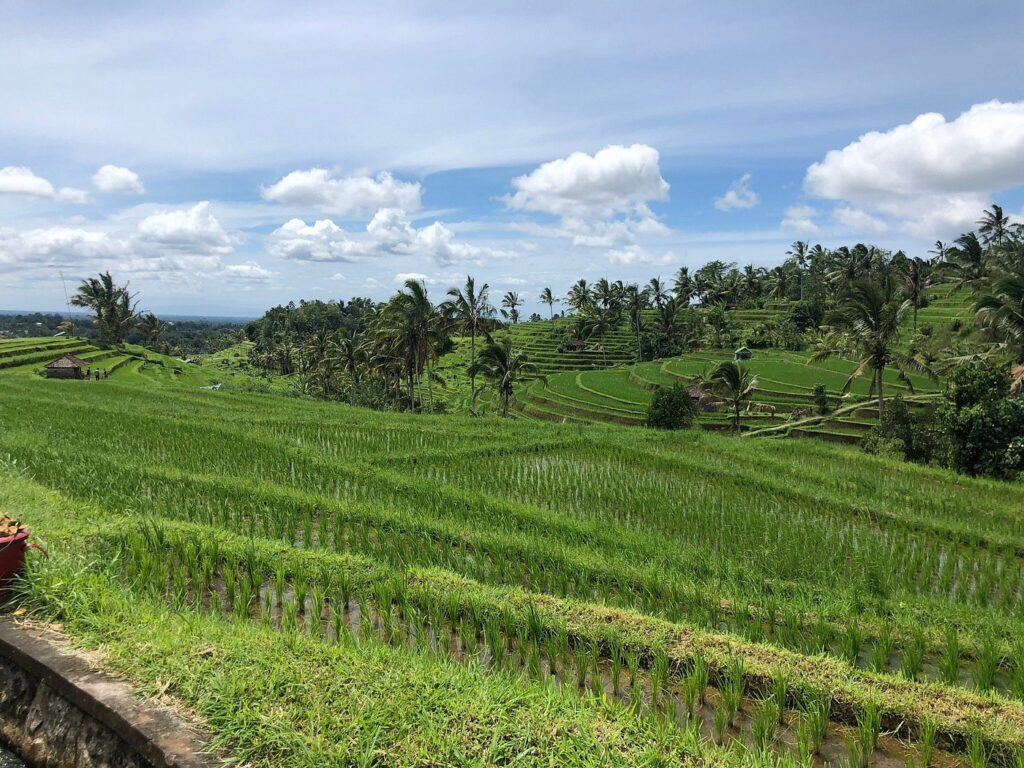
Jatiluwih Rice Terraces (UNESCO World Heritage) — Most tourists go to Tegallalang — and miss the Jatiluwih Terraces entirely. Jatiluwih is a UNESCO World Heritage Site and it is genuinely spectacular. The terraces stretch across 617 hectares with views in every direction. Entry is IDR 40,000 (~$2.50). Rent a scooter and take the back roads — no tour buses allowed on many of the inner paths.
Sidemen Valley — The ‘Old Bali’ — If you want to see Bali the way it looked 30 years ago, go to Sidemen Valley in East Bali. No beach clubs. No Instagram influencers. Just rice paddies, weaving cooperatives run by women, Mount Agung looming in the background, and the kind of quiet that feels healing. Stay at a simple guesthouse for IDR 200,000–400,000 (~$12–$25) per night.
Green School Bali — Technically not a tourist attraction, but this bamboo campus in Sibang Kaja near Ubud is open for educational tours (book in advance). The entire school is built from bamboo and natural materials, runs on solar power, and grows its own food. It will make you rethink everything you know about education and sustainability. Tours run on Thursdays — check greenschool.org for booking.
🗺️ What to Do in Bali for the First Time Visitor
Quick Answer: First-time visitors should base themselves in Ubud for culture, Canggu for the modern beach lifestyle, or Seminyak for nightlife and beach clubs. A 7-day itinerary hitting Ubud, Nusa Penida, and South Bali gives you the best all-round taste of the island.
Where to Stay: Ubud vs Canggu vs Seminyak
| Area | Best For | Vibe | Price Range/Night |
| Ubud | Culture, nature, yoga | Calm, artistic, spiritual | $20–$120 |
| Canggu | Digital nomads, surf | Hip, trendy, busy | $25–$150 |
| Seminyak | Beach clubs, nightlife | Upscale, lively | $40–$200+ |
| Nusa Penida | Diving, raw nature | Wild, untouched | $15–$80 |
Suggested 7-Day First-Timer Itinerary:
- Day 1: Arrival in Denpasar. Airport transfer to Ubud (IDR ~150,000 Grab). Settle in, evening walk in Ubud center.
- Day 2: Ubud — Tegallalang Rice Terraces (early AM), Sacred Monkey Forest, Ubud Art Market, Kecak Dance at Ubud Palace.
- Day 3: Mount Batur Sunrise Trek (pre-book guide). Afternoon at hot springs in Kintamani. Back to Ubud.
- Day 4: Day trip to Nusa Penida via speedboat from Sanur (~IDR 150,000 each way). Kelingking Beach, Angel’s Billabong, Broken Beach.
- Day 5: Move to Seminyak. Afternoon at Seminyak Beach, evening at Ku De Ta or Potato Head for sunset cocktails.
- Day 6: Uluwatu Temple (arrive 5 PM for Kecak Dance at 6 PM). Padang Padang Beach for a swim, Single Fin bar for sundowners.
- Day 7: Waterbom Bali (Kuta) or morning shopping at Seminyak Square. Depart.
💰 Budgeting Bali: Is $1,000 Enough for a Week?
Quick Answer: Yes, $1,000 USD is enough for a comfortable week in Bali at a mid-range level — covering accommodation, food, transport, activities, and your Visa on Arrival. Budget travelers can do it on $400–$500. Here’s a full breakdown.
| Expense Category | Budget ($USD/day) | Mid-Range ($USD/day) | Notes |
| Accommodation | $10–$20 | $40–$80 | Guesthouse vs boutique hotel/villa |
| Food & Drinks | $5–$10 | $15–$30 | Warungs vs cafes/restaurants |
| Transport | $3–$5 | $10–$20 | Scooter rental vs Grab/driver |
| Activities | $5–$10 | $20–$40 | Temples, rice terraces, dives |
| Visa on Arrival | $35 (one-time) | $35 (one-time) | IDR 500,000 — mandatory |
| Tourist Levy | $10 (one-time) | $10 (one-time) | IDR 150,000 — mandatory |
| WEEKLY TOTAL (7 days) | ~$210–$360 | ~$640–$1,000 | Excludes flights & personal shopping |
Wahid’s tip: Pay your Tourism Levy online at lovebali.baliprov.go.id before arrival to skip the airport queue. For the Visa on Arrival, the e-VOA at evisa.imigrasi.go.id saves you 20–30 minutes in line.
❓ FAQs — Bali Travel Questions Answered
Q1: What are the best low-budget experiences in Bali besides beaches?
A: Plenty! Hike the Campuhan Ridge Walk in Ubud for free (just pay IDR 10,000 for parking). Visit Tirta Empul Temple (IDR 50,000) for the sacred purification ritual. Watch the Kecak Dance at Ubud Palace for IDR 100,000. Eat at warungs for $1.50–$3 per meal. A full cultural day in Ubud can cost under $20.
Q2: Is it worth exploring north Bali and other hidden villages?
A: 100% yes. Singaraja and Lovina in north Bali feel like a different country. You can see Sekumpul Waterfall (arguably Bali’s most beautiful), spot dolphins at sunrise off Lovina Beach, and visit the colonial-era Dutch architecture of Singaraja. The roads north are dramatic — through mountains, coffee plantations, and quiet villages with almost no tourist crowds.
Q3: How common is Bali Belly and how do you avoid it?
A: Bali Belly (traveler’s diarrhea) is real. In my years of sending groups here, about 20–30% of travelers experience some form of it, especially in the first few days. To avoid it: only drink bottled or filtered water (including when brushing teeth), avoid ice unless you know it’s from filtered water, eat at warungs with high turnover (fresh food = safer food), and wash your hands constantly. Take oral rehydration salts and Imodium in your kit. If symptoms persist beyond 48 hours or include a fever, see a doctor immediately at a clinic like BIMC Hospital in Kuta. They speak English and serve international patients routinely.
Q4: What unique local activities do travelers recommend around Ubud?
A: Try a Balinese cooking class — Casa Luna runs excellent ones for around $35. Sign up for a traditional Batik fabric dyeing workshop in Tohpati village. Take a silent meditation walk through Penestanan Village. Visit a healer (Balian) for a traditional wellness session — a deeply local experience that is hard to find elsewhere. And watch Canang Sari being laid out at dawn — simply stand still and observe.
Q5: What travel tips do repeat Bali travelers wish they knew?
A: The top 5 things repeat visitors always share: (1) Don’t overplan — leave two free days for spontaneous discoveries. (2) Learn 3 words of Bahasa: ‘Terima kasih’ (thank you), ‘Berapa harga?’ (how much?), ‘Enak sekali’ (delicious) — locals love it. (3) Never rent a scooter if you don’t know how to ride one — scooter accidents are the #1 injury for tourists in Bali. (4) Dress appropriately at temples — a sarong is required and usually available for IDR 10,000 at the gate. (5) Negotiate respectfully — start at 50% of the asking price at markets, never below. And never negotiate for food — that’s bad form.
📋 Practical Tips for Planning Your Bali Trip
Quick Answer: The best months to visit Bali are April–June and September–October — dry season without the peak-season crowd surge. Use Grab or Gojek apps for reliable local transport, hire a private driver for full-day temple tours, and book accommodation at least 6–8 weeks ahead for peak season.
Best Time to Visit
- Peak Season (July–August, December): Busiest and most expensive. Book accommodation months in advance.
- Sweet Spot (April–June, September–October): Dry, warm, fewer crowds. My personal recommendation for first-timers.
- Low Season (November–March): Rainy season, but heavier rains usually come in short bursts. Great deals on accommodation — up to 40% off. Surfers love the swell this time of year.
Getting Around
- Grab & Gojek apps: Best for short trips within a town. Reliable, fixed-price, and safe.
- Private Driver: IDR 500,000–800,000 ($33–$53) for a full day — genuinely the most comfortable and flexible way to cover multiple sites. Ask your hotel to arrange one or use GetYourGuide.com.
- Scooter Rental: IDR 60,000–100,000/day (~$4–$6) — great if you’re experienced. Wear a helmet always. An international driving permit is technically required. Do NOT rent one if you’ve never ridden before — the roads are not forgiving.
Staying Connected
Buy a Telkomsel Tourist SIM at the airport. IDR 50,000–100,000 for solid 4G data across the island. This saves you enormously on roaming charges.
Entry Essentials (2026)
- Complete the All Indonesia Arrival Card at allindonesia.imigrasi.go.id within 72 hours before arrival.
- Pay the Tourism Levy of IDR 150,000 (~$10) at lovebali.baliprov.go.id
- Get your e-VOA at IDR 500,000 (~$35) at evisa.imigrasi.go.id before departure to skip airport queues.
🪔 A Story From the Road — When Bali Taught Me to Slow Down
A few years back, I was escorting a group tour through Ubud. We had a packed day — rice terraces at 7 AM, Monkey Forest at 10, a cooking class at noon, and Kecak Dance by evening. Classic overplanning. And then the scooter carrying our luggage scout broke down on a back road near Payangan, and the whole itinerary fell apart.
We ended up stranded outside a small house. The family inside — without being asked — brought us tea, then a plate of whatever they were cooking for lunch: fragrant rice, a dark rendang-style pork, and fresh sambal. We sat on the porch with them for two hours. No phone. No plan. Just conversation through a translation app and a lot of laughing.
That afternoon was what Bali actually is. Not the Instagram moments. The real ones.
For help planning your trip with zero hassle, reach out to us at Astamb Holidays — we’ve got you covered, from visa guidance to private tour planning.
Final Thoughts From Wahid
Bali doesn’t need much selling. It sells itself. But what it does need is travelers who show up with curiosity, respect, and an open schedule. The island is generous to the traveler who slows down for it.
Whether this is your first trip or your fifth, there is always something in Bali that catches you off guard — in the best way. I’ve been sending people there for 20 years and I still get excited when someone books their first trip.
Have questions? Drop them in the comments or reach out directly at xploreheaven.com. Safe travels. ✈️
📚 References & Citations
This article is backed by authoritative sources and research:
- Indonesia Directorate General of Immigration — Official Visa & Entry Info
- Love Bali — Official Bali Tourism Levy Portal (IDR 150,000)
- All Indonesia Arrival Card — Official Digital Entry System
- Bali Entry Requirements 2026 — Short Stay Bali
- Bali Visa Guide 2026 — Viceroy Bali
- Bali Visa Fees 2026 — Bali Visa Co.
- Bali Travel Requirements 2026 — Klook Travel Blog
- Cost To Visit Bali 2026 — Jetsetter Alerts
- How Much Does Bali Cost 2026 — Kala Surf
- Bali Holiday Budget Guide — Merusaka
- Jatiluwih Rice Terraces — UNESCO World Heritage
- Green School Bali — Official Site
- BIMC Hospital Bali — International Medical Care
- Astamb Holidays — Tour Planning & Booking (Wahid Ali)
© 2026 Xplore Heaven | xploreheaven.com | All Rights Reserved

READ MORE EXCITING ARTICLES;
- Почему последовательность улучшает комфорт
- Почему простота интерфейса увеличивает доверие
- Indians Traveling Phu Quoc Advisory 2026: Visa Rules, Hidden Risks & Must-Know Travel Guidelines
- Northeast India Tourism Guide 2026: Best Places, Itinerary, Cost & Hidden Gems
- Thailand Hidden Islands Travel Guide 2026: Secret Islands, Budget Itinerary & Crowd-Free Beaches for Indians
