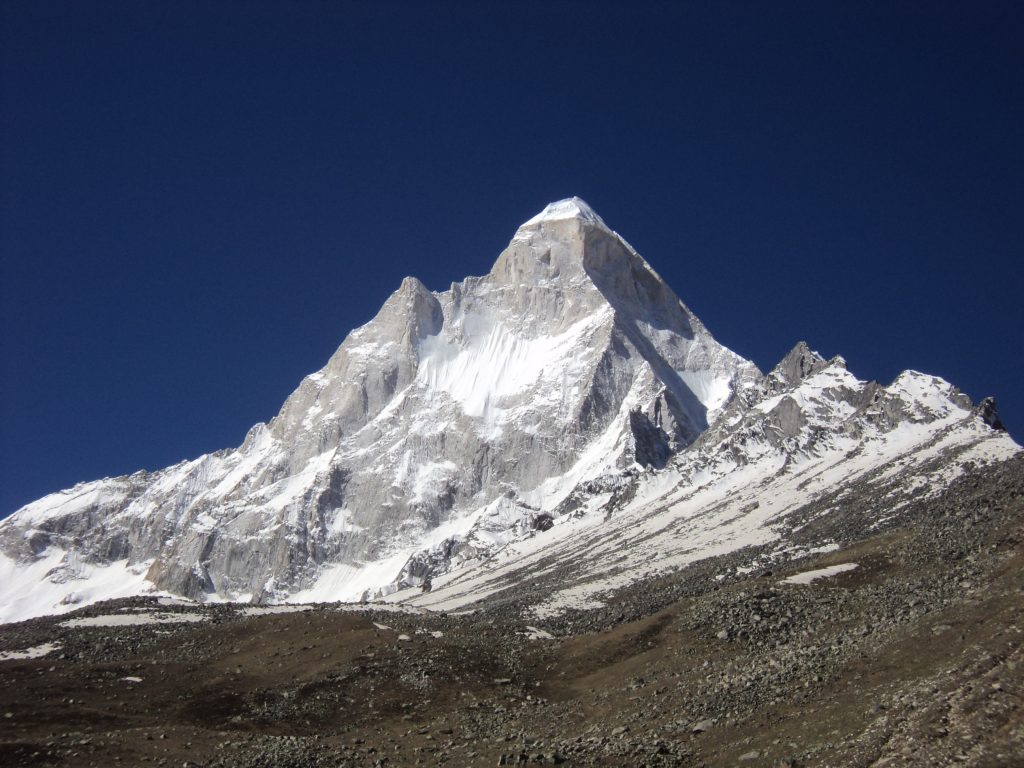
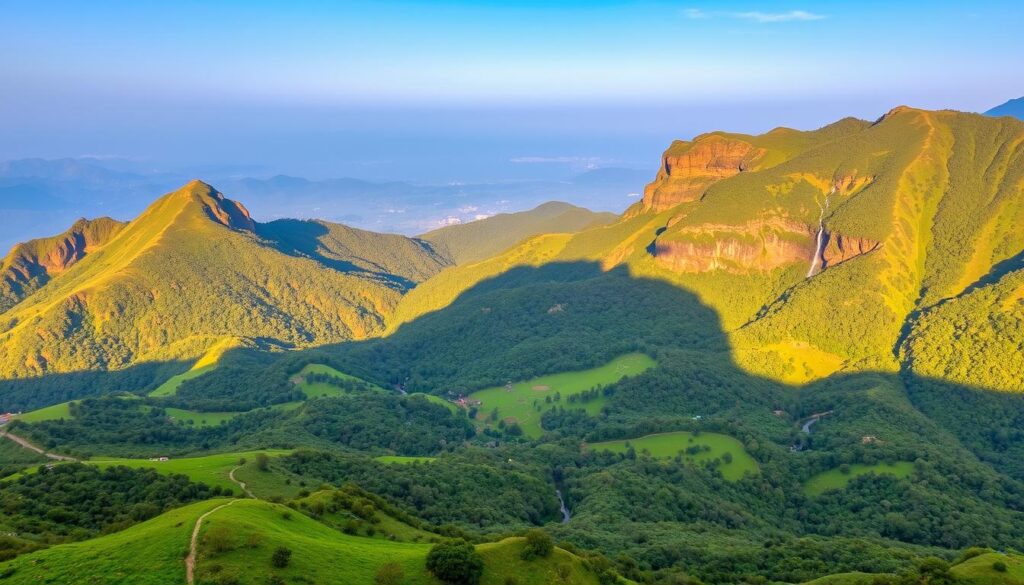
Picture this: You’re standing at the edge of one of India’s last great frontiers, where mist-shrouded mountains guard ancient secrets and indigenous communities live in harmony with pristine wilderness. Welcome to Dibang Valley, a mystical realm in Arunachal Pradesh that has remained largely untouched by mass tourism, offering intrepid travelers an authentic glimpse into India’s northeastern frontier. Recent attention from business magnate Anand Mahindra and growing whispers among adventure enthusiasts have begun to shine a spotlight on this remote paradise. Yet Dibang Valley remains deliciously unexplored, a destination where you can still experience the thrill of true discovery. This comprehensive guide will unlock everything you need to know about Dibang Valley tourism, from navigating the complex logistics to immersing yourself in the fascinating culture of the Idu-Mishmi people. If you’re seeking an adventure that goes beyond Instagram-worthy spots and delves into genuine cultural exchange and untamed wilderness, Dibang Valley beckons. This isn’t just another travel destination – it’s a transformative journey into one of Asia’s most pristine corners, where every step reveals something extraordinary. Why Visit Dibang Valley? The Call of the Wild Imagine a place where the Himalayas unfold in their most dramatic form, where ancient forests whisper stories of time immemorial, and where crystal-clear rivers carve through valleys that have remained unchanged for millennia. Dibang Valley is nature’s masterpiece, a canvas painted with emerald forests, snow-capped peaks, and meadows that burst with wildflowers during the brief but spectacular spring season. The Dibang River, one of the major tributaries of the mighty Brahmaputra, flows through this landscape like a silver thread binding together ecosystems of incredible diversity. From subtropical forests at lower elevations to alpine meadows kissing the sky, the valley harbors species found nowhere else on Earth. Rare orchids bloom in hidden corners, while elusive snow leopards patrol the higher reaches. This is what makes Dibang Valley an unexplored destination of unparalleled natural significance. But the valley’s true magic lies in its people. The Idu-Mishmi tribe, one of Northeast India’s most fascinating indigenous communities, calls this land home. Their deep spiritual connection to the mountains and forests has preserved both their culture and the environment for centuries. Visitors have the rare privilege of witnessing a way of life that remains largely untouched by globalization, where traditional knowledge systems guide daily life and ancient rituals honor the spirits of the land. The diverse Dibang Valley culture manifests in everything from intricate handwoven textiles to elaborate festivals that celebrate the changing seasons. The Idu-Mishmi people practice their ancestral faith, Aniism, which recognizes the sacred in every aspect of the natural world. Their traditional bamboo houses, perched on stilts and built without a single nail, demonstrate remarkable architectural wisdom adapted to the valley’s unique climate and terrain. What sets Dibang Valley apart from India’s crowded hill stations and commercialized destinations is its profound sense of peace and authenticity. Here, you won’t find traffic jams or tourist traps – instead, you’ll discover the rare luxury of silence, broken only by birdsong and the distant murmur of flowing water. This is adventure travel at its purest, where the journey itself becomes as meaningful as the destination. Planning Your Expedition: How to Reach Dibang Valley & Practicalities Reaching Dibang Valley requires careful planning and considerable patience, but the rewards are extraordinary. This section of our Dibang Valley travel guide covers everything you need to know about permits, transportation, timing, and logistics to ensure your journey unfolds smoothly. Permits: Your Gateway to the Valley Before dreaming of misty mornings in Anini Dibang Valley, every non-resident of Arunachal Pradesh must secure proper permits. Indian citizens require an Inner Line Permit (ILP), while foreign nationals need a Protected Area Permit (PAP). This isn’t bureaucratic red tape – it’s a protective measure ensuring responsible tourism in sensitive border regions. For Indian Citizens – Inner Line Permit (ILP): Apply online through the official Arunachal Pradesh government portal at least 15 days before travel. You’ll need passport-sized photographs, identity proof, and detailed travel itinerary. The permit typically costs around ₹100-200 and is valid for 15 days, with possible extensions. Processing usually takes 3-7 working days, but delays can occur during peak seasons. For Foreign Nationals – Protected Area Permit (PAP): Foreign visitors must apply through registered tour operators or the Foreigners Registration Office in Delhi, Kolkata, or Guwahati. The process is more complex and can take 4-6 weeks, requiring detailed documentation including passport copies, visa details, and a comprehensive itinerary. PAP applications must be submitted well in advance, especially during winter months when processing may be slower. Getting to the Region: The Journey Begins Nearest Airport: Dibrugarh Airport in Assam serves as the primary gateway, located approximately 150 kilometers from the Arunachal Pradesh border. Regular flights connect Dibrugarh to Delhi, Kolkata, and Guwahati. From the airport, hire a taxi or take a bus to reach Pasighat or Roing. Railway Connectivity: Tinsukia Railway Station, about 40 kilometers from Dibrugarh, offers train connections to major Indian cities. However, air travel remains the most efficient option for most visitors. Road Journey to Arunachal Pradesh: From Dibrugarh, the journey to Roing (Lower Dibang Valley district headquarters) takes 4-5 hours via well-maintained highways. This scenic drive offers your first taste of Northeast India’s incredible landscapes, with tea gardens giving way to dense forests as you approach the hills. The Final Push: How to Reach Dibang Valley’s Heart The real adventure begins at Roing, where you’ll arrange onward transportation to Anini, the administrative center of Upper Dibang Valley district. This 210-kilometer journey is perhaps India’s most spectacular and challenging road trip, taking 8-12 hours depending on weather and road conditions. Vehicle Options: The road to Anini winds through changing landscapes, from subtropical forests to temperate woodlands, finally reaching alpine environments above 2,000 meters. Expect multiple river crossings, narrow mountain roads, and occasional delays due to landslides or weather. The journey itself is an adventure, offering spectacular views and multiple photo opportunities. Best Time to Visit: Timing Your Adventure Peak Season (October to March): Clear skies