Australia Travel

Explore Australia travel guides, itineraries, places to visit, travel tips, budget planning, and destination insights for Sydney, Melbourne, Perth, Tasmania, Gold Coast, and other top attractions across Australia.

What to Do in Adelaide Australia — Complete Travel Guide

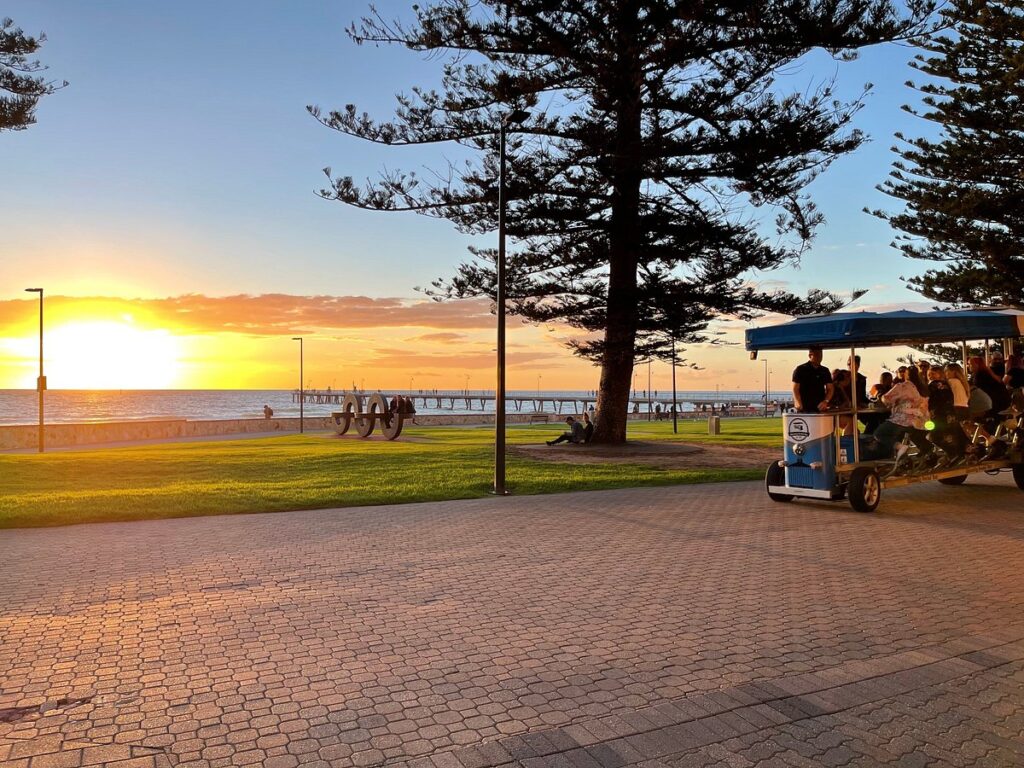
Looking for what to do in Adelaide Australia but not sure where to start? I’ve spent two decades organizing travel experiences across the globe, and let me tell you – Adelaide is having its moment. This South Australian capital just topped Yahoo! Creators’ 2026 Best Places to Travel list, beating out Kyoto and the Dolomites. That’s not hype; it’s a recognition of something special happening here. In my experience managing tours at Astamb Holidays, Adelaide stands out as the perfect blend of accessible sophistication and genuine Aussie charm. You can hop on a tram from the city center and be at the beach in 20 minutes. World-class wine regions? They’re barely an hour away. This is what locals call the “20-minute city” – everything you need is ridiculously close. Here’s what makes 2026 the year to visit: the Adelaide Central Market is doubling in size with a $400 million expansion, new luxury hotels are opening, and the city’s festival calendar is packed. Whether you’re into wildlife, wine, art, or just great food, Adelaide delivers without the crowds you’d find in Sydney or Melbourne. Is It Worth Visiting Adelaide, Australia? Absolutely. Adelaide is worth visiting if you value quality experiences over tourist traps. This isn’t a city that screams for attention – it earns it through substance. The “20-minute city” concept isn’t just marketing. From downtown Adelaide, you can reach Glenelg Beach in 20 minutes by tram, the Adelaide Hills in 20 minutes by car, and even the Barossa Valley in about an hour. Try doing that in Sydney or Melbourne. What really sets Adelaide apart is its approachability. The city grid is walkable, the free city connector bus runs regularly, and locals actually make eye contact and chat. It’s a refreshing change from the hustle of bigger Australian cities. Plus, Adelaide was just named #1 Best Place to Travel in 2026 by both Yahoo! Creators and Condé Nast Traveler’s Oceania list. That recognition isn’t random – it reflects massive investments in tourism infrastructure and a food and wine scene that’s genuinely world-class. What Is Adelaide Famous For? Adelaide has earned its reputation across several distinct areas that make it stand out globally. 🎭 Festivals & Events (Fringe, OzAsia) Adelaide is Australia’s festival capital, period. The Adelaide Fringe Festival runs from February 20-March 22, 2026, and it’s the world’s second-largest arts festival after Edinburgh. We’re talking 1,400+ shows, 6,000+ artists, and 500+ venues across 31 days. From underground comedy in hidden bars to world-class theater, the Fringe transforms the entire city. The festival is completely open-access, meaning anyone can perform. This creates an electric mix of established acts and raw emerging talent. Main hubs like The Garden of Unearthly Delights and Gluttony become temporary cultural villages with food, drinks, and performances running late into summer nights. WOMADelaide (World of Music and Dance) and OzAsia Festival round out the cultural calendar, bringing global artists to Adelaide’s stages. In my years coordinating tours, I’ve never seen travelers disappointed by Adelaide’s festival scene. 🍷 World-Class Food & Wine (Central Market, Barossa) The Adelaide Central Market is South Australia’s most visited attraction, drawing 8 million visitors annually. The 2026 expansion will double its footprint to 6,760 square meters with 53 new tenancies, creating one of the Southern Hemisphere’s premier food destinations. Beyond the market, Adelaide sits at the heart of Australia’s wine country. The Barossa Valley produces legendary Shiraz with 2021 being called one of the greatest vintages in the region’s history. McLaren Vale, just 38 kilometers south, offers Mediterranean climate wines and coastal charm. Both regions are day-trip accessible from Adelaide. 🏖️ Beaches, Parks & Outdoor Life Glenelg Beach is Adelaide’s crown jewel – a 20-minute tram ride from the CBD delivers you to white sand, clear water, and the Moseley Beach Club (Australia’s only official beach bar). The Glenelg Jetty, originally built in 1859, stretches into Holdfast Bay and offers sunset views that’ll make your Instagram followers jealous. The city is surrounded by park lands – a green belt that separates the urban core from suburbs. Adelaide Botanic Garden showcases native and exotic plants in perfectly maintained grounds, while the River Torrens linear park provides cycling and walking paths through the city. 🪃 Indigenous Culture & Art (Focus on Tandanya & Kaurna Traditions) Tandanya National Aboriginal Cultural Institute is Australia’s oldest Aboriginal-owned and operated multi-arts center, reopening in February 2026 after major renovations. The name comes from Tarndanya, the Kaurna people’s word for Adelaide, meaning “place of the red kangaroo.” The Kaurna people are the traditional custodians of the Adelaide Plains. Their territory extends from Cape Jervis in the south to Port Wakefield in the north. The Kaurna Walking Trail links 17 significant sites along the River Torrens (Karrawirra Pari) to Victoria Square (Tarntanyangga), offering insights into thousands of years of continuous culture. During Adelaide Fringe 2026, Tandanya will host performances with 55% Indigenous cast and crew, partnering with Gluttony to showcase First Nations music, theater, visual arts, and storytelling. How Many Days in Adelaide Is Enough? Here’s my honest take based on years of planning itineraries: Duration What You Can Experience Best For 2-3 Days City highlights, one beach day, one wine region First-time visitors, quick getaways 4-5 Days City exploration, multiple wine regions, Adelaide Hills, Kangaroo Island day trip Balanced experience 1 Week Deep dive into wine regions, 2-day Kangaroo Island, festivals, coastal drives Wine lovers, nature enthusiasts Minimum recommendation: 3 days. This gives you time to experience the city’s culture, hit the beach, and explore one wine region without rushing. If you’re visiting during Adelaide Fringe (February 20-March 22, 2026), add 1-2 extra days. The festival offerings are too good to squeeze into a packed itinerary. What to Do in Adelaide for 3 Days — Itinerary Day 1: Culture & City Exploration Morning: Start at the Adelaide Central Market (open Tuesday, Thursday-Saturday, 7am-5:30pm; Friday 7am-9pm). Grab coffee from one of the artisan roasters and browse 70+ stalls selling everything from fresh produce to Haigh’s Chocolates (a South Australian institution

What to Do in Adelaide Australia — Complete Travel Guide Read More »
New Zealand Snow Mountain

New Zealand Tour 2026: Ultimate Travel Guide, Itineraries, Costs & Tips

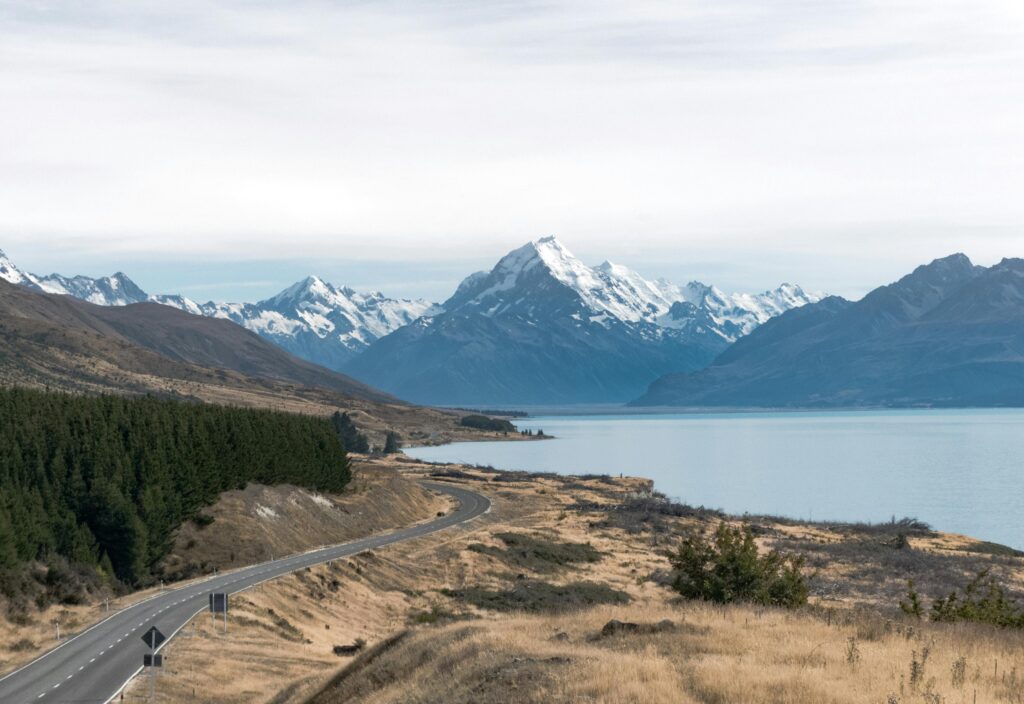
Picture this: glaciers descending into rainforests, golden beaches kissed by turquoise waters, geothermal pools bubbling beneath snow-capped peaks, and cultures so rich they’ve shaped landscapes for over a thousand years. Welcome to New Zealand – where every new zealand tour becomes a story you’ll tell for a lifetime. I’m Wahid Ali, and after 20 years of managing tours at Astamb Holidays in Mumbai, I’ve helped thousands of travelers experience destinations that take their breath away. But New Zealand? This place holds a special spot in my heart. It’s not just about the scenery (though trust me, you’ll run out of memory on your phone). It’s about standing on volcanic ridges at sunrise, sharing a traditional Maori hangi, or feeling your heart race as you bungy jump over crystal waters in Queenstown. 2026 is shaping up to be an incredible year to visit New Zealand. With flight connections improving, accommodation options expanding, and sustainability initiatives making travel more responsible, there’s never been a better time to plan your Kiwi adventure. Whether you’re a solo adventurer chasing adrenaline, a family seeking unforgettable memories, or a couple dreaming of romantic landscapes, this guide will show you exactly how to make your New Zealand tour 2026 absolutely perfect. 🌏 What is a New Zealand Tour and Why Visit in 2026? A new zealand tour isn’t just a vacation – it’s an immersion into two stunning islands where ancient Maori traditions meet modern adventure culture. Here’s what makes New Zealand genuinely special: The Land of Contrasts: The North Island gives you geothermal wonderlands like Rotorua, where the earth literally steams and bubbles. Meanwhile, the South Island delivers jaw-dropping alpine scenery with Milford Sound, glaciers, and mountain ranges that seem pulled from fantasy novels. Maori Culture Meets Natural Wonders: New Zealand is one of the few places where indigenous culture thrives alongside spectacular wilderness. You’ll witness authentic Maori welcomes (powhiri), traditional dances (haka), and earth-oven feasts (hangi) – experiences that connect you to thousands of years of Pacific heritage. Adventure Capital of the World: From Queenstown’s bungy jumping and Abel Tasman’s kayaking to Tongariro National Park’s volcanic hiking, New Zealand practically invented adventure tourism. But here’s the secret I tell my clients: you don’t need to be an adrenaline junkie. Gentle walks, wine tastings, and scenic drives deliver equally powerful experiences. Why 2026 Specifically? After years of managing international tours, I’ve noticed travel patterns. 2026 brings better flight connectivity through Emirates and Singapore Airlines, improved infrastructure across both islands, and – importantly – more sustainable tourism practices that let you experience New Zealand responsibly. Feature North Island South Island Landscape Volcanic, geothermal Alpine, glacial Climate Subtropical north, temperate south Cooler, more variable Main Attractions Rotorua, Auckland, Hobbiton Queenstown, Milford Sound, glaciers Best For Culture, geothermal wonders Adventure, dramatic scenery 🌤️ When is the Best Time to Go on a New Zealand Tour? Timing your new zealand tour makes all the difference. Let me break down what I’ve learned from years of sending travelers across seasons: Summer (December – February): Peak Season Temperature: 20-25°C (68-77°F) This is when New Zealand absolutely shines. Long daylight hours (14-15 hours daily), warm temperatures, and stable weather make summer ideal for hiking, beaches, and outdoor activities. January and February are the warmest months. Pros: Cons: My Take: If you’ve got school-age kids or can only travel during peak season, absolutely go. Just book early and be prepared for company on popular trails. Autumn (March – May): The Sweet Spot Temperature: 15-20°C (59-68°F) This is my personal favorite time to recommend. After 20 years in travel operations, I’ve seen autumn deliver the best value-to-experience ratio. Pros: Cons: Expert Tip: March specifically offers summer weather without summer crowds – it’s the hack I share with clients who want the best of both worlds. Winter (June – August): Ski Season Temperature: 12-16°C (53-61°F) in coastal areas, below freezing in mountains Pros: Cons: Perfect For: Ski enthusiasts and budget travelers willing to embrace indoor attractions and urban experiences. Spring (September – November): Wildflower Season Temperature: 16-19°C (61-66°F) Pros: Cons: Best Month: November combines spring beauty with increasingly stable weather. 📋 Visa & Entry Requirements for New Zealand Tourists Let me walk you through the visa process – this trips up many first-time visitors, but it’s actually straightforward once you understand the system. Understanding NZeTA vs Visitor Visa New Zealand uses two main entry systems: 1. NZeTA (New Zealand Electronic Travel Authority): This electronic permission links directly to your passport. Think of it as a streamlined entry system for visa-waiver countries. Who Needs It: Cost: NZD $23 (via mobile app) or NZD $27 (via website) + NZD $100 IVL (International Visitor Conservation and Tourism Levy) Processing Time: Up to 72 hours (most approved within 24 hours) Validity: 2 years or until passport expires Important: Even if you’re just transiting through Auckland Airport, you still need an NZeTA if you’re from a visa-waiver country. 2. Visitor Visa: Required for citizens from countries NOT on the visa-waiver list, including India, China (when not transiting from Australia), and many African and Asian nations. Application: Submit online through Immigration New Zealand or at local visa application centers Processing: Varies by nationality and application completeness (2-4 weeks typical) Cost: Varies by country; generally NZD $211-246 plus NZD $100 IVL Essential Entry Requirements (Everyone) Regardless of visa type, you must have: New Zealand Traveller Declaration (NZTD) This free digital form must be completed by EVERYONE arriving in New Zealand (including citizens, children, and infants): Biosecurity Matters: New Zealand takes biosecurity seriously. Declare ALL food, plant materials, hiking boots, and camping gear. Undeclared items can result in NZD $400 fines. Official Resource: Check your specific requirements at https://www.immigration.govt.nz/ My Professional Advice Apply for your NZeTA or visa at least 2 weeks before your flight, even though processing is usually faster. This gives you buffer time if additional documentation is needed. I’ve seen clients miss trips because they assumed 72-hour processing meant they could wait until the last minute – don’t make that

New Zealand Tour 2026: Ultimate Travel Guide, Itineraries, Costs & Tips Read More »

Discover Carnarvon Gorge National Park in Central Queensland—an oasis of sandstone cliffs, Aboriginal rock art, hiking trails, and wildlife. Plan your perfect trip with this comprehensive 2024 guide including best hikes, camping info, and travel tips.

Carnarvon Gorge National Park – An Oasis in the Outback

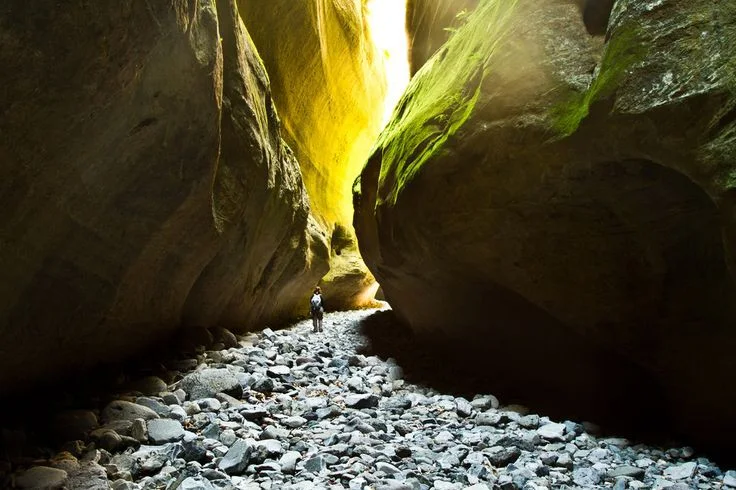
Carnarvon Gorge National Park: Complete Travel Guide to Queensland’s Outback Oasis Imagine winding your way through a kaleidoscope of ochre-striped cliffs, misty rainforest pockets and shimmering creeks—all nestled in the heart of Australia’s red earth. Carnarvon Gorge National Park is just that: an unexpected oasis in the rugged Outback, where time has sculpted 600-metre-high sandstone walls around a lush, water-fed sanctuary. Towering cliffs give way to verdant ferns, ancient cycads and the endemic Carnarvon fan palm, for which the gorge is famed. Whispered tales of Dreamtime figures echo through sandstone amphitheatres, while over 4,000-year-old Aboriginal rock art stencils bear witness to millennia of human connection. Whether you’re a seasoned hiker, a family seeking a unique camping adventure, a photographer chasing epic sunrise vistas, or simply someone craving a profound nature immersion, Carnarvon Gorge delivers. Trek the Main Gorge Walk to discover the Moss Garden’s fern-clad grotto and the Cathedral Cave’s overhangs; challenge yourself on Boolimba Bluff at dawn; or wander the gentle Nature Trail spotting elusive platypus at dawn. This guide equips you with everything you need—geology, history, must-do hikes, insider tips, packing lists, FAQs and more—to plan an unforgettable journey. Ready your boots, pack your sense of wonder, and let this oasis beckon you off the beaten path into Queensland’s most spectacular sandstone wilderness. What Is Carnarvon Gorge? Carved over 200 million years by the persistent flow of Carnarvon Creek, Carnarvon Gorge cuts a 30 km long, 600 m deep swathe through Central Queensland’s sandstone belt . The gorge sits within Carnarvon National Park, part of an ancient geological tapestry spanning the Bowen Basin, Surat Basin and Buckland Volcanic Province. A protective cap of basalt—remnants of volcanic flows 30 million years ago—forms the plateau rim, while softer sedimentary layers beneath give rise to dramatic overhangs and cliffs. Ecologically, the gorge is a vital refuge: impermeable siltstones trap spring water close to the surface, nurturing lush pockets of rainforest and supporting species found nowhere else—such as the Carnarvon fan palm and King Fern. Historically, Aboriginal occupation dates back at least 19,500 years, with rock art sites like the Art Gallery and Cathedral Cave bearing stencilled handprints and ancestral stories over 4,000 years old . Why Visit Carnarvon Gorge National Park? Carnarvon Gorge stands apart from other parks through its fusion of grandeur (towering cliffs and deep canyons), intimacy (hidden side-canyons with primeval ferns) and cultural depth (one of Australia’s richest rock art collections). Things to Do in Carnarvon Gorge National Park 1. The Main Gorge Walk (19.4 km return; Challenging) Moss Garden: A 7 km return side-walk takes you into a lush fern grotto where spring water cascades over moss-laden rocks. Watch for King Ferns in the cool, shaded side-canyon .Amphitheatre: A ladder climb leads into a 60 m deep sandstone chamber with remarkable acoustics.Art Gallery: View over 2,000 Aboriginal stencils and engravings along a boardwalk—fragile and priceless; please don’t touch.Cathedral Cave: Explore the vast overhang, home to stencils and spiritual motifs. Practical Tips: 2. Mickey Creek Gorge & Baloon Cave (3 km return; Easy) 3. Boolimba Bluff (6.4 km return; Moderate) 4. Nature Trail (1.5 km circuit; Easy) 5. Other Notable Walks 6. Aboriginal Rock Art 7. Wildlife Spotting & Birdwatching Planning Your Trip Getting There Road Conditions: Sealed up to the visitor area; check for flood closures after rain. Best Time to Visit Accommodation Permits & Bookings What to Pack Safety & Mobile Reception Wildlife in Carnarvon Gorge National Park Carnarvon Gorge’s perennial springs and varied habitats support an extraordinary array of fauna : Wildlife-Spotting Tips: Quick Information Table Feature Details Location Central Queensland, ~720 km NW of Brisbane Park Size ~298,000 ha Opening Hours 24 hrs; Visitor Centre 8 am–4 pm Entrance Fees Free Camping Fees ≈AU$7.25 pp/night (permits required) Best Time to Visit Apr–Sep Nearest Town Injune (111 km), Rolleston (100 km) Park Ranger Office +61 7 … (check online) Website Queensland National Parks Frequently Asked Questions (Additional FAQs derived from “Also Asked” PNG: “Is the road sealed?”, “What town is near…?”, “What’s the temperature in October?”, “Is there phone coverage?”, etc. Answered in-line above.) Conclusion Carnarvon Gorge National Park is more than a destination—it’s a living museum of geology, ecology and culture. From the hush of fern-lined canyons to the echoing grandeur of sandstone amphitheatres, every step reveals a new wonder. Whether you’re chasing sunrise atop a bluff, tracing ancient rock art stencils or drifting beside a platypus at dawn, this oasis in the Outback will leave you transformed. Start planning your adventure today: book permits, pack smart, respect this fragile landscape, and prepare to be captivated by Queensland’s most spectacular gorge. Share your journey, leave a comment below, and let Carnarvon Gorge’s magic inspire your next great Outback tale. All information sourced from the Carnarvon Gorge Travel Research Guide and Queensland Parks & Wildlife Service. For more articles and updates go to: https://xploreheaven.com/blogs-updates/ Carnarvon Gorge Primarily created by water erosion, Carnarvon Gorge is around 30 kilometres long, located in Carnarvon National Park, and six hundred metres deep at the

Carnarvon Gorge National Park – An Oasis in the Outback Read More »

Whitsundays QLD, Australia

Whitsunday Islands Travel Blog: Inspiration & How-To Guides

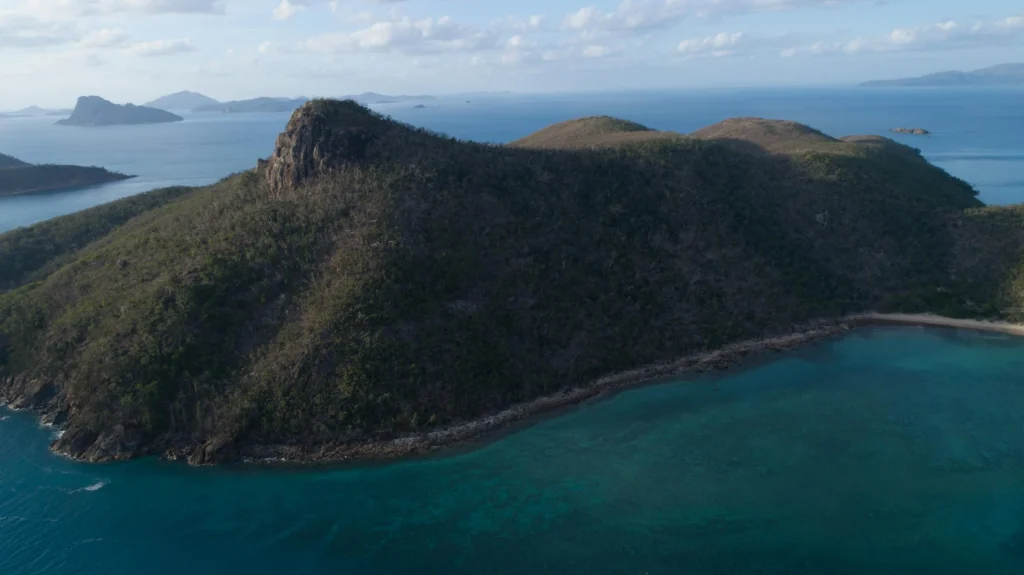
Ahoy there, mateys! Get ready to hoist the sails and embark on an unforgettable adventure, because we’re diving deep into the dazzling world of the Whitsunday Islands. Imagine yourself gliding across waters so blue they seem Photoshopped, with the wind whipping through your hair and a horizon dotted with emerald isles. This isn’t just a vacation; it’s a call to the wild, a chance to reconnect with nature in its most breathtaking form. Welcome aboard “The Ultimate Guide to Sailing the Whitsunday Islands,” your compass to navigating this tropical wonderland. Whether you’re a seasoned sailor or a landlubber dreaming of your first voyage, this guide is your treasure map to planning a sailing escapade that will etch itself into your memory forever. Prepare to be thrilled, inspired, and utterly captivated by the magic of the Whitsundays! An Introduction to the Whitsundays: Nature’s Masterpiece Nestled snugly off the central coast of Queensland, Australia, lie the Whitsunday Islands – a masterpiece painted by nature herself. Approximately 900 kilometers north of bustling Brisbane, this stunning archipelago is a jewel in the crown of the Great Barrier Reef Marine Park. While often cited as comprising 74 islands, some sources even suggest the broader Whitsunday region encompasses over 90 isles! Stretching from Bowen in the north to the Repulse Islands in the south, they form a significant part of the Cumberland group, Australia’s largest offshore island chain. Amongst these island gems, Hamilton, Hayman, Hook, and Whitsunday stand out, the latter cradling the world-renowned Whitehaven Beach. Unlike coral cays found elsewhere along the Great Barrier Reef, the Whitsundays are continental islands, meaning they were once connected to the Australian mainland as part of a vast mountain range. Their formation story began around 110 million years ago, during a period of intense volcanic activity. Over a staggering 37 million years, volcanic eruptions layered ash and rock, which eventually solidified to form the islands’ bedrock foundation. Simultaneously, tectonic plate movements lifted the land, creating coastal mountain ranges that would, in time, become the Whitsundays. The final act in their creation unfolded around 10,000 years ago at the end of the last ice age. As glaciers melted, sea levels rose dramatically, submerging the lower parts of the mainland mountain range, leaving only the highest peaks as the picturesque Whitsunday Islands we admire today. Ancient coral reefs also played a part, contributing to the islands’ shaping by forming extensive limestone platforms beneath the sea. This intricate geological history, a blend of volcanic beginnings and rising oceans, sculpted the diverse landscapes that define the Whitsundays, from rugged coastlines to pristine sandy shores. Top Tourist Attractions and Activities Hold on tight, wanderlusters! Because we’re about to set sail for a destination that’s not just beautiful – it’s downright heavenly. Forget everything you think you know about island getaways, because the Whitsunday Islands are in a league of their own. Imagine this: You’re standing on the deck of your own sailboat, the warm Aussie sun kissing your skin, the turquoise water sparkling like a million diamonds beneath you. The wind catches your sails, and you glide effortlessly through a maze of emerald islands, each one more breathtaking than the last. Dolphins leap and play in your wake, vibrant coral reefs teem with life just beneath the surface, and powdery white beaches beckon you to unwind and soak it all in. This isn’t just a trip; it’s a dream come to life. And “The Ultimate Guide to Sailing the Whitsunday Islands” is your VIP ticket to making that dream a reality! Whether you’re a salty sea dog or have never set foot on a sailboat, get ready to be utterly blown away by this incredible corner of the world. Let’s dive in and chart your course to paradise! Discovering the Whitsundays: Where Magic Meets Majesty Picture this: off the sun-kissed coast of Queensland, Australia, a cluster of islands so stunning, they seem almost too perfect to be real. That’s the Whitsundays in a nutshell! Just a hop, skip, and a jump (well, about 900km north of Brisbane!) and you’ll find yourself in a tropical playground that’s part of the legendary Great Barrier Reef Marine Park. We’re talking about 74 islands (give or take a few, depending on who you ask!), each with its own unique personality and charm. Think lush rainforests cascading down to pristine shores, hidden coves begging to be explored, and waters so clear you can see straight to the bottom. And at the heart of it all? The icons: Hamilton Island (the buzzing hub), Hayman Island (pure luxury), Hook Island (adventure central), and Whitsunday Island, home to the one, the only, Whitehaven Beach. But these aren’t your typical coral islands – oh no! The Whitsundays are continental islands, meaning they were once part of the Australian mainland, ancient mountains sculpted by time and tide. Millions of years of volcanic activity, tectonic shifts, and rising sea levels have created this incredible archipelago, leaving behind a landscape that’s as diverse as it is beautiful. From rugged cliffs plunging into the ocean to those impossibly perfect stretches of white sand, the Whitsundays are a geological masterpiece waiting to be explored. And the story doesn’t stop there! For thousands of years, the Ngaro people have been the guardians of these islands, their ancient culture deeply intertwined with the land and sea. Their history is etched in rock art, middens, and sacred sites scattered throughout the Whitsundays, adding a layer of depth and soul to this already magical place. Captain Cook sailed through in 1770, naming them after Whitsunday, but the true story of these islands stretches back millennia, waiting for you to discover it. Unleash Your Inner Sailor: Adventures on the Azure Waters Okay, let’s get to the good stuff – the epic adventures that await you in the Whitsundays! And trust me, sailing here is not just an activity; it’s a rite of passage, a must-do experience that will redefine your idea of a vacation. Why is sailing the Whitsundays so darn incredible? Let me count the ways: Ready to dive into the details? Let’s explore the must-see spots and how to make your sailing dreams a reality! Must-See Wonders:

Whitsunday Islands Travel Blog: Inspiration & How-To Guides Read More »