Xplorer

Maharashtra Temperature May 2026: Why Toranmal Hill Stattion (14°C) Is the Coolest Escape from the Heatwave

By Imran Mulla | Founder, TravelJunctions.in | 17 Years in the Travel Industry Let me be straight with you. The Maharashtra temperature in May 2026 is brutal. I have been running tours across this state for 17 years, and this year’s heat is one of the worst I’ve seen. Nagpur is hitting 43–45°C. Pune crossed 38°C earlier this week. Mumbai feels like a pressure cooker with no lid. If you are sitting in one of these cities right now — sweating, irritable, desperately scrolling for somewhere to breathe — I have exactly the answer you need. Toranmal Hill Station. It’s sitting at 14°C as you read this. And most people have no idea it even exists. What Is the Current Maharashtra Temperature in May 2026? Direct Answer: In May 2026, Maharashtra is experiencing above-normal temperatures across most of the state. Vidarbha and Marathwada are seeing 43–45°C, Pune hovers around 37–40°C, and Mumbai is battling suffocating heat and humidity. The IMD has confirmed above-normal heatwave days for Maharashtra this month. Maharashtra in May is always hot — that’s nothing new. But May 2026 is tracking differently. The India Meteorological Department (IMD) in its monthly outlook confirmed that above-normal heatwave days are likely over parts of Gujarat and Maharashtra during this period. Minimum temperatures too are expected to stay above normal across most of the state — meaning even the nights are not giving any relief. Here’s a quick snapshot of what’s happening right now across the state: City / Region Day Temperature (May 2026) Night Temperature Humidity Nagpur 43–45°C 28–30°C Moderate Pune 37–40°C 22–25°C Low–Moderate Mumbai 33–36°C 26–28°C Very High Nashik 36–39°C 22–24°C Low Aurangabad 40–42°C 26–28°C Low Toranmal 14–28°C 13–16°C Low–Comfortable That last row is not a typo. Toranmal is cooler than your AC room. Why Is Maharashtra Experiencing Extreme Heat in May 2026? Direct Answer: Maharashtra’s extreme heat in May 2026 is driven by evolving El Niño-like conditions over the equatorial Pacific, above-normal minimum temperatures nationwide, and the typical pre-monsoon dry air mass that blankets interior Maharashtra. IMD has officially flagged above-normal heatwave risk for the state. The science here is straightforward. The IMD’s May 2026 forecast points to ENSO-neutral conditions shifting toward El Niño, which suppresses rainfall and allows temperatures to climb faster and stay higher. When that happens, interior Maharashtra — particularly Vidarbha and Marathwada — gets absolutely cooked. The dry, flat terrain has no forest cover to moderate temperatures. The sun hits the ground directly, and the heat bounces back up. Three big reasons it feels worse this year: Which Cities Are the Hottest in Maharashtra Right Now? Direct Answer: As of May 2026, Nagpur is the hottest city in Maharashtra at 43–45°C, followed by Aurangabad and Nanded at 40–42°C. Pune is crossing 38–40°C consistently. Mumbai may feel more tolerable temperature-wise, but extreme humidity makes it feel like 40°C or more. From my experience running tours across Maharashtra, here’s the ground truth — and it’s worse than the numbers suggest: Nagpur (43–45°C): Known as the “Orange City” but in May it earns a different nickname. Heat here is dry but intense. Standing outside between 11 AM and 5 PM is genuinely dangerous. I never schedule stops in Nagpur in May. Pune (37–40°C): Pune used to pride itself on being cooler than Mumbai. That advantage has been shrinking every year. In early May 2026, forecasts show 38.4°C — above its historical average. If you’re in Pune, you know what I mean. Mumbai (33–36°C + High Humidity): The number looks smaller, but the humidity makes it feel like a sauna that you can’t leave. The IMD flagged hot and humid weather conditions for Konkan through the first week of May. Walking outside at noon in Mumbai in May is not advisable for anyone above 50. Which Is the Coolest Place in Maharashtra Right Now? (Toranmal Explained) Direct Answer: Toranmal is the coolest place in Maharashtra in May 2026, recording minimum temperatures of around 14°C and maximum temperatures of 28°C. It sits at approximately 1,150 meters above sea level in the Satpura Range of Nandurbar district — far from the crowds of Lonavala and Mahabaleshwar. I’ve taken groups to Toranmal twice in the last three years, and both times the reaction was the same: “Why did nobody tell us about this place?” Toranmal is tucked away in the Satpura Range in Nandurbar district, right near the Maharashtra–Madhya Pradesh border. While the rest of the state is melting, Toranmal sits at roughly 1,150 metres above sea level with thick forest cover on all sides. In May 2026, it is recording lows of 14°C and highs of around 28°C — making it the single coolest destination in all of Maharashtra during this heatwave. And here’s the best part: almost nobody goes there in May. No traffic jams on the ghat. No overpriced hotels. No queues at restaurants. Just cool air, green hills, and actual peace. Why Is Toranmal Hill Station So Cool Even in Peak Summer? Direct Answer: Toranmal stays cool in summer because of its elevation of approximately 1,150 metres in the Satpura Range, its dense forest cover that keeps the plateau shaded, and its unusual microclimate that actually receives more rainfall in summer than during the monsoon months. These factors together keep temperatures 15–20°C cooler than Nagpur or Pune. Three things make Toranmal climatically special: 1. Elevation: At ~1,150 metres, it is Maharashtra’s second highest and second coldest hill station. Every 100 metres of gain drops temperatures by about 0.65°C. Do the math — that’s roughly a 7–10°C natural drop compared to the plains below. 2. Plateau + Forest Shield: Toranmal sits on a natural plateau shaped almost like a soccer field — a geographical quirk that traps cool air and moisture. Dense Satpura forests surround it on all sides, blocking direct sunlight and acting as a natural air-conditioner. 3. Unusual Climate Pattern: This is the part that surprises most travelers. Toranmal actually receives more rainfall during summer than during the monsoon months — a rare Koppen-classified microclimate.

Maharashtra Temperature May 2026: Why Toranmal Hill Stattion (14°C) Is the Coolest Escape from the Heatwave Read More »

Long Weekend Guide 2026: Best Short Trips from Thane for Maharashtra Day

By Imran Mulla | Founder, Travel Junctions | Published on XploreHeaven.com Maharashtra Day 2026 is landing on a Friday — May 1st. That means you get a clean, beautiful 3-day long weekend from Friday to Sunday without burning a single leave. I’ve been planning group tours and getaways from this region for 17 years, and I’ll tell you straight — this is one of the best windows in the entire year to travel. Not too hot if you leave early. Roads clear by dawn. And the destinations? Ready and waiting. This long weekend guide is built specifically for travelers starting from Thane — not generic “Mumbai” tips you’ve already read a hundred times. Real routes. Real timings. Real budgets. Let’s get into it. What is a Long Weekend Guide & Why is Maharashtra Day Perfect for Travel? A long weekend guide is a practical travel plan built around a public holiday that falls adjacent to the weekend, giving travelers 3 or more consecutive days off without taking paid leave. For Maharashtra Day 2026, the holiday falls on Friday, May 1st, creating a natural 3-day break from May 1 to May 3. Maharashtra Day — also called Maharashtra Din — celebrates the formation of the state of Maharashtra on May 1, 1960. In 2026, it falls on a Friday, giving you a seamless Friday–Saturday–Sunday break. Add Buddha Purnima (also May 1, 2026) and International Labour Day falling on the same date, and you’ve got triple-confirmed holiday status. Government offices, schools, and most private firms will be closed. For anyone in Thane — whether you’re a student, a freelancer working from home, or a young professional — this is your cue. Start planning now. Accommodation near popular spots will fill up fast. Which Are the Best Short Trips from Thane for This Long Weekend Guide? Here are 3 tried-and-tested destinations I personally recommend for the May 1–3, 2026 long weekend. Each one suits a different traveler type. 1. Lonavala – Best for Scenic Relaxation Travel Time from Thane: Approximately 1.5 to 2 hours via NH48 (Mumbai–Pune Expressway). Leave from Thane’s Ghodbunder Road side, merge onto the Eastern Express Highway toward Airoli, cross Vashi, and you’re on NH48 before Panvel. Distance is around 82–90 km. Early morning departure keeps you well under 2 hours. Lonavala is the classic weekend escape. But here’s what most blogs skip: May in Lonavala is pre-monsoon, meaning the landscapes are dry but the weather is manageable if you leave before 6:30 AM. Post 11 AM, it gets warm. Plan accordingly. Crisp 2-Day Itinerary: Day 1 (Friday, May 1): Day 2 (Saturday, May 2): Budget Estimate (Per Person): 2. Igatpuri – Best for Nature & Peace If you haven’t been to Igatpuri, you’ve been missing out. Seriously. I take groups there year-round and it never disappoints. It sits around 100 km from Thane via the Eastern Express Highway → Bhiwandi → Shahapur → Kasara Ghat route. Drive time is typically 2 to 2.5 hours. Expert Edge — The Hidden Spot: Most tourists stop at the famous Vipassana centre or Bhawali Dam. But few know about Camel Valley — the plateau visible right opposite the Ghatandevi Temple on the highway. No entry fee. Zero crowds. Breathtaking views of the Sahyadri ridgeline. If you visit in the very early morning, the valley fills with soft mist. I’ve taken groups there at 7 AM and watched jaws drop. Another lesser-known stop: Drive 6 km off the highway through the village of Pimpri past Igatpuri to reach Bhawali Dam. Lush green fields, hay stacks, and mountain backdrops — it’s the kind of scenery that doesn’t feel real. Traffic Avoidance Tips for Kasara Ghat: The Kasara Ghat (Thal Ghat) section on the Mumbai–Nashik Highway has separate 2-lane roads for each direction since 2009, so head-on traffic is gone. That said, the ghat still gets congested on holiday weekends after 9:00 AM. 3. Alibaug – Best for Beach Getaway Alibaug is the beach pick for this long weekend. And the transport question — Ro-Ro Ferry or road via Pen? — actually has a nuanced answer depending on your group size and budget. Option A: Ro-Ro Ferry (M2M Ferries) from Ferry Wharf, Mumbai The M2M Ro-Ro Ferry departs from Bhaucha Dhakka (Ferry Wharf) near Mazgaon and reaches Mandwa Jetty in about 60–75 minutes. From Thane, reach Ferry Wharf via the Eastern Express Highway — roughly 40–50 minutes in early morning traffic. The Ro-Ro runs year-round, 7 days a week, making it the most reliable option. Once you dock at Mandwa, you’re just 19 km from Alibaug town. Option B: Road via Pen (NH66) From Thane, take the Eastern Express Highway → Vashi → Panvel → NH66 → Pen → Alibaug. Total distance: approximately 120–130 km. Drive time in normal conditions: 2.5 to 3 hours. During long weekends? Expect 4 hours or more near Panvel and Pen. Cost vs. Crowd Comparison: Mode Solo Traveler (Approx.) Group of 4 (Approx.) Time Ro-Ro Ferry (foot passenger) ₹360 + local taxi ₹300 ₹1,440 ferry + shared taxi ₹600 ~2 hrs total Ro-Ro Ferry (with car) ₹1,200 car + ₹360/person ₹1,200 + ₹1,440 = ₹2,640 ~2.5 hrs total Road via Pen (car) ₹800–₹1,000 fuel/toll ₹800–₹1,000 shared 3–4+ hrs My honest pick: For a group of 4 or more, take your car on the Ro-Ro. The time saving is massive and the per-head cost becomes very reasonable. Solo travelers or couples? Take the passenger ferry — cheaper and faster. How to Plan a Perfect Long Weekend Trip from Thane? (Step-by-Step Guide) Planning a long weekend trip doesn’t need to be complicated. Here’s the exact checklist I give every first-time traveler in my tours: Step 1 — Book early (at least 2 weeks ahead) Accommodation near Lonavala, Igatpuri, and Alibaug gets sold out fast around long weekends. Book by mid-April at the latest. Step 2 — Transport confirmation Confirm your mode of travel. For Alibaug Ro-Ro, book ferry slots online. For road trips, check vehicle condition, fuel, and tyre pressure. Step 3

Long Weekend Guide 2026: Best Short Trips from Thane for Maharashtra Day Read More »

Switzerland Tour 2026: Complete Guide, Itinerary, Cost from India & Hidden Travel Hacks

If you have ever watched a Bollywood film set against sweeping green meadows, snow-capped peaks, and shimmering blue lakes — you were watching Switzerland. And trust me, when you finally stand there in person, no camera does it justice. I have been organising Switzerland tour packages from Mumbai for over two decades at Astamb Holidays, and every single time a client returns, they say the same thing: “Wahid bhai, pictures toh kuch nahi hain — you have to be there.” Switzerland tour bookings from India have surged significantly in 2026, and there are very clear reasons why. This guide covers everything you need — the best places, a 7–10 day Switzerland itinerary, exact Switzerland trip cost from India, the truth about the Swiss Travel Pass, and practical tips that most travel blogs simply miss. Whether you are planning a Switzerland honeymoon tour or a family holiday, read this before you book anything. 🌟 Why Switzerland Tour is Trending in 2026? Switzerland has always been aspirational for Indian travellers. But 2026 is different. Here is why enquiries at our office have hit an all-time high: Luxury + Scenic Travel in One Place Switzerland combines world-class infrastructure with scenery that genuinely makes your jaw drop. The Matterhorn in Zermatt, the glacier at Jungfraujoch, the lakeside promenades of Lucerne — these are not ordinary tourist spots. They are experiences. Indian travellers aged 25–45, especially urban professionals from Mumbai, Delhi, and Bangalore, are willing to invest in quality memories rather than just ticking off countries. Social Media’s Role Instagram and YouTube reels from Interlaken, Grindelwald, and Lauterbrunnen have given Switzerland massive organic visibility. Our clients often walk in with specific reels saved on their phones saying, “I want to stand exactly there.” That level of intent-driven travel planning is new, and Switzerland is a major beneficiary. Safe, Clean, and Easy to Navigate Switzerland consistently ranks among the safest countries in Europe. For Indian families and honeymooners especially, this matters enormously. Trains run on time (yes, every time), signage is multilingual, and English is widely spoken at all tourist spots. For a first-time international traveller from India, Switzerland is actually one of the more approachable European destinations. 🗺️ What Are the Best Places to Visit in Switzerland Tour? A Switzerland tour covers multiple destinations, each offering something completely different. Here are the must-visit cities and towns for Indian travellers: 1. Interlaken Interlaken sits between two pristine lakes — Lake Thun and Lake Brienz — with the Eiger, Mönch, and Jungfrau peaks staring down at you. It is the adventure capital of Switzerland. Paragliding over green valleys, river rafting, and skydiving are big here. It also serves as your base for the Jungfraujoch day trip. I always tell my clients: spend at least 2 nights in Interlaken — it earns every minute. 2. Zermatt Zermatt is home to the iconic Matterhorn — that pyramid-shaped peak you have seen on Toblerone chocolate packaging. The town itself is car-free, which gives it an almost magical quiet quality. In summer, it is spectacular for hiking. In winter, the skiing is world-class. The Gornergrat Railway ride to 3,089 metres above sea level is one of the most scenic train journeys you will ever take. Book your train in advance — it fills up fast, especially from June to August. 3. Lucerne If Interlaken is adventure and Zermatt is raw Alpine drama, then Lucerne is the charming, romantic middle ground. The medieval Chapel Bridge, the Lion Monument, and the blue-green waters of Lake Lucerne are unmissable. Many of our Mumbai-based clients say Lucerne felt the most “European” to them — cobblestoned streets, outdoor cafes, and a very walkable old town. Day trips to Mount Pilatus and Mount Rigi start from here. 4. Jungfraujoch — Top of Europe At 3,454 metres, Jungfraujoch is the highest railway station in Europe. The views of the Aletsch Glacier from the Sphinx Observatory are genuinely breathtaking. It is a significant investment — the round trip from Interlaken can cost around ₹23,000–₹26,000 per person (with Swiss Pass discount included) — but it is non-negotiable on any proper Switzerland tour. Go early in the morning to beat clouds and crowds. 5. Zurich Most Indian travellers land in Zurich and treat it as just a transit point. That is a mistake. Zurich is Switzerland’s largest city and offers a brilliant mix of the old town (Altstadt), the Bahnhofstrasse shopping street, and world-class museums. Spend your first and last nights here. It also gives you easy rail access to the rest of Switzerland. [Internal Link: Europe trip guide] 📅 What is the Ideal Switzerland Tour Itinerary for 7–10 Days? For Indian travellers flying in from Mumbai or Delhi, 7–10 days is the sweet spot. Here is a well-paced itinerary: Day Location Key Activities Day 1 Arrive Zurich Check in, Altstadt walk, dinner by Limmat River Day 2 Zurich Bahnhofstrasse, Zurich Lake cruise, Swiss National Museum Day 3 Zurich → Lucerne Chapel Bridge, Lion Monument, Lake Lucerne boat ride Day 4 Lucerne Day trip to Mount Pilatus or Mount Rigi (cable car) Day 5 Lucerne → Interlaken Arrive, explore Interlaken town, paragliding optional Day 6 Interlaken Full-day trip to Jungfraujoch (Top of Europe) Day 7 Interlaken → Zermatt Scenic train ride, Matterhorn views, Gornergrat Railway Day 8 Zermatt Hiking trails, Glacier Paradise cable car, local dining Day 9 Zermatt → Zurich Travel back, last-minute shopping, hotel near airport Day 10 Depart Zurich Morning flight back to India Pro tip from my experience: Do not try to pack more than 3 major cities in 7 days. I have seen clients do 5 cities in 7 days and they spend more time on trains than actually experiencing the places. Quality over quantity — always. 💰 What is the Switzerland Tour Cost from India in 2026? For a 7-day Switzerland tour from India, the total cost per person ranges from ₹1,50,000 (budget) to ₹5,00,000+ (luxury). A mid-range couple trip for 7–8 days typically costs ₹3,00,000 to ₹3,50,000 per person, inclusive of flights, visa,

Switzerland Tour 2026: Complete Guide, Itinerary, Cost from India & Hidden Travel Hacks Read More »

Konkan Railway News: summer special 2026 — New Weekly Trains from Mumbai & Thane to Madgaon

By Imran Mulla — Founder, TravelJunctions.in | April 29, 2026 | 9 min read About the Author: 17 years as a tour operator on the Mumbai–Goa corridor. I’ve personally escorted hundreds of groups on this exact route — I know which train is worth it, which berth to book, and which station saves you 40 minutes. The latest Konkan Railway News is the best thing to happen to Goa travelers this summer. New weekly trains from Mumbai CSMT and Lokmanya Tilak Terminus (LTT) to Madgaon are now running — and if you haven’t booked yet, you need to act now. Every April, I get the same calls from frantic travelers — “Imran bhai, flights are ₹12,000 one way, the Vande Bharat is waitlisted, the bus takes 16 hours — what do I do?” I’ve been managing Mumbai-to-Goa travel logistics for nearly two decades. And this year, the answer is crystal clear — the Summer Special 2026 trains on the Konkan Railway corridor are your best shot at a comfortable, affordable, and genuinely beautiful trip to Goa. This isn’t just good news. For families, students, and budget-conscious travelers, this is the most important Konkan Railway update of the season. Let me break it all down for you — no fluff, just facts. Why Konkan Railway News Is Trending in April 2026 If you’ve tried booking a Mumbai–Goa ticket in April or May over the last few years, you already know the pain. Regular trains on this route get waitlisted within hours of booking windows opening. Flights spike to two or three times their off-season prices. Buses? Sixteen-hour overnight journeys with no scenic value. The April–June window is peak vacation season — school exams wrap up in April, summer holidays begin, and hundreds of thousands of families from Mumbai, Thane, Navi Mumbai, and Pune head south. Goa remains India’s #1 domestic leisure destination, and the pressure on the Konkan Railway corridor in these two months is enormous. This year, Indian Railways and Konkan Railway Corporation Ltd (KRCL) have stepped up. They’ve announced multiple new summer special services — weekly trains, Sunday specials, and additional frequencies on existing routes — specifically to handle this rush. That’s why this topic is trending across Google, Reddit, and Quora right now. People want to know: Which trains? Which dates? How do I book before it fills up? I have the answers. Let’s go. Konkan Railway News – What New Summer Special Trains Have Been Announced? After thorough research of official Konkan Railway and Central Railway press releases, here is the verified list of summer special 2026 services on the Mumbai–Goa corridor: Train 01171 / 01172 — Mumbai CSMT ↔ Madgaon Frequency: Weekly — Every Thursday Running dates: 16 April – 11 June 2026 Departure from CSMT: 00:20 hrs → Arrival Madgaon: 15:15 hrs (same day) Return: Departure Madgaon 16:00 → Arrival CSMT 03:45 (next day) Coaches: 1×2AC, 6×3AC, 9 Sleeper, 4 General (22 coaches total) Train 01119 / 01120 — LTT ↔ Madgaon (Full AC Rake) Frequency: Weekly — Every Friday Running dates: 17 April – 12 June 2026 Departure from LTT: 00:55 hrs → Arrival Madgaon: ~15:30 hrs Coaches: 1 First AC, 3×2AC, 7×3AC — this is a full AC rake Stops: Thane, Panvel, Roha, Ratnagiri, Thivim, Karmali Train 01019 / 01020 — Mumbai CSMT ↔ Madgaon (Sunday Special) Frequency: Weekly — Every Sunday Running dates: 12 April – 07 June 2026 Return departure Madgaon: 16:00 → Arrival CSMT: 03:50 (next day) Coaches: 1×2AC, 6×3AC, 9 Sleeper, 4 General (22 coaches) Train 01129 / 01130 — Mumbai CSMT ↔ Madgaon (AC Economy Special) Frequency: 4 specific services Dates: 10 April & 14 April 2026 Departure CSMT: 00:20 hrs → Arrival Madgaon: 15:15 hrs Coaches: 18×AC 3-Tier Economy + 2 Generator Vans — full AC economy rake PRO TIP: Train 01119/01120 (LTT–Madgaon) is a full AC rake with First AC, 2AC, and 3AC options. It’s the most premium option among the summer specials — ideal for families who want comfort without flying. Konkan Railway News – Full Route, Stops & Boarding Stations All the major summer special trains on this corridor follow a consistent set of halts along the Konkan route. Here is the full station sequence from Mumbai to Madgaon: Mumbai CSMT → Dadar → Thane → Panvel → Pen → Roha → Mangaon → Veer → Khed → Chiplun → Sawarda → Aravali Road → Sangameshwar Road → Ratnagiri → Adavali → Vilavade → Rajapur Road → Vaibhavwadi Road → Kankavali → Sindhudurg → Kudal → Sawantwadi Road → Thivim → Karmali → Madgaon Junction Key notes on Goa stations: PRO TIP: This one decision — knowing which Goa station to exit at — saves you 1–2 hours on the road at the other end. Most first-timers stay on until Madgaon and then backtrack north. Don’t do that. Konkan Railway News – Best Train for Mumbai, Thane & Navi Mumbai Travelers This is the section most travel sites skip. Not me. After running tours on this corridor for 17 years, the boarding station question is everything. Here’s the honest breakdown: Traveler Type / Location Best Boarding Station Why This Works Recommended Train South Mumbai / Fort / Churchgate Mumbai CSMT Origin station — guaranteed seating, no rush boarding 01171, 01019, 01129 Dadar / Byculla / Parel Dadar Just 10–15 mins after CSMT. Board here to skip CSMT chaos 01171, 01019, 01129 Thane / Mulund / Bhiwandi Thane All major specials stop here. Easy parking, less crowded than CSMT All 4 trains Navi Mumbai / Kharghar / Belapur Panvel Closest station for Navi Mumbai — great platform access, less chaos All 4 trains Kurla / Ghatkopar / Andheri LTT (Lokmanya Tilak Terminus) Origin station for 01119/01120. All berth options available from here 01119 / 01120 Family groups (4+ members) CSMT or LTT (origin) Book from origin — easier to get side lower berths together 01171 or 01119 Solo/couple, budget traveler Thane or Panvel Flexible boarding + sleeper class is most economical 01171, 01019 IMPORTANT:

Konkan Railway News: summer special 2026 — New Weekly Trains from Mumbai & Thane to Madgaon Read More »

5 Unexplored Places Near Thane for Summer (No Crowds – May 2026 Hidden Gems)

By Wahid Ali | Operations Lead, Astamb Holidays, Mumbai | LinkedIn If you’re searching for places near Thane that don’t involve standing in a queue under a blazing May sun, you’ve landed in the right spot. Thane’s most famous weekend destinations — Lonavala, Matheran, Mahabaleshwar — are packed to the brim by the second weekend of May. This guide reveals 5 less-explored, cooler, and genuinely peaceful spots right within or near Thane district that most travellers skip entirely. Pack light, leave early, and thank me later. 🌿 What Are the Best Unexplored Places Near Thane for Summer? Here’s a quick snapshot for those who want answers fast: 🌡️ Why Choose Less Crowded Places Near Thane in May? May in the Mumbai Metropolitan Region is brutal — temperatures regularly touch 38°C to 42°C in the open. Popular spots like Tikuji-ni-Wadi or Upvan Lake promenade get jammed with families on weekends, turning a relaxing outing into a sweaty ordeal. In my years planning group tours at Astamb Holidays, I’ve seen this pattern repeat every summer. Clients book a weekend trip to Lonavala in May expecting relief, only to find traffic jams on the expressway and every vada pav stall with a 20-minute wait. The smarter move? Go hyper-local and hyper-early. Here’s a practical insight most blogs won’t tell you: the best “summer escape” from Thane isn’t a 3-hour drive — it’s a place with shade cover, lower elevation humidity, or water bodies that you can reach by 7 AM before the sun turns vicious. All five spots below fit that criteria perfectly. 🗺️ 5 Unexplored Places Near Thane You Must Visit in May 2026 🌳 Yeoor Hills – Hidden Nature Escape Right Inside Thane Yeoor Hills sits inside the Sanjay Gandhi National Park buffer zone, barely 10 km from Thane Railway Station. Yet most people living in Thane haven’t walked a single trail here. That’s almost criminal. The hills are covered in bamboo, teak, mango, and jackfruit trees — natural shade all the way. There are streams, small waterfalls, and tribal villages inside. In May, the forest canopy keeps the trail temperature noticeably cooler than the city streets below. Type Numbers Crowd Score (0–10): 3/10 on weekdays, 5/10 on weekends Best Time Slot: 6:00 AM – 9:00 AM — before families arrive Summer Suitability Score: 8/10 🔍 Local Insight Tip: Enter via the Upvan Lake side on Pokhran Road — most weekend visitors use the Tikuji-ni-Wadi entrance, making the Upvan entry significantly quieter. Carry a paper map downloaded offline since mobile signals are patchy inside the forest. 🦩 Thane Creek Flamingo Sanctuary – Less-Discovered Mangrove Safari Near Thane Here’s one I personally recommend to honeymooners and birding enthusiasts at Astamb Holidays — and their reactions are always the same: “Why didn’t anyone tell us about this before?” The Thane Creek Flamingo Sanctuary covers 1,690 hectares of mangrove forests along the western bank of Thane Creek. It was officially declared a protected sanctuary in 2015 by the Maharashtra Government. The boat safari from the Coastal and Marine Biodiversity Centre at Airoli takes you deep into the creek where Greater Flamingos and Lesser Flamingos still linger into May before their migration cycle wraps up. You also spot Pied Avocets, Painted Storks, and Spot-Billed Ducks on a good day. Factor Reason Crowd Score (0–10): 2/10 — genuinely one of the least crowded spots near Thane Best Time Slot: Morning safari slots — book in advance as boat timings follow high tide Summer Suitability Score: 7/10 — mangrove cover provides shade, but carry water and a light hat 🔍 Local Insight Tip: Call the Biodiversity Centre a day ahead to confirm the day’s boat safari timings since they change with the tides. The mangrove boardwalk is a shaded, flat walk — ideal if you don’t want a full boat safari. 💧 Tansa Lake – The Quiet Wilderness Reservoir Near Thane Most people in Mumbai haven’t even heard of Tansa Lake as a travel destination — which is exactly why I love recommending it. Located inside the Tansa Wildlife Sanctuary (spread across 320 sq. km in Shahapur taluka), this is one of the key water reservoirs supplying Mumbai’s drinking water. The lake is surrounded by dense forested hills, and the remote location means wildlife sightings are frequent — leopards, crocodiles, and dozens of rare bird species inhabit the sanctuary. You won’t be wrestling for a parking spot here, that’s for sure. Factor Reason Crowd Score (0–10): 1/10 — genuinely off the mainstream radar Best Time Slot: 6:00 AM – 10:00 AM for wildlife activity and cool air Summer Suitability Score: 7/10 — forested surroundings keep it cooler; no direct beach sun 🔍 Local Insight Tip: Entry to the lake area is restricted in parts due to water authority rules. Stick to the forest boundary walks and lake viewpoints — there is no entry fee, but access to certain zones requires permission from forest officials. Pair this with a Mahuli Fort base camp stop since both are in the same Shahapur belt. 🏰 Mahuli Fort Base Village – Early Dawn Trek Near Thane Mahuli Fort is Thane district’s highest point at 2,815 feet above sea level. Most blogs tell you to trek here — which I normally wouldn’t recommend in May because the sun on open rocky terrain is punishing by 10 AM. But here’s what they miss: the Mahuli Base Village and the surrounding Tansa Wildlife Sanctuary forest trails at the foothills are absolutely gorgeous at dawn — shaded, cool, and almost entirely free of weekend tourists in summer. The fort’s history is remarkable — from the Nizamshahi dynasty (1485) to Shivaji Maharaj’s campaigns, this place changed hands multiple times and carries centuries of Maratha legacy. The base village has a small temple with a hand-drawn map of the fort. Factor Reason Crowd Score (0–10): 3/10 — light trekking groups but no mass tourism in May Best Time Slot: 5:30 AM – 9:00 AM — strictly morning; fort gates close at noon in summer Summer Suitability

5 Unexplored Places Near Thane for Summer (No Crowds – May 2026 Hidden Gems) Read More »

spiti valley

Is Spiti Valley Open Now April 2026? Latest Road Status, Weather & Travel Advisory

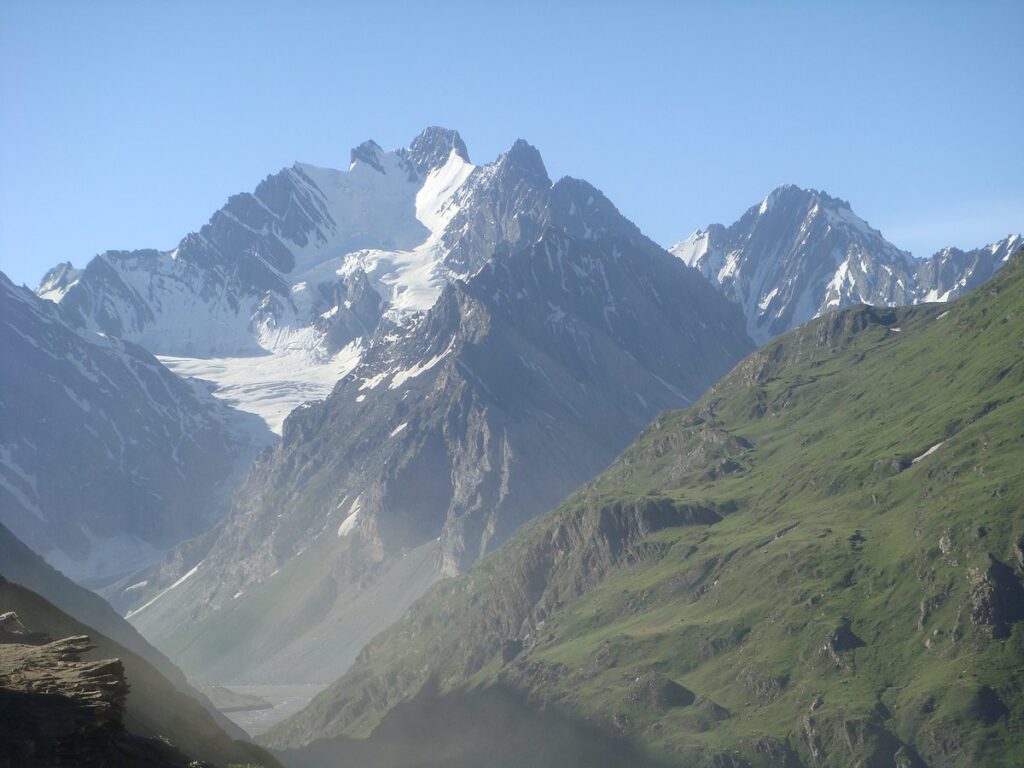
I get this question in my inbox every single week between February and May — “is Spiti Valley open now?” And honestly, I understand why. Most travel blogs give you the same recycled answer. So let me give you a straight, real answer based on what’s actually happening on the ground in April 2026, along with everything you need to plan smartly. Here’s the short version: Spiti Valley is accessible right now — but only from one direction. The rest of this article will tell you exactly which route works, what to expect when you get there, and whether this is the right trip for you. Is Spiti Valley Open Now in April 2026? Yes, Spiti Valley is open in April 2026, but only via the Shimla–Kinnaur route. The Manali route via Kunzum Pass remains closed due to heavy snow. You can reach Kaza and explore the core valley, but a full circuit trip is not possible right now. That said, let me be honest with you — “open” in April doesn’t mean smooth roads and clear skies all the way. It means the Shimla–Kinnaur highway (NH-05) is operational, maintained by BRO and HPPWD crews throughout winter and early spring. There can be icy patches near Nako, some single-lane stretches after winter damage, and the odd weather disruption near Sumdo. But people are getting in and out. I’ve spoken to travellers who made this trip in the second week of April 2026 — they reached Kaza without major issues. The key word is planning. Go in with the right vehicle, the right gear, and a flexible mindset, and this trip will be one you talk about for years. 🛣️ What is the Current Road Status of Spiti Valley? Let me break this down clearly because confusion about routes is the number one reason travellers make bad decisions before heading to Spiti. Route Status (April 2026) Key Details Shimla → Kaza via Kinnaur, Reckong Peo, Nako, Tabo ✅ OPEN Year-round route; occasional ice patches near Nako Manali → Kaza via Kunzum Pass ❌ CLOSED Under heavy snow; expected to open late May 2026 Keylong → Kaza ❌ CLOSED Closed until Kunzum Pass clears Karchham → Chitkul via Sangla ✅ OPEN (as of late April) Route advisory updated 21-04-2026 Chandratal Lake ❌ CLOSED Accessible only after mid-June Full Spiti Circuit (Shimla in, Manali out) ❌ NOT POSSIBLE Requires Kunzum Pass to open Bottom line: If you’re planning a full circuit trip right now, it is simply not happening. You go in via Shimla, explore the core valley, and come back the same way. Anyone telling you otherwise is giving you dangerous information. 🔵 Shimla–Kinnaur Route: Your Only Gateway Right Now The Shimla to Kaza distance is approximately 420 km, and it takes 2 to 3 days with proper acclimatisation stops. The route goes through Narkanda → Rampur → Reckong Peo → Nako → Tabo → Kaza. This is also called the Hindustan-Tibet Highway, and it is your lifeline for early-season Spiti travel. The road from Shimla to Narkanda and through most of Kinnaur is in good condition. As you pass Pooh and approach Nako, expect slush and ice patches, especially in the first two weeks of April. Beyond Tabo, the road improves again into Kaza. Keep a buffer of at least one extra day for this stretch. 🔴 Manali–Kaza Route: Don’t Even Try It Kunzum Pass sits at 4,590 metres (15,060 feet) and remains buried under snow until late May or early June. The Border Roads Organisation (BRO) typically begins snow clearance operations in March–April, but the road doesn’t open for tourist traffic until much later. In 2025, BRO started clearance in April and the road opened around late May. Expect a similar timeline for 2026. Even with the Atal Tunnel operational for local residents, travel beyond Sissu/Keylong towards Kunzum Pass base is simply not possible right now. Don’t attempt this route. Blizzards on this stretch are sudden and serious. 🚗 Can You Travel from Manali to Spiti Valley Now? No. The Manali-to-Kaza route via Kunzum Pass is closed. Period. The entire stretch from Gramphu to Kunzum Pass base is under deep snow. BRO has started early clearance operations, but the route will not be motorable for tourist traffic until late May 2026 at the earliest. This is where I always urge travellers to be realistic. Every year, a handful of people try to “push through” the Manali route in April — sometimes successfully, mostly not. The risk-reward ratio is just not worth it. You could get stranded for days, and rescue in these areas is slow and complicated. If Manali is your starting point, take the long way around: Manali → Shimla (by road or bus), then begin the Kinnaur route. I know that sounds inconvenient, but it’s the safe and smart play. 🌡️ What is the Weather in Spiti Valley in April? Spiti is a cold desert — that context matters. It’s not the wet, freezing cold of Manali or Shimla. It’s dry, sharp, and intense. In April 2026, here’s what you can realistically expect in Kaza: Weather Factor Early April (1–10) Mid April (11–20) Late April (21–30) Daytime High 0°C to 2°C 2°C to 5°C 4°C to 8°C Nighttime Low -12°C to -15°C -10°C to -13°C -10°C to -13°C Snow Possibility High Moderate Low to moderate Sunshine Hours ~9 hours ~9 hours ~10 hours Wind Chill Significant Significant Significant Wind is the sneaky one. Between Tabo and Kaza, the valley funnels wind through narrow gorges, and the wind chill can make the actual temperature feel 5 to 8 degrees colder than what any thermometer shows. Pack accordingly. The good news? Spiti gets clear, sunny days even in April. When that sun hits the snow-covered peaks of Key, Kibber, and Langza against the brown desert valley floor — the contrast is dramatic and completely stunning. Very few tourists ever see Spiti like this. 🎒 April Packing Checklist for Bikers and Backpackers ❓ What Are Travellers Asking? (Real Questions, Real

Is Spiti Valley Open Now April 2026? Latest Road Status, Weather & Travel Advisory Read More »

Current Travel Advisory for Matheran April 2026: Is It Open, Safe & Worth Visiting Now?

Every other weekend, someone from my team in Mumbai asks me: “Wahid bhai, should we head to Matheran this Sunday?” And honestly, my answer in April 2026 is — yes, but go informed. The Travel Advisory for Matheran this month is cautiously positive. The hill station is open, the trails are accessible, and the views from the viewpoints are still worth the drive from Mumbai. But after last year’s drama, you’d be smart to read this fully before booking anything. 🗓️ What is the Current Travel Advisory for Matheran April 2026? As of April 2026, Matheran is open to visitors. The hill station is fully operational, but travelers should exercise caution regarding local operators and plan visits during early morning hours due to high afternoon heat. Here’s the short version: Matheran is currently welcoming tourists. Major viewpoints, walking trails, the market area, and horse ride services are all functional. However, this destination has had a rough year in terms of reputation. In March 2025, the Matheran Bachao Sangharsh Samiti (also known as the Matheran Paryatan Bachao Sangharsh Samiti) called an indefinite shutdown of the hill station starting March 18, 2025. The reason? Uncontrolled fraud by certain horse operators at the Dasturi Point entry — misleading tourists, overcharging, and damaging the destination’s image. Despite formal complaints to the revenue department, municipal council, forest department, and police on February 27, 2025, no action was taken. The bandh lasted 2 days and was called off on March 20, 2025, following assurances from the administration and mediation by local MLA Mahendra Thorve. Fast forward to April 2026 — the situation is stable. But “stable” doesn’t mean “sorted.” Go with your eyes open. 🔓 Is Matheran Open or Closed Right Now? Yes, Matheran is currently open to tourists. All major attractions, trails, and viewpoints are accessible as of April 2026. The short closure of March 2025 spooked a lot of travelers. Since then, the administration has taken some steps to regulate local operators, though the situation on the ground still requires personal vigilance. Here’s what you should always do before heading out: The history of protests at Matheran shows that operational shutdowns can happen quickly and without much warning. Don’t be the traveler who shows up to a locked gate. 🚫 What Are the Current Travel Restrictions in Matheran? Matheran enforces strict vehicle-free rules beyond Dasturi Point. All travel inside the hill station is on foot, horseback, or hand-pulled carts. Here are the key travel restrictions and rules in effect right now: Mode of Transport Available? Approximate Cost (INR) Walking (self) ✅ Yes Free Horse Ride (Dasturi to Town) ✅ Yes ₹300–₹700 (negotiate firmly) Hand-pulled Rickshaw ✅ Yes ₹500–₹900 (varies) Toy Train (Neral to Matheran) ✅ Usually available ₹35–₹100 (class-dependent) Private Vehicle inside Matheran ❌ Not allowed — 🛡️ Is It Safe to Visit Matheran in April 2026? Matheran is safe to visit in April 2026, but travelers should stay alert and avoid unverified services. From my experience heading travel operations out of Mumbai, the safety concern at Matheran is less about physical danger and more about financial exploitation. Here’s your full safety breakdown: ⚠️ Scam Alert — Horse Operator Overcharging This is the big one. The entire March 2025 protest happened because certain horse operators at Dasturi Point were systematically misleading and overcharging tourists. The administration promised action, but scams of this nature don’t disappear overnight. 🌡️ Heat Advisory — April Afternoons Are Brutal According to weather data aligned with India Meteorological Department (IMD) trends, April temperatures in Matheran can spike up to 36–42°C in the afternoon. Daytime heat here is no joke. ✅ General Safety Tips 💬 What Are Travelers Asking Online? Real questions from real travelers — answered straight: Q1: Is Matheran worth visiting now after the 2025 closure? ✅ Yes, absolutely worth it for a short nature trip. The hill station itself hasn’t changed. The views, the red soil trails, the toy train, and the car-free peace are all still there. The 2025 closure lasted only 2 days and is resolved. Go — just go informed. Q2: Are horse rides safe and fairly priced in April 2026? ⚠️ Prices vary and negotiation is essential. The standard rate from Dasturi to the main town is roughly ₹300–₹700, but some operators have been known to charge double. Negotiate clearly, agree on the fare before mounting, and don’t hand over money mid-ride. The horses themselves are safe — it’s the pricing that needs watching. Q3: Is one day enough for Matheran? 🕐 1–2 days is ideal. If you’re coming from Mumbai or Pune for a quick refresh, one full day is doable. You can hit Panorama Point, Echo Point, Louisa Point, and the market. For a more relaxed pace — especially with kids or elderly family members — two days is perfect. ✅ Should You Visit Matheran Right Now? 👍 Visit If You: 👎 Avoid If You: 🏆 Final Verdict — Wahid Ali’s Take Matheran in April 2026 is open, functional, and genuinely worth a visit — especially if you’re a Mumbaikar craving a break from the city grind. The chaos of March 2025 is behind us. The administration has made commitments, and the hill station’s natural charm hasn’t diminished one bit. That said, this is a destination for informed travelers. Know the entry rules. Negotiate firmly with horse operators. Start early. Carry cash and water. And keep a flexible mindset — because Matheran doesn’t bend to urban expectations. It asks you to slow down, and that’s exactly the point. Go. Just go smart. — Wahid Ali Operations Lead, Astamb Holidays | Mumbai linkedin.com/in/wahid-ali-2aa84022/ | xploreheaven.com 📚 References & Citations This article is backed by authoritative sources and research.

Current Travel Advisory for Matheran April 2026: Is It Open, Safe & Worth Visiting Now? Read More »

Vande Bharat Train 2026: Routes, Ticket Price, Speed & Is It Worth It?

I have been in the travel business for 20 years. I have seen passengers hunt for sleeper berths at 2 AM, fight over Tatkal quotas, and still arrive 4 hours late sweating through their shirts. So when Vande Bharat trains started rolling out across India, I paid attention. Not because the government told me to. But because my clients started asking — “Wahid bhai, should I book Vande Bharat or just fly?” That question alone tells you how much things have changed. In 2026, the Vande Bharat Express is no longer just a prestige project. It is a functioning, expanding network of semi-high-speed trains that is genuinely reshaping how urban India travels. Whether you are a working professional rushing between metros, a family heading to a pilgrimage site, or a weekend traveller chasing the mountains — this guide is for you. Let’s break it all down. Honestly. 🚆 What is Vande Bharat Train? Vande Bharat Express is India’s first indigenously designed semi-high-speed, modern train system operated by Indian Railways. It is a fully air-conditioned, self-propelled electric multiple unit (EMU) train built under the Make in India initiative by the Integral Coach Factory (ICF) in Chennai. Unlike older trains that depend on a single locomotive at the front, Vande Bharat distributes its motors across multiple coaches. This gives it faster pick-up speed, smoother braking, and quicker overall travel times. It connects cities up to 800 km apart, making it ideal for same-day and short overnight trips. 🌟 Why is Vande Bharat Train So Popular in India? Simple. It hits the sweet spot between speed, comfort, and national pride. When the first service ran between New Delhi and Varanasi in February 2019, people were genuinely surprised. The train was clean. The seats were good. It felt… different. Not like the trains most of us grew up with. Here is why passengers keep choosing it: The government has set an ambitious target of 4,500 Vande Bharat trains by 2047. That is a bold number — but the momentum is real. 🗺️ Vande Bharat Train Routes (Updated 2026 List) As of April 2026, 79 Vande Bharat trains are in active service across 82+ routes, covering 274+ districts and 16 railway zones. Here is a regional breakdown of key routes: 🏙️ North India Route Distance Approx. Travel Time New Delhi – Varanasi 759 km ~8 hrs New Delhi – Katra (Vaishno Devi) 655 km ~8 hrs New Delhi – Ajmer 441 km ~6 hrs New Delhi – Dehradun 314 km ~4.5 hrs Rani Kamalapati – Hazrat Nizamuddin 696 km ~7.5 hrs New Delhi – Patna 1,000 km ~12 hrs (longest chair car route) 🌴 South India Route Distance Approx. Travel Time Chennai – Bengaluru 362 km ~5 hrs Chennai – Coimbatore 497 km ~6.5 hrs Mysuru – Chennai Central 491 km ~6 hrs Mangalore – Thiruvananthapuram 575 km ~8 hrs Secunderabad – Visakhapatnam 716 km ~8.5 hrs Tirunelveli – Chennai Egmore 630 km ~7.5 hrs 🌊 West India Route Distance Approx. Travel Time Mumbai Central – Gandhinagar 522 km ~6.5 hrs Mumbai – Shirdi 296 km ~5 hrs Jodhpur – Sabarmati 476 km ~7 hrs Udaipur – Ahmedabad (Asarva) ~260 km ~4 hrs 🏔️ East India Route Distance Approx. Travel Time Howrah – New Jalpaiguri 564 km ~7.5 hrs Patna – Howrah 532 km ~6.5 hrs Nagpur – Bilaspur 295 km ~4 hrs Howrah – Kamakhya (Sleeper) ~460 km ~6 hrs 📌 Pro Tip: Always verify current routes on IRCTC’s official website as new services are being added regularly. ⚡ What is the Speed of Vande Bharat Train? Here is where I need to be straight with you — because a lot of travel content online hypes this up unfairly. Design Speed vs. Reality: Parameter Speed Trial / Design Speed Up to 183 km/h Maximum Operational Speed 160 km/h Average Speed (Most Routes) 100–130 km/h Average Speed on Best Corridors ~130–140 km/h The 160 km/h top operational speed is currently achieved on select sections — notably the Rani Kamalapati–Hazrat Nizamuddin service on the Tughlakabad–Agra stretch. On most other routes? The train runs between 100–130 km/h. Why? Because India’s rail infrastructure is still catching up. Curves, older signals, level crossings, and shared tracks with slow-moving freight trains all act as speed limiters. The honest verdict: Vande Bharat is significantly faster than most conventional trains, but it is not a bullet train. It saves you time — just not always as dramatically as the marketing suggests. On a route like Mumbai–Shirdi or Delhi–Agra, the time savings are very real. On longer routes with more stops, results vary. 💰 Vande Bharat Train Ticket Price (2026 Updated) This is the question I get asked most often. Here is the current fare structure: Chair Car (CC) vs Executive Chair Car (EC) Class Fare Range Best For Chair Car (CC) ₹700 – ₹1,800 Budget-conscious travellers, short to medium routes Executive Chair Car (EC) ₹1,300 – ₹3,200 Business travellers, long routes, those wanting premium comfort Route-Wise Sample Fares (2026) Route CC Fare EC Fare Delhi – Varanasi ~₹1,605 ~₹2,995 Delhi – Katra ~₹1,570 ~₹2,875 Mumbai – Gandhinagar ~₹1,125 ~₹2,095 Chennai – Bengaluru ~₹1,075 ~₹2,020 Howrah – NJP ~₹920 ~₹1,750 Vande Bharat Sleeper Class (2026 — Howrah–Kamakhya Route) Class Estimated One-Way Fare 3AC (AC 3 Tier) ~₹2,435 2AC (AC 2 Tier) ~₹3,145 1AC (First Class AC) ~₹3,855 Sleeper fares are based on Railway Board Circular No. CC 03/2026. Final prices may vary. 💡 Per-Kilometre Cost Insight At roughly ₹2.2 – ₹3.5 per km in Chair Car, Vande Bharat costs more than Shatabdi but less than most budget airlines on a per-km basis. For distances under 600 km, it often beats flights on total door-to-door cost when you factor in cab fares to the airport, check-in time, and luggage charges. Important: Unlike Rajdhani and Shatabdi, Vande Bharat uses fixed pricing — no dynamic surge pricing in Chair Car class. What you see is what you pay. 📲 How to Book Vande Bharat Train Tickets (Step-by-Step Guide) Booking via IRCTC is the most reliable

Vande Bharat Train 2026: Routes, Ticket Price, Speed & Is It Worth It? Read More »

Ooty Best Time to Visit (2026): Month-Wise Guide, Weather, Budget & Travel Tips

You know that feeling when the Mumbai heat is absolutely suffocating, your AC is working overtime, and all you want is to wake up to cold mountain air and a cup of freshly brewed Nilgiri tea? That’s exactly when I start planning my next trip to Ooty. And trust me, after two decades of sending thousands of travellers to this hill station, I can tell you — knowing the Ooty best time to visit makes ALL the difference between a holiday you’ll rave about and one you’ll want to forget. Whether you’re coming from Bangalore, Chennai, Hyderabad, or Mumbai, this month-wise Ooty climate guide will tell you exactly when to go, what to expect, and how to get the most out of every rupee you spend. 🗓️ Ooty Best Time to Visit — Quick Answer for Travellers The best time to visit Ooty is between March and June (peak season) or October to February (off-peak/romantic season). If you want a budget trip with fewer crowds, July to September is your window. Quick picks based on your goal: 🌿 Why Timing Matters When Planning Your Ooty Trip I’ve been to Ooty in every single month of the year. And I can tell you — the Nilgiri Hills in January feel nothing like the Nilgiris in July. This isn’t just about rain or sunshine. It’s about the whole vibe. In March, the Botanical Garden is bursting with colour, the roads are clear, and you can actually see Doddabetta Peak without squinting through thick fog. In July, those same roads can be slick with rain, leeches pop up on forest trails, and visibility can drop to almost nothing on hairpin bends. But then — the entire valley turns an electric shade of green that honestly looks unreal. The practical side matters too. Peak summer weekends see traffic jams stretching for kilometres near Ooty Lake. Winter fog means you need an extra hour on mountain roads after sunset. And the famous Nilgiri Mountain Railway — the UNESCO-listed toy train — sometimes suspends services during heavy rains. Pack accordingly. April afternoons can surprise you with a chill once the sun dips. January nights near Doddabetta can drop close to 5°C. Always carry a light jacket, no matter when you go. 🌤️ Ooty Best Time to Visit Based on Seasons 🌼 Ooty Best Time to Visit in Summer (March–May) This is Ooty’s peak tourist season, and for good reason. Temperatures sit between a comfortable 15°C and 25°C during the day — perfect when the rest of South India is baking at 40°C+. Schools are on holiday, families flood in from Chennai and Bangalore, and the whole town feels alive. The big highlight? The Ooty Summer Festival, usually held in May, featuring the famous Flower Show at the Government Botanical Garden. Think hundreds of flower varieties, hot air balloon displays, and boat races on Ooty Lake. It’s genuinely spectacular. The honest reality: April and May are crowded. Hotels charge 30–50% more than off-season rates. You need to book accommodation and the Nilgiri Mountain Railway tickets (via IRCTC) at least 4–6 weeks in advance. Weekends in May near Ooty Lake can feel more like a city market than a hill station. My tip: If you must visit in peak season, travel on weekdays and arrive by Thursday. The crowds thin out significantly Monday to Thursday. 🌧️ Ooty Best Time to Visit in Monsoon (June–September) Here’s the truth most travel blogs won’t tell you: monsoon Ooty is massively underrated. Yes, it rains — sometimes heavily. But between July and September, the Nilgiri Hills transform into something that looks straight out of a National Geographic cover. Waterfalls like Pykara are absolutely roaring. The tea plantations are a shade of green so rich it almost looks painted. Temperatures drop to a cool 12°C to 20°C, and you might have entire viewpoints to yourself. Is June a good time to visit Ooty? Early June (before the monsoon fully kicks in) is actually a sweet spot — pleasant weather, lower prices, and manageable crowds. By late July, you should check road and weather conditions before heading out. What to watch out for: leeches on forest trails after heavy rain, slippery roads especially near sharp curves, and the occasional landslide alert. The toy train sometimes runs reduced services in heavy rain. Always carry insect repellent and waterproof footwear. Is Ooty in monsoon worth it? For couples, nature lovers, and photographers — absolutely yes. For families with small kids or seniors — plan for indoor backup options. ❄️ Ooty Best Time to Visit in Winter (October–February) This is the season I recommend most to honeymooners and couples. October and November give you the best of both worlds — the post-monsoon greenery is still fresh, the skies are clear, and the famous “Second Season” brings a second bloom to Ooty’s gardens. By December and January, things get properly cold. Nights near Doddabetta Peak can drop to 5°C or lower. Early mornings sometimes bring frost on the racecourse grounds. It looks magical — thin mist sitting over the valley, the smell of eucalyptus in cold air. It’s incredibly romantic. Pack heavy woolens, thermals, gloves, and a beanie for December and January trips. Nothing ruins a romantic getaway faster than shivering through dinner because you packed only a light sweater. 📊 Ooty Best Time to Visit Month Wise (Detailed Breakdown) Here’s the complete Ooty weather month-wise breakdown I use when advising travellers at Astamb Holidays: Month Avg Temp (Day/Night) Rainfall Crowd Level Wahid’s Recommendation January 21°C / 5°C Low Moderate ❤️ Romantic, carry heavy woolens February 22°C / 7°C Low Low–Moderate 📸 Best for photography & clear skies March 24°C / 10°C Low High ✅ Great weather, book hotels in advance April 25°C / 13°C Light Very High ⚠️ Peak crowds, weekday travel only May 25°C / 14°C Light–Moderate Very High 🌸 Flower Festival — book 6 weeks ahead June 20°C / 12°C Moderate–Heavy Low 💰 Budget sweet spot, early June is best July 18°C / 12°C

Ooty Best Time to Visit (2026): Month-Wise Guide, Weather, Budget & Travel Tips Read More »

Kodaikanal Tourist Places 2026: Top Attractions, Hidden Gems & Travel Guide

I’ve been sending groups to the hills for over 20 years now, and every single time someone from Chennai, Bangalore, or Mumbai asks me, “Where should I go for a quick 2-3 day break that won’t drain my wallet?” — my answer is almost always the same: Kodaikanal. The kodaikanal tourist places are genuinely unlike anything else in South India. Sitting at 2,133 metres above sea level in the Western Ghats of Tamil Nadu, this hill station is cool, misty, and refreshingly laid-back. In 2026, with more people wanting to escape city heat and deadlines, Kodaikanal has become one of the smartest short getaways you can plan. What Are the Best Kodaikanal Tourist Places? (Quick Answer) The top kodaikanal tourist places are Kodai Lake (boating + cycling), Coaker’s Walk (panoramic valley views), Pillar Rocks (three towering granite columns), Silver Cascade Falls (best during monsoon), Berijam Lake (wildlife and forest), and Guna Caves (famous from Tamil cinema). These 6 spots alone can fill a solid 2-day itinerary for most travellers. 🌿 Why Visit Kodaikanal? Let me be direct. Kodaikanal is not Ooty. It’s quieter, less commercial, and far more intimate. The temperature here ranges between 8°C and 20°C in winter and 13°C to 24°C in summer — a dream for anyone coming from the 38°C streets of Chennai or Mumbai. The hill station sits right in the heart of the Palani Hills, which form part of the larger Western Ghats range. This means you get dense pine forests, rolling grasslands, and valley views that will actually stop you mid-scroll on your phone. For couples, the misty atmosphere and private corners around the lake make it one of South India’s most romantic destinations. For solo travellers and groups, the trail access to off-the-beaten-path spots makes it just as rewarding. And since Madurai is only about 120 km away, the drive up through those spectacular ghats is part of the experience. 🏔️ Top Kodaikanal Tourist Places You Must Visit 🌊 Lakes — Kodai Lake & Berijam Lake Kodai Lake is the centrepiece of the hill station — and the first place I always send first-time visitors. This 60-acre, star-shaped, man-made lake was built in 1863 by Sir Vere Henry Levinge, the then Collector of Madurai, and has been welcoming visitors ever since. Berijam Lake is a completely different experience. Located 22–23 km from town inside a reserved forest, this natural freshwater lake requires a forest department permit (free, but limited entries). The drive itself passes through thick shola forests and is worth the trip. Keep an eye out for bison, deer, and monkeys along the way. 👁️ Viewpoints — Coaker’s Walk & Dolphin’s Nose Coaker’s Walk is a 1 km paved promenade built along the edge of a mountain — and on a clear day, you can see all the way to Madurai. I always tell my clients: go early morning, skip the weekend rush, and carry a light jacket. The views of the valley below, especially when the clouds are at eye level, are something else. Dolphin’s Nose is a flat rock jutting out over the valley at about 6,600 feet. The viewpoint offers a wide look at the Pambar Valley below. It’s about 8 km from town and best visited in the morning before mist rolls in. Combine this with Echo Rock nearby. 🗿 Attractions — Pillar Rocks & Guna Caves Pillar Rocks is one of the most dramatic sights in Kodaikanal. Three massive granite columns rise nearly 400 feet from the earth, often half-covered in mist. There’s a small garden and viewing platform here, making it a great photo stop. Guna Caves (previously called Devil’s Kitchen) sits just beside Pillar Rocks and became famous after Kamal Haasan’s 1991 Tamil film “Guna” was shot here. The cave itself is fenced off due to safety concerns, but the surrounding pine forest trails are open and genuinely atmospheric. 💧 Waterfalls — Silver Cascade Falls Silver Cascade Falls drops 180 feet down a rocky cliff face, 8 km below Kodaikanal on the Kodaikanal–Madurai road. It’s formed by the overflow of Kodai Lake and is best seen during and after the monsoon when the flow is strongest. Local vendors selling fresh fruits and snacks line the roadside, making it a nice pit stop on your way up or down the ghat. 🌄 What Are the Hidden Tourist Places in Kodaikanal? This is where it gets interesting. These are spots I personally recommend to travellers who’ve already “done” the main circuit and want something real. Vattakanal is a small hamlet about 2 km from Kodai Lake and a favourite among solo trekkers and backpackers. The waterfall at Vattakanal is peaceful, surrounded by thick forest, and rarely crowded. The Dolphin’s Nose viewpoint is actually best accessed via a trek from Vattakanal. Poombarai Village is a terraced farming community about 20 km from Kodaikanal town. The view from the hilltop overlooking the village and surrounding valley is stunning — and almost no tour operator sends tourists here. Go for the quiet, stay for the photos. Mannavanur Lake sits inside a sheep farm, 35 km from Kodaikanal, with flocks of sheep grazing on the banks. The Forest Department offers coracle rides for ₹10 per person, and the drive there through eucalyptus and pine-lined roads is itself worth the trip. Silent Valley View is less-visited than Green Valley View (Suicide Point) but equally dramatic. It’s a calmer spot with fewer crowds and gives you uninterrupted views of the valley below. 📅 Is Kodaikanal Worth Visiting in 2 Days? (Itinerary) Yes — 2 days is the sweet spot for Kodaikanal. Here’s the exact plan I give my clients booking a kodaikanal 2 day trip plan: Day 1 — The Main Circuit Time Activity 7:00 AM Coaker’s Walk (early morning, misty views) 9:00 AM Kodai Lake — boating + cycling 11:00 AM Bryant Park (botanical garden, eastern shore of lake) 1:00 PM Lunch at a local Tamil restaurant (try Kothu Parotta!) 3:00 PM Pillar Rocks + Guna Caves forest walk 5:30

Kodaikanal Tourist Places 2026: Top Attractions, Hidden Gems & Travel Guide Read More »