India Travel

Explore India travel guides, itineraries, places to visit, travel tips, and destination insights for popular tourist destinations across India.

Why Indian Travelers Are Choosing Slow Travel in 2026: The Ultimate Mindful Travel Guide

Something has quietly shifted in how India’s middle class plans a holiday. Not just the destinations, not just the budgets — the entire logic behind travel itself. For the better part of two decades, the Indian holiday was a compressed sprint. Five cities in six days. Fourteen Instagram stops before Tuesday. A WhatsApp status from every major landmark, and a sense of exhaustion that somehow required another week of recovery after coming home. That model still exists. But it is losing ground, fast. Slow travel — the practice of spending extended time in a single destination, immersing in local rhythms instead of landmark checklists — is no longer a niche concept borrowed from European backpackers. In 2026, it is a considered choice being made by a growing number of urban Indian professionals, remote workers, and families who have started asking a different question: What do I actually want from a holiday? This isn’t soft philosophy. The shift is showing up in booking data, visa frameworks, spending patterns, and a striking surge in interest for places that weren’t even on the radar three years ago. 🔥 The Burnout Epidemic That Changed How India Travels Why the Rushed Holiday Stopped Working The pandemic forced a pause. The years after it forced a reckoning. A Deloitte Global Survey tracking Gen Z and millennial professionals found that 70% of Indian respondents reported high levels of workplace burnout. That number sits alongside a parallel finding: that rushed, checklist-driven vacations were increasingly perceived as contributors to stress rather than cures for it. You come home tired, immediately facing inboxes and deadlines. The so-called holiday has added three more days of stimulation, logistics, and decisions to your mental load. The result is a very practical pivot. More Indian travelers are now extending trips from a standard 5-day break to 10-day, 14-day, or even month-long stays — not because they have more leave, but because they are structuring travel more intentionally. A few days working remotely from a Wayanad plantation replaces the need for a frantic departure-and-arrival routine that eats two days just in transit. What the Numbers Actually Show According to the Skyscanner Horizons 2026 report, which surveyed over 22,000 travelers across 15 global markets, 34% of modern travelers now actively seek out quieter, less-frequented destinations to avoid the crowds that define mass tourism. Among Indian travelers specifically, 37% now prefer shoulder-season departures, choosing to travel during off-peak months to find both lower prices and more authentic encounters. The same report found that 59% of Indian travelers plan to travel more in 2026 than the year before — but with a meaningful difference in how. The gravitational pull is toward secondary and emerging destinations rather than the established circuits. Industry data from Thrillophilia’s Multi-Day Travel Index also shows a sharp rise in bookings for trips spanning six to nine nights — medium-length journeys that allow genuine settlement rather than just a quick look around. Taken together, these numbers don’t suggest a retreat from travel. They suggest a deliberate reorientation of what travel is supposed to deliver. 🧭 Understanding the Philosophy: What Slow Travel Actually Means Depth Over Distance Slow travel, as a philosophy, traces its roots to Carlo Petrini, the Italian journalist who founded the Slow Food movement in the late 1980s as a direct protest against fast-food homogenisation. The same logic — that speed and industrial convenience erode the texture of real experience — has now extended to how people move through the world. In practical terms, slow travel means staying in a single region long enough to experience its daily rhythm. It means the difference between photographing a tea plantation and actually walking through one every morning for a week. Between eating at a tourist-listed restaurant and finding the place the locals go for Thursday dinner. The minimum threshold is generally two weeks. Many slow travelers stay 30 days or longer. During that time, the traveler might rent a local apartment or farmstay, shop at the neighborhood market, learn three words of the regional language, and build genuine familiarity with a few local families. None of this is possible in a 48-hour stopover. The Anti-Tourism Wave Hitting India’s Most Visited Destinations India’s most iconic destinations are paying a price for their own popularity. The Shimla Mall Road is gridlocked in May. Manali is booked out eight weeks ahead in July. The Varanasi ghats draw crowds that have started to feel more like a theme park than a sacred site. Anti-tourism — the active decision to avoid contributing to the strain on overloaded destinations — is now influencing travel choices in a measurable way. Travelers are choosing under-tourism destinations not just for novelty, but as an ethical and practical preference. The Skyscanner Horizons 2026 data puts this plainly: 31% of global travelers now plan trips exclusively during shoulder seasons to reduce their contribution to peak-season crowding while supporting local economies year-round. In India, this is playing out as a move toward places like Hanle in Ladakh, Aldona in Goa, and the tea-country villages around Jorhat in Assam — locations that offer depth without the density. 💰 The Economics of Slow Travel: Why Staying Longer Actually Costs Less This is the misconception that keeps most people from even considering it. A month somewhere sounds expensive. It isn’t. The Monthly Rental Arbitrage When you book a standard five-day holiday, a surprisingly large share of your budget disappears into logistics overhead: two flights, airport transfers, high nightly hotel rates designed for short stays, and eating every meal at tourist-facing restaurants because you have no kitchen. Switch to a 14 to 30-day stay and the math changes entirely. Monthly rental discounts on serviced apartments, heritage homestays, and farmstays across India can reduce your per-day lodging cost by 40% to 60% compared to standard daily hotel rates. A guesthouse in Pondicherry’s French Quarter charging ₹3,500 per night at full rate will frequently accommodate a month-long resident at ₹1,800 to ₹2,200 per night equivalent. Travel Metric Standard 5-Day Holiday Slow Travel

Why Indian Travelers Are Choosing Slow Travel in 2026: The Ultimate Mindful Travel Guide Read More »

Why Indian Travelers Are Choosing Offbeat Destinations Over Tourist Hotspots

By Wahid Ali | Operations Lead, Astamb Holidays, Mumbai The numbers at Astamb Holidays have been telling a clear story for the past two years. Inquiries for offbeat destinations in India — places like Tirthan Valley, Toranmal, and Gurez Valley — have gone up by nearly 40% year-on-year. Meanwhile, bookings for the usual suspects — Shimla, Manali, Goa — have either plateaued or started declining among our repeat traveler base. This isn’t a coincidence, and it isn’t just a social media trend. Something more fundamental is shifting in how Indian travelers think about holidays. After years of planning tours across the country, I can say with confidence: the era of checklist tourism is ending, and something richer is taking its place. Why Are Offbeat Destinations Becoming India’s Biggest Travel Trend? 🌿 Indian travel culture has evolved dramatically since 2019. The post-pandemic reset gave millions of travelers a chance to ask a question they’d never had time to consider before: What do I actually want from a trip? The answers are driving one of the most interesting shifts in domestic tourism history. The Overtourism Problem at Popular Destinations Overtourism is no longer an abstract concern. It’s a visible, lived experience for anyone who has tried to visit Shimla Mall Road in May or reach Dudhsagar Falls in Goa on a December weekend. Shimla receives roughly 50 lakh visitors annually, a number that strains a city built for a fraction of that load. The Himachal Pradesh Tourism Development Corporation has acknowledged the growing pressure on infrastructure — water supply, waste management, road capacity — all of which directly degrade the visitor experience. Destination carrying capacity, the maximum tourist volume a location can absorb without environmental or social harm, is regularly breached at major Indian hotspots. In Goa, the situation is similarly stretched. Baga Beach, Calangute, and Anjuna handle combined footfall during peak season that overwhelms local sanitation systems and pushes accommodation prices to levels comparable with Bangkok or Bali. The result: travelers pay more, fight more crowds, and often leave feeling underwhelmed. This means the places that once defined Indian travel are now working against the very experiences that made them famous. In practice, when a destination exceeds its carrying capacity, the quality gap between marketing images and on-ground reality becomes embarrassing. Travelers Want Experiences, Not Checklists For years, the dominant travel behavior in India was what I’d call flag-planting — visiting a place long enough to photograph it and check it off a list. Experiential tourism is the direct cultural pushback against that approach. Travelers today want to participate, not just observe. They want to cook with a local family in Ziro Valley, learn natural dyeing techniques from an artisan in Kutch, or spend an evening listening to folk music in a Spiti Valley monastery. These aren’t premium experiences available only to luxury travelers — many of them cost far less than a generic hotel stay in a tourist hotspot. Meaningful travel, as an industry concept, measures trip value not by distance covered but by depth of engagement. The shift is real, and it’s changing what travelers are willing to book. Social Media Has Changed How We Discover Places Instagram and YouTube Shorts have fundamentally rewired destination discovery. In 2018, a traveler planning a trip to Himachal Pradesh would default to Shimla or Manali — destinations with strong brand recognition built over decades. By 2023, that same traveler might discover Jibhi through a 45-second reel posted by a solo traveler from Pune, plan their entire trip using comments and DMs, and book a homestay directly with the owner. This disintermediation of traditional travel media is powerful. Micro-destinations that previously had zero marketing budgets now gain organic visibility through user-generated content. Chopta in Uttarakhand, Kalap Village in Uttarkashi, and Sandhan Valley in Maharashtra — all became traveler conversations before tourism boards even noticed them. The flip side is that viral destinations can overcrowd faster than before. This makes the window for genuine offbeat discovery shorter, which is exactly why planning ahead matters. Why Gen Z Is Leading the Offbeat Travel Movement Gen Z travelers (born between 1997 and 2012) are rewriting the rules. They value sustainability, authenticity, and flexibility over comfort and status signaling. A significant number work remotely, which means a workcation in Tirthan Valley or Kasol for three weeks is as practical as a weekend break used to be. This remote work travel behavior is structurally different from traditional vacation planning. It doesn’t require peak-season timing, preset itineraries, or proximity to airports. It rewards destinations with decent Wi-Fi, peaceful environments, and affordable long-stay options — criteria that favor offbeat locations overwhelmingly. Flexible travel also means Gen Z travelers are willing to visit during shoulder or off-peak seasons, which further distributes pressure away from standard tourist circuits. Their values around responsible tourism and environmental impact are real purchase drivers, not just stated preferences. What Exactly Is an Offbeat Destination? 🗺️ Before going further, it helps to be precise about what we mean — because this term gets stretched in all directions. Definition An offbeat destination is a location that offers genuine travel value — natural beauty, cultural richness, or unique experiences — but sits outside mainstream tourist circuits and lacks the commercial tourism infrastructure of established hotspots. These destinations typically have lower annual visitor counts, limited branded accommodation, and stronger community-to-visitor ratios. Characteristics Hidden Gem vs. Offbeat Destination These terms overlap but aren’t identical. A hidden gem is a destination almost no one knows about — information is limited, access may be difficult, and it may lack even basic traveler infrastructure. An offbeat destination, by contrast, is discoverable — it has homestays, some traveler reviews, and a small but established visitor base. In practice, most travelers are better served by offbeat destinations than true hidden gems, which require experienced planning to navigate safely. Tourist Hotspots vs. Offbeat Destinations — Which Offers Better Value? 💰 Let’s put the comparison into concrete terms, because the value gap is larger than most travelers

Why Indian Travelers Are Choosing Offbeat Destinations Over Tourist Hotspots Read More »

Indian Tourism in 2026: Top Travel Trends Changing How India Explores

Indian Tourism in 2026 is having a moment unlike anything the industry has seen before. Travelers across the country are moving away from checklist sightseeing and toward something far more intentional—slower, deeper, and designed around what actually matters to them.The shift is measurable. Skyscanner’s 2026 Travel Trends Report confirms that 59% of Indian travelers plan to travel more this year than last. That’s not a marginal uptick—it’s a structural change in how this country relates to movement, discovery, and rest. What’s driving it? A combination of better roads, regional airport expansion, rising middle-class disposable income, and a post-pandemic appetite for experiences over souvenirs. Add AI planning tools and short-form video into the equation and you get a traveler who is more informed, more opinionated, and significantly harder to satisfy with a generic package tour.I’m Wahid Ali, Operations Lead at Astamb Holidays in Mumbai. I’ve spent over a decade managing domestic travel logistics, building itineraries, and watching closely how Indian travelers make decisions. The questions I get from clients in 2026 are fundamentally different from even three years ago. People aren’t asking “where should I go?” anymore. They’re asking “how do I actually feel something when I get there?”This article maps out the biggest forces reshaping Indian tourism right now—trend by trend, destination by destination, budget by budget. Whether you’re planning a weekend escape, a spiritual journey, or a slow-travel month in the hills, the data and ground-level insights here will help you travel smarter. 📈 Why Indian Tourism Is Entering a New Growth Phase in 2026 The growth isn’t accidental. Government investment, infrastructure upgrades, and a genuinely hungry traveler base have created conditions India’s tourism sector hasn’t seen before.According to the Allianz Partners Travel Index 2026 (conducted by Ipsos), 87% of Indians plan to take a holiday this summer—compared to just 74% globally. Critically, 60% of those travelers are looking specifically to explore domestic destinations. That’s an enormous market choosing to stay within India. Rising Domestic Travel DemandThe Agoda 2026 Travel Outlook Report found that 35% of Indian travelers now actively prioritize domestic adventures over international travel. Researchers are calling it “inward wanderlust”—a deliberate pivot toward secondary cities, offbeat trails, and regional experiences that don’t require a visa or a fourteen-hour flight.This isn’t purely a budget-driven decision. Many of these travelers could afford to go abroad. They’re choosing not to, because India’s landscape of experiences has deepened enough to genuinely compete. Better Infrastructure and ConnectivityProjects like Swadesh Darshan 2.0 and PRASHAD, both managed by the Ministry of Tourism, Government of India, are directly funding tourist circuit development, eco-tourism trails, and pilgrimage infrastructure across the country.The Atal Setu—India’s longest sea bridge connecting Mumbai to Navi Mumbai—has quietly cut weekend getaway times for millions of residents. Similar highway expansions across Maharashtra, Karnataka, and Uttarakhand are making previously inaccessible hill stations reachable within a half-day drive. 💡 Local Insight Tip: From our operations desk at Astamb Holidays, we’ve tracked a noticeable increase in weekend road-trip bookings from Mumbai since the Atal Setu opened. Destinations like Kashid, Murud, and even Mahabaleshwar are now accessible without the old bottlenecks. Check out these curated weekend getaways from Mumbai for route-optimized weekend options. Influence of Social Media and AI PlanningTravel planning in India has gone digital—deeply so. The Allianz Partners 2026 data shows 82% of travelers plan to use, or have already used, AI tools to plan their vacations.This means less reliance on travel agents for basic route building. It also means far greater demand for agents who can curate experiences that algorithms can’t replicate. Metric 2026 Benchmark Data Underlying Driver Indian travelers planning to travel more 59% (Skyscanner) Post-pandemic pent-up demand Travelers prioritizing domestic travel 60% (Allianz Partners) Cost savings and infrastructure growth Travelers using AI for vacation planning 82% (Allianz Partners) Accelerating digital adoption Spiritual travel intent 19% (Agoda) Cultural identity and pilgrimage expansion Homestay/villa search surge +42% YoY (Booking.com / StayVista) Demand for private, authentic stays Summer holiday planning intent 87% of Indians (Allianz Partners) Rising income and embedded travel culture Sources: Skyscanner Travel Trends, Allianz Partners Travel Index, Agoda Travel Trends, Booking.com, StayVista Travel Insights. 🧭 Top Travel Trends Shaping Indian Tourism in 2026 Ten trends are reshaping how India travels right now. Some are evolutions of patterns tracked for years. Others are genuinely new.Experiential Travel Replacing Traditional SightseeingTravelers are done ticking landmarks off a list. They want to do something—cook a meal with a local family in Chhattisgarh, learn pottery in Khurja, or track wildlife on foot in Panna. Experiential travel means designing trips around active participation rather than passive observation.In my experience managing tours at Astamb Holidays, requests for activity-led itineraries have nearly doubled since 2023. Clients specifically ask for immersive experiences—not hotel star ratings. Wellness Tourism Continues to SurgeIndia is increasingly positioning itself as a global wellness destination. Rishikesh, Kerala’s Ayurvedic belt, and Coorg are seeing sustained demand from travelers seeking yoga retreats, detox programs, and nature-based healing experiences.The trend overlaps strongly with slow travel—people want to stay longer, move slower, and actually absorb the environment they’re in. Our guide to wellness retreats in India covers the best-value programs currently available across different budget levels. Spiritual Tourism Is Reaching New HeightsThe numbers here are staggering. Maha Kumbh 2025 in Prayagraj welcomed over 660 million devotees—one of the largest human gatherings in recorded history. Ayodhya drew 230 million visitors in just the first half of 2025. Varanasi now crosses 11 crore visitors annually.Agoda’s 2026 data confirms that 19% of Indian travelers are planning trips motivated by faith and tradition. This isn’t only pilgrimage—it’s a broader reconnection with cultural identity. Our spiritual tourism guides go deep on planning these circuits efficiently. AI-Powered Travel Planning Becomes Mainstream82% of Indian travelers are now using AI tools to plan or research their trips. This includes AI-generated itineraries, real-time pricing alerts, and comparison tools that aggregate hotel and flight data instantly.AI can surface budget flight windows, flag off-season deals, and suggest destination alternatives in seconds. What it can’t do is replace ground-level knowledge—which is why

Indian Tourism in 2026: Top Travel Trends Changing How India Explores Read More »

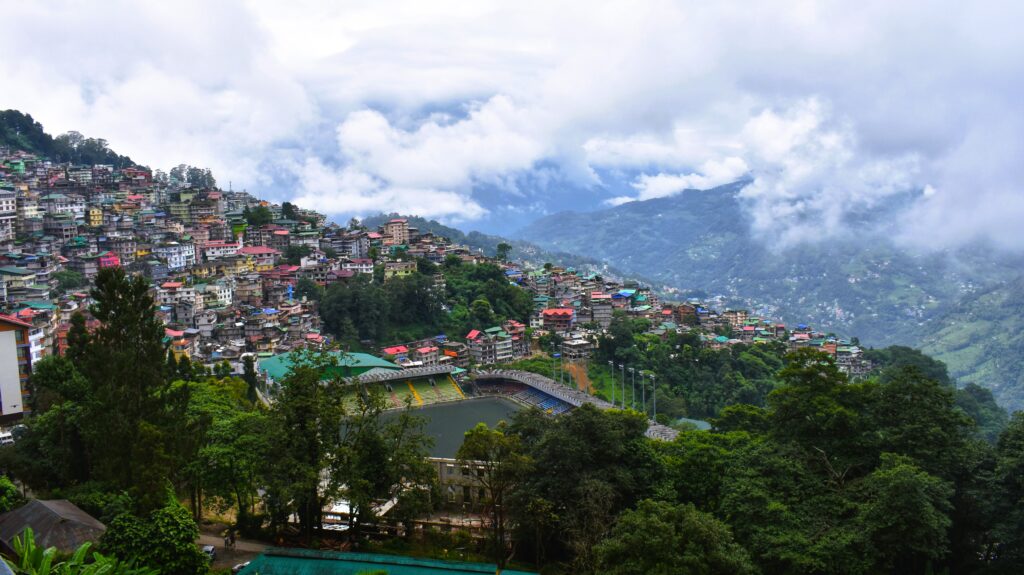
Panoramic view of Gangtok city surrounded by Himalayan mountains during a Sikkim tour

Sikkim Tour Guide 2026: Best Places, Budget, Itinerary & Hidden Gems

If you’ve been putting off a Sikkim tour because you weren’t sure where to start, this guide will change that. Sikkim isn’t just another hill station — it’s one of the most logistically distinct, culturally layered, and visually dramatic destinations in the entire Indian subcontract. But it also comes with entry permits, altitude risks, and route planning that can trip up first-timers. I’ve spent years managing Northeast India itineraries from our operations desk at Astamb Holidays in Mumbai, and what I’ve found is that travelers who do their homework before arriving have a completely different experience from those who wing it. This guide covers everything — the best places to visit, realistic budgets in INR, seasonal windows, permit requirements updated for 2026, and a few corners of Sikkim that most group tours will never show you. 🏔️ Why a Sikkim Tour Is Different From Other Himalayan Trips Sikkim sits at a geographic and political crossroads that no other Indian hill destination can match. The state shares borders with Tibet (China) to the north and east, Nepal to the west, and Bhutan to the southeast. This proximity to three international boundaries means the Indian government controls tourist access through a mandatory permit system — the Inner Line Permit (ILP) and Protected Area Permit (PAP) — which fundamentally shapes how you plan your itinerary. Compare this to Himachal Pradesh or Uttarakhand, where you can drive anywhere, book hotels on arrival, and improvise your route. In Sikkim, especially in North Sikkim and parts of East Sikkim, your vehicle, your guide, and your permit all need to be pre-arranged through a Gangtok-registered agency. That’s not a drawback — it’s actually what keeps these areas cleaner, less crowded, and more ecologically intact than most Himalayan zones. Sikkim Tourism has deliberately adopted a controlled-access model. There are no budget airline flights directly into Sikkim, no expressways cutting through fragile zones, and no mass-market hotel chains along the Yumthang corridor. The state’s approach has earned it recognition as India’s first fully organic state. For travelers increasingly moving away from the noise of Shimla, Manali, or Mussoorie — all of which now resemble overcrowded weekend getaways — Sikkim offers a rare contrast. The Tibeto-Buddhist cultural influence is visible everywhere: in the prayer flags strung across mountain passes, in the centuries-old monasteries overlooking river valleys, and in the cuisine. This isn’t branding — it’s an authentic reflection of the Lepcha, Bhutia, and Nepali communities who have lived here across generations. When I plan itineraries for travelers at Astamb Holidays, the first thing I tell them is: Sikkim requires patience, preparation, and a willingness to slow down. Those who do walk away with some of the most meaningful travel experiences of their lives. 📍 Best Places for Your Sikkim Tour Gangtok — The Basecamp Altitude: 5,410 feet (1,650 metres) Recommended Stay: 2–3 nights Crowd Density: High (8/10) How to Reach: Shared taxis from New Jalpaiguri (NJP) take approximately 4.5–5 hours and cost around ₹250–₹350 per seat. Private cabs from NJP run ₹2,500–₹3,500. Every Sikkim itinerary begins in Gangtok, the state capital and your operational hub for permits. It’s where you register for North and East Sikkim permits, arrange your Sikkim-registered vehicles, and get acclimatized before heading to higher altitudes. Beyond logistics, Gangtok has genuine character. The MG Marg pedestrian zone is where local life happens in the evenings. Rumtek Monastery, about 24 km from the city center, is one of the most significant Kagyu Buddhist monasteries outside Tibet. Enchey Monastery on the hilltop above the city is a quieter, less-visited alternative with better mountain views at sunrise. The Namgyal Institute of Tibetology is undervisited for a place of its scholarly importance. It houses one of the largest collections of Tibetan manuscripts and Buddhist artifacts outside Lhasa. 💡 Local Insight Tip by Wahid Ali: Don’t try to rush Gangtok in a single day. Spend your first evening on MG Marg and your second morning at Enchey Monastery before the day-trippers arrive. Gangtok is also where you must confirm your vehicle bookings and permit status for onward travel — ideally the night before departure. Tsomgo Lake (Changu Lake) — The Sacred Glacier Mirror Altitude: 12,313 feet (3,753 metres) Recommended Stay: Day trip from Gangtok Crowd Density: Very High (9/10) How to Reach: Private vehicles from Gangtok cover the 40 km distance in approximately 1.5 hours. Only Sikkim-registered vehicles are permitted on this route. Costs around ₹1,200–₹1,800 per vehicle as a day trip. Tsomgo Lake is a glacial lake that sits along the Gangtok–Nathula road in East Sikkim. The name means “source of the lake” in the Bhutia language. It changes character dramatically by season — frozen in winter, covered in rhododendrons in spring, and often shrouded in mist during monsoon. The best clarity and crowds come in October–November. This is one of the most visited spots in all of Sikkim, which means early arrival is essential. Most tour vehicles converge between 10 AM and 2 PM. If you arrive by 8 AM, you’ll often have the lake almost to yourself. 💡 Local Insight Tip by Wahid Ali: The temperature at Tsomgo can drop 15–20°C compared to Gangtok even in summer. Always carry a warm layer, regardless of how warm the city feels. Tourists who arrive in summer clothing regularly get caught off-guard by the wind chill at this altitude. Nathula Pass — The Frontier Altitude: 14,140 feet (4,310 metres) Recommended Stay: Half-day add-on from Tsomgo trip Crowd Density: High (7/10, due to restricted entry quota) How to Reach: 56 km from Gangtok via the Tsomgo route. Entry is only through pre-approved Nathula Day Permits, available through registered agencies. The pass is closed on Mondays and Tuesdays. Nathula Pass marks the India–China border. It was part of the ancient Silk Route and only reopened for limited trade and tourism in 2006. You’ll see Indian Army border posts, Chinese military structures on the other side, and — if weather is clear — a spectacular ridge-line panorama. Altitude sickness is a real concern at

Sikkim Tour Guide 2026: Best Places, Budget, Itinerary & Hidden Gems Read More »

Places to Visit in Coorg: The Only Travel Guide You Need for 2026

Coorg doesn’t announce itself. There’s no grand gateway arch, no flashing billboard, no dramatic first view that hits you the moment you cross the district border. What you get instead is a slow, gradual shift — the air turns cooler, the road narrows into curves lined with tall silver oak trees, and somewhere between Kushalnagar and Madikeri, the smell of coffee blossoms replaces the diesel fume of the highway. That’s when you know you’re in Kodagu. In my experience coordinating weekend road departures from Mumbai and Bangalore at Astamb Holidays, no other Karnataka destination generates the same repeat traveler loyalty that Coorg does. People go once and start planning their second trip on the drive home. This guide covers every places to visit in Coorg category you’ll need — first-timer essentials, offbeat detours, waterfall routes, plantation walks, couple getaways, family logistics, and practical safety notes — all structured for a 2026 trip. 🌿 Why Places to Visit in Coorg Feel Different From Other Hill Stations Most Indian hill stations follow a predictable pattern — a crowded main market, a toy train photo-op, a viewpoint with a tea stall, and hotels stacked on top of each other. Coorg refuses that template entirely. Coffee Culture vs Commercial Tourism The local economy here has been rooted in coffee farming for over two centuries. The Kodava community, indigenous to this region, controls much of the land, and they’ve largely resisted the kind of mass commercial development that has hollowed out places like Ooty or Lonavala. Most of the best stays in Coorg are working coffee or pepper estates, not resort chains. This means your morning walk might take you past rows of Arabica and Robusta plants rather than souvenir shops. That distinction matters enormously for the quality of your trip. Slow Travel Psychology Coorg forces you to slow down. The roads are narrow and winding, the distances between attractions are real (not inflated tourist-map distances), and the best experiences here — a plantation sunrise, an early morning fog walk, a quiet meal at a homestay — simply cannot be rushed. Travelers who arrive expecting to tick off seven attractions in two days leave frustrated. Those who arrive with a three-day window and no rigid agenda leave planning their return. Why Bangalore Travelers Prefer Coorg Bangalore is roughly 265 to 280 km from Madikeri depending on your route. That’s a comfortable five-to-six-hour drive — just enough distance to feel genuinely removed from city life without being a logistical undertaking. [Link to: Bangalore weekend trips] For working professionals doing a Friday night departure, Coorg delivers the highest quality-to-distance ratio of any destination within driving range. 🗺️ Best Places to Visit in Coorg for First-Time Travelers First-time visitors often make the mistake of trying to cover Coorg’s entire geography in a single trip. The district spans roughly 4,102 sq km — larger than Goa — and the roads between its northern and southern zones can eat up to two hours of driving per day. The attractions below represent the most logistically efficient first-visit circuit, balancing popularity with crowd manageability. Abbey Falls Abbey Falls sits about 8 km from Madikeri town. Entry is ₹20 per person, and parking costs ₹30 for two-wheelers and ₹60 for cars. The falls are genuinely impressive during and after monsoon — a 70-foot drop framed by overhanging coffee and spice plantation canopy. The problem is the crowd. By 10:00 AM on weekends, the trail leading down to the viewpoint becomes shoulder-to-shoulder. Arrive before 8:30 AM for the best light and minimal crowd. Alternatively, if you’re doing a morning circuit, pair your Abbey Falls visit with the nearby Chiklihole Reservoir and push Abbey Falls to a late-afternoon slot when day-trippers begin clearing out. Raja’s Seat Raja’s Seat is a formal garden viewpoint in the heart of Madikeri town. Entry is ₹10 per adult and ₹5 for children. There’s a small toy train for kids (₹20 per ride). Sunrise at Raja’s Seat is legitimately beautiful — clear views over the western valley ridgeline with low cloud cover drifting below the lookout. The catch: arrive by 6:00 AM to catch this. By 8:00 AM, the garden fills with tour groups and the quiet is gone. On peak holiday weekends like Diwali or Christmas, Raja’s Seat becomes so congested it’s barely worth the detour. In that case, head instead to Mandalpatti for a more rewarding elevated view. Mandalpatti Mandalpatti is a high-altitude meadow viewpoint located about 28 km from Madikeri via Napoklu. This is not a regular car destination. The last 8 to 10 km is a rough forest track requiring a 4×4 forest department jeep, which you can hire from the base at Napoklu for roughly ₹1,200 to ₹1,800 per jeep (seats 6 to 8 people, so it works well for groups). The view from the top — a wide open meadow with nothing above you but sky and rolling forested hills below — is the kind of thing that photographs well and feels even better in person. Booking the jeep in advance on weekends is essential. The queue at Napoklu base fills up fast after 7:30 AM. Talacauvery Talacauvery is the source of the Kaveri River, located at an elevation of about 1,276 m near Bhagamandala, roughly 48 km from Madikeri. Entry is free, though there’s a small parking fee. This is as much a religious site as it is a natural one. A tank marks the sacred spring, and a short temple complex sits adjacent. The drive up from Bhagamandala through dense forest is itself a highlight. Plan to be here at sunrise if possible — the fog-covered valley below the source tanks is extraordinary. By mid-morning, pilgrims and tour buses arrive in numbers. Dubare Elephant Camp Dubare Elephant Camp sits on the banks of the Kaveri River, about 34 km from Madikeri near Kushalnagar. It’s managed by the Karnataka Forest Department in partnership with the Jungle Lodges and Resorts group. Entry and elephant interaction packages start from approximately ₹500 to ₹700 per

Places to Visit in Coorg: The Only Travel Guide You Need for 2026 Read More »

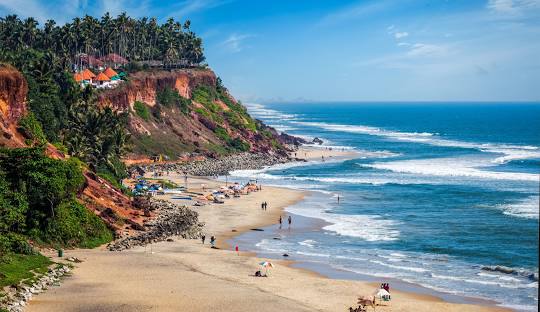
Things to Do in Varkala: The Travel Guide You Need for 2026

Varkala is one of those places that either hooks you for a week or sends you back annually. I’ve planned dozens of Kerala itineraries at Astamb Holidays, and Varkala consistently sits in a category of its own — not because it’s the most polished destination, but because it’s genuinely different. Red laterite cliffs dropping straight into the Arabian Sea, a 2,000-year-old Vishnu temple within earshot of surf schools, and a café strip where you eat Keralan fish curry next to a Norwegian digital nomad. That combination exists nowhere else on India’s coastline. This guide is for anyone doing real trip planning — first-timers, solo travelers, backpackers, couples, and anyone who’s been to Goa ten times and wants a beach holiday that’s a few degrees more interesting. 🌊 Best Things to Do in Varkala for First-Time Visitors The five things worth doing on a first trip: walk the North Cliff promenade at sunset, visit Janardhana Swamy Temple in the early morning, rent a scooter for a coastal run to Kappil Beach, eat a Kerala thali in Varkala town (not on the cliff), and catch at least one sunrise from South Cliff. That’s your foundation. Everything else builds from there. The North Cliff Promenade The promenade runs roughly 800 meters along the cliff edge. It sounds short — you’ll spend two hours easily. Shops, Tibetan cafés, Ayurvedic parlors, and tailors on one side. The Arabian Sea dropping away below you on the other. Come here at 6:00 PM for the light. The laterite cliffs turn amber-red at golden hour and it’s one of the genuinely great sunset views on India’s west coast. Local Insight Tip: Avoid the promenade between 12:00 PM and 3:00 PM in peak season. It becomes a heat trap and cliff cafés overcharge everything during lunch. Go early or go late. Janardhana Swamy Temple One of Kerala‘s oldest Vishnu temples — over 2,000 years of continuous worship. Non-Hindus can’t enter the inner sanctum, but the complex perched on the cliff above the sea is worth seeing from outside. The Arattu Festival in March/April brings elephant processions and all-night Kathakali performances. Sivagiri Mutt About 3 km from the beach, this is the samadhi of Sree Narayana Guru — a 19th-century social reformer from Kerala who challenged the caste system through education. One of the most culturally significant sites in Thiruvananthapuram district. Budget 45–60 minutes. Attraction Distance from North Cliff Best Visit Time Entry Fee Janardhana Swamy Temple 0.5 km 6:00 AM – 8:00 AM Free Sivagiri Mutt 3 km 8:00 AM – 11:00 AM Free Varkala Lighthouse 2 km 3:00 PM – 5:30 PM ₹20 Anjengo Fort 12 km 9:00 AM – 4:00 PM Free Kappil Beach 7 km 7:00 AM – 10:00 AM Free 🏖️ Less Crowded Beaches Near Varkala Most Travelers Miss Papanasam Beach directly below the cliff fills up fast between November and February. The coast north of the cliff has three quieter options worth knowing. Odayam Beach (Black Beach) About 5 km north of the cliff, Odayam’s sand turns dark — almost black — from mineral deposits in the laterite formations. Flanked by coconut groves and small homestays, with fishermen working the shore in the mornings. Even in peak season, you’ll share the stretch with a handful of people at most. Local Insight Tip: Arrive at Odayam before 8:00 AM for the cleanest, emptiest stretch. By 10:00 AM, drone operators and photographers take over the best spots. Water is generally calmer here than Papanasam — good for swimming November through February at low tide. Kappil Beach and Kappil Backwaters 7 km north of the cliff, this is where the Arabian Sea and the Kappil backwaters run parallel, separated by a narrow strip of land. Canoe rides through the backwaters cost ₹200–500 per person and take about two hours. Fishing villages flank both sides. Nothing is staged for tourists. In my experience planning itineraries at Astamb Holidays, I always include Kappil as a half-day extension for guests who’ve already covered the main beach on day one — it’s consistently the highlight for those who make the effort. Chilakoor Beach South of Varkala town, Chilakoor is lined with casuarina trees and sees almost no foreign tourist traffic. Sunsets here are exceptional with an unobstructed west-facing view. No facilities — bring your own food and water. Beach Distance from Cliff Crowd Level (Peak) Swimming Safety Best For Papanasam (Main) 0 km High Moderate — lifeguards present General beach time Odayam (Black Beach) 5 km Low–Medium Good Nov–Feb Surfing, solitude Kappil Beach 7 km Very Low Rough — not for swimming Backwaters, photography Chilakoor Beach 4 km south Very Low Calm Sunsets, picnics 🏄 Adventure Activities in Varkala: What They Cost in 2026 Surfing Surf season runs October through April. Waves sit mostly between 2–4 feet — ideal for beginners, occasionally bigger after storms. Schools including Wavealokam, Pagan’s Backpackers, and Soul & Surf (South Cliff) offer structured lessons. Local Insight Tip: Book surf lessons for the 7:00 AM–9:00 AM slot. Wind chop increases significantly by mid-morning and the sessions become harder for beginners. The early calm-water window is short but makes a real difference in progress. Yoga and Ayurveda Drop-in yoga classes run ₹300–600 per session. Week-long residential retreats start at ₹8,000–15,000 all-inclusive. Ayurvedic massage starts at ₹800 for a 45-minute Abhyanga session and goes up to ₹3,000+ for full consultations at reputable centers. Water Sports on Papanasam Beach Activity Season Cost (INR) Beginner Surf Lesson Oct–Apr ₹1,500–2,500 Board Rental Oct–Apr ₹300–500/hour Drop-in Yoga Year-round ₹300–600 Ayurvedic Massage Year-round ₹800–3,000 Parasailing Nov–Apr ₹1,000–1,500 Kappil Kayaking Nov–Mar ₹500–1,500 ☕ Café Culture: What’s Worth Your Time and What Isn’t Half the North Cliff cafés serve the same mediocre continental breakfast for ₹350–500, banking entirely on sea views. Once you’ve eaten overpriced banana pancakes three mornings running, the view stops compensating. Worth your time: God’s Own Country Kitchen — The best Kerala cuisine on the cliff. Fish moilee (₹280–320), prawn masala, and appam are consistently good with fresh catch. Tables fill fast

Things to Do in Varkala: The Travel Guide You Need for 2026 Read More »

Tawang Tourist Places: Your Real Guide to Arunachal Pradesh’s Himalayan Borderland

If you’re tired of the same old Ladakh conversation, let me tell you — Tawang tourist places are doing something different. At 10,000 feet above sea level, in the far northwestern corner of Arunachal Pradesh, Tawang sits against the borders of Tibet and Bhutan and carries a quiet, almost electric energy that Ladakh doesn’t quite replicate. I’ve planned dozens of Northeast India tours through Astamb Holidays, and Tawang is the one destination that surprises even the most well-traveled clients. The roads are rough, the altitude hits hard, and the monastery bells at dawn make everything worth it. This guide gives you the full picture — from the top tourist spots and hidden valleys to exact budget numbers, ILP permits, and itinerary options built for real travelers. 🏔️ Why Tawang Tourist Places Are Trending Among Indian Travelers For years, Ladakh was the “offbeat” mountain escape for urban Indians. Now, the crowd has arrived in Leh, and travelers from Mumbai, Delhi, and Pune are looking east. Tawang offers what Ladakh offered a decade ago — raw Himalayan terrain, ancient Buddhist culture, and relatively few tourists. The Monpa people, who form the dominant community here, have kept their traditions largely intact. The town is the birthplace of Tsangyang Gyatso, the Sixth Dalai Lama, which gives it extraordinary spiritual weight. What also makes Tawang different is the borderland psychology. You’re not just in a mountain town — you’re at the edge of India, 37 km from the China border at Bum La Pass. That proximity adds a layer of gravity to every site you visit. The Arunachal Pradesh government has improved road access, and ILP permits are now available online — removing the biggest logistical friction for travelers. Expect this destination to get significantly busier over the next three to five years. Go before that happens. 📍 Best Tawang Tourist Places You Must Visit Quick Answer Box — Top 10 Tawang Tourist Places: 1. Tawang Monastery (Galden Namgyal Lhatse) Altitude: ~10,000 feet | Entry Fee: No fixed fee (donation appreciated) | Best Time: Year-round This is the largest monastery in India and the second largest in all of Asia — only the Potala Palace in Lhasa is bigger. Founded in the 17th century by Mera Lama Lodre Gyatso, it houses over 300 monks and contains a 28-foot golden statue of Lord Buddha. The library alone is worth your visit — ancient manuscripts, including the Kangyur and Tangyur (gold-inscribed Buddhist scriptures), are preserved here. The panoramic views of Tawang-Chu Valley from the monastery courtyard are genuinely breathtaking. 💡 Local Insight Tip: Visit the monastery at 6:30 AM before tourist groups arrive. The morning prayer sessions with monks chanting in the assembly hall are profoundly moving — and you’ll have the courtyard nearly to yourself. Photography Value: ⭐⭐⭐⭐⭐ — The gompa walls, prayer wheels, and valley backdrop are some of the most photogenic scenes in Northeast India. 2. Sela Pass Altitude: 13,700 feet | Entry Fee: None | Best Time: March–June, September–November Sela Pass is the only motorable road connecting Tawang to the rest of India. Calling it “just a pass” would be unfair — this is a high-altitude world of frozen lakes, prayer flags, and cloud-wrapped peaks. The snow stays on the ground almost year-round here. Sela Lake, a glacial lake just beside the road, mirrors the sky in summer and freezes completely by December. There’s a small dhaba run by the Indian Army where you can grab hot tea — and I mean hot tea has never tasted better than at 13,700 feet. 💡 Local Insight Tip: The BRO (Border Roads Organisation) keeps Sela Pass open aggressively, but rockslides between August and September can cause surprise closures. Always check road conditions 24 hours before travel through local contacts or your hotel. Photography Value: ⭐⭐⭐⭐⭐ 3. Bum La Pass (Indo-China Border) Altitude: 15,200 feet | Entry Fee: Special permit required | Best Time: May–October Bum La Pass sits at the actual India-China border — one of the routes taken by the 14th Dalai Lama when he fled Tibet in 1959. You need Army permission to visit (arranged through registered local tour operators in Tawang), and entry is restricted to Indian nationals only. The drive from Tawang town is 37 km through raw military terrain. You’ll pass PT Tso Lake and Nagula Lake on the way. Standing at the border and seeing the Chinese military observation towers is a stark, sobering experience. 💡 Local Insight Tip: Book your Bum La permit through your hotel or a local Tawang operator at least 2 days in advance. Permits aren’t available on the day of travel. The Army can deny entry on short notice if weather or security conditions change. Photography Value: ⭐⭐⭐⭐ — Photography near the border markers is restricted. 4. Madhuri Lake (Sangetsar/Shonga-tser Lake) Altitude: ~12,000 feet | Entry Fee: Nominal | Best Time: April–June, October Originally called Shonga-tser Lake, this glacial lake was formed after an earthquake shifted the landscape. It got the name Madhuri Lake after Bollywood actress Madhuri Dixit shot a song sequence here in the 1990s. The lake sits surrounded by snow-dusted mountains, dead trees rising from the water, and Yaks grazing nearby. It’s roughly 30 km from Tawang town, accessible by local taxi. The drive through alpine meadows is as good as the destination. Photography Value: ⭐⭐⭐⭐⭐ — Exceptional for golden-hour shoots. 5. Nuranang Falls (Jung Falls) Altitude: ~6,000 feet | Entry Fee: None | Best Time: April–September Also called Jang Falls, this waterfall drops nearly 100 meters through a forested gorge on the route between Dirang and Tawang. It’s one of the most visually powerful stops on the road to Tawang — the roar of water is audible long before you reach it. A short walk from the parking area brings you face-to-face with the falls. The area around it stays green and lush through summer. 💡 Local Insight Tip: Stop here on your way into Tawang rather than on the return. Morning light from the east hits the falls

Tawang Tourist Places: Your Real Guide to Arunachal Pradesh’s Himalayan Borderland Read More »

Maharashtra Hill Stations in May 2026: Why Domestic Travel Is the Smartest Summer Choice

By Imran Mulla — Founder, TravelJunctions.in | Contributor, XploreHeaven.com Seventeen years in the travel business have taught me one golden rule: the smartest trips are not always the most expensive ones. And right now, in May 2026, that rule has never been more relevant. Your city is hitting 38°C to 43°C. International airfare has gone through the roof. The Indian rupee is under pressure. And PM Narendra Modi just made a heartfelt public appeal — on May 10, 2026 — asking Indians to skip foreign travel for at least a year and invest that money back home. You know what? I think he’s onto something. The Maharashtra hill stations are waiting for you — cooler, greener, more affordable, and honestly more refreshing than any crowded European square or overpriced Southeast Asian resort. Before you reach for your passport, let me share what 17 years of sending families, couples, and solo travelers to these mountains has taught me. Quick Answer: The best Maharashtra hill stations to visit in May 2026 include Mahabaleshwar, Matheran, Panchgani, Igatpuri, and Toranmal because they offer cooler temperatures ranging from 14°C to 28°C, stunning scenic landscapes, and easy road or rail access from Mumbai, Pune, and Thane. Why Maharashtra Hill Stations Are Trending in Summer 2026 Let me be straight with you — this trend was already building before Modi said a word. Indian millennials and Gen Z travelers have quietly been doing the math. A 4-night trip to Bali or Thailand for a couple, by the time you include visa fees, return flights, hotel, and food, costs somewhere between ₹1.5 lakh to ₹2.5 lakh easily. A 4-night workcation at a well-appointed villa or boutique resort in Mahabaleshwar or Igatpuri? You are looking at ₹25,000 to ₹60,000 for two — and that includes your meals, scenic drives, and a proper digital detox. The numbers back this up. Maharashtra received 189.4 million domestic tourist visits in 2024, up 17% from the previous year, according to the Ministry of Tourism’s India Tourism Data Compendium 2025. And the Skift India Travel Report 2026 confirms that Indian travelers now prefer 4 mini-breaks over one long holiday, with couples making up 40% of weekend bookings at hill destinations close to Mumbai. The workcation culture has also permanently changed travel habits. Professionals from Mumbai and Pune IT corridors are booking hill station stays for 5 to 7 days, not just weekends, because stable Wi-Fi and cooler air genuinely improve productivity. Social media is amplifying this — reels from Igatpuri’s Vipassana-adjacent retreats and sunrise shots from Mahabaleshwar’s Wilson Point are racking up millions of views and pulling younger crowds who want an experience worth sharing. Why PM Modi’s Domestic Travel Appeal Is Boosting Maharashtra Hill Stations On May 10, 2026, at a BJP event in Hyderabad, Prime Minister Narendra Modi made a direct appeal to the Indian middle class. He asked citizens to avoid foreign travel, foreign destination weddings, and excessive gold purchases for at least one year, citing the need to protect India’s foreign exchange reserves amid geopolitical pressure and a crude oil surge of nearly 50%. This was not just a political statement. It was economic common sense packaged as a patriotic nudge. His appeal aligns perfectly with the government’s long-running “Dekho Apna Desh” initiative and the “Vocal for Local” vision — both aimed at making domestic tourism a first choice, not a fallback. And here is the thing: Maharashtra is uniquely positioned to benefit. The state’s Maharashtra Tourism Policy 2024 is already focused on enhancing tourism infrastructure and boosting regional tourism. When you travel to a Maharashtra hill station, every rupee you spend — at the local dhaba, the strawberry stall, the homestay run by a tribal family — stays in the Indian economy and creates real livelihoods. That is the kind of multiplier effect no international resort booking can replicate. Which Maharashtra Hill Stations Are Best to Visit in May 2026? Short answer: For May 2026, the top picks are Mahabaleshwar, Matheran, Lonavala, Panchgani, Toranmal, Igatpuri, and Amboli — each suiting a different type of traveler. Mahabaleshwar — Best Overall Pick At 1,353 metres above sea level in the Western Ghats, Mahabaleshwar remains the queen of Maharashtra hill stations, and for good reason. In May, temperatures hover between a very comfortable 19°C to 24°C. That alone is enough to make you pack your bags when Mumbai is sweltering at 37°C. Located 123 km from Pune and 243 km from Mumbai, it is accessible and fully loaded with things to do. Arthur’s Seat, Wilson Point, Kate’s Point — these viewpoints are genuinely spectacular, not just tourist-brochure words. The strawberry farms around Mapro Gardens are still operational in early May, and the freshly made strawberry ice cream there is something I personally look forward to every season. Venna Lake is perfect for a quiet evening boat ride with family. My tip: Leave Mumbai or Pune by 5:30 AM on a weekday. Avoid the weekend rush. You will get the viewpoints almost to yourself before 9 AM. Matheran — The Vehicle-Free Escape If there is one place that truly forces you to slow down, it is Matheran. Asia’s only completely automobile-free hill station, it sits 80 km from Mumbai and offers something no other destination can — silence. Park your car at Dasturi Naka and walk the 2.5 km to the main market, or hire a horse (₹500–800). Better still, take the heritage Neral–Matheran toy train (₹75, a delightful 2-hour journey through thick forest). With temperatures around 22°C to 26°C in May, it is one of the most peaceful summer retreats in the state. Best for: Families with young children, digital detox seekers, photography enthusiasts. Lonavala — The Weekend Getaway King Lonavala sits just 95 km from Mumbai and 67 km from Pune on the expressway. You can be there in 90 minutes if you leave early. That proximity is its biggest strength. Yes, it gets crowded on weekends — but go on a Tuesday or Wednesday and Bhushi Dam, Karla Caves,

Maharashtra Hill Stations in May 2026: Why Domestic Travel Is the Smartest Summer Choice Read More »

Maharashtra Temperature May 2026: Why Toranmal Hill Stattion (14°C) Is the Coolest Escape from the Heatwave

By Imran Mulla | Founder, TravelJunctions.in | 17 Years in the Travel Industry Let me be straight with you. The Maharashtra temperature in May 2026 is brutal. I have been running tours across this state for 17 years, and this year’s heat is one of the worst I’ve seen. Nagpur is hitting 43–45°C. Pune crossed 38°C earlier this week. Mumbai feels like a pressure cooker with no lid. If you are sitting in one of these cities right now — sweating, irritable, desperately scrolling for somewhere to breathe — I have exactly the answer you need. Toranmal Hill Station. It’s sitting at 14°C as you read this. And most people have no idea it even exists. What Is the Current Maharashtra Temperature in May 2026? Direct Answer: In May 2026, Maharashtra is experiencing above-normal temperatures across most of the state. Vidarbha and Marathwada are seeing 43–45°C, Pune hovers around 37–40°C, and Mumbai is battling suffocating heat and humidity. The IMD has confirmed above-normal heatwave days for Maharashtra this month. Maharashtra in May is always hot — that’s nothing new. But May 2026 is tracking differently. The India Meteorological Department (IMD) in its monthly outlook confirmed that above-normal heatwave days are likely over parts of Gujarat and Maharashtra during this period. Minimum temperatures too are expected to stay above normal across most of the state — meaning even the nights are not giving any relief. Here’s a quick snapshot of what’s happening right now across the state: City / Region Day Temperature (May 2026) Night Temperature Humidity Nagpur 43–45°C 28–30°C Moderate Pune 37–40°C 22–25°C Low–Moderate Mumbai 33–36°C 26–28°C Very High Nashik 36–39°C 22–24°C Low Aurangabad 40–42°C 26–28°C Low Toranmal 14–28°C 13–16°C Low–Comfortable That last row is not a typo. Toranmal is cooler than your AC room. Why Is Maharashtra Experiencing Extreme Heat in May 2026? Direct Answer: Maharashtra’s extreme heat in May 2026 is driven by evolving El Niño-like conditions over the equatorial Pacific, above-normal minimum temperatures nationwide, and the typical pre-monsoon dry air mass that blankets interior Maharashtra. IMD has officially flagged above-normal heatwave risk for the state. The science here is straightforward. The IMD’s May 2026 forecast points to ENSO-neutral conditions shifting toward El Niño, which suppresses rainfall and allows temperatures to climb faster and stay higher. When that happens, interior Maharashtra — particularly Vidarbha and Marathwada — gets absolutely cooked. The dry, flat terrain has no forest cover to moderate temperatures. The sun hits the ground directly, and the heat bounces back up. Three big reasons it feels worse this year: Which Cities Are the Hottest in Maharashtra Right Now? Direct Answer: As of May 2026, Nagpur is the hottest city in Maharashtra at 43–45°C, followed by Aurangabad and Nanded at 40–42°C. Pune is crossing 38–40°C consistently. Mumbai may feel more tolerable temperature-wise, but extreme humidity makes it feel like 40°C or more. From my experience running tours across Maharashtra, here’s the ground truth — and it’s worse than the numbers suggest: Nagpur (43–45°C): Known as the “Orange City” but in May it earns a different nickname. Heat here is dry but intense. Standing outside between 11 AM and 5 PM is genuinely dangerous. I never schedule stops in Nagpur in May. Pune (37–40°C): Pune used to pride itself on being cooler than Mumbai. That advantage has been shrinking every year. In early May 2026, forecasts show 38.4°C — above its historical average. If you’re in Pune, you know what I mean. Mumbai (33–36°C + High Humidity): The number looks smaller, but the humidity makes it feel like a sauna that you can’t leave. The IMD flagged hot and humid weather conditions for Konkan through the first week of May. Walking outside at noon in Mumbai in May is not advisable for anyone above 50. Which Is the Coolest Place in Maharashtra Right Now? (Toranmal Explained) Direct Answer: Toranmal is the coolest place in Maharashtra in May 2026, recording minimum temperatures of around 14°C and maximum temperatures of 28°C. It sits at approximately 1,150 meters above sea level in the Satpura Range of Nandurbar district — far from the crowds of Lonavala and Mahabaleshwar. I’ve taken groups to Toranmal twice in the last three years, and both times the reaction was the same: “Why did nobody tell us about this place?” Toranmal is tucked away in the Satpura Range in Nandurbar district, right near the Maharashtra–Madhya Pradesh border. While the rest of the state is melting, Toranmal sits at roughly 1,150 metres above sea level with thick forest cover on all sides. In May 2026, it is recording lows of 14°C and highs of around 28°C — making it the single coolest destination in all of Maharashtra during this heatwave. And here’s the best part: almost nobody goes there in May. No traffic jams on the ghat. No overpriced hotels. No queues at restaurants. Just cool air, green hills, and actual peace. Why Is Toranmal Hill Station So Cool Even in Peak Summer? Direct Answer: Toranmal stays cool in summer because of its elevation of approximately 1,150 metres in the Satpura Range, its dense forest cover that keeps the plateau shaded, and its unusual microclimate that actually receives more rainfall in summer than during the monsoon months. These factors together keep temperatures 15–20°C cooler than Nagpur or Pune. Three things make Toranmal climatically special: 1. Elevation: At ~1,150 metres, it is Maharashtra’s second highest and second coldest hill station. Every 100 metres of gain drops temperatures by about 0.65°C. Do the math — that’s roughly a 7–10°C natural drop compared to the plains below. 2. Plateau + Forest Shield: Toranmal sits on a natural plateau shaped almost like a soccer field — a geographical quirk that traps cool air and moisture. Dense Satpura forests surround it on all sides, blocking direct sunlight and acting as a natural air-conditioner. 3. Unusual Climate Pattern: This is the part that surprises most travelers. Toranmal actually receives more rainfall during summer than during the monsoon months — a rare Koppen-classified microclimate.

Maharashtra Temperature May 2026: Why Toranmal Hill Stattion (14°C) Is the Coolest Escape from the Heatwave Read More »

Long Weekend Guide 2026: Best Short Trips from Thane for Maharashtra Day

By Imran Mulla | Founder, Travel Junctions | Published on XploreHeaven.com Maharashtra Day 2026 is landing on a Friday — May 1st. That means you get a clean, beautiful 3-day long weekend from Friday to Sunday without burning a single leave. I’ve been planning group tours and getaways from this region for 17 years, and I’ll tell you straight — this is one of the best windows in the entire year to travel. Not too hot if you leave early. Roads clear by dawn. And the destinations? Ready and waiting. This long weekend guide is built specifically for travelers starting from Thane — not generic “Mumbai” tips you’ve already read a hundred times. Real routes. Real timings. Real budgets. Let’s get into it. What is a Long Weekend Guide & Why is Maharashtra Day Perfect for Travel? A long weekend guide is a practical travel plan built around a public holiday that falls adjacent to the weekend, giving travelers 3 or more consecutive days off without taking paid leave. For Maharashtra Day 2026, the holiday falls on Friday, May 1st, creating a natural 3-day break from May 1 to May 3. Maharashtra Day — also called Maharashtra Din — celebrates the formation of the state of Maharashtra on May 1, 1960. In 2026, it falls on a Friday, giving you a seamless Friday–Saturday–Sunday break. Add Buddha Purnima (also May 1, 2026) and International Labour Day falling on the same date, and you’ve got triple-confirmed holiday status. Government offices, schools, and most private firms will be closed. For anyone in Thane — whether you’re a student, a freelancer working from home, or a young professional — this is your cue. Start planning now. Accommodation near popular spots will fill up fast. Which Are the Best Short Trips from Thane for This Long Weekend Guide? Here are 3 tried-and-tested destinations I personally recommend for the May 1–3, 2026 long weekend. Each one suits a different traveler type. 1. Lonavala – Best for Scenic Relaxation Travel Time from Thane: Approximately 1.5 to 2 hours via NH48 (Mumbai–Pune Expressway). Leave from Thane’s Ghodbunder Road side, merge onto the Eastern Express Highway toward Airoli, cross Vashi, and you’re on NH48 before Panvel. Distance is around 82–90 km. Early morning departure keeps you well under 2 hours. Lonavala is the classic weekend escape. But here’s what most blogs skip: May in Lonavala is pre-monsoon, meaning the landscapes are dry but the weather is manageable if you leave before 6:30 AM. Post 11 AM, it gets warm. Plan accordingly. Crisp 2-Day Itinerary: Day 1 (Friday, May 1): Day 2 (Saturday, May 2): Budget Estimate (Per Person): 2. Igatpuri – Best for Nature & Peace If you haven’t been to Igatpuri, you’ve been missing out. Seriously. I take groups there year-round and it never disappoints. It sits around 100 km from Thane via the Eastern Express Highway → Bhiwandi → Shahapur → Kasara Ghat route. Drive time is typically 2 to 2.5 hours. Expert Edge — The Hidden Spot: Most tourists stop at the famous Vipassana centre or Bhawali Dam. But few know about Camel Valley — the plateau visible right opposite the Ghatandevi Temple on the highway. No entry fee. Zero crowds. Breathtaking views of the Sahyadri ridgeline. If you visit in the very early morning, the valley fills with soft mist. I’ve taken groups there at 7 AM and watched jaws drop. Another lesser-known stop: Drive 6 km off the highway through the village of Pimpri past Igatpuri to reach Bhawali Dam. Lush green fields, hay stacks, and mountain backdrops — it’s the kind of scenery that doesn’t feel real. Traffic Avoidance Tips for Kasara Ghat: The Kasara Ghat (Thal Ghat) section on the Mumbai–Nashik Highway has separate 2-lane roads for each direction since 2009, so head-on traffic is gone. That said, the ghat still gets congested on holiday weekends after 9:00 AM. 3. Alibaug – Best for Beach Getaway Alibaug is the beach pick for this long weekend. And the transport question — Ro-Ro Ferry or road via Pen? — actually has a nuanced answer depending on your group size and budget. Option A: Ro-Ro Ferry (M2M Ferries) from Ferry Wharf, Mumbai The M2M Ro-Ro Ferry departs from Bhaucha Dhakka (Ferry Wharf) near Mazgaon and reaches Mandwa Jetty in about 60–75 minutes. From Thane, reach Ferry Wharf via the Eastern Express Highway — roughly 40–50 minutes in early morning traffic. The Ro-Ro runs year-round, 7 days a week, making it the most reliable option. Once you dock at Mandwa, you’re just 19 km from Alibaug town. Option B: Road via Pen (NH66) From Thane, take the Eastern Express Highway → Vashi → Panvel → NH66 → Pen → Alibaug. Total distance: approximately 120–130 km. Drive time in normal conditions: 2.5 to 3 hours. During long weekends? Expect 4 hours or more near Panvel and Pen. Cost vs. Crowd Comparison: Mode Solo Traveler (Approx.) Group of 4 (Approx.) Time Ro-Ro Ferry (foot passenger) ₹360 + local taxi ₹300 ₹1,440 ferry + shared taxi ₹600 ~2 hrs total Ro-Ro Ferry (with car) ₹1,200 car + ₹360/person ₹1,200 + ₹1,440 = ₹2,640 ~2.5 hrs total Road via Pen (car) ₹800–₹1,000 fuel/toll ₹800–₹1,000 shared 3–4+ hrs My honest pick: For a group of 4 or more, take your car on the Ro-Ro. The time saving is massive and the per-head cost becomes very reasonable. Solo travelers or couples? Take the passenger ferry — cheaper and faster. How to Plan a Perfect Long Weekend Trip from Thane? (Step-by-Step Guide) Planning a long weekend trip doesn’t need to be complicated. Here’s the exact checklist I give every first-time traveler in my tours: Step 1 — Book early (at least 2 weeks ahead) Accommodation near Lonavala, Igatpuri, and Alibaug gets sold out fast around long weekends. Book by mid-April at the latest. Step 2 — Transport confirmation Confirm your mode of travel. For Alibaug Ro-Ro, book ferry slots online. For road trips, check vehicle condition, fuel, and tyre pressure. Step 3

Long Weekend Guide 2026: Best Short Trips from Thane for Maharashtra Day Read More »