India Travel

Explore India travel guides, itineraries, places to visit, travel tips, and destination insights for popular tourist destinations across India.

Kuruva Island Travel Blog: Explore Wayanad’s Hidden Gem

Discover Kuruva Island, Wayanad: Your Ultimate Travel Blog Guide Imagine drifting away from the hum of everyday life to a magical place where the gentle whispers of the Kabini River merge with the rustling of bamboo groves. Picture yourself floating on a traditional bamboo raft as the cool, crisp air fills your lungs, and vibrant bird songs serenade you amid emerald green landscapes. Welcome to Kuruva Island, also known as Kuruvadweep—a secret sanctuary in Wayanad that promises not just a getaway but a soulful journey into nature’s untouched wonder. Far from the well-worn tourist trails, Kuruva Island offers a rare blend of adventure, serenity, and raw ecological beauty. Spanning an impressive 950 acres of protected forest, this river island is an oasis where time slows down, inviting you to reconnect with nature and rediscover the joy of simple, authentic travel. Whether you’re seeking a peaceful retreat, an adrenaline rush, or a chance to immerse yourself in local culture, Kuruva Island beckons with its promise of an unforgettable eco-adventure. Discovering the Natural Wonders of Kuruva Island Step onto Kuruva Island and let your senses come alive. This enchanting river island, cradled by the winding Kabini River, is a living canvas of nature’s artistry. Here, every rustle in the bamboo groves and every ripple on the water tells a story of life in its purest form. A Lush, Living Tapestry Experiences and Activities on Kuruva Island Kuruva Island isn’t just about stunning views; it’s a playground for the adventurous at heart. Prepare for experiences that will stir your soul and ignite your spirit of exploration. Bamboo Rafting: Glide Through a Dream Nature Walks: Wander in a Living Fairy Tale Birdwatching: A Symphony of Colors and Sounds Guided Nature Tours and Photography Expeditions Planning Your Trip to Kuruva Island: Practical Information No adventure is complete without knowing how to get there and what to expect. Here’s everything you need to plan your trip: How to Reach Kuruva Island By Road:Kuruva Island is nestled in Wayanad, approximately 17 km east of Mananthavady and 10 km northwest of Pulpally. River Crossing:To reach the island itself, you must cross the Kabini River. Traditional bamboo rafts or wooden boat rides, operated by the Kerala Tourism Department, provide a unique, immersive crossing experience. For updated schedules and conditions, visit the Kerala Tourism official page on Kuruvadweep. By Air:Calicut International Airport (CCJ) is the nearest major airport, located about 50 km from Mananthavady. From there, a taxi or pre-booked transfer will get you to the gateway town. Best Time to Visit Entry Fees and Permits Visitors must secure a permit from the South Wayanad Forest Division before entering the island. This essential step helps regulate tourism and preserve the delicate ecosystem. Permit fees are nominal, ensuring accessibility while promoting sustainable travel. For the latest details, check the Kerala Tourism portal. Accommodation and Dining Options Where to Stay:While Kuruva Island itself doesn’t offer lodging, nearby towns like Mananthavady and Pulpally boast authentic guesthouses and homestays that let you experience local hospitality. Dining:Local eateries serve traditional Kerala cuisine, allowing you to savor regional flavors—from appam with stew to freshly caught fish delicacies. Enjoy home-cooked meals in a cozy guesthouse setting for an authentic culinary experience. Responsible Tourism and Conservation Visiting Kuruva Island means stepping into a pristine ecosystem that requires mindful exploration. To ensure this ecological treasure remains unspoiled: Quick Information: Kuruva Island at a Glance Aspect Details Best Time to Visit October – May (closed during monsoon: late May – early December) Weather Temperate; pleasant during spring/autumn, moderately warm in summer Key Attractions Bamboo rafting, nature walks, birdwatching, diverse flora and fauna Hiking Trails Multiple scenic trails with wildlife encounters Local Culture Authentic rural Kerala experiences; traditional guesthouses and local cuisine Accommodation Options Guesthouses, homestays, eco-tourism camps in nearby towns like Mananthavady Transportation Accessible from Mananthavady; requires 4-wheel-drive for gravel roads; river crossing via raft/boat Travel Type Eco-tourism, adventure travel, cultural tourism, off-the-beaten-path exploration Visual elements should include descriptive alt text, such as “Bamboo raft gliding on Kabini River at Kuruva Island in Wayanad, Kerala.” Conclusion: Embrace the Serenity of Kuruva Island Kuruva Island is more than just a destination—it’s an immersive journey into the untouched heart of Kerala’s wilderness. With its lush bamboo groves, vibrant biodiversity, and the thrill of bamboo rafting along the Kabini River, this protected river island offers a sanctuary for nature lovers, adventure seekers, and anyone yearning for an authentic escape. Experience the magic of Kuruva Island, where every moment reconnects you with nature and every step invites you to explore the genuine hospitality of rural Kerala. Plan your visit, embrace responsible tourism, and let the untouched beauty of Kuruva Island transform your travel experience into a soul-stirring adventure. Ready to explore Kuruva Island? Share your travel plans and questions in the comments below, and subscribe for more inspiring eco-tourism guides from Kerala. Frequently Asked Questions (FAQs) Q1: What makes Kuruva Island an ecological paradise in Wayanad?A: Kuruva Island is a pristine river island spanning 950 acres, rich in biodiversity with semi-evergreen forests, bamboo groves, and unique riparian habitats that support rare and endemic species. Q2: How do I reach Kuruva Island?A: The island is accessible from Mananthavady or Pulpally in Wayanad. Travel by hiring a 4-wheel-drive vehicle for the best experience, and cross the Kabini River via bamboo rafts or wooden boat rides operated by Kerala Tourism. For more details, visit the Kerala Tourism page on Kuruvadweep. Q3: What activities are available on Kuruva Island?A: Visitors can enjoy bamboo rafting, nature walks, birdwatching, and guided tours that offer insights into the island’s rich biodiversity and cultural heritage. Photography enthusiasts will also find endless opportunities amid the scenic landscapes. Q4: When is the best time to visit Kuruva Island?A: The ideal season is from October to May when the weather is pleasant. Note that the island is closed during the monsoon season (late May through early December) due to safety concerns with high water levels. Q5: What should I pack for a trip to

Kuruva Island Travel Blog: Explore Wayanad’s Hidden Gem Read More »
Narara Island, Gujrat

Travel Blog Inspiration | Latest Gujarat and Narara Island Adventures

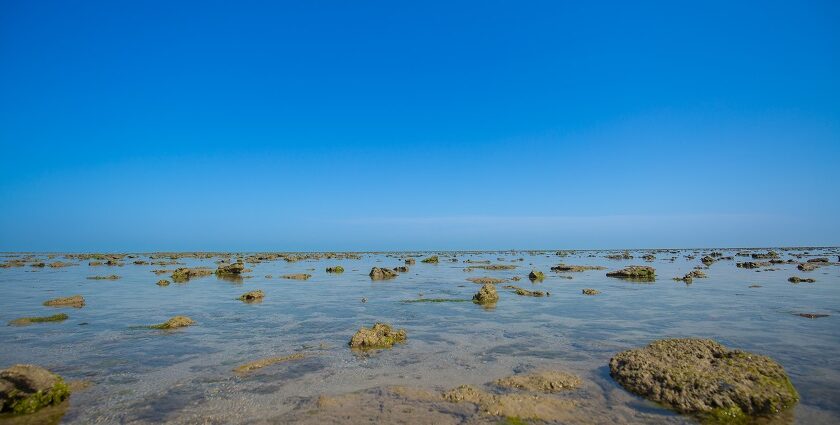
Latest Travel Blog Updates: Exploring Gujarat & the Wonders of Narara Island Imagine stepping onto a beach where the tide rolls back like a curtain, revealing a living mosaic of starfish, neon corals, and crabs scuttling across alien-like rock pools. No, this isn’t the Maldives. This is Narara Island, a 4km² slice of marine magic in Gujarat’s Marine National Park—and you’ve probably never heard of it. While India obsesses over Goa’s beaches and Rajasthan’s forts, Gujarat quietly guards this ecological treasure. Here, low tide transforms the seabed into a walkable wonderland, where octopuses play hide-and-seek in coral gardens and migratory birds stage aerial ballets overhead. Ready to ditch the crowds? Let’s dive in. Why Narara Island is India’s Best-Kept Secret The Only Marine Park Where You Walk on the Ocean Floor Forget snorkeling. At Narara, you’ll stroll through tidal flats during low tide, spotting marine life like a real-life David Attenborough. Pro tip: Wear sturdy sandals—sea cucumbers are squishy. A Time Capsule of Marine Conservation Established in 1982 as India’s first marine sanctuary, this park protects 42 islands and species you won’t find elsewhere: Just 70km from Jamnagar (and 12km from the park office), Narara proves that “hidden gem” doesn’t mean “impossible to reach.” The Allure of Narara Island: An Overview A Glimpse into Narara Island and Marine National Park Narara Island is a standout destination within the Marine National Park near Jamnagar, Gujarat. As one of the 42 islands that form this vast sanctuary, Narara Island is a treasure trove of marine life and natural beauty. Its pristine coral reefs, diverse marine species, and tranquil surroundings create an ideal setting for underwater adventures and nature walks along the shore. The park was established in 1982 to protect the rich marine biodiversity of the Gulf of Kutch and has since become a significant site for conservation efforts in India. Despite its ecological importance and potential as an offbeat travel destination, Narara Island remains relatively undiscovered by mainstream tourism, making it a perfect spot for travelers who seek unique, immersive experiences. Why Undiscovered Destinations Matter In a world where well-trodden tourist paths often lead to overcrowded destinations, exploring offbeat travel spots like Narara Island offers a fresh perspective. These hidden gems allow you to: In Narara Island, every ripple in the water and every burst of coral color tells a story—a story of nature’s resilience, human ingenuity in conservation, and the ever-changing tapestry of life beneath the waves. A Journey Through Time: History and Conservation The Birth of a Sanctuary Established in 1982, Marine National Park was India’s pioneering effort to conserve its marine heritage. Narara Island, as part of this sanctuary, plays a crucial role in protecting the diverse marine flora and fauna of the Gulf of Kutch. The park was created to address the growing threats from overfishing, habitat destruction, and unregulated tourism, ensuring that the underwater ecosystems remain vibrant and resilient for generations to come. For more historical insights, you can refer to the detailed research on Narara Island. Conservation Efforts and Sustainable Tourism Conservation at Narara Island is not just about preservation—it’s also about sustainable interaction. Ongoing initiatives focus on: Visitors are encouraged to adopt responsible travel practices, such as not disturbing marine life, avoiding littering, and following designated paths during guided tours. These actions help maintain the delicate balance of this protected environment. Exploring Narara Island: Geography and Ecosystem Location and Natural Setting Narara Island is part of the expansive Marine National Park in the Gulf of Kutch, off the coast of Jamnagar City in Gujarat. The island’s remote location in this biodiverse region makes it a unique destination for eco-tourists and nature lovers. Its landscape is characterized by: This combination of features makes Narara Island an ideal spot for activities like snorkeling, scuba diving, and guided coral walks, where visitors can witness firsthand the kaleidoscopic life beneath the sea. Rich Marine Biodiversity The marine ecosystem of Narara Island is teeming with life. Some of the fascinating inhabitants include: These diverse ecosystems are interdependent, creating a dynamic environment where every element plays a role in sustaining the rich biodiversity of the region. Experiencing Narara Island: Visitor Insights What to Expect on a Coral Walk Imagine strolling along the sandy shores of Narara Island, where the gentle lapping of waves and the vibrant hues of coral reefs create a sensory feast. A coral walk on Narara Island allows visitors to: These walks are often accompanied by knowledgeable guides who explain the unique features of the local ecosystem, making the experience both educational and visually spectacular. Guided Tours and Their Benefits Guided tours at Narara Island are an excellent way to delve deeper into its ecological and cultural significance. Benefits of joining a guided tour include: Best Time to Visit and Tide Considerations Timing your visit to Narara Island is key to maximizing your experience. Consider these factors: For additional travel tips and the latest updates on tide schedules, consult local resources or reputable travel guides such as Gujarat Tourism. Practical Travel Information for Narara Island How to Reach Narara Island By Air By Road By Boat Entry Fees and Permits Before visiting Narara Island, confirm the latest entry fees and any required permits. These details are subject to change based on local government policies. It’s advisable to check the official Marine National Park website or contact local authorities for up-to-date information. Accommodation and Facilities While Narara Island is primarily a conservation area, there are nearby accommodation options available: Table for Clarity: Key Aspects of Visiting Narara Island Aspect Narara Island, Marine National Park Notes Best Time to Visit October – February Cooler temperatures; ideal for snorkeling and walks Travel Accessibility Nearest Airport: Jamnagar; Accessible by road & boat Requires a short boat ride from the coastal entry point Key Attractions Coral reefs, diverse marine life, birdwatching, eco-walks Unique underwater and shore experiences Flora and Fauna Rich coral ecosystems, seagrass beds, diverse marine species, migratory birds Perfect for nature and wildlife enthusiasts Visitor Facilities Guided tours, eco-friendly lodging, entry permits Check local

Travel Blog Inspiration | Latest Gujarat and Narara Island Adventures Read More »

Chandipur Beach, Odisha

Chandipur Beach, Odisha: The Remarkable Hide and Seek Seascape

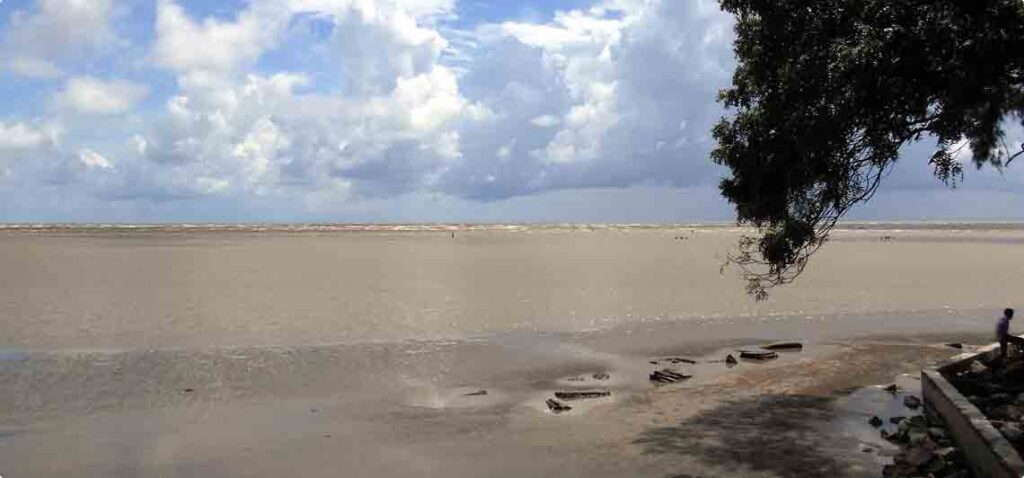
Discover India’s magical disappearing beach where the sea retreats up to 5 kilometers twice daily, offering a rare chance to walk on the ocean floor and experience nature’s most fascinating tidal phenomenon. Introduction: Nature’s Magical Disappearing Act Have you ever witnessed the sea playing hide and seek? At Chandipur Beach in Odisha, this isn’t just a figure of speech—it’s a spectacular natural phenomenon that leaves visitors awestruck. As I stood on the golden sands watching the waves retreat not just meters but kilometers away from the shore, I realized I was experiencing something truly extraordinary. The sea was quite literally disappearing before my eyes, revealing a vast expanse of seabed that would, in just hours, be completely submerged again. Nestled in the Balasore district of eastern India, Chandipur represents one of the most unusual coastal wonders you’ll find anywhere in the world. While India boasts numerous beautiful beaches along its extensive coastline, none can match the peculiar charm of this “vanishing sea” that recedes up to five kilometers during low tide. This natural marvel has rightfully earned Chandipur the nickname “Hide and Seek Beach,” making it a truly offbeat destination for travelers seeking unique experiences beyond the typical tourist circuit. What makes this undiscovered gem even more appealing is the relative lack of crowds compared to India’s more commercialized beaches. Here, you’ll find serene shores lined with swaying casuarina trees, creating the perfect backdrop for an authentic coastal experience that combines natural wonder with cultural richness. The Extraordinary Tidal Phenomenon Explained Science Behind the Vanishing Sea Chandipur’s remarkable tidal patterns aren’t merely a beautiful spectacle—they’re a fascinating lesson in coastal geography and lunar influence. The beach experiences extreme tidal variations that occur twice daily, following the rhythm of lunar cycles. Unlike most beaches with steeper shorelines, Chandipur features an exceptionally gradual gradient that stretches far into the Bay of Bengal. This gentle slope, combined with the specific underwater topography of this section of the bay, creates the perfect conditions for dramatic tidal recession. When the moon’s gravitational pull generates low tide, the water retreats across this gradual incline, visibly withdrawing up to five kilometers from the shore—a distance that would typically take over an hour to walk. The confluence of the Buddhbalanga River with the Bay of Bengal further contributes to these unique topographical features. Local residents have developed an intuitive understanding of these tidal patterns, though the exact timing varies with lunar phases, adding an element of natural unpredictability that enhances the beach’s mystique. A Walking Adventure Like No Other Imagine strolling across what was, just hours earlier, the ocean floor. At Chandipur, this surreal experience becomes reality during low tide. The exposed seabed reveals a textured landscape of ripples, small tidal pools, and distinctive patterns created by marine life. Tiny bubbles pop beneath your feet as you walk, and the sand feels firm yet yielding—a tactile sensation unique to recently exposed ocean floor. As you venture further into this temporary landscape, you’ll discover a miniature ecosystem typically hidden from human eyes. Horseshoe crabs—living fossils that have remained largely unchanged for over 450 million years—can be spotted scuttling across the sand. Red crabs emerge from their burrows, starfish lie motionless in shallow pools, and shells of various shapes and sizes become visible treasures for beachcombers. This opportunity to physically occupy space that alternates between sea and land creates a profound connection with coastal dynamics that transcends typical beach experiences. It’s not just about seeing the tide change—it’s about walking through a landscape that exists in a constant state of transformation. Comparing Chandipur With Other Notable Indian Beaches Beach Location Unique Feature Best Time to Visit Accessibility Crowd Level Accommodation Options Chandipur Odisha Sea recedes up to 5km during low tide November-March 16km from Balasore Railway Station Low Basic to moderate (Panthanivas, local hotels) Puri Beach Odisha Religious significance, Jagannath Temple October-February Well-connected by rail, road High All ranges available Radhanagar Beach Andaman Voted Asia’s best beach, pristine waters October-May Ferry from Port Blair Moderate Limited, mostly resorts Goa Beaches Goa Vibrant nightlife, water sports November-February International airport Very High All ranges from budget to luxury Marina Beach Tamil Nadu World’s second-longest urban beach November-February Within Chennai city Very High City hotels nearby Varkala Beach Kerala Cliff-side beach with natural springs September-March Near Trivandrum Moderate Many options from homestays to resorts The table above highlights how Chandipur stands apart from India’s more famous beaches. While it may not offer the infrastructure or amenities of Goa or the accessibility of Marina Beach, Chandipur compensates with its unique natural phenomenon and relative seclusion—perfect for travelers seeking authentic experiences away from commercial tourism. Beyond the Tides: Chandipur’s Hidden Treasures Rich Biodiversity and Marine Life The alternating exposure and submersion of Chandipur’s seabed creates specialized microhabitats that support unique assemblages of marine organisms. The biological diversity here is remarkable, particularly for those interested in marine ecology. Besides the iconic horseshoe crabs, visitors can observe: This dynamic ecosystem offers a natural laboratory for understanding intertidal ecology and the adaptations of species that thrive in constantly changing environments. For photography enthusiasts, these creatures provide excellent macro photography opportunities against the backdrop of a vast exposed seabed. Spiritual and Historical Significance Chandipur’s appeal extends beyond its natural phenomena into realms of spiritual and historical importance. According to local tradition, this area holds sacred significance as the place where Sage Vishwamitra attained enlightenment, adding a layer of spiritual depth to what might otherwise be perceived as purely a natural wonder. Historically, Chandipur served as an important maritime commercial port in ancient times, functioning as a node in the extensive trading networks that connected eastern India to Southeast Asian regions. This historical significance continued into the modern era, notably during World War II when the Battle of Chandipur in 1942 resulted in a victory for British Indian forces. Physical remnants of this military engagement remain visible in the form of bunkers, pillboxes, and other fortifications scattered throughout the area. In a fascinating juxtaposition of serenity and strategic importance,

Chandipur Beach, Odisha: The Remarkable Hide and Seek Seascape Read More »

Uncovering the Hidden Treasures of Champaner-Pavagadh Archaeological Park: A Journey Through Time in Gujarat

Uncovering the Hidden Treasures of Champaner-Pavagadh Archaeological Park: A Journey Through Time in Gujarat

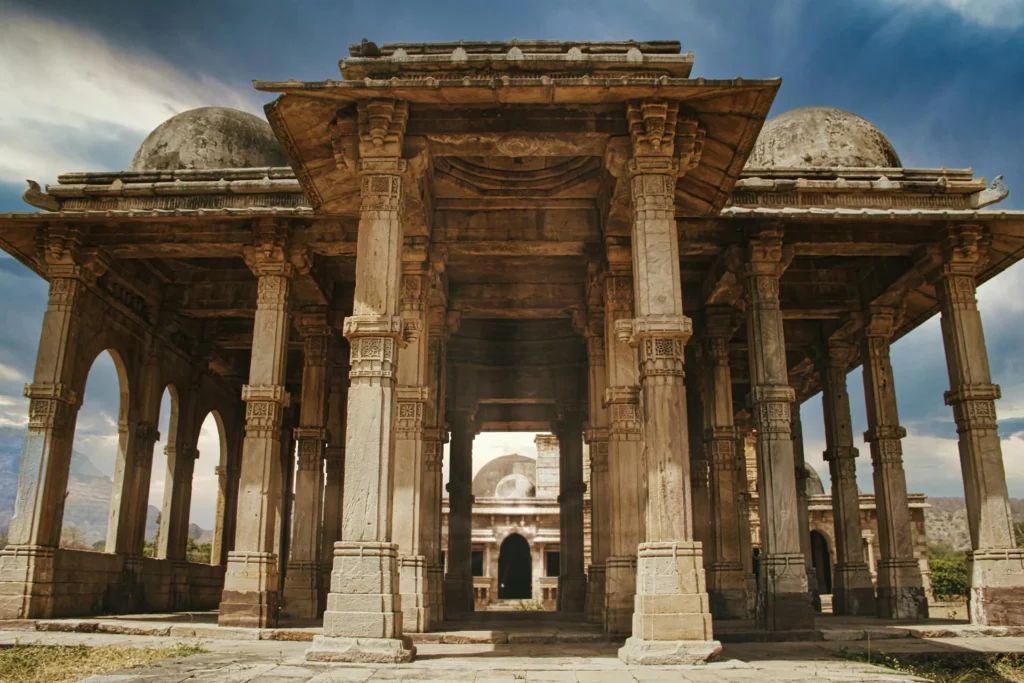
Champaner-Pavagadh Archaeological Park, nestled in Gujarat’s Panchmahal district, is a breathtaking blend of history, architecture, and natural beauty. Yet, despite its UNESCO World Heritage status, this ancient complex remains one of India’s most underexplored destinations. Imagine walking through a living museum where every ruin tells a story—a narrative that spans centuries of Rajput valor, Islamic architectural brilliance, and spiritual traditions that continue to inspire devotion. Whether you’re a history buff, an architecture enthusiast, or a curious traveler eager for a unique adventure, Champaner-Pavagadh offers an immersive journey that transforms ordinary sightseeing into an extraordinary experience. In this article, we’ll delve deep into the layered history, architectural marvels, hidden gems, and practical travel insights for exploring Champaner-Pavagadh Archaeological Park. Prepare to be transported through time and space, as you uncover the secrets of this offbeat treasure in Gujarat. Why Explore Offbeat Destinations Like Champaner-Pavagadh? A Living Chronicle of India’s Past Champaner-Pavagadh is much more than a collection of ancient ruins. It is a dynamic landscape where the vestiges of powerful civilizations coexist with living traditions. Originally established during the Rajput era, the site gained prominence when Pavagadh became the capital for the Chauhan Rajputs around the early 14th century. The subsequent conquest by Mahmud Begada of the Gujarat Sultanate in 1484 not only reshaped the political landscape but also infused the region with an exquisite fusion of Hindu and Islamic architectural styles. This historical transition is captured in the ruins that have withstood the test of time—structures that remain remarkably intact and offer a genuine window into medieval Gujarat’s cultural and military ingenuity. Beyond the Beaten Track While iconic destinations in India often capture global attention, Champaner-Pavagadh remains a hidden gem for offbeat travel enthusiasts. The park’s relative isolation, combined with limited commercial tourism infrastructure, allows visitors to experience a more authentic and unspoiled historical atmosphere. Here, the focus is on genuine exploration—each step reveals intricate carvings, innovative water management systems, and the subtle interplay between past and present. In this respect, Champaner-Pavagadh offers not only an adventure through ancient urban design but also a contemplative journey into the layers of cultural heritage. Unveiling the Hidden Gems of Champaner-Pavagadh Archaeological Park Architectural Marvels: The Fusion of Traditions One of the most striking aspects of Champaner-Pavagadh is its seamless blend of architectural influences. The ruins here are a testimony to the innovative fusion of Hindu structural elements with Islamic spatial and decorative concepts. The Jami Masjid: A Masterpiece of Syncretism At the heart of the site stands the Jami Masjid, the principal mosque of medieval Champaner. Its magnificently carved entrance porch and elegant pillared corridors lead into a serene courtyard that reflects the artistry of its era. The dual minarets and multiple domes not only provide an imposing silhouette but also create a rhythmic visual cadence that mesmerizes visitors. Intricate stone carvings and finely latticed windows allow light to filter in ever-changing patterns, transforming the mosque’s interior throughout the day. For more on its architectural significance, check out the UNESCO nomination document. Lesser-Known Marvels Beyond the Jami Masjid, hidden gems await the discerning traveler: The Layered History: From Rajput Rule to a UNESCO Treasure Champaner-Pavagadh’s history is a dramatic saga of conquest, cultural synthesis, and eventual decline. Initially a stronghold for the Chauhan Rajputs, the site became a symbol of strategic and religious importance. When Mahmud Begada captured the fortress in 1484, he transformed it into a thriving urban center that combined military, administrative, and cultural functions. Under Begada’s patronage, Champaner flourished with mosques, palaces, and sophisticated water management systems. These innovations were not merely functional but also artistic expressions of a new cultural paradigm where Islamic and indigenous influences merged harmoniously. Despite the subsequent Mughal conquest and the eventual decline of the city, the accidental abandonment of Champaner-Pavagadh has preserved its archaeological record almost as a time capsule—offering visitors an undisturbed glimpse into its illustrious past. Hidden Gems: Beyond the Major Monuments While the grand mosques and temples are the park’s headline attractions, several lesser-known structures provide deeper insights into the region’s history: Cultural Immersion: Engaging with Living Heritage Champaner-Pavagadh is not frozen in time; it is a living cultural landscape where contemporary traditions merge with historical legacies. The Kalika Mata Temple: Spiritual Continuity Dominating the summit of Pavagadh Hill, the Kalika Mata Temple is a vibrant religious center that draws thousands of devotees each year. During festivals like Navratri, the temple becomes a hub of devotional fervor, with colorful processions, traditional music, and ritualistic offerings. This active spiritual practice connects modern-day worshippers with centuries of tradition, underscoring the park’s role as a dynamic, living heritage site. Local Folklore and Traditional Performances Traditional folk dances and songs—such as Garbas—capture the oral history of the region, preserving the narratives of Rajput valor and the cultural transitions that shaped Champaner. These performances offer a multisensory experience that enhances the historical ruins, turning them into stages where the past is celebrated and remembered. The Living Village of Champaner Within the archaeological park, the modern village of Champaner illustrates how contemporary communities adapt to and coexist with ancient heritage. Local residents engage in pilgrimage-related economic activities and maintain traditional crafts, offering visitors a chance to witness heritage in action. Interacting with these communities provides a richer, more authentic understanding of how history and modernity intertwine in this unique locale. Practical Travel Insights for Visiting Champaner-Pavagadh For history enthusiasts and curious travelers alike, planning a visit to Champaner-Pavagadh Archaeological Park requires some foresight. Here are essential tips to maximize your experience: Getting There and Around Accommodation Options While the immediate vicinity of Champaner-Pavagadh offers limited lodging, there are several options nearby: Navigating the Site Given the expansive and vertical layout of the archaeological park: What to Pack Hidden Gems – A Table for Clarity Below is a table comparing key aspects of Champaner-Pavagadh Archaeological Park to help you plan your visit: Aspect Champaner-Pavagadh Notes Best Time to Visit October – February (cool and pleasant) Avoid the blazing heat of March to May Travel Accessibility Nearest

Uncovering the Hidden Treasures of Champaner-Pavagadh Archaeological Park: A Journey Through Time in Gujarat Read More »

Igatpuri Hill Station, Maharashtra, India

Igatpuri: Unveiling the Serene Hill Station – Your Guide to the Sahyadris

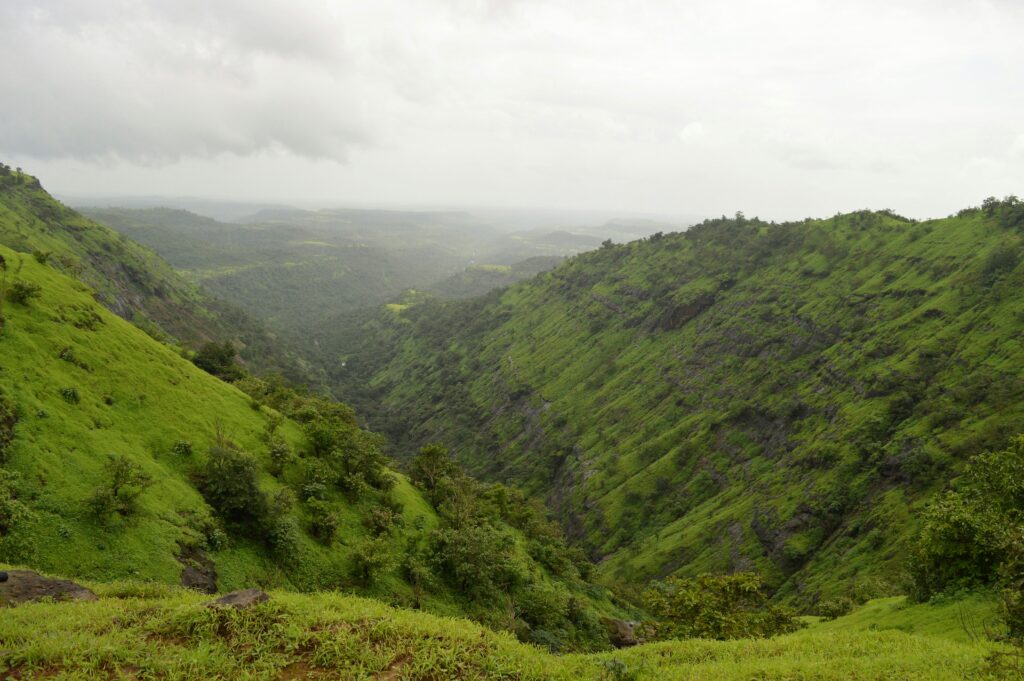
Discover Igatpuri, a picturesque hill station near Mumbai. Explore the best Igatpuri places to visit, exciting things to do, and plan your perfect getaway today! Check Igatpuri weather & best time to visit. Imagine waking up to the crisp mountain air, the scent of pine, and panoramic views of mist-covered peaks… Welcome to Igatpuri, a tranquil escape nestled in the heart of the Sahyadri mountains. As the morning fog gently lifts to reveal emerald-green valleys and cascading waterfalls, you’ll understand why this hidden gem has become a favorite retreat for those seeking respite from the chaos of city life. Just a short drive from Mumbai and Pune, Igatpuri offers the perfect blend of natural splendor, spiritual enrichment, and adventure that makes it an ideal destination for weekend getaways or extended vacations. Whether you’re drawn to the meditative silence of Vipassana, the thrill of trekking through cloud-kissed mountains, or simply the joy of disconnecting amid nature’s embrace, Igatpuri promises an experience that rejuvenates your mind, body, and soul. Why Choose Igatpuri for Your Next Getaway? Igatpuri stands out among Maharashtra’s hill stations for its unique combination of accessibility and undisturbed serenity. Located at an elevation of 1,900 feet above sea level, this quaint town in the Nashik district offers a refreshing escape with its pleasant climate year-round. What sets Igatpuri apart is its ability to cater to diverse interests. For the spiritually inclined, it houses the world-renowned Vipassana International Academy, where thousands flock annually to practice meditation in silent retreat. Adventure enthusiasts find their calling in the numerous trekking trails leading to ancient forts and breathtaking viewpoints. Nature lovers can explore verdant valleys, gushing waterfalls, and pristine lakes that dot the landscape. Perhaps most appealing is Igatpuri’s relative tranquility compared to more commercialized hill stations. Here, you can still find secluded spots to connect with nature, hear birds singing undisturbed, and witness sunsets that paint the sky in hues of orange and purple without jostling through crowds. Top Places to Visit in Igatpuri Kalsubai Peak Standing tall at 5,400 feet, Kalsubai Peak is the highest point in Maharashtra and a crown jewel among Igatpuri places to visit. The trek to the summit is moderately challenging but immensely rewarding. As you ascend through dense forests and rocky terrain, each step brings you closer to what locals call the “Everest of Maharashtra.” At the peak sits a small temple dedicated to Kalsubai, a local deity, where trekkers often pause to pay respects and absorb the spiritual ambiance. The panoramic vista from the top encompasses the surrounding Sahyadri range, Arthur Lake, and on clear days, even distant towns. How to reach: Start from Bari village, approximately 12 km from Igatpuri. The trek takes about 3-4 hours one way. Best time to visit: October to February offers pleasant weather for trekking, while monsoon (June-September) transforms the landscape into a lush green paradise (though trails can be slippery). Vipassana International Academy (Dhamma Giri) Nestled amid rolling hills, Dhamma Giri is one of the world’s largest centers for Vipassana meditation. This spiritual haven attracts seekers from across the globe who come to participate in 10-day silent meditation courses in pursuit of inner peace and self-awareness. The academy’s architecture—dominated by the impressive Golden Pagoda—creates an atmosphere of tranquility that complements the meditative practice. Even if you’re not participating in a course, the serene environment and the pagoda (open to visitors at specific hours) offer a glimpse into the spiritual dimension that has put Igatpuri on the global map. How to reach: Located just 3 km from Igatpuri railway station, easily accessible by auto-rickshaw or taxi. Visiting information: The center is primarily for course participants, but the pagoda is open to visitors during designated hours. Check the official website for timings and guidelines. Bhatsa River Valley The breathtaking Bhatsa River Valley offers some of the most picturesque landscapes in the region. As the river carves its way through the Sahyadri ranges, it creates a spectacular valley filled with lush vegetation and diverse wildlife. Ideal for nature photographers and bird watchers, the valley comes alive during monsoon when countless temporary waterfalls cascade down its slopes. The view of this valley draped in mist, especially during early mornings, is nothing short of magical. How to reach: About 10 km from Igatpuri town, accessible by local transport or private vehicles. Best time to visit: Monsoon and post-monsoon seasons (June-October) showcase the valley at its verdant best. Tringalwadi Fort Perched at an elevation of approximately 3,000 feet, Tringalwadi Fort offers a perfect blend of history, adventure, and natural beauty. Dating back to the Maratha era, this fort served as a watchtower and strategic military outpost. The relatively easy trek to the fort makes it suitable for beginners and families. At the summit, you’ll discover ancient structures, a temple dedicated to Hanuman, and water cisterns that have stood the test of time. However, the true reward is the commanding view of Igatpuri town and the surrounding mountains. How to reach: The fort is about 8 km from Igatpuri. Trek starts from Tringalwadi village and takes approximately 1-1.5 hours to complete. Entry information: No entry fee, open throughout the day. Arthur Lake Created by the Arthur Lake Dam, this artificial reservoir is a haven of tranquility and natural beauty. Surrounded by hills on all sides, the lake offers a peaceful setting for picnics, photography, and quiet contemplation. The lake’s shoreline, adorned with wild flowers during certain seasons, provides perfect spots to sit and watch the interplay of light and shadow on the water’s surface. The dam itself is an impressive structure worth exploring. How to reach: Located about 6 km from Igatpuri town, accessible by local transport or private vehicles. Visiting information: Best visited during daylight hours. Swimming is not permitted due to safety concerns. Camel Valley Despite its name, you won’t find camels here—but what you will discover is a valley so magnificent that it will leave you speechless. Also known as Sandhan Valley, this is a deep gorge carved between two massive

Igatpuri: Unveiling the Serene Hill Station – Your Guide to the Sahyadris Read More »

Chikhaldara

Exploring Chikhaldara: Maharashtra’s Hidden Hill Station Gem

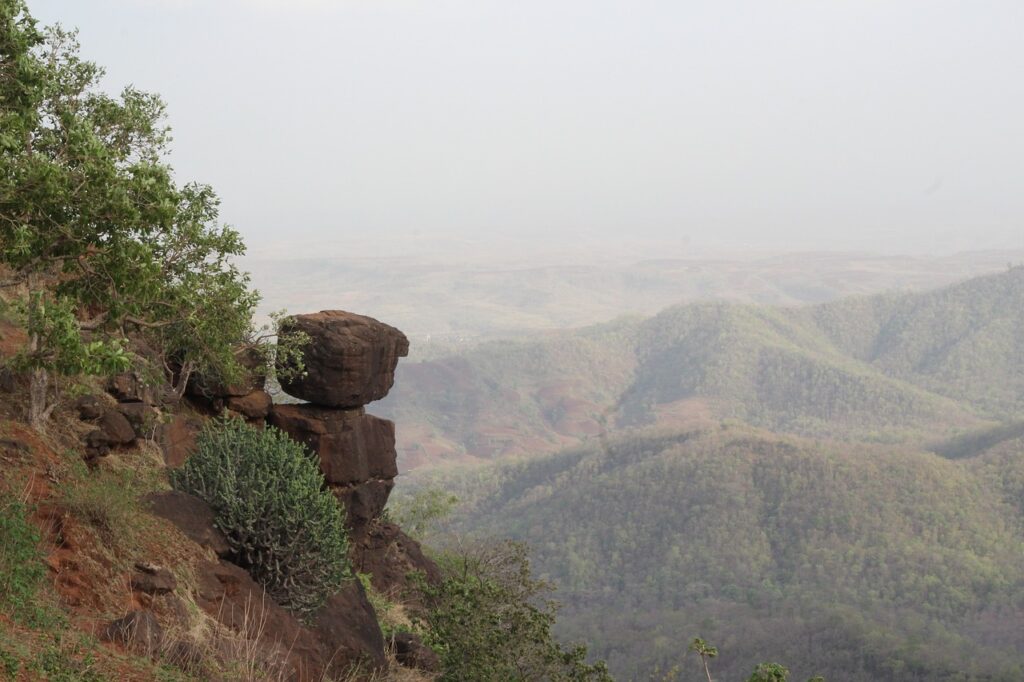
If you’re seeking a peaceful retreat from city life, Chikhaldara, Maharashtra’s hidden hill station, is the perfect destination! Surrounded by the beautiful Vidarbha landscapes, it offers stunning views, rich history, and a blend of adventure and relaxation. From the breathtaking Wairat Sunset Point to charming coffee plantations, Chikhaldara promises unforgettable experiences for nature lovers and adventure seekers alike. Join us as we explore this off-the-beaten-path getaway and share travel tips and must-see spots!

Exploring Chikhaldara: Maharashtra’s Hidden Hill Station Gem Read More »

Experience the breathtaking natural phenomenon where two mighty rivers collide amidst the towering Himalayan mountains. This aerial drone footage captures the stunning confluence of the Indus and Zanskar Rivers near Leh, Ladakh, India.

When Is the Best Time to Visit Leh Ladakh? A Seasonal Guide for Indian Travelers

Leh Ladakh, India When Is the Best Time to Visit Leh Ladakh? A Seasonal Guide for Indian Travelers Planning a trip to Leh Ladakh is like preparing for an adventure of a lifetime. Nestled high in the Himalayas, Leh Ladakh offers breathtaking landscapes, unique culture, and an unforgettable experience. However, timing your visit is crucial to ensure you make the most of your journey. In this comprehensive guide, we’ll walk you through the best times to visit Leh Ladakh, breaking down the pros and cons of each season, sharing key comparisons and practical tips, and even exploring a fun twist on the phrase, what do friends with benefits mean—in a travel context. Whether you’re a backpacker, a family vacation planner, or a content creator seeking inspiration, this guide is designed with you in mind. Fun Fact: In the world of travel, the phrase “what do friends with benefits mean” can be reinterpreted to describe the numerous advantages of traveling with friends. From shared costs and companionship to enhanced experiences and mutual support, traveling with friends can truly enrich your adventure. We’ll touch on this later in the post as we explore how to make the most of your trip to Leh Ladakh. Table of Contents Leh Ladakh is renowned for its dramatic landscapes, vibrant culture, and adventure opportunities. But here’s the catch—its high-altitude environment creates a climate that can be as challenging as it is beautiful. Knowing when is the best time to visit Leh Ladakh is essential for a smooth, enjoyable trip. The weather conditions, road accessibility, and even the availability of festivals and local events vary drastically with each season. Imagine planning an expedition to a land where the weather can change in the blink of an eye. Whether you’re trekking through rugged mountain trails or exploring ancient monasteries, your experience will be shaped by the season in which you visit. This guide is here to help you navigate these variables, so you can plan your trip with confidence and excitement. 1. Introduction: Why Timing Matters in Leh Ladakh For Indian travelers, Leh Ladakh is not just a destination—it’s an experience that blends adventure, spirituality, and natural wonder. But before you pack your bags, it’s important to consider your travel style, interests, and even your travel companions. And speaking of companions, as we delve into our guide, keep in mind the question: what do friends with benefits mean? In travel, it’s about the benefits of journeying with companions who share your passions and help you overcome challenges. More on that later! 2. Understanding Leh Ladakh’s Unique Climate Leh Ladakh is a high-altitude desert region in the northern part of India, where the landscape is as stark as it is beautiful. The region experiences an extreme climate due to its altitude (around 3,500 meters above sea level) and its location in the rain shadow of the Himalayas. This unique climate means that every season in Leh Ladakh offers a distinctly different experience. The High-Altitude Environment At such a high altitude, the air is thin and oxygen levels are lower. This can lead to altitude sickness for unacclimatized visitors. Therefore, when planning your trip, it’s essential to consider not only the weather but also the time your body needs to adjust. Acclimatization is a key factor in ensuring a safe and comfortable visit. Seasonal Variations Understanding these seasonal dynamics is crucial to answering our central question: when is the best time to visit Leh Ladakh? The answer depends largely on what kind of experience you’re looking for and what activities you want to engage in. 3. Seasonal Guide: When Is the Best Time to Visit? Now that we understand the climate, let’s dive into the details of each season. This section will help you decide which season aligns best with your travel goals. Summer (May to September): Peak Adventure Season Weather and Climate:Summer in Leh Ladakh is the most popular time for tourists. During this period, daytime temperatures range from 15°C to 30°C, making it pleasant for outdoor activities. Nights can be cool, so a light jacket is recommended. Key Attractions and Activities: Advantages: Disadvantages: Autumn (October to November): A Scenic Transition Weather and Climate:Autumn brings a mild and pleasant climate with crisp, clear skies and fewer tourists. Temperatures during this season range from 10°C to 20°C. Key Attractions and Activities: Advantages: Disadvantages: Winter (December to February): The Snowy Wonderland Weather and Climate:Winter in Leh Ladakh is characterized by extreme cold, with daytime temperatures often dropping below 5°C and nights reaching as low as -10°C or lower. Heavy snowfall transforms the region into a white wonderland. Key Attractions and Activities: Advantages: Disadvantages: Spring (March to April): A Time of Renewal Weather and Climate:Spring is a season of gradual warming and rejuvenation. With temperatures rising and nature coming back to life, Leh Ladakh transforms as flora begins to bloom. Key Attractions and Activities: Advantages: Disadvantages: 4. Best Time to Visit Based on Your Interests Choosing the best time to visit Leh Ladakh ultimately depends on what you want to get out of your trip. Here’s a breakdown to help you decide based on different interests: For Adventure and Trekking Enthusiasts If trekking, hiking, and outdoor adventures are your primary focus, summer (May to September) is your best bet. The relatively mild temperatures and clear skies provide ideal conditions for exploring high-altitude trails. Many popular treks become accessible only during this season due to road conditions and weather. For Culture and Festivals For travelers interested in immersing themselves in local culture and experiencing vibrant festivals, summer and early autumn are ideal. Summer hosts major events like the Ladakh Festival, while autumn offers a quieter, more intimate glimpse into the local way of life. These seasons allow you to experience the rich traditions and lively celebrations that define the region. For Photography and Scenic Beauty If capturing stunning landscapes is your goal, autumn is the perfect time to visit Leh Ladakh. The clear, crisp air and golden hues of the mountains create

When Is the Best Time to Visit Leh Ladakh? A Seasonal Guide for Indian Travelers Read More »