Pampore Kashmir is not a place you stumble upon by accident — you plan for it. In my experience managing tours at Astamb Holidays, this small town near Srinagar gets left off most Kashmir itineraries simply because travelers don’t know when to time their visit. Get the timing right, and you walk into fields carpeted in violet crocus flowers. Get it wrong, and you’ll drive past ordinary farmland wondering what the fuss was about.
This guide fixes that problem. We’ll cover exactly when the saffron bloom happens, how to reach Pampore by train or road, what else is worth seeing nearby, and how to buy real Kashmiri saffron without getting cheated on the highway.
The Kashmir valley in autumn has a rhythm to it — apple orchards turning gold, chinar leaves rusting red, and somewhere between Srinagar and Pahalgam, a stretch of land turning violet-purple almost overnight. That stretch is Pulwama district, and its most famous town is Pampore.
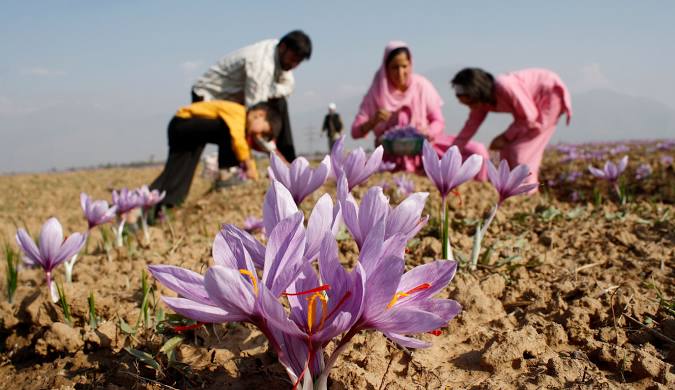
🌸 What Is Pampore Kashmir and Why Is It Famous?
Pampore, Kashmir, is a town roughly 14 to 15 kilometers southeast of Srinagar, sitting along the banks of the Jhelum River. It’s globally known as the “Saffron Bowl of India” because this small stretch of land produces nearly all of India’s Kashmiri saffron.
The reason lies underground. Pampore sits on elevated plateaus called Karewas — dry, mineral-rich alluvial soil formed from ancient lake sediments. This soil drains well and holds just enough moisture for Crocus sativus, the saffron crocus, to thrive.
Saffron farming here isn’t a recent tourism gimmick. Locals have cultivated it for centuries, and some accounts trace its cultural roots back nearly 2,000 years, with the spice woven into Kashmiri cuisine, medicine, and Sufi tradition long before it became an export commodity.
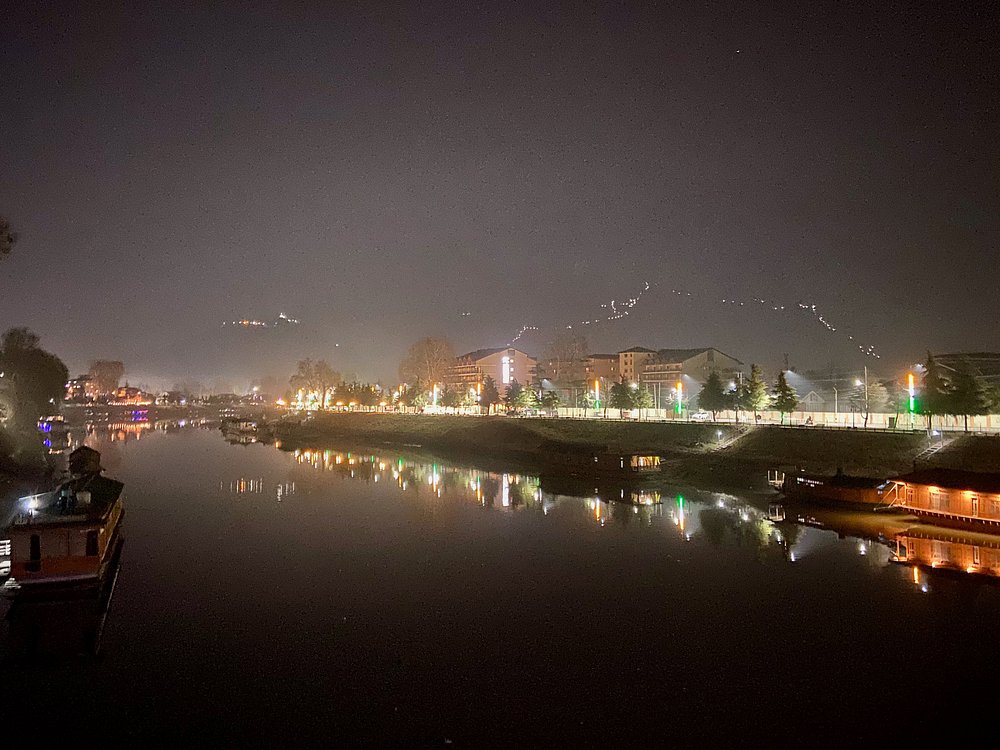
The History of Saffron in the Valley
Local folklore credits Sufi saints, including Sheikh Sharif-ud-din, with helping establish saffron cultivation traditions in the region. Historical accounts also connect early spice trade in Kashmir to Persian and Central Asian influence over centuries of contact along trade routes.
Whatever the exact origin, saffron became inseparable from Kashmiri identity — used in weddings, in Kahwa tea, in religious offerings, and in the region’s economy.
📌 Local Insight Tip: Ask a Pampore farmer about their family’s saffron history, and most will tell you it’s been in their family for three or four generations. This isn’t a plantation crop — it’s a household inheritance.
📅 Best Time to Visit Pampore Kashmir for the Saffron Harvest
Timing is everything here. Miss the window by even two weeks, and the fields go back to looking like ordinary brown farmland.
The Autumn Purple Bloom (Late October to Mid-November)
The saffron bloom in Pampore typically runs from late October and continues through November, though several ground reports narrow the true peak to a shorter window: end-October to mid-November, when the flowers turn Pampore’s fields into a sea of violet.
Field preparation actually begins much earlier, around early July, with flowers blooming by late October through early November. So the visible bloom is short — roughly two to three weeks — even though the farming cycle behind it stretches across months.
The Early Morning Advantage
If you want to see actual harvesting, not just flowers, arrive early. Harvesting begins at dawn, so arriving by around 6 AM gives you the best chance to see the fields at their most vibrant and watch the picking process.
This isn’t just about lighting for photos. Farmers hand-pick flowers during the morning hours specifically to preserve their fragrance and quality before the day’s heat affects the delicate stigmas.
Off-Season Visits (Spring and Summer)
Outside the harvest window, the fields are dormant and visually unremarkable. If your Kashmir trip falls in spring or summer, Pampore is still worth a quick stop for the Awantipora ruins, but skip it for the flowers — there won’t be any.
🗓️ Pampore Seasonal Snapshot
| Season | What You’ll See | Worth a Visit For Saffron? |
|---|---|---|
| Late Oct – Mid Nov | Purple crocus bloom, active harvest | Yes — peak season |
| Winter (Dec–Feb) | Dormant fields, snow possible | No |
| Spring (Mar–May) | Green fields, no flowers | No — visit for ruins only |
| Summer (Jun–Sep) | Field preparation begins by July | No |
🚶 Top Things to Do in Pampore Kashmir and Surrounding Areas
1. Walking Through the Purple Saffron Fields
Most fields are family-owned working farms, not tourist parks. Walk along the field edges, not through the crocus rows — the corms just beneath the soil are fragile and easily damaged by foot traffic.
Several local guides and homestay hosts offer tours that include live demonstrations of the picking process and opportunities to try harvesting saffron yourself. This is the most authentic way to experience it.
📌 Local Insight Tip: Don’t just photograph the fields from the road. Politely ask a farming family if you can observe closer — most are happy to explain the process, especially if you show genuine interest rather than treating them like a photo backdrop.
2. Exploring the 9th-Century Avantipur Ruins
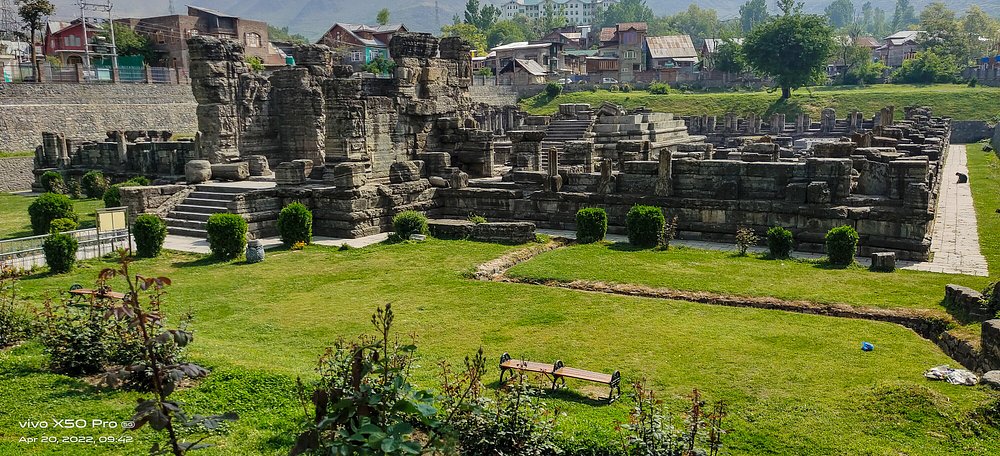
A short drive from Pampore takes you to Avantipur (also spelled Awantipora), home to two ruined Hindu temple complexes built by King Avantivarman of the Utpala dynasty in the 9th century CE, situated on the banks of the Jhelum River.
The site includes the Avantiswami Temple, dedicated to Vishnu, and the nearby Avantishwara Temple, dedicated to Shiva. The temple was built between 853–855 CE, and is protected today by the Archaeological Survey of India.
What makes this site worth the detour is the craftsmanship. Reliefs of mythological scenes carved into the stone still demonstrate the excellent craftsmanship of Kashmiri artisans from the ninth century, even though centuries of invasions and floods have reduced much of the structure to fragments.
Entry is affordable — around ₹20 for Indian visitors and ₹200 for foreign nationals, with children under 15 entering free.
🏛️ Avantipur Ruins Quick Facts
| Detail | Information |
|---|---|
| Built by | King Avantivarman, Utpala dynasty |
| Period | 855–883 CE |
| Distance from Srinagar | ~28–30 km |
| Entry fee (Indian) | ~₹20 |
| Entry fee (Foreign) | ~₹200 |
| Managed by | Archaeological Survey of India |
3. Sharing Nun Chai and Kahwa with the Locals
No Kashmir trip is complete without tasting the valley’s two signature teas. Nun Chai is the salted, pale pink tea served daily in Kashmiri homes, while Kahwa — often infused with saffron threads, cardamom, and almonds — is the ceremonial version served to guests.
If a farming family invites you in for tea after a field visit, accept it. This is where you’ll hear the real stories behind the harvest, not the rehearsed version tour guides give at the roadside stalls.
4. Visiting the Historic Jamia Masjid Pampore
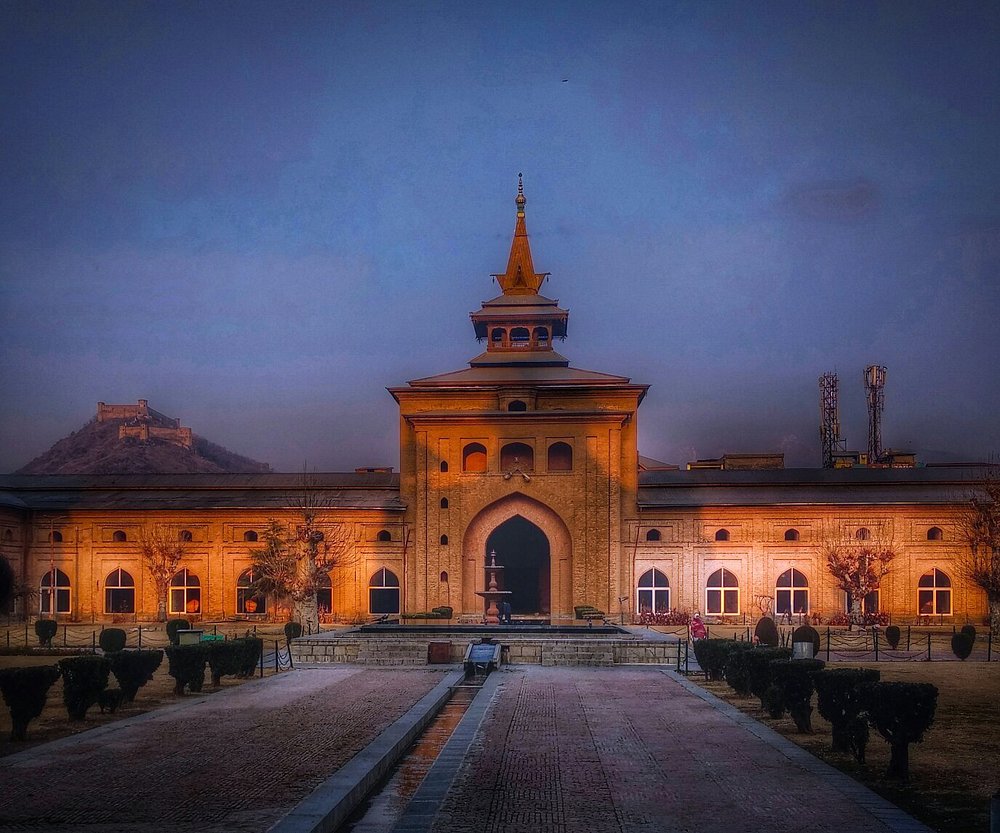
Pampore’s central mosque reflects the traditional wooden architecture found across the Kashmir valley — understated, functional, and built for the region’s harsh winters. It’s a quiet stop, worth a brief visit if you’re already walking through town.
🚆 How to Get to Pampore Kashmir: A Practical Transport Guide
By Train (The Scenic Rail Route)
This is the option most competitor guides skip entirely, and it’s genuinely useful for budget travelers. Pampore has its own railway station on the Kashmir Valley line, and the journey between Srinagar and Pampore covers roughly 9 kilometers and takes about 12 to 16 minutes.
Trains connecting Srinagar and Pampore run as part of the broader Baramulla–Banihal corridor. Departure times vary by season, so I’d recommend checking current IRCTC schedules or the RailYatri app a day or two before travel, since local train frequency on this stretch changes periodically.
📌 Local Insight Tip: The train isn’t just cheaper than a cab — it’s a genuinely scenic 15-minute ride through the valley. If you’re not in a rush, this beats sitting in highway traffic near Pampore during peak saffron season when tourist vehicles clog the road.
By Road (Cab, Local Sumo, or Self-Drive)
Most travelers still arrive by road, and it’s the more flexible option if you’re combining Pampore with Avantipur or Pahalgam in the same day. Pampore sits directly on the Srinagar–Jammu National Highway (NH 44), roughly 15 kilometers from Lal Chowk in central Srinagar.
🚗 Getting to Pampore: Train vs Road
| Mode | Distance | Time | Approx. Cost (INR) | Best For |
|---|---|---|---|---|
| Train (SINA–Pampore) | ~9 km | 12–16 min | ₹20–50 | Budget travelers |
| Shared Sumo/Cab | ~15 km | 20–30 min | ₹150–300 | Groups, flexibility |
| Private Taxi | ~15 km | 20–30 min | ₹600–900 (round trip) | Comfort, combining with Avantipur |
A shared Sumo from Srinagar is the cheapest road option, while a private taxi gives you the flexibility to stop at Avantipur en route, since both sites sit along the same highway corridor.
🛍️ Saffron Shopping in Pampore Kashmir: How to Avoid Counterfeits
The Price of “Red Gold”
Real Kashmiri saffron isn’t cheap, and there’s a reason for that beyond marketing. Producing just one kilogram requires roughly 150,000 flowers and approximately 400 hours of hand labour, all completed within a harvest window of about two weeks.
As of 2026, genuine Kashmiri saffron prices vary sharply by grade. Mongra grade, the highest quality, typically costs between ₹450 and ₹600 per gram, while Lachha grade runs ₹300 to ₹450 per gram, and standard grade sits between ₹150 and ₹300 per gram. At the kilogram level, Mongra grade can range from ₹4,50,000 to ₹6,00,000 per kilogram.
The GI (Geographical Indication) tag, awarded to Kashmiri saffron, plays a direct role in this pricing. Since receiving the GI tag, Kashmir saffron prices have risen sharply, with the certification helping distinguish genuine Pampore-grown saffron from Iranian imports previously sold under the Kashmiri name.
⚠️ Price Reality Check: If a roadside vendor offers you “pure Kashmiri saffron” for under ₹150 a gram, walk away. That price point simply doesn’t cover the labor cost of authentic Mongra or Lachha grade.
The Cold-Water Test
This is the simplest authenticity check you can do on the spot, before you’ve even paid.
- Drop a few strands into lukewarm water
- Real saffron releases color slowly, over 10–15 minutes
- Threads stay crimson while the water turns golden-yellow
- Fake saffron bleeds red instantly and often disintegrates
A second check worth doing: smell and taste. Genuine saffron carries a strong, sweet aroma but tastes distinctly bitter, not sweet. If a strand tastes sugary, it’s been artificially colored.
Where to Buy Safely
Stick to government-authorized retail counters, GI-certified cooperatives, or farms that offer lab certification. In my experience coordinating Kashmir itineraries, the highway stalls between Srinagar and Pampore are the riskiest place to buy — tourist volume there makes it an easy spot for adulterated stock to move fast.
💰 Saffron Buying Cheat Sheet
| Grade | Price per Gram (INR) | Best Use |
|---|---|---|
| Mongra | ₹450–₹600 | Premium culinary, gifting |
| Lachha | ₹300–₹450 | Everyday cooking, Kahwa |
| Standard | ₹150–₹300 | Basic culinary use |
| Below ₹150 | — | Likely adulterated, avoid |
✅ Essential Travel Tips for Pampore Kashmir
- Don’t step on the corms — saffron bulbs sit just under the soil surface
- Ask before photographing farmers — many families appreciate the courtesy
- Stay in Srinagar, not Pampore — infrastructure for overnight stays is limited locally
- Carry cash — smaller vendors and farm-side stalls rarely accept cards
- Dress in layers — autumn mornings in the valley get cold fast
- Wear comfortable, closed shoes — field paths are uneven and often damp with dew
- Check current travel advisories before finalizing your Kashmir itinerary, given the region’s evolving security situation
For broader trip planning, our Best Time to Visit Kashmir season guide covers how Pampore fits into a full valley itinerary, and travelers heading further should also check current Amarnath Yatra 2026 dates if their trip overlaps with the pilgrimage season.
🙋 Frequently Asked Questions
What is the best time to see saffron fields in Pampore Kashmir?
The peak bloom runs from late October to mid-November. During this short window, fields turn a vivid purple, and farmers hand-harvest flowers in the early morning hours.
How far is Pampore from Srinagar, and how do you travel there?
Pampore sits about 14–15 kilometers from central Srinagar. You can reach it by road in 20–30 minutes via NH 44, or take a 12–16 minute train ride directly from Srinagar Railway Station to Pampore Station.
Why is saffron from Pampore Kashmir so expensive?
It takes roughly 150,000 hand-picked flowers and about 400 hours of labor to produce just one kilogram of dried saffron. Combined with its GI-tag certification and limited growing region, this keeps prices high.
Can you visit the saffron fields without a guided tour?
Yes, though a local guide or homestay host makes the experience richer, since most fields are private working farms rather than public parks.
Is Pampore safe to visit for tourists?
Pampore is a regularly visited stopover on the Srinagar–Pahalgam route. As with any trip to Jammu & Kashmir, check current government travel advisories before you go.
What else can I combine with a Pampore day trip? The Avantipur ruins are a short drive away and pair naturally with a Pampore saffron field visit, making it easy to cover both in a single morning.
Why Pampore Kashmir Belongs on Your Travel Itinerary
Pampore rewards travelers who plan around its calendar rather than trying to fit it into a rushed drive-by stop. The two-to-three-week bloom window, the working saffron farms, and the quiet grandeur of the Avantipur ruins nearby make it one of the more substantial offbeat additions to a Kashmir trip.
If your dates align with late October or early November, build in half a day here. It’s one of the few places in the valley where you can watch a 2,000-year-old agricultural tradition happen in front of you, not read about it in a museum placard.
For more offbeat destinations and seasonal travel guides across India, explore more regional hidden gems on XploreHeaven.com.
About the Author
Wahid Ali is a seasoned travel professional and Operations Lead at Astamb Holidays, Mumbai. With extensive experience in crafting travel experiences and destination insights, Wahid combines practical travel logistics expertise with engaging storytelling to help travelers explore hidden gems across India and beyond. His work blends expert travel planning with a passion for culturally rich and nature-oriented destinations.
Connect with Wahid Ali on LinkedIn | xploreheaven.com
Sources & References
This article is backed by authoritative sources and research.
- Kashmir Saffron Harvesting Guide — https://kashmirnirvana.com/blogs/best-time-visit-kashmir-saffron-harvesting
- A Saffron Autumn in Pampore — https://maverickbird.com/travel-extras/a-saffron-autumn-in-pampore/
- Top Things to Know Before Visiting Kashmir for Saffron Season — https://kashmirnirvana.com/blogs/top-things-to-know-before-visiting-kashmir-for-saffron-season
- Saffron Harvesting in Pampore — https://kashmirnirvana.com/blogs/saffron-harvesting-pampore-kashmiri-saffron-fields
- Saffron Harvest in Kashmir: Pampore’s Purple Fields — https://travelexecute.com/saffron-harvest-in-kashmir-exploring-pampores-purple-fields-spice-culture/
- Pampore — Saffron Capital of India, Explurger Blog — https://blog.explurger.com/saffron-of-kashmir/
- Saffron Harvesting Tour in Kashmir — https://kashmirnirvana.com/blogs/how-to-plan-saffron-harvesting-tour-kashmir
- Srinagar to Pampore Train Schedule, MakeMyTrip — https://www.makemytrip.com/railways/srinagar-pampore-train-tickets.html
- Avantiswami Temple, Wikipedia — https://en.wikipedia.org/wiki/Avantiswami_Temple
- Avantipur Ruins, Directorate of Tourism Kashmir — https://kashmirtourismofficial.com/avantipur-ruins.html
- Avantiswami Temple, Kashmir — WanderOn — https://wanderon.in/blogs/avantiswami-temple-in-kashmir
- Complete Guide to Awantiswamin Temple — SearchKashmir — https://searchkashmir.org/complete-guide-to-awantiswamin-temple/
- Kashmiri Saffron Price Per Gram in India 2026 — Agro Farmers — https://www.agrofarmerssaffron.com/blogs/news/kashmiri-saffron-price-per-gram-in-india-2026
- Kashmir Saffron GI Tag and Pricing — Agro & Food Processing — https://agronfoodprocessing.com/kashmir-saffron-regains-prominence-with-geographical-indication-tag-fetching-high-prices/
- Farmers Pitch for GI Tag for Kashmiri Saffron — IndiaSpend — https://www.indiaspend.com/farmers-pitch-for-gi-tag-for-kashmiri-saffron-worlds-most-expensive-spice

- Pampore Kashmir: The Definitive Travel Guide to India’s Saffron Capital
- Best Time to Visit Kashmir: The Complete Guide for Families, Couples, and Adventurers
- Dubai Tour 2026: The Ultimate Travel Guide to Itineraries, Budgets & Hidden Gems
- Vietnam Tourism: The Ultimate 2026 Travel Guide & Itinerary
- Vietnam Visa for Indians (2026): Step-by-Step E-Visa Guide & Rules