The smell hits you before the immigration officer even stamps your passport — star anise and charred pork drifting in from some roadside pho stall near the airport exit, mixed with two-stroke engine exhaust. Step outside Noi Bai or Tan Son Nhat and you’re immediately swallowed by a river of motorbikes, moving in a pattern that looks chaotic until you realize it isn’t. It flows.
Vietnam tourism has become one of the defining travel stories of the decade, and 2026 is the year it truly broke records. In my experience planning tours at Astamb Holidays, I’ve watched client interest in Vietnam shift from “maybe next year” to “book it now” faster than almost any other destination we handle. The country welcomed more than 2 million international arrivals a month for four consecutive months in early 2026, and by May, cumulative arrivals had already crossed 10.6 million — the highest January-to-May figure on record.
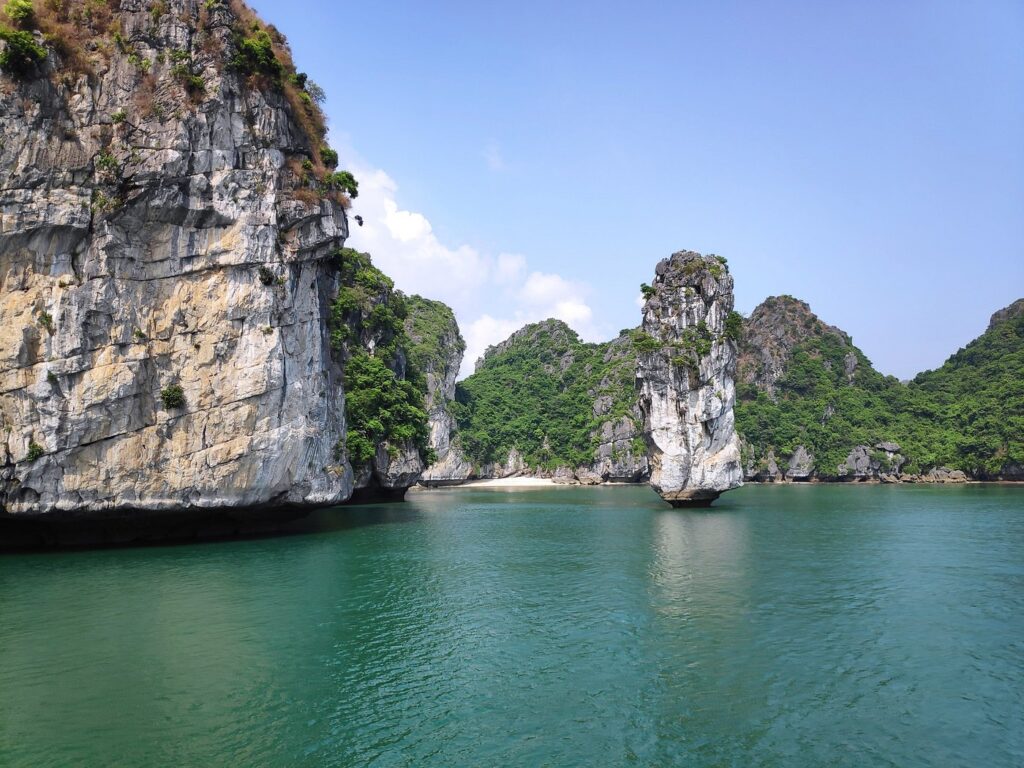
This isn’t a fluke. It’s the result of relaxed e-visa rules, an explosion of direct flights, and a generation of travelers actively looking for destinations that still feel real. This Vietnam travel guide covers everything you need before you land: entry rules, regional weather patterns, a full 14-day itinerary, street food, budgeting in INR and VND, and the practical survival hacks nobody tells you about until you’re already stranded at a bus station in Sapa.
Consider this your working document — save it, screenshot the tables, and come back to it while you’re actually on the ground.
🚀 The Phenomenon of Vietnam Tourism in 2026
Something shifted in global travel patterns over the last two years. Overtourism fatigue set into destinations like Bali, Barcelona, and parts of Thailand, and travelers started actively rerouting. Vietnam absorbed a huge share of that redirected demand.
The Shift Toward Experiential & Anti-Tourism Travel
Travelers in 2026 aren’t chasing checklist landmarks the way they did a decade ago. They want wellness retreats in the highlands, homestays with ethnic minority families in Mai Chau, and slow mornings on a boat through limestone karsts without forty other tour groups.
Vietnam fits that mood almost perfectly. It has raw, under-commercialized nature within a two-hour drive of major cities, and it hasn’t yet been fully absorbed into the mass-package-tour machine the way some neighbors have.
Local Insight Tip: When our clients ask what’s driving this shift, I tell them it’s simple — Vietnam still rewards curiosity. You can wander off a main itinerary here and find something genuinely unplanned, which is rare in Southeast Asia now.
Digital Infrastructure Upgrades
Vietnam’s tourism authorities have also quietly modernized entry logistics. A Digital Arrival Card pilot launched at Ho Chi Minh City’s Tan Son Nhat International Airport on April 15, 2026, requiring foreign arrivals to submit a free online declaration within 72 hours before landing, generating a QR code for immigration. It expanded to Phu Quoc International Airport from June 1, 2026, and is expected to roll out to Noi Bai and Da Nang next.
Combine that with the near-universal adoption of the Grab app for taxis, food delivery, and even motorbike rentals, and Vietnam has become one of the easiest countries in the region to navigate without speaking a word of Vietnamese.
🛂 Vietnam Visa Requirements: Clear 2026 Entry Guidelines
This is the section I get the most WhatsApp messages about, so let’s be precise. Entry rules changed meaningfully in 2025, and the overstay penalties changed even more.
The 90-Day E-Visa
Vietnam’s e-visa is open to citizens of every country and is valid for 90 days, with two options:
- Single-entry: USD 25 (roughly ₹2,150)
- Multiple-entry: USD 50 (roughly ₹4,300)
Apply only through the official portals — evisa.gov.vn or thithucdientu.gov.vn — since third-party sites often charge inflated “service fees” for the same government processing. Standard processing takes 3 to 5 working days, so apply at least a week before departure. You’ll need a passport valid for six months beyond your travel dates, a digital photo, and a scan of your passport bio page.
The 45-Day Visa Exemption
More than 30 nationalities — including the UK, France, Germany, Italy, Spain, Japan, South Korea, Russia, and several other European countries — can enter Vietnam completely visa-free for up to 45 days, no application required. This exemption runs through 2028 under current government resolutions.
Indian passport holders are not on this exemption list and must apply for the e-visa before travel.
The Phu Quoc 30-Day Exemption
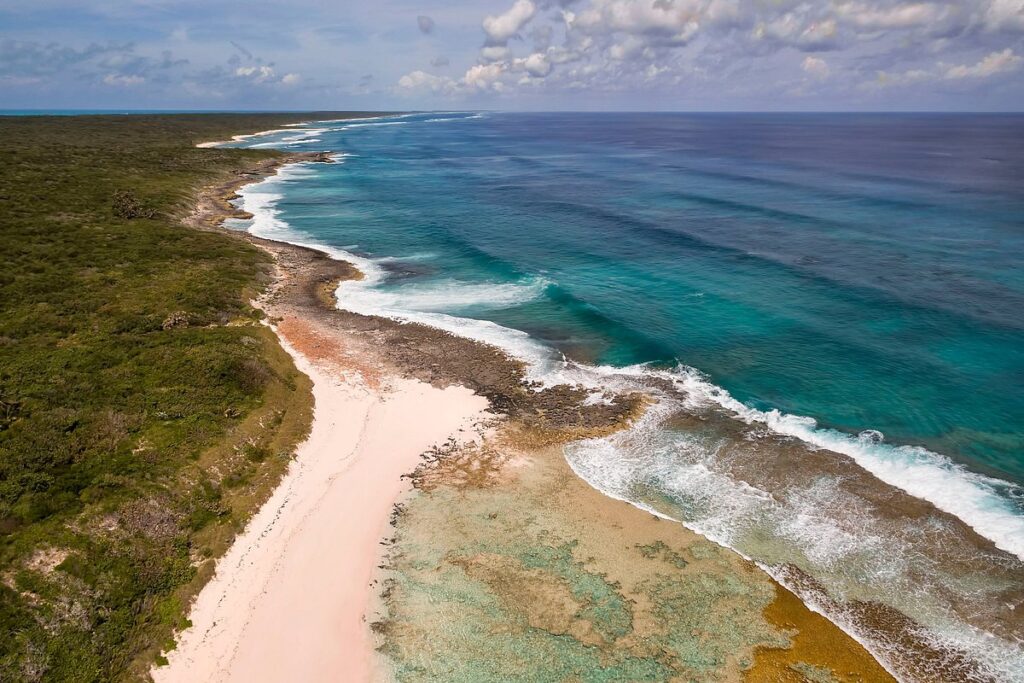
Here’s a policy most travelers don’t know about: anyone flying directly into Phu Quoc Island from abroad — regardless of nationality — can enter completely visa-free for up to 30 days. No fee, no application.
The catch is strict: Phu Quoc must be your only stop in Vietnam. If you clear immigration at Hanoi or Ho Chi Minh City first and then fly domestically to Phu Quoc, this exemption does not apply, and standard visa rules kick in for your entire trip.
Decree 282/2025: The New Overstay Penalties
Once your visa or exemption is used, exit on time. Vietnam’s Decree 282/2025, effective December 15, 2025, sharply raised overstay fines, replacing the older, more forgiving Decree 144/2021.
| Overstay Duration | Fine (VND) | Approx. Fine (USD) |
|---|---|---|
| 1–15 days | 500,000 – 2,000,000 | $19 – $76 |
| 16–29 days | 5,000,000 – 10,000,000 | $190 – $380 |
| 30–59 days | 10,000,000 – 15,000,000 | $380 – $570 |
| 60–89 days | 15,000,000 – 20,000,000 | $570 – $760 |
| 90+ days | Up to 40,000,000 | Up to $1,520 |
Overstays of 16 days or more can trigger deportation and future entry bans. Fines are paid in cash (VND only) at the immigration counter before you’re allowed to board your departing flight, so keep a small VND cash buffer for exactly this scenario, even if you’re confident about your dates.
Do I need a visa for Vietnam tourism? Yes, most international travelers require a visa to enter Vietnam. Tourists can apply online for a 90-day e-visa (single or multiple-entry) for $25–$50, while citizens of 30+ visa-exempt countries can enter visa-free for up to 45 days.
🗺️ Understanding Vietnam’s Distinct Geographical Regions
Vietnam stretches over 1,650 km along the South China Sea, and that length is exactly why it feels like three different countries stitched together.
| Region | Character | Key Destinations | Best Months |
|---|---|---|---|
| North | Cool, rugged, historic | Hanoi, Sapa, Ha Giang, Ninh Binh, Lan Ha Bay | Sep–Nov, Mar–Apr |
| Center | Coastal, imperial, culinary | Hoi An, Hue, Da Nang, Phong Nha | Feb–Aug (dry) |
| South | Tropical, energetic, agricultural | Ho Chi Minh City, Mekong Delta, Phu Quoc | Dec–Apr (dry) |
Why One Region Is Always Dry While Another Is Wet
This trips up first-time visitors constantly. Vietnam’s monsoon systems don’t move as one — the north follows a cooler, more temperate pattern with a distinct winter, the center gets hammered by typhoon season roughly September through November, and the south runs on a simple wet-dry cycle with rain concentrated from May to October.
Practical takeaway: if you’re traveling in October, skip Hue and Da Nang (typhoon risk) and lean toward the Mekong Delta or the northern highlands instead. Building your route around this pattern, rather than around a single “best time to visit Vietnam,” makes a far bigger difference to your trip than most guides admit.
🧭 The Classic 14-Day Vietnam Itinerary: A Heaven-Sent Route
This is the itinerary structure we build most often at Astamb Holidays for first-time visitors who want culture, nature, and comfort without a 6am wake-up call every single day.
Days 1–3: The North’s Cultural Core (Hanoi & Ninh Binh)
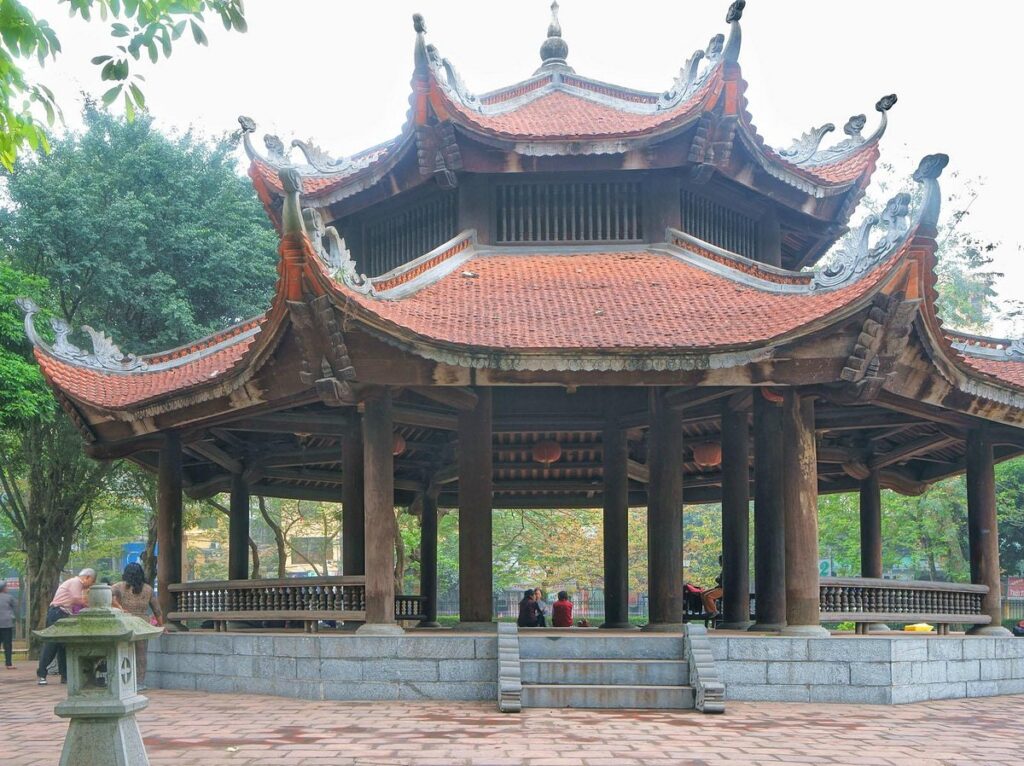
Spend your first full day getting lost in Hanoi’s Old Quarter — 36 streets, each historically tied to a single trade, now a tangle of coffee shops, tailors, and night-market stalls. On Day 2, head three hours south to Ninh Binh.
Row through Trang An’s karst caves in a small sampan, ideally with a local rower rather than a crowded group tour. Skip Tam Coc during peak hours — it’s beautiful but gets swarmed with tour buses by mid-morning.
- Distance Hanoi–Ninh Binh: ~95 km, 2 hours by car
- Entry fee, Trang An: approx. 250,000 VND (₹850)
Days 4–5: Navigating the Waterways (Lan Ha Bay & Cat Ba Island)
Skip the overcrowded, over-photographed junks of Halong Bay proper. Lan Ha Bay, just south, has near-identical limestone scenery with a fraction of the boat traffic, and most overnight cruises here include kayaking and swimming stops that Halong’s busier routes have cut back on.
Local Insight Tip: I always tell clients to book Lan Ha Bay cruises departing from Cat Ba town rather than Halong City — the boats are smaller, the routes are quieter, and you still get that same limestone-cliff sunrise everyone comes here for.
Days 6–9: The Historic Heart (Hue, Da Nang & Hoi An)
Fly or take the overnight sleeper train south to Hue, Vietnam’s former Imperial capital. Spend a day at the Citadel and the Nguyen Dynasty tombs before crossing the Hai Van Pass — either by motorbike or the coastal train, both offer genuinely spectacular views of the coastline.
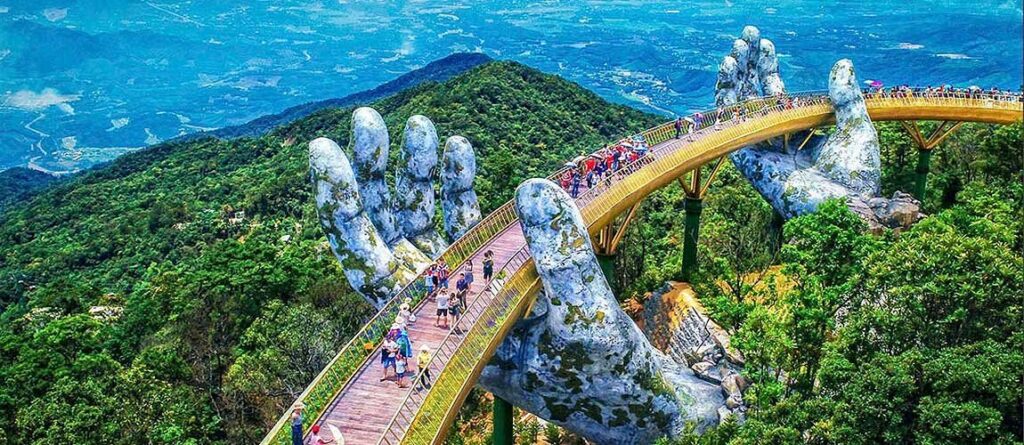
Base yourself in Hoi An for the final two nights of this stretch. Its Ancient Town is UNESCO-listed, and the lantern-lit riverfront after dark is one of the few “must-see” scenes in Vietnam that actually earns the hype.
Days 10–12: The Southern Pulse (Ho Chi Minh City & Mekong Delta)
Fly into Ho Chi Minh City (Saigon). It’s louder, faster, and more commercially charged than Hanoi — a genuinely different energy. Spend a morning at District 4’s street food stalls, then take a day trip into the Mekong Delta for floating markets and canal boat rides through coconut-palm villages.
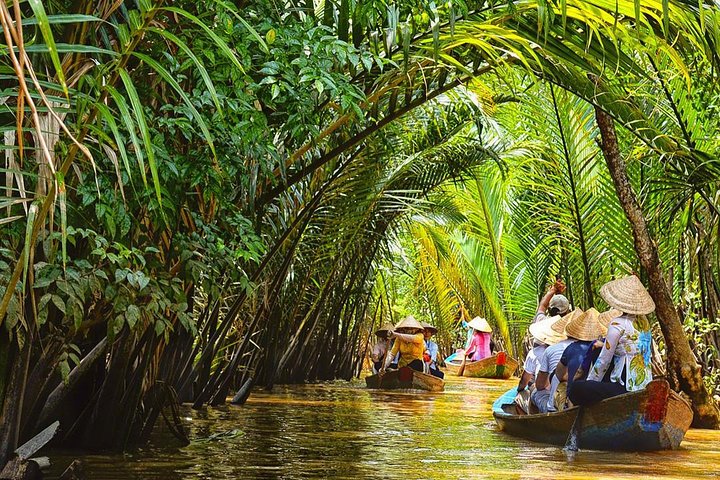
Days 13–14: Tropical Wind-Down (Phu Quoc Island)
Close the trip on Phu Quoc. Chase sunset on Star Beach (Bai Sao), and if you have the energy, ride the world’s longest over-water cable car out to Hon Thom Island for one last sweeping coastal view before you fly home.
| Itinerary Segment | Days | Pace |
|---|---|---|
| Hanoi & Ninh Binh | 1–3 | Moderate |
| Lan Ha Bay & Cat Ba | 4–5 | Relaxed |
| Hue, Da Nang, Hoi An | 6–9 | Moderate |
| HCMC & Mekong Delta | 10–12 | Fast-paced |
| Phu Quoc | 13–14 | Relaxed |
🏔️ Beyond the Tourist Trail: Hidden Enclaves in Vietnam
Once you’ve done the classic route once, or if you’re simply not interested in following the crowd, these are the alternatives I point returning clients toward.
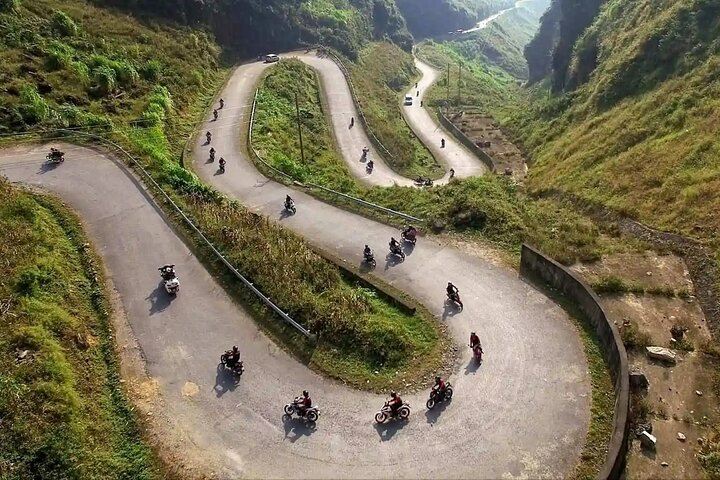
The Ha Giang Loop
A multi-day motorbike route through the far north, tracing the Dong Van Karst Plateau near the Chinese border. Terraced valleys, switchback roads, and homestays with H’mong and Tay families. This is not a beginner rider’s route — hire a local driver (an “easy rider”) if you’re not confident on a manual bike.
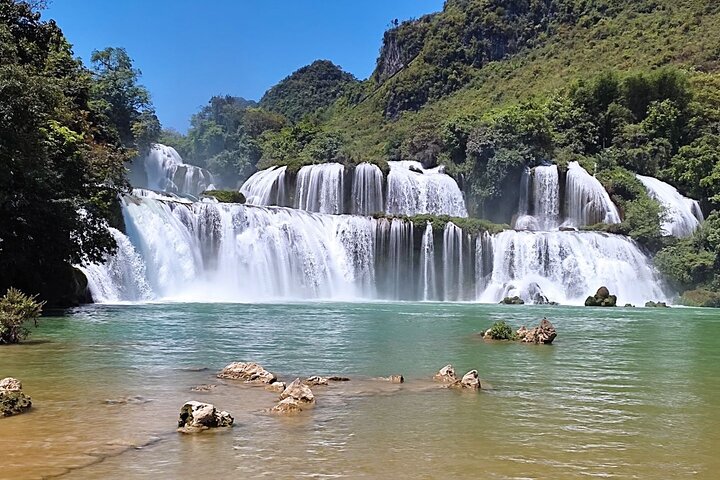
Cao Bang & Ban Gioc Waterfall
Vietnam’s largest waterfall, straddling the border with China, tiered across multiple drops into turquoise pools. It’s a five-to-six-hour drive from Hanoi, which keeps crowds thin even in peak season.
Emerging 2026 Enclaves
- Ly Son Island — a volcanic island off the central coast, known for garlic farms and untouched diving spots.
- Mai Chau — a valley of Thai ethnic minority stilt-house villages, roughly three hours from Hanoi.
- Mang Den — a pine-forest hill town in the Central Highlands, often described locally as a smaller, quieter Dalat.
🍜 The Culinary Secrets of Vietnamese Street Food
Food changes as dramatically as landscape does moving north to south. The north keeps things saltier and simpler, the center turns up the spice, and the south leans sweeter, often finishing dishes with a touch of sugar or condensed milk.
Pho: Hanoi vs. Saigon Style
Hanoi-style pho keeps the broth clear and restrained, with thin rice noodles and minimal herb garnish. Saigon-style pho arrives with a plate piled high with bean sprouts, Thai basil, and lime, and the broth itself is usually sweeter and slightly richer.
Bun Cha
Grilled pork patties over charcoal, served in a bowl of sweet-sour fish sauce broth alongside vermicelli and herbs, eaten on plastic stools barely a foot off the ground. Hanoi’s Old Quarter has dozens of versions; find the stall with the longest line of locals, not tourists.
Banh Mi
The French colonial baguette reinvented — crisp crust, airy interior, stuffed with pâté, pickled carrots, cilantro, and your choice of grilled pork, cold cuts, or egg.
Ca Phe Trung (Egg Coffee)
Hanoi’s signature drink: strong Vietnamese coffee topped with a whipped egg-yolk custard that tastes closer to tiramisu than anything resembling standard coffee. Worth trying once, even if it sounds unusual.
Local Insight Tip: My rule for street food in Vietnam — if the stall only serves one dish, it’s usually the best version of that dish in the neighborhood. Specialization is a good sign, not a red flag.
💰 The Cost of Vietnam Travel: Budgets & Pricing Tables
Vietnam remains one of the most affordable countries in Southeast Asia, though prices have crept up with tourism demand.
| Expense Category | Backpacker | Flashpacker/Mid-Range | Luxury (Heaven Style) |
|---|---|---|---|
| Meals (per day) | 200,000 VND (₹690) | 500,000 VND (₹1,725) | 1,500,000+ VND (₹5,175+) |
| Local beer (330ml) | 15,000–25,000 VND (₹50–₹85) | Same | Craft/imported: 60,000+ VND |
| Grab taxi (per km) | 10,000–12,000 VND (₹35–₹40) | Same | Private car hire preferred |
| Sleeper train (Hanoi–Da Nang) | 700,000 VND (₹2,415) | 1,200,000 VND (₹4,140) | Private cabin: 2,000,000+ VND |
| Hotel room (per night) | 400,000 VND (₹1,380) | 1,500,000 VND (₹5,175) | 5,000,000+ VND (₹17,250+) |
Figures are approximate and fluctuate with season and exchange rates; always double-check live INR–VND rates before finalizing a budget.
🧳 Technical Survival Guide: Transport, Data & Currency
Master Local Transport
- Grab app: Download before arrival; works for taxis, bikes, and food delivery, with upfront pricing that avoids meter disputes.
- Sleeper buses: Book through Vexere, Vietnam’s dominant local booking platform.
- Sleeper trains: Use 12Go Asia for English-language booking of Vietnam Railways cabins.
Connectivity & eSIMs
Viettel and Vinaphone offer the strongest nationwide coverage, including in remote highland areas like Ha Giang. You can buy a physical SIM at the airport arrivals hall (bring your passport), or pre-book an eSIM online to activate the moment you land — useful if you want Grab working before you’ve even cleared the terminal.
Cash and ATMs
Cash remains essential outside major cities — most street food stalls, local markets, and rural homestays don’t accept cards. TPBank and VPBank ATMs generally charge the lowest withdrawal fees for foreign cards; avoid standalone ATMs in tourist-heavy strips, which often carry inflated charges.
🙏 Respecting Local Culture and Avoiding Common Scams
Etiquette
- Cover shoulders and knees at pagodas and temples.
- Remove shoes before entering homestays or private homes.
- Avoid raising your voice in disagreements — public confrontation is culturally uncomfortable in Vietnam.
Scams to Watch For
- The fake shoe-repair hustle in Hanoi’s Old Quarter, where a “broken” strap is pointed out, then overcharged for an unnecessary fix.
- Unregistered airport taxis — always use Grab or a marked, metered taxi company like Mai Linh.
- Aggressive fruit-basket vendors who hand you their load for a “free photo,” then demand payment.
Vietnam Awaits: Crafting Your Next Journey
Vietnam in 2026 sits in a genuinely rare spot — accessible enough for a first-time Southeast Asia trip, layered enough to reward a third or fourth visit. The visa process has never been simpler, the food alone justifies the flight, and the country’s regional diversity means no two itineraries ever look quite the same.
Before you book, check our other detailed guides — including our Japan visa requirements piece if Vietnam is part of a longer Southeast Asia loop, and browse Xplore Heaven travel updates for the latest regional advisories.
❓ Frequently Asked Questions About Vietnam Tourism
Do I need a visa to visit Vietnam in 2026? Most travelers do. Indian citizens and most nationalities need to apply for the 90-day e-visa online before travel, while over 30 exempt nationalities can enter visa-free for up to 45 days.
What is the best time of year to visit Vietnam?
The best overall window is November to April, when the dry season covers most of the country. Because Vietnam spans three climate zones, spring (March–April) and autumn (September–November) tend to offer the most balanced weather nationwide.
How much does a 2-week trip to Vietnam cost?
A backpacker can manage roughly ₹55,000–₹75,000 for two weeks excluding flights, while a mid-range trip with better hotels and private transport runs ₹1.2–₹1.8 lakh. Luxury travel with private cars, boutique stays, and fine dining can exceed ₹3 lakh.
Is Vietnam safe for solo female travelers?
Vietnam is generally considered one of the safer Southeast Asian destinations for solo female travel. Standard precautions apply — avoid poorly lit areas at night, book verified accommodation, and use Grab rather than unmarked taxis.
Which is better: Halong Bay or Lan Ha Bay?
Lan Ha Bay offers nearly identical limestone karst scenery with far fewer crowds and quieter departure points from Cat Ba town. Halong Bay proper has more infrastructure and boat options but noticeably heavier tourist traffic.
Can I drive a motorbike in Vietnam with an international driver’s license?
Technically, Vietnam requires an International Driving Permit that specifically recognizes Vietnamese traffic law, which many countries’ IDPs don’t cover. Many travelers rent anyway without full legal coverage, but this affects your travel insurance validity in an accident, so check your policy carefully first.
What are the must-eat street foods in Vietnam?
Pho, bun cha, banh mi, and Hanoi’s egg coffee are the essential four. Regional specialties like Hue’s bun bo hue and Hoi An’s cao lau are also worth actively seeking out.
How do I get around between cities in Vietnam?
Domestic flights are cheapest and fastest for long distances (Hanoi–HCMC, for example), while sleeper trains and buses work well for shorter regional hops, like Hanoi–Ninh Binh or Hue–Hoi An.
Are credit cards widely accepted in Vietnam?
Only in cities, hotels, and larger restaurants. Local markets, street food stalls, and rural areas remain almost entirely cash-based, so always carry VND.
How do I avoid overstaying my Vietnam e-visa?
Note the exact expiry date and time on your e-visa document, set a phone reminder a week before, and remember e-visas cannot be extended from inside the country — you must exit before expiry or apply for a different visa category in advance.
About the Author
Wahid Ali is a seasoned travel professional and Operations Lead at Astamb Holidays, Mumbai. With extensive experience in crafting travel experiences and destination insights, Wahid combines practical travel logistics expertise with engaging storytelling to help travelers explore hidden gems across India and beyond. His work blends expert travel planning with a passion for culturally rich and nature-oriented destinations.
Connect with Wahid Ali on LinkedIn | xploreheaven.com
Sources & References
This article is backed by authoritative sources and research.
- Vietnam National Authority of Tourism — Official tourism statistics and policy updates
- Vietnam Immigration Department — Official E-Visa Portal — E-visa application and fee schedule
- VnExpress International — Record tourist arrivals in 2026
- Vietnam News — Overstay penalty decree coverage
- Vietnam News — International arrivals record, first five months 2026
- Vietcetera — Overstay and deportation rule changes
- Visamundi — Digital Arrival Card mandatory at Phu Quoc
- Atlys — Vietnam Visa Complete 2026 Hub
- Vietnam-visa.com — E-Visa 2026 Guide
- UNESCO World Heritage — Trang An Landscape Complex
- UNESCO World Heritage — Hoi An Ancient Town
- Lonely Planet — Vietnam Travel Guide
- 12Go Asia — Vietnam Rail & Bus Booking
- Vexere — Vietnam Sleeper Bus Booking Platform
- Travel and Tour World — Vietnam Tourism 2026 Arrival Data