Southeast Asia Travel

Explore Southeast Asia travel guides, itineraries, places to visit, travel tips, cultural experiences, and destination insights across Thailand, Vietnam, Indonesia, Malaysia, Singapore, and neighboring countries.

Best Time to Visit Vietnam in 2026: Weather, Seasons and Regional Travel Guide

Here’s the thing nobody tells you when you start planning a Vietnam trip: the country is shaped like a long, thin letter S, stretching over 1,650 kilometers from top to bottom. That’s roughly the same distance as Mumbai to Kolkata — and just like the Indian subcontinent itself, the weather at one end has almost nothing to do with what’s happening at the other. Picking the best time to visit Vietnam without understanding this geography is how travelers end up booking beachside bungalows in Da Nang during typhoon season or showing up in Hanoi in February expecting tropical warmth and getting grey, drizzly, 12°C mornings instead. I’ve been planning Vietnam tours for Indian travelers out of our Mumbai office at Astamb Holidays for years, and the single biggest cause of travel disappointment is a mismatch between expectations and seasonal reality. This guide exists to fix that — completely. ☀️ What Is the Best Time to Visit Vietnam Overall? The short answer: February to April is the safest, most reliable window for a nationwide Vietnam trip. October to November runs a close second. Problem: Vietnam doesn’t have one “rainy season” and one “dry season.” It has three overlapping climate zones that cycle through wet and dry periods at completely different times of the year. Book a single two-week trip without accounting for this, and you risk one half of your itinerary getting rained out while the other half bakes under 38°C heat. Solution: Target the two nationwide sweet spots — February to April (post-winter, pre-monsoon, dry and pleasant across almost all regions) and October to November (a crisp autumn transition that benefits the north while the south’s dry season is just starting up). Implementation: Plan your route around the weather, not just the map. Flying north-to-south in March gives you the best of all three climate zones in a single trip. Example: A typical Astamb Holidays March itinerary might start with two nights in Hanoi under clear, cool skies (~22°C), move up to Sapa for trekking through blooming hillsides, drop down to Hoi An for sunny heritage walks along dry cobblestone lanes, and finish with three nights sunbathing at Phu Quoc on the south coast — all without a significant rain disruption. Region Best Months Weather Profile Crowd Level North Vietnam Oct to Apr Cool, dry winters; warm springs Medium to High Central Vietnam Jan to Aug Sunny, dry summers; wet autumns High (Summer) South Vietnam Nov to Apr Consistently warm, reliable dry season High (Dec–Jan) 🌦️ Understanding Vietnam’s Climate by Region Vietnam’s climate can’t be explained with a single seasonal calendar. Each of the country’s three geographic sections — north, central, and south — runs on its own weather logic, shaped by different mountain ranges, ocean currents, and monsoon systems. North Vietnam Weather The north — think Hanoi, Sapa, Ha Long Bay, and the Ha Giang highlands — behaves more like a temperate zone than a tropical one. It actually has four recognizable seasons. Winter (December to February) is cool, misty, and sometimes genuinely cold. Hanoi drops to 15°C on average, and at altitude in Sapa, temperatures can fall below 10°C, occasionally dipping to near freezing with frost on the mountain trails. For Indian travelers used to Mumbai or Hyderabad winters, this can be a surprise. Spring (March to April) is widely considered the most beautiful season in the north. Temperatures climb gently to 20–25°C, skies clear up, and the landscapes around Sapa and Ninh Binh are at their lush, photogenic best. Summer (May to August) turns hot and humid fast. Hanoi regularly hits 33–36°C with heavy afternoon downpours and genuinely oppressive humidity. Not unpleasant for short stretches, but exhausting if you’re doing full-day sightseeing on foot. Autumn (September to November) is arguably the most underrated season in Vietnam. The rains pull back, temperatures cool pleasantly, and there’s a particular quality of golden light over Hanoi’s lakes and the Hoan Kiem district that photographs beautifully. Central Vietnam Weather The central coast — home to Da Nang, Hoi An, Hue, and Nha Trang — runs on a completely opposite calendar from the north. The Truong Son mountain range (also called the Annamite Range) acts as a weather divider. It blocks the southwestern monsoon, meaning this narrow coastal strip gets its heavy rain not in summer, but in late autumn and early winter. The dry, sunny season here stretches from January through August, reaching peak heat of 33–35°C between May and August. This is when the central beaches are at their postcard-perfect best. Then comes the reversal. From September through December, the northeast monsoon moves in, bringing persistent, heavy rains and a genuine risk of typhoons between October and November. Flash flooding in Hoi An’s Old Town is not unusual during this window — locals have learned to live with it, but travelers should plan accordingly. South Vietnam Weather The south — Ho Chi Minh City (HCMC), the Mekong Delta, and Phu Quoc island — keeps things comparatively simple. Two seasons, year-round warmth averaging 30–35°C, and none of the cold snaps or typhoon drama of the other regions. The dry season (November to April) brings clear skies, low humidity, and excellent conditions for city walking tours, river cruises, and island beaches. The wet season (May to October) isn’t the horror show some travelers fear — rain typically arrives in focused, heavy showers in the afternoon, clears within an hour or two, and rarely shuts down an entire day of sightseeing. 💡 Local Insight Tip: Pack a light fleece or windcheater for Hanoi and Sapa between December and February — not just a rain jacket. The damp, windchill cold in the northern mountains genuinely bites, especially in the evenings. For the central and southern regions, quick-dry clothing is non-negotiable. Cotton feels comfortable until it gets wet and stays wet for the rest of the day. Regional Climate Matrix City Season Avg Temp (°C) Rainfall (mm/month) Humidity (%) Hanoi Dry (Nov–Apr) 18–24 20–50 75–80% Hanoi Wet (May–Oct) 27–36 150–300 85–90% Da Nang Dry

Best Time to Visit Vietnam in 2026: Weather, Seasons and Regional Travel Guide Read More »

Indians Traveling Phu Quoc Advisory 2026: Visa Rules, Hidden Risks & Must-Know Travel Guidelines

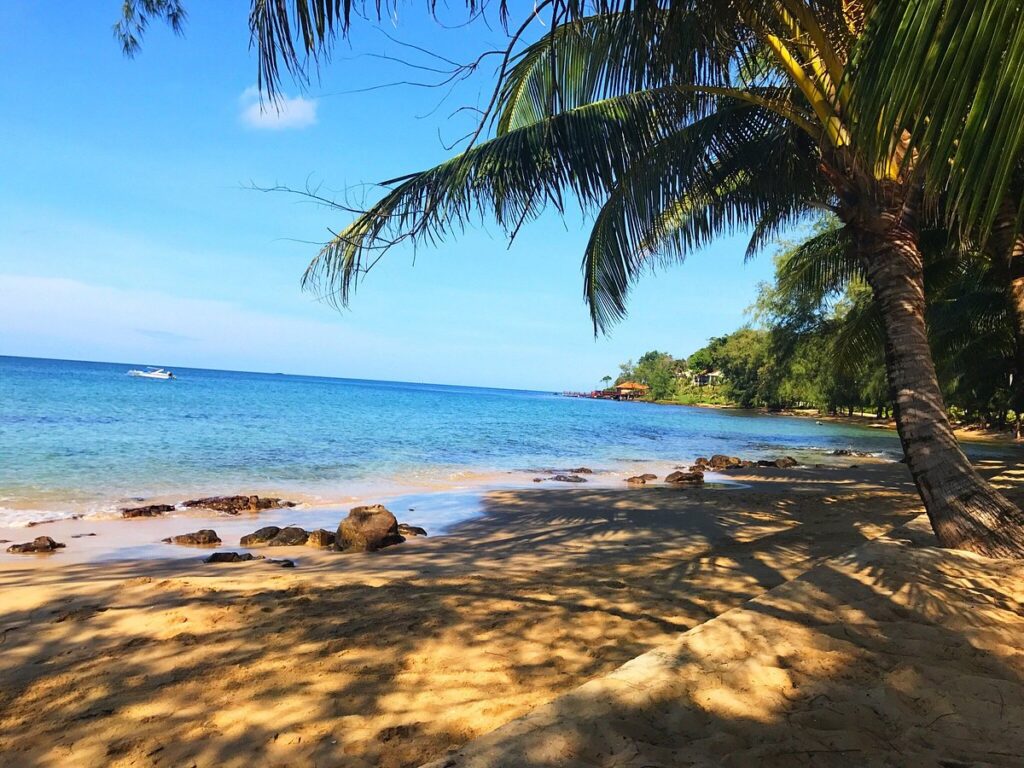
Every week at Astamb Holidays, I get at least a dozen calls from excited travelers asking about Phu Quoc. And honestly, I get it. The island is gorgeous — white sand beaches, crystal-clear water, fresh seafood, and a surprisingly chill vibe. But here’s what worries me as someone who handles travel operations daily: a lot of Indians are flying to Phu Quoc without fully understanding the rules. The Indians traveling Phu Quoc advisory issued by the Embassy of India in Hanoi on April 6, 2026, changes things significantly. Before you book those flights, please read this. It could save your trip — or your passport. 🛂 What Is the Latest Indians Traveling Phu Quoc Advisory in 2026? As of April 6, 2026, the Embassy of India in Hanoi issued a formal advisory warning Indian nationals about the risks of traveling to Phu Quoc Island on a visa-free basis. While Phu Quoc does allow 30-day visa-free entry for Indians under its Special Economic Zone rules, the exemption is strictly limited to the island. Any movement to mainland Vietnam — even in an emergency — without a valid Vietnam e-visa can lead to serious immigration complications, travel restrictions, and legal delays. My take: This is not a scare tactic. This is the Indian government telling you to be careful. Read the full advisory on the official Embassy of India in Vietnam page before you travel. ✅ Can Indians Travel to Phu Quoc Without a Visa in 2026? Yes — but with strict conditions. Indians can visit Phu Quoc Island visa-free for up to 30 days because Phu Quoc is classified as a Special Economic Zone (SEZ) under Vietnam law, a status it has held since 2005. This means the island has its own entry rules separate from the rest of Vietnam. However — and this is crucial — this visa exemption does not give you access to mainland Vietnam. It covers Phu Quoc only. The moment you step onto mainland Vietnamese soil (even at Ho Chi Minh City’s Tan Son Nhat International Airport for immigration), you need a valid visa. 📋 What Are the Visa-Free Rules Indians Must Follow in Phu Quoc? Here are the exact conditions you must meet to use the Phu Quoc visa-free entry: One thing I tell every client: print your return ticket. Immigration officers at Phu Quoc International Airport will ask for it. Having it only on your phone is a risk — what if your battery is dead? ⚠️ What Happens If Indians Break Phu Quoc Visa Rules? This is the section most travel agents skip. Let me walk you through three real-world scenarios I’ve seen or been told about: Scenario 1: Your Flight Routes Via Ho Chi Minh City You book a “cheap” flight from Mumbai → HCMC → Phu Quoc. You land at Tan Son Nhat International Airport and need to clear immigration to catch your domestic connection. You have no Vietnam e-visa. You get stopped, questioned, and potentially denied boarding to Phu Quoc — or sent back to India. Scenario 2: A Medical Emergency Forces You to the Mainland You’re on Phu Quoc, you fall sick, and the local hospital can’t handle it. The nearest major hospital is in Ho Chi Minh City. But you entered on a visa-free stamp — no mainland access. Without a valid Vietnam visa, getting that emergency transfer approved involves immigration complications that can cost you precious hours. The Embassy of India advisory specifically highlights this risk. Scenario 3: Your Return Flight Gets Cancelled Airlines cancel flights. It happens. If your only return option reroutes through Hanoi or HCMC for a domestic-to-international transfer, you may be stuck. Without a mainland Vietnam visa, you cannot legally transit through immigration. You’re in a legal grey zone, and the Vietnam Immigration office won’t be sympathetic just because your airline messed up. The Embassy of India has directly stated: “If you are required to travel to mainland Vietnam for reasons as mentioned above, please understand that there could be immigration-related complications.” 🛡️ Is It Safe for Indians to Travel to Phu Quoc Right Now? Yes, Phu Quoc is generally safe — but safety has layers: Physically: Phu Quoc is one of Vietnam’s safest tourist destinations. Petty crime is low compared to major Southeast Asian cities. The local population is friendly toward Indian tourists. Weather: The dry season runs from November to April, making it peak time to visit. May to October is the monsoon season — seas get rough, and some water activities shut down. Legally: This is where caution is needed. As a visa-free traveler, you have zero buffer if plans change. One flight cancellation, one health issue, one wrong turn can put you in a complicated spot with Vietnam Immigration authorities. My recommendation: Travel with a valid Vietnam e-visa even if you’re only planning to stay on Phu Quoc. It gives you a safety net that the visa-free route simply doesn’t. 💡 Should Indians Apply for a Vietnam Visa Instead? Wahid Ali’s honest recommendation: Yes, get the e-visa. Here’s the comparison that makes it clear: Factor Phu Quoc Visa-Free Vietnam E-Visa ($25 USD) Cost Free ~₹2,100 (~$25 USD) Processing Time Instant on arrival 3–5 working days Coverage Phu Quoc Island only All of Vietnam Emergency Protection None Full mainland access Flight Flexibility Direct to PQC only Any Vietnam airport Peace of Mind Low High Valid Duration 30 days Up to 90 days For ₹2,100, you get 90-day multi-entry access to all of Vietnam, the freedom to explore Ho Chi Minh City, Hanoi, or Da Nang before or after Phu Quoc, and — most importantly — you’re covered if anything goes wrong. In my 20 years of running travel operations, I’ve never once regretted advising a client to spend a little extra on a visa. I have, however, received panicked calls from people who didn’t. Apply through the official Vietnam Immigration Portal: https://evisa.xuatnhapcanh.gov.vn ✈️ Best Travel Routes Indians Must Follow Safe Route 1: Direct International Flights to Phu Quoc (PQC)

Indians Traveling Phu Quoc Advisory 2026: Visa Rules, Hidden Risks & Must-Know Travel Guidelines Read More »

Thailand Hidden Islands Travel Guide 2026: Secret Islands, Budget Itinerary & Crowd-Free Beaches for Indians

Let me be straight with you. I have been planning Thailand tours for Indian travellers for over 20 years, and I still get excited when someone asks me about the islands most people never see. The Thailand hidden islands travel guide you are about to read is not a recycled list. It is the same advice I give my clients at Astamb Holidays — the kind you get after booking hundreds of ferry tickets, arguing with guesthouse owners, and once, memorably, getting stranded on a sandbar off Koh Lipe because I ignored the tide chart. 2026 is a genuinely great year to go. As of February 13, 2026, Indian passport holders now enjoy 60 days visa-free entry into Thailand — no more Visa on Arrival queues, no fees at the counter. That is a massive deal. And with flights from Mumbai and Delhi to Bangkok or Phuket sitting between ₹15,000–₹25,000 return, the barrier to entry has never been lower. So if you are done watching everyone else post the same Phuket photos, keep reading. 🌊 What Are Thailand Hidden Islands? Answer: Thailand hidden islands are the lesser-known, less-commercialised alternatives to crowded hotspots like Phuket, Phi Phi, and Koh Samui. Islands like Koh Lipe, Koh Yao Noi, Koh Kood, Koh Tao, and Koh Phayam offer pristine beaches, quiet bays, and local Thai life without the noise, inflated prices, or Instagram crowds of the mainstream circuit. Thailand has over 1,400 islands spread across two coastlines — the Andaman Sea to the west and the Gulf of Thailand to the east. Most tourists land in Phuket and never explore beyond. That is their loss and your gain. These hidden islands are not inaccessible jungles. They have decent guesthouses, ferry connections, good food, and breathtaking nature. What they lack — and this is the point — is the mass-tourism machinery that turns paradise into a theme park. 🆚 Why Choose Thailand Hidden Islands Over Phuket & Krabi? I am not here to trash Phuket. It has its place. But there is a reason “slow travel” has become the dominant trend among Indian Gen Z and millennial travellers. After spending a few days on Patong Beach — sunburn, touts, and thumping club music at noon — people come to my office and say, “Wahid bhai, is there something better?” There always is. Stand on Koh Kood and you will hear waves. That is it. No jet-skis, no DJ sets, no tuk-tuk horns. The beach might just be you and a fishing boat in the distance. Here is how they compare at a glance: Factor Phuket / Krabi Thailand Hidden Islands Crowds Very high, especially Nov–Feb Low to moderate Prices ₹4,000–₹10,000/night (resort) ₹1,200–₹5,000/night Nightlife Intense (Patong, Bangla Road) Minimal to none Beaches Busy, often crowded Often near-empty Instagram appeal Very high (everyone has the same shot) Unique, less-seen content Authenticity Touristy Real local Thai life Best for First-timers, party trips Couples, solo, slow travel The slow travel trend is about going deeper, not wider. And these islands let you do exactly that. 🏝️ Best Thailand Hidden Islands to Visit in 2026 Koh Lipe — The Maldives of Thailand Best for: Honeymooners, couples, underwater photography enthusiasts If there is one island in Thailand that makes people physically stop and say “wait, this is real?”, it is Koh Lipe. Located in Satun Province in the far south of the Andaman Sea, near the Tarutao National Marine Park, this tiny island — only about 3.5 km long — punches far above its weight. The water here is the kind of blue that looks edited. It is not. Soft white sand, vibrant coral reefs you can snorkel directly from shore, and a Walking Street that fills up with local restaurants, roti stalls, and hammock bars at sunset. Sunrise Beach is the star — calm, clear, and magical in the early morning before the day trippers arrive from the ferry. One thing that surprises many Indian visitors: the food here carries a strong Malaysian influence thanks to the island’s proximity to Langkawi. Roti stalls with over a hundred fillings? Yes. Worth the trip alone. How to reach: Fly to Phuket or Hat Yai, then take a van/bus to Pak Bara Pier in Satun, followed by a 2-hour speedboat to Koh Lipe. Ferries also run from Koh Lanta and Krabi during high season. Book ferry tickets in advance at 12go.asia or Lomprayah. Best time: November to April (Andaman dry season) Koh Yao Noi — The Peaceful Local Island Near Phuket Best for: Couples, slow travellers, cycling enthusiasts Here is something that blows people’s minds: Koh Yao Noi is sandwiched between Phuket and Krabi — two of Thailand’s most tourist-heavy destinations — and yet it has managed to stay quiet. It is a 30-minute longtail boat ride from Bang Rong Pier in Phuket, and it feels like a different world. Local fishing villages, rubber tree forests, paddy fields, and a handful of boutique eco-resorts. The best way to see this island is to rent a bicycle or scooter and simply ride around. Stop at a beach shack for a papaya salad. Watch the dramatic limestone karsts of Phang Nga Bay from shore. If you get the timing right, the view of those rock formations at sunset is the kind of thing you do not stop talking about for years. There are no big resorts here pushing you into tour packages. That is the whole point. How to reach: Bang Rong Pier (Phuket) → longtail boat → Koh Yao Noi (~30 mins). Also accessible from Krabi. Multiple daily departures. Best time: November to April Koh Tao — The Budget Diving Mecca Best for: Solo travellers, budget backpackers, scuba diving beginners Koh Tao is technically not unknown — but compared to Koh Samui or Koh Phangan, it is a completely different energy. And for Indian travellers specifically, it remains off the radar simply because most Thailand itineraries skip the Gulf of Thailand entirely. This is where you get your PADI Open Water certification for

Thailand Hidden Islands Travel Guide 2026: Secret Islands, Budget Itinerary & Crowd-Free Beaches for Indians Read More »

Sri Lanka Travel Guide 2026 for Indians: ₹50K Budget, 7-Day Itinerary, Visa & Hidden Gems

Every week at Astamb Holidays, I get the same question from clients: “Wahid bhai, which is the best first international trip that won’t break the bank?” My answer, without blinking, is Sri Lanka. The sri lanka travel guide you’re reading right now is not a copy-paste job. This is 20 years of travel industry experience, dozens of group departures to Colombo, and real conversations with people who came back absolutely floored by this island. In 2026, Sri Lanka has quietly become the #1 “abroad trip” for Indian travelers — and honestly, it makes perfect sense. You get lush tea plantations, ancient UNESCO World Heritage Sites, Indian Ocean beaches, and jaw-dropping wildlife — all within a 2–4 hour flight and under ₹50,000 if you plan smart. Let’s get into it. 🌏 Why Sri Lanka is Perfect for Indian Travelers in 2026 Sri Lanka sits just 80 km south of Tamil Nadu. That alone makes it one of the most accessible international destinations for anyone in India. But proximity is just the start. The cultural connection runs deep. You’ll find Buddhist and Hindu temples side by side, rice and curry on every menu, and locals who are genuinely warm toward Indian visitors. The Indian Rupee vs LKR conversation is also friendly — ₹1 equals roughly LKR 3.7, which means your money stretches well on the ground. Here’s why 2026 is the right year to go: 🛂 Sri Lanka Travel Guide – Entry Requirements & Visa for Indians Let me clear up the confusion around this, because I’ve seen clients panic unnecessarily. As of early 2026, Indian citizens need an Electronic Travel Authorization (ETA) to enter Sri Lanka. Here’s the step-by-step process: Step 1: Visit the official Sri Lanka ETA portal: www.eta.gov.lk Step 2: Fill in your personal and travel details accurately. Step 3: Upload the required documents: Step 4: Pay the ETA fee. The standard Tourist ETA costs USD 20 (approx. ₹1,700) for a 30-day stay with double entry. Note: Sri Lanka periodically announces fee waiver schemes for Indians, so always check the official portal before applying. Step 5: Approval typically comes within 24–48 hours. Carry a printout or digital copy when you travel. ⚠️ Important: Apply directly on the official government website eta.gov.lk only. Third-party agents often charge extra fees for the same service. Quick Visa Facts: Detail Info ETA Type Tourist ETA Stay Duration Up to 30 days Entry Type Double Entry Processing Time 24–48 hours Fee (2026) USD 20 (~₹1,700) Extension Possible? Yes, up to 270 days total 💰 Sri Lanka Travel Guide – Trip Cost from India (Budget Breakdown) This is what most people come to me for. Here’s a realistic, honest breakdown for a 7-day trip: Expense Category 🎒 Backpacker (₹40K–50K) 🏨 Mid-Range (~₹80K) 💎 Luxury (₹1.5L+) Flights (Return) ₹12,000–18,000 ₹18,000–25,000 ₹25,000–40,000+ Accommodation (6 nights) ₹6,000–9,000 (hostels/guesthouses) ₹18,000–30,000 (3-star hotels) ₹60,000+ (boutique resorts) Food (daily ~₹500–800) ₹3,500–5,600 ₹7,000–10,000 ₹15,000–25,000 Local Transport ₹3,000–5,000 (trains + tuk-tuks) ₹8,000–12,000 (mix of taxi + trains) ₹20,000+ (private car) Sightseeing & Entry Fees ₹3,000–5,000 ₹6,000–10,000 ₹15,000–20,000 Visa (ETA) ~₹1,700 ~₹1,700 ~₹1,700 Travel Insurance ₹800–1,200 ₹1,200–2,000 ₹2,000–5,000 TOTAL (Per Person) ₹29,000–45,600 ₹60,000–91,000 ₹1,40,000+ Pro Tip from Wahid: Book flights 3–4 months in advance and avoid travel in the last week of December. Prices can spike by 30–50% during peak holiday dates. From Chennai or Kochi, you’ll consistently find the cheapest fares. ☀️ What is the Best Time to Visit Sri Lanka? Here’s something most basic travel blogs don’t explain properly — Sri Lanka has two separate monsoons that affect different parts of the island at different times. The Two Monsoons, Simply Explained: 🌧️ Yala Monsoon (May to August/September): Hits the South and West coasts — that means Colombo, Galle, Mirissa, and the Hill Country get rain. 🌧️ Maha Monsoon (October to January): Hits the North and East coasts — Trincomalee and Arugam Bay get affected here. What does this mean for you? There’s always a dry part of the island, no matter when you travel! Best Time For… Months to Visit West Coast + Colombo + Hill Country December to April East Coast (Trincomalee, Arugam Bay) May to September Yala National Park Safari February to October Sigiriya + Cultural Triangle December to April (best), but accessible year-round Whale Watching (Mirissa) November to April My recommendation for Indian travelers: January to March is the sweet spot. The entire south and west coast is dry and sunny, the Hill Country is cool and green, and Yala safaris are operating at full strength. December is peak season — great weather but higher prices. 🗺️ The Ultimate 7-Day Sri Lanka Itinerary for Indians This is the route I personally recommend to our clients at Astamb Holidays. It covers the best of culture, hills, wildlife, and beaches without feeling rushed. Route: Colombo → Kandy → Ella → Nuwara Eliya → Yala → Mirissa → Galle Day 1: Colombo – Arrive, Explore, Eat Fly into Bandaranaike International Airport and head straight to Colombo. Don’t just check in and sleep — this city rewards the curious. Explore Pettah Market for street shopping and local snacks. Walk along Galle Face Green at sunset. Try kottu roti from a local spot — ₹150–200 for a filling meal. Pro Tip: Download the PickMe app before you leave India. It’s Sri Lanka’s version of Uber and saves you from negotiating tuk-tuk fares in Colombo. Day 2: Colombo to Kandy (3 Hours) Hire a private cab or take the intercity train from Colombo Fort Station to Kandy. The ride itself gets scenic as you climb into the hills. In Kandy, visit the sacred Temple of the Tooth Relic (Sri Dalada Maligawa) — one of the most important Buddhist sites in the world. Stroll around Kandy Lake in the evening. The city is calm, charming, and very walkable. Pro Tip: If you’re visiting in July or August, try to time your trip with the Kandy Esala Perahera festival — a grand procession of elephants and traditional dancers. It’s one of Asia’s most spectacular events. Day

Sri Lanka Travel Guide 2026 for Indians: ₹50K Budget, 7-Day Itinerary, Visa & Hidden Gems Read More »

Bali Travel Guide 2026: Best Places, Itinerary, Budget & Hidden Gems (Complete Planner)

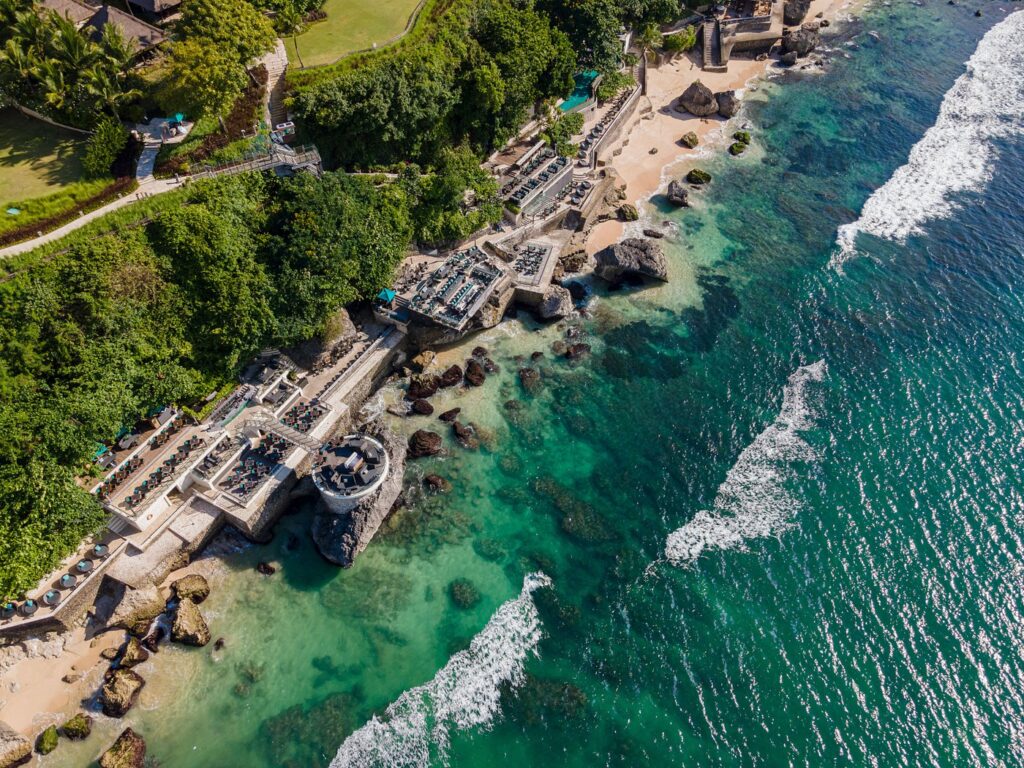
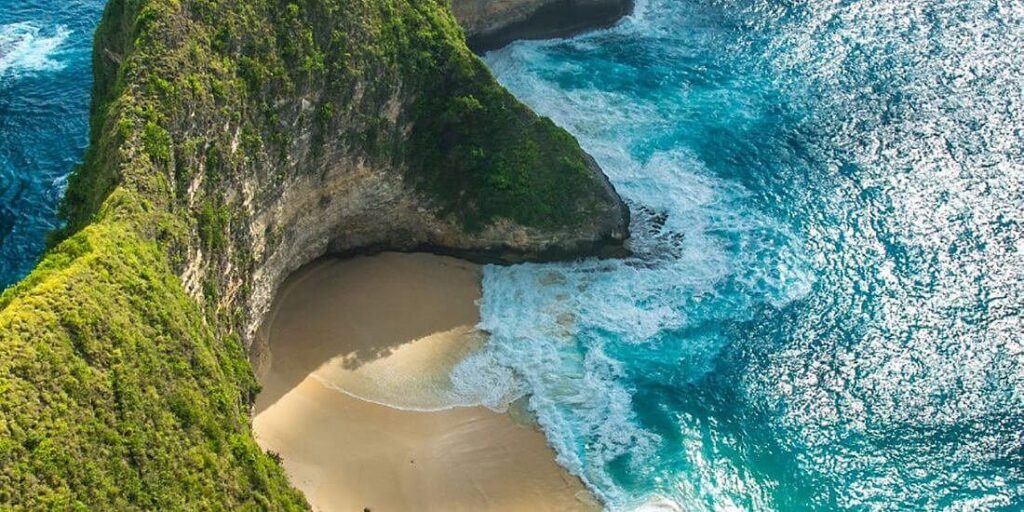
By Wahid Ali | Operations Lead, Astamb Holidays, Mumbai If you’ve been scrolling through Instagram reels of rice terraces, cliffside temples, and infinity pools, chances are your feed just handed you the perfect excuse to finally book that Bali travel guide you’ve been Googling. And trust me — Bali in 2026 is worth every rupee. I’ve been in the travel industry for 20 years, and I’ve sent hundreds of Indian families, couples, and solo travelers to Bali from my operations desk at Astamb Holidays in Mumbai. I’ve seen first-timers come back completely transformed, and I’ve also seen people make expensive, avoidable mistakes. This guide covers both sides — so you arrive informed and leave with memories, not regrets. 🗺️ Bali Travel Guide 2026 (Quick Summary) Quick Facts Box — Bali at a Glance 📌 Detail ✅ Answer What is Bali famous for? Hindu temples, terraced rice fields, surf beaches, yoga retreats, and affordable luxury Best time to visit April–June and September–October (dry season, lower crowds) How many days are enough? 5–7 days for a first trip; 10 days to go deeper Average cost from India (7 days) ₹80,000–₹1.5 lakh per person (mid-range); ₹60,000 budget; ₹2.5 lakh+ luxury Is it safe for Indians? Yes — Bali is one of Southeast Asia’s safest destinations for Indian travelers Visa required? Yes — Visa on Arrival (e-VOA), costs IDR 500,000 (~₹2,700) Currency Indonesian Rupiah (IDR) — 1 INR ≈ 185 IDR (March 2026) Airport Ngurah Rai International Airport, Denpasar (DPS) Getting around Gojek/Grab app, private drivers, scooter rentals 🌟 Why Bali is the #1 Travel Destination in 2026 There’s a reason Bali keeps topping every “Best Destinations” list — and it’s not just the aesthetic. For Indian travelers specifically, Bali hits differently. The island is the only Hindu-majority province in Indonesia, and the moment you spot a temple decorated with offerings that look like a mix of Diwali and a village puja, something clicks. The Balinese version of Hinduism — a beautiful blend of Indian Shaivism, Buddhism, and local animism — will feel both familiar and wonderfully foreign. Seeing devotees leave flower offerings at temple gates reminded me of our own traditions back home, but with a distinctly Balinese soul. Beyond culture, the affordability factor is real. Once you’re past the flight cost, daily expenses in Bali can actually be cheaper than peak-season Goa. A private villa with a pool can cost as little as ₹6,000–₹10,000 per night. A full-day private driver runs around ₹2,700–₹3,500. A delicious plate of Nasi Goreng (Balinese fried rice) at a local warung? Under ₹200. And in 2026, Bali is investing heavily in infrastructure while still protecting its culture. It’s the sweet spot where modernity and tradition coexist — and that balance won’t last forever. 🏛️ Best Places to Visit in Bali Travel Guide 1. Ubud — Bali’s Cultural Soul Why visit: Ubud is where Bali’s spiritual depth really shows. Rice terraces, the Sacred Monkey Forest Sanctuary, traditional Balinese dance performances, and some of the best cooking classes in Southeast Asia — all in one town. Best time: April–October. Avoid heavy monsoon (December–January) when treks get slippery. Insider Tip from Wahid: Most tourists do the famous Tegallalang Rice Terraces at 10 AM — wrong move. Go at 7 AM before the photo crowds arrive and before the midday heat hits. The light is soft, the terraces are quiet, and the farmers are actually working. That’s the real Ubud. 2. Uluwatu — Cliffs, Temples & Surf Why visit: Perched on a 70-metre cliff on Bali’s southern tip, Pura Luhur Uluwatu is one of Bali’s 6 key directional temples. The sunset Kecak fire dance performed right at the cliff edge at 6 PM daily is one of those moments that’s genuinely hard to describe. Best time: May–September for clearest skies. The sunset is best between May and August. Insider Tip from Wahid: Watch your belongings around the temple monkeys — they are clever and will grab sunglasses, phones, and hats without warning. Leave valuables in your driver’s car. And get your Kecak tickets in advance (₹250–₹350 per person) — they sell out fast during peak season. 3. Canggu — Digital Nomads, Surf & Café Culture Why visit: Canggu is the cool, laid-back alternative to the party scene of Kuta. Think specialty coffee shops, world-class surf at Batu Bolong Beach, rice paddy walks, and beach clubs like La Brisa and The Lawn where the crowd is younger and the vibe is creative. Best time: April–October for best surf and outdoor café weather. Insider Tip from Wahid: Canggu traffic is notorious — possibly Bali’s worst. Schedule your outings before 9 AM or after 7 PM to avoid being stuck for hours. For couples wanting a relaxed Canggu day, rent a private driver (₹2,700–₹3,200/day) rather than a scooter. 4. Seminyak — Upscale Bali, Done Right Why visit: Seminyak is where Bali does luxury best. High-end boutiques, rooftop beach clubs, fine dining restaurants, and long stretches of golden beach. Potato Head Beach Club and Ku De Ta are iconic sunset spots. Best time: May–September. This area stays busy year-round but peak months bring crowds. Insider Tip from Wahid: For Indian travelers who want Instagram-worthy experiences without blowing the budget, book your beach club day-pass midweek. Weekend pricing at top clubs can jump 30–40%. A Tuesday afternoon at Potato Head is just as beautiful — and your Aperol Spritz costs less. 5. Nusa Penida — The Wild Card Why visit: A 45-minute speedboat ride from Sanur, Nusa Penida is Bali’s most dramatic island. Kelingking Beach (that T-Rex shaped cliff you’ve seen everywhere), Angel’s Billabong, and Broken Beach are genuinely jaw-dropping in person. Best time: April–October. Boat transfers get dangerous during wet season swells. Insider Tip from Wahid: Book your boat through a reputable operator only — Nusa Penida boat crossings have had safety incidents with unlicensed operators. Use GetYourGuide or your hotel’s recommended services. Also: Kelingking Beach viewpoint has no railing — keep a safe distance from the edge. 💎 Hidden Gems in Bali Travel

Bali Travel Guide 2026: Best Places, Itinerary, Budget & Hidden Gems (Complete Planner) Read More »

What to Do in Bali: Ultimate Travel Guide 2026 (Top Activities, Itineraries & Hidden Gems)

Bali travel guide — picture this: You’re sitting cross-legged on the edge of a rice terrace in Ubud, a warm cup of Balinese coffee in your hands, watching mist drift across the valley at golden hour. Monks chant somewhere below. A rooster crows. Time feels like it’s moved somewhere else entirely. I’m Wahid Ali, Operations Head at Astamb Holidays, Mumbai — and I have been sending travelers to Bali for over 20 years. I have watched this island go from a backpacker’s secret to one of the world’s most loved destinations. But here’s the thing: Bali in 2026 is a different animal from what it was even five years ago. The pandemic reset everything. The island slowed down, cleared out, and quietly became more intentional about tourism. Today’s Bali is calmer, more organized, and — if you know where to go — still deeply raw and real. There are new entry rules (the All Indonesia Arrival Card is now mandatory), a ₹150,000 IDR (~$10) tourism levy, and the Visa on Arrival is IDR 500,000 (~$35). Plan ahead, and your trip will be seamless. Whether you have 5 days or 14, this guide covers everything — iconic spots, off-beat villages, real budgets, and the stuff most travel blogs won’t tell you. 🏛️ Must-Do Things in Bali (Iconic Experiences) Quick Answer: The top must-do experiences in Bali include watching the Kecak Fire Dance at Uluwatu Temple (arrive by 5:30 PM), walking the Tegallalang Rice Terraces before 8 AM, exploring the Sacred Monkey Forest Sanctuary in Ubud, and spending a day at Waterbom Bali — one of Asia’s best water parks. Uluwatu Temple & Kecak Dance — Perched 70 meters above the Indian Ocean on a limestone cliff, Uluwatu Temple is possibly the most dramatic sunset spot in all of Asia. The nightly Kecak Dance starts at 6:00 PM and costs around IDR 150,000 (~$9). My tip: arrive by 5:00 PM to grab a cliff-side seat and watch the sky change colors behind the dancers. It is theatrical, spiritual, and genuinely unforgettable. Tegallalang Rice Terraces — Skip the midday crowd and hit Tegallalang before 8:00 AM. The entrance area can get packed by mid-morning, but early risers get the soft light and near-empty terraces. Entry is free, but vendors along the path charge a IDR 15,000–30,000 walk-through fee. Worth every rupiah for the views. Sacred Monkey Forest Sanctuary — Don’t go in flip-flops. Seriously. The Monkey Forest in Ubud is home to over 700 Balinese long-tailed macaques and entry costs IDR 80,000 (~$5). Keep your sunglasses on your face, not your head — the monkeys are fast. Visit before 9:00 AM for fewer crowds. Waterbom Bali — Located in Kuta, this water park is consistently rated as one of the best in Asia. Day passes run around IDR 600,000–700,000 (~$40) depending on the season. Go on a weekday to avoid weekend queues. 🏖️ Best Beaches in Bali Quick Answer: Bali’s best beaches cater to every traveler — Kuta for beginner surfers, Seminyak for sundowners and beach clubs, and Pandawa Beach for dramatic cliffs and calmer waters. Each has a distinct energy and is worth a visit. Kuta Beach — The OG of Bali beaches. Kuta is where most travelers learn to surf. Schools like Rip Curl School of Surf run beginner lessons from $25–$35 including board and instructor. The waves are consistent and friendly for beginners. Sunsets here paint the sky in shades of orange and deep purple — and there is always a Bintang in hand nearby. Seminyak Beach — If Kuta is the party zone, Seminyak is where you go to feel fancy without breaking the bank. The beach stretches wide and clean, and iconic beach clubs like Ku De Ta and Potato Head Beach Club are right on the sand. The sunsets from Seminyak are legendary — show up by 5:30 PM and claim your spot. Pandawa Beach — Hidden behind towering limestone cliffs, Pandawa was once a secret and is now a well-known gem. The cliffs are carved with statues of the five Pandawa brothers from Hindu mythology. The water is calmer here than at Kuta — great for a swim. Entry is IDR 10,000 (~$0.60). Go on a weekday if possible. 🎭 Cultural & Local Experiences Quick Answer: Bali’s culture runs deep. From mesmerizing traditional dances and village markets full of life to the Penjor festival and the daily Canang Sari offerings, immersing yourself in Balinese culture will leave you genuinely moved. One of the things I love most about sending people to Bali is watching them come back changed by the culture, not just the beaches. Bali’s Hindu traditions are woven into every moment of daily life. Traditional Dance Performances — Beyond the Kecak at Uluwatu, look for Barong Dance performances in Batubulan village (starts at 9:30 AM daily, around IDR 100,000). The Barong represents good triumphing over evil and it’s one of the most visually rich performances you’ll see anywhere. Warungs & Local Markets — A warung is a small family-run restaurant, and eating at one is probably the best decision you’ll make in Bali. Expect dishes like Nasi Goreng (fried rice), Mie Goreng (fried noodles), and Babi Guling (suckling pig) for IDR 20,000–40,000 ($1.50–$2.50). Visit Ubud Traditional Art Market early — by 8:00 AM before it gets packed with tour groups. Canang Sari — The Daily Offering — You will see small woven palm-leaf baskets filled with flowers, rice, and incense on every doorstep, shop entrance, and temple step. These are Canang Sari — offerings Balinese Hindus make to the gods each morning. Please do not step on or photograph them disrespectfully. They are sacred, not props. This small act of awareness means the world to locals. Penjor Festival (Galungan) — If your trip coincides with Galungan (a Balinese Hindu festival occurring every 210 days), you will see tall, curved bamboo poles called Penjor lining every road, decorated with palm leaves and offerings. It is breathtaking and very few tourists time their trips around

What to Do in Bali: Ultimate Travel Guide 2026 (Top Activities, Itineraries & Hidden Gems) Read More »

Top Things to Do in Siem Reap: Ultimate 2025 Guide for Temples, Food & Hidden Gems

Picture this: the sun rises over ancient stone towers, painting them in shades of gold and pink. Monks in saffron robes walk silently past centuries-old carvings. The smell of fresh coffee and grilled street food fills the air. Welcome to Siem Reap – Cambodia’s most magical destination that’s so much more than just a temple town. Sure, you’ve heard about Angkor Wat. Everyone has. But here’s what most guides won’t tell you: Siem Reap is an incredible mix of ancient history, buzzing food scenes, peaceful countryside, and friendly locals who’ll make you feel right at home. Whether you’re planning a quick weekend getaway or a full week of exploration, this Siem Reap travel guide has everything you need to make 2025 your year to discover Cambodia. I’ve put together this complete resource covering the famous temples, secret spots that most tourists miss, the best places to eat (including amazing vegetarian options), where to sleep, and all those practical tips that’ll save you time and money. Let’s get started! Quick Reference: Siem Reap at a Glance Category Details Best Time to Visit November to February (cool and dry) Recommended Stay 3-5 days (minimum 2 days) Main Attractions Angkor Wat, Bayon Temple, Ta Prohm, Pub Street Getting Around Tuk-tuks, bicycles, PassApp (local ride app) Currency US Dollar (USD) & Cambodian Riel Temple Dress Code Shoulders & knees covered Visa Required Yes (e-visa available online) Average Daily Budget Budget: $30-50 / Mid-range: $50-100 / Luxury: $100+ Airport Transfer 15-20 minutes to city center ($10-15) How Many Days in Siem Reap? Here’s the honest answer: you could spend two days or two weeks in Siem Reap and still find new things to explore. But let me break it down for you. Minimum Stay: 2 DaysIf you’re seriously short on time, you can hit the major temple highlights in 48 hours. You’ll see Angkor Wat, Bayon, and Ta Prohm, grab some street food, and maybe squeeze in Pub Street at night. It’s doable, but it’ll feel rushed. Ideal Stay: 4-5 DaysThis gives you breathing room to explore the Angkor temple complex properly, take a countryside bike ride, visit the floating villages, and actually relax by your hotel pool. You won’t feel like you’re racing from one spot to another. The 48-Hour WhirlwindDay 1: Start before dawn for Angkor Wat sunrise, explore the main temples until afternoon, rest during the hot hours, then hit Pub Street for dinner and drinks.Day 2: Morning at Banteay Srei and a lesser-known temple, afternoon exploring Old Market and trying local cafes, evening at a rooftop bar watching the sunset. The Ultimate Week PlanWith seven days, you can follow a relaxed 5-day Siem Reap itinerary, add a wellness day for spa treatments or yoga, take longer day trips to remote temples, learn to cook Khmer dishes, and really connect with the local culture. You’ll leave feeling refreshed instead of exhausted. Must-Do Temples & Historical Sites Let’s talk about what brings most people to Siem Reap: the incredible Siem Reap temples and ruins. The Angkor Archaeological Park covers over 150 square miles and contains hundreds of temples built between the 9th and 15th centuries. Don’t worry – you don’t need to see them all! The Big Three Temples Angkor WatThis is the reason Cambodia appears on your bucket list. Built in the early 12th century, Angkor Wat is the largest religious monument in the world. The sunrise here is famous for good reason – watching the temple silhouette transform as daylight breaks is genuinely breathtaking. But here’s a tip: sunset at Angkor Wat can be equally stunning and way less crowded. Give yourself at least 2-3 hours to explore properly. Walk through the galleries covered in detailed carvings that tell ancient Hindu stories. Climb the steep stairs to the central tower (modest dress strictly enforced here). And please, skip the elephant rides – they’re not ethical. Bayon TempleLocated in the heart of Angkor Thom, Bayon feels like stepping into a different world. This temple is famous for its 216 massive stone faces that seem to smile down at you from every angle. It was built in the late 12th century as a Buddhist temple, and the atmosphere here feels more mystical than Angkor Wat. Visit Bayon around mid-morning when the light hits those faces perfectly for photos. The temple gets busy, but the crowds spread out enough that you can find quiet corners to sit and absorb the energy. Ta ProhmRemember that Tomb Raider movie with Angelina Jolie? Yeah, this is that temple. Ta Prohm was deliberately left partially unrestored, so massive tree roots still grip the ancient stones. Nature and architecture merge in ways that look almost impossible. Go early morning or late afternoon to avoid tour bus crowds. The combination of crumbling stone corridors and giant trees creates endless photo opportunities, but honestly, just being there feels like exploring a forgotten kingdom. The Artistic Gem: Banteay Srei About 25 kilometers north of the main temple area, Banteay Srei deserves its own visit. This smaller temple features the most intricate carvings you’ll see anywhere in the complex – seriously, the detail is incredible. Built from pink sandstone in the 10th century, the whole place glows beautifully in afternoon light. Combine this with a visit to the nearby Cambodia Landmine Museum to understand more about Cambodia’s recent history. It’s a heavy but important experience. The Hidden Treasure: Preah Palilay Want to escape the crowds? Preah Palilay sits hidden in the forest near the Terrace of the Elephants. Most tour groups skip this small Buddhist temple, which means you might have it completely to yourself. The peaceful setting and weathered Buddha statues create a meditative atmosphere that the busier temples just can’t match. Logistics: The Angkor Pass You’ll need an Angkor Pass to enter the temple complex. Buy it online at the official Angkor Enterprise portal or at the ticket center near the entrance. Most visitors choose the 3-day pass, which gives flexibility without feeling rushed. Your pass includes your photo, so

Top Things to Do in Siem Reap: Ultimate 2025 Guide for Temples, Food & Hidden Gems Read More »

When Is the Best Time to Visit Phu Quoc? Season-by-Season Guide for Beach Lovers

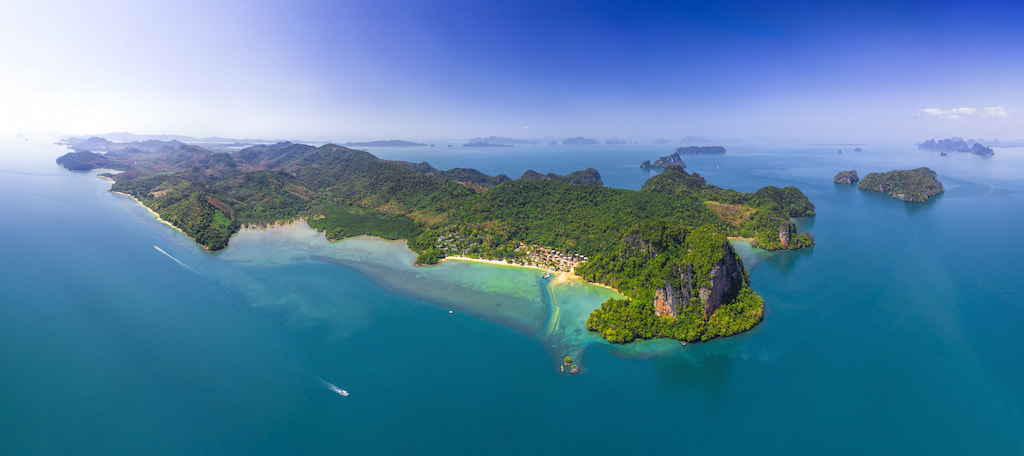
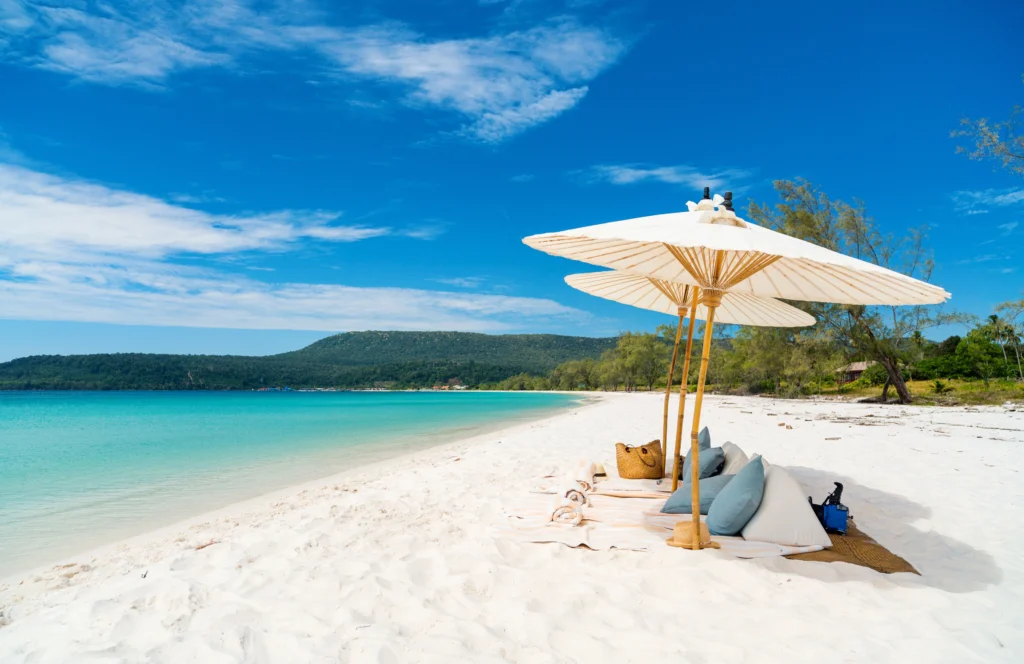
Picture this: you’re lounging on powdery white sand, crystal-clear water lapping at your feet, and palm trees swaying gently in the warm breeze. Welcome to Phú Quốc, Vietnam’s largest island and one of Southeast Asia’s most stunning beach destinations. This tropical paradise offers everything from pristine beaches and vibrant coral reefs to lush rainforests and charming fishing villages. Whether you’re craving adventure, relaxation, or a bit of both, Phú Quốc delivers. But here’s the question every traveler asks: when is the best time to visit Phú Quốc? In this guide, I’ll walk you through everything you need to know about Phú Quốc weather, the differences between the dry season and rainy season, and how to choose the perfect time based on your travel style. Let’s get started! Quick Snapshot — Best Time at a Glance Not sure which season suits you? Here’s a quick breakdown: Season Months Weather Best For Crowds Price Range Sea Conditions Dry Season Nov–Apr ☀️ Sunny, 25-30°C, Low humidity Beach lovers, water sports, island-hopping High $$ Calm & clear Peak Dry Season Dec–Feb ☀️ Perfect sunshine, 26-28°C Guaranteed beach weather Very High $$ Excellent Shoulder Season Apr, May, Oct 🌤️ Mostly sunny, occasional rain, 27-32°C Balance of weather & value, photographers Moderate $ Good to calm Rainy Season Jun–Sep 🌧️ Afternoon showers, 25-31°C, High humidity Budget travel, lush scenery, local culture Low $ Rough, limited visibility Quick Tips by Season: Dry Season (November–April) Shoulder Months (April, May & October) Rainy Season (June–September) Pro Tip: For the best of both worlds, budget-savvy travelers should target late April or October. You’ll enjoy pleasant weather without the peak-season price tags! Understanding Phú Quốc’s Climate & Seasons Phú Quốc has a tropical monsoon climate, which means it’s warm year-round with two distinct seasons. The island sits in the Gulf of Thailand, giving it slightly different weather patterns than mainland Vietnam. Here’s what you need to know about the Phú Quốc climate: These seasons directly impact your experience on the island: Understanding these patterns helps you plan the perfect Phú Quốc beach travel experience. Dry Season (November–April) – Peak Time for Sun & Sea If you’re dreaming of perfect beach weather, the dry season is your golden ticket. From November through April, Phú Quốc transforms into a sun-soaked paradise with some of the most stunning conditions you’ll find anywhere in Southeast Asia. Weather Conditions During these months, you can expect: The water is incredibly clear, making it ideal for Phú Quốc snorkeling and diving adventures. You’ll spot colorful fish, coral gardens, and maybe even sea turtles! Activity-Focused Tips This is the peak season for good reason. Here’s what you can enjoy: Unique Tip: Even during peak season, you can beat the crowds by visiting beaches or popular attractions before 9 AM. You’ll have the sand practically to yourself and capture those Instagram-worthy shots without photobombers! Booking & Budget Here’s the reality: Phú Quốc’s dry season means higher prices. Flights and hotels charge premium rates, especially during major holidays like New Year’s and Tết (Vietnamese Lunar New Year, usually late January or early February). Smart booking strategies: Yes, you’ll pay more during this season, but the guaranteed sunshine and perfect conditions often make it worth every penny. Transition Months (April, May & October) – The Sweet Spot Want to know a secret? The shoulder months are often the smartest choice for savvy travelers. April, May, and October offer a magical balance of decent weather, lighter crowds, and friendlier prices. Define the Appeal These transitional months sit between the dry and rainy seasons, giving you a taste of both worlds. The weather is still mostly pleasant, but you’ll avoid the peak-season chaos and costs. Pros vs. Cons Pros: Cons: Unique Tip The shoulder season is a photographer’s dream! The landscapes are incredibly lush and green (especially October), and the softer, more diffused light creates stunning images. If you’re seeking tranquility and don’t mind occasionally adjusting your plans, these months are perfect. Planning Advice For shoulder season travel: April is particularly lovely as the dry season transitions out—you’ll still get plenty of sunshine with occasional refreshing breezes. Rainy Season (May–October) – Hidden Benefits & Lush Landscapes Don’t write off the rainy season just yet! While May through October brings more precipitation to Phú Quốc, it also offers unique advantages that many travelers overlook. What to Expect First, let’s bust a myth: the Phú Quốc rainy season doesn’t mean constant downpours. Here’s what actually happens: Travel Implications & Opportunities Yes, some boat tours might get canceled due to rough seas. But here’s what you gain: Alternative Activities: Unique Tip Here’s the hidden magic: the rainy season transforms Phú Quốc into an incredibly green and vibrant paradise. The island bursts with life, waterfalls flow stronger, and you’ll have beaches virtually to yourself. It’s also harvest season for Phú Quốc’s famous black pepper, giving you a chance to see authentic agricultural life. With far fewer tourists, you’ll experience a more genuine side of island life—chatting with locals at markets, enjoying restaurants without reservations, and discovering hidden spots the crowds never see. Preparation Advice Pack smart for the rainy season: Most importantly, embrace flexibility. If rain cancels your beach plans, you’ll discover that Phú Quốc has plenty to offer beyond the sand. What’s the Best Time for You? A Traveler-Type Guide Still not sure when to book your Phú Quốc adventure? Let’s match your travel style with the perfect season. For Beach Lovers & Sun-Worshippers Best months: November–April (dry season) If your dream vacation involves endless sunshine, swimming in crystal-clear water, and working on your tan, the dry season is non-negotiable. You’ll get reliable weather, calm seas perfect for snorkeling, and ideal conditions for beach-hopping. Yes, you’ll share the sand with other tourists, but the guaranteed sunshine makes it worthwhile. For Budget Travelers & Solitude Seekers Best months: May–October (rainy season) or late April/early October (shoulder months) Save serious money while enjoying a more peaceful Phú Quốc experience. Accommodation costs drop significantly, and you’ll have attractions mostly

When Is the Best Time to Visit Phu Quoc? Season-by-Season Guide for Beach Lovers Read More »

jeju island, south Korean island famous for

Why is Jeju Island So Famous? A Complete Guide for Travelers

Table of Contents Quick Glace: Why is Jeju Island So Famous? Section Key Highlights Relevance for Travelers (India Focus) Unveiling Jeju’s Enchantment UNESCO World Natural Heritage, volcanic peaks, female divers (Haenyeo), myths & legends, blend of modern + traditional culture Sets Jeju apart as both cultural & natural destination Cultural Tapestry Creation myths (Samseonghyeol), Haenyeo divers (UNESCO heritage), Dol Hareubang statues, distinct dialect, shamanistic rituals Unique cultural immersion, strong attraction for culture-seekers & BTS fans Pop Culture (BTS Connection) BTS visits, filmed content, social media influence, Army pilgrimage site Big draw for younger travelers from India (K-pop fans) Nature’s Masterpiece Hallasan volcano (highest peak), lava tubes (Manjanggul), 368 oreums, beaches (Hyeopjae, Jungmun, Jusangjeolli cliffs), waterfalls (Cheonjiyeon, Jeongbang), winter snow on Hallasan Wide variety of landscapes and activities (trekking, photography, beaches) Food & Flavors Jeju Black Pork, abalone & sea urchin (Haenyeo harvest), Hallabong tangerines, omegi-tteok, communal dining traditions Strong appeal to Indian palates due to bold flavors & shared meals Jeju vs. Hawaii Jeju = raw, mystical, culturally immersive; Hawaii = tropical, commercial Jeju offers more authenticity + value for Indian travelers Unveiling Jeju’s Enchantment Picture this: you’re standing on an island where ancient myths dance with modern marvels, where volcanic peaks touch the clouds, and where the ocean whispers stories of legendary female divers. Welcome to Jeju Island, South Korea’s crown jewel, often called the “Island of the Gods.” But what exactly is Jeju Island famous for, and why should it be your next travel destination? This enchanting island, floating like a emerald gem in the Korea Strait, has captured hearts worldwide with its extraordinary blend of natural wonders and rich cultural heritage. Recognized by UNESCO as a World Natural Heritage site, Jeju Island stands as a testament to nature’s artistic prowess and human resilience. From its towering volcanic landscapes to its vibrant folklore, from its connection to global pop culture icons like BTS to its unique culinary treasures, Jeju offers an experience that’s both deeply authentic and refreshingly modern. What makes Jeju truly special isn’t just one thing—it’s the magical combination of volcanic landscapes sculpted over millennia, a matriarchal society unlike anywhere else in East Asia, pristine beaches that rival tropical paradises, and a culture so distinct it feels like stepping into another world entirely. Jeju’s Unique Cultural Tapestry Myths & Folklore: Where Legends Come Alive The myth of Jeju Island begins with three demigods who emerged from holes in the ground at a place called Samseonghyeol. These legendary figures—Go, Yang, and Bu—are said to be the founding fathers of Jeju, each marrying princesses who arrived by boat with seeds, livestock, and the knowledge of agriculture. This creation myth isn’t just ancient folklore; it reflects the island’s unique identity as a place where the mystical and practical intertwine. What struck me most about Jeju’s mythology is how it celebrates the power of women, embodied perfectly in the legendary Haenyeo—the “women of the sea.” These remarkable female divers, some well into their 80s, dive up to 20 meters deep without breathing apparatus to harvest seafood. Their tradition spans over 1,500 years, representing one of the world’s last remaining matriarchal societies. Watching a Haenyeo emerge from the depths with her catch is witnessing living history—a practice so extraordinary that UNESCO recognized it as an Intangible Cultural Heritage. The island is also famous for its Dol Hareubang, the iconic stone grandfathers that guard Jeju. These volcanic rock statues, with their distinctive expressions ranging from stern to whimsical, are believed to offer protection and fertility. You’ll find over 400 of these charming guardians scattered across the island, each with its own personality carved from Jeju’s native basalt. Traditions That Set Jeju Apart Jeju’s cultural uniqueness extends beyond its myths. The island has its own distinct dialect, so different from standard Korean that it’s almost a separate language. This linguistic isolation has preserved customs and traditions that disappeared elsewhere in Korea centuries ago. The shamanistic roots of Jeju culture remain strong, with village shamans (called “mudang”) still performing rituals for good harvests, safe fishing, and community well-being. These ceremonies, filled with colorful costumes, rhythmic music, and spirited dancing, offer visitors a glimpse into Korea’s spiritual heritage. Pop Culture Resonance: The BTS Connection Why is Jeju Island famous for the BTS Army? The answer lies in the global superstars’ genuine love for this island paradise. BTS members have visited Jeju multiple times, sharing their experiences through social media and variety shows, effectively introducing millions of fans worldwide to the island’s beauty. The group’s connection to Jeju goes beyond casual visits. They’ve filmed music videos against the island’s stunning backdrops, mentioned Jeju’s natural beauty in interviews, and some members have even purchased property there. This authentic endorsement from one of the world’s biggest music acts has made Jeju a pilgrimage site for the BTS Army, contributing significantly to the island’s tourism boom among young international travelers. Nature’s Masterpiece: Jeju’s Breathtaking Attractions Volcanic Wonders: A Geological Marvel Jeju’s volcanic origin is the foundation of its breathtaking beauty. Hallasan, South Korea’s highest peak at 1,947 meters, dominates the island’s center like a sleeping giant. This shield volcano, dormant for over 1,000 years, offers hiking trails that lead through diverse ecosystems—from subtropical forests at the base to alpine vegetation near the summit. The crater lake at the top, called Baengnokdam, mirrors the sky like nature’s own portal to the heavens. The island’s volcanic legacy extends underground through an intricate network of lava tubes. Manjanggul Cave, stretching over 9 kilometers, ranks among the world’s finest lava tube systems. Walking through these ancient tunnels, formed by flowing lava over 200,000 years ago, feels like journeying to the center of the Earth. The cave’s cathedral-like chambers and 7.6-meter-tall lava column create an otherworldly atmosphere that’s both humbling and awe-inspiring. Scattered across Jeju are 368 parasitic cones called “oreums”—smaller volcanic hills that create the island’s distinctive undulating landscape. Each oreum tells a story of ancient eruptions, and climbing them offers panoramic views of the island’s patchwork of fields, forests, and coastlines.

Why is Jeju Island So Famous? A Complete Guide for Travelers Read More »