Here’s the thing nobody tells you when you start planning a Vietnam trip: the country is shaped like a long, thin letter S, stretching over 1,650 kilometers from top to bottom. That’s roughly the same distance as Mumbai to Kolkata — and just like the Indian subcontinent itself, the weather at one end has almost nothing to do with what’s happening at the other. Picking the best time to visit Vietnam without understanding this geography is how travelers end up booking beachside bungalows in Da Nang during typhoon season or showing up in Hanoi in February expecting tropical warmth and getting grey, drizzly, 12°C mornings instead.
I’ve been planning Vietnam tours for Indian travelers out of our Mumbai office at Astamb Holidays for years, and the single biggest cause of travel disappointment is a mismatch between expectations and seasonal reality. This guide exists to fix that — completely.
☀️ What Is the Best Time to Visit Vietnam Overall?
The short answer: February to April is the safest, most reliable window for a nationwide Vietnam trip. October to November runs a close second.
Problem: Vietnam doesn’t have one “rainy season” and one “dry season.” It has three overlapping climate zones that cycle through wet and dry periods at completely different times of the year. Book a single two-week trip without accounting for this, and you risk one half of your itinerary getting rained out while the other half bakes under 38°C heat.
Solution: Target the two nationwide sweet spots — February to April (post-winter, pre-monsoon, dry and pleasant across almost all regions) and October to November (a crisp autumn transition that benefits the north while the south’s dry season is just starting up).
Implementation: Plan your route around the weather, not just the map. Flying north-to-south in March gives you the best of all three climate zones in a single trip.
Example: A typical Astamb Holidays March itinerary might start with two nights in Hanoi under clear, cool skies (~22°C), move up to Sapa for trekking through blooming hillsides, drop down to Hoi An for sunny heritage walks along dry cobblestone lanes, and finish with three nights sunbathing at Phu Quoc on the south coast — all without a significant rain disruption.
| Region | Best Months | Weather Profile | Crowd Level |
|---|---|---|---|
| North Vietnam | Oct to Apr | Cool, dry winters; warm springs | Medium to High |
| Central Vietnam | Jan to Aug | Sunny, dry summers; wet autumns | High (Summer) |
| South Vietnam | Nov to Apr | Consistently warm, reliable dry season | High (Dec–Jan) |
🌦️ Understanding Vietnam’s Climate by Region
Vietnam’s climate can’t be explained with a single seasonal calendar. Each of the country’s three geographic sections — north, central, and south — runs on its own weather logic, shaped by different mountain ranges, ocean currents, and monsoon systems.
North Vietnam Weather
The north — think Hanoi, Sapa, Ha Long Bay, and the Ha Giang highlands — behaves more like a temperate zone than a tropical one. It actually has four recognizable seasons.
Winter (December to February) is cool, misty, and sometimes genuinely cold. Hanoi drops to 15°C on average, and at altitude in Sapa, temperatures can fall below 10°C, occasionally dipping to near freezing with frost on the mountain trails. For Indian travelers used to Mumbai or Hyderabad winters, this can be a surprise.
Spring (March to April) is widely considered the most beautiful season in the north. Temperatures climb gently to 20–25°C, skies clear up, and the landscapes around Sapa and Ninh Binh are at their lush, photogenic best.
Summer (May to August) turns hot and humid fast. Hanoi regularly hits 33–36°C with heavy afternoon downpours and genuinely oppressive humidity. Not unpleasant for short stretches, but exhausting if you’re doing full-day sightseeing on foot.
Autumn (September to November) is arguably the most underrated season in Vietnam. The rains pull back, temperatures cool pleasantly, and there’s a particular quality of golden light over Hanoi’s lakes and the Hoan Kiem district that photographs beautifully.
Central Vietnam Weather
The central coast — home to Da Nang, Hoi An, Hue, and Nha Trang — runs on a completely opposite calendar from the north. The Truong Son mountain range (also called the Annamite Range) acts as a weather divider. It blocks the southwestern monsoon, meaning this narrow coastal strip gets its heavy rain not in summer, but in late autumn and early winter.
The dry, sunny season here stretches from January through August, reaching peak heat of 33–35°C between May and August. This is when the central beaches are at their postcard-perfect best.
Then comes the reversal. From September through December, the northeast monsoon moves in, bringing persistent, heavy rains and a genuine risk of typhoons between October and November. Flash flooding in Hoi An’s Old Town is not unusual during this window — locals have learned to live with it, but travelers should plan accordingly.
South Vietnam Weather
The south — Ho Chi Minh City (HCMC), the Mekong Delta, and Phu Quoc island — keeps things comparatively simple. Two seasons, year-round warmth averaging 30–35°C, and none of the cold snaps or typhoon drama of the other regions.
The dry season (November to April) brings clear skies, low humidity, and excellent conditions for city walking tours, river cruises, and island beaches. The wet season (May to October) isn’t the horror show some travelers fear — rain typically arrives in focused, heavy showers in the afternoon, clears within an hour or two, and rarely shuts down an entire day of sightseeing.
💡 Local Insight Tip: Pack a light fleece or windcheater for Hanoi and Sapa between December and February — not just a rain jacket. The damp, windchill cold in the northern mountains genuinely bites, especially in the evenings. For the central and southern regions, quick-dry clothing is non-negotiable. Cotton feels comfortable until it gets wet and stays wet for the rest of the day.
Regional Climate Matrix
| City | Season | Avg Temp (°C) | Rainfall (mm/month) | Humidity (%) |
|---|---|---|---|---|
| Hanoi | Dry (Nov–Apr) | 18–24 | 20–50 | 75–80% |
| Hanoi | Wet (May–Oct) | 27–36 | 150–300 | 85–90% |
| Da Nang | Dry (Jan–Aug) | 24–35 | 20–80 | 70–80% |
| Da Nang | Wet (Sep–Dec) | 22–27 | 200–600 | 85–95% |
| Ho Chi Minh City | Dry (Nov–Apr) | 28–34 | 10–40 | 65–75% |
| Ho Chi Minh City | Wet (May–Oct) | 27–32 | 180–300 | 80–90% |
💡 Local Insight Tip: In Central Vietnam, the rainy season hits hardest between October and mid-November. If your itinerary includes Hoi An during this period, book a guesthouse in the elevated part of town or check whether your accommodation has a history of flooding. Several of the riverside hotels in the old quarter go knee-deep in water during serious storm events.
📅 Best Time to Visit Vietnam by Month
January
- Weather: North is cool and dry (16–20°C); central coast is still in the tail end of its rainy season but clearing up; south is in peak dry season, sunny and warm (28–32°C)
- Crowds: 8/10 — High. Post-Christmas international travel and Indian winter holidays drive solid bookings
- Budget: Peak pricing across the board. Flights from Delhi or Mumbai to Hanoi or HCMC can hit ₹38,000–₹45,000 return
- Best destinations: Phu Quoc for pristine beaches; Mui Ne for kite surfing; HCMC for city exploration
- What to avoid: Hue and Hoi An are still seeing residual rain and occasionally rough weather this month
February
- Weather: Northern Vietnam is at its coldest and mistiest. Sapa temperatures can drop to 5–8°C. Central and southern regions are warming up and mostly dry
- Crowds: Variable. Tet Festival (Vietnamese Lunar New Year) — falls in late January or early February — creates massive domestic movement. Airports, trains, and buses get chaotic. Many restaurants and shops close for 5–7 days
- Budget: Tet week inflates accommodation costs by 30–50% in major cities. Book 3–4 months ahead if visiting during this period
- Best destinations: If you’re there for Tet, Hoi An offers spectacular lantern festivals. Da Nang beaches start getting genuinely pleasant
- What to avoid: Traveling between cities by public transport during Tet week is genuinely punishing — plan private transfers or book in advance
March
- Weather: The nationwide sweet spot. North is warming up (22–26°C), central is dry and pleasant, south is in its ideal window before the heat builds. Arguably the best single month to visit all three regions
- Crowds: 6/10 — Moderate. Pre-peak, so better availability and pricing than December or January
- Budget: Shoulder season pricing — flights from Mumbai can be found in the ₹22,000–₹28,000 range return
- Best destinations: Sapa for spring trekking; Hoi An for heritage walks; Phu Quoc before peak ends; Ninh Binh for limestone karst boat tours
- What to avoid: Nothing significant. This is genuinely one of the most forgiving months to travel Vietnam
April
- Weather: Warm and increasingly sunny across all regions. North climbs toward 28°C; central coast hits 30°C and is excellent for swimming; south starts warming toward pre-monsoon highs of 34°C
- Crowds: 6/10 — Moderate, rising toward late April as European and Australian Easter travel begins
- Budget: Still reasonable, though prices creep upward in the second half of the month
- Best destinations: Hue Imperial City is at its absolute best; Da Nang beach season is in full swing; Ha Long Bay cruises operate smoothly
- What to avoid: The 30 April Liberation Day national holiday brings domestic crowds and short-term price spikes
May
- Weather: Low season begins. North gets humid and rainy; south’s wet season starts with afternoon showers. Central coast remains dry and sunny — arguably the most underrated beach month
- Crowds: 4/10 — Low. International tourism drops significantly
- Budget: One of the cheapest months. Flight prices drop, hotel rates fall by 20–35%. Excellent value
- Best destinations: Da Nang and Hoi An are sunny, less crowded, and better priced than peak months. HCMC for food and city experiences
- What to avoid: Trekking in the northern highlands — trails can get muddy and slippery as rain arrives
June
- Weather: Heavy rains in north and south. Central beaches — particularly Da Nang — remain sunny and dry, often reaching 35°C. Hot but excellent for sea swimming
- Crowds: 5/10 — Mixed. Domestic Vietnamese summer holidays begin, so beach resorts in Da Nang and Nha Trang fill up with local tourists
- Budget: Low-season pricing in the north and south; coastal central sees modest demand increases
- Best destinations: Da Nang and Nha Trang are the obvious winners for June beach travel
- What to avoid: Phu Quoc and Con Dao Island — seas are rough, boat transfers get suspended, and beach conditions deteriorate
July
- Weather: Peak Vietnamese summer. Hot and rainy in Hanoi (up to 36°C with heavy afternoon storms). Central coast remains largely dry but scorching. South continues with afternoon showers
- Crowds: 8/10 — Very high. Peak domestic tourism season. Vietnamese school holidays mean beach resorts are packed
- Budget: Central coast prices rise; north and south remain reasonable for budget travelers
- Best destinations: Sapa’s terraced rice fields turn a vivid, electric green in July — genuinely spectacular for photography. Da Nang beaches are excellent despite the heat
- What to avoid: Hanoi for extended sightseeing — the heat-humidity combination is genuinely exhausting
August
- Weather: Typhoon season begins affecting the central coast. North is hot and very wet. South continues rainy afternoons. Sapa’s terraced rice fields are lush green heading into their most photogenic pre-harvest phase
- Crowds: 7/10 — Still high due to European summer travel
- Budget: Moderate. Good deals available in the north where conditions are less appealing
- Best destinations: Sapa for the green rice terraces; HCMC for indoor culture and food; Mekong Delta river tours
- What to avoid: Central coast beaches — typhoon risk is real and cruise/boat activities can be cancelled at short notice
September
- Weather: Hanoi enters its golden autumn. Crisp mornings, clear skies, moderate temperatures around 26–28°C. One of the most beautiful months to be in the northern highlands. Central coast sees heavy rain. South’s wet season continues but starts winding down
- Crowds: 3/10 — Low. One of the quietest months of the year
- Budget: Excellent value. Flights from Indian cities can drop to ₹18,000–₹22,000 return. Hotel rates are at annual lows
- Best destinations: Hanoi and surrounding areas; Ha Giang Loop motorcycle circuit; Ha Long Bay (weather improving)
- What to avoid: All central coast destinations — Da Nang, Hoi An, Hue see their worst rain of the year in September
October
- Weather: Golden harvest season in the northern highlands. Sapa’s rice terraces turn amber and gold before the October harvest — this is the most photographed landscape in Vietnam. Hanoi is crisp and beautiful. Central coast is wet. South starts its dry season
- Crowds: 5/10 — Rising as autumn tourism picks up in the north
- Budget: Moderate. Northern highlands accommodations fill up fast — book Sapa guesthouses early
- Best destinations: Sapa and Mu Cang Chai for the golden rice harvest; Hanoi for its most photogenic season; Phu Quoc beaches beginning to open up
- What to avoid: Hoi An and Hue — serious flood risk. October brings the heaviest rains to Central Vietnam
November
- Weather: Dry season returns fully to the south. Phu Quoc and HCMC enter ideal conditions. North is still lovely — cool and clear. Central coast sees its last heavy rains tapering off in the second half of the month
- Crowds: 6/10 — Building toward peak. Early bookings arrive for December travel
- Budget: Transitional pricing — south starts rising toward peak, north still reasonable
- Best destinations: Phu Quoc beach season kicks off; Hanoi for autumn atmosphere; late-month Hoi An as the rain clears
- What to avoid: First two weeks in Hoi An and Da Nang can still see heavy rain and rough seas
December
- Weather: North gets its coldest — Hanoi around 16–18°C, Sapa possibly below 5°C at night. Central coast is mostly dry and cooler (24–27°C). South is perfect — warm, dry, ideal for everything
- Crowds: 9/10 — Peak season. International Christmas and New Year travel pushes Vietnam to capacity
- Budget: Annual highs. Flights from Mumbai to HCMC routinely hit ₹40,000–₹48,000 return. Book 4–5 months ahead
- Best destinations: HCMC and Mekong Delta for warm winter escape; Da Nang for a cooler beach holiday; Hoi An for the festive lantern atmosphere
- What to avoid: Booking anything last-minute. Accommodations in Hoi An, Da Nang, and Phu Quoc sell out months in advance in December
⛰️ Best Time to Visit North Vietnam
The north is where Vietnam shows its most dramatic, season-defined face. Landscapes shift completely between months — from frost-dusted mountain peaks to fields of gold to hazy green valleys. Getting the timing right here matters more than in any other region.
Hanoi
September to November is Hanoi’s finest season without question. The city’s famous lakes — Hoan Kiem and West Lake — take on a particular stillness, surrounded by trees shifting into autumn yellows. Temperatures sit between 22–28°C, mornings are crisp, and the evenings are perfect for wandering the Old Quarter on foot.
The February to April window is equally pleasant — cooler but bright, with a fresh energy in the city as Tet celebrations fade and the spring blooms arrive. The worst time to visit Hanoi for sightseeing is June through August, when the heat and humidity can make prolonged walking tours feel genuinely punishing.
Sapa
Sapa rewards travelers who plan around its agricultural calendar rather than just its weather. There are two genuinely outstanding windows.
March to May sees the hillsides around Sapa town bloom with wild peach blossoms and herb flowers. Trekking conditions are excellent — trails are firm, skies are mostly clear, and temperatures sit at a comfortable 15–20°C on the mountain paths. This is ideal for multi-day treks to Ta Van and Lao Chai villages.
Mid-September to mid-October is the golden rice harvest window. The terraced fields — particularly those visible from the Muong Hoa Valley and around Y Linh Ho — shift from green to gold to deep amber in a sequence that’s impossible to photograph poorly. This is peak season for a reason.
December and January in Sapa are for travellers who specifically want mountain fog and moody winter atmosphere — but be prepared for freezing temperatures, limited visibility on trekking days, and the occasional trail closure.
Ha Long Bay
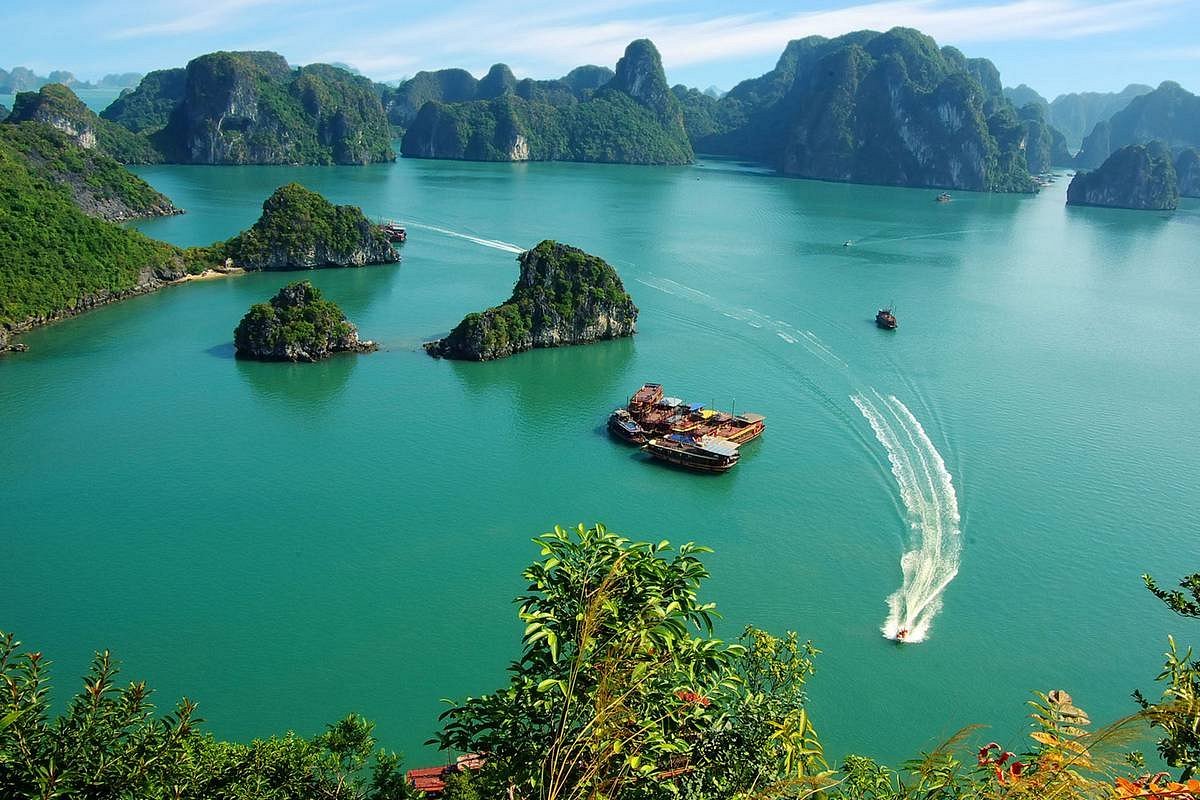
October to December offers the most reliable cruise conditions on Ha Long Bay — clear visibility, calm seas, and the crisp breezes that make spending time on the deck genuinely pleasant rather than just a sweaty photo opportunity. February to April is the other reliable window.
July and August are the riskiest months for Ha Long cruises. Tropical depressions develop quickly in the Gulf of Tonkin during this period, and cruise operators regularly suspend overnight departures at short notice. If your Vietnam itinerary is built around a Ha Long Bay cruise and you’re traveling in peak summer, have a contingency plan ready.
💡 Local Insight Tip: If you want to see Sapa’s terraced rice fields in their bright, electric green state, visit in July or August. If you want to see them completely golden and ready for harvest, target mid-September to early October — the window is narrow, roughly 3–4 weeks, and it books out fast.
🏖️ Best Time to Visit Central Vietnam
Central Vietnam operates on a calendar that regularly confuses travelers who assume the whole country shares the same monsoon logic. The short version: when the north and south are in their wet seasons, the central coast is often sunny. And when the rest of Vietnam is enjoying dry weather, this narrow coastal strip gets hit by its own storm season.
Da Nang
February to July is the prime window for Da Nang’s beaches. The city’s famous stretches — My Khe Beach and the longer sweep of Non Nuoc Beach — are at their cleanest and calmest during these months, with ocean temperatures warm enough for comfortable swimming from March onward. Water visibility is at its best from April to June — a good time for snorkeling day trips to the Cham Islands.
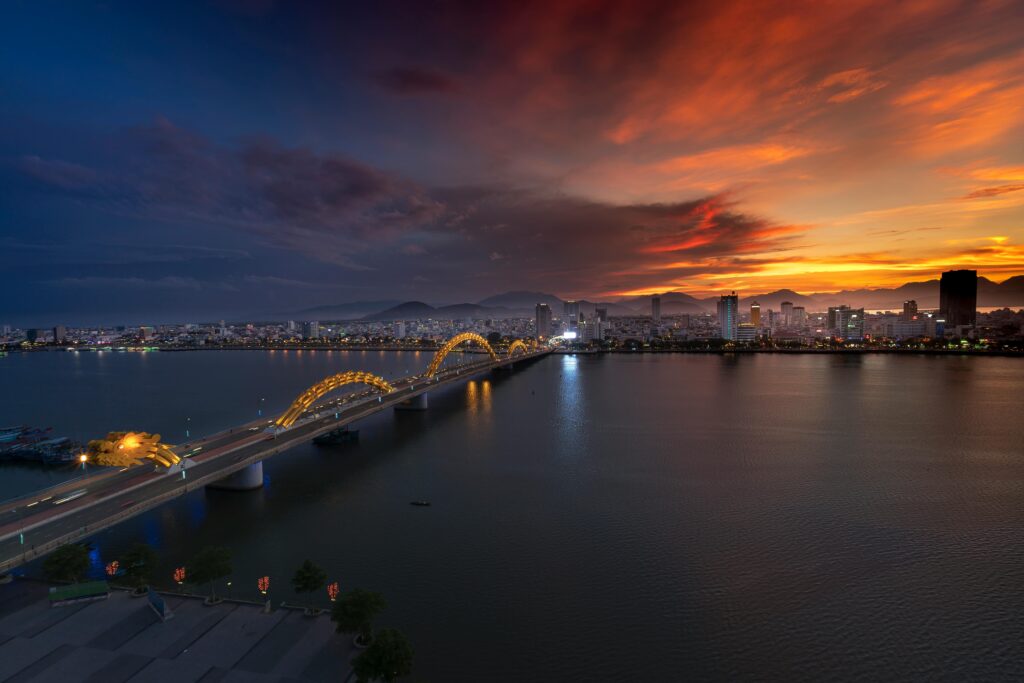
August marks a gradual turn. Seas get rougher, and the first hints of the coming storm season appear in the form of occasional heavy squalls. The Da Nang travel guide on Xplore Heaven covers the city’s beach geography and seasonal coastal conditions in more detail.
Hoi An
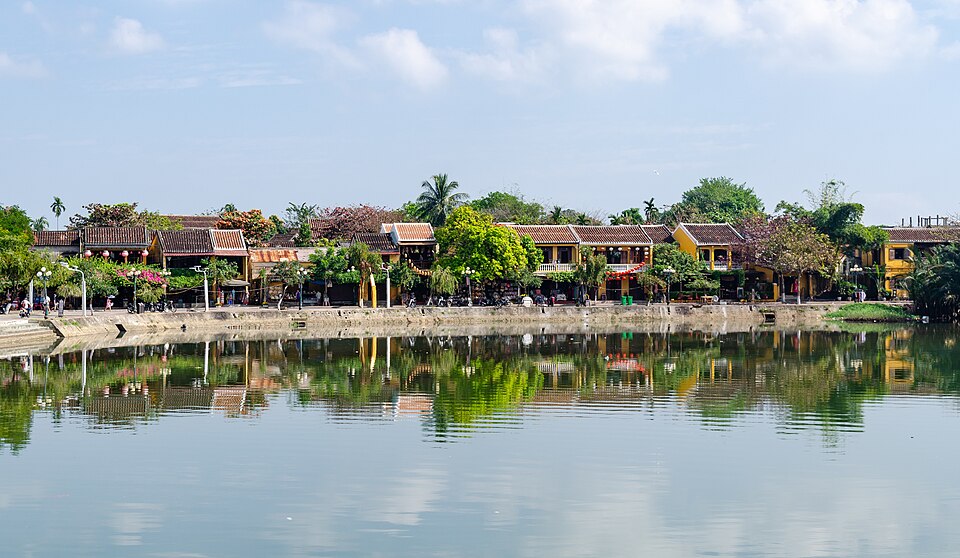
March and April are the optimal months to explore this remarkable living heritage site. The walking streets of the UNESCO World Heritage-listed Old Town are dry, the light in the mornings is golden and soft, and temperatures are warm without the oppressive humidity that descends in June and July.
Hoi An in late October and November is frequently flooded — not dramatically, but enough that walking the old quarter involves wading through ankle-to-knee-deep water in the lower streets. Some travelers find this atmospheric; others find it inconvenient. Know before you book.
Hue
Vietnam’s former imperial capital is famously one of the wettest cities in the country. The Hue Citadel, the Thien Mu Pagoda, and the royal tombs along the Perfume River are genuinely extraordinary historical sites — but they’re most enjoyable in the March to April window, when the city gets a brief dry spell before the summer heat builds. Plan accordingly, and give Hue at least two full days.
Typhoon Season in Central Vietnam
The September to November typhoon window on the central coast deserves a realistic assessment rather than panic. Most storms that form in the South China Sea don’t make direct landfall — they track parallel to the coast or weaken before arrival. That said, October and November see the highest typhoon frequency affecting Da Nang, Hoi An, Hue, and Nha Trang.
If you’re traveling in this window, here’s the practical approach: monitor the Vietnam National Centre for Hydro-Meteorological Forecasting in the week before your trip. Book refundable accommodations where possible. Build a 1-day buffer into your itinerary. And keep in mind that even during typhoon season, storms typically pass within 24–48 hours — long enough to disrupt plans but rarely long enough to ruin an entire trip.
🌆 Best Time to Visit South Vietnam
The south is Vietnam’s most forgiving region from a weather perspective. The temperature barely moves year-round, the wet season is predictable rather than punishing, and even the monsoon doesn’t significantly dampen a well-planned trip.
Ho Chi Minh City
December to March is the ideal window for exploring HCMC properly. Temperatures sit at 28–32°C, humidity is lower than in the wet months, and the city’s outdoor experiences — the War Remnants Museum, the alleyways of District 1, the street food corridors of Ben Thanh Market — are all most enjoyable in the dry, clear conditions.
The wet season (May to October) doesn’t make HCMC unworkable. Rains typically arrive in the afternoon, last an hour or two, and clear to a warm, washed evening. The city’s indoor food hall culture actually thrives in the rain.
Mekong Delta
The Mekong Delta offers two distinctly different experiences depending on season. The high-water season (September to November), when the Mekong swells from upstream rainfall, fills the floating markets and river channels to their most visually dramatic — boat tours during this period show the delta at its broadest and most alive. The dry spring season (January to March) makes for much easier bicycling through fruit orchards and village paths, with the river running lower and more manageable.
Phu Quoc
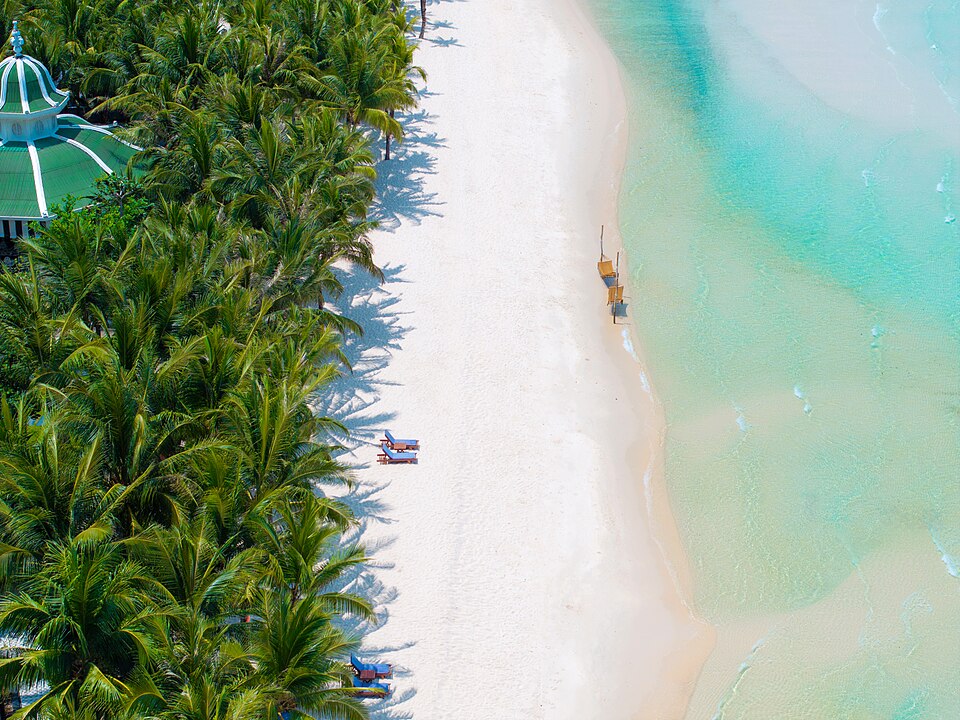
Vietnam’s largest island runs on a simple rule: November to April is peak season, and for good reason. The water is clear, the beaches are calm, and resort conditions are exceptional. February and March hit the sweet spot of excellent weather without the Christmas and New Year crowd premiums.
July to September is when the southwestern monsoon hammers Phu Quoc hardest. Rough seas frequently suspend boat transfers to smaller surrounding islands, and the beach conditions deteriorate significantly. This is not the time for a beach holiday here — save the island for the dry season.
🎒 Best Time to Visit Vietnam for Different Travel Styles
Honeymoon
March/April and October/November are the two best honeymoon windows for the same reason they work for general travel: near-nationwide pleasant conditions with no extreme heat, no serious flood risk, and good options across all three regions. A north-to-south route during either window — combining the romantic heritage atmosphere of Hoi An with the luxury beach resort scene at Phu Quoc — is reliably popular with the couples we plan trips for at Astamb Holidays.
Backpacking
May to September is backpacker season in Vietnam. Flights and hostels are cheaper, the social scene in backpacker hubs like Hanoi’s Old Quarter, Da Nang, and HCMC’s Pham Ngu Lao Street is more vibrant, and you’ll encounter a higher density of fellow travelers in the guesthouses and cafés. The rain is manageable if you’re flexible — and the cost savings are real.
Family Travel
Indian school holidays tend to fall in May/June and mid-December. May/June works well for families in the central coast — Da Nang in particular, with its kid-friendly beaches, Ba Na Hills cable car, and indoor amusements. December is excellent for the south (HCMC, Mekong, Phu Quoc) but requires very early booking and a higher budget.
For heat management with children: start outdoor sightseeing by 8am, take a midday break from 12–3pm, and resume in the late afternoon. A good insulated water bottle and sunscreen with SPF 50+ are essentials.
Trekking
Sapa and Ha Giang trekking is best in October/November (for the harvest landscapes and autumn light) or March/April (for blooming flora and firm, dry trails). Both highland areas can be cold at night in their best trekking seasons — pack accordingly.
Beaches
For beach travel specifically, season and location matter more than anywhere else in Vietnam. Da Nang and Nha Trang are excellent from March through June. Phu Quoc delivers its best from November through April. Mui Ne is ideal from November to March and doubles as a world-class kite-surfing destination from November to February when offshore winds are reliable.
Photography
The two best photography windows in Vietnam are October (for the golden rice harvest in Sapa, Mu Cang Chai, and Hoang Su Phi) and December/January (for misty, atmospheric mountain conditions in the north and golden light at the coastal heritage towns). Autumn in Hanoi — particularly around Hoan Kiem Lake in September and October — also offers some of the most photogenic urban scenes in Southeast Asia.
Food Tourism
Vietnam’s street food culture is legendary year-round, and this is honestly one category where season barely matters. A bowl of Pho at a pavement stall in Hanoi tastes slightly better on a cool October morning than in August’s humidity, but the cooking quality and variety are consistent. What changes seasonally is the produce — Hoi An is particularly notable for its market ingredients, which shift with the seasons. The rainy season, counterintuitively, is perfect for Vietnam’s covered market and indoor food hall culture. Pull up a plastic stool under a tarpaulin in Cho Ben Thanh during an HCMC afternoon shower, and order three different things. That’s the experience.
💸 Cheapest Time to Visit Vietnam
For Indian travelers on a budget, Vietnam’s low season represents one of the best value propositions in all of Southeast Asia. The key is understanding that “low season” doesn’t mean “bad season” — it means “season with less competition for your spot.”
Budget Months
May, June, and September consistently offer the lowest prices across flights, accommodation, and tours. In my experience booking Vietnam packages from Mumbai, a September departure can cut the total trip cost by 30–40% compared to December or January for the same itinerary.
Rainy Season Discounts
Premium boutique hotels in Da Nang, Hanoi, and Hoi An reduce their rack rates by 40–50% during the low season. A beachfront property in Da Nang that costs ₹7,000–₹9,000 per night in peak December drops to ₹3,500–₹5,000 in May or June. The beach is slightly less crowded too, which is its own kind of luxury.
Flight Pricing Trends
When our travelers fly out of Mumbai, Delhi, or Bengaluru, we consistently advise booking 3 to 4 months in advance during the off-season. Last-minute bookings during low season don’t automatically mean cheap fares — airlines read demand signals, and if you wait, prices creep back up. Book ahead, fly off-peak, and save up to ₹15,000 per person on round-trip fares compared to peak season travel.
| Travel Expense Item | Peak Season (Dec–Feb) | Low Season (May–Sep) | Potential Savings |
|---|---|---|---|
| Round-trip Flight (from Delhi/Mumbai) | ₹32,000 – ₹45,000 | ₹18,000 – ₹26,000 | Save up to 45% |
| Boutique Hotel (per night) | ₹4,500 – ₹8,000 | ₹2,500 – ₹4,500 | Save up to 50% |
| Daily Food & Sightseeing | ₹2,000 – ₹3,000 | ₹1,500 – ₹2,500 | Save up to 20% |
📊 Vietnam Weather vs Crowd Levels: What Most Travelers Ignore
One of the most common planning mistakes I see Indian travelers make is optimizing purely for “perfect dry weather” — and then arriving to find every guesthouse booked, every attraction ticketed out, and every restaurant running a 45-minute wait. December and January in Hoi An and Phu Quoc are textbook examples: near-perfect weather, near-impossible crowds and prices.
The smarter approach is the shoulder season calculation. March, April, October, and November give you 80–90% of the weather quality of peak season with significantly lower crowd density and noticeably better pricing. For travelers planning from Indian cities, these months also dodge the Diwali and Christmas holiday flight premium.
| Month | Weather Score (1–10) | Crowd Level (1–10) | Value Score (1–10) | Overall Verdict |
|---|---|---|---|---|
| January | 8 | 8 | 4 | Peak season — plan early |
| February | 7 | 9 (Tet) | 3 | Only for cultural immersion |
| March | 9 | 6 | 8 | Best overall month |
| April | 9 | 6 | 7 | Excellent across regions |
| May | 6 | 3 | 9 | Best value, some rain |
| June | 6 | 5 | 8 | Central coast shines |
| July | 6 | 8 | 5 | Hot; best for central beaches |
| August | 5 | 7 | 5 | Typhoon risk begins |
| September | 7 | 2 | 10 | Best value month |
| October | 7 | 5 | 8 | Golden north; avoid central |
| November | 8 | 6 | 7 | Dry season returns south |
| December | 8 | 9 | 3 | Peak crowds and prices |
🗺️ Best Vietnam Itineraries by Season
Before planning any Vietnam route, check out the best places to visit in Vietnam and the comprehensive Vietnam itinerary guide on Xplore Heaven for deeper regional breakdowns.
7-Day Vietnam Itinerary (Best for Dry Season)
Designed for first-timers targeting one or two focused regions.
Option A — Northern Loop (Best: October to April)
- Day 1–2: Hanoi — Old Quarter, Hoan Kiem Lake, Temple of Literature
- Day 3–4: Ha Long Bay — overnight cruise
- Day 5–6: Ninh Binh — Tam Coc boat tour, Trang An, Bich Dong Pagoda
- Day 7: Return to Hanoi, evening departure
Option B — Southern Loop (Best: November to March)
- Day 1–2: Ho Chi Minh City — War Remnants Museum, Ben Thanh Market, Cu Chi Tunnels
- Day 3–4: Mekong Delta — Can Tho floating market, river villages
- Day 5–7: Phu Quoc — beach relaxation, island snorkeling
10-Day Vietnam Itinerary (Balanced Multi-Region Route)
This is the most popular itinerary structure for Indian travelers we design packages for at Astamb Holidays. Best traveled March to April or October to November to manage the regional weather differences.
- Day 1–2: Hanoi
- Day 3–4: Ha Long Bay cruise
- Day 5: Fly Hanoi → Da Nang (1hr 10min flight)
- Day 6: Da Nang — My Khe Beach, Dragon Bridge, Marble Mountains
- Day 7–8: Hoi An — Old Town, tailors, day trip to Cham Islands (weather permitting)
- Day 9: Fly Da Nang → Ho Chi Minh City (1hr 15min)
- Day 10: HCMC — city tour, fly home
The weather management trick on this route in shoulder season: the north and central are both in their pleasant windows, and the south’s dry season is either wrapping up (April) or just starting (October/November).
2-Week Vietnam Itinerary (The North-to-South Adventure)
Designed for March or October/November. Best single multi-region itinerary for 14 days.
- Day 1–2: Hanoi
- Day 3–4: Sapa — trekking, rice terraces
- Day 5–6: Ha Long Bay — overnight cruise
- Day 7: Hanoi → fly to Da Nang
- Day 8: Hue — Imperial Citadel, Perfume River, royal tombs
- Day 9–10: Hoi An — heritage walks, cooking class, tailoring
- Day 11: Fly to Ho Chi Minh City
- Day 12: HCMC city tour + Cu Chi Tunnels
- Day 13: Mekong Delta day trip
- Day 14: Fly to Phu Quoc OR fly home from HCMC
| Itinerary | Duration | Best Season | Best Months | Regions Covered |
|---|---|---|---|---|
| Southern Loop | 7 days | Dry | Nov–Mar | South only |
| Northern Loop | 7 days | Cool-dry | Oct–Apr | North only |
| Multi-region | 10 days | Shoulder | Mar–Apr, Oct–Nov | North + Central + South |
| North-to-South | 14 days | Shoulder | Mar or Oct–Nov | All three regions |
🇮🇳 Best Time to Visit Vietnam from India
This is where I want to speak directly to the Indian traveler — because there are a few Vietnam-specific details that matter to us and rarely get covered in generic travel guides.
Flights
Direct and near-direct flight options from India to Vietnam have improved significantly. Key routes and approximate flying times:
- Mumbai → Ho Chi Minh City: VietJet Air operates this route; total journey including one stop is typically 5–6 hours
- Delhi → Hanoi: Vietnam Airlines and IndiGo operate this via connecting hubs; approximately 5.5–7 hours total
- Bengaluru → Da Nang: Connecting via Singapore or Kuala Lumpur; approximately 6–8 hours total
- Kochi and Ahmedabad: Connect via larger hubs; add 1–2 hours to the above estimates

When our travelers fly out of Mumbai or Delhi, we always advise booking at least 3 months in advance for peak season (December–February) and 6–8 weeks ahead for shoulder season travel.
| Departure City | Destination | Typical Carriers | Approx Duration | Approx Return Fare (INR) |
|---|---|---|---|---|
| Mumbai | Ho Chi Minh City | VietJet, IndiGo | 5–6 hrs | ₹20,000–₹40,000 |
| Delhi | Hanoi | Vietnam Airlines, Air Asia | 5.5–7 hrs | ₹22,000–₹42,000 |
| Bengaluru | Da Nang | Multiple (via hub) | 6–8 hrs | ₹24,000–₹44,000 |
| Chennai | Ho Chi Minh City | Multiple (via hub) | 5–7 hrs | ₹20,000–₹38,000 |
Visa
The Vietnamese e-visa (electronic visa) process is now straightforward for Indian passport holders. Applications go through the official Vietnam Immigration portal, and standard processing takes 3 working days. The e-visa is valid for 90 days (single or multiple entry), covering tourism and short business visits.
The critical timing warning: during peak Indian holiday periods — Diwali long weekends, Christmas–New Year, and Holi — visa processing times can stretch from 3 days to 7–10 working days due to volume spikes. Apply at least 2 weeks before departure during these windows. For a detailed breakdown, the Vietnam visa guide for Indians on Xplore Heaven covers the full process, fee structure, and common rejection reasons.
Budgeting in INR
Vietnam remains one of the most accessible international destinations for Indian travelers on a mid-range budget. Here’s a realistic breakdown for a 10-day trip:
- Return flights (from Mumbai/Delhi): ₹22,000 – ₹40,000 per person (depending on season and advance booking)
- Accommodation (mid-range hotels/guesthouses): ₹2,500 – ₹5,000 per night
- Daily food, transport, sightseeing: ₹1,500 – ₹2,500 per day
- Ha Long Bay overnight cruise: ₹8,000 – ₹18,000 per person (depending on category)
- Shopping and miscellaneous: ₹5,000 – ₹12,000 total
A comfortable 10-day mid-range trip from Mumbai, including flights and moderate shopping, typically falls between ₹65,000 and ₹85,000 per person. Traveling in shoulder season (March–April or October) can bring this down to ₹55,000–₹70,000 without significant compromises.
Packing for Vietnam — Indian Traveler Edition
- Light cotton or linen clothing — essential in the south and during summer in the central/north
- One fleece or windcheater — mandatory for Sapa and Hanoi winters; October–February nights in these areas are genuinely cold
- Good walking shoes — Hoi An’s cobblestones and Sapa’s mountain trails both demand proper footwear
- Travel umbrella or compact poncho — for south Vietnam’s afternoon showers and central monsoon rains
- Modest clothing — one or two sets for temple and pagoda visits (covered shoulders and knees required)
- Portable power bank — Vietnamese power sockets accept standard Indian plugs (Type A, C, and G are common), but battery backup is useful for long travel days
Matching Vietnam Travel to Indian Holiday Calendars
In my experience planning these trips, Indian travelers tend to cluster around a few specific holiday windows that often don’t align perfectly with Vietnam’s best weather:
- Diwali (October–November): Actually excellent timing for North Vietnam autumn and South Vietnam dry season onset. One of the better-aligned Indian holidays for Vietnam travel
- Christmas–New Year: Perfect weather, particularly in the south — but peak pricing and peak crowds. Budget ₹15,000–₹20,000 more per person and book everything months ahead
- Holi (March): One of the best Vietnam travel windows of the year. Weather is outstanding across all three regions
- Summer holidays (May–June): Central coast beaches are excellent; north and south are rainier but very affordable
🚫 When NOT to Visit Vietnam
Rather than telling you to avoid the monsoon entirely — which would be both overstated and unhelpful — here are three specific windows where the risks genuinely outweigh the rewards for most travelers.
1. Tet Festival Week (Late January or Early February) Tet — Vietnam’s Lunar New Year — is a magnificent cultural event. But unless you’ve planned specifically for it, traveling during Tet week is genuinely difficult. Domestic transport (trains, buses, motorbike taxis) becomes overwhelmed as approximately 30 million Vietnamese travel back to their home provinces. Restaurants, shops, and many attractions close for 5 to 7 days. Hotel prices in Hanoi and HCMC spike dramatically. If you want to experience Tet itself — and it is spectacular, particularly in Hoi An — book everything at least 4–6 months in advance and accept the premium.
2. Peak Typhoon Season in Hue and Hoi An (Late September to Mid-November) This is the one window where I’d genuinely recommend reconsidering a Central Vietnam-focused itinerary. October to early November sees the highest frequency of typhoon-related disruption along the central coast. Flooding, cancelled boat tours, and closed beach stretches are common. Travelers who insist on visiting during this period should book refundable accommodation, pack waterproof bags for electronics, and have a plan B itinerary ready (the north or south offer excellent conditions at the same time).
3. Peak Summer in Hanoi and North Vietnam (June to August) Hanoi’s summer — temperatures crossing 37–38°C with high humidity and heavy afternoon downpours — is one of the more uncomfortable urban sightseeing conditions in Southeast Asia. Manageable in short doses, particularly if you’re spending your days inside museums, air-conditioned cafés, and covered markets. But if outdoor exploration is your priority, the April–May or October–November windows give you the same city with dramatically better conditions.
🏁 Final Verdict: Best Time to Visit Vietnam for Every Traveler
After years of designing Vietnam itineraries for Indian travelers at various budgets and timeframes, the patterns are clear.
For most travelers — particularly first-timers from India — March is the single best month to visit Vietnam. Weather is excellent across all three regions, prices haven’t yet hit peak levels, and the post-Tet, pre-summer window means cities and beaches are busy but not overwhelmed.
October is the best single month for the north specifically — the harvest season in the highlands combined with Hanoi’s crisp autumn atmosphere makes this a genuinely special travel window.
September is the best month for budget travelers who prioritize cost and don’t mind some regional rain limitations.
| Traveler Type | Best Months | Key Region | Budget Level |
|---|---|---|---|
| First-time visitor | March, April | All regions | Mid-range |
| Honeymooner | March, October–November | Central + South | Mid-range to luxury |
| Budget backpacker | May, September | Central coast, North | Budget |
| Beach lover | November–March (South), Mar–June (Central) | South, Central | Any |
| Trekker / Hiker | October–November, March–April | North (Sapa, Ha Giang) | Budget to mid |
| Family with kids | May–June, December | Central, South | Mid-range |
| Photographer | October (harvest), Sep–Oct (autumn) | North, Central | Any |
| Food traveler | Year-round | Any | Budget to mid |
| Cultural explorer | February (Tet, plan ahead) | North, Central | Mid-range+ |
💰 Planning Resources for Indian Travelers
Before you finalize your itinerary, these two resources on Xplore Heaven will give you the deeper planning context you need: the Vietnam budget travel guide covers INR-denominated cost breakdowns in more granular detail, and the Vietnam visa guide for Indians walks through the e-visa application step by step.
🙋♂️ Frequently Asked Questions About Visiting Vietnam
Is Vietnam worth visiting during rainy season?
Yes — with the right expectations. The south’s rainy season (May to October) delivers afternoon showers that clear quickly and rarely ruin a full day. Prices drop significantly, crowds thin out, and the landscapes turn lush green. The central coast’s rainy season (October to December) is the one window that requires more planning, particularly around typhoon risk in October and November.
Which month has the best weather in Vietnam?
March is the most consistently cited nationwide sweet spot. It falls between the tail end of the northern winter and the onset of the southern pre-monsoon, giving you dry, pleasant conditions from Hanoi to Phu Quoc. The second-best month is October — excellent for the north, acceptable for the south, though the central coast is still rainy.
Does it rain all day in Vietnam?
Almost never. The northern monsoon (May to September) and the southern wet season (May to October) both deliver rain in heavy but focused bursts — typically 1–3 hours, usually in the afternoon. The central coast is different: the October–November monsoon can deliver sustained, multi-day grey rain more like what Indian travelers experience in Mumbai or Kolkata during peak July–August. Plan indoor activities for central Vietnam in October and November.
What is the cheapest month to visit Vietnam?
September is consistently the cheapest month across flights, accommodation, and tours. May and early June are close behind. During these windows, return flights from Mumbai can be booked for as low as ₹18,000–₹22,000, and hotel rates in most cities are 35–50% below peak.
Is Vietnam crowded in December?
Yes, significantly. International travelers combine with the large Vietnamese domestic holiday movement to create peak-level crowding, particularly in Hoi An, Da Nang, Phu Quoc, and HCMC. Book accommodation and signature experiences (Ha Long Bay cruises, Hoi An cooking classes, island boat tours) at least 3–4 months in advance for December travel.
Can I combine North and South Vietnam in one trip?
Absolutely — but allow a minimum of 10 days, and ideally 12–14. The two regions are connected by a 2-hour domestic flight (Hanoi to HCMC), and fitting in Central Vietnam (Da Nang, Hoi An) in between adds one more short flight. The key is seasonal planning: target March–April or October–November when all three regions offer workable weather simultaneously.
Is July a bad time to visit Vietnam?
Not entirely. July is actually excellent for the central coast — Da Nang and Nha Trang beaches are sunny, warm, and at peak conditions. The north and south both see more rain and higher humidity in July, making it less ideal for Hanoi sightseeing or Phu Quoc beach holidays. If your July Vietnam trip centers on Da Nang or Nha Trang, you’ll be pleasantly surprised.
Which region is best in October?
North Vietnam is at its absolute finest in October. The golden rice harvest in Sapa, Mu Cang Chai, and the Ha Giang highlands is the most photographed seasonal landscape in Southeast Asia. Hanoi in October offers crisp mornings, golden afternoon light, and lower humidity than summer. Avoid the central coast in October — it’s in the thick of its rainy season.
Is Vietnam expensive during peak season?
Relative to other international destinations, Vietnam in peak season is still excellent value for Indian travelers. A mid-range trip in December costs roughly ₹8,000–₹12,000 per person per day (including flights amortized over the trip) — less than comparable trips to Thailand, Bali, or most European destinations at similar quality levels. The cost spike in peak season is real, but it’s a shift from “very affordable” to “affordable,” not from “affordable” to “expensive.”
How many days are enough for Vietnam?
10 days is the ideal minimum for first-time visitors covering two major regions (typically North + Central or Central + South). 14 days lets you comfortably cover the full north-to-south experience without rushing. Travelers with only a week should focus on a single region — the Northern Loop or the Southern Loop — rather than attempting to cross the entire country.
For more destination-specific planning, explore the Hanoi travel guide and the Da Nang travel guide on Xplore Heaven.
Ready to plan beyond Vietnam? Explore more Southeast Asia travel from India for destination comparisons, regional flight guides, and country-by-country budget breakdowns built specifically for Indian travelers.
About the Author
Wahid Ali is a seasoned travel professional and Operations Lead at Astamb Holidays, Mumbai. With extensive experience in crafting travel experiences and destination insights, Wahid combines practical travel logistics expertise with engaging storytelling to help travelers explore hidden gems across India and beyond. His work blends expert travel planning with a passion for culturally rich and nature-oriented destinations.
Connect with Wahid Ali on LinkedIn | xploreheaven.com
References & Sources
The climate and travel data presented in this guide are gathered from official meteorological records, local destination management authorities, and real-world travel logistics experience.
- Vietnam National Tourism Administration — Official Destination Guide https://vietnam.travel/
- Vietnam Airlines — Seasonal Travel & Weather Information https://www.vietnamairlines.com/
- National Centre for Hydro-Meteorological Forecasting (Vietnam) https://www.nchmf.gov.vn/
- Intrepid Travel — Vietnam Travel Guide & Seasonal Advice https://www.intrepidtravel.com/en/vietnam
- Audley Travel — Vietnam Climate & When to Go https://www.audleytravel.com/vietnam/when-to-go
- Exo Travel — Vietnam Regional Weather Patterns https://www.exotravel.com/destination/vietnam/
- Vinpearl — Vietnam Travel Guide https://vinpearl.com/en/vietnam-travel-guide
- MakeMyTrip — Vietnam Travel Packages & Seasonal Insights https://www.makemytrip.com/holidays-international/vietnam-travel-packages.html
- Oxalis Adventure — Ha Long Bay and Northern Vietnam Trekking https://www.oxalisadventure.com/
- SOTC Travel — Vietnam Tour Packages for Indian Travelers https://www.sotc.in/international-holiday-packages/vietnam.html
- JustWravel — Vietnam Budget Travel for Indians https://justwravel.com/
- TrekPanda — Sapa Trekking & Seasonal Guide https://trekpanda.in/
- UNESCO World Heritage Centre — Hoi An Ancient Town https://whc.unesco.org/en/list/948/
- Lonely Planet — Vietnam Complete Travel Guide https://www.lonelyplanet.com/vietnam