If you’ve been putting off a Sikkim tour because you weren’t sure where to start, this guide will change that. Sikkim isn’t just another hill station — it’s one of the most logistically distinct, culturally layered, and visually dramatic destinations in the entire Indian subcontract. But it also comes with entry permits, altitude risks, and route planning that can trip up first-timers. I’ve spent years managing Northeast India itineraries from our operations desk at Astamb Holidays in Mumbai, and what I’ve found is that travelers who do their homework before arriving have a completely different experience from those who wing it.
This guide covers everything — the best places to visit, realistic budgets in INR, seasonal windows, permit requirements updated for 2026, and a few corners of Sikkim that most group tours will never show you.
🏔️ Why a Sikkim Tour Is Different From Other Himalayan Trips
Sikkim sits at a geographic and political crossroads that no other Indian hill destination can match. The state shares borders with Tibet (China) to the north and east, Nepal to the west, and Bhutan to the southeast. This proximity to three international boundaries means the Indian government controls tourist access through a mandatory permit system — the Inner Line Permit (ILP) and Protected Area Permit (PAP) — which fundamentally shapes how you plan your itinerary.
Compare this to Himachal Pradesh or Uttarakhand, where you can drive anywhere, book hotels on arrival, and improvise your route. In Sikkim, especially in North Sikkim and parts of East Sikkim, your vehicle, your guide, and your permit all need to be pre-arranged through a Gangtok-registered agency. That’s not a drawback — it’s actually what keeps these areas cleaner, less crowded, and more ecologically intact than most Himalayan zones.
Sikkim Tourism has deliberately adopted a controlled-access model. There are no budget airline flights directly into Sikkim, no expressways cutting through fragile zones, and no mass-market hotel chains along the Yumthang corridor. The state’s approach has earned it recognition as India’s first fully organic state. For travelers increasingly moving away from the noise of Shimla, Manali, or Mussoorie — all of which now resemble overcrowded weekend getaways — Sikkim offers a rare contrast.
The Tibeto-Buddhist cultural influence is visible everywhere: in the prayer flags strung across mountain passes, in the centuries-old monasteries overlooking river valleys, and in the cuisine. This isn’t branding — it’s an authentic reflection of the Lepcha, Bhutia, and Nepali communities who have lived here across generations. When I plan itineraries for travelers at Astamb Holidays, the first thing I tell them is: Sikkim requires patience, preparation, and a willingness to slow down. Those who do walk away with some of the most meaningful travel experiences of their lives.
📍 Best Places for Your Sikkim Tour
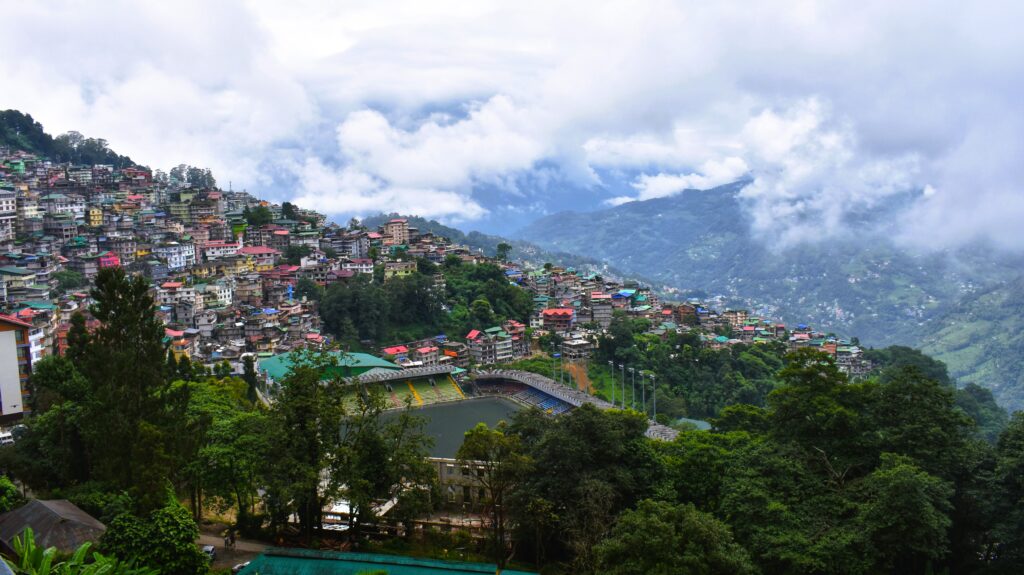
Gangtok — The Basecamp
Altitude: 5,410 feet (1,650 metres) Recommended Stay: 2–3 nights Crowd Density: High (8/10) How to Reach: Shared taxis from New Jalpaiguri (NJP) take approximately 4.5–5 hours and cost around ₹250–₹350 per seat. Private cabs from NJP run ₹2,500–₹3,500.
Every Sikkim itinerary begins in Gangtok, the state capital and your operational hub for permits. It’s where you register for North and East Sikkim permits, arrange your Sikkim-registered vehicles, and get acclimatized before heading to higher altitudes.
Beyond logistics, Gangtok has genuine character. The MG Marg pedestrian zone is where local life happens in the evenings. Rumtek Monastery, about 24 km from the city center, is one of the most significant Kagyu Buddhist monasteries outside Tibet. Enchey Monastery on the hilltop above the city is a quieter, less-visited alternative with better mountain views at sunrise.
The Namgyal Institute of Tibetology is undervisited for a place of its scholarly importance. It houses one of the largest collections of Tibetan manuscripts and Buddhist artifacts outside Lhasa.
💡 Local Insight Tip by Wahid Ali: Don’t try to rush Gangtok in a single day. Spend your first evening on MG Marg and your second morning at Enchey Monastery before the day-trippers arrive. Gangtok is also where you must confirm your vehicle bookings and permit status for onward travel — ideally the night before departure.
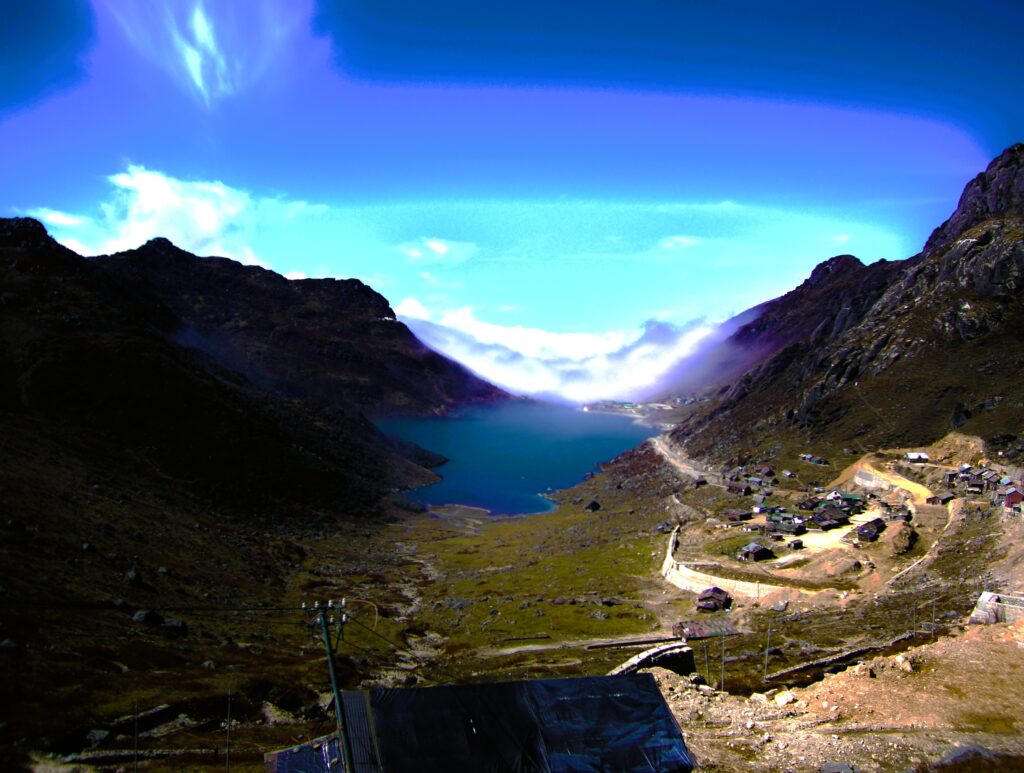
Tsomgo Lake (Changu Lake) — The Sacred Glacier Mirror
Altitude: 12,313 feet (3,753 metres) Recommended Stay: Day trip from Gangtok Crowd Density: Very High (9/10) How to Reach: Private vehicles from Gangtok cover the 40 km distance in approximately 1.5 hours. Only Sikkim-registered vehicles are permitted on this route. Costs around ₹1,200–₹1,800 per vehicle as a day trip.
Tsomgo Lake is a glacial lake that sits along the Gangtok–Nathula road in East Sikkim. The name means “source of the lake” in the Bhutia language. It changes character dramatically by season — frozen in winter, covered in rhododendrons in spring, and often shrouded in mist during monsoon. The best clarity and crowds come in October–November.
This is one of the most visited spots in all of Sikkim, which means early arrival is essential. Most tour vehicles converge between 10 AM and 2 PM. If you arrive by 8 AM, you’ll often have the lake almost to yourself.
💡 Local Insight Tip by Wahid Ali: The temperature at Tsomgo can drop 15–20°C compared to Gangtok even in summer. Always carry a warm layer, regardless of how warm the city feels. Tourists who arrive in summer clothing regularly get caught off-guard by the wind chill at this altitude.
Nathula Pass — The Frontier
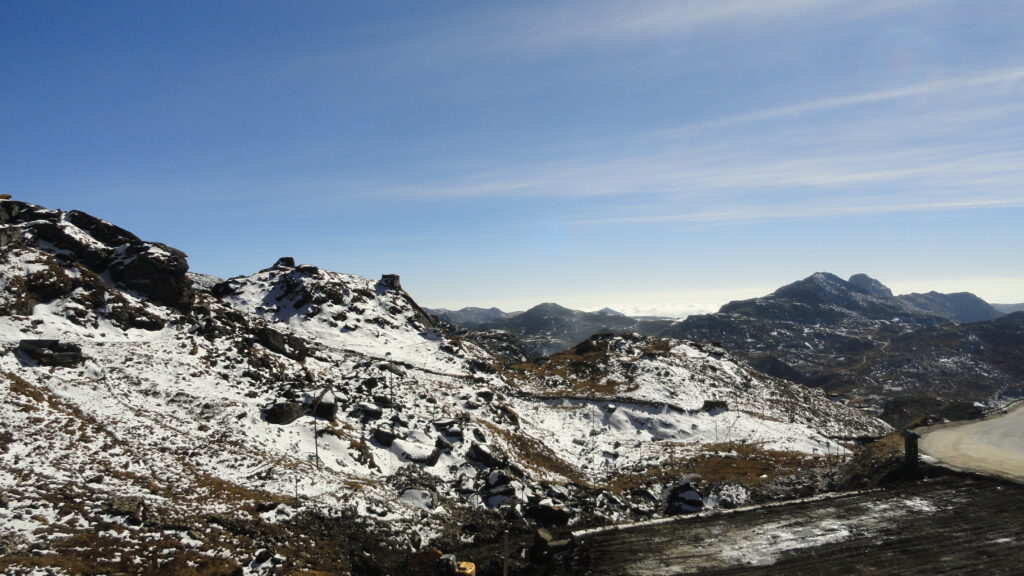
Altitude: 14,140 feet (4,310 metres) Recommended Stay: Half-day add-on from Tsomgo trip Crowd Density: High (7/10, due to restricted entry quota) How to Reach: 56 km from Gangtok via the Tsomgo route. Entry is only through pre-approved Nathula Day Permits, available through registered agencies. The pass is closed on Mondays and Tuesdays.
Nathula Pass marks the India–China border. It was part of the ancient Silk Route and only reopened for limited trade and tourism in 2006. You’ll see Indian Army border posts, Chinese military structures on the other side, and — if weather is clear — a spectacular ridge-line panorama.
Altitude sickness is a real concern at Nathula. The drive from Tsomgo to the pass covers a significant elevation gain in under an hour. Spend at least 30 minutes at Tsomgo first to acclimatize before heading up.
💡 Local Insight Tip by Wahid Ali: Nathula permits are issued on a daily quota basis and sell out fast during peak season. Book at least 2–3 days in advance through your Gangtok agency, especially between October and December.
Yumthang Valley — The Meadow of Flowers
Altitude: 11,800 feet (3,564 metres) Recommended Stay: Day trip from Lachung (after overnight stay) Crowd Density: Moderate to High (7/10, seasonal) How to Reach: 148 km from Gangtok via Lachung. The journey takes 6–7 hours and requires a North Sikkim Protected Area Permit. Sikkim-registered vehicles mandatory.
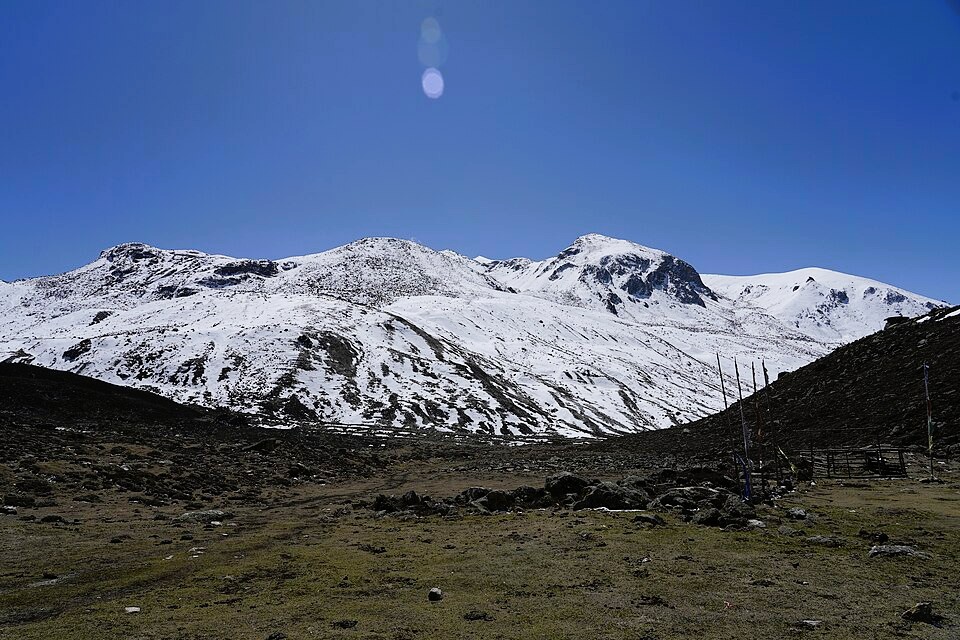
From February to May, Yumthang Valley is covered in rhododendrons — a mass bloom of red, pink, yellow, and white across the entire hillside. It’s one of the most spectacular natural displays in the Indian Himalayas. Outside the bloom season, the valley is still striking: a wide open alpine meadow with the Teesta River running through it, framed by high-altitude ridgelines.
The zero point — another 25 km beyond Yumthang at approximately 15,300 feet — offers year-round snow and is accessible as a short add-on through additional permits and a jeep upgrade.
💡 Local Insight Tip by Wahid Ali: The Yumthang–Zero Point combination is a full-day drive with high elevation changes. If anyone in your group has had respiratory issues, heart conditions, or hasn’t acclimatized properly in Gangtok, skip Zero Point. It’s not worth the medical risk.
Gurudongmar Lake — The High-Altitude Oasis
Altitude: 17,100 feet (5,183 metres) Recommended Stay: Day trip from Lachen Crowd Density: Low to Moderate (4/10) How to Reach: 190 km from Gangtok, with overnight at Lachen (approximately 8,838 feet). The final stretch from Lachen to the lake takes 3–4 hours over rough terrain. Requires North Sikkim PAP.
Gurudongmar Lake is one of the highest lakes in the world and one of the most remote accessible destinations in the Indian Himalayan circuit. Sacred to both Sikhs and Buddhists, the lake is considered holy — Guru Nanak Dev Ji is believed to have blessed it during his travels. Part of the lake reportedly remains unfrozen even in peak winter, which locals attribute to the blessing.
The altitude here is unforgiving. At over 17,000 feet, acute mountain sickness (AMS) is a genuine risk, especially for travelers who haven’t spent adequate time acclimatizing in Gangtok or Lachen. This is not an exaggeration.
💡 Local Insight Tip by Wahid Ali: During my planning sessions at Astamb Holidays, Gurudongmar is the one destination where I always flag medical fitness as non-negotiable. Carry portable oxygen cylinders (available for hire in Lachen), stay well-hydrated the night before, avoid alcohol entirely, and do not rush the drive back down if anyone feels unwell.
Ravangla — The Buddha Park and Mountains
Altitude: 7,028 feet (2,142 metres) Recommended Stay: 1 night Crowd Density: Low to Moderate (4/10) How to Reach: 65 km from Gangtok, approximately 2.5 hours by road. No special permits needed.
Ravangla in South Sikkim rarely gets the same attention as Gangtok or North Sikkim, which is precisely why it’s worth including in a longer itinerary. The centerpiece is the Buddha Park of Ravangla (Tathagata Tsal) — a beautifully maintained garden complex featuring an 87-foot Buddha statue inaugurated by the Dalai Lama in 2013.
From Ravangla, on clear winter mornings, you get unobstructed views of Kanchenjunga, Kabru, and Pandim. The town itself is quiet, unhurried, and has some excellent homestay options.
💡 Local Insight Tip by Wahid Ali: Ravangla works well as a transit stop between Gangtok and Pelling. Don’t just drive through — spend one night here. The sunrise mountain views from the Buddha Park are some of the best in South Sikkim.
Pelling — The Western Viewpoint
Altitude: 7,200 feet (2,195 metres) Recommended Stay: 1–2 nights Crowd Density: Moderate (6/10) How to Reach: 130 km from Gangtok, approximately 4–5 hours by road. No special permits needed for Pelling itself.
Pelling in West Sikkim is the main gateway to the historic Pemayangtse Monastery — one of the oldest and most important monasteries in the state, dating back to the early 18th century. The town also serves as the base for treks toward Yuksom and the Kanchenjunga National Park.
The Rimbi Rock Garden and Waterfall and the Rabdentse Ruins (the second capital of the former Kingdom of Sikkim) are both within easy distance. The Skywalk bridge near Pelling has become a popular addition in recent years — a glass-floored suspension bridge offering views over the Rimbi Valley.
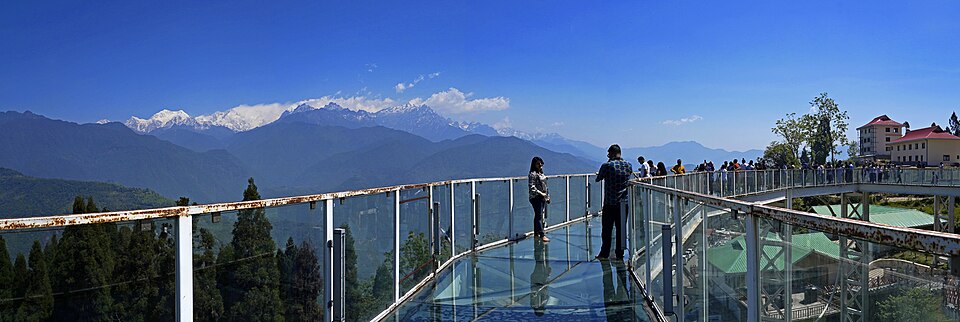
💡 Local Insight Tip by Wahid Ali: Pelling’s best mountain views happen between 5:30 AM and 7:30 AM on clear winter mornings. Ask your hotel the night before about cloud conditions — local guesthouses usually know if the next morning looks clear.
Zuluk — The Silk Route Curves
Altitude: 9,383 feet (2,860 metres) Recommended Stay: 1 night minimum Crowd Density: Very Low (2/10) How to Reach: Approximately 88 km from Gangtok via Rongli. Requires East Sikkim Inner Line Permit and a Sikkim-registered vehicle.
Zuluk sits on what was once the ancient Silk Route trade corridor connecting India to Tibet. The road from Zuluk winds through 32 consecutive hairpin bends — known locally as the Old Silk Route loops — and offers one of the most dramatic mountain drives anywhere in India.
This is genuinely offbeat. Most group tours skip Zuluk entirely because it requires a detour and an additional permit. The sunrise from Thambi View Point above Zuluk, with the Kanchenjunga range catching the first light, is one of those travel moments that photographers chase for years.
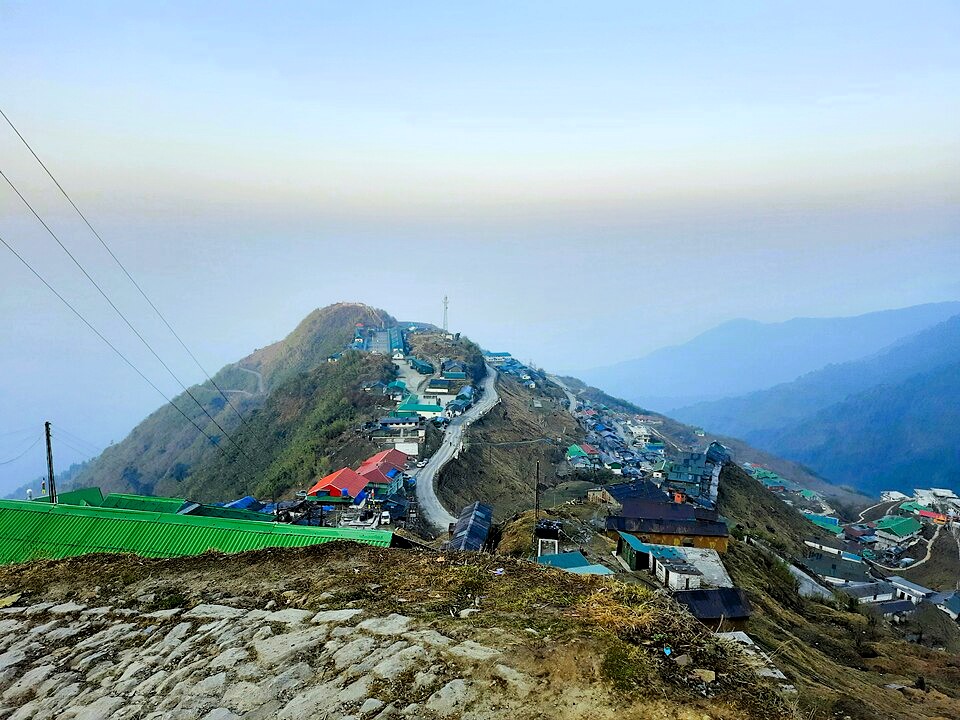
💡 Local Insight Tip by Wahid Ali: The Silk Route circuit (Zuluk–Nathang Valley–Kupup) can be added as a 2-day extension from Gangtok before heading to North Sikkim. I always recommend this route for serious travellers who want Sikkim beyond the usual circuit.
Dzongu — The Lepcha Reserve
Altitude: 4,000–8,000 feet (varies by area) Recommended Stay: 2 nights minimum Crowd Density: Very Low (1/10) How to Reach: 80 km north of Gangtok. Requires a Restricted Area Permit (RAP) specifically for Dzongu, issued only through the Sikkim Government and limited to small groups.
Dzongu is a protected reserve designated exclusively for the Lepcha community — one of the indigenous people of Sikkim. Outside travelers are permitted only with an RAP and must stay in approved Lepcha homestays. The reserve covers the banks of the Teesta River and extends into dense subtropical forest.
This is community-led tourism at its most authentic. You’re not visiting an attraction — you’re staying in someone’s home, learning about Lepcha agricultural practices, medicinal plants, and oral traditions. It’s slow, immersive, and deliberately uncommercialized.
💡 Local Insight Tip by Wahid Ali: Dzongu is not for travelers looking for comfortable hotels or Instagram highlights. It’s for travelers who want genuine cultural exchange. At Astamb Holidays, we only include Dzongu in bespoke itineraries for clients who specifically request cultural immersion experiences.
📊 Crowd Score & Altitude Matrix
| Destination | Altitude (Feet) | Crowd Density (1–10) | Best Time of Day | Recommended Stay (Nights) |
|---|---|---|---|---|
| Gangtok | 5,410 | 8 | Evening (MG Marg) | 2–3 |
| Tsomgo Lake | 12,313 | 9 | Before 9 AM | Day trip |
| Nathula Pass | 14,140 | 7 | Morning | Day trip |
| Yumthang Valley | 11,800 | 7 | 8–11 AM | Day trip |
| Gurudongmar Lake | 17,100 | 4 | Early morning | Day trip from Lachen |
| Ravangla | 7,028 | 4 | Sunrise | 1 |
| Pelling | 7,200 | 6 | Dawn | 1–2 |
| Zuluk | 9,383 | 2 | Sunrise | 1 |
| Dzongu | 4,000–8,000 | 1 | Morning | 2+ |
🌤️ Best Time for a Sikkim Tour by Season
Sikkim doesn’t follow the simple “avoid monsoon, visit summer” rule that most Indian hill destinations do. The state’s vertical range — from tropical river valleys to glacial plateaus above 17,000 feet — means each season has legitimate trade-offs.
Spring (March to May) — Bloom Season
This is Yumthang Valley’s most celebrated window. Rhododendrons peak from mid-March through April, and the Kanchenjunga National Park in West Sikkim opens. Temperatures in Gangtok sit between 10°C and 22°C, and road conditions are generally stable. North Sikkim opens progressively from March onwards as winter snow clears.
Spring is the most photogenic season in Sikkim and the second most crowded (after October). Book accommodation at least 4–6 weeks in advance.
Monsoon (June to September) — Off-Season Deals
Monsoon is when Sikkim’s roads become genuinely challenging. North Sikkim frequently sees landslides and road blockages from June to August. The route to Lachen, Lachung, and Yumthang can close for days at a time. Gurudongmar Lake is generally inaccessible in peak monsoon.
That said, South and West Sikkim remain relatively accessible. Pelling, Ravangla, and Yuksom are viable in light monsoon. Accommodation rates drop by 30–50% and availability is wide open. If budget is your priority and flexibility is an option, early June or late September can work.
Autumn (October to November) — Peak Visibility
October and November are the best months for mountain views. Post-monsoon air clarity means you’ll see Kanchenjunga from Gangtok, Pelling, and Ravangla on most mornings. The Dashain and Tihar festivals add cultural vibrancy in October. North Sikkim roads are fully open and dry.
This is peak season — expect full hotels, higher cab prices, and permit slots that go quickly. If you’re planning a Sikkim trip for the first time, autumn is the window I recommend most.
Winter (December to February) — Snow and Solitude
North Sikkim transforms completely in winter. Lachen and Lachung see heavy snowfall, and temperatures drop to -10°C to -20°C at Gurudongmar. The lake may be partially or fully frozen. Roads can remain accessible on most days with snow chains, but trips require flexibility.
Tsomgo Lake is fully frozen from January onwards and attracts weekend visitors for the snow experience. Nathula Pass remains operational when road conditions allow. Gangtok, at lower altitude, stays cool but comfortable between 4°C and 14°C.
📊 Sikkim Seasonal Planner Matrix
| Season | Temperature Range (°C) | Road Conditions | Crowd Levels | Permit Approval Probability |
|---|---|---|---|---|
| Spring (Mar–May) | 8–22 in Gangtok; -2 to 10 up north | Mostly good; some early clearance | High | High |
| Monsoon (Jun–Sep) | 15–24 in Gangtok; 5–15 up north | Unpredictable; landslide risk in North | Low | Moderate |
| Autumn (Oct–Nov) | 6–18 in Gangtok; -5 to 8 up north | Excellent | Very High | High |
| Winter (Dec–Feb) | 2–12 in Gangtok; -20 to 0 up north | Variable; chains needed | Low to Moderate | Moderate to High |
💰 Sikkim Tour Budget for Families, Couples and Solo Travelers
Sikkim is neither a budget backpacker’s paradise nor an exclusively luxury destination. The mandatory permit system and restricted vehicle access mean that certain costs — like Sikkim-registered cabs for North Sikkim — are non-negotiable regardless of budget tier. Here’s what realistic travel spending looks like in 2026 INR figures.
Backpacker Budget (Solo Travelers)
Solo travel in Sikkim is absolutely viable, but with one caveat: North Sikkim permits require a minimum group of 2 travelers in most agency packages. Many solo travelers team up with other travelers they meet in Gangtok hostels or budget guesthouses.
- Accommodation: Hostels and budget guesthouses in Gangtok run ₹500–₹900 per night. Homestays in Ravangla or Pelling can go as low as ₹600–₹800 with meals.
- Transport: Shared taxis between major towns cost ₹100–₹350 per seat on most routes.
- Meals: Local dhabas and Tibetan restaurants in Gangtok serve solid meals for ₹100–₹200 per plate.
Mid-Range Budget (Couples & Small Families)
This is the most common travel profile at Astamb Holidays. Couples and families of 3–4 typically share a private vehicle for North Sikkim and stay in 2–3 star hotels or quality homestays.
- Private cab for the full North Sikkim circuit: ₹8,000–₹12,000 for 3 days.
- Mid-range hotels: ₹1,500–₹3,000 per room per night in Gangtok; ₹1,000–₹2,000 in smaller towns.
- Restaurant meals: ₹300–₹600 per person per meal at decent sit-down places.
Luxury Budget (Premium Custom Tours)
Luxury tourism in Sikkim is growing, particularly around curated experiences — private monastery access, birdwatching in Dzongu, and high-altitude treks with dedicated guides.
- Premium hotels: ₹5,000–₹15,000 per night for the best properties in Gangtok; the Elgin Nor-Khill and Mayfair Spa Resort are among the most respected.
- Private curated transfers: ₹3,500–₹5,000 per day for a dedicated vehicle with driver-guide.
- Guided specialist experiences: Cultural tours with expert local guides cost ₹2,500–₹5,000 per day.
📊 Daily Cost Breakdown (INR) per Traveler Type
| Budget Tier | Daily Cab Cost (INR) | Hotel Room (INR) | Meals per Day (INR) | Permit & Guide Fees (INR) | Est. Daily Spend (INR) |
|---|---|---|---|---|---|
| Backpacker | ₹150–350 (shared) | ₹500–900 | ₹300–500 | ₹200–400 | ₹1,150–2,150 |
| Mid-Range | ₹1,500–2,500 (shared private) | ₹1,500–3,000 | ₹700–1,200 | ₹400–800 | ₹4,100–7,500 |
| Luxury | ₹3,500–5,000 (dedicated) | ₹5,000–15,000 | ₹1,500–3,000 | ₹800–2,000 | ₹10,800–25,000 |
🗺️ Sikkim Tour Itinerary Comparison
One thing I’ve learned from years of planning Sikkim trips is that travelers almost always underestimate travel times between zones. The road from Gangtok to Lachen takes 7–8 hours on a good day. South Sikkim to West Sikkim can take 4–5 hours via mountain roads. These aren’t drives you can rush, and the fatigue accumulates.
The 4-Day Express Route (Gangtok & East Sikkim)
Target audience: Travelers with limited time, first-time visitors, short holiday windows.
- Day 1: Arrive Gangtok via NJP. Evening MG Marg, permit registration.
- Day 2: Full day Tsomgo Lake + Nathula Pass (permit required, book day before).
- Day 3: Gangtok sightseeing — Rumtek Monastery, Namgyal Institute of Tibetology, Enchey Monastery.
- Day 4: Departure day. Optional early morning drive to Hanuman Tok viewpoint before leaving.
Transit fatigue: Low. This itinerary keeps you within East Sikkim and avoids long mountain drives.
The 6-Day Classic Circuit (Gangtok, Tsomgo, Ravangla, Pelling)
Target audience: Couples, families visiting for the first time, travelers wanting cultural and scenic variety.
- Day 1–2: Gangtok (MG Marg, Rumtek, Tsomgo + Nathula).
- Day 3: Drive to Ravangla (2.5 hours). Evening Buddha Park.
- Day 4: Morning mountain views from Ravangla. Drive to Pelling (1.5 hours).
- Day 5: Pemayangtse Monastery, Rabdentse Ruins, Rimbi Waterfall, Skywalk.
- Day 6: Return to NJP for departure via Jorethang or Ravangla route.
Transit fatigue: Low to Medium. Road quality between South and West Sikkim is reasonable.
The 8-Day Complete Sikkim Loop (Gangtok, North Sikkim & Pelling)
Target audience: Adventure travelers, couples, groups of friends aged 22–40.
- Day 1–2: Gangtok (permits, sightseeing, acclimatization).
- Day 3: Drive to Lachung (7 hours).
- Day 4: Yumthang Valley + Zero Point. Return to Lachung.
- Day 5: Drive to Lachen via Gangtok (7–8 hours total transit).
- Day 6: Gurudongmar Lake day trip. Return to Lachen. Evening departure to Gangtok.
- Day 7: Gangtok to Pelling (4–5 hours). Pemayangtse evening visit.
- Day 8: Pelling sightseeing. Return to NJP.
Transit fatigue: High. Days 4–6 in particular involve long drives. I always advise clients to build in one rest morning during this segment.
The 10-Day Offbeat Exploration (Including Zuluk, Dzongu & Yuksom)
Target audience: Repeat visitors to Sikkim, cultural travelers, serious trekkers, offbeat travel seekers.
- Day 1–2: Gangtok + East Sikkim Silk Route (Zuluk, Nathang Valley).
- Day 3–4: North Sikkim (Lachung, Yumthang).
- Day 5–6: North Sikkim (Lachen, Gurudongmar).
- Day 7: Gangtok rest day.
- Day 8: Dzongu (overnight in Lepcha homestay).
- Day 9: Pelling + Yuksom (Kingdom of Sikkim’s first capital).
- Day 10: Return to NJP via Jorethang.
Transit fatigue: High, but spaced. The key is the Day 7 rest in Gangtok before heading into Dzongu.
📊 Itinerary Comparison Matrix
| Duration | Target Audience | Key Destinations | Transit Fatigue | Est. Package Price (INR) |
|---|---|---|---|---|
| 4 Days | First-timers, short breaks | Gangtok, Tsomgo, Nathula | Low | ₹12,000–18,000 per person |
| 6 Days | Couples, families | Gangtok, Ravangla, Pelling | Low–Medium | ₹18,000–28,000 per person |
| 8 Days | Adventure travelers | Gangtok, North Sikkim, Pelling | High | ₹28,000–42,000 per person |
| 10 Days | Offbeat explorers | Zuluk, Dzongu, Yuksom + full loop | High | ₹40,000–60,000 per person |
Package prices are indicative for mid-range travel; excludes flights to Bagdogra.
🛂 Sikkim Tour Permit and Transport Guide
The permit system is where most self-planned Sikkim trips go sideways. Understanding the difference between permit types — and knowing which areas trigger which requirements — saves you significant hassle on the ground.
Getting from Bagdogra (IXB) or New Jalpaiguri (NJP) to Gangtok
Most travelers arrive at Bagdogra Airport (IXB) (served by IndiGo, Air India, SpiceJet) or by train to New Jalpaiguri (NJP) Railway Station. Both points are roughly 120–130 km from Gangtok.
- Shared taxi from NJP/Bagdogra: Departs once full (usually 5–6 passengers). Cost: ₹250–₹350 per seat. Duration: 4.5–5 hours.
- Private cab from NJP: ₹2,500–₹3,500 one way. Can be arranged directly at NJP taxi stand or pre-booked through your Gangtok agency.
- Helicopter service (Bagdogra to Gangtok): Operated seasonally by Pawan Hans and private operators. Duration: 30 minutes. Cost: ₹3,000–₹5,000 per seat. Book in advance; slots fill quickly in peak season.
Shared Taxi vs. Private Taxi Options
Within Sikkim, local Sikkim-registered vehicles are mandatory for routes to North Sikkim, East Sikkim’s restricted zones, and the Tsomgo–Nathula corridor. Your personal vehicle or an outstation cab cannot enter these zones regardless of any permit you hold.
- Shared jeeps: Run on fixed routes between Gangtok and Ravangla, Pelling, Namchi, and Jorethang. Economical but schedule-dependent.
- Private reserved jeep: The standard option for North Sikkim — booked through your Gangtok agency, typically a Mahindra Bolero, Scorpio, or Xylo. This gives schedule flexibility and a dedicated vehicle.
- For the Nathula–Tsomgo circuit, day packages from Gangtok run ₹1,200–₹2,000 per vehicle (shared among passengers).
Understanding 2026 Permit Requirements (PAP & RAP)
Sikkim’s permit architecture in 2026 has two primary layers:
For domestic Indian travelers:
- Protected Area Permit (PAP): Required for North Sikkim (including Lachen, Lachung, Gurudongmar, Yumthang) and parts of East Sikkim (Nathula, Tsomgo).
- PAPs are arranged through Gangtok-registered travel agencies — you cannot obtain them independently online. Passport or Voter ID is sufficient for identity verification.
- Standard processing: Same day or next morning if submitted by evening.
For international travelers:
- The Sikkim Tourism department has implemented mandatory e-FRRO digital verification for all foreign nationals, effective from early 2026, replacing the older paper-based permit issuance system.
- International travelers must register on the official portal: sikkimtourism.gov.in and complete e-FRRO clearance before their visit.
- Citizens of Pakistan, Bangladesh, Afghanistan, China, Nepal, Bhutan, and Sri Lanka have specific additional clearance requirements via the Ministry of Home Affairs (MHA) — check updated guidelines at mha.gov.in.
Restricted Area Permit (RAP):
- Required for Dzongu and certain other sensitive border-adjacent zones.
- RAPs require prior government clearance through Sikkim’s Home Department and typically take 3–7 working days to process.
💡 Local Insight Tip by Wahid Ali: At Astamb Holidays, we coordinate permit applications from our Gangtok operations point at least 48 hours before each leg of a North Sikkim itinerary. Last-minute permit requests on weekends or during government holidays frequently fail. Build permit lead time into your planning from day one.
For a deeper breakdown of North Sikkim logistics, including vehicle regulations and specific checkpoint requirements, check out our detailed North Sikkim travel guide.
🌲 Hidden Places Most Tourists Miss During a Sikkim Tour
Most travelers leave Sikkim having seen the highlight reel — Tsomgo, Nathula, Yumthang. These are all worth visiting, but if you have an extra day or two, these lesser-known spots offer a very different kind of Sikkim experience.
Aritar — The Emerald Lake Side
Aritar (also called Aritar Lake or Lampokhari Lake) sits in East Sikkim at around 4,600 feet. It’s a small freshwater lake surrounded by bamboo groves and cardamom plantations, about 60 km from Gangtok via Rongli.
Unlike Tsomgo, this lake sees almost no tourist traffic on weekdays. A few small guesthouses along the lakeside offer simple but clean accommodation. The Aritar Monastery nearby dates back several centuries and is genuinely peaceful. For travelers looking for hidden places in Northeast India, Aritar is rarely mentioned — and that’s exactly the point.
Temi Tea Garden — Sikkim’s Only Tea Estate
Located near Temi in South Sikkim at approximately 5,400 feet, this is the only tea estate in Sikkim and one of the highest altitude tea gardens in India. The garden stretches across hillside terraces with views of the Kanchenjunga massif in clear weather.
Temi Tea is sold internationally as a premium single-origin product. The government-run guesthouse on the estate offers a unique overnight experience — waking up inside a working tea garden at altitude. This is a stopover easily combined with the Ravangla–Pelling route.
Barsey — The Rhododendron Sanctuary
Barsey Rhododendron Sanctuary lies in West Sikkim, above the town of Hilley, at elevations between 8,000 and 12,000 feet. During April, the sanctuary blooms with over 40 species of rhododendron — arguably a more immersive bloom experience than Yumthang because you’re walking through the forest rather than viewing it from a road.
The trek from Hilley to Barsey is approximately 4 km one way and can be done as a day hike. Accommodation is available at the forest rest house. This is a low-crowd, high-reward experience suited for nature-focused travelers.
Yuksom — The Historic Capital
Yuksom in West Sikkim was the first capital of the Kingdom of Sikkim, established in 1642 when three Tibetan lamas crowned the first Chogyal (king) here. The Norbugang Coronation Throne and the ancient Dubdi Monastery (one of the oldest in Sikkim) are both within walking distance.
Yuksom is also the trailhead for the Goecha La trek — one of the highest accessible treks in Sikkim, offering views of the southern face of Kanchenjunga at 16,207 feet. Even if you’re not trekking, Yuksom is worth a half-day for its extraordinary historical density in a very small, very quiet town.
💡 Expert Travel Advice from Wahid Ali
These are the practical notes I give every client before they board their flight to Bagdogra. Print them out and keep them handy.
Packing for Extreme Temperature Shifts:
- Gangtok to Gurudongmar can span a 25°C temperature difference within the same day
- Layer system: moisture-wicking base layer + fleece mid-layer + windproof outer shell
- Never pack only one jacket — bring a lightweight down jacket separate from your windproof layer
- Thermal inner wear is essential for North Sikkim in October through March
- Waterproof ankle boots or trekking shoes for North Sikkim; sandals are not useful above 10,000 feet
Acclimatization Rules for Gurudongmar Lake:
- Spend a minimum of 2 nights in Gangtok before heading north
- Do not ascend to Lachen directly on arrival day — rest first
- At Lachen (8,838 feet), avoid heavy meals and alcohol the evening before the Gurudongmar day trip
- Carry portable oxygen cylinders — available for hire in Lachen for approximately ₹400–₹600 per cylinder
- Symptoms of AMS: persistent headache, nausea, dizziness, shortness of breath at rest — descend immediately if two or more appear
- The Diamox (Acetazolamide) prescription option exists but should only be used after consulting a doctor before travel
Cash Availability:
- ATMs in Lachen and Lachung frequently run dry, especially during peak season and long weekends
- Carry sufficient cash before leaving Gangtok — ideally ₹5,000–₹8,000 in cash per person for the North Sikkim leg
- North Sikkim has almost no card acceptance at any accommodation or food stall
- The last reliable SBI or State Bank ATM is typically in Chungthang — after that, plan on cash only
Eco-Tourism Rules:
- Sikkim enforces a strict plastic water bottle ban in protected areas — carry a refillable bottle and a portable filter or purification tablets
- Littering fines are actively enforced in tourist zones
- Do not purchase or carry any item made from endangered plants or animals
- The Kanchenjunga National Park has specific no-camping zones — check with your agency before assuming campfire access
❓ Is a Sikkim Tour Worth It?
Short answer: yes — but only if you plan it properly.
Sikkim is one of the few places in India where the natural environment, cultural integrity, and permit-based access control have been maintained at a standard that most other mountain destinations have already surrendered to mass tourism. The rhododendron valleys, the Tibetan Buddhist monasteries, the border landscapes of Nathula, the deep cultural roots of the Lepcha in Dzongu — none of this exists in the same form anywhere else in the country.
But Sikkim rewards preparation. The permit system, altitude risks, mandatory Sikkim-registered vehicles, and limited ATM availability make last-minute planning genuinely risky. Travelers who arrive with confirmed permits, acclimatization time built in, and realistic road transit expectations almost universally rate Sikkim among their best travel experiences.
Whether you’re comparing options for a first Himalayan trip or revisiting the region for a deeper experience, there’s a strong case to be made for choosing Sikkim over any more commercial mountain destination. If you’re weighing your options, our Darjeeling vs Sikkim trip planning comparison lays out the differences in detail.
For families specifically, our Himalayan family travel guides cover altitude safety, age-appropriate activities, and route modifications for traveling with children or elderly relatives.
❓ Frequently Asked Questions About Sikkim Tours
Is 5 days enough for a Sikkim tour?
Five days covers Gangtok, Tsomgo, Nathula, and a day trip to either Ravangla or Pelling. North Sikkim requires a minimum of 3 additional days, so a 5-day trip should focus on East and South Sikkim for the best experience without feeling rushed.
Which month is best for Sikkim?
October and November offer the best combination of clear mountain views, dry roads, and open permits across all zones. March and April are best if rhododendron season is your priority. Both windows are excellent; the choice depends on what you want to see.
Is Sikkim expensive?
Sikkim is mid-range for Indian hill destinations. Budget travelers can manage on ₹1,500–₹2,200 per day in South and East Sikkim. North Sikkim adds permit and vehicle costs that typically push daily spend to ₹3,000–₹5,000 per person in a shared group.
Which part of Sikkim gets snowfall?
North Sikkim — particularly Lachen, Lachung, Gurudongmar, and the Zero Point area — receives significant snowfall from December through February. Tsomgo Lake in East Sikkim also freezes in January and February. Gangtok itself rarely sees heavy snowfall.
Is Sikkim safe for solo travelers?
Sikkim is one of the safest states in India for solo travelers, including women traveling alone. Crime rates are very low, the local population is generally welcoming, and the controlled tourism model limits the kind of crowd-pressure found in other hill stations. North Sikkim permits require a minimum group for permits, which can be organized through any Gangtok agency.
How much does a Sikkim tour cost?
A 4-day East Sikkim trip for one person costs approximately ₹12,000–₹18,000 including accommodation, transport, and food. An 8-day complete loop runs ₹28,000–₹42,000 per person in mid-range travel. Luxury packages can go significantly higher.
Do tourists need permits for Sikkim?
Yes. Indian citizens need a Protected Area Permit (PAP) for North Sikkim and the Tsomgo–Nathula zone, arranged through Gangtok agencies. Foreign nationals require an Inner Line Permit and, from 2026, must complete e-FRRO digital verification through sikkimtourism.gov.in before travel.
Can elderly travelers visit North Sikkim?
Elderly travelers with no serious cardiac or respiratory conditions can visit North Sikkim with appropriate precautions — adequate acclimatization time, portable oxygen on hand, and conservative scheduling. Gurudongmar Lake at 17,100 feet is medically high-risk for anyone with pre-existing conditions. A medical consultation before travel is strongly advised.
Is Darjeeling better than Sikkim?
They serve different purposes. Darjeeling is easier to access and works for shorter trips and colonial-era charm. Sikkim offers a wilder, higher-altitude, more culturally distinct experience. Both are worth visiting — our Darjeeling vs Sikkim trip planning guide gives a full side-by-side comparison.
What is the nearest airport to Sikkim?
Bagdogra Airport (IXB) in West Bengal is the primary gateway, approximately 124 km from Gangtok with a journey time of 4.5–5 hours by road. Pakyong Airport (PYG) in Sikkim itself is closer — just 35 km from Gangtok — but operates limited flights and may have seasonal suspensions. Check current schedule before booking Pakyong.
Ready to plan your Sikkim trip? Explore more destination guides, itinerary breakdowns, and seasonal travel advisories on Xplore Heaven — a Google News verified travel platform designed for Indian and international travelers. Browse our budget travel guides for India or our full collection of hidden places in Northeast India for more inspiration.
About the Author
Wahid Ali | Operations Lead, Astamb Holidays, Mumbai
Wahid is a seasoned travel professional with over a decade of experience crafting customized high-altitude itineraries across Northeast India. He combines on-ground logistics expertise with a love for sustainable, culturally rich destinations. When not managing vehicle permits or scouting new homestays in Sikkim, he shares practical travel wisdom on travel editorial platforms.
Connect on LinkedIn | xploreheaven.com
To ensure absolute planning accuracy, our editorial team cross-references live logistical updates with official administrative sources, municipal departments, and domestic transportation registries.
References & Sources
- Sikkim Tourism Official Portal — Permit applications, e-FRRO updates, and destination information: https://www.sikkimtourism.gov.in
- Government of Sikkim Official Portal — State administration, policy, and travel advisories: https://sikkim.gov.in
- Ministry of Home Affairs — PAP/RAP Guidelines — Restricted area and protected zone entry requirements: https://www.mha.gov.in
- e-FRRO Portal — Bureau of Immigration, India — Foreign national registration and permit clearances: https://indianfrro.gov.in/eservices/home.jsp
- Pawan Hans Limited — Helicopter services including Bagdogra–Gangtok sector: https://www.pawanhans.co.in
- Indian Railways — IRCTC — New Jalpaiguri (NJP) station connections and rail bookings: https://www.irctc.co.in
- Airports Authority of India — Bagdogra Airport (IXB) — Flight connectivity and operational status: https://www.aai.aero/en/airports/bagdogra
- Airports Authority of India — Pakyong Airport (PYG) — Sikkim’s regional airport: https://www.aai.aero/en/airports/pakyong
- Kanchenjunga National Park — UNESCO World Heritage Site — Park regulations and biodiversity: https://whc.unesco.org/en/list/1513
- Lonely Planet — Sikkim Destination Guide — General destination overview and traveler tips: https://www.lonelyplanet.com/india/sikkim
- National Geographic — Northeast India — Cultural and geographic documentation: https://www.nationalgeographic.com
- Barsey Rhododendron Sanctuary — West Bengal & Sikkim Forest Department — Sanctuary entry and trekking permits: https://www.sikkimforest.gov.in