Vietnam Tourism: The Ultimate 2026 Travel Guide & Itinerary
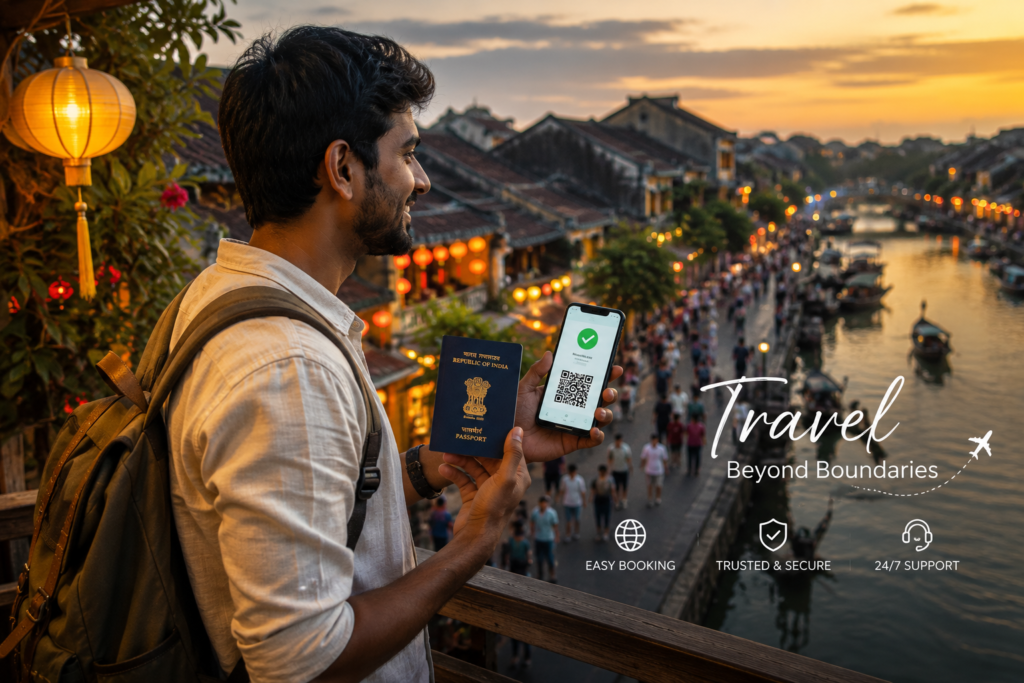
The smell hits you before the immigration officer even stamps your passport — star anise and charred pork drifting in from some roadside pho stall near the airport exit, mixed with two-stroke engine exhaust. Step outside Noi Bai or Tan Son Nhat and you’re immediately swallowed by a river of motorbikes, moving in a pattern that looks chaotic until you realize it isn’t. It flows. Vietnam tourism has become one of the defining travel stories of the decade, and 2026 is the year it truly broke records. In my experience planning tours at Astamb Holidays, I’ve watched client interest in Vietnam shift from “maybe next year” to “book it now” faster than almost any other destination we handle. The country welcomed more than 2 million international arrivals a month for four consecutive months in early 2026, and by May, cumulative arrivals had already crossed 10.6 million — the highest January-to-May figure on record. This isn’t a fluke. It’s the result of relaxed e-visa rules, an explosion of direct flights, and a generation of travelers actively looking for destinations that still feel real. This Vietnam travel guide covers everything you need before you land: entry rules, regional weather patterns, a full 14-day itinerary, street food, budgeting in INR and VND, and the practical survival hacks nobody tells you about until you’re already stranded at a bus station in Sapa. Consider this your working document — save it, screenshot the tables, and come back to it while you’re actually on the ground. 🚀 The Phenomenon of Vietnam Tourism in 2026 Something shifted in global travel patterns over the last two years. Overtourism fatigue set into destinations like Bali, Barcelona, and parts of Thailand, and travelers started actively rerouting. Vietnam absorbed a huge share of that redirected demand. The Shift Toward Experiential & Anti-Tourism Travel Travelers in 2026 aren’t chasing checklist landmarks the way they did a decade ago. They want wellness retreats in the highlands, homestays with ethnic minority families in Mai Chau, and slow mornings on a boat through limestone karsts without forty other tour groups. Vietnam fits that mood almost perfectly. It has raw, under-commercialized nature within a two-hour drive of major cities, and it hasn’t yet been fully absorbed into the mass-package-tour machine the way some neighbors have. Local Insight Tip: When our clients ask what’s driving this shift, I tell them it’s simple — Vietnam still rewards curiosity. You can wander off a main itinerary here and find something genuinely unplanned, which is rare in Southeast Asia now. Digital Infrastructure Upgrades Vietnam’s tourism authorities have also quietly modernized entry logistics. A Digital Arrival Card pilot launched at Ho Chi Minh City’s Tan Son Nhat International Airport on April 15, 2026, requiring foreign arrivals to submit a free online declaration within 72 hours before landing, generating a QR code for immigration. It expanded to Phu Quoc International Airport from June 1, 2026, and is expected to roll out to Noi Bai and Da Nang next. Combine that with the near-universal adoption of the Grab app for taxis, food delivery, and even motorbike rentals, and Vietnam has become one of the easiest countries in the region to navigate without speaking a word of Vietnamese. 🛂 Vietnam Visa Requirements: Clear 2026 Entry Guidelines This is the section I get the most WhatsApp messages about, so let’s be precise. Entry rules changed meaningfully in 2025, and the overstay penalties changed even more. The 90-Day E-Visa Vietnam’s e-visa is open to citizens of every country and is valid for 90 days, with two options: Apply only through the official portals — evisa.gov.vn or thithucdientu.gov.vn — since third-party sites often charge inflated “service fees” for the same government processing. Standard processing takes 3 to 5 working days, so apply at least a week before departure. You’ll need a passport valid for six months beyond your travel dates, a digital photo, and a scan of your passport bio page. The 45-Day Visa Exemption More than 30 nationalities — including the UK, France, Germany, Italy, Spain, Japan, South Korea, Russia, and several other European countries — can enter Vietnam completely visa-free for up to 45 days, no application required. This exemption runs through 2028 under current government resolutions. Indian passport holders are not on this exemption list and must apply for the e-visa before travel. The Phu Quoc 30-Day Exemption Here’s a policy most travelers don’t know about: anyone flying directly into Phu Quoc Island from abroad — regardless of nationality — can enter completely visa-free for up to 30 days. No fee, no application. The catch is strict: Phu Quoc must be your only stop in Vietnam. If you clear immigration at Hanoi or Ho Chi Minh City first and then fly domestically to Phu Quoc, this exemption does not apply, and standard visa rules kick in for your entire trip. Decree 282/2025: The New Overstay Penalties Once your visa or exemption is used, exit on time. Vietnam’s Decree 282/2025, effective December 15, 2025, sharply raised overstay fines, replacing the older, more forgiving Decree 144/2021. Overstay Duration Fine (VND) Approx. Fine (USD) 1–15 days 500,000 – 2,000,000 $19 – $76 16–29 days 5,000,000 – 10,000,000 $190 – $380 30–59 days 10,000,000 – 15,000,000 $380 – $570 60–89 days 15,000,000 – 20,000,000 $570 – $760 90+ days Up to 40,000,000 Up to $1,520 Overstays of 16 days or more can trigger deportation and future entry bans. Fines are paid in cash (VND only) at the immigration counter before you’re allowed to board your departing flight, so keep a small VND cash buffer for exactly this scenario, even if you’re confident about your dates. Do I need a visa for Vietnam tourism? Yes, most international travelers require a visa to enter Vietnam. Tourists can apply online for a 90-day e-visa (single or multiple-entry) for $25–$50, while citizens of 30+ visa-exempt countries can enter visa-free for up to 45 days. 🗺️ Understanding Vietnam’s Distinct Geographical Regions Vietnam stretches over 1,650 km along the South China Sea, and
Vietnam Tourism: The Ultimate 2026 Travel Guide & Itinerary Read More »