Southeast Asia Travel

Explore Southeast Asia travel guides, itineraries, places to visit, travel tips, cultural experiences, and destination insights across Thailand, Vietnam, Indonesia, Malaysia, Singapore, and neighboring countries.

Sandy shores of Kuta Beach in Bali, bustling with surfers. Enjoy beach activities during your Bali vacation.

Your Essential Bali Travel Guide: Best Time to Visit, Flights from the USA, and First-Timer Tips

Looking for the ideal time for your Balinese escape? Generally, the dry season, from April to October, is considered best for sunny weather. For fewer crowds and pleasant conditions, you might consider the shoulder months of May, June, and September. Want to explore during the wet season for potentially lower prices and a quieter atmosphere? The months from November to March could be an option, just be prepared for more rain. Keep reading for a more detailed monthly breakdown and insights to help you pinpoint your perfect travel window! Bali Travel Guide for First-Timers: Best Time to Travel, Flights from the USA I. Introduction: Discovering the “Island of the Gods” Bali, often referred to as the “Island of the Gods,” is a captivating destination that conjures images of tranquil beaches, verdant rice paddies, and a vibrant culture. For travelers making their first journey from the USA, the enchantment of this Indonesian paradise is particularly strong. This guide is specifically designed to provide first-time visitors from the United States with all the essential knowledge required to plan an unforgettable Balinese adventure, addressing common queries about the best time to travel to Bali, understanding flights to Bali, and offering a comprehensive Bali travel guide for first timers. It is important to remember that Bali is a province and an island that forms part of the Republic of Indonesia, a large archipelago in Southeast Asia. Prepare to uncover the magic that awaits on this enchanting island as we delve into every crucial aspect to ensure a smooth and enriching travel experience. Bali Travel Guide: Quick Clarity Table for First-Time Visitors Category Key Information at a Glance Reader Action/Takeaway Best Time to Visit Dry Season (Apr-Oct): Sunny, best for beaches, surfing (West coast). Shoulder (May-Jun, Sep-Oct): Pleasant, fewer crowds, good deals. Wet (Nov-Mar): Rain, lush, quieter, budget-friendly. Decide based on your priorities: Weather preference vs. budget vs. crowd levels. Check monthly breakdown for specifics. Flights from USA No Direct Flights. Expect layovers in Asian hubs (Singapore, Hong Kong, Dubai, etc.). Flight time: 20+ hours. Airlines: Singapore, Emirates, Qatar, Cathay Pacific, etc. Prepare for a long journey. Factor in layover time. Use flight comparison sites. Book in advance for better deals. Visa & Entry (US) Visa on Arrival (VOA) for tourism (30 days, extendable). Passport: 6 months validity, blank pages. Return/onward ticket needed. VOA fee approx. $35 USD. Ensure passport validity and blank pages. Budget for VOA fee. Check latest visa rules before travel. Money Matters Currency: Indonesian Rupiah (IDR). Exchange USD to IDR in Bali (authorized changers/ATMs). Cards widely accepted in tourist areas, but carry cash. Exchange currency in Bali for better rates. Have cash for smaller places and tips. Inform your bank of travel dates. Bali Basics Bali is a province of Indonesia, not a country. “Island of the Gods,” Hindu culture. Capital: Denpasar. Cultural heart: Ubud. Understand Bali’s context within Indonesia. Be aware of the unique Hindu culture and local customs. Essential Customs Dress modestly at temples (cover shoulders/knees). “Om Swastiastu” greeting. Right hand for giving/receiving. Respect offerings (Canang Sari). Be mindful of public behavior. Show respect for Balinese culture. Learn basic phrases. Be aware of temple etiquette and general customs. Getting Around Taxis (Bluebird recommended, use meter). Ride-hailing apps (Grab/Gojek) popular, but some area restrictions. Traffic can be congested. Use metered taxis or ride-hailing for transport. Be patient with traffic, especially in tourist areas. Accommodation Wide range: Hostels to luxury villas. Popular areas: Kuta (budget), Seminyak/Nusa Dua (upscale), Ubud (wellness/nature). Book in advance, especially in peak season. Choose accommodation based on budget and preference. Book ahead to secure best options and prices. Top Things to See/Do Temples: Tanah Lot, Uluwatu, Tirta Empul, Besakih. Nature: Rice terraces, waterfalls, Mount Batur. Beaches: Kuta, Seminyak, Canggu, Nusa Dua, Uluwatu. Culture: Ubud, art villages, Kecak dance. Prioritize attractions based on your interests. Plan your itinerary to cover key highlights. Health & Safety Vaccinations recommended (Hepatitis A, Typhoid). Travel insurance essential. Drink bottled/filtered water. Be cautious with food. Petty crime in tourist areas. Respect animal safety. Licensed money changers only. Consult doctor for vaccinations. Get travel insurance. Be mindful of food/water safety and general safety precautions. Packing Essentials Light, tropical clothing. Sunscreen, insect repellent, medications. Rain jacket (wet season). Pack light and for the tropical climate. Don’t forget essentials for sun protection and health. Timing Your Trip: Finding the Best Time to Visit Bali Understanding Bali’s tropical climate and tourist seasons is key to planning your visit.A. Understanding Bali’s Tropical Climate and Seasons The Dry Season, generally spanning from April to October, is often considered the ideal time for outdoor pursuits. This period is typically characterised by sunny and breezy conditions with less rainfall and lower humidity, making it perfect for beach activities and water sports. The Wet Season, which typically runs from November to March, brings occasional heavy rains and higher humidity. While rainstorms can be sudden and intense, they often pass quickly, allowing for a mix of sun and showers. The landscapes during this time are often lush and vibrant.B. Navigating Bali’s Tourist Seasons The High Season in Bali generally falls between June to August and November to December. These periods typically see larger crowds and higher prices for both flights and accommodations. This aligns with summer vacations in Europe, America, and Australia, as well as the Christmas and New Year holidays. The Shoulder Seasons, which include April to May and September to October, are often considered by many as the best time to travel. During these months, you can expect pleasant weather with fewer tourists, potentially leading to better deals on accommodations. The Low Season, from January to March, typically experiences the highest chance of rainfall. This period offers the quietest atmosphere and often the most budget-friendly prices. C. Weather Conditions and Activities by Season Dry Season (April-October): This season is ideal for beaches and sunbathing. It is also a great time for surfing, with the west coast experiencing the best swells from June to August. Hiking and exploring the inland areas are also favorable due to the sunny days and reduced humidity. Conditions are generally good for diving and snorkelling as well. Wet Season (November-March): While rain can affect water clarity for diving and snorkelling and may make some hiking trails

Your Essential Bali Travel Guide: Best Time to Visit, Flights from the USA, and First-Timer Tips Read More »

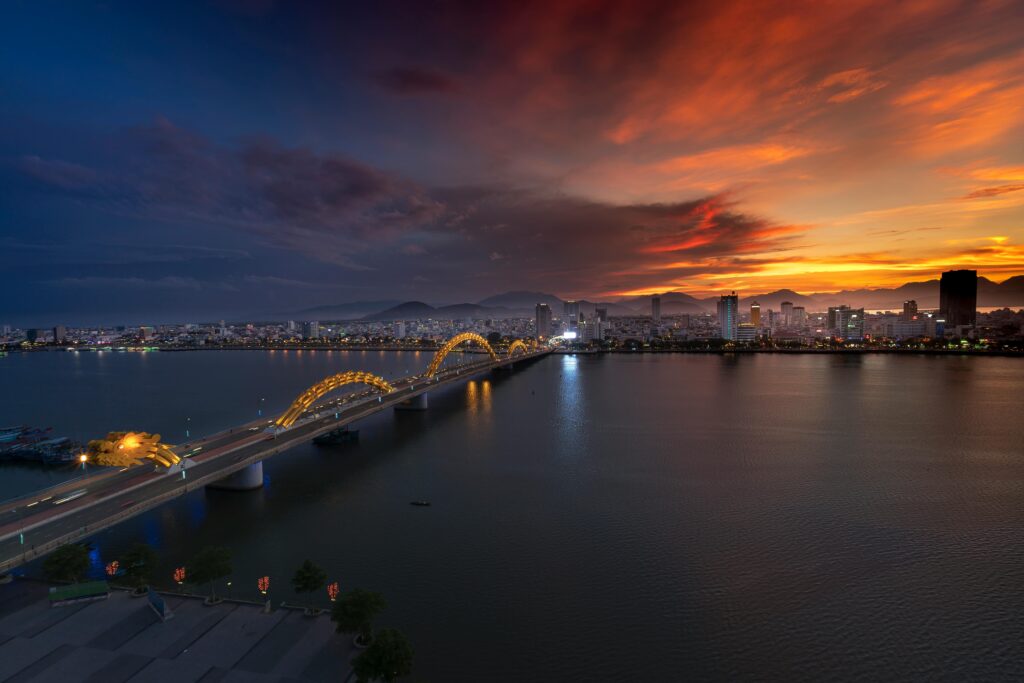
Da Nang, Vietnam city at the dawn

Da Nang: Vietnam’s Hidden Coastal Gem for Adventure Seekers and Cultural Explorers

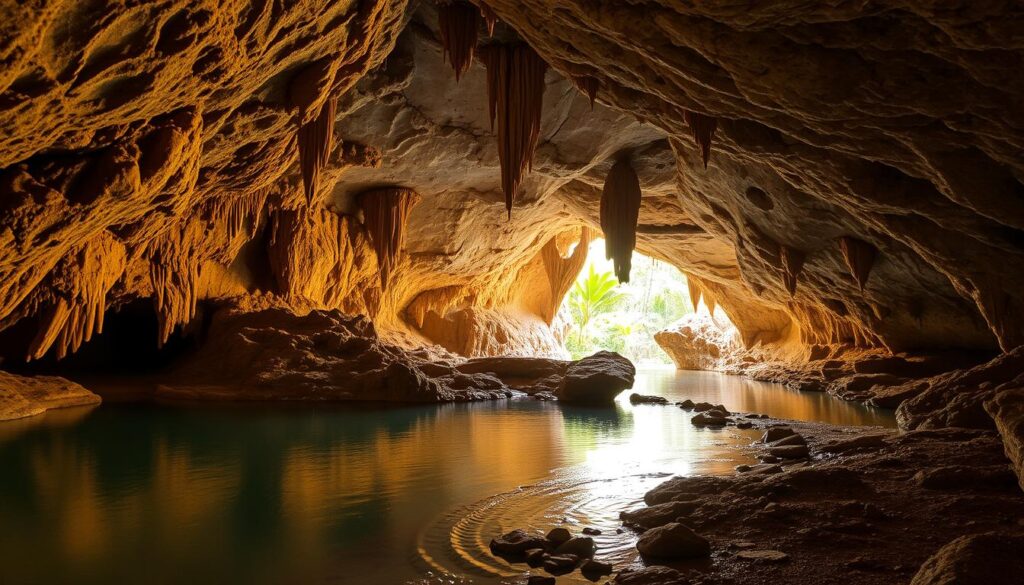
Da Nang: Vietnam’s Hidden Coastal Gem for Adventure Seekers and Cultural Explorers Let’s be real – when most people plan their Vietnam trip, they automatically think Hanoi or Ho Chi Minh City. But if you’re sleeping on Da Nang, you’re missing out on what might be Vietnam’s most perfectly balanced destination. This coastal city isn’t just another stop on the tourist trail – it’s where adventure seekers and culture hounds can get the best of both worlds without the chaos of Vietnam’s larger urban centers. Whether you’re a solo traveler looking to discover hidden gems, a family searching for kid-friendly adventures, or just someone who wants to experience authentic Vietnam without the tourist traps, Da Nang delivers in ways you might not expect. Let’s dive into what makes this coastal gem the ultimate Vietnam tourism destination you shouldn’t skip. Da Nang at a Glance: Essential Travel Information Category Information Best Time to Visit February-May (general), March-August (Ba Na Hills), November-April (Marble Mountains) Getting There International airport with connections to major Asian cities; train connections to Hanoi and Ho Chi Minh City Getting Around Walkable city center; public buses (30,000-50,000 VND); Grab/taxis; motorbike rentals (150,000-200,000 VND/day) Must-See Attractions Golden Bridge (Ba Na Hills), Dragon Bridge, Marble Mountains, Museum of Cham Sculpture Local Dishes Mi Quang (rice noodles), Da Nang-style banh mi, seafood Weather Dry season (Feb-Aug); rainy season (Sep-Jan); typhoon potential (Sep-Nov) Day Trips Hoi An (30 min), My Son Sanctuary (1.5 hrs), Hue (2 hrs) Accommodation Budget: $15-30/night; Mid-range: $30-80/night; Luxury: $80+/night Language Vietnamese; English widely spoken in tourist areas Currency Vietnamese Dong (VND); approximately 24,000 VND = 1 USD Why Da Nang Deserves Your Attention If you’re wondering why this central Vietnamese city should make your itinerary, here’s the deal: Da Nang sits at this perfect sweet spot between natural wonders and urban sophistication. It’s sandwiched between three UNESCO World Heritage Sites while boasting some of Vietnam’s cleanest beaches and most innovative modern architecture. The city has earned a reputation as one of Vietnam’s most livable cities, ranking ninth among Vietnam’s 63 provinces in the Provincial Competitiveness Index. Unlike many rapidly developing Asian cities, Da Nang has managed to maintain environmental standards that make it stand out as one of Vietnam’s most eco-conscious urban centers. What sets Da Nang apart is how it balances rapid development with environmental consciousness and traditional values. You get all the conveniences of a modern city without sacrificing authentic Vietnamese cultural experiences – and all this comes at a cost of living that remains notably lower than Ho Chi Minh City, creating excellent value for international visitors. Breathtaking Natural Wonders You Can’t Miss Let’s start with the Instagram star of Da Nang – the Golden Bridge at Ba Na Hills. This isn’t just another tourist attraction; it’s a genuine “am I really seeing this?” experience. Imagine walking across a golden pathway seemingly held aloft by gigantic stone hands that emerge from the mountainside. When morning mist rolls in, you’ll literally feel like you’re walking among the clouds. The journey to the bridge is half the adventure – you’ll take the world’s longest non-stop single track cable car, soaring above lush mountain landscapes before reaching the summit. Pro tip: visit between March and August during dry season for clear skies, and try to time your visit with sunset when the golden hour light transforms the experience into something magical. The Golden Bridge: Walking on Clouds The Mystical Marble Mountains Just a short drive from the city center, the Marble Mountains offer a completely different vibe. This cluster of five limestone hills (each named after an element: metal, wood, water, fire, and earth) rises dramatically from the coastal plain, creating a landscape that’s both physically impressive and spiritually significant. What makes these mountains truly special is what’s hidden inside – a network of caves transformed into sacred spaces over centuries. You’ll discover hidden pagodas, Buddhist sanctuaries, and ancient altars tucked into the limestone. The most impressive spot is Huyen Khong Cave, where natural light filters through openings in the cave ceiling to illuminate a serene altar space. The mountains require some physical effort to explore, and the humidity can be challenging, particularly during summer. Wear proper shoes (not flip-flops) and visit between November and April for the most comfortable experience. Early morning is ideal to avoid both the heat and crowds. Cultural Treasures That Tell Vietnam’s Story The Fascinating Cham Legacy Da Nang isn’t just about natural beauty – it’s a gateway to understanding Vietnam’s diverse cultural history, particularly through the remarkable legacy of the Cham civilization. The Museum of Cham Sculpture houses the world’s largest collection of Cham artifacts, with over 300 intricately carved sculptures and historical relics chronicling the sophisticated Champa Kingdom that flourished from the 4th to the 13th centuries. The museum itself is architecturally significant, featuring distinctive red brick walls and curved roofs inspired by traditional Cham design elements. As you wander through the exhibition halls, you’ll encounter masterpieces like the iconic Dancing Girl and the magnificent Garuda, each artifact revealing the remarkable fusion of Hindu and Buddhist influences. What’s particularly cool is that Da Nang remains home to a significant population of ethnic Cham people, whose distinctive traditions, crafts, and cultural practices continue to enrich the city’s cultural tapestry. Understanding this historical context adds tremendous depth to your travel experience. Architectural Marvels: Where Tradition Meets Innovation Da Nang’s architectural landscape is a fascinating study in contrasts. The Danang Cathedral might surprise you with its unexpected candy-pink façade. Locals call it the “Rooster Church” (Con Ga) due to the distinctive weathercock perched atop its bell tower – a perfect example of how French colonial influences have been thoroughly integrated into local cultural identity. But the real showstopper is the Dragon Bridge spanning the Han River. This engineering marvel takes inspiration from Vietnamese mythology, where dragons symbolize power, nobility, and good fortune. The bridge doesn’t merely connect the city’s east and west sides – it serves as an artistic statement that comes

Da Nang: Vietnam’s Hidden Coastal Gem for Adventure Seekers and Cultural Explorers Read More »

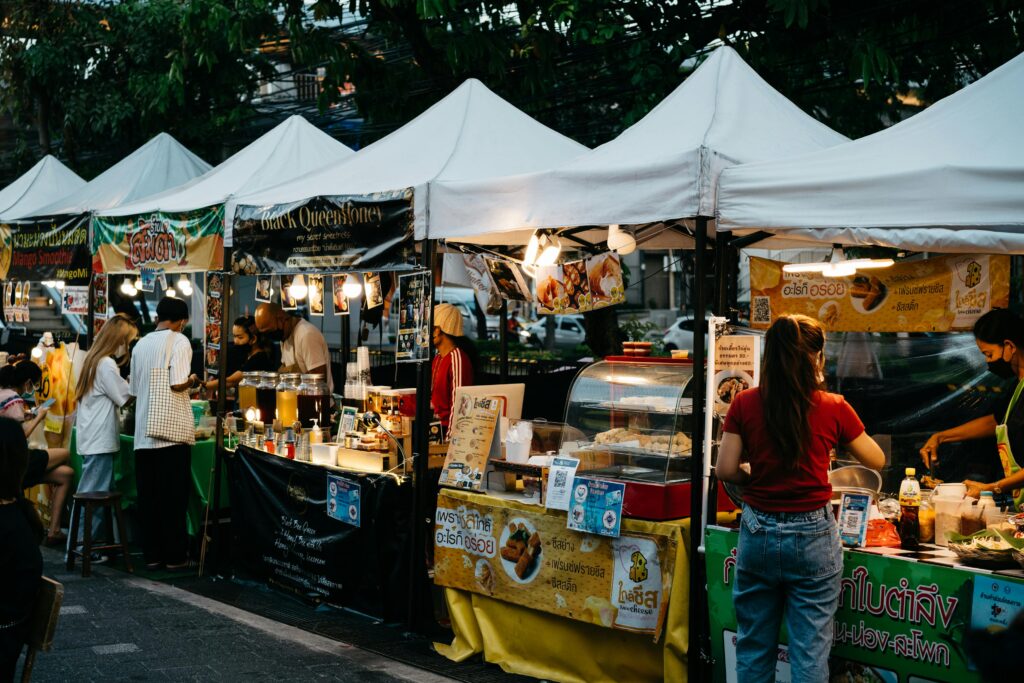
Bnagkok Street Food

Bangkok Street Food: The Ultimate Budget Foodie’s Guide to Thailand’s Culinary Capital

Ever wondered where to find the most authentic flavors of Thailand without emptying your wallet? Bangkok’s labyrinthine streets and bustling markets hold the answer. This vibrant metropolis isn’t just a feast for the eyes—it’s quite literally a paradise for your taste buds, especially if you’re traveling on a budget. The Rich History Behind Bangkok’s Street Food Culture Bangkok’s street food isn’t just convenient—it’s deeply woven into the city’s cultural fabric. Dating back to the 19th century, these mobile kitchens emerged as a practical solution to feed the growing workforce during rapid urbanization. What began as simple sustenance has evolved into a sophisticated culinary ecosystem that showcases Thailand’s incredible regional diversity. Take Pad Thai, for instance. This iconic noodle dish wasn’t always the global sensation it is today. It gained popularity during World War II as a strategic response to rice shortages, with noodles serving as an affordable alternative. Today, it stands as perhaps Thailand’s most recognizable culinary export, though locals might tell you it barely scratches the surface of what Thai cuisine has to offer. Street food in Bangkok isn’t just about filling stomachs—it’s where community happens. Markets like Khlong Toey serve as social hubs where family recipes have been preserved across generations. Meanwhile, Yaowarat Road in Chinatown has spent over a century perfecting the delicate fusion of Thai and Chinese culinary traditions, resulting in dishes that defy simple categorization. Navigating Bangkok’s Street Food Markets Like a Pro Forget the tourist traps—here’s where you’ll find the real Bangkok on a plate. Khlong Toey Market: Start Your Day with the Locals If you want to experience Bangkok at its most authentic, set your alarm early and head to Khlong Toey Market between 6-8 AM. This sprawling marketplace isn’t prettied up for tourists—it’s where actual Bangkokians shop, eat, and socialize. The sensory experience here is deliciously overwhelming: vendors shouting prices, the sizzle of hot woks, and aromas that range from fragrant to funky. Don’t miss the guay teow nuea (beef noodle soup), simmered for hours with warming spices like cinnamon and star anise. For something sweeter, the khanom krok (coconut pancakes) offer the perfect contrast of crispy exteriors and custardy centers. Pro tip: This market is at its liveliest in the early morning when restaurant chefs arrive to select the day’s ingredients. By afternoon, the energy (and selection) diminishes considerably. Wang Lang Market: Riverside Feasting on a Budget Situated near Siriraj Hospital, Wang Lang Market has become a haven for students and healthcare workers seeking affordable yet delicious meals. The boat noodles here deserve special mention—these small but mighty bowls pack intense flavor into every spoonful of their rich, aromatic broth. Don’t overlook the khanom buang—delicate crepes filled with sweet meringue and shredded coconut that offer the perfect balance of crispiness and sweetness. Getting here is half the fun: take the Chao Phraya Express Boat to Prannok Pier for stunning river views that beat sitting in Bangkok’s notorious traffic any day. Talad Rod Fai Srinakharin: Night Market Madness When the sun sets, Bangkok’s culinary scene shifts into high gear. Talad Rod Fai Srinakharin combines vintage shopping with exceptional street eats in an atmosphere that feels like a nightly festival. Between browsing retro collectibles, sample the sai krok Isaan (fermented sausage) grilled over charcoal for that perfect snap and complex fermented flavor. The market really hits its stride on weekends when live bands and neon-lit food trucks create a carnival-like atmosphere. Come hungry and plan to stay late—this is Bangkok nightlife at its most accessible and food-focused. Iconic Street Dishes and Where to Find Their Best Versions Pad Thai: Beyond the Basics Yes, it’s touristy. Yes, it’s everywhere. And yes, it’s still absolutely worth seeking out when made properly. Thip Samai (nicknamed “Ghost Gate Pad Thai”) has earned its reputation as the gold standard for this dish. Their signature version wraps smoky, wok-fried noodles in a thin egg omelet blanket that adds a luxurious texture you won’t find at most stalls. Looking for something different? Head to Pad Thai Ekamai in Sukhumvit, where they substitute traditional shrimp with sweet, briny crab meat for an elevated take on this national treasure. Thai Boat Noodles: A Bowl of History Originally sold from boats traversing Bangkok’s canals (hence the name), these intensely flavored noodles are now best experienced at Victory Monument Boat Noodle Alley. Each miniature bowl contains a universe of flavor, with options ranging from yen ta fo (pink broth with fermented tofu) to nam tok (soup enriched with a splash of pork blood that adds iron-rich depth, not the metallic taste newcomers might fear). What makes these noodles special is the complex interplay of herbs like Thai basil and sawtooth coriander against the rich broth. The small serving size is traditional—locals typically order 3-4 bowls to sample different variations. Green Curry: Finding the Real Deal While tourist menus might water down Thailand’s most famous curry, places like Krua Apsorn on Dinso Road maintain tradition with homemade curry paste and properly balanced heat. Their gaeng keow wan gai achieves that perfect harmony between fiery green chilies and cooling coconut milk, paired traditionally with sakoo sai moo (tapioca dumplings) that add textural contrast. The secret? Fresh ingredients and proper preparation—no shortcuts or pre-made pastes in sight. Budget-Friendly Strategies for Maximum Flavor Time Your Meals Strategically Bangkok’s food scene operates on its own schedule, with different specialties available throughout the day: Time of Day Best For Top Locations Price Range Morning (6-10 AM) Jok (rice porridge), Patongo (Thai donuts), Khao Tom (rice soup) Or Tor Kor Market, Khlong Toey 30-50 THB Lunch (11 AM-2 PM) Khao Gaeng (curry over rice), Som Tam (papaya salad) Wang Lang, Office districts 40-70 THB Dinner (6 PM-midnight) Seafood, Grilled meats, Noodle soups Yaowarat, Ratchada Train Market 50-150 THB Speak the Language of Food You don’t need fluent Thai to eat well, but a few key phrases will transform your experience: Most vendors near tourist areas understand basic English food terms, but pointing at what others are eating is always an

Bangkok Street Food: The Ultimate Budget Foodie’s Guide to Thailand’s Culinary Capital Read More »