Middle East Travel

Explore the Middle East with expert travel guides, itineraries, visa information, cultural experiences, travel tips, and destination insights for the UAE, Dubai, Saudi Arabia, Qatar, Oman, Jordan, Egypt, Turkey, Israel, and other iconic destinations.

Dubai Tour 2026: The Ultimate Travel Guide to Itineraries, Budgets & Hidden Gems

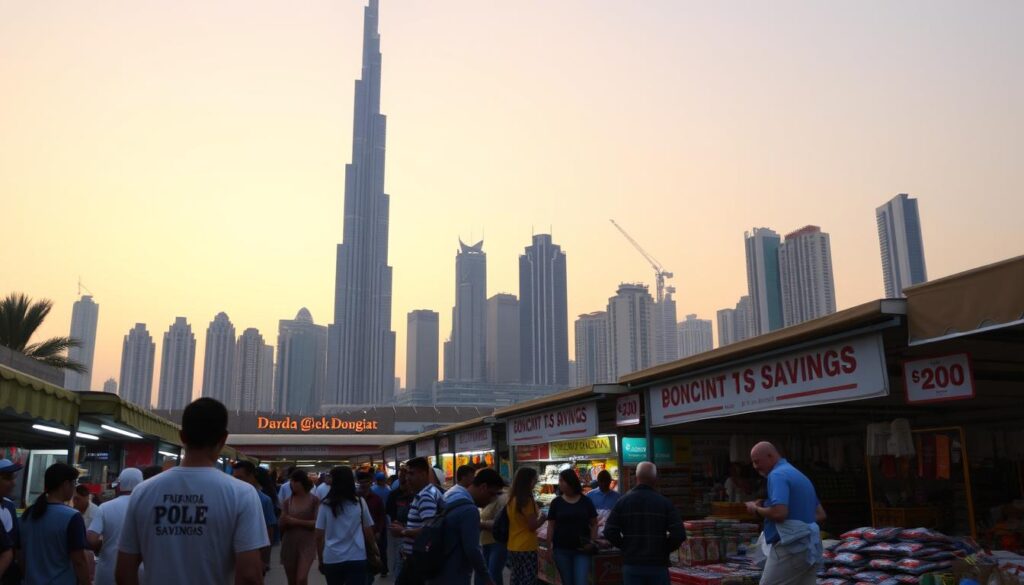
You feel Dubai before you see it. The airport doors slide open and a wall of warm, dry air hits you, carrying faint traces of oud and jet fuel. Somewhere past the arrivals hall, a taxi queue winds toward a skyline that looks almost unreal against the haze. In my experience planning tours at Astamb Holidays, first-time visitors are always surprised by the contrast within the first hour. You can be haggling over saffron in a century-old spice souk by lunchtime and standing 452 meters above sea level by sunset. A well-planned dubai tour in 2026 is really about managing that contrast, not just chasing landmarks. The city has also changed how it handles visitors this year. Crowd control at major attractions now runs almost entirely through app-based timed slots. Desert operators have shifted toward smaller, eco-conscious camps instead of mega-tourist convoys. None of this makes Dubai effortless, though — long Burj Khalifa queues, 45°C summer heat, and overpriced taxi trips still catch people off guard every week. This guide breaks down exactly what a 2026 Dubai trip actually costs, what to book in advance, and where first-timers waste money without realizing it. 📋 Quick List — Best Dubai Tour Highlights If you only have a few days, these five experiences cover the essentials of a classic Dubai trip. Each one earns its spot for a different reason — views, culture, adventure, or pure spectacle. Experience Best For Recommended Duration Estimated Cost (AED) Best Time of Day Burj Khalifa Observatory Iconic views & photo ops 2 hours 179–389 AED Sunset (peak) Evening Desert Safari Adventure & cultural buffet 6 hours 150–350 AED Late afternoon to night Historic Al Fahidi & Souks Heritage & traditional shopping 4 hours Under 50 AED Early morning Dubai Marina Yacht Cruise Luxury sightseeing & dining 2–3 hours 120–300 AED Twilight / evening Museum of the Future Tech & architectural design 3 hours 155 AED Mid-day Local Insight Tip: Book Burj Khalifa and Museum of the Future slots the moment your dates are confirmed. Both routinely sell out 2–3 weeks ahead during the October–April peak season, and walk-up tickets can cost nearly double. 🧭 How to Plan Your Dubai Tour: Crucial Travel Logistics Good planning saves more money on a Dubai trip than any discount code. Get these four decisions right before you land. Best Time to Visit (Weather vs. Crowds) Dubai runs on two completely different climates depending on the month. October to April brings pleasant 20–30°C days, making it the busiest and most expensive stretch of the year. Summer — May to September — pushes past 40°C, sometimes touching 45–48°C in July and August. Hotel rates and flight prices drop sharply, but outdoor plans need to shift to early morning or after sunset. If budget matters more than comfort, June feels manageable if you plan around indoor malls and evening activities. If you want to actually enjoy walking around Old Dubai, stick to the cooler months and book early. Entry Visas and Digital Formalities Indian passport holders need a visa for any UAE visit; there’s no visa-free entry. The standard options are a 30-day single-entry tourist visa (around AED 200–350, roughly ₹5,000–₹9,000) and longer 60-day or 90-day variants running up to AED 600. A few important 2026 changes are worth knowing before you apply: Most travelers apply through the airline, a travel agent, or the official ICP/GDRFA portals. Processing typically takes 2–4 working days, so apply at least a week before departure — earlier during winter peak season. Once through immigration, Smart Gates at Dubai International let e-passport holders and UAE ID holders skip manual counters entirely. Registration takes under two minutes at the smart gate kiosk if you’re eligible. Navigating Local Transport: Metro, Taxis, and Abras The Dubai Metro is clean, driverless, and genuinely the fastest way across the city during rush hour traffic. You’ll need a NOL Card for any RTA transport — cash isn’t accepted on metro, tram, bus, or water bus. NOL Card Type Cost Fare Structure Best For Silver AED 25 (AED 19 preloaded) AED 3–7.50 per trip Most tourists Gold AED 25 (AED 19 preloaded) Double the Silver fare Quieter premium cabins Red (single-use) AED 2 + fare AED 4–8.50 per trip One-off trips only Blue AED 70 50% discount Students, seniors (registration required) Silver and Blue cards cap daily spending at AED 14 — after that, rides are free until midnight. That cap alone makes the Silver Card the obvious pick for a multi-day trip. Taxis and app-based rides (Careem and Uber both operate widely) make sense for late-night trips or when carrying luggage. Expect airport-to-Downtown taxi fares around AED 50–80, and always confirm the driver is using the meter. For a genuinely local crossing, the traditional wooden abra ferries Dubai Creek between Bur Dubai and Deira for just 1 AED per person. It’s slower than a taxi, but it’s the cheapest sightseeing cruise in the city. Local Laws, Etiquette, and Dress Codes Dubai is more relaxed than most first-time visitors expect, but a few practical rules matter. Alcohol is legal in licensed hotels, bars, and restaurants — not in public spaces, beaches, or parks. Public dress code is casual and modest rather than strict. Shoulders and knees covered work well for malls, souks, and government buildings; swimwear stays at the pool or beach. Visiting Al Fahidi or a mosque calls for slightly more coverage as a matter of respect, not law. Public affection beyond hand-holding is best kept minimal, and photographing local women without consent should be avoided. 🏙️ The Iconic Modern Wonders Downtown Dubai concentrates the city’s most photographed landmarks into a walkable radius. Here’s how to actually experience them without wasting half a day in queues. Burj Khalifa & The Dubai Mall At the Top (Levels 124 and 125) is the standard ticket most visitors choose, and it delivers roughly 95% of the experience at half the price of the premium tiers. Prices shift by time slot — non-prime morning or evening entry

Dubai Tour 2026: The Ultimate Travel Guide to Itineraries, Budgets & Hidden Gems Read More »
Oman Tour Itinerary: 7-Day Guide to Culture, Adventure & Hidden Gems

Imagine leaving behind the city hustle for a place just a short flight away, where you can drive on smooth highways through vast deserts one day and explore lush green mountains the next. That’s Oman. While your friends are posting the same Dubai mall photos, you could be watching sea turtles nest under a blanket of stars or sipping traditional Omani coffee in a mountain village where the air is cool and crisp. This isn’t just another Middle Eastern destination – it’s a country that feels like nature’s playground, designed perfectly for the curious Indian traveler. This is the only Oman trip planner you’ll need as an Indian family, couple, or solo adventurer. From navigating the e-visa process to finding delicious vegetarian meals, from driving through dramatic wadis to camping under desert stars – we’ve got every detail covered. Whether you’re planning a romantic getaway or a family adventure, these things to do in Oman will transform your week into memories that last a lifetime. Why Oman is a Perfect Getaway for Indians It’s Closer Than You Think A 3.5-hour flight from Mumbai or Delhi puts you in Muscat – shorter than most domestic trips to Goa. What surprised me most was how this proximity doesn’t compromise the exotic factor. You’re still stepping into a completely different world. You’ll Feel Right at Home (Sort Of) Oman hosts over 700,000 Indian expats, creating a familiar comfort zone without losing the thrill of being somewhere new. Shopkeepers greet you in Hindi, restaurants understand “kam mirch” (less spice), and you’ll spot familiar faces from Kerala working in hotels and restaurants. Yet the Omani culture shines through beautifully – it’s this perfect blend that makes Indian travelers feel welcomed, not just tolerated. Safety That Lets You Truly Relax Oman ranks as one of the world’s safest countries. Families can explore confidently, solo female travelers feel secure, and parents don’t spend their vacation worrying. The roads are pristine, the people are genuinely helpful, and petty crime is virtually non-existent. Premium Experience Without the Premium Price Tag While a week in Switzerland might cost ₹2 lakhs per person, Oman offers similar natural beauty and luxury experiences for roughly half that budget. Your money goes further, especially when you factor in the variety – mountains, deserts, beaches, and culture all in one trip. Planning Your Oman Trip: The Essentials Visa for Indians Getting an Oman visa is refreshingly simple. Apply online through the Royal Oman Police e-visa portal – no embassy visits, no document submissions, no stress. The tourist visa costs around 20 OMR (approximately ₹4,300) and is valid for 30 days. Quick Visa Facts: For the most current visa information, always check the official Royal Oman Police e-visa portal. Best Time to Visit Oman October to April: The Golden Window This is when Oman transforms into paradise. Temperatures hover around 25-30°C – perfect for hiking, driving, and outdoor adventures. The mountains are pleasantly cool, and even the desert becomes enjoyable during these months. May to September: Skip It (Mostly) Summer temperatures regularly hit 45°C and above. However, there’s one exception – Salalah experiences the Khareef (monsoon) season from June to September, turning the southern region into a green oasis while the rest of the country bakes. For detailed weather forecasts and historical climate data, check Weather.com’s Oman section Month Temperature Best For Avoid If Nov-Feb 20-28°C Everything! Peak season You prefer fewer crowds Mar-Apr 25-35°C Great weather, fewer crowds You’re very heat sensitive May-Sep 35-45°C+ Salalah’s Khareef season only You’re doing desert/mountain activities Oct 28-38°C Good weather returning Still quite warm for some Connectivity & SIM Cards Grab a local SIM card at Muscat Airport immediately after clearing immigration. Ooredoo and Oman Mobile both offer tourist packages starting from 10 OMR (₹2,150) for 5GB data valid for 30 days. Trust me, having Google Maps working flawlessly makes the entire road trip stress-free. Currency & Budgeting The Omani Rial (OMR) is pegged to the US Dollar, making 1 OMR approximately ₹215-220. Unlike other Middle Eastern countries, Oman operates primarily on cash, though cards are widely accepted in hotels and restaurants. Daily Budget Guide (Per Person): Budget Level Daily Cost Includes Excludes Budget ₹5,000-7,000 3-star hotels, local restaurants, self-drive economy car Luxury experiences, alcohol Mid-range ₹10,000-15,000 4-star resorts, mix of local and tourist restaurants, SUV rental Premium desert camps, fine dining Luxury ₹20,000+ 5-star properties, guided tours, luxury desert experiences Nothing – go wild! Getting Around: The Great Omani Road Trip Here’s the truth about transportation in Oman: you need to drive. This isn’t like Europe where trains connect everything, or like Thailand where tuk-tuks are everywhere. Oman’s beauty lies scattered across dramatic landscapes, and the journey between destinations is half the adventure. Vehicle Choice Made Simple: Why Driving in Oman is a Joy: Roads are immaculate – better than most Indian highways. Speed limits are clearly marked and strictly enforced (good for safety-conscious families). Fuel is incredibly cheap, and parking is free almost everywhere. The Ultimate 7-Day Oman Itinerary Day 1: Arrival in Muscat & Souq Magic Morning: Land in Muscat, collect your rental car, and check into your hotel. If you arrive early, grab lunch at a local restaurant – try the Omani breakfast of eggs with local bread. Afternoon: Visit the Sultan Qaboos Grand Mosque, one of the world’s most beautiful mosques. Important: Dress modestly (long pants and sleeves; women need headscarves). The mosque closes to visitors at 11 AM except Saturdays, so plan accordingly. Check current visiting hours and guidelines at the Sultan Qaboos Grand Mosque official website Evening: Lose yourself in Mutrah Souq. Unlike sterile Dubai malls, this souq pulses with authentic energy. Bargain for frankincense, Omani silver jewelry, and traditional khanjar daggers (decorative ones for tourists are fine to carry home). Travel Tip: Download the Careem app – it’s like Ola but for Oman, perfect for short city trips when you don’t want to drive. Food Highlight: End the day at Bait Al Luban restaurant for your first taste of authentic

Oman Tour Itinerary: 7-Day Guide to Culture, Adventure & Hidden Gems Read More »

Cheapest Month to Visit Dubai

Cheapest Month to Visit Dubai: When to Travel Smart & Save Big

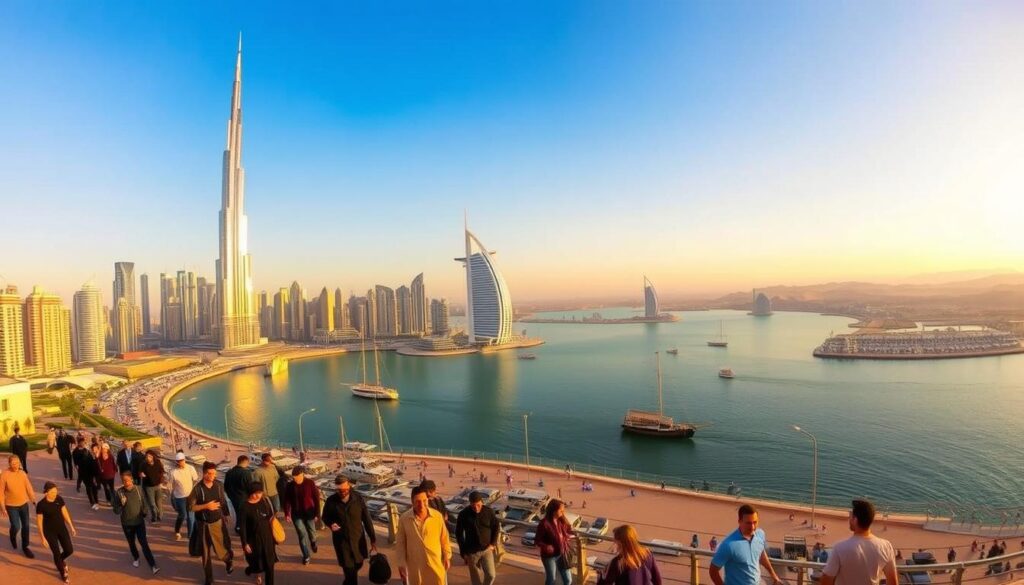
What if the secret to experiencing Dubai’s luxury isn’t about how much you spend—but when you go? Timing transforms this glittering metropolis from a budget-buster to an affordable wonderland. While most travelers flock during mild winters, savvy explorers unlock Dubai’s hidden rhythm—a seasonal shift where iconic skyscrapers, desert adventures, and world-class attractions become surprisingly accessible. June emerges as the golden window for bold adventurers. Hotel rates drop by up to 50%, flights become wallet-friendly, and crowds vanish. Yes, the heat tests your resolve—but imagine private desert safaris at group-tour prices or Burj Khalifa views without elbow-to-elbow crowds. This isn’t about compromising quality. It’s about redefining value. Five-star resorts roll out summer deals, while indoor attractions like Dubai Mall thrive year-round. Your savings fund extras—a sunset yacht cruise or a spice-scented souk shopping spree. Key Takeaways June offers the lowest travel costs with fewer tourists and discounted luxury stays Strategic timing lets you experience premium attractions at budget-friendly rates Indoor activities and early-morning exploration beat the summer heat Flight and hotel deals during this period can save hundreds of dollars Cultural festivals and indoor events keep the city vibrant year-round Why This Question Matters Your dream Dubai escape hinges on one invisible force—timing. Like desert winds shaping dunes, seasonal patterns sculpt what’s possible for your budget. Crack this code, and you’ll unlock experiences others dismiss as “too expensive”. Understanding the Impact on Your Budget Picture this: identical hotel stays costing 60% less simply by shifting dates. From November to March, sky-high demand pushes prices for flights and resorts into luxury territory. But when summer arrives, golden opportunities emerge. Savvy travelers redirect those savings into premium add-ons—private dining under the stars or helicopter tours over Palm Jumeirah. Your money stretches further when you align plans with pricing rhythms. The Relevance of Seasonal Trends Dubai’s calendar follows two distinct beats. Winter brings perfect weather—and crowded attractions. Summer offers empty photo spots at Burj Al Arab… if you embrace strategic indoor exploration. Flight costs swing like desert temperatures—₹35,000 in December vs ₹18,000 in August for Mumbai-Dubai routes. These patterns aren’t random—they’re predictable tools for crafting your ideal trip. Dubai Season Overview Dubai’s seasons don’t follow nature’s script—they rewrite the rules of smart travel. While most destinations cycle through four periods, this desert jewel operates on three distinct rhythms that shape your experience and expenses. Identifying Peak, Shoulder, and Low Seasons Peak season (November-March) turns the city into a global magnet. Daytime temperatures hover at 20-26°C—ideal for beach days and desert safaris. Hotels charge premium rates, but you’ll join festivals like Dubai Shopping Festival and witness the iconic Burj Khalifa light shows. Shoulder months—April-May and September-October—offer a clever compromise. Crowds thin as temperatures climb to 28-33°C. You’ll find hotel deals up to 30% lower than peak rates while still enjoying outdoor mornings and evenings. June-August’s summer months reveal Dubai’s best-kept secret. Though daytime heat hits 34-37°C, indoor marvels like Ski Dubai and the Louvre Abu Dhabi shine. Flight prices drop dramatically, and five-star resorts roll out “Summer Surprise” packages with spa credits and dining perks. “Travelers who embrace summer’s rhythm unlock private experiences at group rates—imagine having the Dubai Fountain’s front row to yourself.” Your choice shapes adventures: winter’s lively energy, shoulder seasons’ value-packed calm, or summer’s air-conditioned luxury. Each season holds unique magic—it’s about matching the rhythm to your travel heartbeat. Month-by-Month Guide to Visiting Dubai Dubai’s calendar pulses with shifting opportunities—each month unlocks new adventures tailored to your priorities. Whether chasing cultural festivals or craving air-conditioned luxury, here’s how the city transforms throughout the year. Detailed Weather, Events, and Temperature Insights January greets you with crisp 20°C days—ideal for strolling along JBR Walk. The Dubai Shopping Festival dazzles with midnight sales and live entertainment, turning retail into a spectator sport. New Year’s fireworks over Burj Khalifa linger in memory long after the confetti settles. February’s 21°C warmth pairs perfectly with Global Village’s cultural pavilions. Savor aromatic biryani at food festivals while planning desert picnics under starry skies. This month balances pleasant weather with fewer crowds than peak season. When March hits 24°C, desert safaris become your golden ticket. Morning dune bashing adventures thrill before afternoon heat arrives. Evening camel rides reveal sunsets painting the sands in burnt orange hues. The summer months (June-August) test your resolve with 34-37°C temperatures—but reward smart planners. Dubai Eye observation wheel offers climate-controlled city views, while mall adventures range from indoor skiing to aquarium encounters. Hotel rates drop like the mercury rises. December circles back to 21°C perfection with UAE National Day parades. Watch the city transform into a glittering wonderland as NYE approaches—prime time for rooftop dining with Burj Khalifa light shows as your backdrop. Breakdown of Pros & Cons for Different Seasons Your Dubai journey’s success hinges on balancing seasonal trade-offs—golden sands of savings versus perfect weather dreams. Let’s decode how each season shapes your experience. Why Off-Peak Travel Rewards Bold Explorers June-August transforms Dubai into your private playground. Five-star hotels slash prices by 40-60%—imagine lagoon-access suites at mid-range budgets. Attractions like Burj Khalifa’s observation decks welcome you with zero queues, while desert camps offer VIP treatment without premium costs. Early mornings become your secret weapon. Beat the heat with sunrise visits to Miracle Garden before retreating to climate-controlled marvels like Dubai Frame. Reduced crowds mean unobstructed photos at Burj Al Arab’s iconic sail structure. Peak Season’s Double-Edged Sword November-March delivers picture-perfect 24°C days but demands strategic planning. Global tourists flood the city, turning popular spots into packed arenas. Last-minute bookings often mean paying 2x standard rates for mid-tier hotels. Festivals like Dubai Shopping Festival dazzle but require advance reservations. That sunset dune dinner? Booked solid weeks ahead. You’ll trade spontaneity for guaranteed access to top-tier events. Factor Peak Season Off-Peak Hotel Rates ₹15,000-₹25,000/night ₹6,000-₹12,000/night Crowd Levels 90-100% capacity 30-50% capacity Weather 20-26°C (outdoor ideal) 34-42°C (indoor focus) Event Access Guaranteed with booking Limited seasonal closures The best time depends on your priorities. Crave vibrant energy and perfect skies? Embrace peak season’s costs. Prefer tailored

Cheapest Month to Visit Dubai: When to Travel Smart & Save Big Read More »

What to do in Dubai for a Week

Explore Dubai in 7 Days: Your Ultimate Itinerary

Dubai welcomes over 16 million visitors annually, yet fewer than 8% venture beyond its iconic skyscrapers to discover its authentic cultural heartbeat. This seven-day journey redefines Middle Eastern exploration, blending luxury with tradition across seven Emirates and neighboring Oman. Your adventure begins where most tours end – in the vibrant intersections of ancient heritage and cutting-edge innovation. United Airlines business class travelers recently completed this ambitious route, proving you can experience both Bedouin traditions and futuristic cityscapes without rushing. Imagine sipping Arabic coffee in 18th-century forts before sunset cocktails atop the world’s tallest building – this itinerary makes it possible. Each day builds like a masterclass in Arabian discovery. You’ll navigate spice-scented souks one morning and marvel at AI-controlled metro systems the next. The real magic lies in curated moments: dune-bashing through ruby-red deserts, private museum tours with historians, and tasting fusion cuisine that spans millennia. Key Takeaways Combine modern marvels with cultural immersion across seven diverse Emirates Access exclusive experiences through strategic business-class travel perks Discover hidden oases and archaeological sites most visitors miss Balance iconic landmarks with authentic local interactions Optimize transit time between destinations using premium air routes Experience Oman’s mountain villages as a seamless extension of your UAE journey Introduction: Dubai’s Blend of Modernity and Tradition Dubai’s skyline tells two stories: glass towers pierce clouds while century-old wind towers channel desert breezes. This city in the United Arab Emirates masterfully balances its Bedouin roots with 22nd-century ambitions. Wander through Al Fahidi district, where mud-brick homes stand minutes from AI-powered metro stations. The culture here thrives on contrasts. Gold souks sparkle beside textile markets filled with Indian silks, reflecting the Middle East’s deep trade connections. Over 200 nationalities contribute to daily life, creating neighborhoods where mosque prayers blend with Bollywood beats. Aspect Traditional Modern Architecture Barjeel wind towers Rotating skyscrapers Commerce Dhows carrying dates Drone delivery hubs Cultural Influences Arabic coffee rituals Global fusion restaurants Your itinerary gains depth through these layers. Watch artisans craft wooden dhows using techniques unchanged for generations, then marvel at 3D-printed office complexes. The United Arab heritage shines brightest where old meets new – like the Dubai Frame, literally bridging past and future. This guide reveals how to experience both worlds authentically. Savor camel milk chocolate in restored merchant houses, then discuss AI trends with local tech pioneers. Every moment becomes a conversation across centuries. Day One – Discovering Old Dubai and the Historic Dubai Creek Begin your journey where the city’s story first unfolded—along the shimmering waters of Dubai Creek. This natural saltwater inlet fueled trade routes long before skyscrapers dominated the horizon. Watch wooden abras glide like water beetles, carrying passengers for just 1 dirham across the historic divide. A Walking Tour of Heritage and Culture Step into Al Seef district’s recreated wind towers and narrow alleys, where the past feels vividly present. Local guides at the Sheikh Mohammed Centre for Cultural Understanding reveal why Emirati men wear crisp white kanduras and how gender-separated spaces shaped daily life. “Our traditions adapt without disappearing,” explains a historian during tours of restored merchant houses. Experiencing the Spice and Gold Souks Let cinnamon-scented breezes guide you through the market’s kaleidoscope of saffron pyramids and rose-petal mounds. Vendors offer tasting spoons of date honey while photographers snap vibrant spice displays. Three blocks east, the gold souk’s window displays glitter with 24-karat necklaces—each piece government-certified for purity. Experience Spice Souk Gold Souk Signature Find Iranian dried limes Emirati-inspired jewelry Bargaining Style Playful haggling Fixed prices with discounts Cultural Tip Sample before buying Request assay certificates Refuel at Al Fanar Restaurant, where camel meat burgers and luqaimat dumplings showcase Bedouin flavors. As dusk paints the creek gold, join fishermen mending nets—a timeless scene against Dubai’s modern skyline. Your one day here becomes a masterclass in Arabian culture’s enduring spirit. Day Two – Skyscrapers, Shopping, and Iconic Landmarks Downtown Dubai redefines urban ambition with glass giants casting shadows over man-made lakes. This district pulses with energy day and night, offering more architectural wonders than some countries boast nationwide. Urban Wonderland Exploration The Dubai Mall astonishes with scale and surprises. Beyond 1,200 luxury boutiques, you’ll find aquatic marvels like a 10-million-liter aquarium and Olympic-sized ice rink. “Our goal was to create a city within a city,” shares a mall architect, nodding to the Jurassic-era dinosaur skeleton guarding the fashion district. Touch the Sky Reaching the Burj Khalifa‘s observation deck becomes an event itself. Smart travelers book tickets online to bypass winding queues. The elevator’s 60-second ascent to the 124th floor features starry animations mirroring the building‘s record-breaking height. Feature Downtown Dubai Las Vegas Strip Total Area 2.2 sq miles 4.2 sq miles Tallest Structure 2,722 ft 1,149 ft Annual Visitors 80 million 42 million From the cloud-piercing deck, watch the city‘s grid dissolve into desert waves. This view explains why 85% of tower residents hail from abroad – Emirati citizens typically prefer spacious villas funded by government housing programs. As twilight paints the skyline gold, the fountain show below dances to Arabic symphonies. Your day among giants concludes with a vital lesson: in the United Arab Emirates, even gravity-defying achievements remain grounded in cultural pride. Day Three – A Day Trip Beyond: The Musandam Peninsula, Oman Your day trip unveils Arabia’s wild side as you cross into Oman’s northernmost territory. This geological wonderland features limestone cliffs plunging into turquoise water, creating a landscape more reminiscent of Baja California than the Arabian Peninsula. Crossing Borders for a Scenic Dhow Cruise The journey becomes part of the adventure. After passing through Sharjah’s art districts and Ras Al Khaimah’s mountain roads, border agents stamp passports with practiced efficiency. “This enclave showcases how cultures shift with geography,” notes a local guide as you approach Khasab harbor. Traditional Omani dhows await with plush cushions and sun-shaded decks. As engines hum to life, dolphins race alongside the wooden hull. The fjord-like khors (inlets) reveal secret beaches and 2,000-foot cliffs striped with mineral deposits. Choose your aquatic adventure: Snorkel above coral gardens teeming with

Explore Dubai in 7 Days: Your Ultimate Itinerary Read More »

Ferrari World Abu Dhabi: Beyond the Formula Rossa

Yas Island Abu Dhabi: Family Fun Guide & Top Attractions – Travel Blog

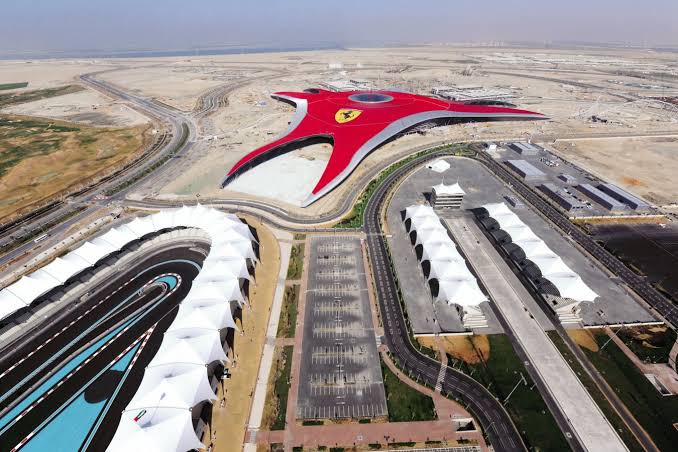
Yas Island Abu Dhabi: The Ultimate Family Fun Destination Imagine standing at the crossroads of adrenaline and luxury, where the world’s fastest roller coaster awaits just minutes from pristine beaches and five-star accommodations. Welcome to Yas Island – Abu Dhabi’s extraordinary 25-square-kilometer playground where thrilling adventures and serene relaxation exist in perfect harmony. Did you know that this man-made island has transformed from desert sands into one of the UAE’s premier entertainment destinations in just over a decade? Home to award-winning theme parks, world-class motorsports, luxurious hotels, and diverse dining experiences, Yas Island isn’t just another tourist stop – it’s a destination that redefines what a vacation can be. Whether you’re planning a family getaway, a romantic escape, or an adventure-packed holiday with friends, this comprehensive guide will take you beyond the glossy brochures to reveal the true magic of Yas Island. From insider tips on beating the theme park crowds to discovering hidden culinary gems and nearby cultural treasures, consider this your passport to an unforgettable Abu Dhabi experience. Thrill-Seeker’s Paradise: Theme Parks & Adventures Ferrari World Abu Dhabi: Beyond the Formula Rossa When most travelers think of Yas Island, Ferrari World’s iconic red roof likely comes to mind first. As the world’s first Ferrari-branded theme park, it delivers high-octane experiences that go far beyond ordinary amusement parks. The crown jewel is Formula Rossa – the world’s fastest roller coaster, catapulting riders from 0 to 240 km/h in just 4.9 seconds. The g-force you’ll experience rivals what Formula 1 drivers feel during a race. For maximum enjoyment: Beyond the high-speed attractions, Ferrari World offers family-friendly experiences including the opportunity to drive scaled-down Ferrari F1 cars at the Junior Grand Prix or explore the fascinating Ferrari history gallery showcasing vintage models and racing memorabilia. Yas Waterworld: Emirati Heritage Meets Modern Thrills Unlike typical water parks, Yas Waterworld ingeniously weaves Emirati pearl-diving heritage into its design, creating a cultural storyline throughout its 40+ rides and attractions. The park’s mascot, Dana, guides visitors through the tale of a young pearl diver seeking to restore her village’s fortunes. Thrill-seekers should head straight for the Liwa Loop, a heart-stopping six-story high waterslide where the floor drops out beneath you, or Dawwama, the world’s first and largest hydromagnetic-powered tornado waterslide. For families with young children, Tot’s Playground and Marah Fortress provide gentler water adventures with miniature slides and splash zones. Pro tip: Most visitors rush to the right upon entering – head left instead to experience attractions with significantly shorter wait times during your first hours in the park. Warner Bros. World Abu Dhabi: Immersive Entertainment Year-Round As the Middle East’s first indoor Warner Bros. themed destination, this climate-controlled park offers a welcome respite from Abu Dhabi’s summer heat while transporting visitors to six immersive lands. From Gotham City to Bedrock, each zone features meticulously detailed environments that make you forget you’re indoors. Don’t miss these highlights: While the rides are impressive, the character interactions and live entertainment often create the most memorable moments. Check the daily schedule upon arrival to plan your day around these performances. CLYMB Abu Dhabi: Defying Gravity For those seeking unique thrills, CLYMB houses both the world’s largest indoor skydiving flight chamber and the world’s tallest indoor climbing wall. The flight chamber is 32 feet wide and 104 feet tall, creating an incredibly realistic free-fall sensation without jumping from an actual plane. First-time flyers receive comprehensive training before their session, making this accessible even for beginners. More experienced skydivers can practice advanced maneuvers in this state-of-the-art facility. Meanwhile, climbers can test their skills on walls ranging from beginner-friendly to the intimidating 141-foot SUMMYT wall. Insider tip: Book the first or last sessions of the day for a more personalized experience with fewer participants. Yas Marina Circuit: Formula 1 Legacy Walk, drive, or cycle in the tire tracks of racing legends at the Yas Marina Circuit – host of the annual Abu Dhabi Grand Prix. Unlike many F1 venues that remain off-limits between races, this track offers year-round experiences: During the Abu Dhabi Grand Prix weekend in November, the entire island transforms with concerts, events, and a festival atmosphere that extends well beyond the racetrack. Book accommodations at least six months in advance if planning to visit during this period. Luxury & Relaxation: Hotels, Beaches & Spas Where to Stay: Yas Island’s Exceptional Accommodations Yas Island’s strategic location – just 10 minutes from Abu Dhabi International Airport and 30 minutes from downtown – makes it an ideal base for exploring the emirate. The island offers diverse accommodation options to suit various preferences and budgets: W Abu Dhabi – Yas Island The only hotel in the world built over an F1 track, this architectural marvel features a distinctive LED-covered grid shell that illuminates the night sky in a spectacular light show. The hotel straddles the Yas Marina Circuit, offering unparalleled views of the track from many rooms and the rooftop bar. During the Grand Prix, guests can watch the race action from their balconies. Beyond location, the W impresses with its vibrant atmosphere, multiple dining venues, and WET Deck pool overlooking the marina. Rooms feature contemporary design with thoughtful touches like Nespresso machines and luxury bath amenities. Hilton Abu Dhabi Yas Island Perfect for families, this newer property offers a resort-style experience with theme park tickets included in many room packages. The expansive pool area, kids’ club, and proximity to Yas Bay Waterfront make it a convenient choice for travelers seeking both entertainment and relaxation. Centro Yas Island and Staybridge Suites These mid-range and extended-stay options provide excellent value, spacious accommodations, and the same easy access to attractions. They’re ideal for longer stays or travelers who prefer apartment-style accommodations with kitchen facilities. Accommodation tip: Many Yas Island hotels offer packages that include theme park tickets – always check these against buying separate accommodations and tickets to find the best deal. Yas Beach: Abu Dhabi’s Island Escape When theme park excitement gives way to relaxation cravings, Yas Beach delivers with its crystal-clear

Yas Island Abu Dhabi: Family Fun Guide & Top Attractions – Travel Blog Read More »

QATAR

Beyond Doha: Exploring Emerging Tourist Destinations in Qatar | Travel Blog

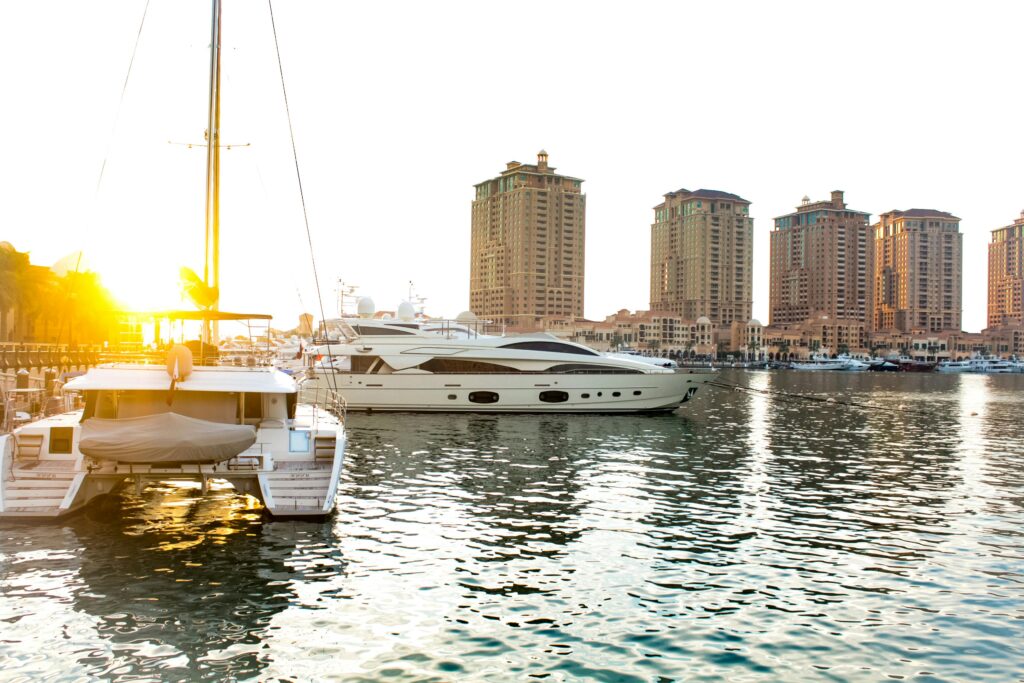
Emerging Tourist Destinations Qatar: Unveiling Hidden Gems Beyond Doha Absolutely! Qatar is rapidly developing exciting new tourist destinations beyond the well-known Doha. While Doha is amazing, a whole new side of Qatar is emerging, offering unique experiences and attractions like the innovative Simaisma Project and the captivating Global Walk. Curious to discover these hidden gems and get ahead of the curve on Qatar’s next big tourist hotspots? Continue reading to explore the most promising emerging destinations in Qatar, uncovering what makes them special and why you should add them to your travel list now! Qatar’s tourism landscape is undergoing a remarkable transformation, with numerous exciting developments set to redefine the visitor experience in this dynamic Gulf nation. Following the successful hosting of the 2022 FIFA World Cup, Qatar has committed to diversifying its tourism offerings and establishing itself as a premier global travel destination. This comprehensive guide explores several promising upcoming tourist destinations within Qatar that are either under construction, recently opened, or undergoing significant expansion. From luxury coastal developments to cultural showcases and innovative retail concepts, these destinations represent Qatar’s bold vision for tourism beyond the World Cup infrastructure. Qatar Tourism at a Glance: Evolution and Vision Qatar has set an ambitious target of attracting six million visitors annually by 2030 through its “Surprise Yourself” global campaign. This initiative specifically targets families, couples, and groups of friends with diverse attractions and experiences that showcase Qatar’s unique blend of tradition and innovation. The country’s tourism strategy is evolving beyond the traditional “sun, sea, and sand” model toward experiences centered around “art, culture, and history.” This shift is evident in the recent Cabinet approval of draft decisions focused on defining and classifying tourist areas based on their unique features, including historical, natural, and archaeological significance. Key Tourism Trends in Qatar Trend Description Examples Eco-Tourism Low-impact activities that protect the environment while educating visitors about local wildlife and conservation Winter eco-friendly tours focusing on sustainability, exploration of Qatar’s diverse landscapes Cultural Immersion Authentic cultural experiences that go beyond surface-level tourism Global Walk with country pavilions, integration of Qatar’s founding history into museums Family-Oriented Attractions Interactive learning experiences through play and exploration Dadu (Children’s Museum of Qatar), theme parks within new developments Luxury Tourism High-end experiences combining premium accommodations with exceptional service Luxury resorts across new developments, particularly within the Simaisma Project Sustainable Development Tourism projects incorporating eco-friendly practices and technologies Smart systems, innovative technologies, and locally recycled materials in new projects Simaisma Project: Qatar’s New Coastal Cultural Landmark Overview The Simaisma Project represents one of Qatar’s most ambitious tourism developments, poised to become a significant new cultural landmark and tourist destination. This massive QR 20 billion investment spans an impressive 8 million square meters along Qatar’s eastern coastline, featuring a 7-kilometer waterfront extension. What Makes Simaisma Project Unique? Unprecedented Scale and Investment The sheer size and financial commitment of the Simaisma Project set it apart from other developments in the region. Spanning 8 million square meters with a QR 20 billion investment, it creates one of the longest continuous coastal tourism developments in Qatar. Comprehensive Mixed-Use Design Unlike developments that focus on a single tourism segment, Simaisma integrates multiple complementary elements: Attractions and Activities The Simaisma Project offers visitors a diverse range of activities and experiences: Category Offerings Accommodations Luxury resorts across four distinct areas, residential villas for longer stays Recreation World-class 18-hole golf course, theme park for family entertainment Water Activities Yacht club, marina facilities, waterfront activities along 7km coastline Dining & Shopping Various restaurants, retail establishments, commercial offerings Sustainability Cutting-edge smart systems, innovative technologies, locally recycled materials Practical Information Getting There: While specific transportation infrastructure is still being developed, visitors will likely be able to access the area via road from Doha through the highway network. Dedicated public transportation, taxi services, and ride-sharing platforms will likely serve the area once operational. Accommodation: The project includes plans for luxury resorts across four distinct areas, suggesting a range of accommodation options at different price points. Residential villas offer possibilities for longer-stay accommodations or villa rentals. Food & Drink: The development plans include restaurants as part of the commercial offerings, likely featuring both local Qatari cuisine and international dining options across casual and fine dining establishments. Potential Challenges: As with any large-scale development, visitors should be aware that some areas may open in phases, meaning the complete experience might not be available immediately. The coastal location might also make it susceptible to seasonal weather variations. Global Walk: A Cultural Showcase in Urban Doha Overview Global Walk represents an innovative approach to cultural tourism in Qatar, situated in the urban setting of Ras Abu Aboud, close to the iconic Stadium 974. This megaproject aims to create an immersive international experience within Qatar’s capital, overlooking the sea and combining cultural exploration with scenic views. Concept and Design What makes Global Walk particularly intriguing is its concept of showcasing different countries through dedicated pavilions, essentially bringing global cultures together in one walkable urban space. The project will include: Potential Activities & Experiences Experience Type Description Cultural Exploration Country-specific pavilions featuring art, artifacts, performances, and educational displays International Dining Various restaurants representing global cuisines Entertainment Dedicated area for performances, interactive exhibits, cultural demonstrations Scenic Views Seaside promenades with water views, spaces for relaxation and photography Shopping Products and crafts from various countries represented in the pavilions Cultural Events Festivals or seasonal celebrations highlighting different global traditions Practical Information Getting There: The location near Stadium 974 in Ras Abu Aboud suggests good accessibility from central Doha. The area is already developed for access due to the stadium’s previous use during the FIFA World Cup. Accommodation: While the available information doesn’t specifically mention accommodation within Global Walk itself, its urban location near existing developments suggests that visitors will have access to various hotels in nearby areas of Doha. Food & Drink: The development explicitly includes restaurants as a key component. Given the international theme of the project, these restaurants will likely represent diverse global cuisines, creating a comprehensive international dining experience. Qatar

Beyond Doha: Exploring Emerging Tourist Destinations in Qatar | Travel Blog Read More »