Kyoto in 2026 is not the Kyoto most travel blogs describe. The city is actively rewriting its own rulebook, and anyone researching things to do in Kyoto right now needs the updated version, not the one written three years ago.
In my experience managing tours at Astamb Holidays, I’ve watched Kyoto shift from a city straining under unchecked footfall to one quietly enforcing limits — on alleys, on buses, on photography near residents. This isn’t bureaucracy for its own sake. Kyoto is a working city of 1.4 million residents who still commute, shop, and raise families inside the same lanes that tourists photograph.
That tension between heritage and daily life shapes almost every recommendation in this guide. I’m not going to send you to Fushimi Inari at noon to fight a crowd for a photo. I’m going to tell you when the cedar incense at Kiyomizu-dera still hangs in the morning air, when the bamboo at Arashiyama creaks without two hundred phone cameras pointed at it, and which rules will cost you a ¥10,000 fine if you ignore them.
This guide groups every recommendation by district, because Kyoto punishes travelers who zigzag across the map. Treat it as your working itinerary, not just inspiration.
🚨 Crucial Kyoto Rules Every Traveler Must Know (2026 Edition)
Most guides bury this section near the end. I’m putting it first, because it changes how you’ll plan everything else.
The Gion Private Alley Ban and ¥10,000 Fines
Gion’s main thoroughfare, Hanamikoji Street, is open to everyone. The narrow private side alleys branching off it are not.
Local authorities introduced entry and photography restrictions on these residential lanes after repeated harassment of geiko and maiko by tourists chasing photos. Signage in English and Japanese marks the restricted lanes with red borders.
- Fine for entering banned alleys: up to ¥10,000 (approx. ₹5,860)
- Photographing geiko/maiko without consent: strictly prohibited, fine applies
- Where it’s enforced: private lanes off Hanamikoji, not the main street itself
- Where it’s NOT enforced: Yasaka Shrine approach, Shijo-dori, public temple grounds
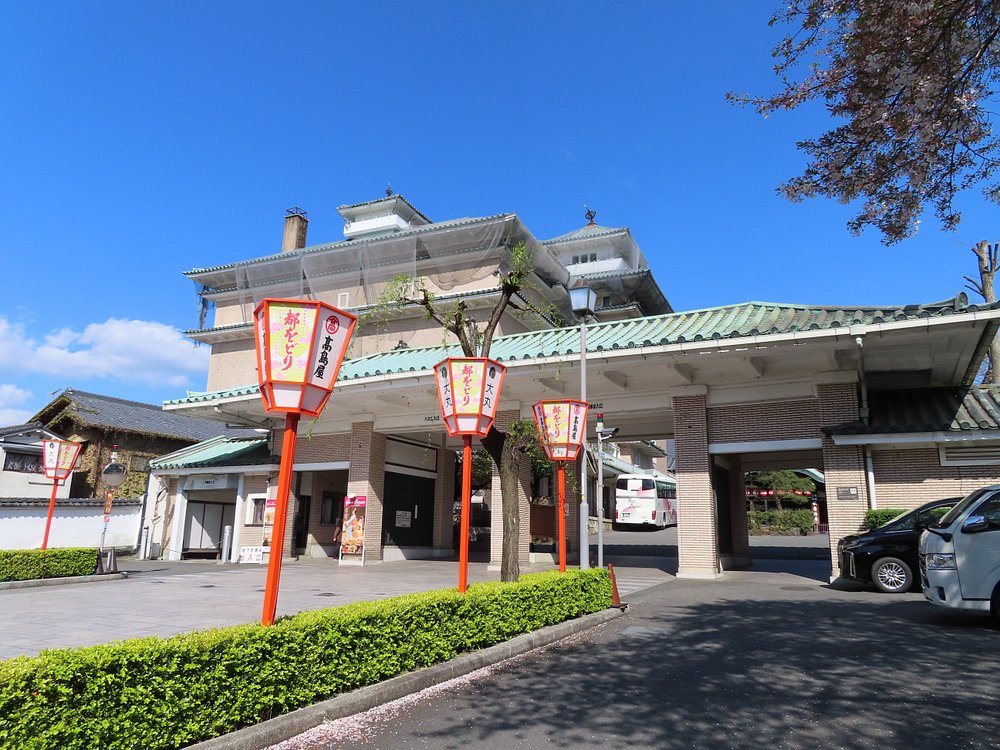
Local Insight Tip: I tell every group the same thing before they enter Gion — if a lane looks too quiet and too narrow to be a shopping street, it probably belongs to someone’s home. Walk the main street, glance respectfully, and save your camera for Yasaka Shrine instead.
The Local Bus Luggage Ban and Hands-Free Initiatives
Kyoto’s local city buses were never designed for rolling suitcases, and 2026 policy reflects that reality. Large luggage is now actively discouraged on standard city bus routes, partly because oversized bags block aisles during rush-hour commuter loads.
The practical fix is hands-free travel:
- Drop large bags at the Sagawa Express counter inside Kyoto Station
- Delivery to your hotel typically takes a few hours to a day
- Approximate cost: ¥1,500–¥3,000 per bag (roughly ₹880–₹1,760), depending on size and distance
- Carry only a day pack while sightseeing
This single habit change saves more stress than any app or pass.
The Discontinuation of the 1-Day Bus Pass
The old ¥700 Bus One-Day Pass is gone. Kyoto discontinued it specifically to push tourist traffic off local residential bus routes and onto the subway network instead.
In its place:
| Pass Type | Price (JPY) | Approx. INR | Covers |
|---|---|---|---|
| Subway & Bus 1-Day Pass | ¥1,100 | ₹645 | Subway + city buses |
| Single subway ride | ¥220–¥350 | ₹130–₹205 | Subway only |
| Tourist Express Bus (EX100/EX101) | Pay per ride | Varies | Major sights, weekends/holidays |
The Tourist Express Buses, routes EX100 and EX101, run directly from Kyoto Station to high-demand stops like Kiyomizu-dera and Ginkaku-ji on weekends and peak seasons, bypassing the slower commuter routes locals depend on.
What is the best way to get around Kyoto? The most efficient way to get around Kyoto is combining the subway and trains for longer distances, supplemented by the Tourist Express Buses for major sights — and avoiding standard local buses, which suffer from heavy traffic and overtourism congestion.
⛩️ The Top Things to Do in Southern Kyoto & Fushimi
Hike the Vermilion Paths of Fushimi Inari Taisha
Everyone photographs the lower Senbon Torii loop — the dense tunnel of vermilion gates closest to the entrance. Fewer travelers continue past it.
Push on toward Mt. Inari’s summit loop, a 2–3 hour round hike through thinning gate clusters and quiet forest. The crowd density drops sharply past the Yotsutsuji intersection, roughly 30 minutes up.
- Arrive by: 7:00 AM for near-empty lower gates
- Tour buses typically arrive: after 9:00 AM
- Entry fee: Free
- Recommended footwear: closed shoes with grip; stone steps get slick
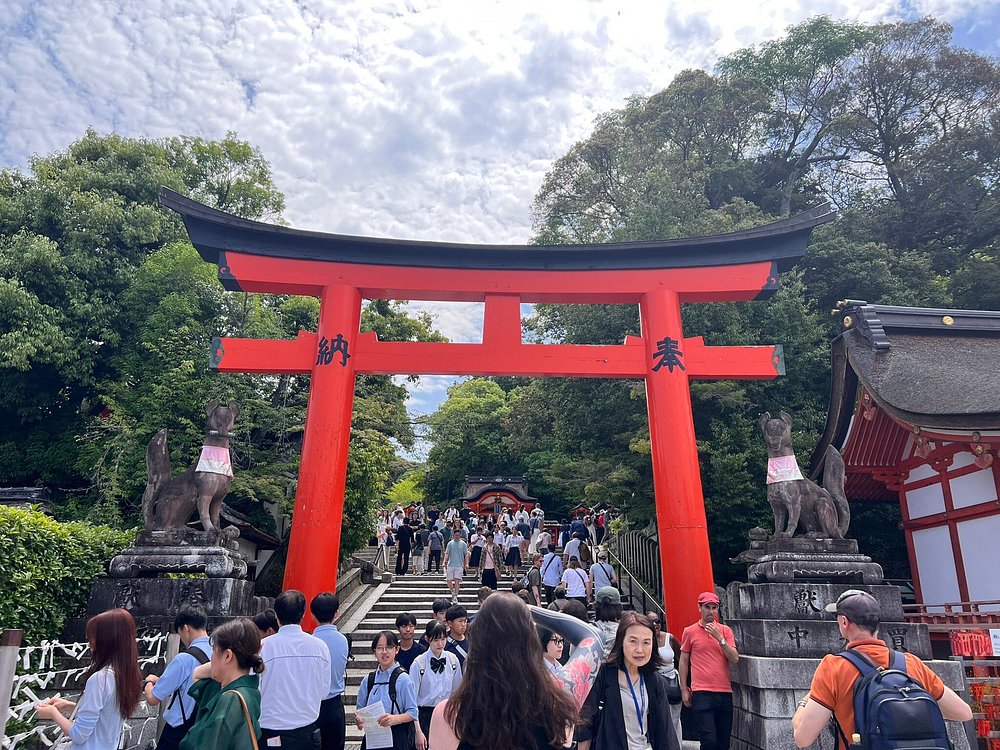
Local Insight Tip: I always tell first-time Japan travelers to pack a small bottle of water for this hike — there are vending machines along the way, but the early stretch has none.
Sake Tasting in the Historic Fushimi Sake District
A short ride south of the main shrine sits Kyoto’s lesser-discussed sake heritage zone. Wooden breweries line the Horikawa Canal, many still using groundwater drawn from the same aquifers that made Fushimi famous for brewing centuries ago.
- Gekkeikan Okura Sake Museum: entry approx. ¥600 (₹355), includes a tasting
- Best paired with: a canal-side walk between brewery storefronts
- Good for: travelers who want cultural depth without temple fatigue
🏯 The Best Things to Do in Higashiyama (Eastern Kyoto)
Witness Sunrise at Kiyomizu-dera Temple
Kiyomizu-dera opens at 6:00 AM, hours before most tour groups arrive. At dawn, the wooden veranda stage — built without a single nail — sits genuinely quiet, with morning mist still settled over the Higashiyama hills below.
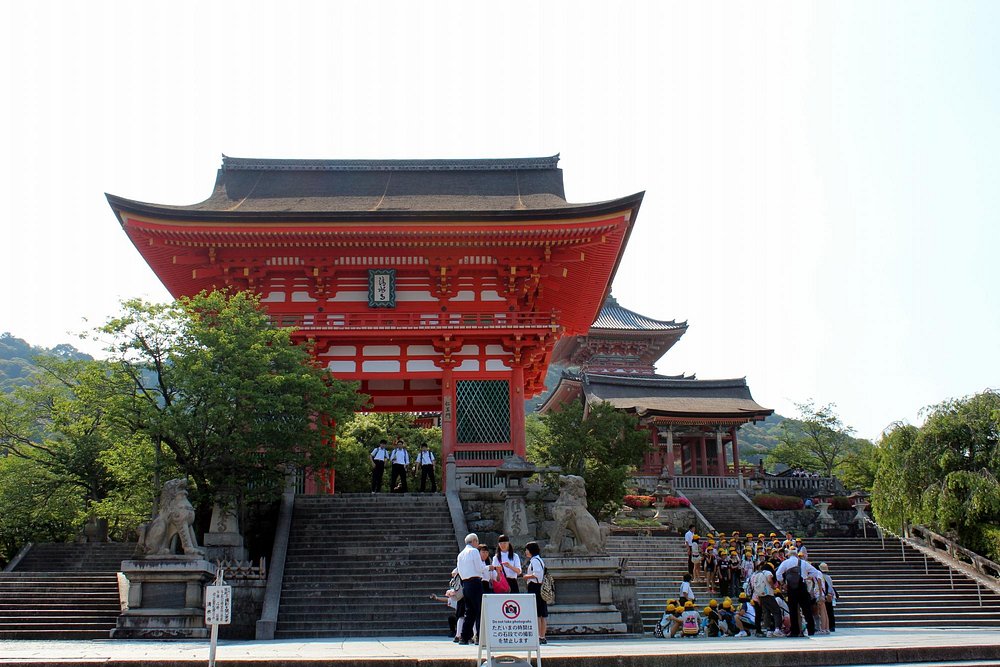
- Entry fee: approx. ¥400 (₹235)
- Best time: 6:00–7:30 AM
- Avoid: midday, when school groups and tour buses peak
Wander the Preserved Alleys of Ninenzaka and Sannenzaka
These stacked stone-stepped streets connect Kiyomizu-dera to lower Higashiyama, lined with machiya wooden townhouses now converted into tea shops and craft stores.
- The steps are steep and uneven — walk carefully, especially in rain
- Never block shop doorways for photos
- Residents still live and commute through these same lanes
Walk the Peaceful Philosopher’s Path (Tetsugaku-no-Michi)
The Philosopher’s Path runs alongside a narrow canal between Ginkaku-ji and Nanzen-ji, named for a Kyoto University professor who reportedly walked it daily while thinking through his lectures.
Stop at Honen-in, a moss-covered temple just off the main path, where thatched gates and raked sand mounds create a deliberate hush.
- Best season: cherry blossom season or autumn foliage
- Walking time, full path: approx. 30–40 minutes
- Entry to Honen-in: free during open periods
🎋 The Best Things to Do in Arashiyama & Western Kyoto
Step into the Arashiyama Bamboo Grove and Gio-ji Temple
Arrive at the Arashiyama Bamboo Grove before 7:30 AM to hear the bamboo stalks creak and rustle in stillness, before tour buses begin arriving around 9:00 AM.
If the grove still feels crowded even at that hour, walk roughly 20 minutes further to Gio-ji Temple, a small moss-walled retreat with a fraction of the foot traffic.
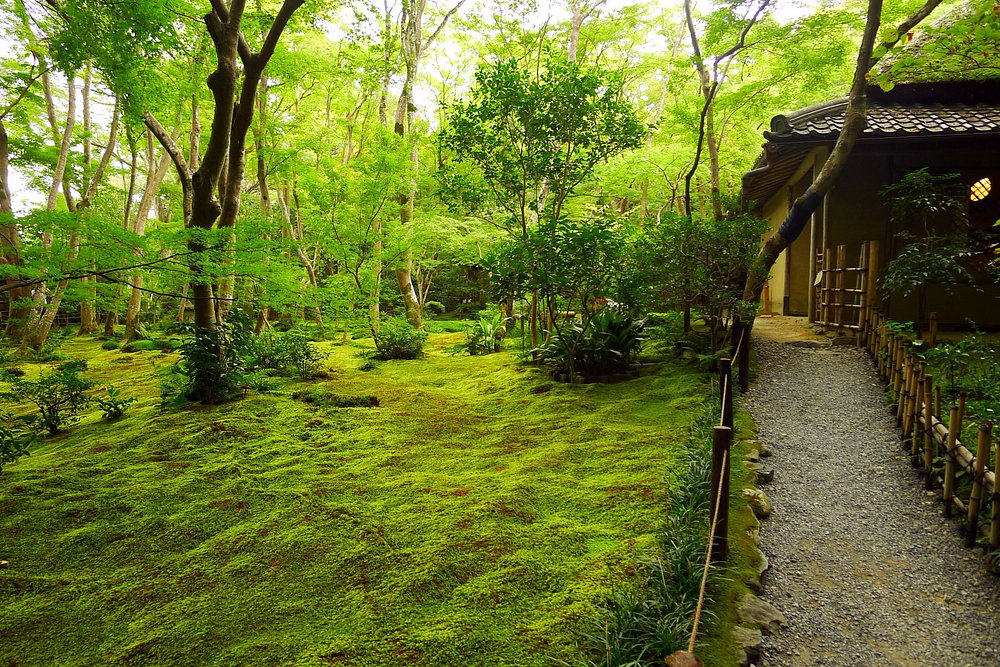
- Bamboo Grove entry: free
- Gio-ji entry: approx. ¥300 (₹175)
- Why Gio-ji works: thatched roof, dense moss carpet, near-silence even in peak season
Wander the Gardens of Tenryu-ji Temple
Tenryu-ji’s garden dates to the 14th century, designed by the Zen monk Muso Soseki. The layout frames the Arashiyama mountains directly behind a still pond, using the hills themselves as part of the composition.
- Entry fee: approx. ¥500 (₹295)
- Best viewing spot: the veranda facing the pond, mid-morning light
- Pairs well with: a same-day Sagano Scenic Railway ride
Escape the Crowds at Okochi Sanso Villa
Right at the exit of the Bamboo Grove sits a garden most rushed travelers walk straight past. Okochi Sanso Villa, once home to a silent-film actor, spreads across a hillside with layered viewpoints over the Arashiyama valley.
- Entry fee: approx. ¥1,000 (₹590), includes matcha and a Japanese sweet
- Average visit time: 45–60 minutes
- Crowd level: consistently low, even when the Bamboo Grove is packed
🌲 Historical and Cultural Gems in Northern Kyoto
View Kinkaku-ji (The Golden Pavilion) with Strategic Timing
Visit Kinkaku-ji late in the afternoon, just before its 5:00 PM closing, when the setting sun strikes the gold leaf directly and morning crowds have already dispersed.
- Entry fee: approx. ¥500 (₹295)
- Best light: 3:30–4:30 PM
- Avoid: weekend mornings, especially during foliage season
Find True Zen at Ryoan-ji Temple’s Karesansui Garden
Ryoan-ji’s dry-gravel garden contains fifteen rocks, arranged so that no single viewing angle from the veranda reveals all of them at once. Sitting quietly here for ten minutes does more than any guidebook description.
- Entry fee: approx. ¥500 (₹295)
- Best for: travelers wanting a slower, contemplative stop
The Silent Alternative: Daitoku-ji Temple Complex
Daitoku-ji is a walled monastery complex housing multiple sub-temples, including Ryogen-in and Zuiho-in, each with its own dry-gravel garden and almost no visitor traffic compared to Kinkaku-ji nearby.
- Combined entry across sub-temples: approx. ¥350–¥500 each (₹205–₹295)
- Good for: travelers who’ve already seen the “famous” temples and want depth over crowds
🍱 Food and Nightlife in Central Kyoto
Respectfully Explore Nishiki Market
Nishiki Market, often called Kyoto’s kitchen, runs five narrow blocks packed with pickle shops, knife sellers, and street-food stalls. The single most important rule here: eat where you buy.
- Do not walk while eating — it’s considered disruptive to other shoppers and shop entrances
- Best for: tasting Kyoto-style pickles, fresh tofu skin, skewered seafood
- Busiest hours: late morning through early afternoon
Evening Strolls and Dining in Pontocho Alley
Pontocho Alley runs parallel to the Kamogawa River, a narrow lantern-lit lane packed with everything from casual yakitori counters to high-end kaiseki ryori dining rooms.
In summer, look for restaurants offering kawayuka — wooden platforms built directly over the river, where you dine with the water moving beneath your feet.
- Best season for kawayuka: May through September
- Budget range: ¥3,000–¥15,000 per person (₹1,760–₹8,800), depending on restaurant tier
- Vegetarian travelers: ask specifically for shojin ryori, Buddhist temple cuisine built entirely around vegetables and tofu
🗺️ The Perfect 3-Day Kyoto Itinerary (Optimized by District)
| Day | District Focus | Morning | Afternoon | Evening |
|---|---|---|---|---|
| Day 1 | Higashiyama & Gion | Kiyomizu-dera (6 AM) → Sannenzaka/Ninenzaka | Kodai-ji → Yasaka Shrine → Shijo-dori | Dinner in Pontocho Alley |
| Day 2 | Arashiyama & Kinkaku-ji | Bamboo Grove (7:30 AM) → Okochi Sanso | Tenryu-ji → Randen tram to Kinkaku-ji | Free evening / onsen |
| Day 3 | Fushimi & Central Kyoto | Fushimi Inari sunrise hike | Fushimi Sake District → Nishiki Market | Casual local dinner |
This sequence keeps each day’s transit inside one geographic cluster, so you’re not crossing the city back and forth chasing single attractions.
If you’re combining Kyoto with Tokyo on the same trip, our Tokyo itinerary guide breaks down how to balance Kyoto’s slower temple pacing against Tokyo’s faster urban rhythm. And before booking trains between the two cities, check our Japan Rail Pass guide to see whether a regional pass actually saves money for your route.
🛂 Visa, Safety & Practical Travel Context for Indian Travelers
Indian nationals need a valid visa to enter Japan for tourism; Japan does not currently offer visa-free entry to Indian passport holders. Processing is typically handled through Japan’s visa application centers in India, and requirements include proof of itinerary, accommodation, and sufficient funds.
For a full breakdown of documents, processing time, and application steps, see our detailed Japan visa requirements for Indian citizens guide.
On safety: Kyoto is consistently rated among the safer major cities for solo and group travelers, including women traveling alone. Standard precautions still apply — keep transit IC cards and passports secure in crowded stations, and register with your embassy’s travel advisory service for real-time updates during your trip, particularly around typhoon season (June–October).
❓ Frequently Asked Questions
What is the main tourist rule in Kyoto’s Gion district? The primary rule in Gion is that tourists are banned from entering designated private side alleys branching off the main Hanamikoji Street. Violations carry a fine of up to ¥10,000. Photographing geiko or maiko without their explicit consent is also strictly prohibited.
Can I bring large suitcases on the local buses in Kyoto? No, bringing large suitcases on local Kyoto city buses is highly discouraged to reduce transit overcrowding. Travelers should instead use hands-free travel services, such as shipping luggage from Kyoto Station to their hotel via the Sagawa Express delivery desk.
Is the Kyoto 1-Day Bus Pass still available? No, the discounted Bus One-Day Pass was discontinued to ease overcrowding on local residential bus lines. Travelers should use the Subway & Bus 1-Day Pass (¥1,100) instead, which encourages subway use alongside buses.
What are the best non-touristy things to do in Kyoto? To escape the crowds, visit lesser-known temples like Gio-ji, a quiet moss temple in Arashiyama, or the sub-temples of the Daitoku-ji complex in Northern Kyoto. The historic sake-brewing district of Fushimi and a day trip to the tea fields of Uji are also strong alternatives.
How do I ride the new Kyoto Tourist Express Bus? The Kyoto Tourist Express Buses, mainly routes EX100 and EX101, run on weekends, holidays, and peak travel seasons. They operate directly from Kyoto Station and provide a fast link to Kiyomizu-dera, Gion, and Ginkaku-ji, helping travelers bypass crowded residential commuter routes.
How many days do I need in Kyoto? Three full days cover the major districts comfortably without excessive transit time, though four to five days allow for day trips to Uji or Nara.
Is Kyoto expensive for Indian travelers? Kyoto is moderately priced compared to Tokyo, with temple entry fees typically under ₹350 and street food meals available from ₹300–₹600 per person.
About the Author
Wahid Ali is a seasoned travel professional and Operations Lead at Astamb Holidays, Mumbai. With extensive experience in crafting travel experiences and destination insights, Wahid combines practical travel logistics expertise with engaging storytelling to help travelers explore hidden gems across India and beyond. His work blends expert travel planning with a passion for culturally rich and nature-oriented destinations.
Connect with Wahid Ali on LinkedIn | xploreheaven.com
This article is backed by authoritative sources and research.
- Kyoto City Tourism Association — Official Travel Information
- Kyoto Municipal Transportation Bureau — Subway & Bus Information
- Japan National Tourism Organization (JNTO)
- Fushimi Inari Taisha — Official Shrine Information
- Tenryu-ji Temple — Official Site
- Kinkaku-ji (Rokuon-ji) — Official Site
- Ryoan-ji Temple — Official Site
- Gion District Tourist Etiquette Notice — Kyoto City
- Embassy of Japan in India — Visa Information
- Nishiki Market — Official Information
- Lonely Planet — Kyoto Travel Guide
- National Geographic — Kyoto Travel Features
- Sagawa Express — Luggage Delivery Services
- Gekkeikan Okura Sake Museum — Official Site
- UNESCO World Heritage — Historic Monuments of Ancient Kyoto