Japan Travel

Explore Japan travel guides, itineraries, visa information, budget tips, places to visit, and travel advice for Indian travelers.

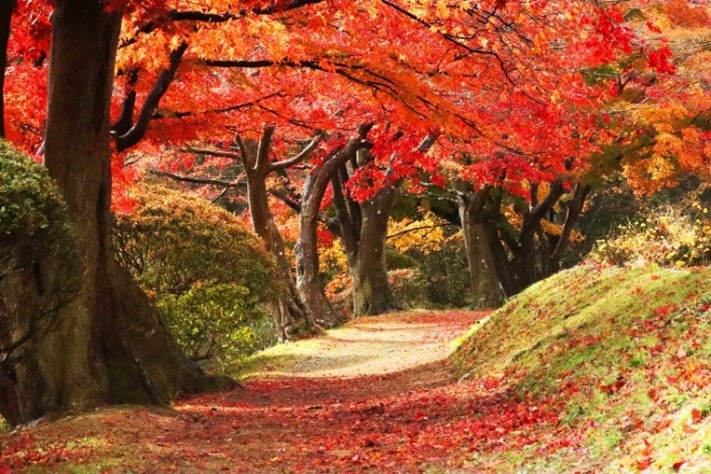
Best Places to See Autumn Leaves in Japan: The Ultimate Regional Guide to Koyo Season

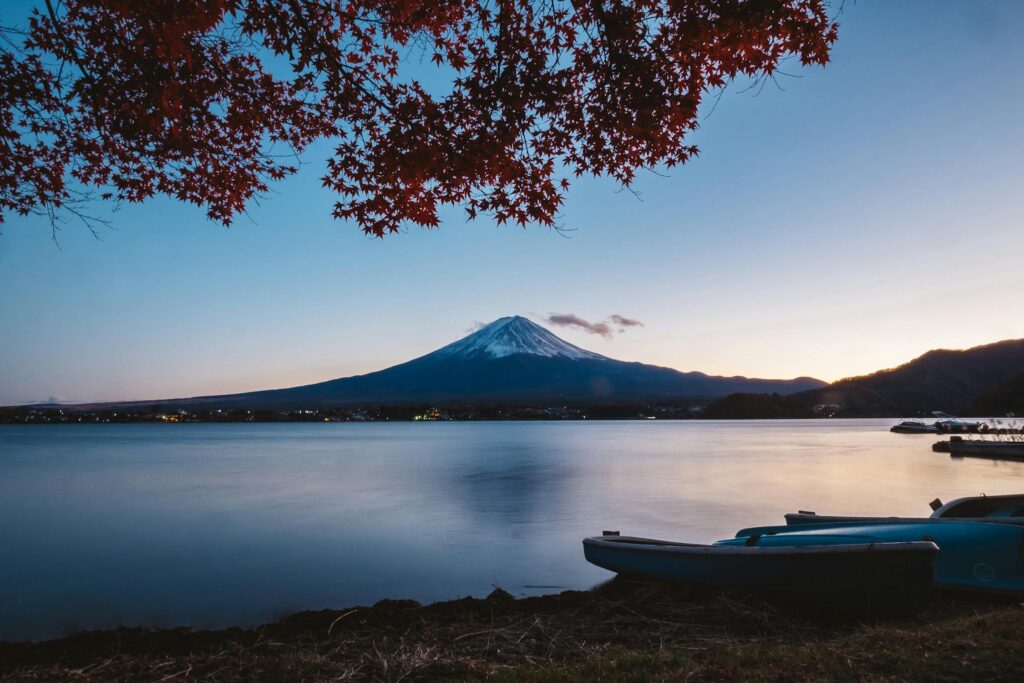
The best places to see autumn leaves in Japan stretch from volcanic peaks in the far north to lantern-lit temple gardens in the old capital. Every region colors at a different time, which is exactly why most first-time visitors end up booking the wrong dates for the wrong city. I’ve spent years building autumn itineraries for clients at Astamb Holidays, and the question I get most often isn’t “where should I go” β€” it’s “when.” Japan calls this season koyo, the gradual turning of leaves from green to gold, orange, and deep red. The tradition of actively chasing this color, known as momijigari (literally “maple hunting”), goes back centuries to Kyoto’s imperial court. Today it pulls travelers across the entire country, from late September in Hokkaido to early December in Kyushu. This guide breaks Japan into five autumn regions, gives you exact peak windows, and tells you precisely how to reach each spot by train, bus, or rail pass. I’ve also added the crowd-avoidance tactics and budget notes I share directly with travelers planning their own koyo trips through Astamb Holidays. 🍁 Understanding Japan’s Autumn Foliage (Koyo) Calendar Japan’s foliage moves in the opposite direction of cherry blossom season. Sakura starts in the south and travels north; koyo starts in the cold mountains of Hokkaido and slowly works its way down to Kyushu over roughly ten weeks. The shift begins in mid-September around Hokkaido’s highest peaks. By early December, the last maples are still glowing in southern cities like Kagoshima and Fukuoka, even as Tokyo’s parks have already dropped their leaves. The Difference Between Koyo and Momiji These two words get mixed up constantly, so it helps to separate them clearly. A garden labeled a “momiji viewing spot” will lean heavily red. A spot known for koyo might be a mixed palette of yellow ginkgo avenues and orange maple canopies. Climate Patterns and Estimated Peak Dates Elevation drives almost everything here. Mountain regions above 1,500 meters can hit peak color a full month before lowland cities at the same latitude, since cooler night temperatures trigger the chlorophyll breakdown that produces autumn pigments. Coastal cities like Tokyo and Osaka sit in a warmer microclimate, which is why their parks color weeks after inland mountain towns at similar latitudes. Heavy rainfall years can also mute color intensity, while a sharp early cold snap tends to produce sharper, more vivid reds. Featured Snippet: When is the best time to see autumn leaves in Japan? The best time to see autumn leaves in Japan ranges from mid-September to early December depending on the region. Hokkaido peaks earliest in mid-to-late October, the central mountain areas of Tohoku and Chubu peak in October, while major cities like Tokyo and Kyoto experience their peak foliage from late November to early December. If your travel dates are fixed and not flexible, picking the region matters more than picking the destination. A trip locked into late November should center on Kansai and Kanto, not Hokkaido, where the leaves will already be gone. For a broader seasonal breakdown across the whole year, our best time to visit Japan guide is worth cross-checking against your travel window. πŸ—ΊοΈ Best Places to See Autumn Leaves in Japan: Region-by-Region Breakdown Here’s where the best places to see autumn leaves in Japan actually sit on the map, organized from the earliest-peaking region to the latest. Hokkaido: The Early Autumn Vanguard (Mid-September to Mid-October) Hokkaido kicks off the entire koyo season weeks before anywhere else in the country. The island’s volcanic terrain and early winter mean color arrives fast and fades fast too, so timing here is tighter than anywhere else on this list. Daisetsuzan National Park (Mount Asahidake) is the earliest and highest-altitude foliage spot in Japan. Color typically peaks in late September, with alpine shrubs turning deep red against bare volcanic rock and active steam vents. Jozankei Onsen, just outside Sapporo, gives travelers a gentler alternative β€” a hot spring town wrapped in maple-lined gorges that peaks slightly later, around early to mid-October. Hokkaido University’s Ginkgo Avenue in central Sapporo offers an urban contrast: a 380-meter row of ginkgo trees that turns bright yellow in late October, easily reached on foot from Sapporo Station. 🍁 Local Insight Tip by Wahid Ali: When we route clients through Hokkaido in early October at Astamb Holidays, I always tell them to check the Daisetsuzan ropeway operating status before flying in β€” strong mountain winds shut it down without much notice, and there’s no real backup plan once you’re already in Asahikawa. Tohoku: Underrated Gorges and Mountain Passes (October) Tohoku rarely makes the front page of Japan travel content, which is exactly why it’s worth the detour. This region trades temple crowds for river gorges and centuries-old mountain temples. Oirase Gorge, inside Towada-Hachimantai National Park, runs a 14-kilometer walking trail along a forest stream lined with maple and beech. Peak color here usually lands in mid-to-late October, with golden canopies reflecting directly off the slow-moving water. Naruko Gorge in Miyagi Prefecture is famous for its 100-meter-deep ravine, best viewed from the Ofukazawa Bridge walkway. Reds and oranges typically peak in mid-October, drawing far smaller crowds than Kansai’s equivalents. Yamadera Temple, perched on a cliffside near Yamagata, requires climbing roughly 1,000 stone steps β€” a workout rewarded by sweeping views of maple-covered valleys from the summit hall. Late October is the sweet spot here. 🍁 Local Insight Tip by Wahid Ali: Tohoku is the region I push hardest for repeat travelers at Astamb Holidays who tell me Kyoto felt too crowded the first time around. Oirase Gorge in particular gives you that classic Japanese-maple-over-water photo with maybe a tenth of the foot traffic you’d see in Arashiyama. Kanto & Tokyo: Urban Parks and Mountain Day Trips (Mid-November to Early December) Tokyo’s color change happens much later than the rest of the country because of its coastal warmth, which actually works in travelers’ favor β€” it extends the koyo season for anyone splitting time between the capital and

Best Places to See Autumn Leaves in Japan: The Ultimate Regional Guide to Koyo Season Read More Β»

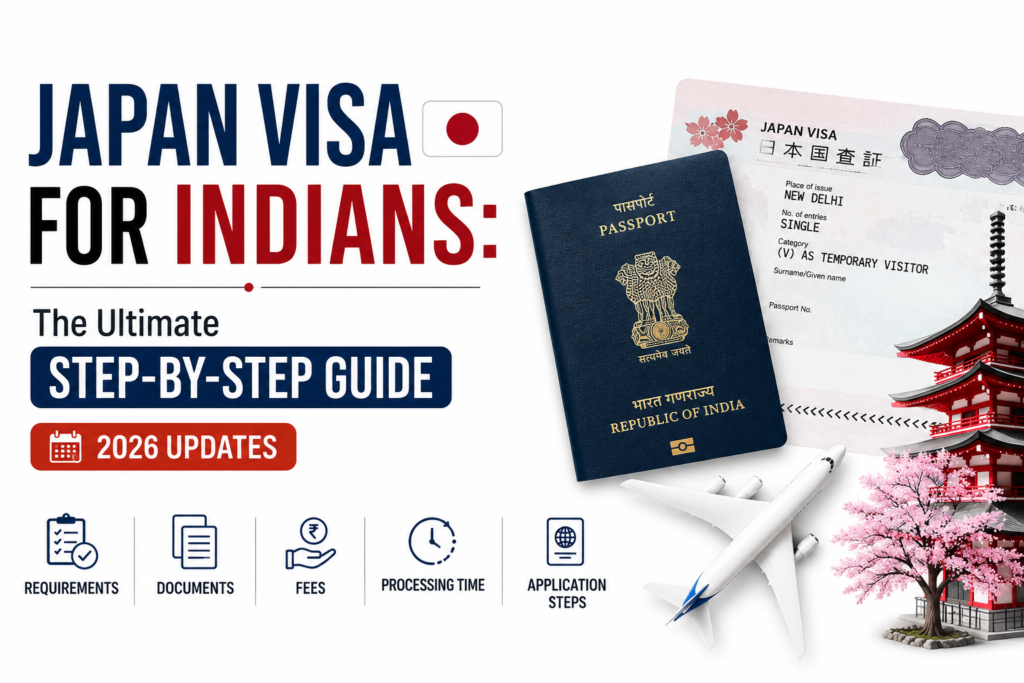
Japan Visa for Indians: The Ultimate Step-by-Step Guide (2026 Updates)

India-Japan tourism is no longer what it was three years ago. The number of Indian travelers landing at Narita, Haneda, and Kansai airports has climbed sharply through 2025 and 2026 β€” driven by direct flights, weakened yen valuations, and a generation of Indian travelers who have moved well beyond Southeast Asia as their default international destination. But the Japan visa for Indians process has changed significantly this year. New deadlines, restructured application channels, and a rollout of eVisa access through accredited agencies have fundamentally altered how Indian citizens plan their trip paperwork. This guide covers every update that matters in 2026 β€” from the April 20, 2026 VFS Global transition in Mumbai to the September 2025 eVisa expansion β€” along with the exact documents you need, the fee structure, the common rejection triggers, and the step-by-step process whether you go the digital or physical route. Do Indians need a visa for Japan? Yes, Indian passport holders require a visa to enter Japan. Depending on your travel plans, you can apply for a single-entry Japan eVisa (up to 90 days for tourism) through a MOFA-accredited agency, or a physical sticker visa (single or multiple entry) through VFS Global, the official processing partner of the Embassy and Consulates of Japan in India. Japan does not offer visa-on-arrival to Indian citizens. πŸ”„ Key Japan Visa Updates in 2026: What Indian Travelers Must Know First Before you pull up a checklist and start collecting bank statements, you need to understand the structural changes that took effect in the last 12 months. These aren’t minor tweaks β€” they change where you apply, how you apply, and what documents are now mandatory versus optional. The Consolidation of VFS Global Processing The most significant shift for travelers based in Maharashtra happened on April 20, 2026. The Consulate General of Japan in Mumbai formally transferred all visa application processing to VFS Global. Walk-in submissions directly to the Consulate are no longer possible β€” the Consulate will not accept applications from individual applicants at all. This mirrors a parallel move that had already taken effect across South India from March 2, 2026. VFS Global centers in Bengaluru, Chennai, Hyderabad, Kochi, and Puducherry moved to an appointment-only model around that time. Walk-in submissions at those locations are refused. You must book a time slot through the VFS India portal before visiting any of these centers. The practical implication: there is no longer any city in India where you can walk into a Japanese consulate or VFS center without prior coordination and expect your documents to be accepted on the same day. Japan eVisa for Indians Explained Since September 1, 2025, Indian residents became eligible for Japan’s JAPAN eVISA system β€” a digital processing route that eliminates the need to visit a VFS center, submit a physical passport, or wait for a sticker visa. This is a single-entry tourist visa that is issued electronically and linked to your passport number. Here is the critical distinction that confuses a lot of applicants: unlike travelers from countries such as Australia, Canada, or the UK, Indian residents cannot apply directly through the MOFA eVISA portal (japan.evisa.meti.go.jp or equivalent). India falls under what MOFA designates as the accredited-agency tier β€” meaning your eVisa application must be lodged through a MOFA-accredited travel agency or platform operating on your behalf. The output β€” a Visa Issuance Notice PDF β€” is then accessible through the agency’s platform. At the airport check-in desk and at Japanese immigration, you display this notice on your smartphone screen via a live internet link. Printed hard copies and screenshots are not accepted; the document must be accessed online in real time. Approval Rates and Processing Dynamics Japan’s approval rates for Indian tourist visas have improved meaningfully through 2025 and into 2026. The Japanese government has shown clear intent to grow Indian tourist arrivals, and consular processing has become more streamlined at most centers. That said, document scrutiny has not relaxed. The consulate continues to apply rigorous checks on financial documentation, itinerary logic, and employer verification. First-time applicants in March 2026 now also face biometric data collection requirements at VFS centers β€” meaning new applicants cannot use the courier-only submission route and must appear in person. πŸ—‚οΈ Types of Japan Visas Available for Indian Citizens 1. Single-Entry Tourist Visa (eVisa and Sticker Options) This is the most commonly issued visa for Indian tourists and the right category for first-time travelers. A single-entry tourist visa allows you to enter Japan once within a 90-day validity window from the date of issue. Your actual permitted stay β€” the duration you can remain inside Japan β€” is typically 15 days or 30 days, as determined by the consulate based on your itinerary and profile. The eVisa route is available only for this category. 2. Multiple-Entry Tourist Visa The multiple-entry visa allows repeated visits to Japan over a validity period of up to 5 years, with each individual stay capped at 90 days. The government fee is the same as for a single-entry visa (β‚Ή500 for Indian nationals as of April 1, 2026), making this an extremely worthwhile upgrade for eligible travelers. Eligibility is specific. You may qualify if you meet at least one of the following: Multiple-entry applications must go through the VFS physical sticker route β€” the eVisa system does not support this category. 3. Transit Visa If your itinerary involves a layover in Japan where you exit the airport or where the connection time exceeds what the transit exemption covers, a transit visa is required. The fee is β‚Ή50 (Embassy fee for Indian nationals). Transit visas are processed via VFS in the same way as tourist visas but require an onward confirmed ticket showing your exit from Japan. 4. Business, Student, and Relative Visit Visas Short-term business visas (for meetings, conferences, trade fairs) follow the same VFS submission process as tourist visas. You will need an invitation letter from the Japanese company or organization, along with your employer documents from India. Long-term visas β€”

Japan Visa for Indians: The Ultimate Step-by-Step Guide (2026 Updates) Read More Β»

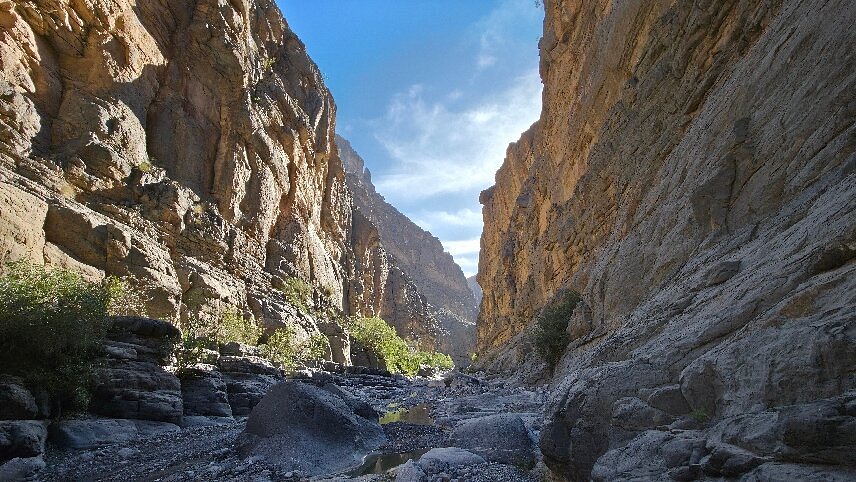
Japan vs Oman: The Ultimate Vacation and Culture Comparison

When you step off the plane at Tokyo Haneda, the city greets you before you even exit the terminal. Digital signage cascades across corridors in four languages. Escalators move in precise formation. A rail system so complex it has its own instruction booklets whisks you toward one of the world’s largest cities in under 35 minutes. Landing at Muscat International Airport is an entirely different conversation β€” a low-rise spread of white limestone, the scent of dry sea air, and a city that feels composed rather than urgent. Wide roads, unhurried drivers, and the faint outline of the Al Hajar Mountains in the distance. The gap between Japan vs Oman as travel destinations isn’t just geographic β€” it’s philosophical. One country has compressed an ancient culture into the most efficient urban machine ever built. The other has kept its landscape and heritage deliberately, beautifully unhurried. Both are safe, both are strikingly beautiful, and both reward travelers who pay attention. But they are asking you to travel in entirely different ways. πŸ—Ύ Japan vs Oman: Contrasting the Far East with the Arabian Peninsula The Arrival: Neon Networks vs. Low-Rise White Fortresses Japan operates at altitude. Tokyo is vertical β€” a skyline of stacked expressways, glass towers, and glowing signs that somehow coexist with wooden temples and micro-gardens tucked into alleyways. The density is the point. In a country of 125 million people living on an archipelago roughly the size of California, space is a resource, and Japan has engineered its way around the shortage. Muscat sits horizontally. Oman’s capital is spread across rocky inlets and coastal plains, with building heights regulated so that the landscape isn’t overwhelmed. There are no skyscrapers here. The Sultan Qaboos Grand Mosque β€” completed in 2001 β€” is the architectural centrepiece, its white marble dome visible from across the city. The pace of arrival itself tells you how each country wants you to experience it. Both airports are modern and well-organized. Tokyo Haneda and Narita connect to a web of trains and express buses. Muscat International connects you to… a car park. Hiring a vehicle in Oman isn’t a recommendation β€” it’s a practical necessity. How They Differ on the Travel Spectrum Japan is a walk-and-rail country. You arrive in Tokyo, load an IC card (Suica or Pasmo), and the city opens itself to you without a map. Subway lines, bullet trains, and regional rail reach nearly every attraction on most standard itineraries. Oman is a road-trip country. Getting to Wadi Shab, Wahiba Sands, or the canyon rim of Jebel Shams requires putting kilometres behind you on an open highway. This is, for the right kind of traveler, a joy rather than an inconvenience. Travelers drawn to the philosophy of slow travel will find Oman more naturally aligned with that pace. Japan suits travelers who want rich cultural and urban immersion punctuated by mountain escapes. Neither is inferior β€” they simply attract different ambitions. Featured Snippet: Should you travel to Japan or Oman? Choose Japan if you prefer hyper-efficient public transit, neon cities, ancient Shinto shrines, alpine forests, and world-class culinary diversity. Choose Oman if you prefer rugged desert road trips, swimming in turquoise wadis, exploring historic mud-brick forts, and experiencing a peaceful, uncrowded Arabian coast under vast desert skies. 🏯 Cultural Heritage: Ancient Shrines vs. Fortresses of the Sand Japan: Zen, Shintoism, and the Preservation of Craft There is a concept in Japanese culture called wabi-sabi β€” the appreciation of imperfection, impermanence, and incompleteness. It shows up everywhere. In the asymmetry of a tea bowl. In the deliberate emptiness of a Zen garden. In the faded cedar of a 1,200-year-old Shinto shrine. Kyoto is the heartland of this tradition. The city holds over 1,600 Buddhist temples and 400 Shinto shrines, including Fushimi Inari Taisha β€” its famous gates climbing a forested mountainside in an unbroken corridor of vermillion. Kinkaku-ji (the Golden Pavilion) reflects itself in still water. Arashiyama’s bamboo grove turns green light into something close to religious experience. But Japan’s cultural depth isn’t limited to Kyoto. The city of Nara offers free-roaming deer considered sacred messengers of the gods. Nikko has mausoleums so ornate they feel almost excessive by Japanese aesthetic standards. Even Tokyo β€” hypermodern on the surface β€” contains Senso-ji in Asakusa, an 8th-century temple surrounded by incense smoke and wooden market stalls. For travelers curious about Japan’s incredible places to visit, the cultural range across the country’s main islands is genuinely staggering. πŸ’‘ Local Insight Tip: In my experience planning Japan tours at Astamb Holidays, first-time visitors consistently underestimate how much time Kyoto needs. Budget a minimum of three full days. Trying to cover Fushimi Inari, Arashiyama, and the Higashiyama temple district in a single day means running rather than absorbing. β€” Wahid Ali The tea ceremony β€” chado β€” is one of the most direct access points to Japanese philosophy. A properly conducted session can last nearly four hours and covers choreographed movement, seasonal aesthetics, and silence used as communication. It isn’t a performance; it’s a practice. Japan’s craft traditions β€” lacquerware, hand-dyed indigo textiles, kintsugi (the art of repairing broken pottery with gold) β€” are living industries, not museum exhibits. Most cities have studios where you can observe or participate. Oman: Bedouin Hospitality, Mud-Brick Forts, and the Frankincense Trail Oman’s cultural identity is built on hospitality as obligation. Refusing refreshment at an Omani home or shop is considered mildly insulting. Coffee β€” kahwa, laced with cardamom and rosewater β€” arrives within minutes of any visit, accompanied by dates. This isn’t ceremony; it’s reflex. The country’s built heritage is extraordinary in its concentration. Bahla Fort, a UNESCO World Heritage Site in the Al Dakhliyah region, is a massive mudbrick complex dating to the pre-Islamic period, with walls stretching for kilometres around an ancient oasis town. The adjacent falaj irrigation system β€” channels that have carried water from mountain springs to date palms for over a millennium β€” is also UNESCO-listed, a feat of hydraulic engineering that still functions today.

Japan vs Oman: The Ultimate Vacation and Culture Comparison Read More Β»

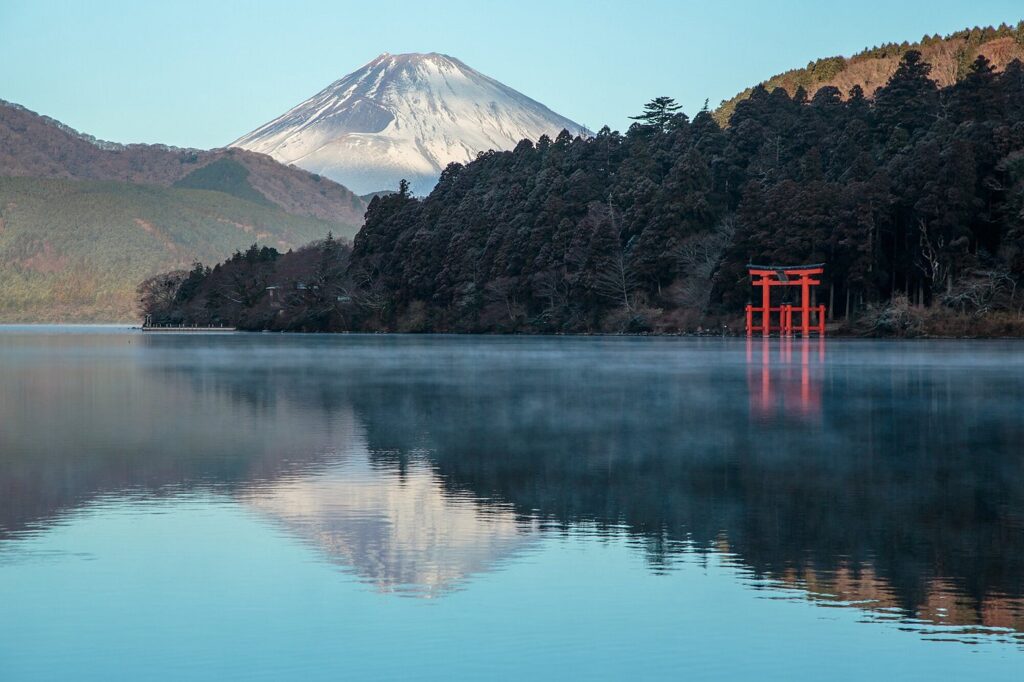
Destinations to Visit in Japan: 25 Incredible Places for Every Type of Traveler (2026 Guide)

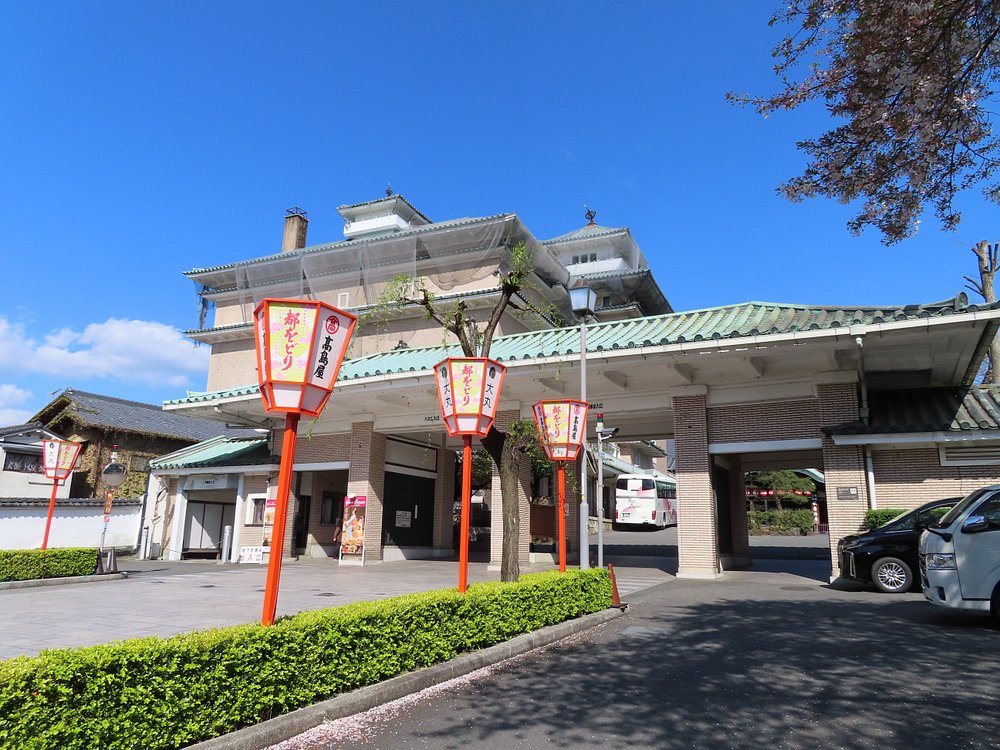
If you’ve been waiting for the right time to plan a Japan trip, 2026 is it. The Japanese yen has stayed relatively weak against the Indian rupee, making this one of the most affordable windows for Indian travelers in the last decade. And yet, this country continues to rank as the #1 travel destination in Asia by virtually every major global travel index. The destinations to visit in Japan range from hyper-modern cities like Tokyo and Osaka to ancient temple towns, misty mountain villages, and wild volcanic coastlines that most tourists never even hear about. In my experience planning Japan itineraries for clients at Astamb Holidays, the travelers who come back most satisfied are the ones who mix at least one major city with one smaller, off-the-beaten-path destination. This guide covers 25 places, practical logistics, INR-denominated budgets, seasonal travel advice, and sample itineraries β€” everything you need to plan a Japan trip confidently in 2026. πŸš„ Quick Answer: What Are the Best Destinations to Visit in Japan? Here’s a fast snapshot for those already mid-planning: Destination Best For Recommended Days Tokyo Modern Japan, food, culture 3–4 days Kyoto Temples, tradition, heritage 3–4 days Osaka Street food, nightlife, day trips 2–3 days Hiroshima & Miyajima History, architecture 1–2 days Hakone Mount Fuji views, onsens 1–2 days Nara Deer park, ancient temples 1 day Kanazawa Culture without crowds 2 days Takayama Historic mountain town 2 days Hokkaido Nature, snow, seafood 3–5 days Fukuoka Food, beaches, gateway to Kyushu 2–3 days Short answer: First-timers should do Tokyo β†’ Kyoto β†’ Osaka. Return travelers should add Kanazawa, Takayama, or Kyushu to the mix. πŸ—ΊοΈ How to Choose the Right Destinations in Japan for Your Travel Style Japan rewards travelers who plan around their own preferences rather than following the same Golden Route everyone else is on. Here’s how to think about it: First-Time Visitors Stick to the Tokyo–Kyoto–Osaka corridor. This route is well-connected by Shinkansen, incredibly tourist-friendly, and delivers Japan’s full cultural and culinary range in 7–10 days. Families with Children Add Nara (for the famous free-roaming deer), Universal Studios Japan in Osaka, and DisneySea in Tokyo to the mix. The train system is very safe and easy for families to navigate. Foodies Osaka is non-negotiable. Add Fukuoka (famous for Hakata ramen and street yatai stalls) and Sapporo in Hokkaido (seafood capital of Japan). Budget β‚Ή1,500–₹3,000 per day just for food in these cities β€” and it’s worth every rupee. Nature Lovers Build around Hokkaido, Hakone, Yakushima Island, and the Takachiho Gorge in Miyazaki. These are places where the landscape alone justifies the flight. Culture Seekers Without the Crowds Kanazawa, Matsue, Kinosaki Onsen, and Takayama offer the full depth of traditional Japan without Kyoto’s tourist surge. Wahid’s Tip: I always recommend clients pair one “Golden Route” city with one smaller destination. The contrast makes both experiences richer. If you’re doing Kyoto, add Kanazawa β€” it’s just 2.5 hours by Shinkansen and the difference in crowd density is dramatic. Traveler Type Must-Do City Best Hidden Gem Pairing First-timer Tokyo Nikko Foodie Osaka Fukuoka Culture-seeker Kyoto Kanazawa Nature lover Hakone Takachiho Adventure traveler Sapporo Yakushima πŸ—Ό Tokyo – Best for Modern Japan Experiences Tokyo is unlike any city on earth. It’s enormous β€” with a population of over 14 million in the city proper β€” and yet it runs with a precision that would make engineers weep with joy. Every train arrives on time. Every street is clean. Every meal, from a Β₯500 convenience store onigiri to a Michelin-starred kaiseki dinner, is taken seriously. Top Areas in Tokyo Getting to Tokyo from the Airport Airport Transport Approx. Time Cost (INR) Narita (NRT) Narita Express (N’EX) 60 min β‚Ή1,500–₹1,800 Narita (NRT) Keisei Skyliner 41 min β‚Ή1,350–₹1,600 Haneda (HND) Tokyo Monorail 25 min β‚Ή450–₹550 Haneda (HND) Keikyu Line 30 min β‚Ή500–₹600 🟑 Local Insight β€” Vegetarian Food in Tokyo: Finding vegetarian food in Japan can be tricky since many broths contain fish stock. Your best bet? 7-Eleven and FamilyMart convenience stores carry onigiri with plum or vegetable fillings, and Indian restaurants in Shinjuku and Akihabara are reliable and affordable. Apps like HappyCow list vegetarian-friendly spots across the city. Search for “vegan ramen” in Tokyo β€” the scene has grown significantly since 2023. Recommended Days in Tokyo: 3–4 days Budget Range: β‚Ή5,000–₹18,000 per day depending on accommodation and dining choices. ⛩️ Kyoto – The Soul of Traditional Japan Kyoto was Japan’s imperial capital for over 1,000 years, and it hasn’t forgotten. The city has more than 1,600 Buddhist temples, 400 Shinto shrines, 17 UNESCO World Heritage Sites, and an entire culture of refinement β€” from the tea ceremony to the intricate seasonal cuisine called kaiseki. Must-Visit Spots in Kyoto Crowd Strategy for Kyoto in 2026 Tourist numbers have been climbing steadily, with summer festivals, alpine retreats, and coastal escapes growing in popularity among Indian and global visitors. In practice, this means Kyoto’s top attractions are now genuinely overwhelmed during peak season. Pro-level move: Book a Nishiki Market walking food tour for early morning, hit Fushimi Inari at dawn, and save the major temple visits for weekday afternoons in shoulder season. Kyoto vs. Kanazawa: Which Is Better for Culture Without Crowds? Factor Kyoto Kanazawa Heritage sites UNESCO World Heritage (17) Intact samurai & geisha districts Crowds (2026) Very high (peak season) Moderate-low Access from Tokyo 2h 15min Shinkansen 2h 30min Shinkansen Food scene Kaiseki, tofu cuisine Fresh seafood, gold leaf sweets Accommodation cost β‚Ή8,000–₹25,000/night β‚Ή5,000–₹15,000/night Best for First-time Japan travelers Return visitors, culture enthusiasts Verdict: For first-timers, Kyoto is irreplaceable. For anyone who has been to Japan before, Kanazawa delivers a purer traditional experience at roughly 60% of the crowd levels. Recommended Days in Kyoto: 3–4 days 🍱 Osaka – Japan’s Kitchen and Gateway to Kansai Ask any food-focused traveler about Japan, and Osaka will come up within the first 30 seconds. The city has a reputation β€” hard-earned β€” as the best eating destination in the country. What to Do in Osaka Is Osaka Worth Visiting If I’m

Destinations to Visit in Japan: 25 Incredible Places for Every Type of Traveler (2026 Guide) Read More Β»

Okinawa Japan Travel Guide 2026: Culture, Beaches & Seasonal Blossoms (Ultimate Itinerary + Local Tips)

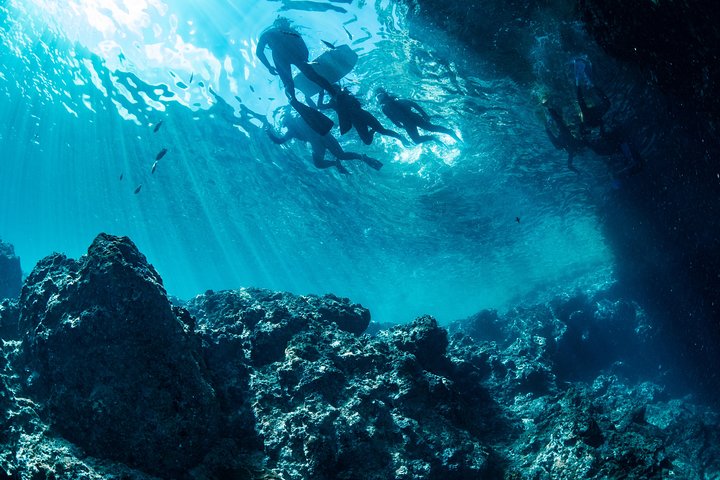
By Wahid Ali | Xplore Heaven | Updated: February 2026 Most people hear “Japan” and picture neon signs, bullet trains, and temple-dotted mountains. Okinawa Japan travel gives you something completely different β€” 160 islands spread across turquoise water, a subtropical climate that refuses to follow the mainland’s rulebook, and a living culture shaped by the ancient Ryukyu Kingdom that has nothing to do with samurai or sushi. People compare Okinawa to Hawaii β€” and sure, the beaches hold up. But Hawaii doesn’t come with UNESCO-listed castle ruins, a unique language, Bingata textile art that’s hundreds of years old, or food that borrows from China, Japan, and America all at once. And let’s be real β€” Okinawa is significantly more affordable than Hawaii, especially if you plan smart. At Astamb Holidays, we’ve routed hundreds of travellers through this archipelago, and every time, they come back wanting more. This Okinawa travel guide covers everything: the best time to visit, which islands to hit, what to eat, how to get around, and a 7-day itinerary you can actually use. 🌊 Why Okinawa Should Be on Your Travel Map Okinawa sits at the very southern tip of Japan, closer to Taiwan than to Tokyo. That geography shapes everything β€” the weather, the food, the people, and the pace of life. The beaches are genuinely world-class. The water around the Kerama Islands β€” known internationally as “Kerama Blue” β€” has some of the most stunning underwater visibility in Asia. Coral reefs here host manta rays, sea turtles, whale sharks, and more than 200 species of coral. Divers fly in from around the world specifically for this. The history goes deep. Okinawa was an independent kingdom β€” the Ryukyu Kingdom β€” for over 400 years before becoming part of Japan in 1879. That history shows up everywhere: in the food, the music, the pottery, the spiritual sites. You won’t find this version of Japan anywhere else. The “Blue Zone” factor. Okinawa is one of the world’s 5 Blue Zones β€” regions where people routinely live past 100 years old. Researchers attribute this to the plant-heavy local diet, active community culture, and a concept called ikigai (a strong sense of purpose). When you eat here, you’re literally tasting one of the healthiest food cultures on the planet. For travellers tired of the same Tokyo-Kyoto loop, Okinawa is the reset button Japan didn’t tell you about. 🌸 Best Time to Visit Okinawa β€” Seasonal & Blossoms Focus 🌸 Early Bloom & Cherry Blossom Season in Okinawa The best time to see cherry blossoms in Okinawa is mid-January to mid-February β€” weeks before they appear anywhere else in Japan. The variety here is Kanhizakura, a deep pink, almost tropical-looking bloom that grows on the hills of Nakijin Castle Ruins and Nago City. The famous Nago Cherry Blossom Festival draws crowds every year in late January. These blooms look nothing like the pale pink clouds of Tokyo’s Yoshino sakura. They’re vivid, full-coloured, and surrounded by subtropical greenery. If you want cherry blossoms without the mainland madness, January–February in Okinawa is your answer. πŸ“Œ Visit Okinawa Japan Official Site has updated bloom schedules and festival dates every season. β˜€οΈ Okinawa Weather Month by Month β€” Seasonal Matrix Month Avg. Temp Conditions Best For January 17–21Β°C Mild, dry, breezy Cherry blossoms, whale watching, hiking February 17–23Β°C Mild, occasional rain Sakura festivals, diving, culture March 19–27Β°C Warming up, short rain showers Beach season opens, snorkelling begins April 22–29Β°C Warm, pleasant Hari boat races, outdoor sightseeing May 25–30Β°C Rainy season starts (tsuyu) Cultural sites; avoid Golden Week crowds June 28–32Β°C Hot, humid, rainy season ends late June Hydrangea gardens, beginning of dive season July 30–33Β°C Hot, humid, typhoon possible Beaches, snorkelling, Eisa Festival August 30–33Β°C Peak summer, typhoon risk highest Peak beach season β€” book in advance September 28–31Β°C Still warm, typhoon risk reducing Thinning crowds, manta ray season October 24–28Β°C Comfortable, drier Naha Tug-of-War Festival, cultural events November 20–24Β°C Cooling, pleasant Diving, outdoor activities, fewer tourists December 17–21Β°C Mild winter Whale watching begins, pottery festivals Typhoon season runs from July through September, peaking in August. About 3–4 typhoons make significant contact with Okinawa each year. If you travel during this window, buy travel insurance and stay flexible. The sweet spots: March–May and October–November. You get good weather, manageable crowds, and fair prices. πŸ₯ Okinawa Local Festivals β€” Calendar Highlights Okinawa’s festival culture is loud, colourful, and deeply rooted in Ryukyuan tradition. 🏝️ Top Islands & Regions to Explore 🏯 Okinawa Main Island (Okinawa Honto) The main island is where most travellers start β€” and for good reason. Naha, the capital, packs in culture, food, history, and nightlife along a 2km stretch of Kokusai Street (International Street). Shuri Castle in Naha is the big draw. The original Ryukyu Kingdom royal palace, built in the 14th century, was declared a UNESCO World Heritage Site in 2000 and devastated by fire in October 2019. The great news for 2026 travellers: the exterior of the iconic red Seiden main hall is now fully restored, and the castle is expected to fully reopen by autumn 2026. You can already visit the grounds, observe the final reconstruction stages from dedicated viewing decks, and experience the history in real time. Paid entry is Β₯400 to view the reconstruction process up close. Sefa Utaki, located in southern Okinawa, is a sacred forest site and another UNESCO-listed Gusuku property. This ancient spiritual grove was the most important sacred space in the Ryukyu Kingdom. Walking through the limestone formations here feels genuinely removed from modern life. Cape Manzamo on the west coast offers some of the most photographed sea views on the island β€” dramatic limestone cliffs dropping straight into electric-blue water. Sunset here is something else. 🀿 Kerama Islands β€” Snorkelling & Diving in “Kerama Blue” Just 30–40 minutes by high-speed ferry from Naha’s Tomari Port, the Kerama Islands are accessible as a day trip or overnight stay. Zamami Island, Tokashiki Island, and Aka Island are the most visited. The water

Okinawa Japan Travel Guide 2026: Culture, Beaches & Seasonal Blossoms (Ultimate Itinerary + Local Tips) Read More Β»