The best places to see autumn leaves in Japan stretch from volcanic peaks in the far north to lantern-lit temple gardens in the old capital. Every region colors at a different time, which is exactly why most first-time visitors end up booking the wrong dates for the wrong city. I’ve spent years building autumn itineraries for clients at Astamb Holidays, and the question I get most often isn’t “where should I go” — it’s “when.”
Japan calls this season koyo, the gradual turning of leaves from green to gold, orange, and deep red. The tradition of actively chasing this color, known as momijigari (literally “maple hunting”), goes back centuries to Kyoto’s imperial court. Today it pulls travelers across the entire country, from late September in Hokkaido to early December in Kyushu.
This guide breaks Japan into five autumn regions, gives you exact peak windows, and tells you precisely how to reach each spot by train, bus, or rail pass. I’ve also added the crowd-avoidance tactics and budget notes I share directly with travelers planning their own koyo trips through Astamb Holidays.
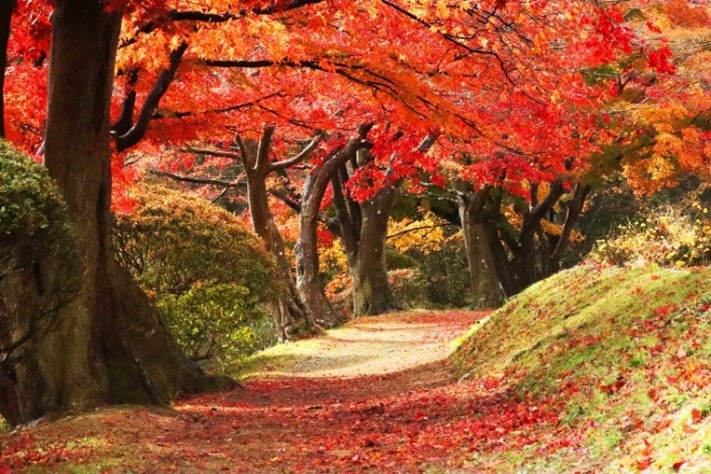
🍁 Understanding Japan’s Autumn Foliage (Koyo) Calendar
Japan’s foliage moves in the opposite direction of cherry blossom season. Sakura starts in the south and travels north; koyo starts in the cold mountains of Hokkaido and slowly works its way down to Kyushu over roughly ten weeks.
The shift begins in mid-September around Hokkaido’s highest peaks. By early December, the last maples are still glowing in southern cities like Kagoshima and Fukuoka, even as Tokyo’s parks have already dropped their leaves.
The Difference Between Koyo and Momiji
These two words get mixed up constantly, so it helps to separate them clearly.
- Koyo (紅葉) refers to the entire autumn color change, including yellow ginkgo, orange katsura, and red maple.
- Momiji (もみじ) specifically means the Japanese maple tree, the variety responsible for the deep crimson shades seen in temple gardens.
- Momijigari is the activity of traveling specifically to view these colors, much like hanami refers to cherry blossom viewing in spring.
A garden labeled a “momiji viewing spot” will lean heavily red. A spot known for koyo might be a mixed palette of yellow ginkgo avenues and orange maple canopies.
Climate Patterns and Estimated Peak Dates
Elevation drives almost everything here. Mountain regions above 1,500 meters can hit peak color a full month before lowland cities at the same latitude, since cooler night temperatures trigger the chlorophyll breakdown that produces autumn pigments.
Coastal cities like Tokyo and Osaka sit in a warmer microclimate, which is why their parks color weeks after inland mountain towns at similar latitudes. Heavy rainfall years can also mute color intensity, while a sharp early cold snap tends to produce sharper, more vivid reds.
Featured Snippet: When is the best time to see autumn leaves in Japan? The best time to see autumn leaves in Japan ranges from mid-September to early December depending on the region. Hokkaido peaks earliest in mid-to-late October, the central mountain areas of Tohoku and Chubu peak in October, while major cities like Tokyo and Kyoto experience their peak foliage from late November to early December.
If your travel dates are fixed and not flexible, picking the region matters more than picking the destination. A trip locked into late November should center on Kansai and Kanto, not Hokkaido, where the leaves will already be gone. For a broader seasonal breakdown across the whole year, our best time to visit Japan guide is worth cross-checking against your travel window.
🗺️ Best Places to See Autumn Leaves in Japan: Region-by-Region Breakdown
Here’s where the best places to see autumn leaves in Japan actually sit on the map, organized from the earliest-peaking region to the latest.
Hokkaido: The Early Autumn Vanguard (Mid-September to Mid-October)
Hokkaido kicks off the entire koyo season weeks before anywhere else in the country. The island’s volcanic terrain and early winter mean color arrives fast and fades fast too, so timing here is tighter than anywhere else on this list.
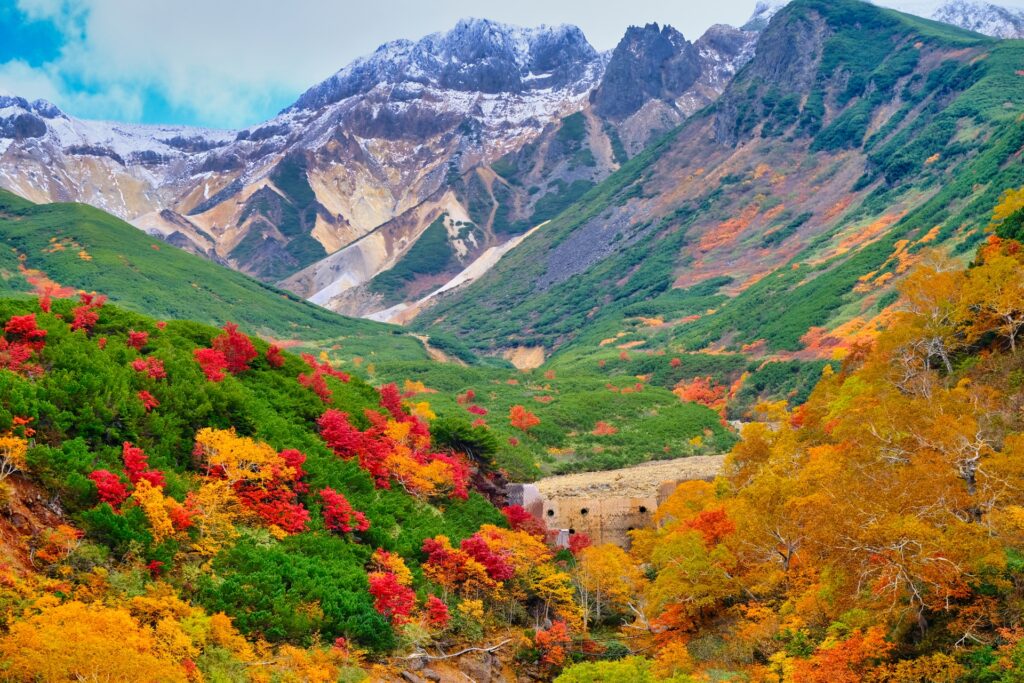
Daisetsuzan National Park (Mount Asahidake) is the earliest and highest-altitude foliage spot in Japan. Color typically peaks in late September, with alpine shrubs turning deep red against bare volcanic rock and active steam vents.
- Best Time to Visit: Mid-September to early October
- Visual Highlight: Red alpine shrubs framed by volcanic peaks and exposed crater rock
- How to Access: Take a bus from Asahikawa Station to the Asahidake Ropeway base station, then ride the ropeway up to the Sugatami observation area.
Jozankei Onsen, just outside Sapporo, gives travelers a gentler alternative — a hot spring town wrapped in maple-lined gorges that peaks slightly later, around early to mid-October.
Hokkaido University’s Ginkgo Avenue in central Sapporo offers an urban contrast: a 380-meter row of ginkgo trees that turns bright yellow in late October, easily reached on foot from Sapporo Station.
🍁 Local Insight Tip by Wahid Ali: When we route clients through Hokkaido in early October at Astamb Holidays, I always tell them to check the Daisetsuzan ropeway operating status before flying in — strong mountain winds shut it down without much notice, and there’s no real backup plan once you’re already in Asahikawa.
Tohoku: Underrated Gorges and Mountain Passes (October)
Tohoku rarely makes the front page of Japan travel content, which is exactly why it’s worth the detour. This region trades temple crowds for river gorges and centuries-old mountain temples.
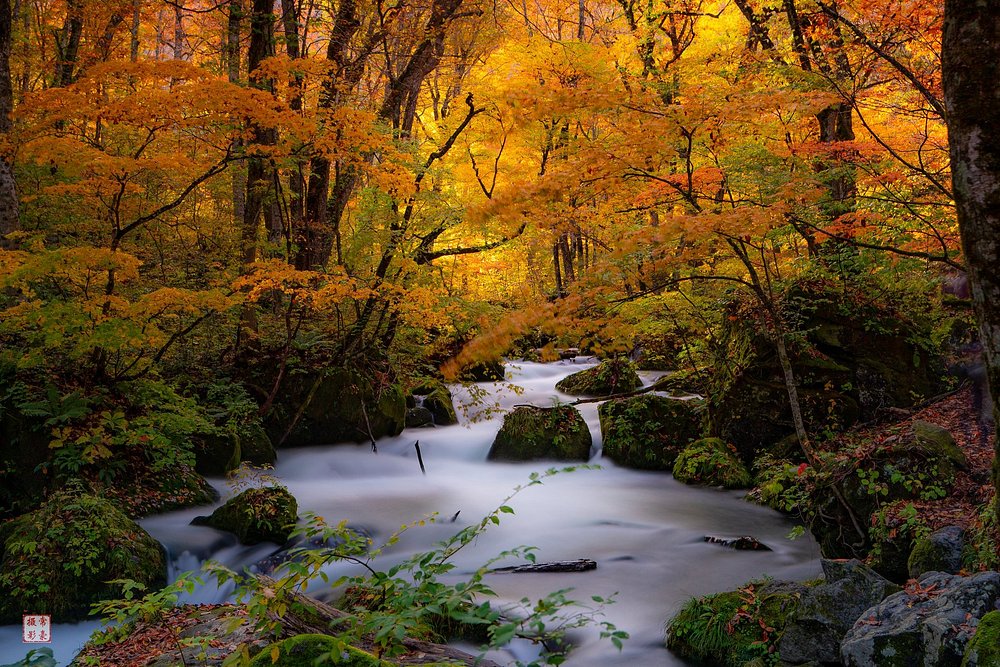
Oirase Gorge, inside Towada-Hachimantai National Park, runs a 14-kilometer walking trail along a forest stream lined with maple and beech. Peak color here usually lands in mid-to-late October, with golden canopies reflecting directly off the slow-moving water.
- Best Time to Visit: Mid-to-late October
- Visual Highlight: Golden beech canopy mirrored in a calm forest stream
- How to Access: Take a JR bus from Hachinohe Station or Aomori Station to the Oirase Gorge entrance at Yakeyama.
Naruko Gorge in Miyagi Prefecture is famous for its 100-meter-deep ravine, best viewed from the Ofukazawa Bridge walkway. Reds and oranges typically peak in mid-October, drawing far smaller crowds than Kansai’s equivalents.
Yamadera Temple, perched on a cliffside near Yamagata, requires climbing roughly 1,000 stone steps — a workout rewarded by sweeping views of maple-covered valleys from the summit hall. Late October is the sweet spot here.
🍁 Local Insight Tip by Wahid Ali: Tohoku is the region I push hardest for repeat travelers at Astamb Holidays who tell me Kyoto felt too crowded the first time around. Oirase Gorge in particular gives you that classic Japanese-maple-over-water photo with maybe a tenth of the foot traffic you’d see in Arashiyama.
Kanto & Tokyo: Urban Parks and Mountain Day Trips (Mid-November to Early December)
Tokyo’s color change happens much later than the rest of the country because of its coastal warmth, which actually works in travelers’ favor — it extends the koyo season for anyone splitting time between the capital and the mountains.
Meiji Jingu Gaien’s Ginkgo Avenue is the single most photographed foliage spot in Tokyo: roughly 300 ginkgo trees forming a bright yellow tunnel near Shinjuku. Peak typically falls in late November to early December.
- Best Time to Visit: Late November to early December
- Visual Highlight: A structured tunnel of bright yellow ginkgo against city architecture
- How to Access: Walk roughly 5 minutes from Aoyama-Itchome Station on the Ginza or Oedo subway lines.
Shinjuku Gyoen mixes traditional Japanese, French, and English garden styles, with maple groves that peak slightly earlier than Meiji Jingu Gaien, around mid-to-late November.
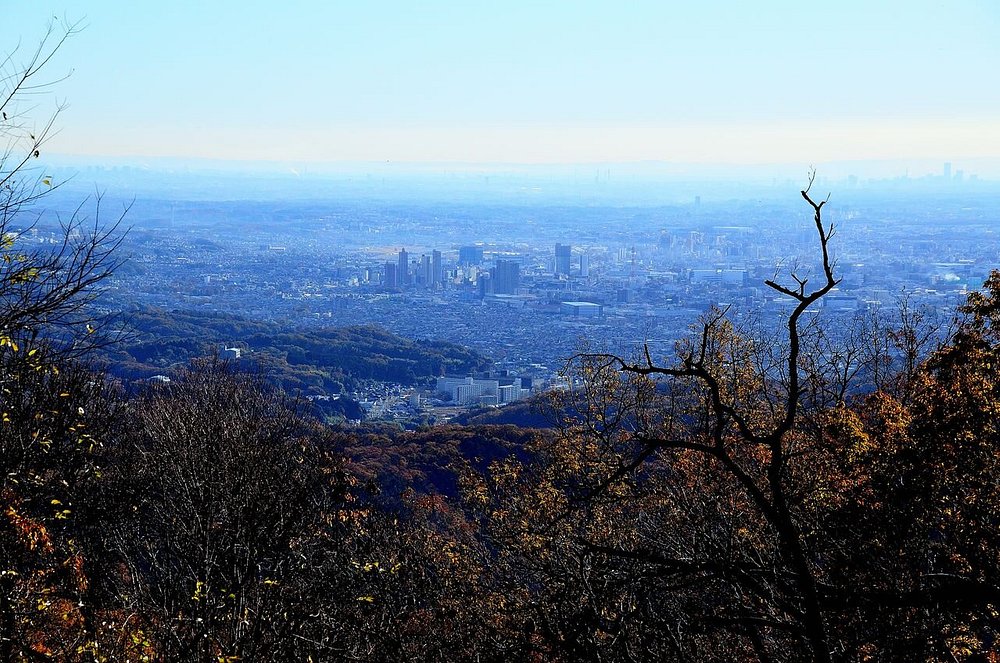
For a mountain day trip without leaving the Tokyo orbit, Mount Takao sits less than an hour from Shinjuku by train and offers cable car access to red-and-gold ridgelines, usually peaking in mid-November.
Nikko, roughly two hours north of Tokyo by train, pairs UNESCO-listed shrines with Lake Chuzenji and Kegon Falls, where red maples frame the waterfall and reflect across the lake surface. Nikko’s elevation pushes its peak earlier than Tokyo, typically mid-to-late October.
If you’re building out a longer Tokyo stay around these day trips, our Tokyo first-timer’s guide covers the practical groundwork — transit cards, neighborhood bases, and timing — that makes squeezing in Nikko or Takao far easier.
🍁 Local Insight Tip by Wahid Ali: I’ve had multiple Astamb Holidays clients try to do Nikko and Meiji Jingu Gaien on the same trip, assuming both peak together. They don’t — Nikko’s mountain elevation puts it nearly a month ahead of central Tokyo, so plan two separate visits if you want both at their best.
Kansai & Kyoto: Ancient Temples and Night Illuminations (Late November to Early December)
Kyoto holds the strongest cultural association with autumn leaves in Japan, largely because its temple gardens were designed with momiji planting in mind centuries ago.
Tofuku-ji Temple offers one of Kyoto’s most recognizable views: a sea of red maple seen from the Tsutenkyo Bridge, looking down into the Sengyokukan valley. Peak typically arrives in late November.
- Best Time to Visit: Late November
- Visual Highlight: Maple canopy viewed from above on the Tsutenkyo Bridge
- How to Access: Walk roughly 10 minutes from Tofukuji Station on the JR Nara or Keihan lines.
Arashiyama combines the famous bamboo grove with Tenryu-ji Temple and the Togetsukyo Bridge, where maples frame the Katsura River against a mountain backdrop. This is also one of Kyoto’s most congested districts during peak season.
Eikando Temple runs one of Kyoto’s most striking night illumination events, lighting up its pond and pagoda against a backdrop of crimson maple from mid-November through early December. These light-ups require a separate ticket from daytime admission and typically run until around 8:30 PM.
Nara Park, a short train ride from Kyoto, blends free-roaming deer with maple groves around Todai-ji and Kasuga Taisha, peaking slightly earlier than central Kyoto, around mid-to-late November.
If Kyoto is your primary base, our Kyoto 7-day itinerary lays out a day-by-day structure that slots these temple visits around the early-morning crowd strategy covered later in this guide.
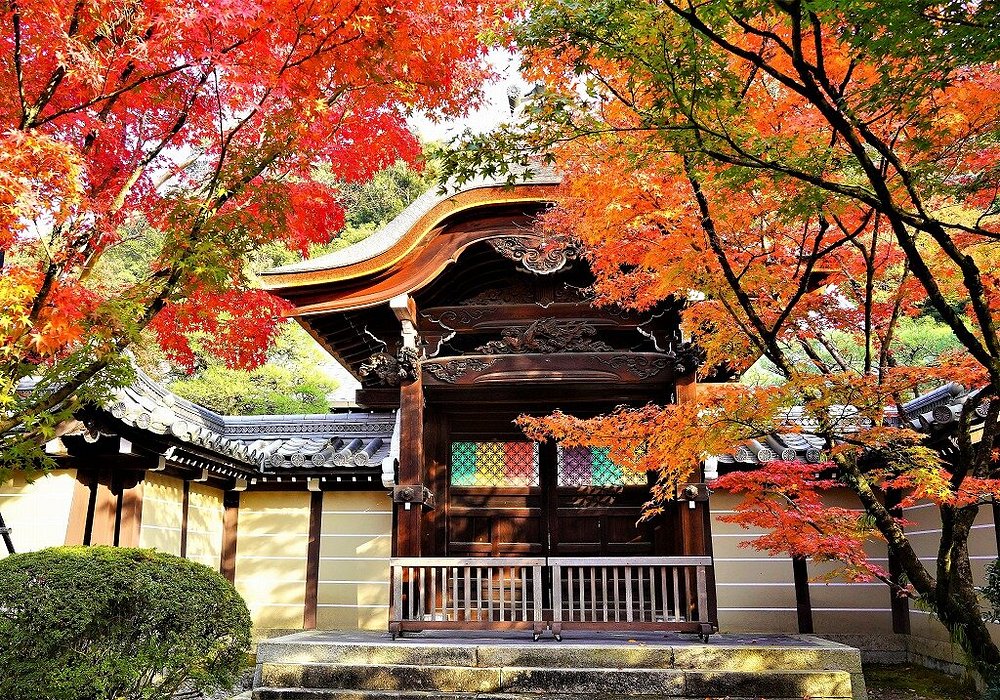
🍁 Local Insight Tip by Wahid Ali: Eikando’s night illumination is the one Kyoto experience I tell every Astamb Holidays client to book in advance, not buy at the gate. We had a group turned away at peak capacity in 2025 because they assumed walk-in tickets would be available — they weren’t.
Chubu & the Japanese Alps: Gorges and Historic Villages (October to November)
Chubu sits geographically and seasonally between the early-peaking north and the late-peaking south, giving it one of the longer koyo windows in the country.
Kamikochi Valley, inside the Japan Alps, closes to private vehicles entirely and runs on shuttle buses only, preserving alpine scenery framed by the Azusa River. Peak color generally falls in mid-October, just before the valley closes for winter in mid-November.
- Best Time to Visit: October to early November
- Visual Highlight: Red and gold foliage surrounding traditional thatched-roof farmhouses
- How to Access: Direct buses run from Takayama Station to Shirakawa-go in around 50 minutes.
Shirakawa-go, a UNESCO World Heritage village of steep gassho-style thatched roofs, peaks in late October to early November, when surrounding mountainsides turn red around the farmhouses below.
Kurobe Gorge, accessible by a narrow-gauge sightseeing trolley train, cuts through one of Japan’s deepest gorges and typically peaks in mid-to-late October, with limited daily train departures that sell out well in advance during the color season.
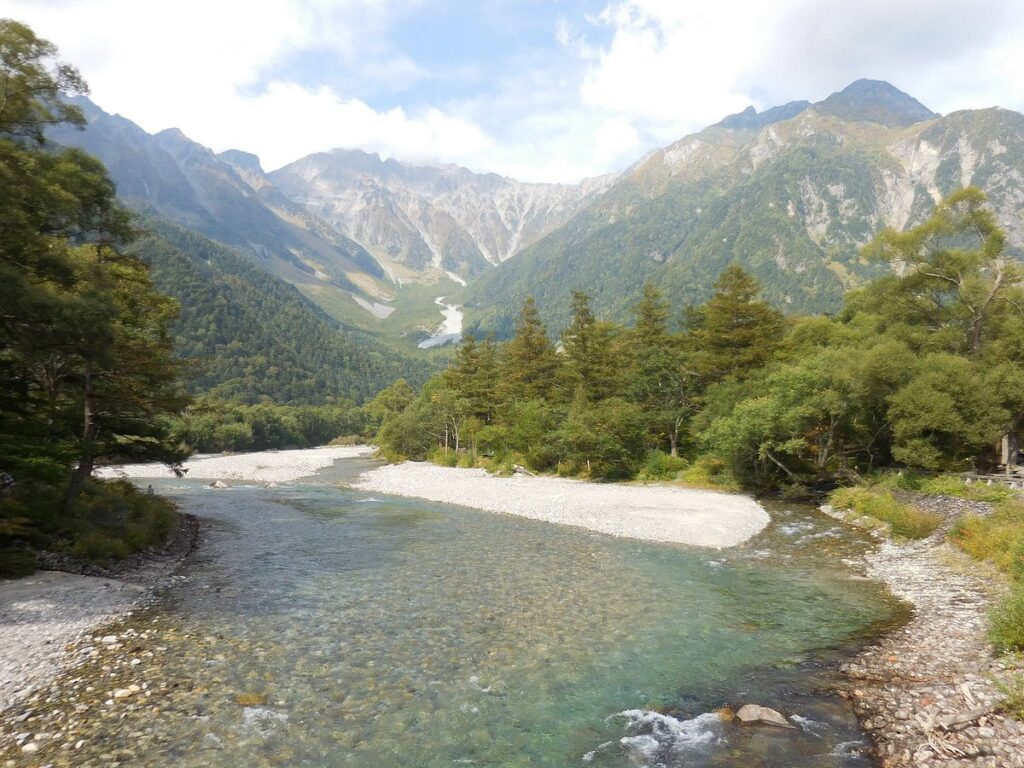
🍁 Local Insight Tip by Wahid Ali: Shirakawa-go advance reservations are non-negotiable during peak color weekends — Astamb Holidays clients who try to visit without booking the parking shuttle in advance often end up turned back at the entrance gate entirely.
Regional Comparison: Top Autumn Leaf Spots at a Glance
| Region | Top Autumn Leaf Spot | Estimated Peak Window | Visual Highlight | Nearest Transit Hub |
|---|---|---|---|---|
| Hokkaido | Mount Asahidake (Daisetsuzan) | Mid-September to Early October | Alpine shrubs and volcanic peaks | Asahikawa Station |
| Tohoku | Oirase Gorge | Mid-to-Late October | Golden canopy over forest streams | Hachinohe Station |
| Kanto (Nikko) | Lake Chuzenji | Mid-to-Late October | Reflection of red maples on lake water | Nikko Station |
| Tokyo | Meiji Jingu Gaien | Late November to Early December | Structured tunnel of bright yellow ginkgo | Aoyama-Itchome Station |
| Kyoto | Tofuku-ji Temple | Late November | View of maple canopy from Tsutenkyo Bridge | Tofukuji Station |
| Chubu | Shirakawa-go | Late October to Early November | Red foliage surrounding historic farmhouses | Takayama Station |
👥 How to Beat the Crowds During Momijigari Season
Peak koyo weekends in Kyoto and Tokyo rank among the most congested travel days in Japan’s calendar, on par with cherry blossom week. A handful of timing tricks make a real difference here.
The Importance of Early Morning Visits
Arriving at Kyoto’s major temples by 7:30 AM is close to essential during the last week of November. Tofuku-ji, Eikando, and Kiyomizu-dera all see tour-bus volumes spike sharply after 9:30 AM, and by midday, bridge viewpoints become standing-room only.
- Arrive 30–45 minutes before official opening time
- Photograph the main viewpoint first, then explore the rest of the grounds
- Save indoor halls and gift shops for after the morning light fades anyway
Exploring Lesser-Known, Regional Alternatives
Arashiyama’s bamboo grove and main bridge area get overwhelmed during peak weekends. Yoshiminedera, a temple in the hills southwest of the city, offers maple views with a fraction of the foot traffic.
Ohara, a rural valley north of Kyoto, gives a quieter version of the same temple-and-maple combination found in the city center. Both alternatives sit roughly 30–45 minutes from central Kyoto by bus.
Mid-Week Travel vs. Weekend Crowds
Domestic Japanese travelers overwhelmingly visit foliage spots on weekends, since most are working Monday through Friday. Scheduling Kyoto’s major temples and Tokyo’s Meiji Jingu Gaien for a Tuesday or Wednesday visit can cut wait times substantially compared to Saturday.
- Save weekend days for travel between regions, not sightseeing
- Book Shinkansen seats in advance for Friday evening and Sunday departures
- Treat any national holiday during late November as a weekend-level crowd day
For more under-the-radar spots beyond the ones covered here, our hidden gems in Japan guide pairs well with this crowd-avoidance approach.
🎒 Essential Logistical Tips for Your Autumn Leaf Trip to Japan
Getting the dates right solves half the problem. The other half is transport, accommodation timing, and packing for temperature swings that can hit 15°C in a single day.
Utilizing Regional Transit Passes
The nationwide Japan Rail Pass (JR Pass) remains useful for travelers covering long distances across multiple regions in one trip — Tokyo to Tohoku to Kansai, for example. As of 2026, the 7-day Ordinary pass is priced at ¥50,000 (roughly ₹29,500 at current exchange rates) when purchased through the official JR Pass website.
For trips concentrated in a single region, a regional pass is usually cheaper:
- JR East Pass — covers Tokyo, Tohoku, and Nikko
- Kansai Wide Area Pass — covers Kyoto, Osaka, and Nara
- Hokkaido Rail Pass — covers Sapporo, Asahikawa, and Hokkaido’s national parks
Run the math against individual ticket prices before buying, since the nationwide pass only pays off with several long Shinkansen segments inside the validity window. Our Japan rail pass guide walks through that calculation in more detail for autumn-specific routes.
Booking Accommodations and Tickets in Advance
Hotels in Kyoto and Nikko routinely sell out two to three months ahead of peak foliage weekends, particularly ryokan with garden views. Budget roughly ₹8,000 to ₹15,000 per night for a mid-range hotel in Kyoto during late November, with prices climbing further for properties directly facing temple gardens.
- Book Kyoto and Nikko hotels at least 60 days in advance
- Reserve night illumination tickets (Eikando, Kodai-ji) online ahead of your trip
- Reserve Kurobe Gorge trolley seats and Kamikochi shuttle buses early — both run limited daily capacity
Packing for Variable Autumn Temperatures
Morning temperatures in mountain regions like Nikko, Kamikochi, or Daisetsuzan can drop close to 0–5°C in late October, while Tokyo afternoons the same week might still reach 18–20°C.
- Pack a packable down jacket for early-morning mountain viewpoints
- Layer with a moisture-wicking base and a light fleece mid-layer
- Bring sturdy walking shoes — gorges, temple grounds, and gravel trails all involve uneven footing
Visa note for Indian travelers: India does not currently have a visa-exemption arrangement with Japan, so a tourist visa must be arranged in advance through VFS Global centers tied to the Embassy of Japan in New Delhi or the Consulate-General of Japan in Mumbai. Processing typically takes 5 to 10 working days, and applications should be submitted at least three to four weeks before departure to account for peak-season volume.
✅ Conclusion: Making the Most of Your Koyo Adventure
The best places to see autumn leaves in Japan aren’t a single ranked list — they’re a moving calendar that rewards travelers willing to match their dates to the right latitude. Hokkaido in late September, Tohoku and Nikko through October, and Kyoto and Tokyo from late November onward all offer genuinely different versions of the same season.
What separates a frustrating trip from a memorable one usually comes down to planning specifics: booking Kyoto hotels early, checking ropeway operating status in Hokkaido, and building in early-morning temple visits instead of fighting midday crowds. None of that requires luck — it just requires matching the itinerary to the calendar before you book flights.
If this is your first koyo trip, take the season slowly rather than chasing every region in one visit. Pick one or two areas, build in flexibility for weather shifts, and treat the changing leaves as a reason to slow down rather than rush between checklist stops. For more region-specific planning, browse the rest of our Japan travel guides on Xplore Heaven before you lock in your dates.
❓ Frequently Asked Questions
What is the absolute best place to see autumn leaves in Japan?
While subjective, Kyoto is widely considered the best city for viewing autumn leaves due to the stunning integration of red Japanese maples with historic temples like Tofuku-ji and Eikando. For natural mountain landscapes, Nikko and the Oirase Gorge offer world-class foliage.
When is peak autumn leaf season in Tokyo?
Peak autumn leaf season in Tokyo typically occurs from late November to early December. During this time, the iconic yellow ginkgo trees along Meiji Jingu Gaien and the traditional maples in Shinjuku Gyoen reach their deepest, most vibrant colors.
When is peak autumn leaf season in Kyoto?
Peak foliage in Kyoto usually runs from mid-November to early December, with the absolute peak typically falling around November 20th to November 30th. During this period, temple gardens across the city are illuminated by brilliant red maples.
How do you travel between autumn leaf spots in Japan?
The most efficient way to travel between different foliage regions is using Japan’s extensive rail network, including the Shinkansen (bullet trains). For regional spots in areas like Nikko or Tohoku, local buses are often required to reach remote gorges and mountain trailheads.
Are there night illumination events for autumn leaves in Japan?
Yes, many historic temples in Kyoto (such as Eikando, Kodai-ji, and Kiyomizu-dera) and parks in Tokyo run special night illumination events (light-ups) during peak season. These events require separate admission tickets and offer a unique view of the glowing red maple leaves against the night sky.
Do Indian travelers need a visa to see autumn leaves in Japan?
Yes. India has no visa-exemption agreement with Japan, so a tourist visa must be obtained in advance through VFS Global, which handles applications on behalf of the Embassy of Japan. Apply at least three to four weeks before travel, since processing during peak autumn season can take longer than usual.
Is the JR Pass worth buying for an autumn leaf trip?
It depends on your route. The JR Pass pays off mainly for travelers covering long distances across multiple regions, such as Tokyo to Hokkaido or Tokyo to Kansai. For trips focused on one region, a regional pass like the JR East Pass or Kansai Wide Area Pass is usually more cost-effective.
Can you see autumn leaves and Mount Fuji at the same time?
Yes, the Fuji Five Lakes region, particularly around Lake Kawaguchiko, combines maple-lined lakeshores with clear Mount Fuji views, typically peaking in early-to-mid November. Morning visits offer the clearest mountain visibility before afternoon haze sets in.
What should I pack for an autumn leaf trip to Japan?
Pack in layers, since mountain mornings can drop near freezing while city afternoons stay mild. A packable down jacket, a light fleece, a moisture-wicking base layer, and sturdy walking shoes for gravel trails and temple grounds cover most situations.
Are vegetarian food options available near major autumn leaf viewing spots?
Yes, though availability varies by region. Kyoto has the strongest vegetarian infrastructure thanks to its Buddhist temple cuisine (shojin ryori) tradition, while smaller mountain towns in Tohoku and Chubu may require advance research or hotel-arranged meals.
⚠️ Disclaimer
This article is intended for general travel planning purposes only. Peak foliage dates are estimates based on historical patterns and official forecasts, and actual timing can shift due to weather variability in any given year — always check current-year forecasts closer to your travel dates. Prices, including JR Pass rates, hotel costs, and currency conversions, reflect figures available at the time of writing and are subject to change without notice.
Astamb Holidays and Xplore Heaven do not guarantee the operating status, ticket availability, or pricing of any third-party attraction, transport service, ropeway, shuttle, or accommodation mentioned in this guide. Readers are responsible for verifying current opening hours, reservation requirements, and entry conditions directly with official sources before booking. This article does not constitute legal, visa, or immigration advice, and travelers should confirm current entry requirements with the Embassy of Japan or an authorized visa processing center. Neither Xplore Heaven nor Astamb Holidays endorses any specific third-party vendor, tour operator, or booking platform referenced in this piece.
About the Author
Wahid Ali is a seasoned travel professional and Operations Lead at Astamb Holidays, Mumbai. With extensive experience in crafting travel experiences and destination insights, Wahid combines practical travel logistics expertise with engaging storytelling to help travelers explore hidden gems across India and beyond. His work blends expert travel planning with a passion for culturally rich and nature-oriented destinations.
Connect with Wahid Ali on LinkedIn | xploreheaven.com
📚 Sources
This article is backed by authoritative sources and research.
- Japan National Tourism Organization — Autumn Leaves Forecast
- Japan National Tourism Organization — History & Culture of Koyo
- Japan Guide — Autumn Leaves (Koyo) in Japan
- Embassy of Japan in India — Visa Information
- Consulate-General of Japan in Mumbai — Visa Information for Western India
- UNESCO World Heritage Centre — Historic Villages of Shirakawa-go and Gokayama
- UNESCO World Heritage Centre — Shrines and Temples of Nikko
- Japan National Tourism Organization — The Historic Villages of Shirakawa-go and Gokayama
- Japan National Tourism Organization — The Shrines and Temples of Nikko
- Japan National Tourism Organization — Chasing Colours: Autumn Leaves on a Budget (Chubu)
- Ministry of the Environment, Japan — Daisetsuzan National Park
- Japan National Tourism Organization — Explore Daisetsuzan National Park
- Japan Rail Pass — Official Pricing and Purchase Information
- East Japan Railway Company — Price Changes for the Japan Rail Pass (Official Notice)
- Japan National Tourism Organization — Geibikei Gorge