Destination Guides

Is Albania Safe for Solo Female Travelers? Real Stories + Smart Safety Tips

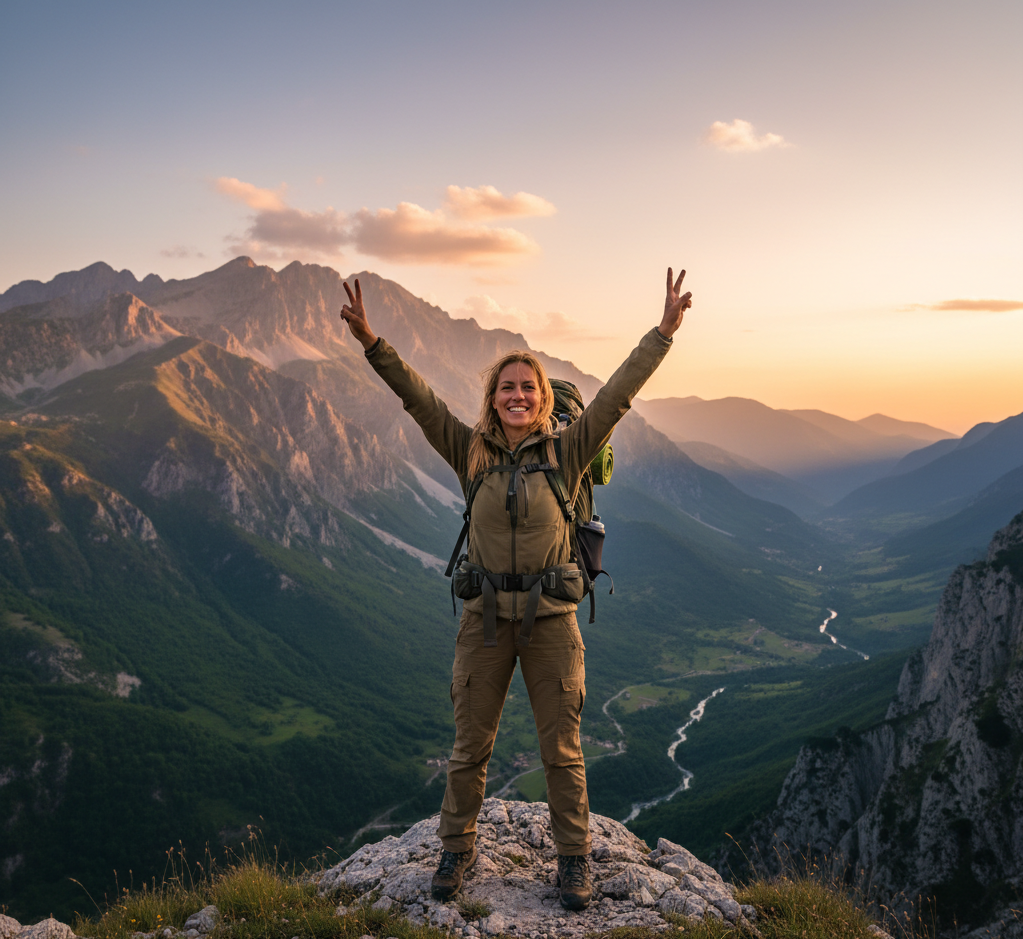
When I first told my friends I was heading to Albania solo, their reactions ranged from “Where’s that?” to “Is that even safe?” I get it. Albania doesn’t exactly scream “popular tourist destination” like Paris or Barcelona. Its post-communist history and Hollywood portrayals have given it an unfair reputation. But here’s the truth: Albania is generally safe for solo female travelers when you travel smart and stay aware of your surroundings. This guide isn’t about sugar-coating things or scaring you away. I’m giving you the real deal—balanced perspectives, honest experiences from women who’ve been there, practical safety tips for solo women travelers, and insider advice you won’t find in generic travel guides. By the end, you’ll know exactly what to expect and how to make your Albanian adventure both amazing and secure. Quick Albania Safety Overview Category Details Overall Safety Rating Generally safe – Level 2 (Exercise Increased Caution) Crime Rate Low – 1.2 per 100,000 (lower than US) Best for Solo Women Yes – ranked #49 safest globally for solo females Main Concerns Petty theft, street harassment (minimal), road safety Visa Required? No – 90 days visa-free for US/UK/EU citizens Emergency Numbers Police: 129, Ambulance: 127, General: 112 Budget Level Very affordable – €30-50/day Best Time to Visit May-September (beaches), Year-round (cities) Why More Women Are Choosing Albania for Solo Travel Albania is having a moment, and for good reason. This hidden Balkan gem is attracting solo female travelers in droves, and once you see what it offers, you’ll understand why. The Appeal is Real Albania hits that sweet spot every budget traveler dreams about—stunning scenery without the tourist prices. We’re talking turquoise beaches that rival Greece (seriously, Ksamil looks like the Maldives), dramatic mountain peaks in the Albanian Alps, and UNESCO World Heritage towns where you can wander ancient cobblestone streets virtually alone. Your money goes ridiculously far here. A delicious meal costs €5-8, hostels start at €10/night, and you can stay in charming guesthouses for €15-25. But beyond the affordability, it’s the Albanian hospitality that wins hearts. The concept of “besa”—a traditional code of honor—runs deep here. Locals treat guests with incredible warmth and respect. Don’t be surprised if someone invites you for coffee after you ask for directions, or if a restaurant owner insists on walking you to your bus stop. How Does Albania Compare to Other Balkan Countries? If you’re planning a Balkans trip, female travel in the Balkans is generally safe across the board. Albania’s safety in Albania profile is similar to Montenegro and North Macedonia. Croatia gets more tourists and has more developed infrastructure, but Albania offers that raw, undiscovered feeling that makes you feel like an explorer rather than a tourist. The crime rates are comparable—actually, Albania’s intentional homicide rate is approximately 1.2 per 100,000 people, which is comparable to Poland and safer than the United States. The Real Safety Picture in Albania Let’s talk numbers and facts, not fear-mongering. Crime Rates: What You Actually Need to Know Here’s something that might surprise you: Albania recorded 33,845 offenses in 2023, which is near a 10-year low, with homicides dropping to 34 and pickpocketing falling 17% from 2020 to 2023. Violent crime against tourists is extremely rare. The U.S. Department of State maintains a Level 2 advisory (Exercise Increased Caution) for Albania due to crime connected to drug activity and organized crime, but here’s the important part—this organized crime stays within criminal networks and doesn’t spill over to tourists. Petty crime like pickpocketing is your main concern, especially in crowded areas like: Putting It in Perspective To give you context, Albania’s crime rate is lower than many Western European capitals. You’re statistically safer walking around Tirana than you are in parts of Rome, Barcelona, or even major U.S. cities. Expats in Tirana report feeling safe walking in the city center during the day and even at night, with petty theft being far less frequent than in major tourist cities. Tourism’s Double-Edged Sword Albania’s tourism boom is helping and hurting safety in Albania. The positive: better infrastructure, more English speakers, improved roads (well, in some areas), and increased police presence in tourist zones. The negative: more tourists mean more opportunities for scams and inflated prices. During peak summer season in places like Saranda, you’ll need to negotiate taxi prices and double-check restaurant bills. Female-Specific Safety Considerations This is the section you really came for, so let’s get specific about what women travelling alone in Albania can expect. Street Harassment: The Reality I’m not going to lie—you might experience some street harassment in Albania. It’s typically staring, catcalls, or unwanted comments, especially in larger cities. Some women report persistent attention from men in gyms or beaches. However, this is rarely aggressive or threatening. After politely declining offers from men in Saranda and Ksamil, they left her alone with no issues, and these encounters were not harassing or intimidating. How to Handle Unwanted Attention: Cultural Norms and Dress Code Albania is more conservative than Western Europe, especially outside Tirana. Here’s what works: In Tirana and Coastal Areas: Pretty relaxed. You’ll see Albanian women in everything from modest clothing to Western fashion. Tank tops and shorts are fine during summer. In Rural Areas and Religious Sites: Cover your knees and shoulders. When visiting mosques, you’ll need to cover your hair (scarves are usually provided). This isn’t just about respect—it helps you blend in and reduces unwanted attention. Pro tip: Carry a lightweight scarf or shawl in your daypack. It’s perfect for entering religious sites and can serve as sun protection. Women’s Healthcare and Medical Needs Good news: health and medical care in Albania is accessible, especially in cities. Pharmacies (“farmaci”) are everywhere, and pharmacists often speak English. You can get birth control, feminine hygiene products, and over-the-counter medications easily. Most international brands are available. Important Numbers to Save: The U.S. Department of State notes that law enforcement’s ability to protect and assist travelers is limited in some remote areas, so travelers should remain aware of their

Is Albania Safe for Solo Female Travelers? Real Stories + Smart Safety Tips Read More »

Discover Mumbai Like a Local: 25+ Best Things to Do, Hidden Gems & Insider Tips

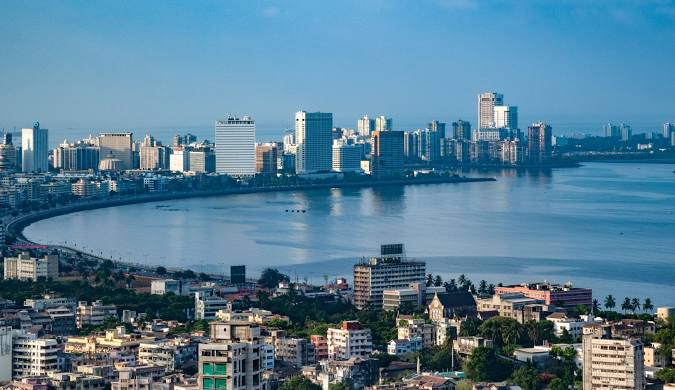
Discover Mumbai Like a Local: 25+ Best Things to Do, Hidden Gems & Insider Tips Picture this: You’re standing at the edge of the Arabian Sea, salty breeze in your hair, watching the sun paint the sky in shades of orange and pink. Behind you, the city hums with energy—honking taxis, vendors calling out, the aroma of spicy street food floating through the air. This is Mumbai, where every corner tells a story and every street offers an adventure. What is very famous in Mumbai? That’s the million-dollar question travelers ask before visiting India’s financial capital. Sure, you’ve heard about the Gateway of India and Marine Drive. But Mumbai is so much more than its postcard pictures. It’s a city where centuries-old temples stand beside gleaming skyscrapers, where millionaires and street vendors share the same sidewalks, and where you can eat a meal fit for royalty for less than the price of a coffee back home. This guide isn’t your typical tourist checklist. We’re diving deep into the real Mumbai—the hidden lanes, the secret viewpoints, the local hangouts where Mumbaikars actually spend their time. Whether you’re traveling on a shoestring budget or ready to splurge, whether you have 24 hours or a full week, this guide has got you covered. Best time to visit? October through February brings pleasant weather perfect for exploring. The monsoon months (June-September) transform the city into a green paradise, though you’ll need an umbrella. Summer (March-May) can be hot and humid, but that’s when you’ll find the best deals and fewer crowds. Quick Reference Guide Category Top Picks Best Time to Visit Budget Range Heritage Sites Gateway of India, CST, Elephanta Caves Early morning (7-9 AM) ₹20-₹600 Food Experiences Juhu Beach, Mohammad Ali Road Evening (6-10 PM) ₹50-₹2,000 Shopping Colaba Causeway, Linking Road Afternoon (2-8 PM) ₹100-₹5,000 Nature Escapes Sanjay Gandhi National Park, Marine Drive Morning/Sunset Free-₹200 Nightlife Bandra, Lower Parel 8 PM onwards ₹500-₹3,000 Cultural Activities Kala Ghoda, NCPA Varies by event ₹100-₹2,500 🏛️ Section 1: Historic & Heritage Must-Sees Gateway of India: Your Mumbai Story Begins Here The Gateway of India is more than just Mumbai’s most photographed monument—it’s where the city’s soul meets the sea. Built in 1924 to commemorate King George V’s visit, this majestic arch stands as a reminder of India’s colonial past and independent future. Insider tip: Skip the midday crowds and arrive at sunrise (around 6 AM). You’ll have the place almost to yourself, and the golden morning light makes for stunning photos. Watch the ferry boats bob in the harbor while local joggers pass by and street photographers set up their tripods. From here, catch a ferry to Elephanta Caves or simply grab a cutting chai (small tea) from a nearby vendor and soak in the atmosphere. The area around the Gateway is perfect for people-watching—you’ll see everyone from honeymooning couples to school groups to tourists feeding pigeons. Pro tip: The Taj Mahal Palace Hotel right next to the Gateway offers an incredible high tea experience if you’re looking to splurge. Even if you don’t stay here, walk through the lobby to admire its legendary architecture. Check out the official Maharashtra Tourism website for more details on Mumbai attractions. Chhatrapati Shivaji Maharaj Terminus (CSMT): A Train Station That’s a Masterpiece Most people rush through train stations. At CST, you’ll want to slow down. This UNESCO World Heritage Site is a mind-blowing fusion of Victorian Gothic Revival and traditional Indian architecture. The intricate stone carvings, stained glass windows, and turrets make it look more like a palace than a train station. Local scoop: Head to Platform 18 during late morning (10-11 AM) when the light streams through the stained glass, creating rainbow patterns on the floor. The platform is less crowded at this time, giving you space to appreciate the architectural details without getting swept up in the commuter rush. Over 3 million passengers pass through CST daily, making it one of the busiest railway stations in India. The building itself took 10 years to complete and features sculptures, gargoyles, and even a peacock motif—India’s national bird—carved into the stonework. Elephanta Caves: Ancient Wonders on an Island A short ferry ride from the Gateway of India takes you to Elephanta Island, home to rock-cut cave temples dating back to the 5th century. The main cave houses a stunning 20-foot tall sculpture of Trimurti—the three-faced Shiva that represents creation, preservation, and destruction. Practical tips: DIY or guided tour? If you love history, hiring a local guide (around ₹500) brings the ancient sculptures to life with stories and legends. If you prefer exploring at your own pace, download an audio guide app before you go (WiFi on the island is spotty). Don’t miss the smaller caves on the island—most tourists skip them, but they offer peaceful spots for meditation and photography. Learn more about visiting Elephanta Caves. Hidden Heritage Spots: Off the Tourist Trail Bassein Fort (Vasai): About an hour north of Mumbai lies this sprawling Portuguese fort from the 16th century. Covered in creeping vines and echoing with history, it’s a photographer’s dream. Perfect for a half-day trip if you want to escape the city chaos. Banganga Tank: Tucked away in Malabar Hill, this ancient water tank is believed to be over 1,000 years old. Surrounded by temples and heritage buildings, it feels like stepping back in time. Visit during the Banganga Festival (January) for classical music performances against this stunning backdrop. Old Fort Walls: Near CST, you can still find remnants of Bombay Fort, the British fortification that gave the Fort area its name. Walk along Horniman Circle Gardens to spot sections of the original walls peeking through modern buildings. 🎨 Section 2: Culture, Arts & Local Stories Mani Bhavan: Where Gandhi Lived and Dreamed Mani Bhavan isn’t just another museum—it’s where Mahatma Gandhi lived for 17 years and launched some of India’s most important independence movements. The preserved rooms show his simple lifestyle, and the museum houses rare photographs, letters, and personal belongings. What makes it

Discover Mumbai Like a Local: 25+ Best Things to Do, Hidden Gems & Insider Tips Read More »

Oman Tour Itinerary: 7-Day Guide to Culture, Adventure & Hidden Gems

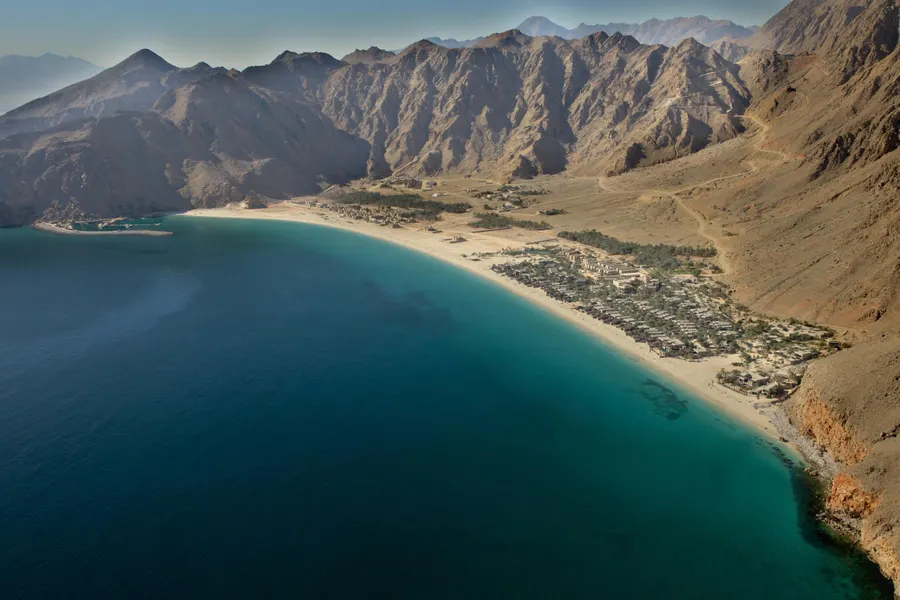
Imagine leaving behind the city hustle for a place just a short flight away, where you can drive on smooth highways through vast deserts one day and explore lush green mountains the next. That’s Oman. While your friends are posting the same Dubai mall photos, you could be watching sea turtles nest under a blanket of stars or sipping traditional Omani coffee in a mountain village where the air is cool and crisp. This isn’t just another Middle Eastern destination – it’s a country that feels like nature’s playground, designed perfectly for the curious Indian traveler. This is the only Oman trip planner you’ll need as an Indian family, couple, or solo adventurer. From navigating the e-visa process to finding delicious vegetarian meals, from driving through dramatic wadis to camping under desert stars – we’ve got every detail covered. Whether you’re planning a romantic getaway or a family adventure, these things to do in Oman will transform your week into memories that last a lifetime. Why Oman is a Perfect Getaway for Indians It’s Closer Than You Think A 3.5-hour flight from Mumbai or Delhi puts you in Muscat – shorter than most domestic trips to Goa. What surprised me most was how this proximity doesn’t compromise the exotic factor. You’re still stepping into a completely different world. You’ll Feel Right at Home (Sort Of) Oman hosts over 700,000 Indian expats, creating a familiar comfort zone without losing the thrill of being somewhere new. Shopkeepers greet you in Hindi, restaurants understand “kam mirch” (less spice), and you’ll spot familiar faces from Kerala working in hotels and restaurants. Yet the Omani culture shines through beautifully – it’s this perfect blend that makes Indian travelers feel welcomed, not just tolerated. Safety That Lets You Truly Relax Oman ranks as one of the world’s safest countries. Families can explore confidently, solo female travelers feel secure, and parents don’t spend their vacation worrying. The roads are pristine, the people are genuinely helpful, and petty crime is virtually non-existent. Premium Experience Without the Premium Price Tag While a week in Switzerland might cost ₹2 lakhs per person, Oman offers similar natural beauty and luxury experiences for roughly half that budget. Your money goes further, especially when you factor in the variety – mountains, deserts, beaches, and culture all in one trip. Planning Your Oman Trip: The Essentials Visa for Indians Getting an Oman visa is refreshingly simple. Apply online through the Royal Oman Police e-visa portal – no embassy visits, no document submissions, no stress. The tourist visa costs around 20 OMR (approximately ₹4,300) and is valid for 30 days. Quick Visa Facts: For the most current visa information, always check the official Royal Oman Police e-visa portal. Best Time to Visit Oman October to April: The Golden Window This is when Oman transforms into paradise. Temperatures hover around 25-30°C – perfect for hiking, driving, and outdoor adventures. The mountains are pleasantly cool, and even the desert becomes enjoyable during these months. May to September: Skip It (Mostly) Summer temperatures regularly hit 45°C and above. However, there’s one exception – Salalah experiences the Khareef (monsoon) season from June to September, turning the southern region into a green oasis while the rest of the country bakes. For detailed weather forecasts and historical climate data, check Weather.com’s Oman section Month Temperature Best For Avoid If Nov-Feb 20-28°C Everything! Peak season You prefer fewer crowds Mar-Apr 25-35°C Great weather, fewer crowds You’re very heat sensitive May-Sep 35-45°C+ Salalah’s Khareef season only You’re doing desert/mountain activities Oct 28-38°C Good weather returning Still quite warm for some Connectivity & SIM Cards Grab a local SIM card at Muscat Airport immediately after clearing immigration. Ooredoo and Oman Mobile both offer tourist packages starting from 10 OMR (₹2,150) for 5GB data valid for 30 days. Trust me, having Google Maps working flawlessly makes the entire road trip stress-free. Currency & Budgeting The Omani Rial (OMR) is pegged to the US Dollar, making 1 OMR approximately ₹215-220. Unlike other Middle Eastern countries, Oman operates primarily on cash, though cards are widely accepted in hotels and restaurants. Daily Budget Guide (Per Person): Budget Level Daily Cost Includes Excludes Budget ₹5,000-7,000 3-star hotels, local restaurants, self-drive economy car Luxury experiences, alcohol Mid-range ₹10,000-15,000 4-star resorts, mix of local and tourist restaurants, SUV rental Premium desert camps, fine dining Luxury ₹20,000+ 5-star properties, guided tours, luxury desert experiences Nothing – go wild! Getting Around: The Great Omani Road Trip Here’s the truth about transportation in Oman: you need to drive. This isn’t like Europe where trains connect everything, or like Thailand where tuk-tuks are everywhere. Oman’s beauty lies scattered across dramatic landscapes, and the journey between destinations is half the adventure. Vehicle Choice Made Simple: Why Driving in Oman is a Joy: Roads are immaculate – better than most Indian highways. Speed limits are clearly marked and strictly enforced (good for safety-conscious families). Fuel is incredibly cheap, and parking is free almost everywhere. The Ultimate 7-Day Oman Itinerary Day 1: Arrival in Muscat & Souq Magic Morning: Land in Muscat, collect your rental car, and check into your hotel. If you arrive early, grab lunch at a local restaurant – try the Omani breakfast of eggs with local bread. Afternoon: Visit the Sultan Qaboos Grand Mosque, one of the world’s most beautiful mosques. Important: Dress modestly (long pants and sleeves; women need headscarves). The mosque closes to visitors at 11 AM except Saturdays, so plan accordingly. Check current visiting hours and guidelines at the Sultan Qaboos Grand Mosque official website Evening: Lose yourself in Mutrah Souq. Unlike sterile Dubai malls, this souq pulses with authentic energy. Bargain for frankincense, Omani silver jewelry, and traditional khanjar daggers (decorative ones for tourists are fine to carry home). Travel Tip: Download the Careem app – it’s like Ola but for Oman, perfect for short city trips when you don’t want to drive. Food Highlight: End the day at Bait Al Luban restaurant for your first taste of authentic

Oman Tour Itinerary: 7-Day Guide to Culture, Adventure & Hidden Gems Read More »

Tallinn

Best Time to Visit Tallinn from India: A Complete Seasonal & Travel Guide

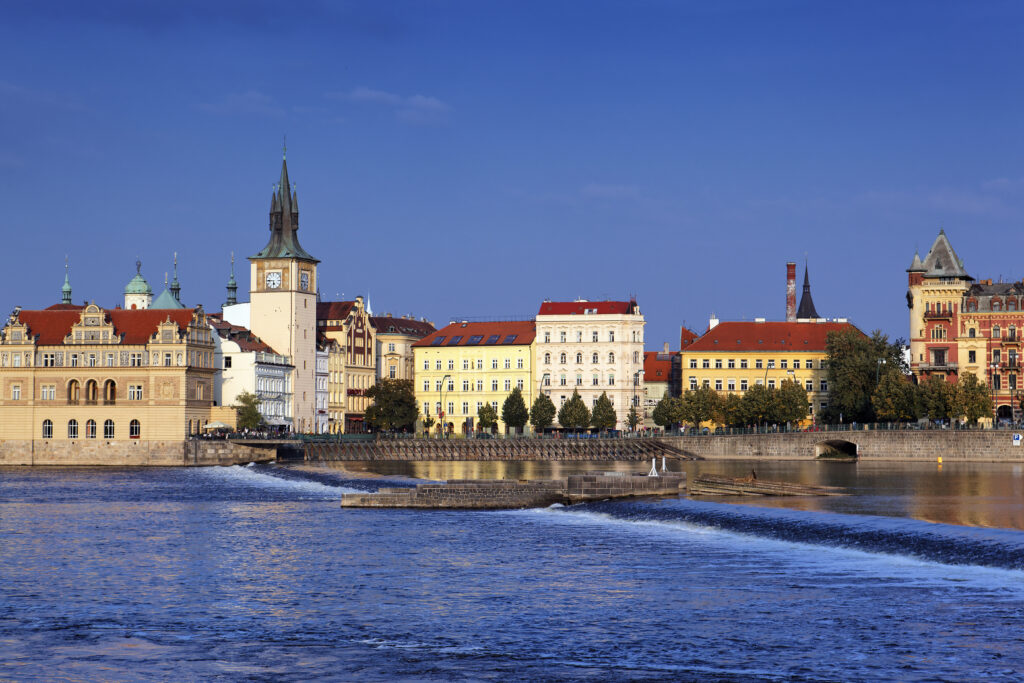
Introduction: Why Tallinn is Your Next European Getaway Picture this: cobblestone streets echoing with medieval charm, towering Gothic spires piercing Baltic skies, and fairy-tale architecture that looks straight out of a storybook. This isn’t just another European city – this is Tallinn, Estonia’s captivating capital that’s quickly becoming the smart traveler’s alternative to overcrowded Western European destinations. For Indian travelers seeking an authentic European experience without breaking the bank, determining the best time to visit Tallinn from India can make the difference between a good trip and an unforgettable adventure. Unlike the predictable seasons we’re accustomed to in India, Tallinn offers dramatically different experiences throughout the year – from sun-drenched summer festivals to enchanting winter wonderlands that transform the medieval Old Town into something magical. Whether you’re drawn to budget-friendly spring blooms, vibrant summer energy, colorful autumn festivals, or cozy winter charm, timing your visit right means experiencing Tallinn at its absolute best while getting the most value from your journey from India. Tallinn’s Seasons: A Guide to Choosing Your Perfect Time Spring (April–May): Fresh, Blooming, and Budget-Friendly Spring arrives in Tallinn like a gentle awakening after the long Baltic winter. Tallinn spring travel offers one of the most rewarding experiences for budget-conscious Indian travelers, with significantly lower accommodation rates and fewer crowds than the peak summer months. Weather and Atmosphere: Temperatures range from 8°C to 16°C, perfect for comfortable sightseeing without the heavy winter coats. The city shakes off its winter slumber as locals emerge to fill sidewalk cafés, and the famous Tallinn parks and gardens burst into bloom. Kadriorg Park becomes a photographer’s dream with cherry blossoms and tulips creating stunning backdrops. Why Visit in Spring: Pack Smart: Light layers are essential. Bring a waterproof jacket for occasional spring showers, comfortable walking shoes, and don’t forget sunglasses – the Baltic sun can be surprisingly bright reflecting off medieval limestone walls. Summer (June–August): Endless Sunshine and Vibrant Energy Summer in Tallinn is pure magic, offering the ultimate Tallinn festival season experience that Indian travelers absolutely love. This is when the city truly comes alive with nearly 19 hours of daylight in June, creating an almost surreal atmosphere where evening feels like afternoon. Weather and Atmosphere: Temperatures hover comfortably between 18°C to 24°C – refreshingly pleasant compared to Indian summers. The famous White Nights phenomenon means you can enjoy Tallinn sightseeing well into the evening hours, with the golden hour lasting seemingly forever. Summer Highlights: The Trade-off: This is peak season, so expect higher prices for Tallinn affordable hotels and advance booking requirements. However, the extended daylight hours mean you get more sightseeing value for your money. Autumn (September–October): Colorful Charm and Cultural Festivals Tallinn seasonal travel reaches its cultural peak during autumn, offering Indian travelers a perfect blend of comfortable weather, stunning natural beauty, and world-class cultural events. The crowds thin out, but the city’s energy remains high with locals embracing the cozy autumn atmosphere. Weather and Atmosphere: Temperatures range from 12°C to 18°C in early autumn, gradually cooling to 5°C to 12°C by late October. The medieval Old Town becomes even more atmospheric as morning mists roll in from the Baltic Sea, creating an almost mystical ambiance. Autumn Attractions: Local Insider Tip: September is actually considered by many locals as the secret best time to visit – summer’s warmth lingers, but tourist prices begin to drop, and the city has a more authentic, lived-in feel. Winter (November–March): A Snowy, Festive Wonderland The Tallinn winter experience transforms the city into a real-life fairy tale that Indian travelers often describe as “exactly what Europe should look like.” While temperatures drop to -3°C to -8°C, the city’s medieval architecture draped in snow creates an atmosphere that’s both magical and surprisingly cozy. Winter Magic: Practical Considerations: Winter offers the lowest accommodation rates and the most authentic local experience, but daylight is limited (8 AM to 4 PM in December). Pack thermal layers, waterproof boots, and embrace the hygge lifestyle that makes Baltic winters so special. Must-See Attractions and Seasonal Activities Historic Old Town & Toompea Hill: A Year-Round Marvel Tallinn’s UNESCO World Heritage Old Town adapts beautifully to each season, offering completely different experiences throughout the year. In summer, the limestone walls glow golden in the extended daylight, while winter snow transforms the same streets into a medieval wonderland. Seasonal Variations: The cobblestone streets tell different stories depending on when you visit – summer brings outdoor markets and street performers, while winter offers the cozy warmth of medieval taverns and the famous Christmas market atmosphere. Kadriorg Park and Palace: Nature’s Seasonal Theater This baroque masterpiece, built by Peter the Great, showcases different personalities throughout the year. Tallinn parks and gardens enthusiasts will find Kadriorg particularly rewarding during spring and autumn transitions. Seasonal Highlights: Museums and Indoor Attractions: Weather-Independent Culture Tallinn’s Tallinn cultural attractions provide perfect alternatives during unpredictable weather. The Seaplane Harbour (Lennusadam) maritime museum offers interactive exhibits that fascinate visitors regardless of outside conditions, while the Kumu Art Museum showcases both Estonian and international contemporary art. Rainy Day Recommendations: Seasonal Events and Festivals Each season brings unique cultural experiences that enhance your visit: Essential Travel Tips for a Smooth Trip from India Flights and Schengen Visa: Your Gateway to Baltic Adventure Flight Routes: No direct flights operate between India and Tallinn, but excellent connections are available through major European hubs. The most convenient routes from Delhi, Mumbai, and Bangalore typically connect through: Schengen Visa Process: Estonia is part of the Schengen zone, making visa applications straightforward for Indian passport holders. Apply at the Estonian Embassy in New Delhi or through VFS Global centers in major Indian cities. Processing typically takes 15 working days, and the visa allows travel throughout the Schengen area. Required Documents: Where to Stay in Tallinn: Neighborhoods That Suit Indian Travelers Old Town: Perfect for first-time visitors wanting to be in the heart of everything. Tallinn affordable hotels in this area include boutique guesthouses and converted medieval buildings, though prices are higher during peak season. Kadriorg: Ideal

Best Time to Visit Tallinn from India: A Complete Seasonal & Travel Guide Read More »

jeju island, south Korean island famous for

Why is Jeju Island So Famous? A Complete Guide for Travelers

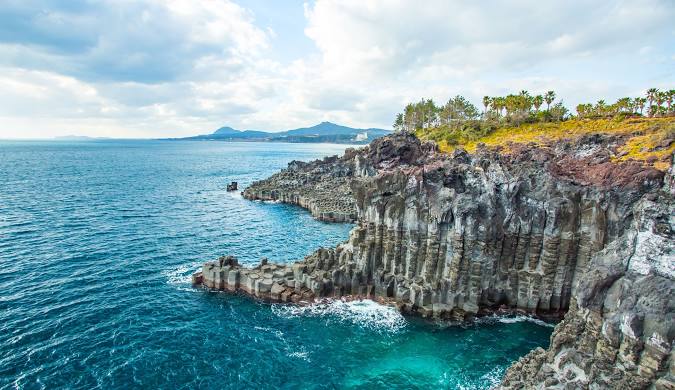
Table of Contents Quick Glace: Why is Jeju Island So Famous? Section Key Highlights Relevance for Travelers (India Focus) Unveiling Jeju’s Enchantment UNESCO World Natural Heritage, volcanic peaks, female divers (Haenyeo), myths & legends, blend of modern + traditional culture Sets Jeju apart as both cultural & natural destination Cultural Tapestry Creation myths (Samseonghyeol), Haenyeo divers (UNESCO heritage), Dol Hareubang statues, distinct dialect, shamanistic rituals Unique cultural immersion, strong attraction for culture-seekers & BTS fans Pop Culture (BTS Connection) BTS visits, filmed content, social media influence, Army pilgrimage site Big draw for younger travelers from India (K-pop fans) Nature’s Masterpiece Hallasan volcano (highest peak), lava tubes (Manjanggul), 368 oreums, beaches (Hyeopjae, Jungmun, Jusangjeolli cliffs), waterfalls (Cheonjiyeon, Jeongbang), winter snow on Hallasan Wide variety of landscapes and activities (trekking, photography, beaches) Food & Flavors Jeju Black Pork, abalone & sea urchin (Haenyeo harvest), Hallabong tangerines, omegi-tteok, communal dining traditions Strong appeal to Indian palates due to bold flavors & shared meals Jeju vs. Hawaii Jeju = raw, mystical, culturally immersive; Hawaii = tropical, commercial Jeju offers more authenticity + value for Indian travelers Unveiling Jeju’s Enchantment Picture this: you’re standing on an island where ancient myths dance with modern marvels, where volcanic peaks touch the clouds, and where the ocean whispers stories of legendary female divers. Welcome to Jeju Island, South Korea’s crown jewel, often called the “Island of the Gods.” But what exactly is Jeju Island famous for, and why should it be your next travel destination? This enchanting island, floating like a emerald gem in the Korea Strait, has captured hearts worldwide with its extraordinary blend of natural wonders and rich cultural heritage. Recognized by UNESCO as a World Natural Heritage site, Jeju Island stands as a testament to nature’s artistic prowess and human resilience. From its towering volcanic landscapes to its vibrant folklore, from its connection to global pop culture icons like BTS to its unique culinary treasures, Jeju offers an experience that’s both deeply authentic and refreshingly modern. What makes Jeju truly special isn’t just one thing—it’s the magical combination of volcanic landscapes sculpted over millennia, a matriarchal society unlike anywhere else in East Asia, pristine beaches that rival tropical paradises, and a culture so distinct it feels like stepping into another world entirely. Jeju’s Unique Cultural Tapestry Myths & Folklore: Where Legends Come Alive The myth of Jeju Island begins with three demigods who emerged from holes in the ground at a place called Samseonghyeol. These legendary figures—Go, Yang, and Bu—are said to be the founding fathers of Jeju, each marrying princesses who arrived by boat with seeds, livestock, and the knowledge of agriculture. This creation myth isn’t just ancient folklore; it reflects the island’s unique identity as a place where the mystical and practical intertwine. What struck me most about Jeju’s mythology is how it celebrates the power of women, embodied perfectly in the legendary Haenyeo—the “women of the sea.” These remarkable female divers, some well into their 80s, dive up to 20 meters deep without breathing apparatus to harvest seafood. Their tradition spans over 1,500 years, representing one of the world’s last remaining matriarchal societies. Watching a Haenyeo emerge from the depths with her catch is witnessing living history—a practice so extraordinary that UNESCO recognized it as an Intangible Cultural Heritage. The island is also famous for its Dol Hareubang, the iconic stone grandfathers that guard Jeju. These volcanic rock statues, with their distinctive expressions ranging from stern to whimsical, are believed to offer protection and fertility. You’ll find over 400 of these charming guardians scattered across the island, each with its own personality carved from Jeju’s native basalt. Traditions That Set Jeju Apart Jeju’s cultural uniqueness extends beyond its myths. The island has its own distinct dialect, so different from standard Korean that it’s almost a separate language. This linguistic isolation has preserved customs and traditions that disappeared elsewhere in Korea centuries ago. The shamanistic roots of Jeju culture remain strong, with village shamans (called “mudang”) still performing rituals for good harvests, safe fishing, and community well-being. These ceremonies, filled with colorful costumes, rhythmic music, and spirited dancing, offer visitors a glimpse into Korea’s spiritual heritage. Pop Culture Resonance: The BTS Connection Why is Jeju Island famous for the BTS Army? The answer lies in the global superstars’ genuine love for this island paradise. BTS members have visited Jeju multiple times, sharing their experiences through social media and variety shows, effectively introducing millions of fans worldwide to the island’s beauty. The group’s connection to Jeju goes beyond casual visits. They’ve filmed music videos against the island’s stunning backdrops, mentioned Jeju’s natural beauty in interviews, and some members have even purchased property there. This authentic endorsement from one of the world’s biggest music acts has made Jeju a pilgrimage site for the BTS Army, contributing significantly to the island’s tourism boom among young international travelers. Nature’s Masterpiece: Jeju’s Breathtaking Attractions Volcanic Wonders: A Geological Marvel Jeju’s volcanic origin is the foundation of its breathtaking beauty. Hallasan, South Korea’s highest peak at 1,947 meters, dominates the island’s center like a sleeping giant. This shield volcano, dormant for over 1,000 years, offers hiking trails that lead through diverse ecosystems—from subtropical forests at the base to alpine vegetation near the summit. The crater lake at the top, called Baengnokdam, mirrors the sky like nature’s own portal to the heavens. The island’s volcanic legacy extends underground through an intricate network of lava tubes. Manjanggul Cave, stretching over 9 kilometers, ranks among the world’s finest lava tube systems. Walking through these ancient tunnels, formed by flowing lava over 200,000 years ago, feels like journeying to the center of the Earth. The cave’s cathedral-like chambers and 7.6-meter-tall lava column create an otherworldly atmosphere that’s both humbling and awe-inspiring. Scattered across Jeju are 368 parasitic cones called “oreums”—smaller volcanic hills that create the island’s distinctive undulating landscape. Each oreum tells a story of ancient eruptions, and climbing them offers panoramic views of the island’s patchwork of fields, forests, and coastlines.

Why is Jeju Island So Famous? A Complete Guide for Travelers Read More »

How Safe is Malawi for Tourists? An In-Depth Guide to Visiting the Warm Heart of Africa

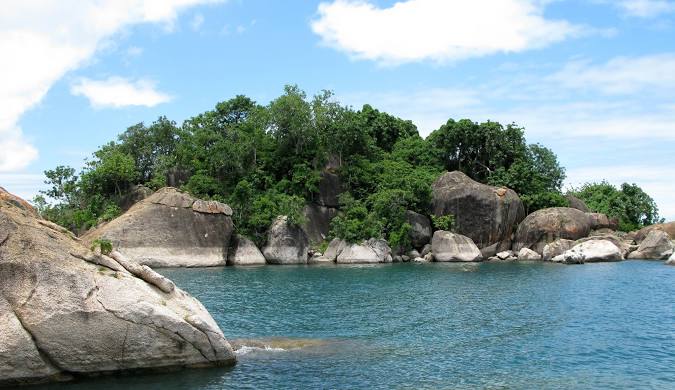
Malawi is often referred to as “The Warm Heart of Africa” due to its remarkably friendly and hospitable people, making it generally considered a safe and welcoming destination for travelers. Most visits are trouble-free, particularly for those on organized safaris. So let’s dive in to understand How Safe is Malawi for Tourists? However, like any travel destination, it’s crucial to be prepared and exercise caution. Key areas to be aware of include: Malawi offers unique safari experiences, stunning landscapes, and rich cultural encounters. To ensure a smooth and enjoyable trip, delve deeper into the detailed safety precautions, health guidelines, and cultural insights provided in the sources, as understanding these aspects will greatly enhance your visit to this incredible country. How Safe is Malawi for Tourists? I. Introduction: Malawi’s Reputation and Overall Safety Malawi is generally considered a safe country to visit, particularly for those on an organised safari. It is affectionately known as “The Warm Heart of Africa” due to the renowned friendliness and hospitality of its people. Annually, over 800,000 visitors enter Malawi, with most visits being trouble-free. Despite being a small, landlocked country, Malawi has garnered international recognition, being featured on Forbes, CNN Travel, and National Geographic as a great travel destination. Its Global Peace Index (GPI) score is comparable to France, and it ranks higher than America in the “Peace and Security” component. While largely safe, it is still advisable for tourists to exercise caution and be aware of potential risks. II. Crime and Security Risks Violent crime such as theft, burglary, armed robbery, and assault is common in Malawi. Petty theft and pickpocketing are also prevalent, especially around main bus stations in urban areas. There has been a reported increase in break-ins and violent assaults in major cities like Lilongwe, Blantyre, and Limbe. The risk of mugging and bag-snatching is also present. It is important to note that the Malawi Police Service has limited resources and abilities to deter and investigate crimes, assist victims, and apprehend criminals. While rare, criminal kidnappings for financial gain occasionally occur, and British Nationals have been targeted in some instances, indicating that kidnappers may also target foreigners, particularly business or wealthy individuals who are at an increased risk. A. Protecting Yourself and Your Belongings: Practical Precautions To minimise risks and enhance your safety, consider these practical precautions: III. Civil Unrest and Political Situation Demonstrations related to political and economic issues can occur in Malawi and may increase in frequency. During such events, tear gas is frequently deployed, and roads may be blocked. It is crucial to avoid large crowds and demonstrations and to monitor local media for updates on the situation. Keeping local and international travel plans under review is also advisable. IV. Common Tourist Scams in Malawi While generally friendly, some individuals may attempt common tourist scams. Being aware of these can help prevent negative experiences: V. Health and Medical Preparedness Before travelling to Malawi, it is crucial to consult a medical professional at least 8 weeks prior to your departure for vaccine recommendations and malaria prevention. Malaria persists year-round in Malawi. A yellow fever vaccination certificate is required only if you are arriving from a country with a risk of yellow fever. For instance, it is not required for US or Indian citizens travelling directly from their home countries. Other potential health risks in Malawi include mpox, biting insects, ticks, and altitude sickness in some parts of the country. Malawi experienced its largest cholera outbreak in late 2022 and early 2023, with cases likely to rise again during the rainy season (November to April). Tap water may not be safe to drink, especially in rural areas. Therefore, it is essential to exercise safe food and water habits, such as drinking bottled or boiled water and avoiding raw or undercooked foods to prevent foodborne and waterborne illnesses. General medical facilities throughout Malawi are basic, particularly in rural areas, and emergency services are limited. Many medical facilities will expect up-front payment for services. It is therefore paramount to have adequate travel health insurance that covers local treatment, medical evacuation, and repatriation. The Foreign, Commonwealth & Development Office (FCDO) provides a list of medical providers in Malawi where some staff speak English. Additionally, be aware of the legal status and regulation of prescribed medicines when travelling. It is advisable to carry basic medical supplies. VI. Safari and Wildlife Viewing Safety Malawi’s safari offerings have quietly evolved over the past decade, with significant conservation efforts led by organisations like African Parks transforming the country’s protected areas into thriving ecosystems. This has resulted in a personal, immersive, and refreshingly crowd-free safari experience. Top safari destinations include Liwonde National Park, Majete Wildlife Reserve, Nkhotakota Wildlife Reserve, and Nyika National Park, each offering unique wildlife viewing opportunities. Parks and reserves are generally very safe places to visit. However, it is crucial to follow your guide’s instructions without exception, as their expertise in animal behaviour and knowledge of the terrain make a critical difference to both your safari experience and your safety. Only leave your vehicle in designated safe areas as instructed by your guide. When on game drives, adherence to game drive etiquette is vital for safety and a positive experience for all: For clothing, wear neutral tones such as khaki, dark green, brown, or beige. Avoid bright colours, white, blue, and black in areas where tsetse flies are common, as they are attracted to these colours. Bring binoculars for spotting distant wildlife and enhancing your viewing experience. It’s important to manage expectations: animals are not everywhere, and you may only see them roughly a third of the time; the rest is about appreciating the beautiful landscapes and learning from your guide. VII. Transportation Safety Road travel in Malawi can be hazardous, with a high rate of road fatalities. Common hazards include potholes, animals, abandoned vehicles, cyclists, and vehicles without lights at night. There are frequent fuel shortages, so it is essential to plan ahead and ensure fuel availability for your route. Police in Malawi

How Safe is Malawi for Tourists? An In-Depth Guide to Visiting the Warm Heart of Africa Read More »