Picture this: endless golden savannas stretching to the horizon, massive elephant herds kicking up dust clouds, and the world’s rarest giraffes grazing peacefully under the African sun. This isn’t a scene from the past—it’s happening right now at Zakouma National Park in Chad, one of Africa’s most remarkable conservation comebacks. If you’re searching for facts about Zakouma National Park, you’ve landed in the right place. This Central African treasure has transformed from a wildlife crisis zone into a shining example of what dedicated conservation can achieve.
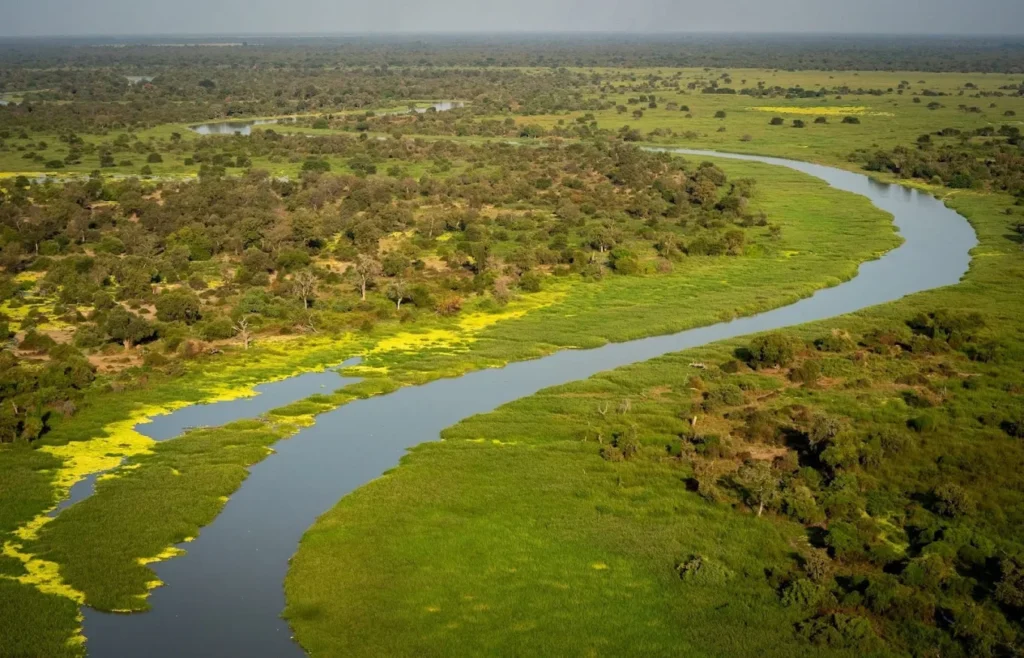
Tucked away in southeastern Chad, Zakouma represents something increasingly rare: a genuinely wild African experience where nature still calls the shots. The park’s story reads like a Hollywood script—complete with a devastating tragedy, heroes who refused to give up, and a triumphant recovery that continues today.
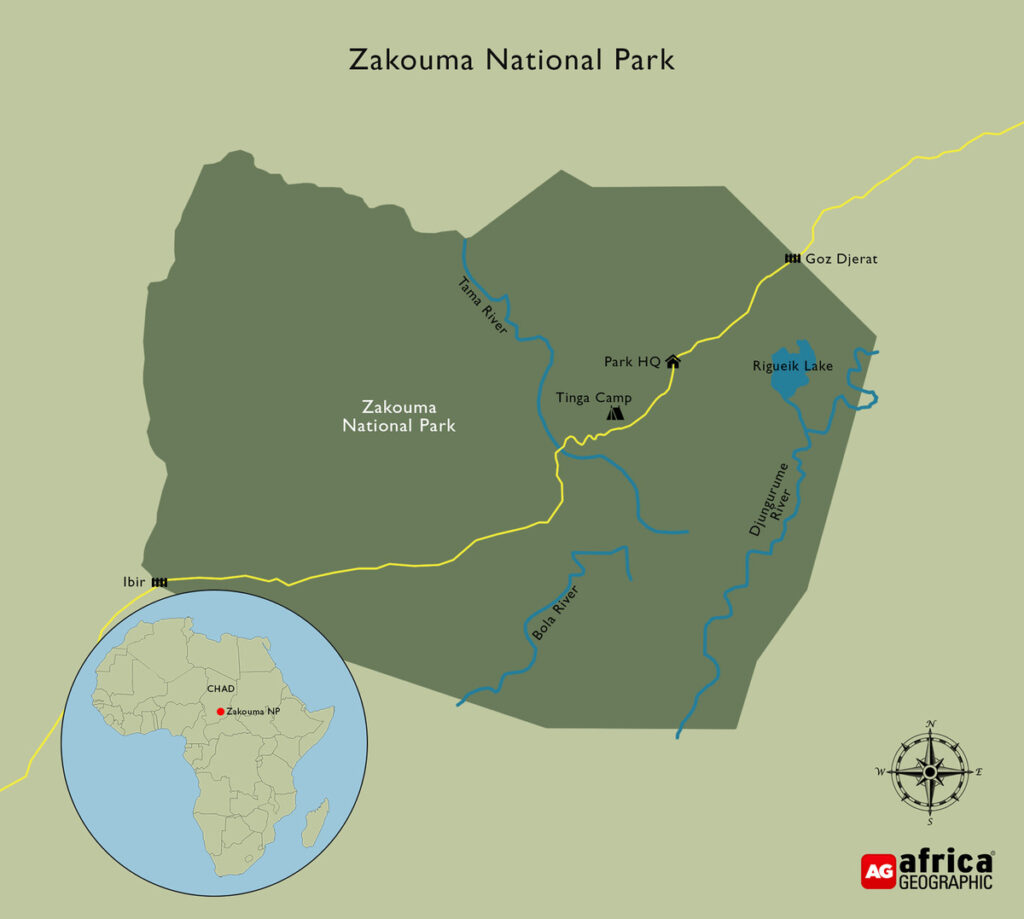
🦒 Zakouma at a Glance
| Quick Facts | Details |
| Location | Southeastern Chad, Salamat Region |
| Size | 3,000 square kilometers (1,158 square miles) |
| Established | 1963 |
| Ecosystem Type | Sudano-Sahelian savanna |
| Main Water Source | Bahr Salamat River |
| Management | African Parks (since 2010) |
| Signature Species | Kordofan giraffe, African bush elephant |
| Best Time to Visit | November to April (Dry Season) |
| Peak Wildlife Viewing | March-April |
| Access Point | N’Djamena (capital city) |
| Accommodation | Tinga Camp (luxury tented camp) |
🌍 Where Nature Still Runs Wild: Understanding Zakouma’s Unique Ecosystem
Zakouma National Park stands as the last intact Sudano-Sahelian savanna ecosystem on Earth. Let that sink in for a moment—the last one. When you visit Zakouma, you’re not just seeing another African park; you’re experiencing a landscape that exists nowhere else in this pristine form.
The park sprawls across 3,000 square kilometers of southeastern Chad, where the Bahr Salamat River breathes life into an otherwise harsh environment. During the wet season, this river transforms the landscape into a patchwork of seasonal floodplains and marshes. Come the dry months, these same floodplains become vital gathering spots for wildlife—creating some of the most spectacular animal concentrations you’ll find anywhere in Africa.
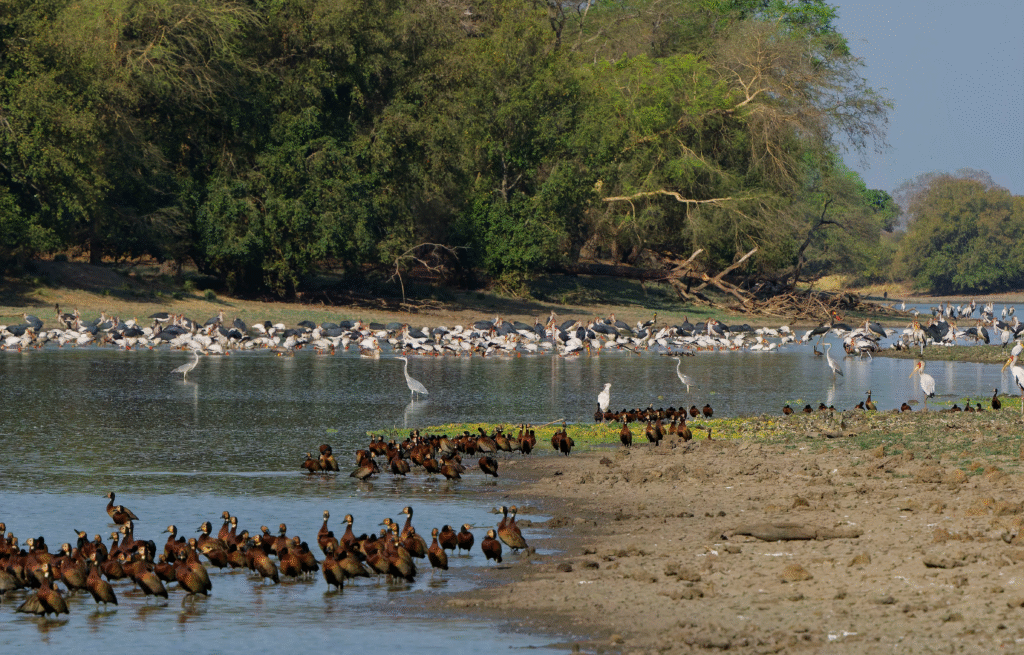
The landscape shifts between open grasslands, acacia woodlands, and those crucial seasonal wetlands. This variety creates perfect conditions for an incredible range of species. The park sits within the Greater Zakouma Ecosystem, which includes the Siniaka-Minia Faunal Reserve to the south, giving wildlife even more room to roam and thrive.
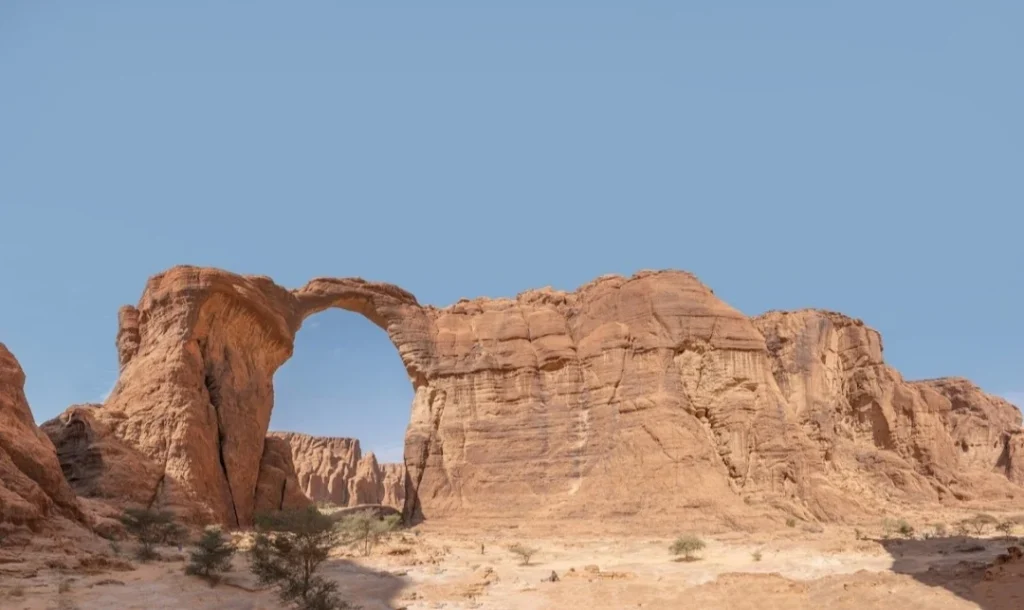
What makes Zakouma’s ecosystem truly special is its authentic wildness. There are no paved roads, no sprawling lodges, no crowds of safari vehicles. Just you, the animals, and Africa the way it’s meant to be experienced.
🐘 The Wildlife Stars of Zakouma
The Elephant Miracle
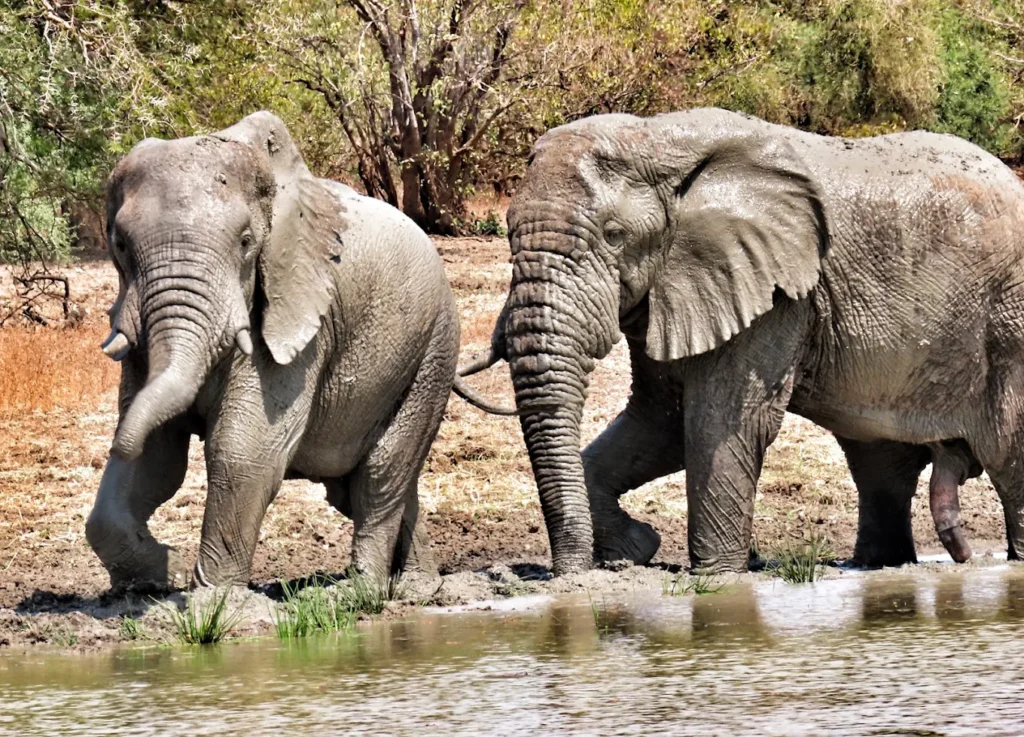
Here’s where Zakouma’s story gets really powerful. Back in the 1970s, roughly 22,000 African bush elephants roamed these lands. Then came the dark years of poaching. By 2010, that number had crashed to a heartbreaking 454 individuals. The 2006 elephant slaughter remains one of the most tragic events in African conservation history, when armed poachers killed hundreds of elephants in brutal raids.
But this story doesn’t end in tragedy—it transforms into triumph.
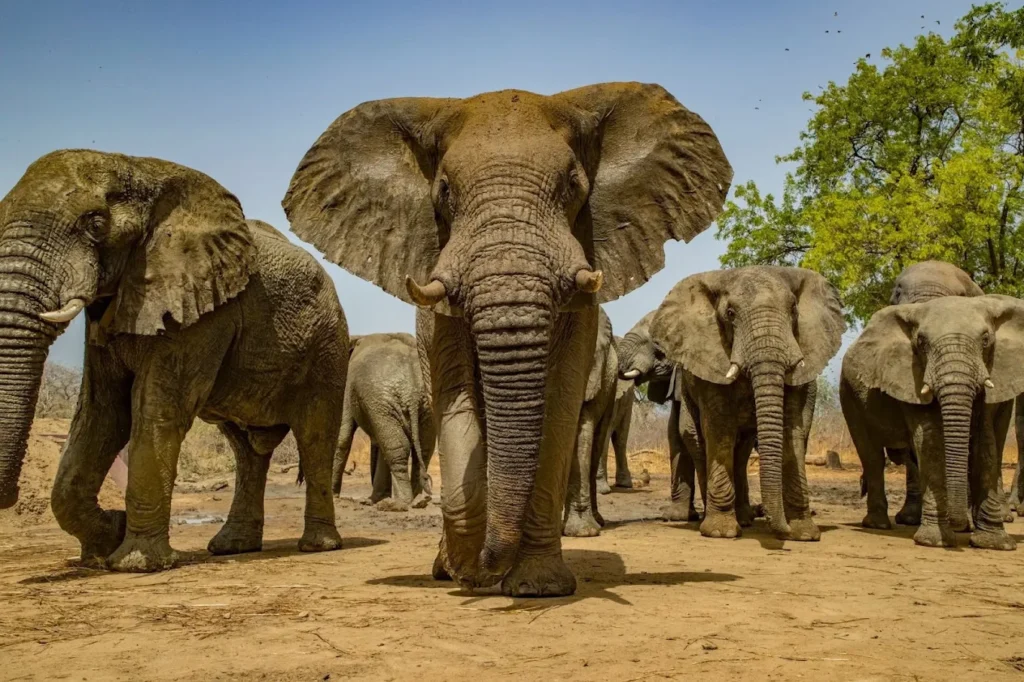
Since African Parks took over management in 2010, Zakouma’s elephant population has made an incredible recovery. Today, herds number over 500, with calves being born every year. Even more impressive? The park has achieved nearly a decade of zero-poaching incidents. That’s not luck—that’s the result of dedicated anti-poaching teams, cutting-edge technology, and genuine community partnership.
Watching Zakouma’s elephant herds today feels like witnessing a resurrection. These aren’t scattered, fearful groups hiding in the bush. We’re talking about confident, growing herds that move freely across the savanna, with young elephants playing and learning from their elders just as nature intended.
The Last Giraffe Stronghold
If the elephant story impresses you, wait until you hear about the Kordofan giraffe. Zakouma holds roughly 70% of the entire wild Kordofan giraffe population—making this park absolutely critical for the subspecies’ survival. Current estimates put the park’s giraffe population between 1,380 and 1,500 individuals.
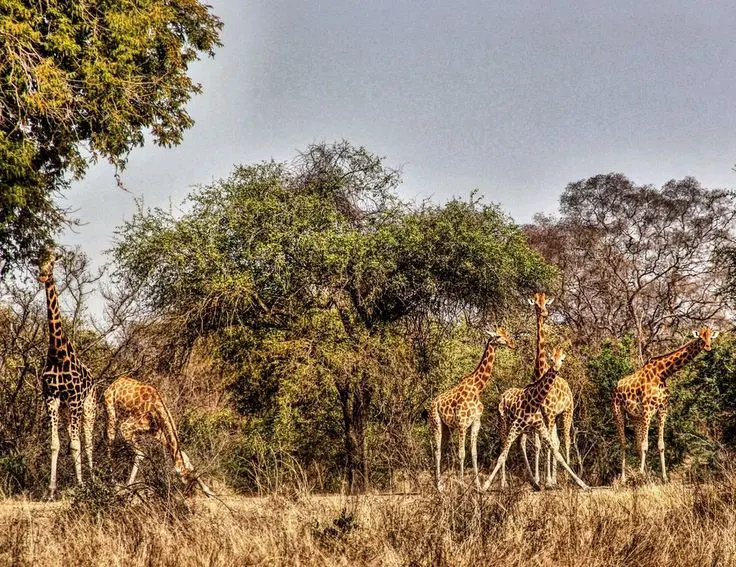
Outside Zakouma, these gentle giants are vanishing across their former range. This makes every giraffe birth in the park a victory not just for Zakouma, but for the entire subspecies. Watching these towering beauties move gracefully across the Sudano-Sahelian savanna ranks among Africa’s most moving wildlife experiences.
Beyond the Mega-Mammals
While elephants and giraffes steal the spotlight (and rightfully so), Zakouma hosts an impressive supporting cast:
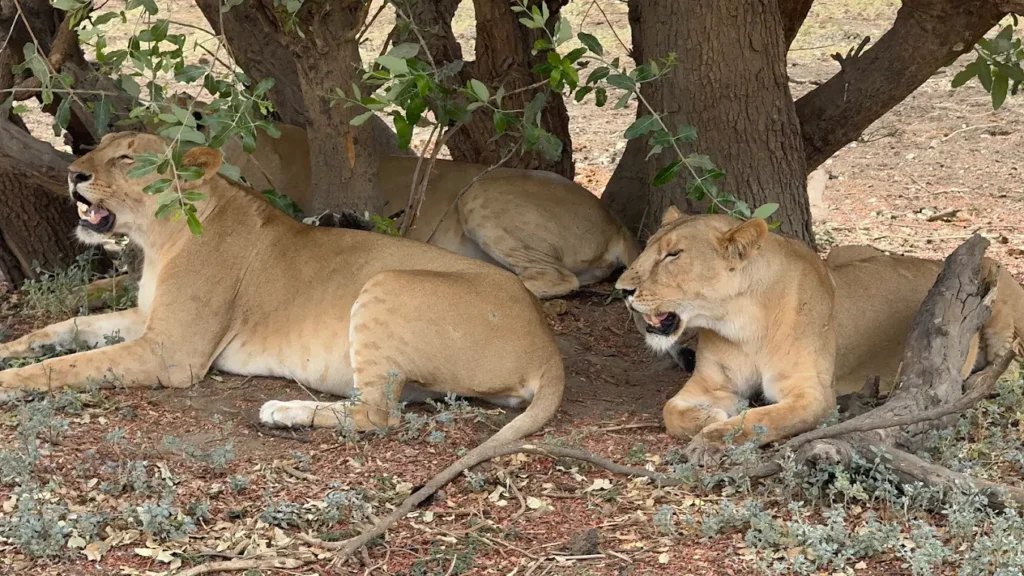
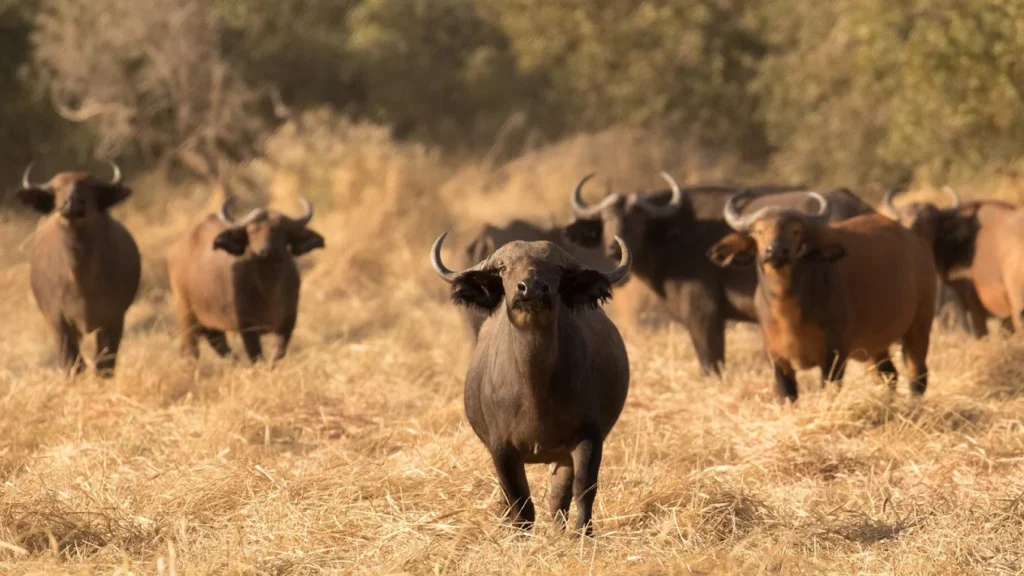
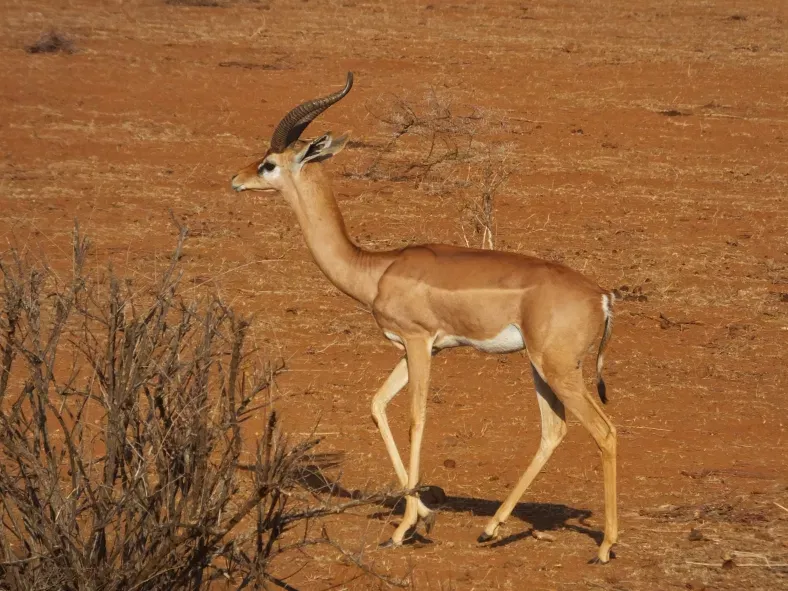
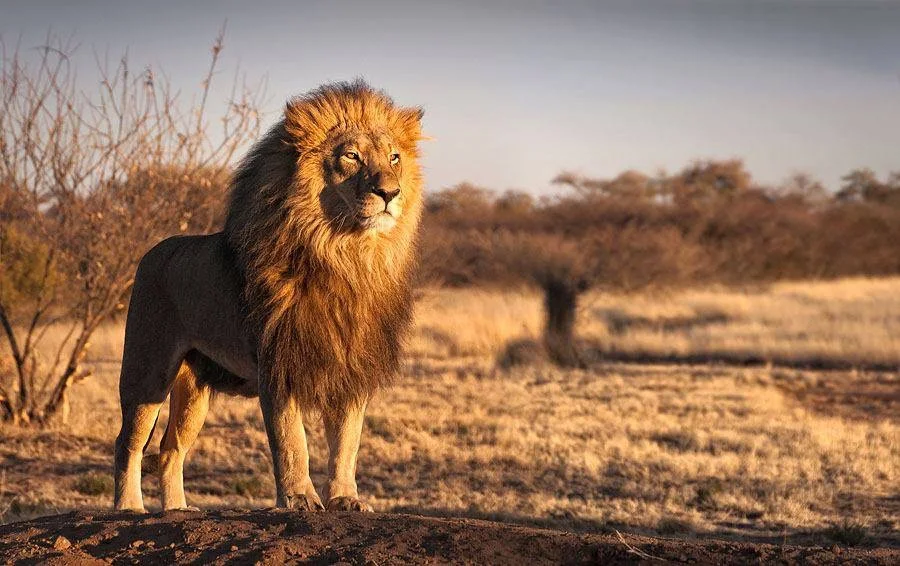
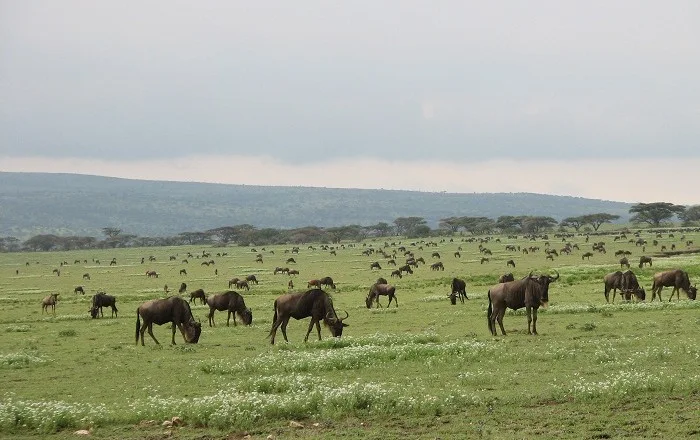
African buffalo gather in huge herds during the dry season, sometimes numbering in the thousands. African lions prowl the grasslands, their populations steadily growing as prey numbers increase. You’ll spot various antelope species, including roan antelope, topi, and hartebeest.
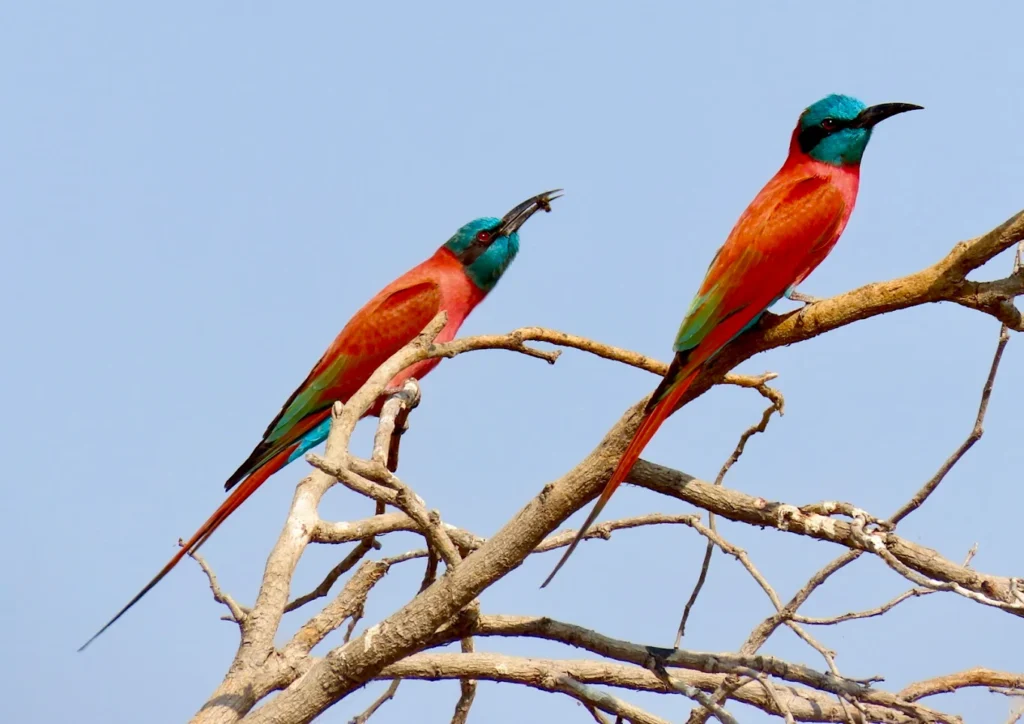
Bird lovers, prepare to have your minds blown. Between November and April, massive flocks of Red-billed quelea descend on Zakouma—we’re talking millions of birds creating swirling, shape-shifting clouds in the sky. It’s a natural spectacle that rivals any mammal migration.
💪 From Crisis to Conservation Triumph: Zakouma’s Incredible Journey
The Dark Days
To truly appreciate Zakouma today, you need to understand where it’s been. The mid-2000s represented the park’s darkest hour. Heavily armed poaching gangs, often crossing from Sudan, targeted elephants for their ivory with military precision. The 2006 elephant slaughter saw coordinated attacks that killed hundreds of elephants in single raids.
Rangers faced impossible odds—outgunned, under-resourced, and sometimes outnumbered. Wildlife populations crashed. The international community watched in horror as one of Africa’s great parks teetered on the edge of collapse.
The Turning Point
In 2010, the Chadian government made a bold decision: partner with African Parks, a nonprofit conservation organization known for turning around failing parks across Africa. This wasn’t just a management change—it was a complete transformation of how Zakouma operated.
African Parks brought serious resources, professional training, and most importantly, a comprehensive approach that went far beyond just fighting poachers. They understood that lasting conservation success required winning hearts and minds, not just battles.
Building the Success
The anti-poaching strategy African Parks implemented combined multiple elements:
Professional ranger training transformed park guards into a highly skilled force. Modern equipment—radios, vehicles, aircraft for aerial surveillance—gave rangers the tools they needed. Intelligence networks helped predict and prevent poaching attempts before they happened.
But here’s what really made the difference: community involvement. African Parks didn’t treat local people as the problem—they recognized them as essential partners in the solution.
The Community Connection
Conservation success at Zakouma extends far beyond the park boundaries. African Parks created employment opportunities for local communities, hiring rangers, support staff, and guides from surrounding villages. They invested in education, building schools and providing scholarships. Healthcare initiatives improved access to medical services in remote areas.
When local communities benefit directly from the park’s existence, they become its fiercest protectors. Today, community members often provide the intelligence that stops poaching attempts before they begin. This human angle transforms conservation from an external imposition into a shared victory.
The Results Speak for Themselves
The numbers tell an inspiring story:
- Elephant population recovered from 454 (2010) to over 500 today, with continued growth
- Nearly a decade of zero-poaching incidents—an achievement few African parks can claim
- Kordofan giraffe population stable and breeding successfully
- Lion and buffalo populations steadily increasing
- Tourism infrastructure rebuilt, bringing additional economic benefits
Zakouma stands as proof that even severely damaged ecosystems can recover when given proper protection and community support. It’s become a model that other struggling parks across Africa now study and emulate.
✈️ Planning Your Zakouma Adventure: The Practical Details
Getting There
Let’s be honest: reaching Zakouma requires commitment. This remoteness is part of what makes the park special, but it also means planning ahead.
Your journey starts in N’Djamena, Chad’s capital city. From there, you have two options:
By Road: The overland route covers roughly 850 kilometers and takes two long days of driving through remote country. You’ll absolutely need a 4×4 vehicle, and traveling with an experienced driver who knows the route is essential. This journey is an adventure in itself, but it’s demanding.
By Air: Charter flights from N’Djamena directly to Zakouma’s airstrip take about 90 minutes. While significantly more expensive, air travel lets you maximize your time in the park rather than on dusty roads.
Where to Stay: Tinga Camp
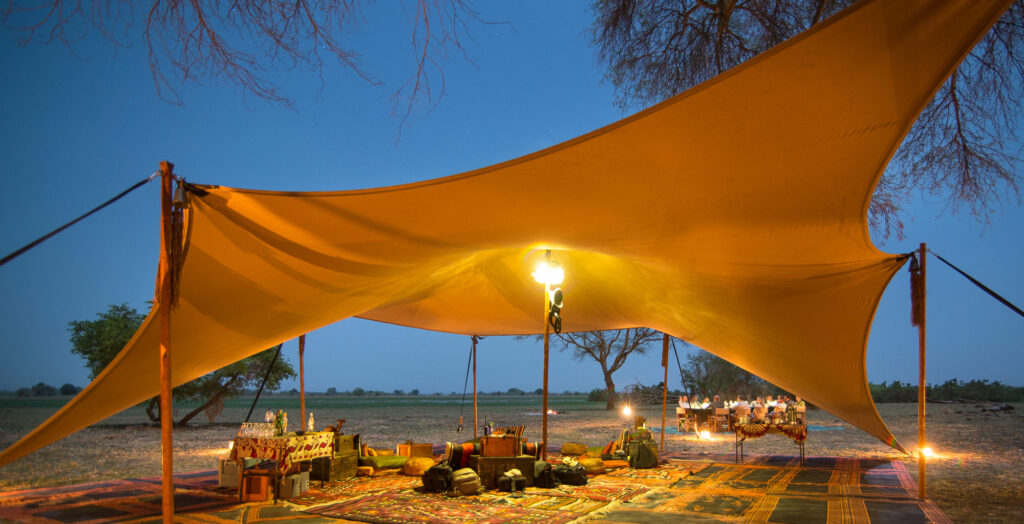
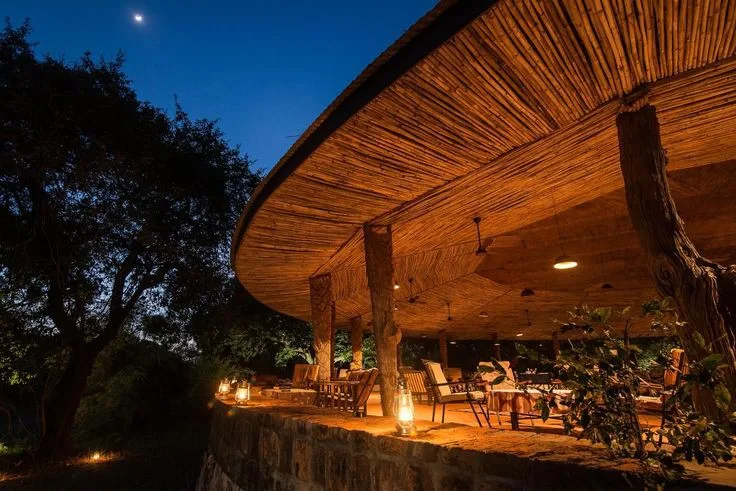
Tinga Camp serves as Zakouma’s only accommodation option—and what an option it is. This luxury tented camp sits along a seasonal river under huge mahogany and tamarind trees. Nine spacious canvas tents combine comfort with that authentic safari atmosphere.
The camp runs on solar power, includes a swimming pool (trust me, you’ll appreciate this after dusty game drives), and serves excellent meals. Despite the luxury, Tinga maintains a low environmental footprint and employs staff from local communities.
At night, lying in your tent listening to lions roar or elephants rumble past creates memories that last forever. This is Africa unfiltered.
📅 When to Visit: Timing Your Zakouma Experience
Choosing when to visit Zakouma dramatically affects your experience. Here’s the detailed breakdown:
The Dry Season (November to April/May) ✓ Best Overall
This is Zakouma’s tourism season, and for good reason. Roads become passable, wildlife concentrations increase, and weather stays comfortable.
November-December (Early Dry Season): The landscape still shows green from recent rains. Photography benefits from lush backgrounds. Wildlife viewing is good and improving as water sources dry up. Temperatures remain relatively cool.
January-February (Mid Dry Season): Excellent wildlife viewing as animals concentrate around remaining water. Comfortable temperatures. This represents the sweet spot for many visitors.
March-April (Late Dry Season): 🌟 Peak Wildlife Viewing Period 🌟 This is when Zakouma absolutely shines. As water becomes scarce, animals pack around the few remaining sources, creating spectacular concentrations. Elephant herds gather in massive groups. Giraffes congregate in numbers you won’t see elsewhere. The photography opportunities become extraordinary.
Temperatures climb during these months, but the wildlife viewing more than compensates. If seeing maximum animals is your priority, target March and April.
The Wet Season (May-October) ✗ Park Closed
Heavy rains transform the park into a waterlogged landscape. Roads become completely impassable, even for 4×4 vehicles. Zakouma closes to tourists during these months. Wildlife disperses widely as water becomes available everywhere, making animal sightings more difficult anyway.
The park needs this rest period—both for the ecosystem and to give staff time for maintenance and conservation work without tourist pressures.
🌟 Why Zakouma Matters: Beyond the Safari Experience
Visiting Zakouma offers something increasingly rare in modern Africa: a genuine, raw wilderness experience with very few other tourists around. You might spend entire days seeing incredible wildlife without encountering another vehicle. That level of exclusivity exists at only a handful of African destinations.
But Zakouma’s significance reaches far beyond tourism. This park represents one of Africa’s greatest conservation success stories—living proof that even severely damaged ecosystems can recover with proper management and community support.
Every visit supports this ongoing conservation work. Your tourism dollars fund ranger salaries, community development programs, and anti-poaching operations. You’re not just observing conservation—you’re participating in it.
The park also preserves the last intact example of the Sudano-Sahelian savanna ecosystem. As human development transforms landscapes across the Sahel region, Zakouma maintains a baseline of what these ecosystems looked like before modern impacts. That scientific and ecological value can’t be overstated.
For the Kordofan giraffe, Zakouma’s importance is existential. Without this protected population, the subspecies would face a very uncertain future. Every year the park maintains these giraffes brings hope that other populations might be established elsewhere.

❓ Frequently Asked Questions
Is it safe to visit Zakouma National Park now?
Yes. Since African Parks took over management in 2010, security has improved dramatically. The park has achieved nearly a decade of zero-poaching incidents through professional anti-poaching operations. Visitors follow established safety protocols, stay in protected accommodation, and travel with experienced guides. That said, Chad remains a developing country with regional challenges, so staying informed about current conditions and working with reputable operators is smart.
What animals will I see at Zakouma?
You’ll have excellent chances of seeing African bush elephants, Kordofan giraffes, African buffalo, various antelope species, and potentially African lions. Between November and April, massive flocks of Red-billed quelea create spectacular aerial displays. The late dry season (March-April) offers the best wildlife viewing as animals concentrate around limited water sources.
How do I get to Zakouma National Park?
Access starts from N’Djamena, Chad’s capital. You can drive (850km, two days, requiring 4×4 and experienced drivers) or take a charter flight (90 minutes). Most visitors choose flights to maximize park time and minimize travel hassle.
What’s the best time to visit Zakouma?
The dry season from November to April is best overall. For peak wildlife viewing, target March and April when animals gather in massive concentrations around shrinking water sources. November-December offers greener landscapes ideal for photography. The park closes during the wet season (May-October) due to impassable roads.
Why are Zakouma’s elephants and giraffes so important?
Zakouma’s African bush elephant population recovered from just 454 individuals in 2010 to over 500 today—representing one of Africa’s most successful elephant conservation stories. The park protects roughly 70% of all wild Kordofan giraffes (1,380-1,500 individuals), making it absolutely critical for this subspecies’ survival.
What facilities are available at Zakouma?
Tinga Camp provides the park’s only accommodation—nine luxury tented rooms with solar power, a swimming pool, and excellent meals. The camp balances comfort with environmental responsibility while supporting local employment.
How does visiting Zakouma support conservation?
Tourism revenue directly funds anti-poaching operations, ranger salaries, and community development programs. African Parks’ management model ensures your visit contributes to ongoing conservation success and community benefits. You’re actively supporting one of Africa’s most important conservation projects.
🔗 References & Further Reading
Editor’s Note: This article’s conservation data and facts are based on information from African Parks and verified conservation organizations. For the most current and detailed information about Zakouma National Park’s conservation efforts, visitor information, and wildlife statistics, please add authoritative reference links to:
- African Parks official website and Zakouma National Park page
- Relevant peer-reviewed conservation studies on elephant and Kordofan giraffe population recovery
- UNESCO or IUCN resources on Sudano-Sahelian savanna ecosystems
- Tinga Camp official booking and information resources
Adding these high-authority sources will enhance the article’s credibility and E-E-A-T compliance.
Zakouma National Park stands as living proof that conservation can succeed even after devastating setbacks. From the tragedy of the 2006 elephant slaughter to today’s thriving wildlife populations, this park embodies hope, determination, and the power of communities working together to protect natural treasures.
Whether you’re drawn by the incredible elephant recovery story, the chance to see the world’s most important Kordofan giraffe population, or simply the promise of experiencing raw African wilderness without crowds, Zakouma delivers something genuinely special. This isn’t just another safari destination—it’s a front-row seat to one of conservation’s greatest comebacks.
The Sudano-Sahelian savanna awaits, with its elephants, giraffes, and endless horizons. Zakouma proves that when we fight for nature, nature fights back even stronger.

Read More Articles;
- Alleppey Tourist Places: 25 Best Places to Visit in Alleppey Backwaters (2026 Travel Guide)
- Munnar Tourist Places: 20 Best Places to Visit in Munnar, Tea Gardens, Itinerary & Hidden Gems (2026 Travel Guide)
- Is Sardinia Worth Visiting? Complete Travel Guide to Sardinia, Italy
- What to Do in Gozo: 25 Best Things to Do in Gozo Malta (Hidden Gems + Local Tips)
- What to Do in Bali: Ultimate Travel Guide 2026 (Top Activities, Itineraries & Hidden Gems)