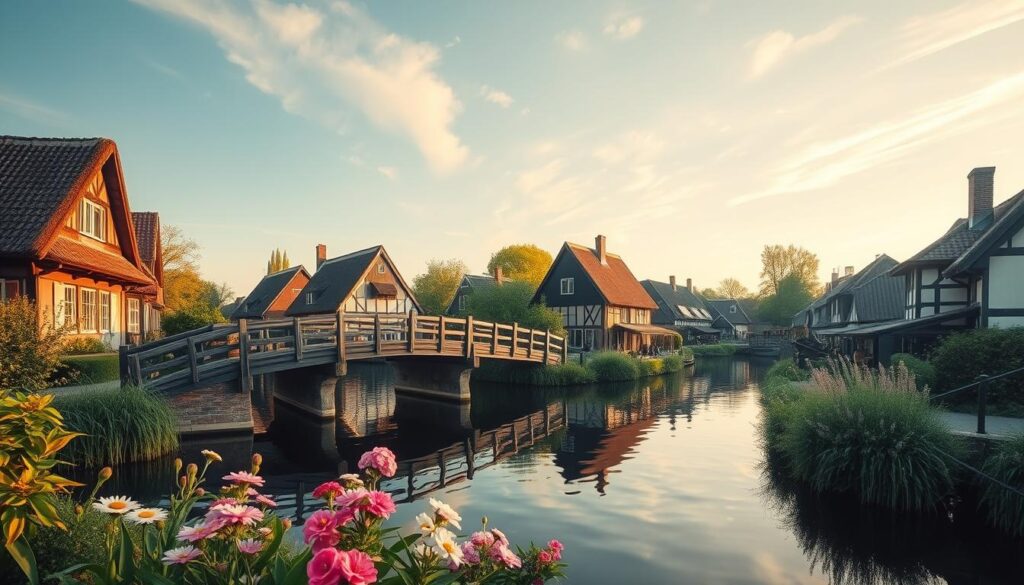
Imagine gliding through glassy canals in a whisper-quiet boat, past storybook cottages crowned with wildflower-dotted thatched roofs. Sunlight dances on the water as ducks paddle beside you, and the only sound is the gentle splash of your paddle. This isn’t a dream—it’s your first morning in a car-free wonderland where time moves at the pace of ripples.
For centuries, this hidden gem remained Europe’s best-kept secret—until a 1958 film revealed its magic to the world. Today, its 180 wooden bridges connect three distinct neighborhoods, each offering fresh perspectives on Dutch water culture. Picture walking paths that turn into ice-skating trails in winter, or summer days spent discovering tucked-away cafes serving stroopwafels warm from the iron.
What makes this place extraordinary isn’t just its postcard-perfect views. It’s the rare chance to experience life as it’s been lived for 700 years—where boats replace cars, and neighbors greet each other across flower-lined waterways. Your adventure here becomes more than a vacation; it’s a journey into living history.
Key Takeaways
- Discover a car-free paradise where exploration happens by boat or foot across 180 charming bridges
- Uncover three unique neighborhoods showcasing traditional Dutch architecture and waterways
- Plan effortlessly using seasonal insights for ideal visit timing and transportation options
- Experience authentic local culture through hidden cafes and centuries-old traditions
- Capture Instagram-worthy moments at every turn in this remarkably preserved village
Enchanting Introduction to Giethoorn
Step into a living storybook where centuries-old houses lean over ribbons of water like characters frozen mid-conversation. Morning mist rises from the canals, revealing three distinct neighborhoods—Noordeinde’s sleepy charm, Middenbuurt’s bustling heart, and Zuideinde’s pastoral calm—each connected by wooden bridges whispering tales of medieval peat miners.
Setting the Scene: A Fairytale Village
Your journey begins with a name born from legend. Locals still share how 12th-century settlers discovered “goat horns” (Geytenhorn) protruding from floodwaters—a haunting reminder of livestock lost to rising tides. These waters became lifelines when peat excavations transformed into the canals that now cradle flower-draped cottages.
Authenticity & Local Insights
What makes this place extraordinary? Watch residents paddle punter boats to their front doors—groceries balanced precariously, laughter echoing off reed-thatched roofs. Nearly 800 years after its founding, daily life here still revolves around water rhythms. “We’re not a museum,” a shopkeeper might tell you while wrapping fresh stroopwafels. “This is simply home.”
Your visit becomes richer when you notice subtle details—hand-painted address plaques on bridges, gardens manicured with Dutch precision. Behind every curtained window lives a family upholding traditions that turn history into heartbeat.
Unique Transportation & Layout Insights
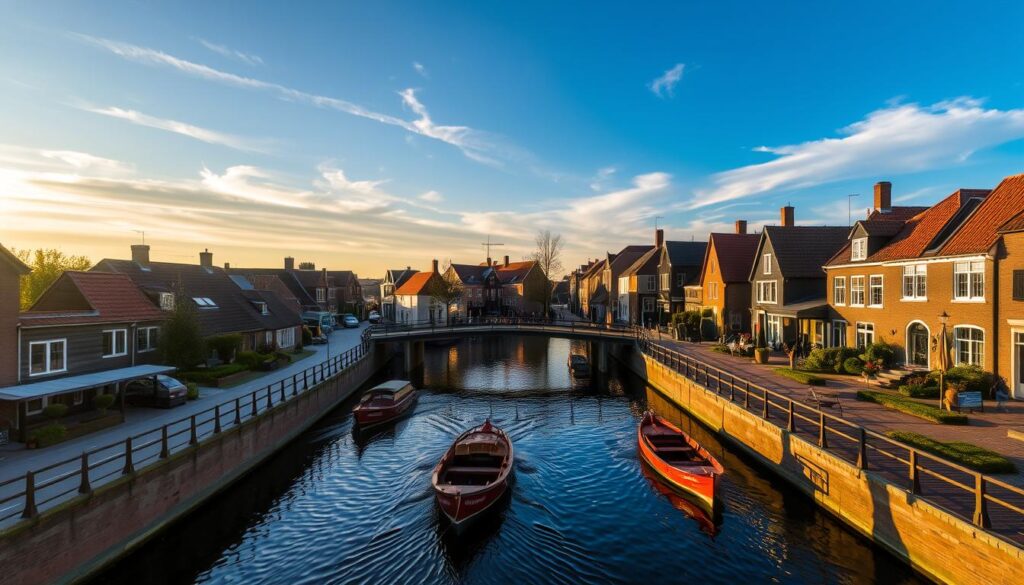
Picture a place where roads dissolve into waterways, and your journey unfolds by paddle or sturdy walking shoes. This car-free core invites you to trade engine noise for the rhythmic dip of oars, with 180 wooden bridges forming a lacework of connections between thatched-roof islands.
Navigating by Boat and Foot
Your adventure begins at the village edge, where car parks surrender to footpaths. Rent an electric whisper boat to glide under arched bridges, or stroll along canals lined with blooming hydrangeas. Locals often share tips: “Cross three bridges north from the church to find the best apple pie.”
Getting There & Around: Tips for a Smooth Journey
From Amsterdam, board a train to Steenwijk (90 minutes), then catch bus 70 for the final stretch. Drivers follow the A1 motorway northeast—park free at the main lot (15-minute walk) or pay €6 daily for prime access. Pro tip: Arrive before 10 AM to secure closer parking.
| Parking Option | Distance to Center | Daily Cost |
|---|---|---|
| Free Perimeter Lot | 15-minute walk | €0 |
| Paid Central Parking | 5-minute walk | €6 |
The ingenious layout means every turn reveals new perspectives. Watch for blue directional plaques on bridges—they’ll guide you to hidden gems while keeping the village’s serene atmosphere intact.
Boat Tours & Outdoor Activities in Giethoorn
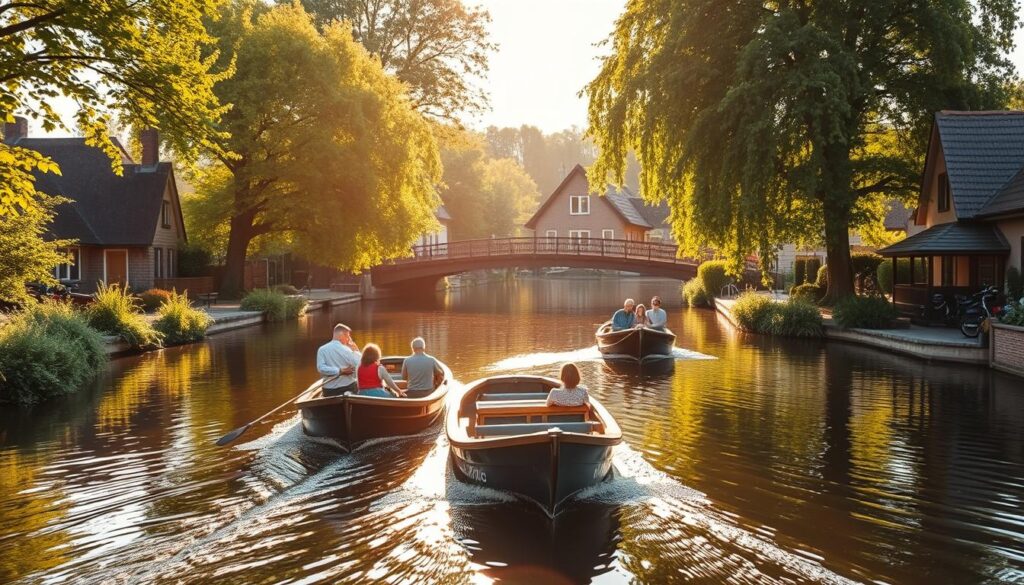
Chart your course through liquid pathways where every bend reveals new adventures. The village’s aquatic network becomes your playground, offering both serene explorations and active discoveries across interconnected waterways.
Silent Explorations: Electric Adventures
Grab the helm of an electric whisper boat – your ticket to secret gardens and sun-dappled canals. These eco-friendly vessels slice through water without breaking the silence, letting you hear dragonflies buzz past 17th-century farmhouses. Local tip: Book online early to secure 25€ hourly rates for up to four passengers.
| Boat Type | Capacity | Price Range |
|---|---|---|
| Whisper Boat | 4 people | €25-35/hour |
| Guided Tour | 12 people | €15/person |
| Kayak | 2 people | €18/hour |
Land & Water Fusion
Swap your oar for walking shoes along reed-lined trails. Pack a picnic from local bakeries – crusty bread and Gouda taste better beside bridges adorned with blooming geraniums. For thrill-seekers, Smit’s Paviljoen offers treasure hunts by paddleboard and moonlight kayak tours.
Extend your journey to Bovenwijde Lake, where glassy waters invite swimming and windsurfing. As daylight fades, join locals casting lines for perch – the perfect ending to days spent dancing between liquid lanes and flower-framed footpaths.
Historic & Cultural Spots in Giethoorn
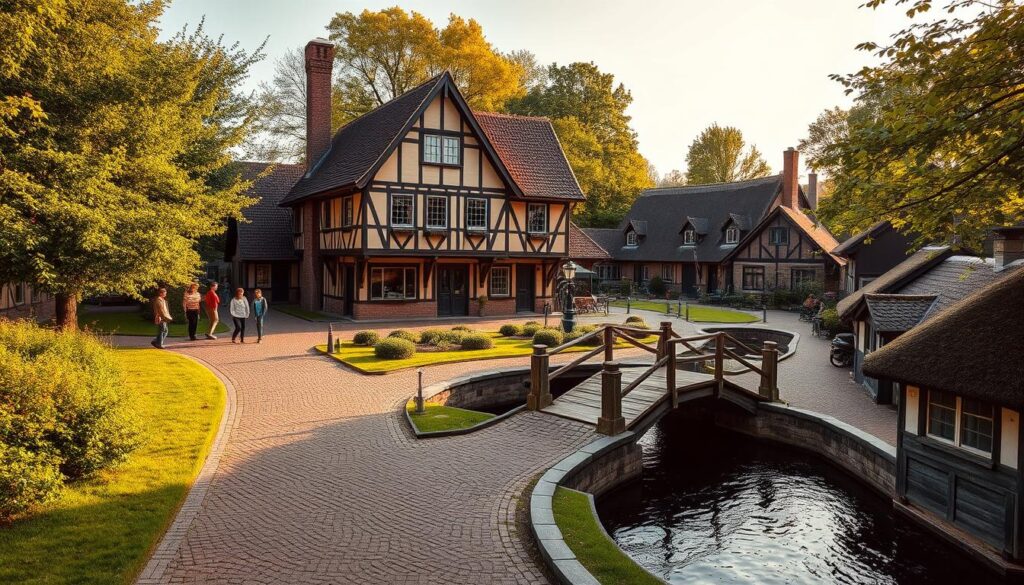
Peel back the layers of time where centuries-old water culture pulses through every bridge and cottage. This village wears its heritage like the weathered beams of a 17th-century farmhouse—authentic, enduring, and rich with stories waiting for your discovery.
Discovering the Rich History
Your journey through time begins beneath the thatched roof of Het Olde Maat Uus Museum. Touch hand-carved tools used by 13th-century peat diggers—the original architects who sculpted the liquid landscape you explore today. “We’re not just preserving objects,” a curator shares, “but the spirit of adaptation that defines us.”
| Category | Details |
|---|---|
| Opening Hours | Daily 11:00-17:00 (Summer) |
| Adult Admission | €7.50 |
| Child Admission (4-12) | €2.50 |
Local Museums and Cultural Landmarks
The museum’s interactive exhibits reveal how peat extraction birthed the iconic canals. See traditional costumes hanging beside black-and-white stills from the 1958 film Fanfare—the catalyst that transformed this quiet settlement into a global phenomenon.
Wander past homes bearing original 1800s facades, their flower boxes bursting with color. With only 2,600 residents, the community maintains a delicate balance—welcoming visitors while protecting traditions. Your day here becomes a dialogue between past and present, where every cobblestone whispers tales of resilience.
Dining, Culinary Highlights & Local Experiences
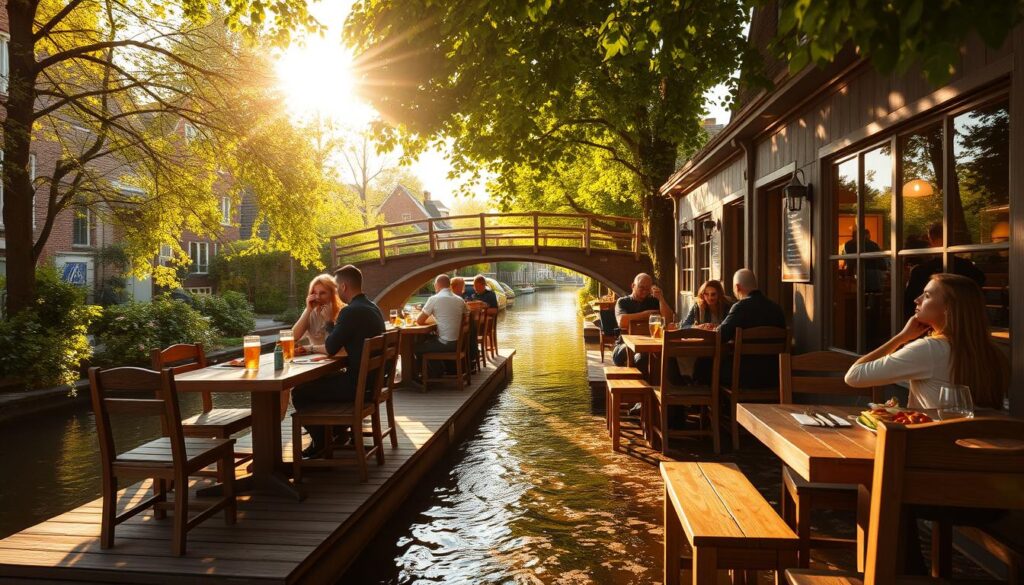
Savor the taste of tradition where every meal tells a story through sunlit canals and butter-rich pastries. The village transforms into an open-air dining room, where waterfront restaurants serve hearty stews beneath swaying willow trees. Prices here surprise pleasantly—expect €15-25 mains rather than Amsterdam’s €30+ tags.
Canal-Side Cafés and Traditional Dutch Treats
Claim your spot at a wicker chair overlooking liquid streets. Bite into bitterballen—crispy meat croquettes—while ducks patrol for crumbs. Bakeries tempt with stroopwafels pressed fresh daily, their caramel scent mingling with water lilies. For self-caterers, the PLUS Supermarket stocks local cheeses and crusty bread perfect for picnics on quaint bridge benches.
| Dining Spot | Specialty | Boat Access |
|---|---|---|
| De Grachthof | Pan-seared perch | Yes |
| ‘t Achterhuus | Dutch apple pie | No |
| Smit’s Paviljoen | Lakeside pancakes | Yes |
Authentic Culinary Experiences
Time your day around golden hour at Smit’s Paviljoen—their lakeside terrace glows as boats return from adventures. Waitstaff share secret menus: “Try the smoked eel if you want true Dutch flavors.” Remember, 40% of eateries require dry-land arrival, so mix boat moorings with cobblestone strolls.
Let meals become exploration. Morning coffee tastes richer when paired with clattering milk pails from nearby farms. As afternoon light gilds the canals, join locals savoring poffertjes (mini pancakes) at family-run spots. Every bite connects you deeper to centuries of culinary craft.
Planning Your giethoorn netherlands vacation: Best Times and Visit Tips
Unlock the secret rhythm of a village that shifts with the sun’s angle. April through June paints waterways with cherry blossoms reflected in glassy canals, while September’s golden light bathes 17th-century facades. These shoulder months gift you empty bridges and locals sharing stories over steaming koffie verkeerd.
Mastering Timing & Flow
Beat midday crowds by launching your day trip at dawn. Early risers capture mist rising off lily pads and bakeries pulling first batches of speculaas. Summer visitors should target weekdays—July’s weekend influx triples foot traffic on narrow paths.
Check attraction hours carefully; many museums open late but stay welcoming until 5 PM. Combine your visit with nearby national parks for a multi-experience trip. Pro tip: Book boats by 9 AM to secure electric models before they’re gone.
Let weather shape your adventure. Spring mornings sparkle for photography, while autumn afternoons glow for leisurely cruises. Whenever you come, you’ll find a world where time bends to water’s gentle flow.
FAQ
Q: How do I reach Giethoorn without a car?
A: Trains and buses connect major cities like Amsterdam to Steenwijk Station—just hop on a local bus or rent a bike for the final scenic stretch. Many travelers love combining public transit with cycling to embrace the Dutch way of exploration.
Q: What’s the best time to visit for boat tours?
A: Spring and summer offer ideal weather for gliding through canals on whisper boats. For fewer crowds, aim for weekday mornings or late afternoons when golden light bathes the village’s thatched-roof houses.
Q: Are there guided walking tours available?
A: Yes! Local guides share hidden stories about historic bridges and peat-digging traditions. You’ll uncover secret pathways and learn why this car-free village became a haven for peaceful exploration.
Q: Can I rent a boat without experience?
A: Absolutely. Electric whisper boats are user-friendly—no license required. Rental shops provide quick tutorials, letting you navigate narrow waterways at your own pace while soaking in serene views.
Q: Where can I try authentic Dutch pancakes?
A: Canal-side restaurants like ’t Vonder serve fluffy pannenkoeken with sweet or savory toppings. Pair yours with locally brewed beer for a true taste of the region.
Q: Is one day enough to explore Giethoorn?
A: A day trip lets you experience highlights like museums and boat rides, but staying overnight in a cozy B&B allows deeper immersion—think twilight strolls along quiet canals and sunrise paddle adventures.
Q: What makes Giethoorn different from other villages?
A: Its car-free layout—where canals replace roads—creates a tranquil atmosphere. Over 180 wooden bridges connect islands, offering a unique blend of history, nature, and slow travel charm.
Q: Are there photography hotspots?
A: Sunrise at the Dorpsgracht canal and the Museum Giethoorn ’t Olde Maat Uus gardens are iconic. For unique angles, rent a kayak to capture reflections of historic farmhouses on the water.

- Munnar Tourist Places: 20 Best Places to Visit in Munnar, Tea Gardens, Itinerary & Hidden Gems (2026 Travel Guide)
- Is Sardinia Worth Visiting? Complete Travel Guide to Sardinia, Italy
- What to Do in Gozo: 25 Best Things to Do in Gozo Malta (Hidden Gems + Local Tips)
- What to Do in Bali: Ultimate Travel Guide 2026 (Top Activities, Itineraries & Hidden Gems)
- Okinawa Japan Travel Guide 2026: Culture, Beaches & Seasonal Blossoms (Ultimate Itinerary + Local Tips)