 Skip to content
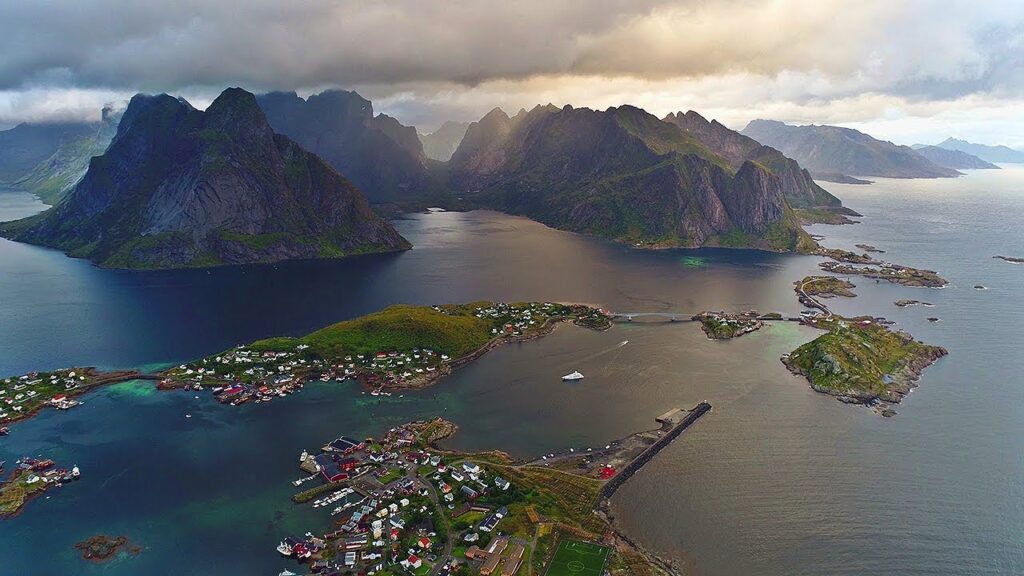
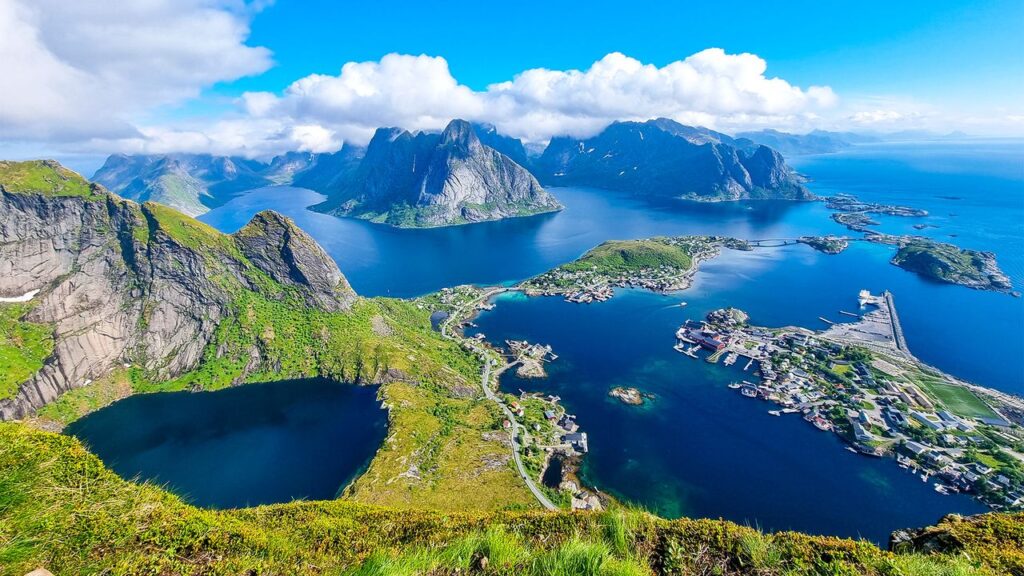
 Picture this: jagged mountain peaks rising straight from turquoise waters, red fishing cabins perched on stilts, and roads that twist through scenery so dramatic you’ll forget to blink. That’s Lofoten—a chain of islands inside the Arctic Circle that looks like it was sketched by someone who’d never heard the word “subtle.”
Getting to this Norwegian wonderland isn’t exactly like hopping on a subway. But here’s the good news: how to get to Lofoten Islands is way more straightforward than you’d think for such a remote destination. Whether you’re flying from New York, Mumbai, or Tokyo, this guide breaks down every ferry, flight, and mountain pass between you and one of Europe’s most jaw-dropping adventures.
We’ll cover everything: the best routes from major cities, whether to fly or ferry from Bodø to Lofoten, how to snag a rental car Lofoten style, what a Lofoten itinerary 7 days looks like, and honest cost breakdowns. Plus, we’ve got insider tricks that’ll save you money and help you avoid the rookie mistakes that leave travelers stranded at a ferry terminal.
Let’s get you to the Arctic.
Why Lofoten Deserves the Journey
First, let’s talk about why you’re even considering this trip.
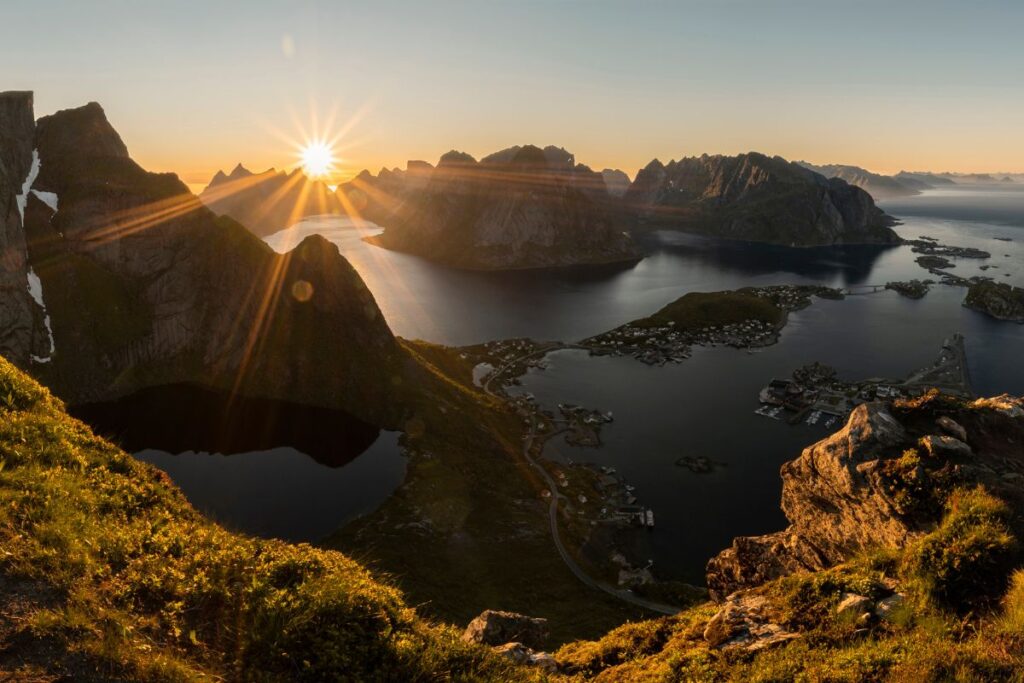
Lofoten archipelago travel isn’t for people who want easy beach resorts. This is for adventurers who get excited about standing on a mountain trail at midnight while the sun refuses to set. It’s for photographers who want to capture the Northern Lights Lofoten dancing above a fishing village Reine that looks straight out of a fairytale.
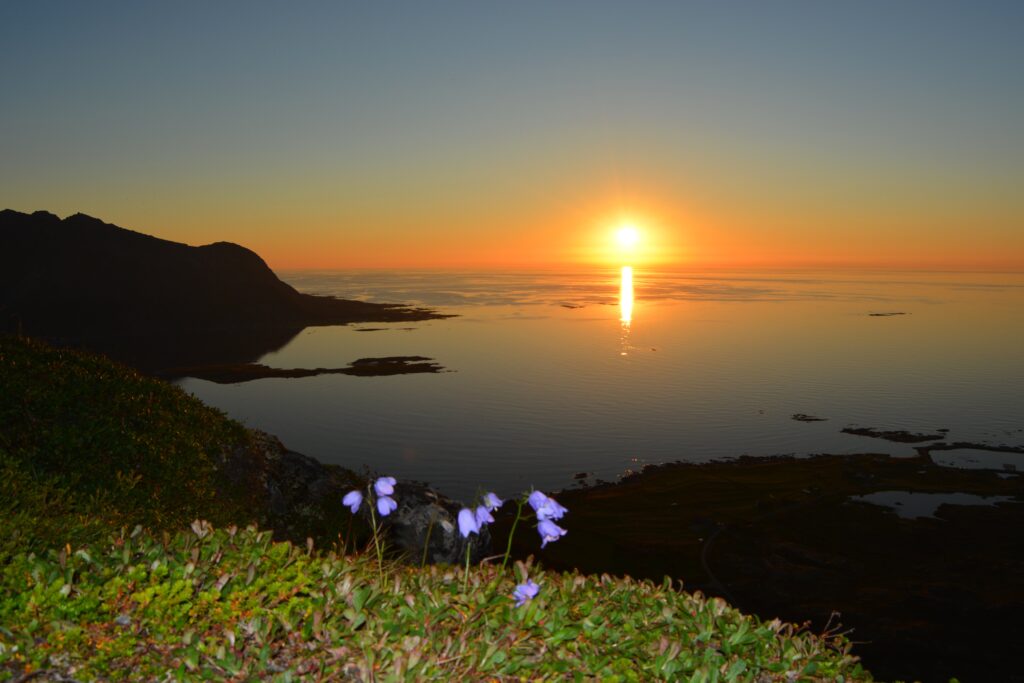
The islands sit 200 kilometers north of the Arctic Circle, connected by bridges and tunnels that make the whole chain feel like one continuous adventure. The weather? Unpredictable. One minute you’re hiking Lofoten hiking trails in sunshine, the next you’re dodging horizontal rain. But that wild weather creates the dramatic light that makes every photo look like a National Geographic cover.
From beaches in Lofoten like Kvalvika and Haukland (yes, Caribbean-colored water in the Arctic—seriously) to the vertical granite walls of fjords in Lofoten like Trollfjord, this place packs more scenery per square mile than anywhere else in Scandinavia.
The remoteness is real, but it’s achievable. Thousands of travelers make it here every year, and with this guide, you will too.
First Step: Getting to Norway (From Outside Europe)
Major Gateway Cities
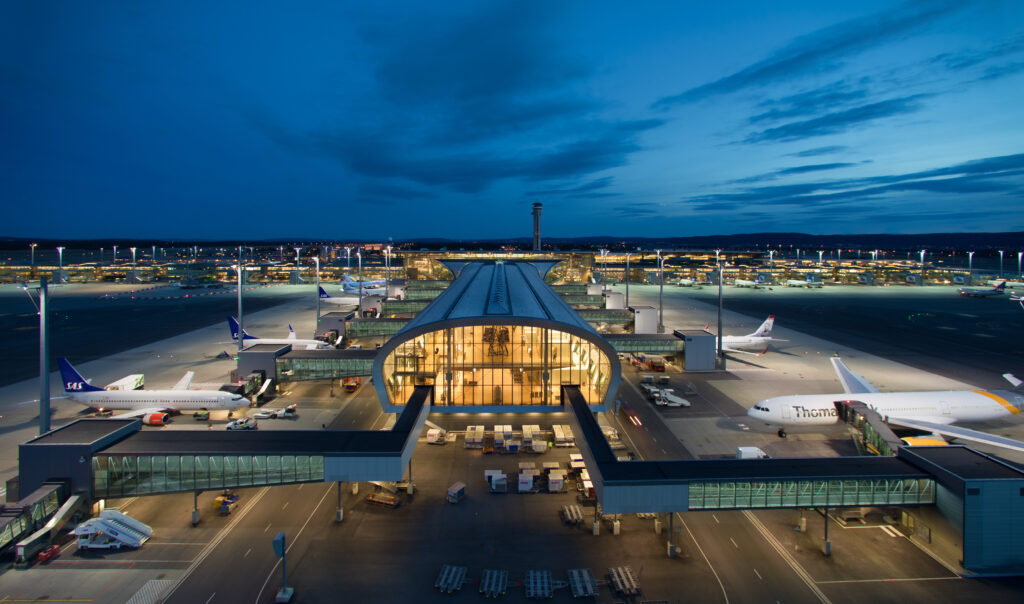
Your Lofoten Islands Norway access journey starts with getting to Norway. For most international travelers, that means flying into one of these hubs:
- Oslo (OSL) – Norway’s capital and largest airport with connections worldwide
- Bergen (BGO) – Western Norway, slightly closer geographically but fewer direct international flights
- Tromsø (TOS) – Northern gateway, good if you’re combining Lofoten with other Arctic adventures
For travelers from Asia: A typical route from Mumbai or Delhi would be Mumbai → Oslo (via Dubai, Doha, or a European hub like Amsterdam) → Bodø → Lofoten. Flight time is roughly 12-16 hours total, not counting layovers.
For American travelers: Direct flights from New York, Chicago, or Los Angeles to Oslo are your best bet. Norwegian Air and SAS offer competitive rates. From the U.S., you’re looking at 8-10 hours to Oslo.
Visa & Practical Basics
Norway is part of the Schengen Area. Most travelers need a Schengen visa (applied for through Norwegian embassies), which allows 90 days of travel within the zone. Americans, Canadians, Australians, and many Asian passport holders can check specific requirements at Norway’s official immigration site.
Currency: Norwegian Krone (NOK). Credit cards are accepted everywhere, but it helps to have a small amount of cash for remote spots.
Pro tip: Book a multi-city ticket. For example: fly into Oslo, spend a day exploring, then continue north. Or fly into Oslo and out of Tromsø to create a Northern Norway road trip loop.
Primary Access Point: Oslo → Bodø
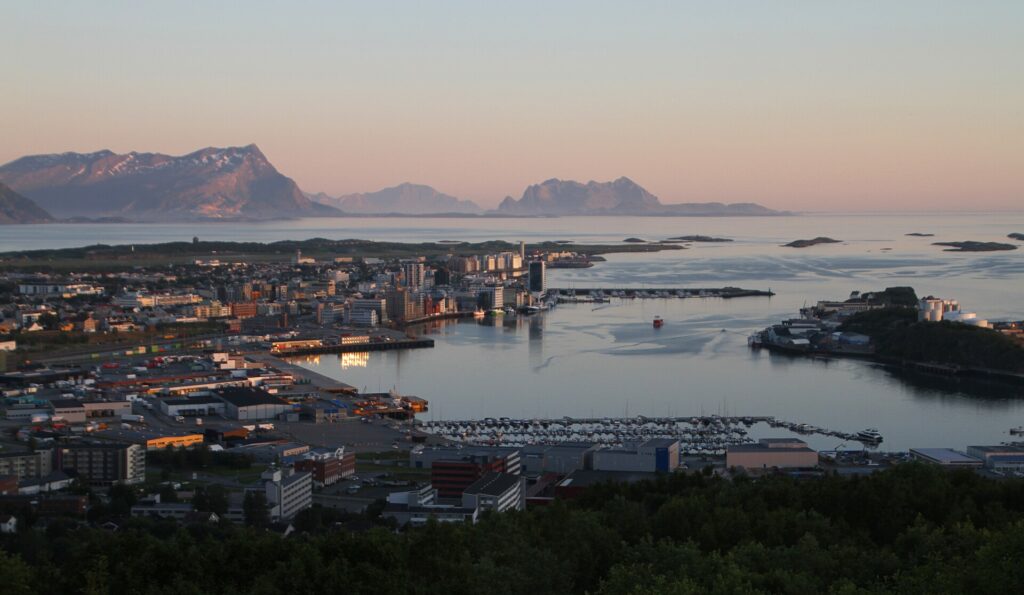
Here’s where your journey gets real: Bodø is the jumping-off point for Lofoten. This coastal city sits right on the mainland across from the islands, and it’s the hub for ferries and regional flights heading to the archipelago.
Getting to Bodø
From Oslo, you have two main options:
- Fly Oslo → Bodø (Flight time: ~1.5 hours)
- Airlines: SAS, Norwegian, Widerøe
- Airport code: BOO
- Frequency: Multiple flights daily
- Cost: $80-200 USD depending on booking time
- Train/Bus (The Scenic Route) – Takes 18+ hours through stunning Norwegian countryside. Only recommended if you have extra time and want the overland adventure.
Booking tip: Norwegian domestic flights can get expensive if booked last-minute. Book 2-3 months ahead for the best prices. SAS often has sales during shoulder seasons (May, September).
The Loop Strategy
Here’s an insider move: Don’t book a round-trip to Bodø. Instead, fly into Bodø but fly out from Narvik/Harstad Airport (EVE) on the northern end of Lofoten. This creates a one-way route through the islands without backtracking. It adds maybe $30-50 to your ticket cost but saves a full day of travel time.
How to Get from Bodø to Lofoten Islands
This is the crucial leg. You’ve got three main options, and your choice depends on budget, time, and whether you want a car.
Quick Comparison Table
| Method | Time | Cost (USD) | Experience | Best For |
| Ferry (Car) | 3-4 hours | $100-150 (with car) | Scenic, dolphins, mountains | Road trippers, photographers |
| Ferry (Walk-on) | 3-4 hours | $25-40 | Budget-friendly, relaxing | Public transport users |
| Flight to Leknes/Svolvær | 25-35 min | $100-180 | Fastest, aerial views | Time-crunched travelers |
| Drive via E10 | 5-6 hours | Gas only (~$40) | Ultimate scenic route | Loop itinerary travelers |
Option 1: Ferry from Bodø to Moskenes
The Bodø to Lofoten ferry is run by Torghatten Nord and sails to Moskenes on the southern tip of Lofoten.
Details:
- Departure: 3-4 times daily (more in summer)
- Duration: 3-4 hours
- Cost: Walk-on passengers ~$25-40, Car + driver ~$100-150
- Book in advance! Summer ferries (June-August) sell out weeks ahead
Why take the ferry? On a clear day, you’ll sail past dramatic coastal mountains, potentially spot wildlife (we saw orcas on our September crossing), and arrive at Moskenes ready to explore the southern villages like Å and Reine.
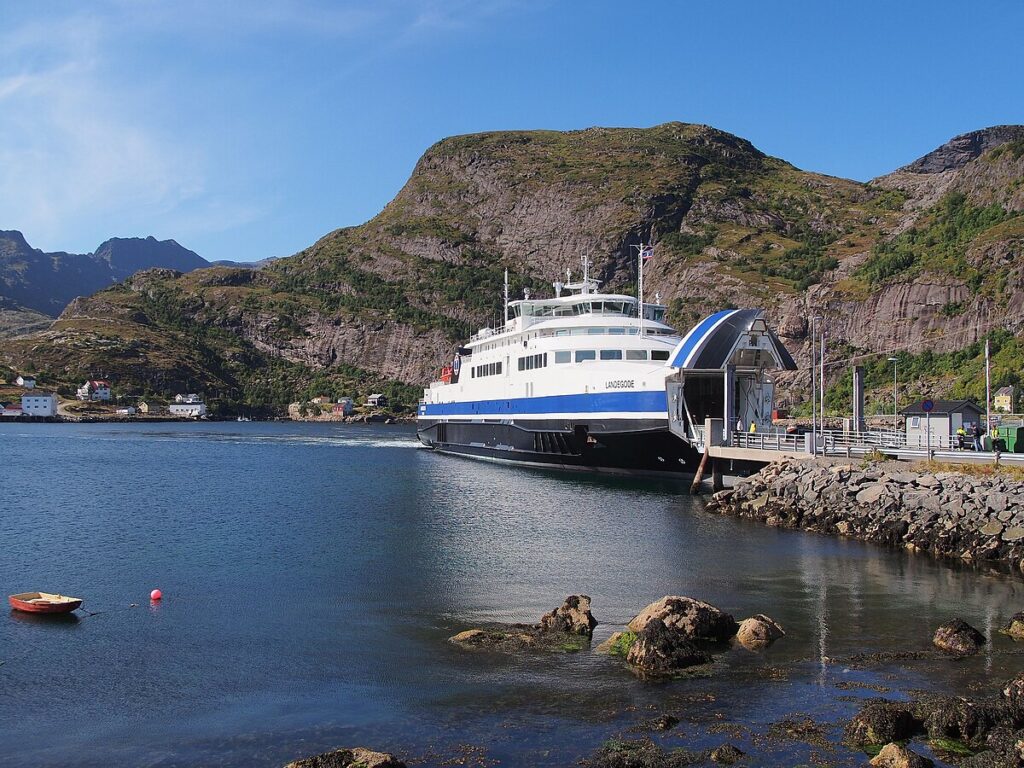
The ferry also serves as your “scenic introduction” to Lofoten. Pack snacks, grab a window seat, and keep your camera ready.
Option 2: Fly to Leknes or Svolvær
If time matters more than budget, fly.
- Leknes Airport (LKN) – Central Lofoten, smaller airport
- Svolvær Airport (SVJ) – Northern hub, more frequent flights
Widerøe operates short regional flights from Bodø. These tiny prop planes hold 30-40 people, and the views during takeoff are insane—you’re essentially flying at eye level with the mountains.
Cost: $100-180 one-way
Pro: Saves 3+ hours compared to the ferry
Con: More expensive, and you’ll miss the ocean journey
Option 3: Drive the E10 Highway
For those coming from the north or doing a larger Norway loop, you can drive onto Lofoten via the E10 highway. The road connects through bridges and tunnels from the mainland.
From Narvik: ~3.5 hours to Svolvær
From Bodø (via land route): ~5-6 hours through spectacular mountain passes
This works best if you’re already doing a campervan tour or combining Lofoten with other northern destinations.
Important note: Some tunnels charge tolls (automatically billed to rental cars). Factor in ~$10-15 in toll fees.
Getting Around Within Lofoten
Let’s be blunt: rental car Lofoten is the way to go.
Why You Need a Car
Public buses exist, but they’re infrequent and won’t get you to the best spots. Want to watch sunrise at Kvalvika Beach? Hike Reinebringen? Chase the midnight sun Lofoten at 2 AM? You need wheels.
Rental options:
- Pick up in Bodø (before the ferry) or at Leknes Airport after flying in
- Drop off in Narvik/Harstad (if doing the loop)
- Cost: $50-100/day depending on season and car size
Book through rentalcars.com or directly with Norwegian companies like Sixt and Hertz.
Alternatives to Driving
- Campervan: Popular in summer. Gives you accommodation + transport. Book 6+ months ahead for summer.
- E-bike rental: Possible for short distances in good weather, but Lofoten has serious hills.
- Hitchhiking: Summer months see lots of friendly travelers. We met a German couple who hitchhiked the entire E10—totally doable but requires flexibility.
- Bus: Limited routes connect major towns (Svolvær, Leknes, Reine). Check 177nordland.no for schedules.
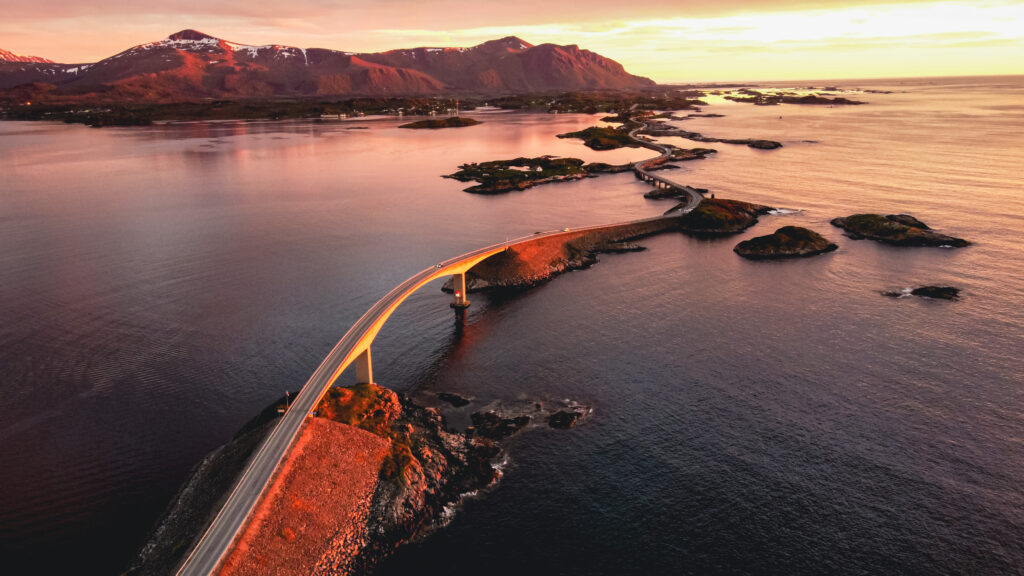
Our take: If you’re serious about exploring, rent the car. The freedom to stop at random viewpoints and adjust for weather makes all the difference.
Planning Your Visit: When, How Long, Budget
Best Time to Visit Lofoten
The islands are gorgeous year-round, but your experience depends heavily on timing.
| Season | Months | Highlights | Challenges |
| Summer | June-August | Midnight sun, warmest weather, all activities open | Crowded, expensive, book 3-6 months ahead |
| Winter | November-February | Northern Lights Lofoten, snowy landscapes, Arctic vibe | Cold (0-5°C), limited daylight, some roads closed |
| Shoulder | May, September-October | Best value, fewer crowds, still decent weather | Unpredictable weather, some tours limited |
Our pick: September. You get Northern Lights potential starting mid-month, autumn colors on the mountains, and summer prices drop off a cliff after the first week.
How Long Should You Stay?
- 2-3 days: Express highlights (Reine, one hike, Henningsvær)
- 4-5 days: Comfortable pace, hit major spots
- Lofoten itinerary 7 days: Ideal for photographers and serious hikers. Enough time to wait out bad weather and explore thoroughly
Trip Cost Lofoten (Budget Breakdown)
Here’s what a week costs per person (mid-range travel style):
- Accommodation: $60-120/night (mix of hostels, guesthouses, rorbuer—traditional fishing cabins)
- Rental car: $400-700 for the week (split between travel partners)
- Ferry: $35-150 depending on car
- Food: $30-50/day (cooking most meals, eating out 2-3 times)
- Activities: $50-150 (boat tours, gear rental)
Total for 7 days: $1,200-2,000 USD per person
For Asian travelers: This is significantly more expensive than travel in Southeast Asia. Norway is one of Europe’s priciest countries. But the trade-off? Once you’re in Lofoten, most of the best experiences—hiking, beaches, scenery—are completely free.
Money-saving hacks:
- Book accommodation with kitchen access and cook your own meals
- Travel in September or May instead of July
- Book flights 2-3 months out
- Pack snacks from grocery stores before heading to remote villages
Top Places & Experiences (Brief, with Transport Relevance)
Must-Visit Villages
Reine: The postcard village. Literally one of the most photographed spots in Norway. Red cabins, turquoise water, dramatic peaks. Park at the village center (small lot fills fast) and walk around.
Å (yes, just the letter): The southernmost village in Lofoten. Home to the stockfish museum (dried cod on wooden racks—a centuries-old tradition). Accessible by car via E10.
Nusfjord: UNESCO-protected fishing village with gorgeous old buildings. Small entrance fee ($10) but worth it for the preserved history.
Henningsvær: Called the “Venice of Lofoten” because it’s built on small islands connected by bridges. Great food scene here. Parking can be tight in summer.
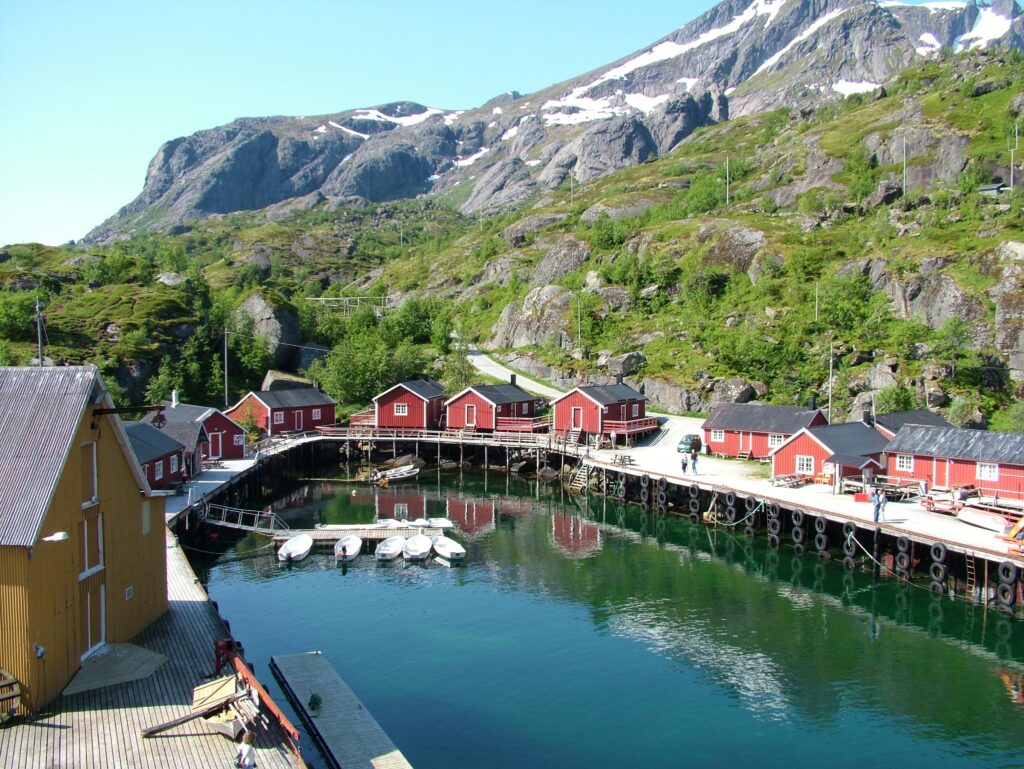
Beaches in Lofoten
Yes, beaches in the Arctic. And they’re stunning.
- Haukland Beach: Easy access right off the E10. White sand, turquoise water, mountain backdrop.
- Kvalvika Beach: Requires a 45-minute hike (moderate difficulty). Totally worth it. Feels like you’ve reached the edge of the world.
- Skagsanden Beach (Flakstad): Black sand, incredible for dramatic photography.
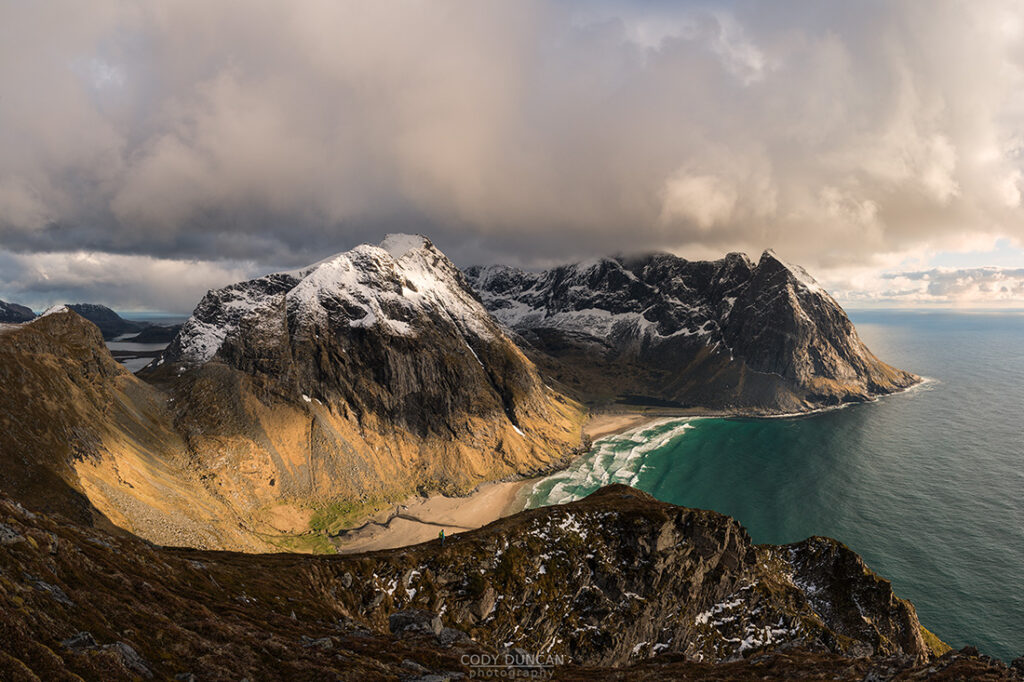
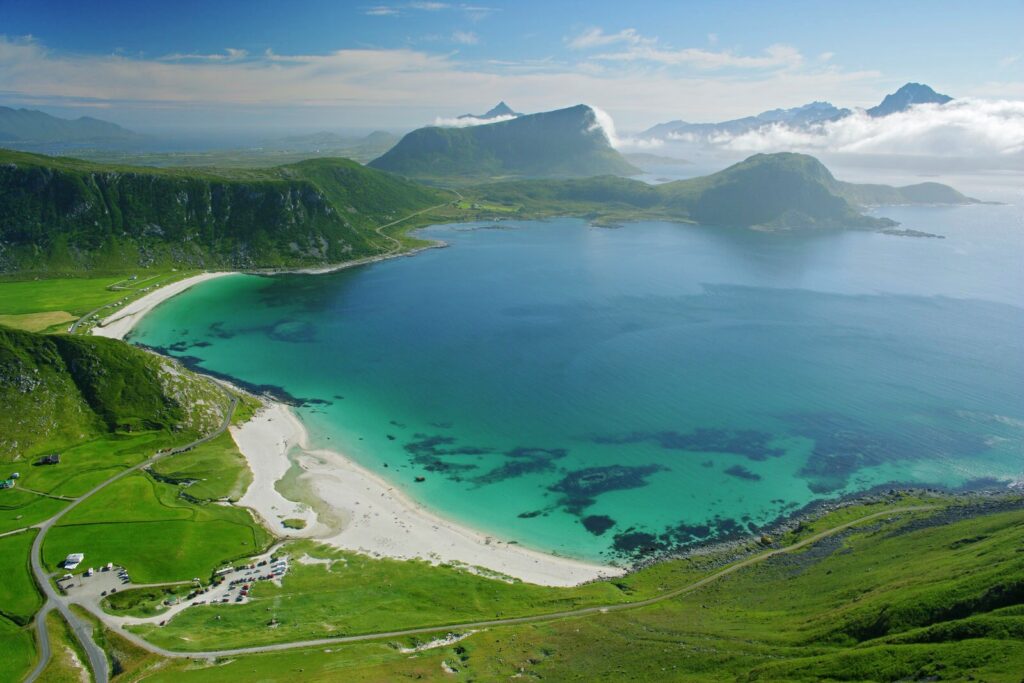
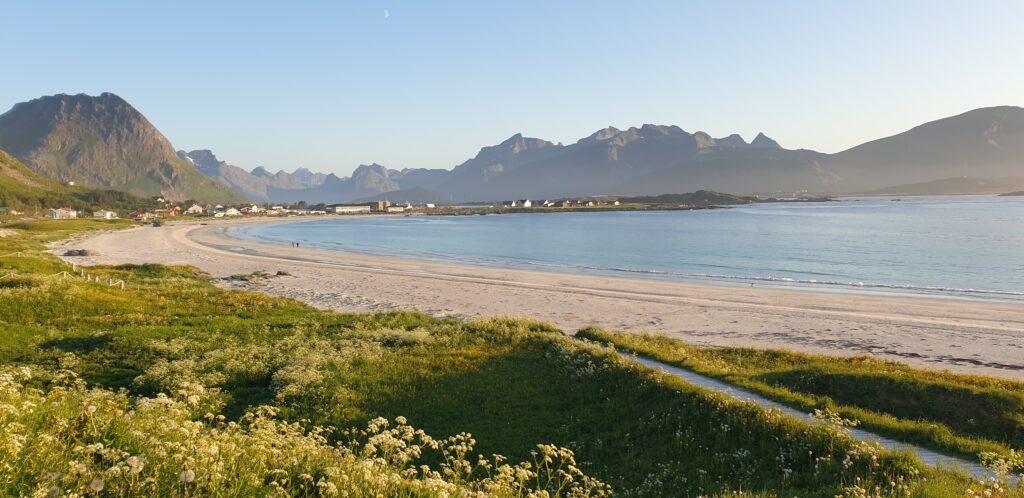
Transport note: All beaches require a car except Haukland. Some have tiny parking areas that fill by 10 AM in summer.
Hiking Trails
- Reinebringen: The classic Lofoten Instagram shot. 1.5-hour climb, 448 meters of stone steps. Views are absurd.
- Ryten (above Kvalvika): Combine with Kvalvika Beach for a full-day adventure.
- Festvågtind: Moderate climb near Henningsvær with panoramic views.
Arctic surfing Lofoten: Unstad Beach on the northwestern coast is Europe’s northernmost surf spot. Wetsuit essential year-round. Rental shops in the village.
Fjords in Lofoten
Trollfjord: Narrow, dramatic fjord best seen by boat tour from Svolvær. Tours run $80-120 for 2-3 hours. Book through Lofoten Explorer.
Stay & Eat: Practical Local Tips
Accommodation in Lofoten
You have three main options:
- Rorbuer (Fishing Cabins): Traditional red cabins on stilts. Usually have kitchens. $100-200/night. Book through Rorbuer.no or Airbnb.
- Guesthouses/Hotels: Standard rooms. $80-150/night. Svolvær and Leknes have the most options.
- Hostels: Budget option. Dorm beds $30-50/night. Lofoten Hostel in Kabelvåg is solid.
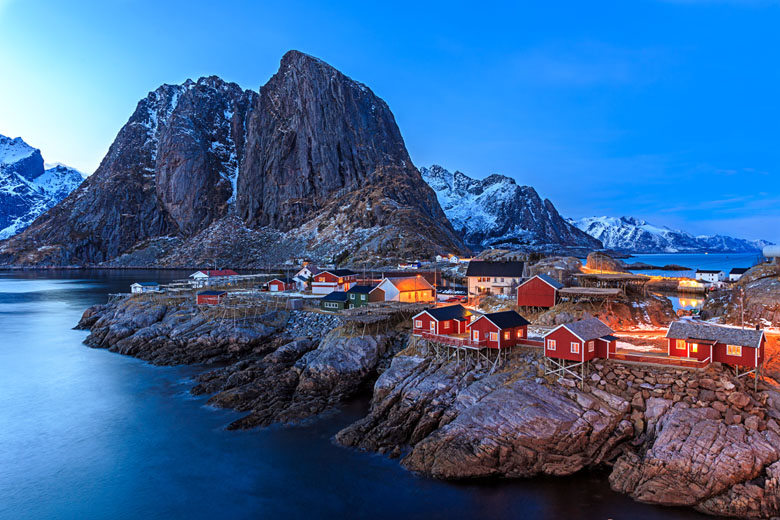
Where to base yourself:
- Svolvær: Largest town, most services, decent restaurant scene, less picturesque
- Reine: Most beautiful, tourist-heavy in summer, limited dining options
- Henningsvær: Perfect middle ground. Charming, central location, good food
Pro tip: Don’t try to stay in one place the whole time. Split your trip between south (Reine area) and central/north (Henningsvær/Svolvær) to minimize driving.
Food & Dining
Norway is expensive for eating out. Main courses run $25-40 at restaurants.
Local specialties:
- Stockfish Lofoten: Dried cod. Try it at Børsen Spiseri in Svolvær.
- Arctic char: Local fish, delicious grilled.
- Brunost: Brown cheese, unique sweet/savory flavor.
For Indian travelers: Vegetarian options exist but can be limited in tiny villages. Leknes and Svolvær have small grocery stores with decent produce. Pack some of your own spices if you’re particular about flavors.
Budget tip: Grocery shop at Rema 1000 or Coop (Norwegian chains). Make big lunches and save restaurant meals for one or two special dinners.
What to Pack & Safety/Weather Notes
Weather Reality Check
Lofoten’s weather is famously unpredictable. We experienced four seasons in one day during our September trip—sun, rain, wind, and even brief snow flurries on the peaks.
Average temps:
- Summer: 10-18°C (50-64°F)
- Winter: -2 to 4°C (28-39°F)
But temperature isn’t the story. Wind is. Coastal gusts can hit 30-40 mph even in summer.
Essential Packing List
Clothing:
- Waterproof jacket (non-negotiable)
- Waterproof pants for hiking
- Layers: wool or synthetic base layers, fleece mid-layer
- Warm hat and gloves (even in summer for early mornings)
- Hiking boots with good ankle support
Tech & Gear:
- Power adapter (Type C/F European plugs)
- Power bank (long days mean heavy camera/phone use)
- Headlamp (for winter Northern Lights chasing or summer midnight adventures)
International Traveler’s Checklist:
- Download offline maps (Google Maps allows this)
- Get a local SIM or international roaming plan (spotty wifi in villages)
- Download the YR.no app for hyper-local weather forecasts
- Check vegvesen.no for road conditions
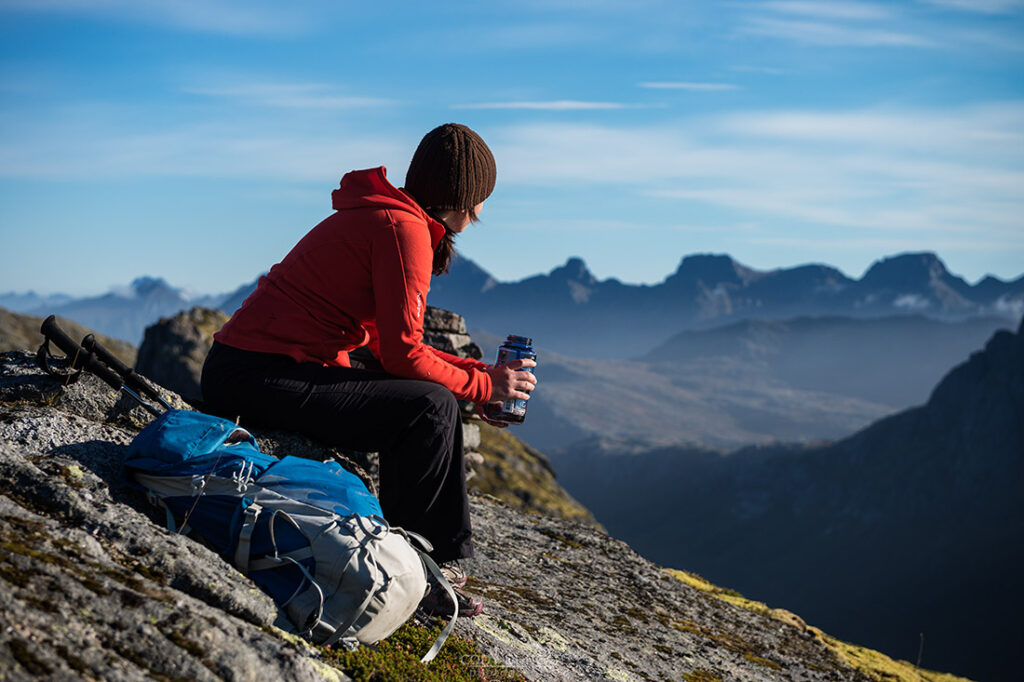
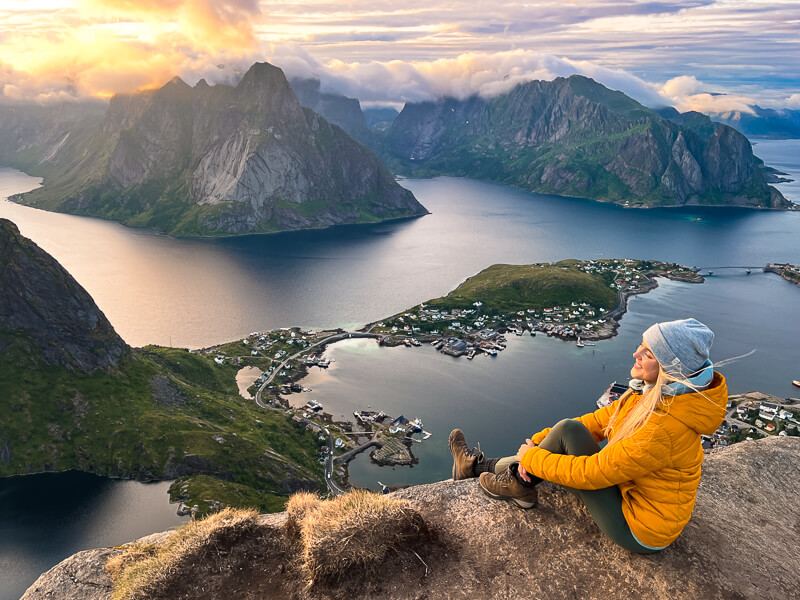
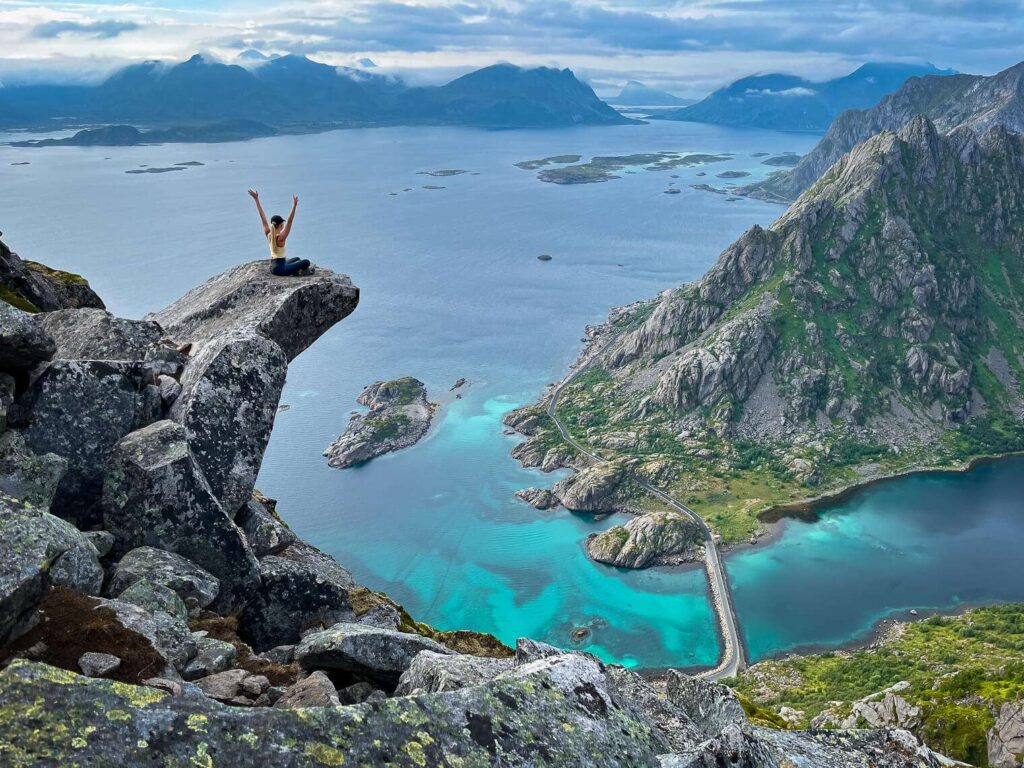
Responsible Travel & Insider Tips
Booking Ahead
Cannot stress this enough: book accommodation in Lofoten early if visiting June-August. We’re talking 3-6 months in advance. The islands have limited beds, and they fill fast.
Ferry reservations for cars also sell out. Book at least 2-3 weeks ahead in summer.
Sustainability & Over-Tourism
Lofoten’s popularity has exploded in the last decade. Some spots (looking at you, Reinebringen) see thousands of visitors daily in peak season.
How to help:
- Visit in shoulder seasons when possible
- Respect private property (those red cabins? People live there)
- Pack out all trash (no facilities at remote beaches)
- Don’t fly drones without permission (disturbs wildlife and violates privacy)
- Support local businesses—eat at family-run restaurants, buy from village shops
Pro tip to avoid crowds: Hit popular spots at off-peak times. Sunrise at Haukland Beach? You’ll have it to yourself. Show up at 1 PM? Good luck finding parking.
Essential Apps
- YR.no: Best weather app for Norway, updates hourly
- 177 Nordland: Public transport schedules
- Vegvesen.no: Road conditions and ferry schedules
- Maps.me: Offline hiking maps
Sample Itinerary Based on Transport Mode
Itinerary A: 7-Day Car Loop (Bodø → Narvik)
Day 1: Fly Oslo → Bodø. Afternoon ferry to Moskenes. Drive to Reine, settle in.
Day 2: Explore Å and Nusfjord. Hike Reinebringen (early morning to beat crowds). Evening in Reine.
Day 3: Drive north to Flakstad. Hike to Kvalvika Beach. Continue to Henningsvær, stay overnight.
Day 4: Henningsvær day. Explore the town, visit galleries, try local seafood. Optional: sea eagle safari tour.
Day 5: Drive to Svolvær. Trollfjord boat tour. Evening drive to Kabelvåg.
Day 6: Hike Festvågtind or relax day. Drive to northern Lofoten, explore less-touristy spots.
Day 7: Exit via Narvik. Fly Narvik → Oslo or continue Norway adventure.
Itinerary B: 4-Day No-Car Budget Trip
Day 1: Fly Oslo → Bodø → Leknes Airport. Bus to Svolvær. Check into hostel.
Day 2: Book day tour from Svolvær (Trollfjord + fishing villages). Explore Svolvær town in evening.
Day 3: Bus to Henningsvær (30 min). Walk around, visit galleries, eat lunch. Bus back. Optional evening Northern Lights tour in winter.
Day 4: Bus to Kabelvåg. Visit Viking Museum or relax. Evening fly back to Oslo.
Budget 5-Day Version from India
Day 1: Mumbai → Oslo (overnight flight). Quick city walk. Evening flight to Bodø.
Day 2: Morning ferry to Moskenes. Check into Reine. Afternoon exploring village.
Day 3: Reinebringen hike. Drive to explore Å and south coast beaches.
Day 4: Drive north to Henningsvær. Stop at Haukland Beach. Afternoon in Henningsvær.
Day 5: Early drive to Svolvær. Return ferry to Bodø. Fly Bodø → Oslo → Mumbai (overnight).
Total: 5 days with 2 overnight flights. Tight but doable for long-weekend warriors.
FAQs (Answer Engine Optimised)
How do I get to the Lofoten Islands from Oslo?
Fly from Oslo to Bodø (1.5 hours), then either take a ferry to Moskenes (3-4 hours) or fly to Leknes/Svolvær (30 minutes). The ferry is more scenic, while flying saves time.
Is it better to fly or take the ferry to Lofoten?
Take the ferry if you want a car, enjoy scenic journeys, and have time. Fly if you’re on a tight schedule or don’t plan to rent a car. The ferry offers better value and doubles as a sightseeing experience.
Do I need a car in Lofoten?
Not absolutely, but highly recommended. Public buses are limited and don’t reach the best hiking trails, beaches, and viewpoints. A rental car Lofoten gives you flexibility to explore freely.
What’s the cheapest way to reach Lofoten?
Book flights 2-3 months ahead, travel as a walk-on ferry passenger (no car), visit in shoulder season (May or September), and stay in hostels. Budget travelers can do it for under $1,000/week.
Is it possible to visit Lofoten without a car?
Yes, by basing yourself in Svolvær or Leknes and using buses + day tours. You’ll miss some remote spots but can still experience the main villages and some hikes accessible by public transport.
When is the best time to visit Lofoten Islands?
Summer (June-August) for midnight sun and warmest weather. Winter (November-February) for Northern Lights. Shoulder seasons (May, September) offer the best balance of good weather, fewer crowds, and lower prices.
How much does a trip to Lofoten cost?
Budget travelers: $1,000-1,500/week. Mid-range: $1,500-2,500/week. Luxury: $3,000+/week. Major costs are accommodation ($60-150/night), car rental ($60-100/day), and food ($30-50/day).
Conclusion: Your Arctic Adventure Starts with the Journey
Here’s the truth about Lofoten archipelago travel: the journey to get there is half the adventure. That ferry ride across wind-whipped seas? The tiny prop plane descending between mountain peaks? The first glimpse of red cabins against impossible blue water? Those moments become part of your story.
How to get to Lofoten Islands isn’t complicated—it just requires planning. Book your flights early, reserve that ferry if you’re bringing a car, and decide whether you’re team scenic-ferry or team save-time-fly. Pick your season based on whether you want midnight sun Lofoten magic or the electric dance of the Northern Lights.
Once you’re there, you’ll understand why travelers willingly navigate multiple flights, ferries, and winding roads to reach this remote chain of islands. Because standing on a Lofoten beach at midnight, watching the sun skim the horizon while mountains rise like cathedral walls around you—that’s not something you get anywhere else on Earth.
Start planning now. Book those flights, mark your calendar, and get ready for one of the most visually overwhelming places you’ll ever visit. The Arctic is calling.
Need more inspiration? Check out our other guides on xploreheaven.com for adventure travel tips, budget hacks, and destination deep-dives. Safe travels, explorer.
References:
- Visit Norway – Official Travel Guide
- Torghatten Nord – Bodø Moskenes Ferry
- UDI – Norwegian Immigration Authority
- Norwegian Public Roads Administration
- YR.no – Norwegian Weather Service

Read More Articles;
- Thailand Hidden Islands Travel Guide 2026: Secret Islands, Budget Itinerary & Crowd-Free Beaches for Indians
- Sri Lanka Travel Guide 2026 for Indians: ₹50K Budget, 7-Day Itinerary, Visa & Hidden Gems
- Bali Travel Guide 2026: Best Places, Itinerary, Budget & Hidden Gems (Complete Planner)
- Alleppey Tourist Places: 25 Best Places to Visit in Alleppey Backwaters (2026 Travel Guide)
- Munnar Tourist Places: 20 Best Places to Visit in Munnar, Tea Gardens, Itinerary & Hidden Gems (2026 Travel Guide)
