Is Angola safe to travel?
Yes, but travel here requires mandatory preparation and constant situational awareness.
International authorities generally classify Angola under a Level 2: Exercise Increased Caution or Exercise a High Degree of Caution. This level of risk is driven by violent crime, especially in the capital, Luanda, and critical deficiencies in medical facilities outside of large cities.
While provincial cities like Benguela and Lubango are often described as calm and orderly for visitors, your safety relies entirely on robust planning around specific threats: the pervasive risk of landmines and unexploded ordnance (UXO) outside main, paved roads, and the non-negotiable need for medical evacuation (Medevac) insurance, as serious medical emergencies typically require treatment outside the country.
Do not attempt this trip without mastering the crucial security and health protocols detailed below—they are the difference between an unforgettable adventure and an unmanageable crisis.
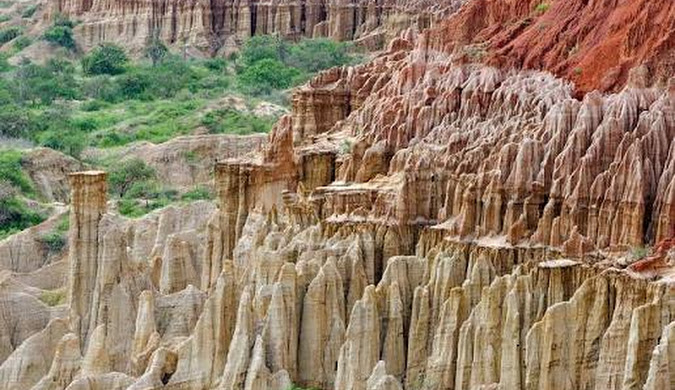
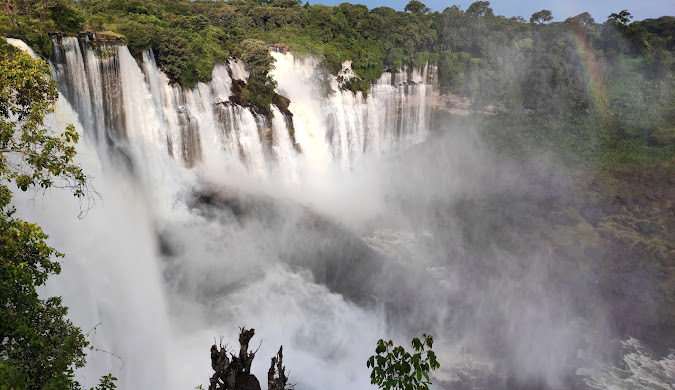
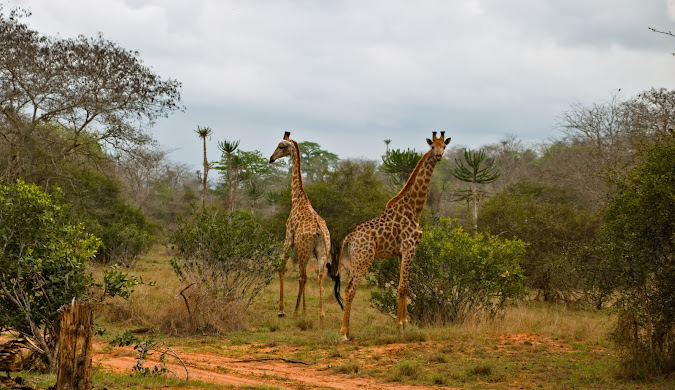
Angola is a country bursting with potential, featuring beautiful landscapes from the Serra da Leba pass to the revitalization of Kissama National Park. For many adventurous travellers, this Southern African nation offers an unforgettable experience. However, travel here comes with a specific set of challenges that require detailed preparation, turning this trip into an operation of careful planning. Is Angola safe to travel? The answer is yes, provided you adhere strictly to official safety and health protocols, treating preparedness as mandatory.

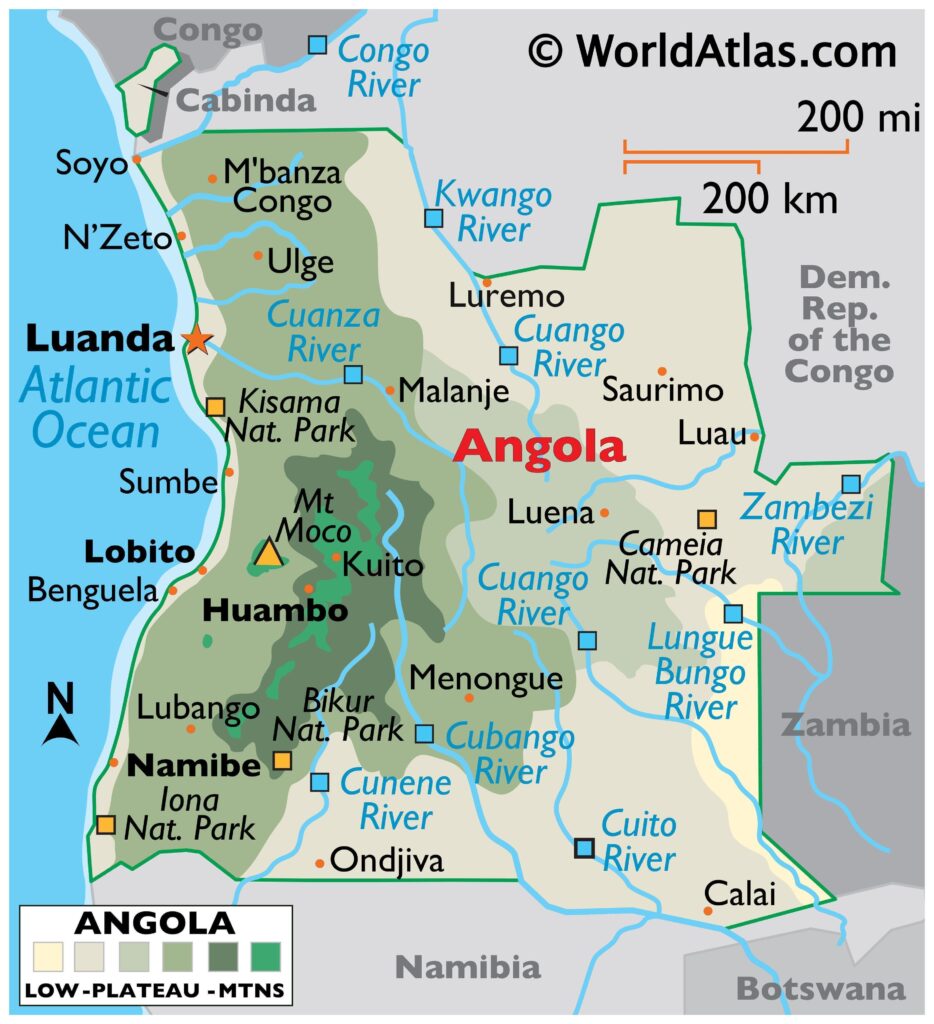
This guide breaks down the realistic risks of travel, focusing on safety, health, and logistics, so you can focus on enjoying Angola with confidence and peace of mind.
Official Travel Risk: Why Angola is ‘Exercise Increased Caution’
Major international governments, including the United States, Canada, and New Zealand, consistently advise travellers to Exercise Increased Caution in Angola. Canada further escalates this advice to Exercise a High Degree of Caution. This moderate risk level is based on three persistent threats: high levels of violent crime, particularly in the capital; a widespread legacy of landmines and unexploded ordnance (UXO); and critical deficiencies in the local health and emergency response systems.
Unique Value: Decoding the Mandates
• Contingency Planning is Essential: Before you leave, you must prepare a comprehensive contingency plan for emergency situations. This involves knowing your medical evacuation route and having enough money to cover unexpected costs.
• Mandatory Registration: U.S. citizens should enrol in the Smart Traveler Enrollment Program (STEP) to receive security alerts and make it easier for authorities to locate you in an emergency.
• Consular Limitations: If you are travelling to remote or high-risk areas, remember that consular assistance from governments like New Zealand or Canada may be severely limited or non-existent.
Is Angola Safe to Travel in Luanda? Navigating Urban Crime and ‘Smash and Grab’ Risks
Luanda, the capital, is the primary source of the national “Increased Caution” rating. It experiences a high level of crime, some of it violent, including armed robbery, assault, carjacking, and homicide. Local police often lack the resources to respond effectively to serious criminal incidents.
Unique Value: Specific Security Protocols
• The Non-Resistance Protocol: If you are threatened by armed individuals, the most crucial security protocol is to immediately hand over your cash and valuables. Resistance has often proven fatal.
• The “Smash and Grab” Threat: A common criminal tactic involves individuals, often riding motorcycles, targeting electronics like mobile phones and laptops from cars that are stopped or slow in traffic. You must keep valuables out of sight and refrain from using your mobile phone or laptop when stopped.
• Vetted Transport is Key: Avoid walking alone, particularly after dark. Public transport, such as multi-passenger vans (candongueiros) or motorcycles (taxistas), is generally unregulated and unsafe. The safest practice is to use private transport from reliable sources or vetted ride services like UGO.
• Women and LGBTQ+ Travelers: Incidents of rape and sexual assault have been reported in popular nightlife areas. While Angola has decriminalised same-sex relationships, societal biases against LGBTQ+ individuals exist, and public displays of affection may attract negative attention.
The Landmine and UXO Reality: Is Angola Safe Outside Major Cities?
The most pervasive physical safety risk outside Luanda and the provincial capitals is the presence of landmines and unexploded ordnance (UXO), a devastating legacy of four decades of conflict. Angola remains one of the most heavily mined countries in the world, with over 61 million square meters of land contaminated.
Unique Value: The Mandatory Landmine Protocol
• Strict Adherence to Cleared Routes: The risk of encountering UXO is especially high on unpaved roads, verges, and near bridges. You must never deviate from main, paved, and heavily frequented roads. Even areas previously thought to be clear may contain mines.
• Rainy Season Threat: The rainy season (typically November to April) increases the chance of landmines shifting due to flooding and reappearing on roadways outside known minefields.
• Economic Impact and Clearance: International organizations like MAG and The HALO Trust are actively engaged in humanitarian demining, clearing land to allow for safe development in provinces like Moxico and Huambo. Clearance efforts are also crucial for strategic infrastructure projects like the Lobito Corridor.
Critical Health Safety: Is Angola Safe Without Medical Evacuation (Medevac) Insurance?
The quality of healthcare in Angola is a critical factor in personal safety. Medical facilities are under-resourced and often do not meet international standards, especially outside of Luanda.
Unique Value: Medevac and Cash Reserves
• Medevac is Mandatory: You must purchase comprehensive travel insurance that explicitly covers medical evacuation (Medevac). For serious or complex care, treatment in the country is usually inadequate, necessitating medical flight to a third country like South Africa.
• The Cash-Only Rule: Hospitals and doctors, even at the competent private clinics in Luanda, typically require cash payment upfront prior to providing service or admission. Be prepared to pay high fees.
• Bypassing Local Emergency Services: Local ambulance services (dial 111 or 112/116) are generally unreliable and poorly equipped outside the capital. Seriously injured or ill travellers are sometimes advised to take a secured private vehicle or vetted UGO taxi directly to the nearest major hospital instead of waiting.
• Disease Prevention: An official Yellow Fever vaccination certificate is required for entry for travellers aged nine months or older coming from countries with transmission risk. Malaria risk exists year-round throughout the country. Travellers should also be aware of the risk of Cholera (due to inadequate community sanitation), Travellers’ Diarrhea, and should seek medical assistance immediately if victimized by violent crime due to the prevalence of HIV/AIDS.
Navigating Restricted Zones: Is Angola Safe Near Diamond Borders?
While provincial cities like Benguela, Huambo, and Lubango are often described as calm, orderly, and generally secure, specific areas carry heightened government travel warnings due to political instability and resource conflicts.
Unique Value: Geo-Political Hotspots
• Cabinda Province (Except Cabinda City): The FCDO advises against all but essential travel to the majority of this exclave province due to separatist groups carrying out targeted attacks, including murder and kidnappings, which have involved foreigners.
• Lunda Norte and Lunda Sul: Authorities advise against non-essential travel to these diamond-producing regions. The presence of foreigners here can cause tension, leading authorities to impose unexpected restrictions on movement. Travellers risk arrest and detention if they are non-compliant. Roads in and out of these provinces also face threats from banditry and armed hold-ups. The FCDO specifically advises against being within 1km of the DRC border in Lunda Norte.
Local Laws, Logistics, and Financial Safety in Angola
Managing daily logistics and adhering to local laws are essential elements of keeping travel to Angola safe.
Unique Value: Document and Financial Flexibility
• Dynamic Document Security: You must always carry identification. In high-crime Luanda, it is safest to carry a certified colour photocopy of your passport and visa, keeping the originals secured. However, when travelling outside Luanda and provincial capitals, you should carry the original documents securely, as authorities may demand them and refuse copies.
• Photography is Restricted: It is illegal to take photos or use binoculars or GPS equipment near government buildings, military installations, and critical infrastructure (including bridges). Taking photos in the streets generally may attract unwanted attention from the police and risk confiscation of your equipment.
• Cash Management: The local currency is the kwanza (AOA). International credit cards are rarely accepted outside a few major international hotels in Luanda. Local ATMs (multicaixas) frequently malfunction or run out of cash and have low daily limits. You must carry enough cash reserves for your trip and any potential emergency services.
• Currency Declaration: You must declare any currency exceeding $10,000 USD (or equivalent) upon both entry and exit, and you are not permitted to export more money than you imported.
——————————————————————————–
Travelling to Angola is an investment in an authentic, rewarding adventure. By viewing official advisories not as warnings to stay away, but as an essential Actionable Recommendation to invest heavily in security planning, insurance, and local logistical support, you transform the risk into a manageable layer of complexity. Your personal safety is directly tied to the rigour of your preparation.
Is Angola Safe to Travel? Key Recommendations Summary
To ensure a safe and successful journey, prioritize robust Medevac insurance, strictly adhere to road safety protocols (especially avoiding secondary roads and public transport), and enforce the non-resistance rule if faced with crime. Preparation is the foundation upon which your unforgettable Angola experience will be built.
Frequently Asked Questions: Is Angola Safe to Travel?
Q1: What is the official government travel advisory level for Angola, and what are the main reasons for this assessment?
Most international governments, including the United States, advise travelers to Exercise Increased Caution (Level 2). New Zealand also advises travelers to Exercise increased caution due to the threat of violent crime. Canada takes a higher stance, advising travelers to Exercise a high degree of caution. The risk classification is primarily driven by crime and health concerns, including high levels of crime throughout the country and significant deficiencies in health and emergency response infrastructure. Travel safety is directly proportional to the investment made in robust security and logistical support.
Q2: Is comprehensive travel insurance, especially Medical Evacuation (Medevac) coverage, mandatory due to health risks?
Yes, comprehensive travel insurance that includes provision for medical evacuation by air (Medevac) is strongly recommended and mandatory. Medical facilities are generally very poor throughout the country, and are severely limited and under-resourced, especially outside of large cities. Even competent private clinics in Luanda charge high fees in advance. Due to the inability of the local system to handle complex or serious care, serious medical emergencies should be treated outside the country. Travelers should also note that local ambulance services (dial 112 or 111) are often unreliable and poorly equipped outside Luanda, meaning injured travelers may prefer to use a secure private vehicle or vetted UGO taxi to reach the nearest major hospital.
Q3: What is the primary crime risk in Luanda, and what is the crucial safety rule for avoiding violent crime?
The primary crime risk in Luanda is a high level of violent crime, including armed robbery, assault, carjacking, and homicide. Common tactics include “smash and grab” attacks, where two individuals on a motorcycle follow and rob their victim, sometimes at gunpoint, especially targeting mobile phones or laptops from cars stopped in traffic.
The crucial safety rule is non-resistance: if threatened by armed individuals, you must immediately hand over your money and valuables. The advisory emphasizes Do not physically resist any robbery attempt, as resistance can be fatal. To reduce risk, travelers must keep a low profile, avoid displaying cash or valuables, and drive with doors and windows locked while keeping valuables out of sight.
Q4: What is the danger of landmines and unexploded ordnance (UXO), and what is the mandatory protocol for ground travel outside urban centers?
Angola is characterized as one of the most heavily mined countries in the world, a legacy of four decades of intermittent conflict, with over 61 million square meters of land contaminated. This poses an immediate physical hazard, especially on secondary roads, verges, near bridges, and on unpaved roads outside major cities.
The mandatory protocol is strict adherence to cleared routes. Travelers must keep to well-established routes and never deviate from main, paved, and heavily frequented roads. The risk increases during the rainy season (November to April), as flooding can cause landmines to shift and reappear on roadways outside known minefields. The high-risk provinces for contamination include Bié, Cuando Cubango, Cuanza Sul, Moxico, and Huila.
Q5: Which regions are subject to “Avoid Non-Essential Travel” warnings, and what are the specific security threats there?
Several provinces are designated for high caution or “Avoid Non-Essential Travel” by multiple authorities due to dramatically escalated risk:
• Cabinda Province (excluding Cabinda city): The FCDO advises against all but essential travel due to threats from separatist groups carrying out targeted attacks, including kidnappings, murder, and rape involving foreigners and Angolans.
• Lunda Norte and Lunda Sul Provinces: Authorities advise against non-essential travel (especially near the DRC border in Lunda Norte). These are diamond-producing regions where the presence of foreigners may create tension. Threats include banditry and armed hold-ups on roads. Non-compliance with movement restrictions imposed by authorities risks arrest and detention.

Read More Articles;
- Alleppey Tourist Places: 25 Best Places to Visit in Alleppey Backwaters (2026 Travel Guide)
- Munnar Tourist Places: 20 Best Places to Visit in Munnar, Tea Gardens, Itinerary & Hidden Gems (2026 Travel Guide)
- Is Sardinia Worth Visiting? Complete Travel Guide to Sardinia, Italy
- What to Do in Gozo: 25 Best Things to Do in Gozo Malta (Hidden Gems + Local Tips)
- What to Do in Bali: Ultimate Travel Guide 2026 (Top Activities, Itineraries & Hidden Gems)