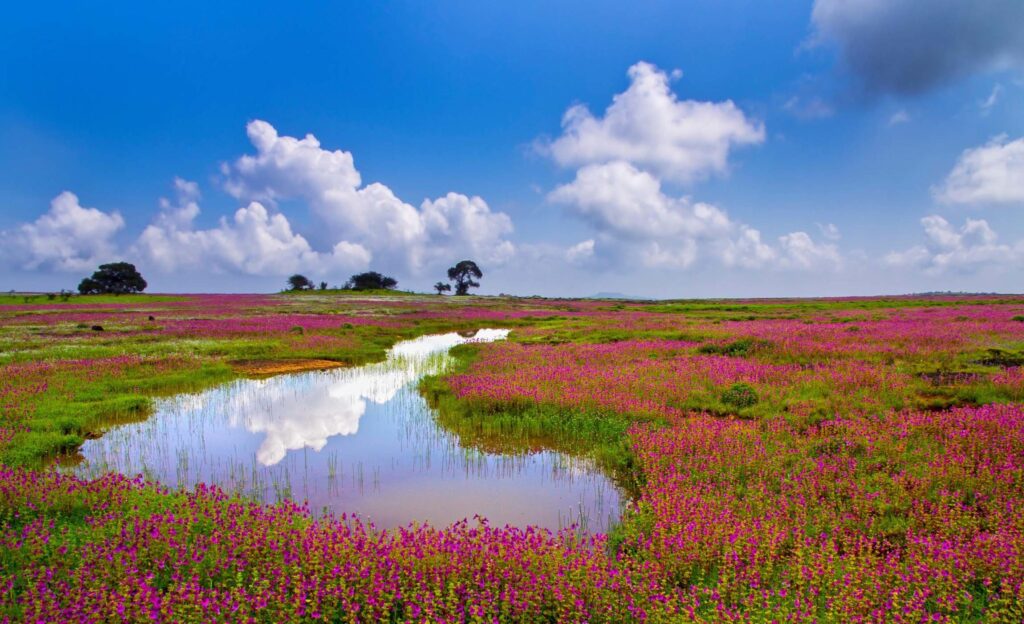
Imagine standing on a vast expanse where nature paints the ground in every color imaginable—crimson reds, sunshine yellows, deep purples, and soft whites stretching as far as your eyes can see. This isn’t a fantasy; this is Kaas Plateau, Maharashtra’s very own Valley of Flowers! Nestled in the majestic Western Ghats near Satara, this UNESCO World Natural Heritage Site transforms into a living, breathing canvas every monsoon season, hosting over 850+ species of flowers that bloom in spectacular fashion. As someone who has guided countless travelers through India’s hidden gems at Astamb Holidays, I can confidently say that Kaas Plateau offers one of the most magical natural experiences you’ll ever witness.
This comprehensive 2026 travel guide will give you everything you need to plan your perfect visit—from the exact bloom dates to booking tips, travel routes, and insider secrets that only come from years of ground experience.
What is Kaas Plateau?
Kaas Plateau, locally known as Kaas Pathar (where “Pathar” means plateau in Marathi), is a biodiversity hotspot that sits at approximately 1,200 meters (3,937 feet) above sea level. Located about 25 kilometers from Satara city in Maharashtra, this extraordinary plateau lies within the ecologically rich Western Ghats, one of the world’s eight “hottest biodiversity hotspots.”

What makes Kaas Plateau truly special? In 2012, it earned the prestigious designation of a UNESCO World Natural Heritage Site due to its remarkable ecosystem and unique geological features. The plateau showcases an ancient laterite formation that dates back millions of years, creating the perfect conditions for an incredible diversity of plant life that you won’t find anywhere else on Earth.
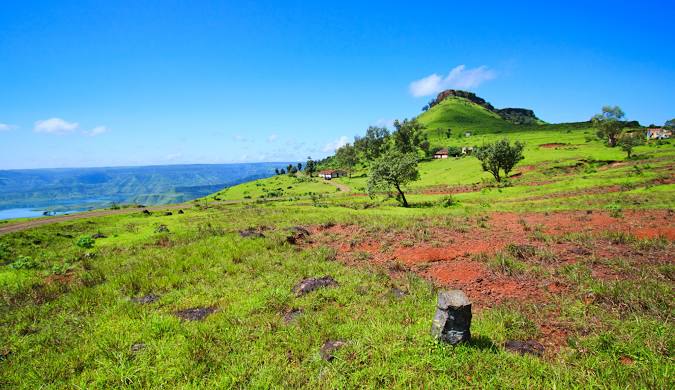
The name “Kaas” comes from the Kaas tree (Elaeocarpus glandulosus), which once dominated the region. Today, while these trees are less common, the plateau has gained worldwide fame for something even more spectacular—its seasonal flower carpet that attracts nature lovers, photographers, and botanists from across the globe.
Quick Facts About Kaas Plateau:
| Detail | Information |
|---|---|
| Location | Near Satara, Maharashtra, Western Ghats |
| Elevation | 1,200 meters (3,937 feet) above sea level |
| Distance from Satara | 25 kilometers (approx. 45 minutes drive) |
| Distance from Pune | 130 kilometers (approx. 3 hours drive) |
| Distance from Mumbai | 290 kilometers (approx. 6 hours drive) |
| UNESCO Status | World Natural Heritage Site (since 2012) |
| Flora Diversity | 850+ species of flowering plants |
| Best Known As | Valley of Flowers of Maharashtra |
🌺 Why Visit Kaas Plateau? (The Magic Awaits)
The Mesmerizing Valley of Flowers Experience
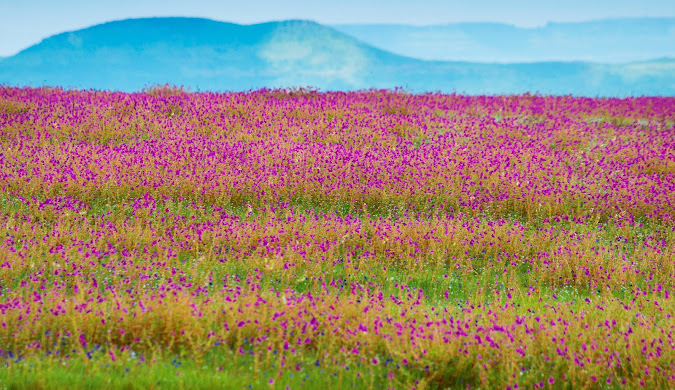
Kaas Plateau isn’t just another tourist spot—it’s a living botanical museum that transforms dramatically with the seasons. During the bloom season, the entire plateau becomes a spectacular carpet of wildflowers that change composition and color almost daily. Walking through this natural wonderland feels like stepping into a painter’s dream, where every footstep reveals new colors, patterns, and fragrances.
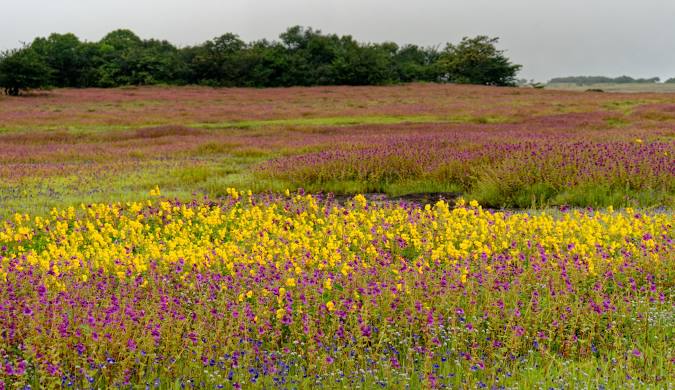
What truly sets Kaas Plateau apart is the sheer variety of flowers blooming simultaneously. You might spot delicate purple smithias alongside cheerful yellow sonki flowers, vibrant red toothcup blossoms next to clusters of rare insectivorous plants. The plateau hosts everything from tiny ground-hugging species to taller flowering plants, creating layers of color that photographers and nature enthusiasts absolutely adore.
Incredible Biodiversity & Ecosystem
The plateau’s biodiversity is staggering. With 850+ documented species of flowering plants, including many endemic varieties found nowhere else on the planet, Kaas Plateau represents one of India’s most important conservation areas. The ecosystem includes:
- 39 species of endemic plants exclusive to the Western Ghats
- Carnivorous plants like the Drosera indica (insectivorous sundew)
- Rare orchids and seasonal terrestrial orchids
- Medicinal plants used in traditional Ayurvedic practices
- Butterflies and birds that depend on this unique habitat
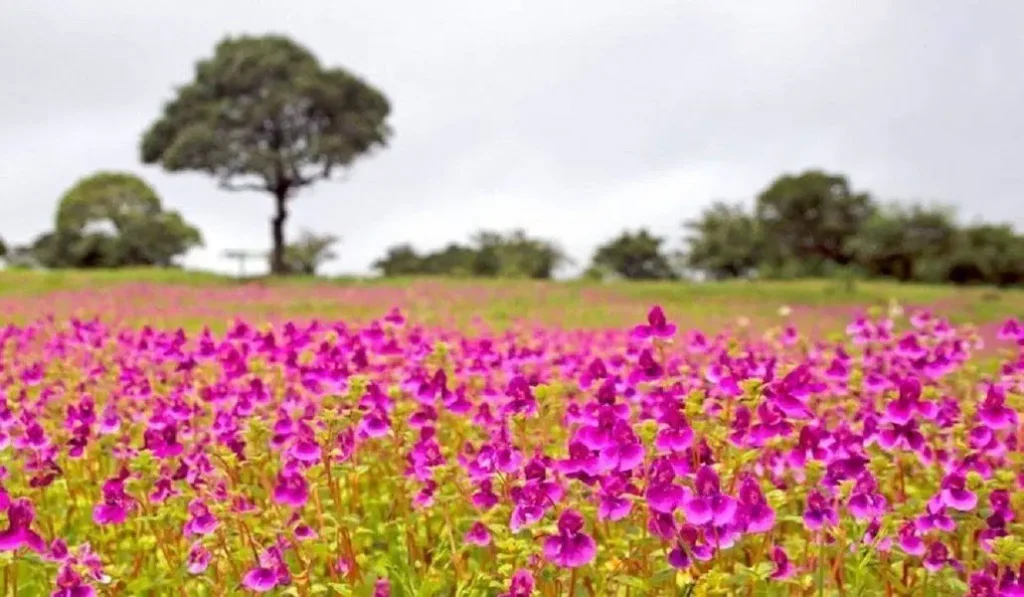
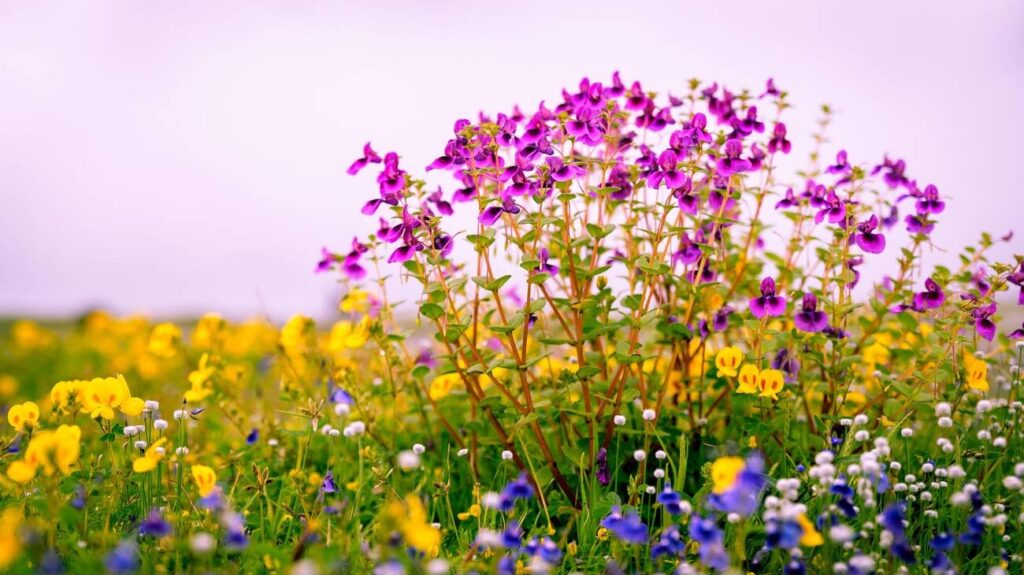
Beyond flowers, you’ll encounter fascinating wildlife including various butterfly species, beetles, grasshoppers, and numerous bird species that thrive in this protected ecosystem. The fragile laterite soil and seasonal water pools create microhabitats that support an intricate web of life.
Beyond the Plateau: Nearby Natural Wonders
Your Kaas Plateau adventure shouldn’t end at the flower fields. The surrounding Satara region offers several breathtaking attractions that perfectly complement your visit:
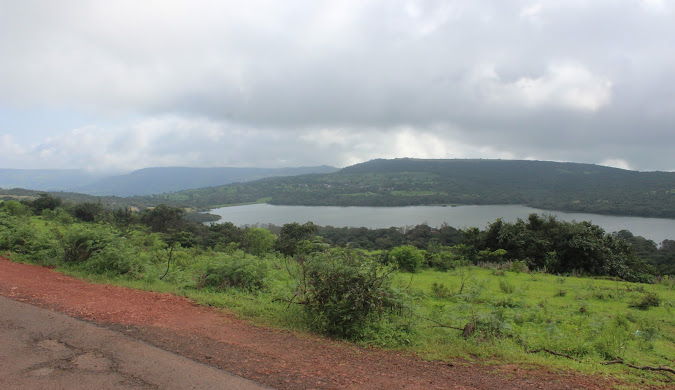
🏞️ Kaas Lake: Just 2 kilometers from the plateau entrance, this serene lake offers stunning reflections of the surrounding hills. During the monsoon season, the lake reaches its fullest, creating picture-perfect moments, especially during sunrise and sunset. It’s an ideal spot for a peaceful break and some contemplative photography.
💧 Thoseghar Waterfalls: Located approximately 20 kilometers from Kaas Plateau, Thoseghar is a magnificent cascading waterfall system where water plunges from a height of 500 meters through multiple tiers. During peak monsoon (July-August), the falls are at their most powerful and dramatic. The viewpoints offer spectacular panoramas of the water crashing into the valley below, surrounded by lush green hills.
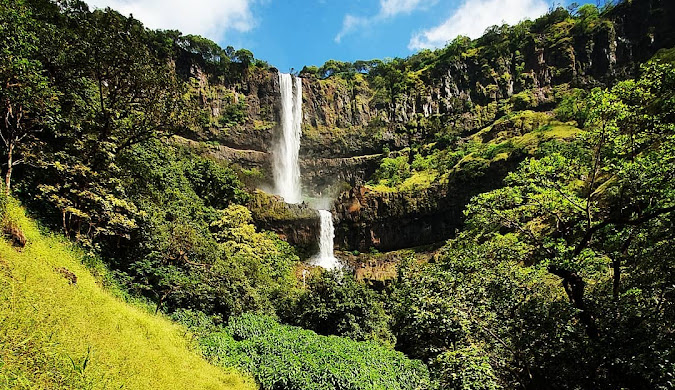
🌊 Vajrai Waterfall: Known as one of India’s tallest waterfalls, Vajrai Waterfall drops from an impressive height of 853 feet (260 meters). Located about 25 kilometers from Kaas, this three-tiered wonder is best visited during or immediately after the monsoon season when water flow is at its peak. The surrounding Sahyadri ranges create a dramatic backdrop that makes the journey absolutely worth it.
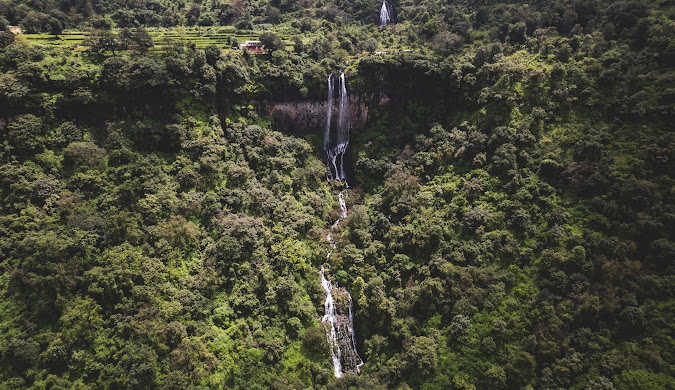
Pro Tip from My Experience: Plan a 2-day itinerary to fully experience the region. Visit Kaas Plateau early morning on Day 1, explore Kaas Lake by afternoon, stay overnight in Satara town, and then visit the waterfalls on Day 2. This way, you won’t feel rushed and can truly soak in the natural beauty of the entire area.
📅 Best Time to Visit Kaas Plateau (Timing is Everything!)
The Golden Window: Bloom Season
Here’s the most important information for planning your trip: The best time to visit Kaas Plateau is from late August to early October, with mid-September being the absolute peak bloom period. This is when the plateau transforms into its legendary carpet of flowers, and the biodiversity is at its most vibrant.
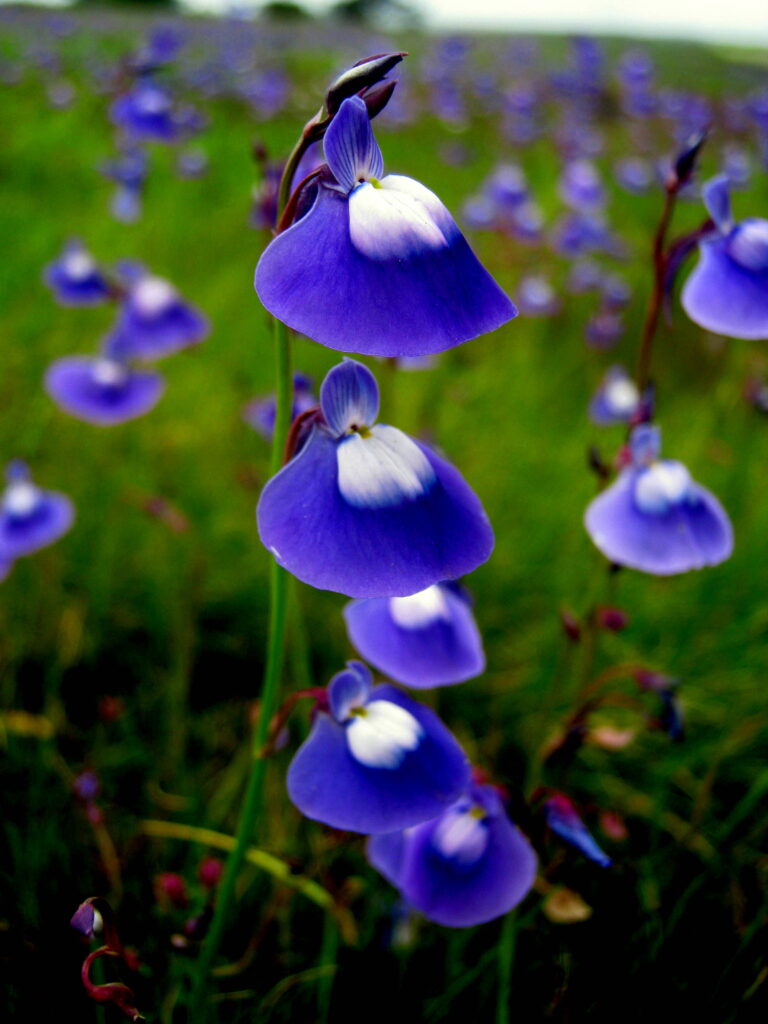
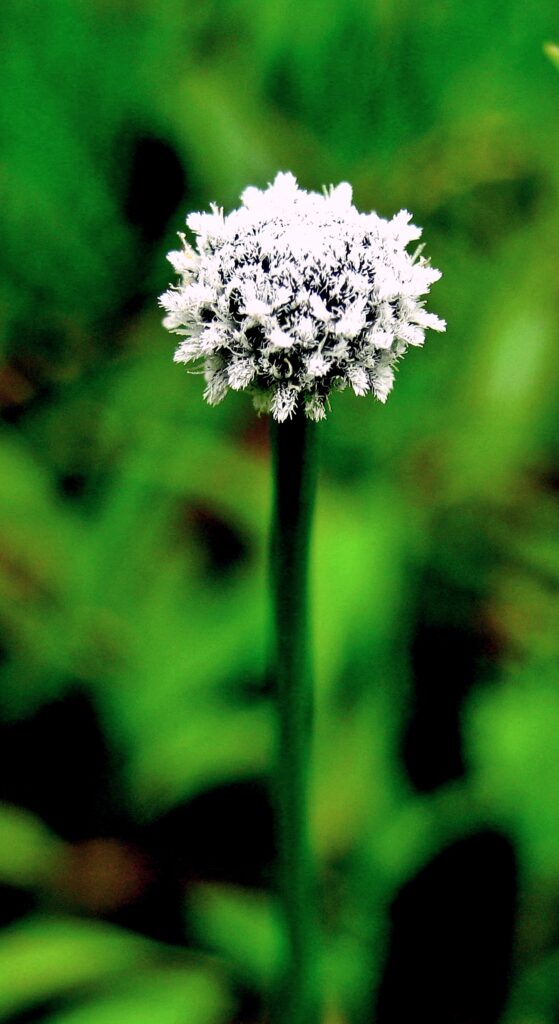
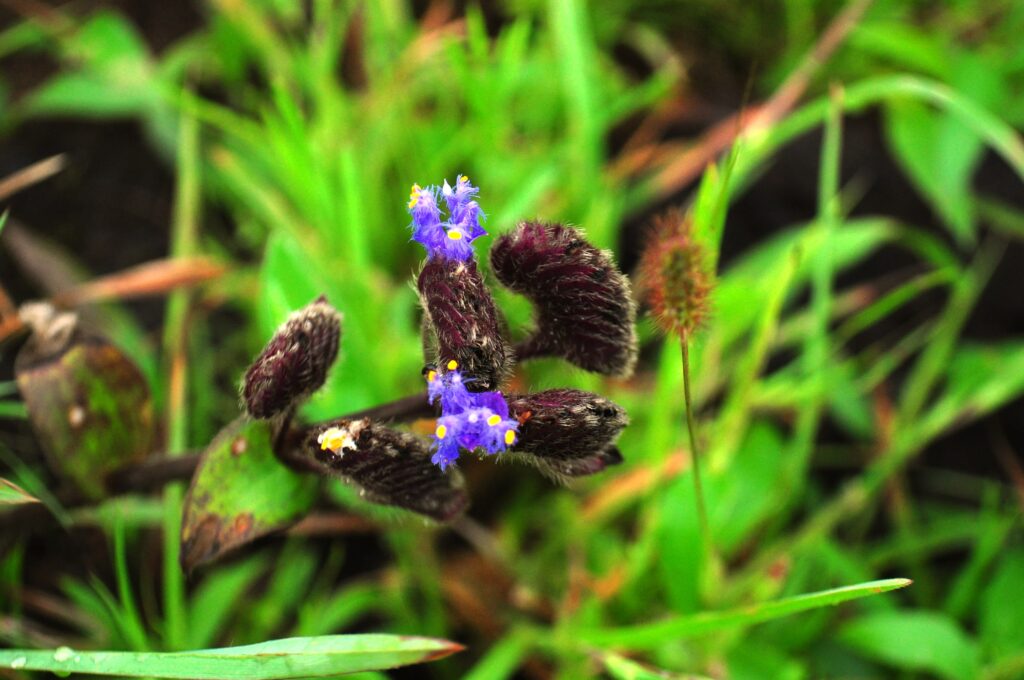
Bloom Season Breakdown:
| Time Period | Bloom Status | What to Expect |
|---|---|---|
| Late August (20-31 Aug) | Early Bloom (40-50%) | First wave of flowers appear; fewer crowds, pleasant weather |
| Early September (1-15 Sept) | Peak Bloom (80-90%) | Maximum variety and density; vibrant colors everywhere |
| Mid September (15-25 Sept) | ABSOLUTE PEAK (95-100%) | Best time! All species in full bloom; incredible diversity |
| Late September (25-30 Sept) | Late Peak (70-80%) | Still spectacular; certain species fade while others emerge |
| Early October (1-15 Oct) | Declining (40-60%) | Many flowers have wilted; still worth visiting for specific species |
| Late October onwards | Minimal (10-20%) | Mostly dried; plateau returns to its barren appearance |
Why September is Magical: The magic of mid-September lies in the perfect convergence of conditions. By this time, the monsoon rains have sufficiently nourished the soil, temperatures are comfortable (around 20-25°C), the sun breaks through clouds frequently (perfect for photography), and the maximum number of species bloom simultaneously. I’ve visited Kaas Plateau during various windows, and nothing compares to that September 10-20 period.
Monsoon Season (June to August)
While the plateau technically opens in late August, the monsoon months (June-July-early August) bring heavy rainfall to the region. During this period:
- The plateau remains closed to tourists for conservation reasons
- Accessibility is difficult due to slippery roads and reduced visibility
- However, the surrounding waterfalls like Thoseghar and Vajrai are at their most spectacular
- This is when nature is “preparing” the bloom show that follows
Can You Visit Kaas Plateau in December?
This is one of the most frequently asked questions I receive. The short answer: Yes, Kaas Plateau is physically accessible in December, but it’s NOT recommended for the flower experience.
December Visit – Pros & Cons:
Pros:
- No crowds; you’ll practically have the plateau to yourself
- Pleasant, cool weather (temperatures around 15-20°C)
- Clear skies and good visibility for landscape photography
- Nearby attractions like Satara’s historical sites are more comfortable to visit
Cons:
- Almost no flowers – The bloom season is completely over by November
- The plateau looks barren and brownish, lacking its signature color
- Limited natural appeal compared to the bloom season
- The experience won’t justify the travel effort if flowers are your goal
Verdict: If your primary goal is witnessing the Valley of Flowers spectacle, skip December entirely and plan for September. However, if you’re in the Satara region for other reasons (historical sites, forts, waterfalls during winter) and want to see the plateau’s geological features, a December visit can still be educational.
Winter Season (November to February)
Post-bloom winter months see the plateau return to its dry, laterite state. The flower magic has passed, though the landscape still holds geological interest. If you’re a botany student or researcher interested in the laterite formations and endemic plant structures (even in their dormant state), winter visits can be worthwhile. For regular tourists, there’s minimal visual appeal.
Pro Tip: Rainfall patterns can vary year to year due to climate factors. For 2026, monitor Maharashtra Tourism updates and weather forecasts starting from July onwards. If the monsoon is particularly strong or arrives late, the bloom peak might shift by 1-2 weeks. Follow local travel groups and the official kas.ind.in updates for real-time bloom status.
🚗 How to Reach Kaas Plateau (Your Complete Route Guide)
Getting to Kaas Plateau is straightforward, though it requires some planning depending on your starting point. The plateau is well-connected by road from major cities, and I’ll break down each route with practical details.
📍 From Pune (Most Popular Route)
Distance: Approximately 130 kilometers
Travel Time: 3 to 3.5 hours (depending on traffic and road conditions)
Route Options:
Option 1: Via NH48 (Fastest & Most Common)
- Take the Pune-Bangalore Highway (NH48) heading south
- Continue through Khed, then take the diversion towards Satara
- From Satara city, follow signs to Bamnoli/Kaas via the Satara-Pandharpur Road
- The last 25 kilometers from Satara to Kaas Plateau is a scenic ghat road
Option 2: Via Wai-Panchgani
- Take the Pune-Satara Road via Wai and Panchgani (slightly longer but more scenic)
- This route offers views of strawberry farms, hill stations, and colonial-era architecture
- Adds approximately 30-45 minutes but great if you want to combine sightseeing
Transportation Modes from Pune:
| Mode | Details | Cost (Approx.) |
|---|---|---|
| Private Car/Cab | Most convenient; book through apps like Ola Outstation or Savaari | ₹2,500-4,000 (round trip) |
| Self-Drive | Rent from Zoomcar or Revv; fuel costs around ₹800-1,000 | ₹1,500-2,500/day rental + fuel |
| Bike | Popular among adventure enthusiasts; Royal Enfield or similar | ₹500-700 (fuel) |
| State Bus (MSRTC) | Regular buses from Pune to Satara, then local transport to Kaas | ₹150-250 (Pune to Satara) + ₹50-100 (Satara to Kaas) |
| Organized Tour | Many tour operators offer Pune-Kaas day trips during bloom season | ₹800-1,500/person |
My Recommendation: Start from Pune by 5:00-5:30 AM to reach Kaas Plateau by 8:30-9:00 AM. This ensures you catch the morning light (best for photography) and beat the afternoon crowds.
🌆 From Mumbai
Distance: Approximately 290 kilometers
Travel Time: 6 to 7 hours (via expressway and highways)
Best Route:
- Take the Mumbai-Pune Expressway towards Pune
- Continue on NH48 towards Satara
- Follow the same route from Satara to Kaas (as mentioned in the Pune section)
Transportation Options:
| Mode | Details | Cost (Approx.) |
|---|---|---|
| Private Car/Cab | Long drive; consider overnight stays in Satara or Pune | ₹6,000-9,000 (round trip) |
| Weekend Package Tour | Several Mumbai travel companies offer 2D/1N packages | ₹2,500-4,500/person (includes transport + accommodation) |
| Train to Satara + Local Transport | Take train to Satara, then cab/bus to Kaas | ₹200-400 (train) + ₹800-1,200 (local cab) |
Smart Mumbai Strategy: Given the 6-7 hour journey, I strongly recommend planning a weekend trip with overnight stay in Satara or nearby. This lets you explore Kaas Plateau early morning when it’s freshest, visit waterfalls in the afternoon, and return leisurely the next day. Several decent hotels and homestays in Satara range from ₹1,000-3,000 per night.
🚉 From Satara (Base Station)
Distance: 25 kilometers
Travel Time: 45 minutes to 1 hour
Satara is your closest major town with all amenities—hotels, restaurants, ATMs, and medical facilities. If you’re coming via train or bus from other parts of Maharashtra, Satara serves as the perfect base.
Getting to Kaas from Satara:
- Private Cab/Taxi: Available from Satara bus stand or railway station; costs around ₹800-1,200 (round trip) with waiting charges
- Shared Jeeps/Tempo: During bloom season, shared vehicles operate from Satara to Kaas; costs around ₹50-100 per person
- Local Bus: Limited MSRTC buses run during bloom season; schedules vary, so check at the Satara bus depot
- Bike Rentals: A few local vendors rent bikes for ₹500-800/day
By Train to Satara:
- Satara Railway Station is well-connected to Mumbai, Pune, Kolhapur, and other Maharashtra cities
- Regular trains include the Koyna Express, Sahyadri Express, and several passenger trains
- From Mumbai: 6-7 hours; From Pune: 3-4 hours
🛣️ Road Conditions & Driving Tips
The road to Kaas Plateau is generally in good condition, but here’s what to expect:
- The Satara to Kaas stretch involves ghat roads with curves and moderate inclines
- During monsoon and early bloom season, roads can be wet and slippery—drive carefully
- Fog and mist are common in early mornings during September
- There’s adequate mobile network coverage (Airtel, Jio, Vodafone) for most of the route
- No fuel stations after Satara, so fuel up before heading to the plateau
- Parking is available near the entry gate, but it fills up quickly on weekends—arrive early!
Safety Note: If you’re not comfortable driving on ghat roads, especially during the rainy season, opt for hiring an experienced local driver or joining a group tour.
🎫 Entry, Booking & Visitor Information (Essential Details)
Mandatory Online Booking System
Here’s something crucial: You CANNOT enter Kaas Plateau without prior online booking. This system was implemented to protect the fragile ecosystem and control visitor numbers during the bloom season.
How to Book Your Kaas Plateau Entry:
- Visit the official website: kas.ind.in or Maharashtra Tourism portal
- Bookings typically open in late July or early August for the upcoming bloom season
- Select your preferred date and time slot
- Fill in visitor details (name, contact, ID proof number)
- Pay the entry fee online
- Download and save the confirmation receipt (digital or printed copy required at entry)
Important Booking Tips:
- Book at least 5-7 days in advance, especially for September weekends
- Slots fill up fast during peak season (mid-September); don’t wait until the last minute
- Each booking allows entry during your selected time slot only
- You’ll need to show valid government-issued photo ID matching the booking details
Visitor Limits & Crowd Management
To preserve the delicate ecosystem, Kaas Plateau allows a maximum of 3,000 visitors per day during bloom season. This limit is strictly enforced, and it’s divided across multiple time slots throughout the day.
Why This Limit Exists:
- Protects endemic and rare plant species from trampling
- Prevents soil compaction that damages root systems
- Maintains the UNESCO World Natural Heritage Site standards
- Ensures quality experience for visitors without overcrowding
During weekends in mid-September, the 3,000-visitor quota gets exhausted quickly, often within hours of booking opening. Plan accordingly!
Entry Fees & Time Slots
Entry Fee Structure (2026 Season):
| Category | Fee |
|---|---|
| Indian Nationals (Adults) | ₹50 per person |
| Indian Nationals (Children 5-12 years) | ₹25 per person |
| Foreign Tourists | ₹200 per person |
| Still Camera | ₹100 |
| Video Camera | ₹500 |
| Vehicle Parking | ₹20-50 (depending on vehicle type) |
Available Time Slots:
The plateau operates in three main time slots:
| Slot | Timing | Best For |
|---|---|---|
| Morning Slot | 7:00 AM – 11:00 AM | Recommended! Soft morning light, fewer crowds initially, cooler temperatures |
| Afternoon Slot | 11:00 AM – 3:00 PM | Can be hot and crowded; harsh sunlight for photography |
| Evening Slot | 3:00 PM – 6:00 PM | Golden hour light, pleasant temperatures, but you’ll have limited time before closing |
My Expert Advice: Always choose the morning slot (7:00 AM) if possible. You’ll experience the plateau at its most beautiful—dew drops on flowers, soft lighting perfect for photography, cooler temperatures for comfortable walking, and fewer crowds at the beginning. I’ve visited during all slots, and morning consistently offers the best overall experience.
What to Carry to the Entry Gate
- Printed or digital copy of your online booking confirmation
- Original government-issued photo ID (Aadhar Card, Driving License, Passport)
- Your camera equipment (if you’ve paid for camera permits)
- Entry fees receipt (if any balance payment required)
At the Gate: Officials verify your booking, check IDs, and may provide brief guidelines about conservation rules. The process is usually quick during weekdays but can take 15-20 minutes during peak weekend mornings.
🥾 Experience & Expert Tips (Making the Most of Your Visit)
🚶 Trekking or Leisure Walk? What to Expect
One of the most common questions I get: “Do I need to be physically fit for Kaas Plateau?” The good news—this isn’t a challenging trek! It’s more of a gentle, leisurely walk across a vast, relatively flat plateau, making it accessible to most visitors including families with children and elderly travelers.
The Walking Experience:
- The plateau covers approximately 1,000 hectares, though the main visitor area is about 2-3 square kilometers
- Well-marked walking paths guide you through different zones of the flower carpet
- Terrain: Mostly flat with slight undulations; laterite rock base with soil cover
- Walking Duration: Most visitors spend 2-3 hours exploring comfortably
- Distance: You’ll walk roughly 3-5 kilometers if you explore the main areas thoroughly
Difficulty Level: ⭐ Easy (1 out of 5)
Who Can Visit:
- ✅ Families with young children (ages 5+)
- ✅ Elderly visitors with reasonable mobility
- ✅ Solo travelers and couples
- ✅ Photography enthusiasts (you’ll stop frequently!)
- ⚠️ Not wheelchair accessible due to uneven natural terrain
What Makes It Easy:
- No steep climbs or technical sections
- You can set your own pace
- Multiple rest spots with views
- Return the same way whenever you wish
However, don’t underestimate the sun and heat! During mid-day (especially in September), the exposed plateau can get warm. Comfortable walking shoes and sun protection are essential.
📸 Best Photography Spots & Times (Capture the Magic)
As someone who’s guided countless photography enthusiasts to Kaas Plateau, I can tell you this place is a photographer’s paradise! Here’s how to get those stunning shots:
Golden Hour Magic:
- Sunrise (6:30-7:30 AM): Soft, directional light creates beautiful depth and enhances flower colors; dew drops add sparkle
- Sunset (5:30-6:30 PM): Warm golden light makes colors pop; long shadows create dramatic compositions
Best Photography Locations:
- The Central Carpet Area: Wide-angle shots capturing the expansive flower fields stretching to the horizon
- Kaas Lake Reflection Point: Mirror-like reflections during calm mornings; arrive early before wind picks up
- Rocky Outcrops: Scattered boulders provide elevated perspectives and natural frames for flower carpets below
- Purple Smithia Zones: These sections create stunning purple waves—usually found in the eastern sections
- Isolated Tree Compositions: Few scattered trees on the plateau make excellent focal points against flower backgrounds
Photography Tips from My Experience:
📷 Gear Recommendations:
- Wide-angle lens (16-35mm): For capturing vast carpet shots
- Macro lens (90-105mm): For detailed flower close-ups
- Polarizing filter: Reduces glare and enriches sky blues
- Tripod: Essential for morning/evening low-light shots
📷 Composition Techniques:
- Get low to the ground for dramatic foreground-background perspectives
- Use the rule of thirds with flower clusters and sky/hills
- Include human element occasionally for scale (but don’t trample flowers!)
- Look for color contrasts—purple next to yellow, red against green
- Capture details—dew drops, insects, flower structures
📷 Weather Considerations:
- Overcast days are surprisingly good—soft, even lighting without harsh shadows
- Post-rain sessions offer fresh, vibrant colors and water droplets
- Avoid harsh mid-day sun (12-3 PM)—colors appear washed out
Drone Photography: Currently, drones are NOT permitted at Kaas Plateau due to conservation regulations and the UNESCO site status. Authorities strictly enforce this, so don’t risk bringing one.
👕 What to Wear & Prepare (Comfort Essentials)
Clothing Recommendations:
Footwear (Most Important!):
- ✅ Sturdy walking shoes or trekking sandals with good grip
- ✅ Closed shoes preferred (protects from insects and thorny plants)
- ❌ Avoid: Flip-flops, high heels, or formal shoes—you’ll regret it!
The laterite terrain can be uneven and slightly slippery after rains. Your feet will thank you for proper footwear after 2-3 hours of walking.
Clothing:
- Light, breathable cotton or moisture-wicking fabrics
- Long pants or comfortable jeans (protects against thorny plants and insects)
- Light jacket or windbreaker for early mornings (September mornings can be cool)
- Hat or cap for sun protection
- Sunglasses to reduce glare from the exposed plateau
Weather-Specific Packing:
| Item | Purpose | Priority |
|---|---|---|
| Raincoat/Poncho | September can bring sudden showers | High |
| Sunscreen (SPF 30+) | Exposed sun during mid-day | High |
| Sunglasses | Bright sun and glare | Medium |
| Light Jacket | Early morning chill | Medium |
| Insect Repellent | Natural areas attract bugs | Medium |
| Water Bottle (1-2 liters) | Stay hydrated (limited facilities) | CRITICAL |
| Snacks/Energy Bars | No food stalls inside plateau | High |
| Small Backpack | Carry your essentials hands-free | High |
| Power Bank | For charging phones/cameras | Medium |
| Basic First-Aid | Band-aids, pain relievers | Low |
What NOT to Bring:
- ❌ Plastic bags (environment protection rules)
- ❌ Alcohol or smoking materials (strictly prohibited)
- ❌ Loud music devices
- ❌ Pets (not allowed to protect wildlife)
⚠️ Safety & Accessibility (Important Guidelines)
UNESCO Site Conservation Rules:
Kaas Plateau is a protected ecosystem under UNESCO designation. Respecting these rules isn’t just about following regulations—it’s about preserving this natural wonder for future generations.
STRICTLY PROHIBITED:
- 🚫 Plucking flowers or plants (hefty fines apply; can be ₹5,000+)
- 🚫 Walking off designated paths (trampling damages root systems)
- 🚫 Littering (carry back all waste)
- 🚫 Disturbing wildlife (butterflies, insects, birds)
- 🚫 Smoking or alcohol consumption
- 🚫 Loud music or creating disturbances
- 🚫 Commercial photography or videography without special permits
- 🚫 Camping or overnight stays
Forest Department Officials and Eco-Warriors patrol the area actively. Violations can result in immediate fines, entry cancellation, or even legal action for serious offenses.
Safety Considerations:
✅ Stay on Marked Paths: Not just for conservation—wandering off can lead to getting lost or encountering uneven terrain
✅ Watch for Insects: While mostly harmless, be cautious around bee activity zones
✅ Hydration: Drink water regularly; dehydration happens quickly in open sun
✅ Emergency Contact: Save local helpline numbers; mobile coverage is generally good
✅ Weather Awareness: If heavy rain starts, head back—paths can become slippery
✅ Group Travel: Stick together if visiting with family or friends
Accessibility Notes:
Kaas Plateau has limited accessibility for differently-abled visitors:
- No paved pathways or wheelchair-accessible routes
- Natural terrain with uneven surfaces
- No specialized assistance facilities
- Visitors with mobility challenges should realistically assess their capabilities
However, the initial viewing areas near the entry point can be accessed with minimal walking, offering a taste of the flower beauty even if you can’t explore the entire plateau.
Medical Facilities:
- No medical facilities or first-aid posts directly at the plateau
- Nearest hospital: Satara Civil Hospital (25 km away)
- Carry personal medications and basic first-aid
- Emergency ambulance services available in Satara
🌼 Kaas Plateau Bloom Guide (Your Week-by-Week Planner)
Understanding the bloom evolution helps you pick the perfect week for your visit. The flower composition and color palette transform almost weekly based on rainfall patterns, temperature, and species-specific bloom cycles.
Week-by-Week Bloom Evolution
🌸 Late August (Week 3-4): The Awakening
Bloom Status: 40-50%
Dominant Colors: Yellows and whites with scattered purples
As the monsoon intensity reduces, the first wave of flowers begins carpeting the plateau. You’ll see:
- Yellow Sonki flowers (Smithia sensitiva) emerging in clusters
- White Dipcadi and Habenaria orchids starting to appear
- Early purple Smithia in certain patches
- The landscape is still quite green with less color density
Best For: Photographers wanting less crowded shoots, budget travelers (lower accommodation prices), and those who prefer quieter experiences.
🌺 Early September (Week 1-2): The Build-Up
Bloom Status: 70-80%
Dominant Colors: Purple begins dominating, yellows still prominent, reds emerging
This is when Kaas Plateau truly starts living up to its reputation:
- Purple Smithia carpets spread across large sections
- Yellow flowers remain strong alongside purples, creating beautiful contrasts
- Red toothcup blossoms (Rotala malabarica) appear near water pools
- First signs of pink and orange varieties
- Butterfly and insect activity increases significantly
Best For: Visitors wanting great color diversity without extreme weekend crowds; weekdays during this period are ideal.
🌻 Mid-September (Week 2-3): THE ABSOLUTE PEAK ⭐
Bloom Status: 95-100%
Dominant Colors: Purple, yellow, red, white, pink—EVERYTHING is in full bloom!
This is IT—the window you want! Between September 10-20, Kaas Plateau reaches its maximum glory:
- All species bloom simultaneously—the most diverse color palette
- Purple Smithia creates vast carpets that look almost surreal
- Yellow Sennas, Sonkis, and Smithias form golden waves
- Red toothcups cluster near seasonal pools
- White ground orchids and lilies dot the landscape
- Rare endemic species like carnivorous Drosera become visible
- Insect and butterfly activity at peak—ecological spectacle!
The plateau genuinely looks like nature’s painting palette exploded across the landscape. Morning mist combined with these colors creates ethereal scenes that photographers and nature lovers dream about.
Best For: Anyone seeking the quintessential Kaas Plateau experience. Book accommodations and entry at least 2 weeks in advance for this period—it’s that popular!
🌾 Late September (Week 4): The Graceful Fade
Bloom Status: 60-70%
Dominant Colors: Purples and yellows fading, secondary species emerging
While the primary species begin their decline, Kaas Plateau still holds plenty of beauty:
- Earlier bloomers start wilting and setting seeds
- New species adapted to slightly drier conditions emerge
- Color density reduces but individual flower beauty remains
- Photography opportunities shift to detail shots rather than carpet views
- Crowds thin out significantly
Best For: Visitors who missed the peak, those wanting fewer crowds, and botanical enthusiasts interested in seed formation and late-season species.
🍂 Early October (Week 1-2): The Transition
Bloom Status: 30-40%
Dominant Colors: Browns and fading greens dominating, scattered color pockets
The plateau begins transitioning back to its dry-season appearance:
- Most flowers have completed their lifecycle
- You’ll find isolated patches of late bloomers
- The landscape takes on golden-brown tones
- Seed heads and dried stalks replace vibrant blooms
Best For: Botanical researchers studying post-bloom ecology, photographers seeking minimalist landscapes, or those combining a Satara trip with a brief plateau visit.
🌧️ The Rainfall Factor: Nature’s Wild Card
Here’s something crucial I’ve learned from years of guiding trips: Rainfall patterns significantly affect bloom timing and intensity.
How Rainfall Impacts Blooms:
- Heavy monsoon + good September rains = Extended and vibrant blooms lasting until early October
- Weak monsoon + scanty September rains = Earlier peak (late August-early September) with shorter bloom duration
- Unseasonal heavy rain in September = Can damage delicate flowers but benefits water-dependent species
- Prolonged dry spell = Bloom intensity reduces, colors may appear less vibrant
2026 Planning Tip: Starting from July 2026, monitor:
- India Meteorological Department (IMD) rainfall data for Satara district
- Local travel blogs and Facebook groups posting ground-level bloom updates
- Official kas.ind.in bloom status updates (usually weekly during season)
If the 2026 monsoon is particularly strong or delayed, be flexible with your dates. Sometimes the peak shifts by 7-10 days based on rainfall patterns.
🌿 Botany & Biodiversity Highlights (The Science Behind the Beauty)
What makes Kaas Plateau truly extraordinary isn’t just that it’s pretty—it’s the incredible scientific significance of this ecosystem. Let me share some fascinating details that’ll deepen your appreciation.
The Unique Laterite Ecosystem
Kaas Plateau sits on ancient laterite rock formations created through millions of years of weathering under tropical conditions. Laterite is unique because it:
- Retains water in porous structures during monsoon
- Drains rapidly, preventing waterlogging
- Creates nutrient-poor but well-oxygenated growing conditions
- Forces plants to develop specialized survival strategies
This harsh environment has resulted in an extraordinary diversity of specially adapted plant species that can’t survive elsewhere. It’s nature’s evolutionary laboratory!
Endemic Species Spotlight
Endemic means species found nowhere else on Earth. Kaas Plateau hosts 39 such rare endemic plant species, making it a biodiversity treasure. Here are some fascinating examples:
🌸 Smithia Sensitiva (Purple Smithia)
- The star of the show—creates the famous purple carpets
- Belongs to the pea family (Fabaceae)
- Has sensitive leaves that fold when touched (hence “sensitiva”)
- Annual plant that completes its entire lifecycle in 8-10 weeks
- Seeds lie dormant in laterite soil for 10-11 months until monsoon triggers germination
🌺 Drosera Indica (Indian Sundew)
- Carnivorous plant! Catches and digests insects
- Has sticky, gland-tipped tentacles on leaves
- Supplements nutrient-poor laterite soil by “eating” insects
- Endangered species—protected under conservation laws
- Found near seasonal water pools on the plateau
🎋 Habenaria Species (Ground Orchids)
- Several endemic ground orchid species
- White and purple varieties
- Bloom briefly during specific weeks
- Delicate structures make them photographer favorites
- Threatened by habitat loss—Kaas provides crucial sanctuary
🌼 Ceropegia Species (Lantern Flowers)
- Unique tubular flower structures
- Attract specific pollinator species
- Some varieties found only in Western Ghats
- Important medicinal plants in traditional systems
🌾 Eriocaulon Species (Pipeworts)
- Grass-like plants forming white button flowers
- Found in water-filled depressions
- Over 6 endemic species at Kaas
- Indicator species for ecosystem health
The Ecosystem Web: More Than Just Flowers
Wildlife Interactions:
While flowers grab the spotlight, Kaas Plateau supports a complex ecological web:
🦋 Butterflies & Pollinators:
- Over 30 butterfly species including endemic Western Ghats varieties
- Common Emigrant, Plain Tiger, Common Mormon frequently spotted
- Essential for flower pollination
- Peak butterfly activity: mid-September mornings
🐝 Native Bees & Insects:
- Wild bee species critical for cross-pollination
- Beetles, grasshoppers, and flower-visiting beetles
- Jewel beetles with metallic sheens
- These insects help the endemic plants reproduce successfully
🐦 Resident & Migratory Birds:
- Indian Pitta, Malabar Whistling Thrush in surrounding areas
- Yellow-wattled Lapwings in open sections
- Raptors like Shikra and Black Kites overhead
- Birds feed on insects, creating a balanced ecosystem
⚠️ Threats to This Fragile Ecosystem:
Despite UNESCO protection, Kaas Plateau faces several threats:
- Trampling by tourists when they step off designated paths
- Climate change affecting rainfall patterns and bloom cycles
- Invasive plant species competing with endemic varieties
- Fire incidents during dry season
- Illegal plant collection by commercial interests
This is why following conservation rules isn’t optional—every visitor plays a role in protecting this natural heritage.
❓ FAQs (Your Quick Questions Answered)
1. Is Kaas Plateau open in December?
Yes, Kaas Plateau is physically open and accessible in December, but it’s NOT recommended for flower viewing. The bloom season ends by late October, and by December, the plateau returns to its dry, barren state with almost no flowers visible.
December Visit Considerations:
- Minimal floral diversity (less than 5% of bloom-season variety)
- Pleasant weather with cooler temperatures (15-20°C)
- Almost no tourist crowds
- The plateau’s geological features remain interesting
- Better suited for those already in the Satara region for other reasons
Verdict: If your goal is witnessing the Valley of Flowers magic, avoid December. Plan your visit between late August to early October instead.
2. What are the opening times for Kaas Plateau?
During Bloom Season (Late August to October):
- Opening Time: 7:00 AM
- Closing Time: 6:00 PM
- Entry is slot-based: Morning (7-11 AM), Afternoon (11 AM-3 PM), Evening (3-6 PM)
- You must enter during your booked time slot
Off-Season (November to July):
- The plateau is technically accessible, but official facilities and entry systems are not operational
- Conservation restrictions may apply
- Local authorities may limit access during monsoon months (June-July) for safety
Best Arrival Time: Reach the entry gate by 6:45-7:00 AM during your morning slot booking to maximize your exploration time.
3. Is Kaas Plateau worth visiting?
Absolutely, YES—but ONLY during bloom season (September especially)! Here’s my honest assessment:
It’s 100% Worth It If:
- ✅ You visit during peak bloom (mid-September)
- ✅ You appreciate nature, botany, and natural beauty
- ✅ You’re a photography enthusiast
- ✅ You enjoy peaceful, non-commercialized destinations
- ✅ You can dedicate a full day or weekend (combining nearby attractions)
It May Disappoint If:
- ❌ You visit outside bloom season expecting flowers
- ❌ You’re looking for adventure sports or “activities” (it’s a walking experience)
- ❌ You expect heavily developed tourist infrastructure
- ❌ You’re unable to walk 3-5 kilometers comfortably
My Honest Opinion: As someone who’s guided hundreds of travelers here, I can confidently say Kaas Plateau during peak bloom ranks among India’s top 10 natural experiences. The sheer beauty, uniqueness, and tranquility make it worth the journey. However, timing is everything—visit in December or off-season, and you’ll understandably feel underwhelmed.
Value for Money: With entry fees at just ₹50 for Indians and the free natural spectacle, it’s incredible value. Combined with nearby waterfalls (Thoseghar, Vajrai) and Satara’s historical sites, you get a fulfilling weekend trip for modest costs.
4. What is the closest city to Kaas Plateau?
The closest major city to Kaas Plateau is Satara, located approximately 25 kilometers away (roughly 45 minutes by road).
Why Satara is Your Base Town:
Distance from Major Cities:
- Satara: 25 km (45 minutes)
- Pune: 130 km (3-3.5 hours)
- Mumbai: 290 km (6-7 hours)
- Kolhapur: 125 km (3 hours)
Satara offers:
- ✅ Wide range of hotels and accommodations (₹800-4,000/night)
- ✅ Restaurants serving local Maharashtrian cuisine
- ✅ Last point for fuel, ATMs, and supplies
- ✅ Medical facilities (Civil Hospital)
- ✅ Railway station and bus connectivity
- ✅ Historical attractions (Ajinkyatara Fort, Kaas Lake)
Accommodation Strategy: I recommend staying in Satara rather than searching for resorts near the plateau. You’ll find better facilities, more options, and easier access to other regional attractions. Book accommodations at least 2-3 weeks in advance during September, as Satara fills up during bloom season.
5. How many flowers are there in Kaas Plateau?
Kaas Plateau hosts over 850 documented species of flowering plants, making it one of India’s most botanically diverse regions. Here’s the breakdown:
By Numbers:
- 850+ flowering plant species (documented; actual number likely higher)
- 39 endemic species (found nowhere else)
- Hundreds of thousands of individual plants during peak bloom
- Millions of flowers blooming simultaneously in mid-September
Diversity Highlights:
- Orchids: Multiple endemic ground orchid species
- Grasses & Sedges: Over 100 species
- Insectivorous Plants: Including rare Drosera species
- Legumes (Pea Family): 60+ species including the famous Smithia
- Seasonal Aquatics: Plants in temporary water pools
Why This Matters: This extraordinary diversity within such a compact area is what earned Kaas Plateau its UNESCO World Natural Heritage Site designation. The plateau represents a crucial biodiversity hotspot, not just for India but globally.
Fun Fact: Botanical surveys continue to discover new species and sub-species at Kaas, meaning the actual number could be even higher than officially documented.
6. Is Kaas Plateau open for the whole year?
Technically yes, but practically no. Here’s the complete picture:
Official Tourist Season (When it’s “open”):
- Late August to mid-October (Bloom Season)
- This is when official entry systems, online booking, facilities, and crowd management operate
- Entry fees, time slots, and conservation rules are actively enforced
Off-Season Access (November to July):
- The plateau is not officially closed, but:
- No organized tourist facilities (no booking system, no entry fees)
- No flowers from November to July
- Monsoon closure (June-August) due to heavy rains and safety concerns
- Local authorities may restrict access during extreme weather
When You Should Visit:
- 🌸 For Flowers: Late August to early October ONLY
- 🌸 Peak Experience: September 10-20 (absolute best)
- ⚠️ Avoid: November to July (no floral interest)
Summary: While you can physically access the area year-round (except monsoon restrictions), Kaas Plateau is only “open” as a tourist destination during the 2-2.5 month bloom window. Visiting outside this period means you’ll see barren laterite rock and dried vegetation—not the legendary flower carpet.
🎯 Conclusion: Your Perfect Kaas Plateau Journey Awaits
Kaas Plateau isn’t just a destination—it’s a once-in-a-lifetime natural spectacle that showcases nature’s incredible artistry. From the vibrant purple Smithia carpets to the rare carnivorous Drosera plants, from the cascading Thoseghar Waterfalls to the serene Kaas Lake reflections, this region offers something truly magical for every nature lover.
Your Quick Action Checklist:
✅ Plan for mid-September 2026 (September 10-20 is the sweet spot)
✅ Book entry online at kas.ind.in at least 7-10 days in advance
✅ Choose the morning slot (7:00 AM) for the best experience
✅ Book Satara accommodations early (2-3 weeks before your visit)
✅ Start from your city by 5:00-6:00 AM to reach early
✅ Wear comfortable walking shoes and carry sun protection
✅ Bring 1-2 liters of water and snacks
✅ Pack camera gear (wide-angle + macro lenses ideal)
✅ Respect conservation rules—stay on paths, don’t pluck flowers
✅ Combine with Thoseghar/Vajrai Waterfalls for a complete weekend
Final Thoughts from the Road
After years of exploring India’s hidden natural wonders, I can tell you that Kaas Plateau holds a special place in my heart. It’s one of those rare destinations where nature, conservation, and tourism coexist beautifully. The fact that it remains relatively unspoiled, with strict visitor limits and no commercialization, is what makes it precious.
When you stand amidst that sea of purple, yellow, and red flowers with the Western Ghats rising in the distance, you’ll understand why UNESCO recognized this place. It’s humbling, inspiring, and reminds us why protecting such ecosystems matters.
Whether you’re a solo traveler seeking solitude, a family looking for an educational nature trip, a photographer chasing that perfect shot, or a couple wanting a romantic escape—Kaas Plateau delivers.
So mark your calendars for September 2026, start planning now, and get ready to witness one of Maharashtra’s most beautiful natural phenomena. Trust me, you’ll return with not just photographs, but memories of colors, fragrances, and moments that stay with you forever.
Happy travels, and may your Kaas Plateau journey be as colorful as the flowers themselves! 🌸🌺🌼
📚 References & Citations
This article is backed by authoritative sources, extensive research, and personal travel experience to ensure accuracy and credibility:
- UNESCO World Heritage Centre – Official designation and biodiversity information
https://whc.unesco.org/en/list/1342 - Maharashtra Tourism Official Website – Travel logistics, routes, and regional information
https://www.maharashtratourism.gov.in - Kaas Plateau Official Booking Portal – Entry booking system and visitor guidelines
http://kas.ind.in - Wikipedia – Kaas Plateau – Geographic, botanical, and historical reference
https://en.wikipedia.org/wiki/Kaas_Plateau - Sahyogmantra Tours – Bloom season timing and local tour insights
[Referenced for seasonal bloom patterns] - MakeMyTrip Travel Guide – Nearby attractions and waterfall information
https://www.makemytrip.com - StayVista Blog – Accommodation and visitor experience insights
[Referenced for booking procedures and visitor tips] - The Times of India – Travel Section – Crowd management and visitor limit information
https://timesofindia.indiatimes.com - A Soul Window Blog – Seasonal visit recommendations including December analysis
https://asoulwindow.com - Treks and Trails India – Trekking difficulty assessment and walking experience
https://www.treksandtrails.org - India Meteorological Department (IMD) – Rainfall patterns and seasonal weather data
https://www.imd.gov.in - Botanical Survey of India – Flora diversity and endemic species documentation
http://www.bsi.gov.in
About the Author: Wahid Ali
Wahid Ali is a seasoned travel professional and operations lead in the tourism industry with extensive experience in crafting travel experiences and destination insights. Based in Mumbai, he heads operations at Astamb Holidays, where he combines practical travel logistics expertise with engaging storytelling to help travelers explore hidden gems across India and beyond. His work blends expert travel planning with a passion for culturally rich and nature-oriented destinations.
Connect with Wahid: LinkedIn Profile
This comprehensive guide was researched and written in December 2025 for the 2026 bloom season, incorporating the latest visitor information, conservation guidelines, and ground-level travel insights.

Read More Articles;
- Alleppey Tourist Places: 25 Best Places to Visit in Alleppey Backwaters (2026 Travel Guide)
- Munnar Tourist Places: 20 Best Places to Visit in Munnar, Tea Gardens, Itinerary & Hidden Gems (2026 Travel Guide)
- Is Sardinia Worth Visiting? Complete Travel Guide to Sardinia, Italy
- What to Do in Gozo: 25 Best Things to Do in Gozo Malta (Hidden Gems + Local Tips)
- What to Do in Bali: Ultimate Travel Guide 2026 (Top Activities, Itineraries & Hidden Gems)