Nestled in the rugged terrain of the Eastern Ghats in Chittoor district, Koundinya Wildlife Sanctuary offers a unique wilderness experience just 120 km from Bangalore. This remarkable sanctuary holds a special place in Andhra Pradesh’s conservation history—it’s the only sanctuary in the state where you can witness majestic Asian elephants (Elephas maximus) in their natural habitat. After an absence of 200 years, these gentle giants returned to this region between 1983 and 1986, transforming this 358 sq km expanse into one of India’s most fascinating elephant reserves.
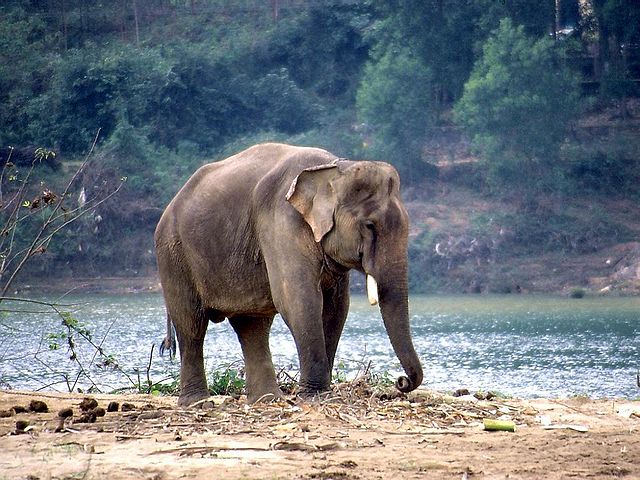
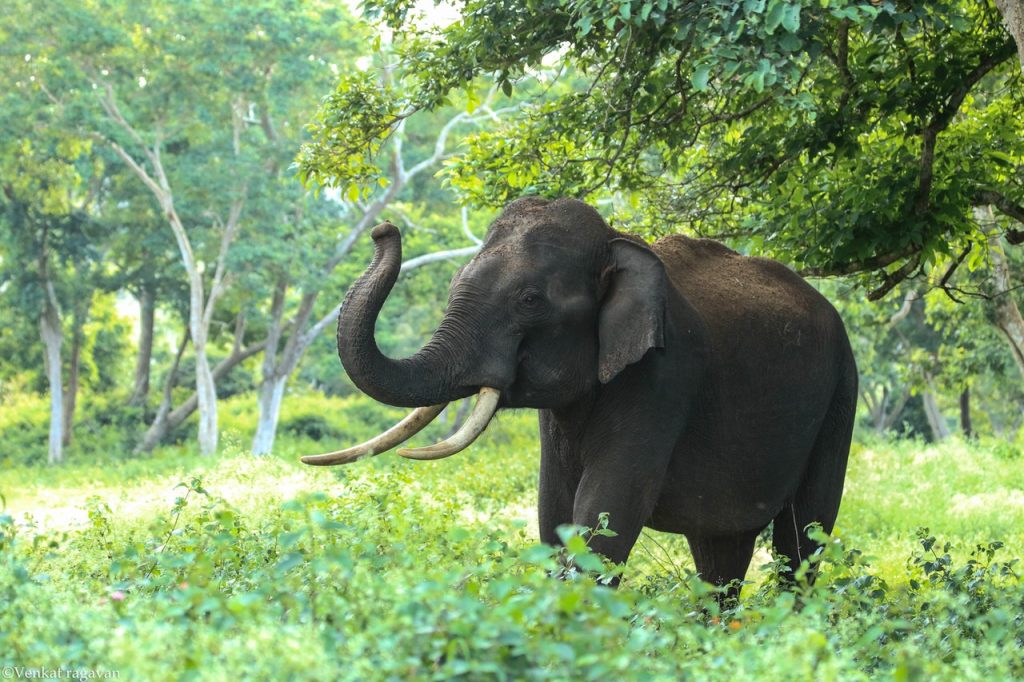
From my years organizing wildlife expeditions across South India, I’ve found that Koundinya Wildlife Sanctuary remains one of the most underrated gems for travelers seeking authentic jungle experiences. The sanctuary’s dramatic landscape—where the Deccan Plateau slopes down into Tamil Nadu’s plains—creates a mosaic of high hills, deep valleys, and pristine tributaries that support incredible biodiversity. Whether you’re an avid birdwatcher hoping to spot the vulnerable Yellow-throated Bulbul or a nature photographer chasing golden-hour elephant sightings, Koundinya delivers experiences that rival better-known sanctuaries at a fraction of the crowds.
🗺️ Where Is Koundinya Wildlife Sanctuary Located? (Map & Directions)
Koundinya Wildlife Sanctuary is strategically located in the Palamaner and Kuppam Ranges of Chittoor district, Andhra Pradesh, where three states—Andhra Pradesh, Karnataka, and Tamil Nadu—converge. This tri-state location makes it exceptionally accessible from multiple major cities.
Quick Reference Location Details
| Detail | Information |
|---|---|
| State | Andhra Pradesh |
| District | Chittoor |
| Forest Ranges | Palamaner-Kuppam |
| Nearest Town | Palamaner (28-31 km) |
| GPS Coordinates | 13.0°N, 78.25°E (approx.) |
| Total Area | 357.6 km² (35,760 hectares) |
| Established | December 1990 |
Distance from Major Cities
- Bangalore: 120-130 km (2.5-3 hours)
- Chittoor: 50 km (1.5 hours)
- Tirupati: 137-143 km (3 hours)
- Vellore: 95-96 km (2 hours)
- Chennai: 225 km (4.5 hours)
- Madanapalle: 78-100 km (2 hours)
- Horsley Hills: 92-106 km (2.5 hours)
How to Reach Koundinya Wildlife Sanctuary
By Air: The nearest airports are Kempegowda International Airport in Bangalore (approximately 120-160 km) and Tirupati Airport (around 143 km). From Bangalore airport, hire a taxi or take a bus to Chittoor/Palamaner, then proceed to the sanctuary. Bangalore airport is better connected with frequent domestic and international flights.
By Rail: Chittoor Railway Station is the nearest major railhead at approximately 50 km from the sanctuary. Alternatively, Bangalore City Railway Station (also known as KSR Bengaluru Station) is about 120 km away and offers excellent connectivity. From either station, hire a taxi or take local buses to Palamaner, then to the sanctuary entrance.
By Road: Koundinya Wildlife Sanctuary is easily accessible via National Highway 44 and state highways. The sanctuary lies along the Palamaner-Kuppam road. From Bangalore, take the Hosur-Krishnagiri route or via Kolar. Regular state transport buses run from Bangalore, Chittoor, and Tirupati to Palamaner. From Palamaner, local transport or hired vehicles can take you to the sanctuary entrance.
Pro Tip from Experience: If you’re driving from Bangalore, the route via Kolar is approximately 150 km and offers better road conditions compared to the Hosur-Krishnagiri route which can exceed 200 km. However, GPS navigation can be tricky—always confirm directions with locals in Palamaner who speak primarily Telugu. Download offline maps before your journey as mobile network coverage becomes sparse near the sanctuary.
🌤️ Best Time to Visit Koundinya Wildlife Sanctuary
The best time to visit Koundinya Wildlife Sanctuary is from October to March when the weather is pleasant and wildlife sightings are at their peak.
Season-wise Breakdown
Winter (October to February) ⭐ BEST SEASON
- Temperature: 15°C to 28°C
- Conditions: Cool, dry weather ideal for trekking and safaris
- Wildlife Activity: Elephants frequent water sources; excellent visibility
- Advantages: Comfortable exploration, clear skies for photography, easier elephant tracking
- What to Pack: Light woolens for early mornings, cotton clothing for afternoons
Summer (March to May)
- Temperature: 25°C to 40°C
- Conditions: Hot and dry, but sanctuary remains cooler than surrounding areas
- Wildlife Activity: Animals gather at waterholes—better concentration but heat can be challenging
- Advantages: Higher chances of concentrated wildlife sightings at water sources
- What to Pack: Light cotton clothes, sun protection (hats, sunglasses, sunscreen), plenty of water
Monsoon (June to September) ⚠️ NOT RECOMMENDED
- Temperature: 22°C to 32°C
- Conditions: Heavy rainfall makes roads inaccessible and dangerous
- Wildlife Activity: Animals dispersed; waterfalls like Kaigal Falls and Kalyan Revu Waterfalls at full flow but sanctuary access restricted
- Disadvantages: Road closures, leeches, muddy trails, reduced wildlife visibility
- Note: Visit nearby waterfalls during monsoon, but avoid deep forest areas
Elephant Migration Patterns: From my conversations with forest officers, Asian elephants in Koundinya Wildlife Sanctuary show seasonal movement between the sanctuary and Sri Venkateswara National Park via the planned elephant corridor. November to March sees more stable elephant herds within the sanctuary boundaries, increasing your chances of sightings during jeep safaris.
Birdwatching: If spotting the Yellow-throated Bulbul is on your list, winter months (October-February) offer the best opportunities when these vulnerable birds are more active and visible in the scrub habitats.
🎫 Koundinya Wildlife Sanctuary Timings & Entry Fees
Official Timings
Koundinya Wildlife Sanctuary is open to visitors:
- Opening Time: 7:00 AM
- Closing Time: 5:00 PM to 6:00 PM (varies seasonally)
- Best Safari Time: 6:30 AM to 9:30 AM (morning) and 3:00 PM to 5:30 PM (evening)
The sanctuary is open all days of the week, but it’s advisable to check with forest authorities during monsoon season (June-September) when access may be restricted due to weather conditions.
Entry Fees (2025-2026 Estimates)
| Category | Entry Fee | Camera Fee |
|---|---|---|
| Indian Adults | ₹20-50 | ₹25-50 |
| Indian Children | ₹10-20 | ₹25-50 |
| Foreign Nationals | ₹200-500 | ₹100-200 |
| Still Camera | – | ₹25-50 |
| Video Camera | – | ₹100-200 |
Important Note: Entry fees can vary and are subject to change by the Andhra Pradesh Forest Department. Always confirm current rates before your visit by contacting:
- Divisional Forest Officer, Chittoor (West): 08572-232458
- Forest Range Officer, Palamaner: 08579-251027
Safari Costs & Booking
Jeep Safari Charges (Approximate):
- Per Jeep (4-6 persons): ₹800-1,500 for 2-3 hours
- Guide Charges: ₹200-500 (mandatory in certain zones)
- Booking: Contact sanctuary authorities or call 8500898000 for safari bookings
Important Safari Information:
- Safari Type: Currently, Koundinya Wildlife Sanctuary operates primarily as an open forest with limited organized safari infrastructure
- Booking Process: Unlike popular national parks, advance online booking isn’t widely available. Contact forest office directly
- Safari Availability: Jeep safaris are available but not as structured as in Nagarhole or Kabini
- Elephant Safaris: Historical references mention elephant safaris, but current availability is limited—verify with authorities
My Honest Assessment: Based on recent visitor reviews and my discussions with the Andhra Pradesh Forest Department, Koundinya Wildlife Sanctuary doesn’t have the highly organized safari system of Karnataka’s parks. The experience is more exploratory and less commercialized. Permission from sanctuary authorities is essential before entering, and having your own vehicle offers more flexibility for exploration.
🚙 Koundinya Wildlife Sanctuary Safari & Activities
Safari Operations & Practical Reality
Let me be transparent about what to expect: Koundinya Wildlife Sanctuary safari operations differ significantly from the well-established systems at Nagarhole or Kabini. This is an open forest sanctuary where wildlife viewing is more about patience, local knowledge, and serendipity than guaranteed sightings.
Safari Options:
- Self-Driven Exploration: With permission from forest authorities, you can drive through designated forest roads in your own vehicle. This offers maximum flexibility but requires good navigation skills and awareness of elephant movement areas.
- Hired Jeep with Local Guide: More reliable option where local drivers (who often double as informal guides) know the terrain and current wildlife movement patterns. Book through Palamaner forest office or local contacts.
- Forest Department Jeeps: Limited availability; inquire at the Range Forest Officer’s office in Palamaner.
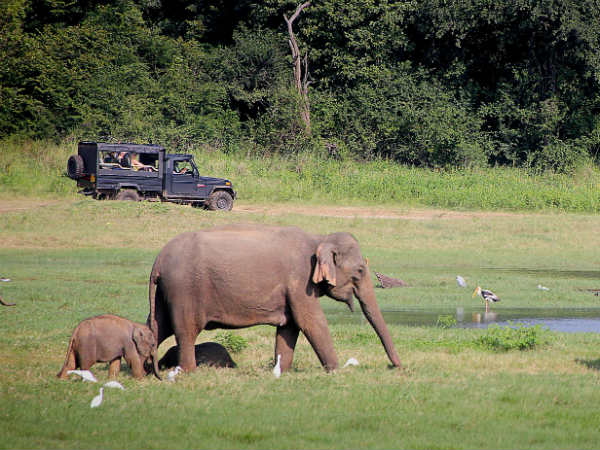
Duration: Typical safaris last 2-3 hours, covering key zones where Asian elephants, sloth bears, and cheetal are frequently spotted.
Wildlife Photography in Koundinya
Koundinya Wildlife Sanctuary offers excellent opportunities for wildlife photography, especially if you’re prepared for less predictable conditions than commercial parks.
Photography Tips:
- Equipment: Bring a telephoto lens (300mm minimum, 400-600mm ideal) as wildlife maintains distance
- Best Light: Early morning (6:30-8:30 AM) offers golden light perfect for elephant photography
- Settings: Use fast shutter speeds (1/500s+) to freeze elephant movement; ISO 400-800 works well in forest shade
- Locations: Kaigal Falls area, Palar River tributaries, and grassland-forest transition zones offer best compositions


- Subjects: Focus on elephant herds at waterholes, Yellow-throated Bulbul in scrub habitat, landscape shots of Eastern Ghats valleys
Birdwatching Hotspots:
The sanctuary is an Important Bird Area (IBA) recognized by BirdLife International. Key species include:
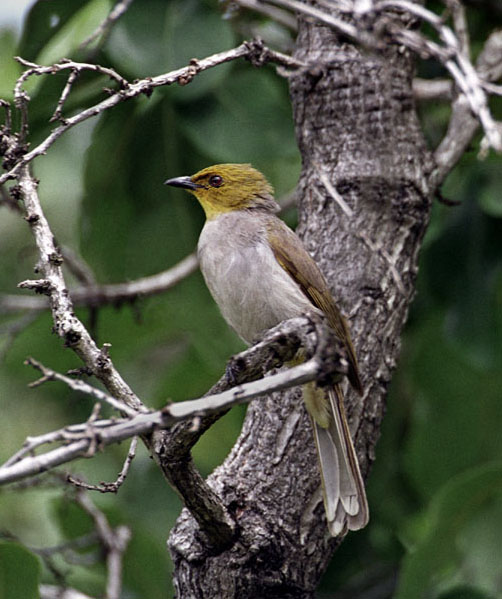
- Yellow-throated Bulbul (Pycnonotus xantholaemus): Vulnerable status; found in rocky, scrub-covered hills
- Indian Peafowl, Jungle Fowl
- Grey Pelicans, Rosy Pelicans (near water bodies)
- Painted Storks, Partridges, Quails
- Paradise Flycatcher, Purple Sunbird
Where to Look: Rocky outcrops, scrub vegetation zones, and water sources near Kaigal and Koundinya streams.
Trekking & Nature Walks
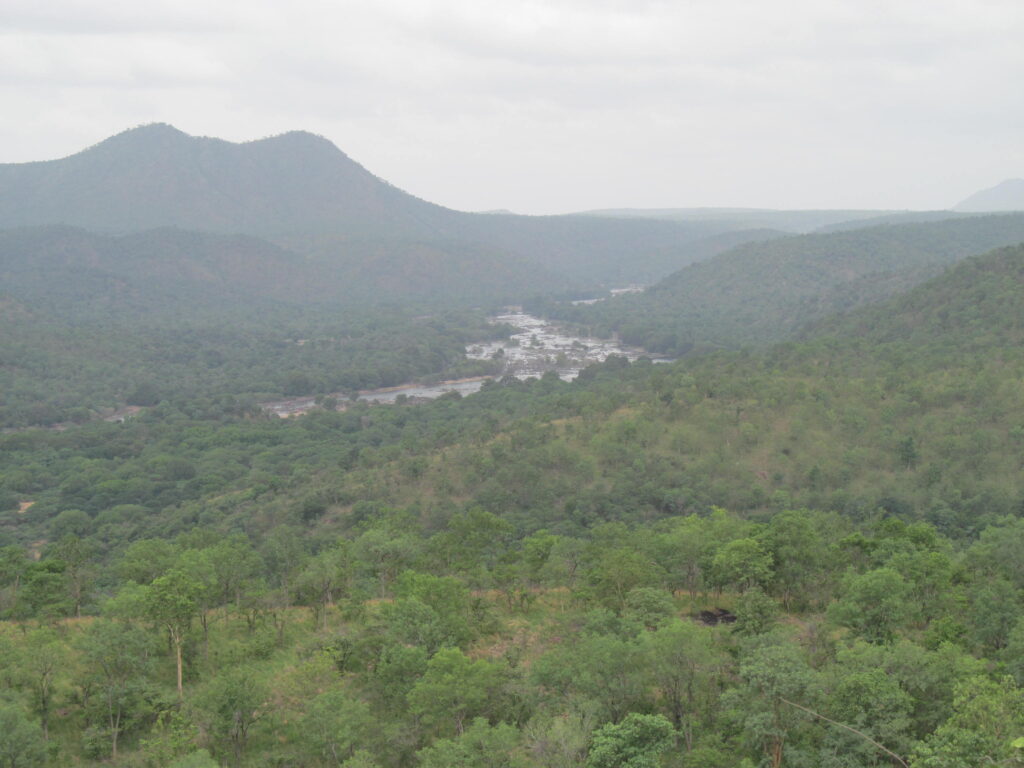
Koundinya Wildlife Sanctuary terrain—characterized by high hills and deep valleys—is perfect for adventurous trekkers. Several trails lead through southern tropical dry deciduous forests and thorn forests.
Popular Trekking Routes:
- Kaigal Falls Trail: Moderate difficulty; 2-3 km trek through forest to reach the 40-foot waterfall
- Kalyan Revu Waterfall Trek: Slightly challenging; rocky terrain but rewarding canyon views
- Forest Boundary Trails: Various routes along sanctuary periphery offer elephant tracking opportunities
Trekking Safety:
- Always inform forest authorities before trekking
- Hire local guides who understand elephant movement patterns
- Avoid trekking during monsoon (June-September)
- Carry water, first aid, whistle for emergencies
- Never trek alone in elephant corridors
Other Activities
Nature Photography Workshops: The sanctuary’s unique landscape—mixing Deccan Plateau topography with Eastern Ghats biodiversity—offers opportunities for landscape and macro photography.
Educational Tours: Under Project Elephant, the sanctuary occasionally hosts educational programs about elephant conservation and human-elephant conflict mitigation.
Picnicking: Designated areas near Kaigal Waterfalls and forest rest houses allow peaceful picnics (permissions required).
Pro Insight: Unlike commercial wildlife parks, Koundinya Wildlife Sanctuary rewards visitors who approach it with realistic expectations. This isn’t about guaranteed tiger sightings or luxurious lodges—it’s about experiencing a genuine, less-disturbed forest ecosystem where elephants roam freely, and nature follows its own rhythm. If you value authenticity over amenities, Koundinya is perfect.
🐘 Wildlife & Nature — What You Can See
Koundinya Wildlife Sanctuary earned its reputation and protection status for one primary reason: it’s the only place in Andhra Pradesh where Asian elephants (Elephas maximus) have established a stable population. But the sanctuary’s biodiversity extends far beyond its famous pachyderms.
Asian Elephants: The Star Attraction
The Return Story: Between 1983 and 1986, 39 Asian elephants migrated from the forests of Bannerghatta in Karnataka and Anekal-Hosur in Tamil Nadu to the Koundinya region—marking their return to Andhra Pradesh after an absence of 200 years. This extraordinary wildlife comeback prompted the government to establish the sanctuary in December 1990.
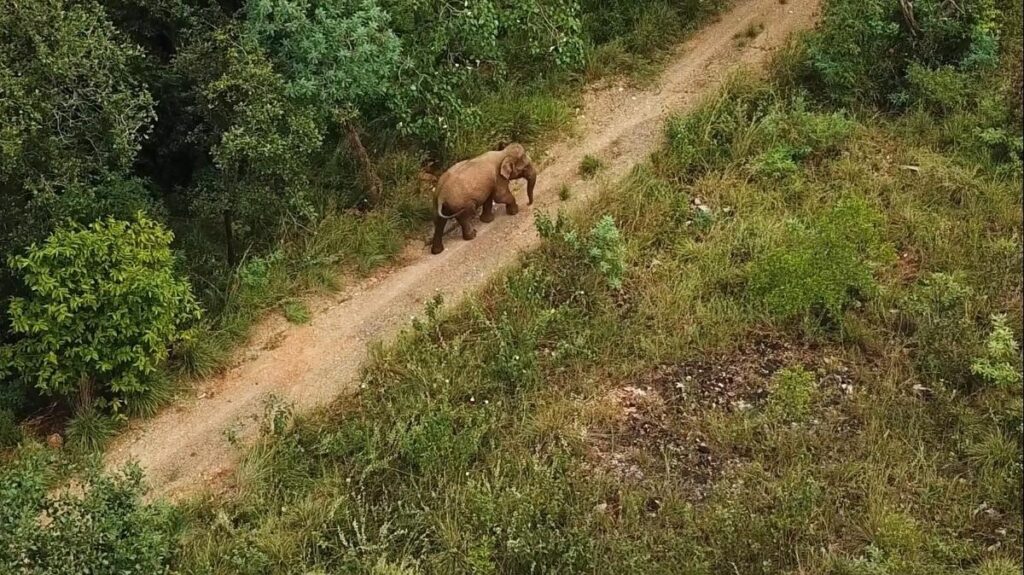
Current Population: Today, approximately 72-78 elephants call this sanctuary home, though numbers fluctuate with seasonal movement.
Behavior & Sightings:
- Elephants frequent Palar River tributaries—the Kaigal and Koundinya streams—especially during dry seasons
- Best viewing times: Early morning and late evening near water sources
- The herd includes family groups with calves, sub-adults, and occasional solitary bulls
- During my visits, forest guards mentioned that elephants show more activity near the Tamil Nadu border zones during certain months
Project Elephant Andhra Pradesh: The sanctuary is part of India’s Project Elephant, a nationwide conservation initiative launched in 1992. Under this program, the government is developing an elephant corridor connecting Koundinya Wildlife Sanctuary with Sri Venkateswara National Park (near Tirupati). This elephant corridor aims to:
- Facilitate safe elephant movement between habitats
- Reduce human-elephant conflict in surrounding villages
- Preserve genetic diversity through population connectivity
- Protect Kalyani Dam area in Chamala Valley, identified as excellent elephant habitat
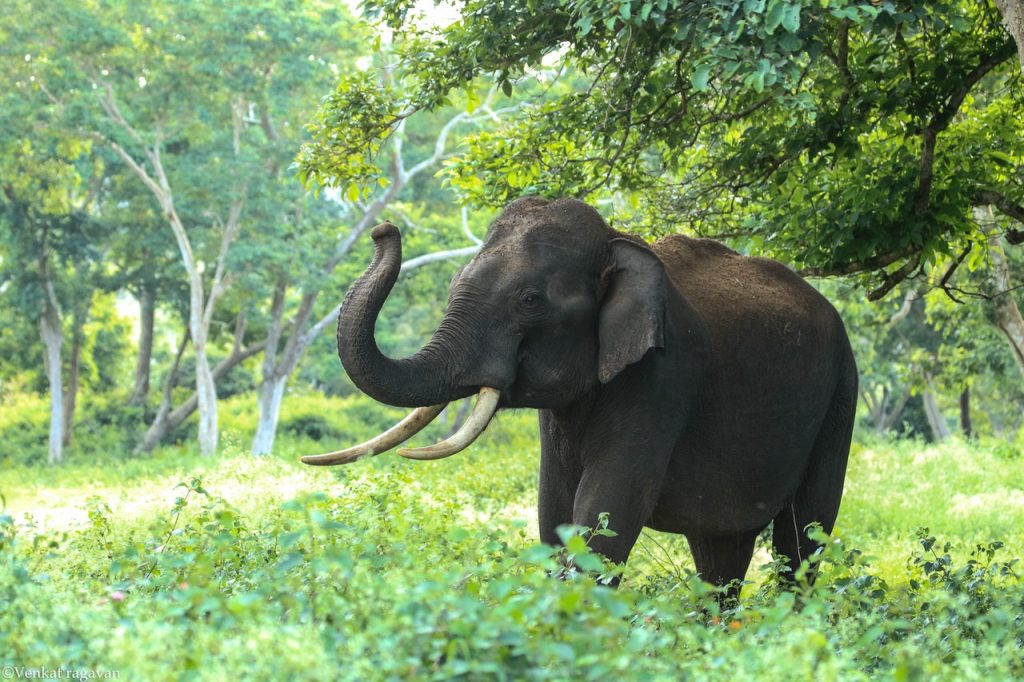
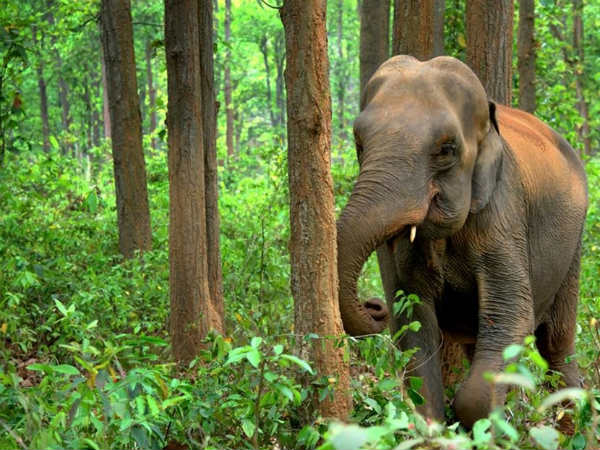
Conservation Challenges: The sanctuary faces significant human-elephant conflict issues. Historically, inadequate fodder in the forest (due to overgrazing by livestock) drives elephants to raid crops like sugarcane, sorghum, and ragi in seven villages located within sanctuary boundaries. As of 2002, 42 people had been killed by elephants, while 12 elephants were tragically electrocuted by villagers. These statistics underscore the urgent need for the planned corridor and community-based conservation efforts.
Other Mammals
Predators:
- Panther (Leopard): Elusive and rarely seen; present in rocky hill areas
- Sloth Bear: Occasionally spotted in dense forest zones; active during early morning and dusk
- Jungle Cat, Jackal: Smaller predators inhabiting scrub and open forest areas
Herbivores:
- Cheetal (Spotted Deer): Most commonly seen herbivore after elephants
- Sambar Deer: Larger deer species; prefers dense forest cover
- Chowsingha (Four-horned Antelope): Rare antelope species found in rocky terrain
- Wild Boar: Abundant; often seen in groups rooting through forest floor
- Porcupine: Nocturnal; evidence seen through quills found on trails
Primates & Small Mammals:
- Slender Loris: Nocturnal primate; rare sightings
- Bonnet Monkey, Common Langur, Rhesus Monkey: Found near forest edges
Birdlife: Yellow-throated Bulbul & More
The vulnerable Yellow-throated Bulbul (Pycnonotus xantholaemus) is the sanctuary’s most significant avian resident. This endemic South Indian species inhabits rocky, scrub-covered hills—precisely the habitat Koundinya provides in abundance.
Why It’s Special: This uncrested bulbul with distinctive yellow throat and undertail coverts is threatened by granite quarrying and habitat loss across its fragmented range in the Eastern Ghats. Koundinya Wildlife Sanctuary serves as an important refuge, and improved habitat protection under Project Elephant directly benefits this species and other dry-land birds.
Other Notable Birds: Grey Pelicans, Rosy Pelicans, Pied Hornbills, Painted Storks, Indian Peafowl, Jungle Fowl, Partridges, Cotton Teal, various bulbuls, sunbirds, and flycatchers.
Reptiles & Amphibians
- Common Cobra, Rat Snake, Indian Rock Python
- Russell’s Viper, Asian Vine Snake, Indian Bronzeback
- Forest Calotes, Skinks, Indian Chameleon
- Bengal Monitor Lizard
- Starred Tortoise: A distinctive species with star-patterned shell
Flora & Vegetation
Koundinya Wildlife Sanctuary features southern tropical dry deciduous forests with extensive thorn forests—a vegetation type perfectly adapted to the region’s climate and crucial for Asian elephant habitat.
Key Plant Species:
- Trees: Albizia amara, Acacia species, Lagerstroemia, Ficus glomerata, Ficus religiosa, Ficus benghalensis, Zizyphus xylocarpus
- Bamboo: Provides fodder and cover for wildlife
- Grasses: Various species in meadows and grassland patches
- Special Note: Regeneration of Santalum album (Sandalwood) has been observed
Landscape & River Systems: The rugged terrain where the Deccan Plateau slopes into Tamil Nadu’s plains creates diverse microhabitats. The Palar River tributaries—Kaigal and Koundinya streams—provide year-round water sources critical for wildlife. Natural and man-made ponds and tanks supplement these water sources, especially important during the dry season.
Insects & Invertebrates: The sanctuary supports rich insect diversity including Gongylus praying mantis, Painted grasshopper, Plain tiger butterfly, Common grass yellow butterfly—all indicators of healthy ecosystem functioning.
💧 Waterfalls & Natural Attractions Inside the Sanctuary
Koundinya Wildlife Sanctuary isn’t just about wildlife—its dramatic topography creates spectacular waterfalls that add another dimension to your visit.
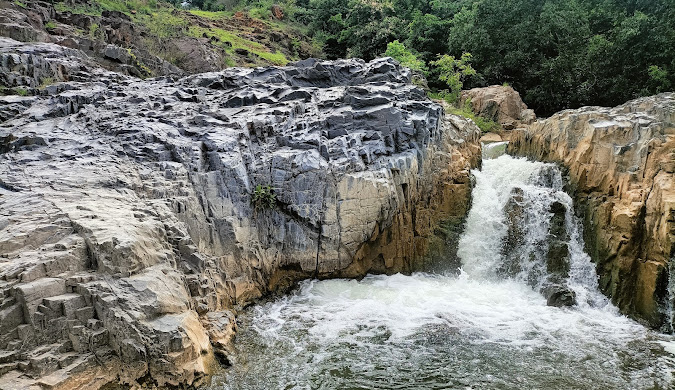
Kaigal Waterfalls (Dumukurallu Waterfalls)
Kaigal Waterfalls is the sanctuary’s most accessible and popular waterfall attraction, located approximately 28 km from Palamaner and 10 km from V.Kota.
Details:
- Height: 40 feet
- Water Source: Kaigal stream (one of two main streams flowing through the sanctuary)
- Local Name: Dumukurallu Waterfalls (from Telugu “dumukurallu” meaning “jumping stones”—referring to the thunderous sound of water hitting rocks)
- Nature: Perennial waterfall that flows year-round, though volume increases dramatically during monsoon
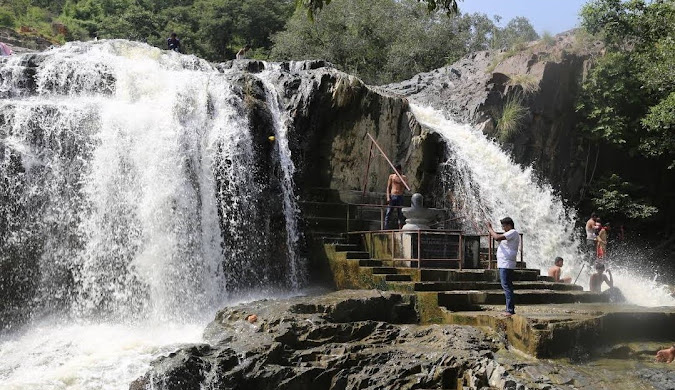
Visitor Experience: The waterfall cascades from a big rock formation into a natural pond at the base, surrounded by dense forest. During monsoon and immediately after (June to December), the waterfall is at its most impressive—the sheer force creates a roaring sound audible from distance. The pool below is deep enough for a refreshing dip, though caution is advised.
Access: From Palamaner-Kuppam Highway, get down at Kaigal Waterfalls bus stop. From there, it’s a 10-minute walk on a mud trail through the forest. During peak monsoon, the road from the highway becomes inaccessible for vehicles—walking is your only option, but the journey through dripping green forest is worth it.
Nearby Attraction: A Shiva linga is installed near the falls, attracting pilgrims especially during Shivaratri festival when local villages host ceremonies.
Photography: Best photographed from multiple angles—from the base showing the pool, from the side capturing the 40-foot drop, and from elevated viewpoints showing the waterfall within forest context. Monsoon shots (if you can access it safely) show tremendous water volume; winter shots highlight the rocky character and surrounding forest.
Pro Tip: Visit early morning (around 7-8 AM) for the best light and to avoid any daytime crowds. The area is excellent for birdwatching—I’ve spotted several bulbul species and flycatchers in the surrounding trees.
Kalyan Revu Waterfalls (Kalyan Drive Falls)
Kalyan Revu Waterfalls is the second significant waterfall, located north of Palamaner within the sanctuary boundaries, near Mandapeta Kottur Village.
Details:
- Height: 40 feet (similar to Kaigal)
- Water Source: Koundinya River/stream
- Character: Seasonal waterfall, most spectacular during monsoon; water gushes through a dramatic rocky canyon
- Best Season: May to October when it flows in full force
Visitor Experience: Kalyan Revu is more rugged and less developed than Kaigal Falls, appealing to offbeat explorers and adventure seekers. The waterfall flows through a canyon bounded by rocky cliffs and thick forest—creating a wild, untouched atmosphere. The rocky terrain makes access slightly challenging but rewarding.
Access: Located approximately 152 km from Bangalore via Kolar route. The approach requires navigating less-traveled paths, and local guidance is highly recommended. Unlike Kaigal, there’s no bus stop nearby—private vehicle or hired jeep is necessary.
Activities: The surrounding area is paradise for photographers, trekkers, and birdwatchers. The lush greenery post-monsoon (October-November) creates a vibrant landscape perfect for nature photography.
Wildlife Context: Both waterfalls are within Koundinya Wildlife Sanctuary boundaries, so wildlife encounters—especially elephants—are possible. Always maintain vigilance and follow safety protocols in these areas.
Other Natural Attractions
Palar River Tributaries: The Kaigal and Koundinya streams create scenic valleys and pools throughout the sanctuary. Several unnamed small waterfalls and rapids appear during monsoon along these tributaries.
Rocky Outcrops & Viewpoints: The sanctuary’s rugged Eastern Ghats terrain offers numerous viewpoints overlooking deep valleys and forested slopes—perfect for landscape photography and understanding the ecosystem’s topography.
Natural Ponds & Tanks: Man-made and natural water bodies scattered through the sanctuary serve as wildlife magnets, especially during dry season. These are excellent for wildlife observation but require permission to access.
Visiting Strategy: If your primary interest is waterfalls, monsoon and immediate post-monsoon (July to November) is ideal. For balanced wildlife-waterfall experience, October to February offers flowing waterfalls (though not at peak) combined with better wildlife sightings and comfortable weather.
⭐ Koundinya Wildlife Sanctuary Reviews — What Visitors Say
Koundinya Wildlife Sanctuary reviews from platforms like TripAdvisor, Reddit, and travel forums paint a nuanced picture—this isn’t a polished, commercialized wildlife destination, and expectations need to be calibrated accordingly.
Positive Experiences
Nature & Scenery ⭐⭐⭐⭐⭐ Visitors consistently praise the sanctuary’s unspoiled natural beauty. “The hills, valleys, and forest landscape are breathtaking,” writes one reviewer. The sanctuary’s rugged terrain and relative lack of tourist infrastructure create an authentic wilderness feel appreciated by serious nature lovers.
Kaigal Waterfalls ⭐⭐⭐⭐ Kaigal Falls receives mostly positive reviews, especially from visitors during monsoon or post-monsoon. “Beautiful waterfall amid natural surroundings—perfect for picnics and nature walks,” notes a family who visited in November. The natural pond, forest setting, and the thunderous sound create memorable experiences.
Elephant Sightings Lucky visitors report exciting elephant encounters. “We came across elephants’ footprints everywhere… officially there are 12 elephants around,” shared one TripAdvisor reviewer. Another mentioned seeing deer and wild pigs during their jeep exploration.
Peaceful Escape Many appreciate the sanctuary as a quiet retreat from urban life. “Really nice place to have peace of mind… you can feel nature around there,” wrote one visitor, highlighting the sanctuary’s value as a contemplative nature destination.
Critical Feedback & Challenges
Infrastructure & Accessibility ⭐⭐ Several reviews express frustration with limited infrastructure. “It’s just an open forest… there are no safaris,” reported one disappointed visitor who expected structured safari operations like Karnataka’s parks. GPS navigation issues are common: “You’ll get lost if you follow Google Maps… the locals don’t speak any language other than Telugu.”
Signage & Information Visitors frequently mention inadequate signage and difficulty locating sanctuary boundaries and attractions. “We couldn’t locate the beginning and end of the sanctuary… nobody knows about this place,” shared travelers from Bangalore who struggled with navigation.
Waterfall Access During Off-Season Kaigal Falls receives harsh reviews from visitors arriving during dry season: “No water, nothing… waste of time and money,” wrote one visitor. “Plz do not visit this falls… there is no water at all” echoed another. This highlights the critical importance of timing—the falls are seasonal (best: July-December).
Entry Charges vs. Experience Some visitors question the ₹100 parking charges at Kaigal Falls combined with limited facilities: “They collect Rs 100 per car as entry fee… really cheating visitors” when water flow is minimal.
Realistic Local Travel Tips for Chittoor Wildlife Trips
Based on aggregated visitor experiences and my own research:
- Language Barrier: Telugu is predominant. Download offline translation apps or bring a Telugu-speaking companion. Don’t rely solely on English.
- Local Guidance Essential: Stop at Palamaner Forest Range Office before entering. Local forest guards provide updated information on elephant locations and accessible routes—invaluable for safety and better sightings.
- Verify Conditions: Always call the Forest Office (08579-251027) before traveling to confirm sanctuary status, waterfall flow (for seasonal waterfalls), and road conditions.
- Network Issues: Mobile coverage is extremely poor inside the sanctuary. Download offline maps, inform someone of your itinerary, and carry physical maps if possible.
- Realistic Expectations: This is an open, less-developed sanctuary, not a resort-style wildlife park. Come prepared for basic facilities, self-reliance, and understanding that wildlife sightings aren’t guaranteed or orchestrated.
- Road Conditions: Roads deteriorate significantly during and after monsoon. A high-clearance vehicle or SUV is preferable. Narrow, rocky trails require careful driving.
- Safety Around Elephants: This isn’t a controlled safari environment. Elephants roam freely, including near roads. Never exit your vehicle in elephant zones, maintain safe distance, and respect forest authority warnings.
Balanced Assessment
Koundinya Wildlife Sanctuary is best suited for:
- Adventurous travelers comfortable with basic facilities
- Serious wildlife enthusiasts who value authentic experiences over luxury
- Photographers seeking uncrowded, pristine forest landscapes
- Those specifically interested in Asian elephant conservation
- Birdwatchers targeting species like Yellow-throated Bulbul
It’s NOT ideal for:
- First-time wildlife tourists expecting structured safaris
- Families with young children needing amenities
- Visitors expecting guaranteed wildlife sightings
- Those uncomfortable with language barriers and limited tourist infrastructure
My Honest Take: Having organized countless wildlife trips, I tell clients that Koundinya Wildlife Sanctuary rewards those who approach it with patience, flexibility, and realistic expectations. It’s a diamond in the rough—environmentally significant, scenically stunning, but operationally underdeveloped. If you’re the type of traveler who finds beauty in imperfection and authenticity, Koundinya will surprise and delight you.
🏨 Where to Stay & Eat Near Koundinya Wildlife Sanctuary
Koundinya Wildlife Sanctuary accommodation options are limited within the sanctuary itself, but nearby towns offer various lodging choices ranging from forest guesthouses to budget hotels.
Accommodation Options
1. Forest Guesthouses ⭐⭐⭐ (RECOMMENDED)
The Andhra Pradesh Forest Department operates forest guesthouses at strategic locations:
Palamaner Forest Guesthouse
- Location: Palamaner town (28-31 km from sanctuary)
- Booking: Contact Forest Range Officer, Palamaner (08579-251027)
- Facilities: Basic rooms, limited amenities, authentic forest experience
- Advantage: Forest department staff can arrange guides and provide updated wildlife information
- Best For: Budget travelers, wildlife researchers, serious nature enthusiasts
2. Hotels in Palamaner ⭐⭐
Palamaner, being the nearest town, offers several budget accommodation options:
- Basic lodges and guesthouses
- Prices range from ₹500-1,500 per night
- Facilities: Clean rooms, basic amenities, local restaurants nearby
- Booking: Most don’t have online presence; call ahead or book upon arrival
3. Madanapalle Hotels ⭐⭐⭐ (78-100 km from sanctuary)
Madanapalle offers more hotel options with better facilities:
- Sri Vijaya Residency: Budget-friendly, AC rooms available
- CNR Residency: Mid-range option, decent amenities
- Hotel Srinivasa Royal Stay: Popular among couples, clean rooms
- VSR Wind Wave, R Legacy Hotel: Budget accommodations
- Price Range: ₹800-2,500 per night
4. Horsley Hills Resorts ⭐⭐⭐⭐ (92-106 km from sanctuary)
Horsley Hills, a popular hill station, provides the most comfortable accommodation:
Horsley Hills Holiday Homes/Cottages
- Type: Government-run resort with multiple room categories
- Rooms: Wooden cottages, Royal Suites, Honeymoon Suites
- Facilities: Restaurant, indoor games, bonfire activities
- Scenic Value: Beautiful hill station setting at altitude
- Price Range: ₹1,500-4,000 per night
- Important Note: Recent reviews mention maintenance issues; verify condition before booking
Horsley Hills Forest Guest House
- Type: Forest department accommodation
- Rooms: Named rooms (Sambar, Bahuda, Horsley)
- Facilities: Basic but clean, scenic location
- Price Range: ₹800-1,800 per night
PVRR Hill View Resorts (near Horsley Hills Road)
- Private resort option with better amenities
- Gardens, recreational facilities
5. Bangalore Stay Options (120 km)
For travelers preferring urban amenities, staying in Bangalore and making a day trip is viable. However, early starts (5-6 AM departure) are necessary to maximize sanctuary time.
Accommodation Strategy Recommendations
For Wildlife Focus: Book Palamaner Forest Guesthouse or budget hotels in Palamaner. Early morning starts (crucial for elephant sightings) are easier, and you’re closest to the sanctuary.
For Comfort + Wildlife: Stay in Horsley Hills resorts. Enjoy comfortable accommodations and hill station ambiance, making a day trip to Koundinya (about 2.5 hours drive). This works well for families.
For Extended Trip: Combine Palamaner (2 nights for intensive wildlife exploration) with Horsley Hills (1-2 nights for relaxation and sightseeing).
Where to Eat
Dining options near Koundinya Wildlife Sanctuary are basic and primarily local South Indian cuisine.
In Palamaner:
- Small local restaurants serving Andhra Pradesh specialties
- Typical menu: Idli, dosa, vada, biryani, andhra-style curries
- Vegetarian and non-vegetarian options available
- Price Range: ₹50-200 per meal
- Food Safety: Stick to freshly cooked hot meals; avoid raw salads
In Madanapalle:
- Hotel Srinivasa Grand: Popular restaurant serving authentic Andhra food
- Annapurna Restaurant: Wide variety of local specialties
- More dining variety than Palamaner
- Price Range: ₹100-300 per meal
In Horsley Hills:
- Resort restaurants offer multi-cuisine menus (Indian, Chinese, Continental)
- Limited but better-quality options
- Price Range: ₹150-400 per meal
Local Specialties to Try:
- Andhra Biryani: Spicy, flavorful rice dish
- Gongura Pickle: Tangy sorrel leaves pickle (iconic Andhra condiment)
- Pesarattu: Green gram dosa, healthy breakfast option
- Pulihora: Tamarind rice
- Rayalaseema Ragi Mudde: Finger millet balls (traditional rural dish)
Practical Dining Tips:
- Carry Snacks: Limited food options near sanctuary; pack energy bars, fruits, biscuits for the day
- Breakfast Early: Most local restaurants open 7-8 AM; if you need earlier breakfast for safaris, arrange with hotel or carry self-prepared food
- Hydration: Carry sufficient bottled water; safe drinking water is scarce in forest areas
- Food Allergies: If you have dietary restrictions, communicate clearly or bring own food; remote areas have limited options
- Spice Levels: Andhra cuisine is famously spicy; request “less spicy” when ordering if you’re not accustomed to heat
From My Experience: During wildlife expeditions in this region, I always recommend clients stay in Palamaner despite basic facilities. The proximity to the sanctuary makes early morning safaris feasible (critical for elephant sightings), and the local dhabas serve surprisingly delicious, authentic Andhra meals that connect you more deeply to the region’s culture.
🌿 Eco-Tourism & Unique Experiences
Eco-tourism in Koundinya Wildlife Sanctuary represents an emerging opportunity—the sanctuary’s underdeveloped tourism infrastructure, while sometimes frustrating for visitors expecting polished experiences, actually preserves a more authentic and sustainable approach to wildlife interaction.
Sustainable Wildlife Tourism
Unlike commercialized parks where jeep safaris follow fixed routes with guaranteed animal sightings (often through unethical practices), Koundinya Wildlife Sanctuary offers genuine wildlife encounters. Animals aren’t habituated to constant tourist presence, making sightings more thrilling and ecologically sound.
What Makes It Eco-Friendly:
- Low tourist footfall reduces habitat disturbance
- No artificial feeding or baiting of animals
- Limited vehicle numbers prevent pollution and noise
- Natural forest cycles remain relatively undisturbed
- Local communities maintain traditional relationships with the forest
Community-Based Conservation
Koundinya Wildlife Sanctuary faces significant human-elephant conflict due to seven villages located within sanctuary boundaries. Eco-tourism here means understanding and supporting conflict mitigation efforts:
Volunteer Opportunities (Seasonal/Limited): Contact the Andhra Pradesh Forest Department about:
- Elephant monitoring programs
- Community awareness initiatives
- Habitat restoration projects
- Research assistance (particularly for graduate students studying elephant behavior or Yellow-throated Bulbul conservation)
Supporting Local Communities:
- Hire local guides from villages near the sanctuary
- Purchase handicrafts or produce from villages affected by human-elephant conflict
- Support forest department initiatives financially or through awareness
Project Elephant Education
Koundinya Wildlife Sanctuary’s participation in Project Elephant Andhra Pradesh offers educational value:
Learning Opportunities:
- Understanding elephant migration patterns and corridor planning
- Observing successful wildlife comeback stories (elephants returned after 200 years)
- Studying human-elephant conflict mitigation strategies
- Learning about tri-state (Andhra Pradesh-Karnataka-Tamil Nadu) conservation cooperation
For Students & Researchers: The sanctuary’s unique elephant population—which migrated from Karnataka and Tamil Nadu—provides research opportunities in:
- Elephant behavior and social structure
- Habitat assessment of Eastern Ghats ecosystem
- Human-elephant conflict resolution
- Avian studies (particularly Yellow-throated Bulbul)
- Forest restoration in degraded habitats
Slow Travel & Contemplative Experiences
Koundinya Wildlife Sanctuary rewards slow, mindful travel:
Morning Forest Meditation: The sanctuary’s quiet trails offer perfect settings for early morning meditation amidst nature sounds—elephant calls, bulbul songs, wind through thorn forests.
Nature Journaling: The diverse landscape—rocky hills, dense forests, flowing streams, open grasslands—provides endless subjects for sketching and journaling. Artists find inspiration in Eastern Ghats’ dramatic topography.
Wildlife Tracking Skills: Learn to identify:
- Elephant footprints, dung, and feeding signs
- Sloth bear claw marks on trees
- Panther pugmarks (rare but thrilling find)
- Bird calls and nesting behaviors
Photography Expeditions: Beyond quick snapshots, spend days documenting:
- Seasonal changes in forest (monsoon green to dry season browns)
- Kaigal and Koundinya streams from source to confluence
- Sunrise/sunset over Eastern Ghats valleys
- Macro photography of insects and butterflies
Responsible Tourism Practices
Koundinya Wildlife Sanctuary needs conscious visitors who practice:
- Leave No Trace: Carry back all trash; plastic is particularly problematic for elephants
- Respect Wildlife Space: Maintain 100+ meter distance from elephants; never chase or harass animals for photos
- Support Conservation: Entry fees and safari charges support forest department operations—paying these contributes to protection
- Minimize Noise: Forest sounds reveal wildlife presence; loud conversations scare animals away
- Follow Forest Rules: Obey forest guard instructions regarding areas to visit, timing, and safety protocols
- Educate Others: Share responsible tourism practices with fellow travelers
Connecting with Conservation NGOs
Several conservation organizations work in Chittoor district on elephant conservation:
- Wildlife Research and Conservation Society (WRCS): Conducts research on elephant populations and human-elephant conflict in Koundinya and Sri Venkateswara areas
- Wildlife Trust of India (WTI): Works on elephant corridor conservation under “Right of Passage” project
Interested visitors can contact these organizations about:
- Volunteering opportunities
- Citizen science projects
- Donations to support conservation work
- Educational programs
My Philosophy on Eco-Tourism: After years in the travel industry, I’ve realized that true eco-tourism isn’t about eco-lodges with solar panels (though those help). It’s about mindset—approaching wildlife destinations with humility, spending time understanding local ecosystems and community challenges, and leaving places better than you found them. Koundinya Wildlife Sanctuary, despite (or perhaps because of) its limited development, offers one of India’s best opportunities for this genuine form of eco-tourism.
⚠️ Responsible Travel Tips for Koundinya Wildlife Sanctuary
Visiting Koundinya Wildlife Sanctuary requires heightened responsibility—this is an active wildlife habitat with real conservation challenges, not a theme park. Your behavior directly impacts fragile ecosystems and endangered species.
Do’s for Responsible Visitors
✅ Obtain Proper Permissions: Always check in with Palamaner Forest Range Office before entering. Entry without permission is illegal and dangerous.
✅ Hire Local Guides: Engage guides from nearby villages—they know elephant movement patterns, safe routes, and current forest conditions. Their livelihood also depends on sustainable tourism.
✅ Maintain Safe Distance from Elephants: 100 meters minimum. Elephants, especially mothers with calves or bulls in musth, are unpredictable and potentially dangerous. This is the only elephant sanctuary in Andhra Pradesh—respect these majestic animals’ space.
✅ Stay in Vehicle: Unless in designated safe zones, remain inside your vehicle. Elephants can charge unexpectedly; sloth bears are aggressive when surprised.
✅ Follow Timing Restrictions: Sanctuary timings (7 AM-5 PM/6 PM) exist for safety. Don’t attempt entry after dark—nocturnal wildlife activity increases accident risk.
✅ Carry Emergency Supplies: First aid kit, sufficient water, snacks, flashlight, whistle, basic tools, and fully charged phone (even with limited signal, emergency calls sometimes connect).
✅ Inform Others of Itinerary: Tell your hotel or a reliable contact your sanctuary plans and expected return time.
✅ Respect Wildlife Behavior: If animals appear stressed (ears back on elephants, warning calls), retreat calmly without sudden movements.
✅ Support Conservation Financially: Pay all official fees without bargaining—these funds support forest protection, anti-poaching, and staff salaries.
✅ Report Wildlife Crimes: If you witness poaching, illegal logging, or harassment of animals, report immediately to forest authorities.
Don’ts for Responsible Visitors
❌ Don’t Litter: Carry all trash back. Plastic bags, bottles, and food waste harm wildlife. Elephants, in particular, often ingest plastic with fatal consequences.
❌ Don’t Feed Wildlife: Feeding habituates animals to humans, disrupting natural behavior and potentially creating dangerous situations. This includes leaving food scraps.
❌ Don’t Play Loud Music: Sound pollution stresses wildlife and masks natural sounds (animal calls, warning signals) crucial for safety.
❌ Don’t Use Flash Photography: Flash photography startles animals and can provoke aggressive responses. Use natural light or high ISO settings.
❌ Don’t Enter Restricted Zones: Some areas are closed for core wildlife habitats or safety reasons (active elephant corridors, breeding zones). Respect boundaries.
❌ Don’t Collect Forest Products: Taking plants, flowers, rocks, feathers, or other natural materials is illegal. Leave everything as you found it.
❌ Don’t Disturb Nesting Sites: Particularly important for Yellow-throated Bulbul and other birds. Keep distance from nests; breeding season is June-August.
❌ Don’t Approach Waterholes: During dry season, animals congregate at water sources. Maintain significant distance—these are critical survival areas.
❌ Don’t Camp Without Permission: Unauthorized camping is illegal and dangerous. Elephants are active at night; encounters can be fatal.
❌ Don’t Smoke or Light Fires: Forest fires devastate southern tropical dry deciduous forests. Even cigarette butts can ignite dry undergrowth.
Safety Guidelines Near Elephant Corridors
Given Koundinya’s status under Project Elephant Andhra Pradesh and ongoing development of elephant corridor to Sri Venkateswara National Park, special precautions apply:
Elephant Encounter Protocol:
- Stay Calm: Don’t scream, run, or make sudden movements
- Assess Behavior: Ears forward, relaxed trunk = calm; ears back, trunk curled, mock charges = defensive/aggressive
- Create Distance: Slowly back away while keeping eyes on elephant
- Use Vehicle as Shield: If on foot (against advice), position vehicle between you and elephant
- Make Yourself Heard: Speak in calm, low tones if elephant approaches—shows you’re human, not prey
- Never Stand Between: Never position yourself between elephant and water source, food source, or calf
- Respect Mock Charges: Elephants often perform mock charges as warnings; respect these signals
Monsoon-Specific Safety:
- Roads become treacherous; avoid sanctuary visits June-September unless essential
- Flash floods can occur in valleys near Kaigal and Kalyan Revu waterfalls
- Leeches are prevalent; wear protective clothing and carry salt for removal
- Slippery trails increase fall risks
Medical Preparedness:
- Nearest Hospital: Chittoor or Madanapalle (50-78 km)
- Emergency response time is slow due to remote location
- Carry prescription medications, antihistamines for allergies/insect bites, oral rehydration salts
- Snake Bite Protocol: Don’t attempt to catch/kill snake; keep victim calm, immobilize bitten limb, seek immediate medical attention
Environmental Best Practices
Water Conservation:
- Use water judiciously at forest guesthouses (limited supply)
- Don’t bathe or wash vehicles in streams—detergents pollute water sources
Carbon Footprint:
- Turn off vehicle engines during wildlife observation (reduces noise and emissions)
- Consider carpooling if traveling in groups from Bangalore or Chennai
Cultural Sensitivity:
- Respect local villages within and around sanctuary
- Dress modestly; conservative attire appreciated in rural Andhra Pradesh
- Ask permission before photographing local people or their homes
- Support local economy through fair wages for guides and services
Photography Ethics:
- Never chase, corner, or harass animals for photos
- Don’t use drones without explicit forest department permission
- Prioritize animal welfare over perfect shots
Long-term Conservation Support:
- Share educational social media posts about Koundinya conservation needs
- Advocate for completion of elephant corridor and human-elephant conflict mitigation
- Support NGOs working in Chittoor district on wildlife conservation
- Write to forest authorities commending good practices or suggesting improvements
The Bottom Line: Koundinya Wildlife Sanctuary is a genuine conservation success story—Asian elephants returned after 200 years because the habitat supports them. Our responsibility as visitors is ensuring this success continues through mindful, respectful, and safe wildlife tourism practices.
❓ FAQs
Q: Does Koundinya Wildlife Sanctuary offer safaris?
Answer: Yes, Koundinya Wildlife Sanctuary offers safaris, but with important caveats. Unlike commercial parks like Nagarhole or Kabini, Koundinya operates as an open forest sanctuary with less structured safari systems.
Safari Options:
- Jeep Safaris: Available through forest department or private operators, typically 2-3 hours, covering key elephant zones
- Booking Process: Contact Forest Range Officer, Palamaner (08579-251027) or call 8500898000 for bookings
- Costs: Approximately ₹800-1,500 per jeep (4-6 persons)
Important Notes:
- Safaris aren’t as organized or commercialized as in Karnataka’s famous parks
- Wildlife sightings aren’t guaranteed; this is genuine wilderness, not a zoo
- Forest guide accompaniment is mandatory in certain zones
- Permission from sanctuary authorities is essential before any forest entry
Best Approach: Hire a jeep with local driver/guide who knows elephant movement patterns and terrain—far more reliable than self-navigation.
Q: What is the entry fee for foreigners vs Indians?
Answer: Koundinya Wildlife Sanctuary entry fee differs between Indian and foreign nationals:
| Category | Entry Fee |
|---|---|
| Indian Adults | ₹20-50 |
| Indian Children | ₹10-20 |
| Foreign Nationals | ₹200-500 |
Additional Charges:
- Still Camera: ₹25-50
- Video Camera: ₹100-200
Important: These are approximate 2025-2026 estimates. Entry fees are subject to change by the Andhra Pradesh Forest Department. Always confirm current rates by contacting:
- Divisional Forest Officer, Chittoor (West): 08572-232458
- Forest Range Officer, Palamaner: 08579-251027
Foreign visitors should carry passport and visa documents as identification proof for entry.
Q: Can you spot elephants year-round?
Answer: Yes, Asian elephants in Koundinya Wildlife Sanctuary can be spotted year-round, but sighting probability varies seasonally:
Best Season for Elephant Sightings: October to March
- Why: Dry season concentrates elephants near water sources (Kaigal and Koundinya streams)
- Behavior: Elephants are more visible as vegetation is less dense
- Herds: More stable herd presence within sanctuary boundaries
Summer (April-May):
- High chances at waterholes, but extreme heat makes midday exploration uncomfortable
- Morning and evening safaris offer best sighting opportunities
Monsoon (June-September):
- Elephants are present but dispersed across wider areas due to abundant water
- Poor road conditions and reduced visibility make sightings challenging
- Generally not recommended for wildlife viewing
Current Population: Approximately 72-78 elephants inhabit the sanctuary, including family groups with calves and occasional solitary bulls.
Movement Patterns: Some elephants seasonally move between Koundinya and Sri Venkateswara National Park via the elephant corridor zone. Late autumn/winter sees more concentrated presence.
Realistic Expectation: Elephants aren’t guaranteed on every safari. Patience, multiple visits, and local guide knowledge significantly improve your chances. Recent visitors report seeing elephant footprints, dung, and feeding signs even when animals themselves remain elusive.
Q: Is it worth visiting Koundinya or better to visit Nagarhole/Kabini?
Answer: This depends entirely on what you value in a wildlife experience. Let me provide an honest comparison:
Visit Nagarhole/Kabini if you want:
- ✅ Structured, organized safari systems with advance online booking
- ✅ High-quality resorts, luxury accommodations, excellent dining
- ✅ Professional naturalists and trained guides
- ✅ Higher probability of diverse wildlife sightings (elephants, tigers, leopards, gaur)
- ✅ Well-maintained roads and tourist infrastructure
- ✅ Family-friendly amenities and safety protocols
Visit Koundinya Wildlife Sanctuary if you value:
- ✅ Authentic, uncrowded wilderness experience
- ✅ The only place in Andhra Pradesh to see Asian elephants
- ✅ Genuine conservation success story (elephants returned after 200 years)
- ✅ Significantly lower costs (entry, safaris, accommodation)
- ✅ Less commercialized, more rugged adventure
- ✅ Unique Eastern Ghats ecosystem with Yellow-throated Bulbul
- ✅ Spectacular waterfalls (Kaigal Falls, Kalyan Revu)
- ✅ Contributing to lesser-known but important conservation area
Why Koundinya is Unique:
- Historical Significance: Witnessing elephant comeback after two centuries is remarkable
- Project Elephant: Active participation in national elephant conservation initiative
- Tri-State Wildlife: Elephants move between Andhra Pradesh, Karnataka, and Tamil Nadu—international conservation cooperation example
- Authentic Experience: Animals aren’t habituated to constant tourist presence; sightings feel genuinely wild
The Verdict: These aren’t comparable destinations—they serve different purposes. Nagarhole/Kabini are excellent for first-time wildlife tourists, families, and those seeking comfortable, reliable wildlife viewing. Koundinya is for adventurous travelers, serious wildlife enthusiasts, and those who value raw, authentic wilderness over polished tourism infrastructure.
My Recommendation: If you have time and budget, visit both. Experience Nagarhole/Kabini’s sophistication, then contrast it with Koundinya’s rugged authenticity. You’ll gain deeper appreciation for both India’s commercialized wildlife tourism success and its lesser-known conservation gems.
Q: Are there guided tours available locally?
Answer: Yes, guided tours are available for Koundinya Wildlife Sanctuary, though not through organized tour companies like in popular parks.
How to Arrange Guides:
- Forest Department Guides: Contact Forest Range Officer, Palamaner (08579-251027). Forest department sometimes provides official guides, especially for educational groups or researchers. Cost: ₹200-500.
- Local Village Guides: Guides from villages near the sanctuary offer invaluable local knowledge about elephant movement, terrain navigation, and current forest conditions. Hire through:
- Palamaner local contacts
- Forest office recommendations
- Hotel/guesthouse arrangements
- Jeep Driver-Guides: Many local jeep drivers double as informal guides. They know the sanctuary intimately from years of navigating forest roads. When booking safari jeeps, request driver with extensive Koundinya experience.
What Guides Provide:
- Navigation through unmarked forest roads
- Current wildlife location information (elephants, bears)
- Safety protocols and elephant behavior interpretation
- Cultural context about local villages and human-elephant conflict
- Best photography spots and timing advice
- Language translation (guides often speak Telugu, English, and some Hindi)
Costs: ₹200-500 for guides; ₹800-1,500 for jeep with driver-guide (2-3 hour safari).
Booking Tips:
- Arrange guides 1-2 days in advance if possible
- Clarify costs, duration, and areas to be covered beforehand
- Prefer guides recommended by forest department
- Tip guides for exceptional service (₹100-300 is appreciated)
Language Note: Most local guides speak primarily Telugu. If you don’t speak Telugu, finding a guide with English communication skills is crucial. Specify this requirement when booking.
Group Tours: Organized wildlife tour operators occasionally include Koundinya in South India circuits. Check with:
- Astamb Holidays (Mumbai-based, specialized in culturally rich destinations)
- Wildlife tour specialists covering Andhra Pradesh
- Custom itineraries combining Koundinya, Horsley Hills, and Tirupati
For most independent travelers, directly arranging through Palamaner Forest Office offers best value and authentic experience.
🔗 References & Citations
This comprehensive travel guide draws upon extensive research from authoritative sources to ensure accuracy and credibility:
Primary Sources
- Andhra Pradesh Forest Department – Official government resource for Koundinya Wildlife Sanctuary details, Project Elephant information, and management guidelines
- Website: http://forests.ap.gov.in/kaundinya.php
- Contact: Divisional Forest Officer, Chittoor (West): 08572-232458
- BirdLife International – Key Biodiversity Area and Important Bird Area (IBA) designation for Koundinya Wildlife Sanctuary, Yellow-throated Bulbul conservation status
- Government of India – Project Elephant – National elephant conservation initiative, elephant reserves information
- Wildlife Research and Conservation Society (WRCS) – Research on elephant populations, human-elephant conflict studies in Chittoor district
Wildlife & Conservation Sources
- Wikipedia – Koundinya Wildlife Sanctuary – Historical context, geographical details, flora and fauna listings
- WildTrails India – Wildlife sanctuary profiles, elephant population data
- Wildlife Trust of India (WTI) – Right of Passage project, elephant corridor conservation
Travel Information Sources
- Thomas Cook India – Practical travel information, timings, location details
- TravelTriangle – Recent 2025 visitor information, waterfall details, accommodation listings
- Trans India Travels – Sanctuary access, transportation details, best visiting times
Visitor Reviews & Ground Reality
- TripAdvisor – Visitor reviews, ratings, practical challenges, genuine traveler experiences
- Trawell.in – Detailed sanctuary information, distances, entry requirements
Accommodation Resources
- MakeMyTrip – Horsley Hills accommodation options, hotel listings
- Goibibo – Madanapalle hotels, budget accommodation details
Ecological & Scientific Resources
- Key Biodiversity Areas – Ecological assessment, conservation threats, biodiversity indicators
- Wikipedia – Yellow-throated Bulbul – Species information, conservation status, habitat requirements
- Wikipedia – Kaigal Water Falls – Waterfall specifications, local names, accessibility
Additional Travel Resources
- NearBangalore – Waterfalls near Bangalore guide, weekend getaway information
- TripXL – Recent 2024 visitor guide, practical tips, contact information
- Native Planet – Accommodation strategy, dining recommendations, travel planning
Author Information:
This travel guide has been researched and written by Wahid Ali, a seasoned travel professional with over 20 years of experience in the tourism industry. Based in Mumbai, Wahid heads operations at Astamb Holidays, where he specializes in crafting authentic travel experiences focused on culturally rich and nature-oriented destinations across India and beyond. His expertise in travel logistics, combined with passion for conservation storytelling, brings travelers closer to India’s hidden wildlife gems like Koundinya Wildlife Sanctuary.
Connect: LinkedIn Profile – Wahid Ali
Website: XploreHeaven.com
Disclaimer: All information regarding entry fees, timings, safari costs, and contact numbers has been compiled from multiple sources and is accurate as of December 2025. However, these details are subject to change by the Andhra Pradesh Forest Department. Travelers are strongly advised to verify current information by contacting official forest authorities before planning their visit.
Safety Notice: Koundinya Wildlife Sanctuary is an active elephant habitat with inherent risks. Visitors assume responsibility for their safety and should follow all forest department guidelines, maintain safe distances from wildlife, and obtain necessary permissions before entry. This guide provides information for planning purposes only and does not substitute professional guidance from forest authorities or certified naturalists.
Last Updated: December 2025
*Have you visited Koundinya Wildlife Sanctuary? Share your experiences, elephant sighting stories, or travel tips in the comments below! Your insights help fellow travelers discover this underrated Andhra Pradesh wildlife gem. 🐘🌿

Read More Articles;
- Munnar Tourist Places: 20 Best Places to Visit in Munnar, Tea Gardens, Itinerary & Hidden Gems (2026 Travel Guide)
- Is Sardinia Worth Visiting? Complete Travel Guide to Sardinia, Italy
- What to Do in Gozo: 25 Best Things to Do in Gozo Malta (Hidden Gems + Local Tips)
- What to Do in Bali: Ultimate Travel Guide 2026 (Top Activities, Itineraries & Hidden Gems)
- Okinawa Japan Travel Guide 2026: Culture, Beaches & Seasonal Blossoms (Ultimate Itinerary + Local Tips)