 Skip to content
 Picture this: An island where you can hike above the clouds at sunrise and swim in volcanic lava pools by sunset. Where the Madeira travel guide you’re holding tells you about a place that just beat destinations worldwide to become TripAdvisor’s #1 Trending Destination for 2026. I’m Wahid Ali, Operations Lead at Astamb Holidays in Mumbai, and in my 20 years managing tours to incredible places, Madeira keeps surprising me with how it balances adventure with accessibility.
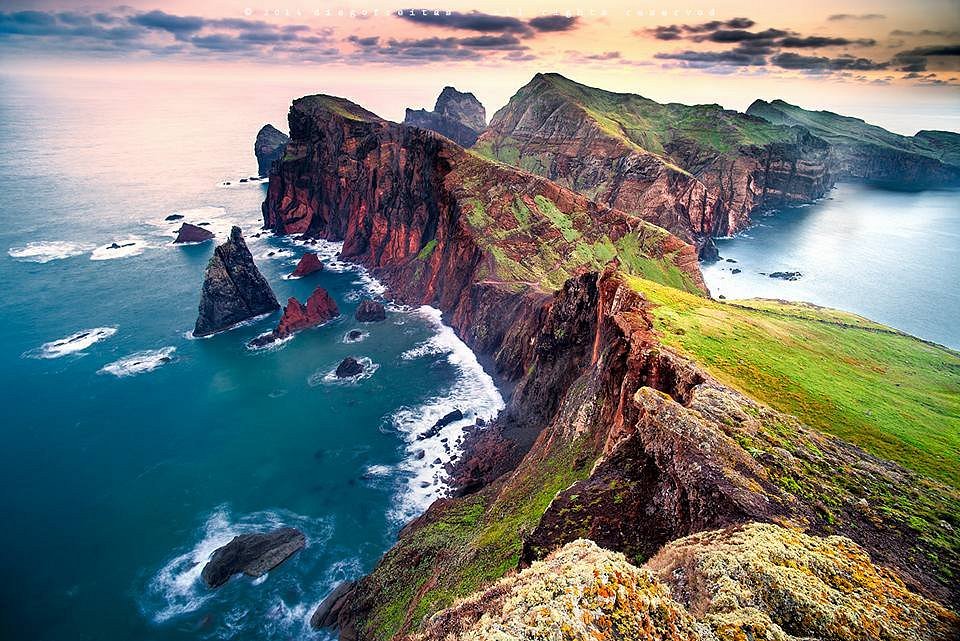
But here’s what’s different in 2026: New hiking permit requirements have just kicked in (yes, you now need to book and pay for popular trails), flight capacity from the UK has jumped 17%, and the island that was once a “retiree haven” is now pulling in digital nomads, adventure seekers, and families who want something beyond cookie-cutter beach resorts. The rules have changed, the crowds are building—but if you plan smart, 2026 is the perfect year to experience Madeira before everyone else catches on.
What Makes Madeira the #1 Trending Travel Destination in 2026?
Madeira claimed the world’s top trending destination spot in 2026 because it offers dramatic volcanic landscapes, year-round mild weather, and authentic Portuguese culture without the overwhelming crowds of Spain’s Canary Islands or Greece’s hotspots. Based on over 8 million traveler reviews, TripAdvisor recognized Madeira for consistently strong feedback across hotels, attractions, and restaurants throughout 2025.
Here’s why the island is having its moment: It’s evolved from a cruise ship stopover into an adventure capital. In the morning, you’re scaling 1,818-meter peaks like Pico do Arieiro. By afternoon, you’re canyoning through waterfalls. The shift I’ve noticed managing tours? Madeira now attracts the 30-60+ demographic looking for active holidays, not just passive sunshine. With Portugal’s digital nomad visa program and Funchal’s growing coworking scene, remote workers are sticking around for months, not days.
The island’s appeal also lies in what it doesn’t have: mass tourism infrastructure. No mega-resorts lining every beach. No all-inclusive complexes. Just authentic villages, locally-run restaurants, and trails that genuinely challenge you. It’s the “Hawaii of Europe” without Hawaii’s price tag or crowds.
Madeira Travel Overview: Climate, Culture & First Impressions
Climate: The “Eternal Spring” Reality
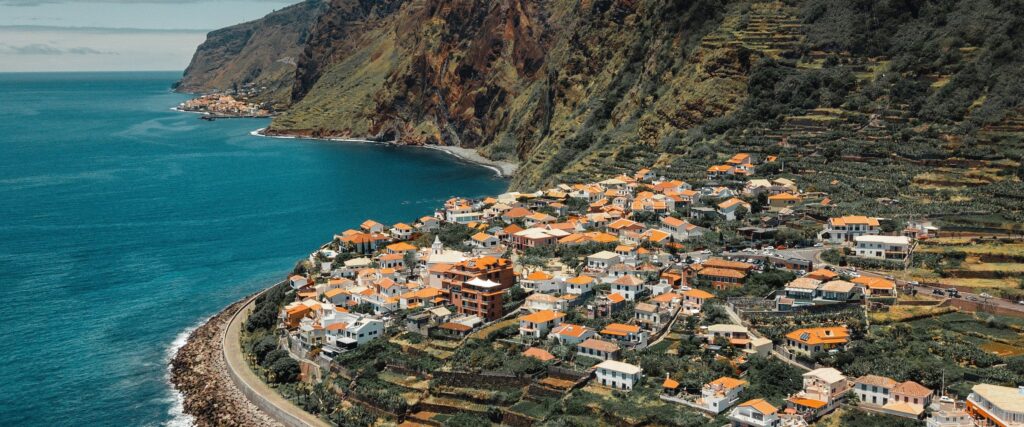
Madeira maintains subtropical temperatures ranging from 15-16°C (59-61°F) in winter to 25-26°C (77-79°F) in summer, earning its “Eternal Spring” nickname. But don’t mistake “mild” for “monotonous”—the island has microclimates. The north coast receives more rain and wind than the sheltered southern coast where Funchal sits. Mountains above 1,500 meters can see fog and even occasional winter snow.
| Season | Temperature Range | Rainfall | Best For |
|---|---|---|---|
| Winter (Dec-Feb) | 15-20°C (59-68°F) | Moderate-High | Hiking, avoiding crowds |
| Spring (Mar-May) | 16-22°C (61-72°F) | Low-Moderate | Flower Festival, perfect weather |
| Summer (Jun-Sep) | 22-26°C (72-79°F) | Very Low | Swimming, outdoor activities |
| Autumn (Oct-Nov) | 20-24°C (68-75°F) | Low-Moderate | Wine harvest, shoulder season |
From my experience managing tours, April-May and September-October offer the sweet spot: warm weather, minimal rain, and fewer tourists than the July-August peak.
Culture & First Impressions
Madeira blends Portuguese mainland traditions with island isolation. You’ll hear Portuguese everywhere (though English is widely spoken in tourist areas), taste fortified wines that predate sherry, and see Santana’s triangular thatched houses that look like they’re from a fairytale. The vibe? Relaxed but not sleepy. Safe—Portugal ranks as one of Europe’s safest countries—but steep. Seriously, everything in Funchal is uphill or downhill.
Best Places to Visit in Madeira (Top Attractions)
Funchal & Botanical Garden
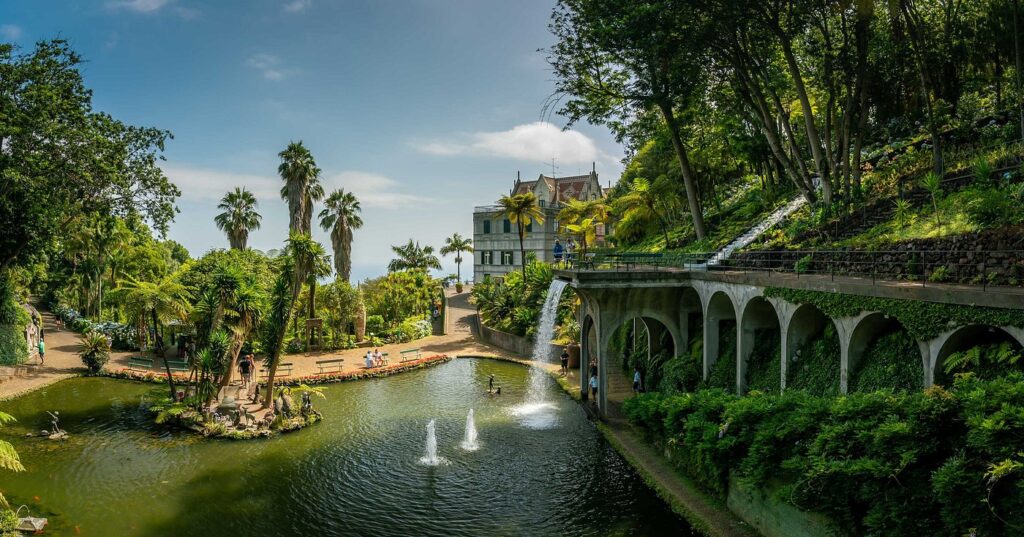
Start in the capital. The Monte Palace Tropical Garden (covering 70,000 m²) captivates with exotic flora, Japanese koi ponds, and Monte Palace Museum. Get there via the Funchal-Monte Cable Car—the 20-minute ride offers sweeping city views. One-way costs €12.50 for adults, round-trip €18.
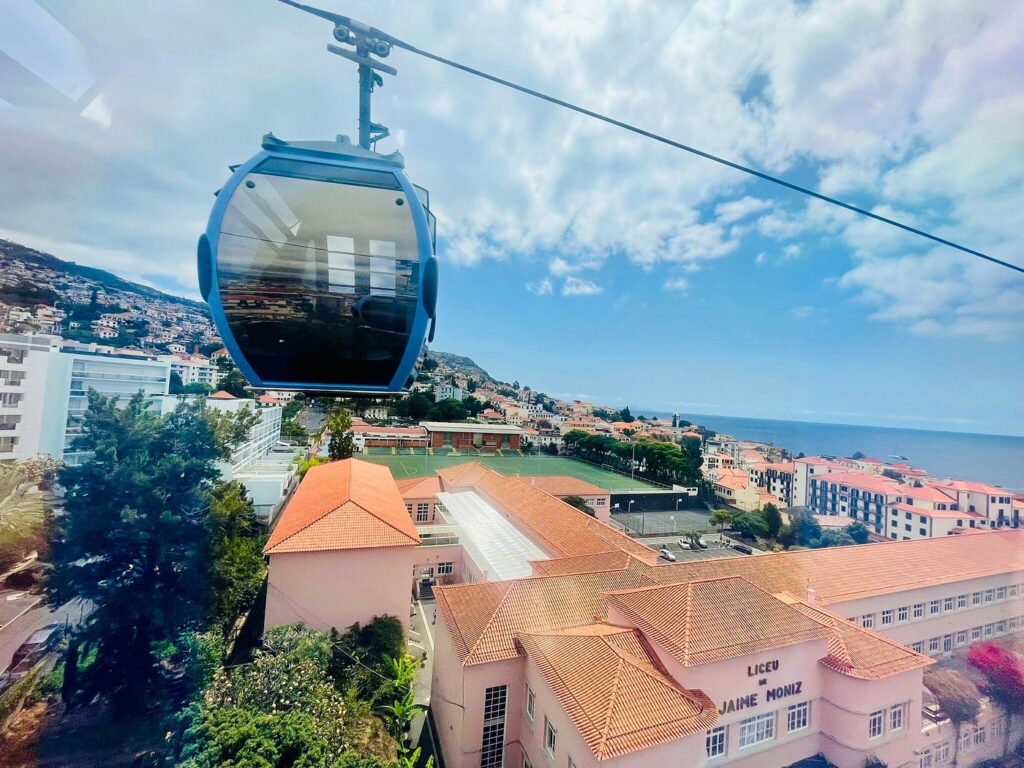
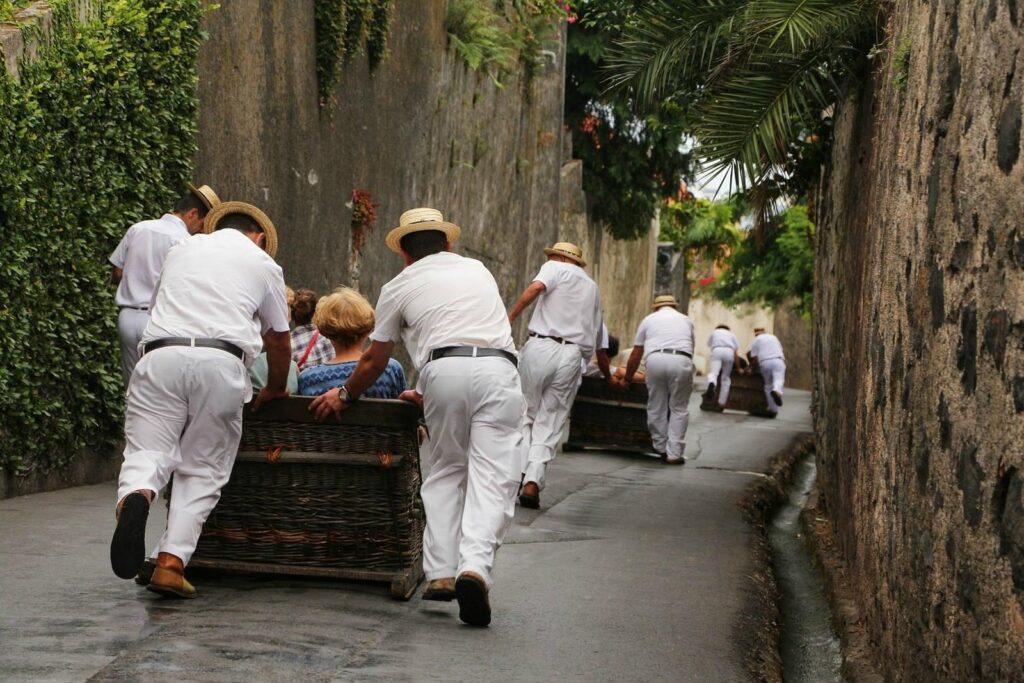
Pro tip from the tours I run: Don’t wear denim on this trip. If you plan the famous Monte Toboggan ride back down (those wicker basket sleds steered by carreiros in white uniforms), you’ll get sweaty. And yes, it’s touristy—but genuinely fun.
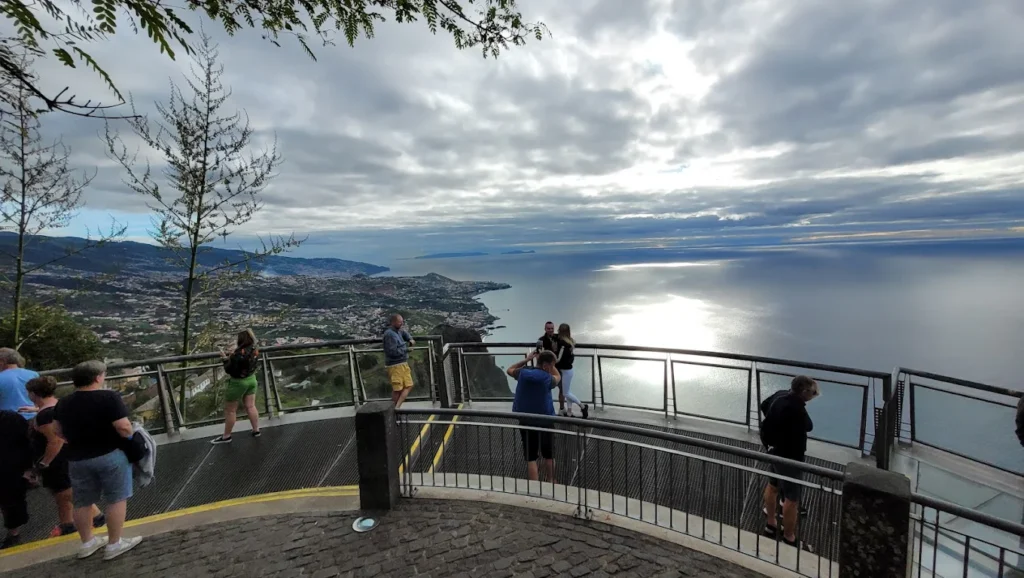
Cabo Girão Skywalk
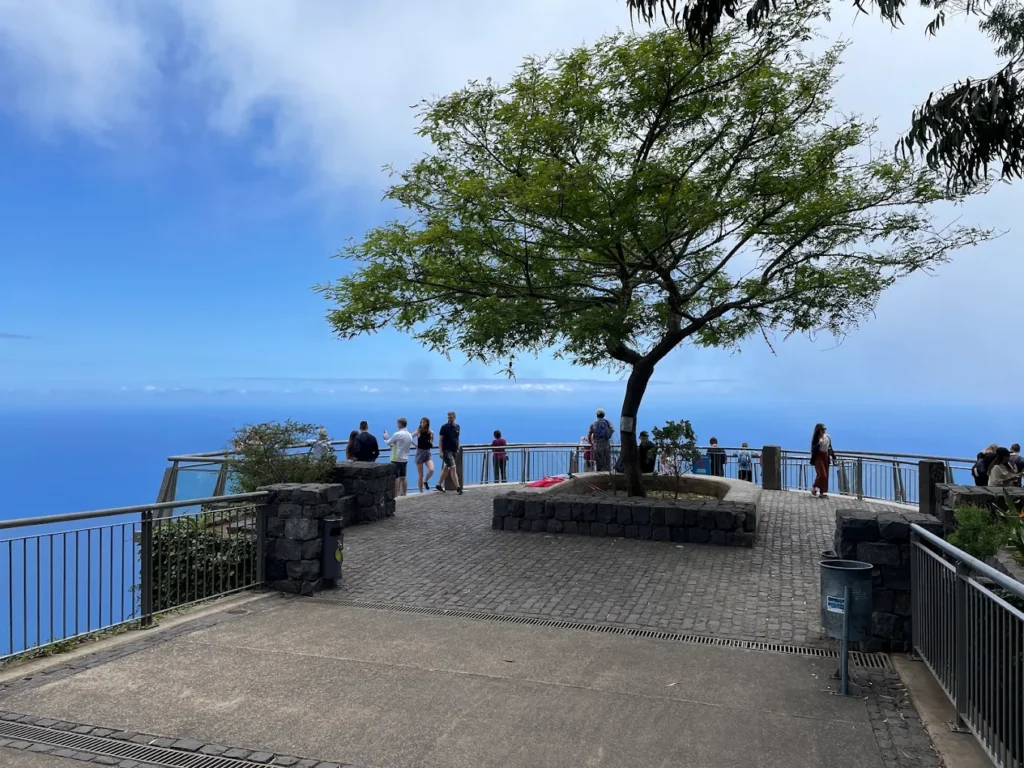
At 580 meters above sea level, Cabo Girão is Europe’s highest sea cliff. The glass floor viewing platform costs just €2 per person (free for residents and kids under 12). You’ll either love the adrenaline rush or hate the vertigo. Either way, grab an aperol spritz at the cliff-top café afterward.
Pico do Arieiro & Pico Ruivo
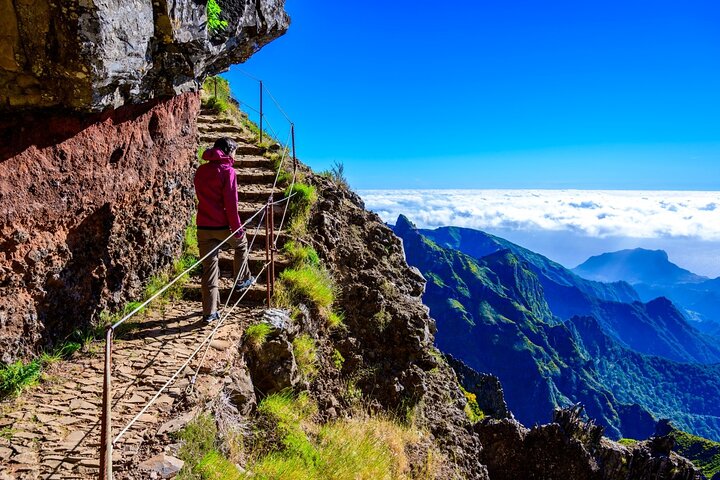
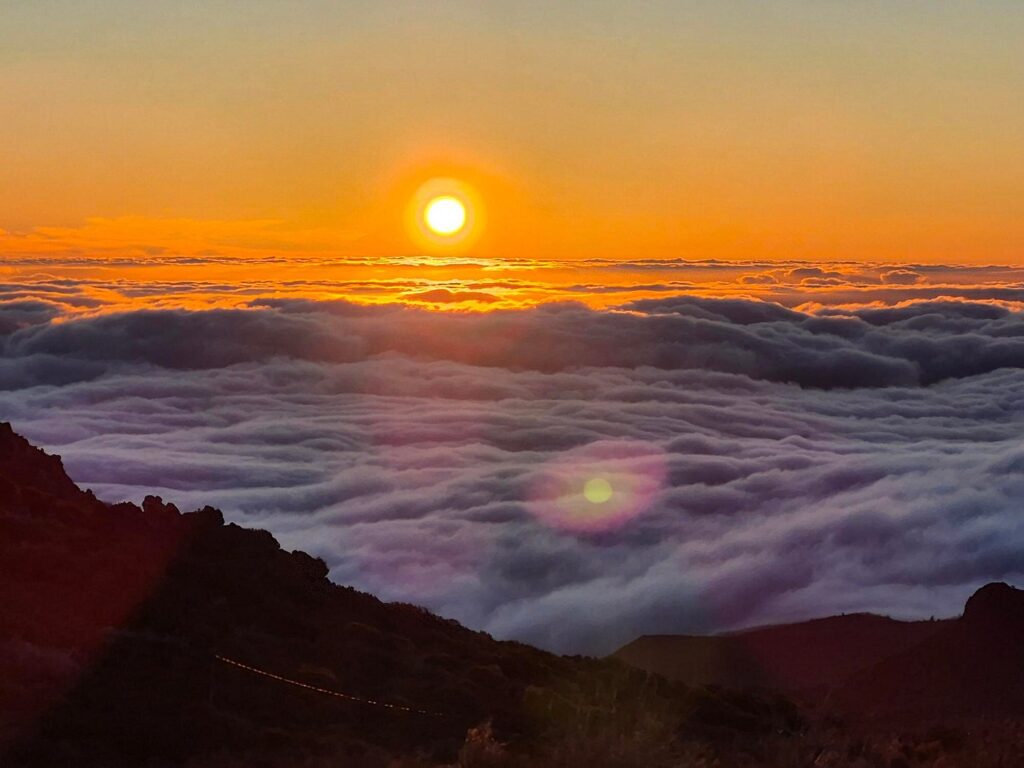
Madeira’s third-highest peak (1,818m) offers sunrise views that justify the 5:30 AM wake-up call. The PR1 trail connecting Pico do Arieiro to Pico Ruivo (1,862m, the island’s highest) is the “stairway to heaven” hike everyone talks about.
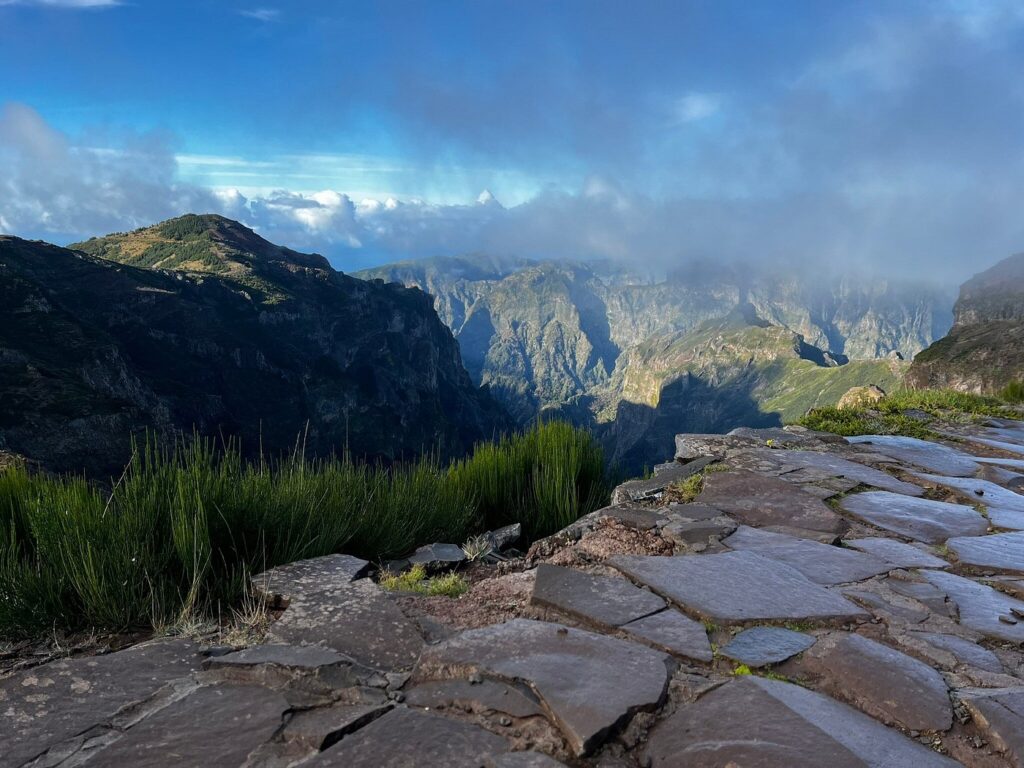
Critical 2026 Update: This trail closed in August 2024 for safety improvements and reopens April 2026. When it does, new fees apply: €10.50 for independent hikers, €7 if you book through a licensed operator.
Porto Moniz Natural Pools
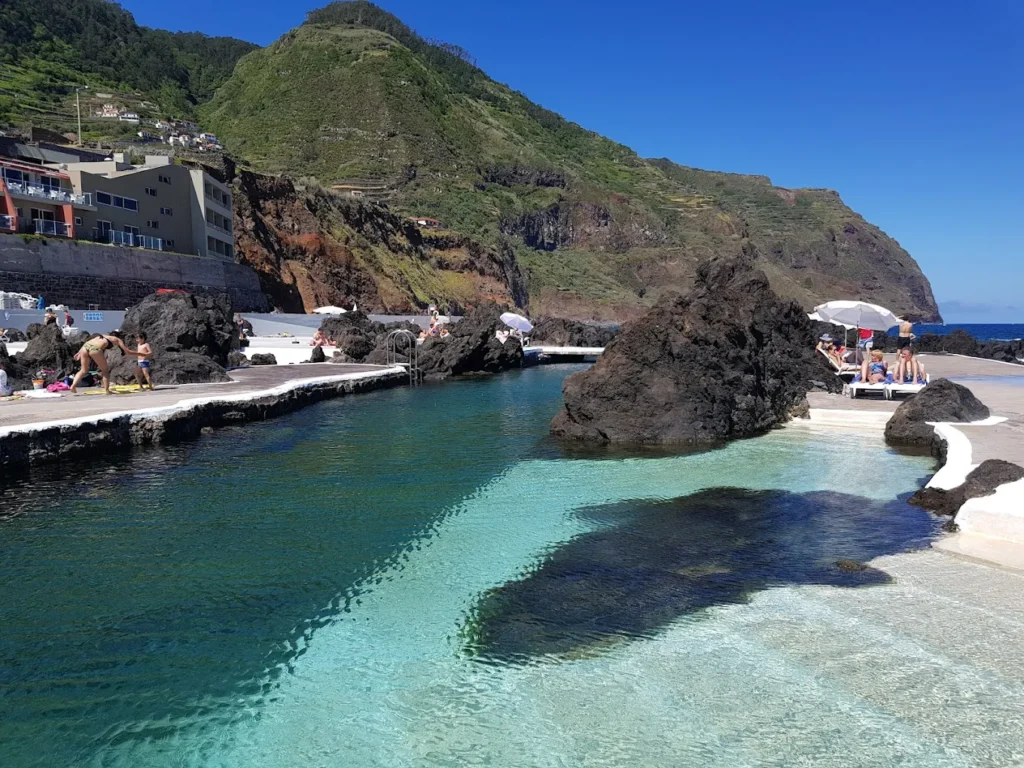
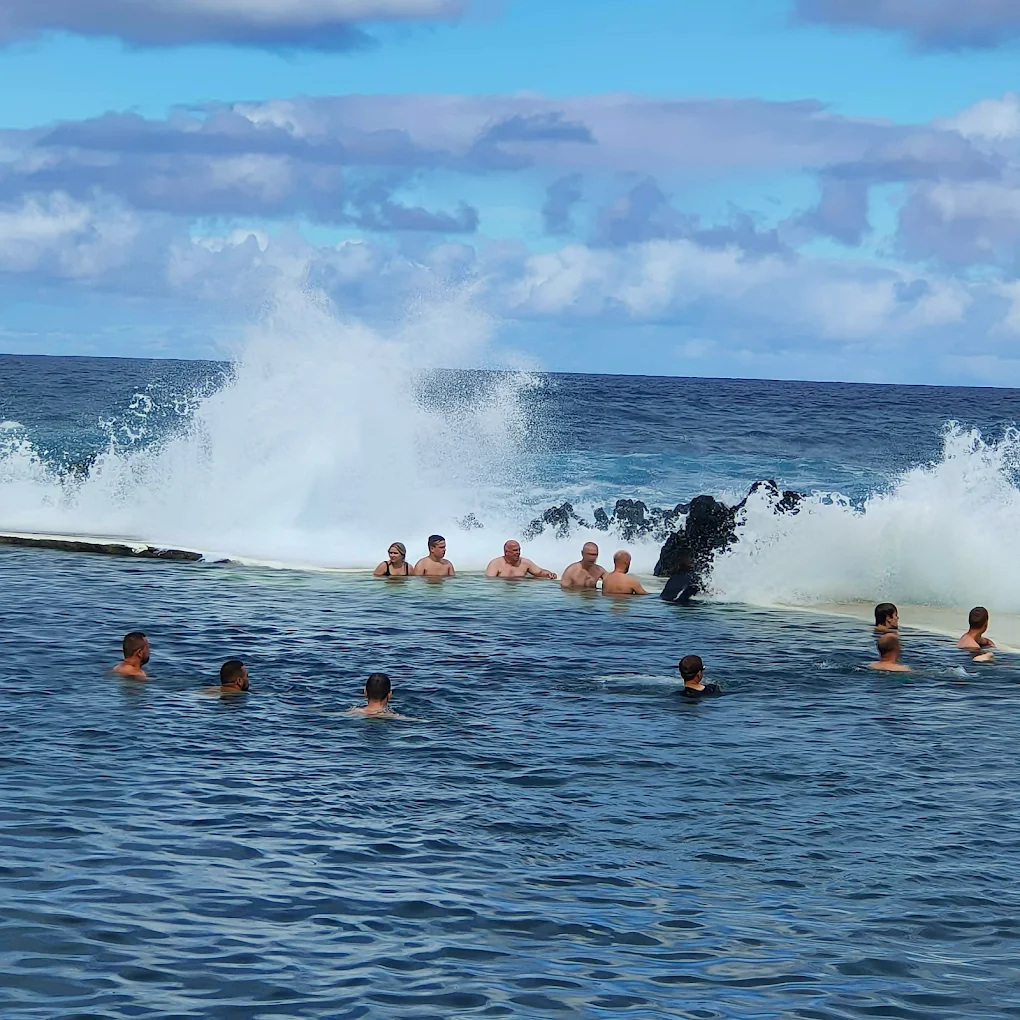
On the northwest coast, volcanic rock formations create natural swimming pools filled with Atlantic Ocean water. It’s swimmable year-round thanks to Madeira’s climate, though summer (June-September) is warmest. Entry is free, though parking nearby runs €3-5.
Santana Traditional Houses
The triangular A-frame thatched houses (Casas de Santana) with red doors are Madeira’s most photographed structures. They’re not just tourist props—locals lived in these until the 1980s. Santana itself makes a great lunch stop when exploring the north coast.
Top Unique Local Experiences & Hidden Gems
Monte Toboggan Ride (Carros de Cesto)
Since the 1850s, these wicker basket sleds have transported locals (and now tourists) down 2 km of Monte’s steep streets. Two drivers in traditional white outfits and straw hats steer using their rubber-soled boots as brakes. It costs around €25-30 per person for a 10-minute ride. Tourist trap? Absolutely. Worth it? Also yes.
Authentic Food Markets
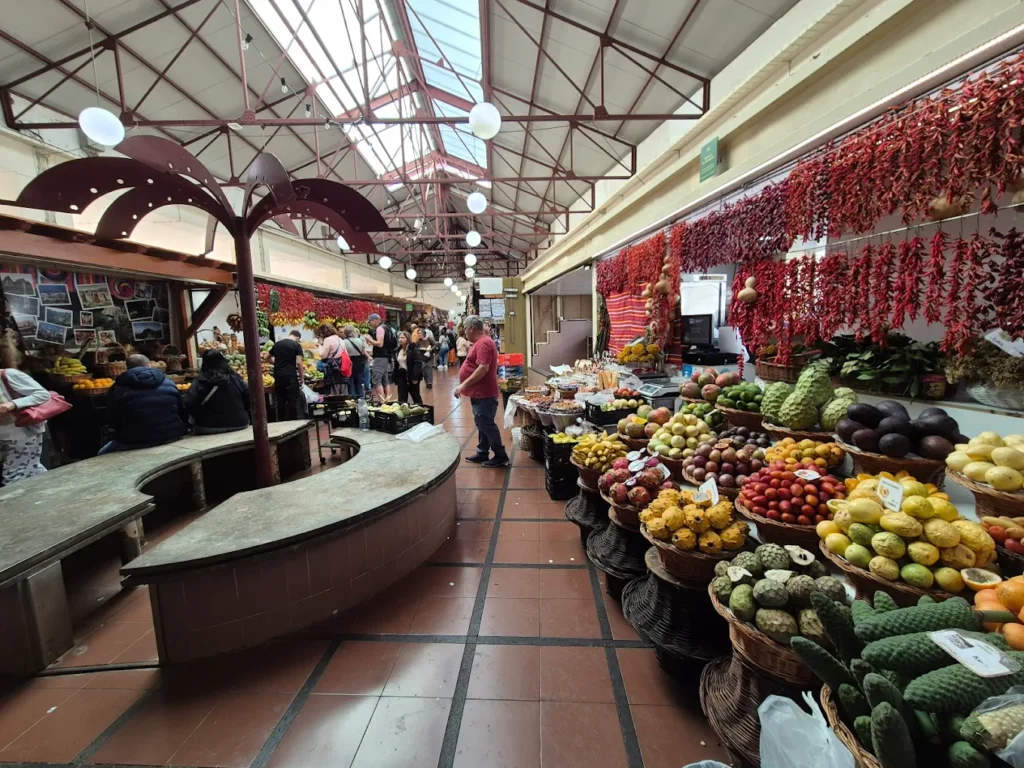
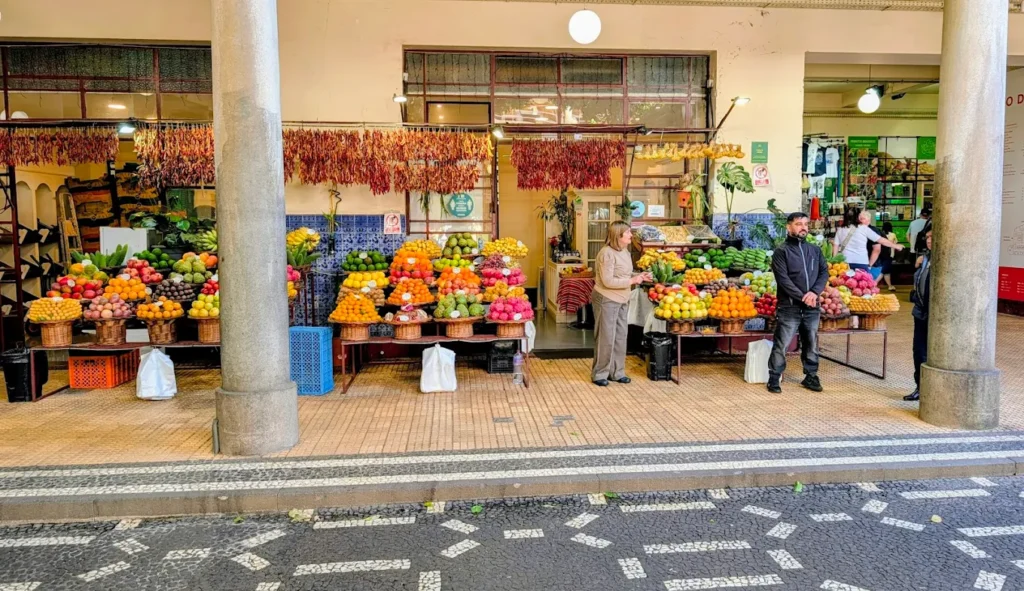
Mercado dos Lavradores in Funchal is the main farmers market—vibrant, fragrant, but prices reflect its popularity. Expect vendors to charge tourists more than locals for fruit. For better value, visit smaller village markets or the Ponta do Sol market on Saturdays.
Off-Beat Local Taverns
Skip hotel bars for poncha. Real poncha comes from rustic tabernas like Taberna da Poncha in Serra de Água—a tiny stone hut plastered with business cards from past visitors. The owner mixes it fresh with a wooden caralhinho stirrer: aguardente (sugarcane rum), honey, and lemon. It’s strong, citrusy, and locals swear it cures everything from colds to heartbreak.
Madeira Travel Itineraries (By Trip Length)
1-Day Madeira Highlights
Morning: Funchal old town walking tour → Mercado dos Lavradores → Cable car to Monte → Monte Palace Gardens
Afternoon: Toboggan ride or walk back to Funchal → Café do Teatro for bolo do caco
Evening: Sunset at Cabo Girão → Dinner at Armazém do Sal (seafood)
3-Day Best Of Madeira
Day 1: Funchal exploration, Monte, botanical gardens
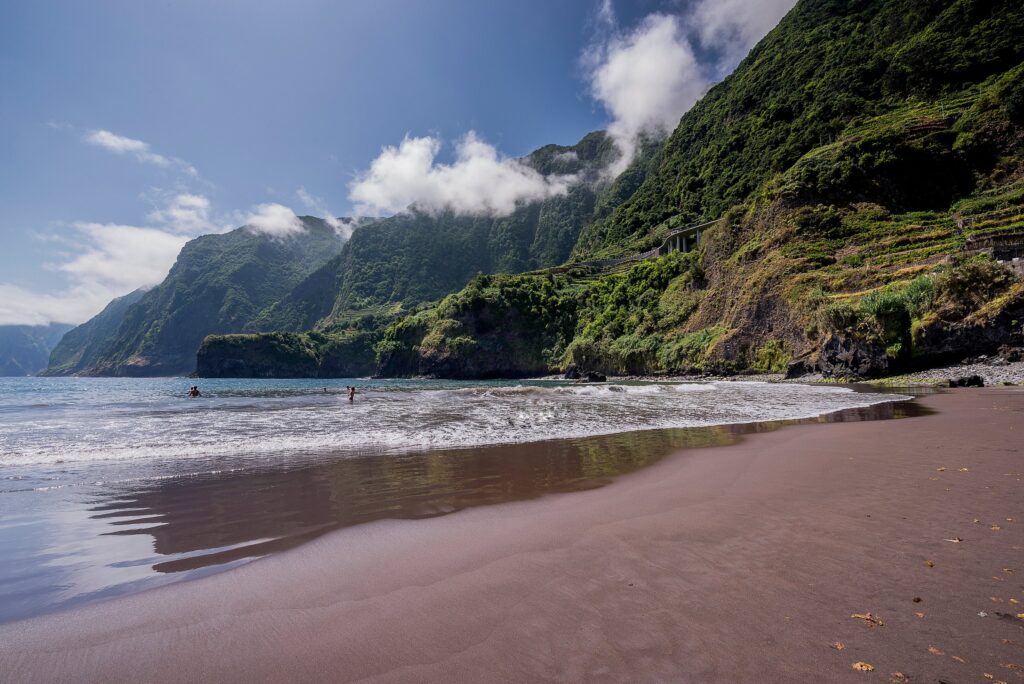
Day 2: West coast tour—Porto Moniz natural pools, Seixal black sand beach, Paul da Serra plateau
Day 3: Pico do Arieiro sunrise → Levada walk (25 Fontes or Caldeirão Verde) → Santana traditional houses
7-Day Complete Island Exploration
Days 1-2: Funchal and surroundings (Monte, Cabo Girão, Câmara de Lobos)
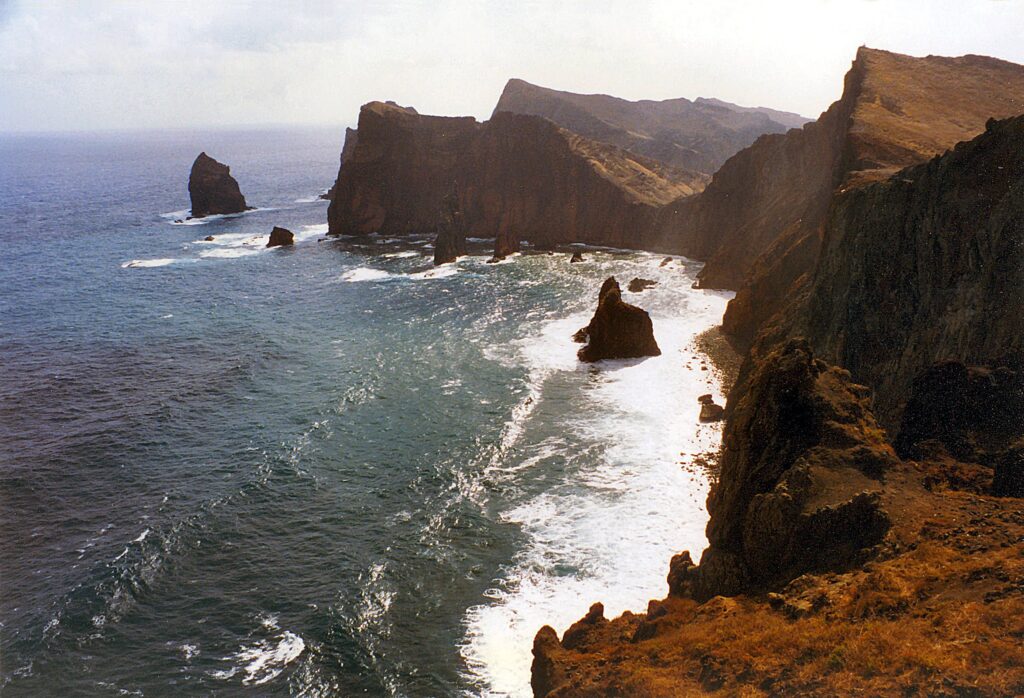
Day 3: East coast—Ponta de São Lourenço trail, Machico, Santa Cruz
Day 4: Central mountains—Pico do Arieiro, Ribeiro Frio, Santana
Day 5: Northwest—Porto Moniz, Fanal Forest, Seixal
Day 6: Levada hiking—PR6 (25 Fontes) or PR9 (Caldeirão Verde)
Day 7: Relaxation day—Funchal beach clubs, wine lodge tastings, local restaurants
Practical Travel Planning (2026 Updates)
New Hiking Reservations (2026) — CRITICAL
Starting January 1, 2026, all official PR (Pedestrian Recommended) trails require advance booking through the SIMplifica platform, with fees of €4.50 for independent hikers and €3 for those booking through licensed tour operators. Children under 12 and Madeira residents go free but must still reserve time slots.
Key changes to know:
| Trail | Independent Fee | Operator Fee | Notes |
|---|---|---|---|
| Most PR trails | €4.50 | €3.00 | 30-minute time slot booking required |
| PR1 (Pico do Arieiro) | €10.50 | €7.00 | Reopens April 2026, separate booking |
| Multi-day passes | Available | Varies | Only saves money if hiking 5+ trails |
Popular trails sell out fast, especially PR6 (25 Fontes), PR8 (Ponta de São Lourenço), and PR9 (Caldeirão Verde). Book at least 2-3 weeks ahead for peak season (June-September).
My advice from managing tours: If you’re not confident with trail navigation or logistics, book through a licensed operator. They handle permits, provide transport, and often have reduced access fees due to IFCN protocols. Plus, many trails lack clear signage—having a guide prevents wrong turns.
Reference: IFCN Official Portal | Beyond Madeira Reservations Guide
Flights & Airport
Cristiano Ronaldo Madeira International Airport (FNC) sits in Santa Cruz, 16 km northeast of Funchal. The approach and landing are famous (some say infamous) due to strong winds and a runway that seems to end in the ocean. Pilots train specifically for this airport.
Flight capacity from the UK increased 17% between March 2025 and March 2026, with new routes from London Gatwick, Bristol, Manchester, and Edinburgh. Flight time from London is approximately 3.5-4 hours.
Transportation: Do You Need a Car?
Yes, if you want freedom. No, if you’re staying only in Funchal.
Public buses (operated by SAM and Rodoeste) connect major towns but run infrequently outside peak hours. Routes to hiking trailheads are limited. Taxis and ride-sharing (Bolt works here; Uber doesn’t) fill gaps but add up quickly.
Car rental runs €25-50/day depending on vehicle and season. Roads are steep, narrow, and winding—automatic transmission is worth the extra cost. Tunnels crisscross the island; most are free, but the VR1 Via Rápida motorway requires no tolls either.
Driving warning from someone who’s seen too many close calls: Mountain roads have blind curves. Locals drive fast because they know every turn. You don’t. Give yourself extra time and pull over to let impatient drivers pass.
Reference: DiscoverCars Rental Comparison
Cost Estimates (2026)
Budget travelers: €60-90/day
- Hostel/budget hotel: €20-40/night
- Meals: supermarket breakfast, cheap lunch, one restaurant dinner (€15-25/day)
- Public transport or occasional Bolt rides
- Free activities: hiking, beaches, viewpoints
Mid-range travelers: €135-200/day
- 3-4 star hotel or nice Airbnb: €70-120/night
- All meals at restaurants: €30-50/day
- Car rental: €30-40/day
- Paid activities and tours: €20-40/day
Luxury travelers: €250+/day
- 5-star hotels (Reid’s Palace starts at €1,000/night)
- Fine dining: €60-100+/meal
- Private guided tours
- Premium experiences
Additional costs to factor: Trail fees (€4.50-10.50 per hike), cable cars (€12-18), wine tastings (€10-25), boat tours (€40-80).
When to Visit Madeira — Best Seasons & Events
The best time to visit Madeira is April-May or September-October when weather is warm (18-24°C), rainfall is low, and tourist crowds are moderate—perfect for hiking without the July-August peak season prices and congestion.
2026 Major Events:
Carnival da Madeira (February 11-22): Samba parades, elaborate costumes, street parties. The Grand Allegoric Parade on February 14 features professional troupes and floats. Trapalhão Parade on February 17 is more informal and humorous.
Madeira Flower Festival (April 30 – May 24): Funchal transforms into a floral paradise. The Grand Allegoric Parade on May 3 (4:30-7:00 PM) showcases 20+ flower-covered floats along Avenida do Mar. Flower carpets line city streets, and the “Wall of Hope” ceremony on May 2 invites children to place flowers for peace.
Atlantic Festival (June 5-28): Every Saturday night, international fireworks competitions light up Funchal Bay synchronized to music. Best viewing: waterfront hotels or the marina area.
Wine Festival (August-September): Harvest celebrations with traditional grape stomping, tastings, and folk performances. The Madeira Wine Lounge at Praça do Povo offers premium tastings.
New Year’s Eve Fireworks (December 31): One of the world’s largest firework displays, even holding a Guinness World Record. Cruise ships fill the harbor, and Funchal’s hotels book out months in advance.
Reference: Visit Madeira Events Calendar
What to Eat & Drink in Madeira (Local Food Guide)
Madeira Wine
Madeira wine is a fortified wine produced using unique aging methods involving heat and oxidation, resulting in varieties ranging from bone-dry Sercial to rich, sweet Malmsey. It’s the island’s most famous export. Visit Blandy’s Wine Lodge in Funchal for tours and tastings (€15-25).
Poncha
Poncha is Madeira’s iconic drink: aguardente de cana (sugarcane rum), honey, and lemon juice, traditionally consumed by fishermen before heading to sea. Variations include Poncha Regional (with orange) and passion fruit versions. It tastes sweet but packs a serious punch—sip slowly.
Espetada
Beef chunks marinated with garlic, salt, and bay leaves, skewered on laurel sticks and grilled over hot coals. Espetada hangs dramatically from hooks at your table. It’s served with milho frito (fried cornmeal cubes) and bolo do caco. The best? Restaurante Santo Antonio in Estreito de Câmara de Lobos.
Bolo do Caco
This round flatbread made with wheat flour and sweet potato is Madeira’s culinary staple. It’s baked on a caco (basalt stone slab) and served warm with garlic butter. Also used for prego no bolo do caco sandwiches—grilled beef steak inside warm garlic bread. Simple, filling, addictive.
Black Scabbard Fish (Espada com Banana)
This deep-sea fish looks intimidating but tastes delicate. The classic preparation pairs it with fried banana and passion fruit sauce—a sweet-savory combination that sounds odd but works beautifully. Try it at A Bica or Doca do Cavacas.
Lapas (Limpets)
Grilled limpets seasoned with garlic butter and lemon, eaten hot straight from the shell. They’re a seafood lover’s delight and best enjoyed at coastal taverns with ocean views and bolo do caco to soak up the juices.
Reference: Beyond Madeira Food Guide
Safety, Culture & Responsible Travel Advice
Madeira is one of Europe’s safest destinations with very low crime rates, though standard precautions apply in busy tourist areas like Funchal’s market and crowded viewpoints—watch belongings and avoid leaving valuables in rental cars.
Trail Safety
Mountain weather changes rapidly. Check webcams before hiking. Carry a headlamp for tunnels (many levada walks have unlit sections), layers for temperature changes, and always tell someone your hiking plans.
Water Conservation
Madeira’s levadas are still active irrigation channels. Don’t contaminate water, and respect agricultural areas along trails.
Cultural Etiquette
- Tipping: 5-10% in restaurants is customary, though not mandatory
- Dress codes: Casual everywhere except high-end restaurants
- Language: Portuguese is official, but English widely spoken in tourist areas
- Church visits: Modest dress (covering shoulders and knees)
Responsible Tourism
Stick to marked trails. The island’s Laurissilva Forest is a UNESCO World Heritage Site—stepping off paths damages delicate ecosystems. With the new 2026 permit system in place, authorities are actively monitoring trail capacity to prevent overcrowding and erosion.
Reference: UNESCO Laurissilva of Madeira
Popular Madeira Travel Questions (FAQs)
What makes Madeira different from other Portuguese islands?
Madeira differs from the Azores and mainland Portugal’s Algarve through its dramatic volcanic topography, subtropical microclimates, and year-round accessibility—while the Azores offer remote wilderness and the Algarve delivers Mediterranean beach resorts, Madeira balances both adventure and relaxation in a compact, accessible island.
The Azores are wilder, more spread out across 9 islands, with rougher weather and a focus on whale watching and volcanic landscapes. The Algarve is mainland Portugal’s beach destination with golden sand beaches and golf resorts. Madeira gives you mountains, ocean, forests, and culture in one manageable island.
Is Madeira expensive to visit in 2026?
Madeira sits in the mid-range for European destinations—more affordable than Switzerland or Scandinavia but pricier than Eastern Europe, with daily costs averaging €60-90 for budget travelers and €135-200 for mid-range comfort.
Accommodation prices increased 20-30% between 2023-2025 due to surging demand. Book 2-3 months ahead for better rates, especially during Flower Festival (April-May) and New Year’s Eve.
Do I need reservations for hikes in Madeira?
Yes. Starting January 1, 2026, all official PR (Pedestrian Recommended) trails require advance booking through the SIMplifica platform, with mandatory €4.50 fees for independent hikers (€3 for tour operator bookings) and specific 30-minute time slot reservations.
Children under 12, Madeira residents, and those with certified disabilities (60%+) go free but must still book slots. The system prevents overcrowding and funds trail maintenance.
Reference: SIMplifica Booking Platform
What is the best time of year to visit?
April-May and September-October offer optimal conditions with temperatures of 18-24°C, minimal rainfall, blooming flora, and moderate tourist numbers—avoiding the peak summer crowds of July-August and winter’s increased rainfall.
Flower Festival (April 30 – May 24) showcases the island in full bloom. September coincides with the Wine Festival. December brings the famous New Year’s Eve fireworks but also peak prices and crowds.
Can I explore Madeira without a car?
You can explore Funchal and nearby areas using public buses and taxis, but a rental car provides essential freedom for accessing remote hiking trails, coastal viewpoints, and mountain roads that public transport doesn’t adequately serve.
Public buses work for major towns but run infrequently. Guided tours offer another alternative—they handle logistics and often include multiple stops in one day. For serious hikers and photographers wanting flexibility, a car is worth the investment.
Is Madeira good for solo travelers?
Yes, Madeira ranks as one of Europe’s safest destinations for solo travelers, with low crime rates, walkable towns, English-speaking locals, and a growing community of digital nomads and long-term travelers in Funchal and Ponta do Sol.
Hostels in Funchal like 109 Funchal Hostel and 29 Madeira Hostel offer social atmospheres. Join group hiking tours to meet others. The island’s compact size makes solo navigation easy, and locals are generally helpful to tourists.
About the Author
Wahid Ali is a seasoned travel professional and Operations Lead at Astamb Holidays, based in Mumbai. With 20 years of experience in the tourism industry, Wahid specializes in crafting detailed, logistics-focused travel guides that combine practical planning with authentic destination experiences. His expertise spans culturally rich destinations, adventure travel, and hidden gems across India and beyond. Through his work, Wahid helps travelers navigate complex itineraries while experiencing the authentic essence of each destination.
Connect with Wahid on LinkedIn
Key Takeaway: Madeira in 2026 offers the perfect blend of adventure, culture, and accessibility—but the new hiking permit system means you need to plan ahead. Book trails early, embrace the island’s slower pace, and you’ll discover why TripAdvisor’s millions of reviewers voted it the world’s top trending destination.
Plan your Madeira adventure with XploreHeaven.com and experience the “Hawaii of Europe” before everyone else catches on.
References:
- Instituto das Florestas e Conservação da Natureza (IFCN) – Madeira Hiking Fees and Permits
- Beyond Madeira – Trail Reservations Guide 2026
- Visit Madeira Official Tourism Board – Weather and Climate Information
- Visit Madeira – Events Calendar 2026
- TripAdvisor – Travelers’ Choice Awards 2026
- Breaking Travel News – Madeira Top Trending Destination
- Beyond Madeira – Traditional Madeira Food Guide
- UNESCO – Laurissilva of Madeira World Heritage Site
- RandomTrip – Madeira Travel Guide and Costs
- Hiking Madeira – 2026 Access Rules
- Portugal.com – Madeira Hiking Reservations
- Madeira Estate – Events Calendar 2026
- Tripadvisor – Funchal Attractions
- BudgetYourTrip – Madeira Travel Costs
- Marvelous Madeira – Cost of Travel Guide
READ MORE EXCITING ARTICLES;
- Sri Lanka Travel Guide 2026 for Indians: ₹50K Budget, 7-Day Itinerary, Visa & Hidden Gems
- Bali Travel Guide 2026: Best Places, Itinerary, Budget & Hidden Gems (Complete Planner)
- Alleppey Tourist Places: 25 Best Places to Visit in Alleppey Backwaters (2026 Travel Guide)
- Munnar Tourist Places: 20 Best Places to Visit in Munnar, Tea Gardens, Itinerary & Hidden Gems (2026 Travel Guide)
- Is Sardinia Worth Visiting? Complete Travel Guide to Sardinia, Italy

