Picture this: glaciers descending into rainforests, golden beaches kissed by turquoise waters, geothermal pools bubbling beneath snow-capped peaks, and cultures so rich they’ve shaped landscapes for over a thousand years. Welcome to New Zealand – where every new zealand tour becomes a story you’ll tell for a lifetime.
I’m Wahid Ali, and after 20 years of managing tours at Astamb Holidays in Mumbai, I’ve helped thousands of travelers experience destinations that take their breath away. But New Zealand? This place holds a special spot in my heart. It’s not just about the scenery (though trust me, you’ll run out of memory on your phone). It’s about standing on volcanic ridges at sunrise, sharing a traditional Maori hangi, or feeling your heart race as you bungy jump over crystal waters in Queenstown.
2026 is shaping up to be an incredible year to visit New Zealand. With flight connections improving, accommodation options expanding, and sustainability initiatives making travel more responsible, there’s never been a better time to plan your Kiwi adventure.
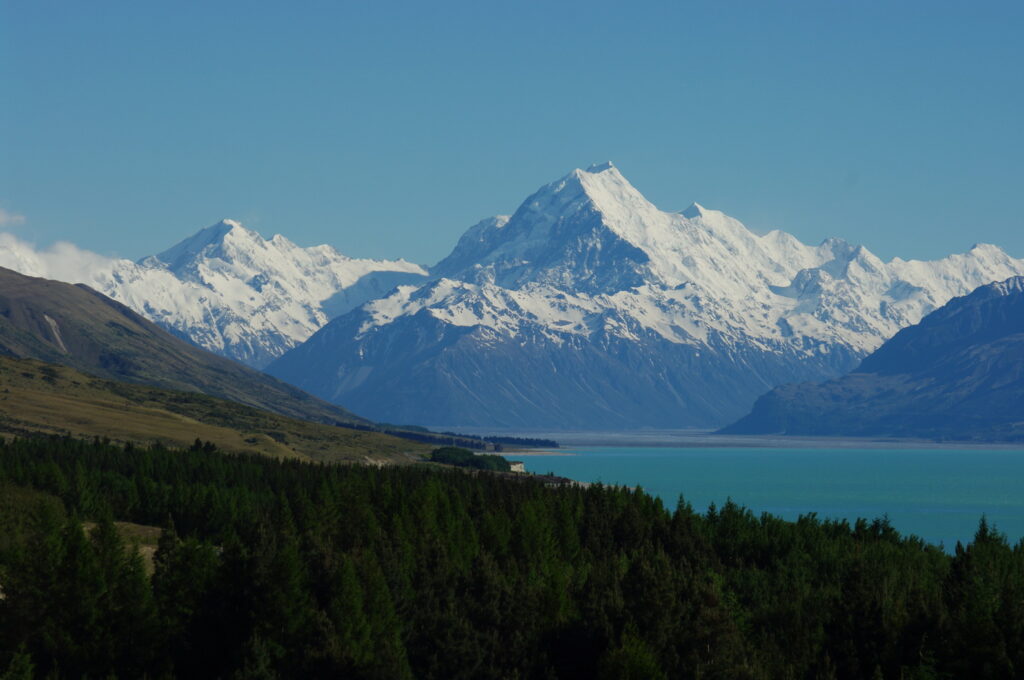
Whether you’re a solo adventurer chasing adrenaline, a family seeking unforgettable memories, or a couple dreaming of romantic landscapes, this guide will show you exactly how to make your New Zealand tour 2026 absolutely perfect.
🌏 What is a New Zealand Tour and Why Visit in 2026?
A new zealand tour isn’t just a vacation – it’s an immersion into two stunning islands where ancient Maori traditions meet modern adventure culture. Here’s what makes New Zealand genuinely special:
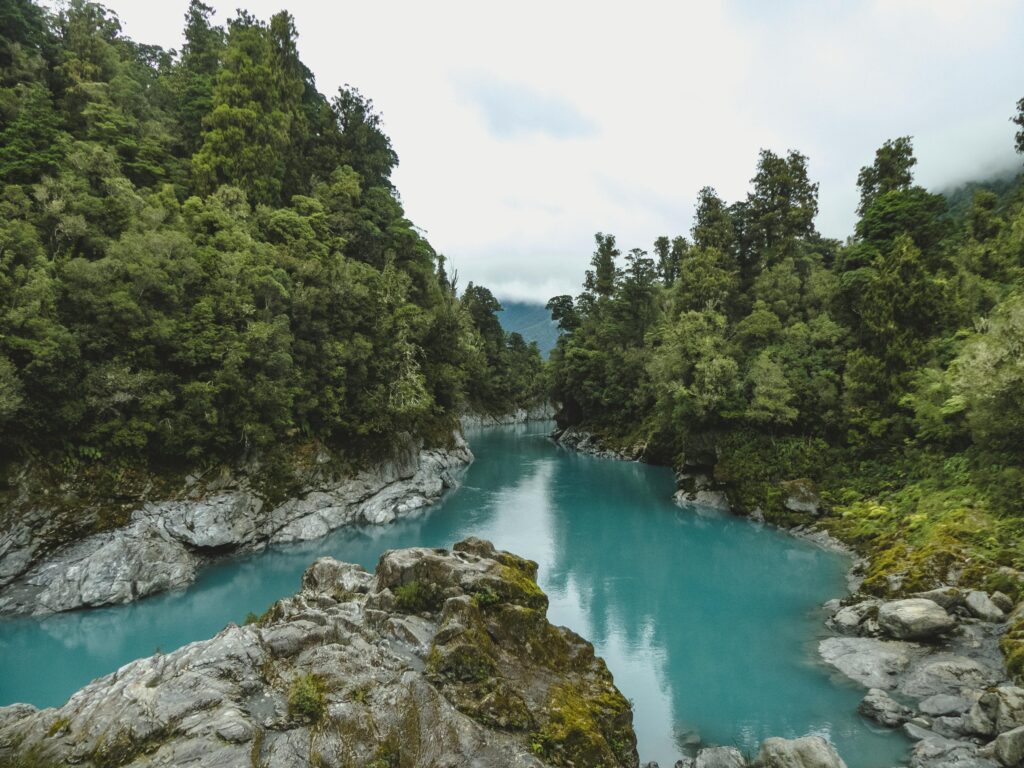
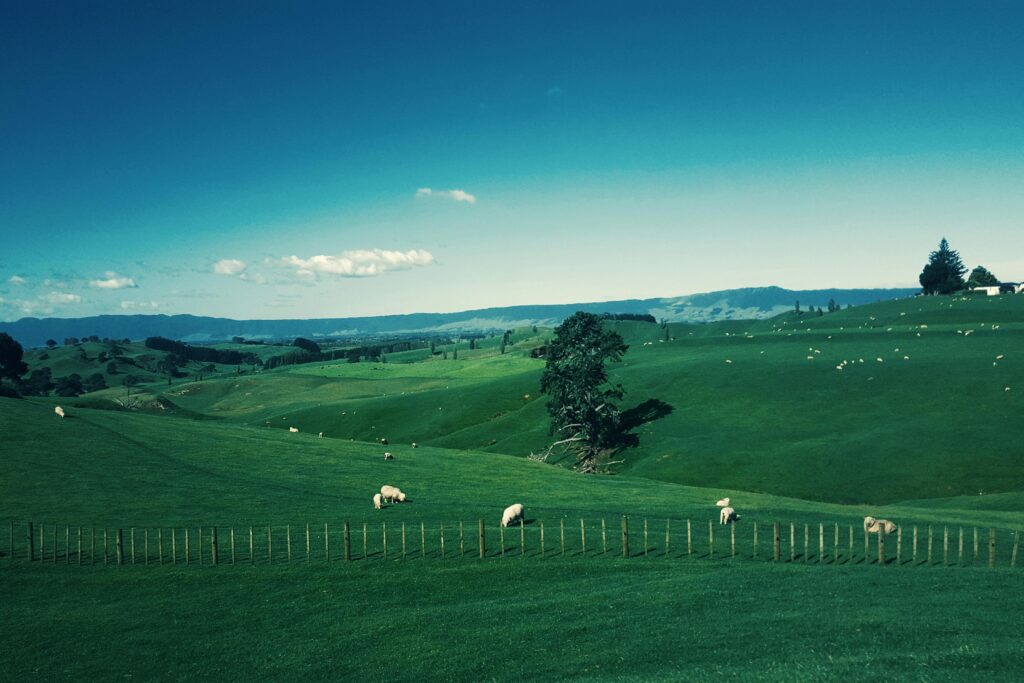
The Land of Contrasts: The North Island gives you geothermal wonderlands like Rotorua, where the earth literally steams and bubbles. Meanwhile, the South Island delivers jaw-dropping alpine scenery with Milford Sound, glaciers, and mountain ranges that seem pulled from fantasy novels.
Maori Culture Meets Natural Wonders: New Zealand is one of the few places where indigenous culture thrives alongside spectacular wilderness. You’ll witness authentic Maori welcomes (powhiri), traditional dances (haka), and earth-oven feasts (hangi) – experiences that connect you to thousands of years of Pacific heritage.
Adventure Capital of the World: From Queenstown’s bungy jumping and Abel Tasman’s kayaking to Tongariro National Park’s volcanic hiking, New Zealand practically invented adventure tourism. But here’s the secret I tell my clients: you don’t need to be an adrenaline junkie. Gentle walks, wine tastings, and scenic drives deliver equally powerful experiences.
Why 2026 Specifically? After years of managing international tours, I’ve noticed travel patterns. 2026 brings better flight connectivity through Emirates and Singapore Airlines, improved infrastructure across both islands, and – importantly – more sustainable tourism practices that let you experience New Zealand responsibly.
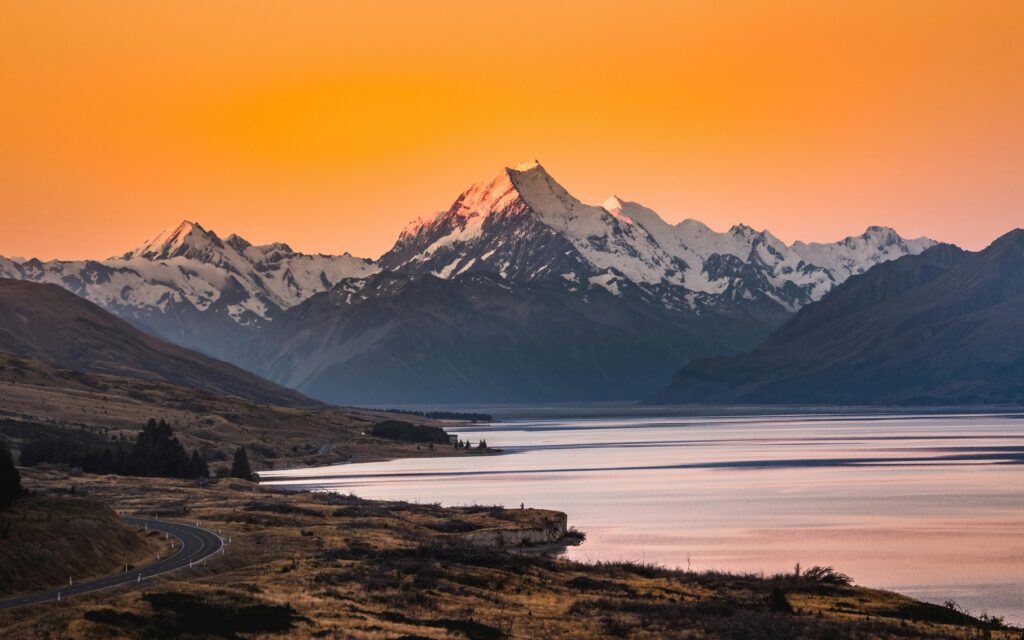
| Feature | North Island | South Island |
|---|---|---|
| Landscape | Volcanic, geothermal | Alpine, glacial |
| Climate | Subtropical north, temperate south | Cooler, more variable |
| Main Attractions | Rotorua, Auckland, Hobbiton | Queenstown, Milford Sound, glaciers |
| Best For | Culture, geothermal wonders | Adventure, dramatic scenery |
🌤️ When is the Best Time to Go on a New Zealand Tour?
Timing your new zealand tour makes all the difference. Let me break down what I’ve learned from years of sending travelers across seasons:
Summer (December – February): Peak Season
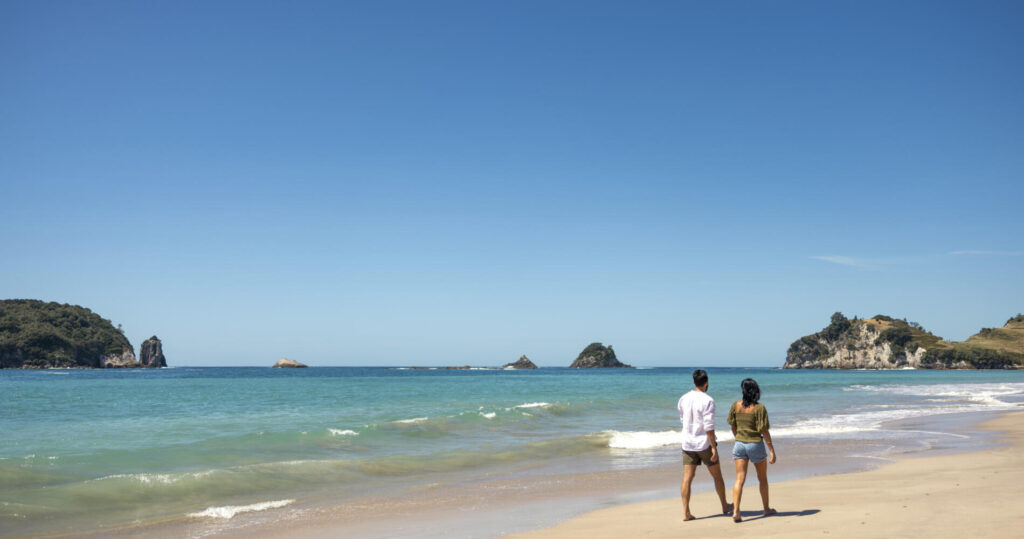
Temperature: 20-25°C (68-77°F)
This is when New Zealand absolutely shines. Long daylight hours (14-15 hours daily), warm temperatures, and stable weather make summer ideal for hiking, beaches, and outdoor activities. January and February are the warmest months.
Pros:
- Perfect beach weather and swimming conditions
- All hiking trails accessible
- Festivals and events throughout both islands
- Best time for Milford Sound cruises
Cons:
- Highest prices for accommodation and flights
- Crowded tourist spots, especially Queenstown and Rotorua
- Book 3-6 months ahead
My Take: If you’ve got school-age kids or can only travel during peak season, absolutely go. Just book early and be prepared for company on popular trails.
Autumn (March – May): The Sweet Spot
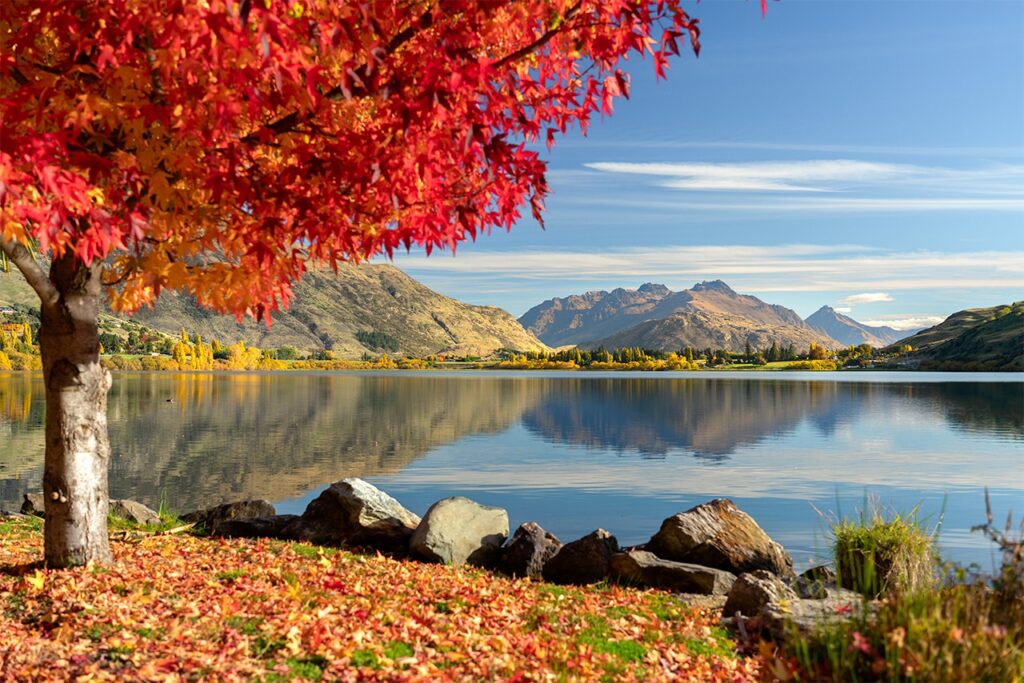
Temperature: 15-20°C (59-68°F)
This is my personal favorite time to recommend. After 20 years in travel operations, I’ve seen autumn deliver the best value-to-experience ratio.
Pros:
- Stunning fall foliage, especially in Arrowtown and Wanaka
- Fewer crowds on hiking trails
- 20-30% lower accommodation prices
- Ocean still warm enough for swimming through April
- Stable, pleasant weather
Cons:
- Shorter daylight hours (approximately 11-13 hours)
- Some alpine roads close by late May
Expert Tip: March specifically offers summer weather without summer crowds – it’s the hack I share with clients who want the best of both worlds.
Winter (June – August): Ski Season
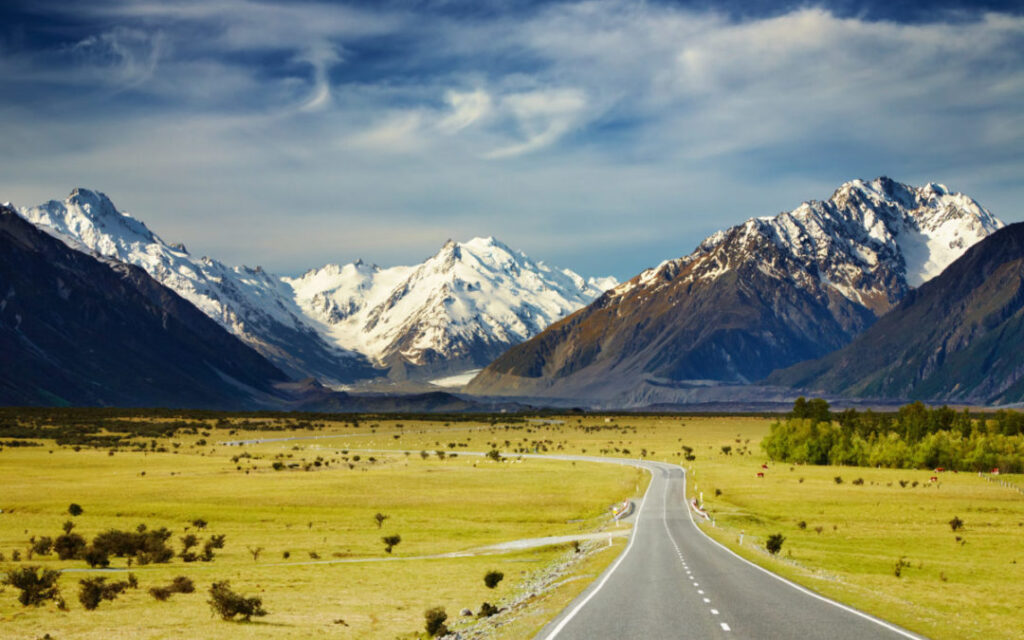
Temperature: 12-16°C (53-61°F) in coastal areas, below freezing in mountains
Pros:
- World-class skiing in Queenstown, Wanaka, and Ruapehu
- Lowest accommodation prices (except ski towns)
- Dramatic snowy mountain scenery
- Hot springs feel absolutely magical
Cons:
- Many hiking trails closed
- Milford Sound road often closed
- Short daylight hours (9-10 hours)
- Cold and wet in coastal regions
Perfect For: Ski enthusiasts and budget travelers willing to embrace indoor attractions and urban experiences.
Spring (September – November): Wildflower Season
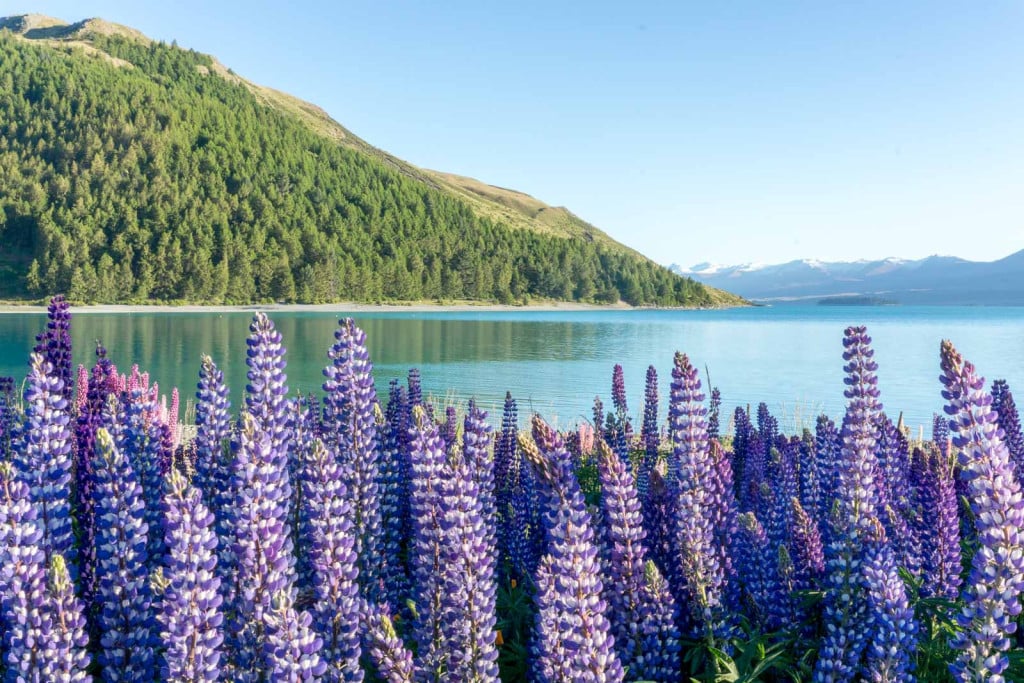
Temperature: 16-19°C (61-66°F)
Pros:
- Lupins blooming across the Mackenzie Country (November)
- Quieter trails as tourist season hasn’t peaked
- Mild temperatures perfect for hiking
- Baby animals throughout farmland
Cons:
- Weather can be unpredictable
- Some seasonal attractions not yet open
Best Month: November combines spring beauty with increasingly stable weather.
📋 Visa & Entry Requirements for New Zealand Tourists
Let me walk you through the visa process – this trips up many first-time visitors, but it’s actually straightforward once you understand the system.
Understanding NZeTA vs Visitor Visa
New Zealand uses two main entry systems:
1. NZeTA (New Zealand Electronic Travel Authority):
This electronic permission links directly to your passport. Think of it as a streamlined entry system for visa-waiver countries.
Who Needs It:
- Citizens from 60+ visa-waiver countries including USA, UK, Singapore, most European nations
- Australian permanent residents
- ALL cruise ship passengers regardless of nationality
Cost: NZD $23 (via mobile app) or NZD $27 (via website) + NZD $100 IVL (International Visitor Conservation and Tourism Levy)
Processing Time: Up to 72 hours (most approved within 24 hours)
Validity: 2 years or until passport expires
Important: Even if you’re just transiting through Auckland Airport, you still need an NZeTA if you’re from a visa-waiver country.
2. Visitor Visa:
Required for citizens from countries NOT on the visa-waiver list, including India, China (when not transiting from Australia), and many African and Asian nations.
Application: Submit online through Immigration New Zealand or at local visa application centers
Processing: Varies by nationality and application completeness (2-4 weeks typical)
Cost: Varies by country; generally NZD $211-246 plus NZD $100 IVL
Essential Entry Requirements (Everyone)
Regardless of visa type, you must have:
- Passport valid for 3 months beyond your departure date
- Proof of onward travel (return ticket or ticket to next destination)
- Sufficient funds for your stay (approximately NZD $1,000 per month or NZD $400 if accommodation pre-paid)
- Travel insurance (strongly recommended, though not mandatory)
New Zealand Traveller Declaration (NZTD)
This free digital form must be completed by EVERYONE arriving in New Zealand (including citizens, children, and infants):
- Submit 24 hours before departure
- Covers customs, biosecurity, and immigration details
- Access at TravellerDeclaration.govt.nz or via the NZTD app
Biosecurity Matters: New Zealand takes biosecurity seriously. Declare ALL food, plant materials, hiking boots, and camping gear. Undeclared items can result in NZD $400 fines.
Official Resource: Check your specific requirements at https://www.immigration.govt.nz/
My Professional Advice
Apply for your NZeTA or visa at least 2 weeks before your flight, even though processing is usually faster. This gives you buffer time if additional documentation is needed. I’ve seen clients miss trips because they assumed 72-hour processing meant they could wait until the last minute – don’t make that mistake.
✈️ How to Reach New Zealand for Your Tour
After helping clients book thousands of international trips, I’ve learned that smart flight booking saves hundreds of dollars and hours of travel time. Here’s how to reach New Zealand efficiently:
Main Entry Points
Auckland Airport (AKL) – North Island
- New Zealand’s largest international airport
- Hub for most international arrivals
- Direct connections to major cities worldwide
- Best for North Island-focused itineraries
Christchurch Airport (CHC) – South Island
- Second-largest international gateway
- Growing number of direct international flights
- Ideal starting point for South Island tours
- Often cheaper domestic connections
Wellington Airport (WLG) – North Island
- Primarily domestic but some trans-Tasman flights
- Perfect for those focusing on North Island’s southern regions
Best Airlines for 2026
Based on my experience managing international bookings, these airlines consistently deliver the best combination of price, service, and routing:
Emirates:
- Routes via Dubai with Singapore connections
- Excellent for Indian, Middle Eastern, and European travelers
- Premium service even in economy
- Book 3-4 months ahead for best prices
- Expect 20-24 hours total travel time from India/Middle East
Singapore Airlines:
- Via Singapore Changi Airport
- Perfect for Asian travelers
- Award-winning service and comfort
- Frequent flights from Singapore to both Auckland and Christchurch
- KrisFlyer members get bonus miles through 2026
Air New Zealand:
- Direct flights from select cities
- Best domestic connectivity once you arrive
- Often partners with international carriers
Qatar Airways, Cathay Pacific:
- Competitive alternatives
- Check for seasonal promotions
Flight Booking Strategy (From an Operations Pro)
Timing Matters:
- Book international flights 2-3 months ahead for 10-24% savings
- Sunday bookings cost 6-13% less than Friday bookings
- Avoid peak season departures (mid-December to January)
Price Comparison: Use Skyscanner, Kayak, or Google Flights to compare, but always book directly with airlines or through reputable agents. Third-party consolidators often create complications when you need to change flights.
Example Routes & Approximate Costs (Economy):
- Mumbai to Auckland via Singapore/Dubai: USD $600-900 (shoulder season), USD $1,000-1,400 (peak)
- London to Auckland via Singapore/Dubai: GBP $575-850 (shoulder), GBP $900-1,200 (peak)
- Los Angeles to Auckland direct: USD $600-850 (shoulder), USD $900-1,200 (peak)
Multi-City Bookings: Flying into Auckland and out of Christchurch (or vice versa) often costs only $50-100 more than round-trip tickets but saves you 8-10 hours of backtracking. In my operations experience, this is almost always worth it.
Domestic Flights
Once in New Zealand, domestic flights on Air New Zealand, Jetstar, and regional carriers connect major cities:
- Auckland to Queenstown: 1h 50min, NZD $100-300
- Wellington to Christchurch: 55min, NZD $80-250
- Auckland to Rotorua: 45min, NZD $70-200
Pro Tip: Book domestic flights 6-8 weeks ahead. Last-minute bookings can cost double.
💰 How Much Does a New Zealand Tour Cost?
Let’s talk money. After coordinating tours across various budgets, I’ve learned that New Zealand isn’t cheap – but it’s absolutely manageable with proper planning. Here’s my honest breakdown:
Daily Budget Categories
Budget Traveler: NZD $130-180 per day (USD $80-110)
- Hostel dorms: NZD $30-60
- Self-cooked meals: NZD $35-50
- Local buses: NZD $20-40
- 1-2 budget activities: NZD $0-50
Mid-Range Traveler: NZD $250-350 per day (USD $150-215)
- Budget hotels/Airbnb: NZD $100-150
- Mix of restaurant meals and cooking: NZD $60-90
- Rental car + fuel: NZD $50-80
- Activities and entry fees: NZD $40-80
Luxury Traveler: NZD $400-600+ per day (USD $245-370+)
- Quality hotels: NZD $200-350
- Restaurant meals: NZD $100-150
- Rental car/guided tours: NZD $80-120
- Premium activities: NZD $100-200
Sample Budget Breakdown by Trip Length
| Expense Category | 5-Day Budget | 10-Day Mid-Range | 21-Day Comprehensive |
|---|---|---|---|
| Accommodation | NZD $150-300 | NZD $1,000-1,500 | NZD $2,100-3,150 |
| Food & Dining | NZD $175-250 | NZD $600-900 | NZD $1,260-1,890 |
| Transportation | NZD $100-200 | NZD $500-800 | NZD $1,050-1,680 |
| Activities | NZD $50-100 | NZD $400-800 | NZD $840-1,680 |
| Total (excluding flights) | NZD $475-850 | NZD $2,500-4,000 | NZD $5,250-8,400 |
| Total (USD equivalent) | $290-520 | $1,530-2,450 | $3,215-5,145 |
Major Cost Components
Adventure Activities (Big-Ticket Items):
- Milford Sound cruise: NZD $120-250
- Bungy jumping (Queenstown): NZD $205-275
- Skydiving: NZD $299-459
- Helicopter glacier hike: NZD $450-650
- Hobbiton tour: NZD $89-119
- Tongariro Alpine Crossing shuttle: NZD $45-65
Transportation Specifics:
- Rental car (economy): NZD $40-70/day
- Campervan: NZD $80-150/day (includes accommodation)
- Fuel: NZD $2.30-2.70 per liter
- InterCity bus pass: NZD $50-200 depending on routes
Food Reality Check:
- Groceries (Pak ‘N’ Save, cheapest): NZD $70-100/week for self-catering
- Casual restaurant meal: NZD $18-28
- Mid-range dinner: NZD $30-50
- Coffee: NZD $4.50-6
- Beer/wine at bar: NZD $9-13
Money-Saving Strategies I Recommend
1. Use Campervans Strategically Combining transport + accommodation costs NZD $80-150/day vs. NZD $130-220/day (separate car + hostel). Over 10+ days, savings add up to $500-700.
2. Cook Your Own Meals Even cooking just 2 meals daily saves NZD $150-200 weekly. New Zealand supermarkets (especially Pak ‘N’ Save) stock fresh, quality ingredients.
3. Time Your Activities Many incredible experiences cost zero: Tongariro Alpine Crossing entry, Abel Tasman day hikes, Franz Josef glacier viewpoints, city museums, and countless beach walks.
4. Travel Shoulder Season March-April or September-November cuts accommodation costs 20-35% and activity prices 10-20% compared to December-February.
5. Book Packages Multi-day tours often bundle accommodation, transport, and activities at 15-25% less than booking separately.
My Professional Estimate
For a well-balanced 10-day new zealand tour mixing North and South Islands, budget NZD $3,000-4,500 per person (excluding international flights). This gives you comfortable accommodation, rental car, daily restaurant lunch, several signature activities, and flexibility for spontaneous experiences.
🗺️ Best New Zealand Tour Itineraries
After designing hundreds of New Zealand itineraries, I’ve learned that the perfect tour balances iconic highlights with breathing room. Here are my proven itineraries for different trip lengths:
🎯 5-Day New Zealand Tour Itinerary: North Island Highlights
Perfect For: First-time visitors, short holidays, families
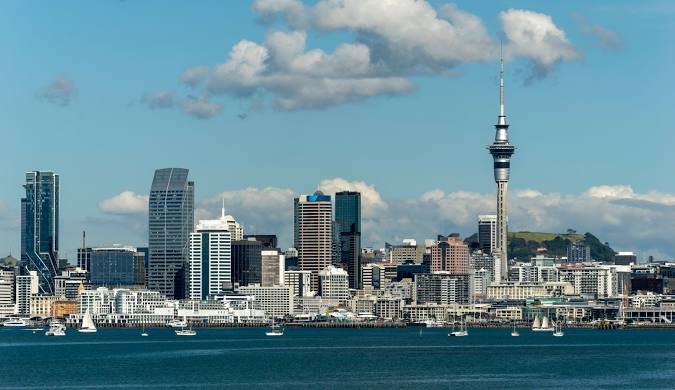
Day 1-2: Auckland – City of Sails
Start in Auckland, where urban sophistication meets harbor beauty.
Must-Do:
- Sky Tower for 360-degree city views
- Viaduct Harbor waterfront stroll
- Ferry to Waiheke Island (35 minutes): wine tasting across 30+ vineyards, art galleries, and beaches
Where to Stay: Auckland CBD for easy airport access
Day 3: Waitomo Caves & Hobbiton
Drive: 2.5 hours south
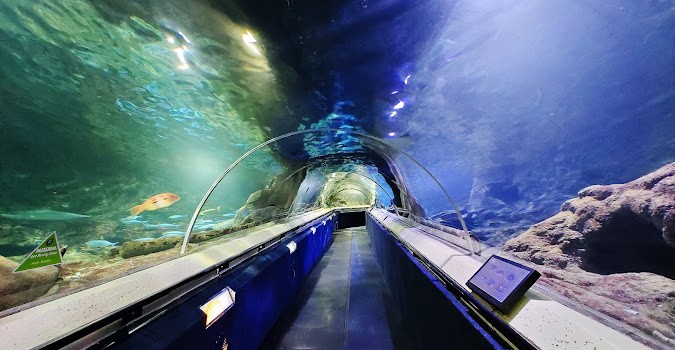
Morning: Waitomo Caves glowworm experience – floating beneath thousands of bioluminescent creatures in underground caverns
Afternoon: Hobbiton Movie Set tour (Matamata) – walk through the Shire, visit Hobbit holes, enjoy a drink at the Green Dragon Inn
Evening: Arrive Rotorua (70km, 1 hour)
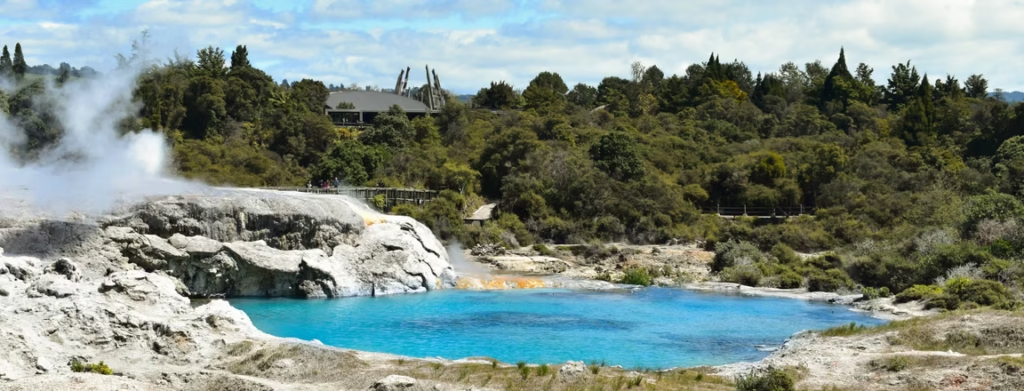
Day 4-5: Rotorua – Geothermal Wonderland
Rotorua delivers New Zealand’s most unique experiences:
Day 4:
- Te Puia geothermal reserve: Pohutu Geyser, bubbling mud pools, kiwi bird conservation center
- Māori cultural performance and traditional hāngi dinner (Tamaki Māori Village or Mitai)
Day 5:
- Redwoods Treewalk: elevated walkways through California Redwoods
- Kuirau Park: free geothermal foot baths
- Optional: Wai-O-Tapu Thermal Wonderland (vibrant Champagne Pool and geothermal features)
Return: Drive to Auckland (3 hours) for evening departure
Budget Estimate: NZD $650-1,000 per person (excluding flights)
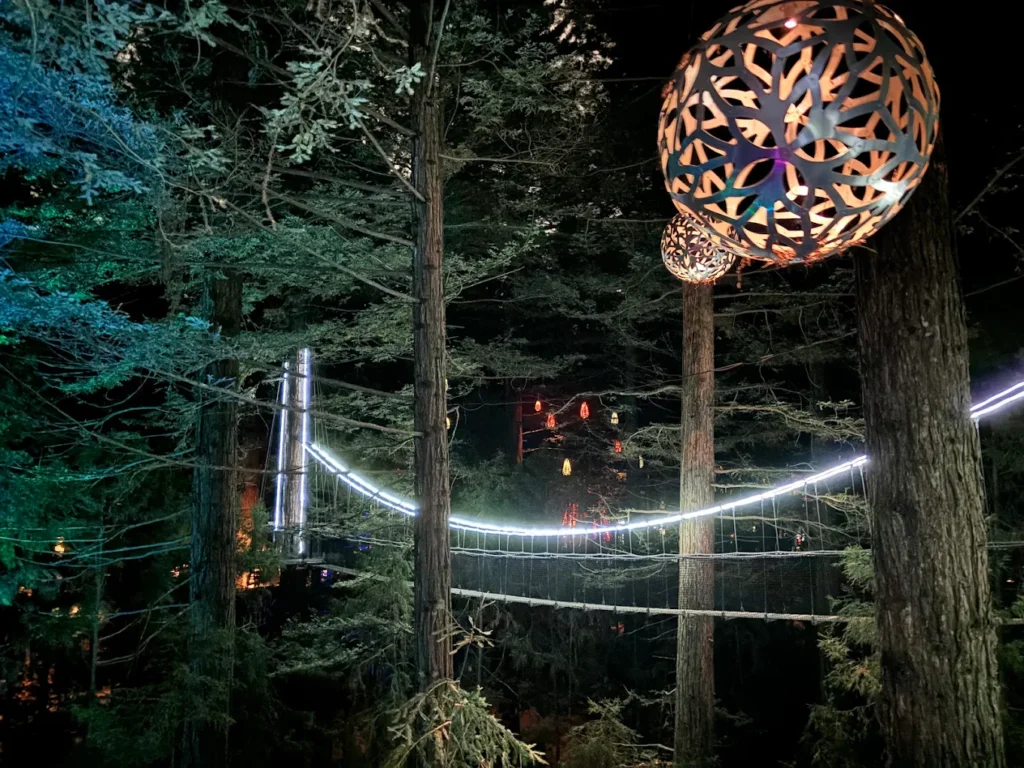
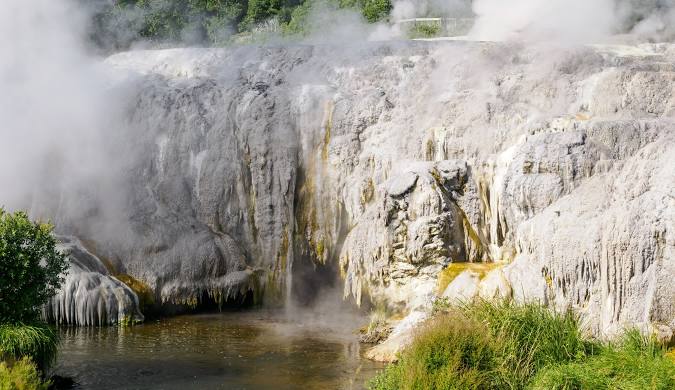
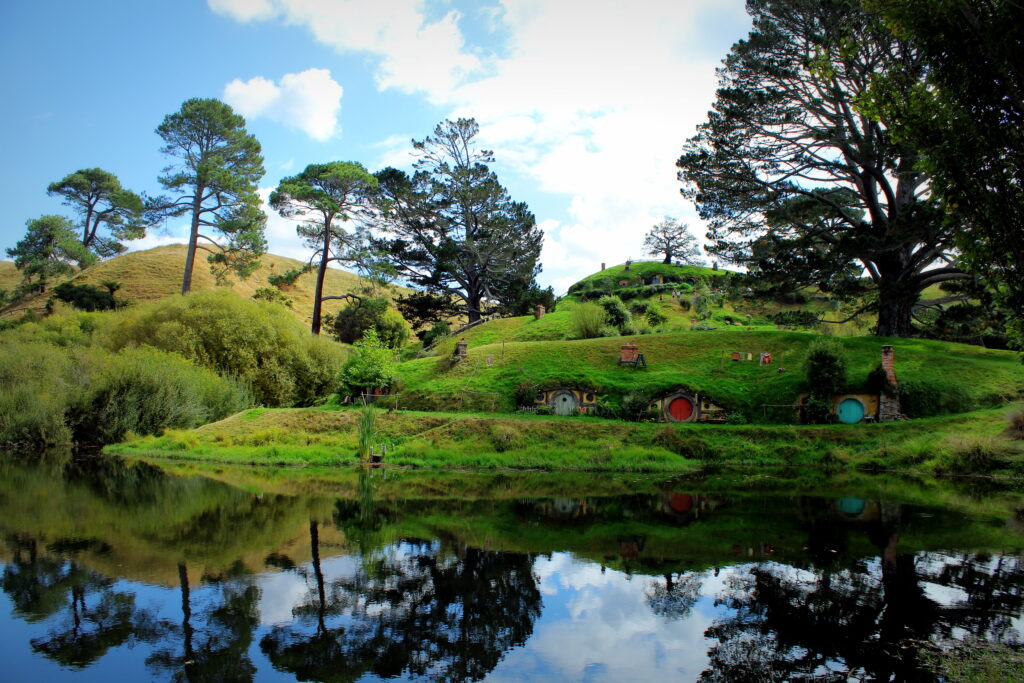

⭐ 7-10 Day New Zealand Tour Plan: Best of Both Islands
Perfect For: Active travelers wanting highlights from both islands
Days 1-3: North Island (as per 5-day itinerary above)
Day 4: Wellington – Cool Little Capital
Flight: Rotorua to Wellington (1 hour) or drive (5-6 hours)
Explore:
- Te Papa Museum (free): New Zealand’s national museum
- Cable car to Botanic Gardens
- Cuba Street for cafes and street art
- Wētā Workshop Tour (Lord of the Rings special effects)
Day 5: Cross to South Island
Morning: Interislander Ferry (Wellington to Picton, 3.5 hours) through stunning Marlborough Sounds
Afternoon: Picton to Nelson (2 hours drive), gateway to Abel Tasman
Day 6-7: Abel Tasman National Park
New Zealand’s smallest but most beautiful national park:
- Kayaking through turquoise bays
- Water taxi to secluded beaches
- Coast Track day hikes (golden sand beaches, native bush)
- Seal spotting at Tonga Island Marine Reserve
Day 8: Drive to Queenstown
Route: Nelson to Queenstown via West Coast (7-8 hours) or direct (6 hours)
Stop: Hokitika for lunch, beach walks, and local jade (pounamu) shops
Day 9-10: Queenstown – Adventure Capital
Pack your adrenaline:
- Bungy jumping at historic Kawarau Bridge or Nevis (highest in NZ)
- Skyline Gondola for Queenstown views
- Shotover Jet boat ride
- Day trip to Glenorchy (Lord of the Rings locations) or Arrowtown (historic gold-mining town)
- Wine tasting in Gibbston Valley
Evening: Try Fergburger (legendary burgers, expect queues!)
Depart: Fly from Queenstown or drive to Christchurch (5 hours)
Budget Estimate: NZD $1,800-3,200 per person (excluding international flights)
🏔️ 14-21 Day Ideal New Zealand Tour: The Complete Experience
Perfect For: Travelers wanting deep immersion, photographers, nature enthusiasts
This extends the 10-day itinerary with South Island deep dives:
Days 1-10: Follow itinerary above
Day 11: Milford Sound
From Queenstown: Join a full-day tour (12-14 hours including transport)
Experience New Zealand’s most famous natural attraction:
- Mitre Peak rising 1,692m from the fjord
- Waterfalls cascading from 1,000m cliffs
- Fur seals, dolphins, and potentially penguins
- Rainforest descending to sea level
Alternative: Fly and cruise combination (shorter but expensive)
Day 12: Lake Tekapo & Mount Cook
Drive: Queenstown to Lake Tekapo (3 hours)
- Church of the Good Shepherd (iconic photo spot)
- Lake Tekapo stargazing (International Dark Sky Reserve)
- Mount Cook Village (1 hour from Tekapo)
Day 13: Aoraki/Mount Cook National Park
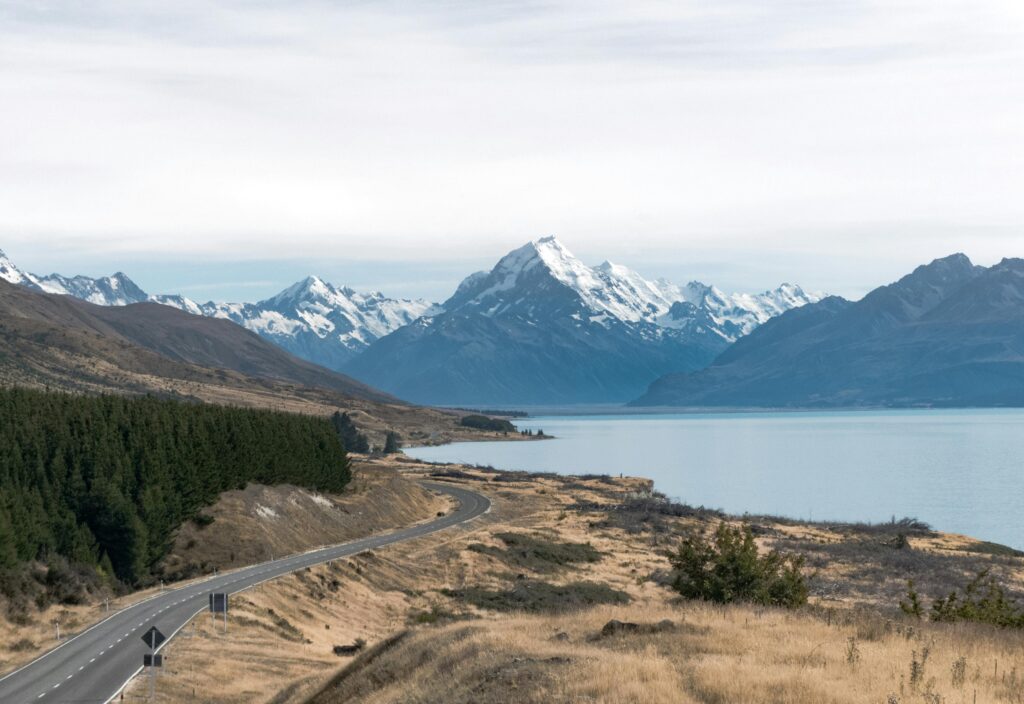
New Zealand’s highest peak (3,724m):
- Hooker Valley Track (3-4 hours return): glacial lakes, mountain views, swing bridges
- Tasman Glacier viewing
- Optional: Scenic flight or helicopter landing on glacier
Day 14-15: Christchurch & Banks Peninsula
Drive: Mount Cook to Christchurch (3.5 hours)
Christchurch:
- Botanic Gardens
- Rebuilt central city (post-earthquake architecture)
- Transitional “Cardboard” Cathedral
Day Trip: Akaroa on Banks Peninsula (1.5 hours)
- French colonial town
- Swimming with dolphins
- Penguin colonies
Days 16-21 (For 3-Week Tours): West Coast Exploration
Add Franz Josef Glacier, Pancake Rocks, West Coast Wilderness Trail, and Kaikoura (whale watching, seal colonies).
Budget Estimate: NZD $4,500-8,500 per person (excluding international flights)
🏞️ Top Must-Visit Destinations & Activities
Let me share the destinations that consistently blow my clients away:
North Island Showstoppers
Auckland – City Between Two Harbors 🌊
Don’t just pass through – Auckland deserves 2-3 days:
- 48 volcanic cones create unique city topography
- Waiheke Island wine trail
- Black sand beaches at Piha and Karekare
- World-class restaurants in Ponsonby and Britomart
Rotorua – Geothermal Heartland ♨️
The sulfur smell hits you immediately, but you’ll grow to love it:
- Maori culture experiences (most authentic in NZ)
- Bubbling mud pools and shooting geysers
- Mountain biking through Redwoods
- Thermal spas for post-activity recovery
Tongariro National Park – Volcanic Drama 🌋
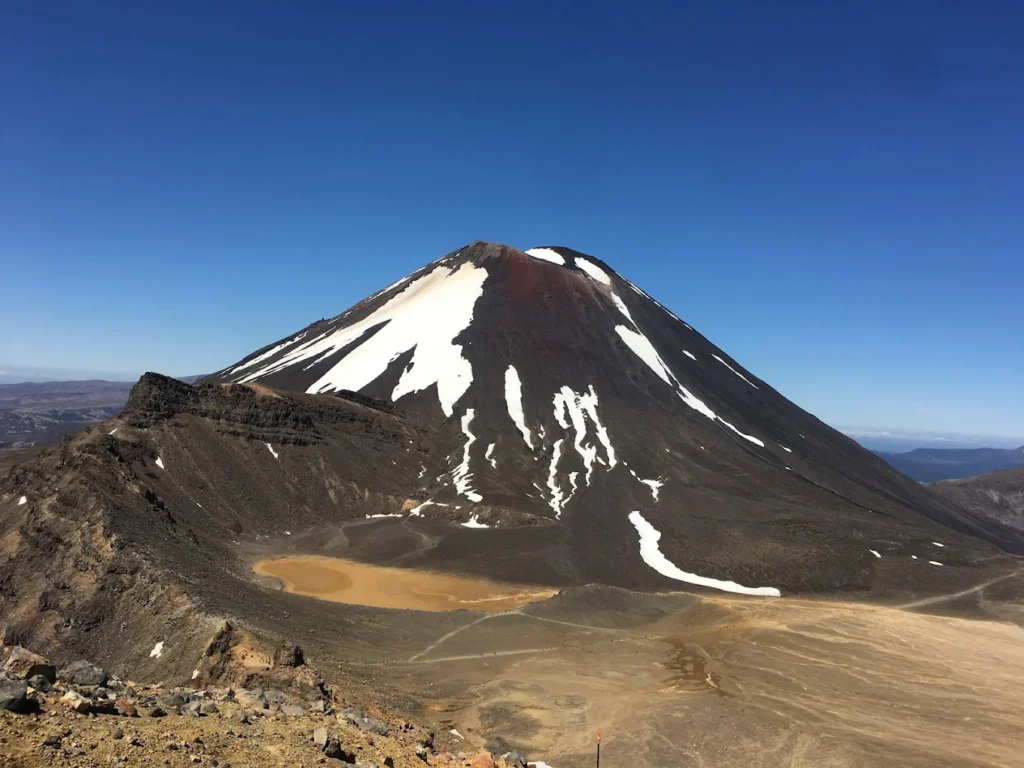
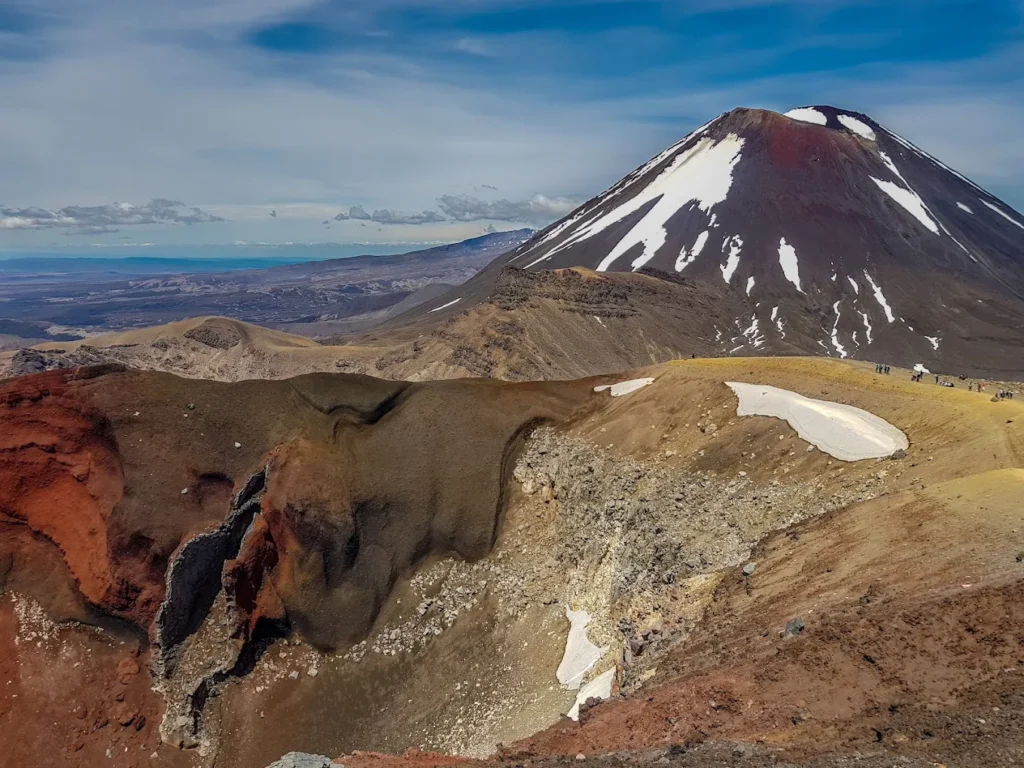
UNESCO Dual Heritage Site (natural AND cultural):
- Tongariro Alpine Crossing: 19.4km, 7-8 hours, consistently rated NZ’s best day hike
- Emerald Lakes, Red Crater, and steaming vents
- Mount Ngauruhoe (Mount Doom for LOTR fans)
- Winter skiing on Mount Ruapehu
South Island Masterpieces
Queenstown – Where Adrenaline Lives 🎿
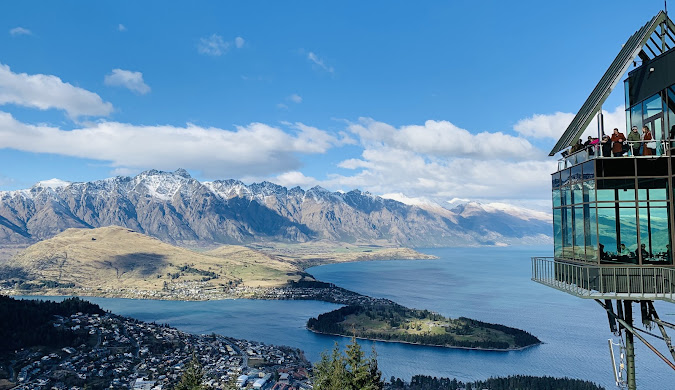
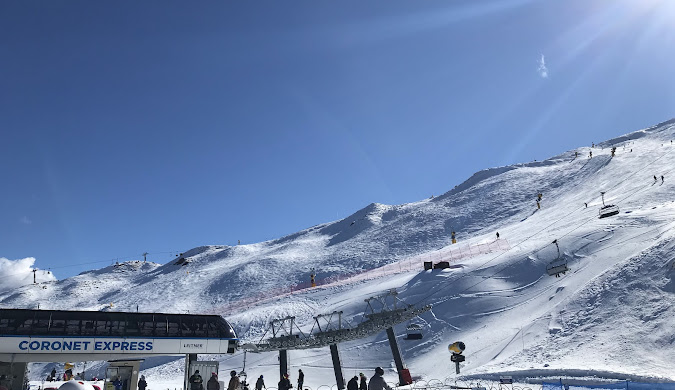
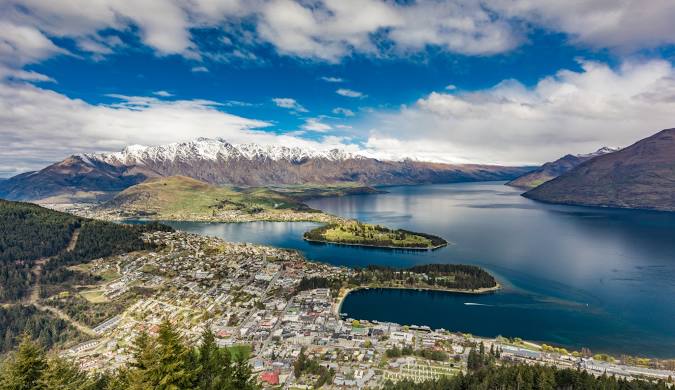
More than just adventure:
- Lake Wakatipu cruises
- Gibbston Valley wineries
- Arrowtown autumn colors (March-April)
- Remarkable Range hiking
- Glenorchy scenic drive
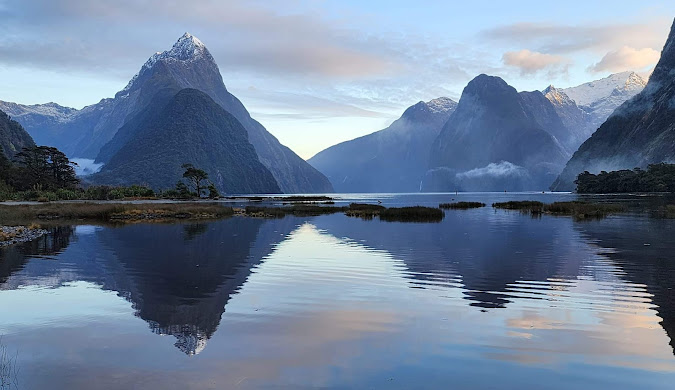
Milford Sound – The Eighth Wonder 🚢
Rudyard Kipling wasn’t exaggerating:
- Mitre Peak dominating the fjord
- 1,000m waterfalls (especially after rain)
- Fur seals, dolphins, penguins
- Best in rain when waterfalls multiply
Abel Tasman – Golden Beach Paradise 🏖️
New Zealand’s highest sunshine hours:
- Golden sand beaches every few kilometers
- Kayaking through marine reserves
- Coast Track (one of NZ’s Great Walks)
- Split Rock and natural granite formations
North Island vs South Island Highlights Comparison
| Category | North Island | South Island |
|---|---|---|
| Landscape | Volcanic, geothermal, beaches | Alpine, glacial, fjords |
| Culture | Strong Māori presence | European settlers heritage |
| Adventure | Rafting, cultural experiences | Skiing, mountaineering, bungy |
| Climate | Warmer, subtropical north | Cooler, more dramatic |
| Crowds | More tourists in Rotorua/Auckland | Concentrated in Queenstown |
| Best For | First-time visitors, families | Outdoor enthusiasts, photographers |
Hidden Gems (My Secret Recommendations)
After 20 years, I’ve discovered spots that deliver magic without crowds:
West Coast Wilderness Trail 🚴
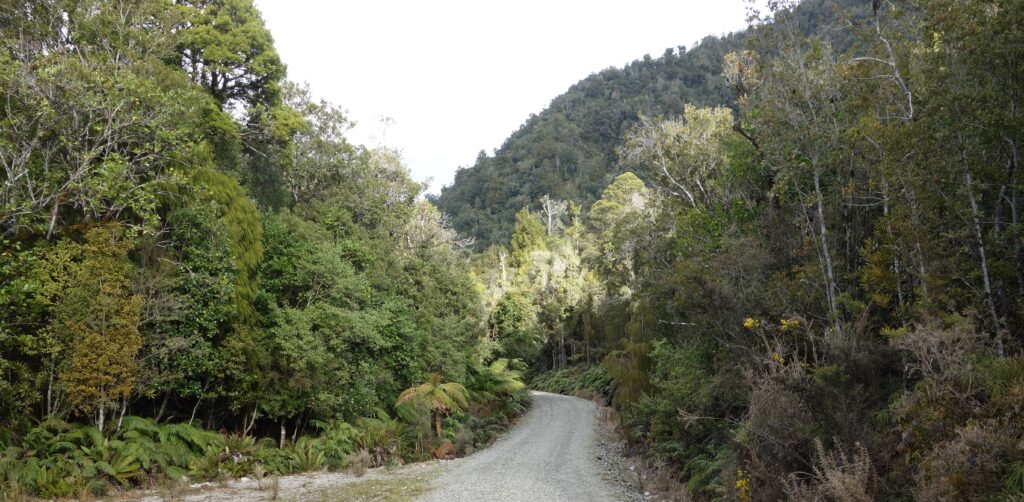
- 140km cycling through rainforest and coastline
- Swing bridges, historic gold mining towns
- Affordable hut accommodation
- Far fewer tourists than Abel Tasman
Coromandel Peninsula 🏝️
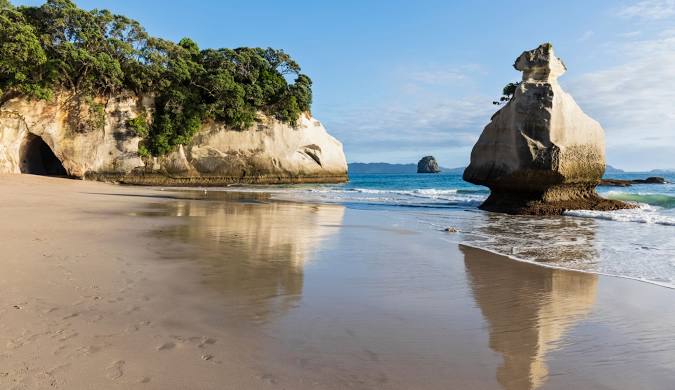
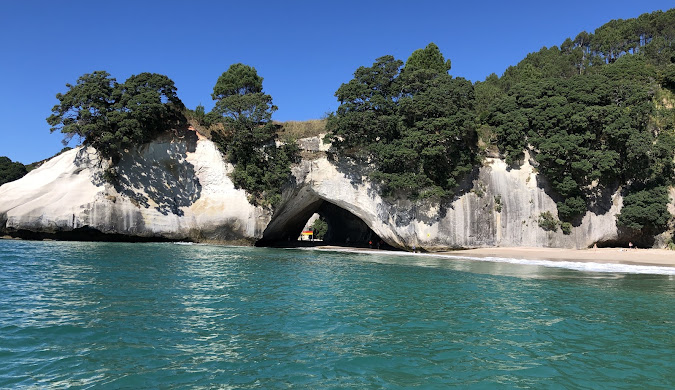
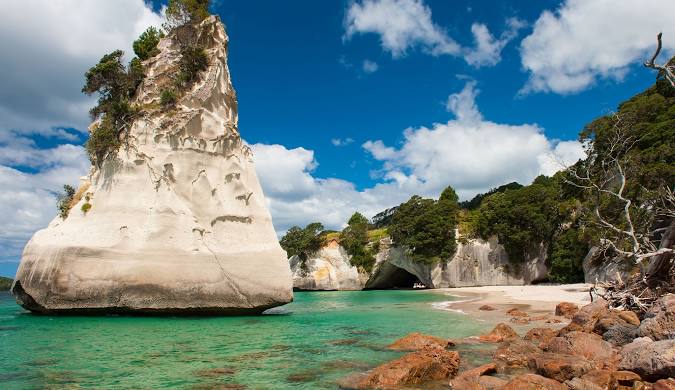
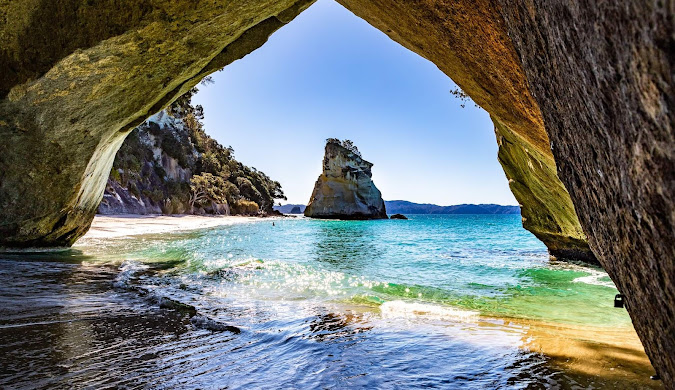
- 2 hours from Auckland but feels worlds away
- Cathedral Cove (arrive early or late)
- Hot Water Beach – dig your own thermal pool at low tide
- Pristine beaches without Queenstown prices
Catlins Coast 🦭
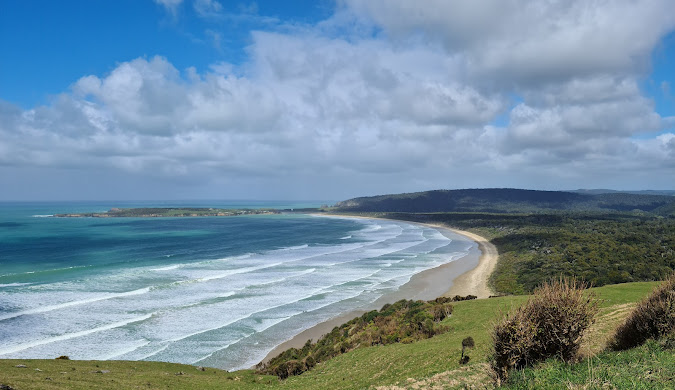
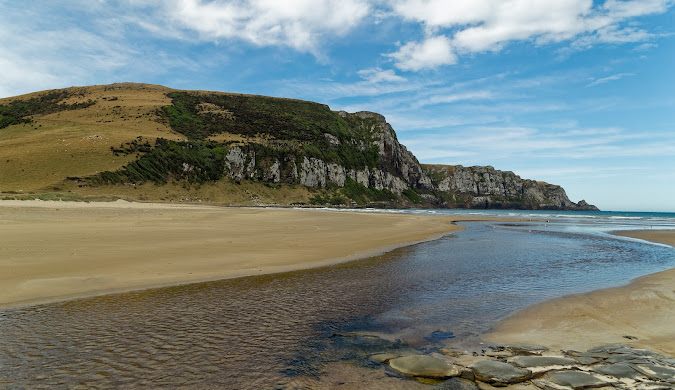
- Southern South Island between Queenstown and Dunedin
- Wildlife watching: penguins, sea lions, seals
- Dramatic coastal scenery
- Virtually no international tourists
🚗 How to Travel Within New Zealand
Transportation choice dramatically impacts your experience and budget. Here’s what works:
Rental Cars: Maximum Flexibility
Best For: Couples, families, travelers wanting spontaneity
Costs:
- Economy car: NZD $40-70/day
- SUV: NZD $70-120/day
- Insurance: NZD $15-35/day (highly recommended)
- Fuel: NZD $2.30-2.70/liter
What to Know:
- Drive on the LEFT
- Roads are narrow and winding (allow extra time)
- One-way rentals often incur $100-300 fees
- Book 8-12 weeks ahead for peak season
My Recommendation: Use Rentalcars.com or directly with Jucy, Apex, Go Rentals for competitive pricing.
Campervans: Accommodation + Transport
Best For: Budget travelers, couples, adventurous families
Costs:
- Basic campervan: NZD $80-150/day
- Luxury motorhome: NZD $200-350/day
- Campground fees: NZD $15-45/night per person
- Free DOC campsites: Available but basic facilities
Freedom Camping Rules: Your vehicle MUST be self-contained (toilet, waste holding tank). Non-compliance = NZD $400 fines.
Benefits:
- Combine accommodation + transport costs
- Wake up at scenic locations
- Flexibility to adjust plans
- Kitchen facilities save money
Challenges:
- Fuel consumption higher
- Parking in cities difficult
- Weather-dependent comfort
Public Transport: Budget-Friendly Option
InterCity Buses:
- Extensive network connecting major destinations
- FlexiPass: Buy hours, hop on/off
- Auckland to Wellington: from NZD $60 (if booked ahead)
- Backpacker discounts (YHA, ISIC cards)
Pros:
- Most affordable option
- No driving stress
- WiFi and charging ports
Cons:
- Fixed schedules limit flexibility
- Remote areas poorly served
- Can’t stop for scenic photos
Domestic Flights: Time Savers
When It Makes Sense:
- Auckland to Queenstown: 1h 50min vs. 20+ hours driving
- Christchurch to Auckland: 1h 20min vs. 15+ hours driving
Budget: NZD $80-300 if booked 6-8 weeks ahead
Airlines: Air New Zealand, Jetstar
What I Recommend Based on Trip Length
5-7 Days: Rental car in one island (maximize time, minimize driving)
10-14 Days: Combination – rental car + 1-2 domestic flights to save time
21+ Days: Campervan or rental car for entire trip
🎒 What to Pack for a New Zealand Tour
New Zealand weather is famously unpredictable. Locals joke about experiencing “four seasons in one day,” and they’re not exaggerating.
The Layering Philosophy
Forget heavy jackets. Pack multiple light layers:
Base Layer: Merino wool thermals (even in summer for higher altitudes)
Mid Layer: Fleece or light down jacket
Outer Layer: Waterproof, windproof jacket (absolutely essential!)
Bottom Half: Quick-dry hiking pants, waterproof over-pants, shorts
Essential Items
Footwear:
- Sturdy hiking boots (broken in!)
- Comfortable walking shoes
- Sandals for beaches
- Tip: Clean thoroughly before arrival (biosecurity requirements)
Clothing:
- Sunglasses and sunscreen SPF 50+ (UV is intense)
- Wide-brimmed hat
- Swim gear (for hot springs and beaches)
- Formal-casual outfit (quality restaurants)
Tech & Accessories:
- Universal adapter (Type I plugs, 230V)
- Power bank
- Camera + extra memory cards
- Reusable water bottle
Health & Safety:
- Insect repellent (sandflies in coastal areas)
- Basic first-aid kit
- Prescription medications + copies
- Travel insurance documents
Don’t Bother Packing: Heavy winter coats (unless visiting June-August), formal wear beyond one outfit, excessive toiletries (available everywhere), or books (save luggage space).
💡 Best Travel Tips for NZ Tourists
After managing thousands of bookings, these tips separate smooth tours from stressful ones:
Local Etiquette & Cultural Respect
Māori Culture:
- Hongi (traditional greeting): press nose and forehead together
- Remove shoes when entering marae (meeting grounds)
- Never sit on tables or pillows (considered offensive)
- Ask permission before taking photos at cultural sites
General Behavior:
- Kiwis are informal and friendly – first names are standard
- Tipping is NOT expected (minimum wage is high)
- Queue politely – line-jumping is seriously frowned upon
- Environmental respect is paramount – “Leave No Trace”
Safety Considerations
Driving:
- Fatal accidents happen frequently with tourists unfamiliar with narrow, winding roads
- Take breaks every 2 hours
- Watch for one-lane bridges
- GPS helps but sometimes leads to unpaved roads
Outdoor Safety:
- Weather changes rapidly – always carry rain gear
- Tell someone your hiking plans
- Check MetService forecasts
- Don’t underestimate hiking times
Water:
- Tap water is safe to drink everywhere
- Giardia exists in backcountry streams – treat or boil
Money Matters
Currency: New Zealand Dollar (NZD)
Credit Cards: Widely accepted (Visa/Mastercard most common)
ATMs: Available in all towns (even small ones)
Cash: Useful for small vendors, DOC campsites, and some activities
Exchange: Better rates at airports and banks than hotels
Phone & Internet
Best Options:
- Vodafone or Spark prepaid SIM cards: NZD $20-40 for 2-3GB data
- Available at airports, convenience stores
- Most accommodations offer free WiFi
- Coverage drops in remote areas (especially West Coast)
Booking Strategy
Book These in Advance (2-3 months):
- Accommodation during peak season
- Milford Sound cruises
- Hobbiton tours
- Rental cars/campervans
- Popular hiking huts
Book These Last Minute (For Discounts):
- Some adventure activities (check local websites)
- Budget accommodation (hostels often have walk-in deals)
Pro Tips from 20 Years of Operations
🌅 Sunrise/Sunset Magic: Best light is 5:30-7:30 AM and 6:30-8:30 PM (summer). Worth setting that alarm!
🛒 Supermarket Smart: Pak ‘N’ Save is cheapest, New World most expensive, Countdown middle ground. Stock up before remote areas.
⛽ Fuel Up: Fill tank before mountain passes and remote areas. West Coast has long gaps between stations.
📱 Download Apps:
- CamperMate: Free campsites, dump stations
- Rankers: Freedom camping locations
- MetService: Accurate weather forecasts
- Google Maps: Works offline if downloaded
🏔️ Altitude Awareness: Even moderate altitude can cause headaches. Stay hydrated, ascend gradually.
❓ FAQ: Your New Zealand Tour Questions Answered
How many days are enough for a New Zealand tour?
Minimum 10-14 days to experience both islands comfortably without feeling rushed. With 7 days, focus on one island. For comprehensive exploration including remote areas, 21 days is ideal. Remember, New Zealand is roughly the size of Japan or UK – there’s more to see than most realize.
Is New Zealand expensive to visit?
Yes, New Zealand is moderately expensive compared to Southeast Asia but comparable to Australia and Western Europe. Daily costs range NZD $130-600 depending on travel style. Budget travelers can manage on NZD $130-180/day by staying in hostels, self-catering, and using buses. Mid-range travelers should budget NZD $250-350/day. Accommodation and activities are the biggest expenses – transportation and food are manageable with planning.
Should I go to North Island or South Island first?
For first-time visitors, I recommend North Island first (Auckland/Rotorua) then South Island (Queenstown/Milford Sound). This order builds from cultural experiences to dramatic scenery, creating natural trip progression. However, if you’re primarily interested in hiking and alpine scenery, starting in Christchurch (South Island) works perfectly. Consider where your international flights arrive/depart when deciding.
Do I need a visa to go to New Zealand?
It depends on your nationality. Citizens from 60+ visa-waiver countries (including USA, UK, Singapore, most European nations) need only an NZeTA (electronic travel authority), costing NZD $23-27 plus NZD $100 IVL levy. Other nationalities (including India, China) require a Visitor Visa. Australian citizens need neither. Apply at least 2 weeks before travel. Check https://www.immigration.govt.nz/ for your specific requirements.
What is the cheapest month to travel to NZ?
May, June, and September typically offer the lowest prices – 20-35% less than peak season. Winter months (June-August) see reduced accommodation costs except in ski towns like Queenstown and Wanaka. March and April (autumn) provide excellent value while maintaining pleasant weather. Avoid mid-December to January and Easter for budget travel. Book flights 2-3 months ahead for additional 10-24% savings.
Is it worth going to New Zealand for 2 weeks?
Absolutely! Two weeks allows you to comfortably experience highlights from both islands: Auckland/Rotorua culture and geothermal wonders, Wellington, Abel Tasman golden beaches, Queenstown adventure activities, and Milford Sound. You won’t see everything, but you’ll experience enough diversity to understand why New Zealand captivates travelers. This duration balances depth with breadth – you’re not rushing but not lingering too long in any location.
🎯 Conclusion: Your 2026 New Zealand Adventure Awaits
After 20 years of helping travelers experience remarkable destinations, I can confidently say that 2026 is an exceptional year for your new zealand tour.
Why 2026 stands out: Improved international flight connectivity, sustainable tourism infrastructure, and recovering tourism industry means better service without overwhelming crowds. New Zealand has learned from pre-pandemic over-tourism and implemented thoughtful visitor management – you’ll experience the country at its best.
My Final Advice: Don’t try to see everything. New Zealand rewards slow travel. Whether you choose volcanic landscapes in Rotorua, golden beaches in Abel Tasman, or alpine majesty in Queenstown, immerse yourself fully. Take that extra day. Wake for sunrise. Chat with locals. Try the flat white coffee. Respect the land – the Māori concept of kaitiakitanga (guardianship) should guide your visit.
Start planning now: For peak season travel (December-February 2026), book flights and accommodation 3-6 months ahead. For shoulder seasons (March-May, September-November), 6-8 weeks advance booking suffices.
Need more inspiration? Explore additional guides on xploreheaven.com for specific regional itineraries, adventure activity breakdowns, and budget planning tools.
New Zealand isn’t just a destination – it’s a transformation. I’ve watched clients return changed, inspired, and already planning their next visit. In 2026, that journey can be yours.
Kia ora and happy travels!
Author Bio:
Wahid Ali is a seasoned travel professional and operations lead at Astamb Holidays, Mumbai. With 20 years of experience in destination management and storytelling, Wahid specializes in turning complex logistics into seamless, culturally rich travel experiences. Connect with Wahid on LinkedIn.
📚 References & Authoritative Sources
This comprehensive guide is backed by authoritative sources, extensive research, and 20 years of professional travel operations experience:
Official Government Sources:
- Immigration New Zealand – NZeTA & Visa Information
- New Zealand Official Tourism Website – 100% Pure New Zealand
- Department of Conservation (DOC) – National Parks & Great Walks
- U.S. Department of State – New Zealand Travel Advisory
- New Zealand Traveller Declaration (NZTD)
- MetService – Official Weather Forecasts
Travel Research & Budget Data: 7. Budget Your Trip – New Zealand Travel Costs 8. Nomadic Matt – New Zealand Budget Guide 9. Lonely Planet – New Zealand Travel Guide
Transportation & Airlines: 10. Emirates Airlines – Flights to New Zealand 11. Singapore Airlines – New Zealand Routes 12. Skyscanner – Flight Comparison 13. InterCity Bus – New Zealand Transport
National Parks & Conservation: 14. Tongariro National Park Official Guide 15. Abel Tasman Coast Track Information 16. Fiordland National Park & Milford Sound
Tourism Operators & Reviews: 17. TourRadar – New Zealand Tour Packages 18. Discover New Zealand – Self-Drive Tours 19. Wilderness Travel – New Zealand Itineraries
Travel Blogs & Expert Guides: 20. Petrina Darrah – New Zealand Travel Specialist 21. Earth Trekkers – New Zealand Itinerary Planning
Cultural & Historical Resources: 22. Te Papa Museum – New Zealand National Museum 23. Tourism New Zealand Business Events
All pricing, dates, and regulatory information verified as of December 2025 for 2026 travel planning. Readers should verify current requirements and costs through official sources as travel regulations may change.
This article combines official tourism data, government resources, expert travel insights, and 20 years of professional tour operations experience to provide accurate, actionable guidance for planning your 2026 New Zealand adventure.

Read More Articles;
- What to Do in Bali: Ultimate Travel Guide 2026 (Top Activities, Itineraries & Hidden Gems)
- Okinawa Japan Travel Guide 2026: Culture, Beaches & Seasonal Blossoms (Ultimate Itinerary + Local Tips)
- Madeira Travel Guide 2026: Top Things to Do, Best Itineraries & Insider Tips
- Tinajani Canyon Peru: Ultimate Travel Guide to the Valley of Stone Giants, Elevation, Trails & FAQs
- Isla Suasi: The Complete Guide to Peru’s Private Lake Titicaca Island