Skip to content
 Every year at Astamb Holidays, I handle hundreds of tour requests. And lately, one region keeps coming up again and again: Northeast India. People are tired of crowded hill stations. They want something raw, real, and worth the journey. After personally scouting routes through Assam, Meghalaya, Arunachal Pradesh, Nagaland, and Sikkim, I can tell you this — northeast india tourism is not just a trend. It is a quiet revolution in how Indians travel.
This guide is everything I would tell a close friend planning their first Northeast trip in 2026.
What is Northeast India Tourism and Why It Is Trending in 2026?
Northeast India tourism refers to travel across the eight states collectively known as the Seven Sisters (Assam, Meghalaya, Arunachal Pradesh, Nagaland, Mizoram, Manipur, Tripura) plus Sikkim. In 2026, this region is seeing one of its sharpest rises in search interest and footfall.
The short answer: Indian travelers are shifting away from mass-tourism. They want slower trips with real cultural depth. Northeast India delivers exactly that — no commercial malls, no tourist traps, and landscapes that still look like a geography textbook illustration.
New rail connections, better roads, and a growing network of local homestays are making the region more accessible than at any point before. The biggest pull is simple: you get more for less.
Why Northeast India Tourism is Perfect for Indian Travelers
If you are an Indian traveler, this region has four big advantages that other destinations simply cannot match:
- No passport needed. Every state is within India. Just carry a government ID.
- Low costs. A full 10-day trip can be done under ₹30,000 for most budget travelers.
- No commercial crowds. Even popular spots like Shillong and Kaziranga feel uncrowded compared to Shimla or Manali.
- Cultural depth. You move through states where the language, food, religion, and traditions shift dramatically — sometimes within a single day’s drive.
The Seven Sisters together hold over 50% of India’s bird species, nearly 40% of its flowering plants, and are home to flagship wildlife including the one-horned rhinoceros and the Hoolock gibbon — Asia’s only ape. For a wildlife or nature lover, this region is irreplaceable.
Northeast India Tourism – Best Places to Visit in 2026
Assam – Rhinos, Rivers & Tea Gardens
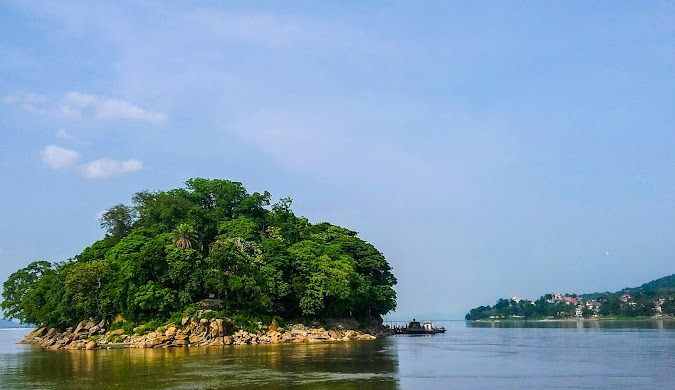
Assam is the natural entry point into Northeast India. Most flights land at Guwahati, which sits on the banks of the mighty Brahmaputra River. A ferry ride on the Brahmaputra at sunset is one of those moments you do not quickly forget.
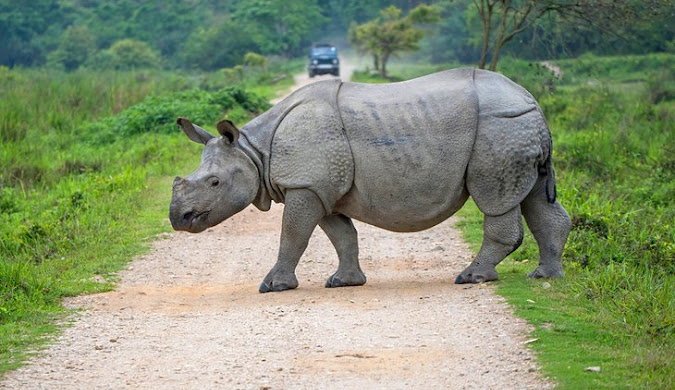
Kaziranga National Park is the centerpiece of any Assam trip. It is a UNESCO World Heritage Site and home to the world’s largest population of Indian one-horned rhinoceroses. Book your jungle safari early — morning slots fill up fast. Expect to pay ₹350 to ₹600 per person for the entry and elephant safari.
Majuli Island is equally worth your time. It is one of the world’s largest river islands, sitting right in the middle of the Brahmaputra. The Vaishnavite monasteries (called satras) here are unique to Assam’s culture. The ferry ride to Majuli takes about 1 to 1.5 hours from Jorhat. Plan at least 2 nights here to see mask-making, traditional dance, and village life.
Best for: Wildlife, river culture, tea tourism
Meghalaya – Clouds, Caves & Living Bridges
Meghalaya translates to “abode of clouds,” and it earns that name. Shillong, the state capital, is one of Northeast India’s most comfortable base cities. You get cafes, live music, and friendly locals — all without the chaos of a typical tourist town.
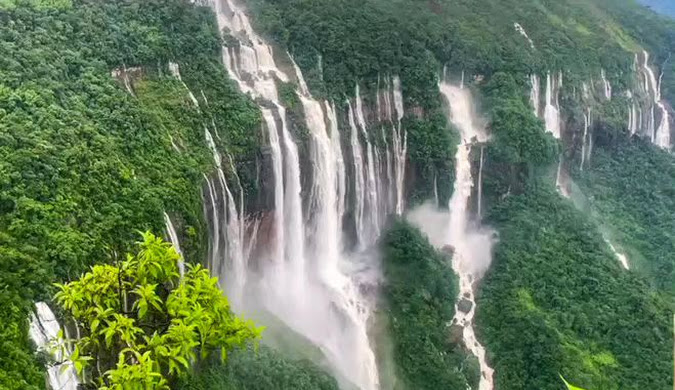
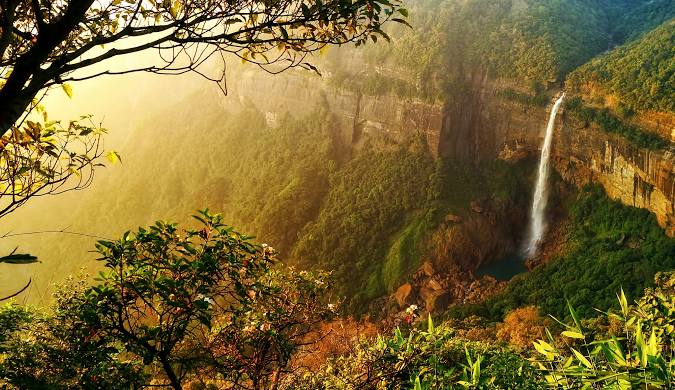
Cherrapunji (now officially called Sohra) is one of the wettest places on earth and is about 54 km from Shillong. The Nohkalikai Falls here drop a stunning 340 meters — one of India’s tallest. The Mawsmai Caves are a short drive away and great for families.
The Double Decker Living Root Bridge in Nongriat village is a bucket-list item. These bridges are grown — not built — from the aerial roots of Ficus Elastica trees by the local Khasi community over hundreds of years. The trek is about 3,000 steps each way, and takes roughly 3 hours round trip. Go early. Carry water.
Dawki and the Umngot River offer some of the clearest water you will ever see in India. Boats appear to float in thin air. And Mawlynnong, just 90 km from Shillong, has been recognized as Asia’s cleanest village — a title it takes seriously.
Best for: Nature, trekking, culture, photography
Arunachal Pradesh – The Land of the Dawn-lit Mountains
Arunachal Pradesh is where Northeast India goes from beautiful to breathtaking. The state shares borders with China, Bhutan, and Myanmar, and that geography shows in its monasteries, tribes, and mountain scenery.
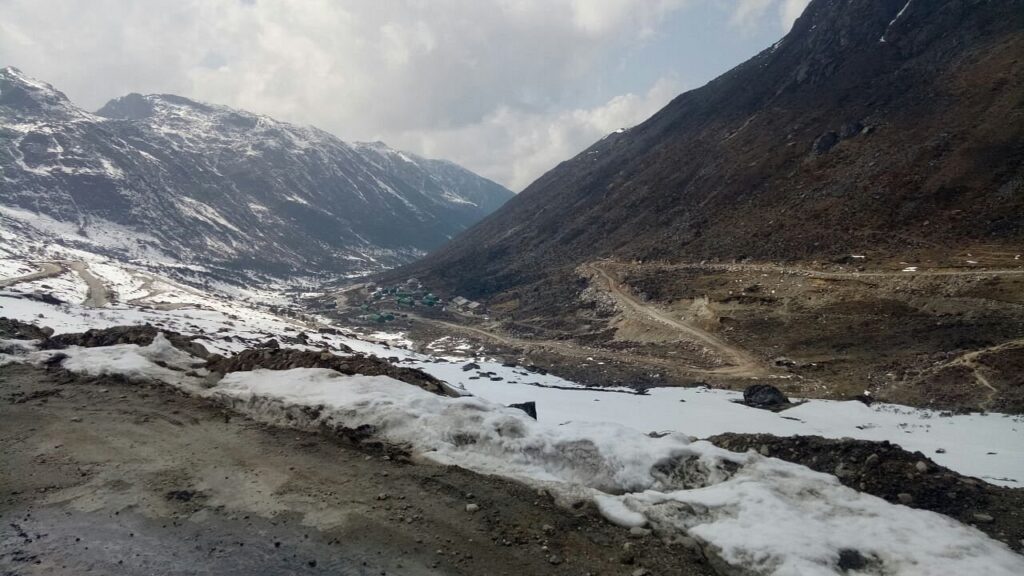
Tawang is the crown jewel. At 3,048 meters above sea level, the Tawang Monastery is the largest monastery in India and one of the largest in the world. The drive from Bomdila to Tawang is one of the most dramatic road journeys in the country — passing through the Sela Pass at nearly 4,200 meters.
Ziro Valley, home to the Apatani tribe, is a UNESCO-nominated landscape of terraced rice fields and pine forests. The Ziro Music Festival held every September draws indie music lovers from across the country.
⚠️ Note: You need an Inner Line Permit (ILP) to enter Arunachal Pradesh. Apply online at arunachalilp.com at least 5–7 days in advance.
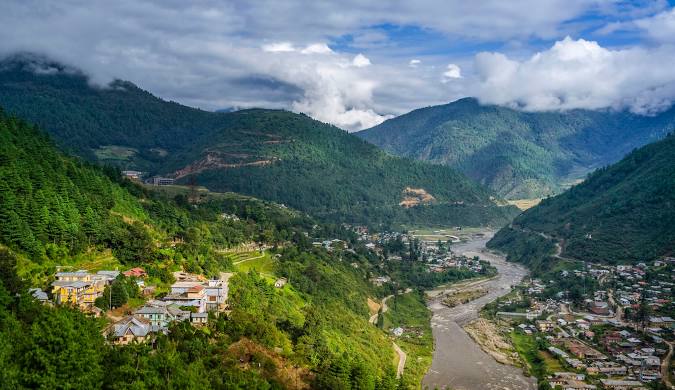
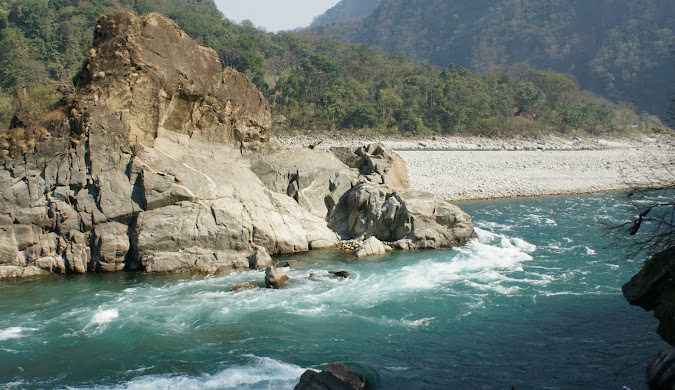
Best for: Adventure, culture, Himalayan landscapes
Sikkim – Gateway to the Himalayas
Sikkim is the most organized of all Northeast states for tourism. Gangtok, the capital, has good food options, clean hotels, and a well-marked tourist trail. Rumtek Monastery and the Nathu La Pass (shared Indo-China border) are major draws.
For trekkers, the Goecha La Trek near Yuksom offers close views of Kangchenjunga, the world’s third-highest peak.
No ILP is needed to enter Sikkim as an Indian citizen, but some inner zones like Nathu La and Gurudongmar Lake require additional permits (easily arranged through your hotel or local agent).
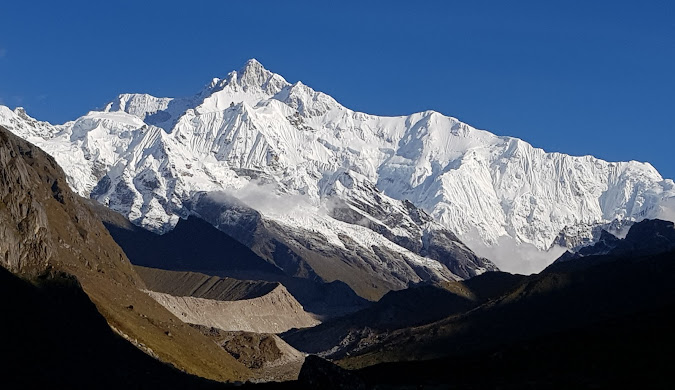
Best for: Trekking, monasteries, mountain views
Northeast India Tourism – Hidden Gems You Must Visit
These are the spots I personally recommend when clients ask me for something beyond the usual:
- Ziro Valley, Arunachal Pradesh — Rice paddies, pine forests, and a music festival. Unexplored and deeply calming.
- Mawlynnong, Meghalaya — Asia’s cleanest village. Walk the bamboo watchtower for a view into Bangladesh.
- Dzukou Valley, Nagaland — A high-altitude valley filled with seasonal flowers. The Dzukou lily blooms here from July to September.
- Mechuka, Arunachal Pradesh — A remote valley near the Tibet border. Almost zero tourists. Absolute serenity.
- Majuli Island, Assam — Skip if you want resorts. Go if you want to sit in a satra and watch monks perform ancient Assamese dance.
- Mon District, Nagaland — Home to the Konyak tribe, the last surviving headhunters of India. Respectful visits here are genuinely life-changing.
What is the Best Time to Visit Northeast India?
The ideal time for most travelers is October to April. Skies are clear, roads are passable, and wildlife is visible. Avoid the peak monsoon months of June to August for most states (though Meghalaya lovers actually enjoy the rain).
| Month | Weather | Best For |
|---|---|---|
| October – November | Clear skies, post-monsoon green | Wildlife, trekking, festivals |
| December – January | Cool to cold, occasional snow at altitude | Tawang, Sikkim, Nagaland Hornbill Fest |
| February – March | Pleasant and dry | Meghalaya, Assam, cherry blossoms |
| April – May | Warm, pre-monsoon blooms | Flowers, birding, Ziro Valley |
| June – August | Heavy rain (especially Meghalaya) | Meghalaya waterfalls (brave travelers only) |
| September | Monsoon tail, Ziro Fest | Arunachal, Nagaland, music lovers |
Pro Tip: Book Kaziranga safaris and Hornbill Festival (December 1–10, Nagaland) well in advance. Both fill up months ahead.
Northeast India Tourism Itinerary (5, 7 & 10 Days)
5-Day Itinerary: Guwahati → Shillong → Cherrapunji
| Day | Route | Highlights |
|---|---|---|
| Day 1 | Arrive Guwahati | Kamakhya Temple, Brahmaputra ferry |
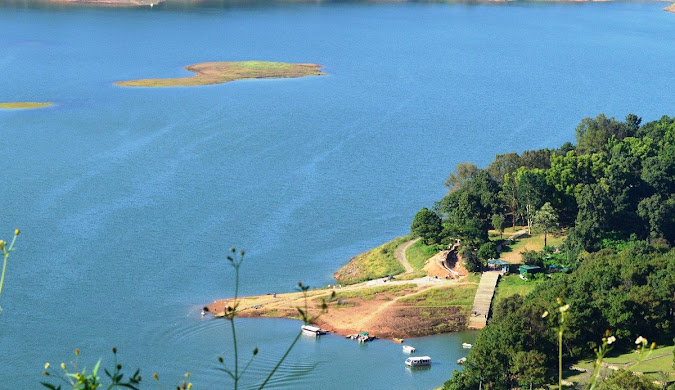
| Day 2 | Guwahati → Shillong | Umiam Lake, Ward’s Lake, Police Bazaar |
| Day 3 | Shillong → Cherrapunji | Nohkalikai Falls, Mawsmai Caves |
| Day 4 | Cherrapunji → Nongriat → Dawki | Living Root Bridge, Umngot River |
| Day 5 | Dawki → Mawlynnong → Guwahati | Asia’s cleanest village, fly home |
7-Day Itinerary: Assam + Meghalaya
| Day | Route | Highlights |
|---|---|---|
| Day 1 | Guwahati | Kamakhya Temple, Brahmaputra |
| Day 2 | Kaziranga | Morning elephant safari, rhino sighting |
| Day 3 | Kaziranga → Shillong | Scenic drive, Umiam Lake stop |
| Day 4 | Shillong** | Elephant Falls, city explore |
| Day 5 | Cherrapunji | Nohkalikai, Seven Sisters Falls, caves |
| Day 6 | Dawki + Mawlynnong | Boat on Umngot, cleanest village walk |
| Day 7 | Return Guwahati | Fly or train home |
10-Day Itinerary: Assam + Meghalaya + Nagaland
| Day | Route | Highlights |
|---|---|---|
| Day 1–2 | Guwahati + Kaziranga | Safari, Brahmaputra, Majuli Ferry |
| Day 3 | Majuli Island | Satras, village life, local food |
| Day 4 | Jorhat → Dimapur → Kohima | Kohima War Cemetery, Naga market |
| Day 5 | Kohima | Hornbill Festival (if December) |
| Day 6 | Kohima → Shillong | Overnight drive or fly |
| Day 7 | Shillong | Explore the city |
| Day 8 | Cherrapunji | Root bridges, waterfalls |
| Day 9 | Dawki + Mawlynnong | Riverside day, cleanest village |
| Day 10 | Return Guwahati | Fly home |
How Much Does Northeast India Tourism Cost? (Budget for Indians)
A 10-day budget trip across Northeast India is very achievable at ₹20,000–₹30,000 per person, excluding flights. Here is a real breakdown:
| Expense | Budget (₹) | Mid-Range (₹) | Comfortable (₹) |
|---|---|---|---|
| Accommodation (per night) | 700 – 1,200 | 1,500 – 2,500 | 3,000 – 6,000 |
| Food (per day) | 200 – 350 | 400 – 700 | 800 – 1,500 |
| Local Transport (per day) | 300 – 500 (shared) | 800 – 1,500 | 2,000 – 4,000 |
| Entry & Activities | 200 – 400 | 500 – 1,000 | 1,500+ |
| Permits (ILP etc.) | 200 – 500 total | Same | Same |
| 10-Day Total (excl. flights) | ₹18,000 – ₹25,000 | ₹30,000 – ₹45,000 | ₹60,000+ |
💡 The 2026 Budget Calculator
| Budget Tier | Trip Style | What You Get |
|---|---|---|
| ₹20,000 | Backpacker | Shared taxis, homestays, local dhabas, Meghalaya-Assam circuit |
| ₹40,000 | Couple / Group | Private cabs, mid-range hotels, Assam + Meghalaya + Nagaland |
| ₹60,000+ | Explorer / Comfort | Private car, good hotels, all 4–5 states, wildlife safaris included |
Flights from Mumbai/Delhi to Guwahati: ₹3,500 – ₹8,000 (book at least 6–8 weeks early for best fares).
How to Travel in Northeast India (Transport Guide)
Getting around is part of the adventure. Here is what actually works:
1. Getting to Guwahati:
- By Air: Guwahati’s Lokpriya Gopinath Bordoloi International Airport is the main hub. Direct flights from Mumbai, Delhi, Kolkata, Bangalore.
- By Train: The NE Express and Rajdhani trains connect Delhi to Guwahati in about 26–28 hours. Great for budget travelers.
2. Getting around within Northeast:
- Shared Sumo/Jeep: The backbone of inter-state travel. A Guwahati to Shillong shared cab costs ₹400–₹600 per seat. These jeeps (usually Tata Sumos or Mahindra Boleros) carry 10 people and leave when full.
- Private Cab: Rent a car with driver for ₹2,500–₹4,500 per day depending on vehicle type and distance.
- Local Buses: State-run buses exist but are slow. Good for budget travelers with time on their hands.
- Self-Drive: Only recommended if you know mountain roads. Some sections, especially toward Tawang and Dzukou, are not beginner-friendly.
Do You Need Permits for Northeast India Tourism?
Yes — but only for some states. Here is a clear breakdown:
| State | Indians Need | Foreigners Need | Apply Online? |
|---|---|---|---|
| Assam | Nothing | Nothing | — |
| Meghalaya | Nothing | Nothing | — |
| Sikkim (state) | Nothing | PAP / RAP | Yes (e-FRRO) |
| Arunachal Pradesh | ILP required | PAP required | Yes — arunachalilp.com |
| Nagaland | ILP required | PAP required | Yes — ilp.nagaland.gov.in |
| Mizoram | ILP required | ILP required | Offices in Guwahati, Delhi, Kolkata |
| Manipur | ILP required | ILP required | At Imphal Airport on arrival |
Key facts to remember:
- The ILP is an Inner Line Permit — an official document issued under the Bengal Eastern Frontier Regulation of 1873.
- Arunachal ILP is valid for 15 days and can be extended once.
- Nagaland ILP fee is ₹200 for Indian tourists.
- Apply 5–7 business days before your trip. Do not leave it for the last minute.
Is Northeast India Safe for Tourists?
Yes. Northeast India is safe for tourists, including solo travelers and women. The region is known for warm, hospitable locals who genuinely look out for visitors.
In my 20 years of sending travelers here, serious incidents are extremely rare. The locals in states like Meghalaya and Sikkim are used to tourists and are genuinely welcoming.
Practical safety tips:
- Solo women travelers: Meghalaya, Assam, and Sikkim are the safest and most comfortable starting points. Stick to well-traveled routes.
- Night travel: Avoid long night drives on mountain roads. Road quality in some sections of Arunachal and Nagaland is poor.
- Connectivity: Mobile signals drop significantly in remote areas. Download offline Google Maps before leaving town.
- Permits: Carry printed copies of ILPs and check-in at every police checkpoint without hesitation — this is normal and routine.
- Cash: ATMs are not reliable in remote zones. Carry enough cash for at least 3–4 days whenever you move into a rural or border area.
Which Northeast State Should You Visit? (The Decision Matrix)
Not sure which state fits you best? Use this:
| Travel Interest | Best State(s) |
|---|---|
| Wildlife & Nature | Assam (Kaziranga), Arunachal Pradesh |
| Culture & Tribes | Nagaland, Arunachal Pradesh |
| Trekking & Adventure | Sikkim, Nagaland (Dzukou Valley) |
| Photography | Meghalaya (Dawki, Mawlynnong, Cherrapunji) |
| First-time visitors | Assam + Meghalaya circuit |
| Spiritual / Monastery trips | Arunachal (Tawang), Sikkim (Rumtek) |
| Festivals | Nagaland (Hornbill), Assam (Bihu), Meghalaya (Wangala) |
🎒 Choose Your Travel Style:
| Travel Type | Recommended Circuit | Budget (10 Days) |
|---|---|---|
| Backpacker | Guwahati → Shillong → Cherrapunji → Dawki | ₹18,000–₹22,000 |
| Couple | Kaziranga → Shillong → Dawki → Gangtok | ₹35,000–₹45,000 |
| Explorer | Guwahati → Majuli → Kohima → Tawang | ₹50,000–₹70,000 |
Northeast India vs Himachal Pradesh – Which is Better?
This is a fair question. Both regions have mountains, culture, and scenery. But they are quite different experiences.
| Factor | Northeast India | Himachal Pradesh |
|---|---|---|
| Crowds | Very low | High (Manali, Shimla) |
| Cost | Lower overall | Moderate to high |
| Permits | Required for some states | Not required |
| Culture | Tribal, diverse, unique | Hindu, Tibetan Buddhist |
| Accessibility | Improving but still complex | Very easy |
| Wildlife | Outstanding (rhinos, gibbons) | Decent (snow leopard, ibex) |
| First-timer ease | Moderate | Easy |
| Uniqueness | Very high | Moderate |
My honest take: If you have done Himachal twice and want something that genuinely surprises you, go Northeast. If you want your first mountain trip with easy logistics, Himachal still wins on accessibility. But Northeast will stay with you longer.
Travel Tips for Northeast India (Avoid These Mistakes)
After running Northeast operations for years, here are the mistakes I see most often:
- Delaying permit applications. The ILP for Arunachal Pradesh especially takes time. Apply at least 5–7 business days early.
- Not downloading offline maps. Signal drops completely in many areas. Use Maps.me or Google Maps offline as backup.
- Underestimating travel time. A 100 km drive in Arunachal Pradesh can take 4–5 hours on mountain roads. Do not plan too many stops per day.
- Overpacking the itinerary. Northeast India rewards slow travel. Rushing through 5 states in 7 days means you experience nothing properly.
- Ignoring local festivals. The Hornbill Festival (Nagaland, December), Bihu (Assam, April), and Wangala (Meghalaya, November) add enormous value. Time your trip around at least one.
- Not carrying cash. Digital payments are not universal. Keep ₹3,000–₹5,000 in cash as backup, especially in rural areas.
- Skipping homestays. Branded hotels miss the point entirely here. A family homestay is where you eat the real food, hear the real stories, and understand why this region is special.
🗺️ The Real Travel Route Plan from Guwahati Airport
Here is the exact sequence I recommend for first-timers landing at Guwahati:
Day 1 (Guwahati): Land → Check in near Paltan Bazaar or Fancy Bazaar → Visit Kamakhya Temple (evening puja is stunning) → Brahmaputra sunset walk
Day 2 (Kaziranga): 4-hour drive from Guwahati → Check in at forest lodge → Evening jeep safari to spot rhinos and elephants
Day 3 (Kaziranga → Shillong): Morning elephant safari → 5-hour drive to Shillong → Umiam Lake stop en route
Day 4–5 (Meghalaya circuit): Shillong city → Cherrapunji → Dawki → Mawlynnong → Return Shillong
Day 6–7 (Optional extension): Fly or drive to Gangtok (Sikkim) OR take ILP and head toward Nagaland
This is the safest, smoothest route for first-time visitors. No permit headaches. Maximum payoff.
FAQs – Northeast India Tourism
Q: Is Northeast India expensive to travel?
No. Northeast India is one of the most affordable travel regions in India. A 7-day trip costs ₹15,000–₹25,000 per person excluding flights. Budget homestays, shared cabs, and local food keep costs very manageable.
Q: What is the cheapest way to travel in Northeast India?
The cheapest approach is to take a train to Guwahati (saves on flights), use shared Sumo taxis between cities (₹400–₹600 per seat), stay in budget homestays (₹700–₹1,200 per night), and eat at local dhabas (₹150–₹300 per meal).
Q: Do I need permits for all Northeast states?
No. Assam, Meghalaya, and Sikkim (for entry) do not require permits for Indian citizens. Permits are required for Arunachal Pradesh, Nagaland, Mizoram, and Manipur. Apply online well in advance.
Q: Is Northeast India safe for solo female travelers?
Yes, especially in Meghalaya (a matrilineal society where women hold significant social respect), Sikkim, and Assam. The locals are hospitable. Follow standard precautions, stay connected, and book your accommodation in advance.
Q: When should I visit Northeast India in 2026?
October to April is the best overall window. For wildlife at Kaziranga, go November to April. For the Hornbill Festival, plan for December 1–10. Avoid travel to Arunachal Pradesh during peak monsoon (June–August) unless you are an experienced traveler.
Q: How do I apply for the Arunachal Pradesh ILP?
Apply online at arunachalilp.com or at the Arunachal Bhavan offices in Guwahati, Delhi, Kolkata, or Shillong. Keep a printed copy and a digital backup. Process takes 3–5 working days online.
About the Author
Wahid Ali is the Operations Lead at Astamb Holidays, Mumbai, with over 20 years of experience in the Indian travel industry. He has personally scouted and designed travel circuits across Northeast India, South India, and several international destinations. His work focuses on ground-level logistics, responsible tourism, and crafting itineraries that go beyond the obvious. Connect with Wahid on LinkedIn.
This article is written for XploreHeaven.com
References & Citations
This article is backed by authoritative sources and research.
- Assam Tourism – Official Government Portal: https://assamtourism.gov.in
- Meghalaya Tourism – Official Site: https://meghalayatourism.in
- Arunachal Pradesh ILP Online Portal: http://arunachalilp.com
- Nagaland ILP Portal – Official: https://ilp.nagaland.gov.in
- Kaziranga National Park – Wildlife Institute of India: https://kaziranga.nic.in
- Sikkim Tourism – Official Portal: https://sikkimtourism.gov.in
- Inner Line Permit – Wikipedia Reference: https://en.wikipedia.org/wiki/Inner_Line_Permit
- India Travel Trends 2026 – StayVista: https://www.stayvista.com/blog/travel-trends-2026-top-places-to-visit-india/
- Northeast India Connect – Ultimate Tourism Guide: https://northeastindiaconnect.com/the-ultimate-guide-to-northeast-india-tourism/
- Air India – Permit Requirements for Northeast India: https://www.airindia.com/in/en/travel-information/visa-documents/travel-to-india.html