 Skip to content
 By Wahid Ali | Xplore Heaven | Updated: February 2026
Most people hear “Japan” and picture neon signs, bullet trains, and temple-dotted mountains. Okinawa Japan travel gives you something completely different — 160 islands spread across turquoise water, a subtropical climate that refuses to follow the mainland’s rulebook, and a living culture shaped by the ancient Ryukyu Kingdom that has nothing to do with samurai or sushi.
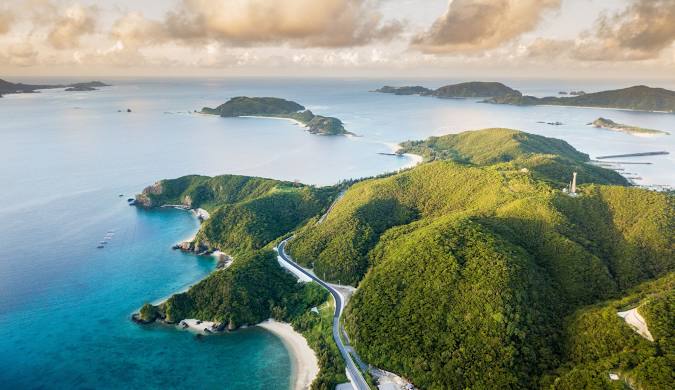
People compare Okinawa to Hawaii — and sure, the beaches hold up. But Hawaii doesn’t come with UNESCO-listed castle ruins, a unique language, Bingata textile art that’s hundreds of years old, or food that borrows from China, Japan, and America all at once. And let’s be real — Okinawa is significantly more affordable than Hawaii, especially if you plan smart. At Astamb Holidays, we’ve routed hundreds of travellers through this archipelago, and every time, they come back wanting more.
This Okinawa travel guide covers everything: the best time to visit, which islands to hit, what to eat, how to get around, and a 7-day itinerary you can actually use.
🌊 Why Okinawa Should Be on Your Travel Map
Okinawa sits at the very southern tip of Japan, closer to Taiwan than to Tokyo. That geography shapes everything — the weather, the food, the people, and the pace of life.
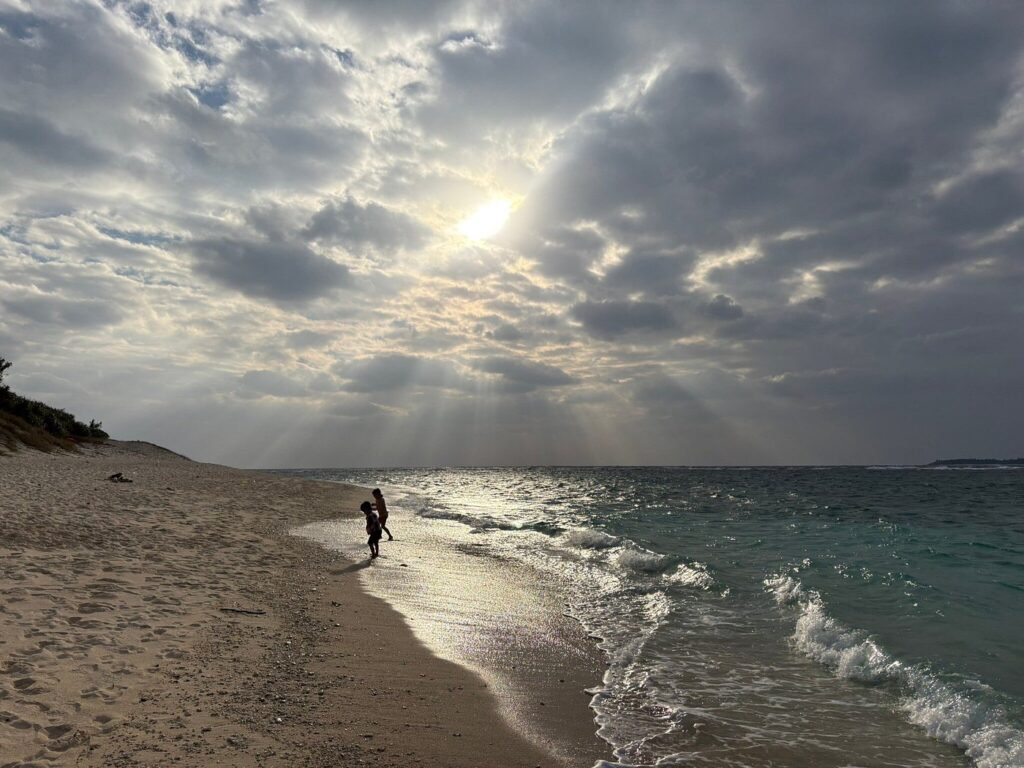
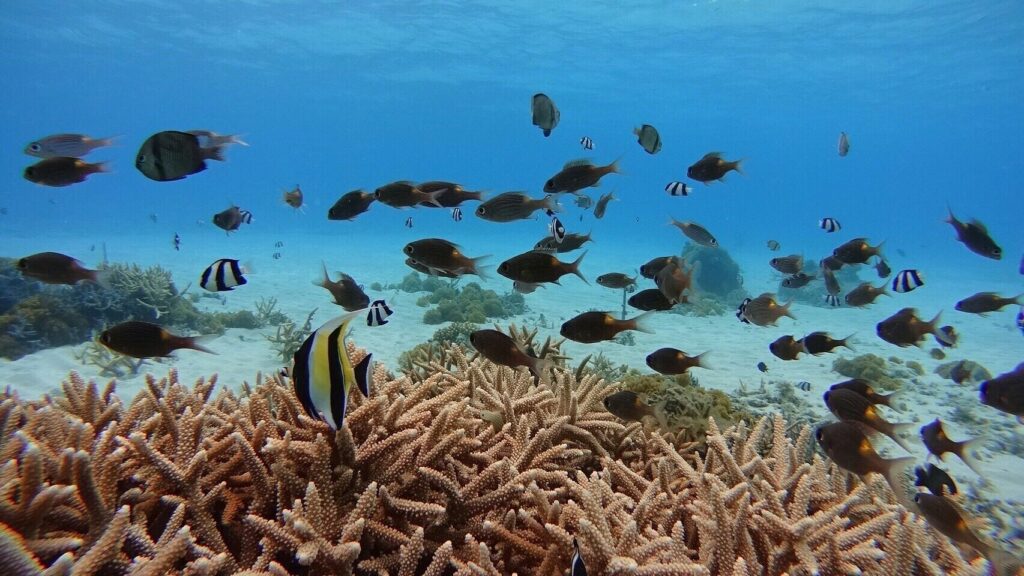
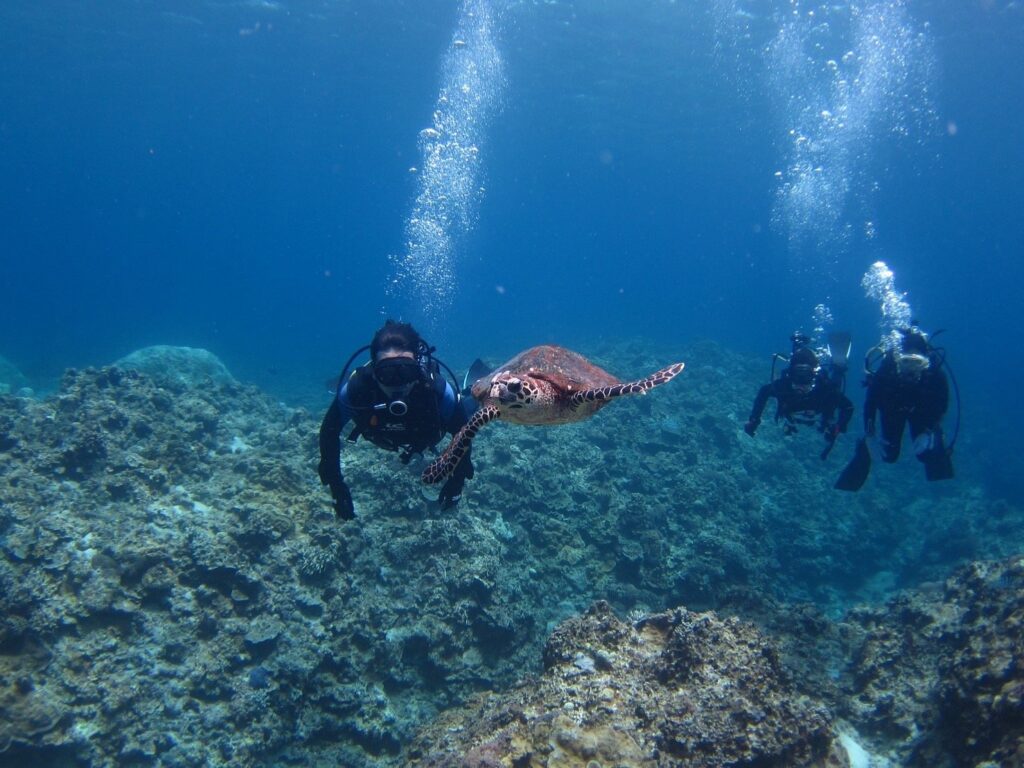
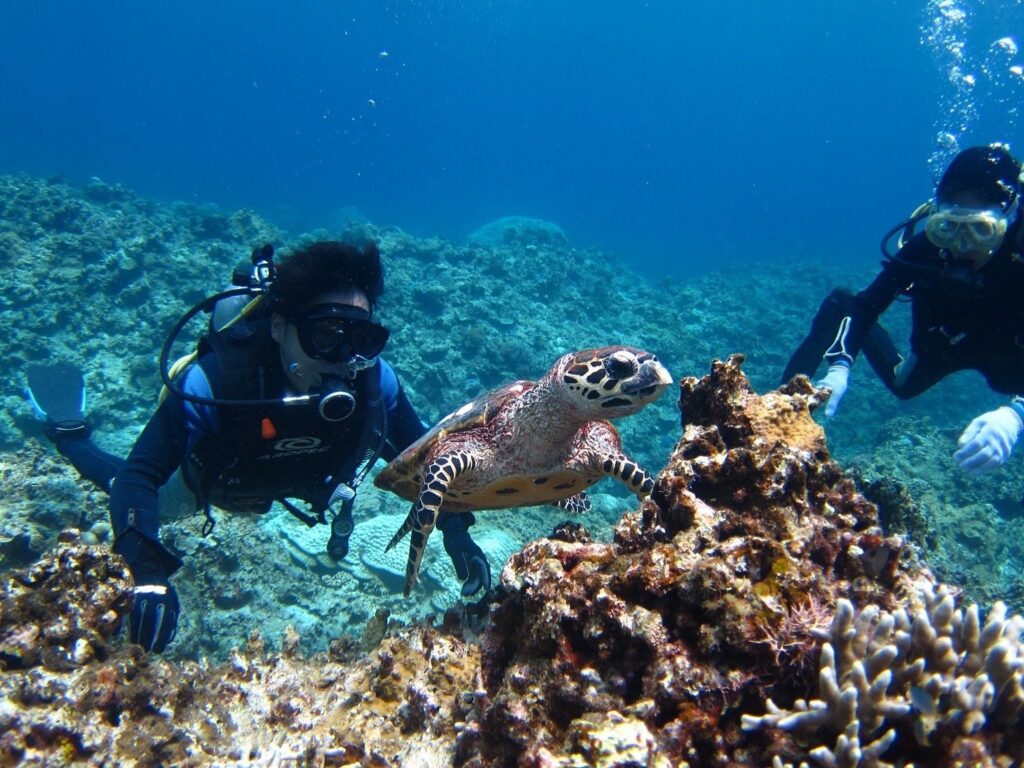
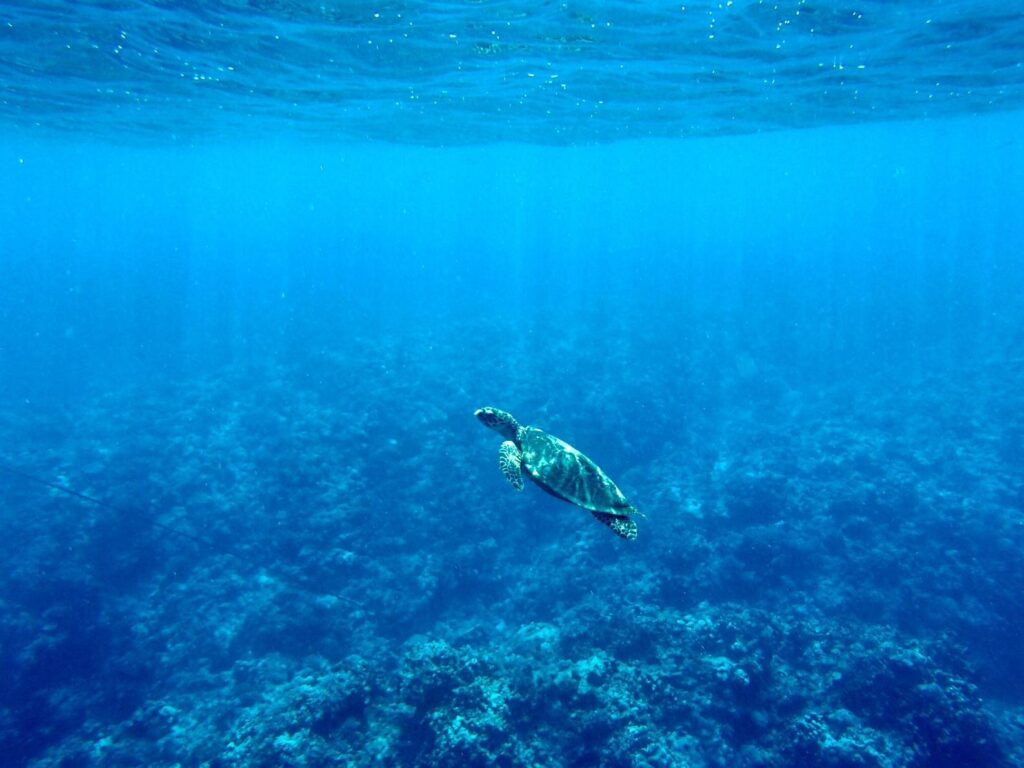
The beaches are genuinely world-class. The water around the Kerama Islands — known internationally as “Kerama Blue” — has some of the most stunning underwater visibility in Asia. Coral reefs here host manta rays, sea turtles, whale sharks, and more than 200 species of coral. Divers fly in from around the world specifically for this.
The history goes deep. Okinawa was an independent kingdom — the Ryukyu Kingdom — for over 400 years before becoming part of Japan in 1879. That history shows up everywhere: in the food, the music, the pottery, the spiritual sites. You won’t find this version of Japan anywhere else.
The “Blue Zone” factor. Okinawa is one of the world’s 5 Blue Zones — regions where people routinely live past 100 years old. Researchers attribute this to the plant-heavy local diet, active community culture, and a concept called ikigai (a strong sense of purpose). When you eat here, you’re literally tasting one of the healthiest food cultures on the planet.
For travellers tired of the same Tokyo-Kyoto loop, Okinawa is the reset button Japan didn’t tell you about.
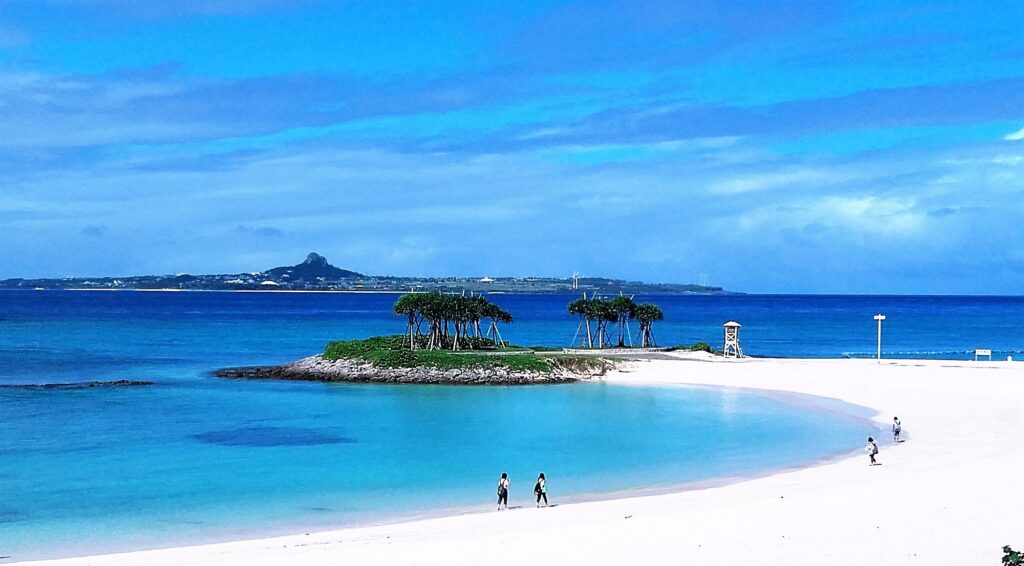
🌸 Best Time to Visit Okinawa — Seasonal & Blossoms Focus
🌸 Early Bloom & Cherry Blossom Season in Okinawa
The best time to see cherry blossoms in Okinawa is mid-January to mid-February — weeks before they appear anywhere else in Japan. The variety here is Kanhizakura, a deep pink, almost tropical-looking bloom that grows on the hills of Nakijin Castle Ruins and Nago City. The famous Nago Cherry Blossom Festival draws crowds every year in late January.
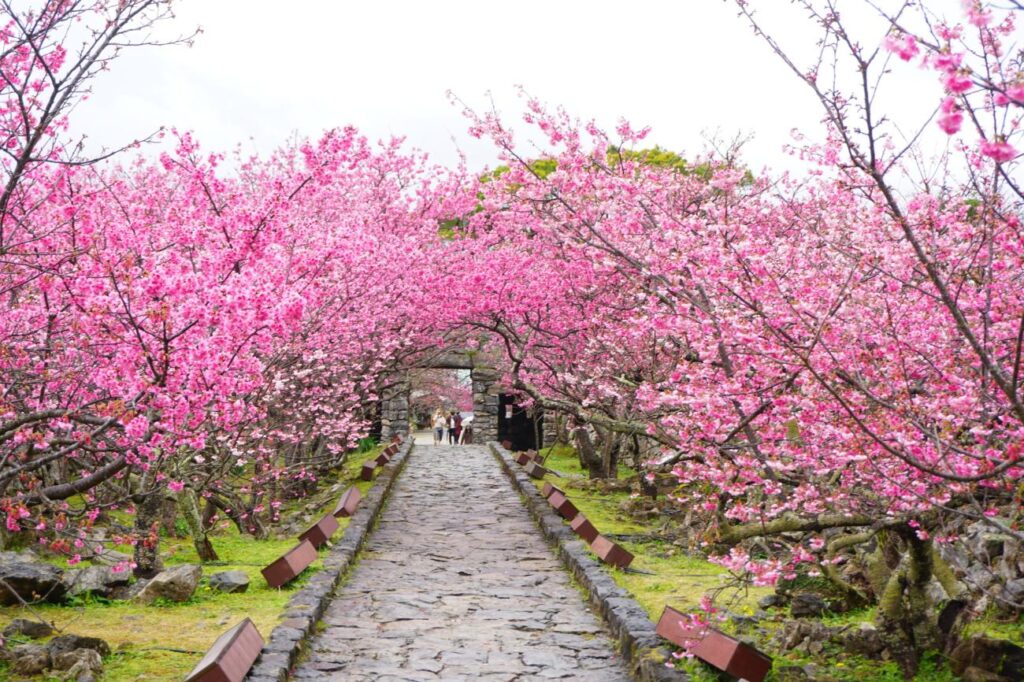
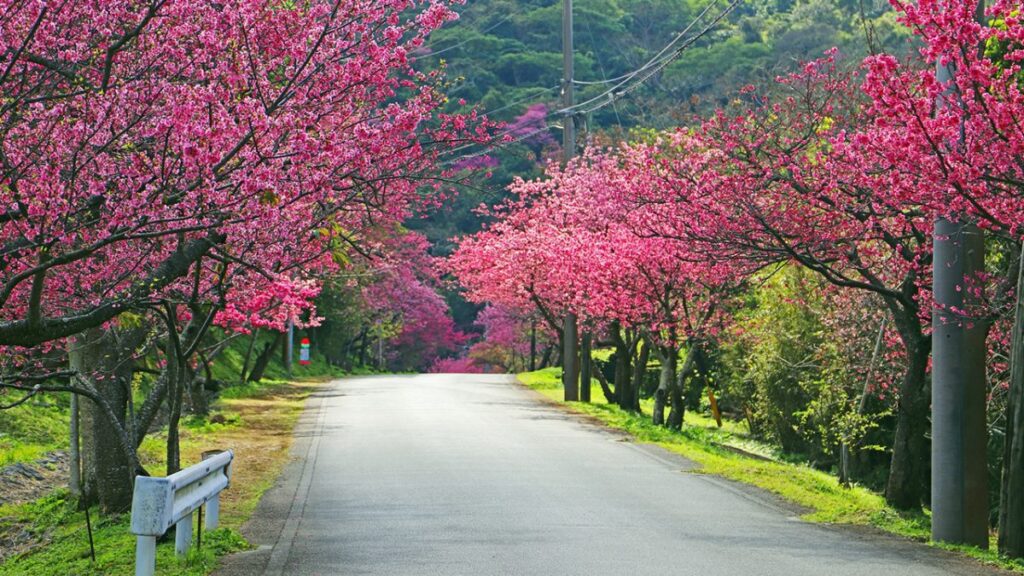
These blooms look nothing like the pale pink clouds of Tokyo’s Yoshino sakura. They’re vivid, full-coloured, and surrounded by subtropical greenery. If you want cherry blossoms without the mainland madness, January–February in Okinawa is your answer.
📌 Visit Okinawa Japan Official Site has updated bloom schedules and festival dates every season.
☀️ Okinawa Weather Month by Month — Seasonal Matrix
| Month | Avg. Temp | Conditions | Best For |
|---|---|---|---|
| January | 17–21°C | Mild, dry, breezy | Cherry blossoms, whale watching, hiking |
| February | 17–23°C | Mild, occasional rain | Sakura festivals, diving, culture |
| March | 19–27°C | Warming up, short rain showers | Beach season opens, snorkelling begins |
| April | 22–29°C | Warm, pleasant | Hari boat races, outdoor sightseeing |
| May | 25–30°C | Rainy season starts (tsuyu) | Cultural sites; avoid Golden Week crowds |
| June | 28–32°C | Hot, humid, rainy season ends late June | Hydrangea gardens, beginning of dive season |
| July | 30–33°C | Hot, humid, typhoon possible | Beaches, snorkelling, Eisa Festival |
| August | 30–33°C | Peak summer, typhoon risk highest | Peak beach season — book in advance |
| September | 28–31°C | Still warm, typhoon risk reducing | Thinning crowds, manta ray season |
| October | 24–28°C | Comfortable, drier | Naha Tug-of-War Festival, cultural events |
| November | 20–24°C | Cooling, pleasant | Diving, outdoor activities, fewer tourists |
| December | 17–21°C | Mild winter | Whale watching begins, pottery festivals |
Typhoon season runs from July through September, peaking in August. About 3–4 typhoons make significant contact with Okinawa each year. If you travel during this window, buy travel insurance and stay flexible.
The sweet spots: March–May and October–November. You get good weather, manageable crowds, and fair prices.
🥁 Okinawa Local Festivals — Calendar Highlights
Okinawa’s festival culture is loud, colourful, and deeply rooted in Ryukyuan tradition.
- Nago Cherry Blossom Festival — Late January to early February, Nago City
- Hari Dragon Boat Races — May, across Okinawa’s coastal villages
- Eisa Festival — July–August, traditional drumming and dance. The Okinawa Zento Eisa Dance Festival in Okinawa City is the biggest event of the year
- Naha Great Tug-of-War — October, one of the world’s largest tug-of-war competitions using a 40-ton rope, registered as a UNESCO Intangible Cultural Heritage
- Shuri Castle Reconstruction Festival — November 1–3, Naha. Celebrates Ryukyu Kingdom history during the castle’s ongoing rebuild
🏝️ Top Islands & Regions to Explore
🏯 Okinawa Main Island (Okinawa Honto)
The main island is where most travellers start — and for good reason. Naha, the capital, packs in culture, food, history, and nightlife along a 2km stretch of Kokusai Street (International Street).
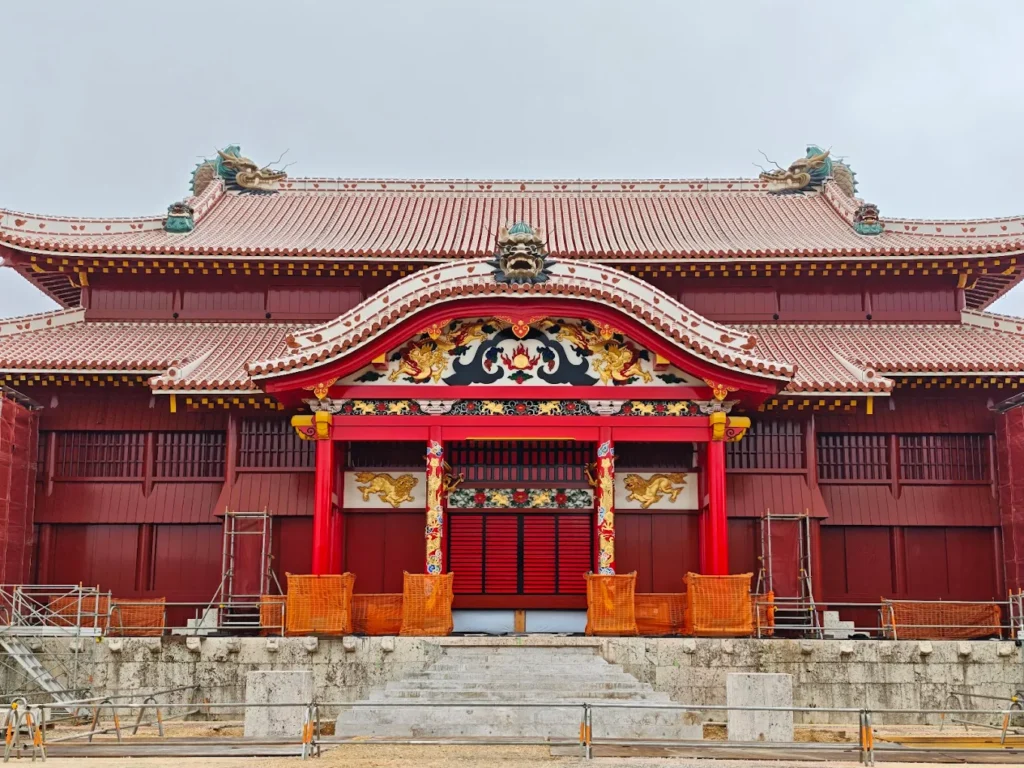
Shuri Castle in Naha is the big draw. The original Ryukyu Kingdom royal palace, built in the 14th century, was declared a UNESCO World Heritage Site in 2000 and devastated by fire in October 2019. The great news for 2026 travellers: the exterior of the iconic red Seiden main hall is now fully restored, and the castle is expected to fully reopen by autumn 2026. You can already visit the grounds, observe the final reconstruction stages from dedicated viewing decks, and experience the history in real time. Paid entry is ¥400 to view the reconstruction process up close.
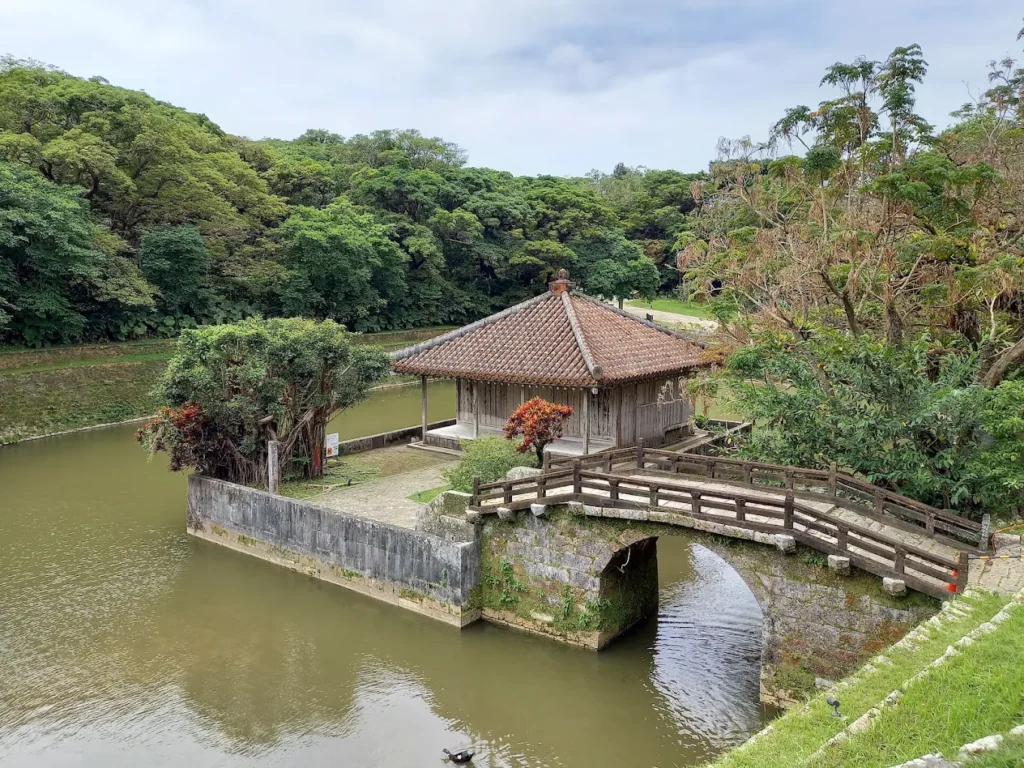
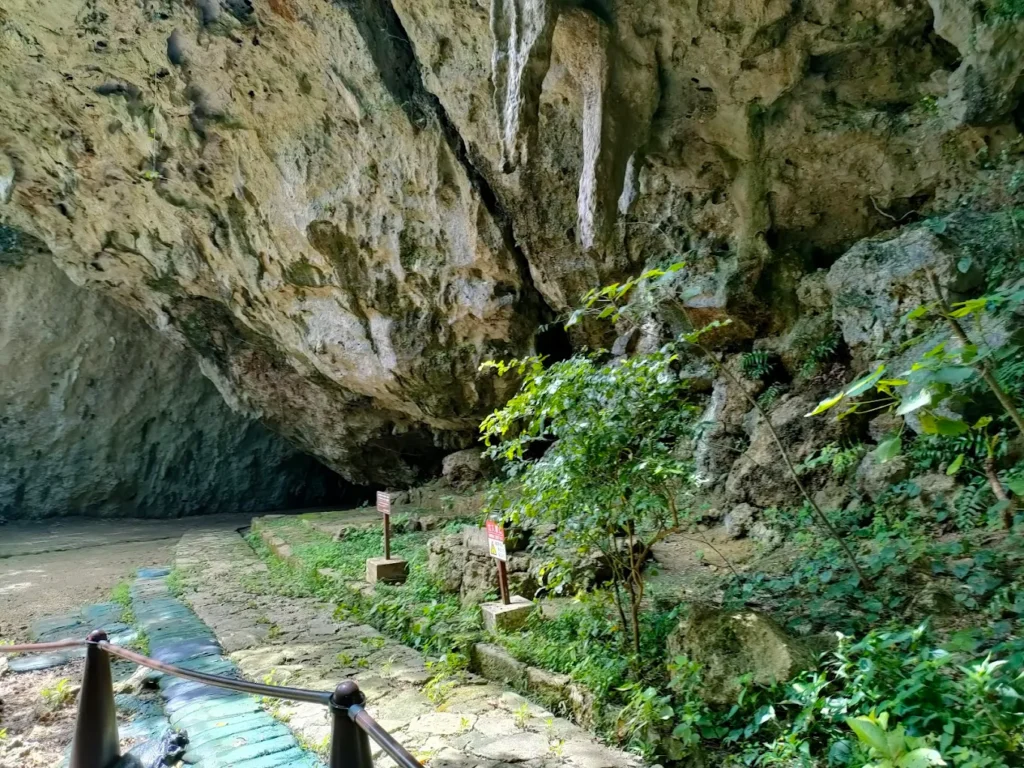
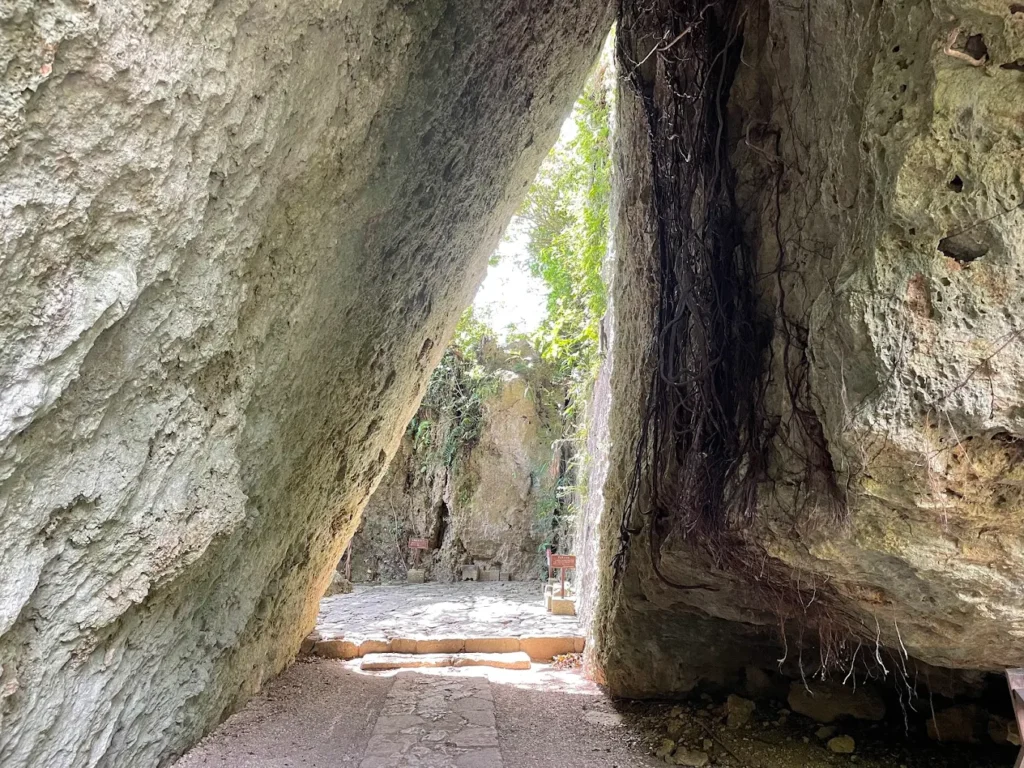
Sefa Utaki, located in southern Okinawa, is a sacred forest site and another UNESCO-listed Gusuku property. This ancient spiritual grove was the most important sacred space in the Ryukyu Kingdom. Walking through the limestone formations here feels genuinely removed from modern life.
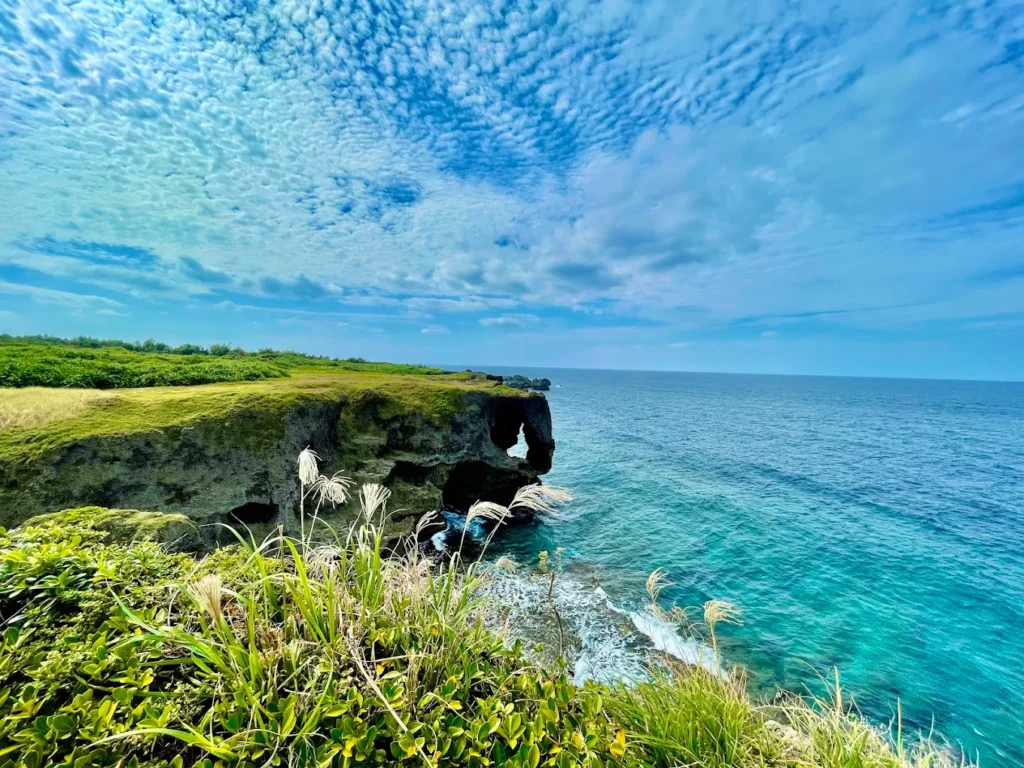
Cape Manzamo on the west coast offers some of the most photographed sea views on the island — dramatic limestone cliffs dropping straight into electric-blue water. Sunset here is something else.
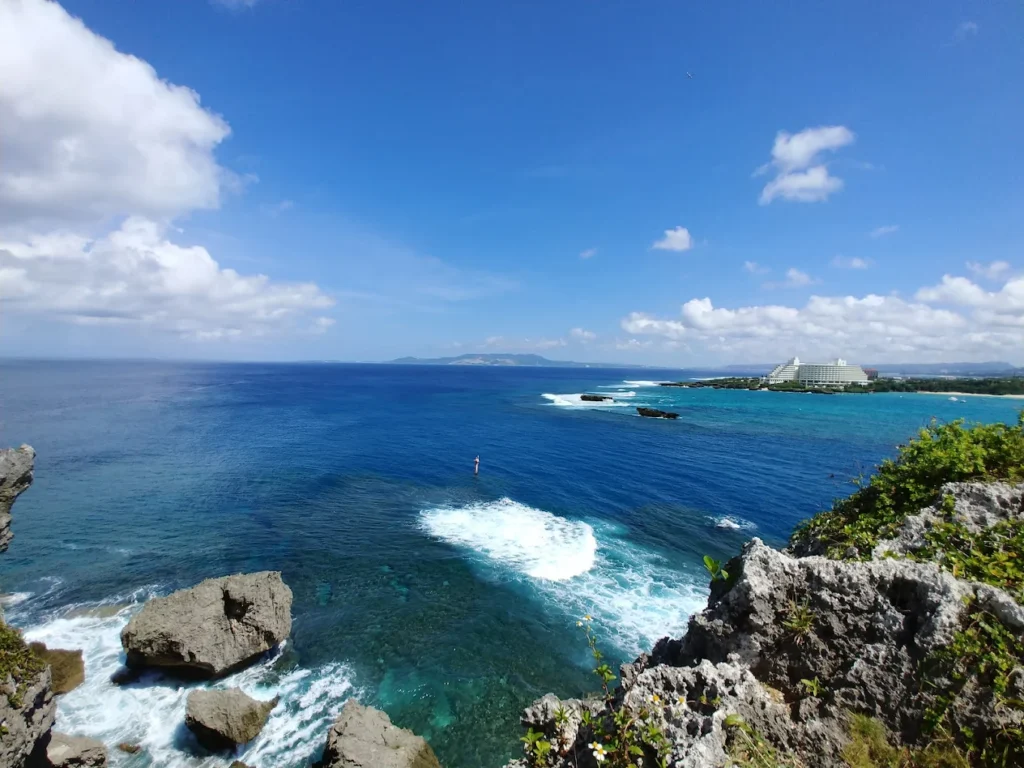
🤿 Kerama Islands — Snorkelling & Diving in “Kerama Blue”
Just 30–40 minutes by high-speed ferry from Naha’s Tomari Port, the Kerama Islands are accessible as a day trip or overnight stay. Zamami Island, Tokashiki Island, and Aka Island are the most visited.
The water clarity here earns its own nickname — “Kerama Blue” — a term locals use for the otherworldly turquoise colour of the sea. Coral reefs are healthy and diverse. Whale watching runs from January to March when humpback whales migrate through the channel. If you visit in winter, this is unmissable.
📌 Ferry schedules and bookings: Zamami Village Ferry
🏖️ Miyako & Yaeyama Islands — Remote Perfection
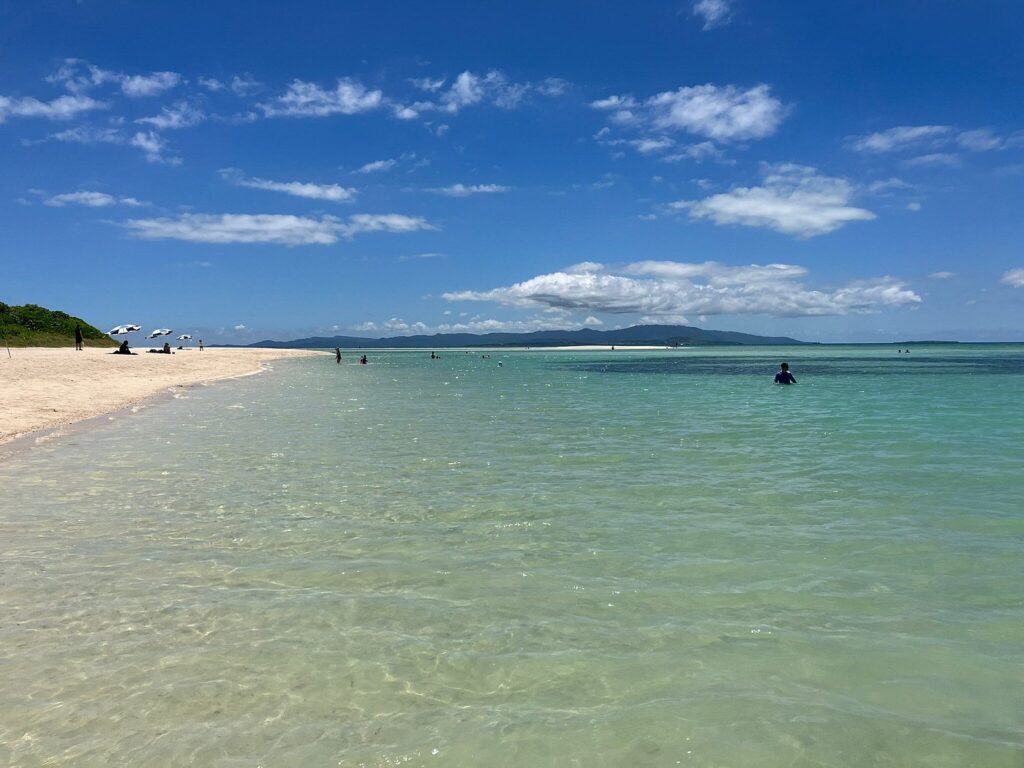
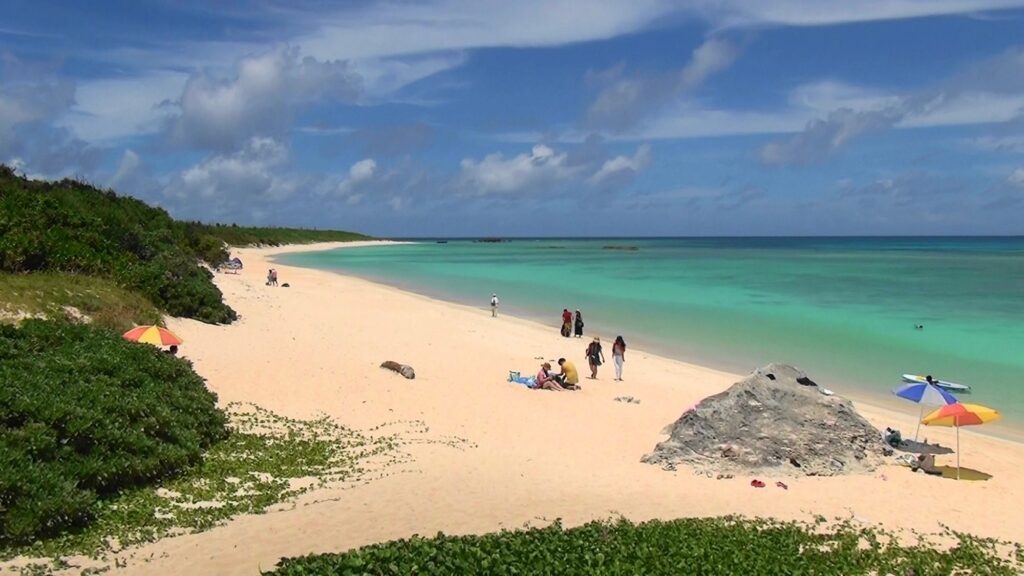
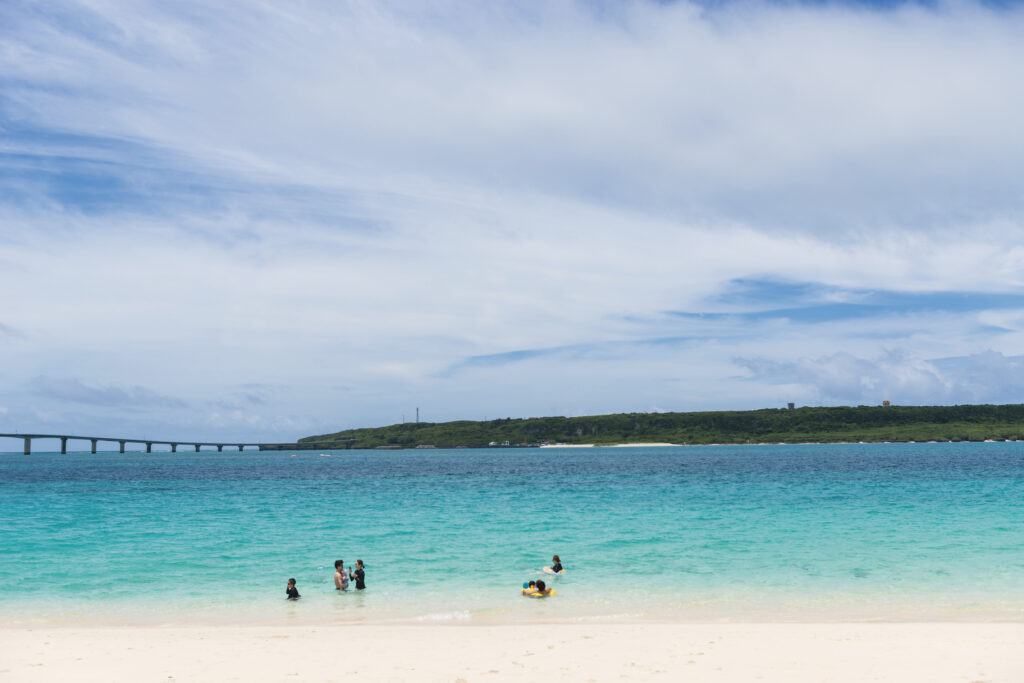
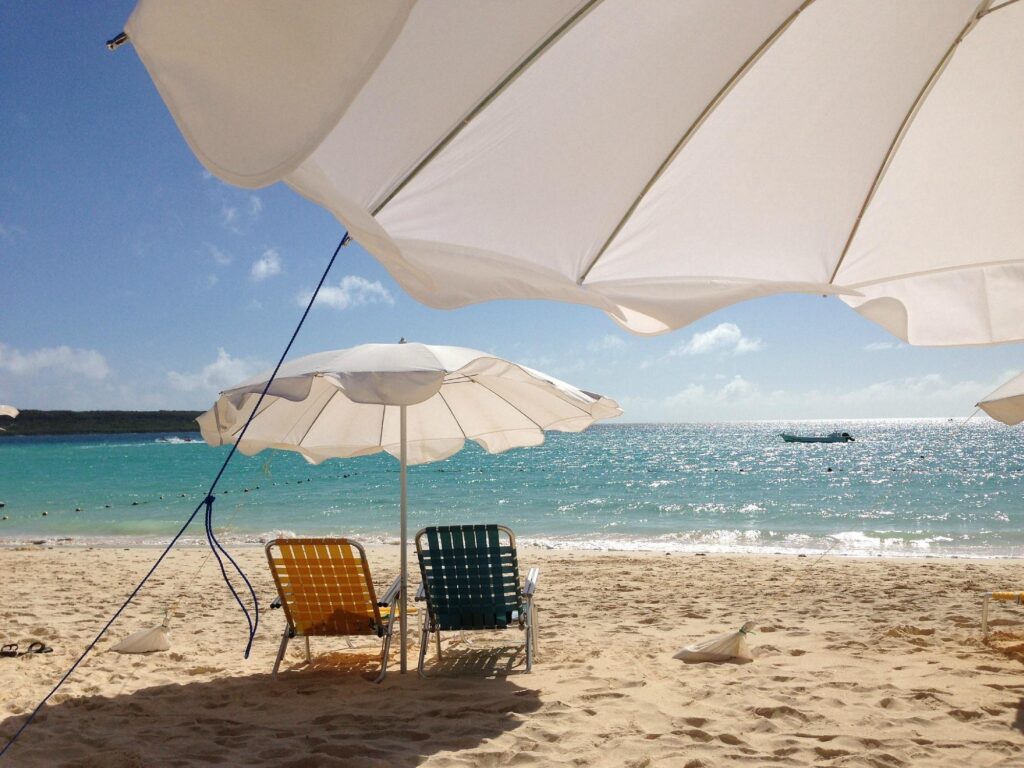
If you have time to go further, the Miyako Islands house Yonaha Maehama Beach — consistently ranked among Japan’s finest beaches. The sand is 7km long, powder-white, and the water is shallow and flat enough for children and non-swimmers.
Kabira Bay on Ishigaki Island in the Yaeyama group is equally stunning — the current is too strong for swimming, but the view from the bay is extraordinary. Glass-bottom boat tours let you see the coral without getting wet.
Ishigaki Island also runs the country’s best manta ray diving (July–October), and the ferry network from Ishigaki lets you island-hop to Iriomote (famous for mangroves and waterfalls) and Taketomi (a preserved Ryukyuan village with buffalo cart rides).
🌿 Off-the-Beaten-Path Gems
- Kume Island: Famous for Eef Beach and firefly watching in May. Quiet, local, and genuinely untouched by mass tourism.
- Ie Island: Known for its lily fields that bloom in April, Ie is a short ferry ride from the main island and feels like Okinawa from another era.
🎯 Must-Do Activities in Okinawa Japan
🤿 Beaches & Water Sports
Snorkelling in Okinawa doesn’t require advanced skill or expensive gear. Many beaches — including Busena Beach, Manza Beach, and the Sunabe Seawall near Naha — have reef access right from the shore. Rental sets are widely available for around ¥1,000–¥2,000 per day.
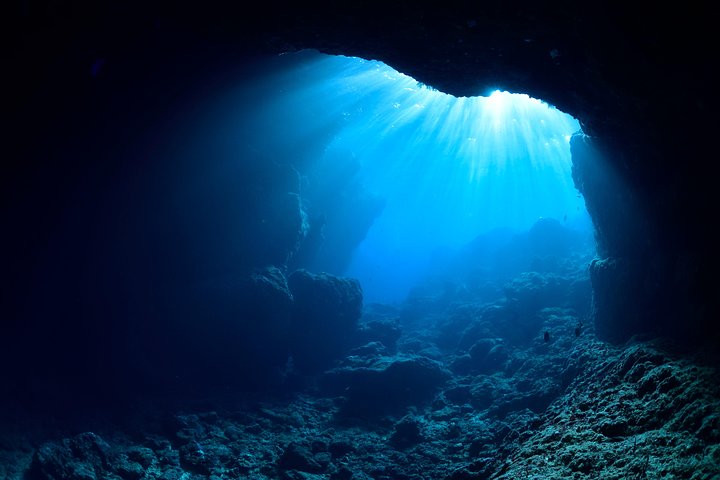
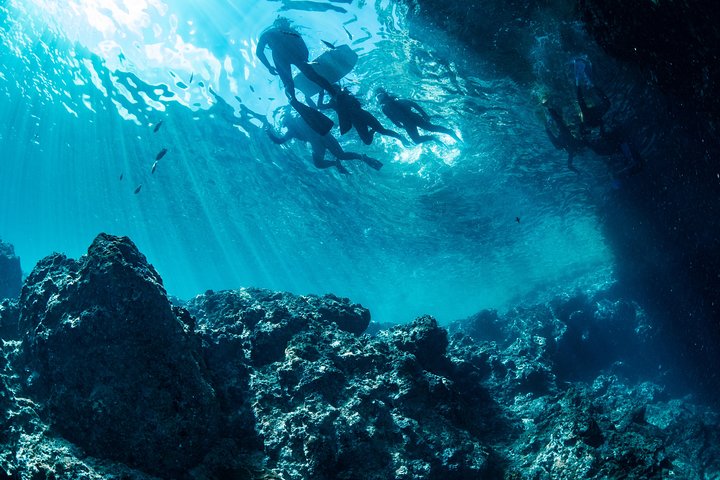
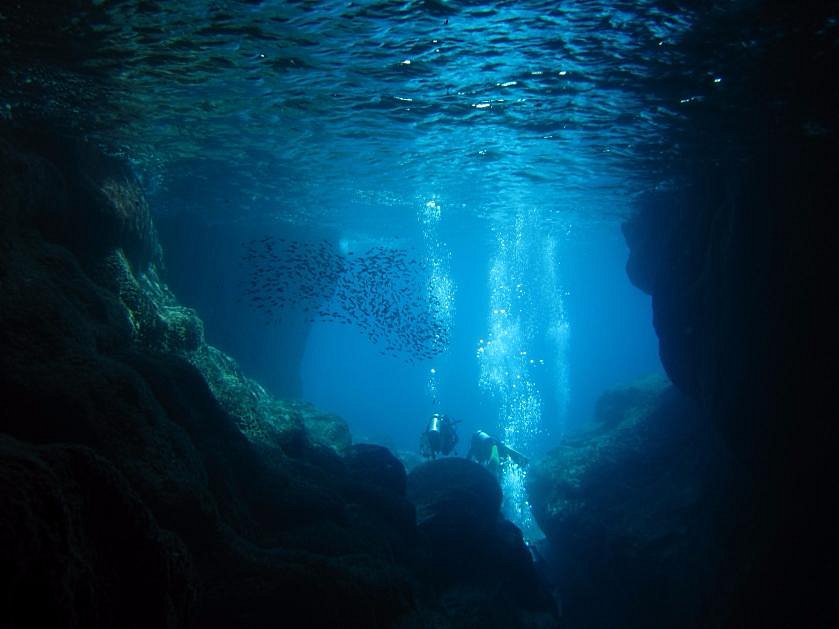
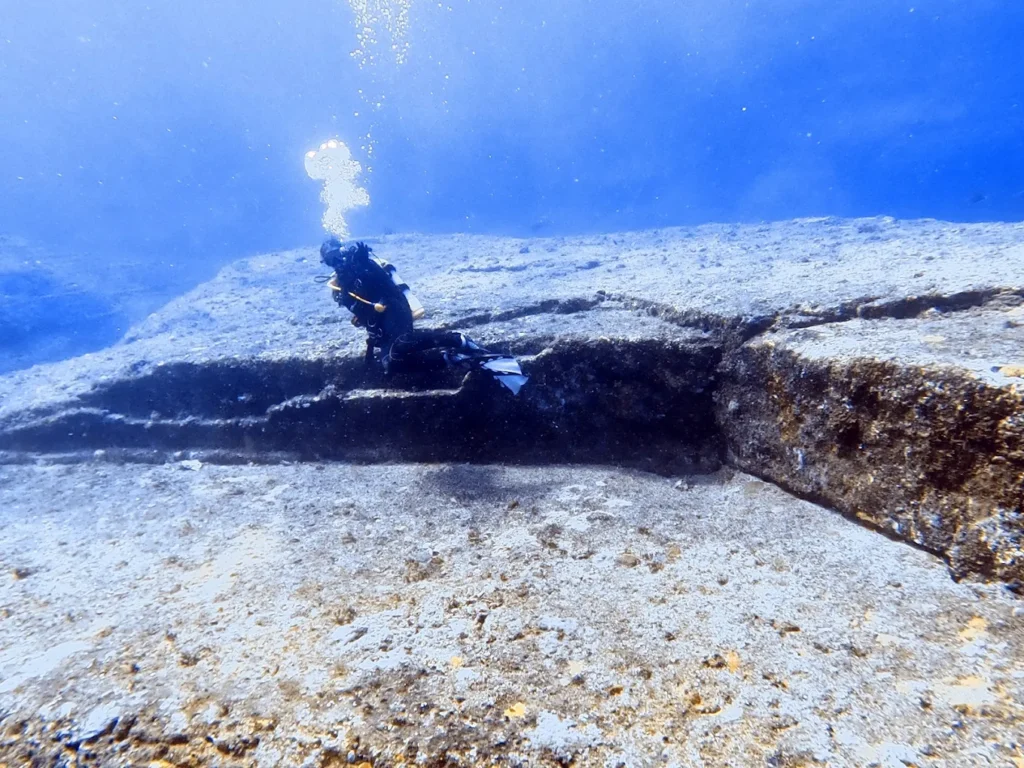
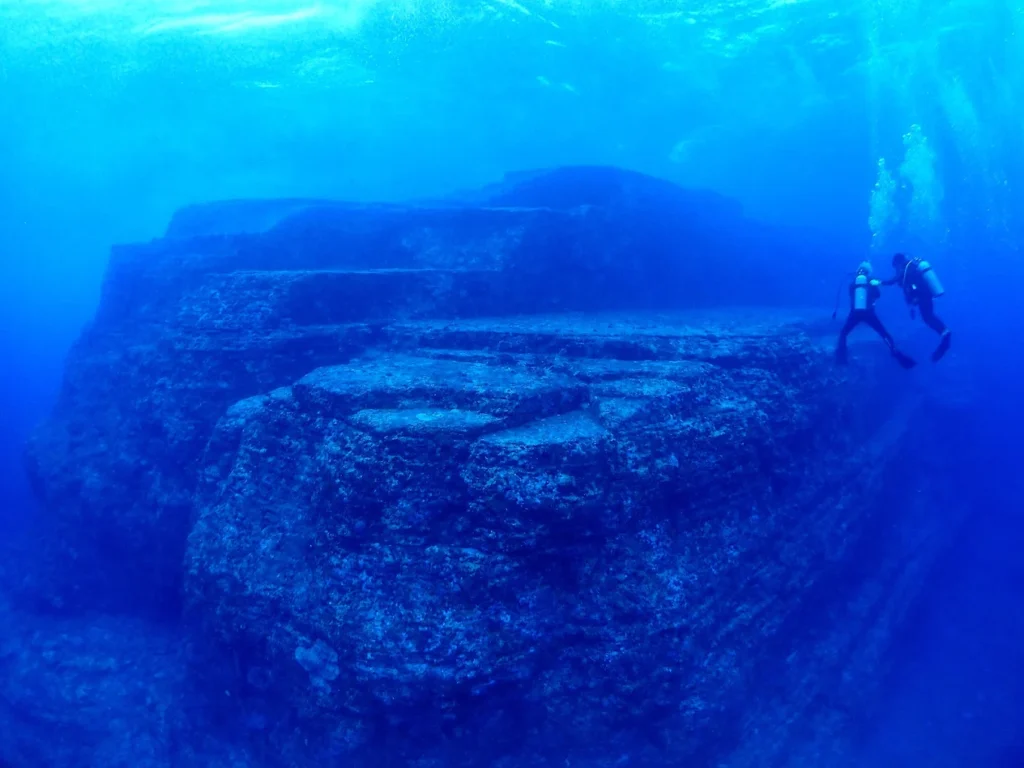
For divers, the Yonaguni Monument (a mysterious underwater rock formation off Japan’s westernmost island) and the Blue Cave near Cape Maeda on the main island are bucket-list dives. The Blue Cave costs around ¥6,000–¥10,000 for a guided dive.
🏛️ Cultural & Historical Experiences
- Zakimi Castle Ruins — Another UNESCO-listed Gusuku site in Yomitan Village. Less visited than Shuri, beautifully preserved, and free to explore.
- Bingata Dyeing Workshops — This 600-year-old textile art uses vivid dyes in tropical motifs. Studios in Naha and Shuri offer hands-on workshops from ¥2,000–¥4,000.
- Okinawa World — A cultural theme park featuring Gyokusendo Cave (Japan’s second largest stalactite cave), traditional craft demos, and a performing arts show.
- Ryukyuan Costume Photoshoot — Rent a traditional ryusou outfit near Shuri Castle or Kokusai Street and photograph yourself in the streets of old Naha.
🍜 Okinawa Food Specialties — The Culinary Route
Okinawan food is its own world. At Astamb Holidays, every tour we run includes at least one dedicated food stop — and our clients always say it’s a highlight.
Must-try Okinawa food specialties:
| Dish | What It Is | Where to Find It |
|---|---|---|
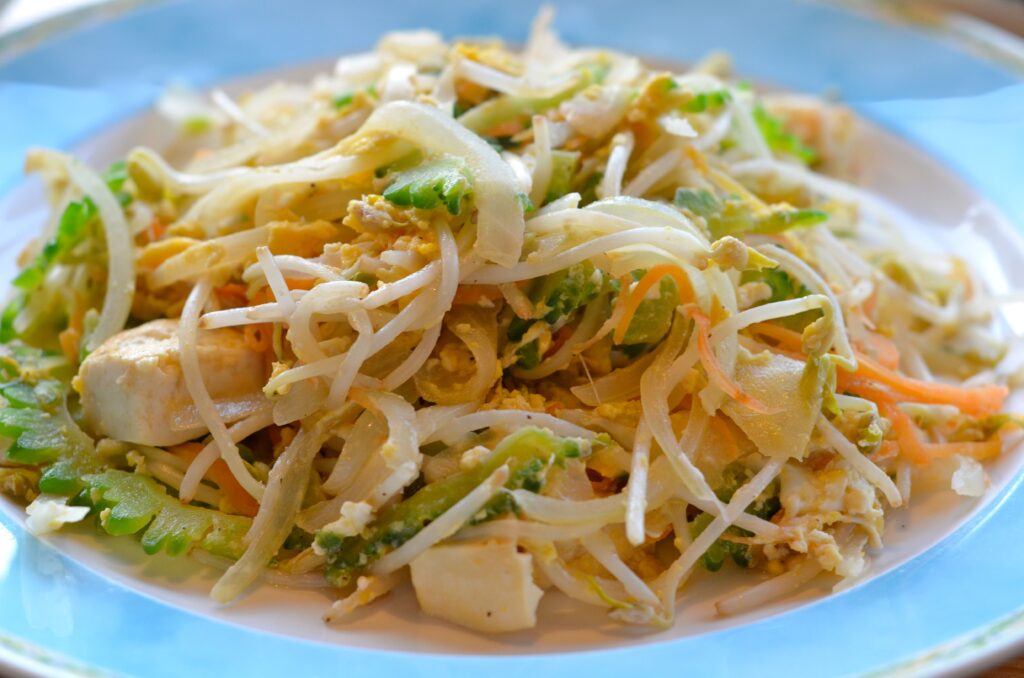
| Goya Champuru | Stir-fried bitter melon with tofu, eggs & pork | Everywhere — izakayas, local restaurants |
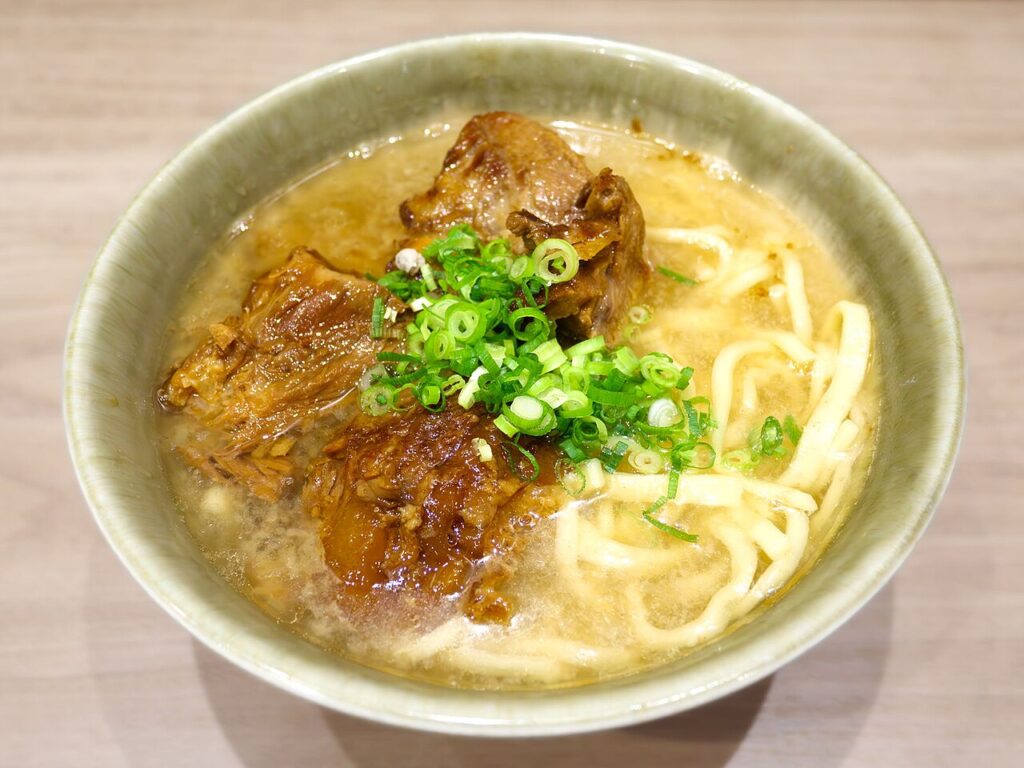
| Okinawa Soba | Thick wheat noodles in pork-bone broth | Shuri Soba (Naha), Sunagawa Noodle Factory |
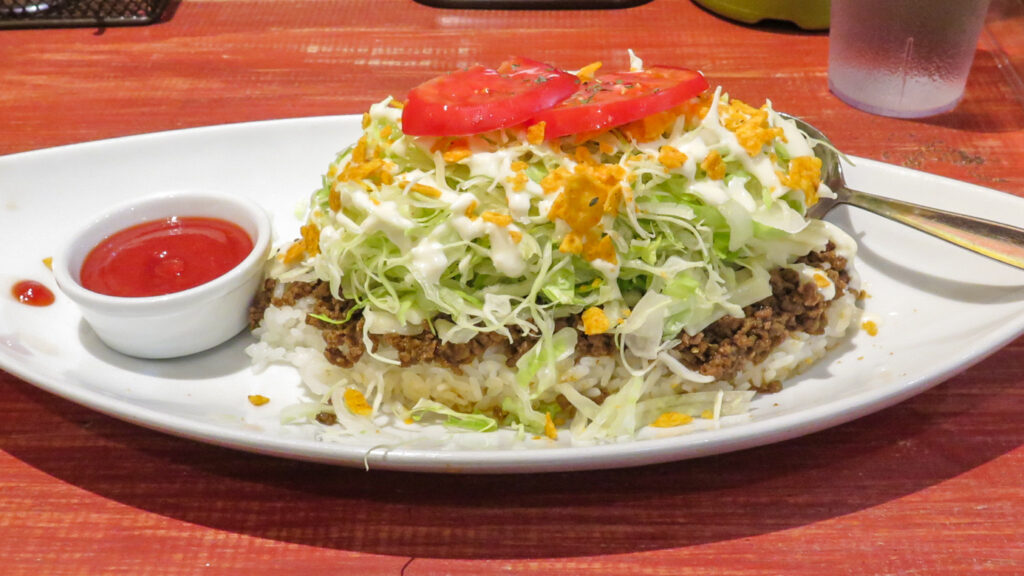
| Taco Rice | Taco filling over Japanese white rice | THE TACORICE HOUSE, Naha |
| Rafute | Slow-braised melt-in-your-mouth pork belly | Traditional restaurants in Naha |
| Umibudo | “Sea grapes” — tiny brine-filled seaweed bubbles | Makishi Public Market |
| Sata Andagi | Okinawan deep-fried sugar doughnuts | Makishi Public Market, Kokusai Street |
| Tofuyo | Fermented tofu — an ancient Ryukyuan delicacy | Specialty stores across Naha |
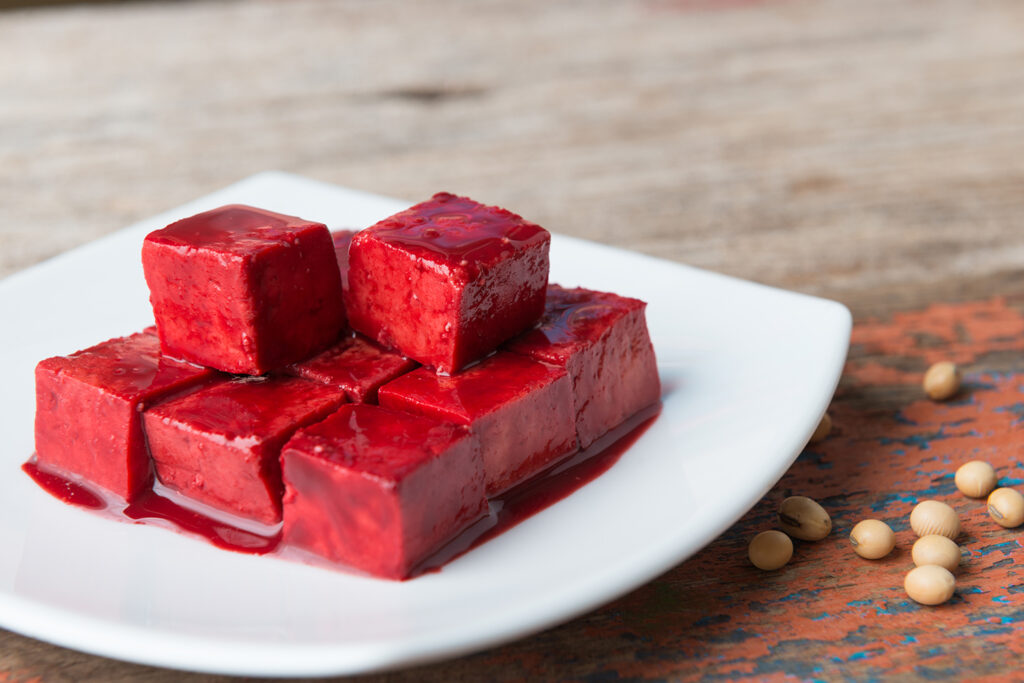
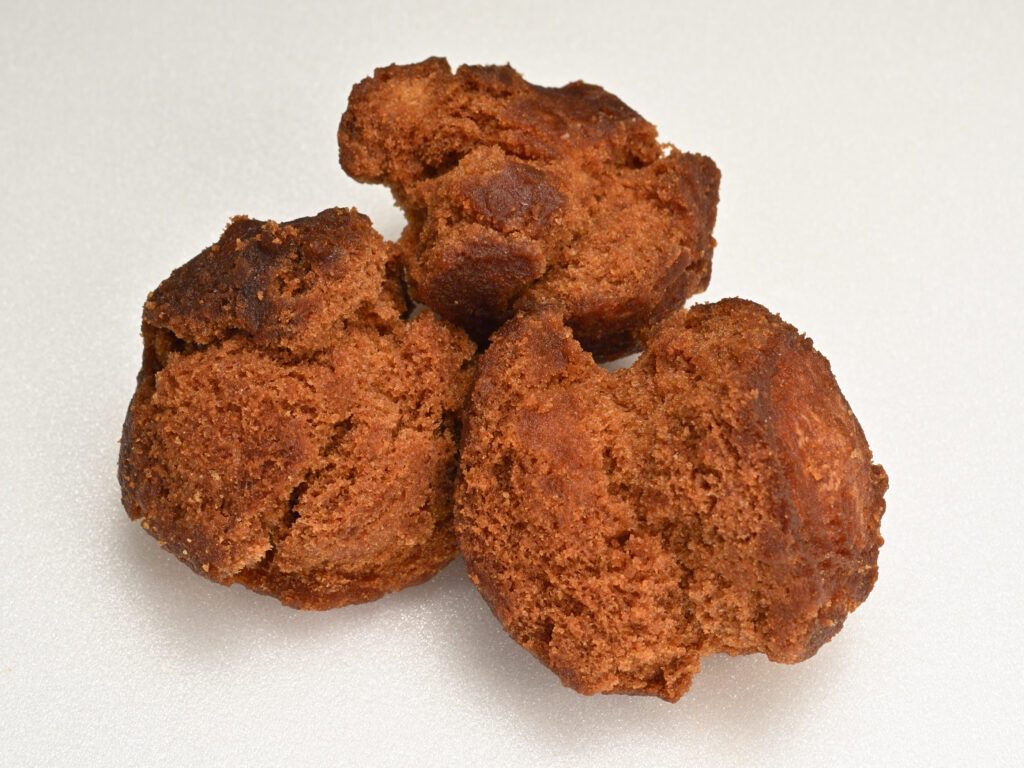
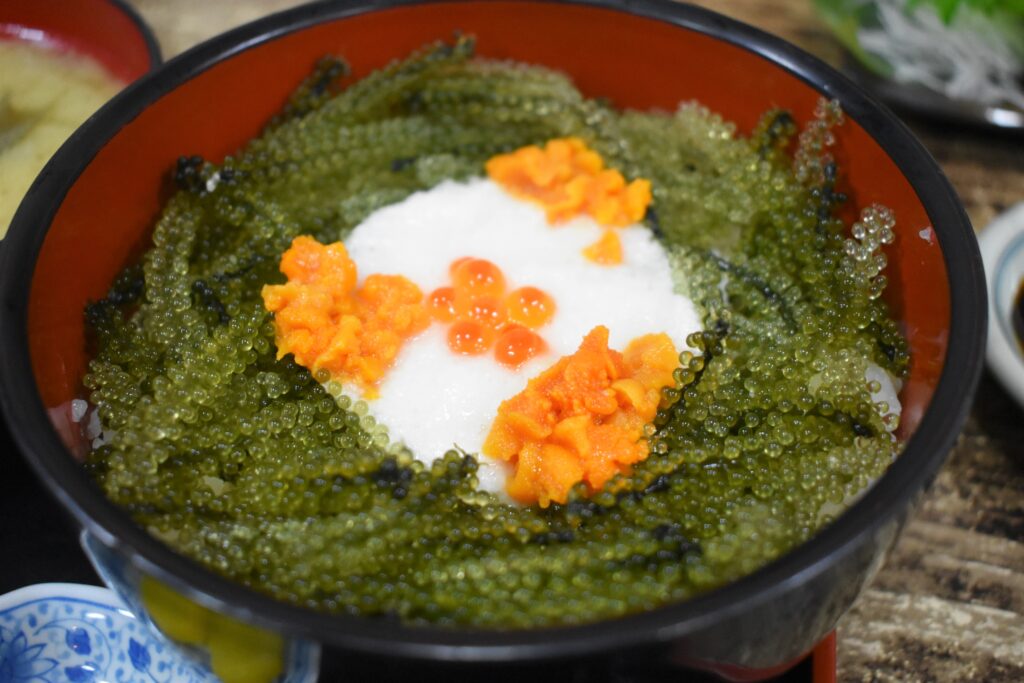
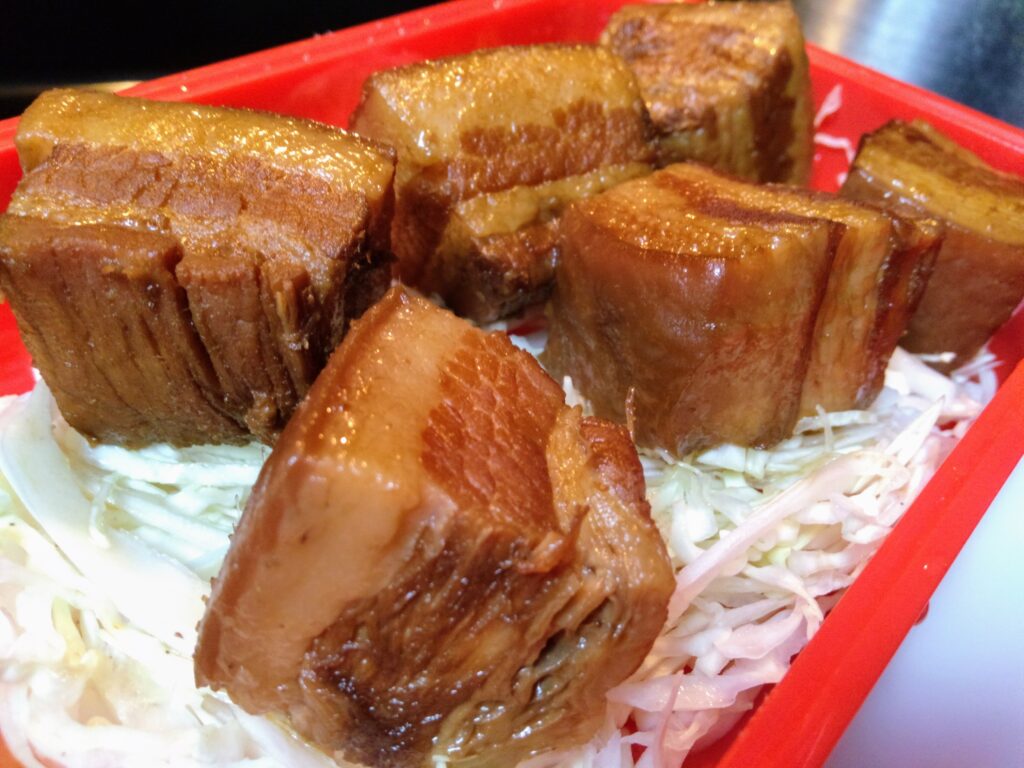
📌 Full food reference: Japan Guide — Okinawa Food
Where to eat in Naha:
- Yunangi — Authentic local dishes, consistently recommended by both locals and tourists
- Shuri Soba (near Shuri Castle) — Famous salt-based Okinawa soba
- Makishi Public Market — Pick fresh seafood downstairs, have it grilled upstairs by market restaurants
🌿 Nature & Hiking
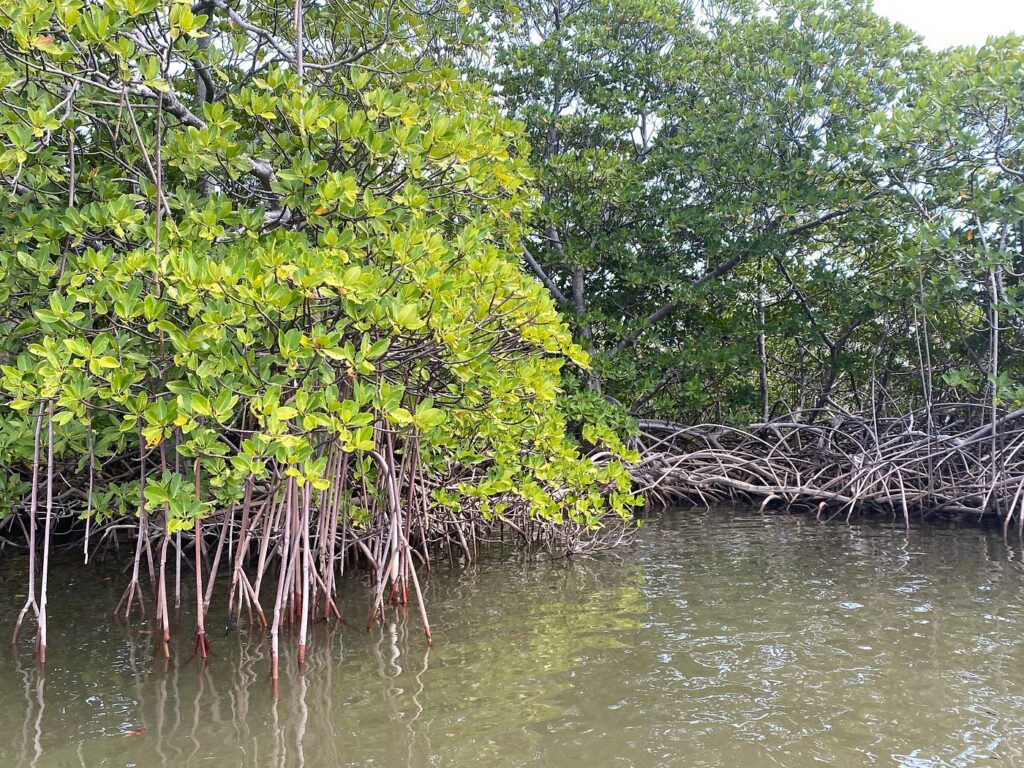
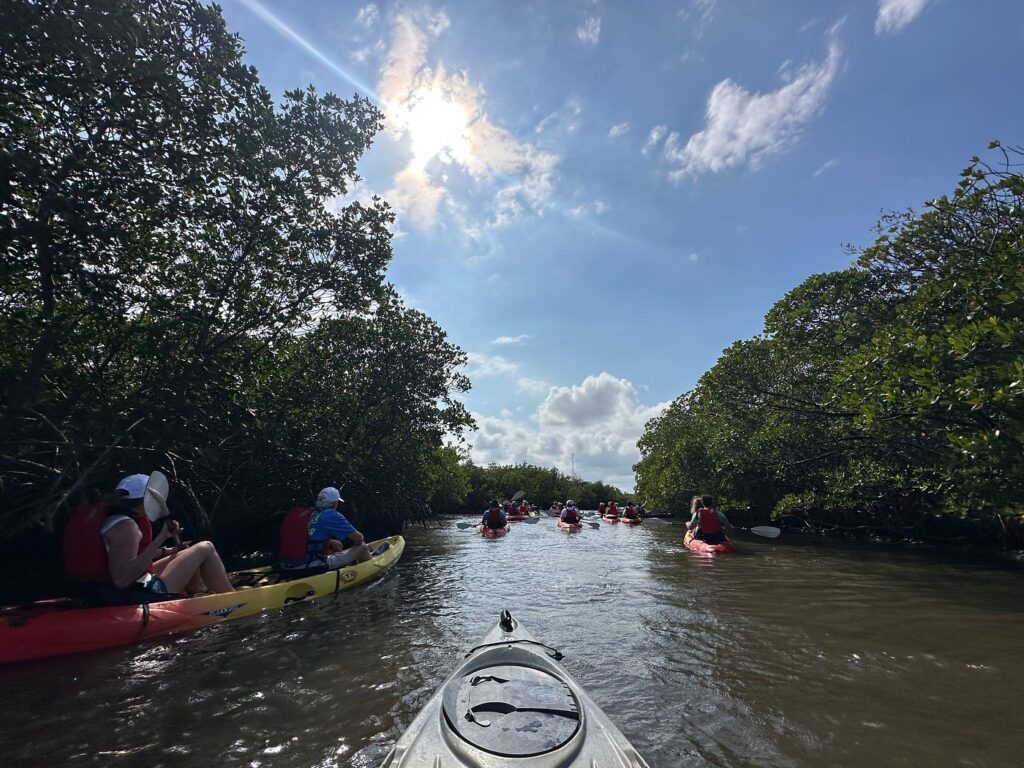
- Iriomote Island — 90% jungle. The Urauchi River mangrove kayak tour is one of Okinawa’s most memorable experiences. Waterfalls, wildlife, and total wilderness.
- Daisekirinzan (northern Okinawa) — A surreal rock garden and subtropical forest trail near Cape Hedo, Japan’s northernmost point.
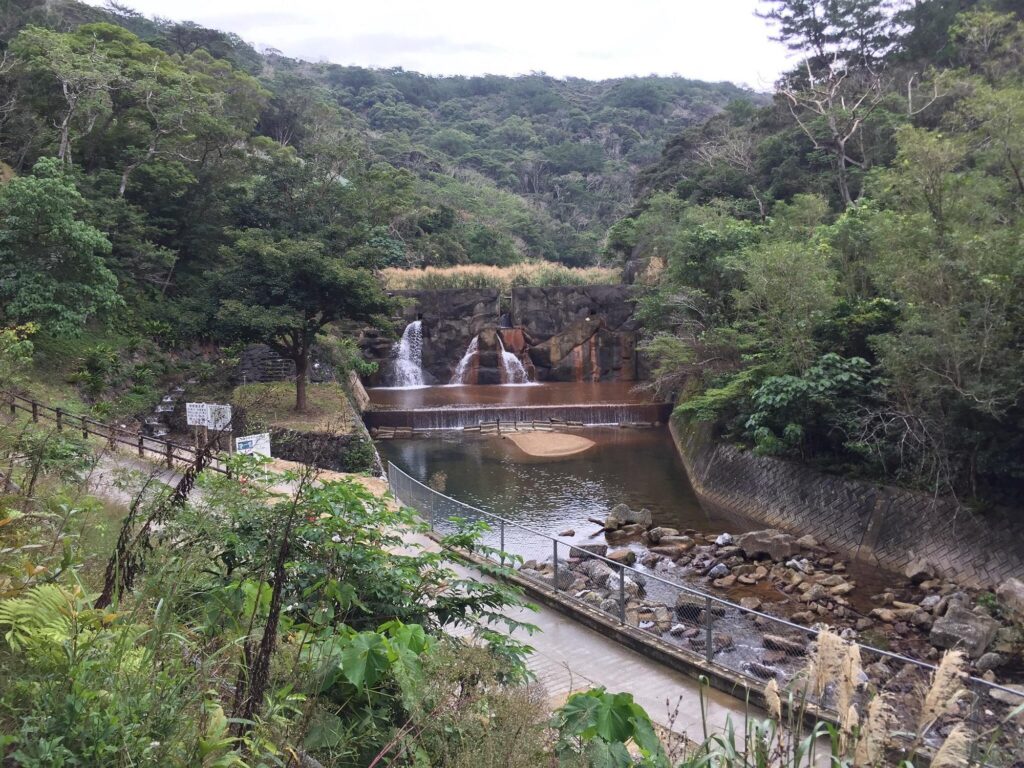
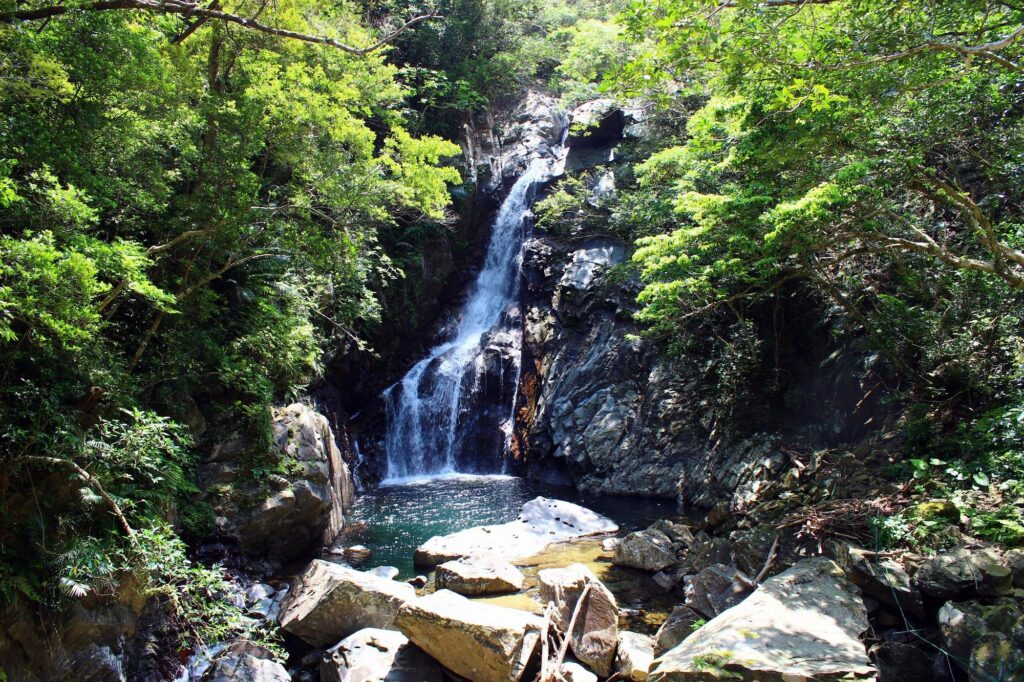
- Hiji Waterfall (Yambaru region) — A 40-minute jungle hike leads to a 26-metre waterfall. Entrance fee: around ¥600.
📸 Unique Experiences
- Ryusou photoshoot in traditional Ryukyuan clothing near Shuri Castle
- Former Japanese Navy Underground Headquarters in Tomigusuku — a sobering WWII historical site
- Night snorkelling in summer, offered by dive schools near Cape Maeda
- Sea kayaking in mangroves of northern Okinawa at sunrise
✈️ Okinawa Travel Planning — Logistics
✈️ How to Get There — Flights to Naha Airport (OKA)
All flights land at Naha Airport (OKA) on the main island. There are no direct international flights from most Western countries — travellers typically connect through Tokyo (Narita or Haneda), Osaka (Kansai), Taipei (Taoyuan), or Hong Kong.
From Tokyo, the flight takes about 2.5 hours. Budget airlines like Peach Aviation and Jetstar Japan offer tickets from ¥5,000–¥15,000 one way if booked in advance.
Approximate international airfare to Naha (OKA):
| Origin | Low Season | High Season |
|---|---|---|
| New York (JFK) | ~USD 930–1,000 | ~USD 1,600–1,700 |
| Los Angeles (LAX) | ~USD 722 | ~USD 1,250 |
| London (LHR) | ~GBP 415 | ~GBP 1,175 |
| Mumbai (BOM) | ~INR 45,000–55,000 | ~INR 75,000–90,000 |
📌 Japan National Tourism Organization (JNTO) — official travel planning resource
🚗 Regional Transport — Rent a Car (Seriously)
Here’s the most important transport tip I give every Okinawa client: rent a car. Okinawa’s public transport outside of Naha is genuinely limited. Buses exist but are infrequent. The Yui Rail monorail only covers central Naha.
With a rental car, you can reach every beach, castle, and viewpoint on the main island with total freedom. Car rentals run ¥4,000–¥8,000 per day depending on season. International driving permit required — Japan drives on the left.
Within Naha, the Yui Rail monorail is reliable and affordable. Single rides cost ¥230–¥370. A 1-day pass (¥800) is great value for a full city day.
Inter-island transport:
- Kerama Islands: Ferry from Tomari Port — 30–40 min, ~¥2,000–¥3,000 round trip
- Miyako & Yaeyama (Ishigaki): Domestic flight from Naha — ~45 min on Peach Aviation, JAL, or ANA
🏨 Where to Stay
| Category | Options | Nightly Cost |
|---|---|---|
| Budget | Guesthouses & hostels in Naha/Kokusai area | ¥2,500–¥5,000 |
| Mid-Range | Business hotels in Naha, Chatan | ¥8,000–¥18,000 |
| Luxury | Halekulani Okinawa, Hilton Okinawa Chatan Resort | ¥40,000–¥120,000+ |
| Nature/Eco | Iriomote or Kume Island guesthouses | ¥5,000–¥12,000 |
💴 Realistic Travel Budget
| Traveller Type | Daily Budget (per person) |
|---|---|
| Budget backpacker | ¥8,000–¥12,000 (~USD 55–80) |
| Mid-range traveller | ¥18,000–¥35,000 (~USD 120–235) |
| Comfortable/Luxury | ¥60,000+ (~USD 400+) |
Meals at local restaurants: ¥700–¥1,200 per person. A bowl of Okinawa soba runs ¥600–¥900. Car rental, activities, and ferries are the biggest daily variables.
🗓️ Okinawa 7-Day Suggested Itinerary
| Day | Theme | Key Stops |
|---|---|---|
| Day 1 | Arrival & Naha First Night | Naha Airport (OKA), hotel check-in, Kokusai Street dinner at Yunangi |
| Day 2 | Naha Culture & History | Shuri Castle (reconstruction viewing), Sefa Utaki, Cape Manzamo sunset |
| Day 3 | Southern Okinawa — WWII & Peace | Okinawa Prefectural Peace Memorial Museum, Former Navy HQ, Mabuni Hill |
| Day 4 | Central & West Coast Culture | Zakimi Castle Ruins, Bingata workshop (Yomitan), Okinawa World & Gyokusendo Cave |
| Day 5 | Northern Okinawa (Yambaru Jungle) | Daisekirinzan, Hiji Waterfall, Cape Hedo viewpoint, east coast drive back |
| Day 6 | Kerama Islands Day Trip | Early ferry to Zamami or Tokashiki, “Kerama Blue” snorkelling all day, evening return |
| Day 7 | Relaxed Beach & Departure | Emerald Beach morning, lunch near airport, depart from Naha Airport (OKA) |
Logistics tip: Rent your car from Day 2 onwards. Use the Yui Rail only on Day 1 (arrival day). Book the Kerama ferry at least 2–3 days in advance during peak season.
❓ Common Questions About Okinawa Japan Travel
Q: What is the best time to visit Okinawa for cherry blossoms?
Mid-January to mid-February is the best time for cherry blossoms in Okinawa. The Kanhizakura variety blooms weeks earlier than anywhere else in Japan, producing a deep pink flower that looks distinctly subtropical. Nakijin Castle Ruins and Nago City are the top viewing spots. The Nago Cherry Blossom Festival runs in late January.
Q: Is Okinawa worth visiting for both culture and beaches?
Yes — Okinawa delivers world-class beaches AND deep historical culture in the same trip. Few destinations in Asia give you the “Kerama Blue” snorkelling experience alongside UNESCO castle ruins, 400-year-old kingdom heritage, and living traditions like Eisa drumming and Bingata textiles. It’s genuinely both.
Q: How many days should I plan in Okinawa?
Plan at least 7 days to see Okinawa properly. 5 days covers the main island highlights. Add 2–3 days for the Kerama Islands. For Miyako or Ishigaki, budget 10–14 days total. Rushing Okinawa means missing its best qualities.
Q: What local foods must I try in Okinawa?
The must-try Okinawa food specialties are Goya Champuru, Okinawa Soba, Taco Rice, Rafute, and Umibudo. Don’t leave without trying Sata Andagi (Okinawan doughnuts) from Makishi Public Market and a glass of local Awamori rice spirit.
Q: How do I travel between islands in Okinawa?
Use ferries for the Kerama Islands and domestic flights for Miyako and Yaeyama. Kerama ferries depart from Tomari Port in Naha (30–40 min, ~¥2,000–¥3,000 round trip). Miyako and Ishigaki require a short domestic flight (~45 min) or an overnight ferry from Naha.
💬 Frequently Asked Questions
Q: Where can I find off-the-beaten-path beaches in Okinawa?
The best hidden beaches are on Kume Island, Ie Island, and the less-visited parts of Iriomote. On the main island, Aha Beach in northern Okinawa requires a short hike but rewards with near-empty white sand and crystal water. Kondoi Beach on Taketomi Island is equally quiet and stunning.
Q: What cultural etiquette should travellers know in Okinawa?
Remove shoes before entering homes and traditional spaces. Dress modestly at sacred sites like Sefa Utaki. Bow slightly when greeting locals. Photography is restricted inside sacred groves and some military memorials — always check for signs. Okinawans are famously warm with tourists, but a basic arigatou gozaimasu (thank you) goes a long way.
🗣️ What Real Travellers Say — Reddit & Community Insights
“Rent a car — full stop. Buses will frustrate you outside Naha.” — This is the most repeated piece of advice across hundreds of threads.
“The Kerama Islands day trip changed my whole view of what a beach could look like. Don’t skip it.”
“Shuri Castle is still worth visiting during reconstruction. The history you learn on-site beats most museum experiences.”
“Okinawa food is completely different from mainland Japan. Goya Champuru was weird at first and then I craved it every single day.”
“January is surprisingly great — cherry blossoms, whale watching, empty beaches, cheaper hotels. Nobody talks about this.”
These aren’t polished reviews — they’re real travellers talking, and they consistently confirm what we see at Astamb Holidays: Okinawa overdelivers when you do it right.
🌟 Final Thoughts — Okinawa Is Ready for You in 2026
Okinawa Japan travel in 2026 comes with a particularly exciting reason to visit: Shuri Castle’s full reopening is expected this autumn, completing a rebuild that captured the heart of an entire nation. You can witness the final stages of that story right now if you visit before the grand reveal.
Beyond the castle, Okinawa remains exactly what it has always been — a place where the ocean does things you didn’t think were possible, where history lives in stones and songs, where the food is equal parts bizarre and brilliant, and where locals genuinely seem happy to see you.
At Xplore Heaven, we believe the best travel stories come from places that surprise you. Okinawa will surprise you. Every single time.
Have you been to Okinawa? Planning your first trip? Drop your questions and experiences in the comments below. And if this guide helped you, share it with someone whose next adventure needs a destination upgrade. 🌊
✍️ About the Author
Wahid Ali is a seasoned travel professional and operations lead in the tourism industry with extensive experience in crafting travel experiences and destination insights. Based in Mumbai, he heads operations at Astamb Holidays, where he combines practical travel logistics expertise with engaging storytelling to help travellers explore hidden gems across India and beyond. His work blends expert travel planning with a passion for culturally rich and nature-oriented destinations. 🔗 LinkedIn: Wahid Ali
📚 References & Citations
This article is backed by authoritative sources and research. All facts, seasonal data, and travel logistics have been verified against official and expert sources.
- Visit Okinawa Japan (Official Tourism Site) — Seasonal guide, festival calendar, Kerama Islands and whale watching information 🔗 https://visitokinawajapan.com/plan-your-trip/when-to-visit-climate-seasons/
- Japan National Tourism Organization (JNTO) — Shuri Castle history, UNESCO designations, travel logistics 🔗 https://www.japan.travel/en/spot/574/
- Shuri Castle Park Official Website — Reconstruction timeline, visiting details, 2026 completion schedule 🔗 https://oki-park.jp/shurijo/en/
- Japan Guide — Okinawa (Shuri Castle) — Regional transport, ferry schedules, castle visiting information 🔗 https://www.japan-guide.com/e/e7103.html
- Japan Guide — Okinawa Food — Goya Champuru, Okinawa Soba, and full culinary reference 🔗 https://www.japan-guide.com/e/e7128.html
- BudgetYourTrip — Okinawa — Daily travel cost averages, accommodation, and budget breakdown 🔗 https://www.budgetyourtrip.com/japan/okinawa
- Sakuraco — Shuri Castle Restoration 2025 — Interior and exterior reconstruction progress update 🔗 https://sakura.co/blog/shuri-castle-receives-partial-restoration-in-2025
- Japan Meteorological Agency — Monthly weather and rainfall data for Okinawa Prefecture 🔗 https://www.jma.go.jp/jma/indexe.html
- Zamami Village Official Ferry Information — Kerama Islands ferry schedules and booking 🔗 https://www.vill.zamami.okinawa.jp/en/
- Okinawa Convention & Visitors Bureau (OCVB) — Cultural events, Eisa Festival, tourism planning resources 🔗 https://www.ocvb.or.jp/en/
- Japan Highlights — Okinawa Travel Guide 2026 — Comprehensive destination overview and travel costs 🔗 https://www.japanhighlights.com/japan/okinawa
- Wikipedia — Shuri Castle — Historical record, UNESCO designation, fire and reconstruction timeline 🔗 https://en.wikipedia.org/wiki/Shuri_Castle
- Crystal Zinn Photography — Best Time to Visit Okinawa — Insider month-by-month weather breakdown 🔗 https://crystalzinnphotography.com/best-time-to-visit-okinawa/
- MATCHA Japan Travel Guide — Okinawa Food — Restaurant recommendations and dish descriptions 🔗 https://matcha-jp.com/en/6399
Published on Xplore Heaven | Travel Guides | Japan © 2026 Xplore Heaven. All rights reserved.

READ MORE EXCITING ATICLES;
- a16z generative ai
- Bali Travel Guide 2026: Best Places, Itinerary, Budget & Hidden Gems (Complete Planner)
- Alleppey Tourist Places: 25 Best Places to Visit in Alleppey Backwaters (2026 Travel Guide)
- Munnar Tourist Places: 20 Best Places to Visit in Munnar, Tea Gardens, Itinerary & Hidden Gems (2026 Travel Guide)
- Is Sardinia Worth Visiting? Complete Travel Guide to Sardinia, Italy
