Photography & Storytelling

Koundinya Wildlife Sanctuary Travel Guide 2026: Timings, Safari, Map, Reviews & Wildlife Highlights

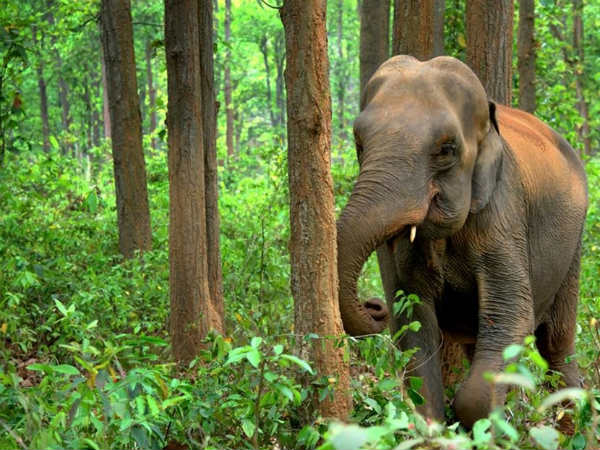
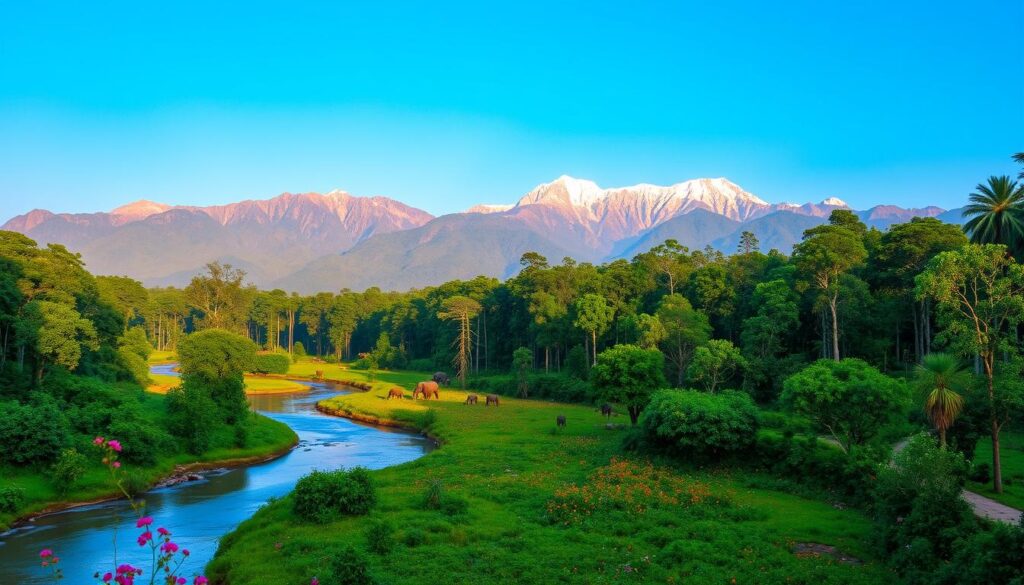
Nestled in the rugged terrain of the Eastern Ghats in Chittoor district, Koundinya Wildlife Sanctuary offers a unique wilderness experience just 120 km from Bangalore. This remarkable sanctuary holds a special place in Andhra Pradesh’s conservation history—it’s the only sanctuary in the state where you can witness majestic Asian elephants (Elephas maximus) in their natural habitat. After an absence of 200 years, these gentle giants returned to this region between 1983 and 1986, transforming this 358 sq km expanse into one of India’s most fascinating elephant reserves. From my years organizing wildlife expeditions across South India, I’ve found that Koundinya Wildlife Sanctuary remains one of the most underrated gems for travelers seeking authentic jungle experiences. The sanctuary’s dramatic landscape—where the Deccan Plateau slopes down into Tamil Nadu’s plains—creates a mosaic of high hills, deep valleys, and pristine tributaries that support incredible biodiversity. Whether you’re an avid birdwatcher hoping to spot the vulnerable Yellow-throated Bulbul or a nature photographer chasing golden-hour elephant sightings, Koundinya delivers experiences that rival better-known sanctuaries at a fraction of the crowds. 🗺️ Where Is Koundinya Wildlife Sanctuary Located? (Map & Directions) Koundinya Wildlife Sanctuary is strategically located in the Palamaner and Kuppam Ranges of Chittoor district, Andhra Pradesh, where three states—Andhra Pradesh, Karnataka, and Tamil Nadu—converge. This tri-state location makes it exceptionally accessible from multiple major cities. Quick Reference Location Details Detail Information State Andhra Pradesh District Chittoor Forest Ranges Palamaner-Kuppam Nearest Town Palamaner (28-31 km) GPS Coordinates 13.0°N, 78.25°E (approx.) Total Area 357.6 km² (35,760 hectares) Established December 1990 Distance from Major Cities How to Reach Koundinya Wildlife Sanctuary By Air: The nearest airports are Kempegowda International Airport in Bangalore (approximately 120-160 km) and Tirupati Airport (around 143 km). From Bangalore airport, hire a taxi or take a bus to Chittoor/Palamaner, then proceed to the sanctuary. Bangalore airport is better connected with frequent domestic and international flights. By Rail: Chittoor Railway Station is the nearest major railhead at approximately 50 km from the sanctuary. Alternatively, Bangalore City Railway Station (also known as KSR Bengaluru Station) is about 120 km away and offers excellent connectivity. From either station, hire a taxi or take local buses to Palamaner, then to the sanctuary entrance. By Road: Koundinya Wildlife Sanctuary is easily accessible via National Highway 44 and state highways. The sanctuary lies along the Palamaner-Kuppam road. From Bangalore, take the Hosur-Krishnagiri route or via Kolar. Regular state transport buses run from Bangalore, Chittoor, and Tirupati to Palamaner. From Palamaner, local transport or hired vehicles can take you to the sanctuary entrance. Pro Tip from Experience: If you’re driving from Bangalore, the route via Kolar is approximately 150 km and offers better road conditions compared to the Hosur-Krishnagiri route which can exceed 200 km. However, GPS navigation can be tricky—always confirm directions with locals in Palamaner who speak primarily Telugu. Download offline maps before your journey as mobile network coverage becomes sparse near the sanctuary. 🌤️ Best Time to Visit Koundinya Wildlife Sanctuary The best time to visit Koundinya Wildlife Sanctuary is from October to March when the weather is pleasant and wildlife sightings are at their peak. Season-wise Breakdown Winter (October to February) ⭐ BEST SEASON Summer (March to May) Monsoon (June to September) ⚠️ NOT RECOMMENDED Elephant Migration Patterns: From my conversations with forest officers, Asian elephants in Koundinya Wildlife Sanctuary show seasonal movement between the sanctuary and Sri Venkateswara National Park via the planned elephant corridor. November to March sees more stable elephant herds within the sanctuary boundaries, increasing your chances of sightings during jeep safaris. Birdwatching: If spotting the Yellow-throated Bulbul is on your list, winter months (October-February) offer the best opportunities when these vulnerable birds are more active and visible in the scrub habitats. 🎫 Koundinya Wildlife Sanctuary Timings & Entry Fees Official Timings Koundinya Wildlife Sanctuary is open to visitors: The sanctuary is open all days of the week, but it’s advisable to check with forest authorities during monsoon season (June-September) when access may be restricted due to weather conditions. Entry Fees (2025-2026 Estimates) Category Entry Fee Camera Fee Indian Adults ₹20-50 ₹25-50 Indian Children ₹10-20 ₹25-50 Foreign Nationals ₹200-500 ₹100-200 Still Camera – ₹25-50 Video Camera – ₹100-200 Important Note: Entry fees can vary and are subject to change by the Andhra Pradesh Forest Department. Always confirm current rates before your visit by contacting: Safari Costs & Booking Jeep Safari Charges (Approximate): Important Safari Information: My Honest Assessment: Based on recent visitor reviews and my discussions with the Andhra Pradesh Forest Department, Koundinya Wildlife Sanctuary doesn’t have the highly organized safari system of Karnataka’s parks. The experience is more exploratory and less commercialized. Permission from sanctuary authorities is essential before entering, and having your own vehicle offers more flexibility for exploration. 🚙 Koundinya Wildlife Sanctuary Safari & Activities Safari Operations & Practical Reality Let me be transparent about what to expect: Koundinya Wildlife Sanctuary safari operations differ significantly from the well-established systems at Nagarhole or Kabini. This is an open forest sanctuary where wildlife viewing is more about patience, local knowledge, and serendipity than guaranteed sightings. Safari Options: Duration: Typical safaris last 2-3 hours, covering key zones where Asian elephants, sloth bears, and cheetal are frequently spotted. Wildlife Photography in Koundinya Koundinya Wildlife Sanctuary offers excellent opportunities for wildlife photography, especially if you’re prepared for less predictable conditions than commercial parks. Photography Tips: Birdwatching Hotspots: The sanctuary is an Important Bird Area (IBA) recognized by BirdLife International. Key species include: Where to Look: Rocky outcrops, scrub vegetation zones, and water sources near Kaigal and Koundinya streams. Trekking & Nature Walks Koundinya Wildlife Sanctuary terrain—characterized by high hills and deep valleys—is perfect for adventurous trekkers. Several trails lead through southern tropical dry deciduous forests and thorn forests. Popular Trekking Routes: Trekking Safety: Other Activities Nature Photography Workshops: The sanctuary’s unique landscape—mixing Deccan Plateau topography with Eastern Ghats biodiversity—offers opportunities for landscape and macro photography. Educational Tours: Under Project Elephant, the sanctuary occasionally hosts educational programs about elephant conservation and human-elephant conflict mitigation.

Koundinya Wildlife Sanctuary Travel Guide 2026: Timings, Safari, Map, Reviews & Wildlife Highlights Read More »

How to Get to Lofoten Islands: The Complete Step-by-Step Guide from 0 to Arctic Adventure

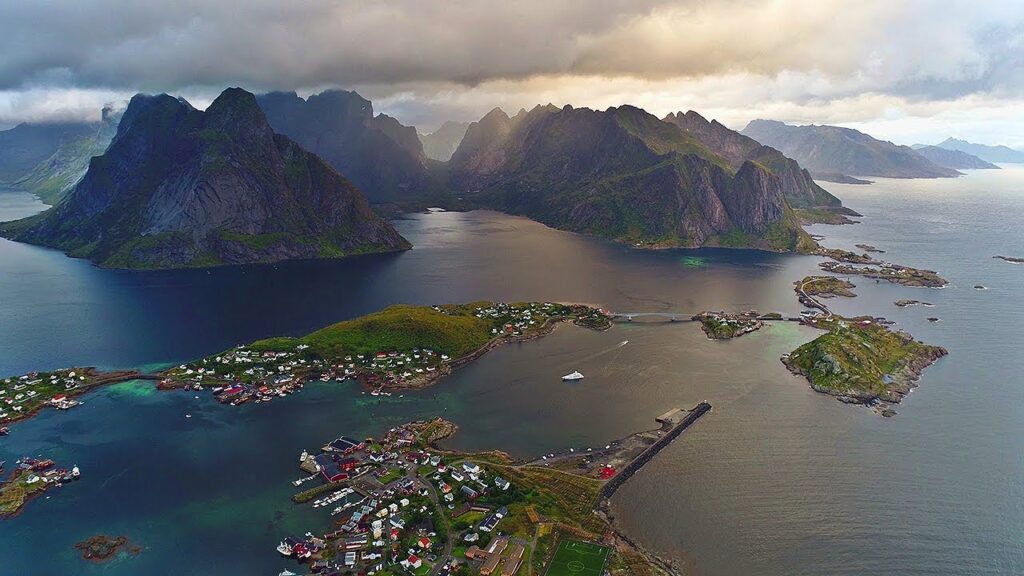
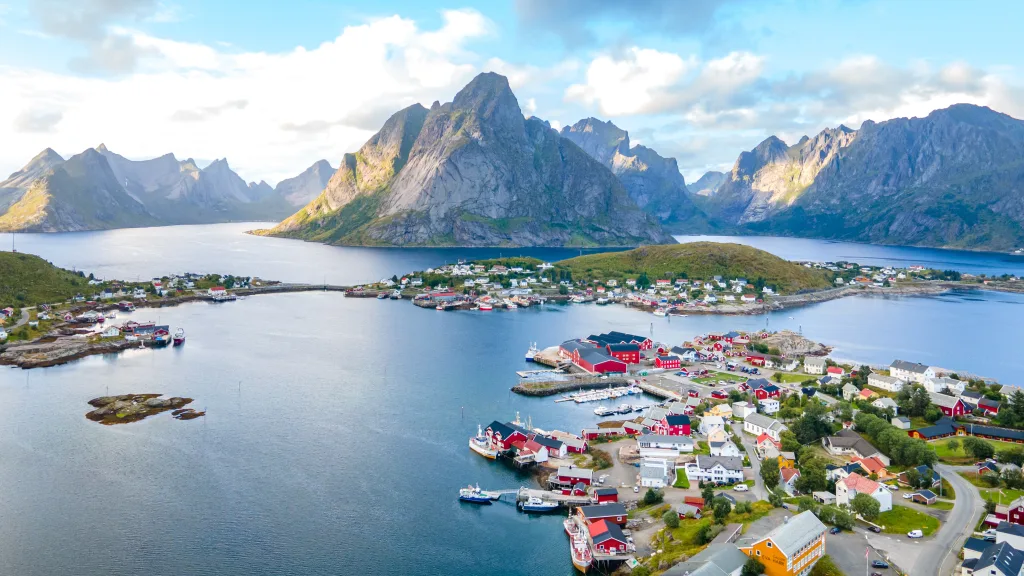
Picture this: jagged mountain peaks rising straight from turquoise waters, red fishing cabins perched on stilts, and roads that twist through scenery so dramatic you’ll forget to blink. That’s Lofoten—a chain of islands inside the Arctic Circle that looks like it was sketched by someone who’d never heard the word “subtle.” Getting to this Norwegian wonderland isn’t exactly like hopping on a subway. But here’s the good news: how to get to Lofoten Islands is way more straightforward than you’d think for such a remote destination. Whether you’re flying from New York, Mumbai, or Tokyo, this guide breaks down every ferry, flight, and mountain pass between you and one of Europe’s most jaw-dropping adventures. We’ll cover everything: the best routes from major cities, whether to fly or ferry from Bodø to Lofoten, how to snag a rental car Lofoten style, what a Lofoten itinerary 7 days looks like, and honest cost breakdowns. Plus, we’ve got insider tricks that’ll save you money and help you avoid the rookie mistakes that leave travelers stranded at a ferry terminal. Let’s get you to the Arctic. Why Lofoten Deserves the Journey First, let’s talk about why you’re even considering this trip. Lofoten archipelago travel isn’t for people who want easy beach resorts. This is for adventurers who get excited about standing on a mountain trail at midnight while the sun refuses to set. It’s for photographers who want to capture the Northern Lights Lofoten dancing above a fishing village Reine that looks straight out of a fairytale. The islands sit 200 kilometers north of the Arctic Circle, connected by bridges and tunnels that make the whole chain feel like one continuous adventure. The weather? Unpredictable. One minute you’re hiking Lofoten hiking trails in sunshine, the next you’re dodging horizontal rain. But that wild weather creates the dramatic light that makes every photo look like a National Geographic cover. From beaches in Lofoten like Kvalvika and Haukland (yes, Caribbean-colored water in the Arctic—seriously) to the vertical granite walls of fjords in Lofoten like Trollfjord, this place packs more scenery per square mile than anywhere else in Scandinavia. The remoteness is real, but it’s achievable. Thousands of travelers make it here every year, and with this guide, you will too. First Step: Getting to Norway (From Outside Europe) Major Gateway Cities Your Lofoten Islands Norway access journey starts with getting to Norway. For most international travelers, that means flying into one of these hubs: For travelers from Asia: A typical route from Mumbai or Delhi would be Mumbai → Oslo (via Dubai, Doha, or a European hub like Amsterdam) → Bodø → Lofoten. Flight time is roughly 12-16 hours total, not counting layovers. For American travelers: Direct flights from New York, Chicago, or Los Angeles to Oslo are your best bet. Norwegian Air and SAS offer competitive rates. From the U.S., you’re looking at 8-10 hours to Oslo. Visa & Practical Basics Norway is part of the Schengen Area. Most travelers need a Schengen visa (applied for through Norwegian embassies), which allows 90 days of travel within the zone. Americans, Canadians, Australians, and many Asian passport holders can check specific requirements at Norway’s official immigration site. Currency: Norwegian Krone (NOK). Credit cards are accepted everywhere, but it helps to have a small amount of cash for remote spots. Pro tip: Book a multi-city ticket. For example: fly into Oslo, spend a day exploring, then continue north. Or fly into Oslo and out of Tromsø to create a Northern Norway road trip loop. Primary Access Point: Oslo → Bodø Here’s where your journey gets real: Bodø is the jumping-off point for Lofoten. This coastal city sits right on the mainland across from the islands, and it’s the hub for ferries and regional flights heading to the archipelago. Getting to Bodø From Oslo, you have two main options: Booking tip: Norwegian domestic flights can get expensive if booked last-minute. Book 2-3 months ahead for the best prices. SAS often has sales during shoulder seasons (May, September). The Loop Strategy Here’s an insider move: Don’t book a round-trip to Bodø. Instead, fly into Bodø but fly out from Narvik/Harstad Airport (EVE) on the northern end of Lofoten. This creates a one-way route through the islands without backtracking. It adds maybe $30-50 to your ticket cost but saves a full day of travel time. How to Get from Bodø to Lofoten Islands This is the crucial leg. You’ve got three main options, and your choice depends on budget, time, and whether you want a car. Quick Comparison Table Method Time Cost (USD) Experience Best For Ferry (Car) 3-4 hours $100-150 (with car) Scenic, dolphins, mountains Road trippers, photographers Ferry (Walk-on) 3-4 hours $25-40 Budget-friendly, relaxing Public transport users Flight to Leknes/Svolvær 25-35 min $100-180 Fastest, aerial views Time-crunched travelers Drive via E10 5-6 hours Gas only (~$40) Ultimate scenic route Loop itinerary travelers Option 1: Ferry from Bodø to Moskenes The Bodø to Lofoten ferry is run by Torghatten Nord and sails to Moskenes on the southern tip of Lofoten. Details: Why take the ferry? On a clear day, you’ll sail past dramatic coastal mountains, potentially spot wildlife (we saw orcas on our September crossing), and arrive at Moskenes ready to explore the southern villages like Å and Reine. The ferry also serves as your “scenic introduction” to Lofoten. Pack snacks, grab a window seat, and keep your camera ready. Option 2: Fly to Leknes or Svolvær If time matters more than budget, fly. Widerøe operates short regional flights from Bodø. These tiny prop planes hold 30-40 people, and the views during takeoff are insane—you’re essentially flying at eye level with the mountains. Cost: $100-180 one-wayPro: Saves 3+ hours compared to the ferryCon: More expensive, and you’ll miss the ocean journey Option 3: Drive the E10 Highway For those coming from the north or doing a larger Norway loop, you can drive onto Lofoten via the E10 highway. The road connects through bridges and tunnels from the mainland. From

How to Get to Lofoten Islands: The Complete Step-by-Step Guide from 0 to Arctic Adventure Read More »

What to Do in Tromsø: The Ultimate Guide to Tours, Fjords & Northern Lights

Picture this: you’re standing on a frozen fjord, the temperature hovering around minus 10°C, when suddenly the sky erupts in waves of emerald green. The Northern Lights dance overhead while snow-capped mountains frame the Arctic horizon. Welcome to Tromsø, where nature puts on the greatest show on Earth. This guide covers everything you need to know about what to do in Tromsø, from chasing the aurora borealis to exploring pristine fjords, meeting reindeer herders, and experiencing the magic of the Midnight Sun. Whether you’re planning a winter escape or a summer adventure, Tromsø delivers experiences you’ll talk about for years. Quick Reference: Tromsø at a Glance Category Details Best Time for Northern Lights September to March (peak: December-February) Best Time for Midnight Sun Late May to Late July Currency Norwegian Krone (NOK) Average Daily Budget ₹8,000-₹15,000 (budget to mid-range) Getting There Tromsø Airport (TOS), 5 km from city center Population ~77,000 (largest city in Arctic Norway) Winter Temperature -4°C to -10°C Summer Temperature 10°C to 15°C Tromsø at a Glance Tromsø sits 350 kilometers north of the Arctic Circle on the island of Tromsøya, connected to the mainland by elegant bridges. This Arctic capital punches well above its weight, combining urban sophistication with raw wilderness access. The city’s location at 69°N latitude puts it squarely in the Northern Lights zone and gives it the fascinating phenomena of Polar Night (late November to mid-January, when the sun doesn’t rise) and Midnight Sun (late May to late July, when it never sets). The Gulf Stream keeps Tromsø’s climate surprisingly mild for its latitude. Winter temperatures hover between -4°C and -10°C, while summers reach a comfortable 10-15°C. The city serves as the perfect base for Arctic adventures, with stunning landscapes accessible within minutes of downtown. When to Visit Tromsø (Best Time by Activity) Winter (December-February): Aurora Prime Time Pros: Cons: Budget Tip: Visit in late January or February for slightly better deals while maintaining excellent aurora chances. Spring (March-April): Sweet Spot Season Pros: Cons: Summer (May-August): Land of the Midnight Sun Pros: Cons: Best Choice: Late May or late August for fewer crowds and lower costs. Autumn (September-November): Shoulder Season Magic Pros: Cons: Top Things to Do in Tromsø 3.1 In and Around the City Fjellheisen Cable Car Take the 4-minute ride up Mount Storsteinen (421 meters) for jaw-dropping panoramas of Tromsø, surrounding islands, and distant mountains. The cable car operates year-round, and the view changes dramatically with the seasons. Sunset rides in winter are spectacular, and if you’re lucky, you might spot the aurora dancing from the viewing platform. There’s a restaurant at the top if you want to enjoy the view over a warm meal. Pro tip: Visit during blue hour (just after sunset) when the city lights twinkle against the dusky Arctic sky. Arctic Cathedral (Ishavskatedralen) This striking modern church, with its distinctive triangular architecture, is Tromsø’s most photographed landmark. The interior features a stunning stained-glass window covering the entire east wall. The church hosts midnight sun concerts in summer and often serves as a dramatic backdrop for aurora photos in winter. Polaria This Arctic aquarium and experience center offers insight into Arctic marine life, including bearded seals that steal the show during feeding times. The panoramic cinema screens films about Svalbard and Arctic nature. It’s an excellent rainy-day option or a educational stop for families. The Polar Museum Housed in an old customs warehouse on the waterfront, this museum chronicles Arctic hunting, trapping, and polar expeditions. Learn about Roald Amundsen’s explorations and the history of Arctic Norway. The exhibits bring to life the harsh realities and incredible courage of polar pioneers. Telegrafbukta Beach and Lake Prestvannet Yes, there’s a beach in the Arctic! Telegrafbukta offers golden sand and surprisingly clear water (though swimming is for the brave). In summer, locals gather here for barbecues during the Midnight Sun. Lake Prestvannet, a 10-minute walk from the city center, is perfect for easy nature walks year-round and freezes over in winter for ice skating. 3.2 Northern Lights: How, Where & Tips Seeing the aurora borealis is likely the biggest reason what to do in Tromsø appears in your search history. Here’s everything you need to maximize your chances. Best Viewing Spots Around Tromsø: Understanding Aurora Forecasts: Download the Norwegian Meteorological Institute’s aurora forecast app or check websites like Visit Tromsø for predictions. The KP index (0-9) indicates aurora strength—anything above KP 3 is promising. However, clear skies matter more than a high KP index. A KP 2 night with zero clouds beats a KP 5 night with overcast conditions. Night Photography Settings: Essential Gear: Tripod, extra batteries (they drain fast in cold), headlamp with red light, wide-angle lens (14-24mm ideal). Guided Tours vs. DIY Aurora Chase Guided Tours: DIY Chase: Backup Plan: If clouds roll in, consider visiting Polaria, enjoying Tromsø’s pub scene, or planning an indoor activity. The aurora is nature’s show—she performs when she wants. 3.3 Island & Fjord Escapes Kvaløya: The Whale Island Just across the bridge from Tromsø, Kvaløya (pronounced “Kval-uh-ya”) is Norway’s fifth-largest island and a wonderland of dramatic scenery. Sommarøy: This picture-perfect fishing village features white sand beaches (yes, really!), turquoise waters, and colorful houses. In summer, it’s ethereal under the Midnight Sun. The drive there is spectacular, winding along the coast with mountains rising from the sea. Grotfjord: Besides being an aurora hotspot, this area offers incredible fjord views and hiking opportunities. The replacement viewpoint provides sweeping panoramas. Tromvik: A hidden gem at Kvaløya’s northern tip with a gorgeous beach, abandoned military installations, and prime aurora viewing. The 40-minute drive from Tromsø is worth every second. Fjord Cruises Silent fjord cruises offer a different perspective on Tromsø’s landscape. Winter cruises focus on wildlife (sea eagles are common) and sometimes the Northern Lights, while summer cruises bask in endless daylight and showcase green mountainsides tumbling into deep blue water. Expect to pay ₹4,000-₹8,000 for a 3-4 hour cruise. Many include snacks or meals. The contrast between summer and winter cruises is stark—summer shows nature

What to Do in Tromsø: The Ultimate Guide to Tours, Fjords & Northern Lights Read More »

Diu Beaches, India

Why Diu is Famous: A Serene Paradise with Rich History and Culture

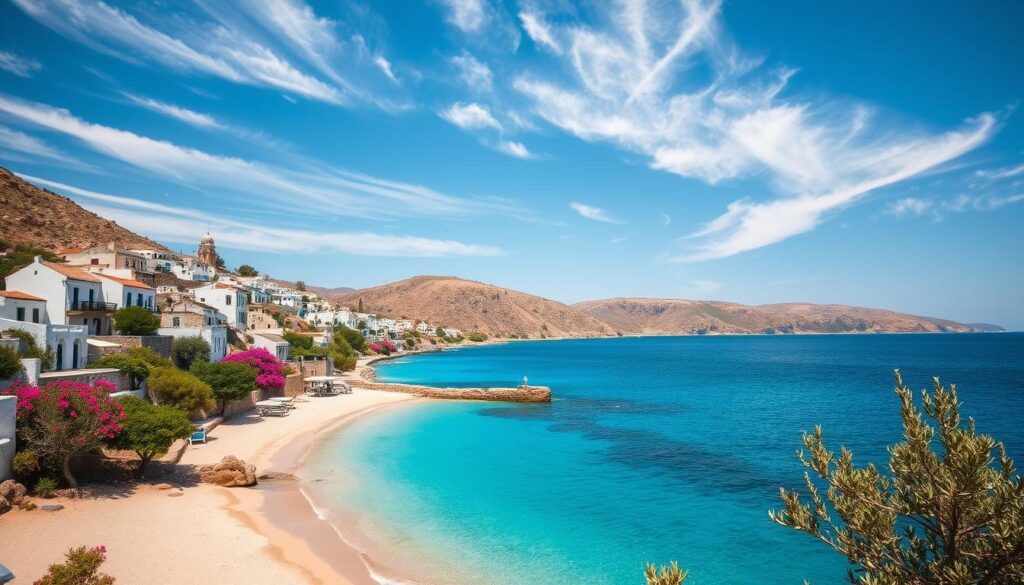
Diu is indeed considered a worthwhile travel destination, particularly if you are seeking a beach vacation near Gujarat. It offers a unique blend of sun, sand, and history, making it an appealing escape from the everyday hustle. Many travellers find Diu an unspoilt beach destination with a quaint, old-world charm, featuring pristine beaches and beautiful buildings. Here are some key reasons why Diu might be worth your visit: While some visitors note a limited number of attractions and activities compared to other destinations, Diu’s appeal lies in its relaxed atmosphere and historical depth. For a comprehensive understanding of what Diu offers, from its delightful food options and recommended stays to a detailed exploration of its attractions and travel tips, continue reading for more in-depth information. I. Introduction: Diu’s Allure as a Unique Indian Destination Diu is a captivating blend of sun, sand, and history, offering an escape from the chaos of daily life. This small island city, part of the union territory of Dadra and Nagar Haveli and Daman and Diu, is dotted with pristine beaches and showcases a rich heritage alongside exquisite architecture. It serves as one of the best beach vacation destinations near Gujarat and is a favoured tourist spot for beach lovers. Diu is notably famous for its pristine beaches, a profound Portuguese colonial heritage, an unpolluted and tranquil environment, and a laid-back charm that distinguishes it from more crowded destinations such as Goa. This unique blend makes it an ideal vacation destination for those seeking relaxation, historical exploration, and natural beauty near Gujarat. II. Diu’s Famous Beaches: Sun, Sand, and Serenity Diu is renowned for its clean and clear waters and unsoiled sea, making it suitable for bathing. The blue waters with waves and sand are particularly captivating, capable of holding one’s attention for hours. Beyond water sports, Diu’s beaches are perfect for long walks, watching spectacular sunsets, and luxuriating on golden sands. Other beach activities like camel rides and horse rides are also available. III. Diu’s Historical and Architectural Grandeur Diu’s identity is inextricably linked to its past as a Portuguese colony from 1535 until 1961. This long colonial period resulted in a distinctive multi-faced cultural heritage and significantly transformed the city’s architectural profile, introducing European amenities like churches and civic buildings into the urban landscape. IV. Cultural Melting Pot and Culinary Delights Diu boasts a multi-faced cultural heritage, reflecting an unusual amalgam of tribal, Indian, Portuguese, and European influences. The local inhabitants share similar traditions and customs with the people and culture of Gujarat. V. Diu’s Natural Environment and Unique Appeal Diu stands out as one of the freshest Indian towns you would ever visit. Its streets are described as being in apple-pie order, the sea water is unsoiled and suitable for bathing, and its memorials are well-ordered. This notable cleanliness is partly attributed to its sparse population, as many families have moved out for better career opportunities, leaving behind a sparkling, picturesque port town for visitors. Diu offers a quaint, old-world charm and is an unspoilt beach destination for relaxation-seekers looking to avoid thronging crowds. It promises a serene paradise experience, inviting visitors to explore, reflect, and rejuvenate amidst its sun-drenched beaches and historical monuments. VI. Practical Information for Planning Your Trip VII. Diu’s Comparative Advantage and Future Potential Diu presents itself as a compelling alternative to more popular beach destinations. It is noted to be cheaper than Goa, with better prices for seafood, water sports, and local transport. VIII. Conclusion: Is Diu Worth Visiting? Diu is undeniably famous for its fascinating combination of history, sand, sun, and architecture, enticing visitors looking for a perfect escape. It is well-regarded for its historical significance as a former Portuguese colony, its array of clean and beautiful beaches, its unique blend of cultures and cuisines, and its tranquil atmosphere that provides a refreshing escape from the chaos of daily life. While some aspects like local transport and certain dining experiences could be improved, Diu’s distinct charm, affordability, and historical depth make it a compelling destination. It is described as a “well-kept secret among travellers looking for relaxing, unpolluted places“. For those seeking a tranquil vacation, cultural immersion, and a break from the ordinary, Diu offers a worthwhile and unique travel experience. Table of Clarity: Diu Travel Guide Category Details Destination Diu, Union Territory of Dadra & Nagar Haveli and Daman & Diu, India Famous For Pristine beaches, Portuguese colonial heritage, historical forts & churches, affordable seafood & alcohol, serene charm Top Beaches Nagoa Beach (water sports, crescent shape), Ghoghla Beach (largest, clean & less crowded), Jallandhar Beach (calm, demon shrine), Chakratirth Beach (mythological, rocky), Gomtimata Beach Major Attractions Diu Fort, St. Paul’s Church, St. Thomas Church (Museum), Church of St. Francis, Naida Caves, INS Khukri Memorial, Zampa Gateway, Fortim do Mar (Pani Kotha), Gangeshwar Temple, Jallandhar Shrine Unique Events Fiesta De Diu (Asia’s longest beach festival, 70 days), Garba Festival, Folk Dance Festival, Thai Festivals (Songkran, Loi Krathong) Food Specialties Fresh seafood (prawns, pomfret, bangda), Portuguese dishes (Caldinho de Camarao, Cozido de pixie), Gujarati/Indian staples (rotla, chhole-bhature), affordable alcohol Shopping Seashell & bamboo handicrafts, pearl jewelry, colorful bangles, dry fruits, imported goods Best Time to Visit October – February (cool & pleasant, 15-23°C). March – May (warmer but breezy). Avoid monsoon for beach activities. How to Reach Air: Diu Airport (DIU) – flights from Mumbai & Porbandar.Rail: Nearest major station – Veraval (90 km).Road: Connected via highways to Mumbai, Ahmedabad, Rajkot, Surat, Vadodara.Local: Auto-rickshaws, buses, bike rentals (limited public transport). Accommodation Ranges from budget hotels to luxury resorts: The Grand Highness, Azzaro Resort & Spa, Ginger Diu, The Fern Seaside Tent Resort Affordability Cheaper than Goa (seafood, water sports, alcohol, transport). Budget-friendly destination Safety Generally safe; peaceful town with low crime. Some concerns about monument conservation & limited activities Ideal For Beach lovers, history buffs, culture explorers, family trips, budget travelers, offbeat explorers Comparative Advantage Less crowded & cheaper than Goa, rich Portuguese history, proximity to Gujarat & Maharashtra, declared a “Special Tourism Area” Frequently

Why Diu is Famous: A Serene Paradise with Rich History and Culture Read More »