Adventure Travel

What to See in Vengurla – Ultimate Konkan Beach Guide

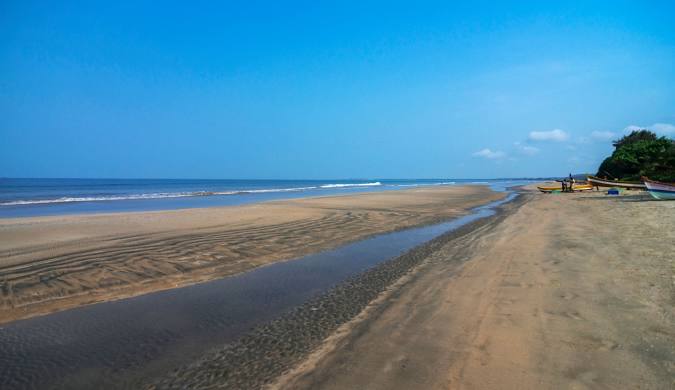
Quick Vengurla Travel Information Category Details Location Sindhudurg District, Maharashtra (South Konkan Coast) Distance from Mumbai ~520 km (10-11 hours by road) Distance from Pune ~430 km (8-9 hours by road) Distance from Goa ~120 km (3 hours by road) Best Time to Visit October to March (cool and pleasant) Nearest Railway Station Kudal (12 km away) Language Spoken Marathi, Konkani, Malvani Famous For Pristine beaches, lighthouse views, Malvani cuisine Ideal Trip Duration 2-3 days Introduction Ever felt tired of fighting for a spot on crowded beaches? Sick of overpriced shacks and noisy beach parties? Then Vengurla is calling your name. Tucked away in Maharashtra’s Sindhudurg district, Vengurla is that rare Konkan treasure most travelers haven’t discovered yet. While everyone’s rushing to Goa or standing shoulder-to-shoulder at Alibaug, this quiet coastal town offers something truly special – empty white-sand beaches, crystal-clear waters, and the kind of peace that makes you forget your phone exists. This guide will walk you through everything what to see in Vengurla, from its stunning beaches and historic lighthouse to hidden coves only locals know about. Whether you’re planning a family holiday, a solo escape, or a romantic weekend, Vengurla delivers that authentic Konkan experience you’ve been searching for. Ready? Let’s explore this hidden paradise. Best Beaches When Visiting Vengurla 1. Khavane Beach – The Crown Jewel Khavane Beach is where most travelers fall in love with Vengurla. Picture this: soft white sand stretching for miles, gentle waves perfect for swimming, and barely another soul in sight. The beach curves beautifully, creating natural pools during low tide that kids absolutely love. What Makes It Special: Beach-Specific Tips: Best Time Local Food Crowd Avoidance What to Pack 6:30-8:00 AM for sunrise magic Try Bhaji-Pav and fresh coconut water from the blue cart near the entrance Visit on weekdays; weekends get busier after 10 AM Sunscreen, hat, reusable water bottle, beach mat Local Secret: Walk to the rocky section at the south end during low tide (around 4-5 PM). You’ll find tide pools filled with tiny crabs and colorful fish – perfect for photography! 2. Kondura Beach – The Adventure Spot If you’re craving some action, Kondura Beach delivers. This beach is rockier than Khavane, making it ideal for exploring tide pools and watching powerful waves crash against ancient stones. It’s less crowded and has a wilder, more rugged charm. What Makes It Special: Beach-Specific Tips: Best Time Local Food Crowd Avoidance What to Pack 5:00-7:00 PM for golden hour Fresh fried fish from the shack near parking (ask for Surmai) Mornings are almost empty Water shoes (rocks can be sharp), camera, light jacket for evening breeze Safety Note: The waves here can be strong. Stay cautious if you’re planning to swim, especially during monsoon months. 3. Mochemad Beach – The Peaceful Retreat Want a beach all to yourself? Mochemad Beach is your answer. This lesser-known stretch is quieter than its famous neighbors, making it perfect for meditation, reading, or just listening to the waves without interruption. What Makes It Special: Beach-Specific Tips: Best Time Local Food Crowd Avoidance What to Pack Early morning or late afternoon (avoid midday sun) Carry your own snacks – limited food options nearby Already uncrowded! Picnic supplies, hammock (trees are perfect), binoculars for bird watching Insider Tip: This beach is ideal for practicing yoga or meditation. The morning silence is truly special. 4. Vayangani Beach – The Local Favorite Vayangani Beach sits slightly off the main tourist circuit, which means you’ll see more local families here than tourists. That’s exactly what makes it charming! The beach has a community feel, with fishermen mending nets and kids playing cricket on the sand. What Makes It Special: Beach-Specific Tips: Best Time Local Food Crowd Avoidance What to Pack 6:00-9:00 AM (join morning walkers) Small tea stall near the fishermen’s area serves fantastic chai and vada-pav Relatively quiet throughout the day Sports equipment (locals are friendly and might invite you for cricket!), camera 5. Sagareshwar Beach – The Temple Beach Named after the Sagareshwar Temple nearby, this beach combines spiritual vibes with natural beauty. It’s smaller than the others but has its own unique character, with black rock formations creating interesting patterns against the golden sand. What Makes It Special: Beach-Specific Tips: Best Time Local Food Crowd Avoidance What to Pack Post-temple visit (7-8 AM) or evening aarti time Limited food options – better to eat before coming Very quiet except during temple festivals Modest clothing (for temple visit), offerings if you wish to pray, sun protection Cultural Respect: If you visit the temple, dress modestly (covered shoulders and knees) and remove footwear before entering. Must-Visit Landmarks & Viewpoints in Vengurla Vengurla Lighthouse – The Iconic Viewpoint Standing tall since 1922, the Vengurla Lighthouse offers the most breathtaking 360-degree views of the Konkan coastline. Climbing the 135 steps is totally worth the effort when you see the Arabian Sea stretching endlessly before you. Visiting Details: Pro Tips: What You’ll See: From the top, spot dolphins if you’re lucky, watch fishing boats returning with their catch, and see the entire coastline from Mochemad to Sagareshwar beaches. Reference: Directorate General of Lighthouses and Lightships provides official information about lighthouse visiting policies. Vengurla Jetty – Where Life Happens The jetty isn’t just a landmark – it’s the heartbeat of Vengurla. Early mornings bring hundreds of fishing boats returning with the night’s catch, while evenings transform it into a social gathering spot for locals and travelers alike. Best Times to Visit: What to Experience: Bargaining Tip: If you’re hiring a boat to Tsunami Island or for fishing trips, establish the price clearly before starting. Fair prices range from ₹500-800 per boat (not per person) for a 2-3 hour trip. Sagareshwar Shiva Temple – Ancient Spirituality This centuries-old temple sits right by the beach, creating a rare combination of spiritual energy and natural beauty. The temple architecture showcases traditional Konkani style with intricate stone carvings. Visiting Guidelines: Why Visit: Even if you’re not religious, the peaceful atmosphere and historical

What to See in Vengurla – Ultimate Konkan Beach Guide Read More »
Things to Do in Diveagar – The Complete Guide for Your Weekend Escape

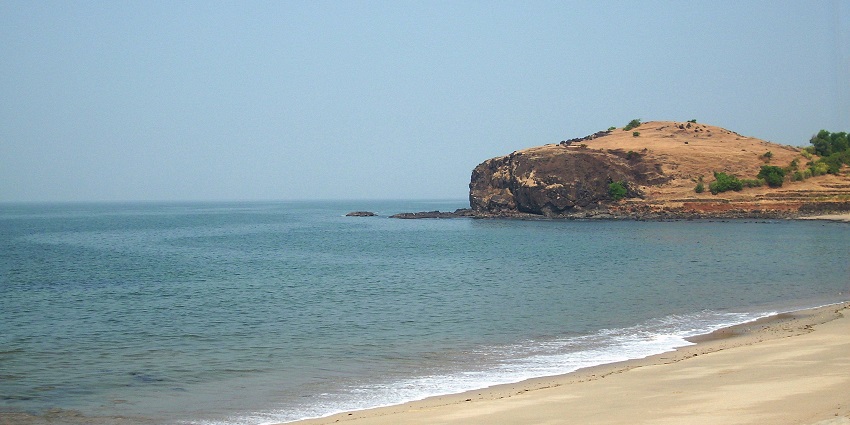
Picture this: soft waves gently kissing a stretch of pristine sand, coconut groves swaying in the salty breeze, and fishing boats dotting the horizon as the sun paints the sky in shades of orange and pink. Welcome to Diveagar, a hidden gem tucked along Maharashtra’s stunning Konkan coastline. Unlike the crowded beaches you’re probably tired of, this peaceful paradise offers the perfect blend of relaxation and adventure. Whether you’re hunting for the best things to do in Diveagar or simply craving a break from city chaos, this coastal village delivers an authentic experience that’ll refresh your soul. Just a comfortable drive from Mumbai or Pune, Diveagar has become my go-to spot whenever I need to hit the reset button. What makes it special? It’s the rare combination of untouched natural beauty, rich cultural heritage, thrilling water sports, and some of the most mouthwatering seafood you’ll ever taste. This guide covers everything you need to plan the perfect weekend escape—from the safest routes to hidden spots only locals know about, plus practical tips on where to stay, what to eat, and how to make every moment count. Quick Information: Diveagar at a Glance Category Details Distance from Mumbai Approx. 170 km (4-5 hours by road) Distance from Pune Approx. 180 km (4-5 hours by road) Best Time to Visit October to March (pleasant weather); June-Sept (monsoon beauty) Ideal Duration 1-2 nights (2 days recommended) Main Attractions Diveagar Beach, Suvarna Ganesh Temple, Water Sports, Phansad Wildlife Sanctuary Average Budget (2 Days) ₹3,000-₹8,000 per person (depending on accommodation) Food Specialty Fresh seafood, fish curry-rice, solkadhi, bombil fry Nearby Attractions Shrivardhan Beach (8 km), Harihareshwar (25 km), Murud-Janjira Fort (50 km) 1. Reach & Best Time: Planning Your Things to Do in Diveagar How to Reach Diveagar from Mumbai and Pune Getting to Diveagar is half the adventure! The journey takes you through scenic countryside, traditional villages, and lush greenery that’ll have you reaching for your camera. From Pune (Recommended Route): Here’s the route I always take—it’s smoother and safer. From Pune, take the Expressway to Khalapur and go via Pali and Mangaon to Diveagar. This route keeps you on better-maintained roads and cuts down on those nerve-wracking narrow patches. The entire journey takes about 4-5 hours, depending on traffic and how many chai stops you make (and trust me, you’ll want to stop at least once!). From Mumbai: Head out via the Mumbai-Goa Highway (NH66), take the turn at Mangaon, and follow the signs to Diveagar. The route passes through Mahad and offers gorgeous views of the Western Ghats. Early morning starts work best to avoid city traffic—aim to leave by 6 AM and you’ll reach in time for a late breakfast by the beach. By Train + Taxi: The nearest railway station is Mangaon (about 40 km away). From there, you can hire a taxi or catch a local bus. Check train schedules on Indian Railways for the most current timings. Pro Tip: Keep your fuel tank topped up—petrol pumps become sparse once you’re deep into the Konkan region. Best Time to Visit Diveagar October to March is absolutely perfect for beach lovers. The weather stays pleasant (20-30°C), the sea is calm enough for water sports, and you can spend hours on the sand without getting scorched. I remember watching the most stunning sunset in January—the sky turned into this incredible canvas of purples and golds. Monsoon (June-September) transforms Diveagar into a lush green paradise. The countryside becomes absolutely breathtaking, but here’s the catch—the sea gets rough and most water activities shut down. If you’re someone who loves rain-soaked landscapes and doesn’t mind skipping the beach swim, monsoon has its own magical charm. Summer (April-May) can get pretty hot and humid, though it’s still manageable if you stick to early mornings and evenings. How Long Should You Stay? Two days are enough to cover all the major attractions leisurely if you start early in the morning. A single night works if you’re really pressed for time, but you’ll be rushing. My best advice is to take it slow—this place deserves more than a quick checklist visit. Unique Tip: Set your alarm for an early morning walk on Diveagar Beach before 7 AM. The beach is practically empty, the air is crisp, and you might spot fishermen hauling in their fresh catch. It’s a completely different vibe from the afternoon crowd scene. 2. Diveagar Beach: Sun, Sand & Sea-side Strolls The star attraction! Diveagar Beach stretches for about 3 kilometers and offers a unique blackish-white sand mix (thanks to the minerals from the Sahyadri ranges). Unlike some Konkan beaches with steep drops, Diveagar has a gentle slope that makes it incredibly safe for families with kids. The waves here are relatively calm compared to other beaches along the coast. Sunrise & Sunset Magic The beach faces west, making it a sunset lover’s dream. But here’s a secret most tourists miss—head to the northern end near the coconut grove around 6:30 AM. You’ll find a quieter spot where local fishermen prepare their boats, and the morning light creates this golden glow across the sand. It’s perfect for photography or just soaking in the peaceful vibes. Sunset happens around 6-6:30 PM (depending on the season), and the entire beach comes alive. Families spread out picnic mats, couples take long walks, and food vendors start setting up their stalls. The sight of the sun dipping into the Arabian Sea never gets old. What Makes This Beach Special The fishing village vibe is authentic—no over-commercialization or pushy vendors. You’ll see traditional fishing boats (called nausenas) lined up on the shore, and if you’re lucky, you might witness the fishermen coming back with their morning catch. The coconut groves provide natural shade, perfect for when the afternoon sun gets intense. What to Pack Insider Tip: Walk towards the fishing village on the southern end of the beach. You’ll find a small path leading through coconut groves that opens up to a quieter beach section. This is where

Things to Do in Diveagar – The Complete Guide for Your Weekend Escape Read More »

Top Things to Do in Siem Reap: Ultimate 2025 Guide for Temples, Food & Hidden Gems

Picture this: the sun rises over ancient stone towers, painting them in shades of gold and pink. Monks in saffron robes walk silently past centuries-old carvings. The smell of fresh coffee and grilled street food fills the air. Welcome to Siem Reap – Cambodia’s most magical destination that’s so much more than just a temple town. Sure, you’ve heard about Angkor Wat. Everyone has. But here’s what most guides won’t tell you: Siem Reap is an incredible mix of ancient history, buzzing food scenes, peaceful countryside, and friendly locals who’ll make you feel right at home. Whether you’re planning a quick weekend getaway or a full week of exploration, this Siem Reap travel guide has everything you need to make 2025 your year to discover Cambodia. I’ve put together this complete resource covering the famous temples, secret spots that most tourists miss, the best places to eat (including amazing vegetarian options), where to sleep, and all those practical tips that’ll save you time and money. Let’s get started! Quick Reference: Siem Reap at a Glance Category Details Best Time to Visit November to February (cool and dry) Recommended Stay 3-5 days (minimum 2 days) Main Attractions Angkor Wat, Bayon Temple, Ta Prohm, Pub Street Getting Around Tuk-tuks, bicycles, PassApp (local ride app) Currency US Dollar (USD) & Cambodian Riel Temple Dress Code Shoulders & knees covered Visa Required Yes (e-visa available online) Average Daily Budget Budget: $30-50 / Mid-range: $50-100 / Luxury: $100+ Airport Transfer 15-20 minutes to city center ($10-15) How Many Days in Siem Reap? Here’s the honest answer: you could spend two days or two weeks in Siem Reap and still find new things to explore. But let me break it down for you. Minimum Stay: 2 DaysIf you’re seriously short on time, you can hit the major temple highlights in 48 hours. You’ll see Angkor Wat, Bayon, and Ta Prohm, grab some street food, and maybe squeeze in Pub Street at night. It’s doable, but it’ll feel rushed. Ideal Stay: 4-5 DaysThis gives you breathing room to explore the Angkor temple complex properly, take a countryside bike ride, visit the floating villages, and actually relax by your hotel pool. You won’t feel like you’re racing from one spot to another. The 48-Hour WhirlwindDay 1: Start before dawn for Angkor Wat sunrise, explore the main temples until afternoon, rest during the hot hours, then hit Pub Street for dinner and drinks.Day 2: Morning at Banteay Srei and a lesser-known temple, afternoon exploring Old Market and trying local cafes, evening at a rooftop bar watching the sunset. The Ultimate Week PlanWith seven days, you can follow a relaxed 5-day Siem Reap itinerary, add a wellness day for spa treatments or yoga, take longer day trips to remote temples, learn to cook Khmer dishes, and really connect with the local culture. You’ll leave feeling refreshed instead of exhausted. Must-Do Temples & Historical Sites Let’s talk about what brings most people to Siem Reap: the incredible Siem Reap temples and ruins. The Angkor Archaeological Park covers over 150 square miles and contains hundreds of temples built between the 9th and 15th centuries. Don’t worry – you don’t need to see them all! The Big Three Temples Angkor WatThis is the reason Cambodia appears on your bucket list. Built in the early 12th century, Angkor Wat is the largest religious monument in the world. The sunrise here is famous for good reason – watching the temple silhouette transform as daylight breaks is genuinely breathtaking. But here’s a tip: sunset at Angkor Wat can be equally stunning and way less crowded. Give yourself at least 2-3 hours to explore properly. Walk through the galleries covered in detailed carvings that tell ancient Hindu stories. Climb the steep stairs to the central tower (modest dress strictly enforced here). And please, skip the elephant rides – they’re not ethical. Bayon TempleLocated in the heart of Angkor Thom, Bayon feels like stepping into a different world. This temple is famous for its 216 massive stone faces that seem to smile down at you from every angle. It was built in the late 12th century as a Buddhist temple, and the atmosphere here feels more mystical than Angkor Wat. Visit Bayon around mid-morning when the light hits those faces perfectly for photos. The temple gets busy, but the crowds spread out enough that you can find quiet corners to sit and absorb the energy. Ta ProhmRemember that Tomb Raider movie with Angelina Jolie? Yeah, this is that temple. Ta Prohm was deliberately left partially unrestored, so massive tree roots still grip the ancient stones. Nature and architecture merge in ways that look almost impossible. Go early morning or late afternoon to avoid tour bus crowds. The combination of crumbling stone corridors and giant trees creates endless photo opportunities, but honestly, just being there feels like exploring a forgotten kingdom. The Artistic Gem: Banteay Srei About 25 kilometers north of the main temple area, Banteay Srei deserves its own visit. This smaller temple features the most intricate carvings you’ll see anywhere in the complex – seriously, the detail is incredible. Built from pink sandstone in the 10th century, the whole place glows beautifully in afternoon light. Combine this with a visit to the nearby Cambodia Landmine Museum to understand more about Cambodia’s recent history. It’s a heavy but important experience. The Hidden Treasure: Preah Palilay Want to escape the crowds? Preah Palilay sits hidden in the forest near the Terrace of the Elephants. Most tour groups skip this small Buddhist temple, which means you might have it completely to yourself. The peaceful setting and weathered Buddha statues create a meditative atmosphere that the busier temples just can’t match. Logistics: The Angkor Pass You’ll need an Angkor Pass to enter the temple complex. Buy it online at the official Angkor Enterprise portal or at the ticket center near the entrance. Most visitors choose the 3-day pass, which gives flexibility without feeling rushed. Your pass includes your photo, so

Top Things to Do in Siem Reap: Ultimate 2025 Guide for Temples, Food & Hidden Gems Read More »

What to Do in Dominica – From Black Sand Beaches to Boiling Lake (Ultimate Guide)

Quick Reference Guide Category Key Information Best Time to Visit February to May (dry season) Currency Eastern Caribbean Dollar (XCD) Language English Getting Around Car rental recommended, local buses available Visa Requirements Many nationalities receive visa-free entry Average Trip Length 5-7 days for full experience Top Activities Hiking, diving, hot springs, waterfall swimming Unique Feature “Nature Island of the Caribbean” Picture this: You’re standing on a beach with black sand beneath your feet, surrounded by lush green mountains that drop straight into the turquoise sea. Behind you, steam rises from volcanic hot springs, while ahead, a rainforest beckons with hidden waterfalls and swimming holes. Welcome to Dominica—the Caribbean island that traded beach resorts for adventure boots. If you’re wondering what to do in Dominica, you’re in for a treat. This isn’t your typical Caribbean vacation spot with mega-resorts and crowded beaches. Dominica (not to be confused with the Dominican Republic) is the “Nature Island” where adventure seekers, nature lovers, and anyone tired of cookie-cutter vacations come to reconnect with the wild side of the Caribbean. This guide will take you through everything from diving into geothermal underwater vents to hiking to a literally boiling lake, from exploring Indigenous Kalinago culture to “liming” (that’s local speak for hanging out) with friendly locals over fresh seafood and bush rum. Ready to discover why Dominica should be at the top of your travel list? Let’s dive in! 1. Volcanic Beaches & Coastal Chill (with an edge) Forget the typical white sand Caribbean beaches—Dominica’s coastline tells a different story. The island’s volcanic nature gifts visitors with dramatic black sand beaches that look like something from another planet. Best Black Sand Beaches to Explore Batibou Beach sits in the northeast and offers a Robinson Crusoe vibe. With coconut palms leaning over dark sand and crystal-clear water, this spot feels wonderfully remote. The best part? It rarely gets crowded, even during peak season. Mero Beach on the west coast is perfect for families. The water stays calm, and you’ll find local vendors selling grilled fish and cold drinks. Come here on a Sunday afternoon to experience authentic Dominican beach culture. Coconut Beach near Portsmouth gives you the best of both worlds—beautiful scenery and easy access to restaurants and facilities. Insider Tips for Beach Days Here’s a travel hack most visitors miss: Pack water shoes. Many of Dominica’s beaches have rocky areas and coral near the shore, so those aqua shoes will save your feet and let you explore tide pools comfortably. For sunset photography, head to Scotts Head at the southern tip. This spot where the Caribbean Sea meets the Atlantic Ocean creates incredible light shows. Arrive 30 minutes before sunset to scout your angles. Pro tip: Cruise ships dock on certain days, bringing day-trippers to popular spots. Ask locals which days to avoid the crowds, or visit beaches in the late afternoon when tour groups have left. Reference: Discover Dominica Authority 2. Underwater Marvels: Diving & Snorkeling If you think the land in Dominica is impressive, wait until you see what’s underwater. This island ranks among the Caribbean’s top destinations for scuba diving and snorkeling, with sites that range from beginner-friendly to seriously adventurous. Champagne Reef: The Star Attraction Champagne Reef earned its bubbly name from the geothermal vents on the ocean floor that release streams of warm bubbles through the water. Swimming through these natural “champagne bubbles” while surrounded by colorful fish and healthy coral creates a surreal experience you won’t find anywhere else. The volcanic activity beneath the seafloor creates warm pockets in the water—it literally feels like swimming in a giant jacuzzi with tropical fish! The reef sits close to shore, making it accessible for snorkelers of all skill levels. Best Dive Sites Soufrière Scotts Head Marine Reserve protects some of the healthiest reefs in the Caribbean. The dramatic underwater topography includes walls, pinnacles, and caverns teeming with marine life. For experienced divers, L’Abym (translates to “the abyss”) drops to incredible depths and attracts larger pelagic species. Keep your eyes open for dolphins and pilot whales. Coral Gardens lives up to its name with pristine coral formations in shallow water—perfect for beginner divers and snorkelers. Eco-Responsible Diving Dominica takes marine conservation seriously. When booking dive operators, look for companies certified by the Dominica Watersports Association. They follow strict guidelines to protect the reefs. Important eco-tips: Recommended dive operators include Dive Dominica and Nature Island Dive—both known for their safety standards and environmental ethics. Reference: Dive Dominica 3. Hiking the Rainforest & Epic Trails Dominica’s nickname as the “Nature Island” comes from its incredible rainforest coverage—about 60% of the island remains forested. This creates a hiker’s paradise with trails ranging from easy nature walks to challenging multi-day treks. Waitukubuli National Trail: The Caribbean’s Longest The Waitukubuli National Trail stretches 115 miles across the entire island, making it the longest hiking trail in the Caribbean. Divided into 14 segments, you can tackle individual trail segments or commit to the full multi-day adventure. Don’t worry—you don’t need to be an ultra-marathoner to enjoy this trail. Each segment can be hiked separately, ranging from 2 to 7 hours. Must-Do Day Hikes Middleham Falls Trail leads through dense jungle to a spectacular 200-foot waterfall crashing into a pool perfect for swimming. The 3-mile round trip takes about 3 hours, and the reward at the end makes every muddy step worth it. Trafalgar Falls offers an easier option—a short nature trail (about 10 minutes) to viewing platforms overlooking twin waterfalls. For the adventurous, you can scramble over boulders to reach the pools at the falls’ base. Syndicate Nature Trail in Morne Diablotin National Park gives you the best chance to spot the endangered Sisserou parrot (Dominica’s national bird). This gentle 90-minute loop through the rainforest rewards early risers with amazing birdwatching. Family-Friendly Micro-Adventures Traveling with kids or just want something less intense? Try the Emerald Pool Nature Trail—a short 20-minute walk through the forest to a beautiful waterfall and swimming hole. The maintained path and scenic setting

What to Do in Dominica – From Black Sand Beaches to Boiling Lake (Ultimate Guide) Read More »

When Is the Best Time to Visit Phú Quốc? Season-by-Season Guide for Beach Lovers

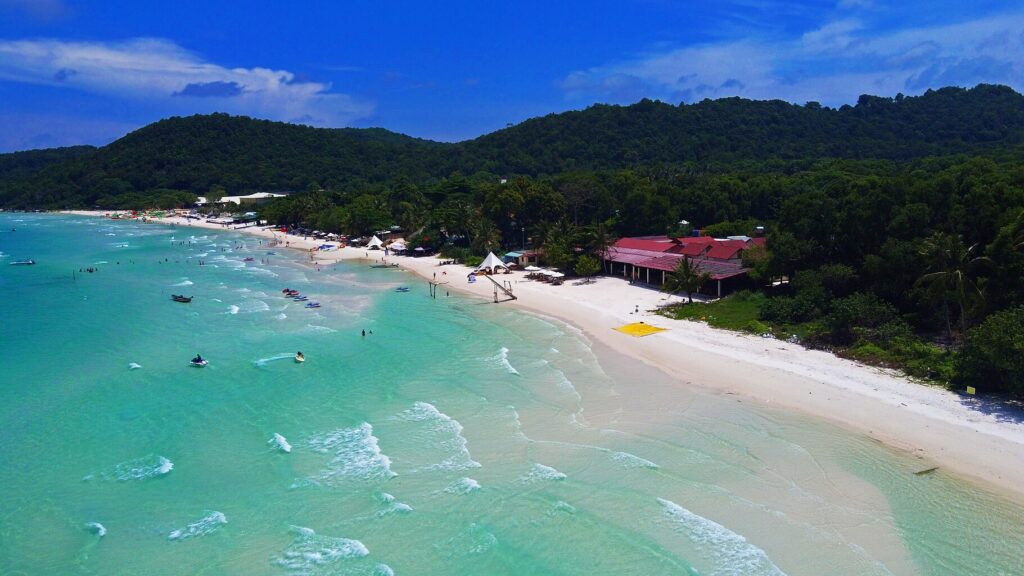
Picture this: you’re lounging on powdery white sand, crystal-clear water lapping at your feet, and palm trees swaying gently in the warm breeze. Welcome to Phú Quốc, Vietnam’s largest island and one of Southeast Asia’s most stunning beach destinations. This tropical paradise offers everything from pristine beaches and vibrant coral reefs to lush rainforests and charming fishing villages. Whether you’re craving adventure, relaxation, or a bit of both, Phú Quốc delivers. But here’s the question every traveler asks: when is the best time to visit Phú Quốc? In this guide, I’ll walk you through everything you need to know about Phú Quốc weather, the differences between the dry season and rainy season, and how to choose the perfect time based on your travel style. Let’s get started! Quick Snapshot — Best Time at a Glance Not sure which season suits you? Here’s a quick breakdown: Season Months Weather Best For Crowds Price Range Sea Conditions Dry Season Nov–Apr ☀️ Sunny, 25-30°C, Low humidity Beach lovers, water sports, island-hopping High $$ Calm & clear Peak Dry Season Dec–Feb ☀️ Perfect sunshine, 26-28°C Guaranteed beach weather Very High $$ Excellent Shoulder Season Apr, May, Oct 🌤️ Mostly sunny, occasional rain, 27-32°C Balance of weather & value, photographers Moderate $ Good to calm Rainy Season Jun–Sep 🌧️ Afternoon showers, 25-31°C, High humidity Budget travel, lush scenery, local culture Low $ Rough, limited visibility Quick Tips by Season: Dry Season (November–April) Shoulder Months (April, May & October) Rainy Season (June–September) Pro Tip: For the best of both worlds, budget-savvy travelers should target late April or October. You’ll enjoy pleasant weather without the peak-season price tags! Understanding Phú Quốc’s Climate & Seasons Phú Quốc has a tropical monsoon climate, which means it’s warm year-round with two distinct seasons. The island sits in the Gulf of Thailand, giving it slightly different weather patterns than mainland Vietnam. Here’s what you need to know about the Phú Quốc climate: These seasons directly impact your experience on the island: Understanding these patterns helps you plan the perfect Phú Quốc beach travel experience. Dry Season (November–April) – Peak Time for Sun & Sea If you’re dreaming of perfect beach weather, the dry season is your golden ticket. From November through April, Phú Quốc transforms into a sun-soaked paradise with some of the most stunning conditions you’ll find anywhere in Southeast Asia. Weather Conditions During these months, you can expect: The water is incredibly clear, making it ideal for Phú Quốc snorkeling and diving adventures. You’ll spot colorful fish, coral gardens, and maybe even sea turtles! Activity-Focused Tips This is the peak season for good reason. Here’s what you can enjoy: Unique Tip: Even during peak season, you can beat the crowds by visiting beaches or popular attractions before 9 AM. You’ll have the sand practically to yourself and capture those Instagram-worthy shots without photobombers! Booking & Budget Here’s the reality: Phú Quốc’s dry season means higher prices. Flights and hotels charge premium rates, especially during major holidays like New Year’s and Tết (Vietnamese Lunar New Year, usually late January or early February). Smart booking strategies: Yes, you’ll pay more during this season, but the guaranteed sunshine and perfect conditions often make it worth every penny. Transition Months (April, May & October) – The Sweet Spot Want to know a secret? The shoulder months are often the smartest choice for savvy travelers. April, May, and October offer a magical balance of decent weather, lighter crowds, and friendlier prices. Define the Appeal These transitional months sit between the dry and rainy seasons, giving you a taste of both worlds. The weather is still mostly pleasant, but you’ll avoid the peak-season chaos and costs. Pros vs. Cons Pros: Cons: Unique Tip The shoulder season is a photographer’s dream! The landscapes are incredibly lush and green (especially October), and the softer, more diffused light creates stunning images. If you’re seeking tranquility and don’t mind occasionally adjusting your plans, these months are perfect. Planning Advice For shoulder season travel: April is particularly lovely as the dry season transitions out—you’ll still get plenty of sunshine with occasional refreshing breezes. Rainy Season (May–October) – Hidden Benefits & Lush Landscapes Don’t write off the rainy season just yet! While May through October brings more precipitation to Phú Quốc, it also offers unique advantages that many travelers overlook. What to Expect First, let’s bust a myth: the Phú Quốc rainy season doesn’t mean constant downpours. Here’s what actually happens: Travel Implications & Opportunities Yes, some boat tours might get canceled due to rough seas. But here’s what you gain: Alternative Activities: Unique Tip Here’s the hidden magic: the rainy season transforms Phú Quốc into an incredibly green and vibrant paradise. The island bursts with life, waterfalls flow stronger, and you’ll have beaches virtually to yourself. It’s also harvest season for Phú Quốc’s famous black pepper, giving you a chance to see authentic agricultural life. With far fewer tourists, you’ll experience a more genuine side of island life—chatting with locals at markets, enjoying restaurants without reservations, and discovering hidden spots the crowds never see. Preparation Advice Pack smart for the rainy season: Most importantly, embrace flexibility. If rain cancels your beach plans, you’ll discover that Phú Quốc has plenty to offer beyond the sand. What’s the Best Time for You? A Traveler-Type Guide Still not sure when to book your Phú Quốc adventure? Let’s match your travel style with the perfect season. For Beach Lovers & Sun-Worshippers Best months: November–April (dry season) If your dream vacation involves endless sunshine, swimming in crystal-clear water, and working on your tan, the dry season is non-negotiable. You’ll get reliable weather, calm seas perfect for snorkeling, and ideal conditions for beach-hopping. Yes, you’ll share the sand with other tourists, but the guaranteed sunshine makes it worthwhile. For Budget Travelers & Solitude Seekers Best months: May–October (rainy season) or late April/early October (shoulder months) Save serious money while enjoying a more peaceful Phú Quốc experience. Accommodation costs drop significantly, and you’ll have attractions mostly

When Is the Best Time to Visit Phú Quốc? Season-by-Season Guide for Beach Lovers Read More »

Patalkot tourism, what to see in patalkot

Patalkot Tourism: A Complete Guide to What to See in Patalkot (2025)

Looking for a destination far from the usual tourist crowds? Imagine stepping into a valley so hidden that it feels like nature’s best-kept secret. Welcome to Patalkot Valley in Madhya Pradesh – a place where time moves slowly, tribal culture thrives, and every sunrise feels like a personal gift from the mountains. This untouched haven in Chhindwara district offers something rare in today’s world: authentic experiences. Whether you’re seeking adventure through hidden trails, wanting to connect with the indigenous Bharia community, or simply craving a digital detox surrounded by pristine nature, Patalkot delivers all of this and more. In this complete guide, you’ll discover everything you need to plan your perfect Patalkot adventure – from practical travel tips to the most rewarding experiences waiting in this remarkable valley. Quick Information Table Detail Information Location Chhindwara District, Madhya Pradesh Best Time to Visit October to February (Winter) Nearest Airport Nagpur (170 km) Nearest Railway Station Chhindwara (25 km) Trek Difficulty Moderate to Challenging Duration Recommended 2-5 days Primary Tribe Bharia Community Network Connectivity Very Limited ATM Availability None (Carry Cash) Accommodation Homestays, Eco-lodges, Camping How to Reach Patalkot: Your Travel Plan Getting to Patalkot requires some planning, but the journey itself becomes part of the adventure. Here’s how to reach this hidden gem: By Air The nearest airport is Nagpur, located approximately 170 kilometers from Patalkot. From Nagpur, you can hire a taxi or take a bus to Chhindwara, which serves as your base for exploring the valley. The drive from Nagpur takes about 4-5 hours through scenic countryside. By Train Chhindwara Railway Station is your closest rail connection, just 25 kilometers from Patalkot. Regular trains connect Chhindwara to major cities like: From Chhindwara station, local taxis and shared jeeps are readily available to take you into the valley. By Road Road travel offers flexibility and stunning views. Here are the main routes: From Nagpur: Take NH44 to Chhindwara, then local roads to Tamia and finally to Patalkot (Total: 170 km) From Bhopal: Drive via Hoshangabad and Chhindwara (Total: 280 km) From Jabalpur: Take the route through Seoni to Chhindwara (Total: 200 km) Local Transport Once you reach Chhindwara or Tamia, hire local taxis or join shared jeeps that run regularly to Patalkot. The final stretch involves a scenic drive through forest roads that adds to the excitement of your arrival. Where to Stay: From Eco-Lodges to Homestays Your choice of accommodation can make or break your Patalkot experience. Here’s what works best: Community Homestays (Highly Recommended) Staying with local families offers the most authentic experience. These homestays are run by the Bharia community and provide: Eco-Lodges A few eco-friendly lodges operate in and around the valley, focusing on: Camping in Chhindwara Valley For adventure seekers, camping offers an unforgettable experience: Safety Tip: Always camp at designated areas and inform locals about your plans. Sustainable Travel Tip: Choosing community-run accommodations directly supports the Bharia tribe’s economy and helps preserve their traditional lifestyle. Your stay becomes a meaningful exchange rather than just tourism. Top 7 Things to See and Do in Patalkot 1. Trekking the Hidden Trails The valley reveals itself best to those who walk its ancient paths. Multiple trekking routes wind through dense forests, leading to breathtaking viewpoints like Raja Kho. The descent into the valley takes about 2-3 hours, depending on your pace and chosen route. You’ll walk through: The trek back up can be challenging, so start early and carry plenty of water. 2. Meet the Bharia Community The heart of Patalkot’s magic lies with its people. The Bharia tribe has called this valley home for centuries, developing an incredible understanding of forest ecosystems. Respectful interaction with community members offers insights into: Always ask permission before photographing people, and consider hiring local guides to support the community directly. 3. Discover Local Chhind Crafts The artistic traditions of Patalkot reflect the community’s deep connection to nature. Local artisans create beautiful items from: Visiting workshops allows you to see these crafts being made and purchase authentic souvenirs that directly support artisan families. 4. Go on a Guided Nature Walk Patalkot’s biodiversity becomes truly apparent with local guidance. Experienced guides from the community can identify: These walks typically last 3-4 hours and can be arranged through your accommodation. 5. Experience Monsoon Magic (July-September) If you visit during monsoon season, prepare for a completely transformed landscape: The rains can make trails slippery, so proper footwear becomes essential. 6. Try Stargazing and Camping With minimal light pollution, Patalkot offers some of India’s best stargazing opportunities. On clear nights, you can see: Many homestays and eco-lodges arrange stargazing sessions with basic equipment. 7. Participate in a Craft Workshop Several community initiatives offer hands-on workshops where visitors can: These workshops typically last 2-3 hours and provide unique souvenirs made by your own hands. The Best Time to Visit Patalkot Timing your visit makes a significant difference in your Patalkot experience: Winter (October – February) – Best Overall Time Monsoon (July – September) – For Nature Lovers Summer (March – June) – Early/Late Activity Times What to Eat: A Taste of Local Flavors Food in Patalkot reflects the community’s connection to the forest and simple living: Traditional Bharia Cuisine Homestay Meals Most homestays provide: What to Expect Meals are simple but nutritious, focusing on: The dining experience often includes eating on traditional leaf plates and sharing meals with host families. Practical Tips for a Safe & Respectful Trip Essential Packing Checklist Connectivity Reality Check Be prepared for limited connectivity: Plan accordingly by: Cultural Etiquette Guidelines Respect for local culture ensures positive experiences for everyone: Photography Ethics: Environmental Responsibility: Community Interaction: Your Adventure Awaits Patalkot Valley offers something increasingly rare in our connected world: genuine escape and authentic cultural exchange. This hidden gem in Madhya Pradesh rewards visitors who come with open hearts and respect for local traditions. From the physical challenge of trekking into the valley to the spiritual reward of connecting with the Bharia community, every aspect of a Patalkot visit creates lasting memories.

Patalkot Tourism: A Complete Guide to What to See in Patalkot (2025) Read More »

things to do in tarkarli

Why Scuba Diving in Tarkarli?

Yes, Tarkarli is an excellent and highly recommended destination for scuba diving, offering an unforgettable adventure into the underwater world. It is one of Tarkarli’s major tourist attractions due to its pristine white sands and crystal-clear waters, which are rich in marine biodiversity. So, Why Scuba Diving in Tarkarli? Let’s discover! You can explore exotic coral reefs, swim with diverse fish species, and even spot sea turtles. The waters are generally clear and warm, making it ideal for both beginner and experienced divers. For more in-depth information on diving levels (shallow vs. deep), safety measures, specific diving sites, the best time to visit, and available packages, please continue reading the comprehensive details provided below. Why Scuba Diving in Tarkarli? Scuba diving in Tarkarli offers an unforgettable adventure, allowing you to explore the opulent beauty of the underwater world. It introduces you to the mesmerizing charm of marine life and raises awareness about its importance and conservation. The clear, warm waters of Tarkarli are rich in marine biodiversity, making it an ideal location for both experienced divers and beginners. On a clear day, visibility can extend up to 20 feet deep, allowing for excellent viewing of the waterbed. When diving in Tarkarli, you can expect to: Diving Levels and Experiences Scuba diving services in Tarkarli cater to various experience levels: Initial training, often lasting 5-10 minutes, is provided before the dive, and participants can ascend anytime they feel uncomfortable. The general skills needed for scuba diving in Tarkarli are simple and can be learned in a couple of hours. Safety and Professionalism Your safety is a primary concern for diving organizers in Tarkarli. They ensure that everyone is ideally trained and mentored by M.T.D.C. (Maharashtra Tourism Development Corporation) before engaging in the water sport. Customers have praised the professionalism and knowledge of the coaches, feeling safe and secure throughout their dives. Pricing and Packages While specific prices may vary, the sources provide several figures: Various combo packages are also available, combining scuba diving with other water sports: Note: Some listed prices, like those in Source 122, were valid until May 2018, so current prices may differ. Scuba Diving Locations and Sites Scuba diving activities in Tarkarli are often operated near Daneshwar temple, Dandi beach, and close to Tarkarli, Malvan. Diving sites are spread around a 20 km circumference and include shallow and deep diving spots. Seven points are mentioned based on visibility: King’s garden point, Rewala point, Reti point, Dharan point, Juva Point, Achara point, and Chivla point. The Tarkarli Reef is also highlighted for its coral and marine life. Best Time for Scuba Diving The winter months, from October to March, are considered the ideal time for visiting Tarkarli and engaging in water sports like scuba diving. During this period, the pleasant temperatures (ranging from 17-32 degrees Celsius) are optimal for beach activities. Conversely, water sports are generally not fully functional during the monsoon season (July to September) due to heavy rainfall and harsh weather conditions. Summers (April to June) are least advisable due to scorching heat and humidity. Customer Experiences Visitors consistently rate scuba diving in Tarkarli highly, describing it as “superb” and an “amazing experience”. Many highlight the opportunity to see colorful fish and the beautiful underwater world. The inclusion of complimentary videos and pictures in packages is also a significant plus for many. For first-time divers, the experience is described as “awesome”. While some testimonials specifically mention “Scuba Diving In Mumbai,” the context within the provided sources places these reviews under Tarkarli’s offerings. More Things to do in TarkarliDiscovering Tarkarli: Maharashtra’s Serene Coastal Gem Tarkarli, a serene and tranquil village located in the Malvan region of Maharashtra’s Sindhudurg district, is an emerging hub for visitors seeking natural beauty, adventure, and relaxation. Bestowed with pristine Konkan Coastal lines, this charming village is a treasure trove for beach and nature lovers alike. Tarkarli offers unique and unmatched peace and tranquility, making it an ideal destination to soothe the mind and relax the soul. It is known for its white sand and clear waters of Tarkarli Beach and is a popular beach destination on the coast of the Arabian Sea. Best Time to Visit Tarkarli Tarkarli enjoys a pleasant climate throughout the year, attracting a large number of tourists. However, the winter months, from October to March, are considered the best time to visit Tarkarli. How to Get There Tarkarli is approximately 295 miles (475 kilometers) from Mumbai. While driving can be intimidating for tourists, most prefer rail travel. Accommodation Options Tarkarli offers a range of accommodation options, from budget homestays to upscale resorts. Things to Do in Tarkarli The list of activities in Tarkarli is extensive, promising never-ending fun and excitement for all types of visitors. Water Sports Tarkarli is a growing hub for water sports, particularly noted for its clear waters and marine life. Tsunami Island is a popular hub for water sports activities. Sightseeing & Exploration Tarkarli boasts numerous natural wonders and historical marvels. Shopping Tarkarli, being in the Malvan region, is known for its local specialties. Relaxation & Nature Tarkarli’s untouched and secluded beauty makes it a must-visit place for nature lovers and leisure seekers. Malvani Cuisine Malvani cuisine is the standard cuisine of the Konkan region of Maharashtra and Goa, known for its fiery seafood curries and unique spices. While predominantly non-vegetarian, it also features many vegetarian delicacies. Tips for Travelers Challenges/Considerations While Tarkarli offers a tropical escape, be aware of some potential challenges: Overall Potential Tarkarli is definitely on its way to becoming Maharashtra’s next sizzling beach destination while retaining its small-town charm. Its potential lies in: Tarkarli offers a chance to immerse in coastal life, connect with raw natural beauty, and indulge in water adventures against the Western Ghats backdrop, making it a highly recommended destination for those seeking tropical peace without overwhelming crowds. Here is a comprehensive list of frequently asked questions and answers about Tarkarli, drawing on the provided sources: Frequently Asked Questions about Tarkarli 1. What is Tarkarli known

Why Scuba Diving in Tarkarli? Read More »

Lion image, sossusvlei safari

Unveiling the Magic of a Sossusvlei Safari: Your Ultimate Guide

Sossusvlei Safari The optimal time to visit Sossusvlei is during Namibia’s cooler, drier winter season, which spans from May to September, with June, July, and August being particularly recommended. This period offers crisp, clear mornings and evenings, which are ideal for activities such as hiking the towering dunes, and provides excellent conditions for photography, ensuring vibrant colours and minimal haze. While it is possible to experience a significant amount in a single day, it is highly recommended to allocate at least two to three nights in the Sesriem area. This allows for two full days within Sossusvlei, providing ample opportunity to explore thoroughly without rushing and to capture the best light during sunrise and sunset. For a comprehensive guide to planning your Sossusvlei adventure, including detailed itineraries, crucial driving tips for navigating the park’s unique terrain, strategic accommodation choices for optimal access, and insights into the most captivating photo opportunities and activities available, please continue reading for in-depth information. I. Introduction: Redefining “Safari” in Namibia’s Ancient Desert II. Exploring the Iconic Landscapes: Key Attractions and Activities III. Planning Your Sossusvlei Safari: Logistics and Practicalities IV. Packing Essentials for Your Desert Adventure V. Photography Tips: Capturing the Sossusvlei Dreamscape VI. Combining Sossusvlei with Other Namibian Destinations VII. Conclusion: An Unforgettable Journey into Namibia’s Soul Sossusvlei is truly a “natural wonder” and often described as a “photographer’s paradise”. The experience offers an “incredible sense of remoteness” and a deep connection with the “raw, ancient, and hypnotic” landscapes. A Sossusvlei safari is not just a trip; it’s an immersive journey into a unique and breathtaking part of the world, leaving you awe-struck and wanting to return. Think of a Sossusvlei safari as painting with light on an ancient canvas, where every shade and shadow tells a story of time and solitude. FAQ’s Analogy: Think of Sossusvlei as a magnificent, ancient outdoor art gallery. Each dune is a unique sculpture, constantly reshaped by the light and wind, while Deadvlei is the gallery’s haunting centrepiece, a permanent exhibit of time-frozen natural history. To fully appreciate this gallery, you need the right “lens” (the camera gear and photography tips), the right “guide” (knowing the best locations and times), and the right “wardrobe” (packing appropriately for the desert’s surprising conditions). And just like a gallery that might have special viewing hours for certain patrons, staying inside the park gives you early access to the best “lighting” for your visual masterpiece. Related Posts:

Unveiling the Magic of a Sossusvlei Safari: Your Ultimate Guide Read More »

Snowcap Mountain, Dibang Valley, Arunachal Pradesh

Dibang Valley: Your Complete Guide to Arunachal’s Mystical, Unexplored Heart

Picture this: You’re standing at the edge of one of India’s last great frontiers, where mist-shrouded mountains guard ancient secrets and indigenous communities live in harmony with pristine wilderness. Welcome to Dibang Valley, a mystical realm in Arunachal Pradesh that has remained largely untouched by mass tourism, offering intrepid travelers an authentic glimpse into India’s northeastern frontier. Recent attention from business magnate Anand Mahindra and growing whispers among adventure enthusiasts have begun to shine a spotlight on this remote paradise. Yet Dibang Valley remains deliciously unexplored, a destination where you can still experience the thrill of true discovery. This comprehensive guide will unlock everything you need to know about Dibang Valley tourism, from navigating the complex logistics to immersing yourself in the fascinating culture of the Idu-Mishmi people. If you’re seeking an adventure that goes beyond Instagram-worthy spots and delves into genuine cultural exchange and untamed wilderness, Dibang Valley beckons. This isn’t just another travel destination – it’s a transformative journey into one of Asia’s most pristine corners, where every step reveals something extraordinary. Why Visit Dibang Valley? The Call of the Wild Imagine a place where the Himalayas unfold in their most dramatic form, where ancient forests whisper stories of time immemorial, and where crystal-clear rivers carve through valleys that have remained unchanged for millennia. Dibang Valley is nature’s masterpiece, a canvas painted with emerald forests, snow-capped peaks, and meadows that burst with wildflowers during the brief but spectacular spring season. The Dibang River, one of the major tributaries of the mighty Brahmaputra, flows through this landscape like a silver thread binding together ecosystems of incredible diversity. From subtropical forests at lower elevations to alpine meadows kissing the sky, the valley harbors species found nowhere else on Earth. Rare orchids bloom in hidden corners, while elusive snow leopards patrol the higher reaches. This is what makes Dibang Valley an unexplored destination of unparalleled natural significance. But the valley’s true magic lies in its people. The Idu-Mishmi tribe, one of Northeast India’s most fascinating indigenous communities, calls this land home. Their deep spiritual connection to the mountains and forests has preserved both their culture and the environment for centuries. Visitors have the rare privilege of witnessing a way of life that remains largely untouched by globalization, where traditional knowledge systems guide daily life and ancient rituals honor the spirits of the land. The diverse Dibang Valley culture manifests in everything from intricate handwoven textiles to elaborate festivals that celebrate the changing seasons. The Idu-Mishmi people practice their ancestral faith, Aniism, which recognizes the sacred in every aspect of the natural world. Their traditional bamboo houses, perched on stilts and built without a single nail, demonstrate remarkable architectural wisdom adapted to the valley’s unique climate and terrain. What sets Dibang Valley apart from India’s crowded hill stations and commercialized destinations is its profound sense of peace and authenticity. Here, you won’t find traffic jams or tourist traps – instead, you’ll discover the rare luxury of silence, broken only by birdsong and the distant murmur of flowing water. This is adventure travel at its purest, where the journey itself becomes as meaningful as the destination. Planning Your Expedition: How to Reach Dibang Valley & Practicalities Reaching Dibang Valley requires careful planning and considerable patience, but the rewards are extraordinary. This section of our Dibang Valley travel guide covers everything you need to know about permits, transportation, timing, and logistics to ensure your journey unfolds smoothly. Permits: Your Gateway to the Valley Before dreaming of misty mornings in Anini Dibang Valley, every non-resident of Arunachal Pradesh must secure proper permits. Indian citizens require an Inner Line Permit (ILP), while foreign nationals need a Protected Area Permit (PAP). This isn’t bureaucratic red tape – it’s a protective measure ensuring responsible tourism in sensitive border regions. For Indian Citizens – Inner Line Permit (ILP): Apply online through the official Arunachal Pradesh government portal at least 15 days before travel. You’ll need passport-sized photographs, identity proof, and detailed travel itinerary. The permit typically costs around ₹100-200 and is valid for 15 days, with possible extensions. Processing usually takes 3-7 working days, but delays can occur during peak seasons. For Foreign Nationals – Protected Area Permit (PAP): Foreign visitors must apply through registered tour operators or the Foreigners Registration Office in Delhi, Kolkata, or Guwahati. The process is more complex and can take 4-6 weeks, requiring detailed documentation including passport copies, visa details, and a comprehensive itinerary. PAP applications must be submitted well in advance, especially during winter months when processing may be slower. Getting to the Region: The Journey Begins Nearest Airport: Dibrugarh Airport in Assam serves as the primary gateway, located approximately 150 kilometers from the Arunachal Pradesh border. Regular flights connect Dibrugarh to Delhi, Kolkata, and Guwahati. From the airport, hire a taxi or take a bus to reach Pasighat or Roing. Railway Connectivity: Tinsukia Railway Station, about 40 kilometers from Dibrugarh, offers train connections to major Indian cities. However, air travel remains the most efficient option for most visitors. Road Journey to Arunachal Pradesh: From Dibrugarh, the journey to Roing (Lower Dibang Valley district headquarters) takes 4-5 hours via well-maintained highways. This scenic drive offers your first taste of Northeast India’s incredible landscapes, with tea gardens giving way to dense forests as you approach the hills. The Final Push: How to Reach Dibang Valley’s Heart The real adventure begins at Roing, where you’ll arrange onward transportation to Anini, the administrative center of Upper Dibang Valley district. This 210-kilometer journey is perhaps India’s most spectacular and challenging road trip, taking 8-12 hours depending on weather and road conditions. Vehicle Options: The road to Anini winds through changing landscapes, from subtropical forests to temperate woodlands, finally reaching alpine environments above 2,000 meters. Expect multiple river crossings, narrow mountain roads, and occasional delays due to landslides or weather. The journey itself is an adventure, offering spectacular views and multiple photo opportunities. Best Time to Visit: Timing Your Adventure Peak Season (October to March): Clear skies

Dibang Valley: Your Complete Guide to Arunachal’s Mystical, Unexplored Heart Read More »