Albania

Is Albania Safe for Solo Female Travelers? Real Stories + Smart Safety Tips

When I first told my friends I was heading to Albania solo, their reactions ranged from “Where’s that?” to “Is that even safe?” I get it. Albania doesn’t exactly scream “popular tourist destination” like Paris or Barcelona. Its post-communist history and Hollywood portrayals have given it an unfair reputation. But here’s the truth: Albania is generally safe for solo female travelers when you travel smart and stay aware of your surroundings. This guide isn’t about sugar-coating things or scaring you away. I’m giving you the real deal—balanced perspectives, honest experiences from women who’ve been there, practical safety tips for solo women travelers, and insider advice you won’t find in generic travel guides. By the end, you’ll know exactly what to expect and how to make your Albanian adventure both amazing and secure. Quick Albania Safety Overview Category Details Overall Safety Rating Generally safe – Level 2 (Exercise Increased Caution) Crime Rate Low – 1.2 per 100,000 (lower than US) Best for Solo Women Yes – ranked #49 safest globally for solo females Main Concerns Petty theft, street harassment (minimal), road safety Visa Required? No – 90 days visa-free for US/UK/EU citizens Emergency Numbers Police: 129, Ambulance: 127, General: 112 Budget Level Very affordable – €30-50/day Best Time to Visit May-September (beaches), Year-round (cities) Why More Women Are Choosing Albania for Solo Travel Albania is having a moment, and for good reason. This hidden Balkan gem is attracting solo female travelers in droves, and once you see what it offers, you’ll understand why. The Appeal is Real Albania hits that sweet spot every budget traveler dreams about—stunning scenery without the tourist prices. We’re talking turquoise beaches that rival Greece (seriously, Ksamil looks like the Maldives), dramatic mountain peaks in the Albanian Alps, and UNESCO World Heritage towns where you can wander ancient cobblestone streets virtually alone. Your money goes ridiculously far here. A delicious meal costs €5-8, hostels start at €10/night, and you can stay in charming guesthouses for €15-25. But beyond the affordability, it’s the Albanian hospitality that wins hearts. The concept of “besa”—a traditional code of honor—runs deep here. Locals treat guests with incredible warmth and respect. Don’t be surprised if someone invites you for coffee after you ask for directions, or if a restaurant owner insists on walking you to your bus stop. How Does Albania Compare to Other Balkan Countries? If you’re planning a Balkans trip, female travel in the Balkans is generally safe across the board. Albania’s safety in Albania profile is similar to Montenegro and North Macedonia. Croatia gets more tourists and has more developed infrastructure, but Albania offers that raw, undiscovered feeling that makes you feel like an explorer rather than a tourist. The crime rates are comparable—actually, Albania’s intentional homicide rate is approximately 1.2 per 100,000 people, which is comparable to Poland and safer than the United States. The Real Safety Picture in Albania Let’s talk numbers and facts, not fear-mongering. Crime Rates: What You Actually Need to Know Here’s something that might surprise you: Albania recorded 33,845 offenses in 2023, which is near a 10-year low, with homicides dropping to 34 and pickpocketing falling 17% from 2020 to 2023. Violent crime against tourists is extremely rare. The U.S. Department of State maintains a Level 2 advisory (Exercise Increased Caution) for Albania due to crime connected to drug activity and organized crime, but here’s the important part—this organized crime stays within criminal networks and doesn’t spill over to tourists. Petty crime like pickpocketing is your main concern, especially in crowded areas like: Putting It in Perspective To give you context, Albania’s crime rate is lower than many Western European capitals. You’re statistically safer walking around Tirana than you are in parts of Rome, Barcelona, or even major U.S. cities. Expats in Tirana report feeling safe walking in the city center during the day and even at night, with petty theft being far less frequent than in major tourist cities. Tourism’s Double-Edged Sword Albania’s tourism boom is helping and hurting safety in Albania. The positive: better infrastructure, more English speakers, improved roads (well, in some areas), and increased police presence in tourist zones. The negative: more tourists mean more opportunities for scams and inflated prices. During peak summer season in places like Saranda, you’ll need to negotiate taxi prices and double-check restaurant bills. Female-Specific Safety Considerations This is the section you really came for, so let’s get specific about what women travelling alone in Albania can expect. Street Harassment: The Reality I’m not going to lie—you might experience some street harassment in Albania. It’s typically staring, catcalls, or unwanted comments, especially in larger cities. Some women report persistent attention from men in gyms or beaches. However, this is rarely aggressive or threatening. After politely declining offers from men in Saranda and Ksamil, they left her alone with no issues, and these encounters were not harassing or intimidating. How to Handle Unwanted Attention: Cultural Norms and Dress Code Albania is more conservative than Western Europe, especially outside Tirana. Here’s what works: In Tirana and Coastal Areas: Pretty relaxed. You’ll see Albanian women in everything from modest clothing to Western fashion. Tank tops and shorts are fine during summer. In Rural Areas and Religious Sites: Cover your knees and shoulders. When visiting mosques, you’ll need to cover your hair (scarves are usually provided). This isn’t just about respect—it helps you blend in and reduces unwanted attention. Pro tip: Carry a lightweight scarf or shawl in your daypack. It’s perfect for entering religious sites and can serve as sun protection. Women’s Healthcare and Medical Needs Good news: health and medical care in Albania is accessible, especially in cities. Pharmacies (“farmaci”) are everywhere, and pharmacists often speak English. You can get birth control, feminine hygiene products, and over-the-counter medications easily. Most international brands are available. Important Numbers to Save: The U.S. Department of State notes that law enforcement’s ability to protect and assist travelers is limited in some remote areas, so travelers should remain aware of their

Is Albania Safe for Solo Female Travelers? Real Stories + Smart Safety Tips Read More »
Zigora Valley

Zagoria Valley Travel Blog: Inspiration & Latest Albanian Adventures

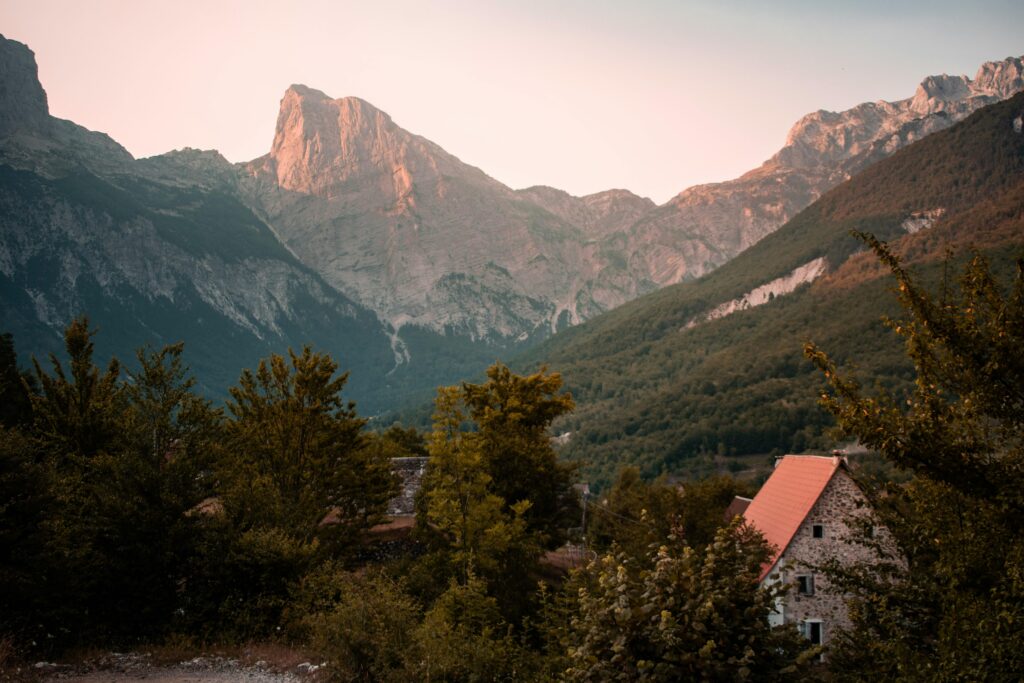
Latest Travel Blog Updates: Your Guide to Exploring Zagoria Nature Park Imagine a land where time seems to slow, where mist-shrouded mountains cradle ancient stone villages, and the air carries whispers of forgotten traditions. As European destinations become ever more crowded, a secret corner of Albania stands untouched by mass tourism—Zagoria Valley. Nestled deep between parallel mountain ridges in southern Albania, Zagoria (meaning “behind the mountains”) is a realm of authentic charm and raw natural beauty. In this hidden valley, nature and culture coalesce in an almost mystical harmony. Here, centuries-old stone houses, cobblestone streets, and time-worn Orthodox churches form a living tapestry of history. The valley’s unspoiled landscapes—from lush meadows to rugged mountain trails—invite travelers to embark on a journey not only through space but also through time. This travel blog post is your gateway to discovering why Zagoria Valley is Europe’s most authentic hidden gem—a destination where offbeat travel transforms into a deeply personal adventure filled with genuine local encounters and unforgettable memories. Zagoria’s Secret Charm: Why “Hidden Gem” is an Understatement Zagoria Valley’s status as a hidden gem is not simply due to its remoteness but also because of its unyielding preservation of tradition and nature. Unlike many popular European destinations where modernity has slowly overtaken heritage, Zagoria remains largely untouched. Its isolation has kept mass tourism at bay, allowing local culture and natural landscapes to thrive in their most authentic form. The valley is accessible only through winding, often challenging roads that contribute to its mystique—an aspect that, while limiting, is a blessing in disguise for travelers seeking a truly off-the-beaten-path experience. Here, every village, every ancient stone bridge, and every pastoral scene tells a story steeped in history. The preservation of traditional lifestyles in villages like Sheper, Peshtan, and Limarë is remarkable. Local residents continue age-old customs, from handcrafted stone work to authentic culinary practices passed down through generations. This hidden status not only preserves Zagoria’s unique character but also offers visitors a peaceful retreat from the overwhelming crowds of mainstream Europe. In Zagoria, you can immerse yourself in genuine human connections, experience the slow pace of life, and witness a landscape that remains as wild and enchanting as it was centuries ago. Journey Through Time: Exploring Zagoria’s Soulful Villages Embarking on a journey through Zagoria Valley is like stepping into a living museum where each village holds a distinct chapter of Albania’s history. Let’s take a virtual tour of some key villages and cultural landmarks that define the soul of Zagoria. Hoshovë and Sheper: Gateways to Authenticity In the heart of the valley, the village of Sheper serves as a primary gateway for exploration. Accessible via a gravel road from the Çajupi Plateau, Sheper is often the first stop for travelers venturing into Zagoria. Despite its modest size, the village pulsates with life. Narrow cobblestone streets meander past traditional stone houses that have stood the test of time. Here, every building is a testament to age-old craftsmanship, with locally sourced stone seamlessly integrated into the rugged landscape. A short distance away, Hoshovë enchants visitors with its serene atmosphere and historical charm. Imagine wandering through alleys where time has gently etched its passage on weathered walls and doorframes. Local legends speak of ancient families who once ruled these lands, their stories passed on through generations in hushed tones and festive songs. Peshtan: Where History Comes Alive Peshtan is not merely a village—it is a living archive of the valley’s turbulent past. This village bears witness to significant historical events, including battles fought during World War II. Local guides, such as Mira and her husband—both educators in the village—offer intimate tours that bring these historical narratives to life. They recount tales of valor and sacrifice, of a time when the echoes of conflict mingled with the resilient spirit of the locals. Visiting Peshtan is like watching history unfold before your eyes. Ancient monuments and remnants of wartime fortifications stand side by side with daily village life, reminding you that the past is not far away. The blend of somber history and vibrant community life here provides an experience that is as educational as it is moving. Limarë: The Bridge Between Past and Present Connecting Peshtan to other parts of the valley is Limarë, a village known for its iconic stone bridge over the Deshnica River. Constructed during the nineteenth century by the renowned Albanian leader Ali Pashe Tepelena, the bridge is a masterpiece of engineering and aesthetics. Its robust, weathered arches and meticulously laid stones serve as a tangible link between the rich traditions of Zagoria’s past and the present-day lives of its inhabitants. Walking across this bridge, you can almost hear the echoes of ancient traders and pilgrims who once traversed these paths. The structure stands as a symbol of the ingenuity of past generations and offers panoramic views of the river valley below, framed by the imposing peaks that encircle the region. Cultural Immersion Through Local Architecture and Traditions Zagoria’s villages are adorned with striking Orthodox churches, each a sentinel of faith and history. These churches, built in traditional stone architecture, are more than mere places of worship—they are community centers where local traditions and folklore are nurtured. The delicate carvings on church doors and the faded frescoes inside serve as reminders of a bygone era when spirituality was interwoven with daily life. Moreover, the local residents take pride in their crafts and culinary heritage. Strolling through the villages, you might be invited to sample homemade bread, locally brewed raki, or even participate in age-old crafting techniques. The warmth and hospitality of the Zagorian people create an immersive cultural experience, ensuring that every visitor leaves with a deeper understanding of Albanian mountain life. The Iconic Stone Bridges of Zagoria No exploration of Zagoria would be complete without marveling at its legendary stone bridges. These structures, built to connect isolated villages, are feats of engineering that blend seamlessly into the natural landscape. Each bridge tells its own story—a story of connection, resilience, and the

Zagoria Valley Travel Blog: Inspiration & Latest Albanian Adventures Read More »