Skip to content
Koundinya Wildlife Sanctuary Travel Guide 2026: Timings, Safari, Map, Reviews & Wildlife Highlights
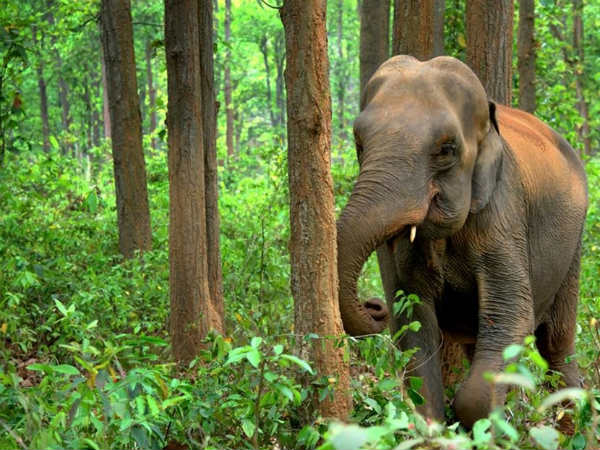
Nestled in the rugged terrain of the Eastern Ghats in Chittoor district, Koundinya Wildlife Sanctuary offers a unique wilderness experience just 120 km from Bangalore. This remarkable sanctuary holds a special place in Andhra Pradesh’s conservation history—it’s the only sanctuary in the state where you can witness majestic Asian elephants (Elephas maximus) in their natural habitat. After an absence of 200 years, these gentle giants returned to this region between 1983 and 1986, transforming this 358 sq km expanse into one of India’s most fascinating elephant reserves. From my years organizing wildlife expeditions across South India, I’ve found that Koundinya Wildlife Sanctuary remains one of the most underrated gems for travelers seeking authentic jungle experiences. The sanctuary’s dramatic landscape—where the Deccan Plateau slopes down into Tamil Nadu’s plains—creates a mosaic of high hills, deep valleys, and pristine tributaries that support incredible biodiversity. Whether you’re an avid birdwatcher hoping to spot the vulnerable Yellow-throated Bulbul or a nature photographer chasing golden-hour elephant sightings, Koundinya delivers experiences that rival better-known sanctuaries at a fraction of the crowds. 🗺️ Where Is Koundinya Wildlife Sanctuary Located? (Map & Directions) Koundinya Wildlife Sanctuary is strategically located in the Palamaner and Kuppam Ranges of Chittoor district, Andhra Pradesh, where three states—Andhra Pradesh, Karnataka, and Tamil Nadu—converge. This tri-state location makes it exceptionally accessible from multiple major cities. Quick Reference Location Details Detail Information State Andhra Pradesh District Chittoor Forest Ranges Palamaner-Kuppam Nearest Town Palamaner (28-31 km) GPS Coordinates 13.0°N, 78.25°E (approx.) Total Area 357.6 km² (35,760 hectares) Established December 1990 Distance from Major Cities How to Reach Koundinya Wildlife Sanctuary By Air: The nearest airports are Kempegowda International Airport in Bangalore (approximately 120-160 km) and Tirupati Airport (around 143 km). From Bangalore airport, hire a taxi or take a bus to Chittoor/Palamaner, then proceed to the sanctuary. Bangalore airport is better connected with frequent domestic and international flights. By Rail: Chittoor Railway Station is the nearest major railhead at approximately 50 km from the sanctuary. Alternatively, Bangalore City Railway Station (also known as KSR Bengaluru Station) is about 120 km away and offers excellent connectivity. From either station, hire a taxi or take local buses to Palamaner, then to the sanctuary entrance. By Road: Koundinya Wildlife Sanctuary is easily accessible via National Highway 44 and state highways. The sanctuary lies along the Palamaner-Kuppam road. From Bangalore, take the Hosur-Krishnagiri route or via Kolar. Regular state transport buses run from Bangalore, Chittoor, and Tirupati to Palamaner. From Palamaner, local transport or hired vehicles can take you to the sanctuary entrance. Pro Tip from Experience: If you’re driving from Bangalore, the route via Kolar is approximately 150 km and offers better road conditions compared to the Hosur-Krishnagiri route which can exceed 200 km. However, GPS navigation can be tricky—always confirm directions with locals in Palamaner who speak primarily Telugu. Download offline maps before your journey as mobile network coverage becomes sparse near the sanctuary. 🌤️ Best Time to Visit Koundinya Wildlife Sanctuary The best time to visit Koundinya Wildlife Sanctuary is from October to March when the weather is pleasant and wildlife sightings are at their peak. Season-wise Breakdown Winter (October to February) ⭐ BEST SEASON Summer (March to May) Monsoon (June to September) ⚠️ NOT RECOMMENDED Elephant Migration Patterns: From my conversations with forest officers, Asian elephants in Koundinya Wildlife Sanctuary show seasonal movement between the sanctuary and Sri Venkateswara National Park via the planned elephant corridor. November to March sees more stable elephant herds within the sanctuary boundaries, increasing your chances of sightings during jeep safaris. Birdwatching: If spotting the Yellow-throated Bulbul is on your list, winter months (October-February) offer the best opportunities when these vulnerable birds are more active and visible in the scrub habitats. 🎫 Koundinya Wildlife Sanctuary Timings & Entry Fees Official Timings Koundinya Wildlife Sanctuary is open to visitors: The sanctuary is open all days of the week, but it’s advisable to check with forest authorities during monsoon season (June-September) when access may be restricted due to weather conditions. Entry Fees (2025-2026 Estimates) Category Entry Fee Camera Fee Indian Adults ₹20-50 ₹25-50 Indian Children ₹10-20 ₹25-50 Foreign Nationals ₹200-500 ₹100-200 Still Camera – ₹25-50 Video Camera – ₹100-200 Important Note: Entry fees can vary and are subject to change by the Andhra Pradesh Forest Department. Always confirm current rates before your visit by contacting: Safari Costs & Booking Jeep Safari Charges (Approximate): Important Safari Information: My Honest Assessment: Based on recent visitor reviews and my discussions with the Andhra Pradesh Forest Department, Koundinya Wildlife Sanctuary doesn’t have the highly organized safari system of Karnataka’s parks. The experience is more exploratory and less commercialized. Permission from sanctuary authorities is essential before entering, and having your own vehicle offers more flexibility for exploration. 🚙 Koundinya Wildlife Sanctuary Safari & Activities Safari Operations & Practical Reality Let me be transparent about what to expect: Koundinya Wildlife Sanctuary safari operations differ significantly from the well-established systems at Nagarhole or Kabini. This is an open forest sanctuary where wildlife viewing is more about patience, local knowledge, and serendipity than guaranteed sightings. Safari Options: Duration: Typical safaris last 2-3 hours, covering key zones where Asian elephants, sloth bears, and cheetal are frequently spotted. Wildlife Photography in Koundinya Koundinya Wildlife Sanctuary offers excellent opportunities for wildlife photography, especially if you’re prepared for less predictable conditions than commercial parks. Photography Tips: Birdwatching Hotspots: The sanctuary is an Important Bird Area (IBA) recognized by BirdLife International. Key species include: Where to Look: Rocky outcrops, scrub vegetation zones, and water sources near Kaigal and Koundinya streams. Trekking & Nature Walks Koundinya Wildlife Sanctuary terrain—characterized by high hills and deep valleys—is perfect for adventurous trekkers. Several trails lead through southern tropical dry deciduous forests and thorn forests. Popular Trekking Routes: Trekking Safety: Other Activities Nature Photography Workshops: The sanctuary’s unique landscape—mixing Deccan Plateau topography with Eastern Ghats biodiversity—offers opportunities for landscape and macro photography. Educational Tours: Under Project Elephant, the sanctuary occasionally hosts educational programs about elephant conservation and human-elephant conflict mitigation.