
What to See in Athens: 12 Iconic + Hidden Spots First-Timers Shouldn’t Miss
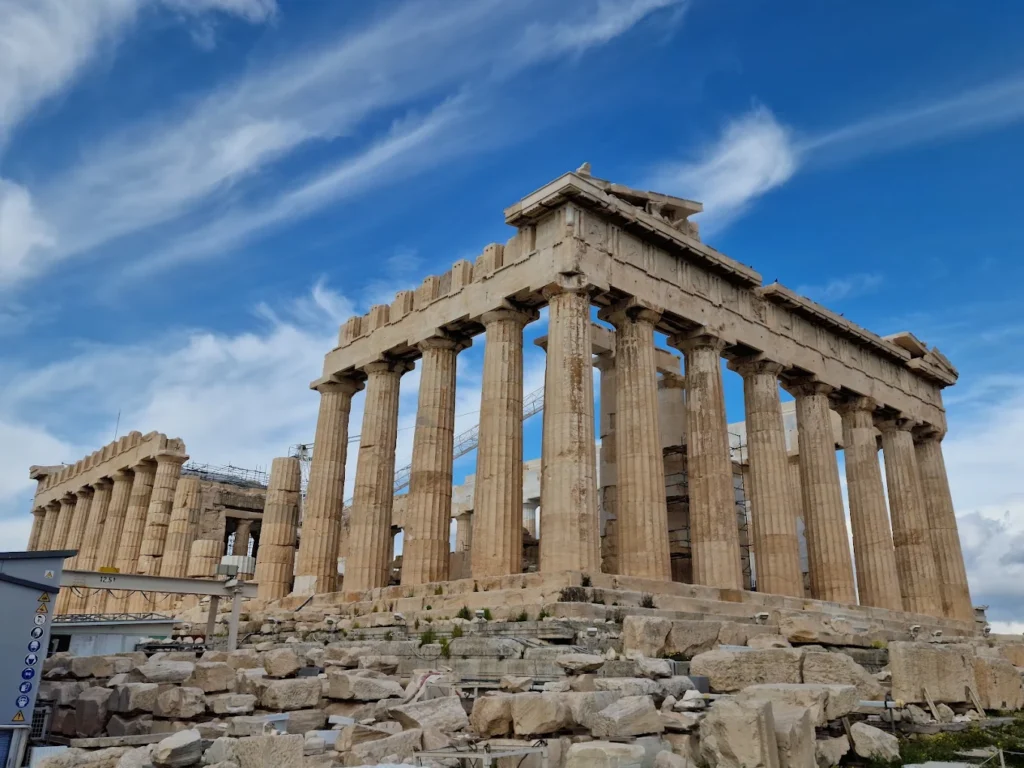
Picture this: You’re standing on a sun-warmed marble terrace as golden hour paints the Parthenon in shades of amber and rose. Below you, the city hums with life—scooters weaving through narrow streets, the distant clatter of taverna plates, and somewhere, a street musician’s bouzouki melody drifting on the evening breeze. This is Athens, where 3,000 years of history doesn’t just sit behind museum glass—it lives and breathes in every corner. If you’re wondering what to see in Athens on your first visit, you’re in the right place. This ancient city can feel overwhelming with its mix of world-famous ruins, vibrant neighborhoods, and countless “must-see” lists. But here’s the truth: the best Athens experience combines those iconic bucket-list moments with quieter discoveries that most tourists rush past. This guide gives you exactly that—a curated collection of 12 spots (7 iconic landmarks you absolutely can’t skip, plus 5 genuine local finds) along with practical tips to beat the crowds, navigate like a pro, and experience Athens the way it deserves to be experienced: with wonder, curiosity, and comfortable shoes. Quick Athens Planning Guide Before we dive into what to see in Athens, here’s a snapshot to help you plan: Planning Element Key Information Ideal Visit Length 2-3 days minimum (4-5 days ideal with day trips) Best Time to Visit April-May or September-October (fewer crowds, perfect weather) Crowd-Beating Strategy Visit major sites at 8 AM opening or 2 hours before closing Getting Around Metro system (efficient), walking (best for neighborhoods) Money-Saving Tip Buy the €30 multi-site archaeological pass (valid 5 days) Essential Download Google Maps with offline Athens map Dress Code Modest clothing for religious sites; comfortable walking shoes mandatory How to Read This Guide I’ve organized Athens sightseeing into clear categories—landmarks, neighborhoods, hidden spots, and day trips—so you can mix and match based on your interests. Whether you’re a history fanatic who could spend all day wandering Athens historical ruins or someone who craves authentic neighborhood vibes, you’ll find your perfect Athens here. Later in this guide, I’ll share sample itineraries for 2 and 3-day visits, but here’s your golden rule right now: Major archaeological sites are least crowded during the first hour after opening (8 AM) or the final two hours before closing. Summer afternoons bring suffocating heat and tour bus crowds—avoid them. The Iconic 7: Athens Must-See Landmarks 1. The Acropolis & Parthenon Why you can’t miss it: This isn’t just Greece’s most famous landmark—it’s the architectural achievement that defined Western civilization’s idea of beauty and democracy. Standing before the Parthenon’s Doric columns, you’re looking at a 2,500-year-old building that once housed a 40-foot gold-and-ivory statue of Athena. Insider tip: Arrive at 8 AM sharp when gates open. You’ll have 45 minutes of relative solitude before the crowds arrive, and morning light makes the Pentelic marble glow softly. Don’t just photograph the Parthenon from the front—walk around to the north side for views framing it against modern Athens below. The Erechtheion’s Caryatid Porch (those famous maiden columns) photographs beautifully from the eastern approach. Practical details: Tickets are €20 in high season (April-October), €10 in winter. The multi-site pass covering 7 archaeological sites costs €30 and is valid for 5 days—get it if you’re visiting multiple ruins. Book online at theacropolismuseum.gr to skip ticket lines. 2. Acropolis Museum Why you can’t miss it: This stunning modern building houses treasures removed from the Acropolis for preservation, including the original Caryatids and the entire surviving Parthenon frieze. The top floor is designed as an exact replica of the Parthenon’s dimensions, with glass floors revealing ancient ruins excavated beneath the museum. Insider tip: Visit the museum after you’ve been to the Acropolis hill—the context makes everything resonate deeper. The rooftop café offers Acropolis views; grab a Greek coffee there while you process everything you’ve seen. Friday evenings (April-October), the museum stays open until 10 PM with reduced crowds. Practical details: €15 entry (€10 in winter); free on certain national holidays. The museum café serves surprisingly good food at reasonable prices for such a tourist location. 3. Ancient Agora & Roman Agora Why you can’t miss it: While tourists mob the Acropolis, the Ancient Agora below often feels refreshingly empty despite being equally important historically. This was Athens’ commercial, political, and social heart for a thousand years—where Socrates debated, merchants hawked their goods, and democracy was born. Insider tip: The Temple of Hephaestus here is the best-preserved ancient Greek temple in existence, yet most visitors barely give it a glance while rushing between sites. Spend time there. The Stoa of Attalos (fully reconstructed) now houses an excellent museum with everyday objects—toys, kitchen items, voting tokens—that make ancient Athens feel human-scale. Practical details: Included in the multi-site pass. The Roman Agora (Tower of the Winds) is nearby but separate; also included in the pass. 4. Temple of Olympian Zeus & Hadrian’s Arch Why you can’t miss it: Size matters here. This temple was the largest in ancient Greece, with columns standing 56 feet tall. Only 15 of the original 104 columns remain, but they’re enough to make you feel tiny and humbled. Insider tip: The site is surrounded by a fence, and honestly? The best views are from outside the gate, where you can photograph the columns framed by the Acropolis behind them. If you’re tight on time or budget, appreciate it from the perimeter and save your €8 entry fee for elsewhere. Hadrian’s Arch stands right beside it and is free to admire. Practical details: Included in multi-site pass; otherwise €8. Takes only 30 minutes to explore fully. 5. Panathenaic Stadium Why you can’t miss it: This is where the first modern Olympics took place in 1896, and it’s the only stadium in the world built entirely of marble. Walking through the entrance tunnel and emerging onto that gleaming white track triggers something primal—you’ll want to run it. Insider tip: Go ahead and run the track (before 2 PM when heat makes it uncomfortable). Climb to the top rows for panoramic views of Athens
What to See in Athens: 12 Iconic + Hidden Spots First-Timers Shouldn’t Miss Read More »