What to Do in Barichara, Colombia: Ultimate Guide to Colombia’s Most Beautiful Town
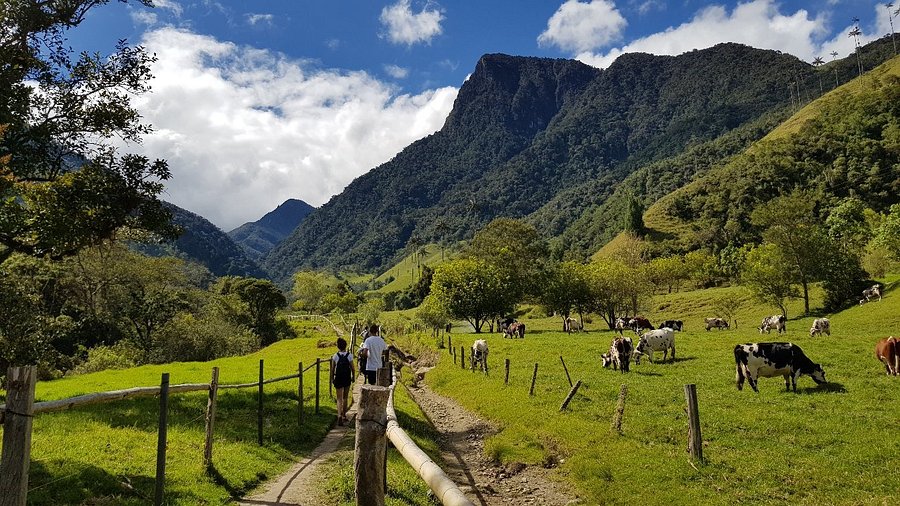
Picture this: you’re walking down ancient cobblestone streets bathed in golden afternoon light, with white adobe walls rising on either side and the distant Andean mountains painting the horizon. Welcome to Barichara, a place so stunning that Colombia officially declared it the country’s most beautiful town. If you’re wondering what to do in Barichara Colombia, you’ve landed in exactly the right spot. Nestled in the Santander region at 1,300 meters above sea level, Barichara isn’t just another colonial town – it’s a living museum where time moves differently. The name itself comes from the indigenous Guane language, meaning “a good place to rest,” and trust me, that’s exactly what this magical village delivers. Whether you’re a solo traveler seeking peaceful wandering, a family looking for cultural immersion, or an adventure enthusiast ready to hike ancient trails, this guide covers everything you need to plan the perfect Barichara travel experience. Ready to discover why travelers keep calling this hidden gem their favorite Colombian destination? Let’s dive in! Here is let’s Dive in – What to Do in Barichara Stroll Through a Living Museum: The Colonial Heart of Barichara Walking through Barichara’s colonial charm feels like stepping onto a movie set – in fact, this town inspired settings in Disney’s Encanto! Every corner reveals another postcard-perfect scene: terracotta roofs contrast brilliantly against whitewashed walls, hand-carved wooden doors frame blooming bougainvillea, and those famous golden-hued stones pave every street. The heart of town centers around Parque Principal, where locals gather on benches beneath shade trees and the magnificent Cathedral of the Immaculate Conception dominates the skyline. Built in 1838 entirely from locally quarried sandstone, this cathedral transforms into pure magic during sunset when the stone glows orange-gold. The polychrome wooden altarpiece inside, covered in gold leaf, is absolutely worth stepping inside to admire. Don’t miss the Capilla de Santa Bárbara, perched on a hill in the upper part of town. This 17th-century Romanesque chapel offers sweeping views over Barichara’s red rooftops and the surrounding canyon. The interior features fascinating sculptures of turtles and the sun, symbolizing domestic devotion. Meanwhile, the smaller Capilla de San Antonio provides another peaceful spot for reflection and photography. Pro Photography Tips: The best light for capturing Barichara’s architecture happens during the golden hours – arrive at Santa Bárbara around 6:30 AM for sunrise shots with minimal tourists, or head to El Mirador viewpoint around 5:30 PM to catch the town bathed in warm evening light. The streets of Calle del Encanto offer particularly charming doorways and balconies for detail shots. Historical Significance: In 1978, Colombia declared Barichara a Monumento Nacional, and in 2010 it received the prestigious designation of Pueblo Patrimonio (Heritage Town). The entire historic center is protected, preserving the traditional construction methods that have used local stone, clay tiles, and tapia pisada (rammed earth) for centuries. The town’s residents, affectionately called “patiamarillos” (yellow feet) because the ochre dust from the stone stains their shoes, take immense pride in maintaining their architectural heritage. Step Back in Time: Hiking the Historic Camino Real to Guane If there’s one activity that defines the Barichara experience, it’s hiking the legendary Camino Real to Guane. This isn’t just a scenic trail – it’s walking on history itself, following stones laid down centuries ago by the indigenous Guane people and later restored in 1864 by German engineer George von Lenguerke. Trail Details: What to Expect: The trail winds through stunning Colombian countryside with vibrant green meadows, unusual cacti, grazing white cows, and incredible views of the Suárez River Canyon. Bird lovers will spot numerous species flitting through the dry forest ecosystem. The entire path is paved with large flat stones, though they can be uneven and slippery after rain. Trail Hacks & Essential Tips: Best Time to Start: Begin your hike between 7:00-9:00 AM to avoid the intense midday heat. The trail is completely exposed with minimal shade, and temperatures can soar by noon. What to Pack: One-Way or Round-Trip? Most travelers hike from Barichara to Guane (downhill) and take the bus back. Hiking uphill from Guane to Barichara is significantly more challenging, especially in the heat. Save your energy for exploring! Returning to Barichara: Buses depart from Guane’s main plaza (near the church) approximately every hour, costing around 4,000 COP ($1 USD) for the 20-minute ride back to Barichara. The last bus typically leaves around 6:00 PM, so plan accordingly. Discovering Guane: Colombia’s Tiniest Treasure If you thought Barichara was small and charming, Guane will absolutely steal your heart. This pueblo consists of just a few streets around a central plaza, but what it lacks in size, it makes up for in authenticity and tranquility. What to Do in Guane: Extended Camino Real: For serious hikers, the Camino Real continues beyond Guane through Villanueva, Jordan, and eventually Los Santos – a challenging 35-kilometer, multi-day trek through remote countryside. Only attempt this with proper preparation and supplies. Chasing Horizons: Barichara’s Most Breathtaking Viewpoints Barichara’s location on a ridge overlooking the Suárez River Canyon creates some of the most spectacular vistas in the entire Santander department. Here are the must-visit viewpoints: El Mirador Located at the western edge of town, this viewpoint delivers panoramic views across the canyon and distant Andes mountains. The sunset here is legendary – arrive around 5:30 PM to watch the sky explode in shades of orange and pink while the town’s sandstone walls glow golden. Bring a blanket and some local snacks for an unforgettable evening. Mirador Salto del Mico A short walk from town center, this viewpoint provides excellent photo opportunities overlooking the valley. The name means “Monkey’s Leap Lookout,” though you’re more likely to spot impressive bird species than monkeys. The surrounding trails offer peaceful nature walks through dry forest ecosystems. Calle del Encanto Vantage Point Less crowded than the main viewpoints, this street offers charming perspectives of colonial architecture framed by mountain backdrops. Perfect for morning photography when the light is soft and the streets are quiet. Sunrise Viewpoint Walk For early risers, start
What to Do in Barichara, Colombia: Ultimate Guide to Colombia’s Most Beautiful Town Read More »