 Skip to content
What to Do in Damaraland — Complete Travel Guide for First-Timers
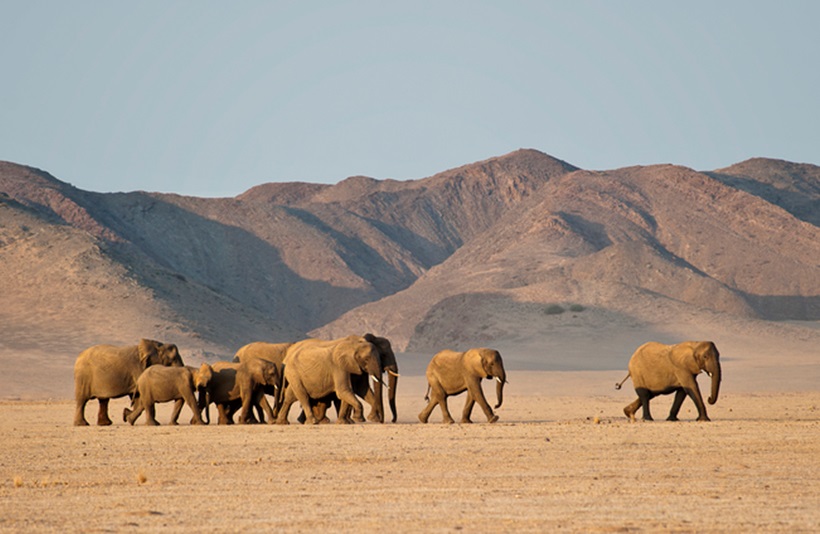
Picture this: you’re standing in a landscape that feels like Mars decided to host an African wildlife show. The ground beneath your feet is 260 million years old, ancient rock art covers canyon walls, and somewhere in the distance, a family of elephants navigates the desert like they own the place (spoiler: they do). Welcome to Damaraland, where nature wrote its most dramatic script and forgot to add any other tourists to the scene. If you’re wondering what to do in Damaraland, you’ve landed in the right corner of the internet. This isn’t your standard safari destination with paved roads and gift shops. Damaraland is raw, remote, and ridiculously beautiful—a place where geological wonders meet prehistoric art and wildlife that shouldn’t survive here somehow thrives. Located in Namibia’s rugged Kunene Region, Damaraland stretches across roughly 42,000 square kilometers of rock formations, dry riverbeds, and stark desert beauty. This isn’t a place you’ll stumble upon by accident. It takes effort to reach, but that’s exactly what keeps it special. You won’t find safari traffic jams here—just you, the landscape, and animals that adapted to survive where others couldn’t. This guide breaks down everything you need to know: the ancient rock engravings that’ll make you rethink human history, the wildlife that defies desert logic, the geological formations that look computer-generated but are entirely natural, and the practical stuff like when to visit and whether you actually need that 4×4 everyone keeps talking about. Quick Reference: Damaraland Travel Essentials Essential Info Details Location Kunene Region, northwestern Namibia Best Time to Visit May to October (dry season) Must-See Attractions Twyfelfontein rock art, desert elephants, Brandberg Mountain Wildlife Highlights Desert-adapted elephants, black rhino, oryx, mountain zebra Recommended Duration 3-4 days for full experience Getting There Self-drive from Windhoek (5-6 hours) or fly to Palmwag Vehicle Needed 4×4 recommended for most areas Accommodation Types Eco-lodges, tented camps, camping sites Average Daily Budget $80-250 USD (mid-range) Terrain Type Rocky desert, gravel roads, mountain passes Best Time to Visit & How to Reach Damaraland Timing can make or break your Damaraland adventure, and getting there requires a bit more planning than booking a flight to a beach resort. When Should You Go? The best time to visit Damaraland runs from May through October during Namibia’s dry season. Here’s why these months work so well: Dry Season (May-October): Temperatures hover between 20-25°C (68-77°F) during the day, dropping to 5-10°C (41-50°F) at night. Wildlife congregates around permanent water sources, making animal spotting significantly easier. The roads are in better condition, and you won’t need to worry about flash floods blocking your route. According to the Namibia Tourism Board, this period sees the clearest skies for stargazing—a legitimate highlight in this low-light-pollution zone. Green Season (November-April): Summer brings occasional rains, temperatures climbing to 35°C (95°F), and vegetation that transforms the landscape into something greener but less Mars-like. Wildlife disperses as water becomes available everywhere. Roads can become challenging, sometimes impassable. However, if you’re a photographer chasing dramatic storm clouds over red rocks, this season delivers. January through March is particularly hot and humid. Unless you enjoy feeling like you’re hiking inside a hair dryer, save these months for somewhere with air conditioning. Getting to Damaraland By Air: Fly into Windhoek’s Hosea Kutako International Airport. From there, you can take a chartered flight to smaller airstrips near Palmwag or Damaraland Camp (if your accommodation arranges it), or drive. Some visitors fly into Walvis Bay and drive north. By Road: Most people self-drive from Windhoek, which takes 5-6 hours covering roughly 350-400 kilometers depending on your exact destination. The C39 and C43 gravel roads are your main arteries through the region. These aren’t highways—expect washboard surfaces, occasional sharp rocks, and the need to drop your speed significantly. Vehicle Requirements: Here’s the honest answer about the 4×4 question: you can reach some main attractions like Twyfelfontein with a high-clearance 2WD sedan, but a 4×4 opens up significantly more territory. For wildlife tracking, visiting the Petrified Forest, or accessing remote camps, you’ll want four-wheel drive. Rental costs in Namibia run $50-120 USD daily for 4x4s depending on the season and vehicle type. Guided Tours vs Self-Drive: Self-driving gives you freedom and flexibility. Guided tours provide expert wildlife tracking and cultural context you’d otherwise miss. Companies like Wilderness Safaris and Natural Selection operate excellent guided experiences through the region. Budget $300-500 USD per person daily for full-service guided tours. 🎨 Top Must-See Attractions: Rock Art & Geological Wonders Damaraland’s attractions read like someone challenged nature to show off. Between UNESCO World Heritage rock art and geological formations that science teachers use as textbook examples, you’ll need more memory cards than you packed. Twyfelfontein Rock Engravings Twyfelfontein holds Africa’s largest concentration of rock petroglyphs and paintings, with over 2,500 individual works created by San hunter-gatherers roughly 6,000 years ago. UNESCO declared it a World Heritage Site in 2007, and standing among these ancient artworks feels like reading humanity’s first travel blog. The engravings cover hunting scenes, animal tracks, and geometric patterns etched into sandstone slabs. You’ll spot giraffes, elephants, ostriches, and the famous “swimming lion”—though why ancient artists depicted a lion swimming in a desert remains delightfully mysterious. Visiting Tips: You must join a guided walk (required by law to protect the site). Tours cost approximately $10-15 USD per person and last 45-60 minutes. Mornings before 10 AM offer the best light for photography and cooler temperatures. The site has basic facilities but no restaurant, so bring water and snacks. Brandberg Mountain & The White Lady Painting Brandberg Massif rises 2,573 meters above sea level, making it Namibia’s highest peak. The granite mountain glows orange-red at sunrise—hence “Brandberg” (Fire Mountain). Hidden in a gorge on its slopes sits the famous White Lady rock painting, discovered in 1918 by German surveyor Reinhard Maack. Despite the name, the figure probably isn’t female or white—it’s likely a San shaman painted with white clay as part of a ceremonial scene. The painting dates back roughly 2,000 years and remains remarkably
What to Do in Damaraland — Complete Travel Guide for First-Timers Read More »
