Europe

Discover 15 Unforgettable Things to Do in Matera, Italy – Your Ultimate Sassi Adventure

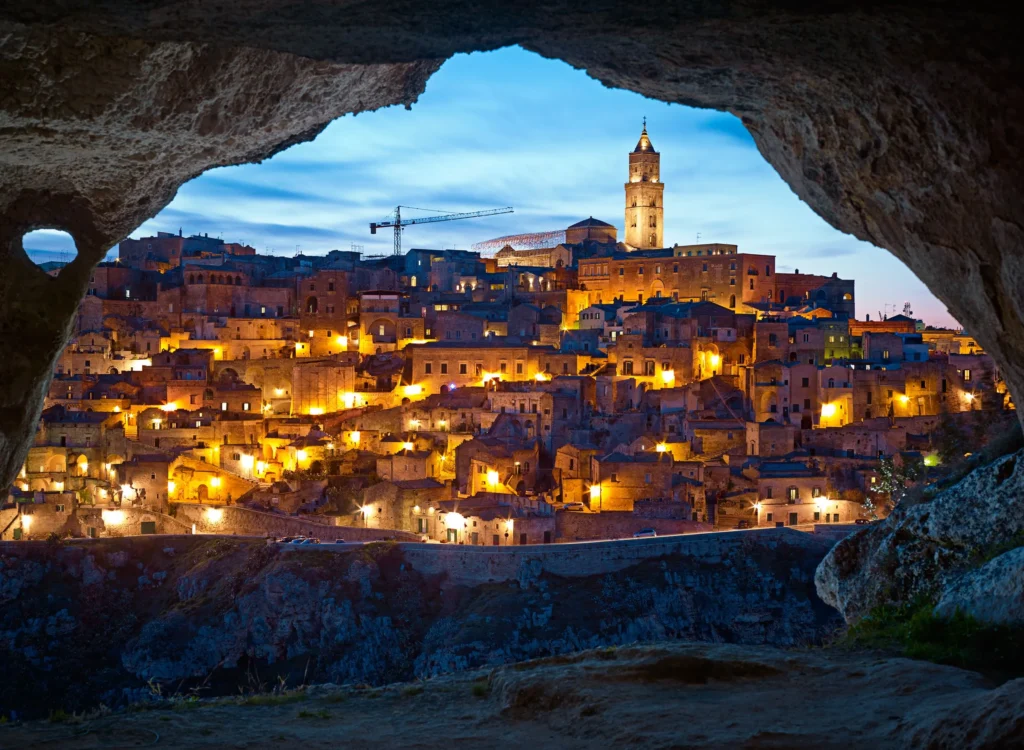
Picture this: a city carved entirely from stone, where homes are sculpted into limestone cliffs, and narrow alleyways wind through ancient cave dwellings that have sheltered families for over 9,000 years. Welcome to Matera, Italy – a place so breathtaking that it feels like stepping onto another planet (fun fact: it’s been the filming location for multiple biblical movies!). While Rome, Florence, and Venice grab most of the spotlight, Matera quietly sits in Italy’s heel, offering something you won’t find anywhere else on Earth. This isn’t just another pretty Italian town with cobblestone streets and gelato shops. This is one of the world’s oldest continuously inhabited cities, where you can literally sleep in a cave hotel, hike through dramatic ravines, and watch the sunset paint ancient stone houses in shades of honey and gold. If you’re searching for the best things to do in Matera Italy, you’ve landed in the right place. This guide goes way beyond the basics. I’m sharing hidden viewpoints the tour groups miss, family-run bakeries where you can watch bread-making traditions that haven’t changed in centuries, and trails that lead to secret cave churches. Ready to explore the Sassi di Matera? Let’s go! Quick Guide to Matera at a Glance Category Details Best Time to Visit April-May & September-October (spring & fall) Recommended Stay 2-3 days Getting There Train/bus from Bari (1-1.5 hours) Walking Difficulty Moderate to challenging (many stairs & hills) Must-Try Food Pane di Matera, crapiata, peperoni cruschi UNESCO Status World Heritage Site since 1993 Region Basilicata, Southern Italy Budget Level €€ (Moderate) Parking Limited; use designated lots outside city center 1. Get Wonderfully Lost in the Sassi Districts: Barisano & Caveoso The heart and soul of Matera beats in its two ancient neighborhoods: Sassi Barisano and Sassi Caveoso. These aren’t your typical Italian quarters – they’re entire districts of cave dwellings stacked on top of each other like a three-dimensional puzzle made of stone. Sassi Barisano sits on the western side and is slightly more polished. You’ll find more shops, restaurants, and restored cave homes here. Many buildings have beautiful facades hiding the cave rooms behind them. It’s perfect for your first introduction to Matera’s unique architecture. On the flip side, Sassi Caveoso on the eastern slope feels rawer and more authentic. The caves here look exactly as they did decades ago – rough-hewn stone, tiny doorways, and staircases that seem to lead nowhere. This district gives you the truest sense of what life was like when thousands of families lived in these stone shelters. Your Insider Game Plan: The magic happens during golden hour – that’s early morning (around 7-8 AM) or late afternoon (5-7 PM depending on season). The warm light makes the honey-colored stone absolutely glow, and you’ll have the narrow streets mostly to yourself before the tour groups arrive. Here’s a secret most visitors miss: head to Piazza San Pietro Caveoso early in the morning. Grab a coffee from the small bar there, sit on the stone steps, and watch the city wake up. It’s one of the quietest spots in Matera, tucked away from the main tourist flow. From here, explore the maze of stairs and passages leading downward – you’ll discover hidden courtyards, ancient cisterns, and doorways that frame perfect views of the ravine. Pro tip: Wear comfortable walking shoes with good grip. These stone streets get slippery, and you’ll be climbing up and down all day! 2. Travel Back in Time: Matera’s Must-See Museums To truly understand Matera, you need to know its story. Until the 1950s, more than 15,000 people lived in the Sassi without running water or electricity. Families shared their cave homes with livestock, diseases spread easily, and life was incredibly hard. The Italian government eventually relocated everyone, and the Sassi sat abandoned for decades before being reborn as the cultural treasure you see today. Casa Grotta di Vico Solitario Start your historical journey at Casa Grotta (Cave House), a perfectly preserved cave dwelling that shows exactly how families lived before the evacuation. You’ll see the stone bed where entire families slept, the manger where the donkey stayed (yes, inside the house!), and the simple tools used for daily survival. The Museum of Rural Life takes this experience deeper, displaying farm equipment, traditional clothing, and photographs that bring Matera’s past to life. These museums aren’t huge, but they pack an emotional punch. (Official Matera Tourism) Make It Interactive: Several local artisans and bakers offer hands-on workshops where you can learn traditional crafts or bake Pane di Matera yourself. Check out Casa del Gusto for bread-making sessions or pottery workshops at Artigianato Lucano. These experiences transform history from something you observe into something you participate in. Practical details: Most museums charge €3-5 for entry. You can find combo tickets at the tourist office that cover multiple sites for around €10-12. Visit museums in the afternoon when everyone else is out exploring – you’ll have more space and time to really absorb the experience. 3. Sleep Like a Cave Dweller (But Way More Comfortable) Let’s be honest – staying in a cave hotel Matera is probably the coolest accommodation experience you’ll ever have. These aren’t rustic, uncomfortable caves. Modern cave hotels blend ancient stone architecture with heated floors, rainfall showers, and sometimes even jacuzzis carved into the rock! My Top Cave Hotel Picks: Luxury Pick: Sextantio Le Grotte della CivitaThis place is jaw-dropping. Each cave suite is unique, featuring original frescoes, stone alcoves, and furnishings made by local craftsmen. Some rooms have private terraces overlooking the Sassi. It’s pricey (€300-500/night), but if you’re celebrating something special, this is it. (Sextantio Official Site) Mid-Range Marvel: Sant’Angelo Luxury ResortPerched on the edge of the ravine, Sant’Angelo gives you that luxury feeling without breaking the bank (€150-250/night). The cave rooms have modern amenities, and the breakfast terrace has views that’ll make your Instagram followers jealous. Budget-Friendly Gem: Locanda di San MartinoDon’t let the lower price fool you (€80-130/night) – this hotel offers comfortable cave rooms with personality.

Discover 15 Unforgettable Things to Do in Matera, Italy – Your Ultimate Sassi Adventure Read More »

Tbilisi Travel Guide 2025: 10 Must-See Sights, Best Eats & Hidden Local Gems

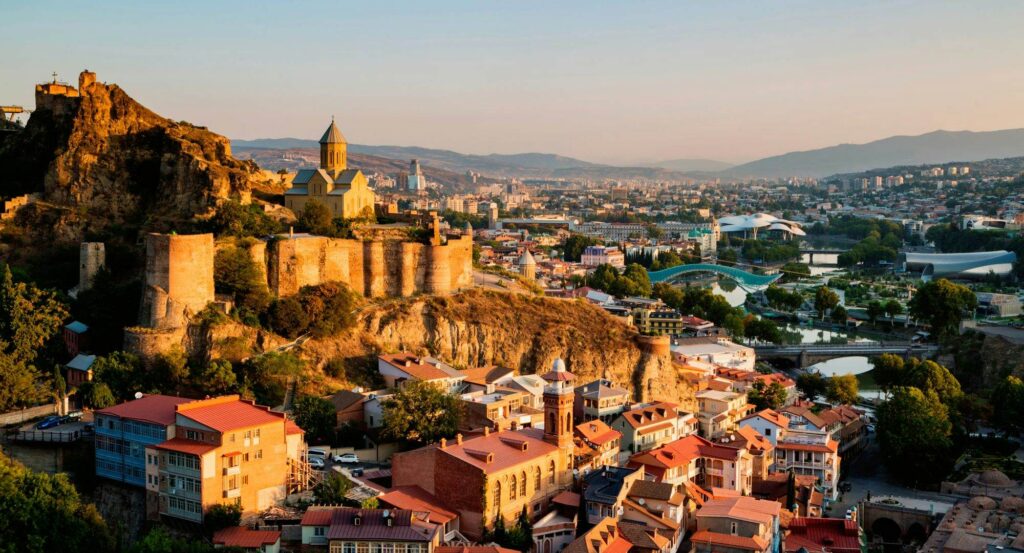
I’ll never forget the moment I stepped into Tbilisi’s Old Town for the first time. The smell of freshly baked bread mixed with sulfur from the ancient baths, church bells echoing off worn cobblestones, and balconies overflowing with laundry and flowers created this beautiful chaos I’d never experienced anywhere else. This city doesn’t try to impress you with polished perfection – it wins you over with raw authenticity and heart. Tbilisi has quietly become one of Eastern Europe’s hottest destinations, and after spending considerable time exploring every corner of this Georgian capital, I understand why. It’s where centuries-old wine cellars sit beneath hipster coffee shops, where grandmas sell churchkhela next to trendy boutiques, and where you can have an incredible meal for the price of a coffee back home. This Tbilisi travel guide will show you exactly what to do in Tbilisi – from the must-sees everyone raves about to the spots only locals know. Quick Tbilisi Overview Category Details Best Time to Visit April-June & September-October (mild weather, fewer crowds) Recommended Stay 3-4 days minimum Daily Budget Budget: $30-50 / Mid-range: $60-100 / Luxury: $150+ Currency Georgian Lari (GEL) – roughly 2.7 GEL = $1 USD Airport Tbilisi International Airport (TBS) Language Georgian (English widely spoken in tourist areas) Safety Level Very safe, including for solo female travelers Must-Try Foods Khinkali, Khachapuri, Churchkhela Getting Around Walking + Metro + Bolt rides 1. Snapshot: Why Visit Tbilisi Now The secret’s out about Tbilisi, but thankfully, this city hasn’t lost its soul to tourism. Digital nomads have discovered it offers lightning-fast wifi, co-working spaces in converted Soviet factories, and living costs that won’t drain your savings account. I’ve met remote workers from Japan, Brazil, and Canada who extended their two-week trips into two-month stays. What makes Tbilisi special? It’s this incredible bohemian charm mixed with genuine warmth. Georgians take their hospitality seriously – you’ll rarely leave a conversation without an invitation to someone’s home for dinner. The city gives you this perfect balance: ancient sulfur baths from the 17th century stand across from graffiti-covered art spaces, while babushkas selling herbs at morning markets share sidewalks with specialty coffee roasters. When to visit Tbilisi really depends on what you’re after. Spring (April-June) brings pleasant temperatures around 20-25°C, blooming gardens, and outdoor terrace season. Autumn (September-October) offers stunning foliage and grape harvest season – perfect timing for wine lovers. Summer gets hot (30°C+) but the city buzzes with festivals and rooftop bars. Winter sees fewer tourists and lower prices, though some attractions have reduced hours. Here’s what sold me on Tbilisi: incredible value for money. A feast that would cost $100 in Western Europe runs you $20-30 here. Wine flows cheaper than water (literally sometimes). Your dollar, euro, or pound stretches beautifully without sacrificing quality. 2. Top 10 Must-See Attractions (With Fresh Insider Tips) #1: Old Town (Altstadt) – Where History Lives Forget following a map in Tbilisi’s Old Town – seriously, put it away. The magic happens when you wander aimlessly through narrow streets where buildings lean into each other like old friends. You’ll spot Persian-style wooden balconies, Art Nouveau facades, and Soviet-era brutalism all on the same block. The architecture tells Georgia’s complicated history better than any guidebook. Best time to visit: Early morning (7-9 AM) before tour groups arrive, or late afternoon when golden light hits the balconies. Insider Tip: Duck into the residential courtyards along Leselidze Street. Locals don’t mind respectful visitors, and these hidden spaces show authentic Tbilisi life – hanging laundry, potted herbs, neighbors chatting over coffee. #2: Mtatsminda Park – Views That’ll Make Your Camera Cry The funicular ride up to Mtatsminda Park is half the fun. This vintage railway, built in 1905, climbs the mountain while you watch Tbilisi shrink below. Once you’re up there, the panoramic city views are absolutely stunning. On clear days, you can see the Caucasus Mountains in the distance. The park itself has a retro amusement park vibe with restaurants and walking paths. Best time to visit: Sunset (around 6-7 PM depending on season) for those Instagram-worthy golden hour shots, or after dark when the city lights twinkle below. Insider Tip: Skip the overpriced restaurants at the top. Grab snacks from a supermarket beforehand and picnic on the observation deck. The view costs nothing, and the experience is way more memorable than mediocre tourist-trap food. #3: Dry Bridge Market – Treasure Hunting Like a Pro Every Saturday and Sunday, the Dry Bridge Market transforms into this amazing jumble of Soviet memorabilia, vintage cameras, traditional crafts, and absolute randomness. I’ve seen everything from Stalin portraits to grandma’s old jewelry boxes to actual Soviet military medals. Even if you don’t buy anything, watching the local barter culture is entertainment itself. Dealers drink tea from thermoses, argue prices with passion, and share stories about every item. Best time to visit: Saturday morning (9-11 AM) when vendors are still setting up and negotiating is friendliest. Insider Tip: Vendors expect bargaining – offering 50-60% of the asking price isn’t insulting, it’s part of the dance. Also, bring small bills (20-50 GEL notes). Breaking a 100 GEL note for a 5 GEL trinket makes things awkward. #4: Mother of Georgia Statue (Kartlis Deda) – The City’s Guardian This aluminum warrior stands 20 meters tall on the Sololaki ridge, watching over Tbilisi with a sword in one hand (for enemies) and a bowl of wine in the other (for friends). Very Georgian, right? The statue itself is cool, but honestly, the view from the Sololaki ridge is why you make this climb. The whole city spreads out below like a living map. Best time to visit: Late afternoon (4-6 PM) when the light is softer and you can stay through sunset. Insider Tip: You can hike up (20-25 minutes, moderately steep) or take a taxi to save energy for more exploring. The walk down through the old neighborhoods shows you local life most tourists miss – corner shops, neighborhood cats, babushkas selling fresh herbs from their

Tbilisi Travel Guide 2025: 10 Must-See Sights, Best Eats & Hidden Local Gems Read More »

15 Unmissable Things to Do in Tartu, Estonia

Tartu, Estonia’s vibrant second city and the 2024 European Capital of Culture, is brimming with incredible things to do. Whether you have one day or a long weekend, you’ll want to focus on its historic Old Town, creative neighbourhoods, and world-class museums. The absolute best things to do in Tartu include exploring the historic Toome Hill with its magnificent Cathedral Ruins, visiting the excellent Estonian National Museum, wandering through the charming wooden house districts of Supilinn and Karlova, and soaking up the atmosphere at the central Raekoja Plats (Town Hall Square). But knowing what to do is only the first step. To make the most of your trip, you’ll need the details: how to group these sights into a perfect itinerary, where to find the best local food, and how to get around the city like a pro. Read on for my complete guide, including a 2-day itinerary and practical travel tips to help you plan your perfect adventure in this Baltic gem. Feature Detail Country Estonia Population ~ 97,759 (2024) Location 186 km SE of Tallinn River Emajõgi River runs through the city Famous For University of Tartu (founded 1632) Cultural Role Known as Estonia’s “cultural heart & student city” 2024 Highlight One of European Capitals of Culture 2024 Introduction: Why Tartu Should Be on Your Baltic Itinerary While medieval Tallinn often steals the spotlight, Estonia’s true intellectual and cultural heart beats in its second city: Tartu. Tucked away in the country’s southeastern corner on the banks of the Emajõgi river, Tartu is home to the nation’s oldest and largest university, infusing the city with a youthful, vibrant energy. It’s a captivating place where grand 19th-century neoclassical buildings stand alongside charming traditional wooden homes, creating a cityscape distinctly different from Tallinn. As the European Capital of Culture in 2024, there has never been a more compelling time to visit. Tartu offers a rich tapestry of excellent museums, art galleries, and a year-round calendar of festivals and concerts. It’s a city that promises a deep and authentic Estonian experience, away from the largest tourist crowds. Why You’ll Love Tartu Best time to visit: Period Why It’s Good Things to Watch Out / Notes Late June to mid-August Warmest weather, long daylight, ideal for outdoor activities. Peak tourist season, prices higher, occasional rain showers. May & September Mild weather, fewer crowds, good balance. Cooler nights, more chance of rain. Winter (Dec – Feb) Quiet, snowy landscapes, cozy indoor experiences Very cold, short daylight, many outdoor sites may be closed Getting Your Bearings: A Quick Guide to Tartu’s Neighborhoods Tartu is a wonderfully compact city, with most sights within easy walking distance. To help you get oriented, here are the main areas you’ll be exploring: Top 10 Things to See and Do in Tartu’s Old Town Your adventure begins in the beautifully preserved historic centre. 1. Start at Raekoja Plats (Town Hall Square) This central square is the perfect place to start your exploration. Historically a major trading area, it is now framed by beautiful 18th and 19th-century buildings constructed after the Great Fire of 1775. The square hosts events year-round, from summer festivals to a charming Christmas market and ice rink in winter. 2. Marvel at the Tartu Town Hall Dominating the square is the colourful, neoclassical Town Hall. In front of it stands one of Tartu’s most iconic symbols: the statue of the kissing students, a nod to the city’s academic soul. 3. Admire the Leaning House of Tartu Just off the square, you’ll find an architectural oddity. The Leaning House of Tartu tilts noticeably because it was built on unstable ground—one side rests on the old city wall’s foundations, while the other was built on logs that sank over time. 4. Climb Toome Hill for History and Views A short walk from the square leads to Toome Hill, a historic stronghold since the 7th century. Emperor Paul I gifted the hill to Tartu University in the 19th century, and it was transformed into a park with academic buildings. Today, it’s a peaceful green space offering fantastic views. 5. Explore the Tartu Cathedral Ruins On Toome Hill stand the impressive ruins of Tartu Cathedral. Once one of the largest churches in Eastern Europe, this 13th-century Gothic masterpiece was destroyed during the Livonian War. Its towering remains are a powerful sight. 6. Dive into History at the University of Tartu Museum Housed within a restored section of the cathedral ruins, this excellent and interactive museum is a must-visit. It chronicles the history of the university since the 17th century, which is intrinsically linked to the history of Tartu itself. 7. Gaze at the Stars at the Tartu Old Observatory Also located on Toome Hill, the Old Observatory was an active astronomical facility until 1964 and now serves as a fascinating museum dedicated to the history of science. 8. Stroll Along the Emajõgi Riverfront The banks of the Emajõgi river offer a lovely place for a walk, with green park areas on both sides and plenty of outdoor cafes to enjoy during the summer months. 9. Taste Local Life at the Tartu Market Hall Housed in its original 1938 Soviet building, the recently renovated market hall is the perfect place to find local products. Sample smoked fish from the river, browse homemade pickles, or pick up some delicious Estonian honey. 10. Confront the Past at the KGB Cell Museum Like in Tallinn, Tartu’s former KGB headquarters now houses a museum in its cellars. This informative and sobering exhibit covers Estonia’s difficult 20th-century history, including the Nazi and Soviet occupations, deportations, and the local resistance movement. Beyond the Centre: Exploring Tartu’s Creative Soul To truly understand Tartu, you need to wander beyond the Old Town. 11. Get Lost in Supilinn (Soup Town) One of Tartu’s most unique features is its abundance of traditional wooden homes, and Supilinn is the best place to see them. This 18th-century neighbourhood earned its name from its streets, which are named after soup ingredients like peas, beans,

15 Unmissable Things to Do in Tartu, Estonia Read More »