Greece

What to See in Athens: 12 Iconic + Hidden Spots First-Timers Shouldn’t Miss

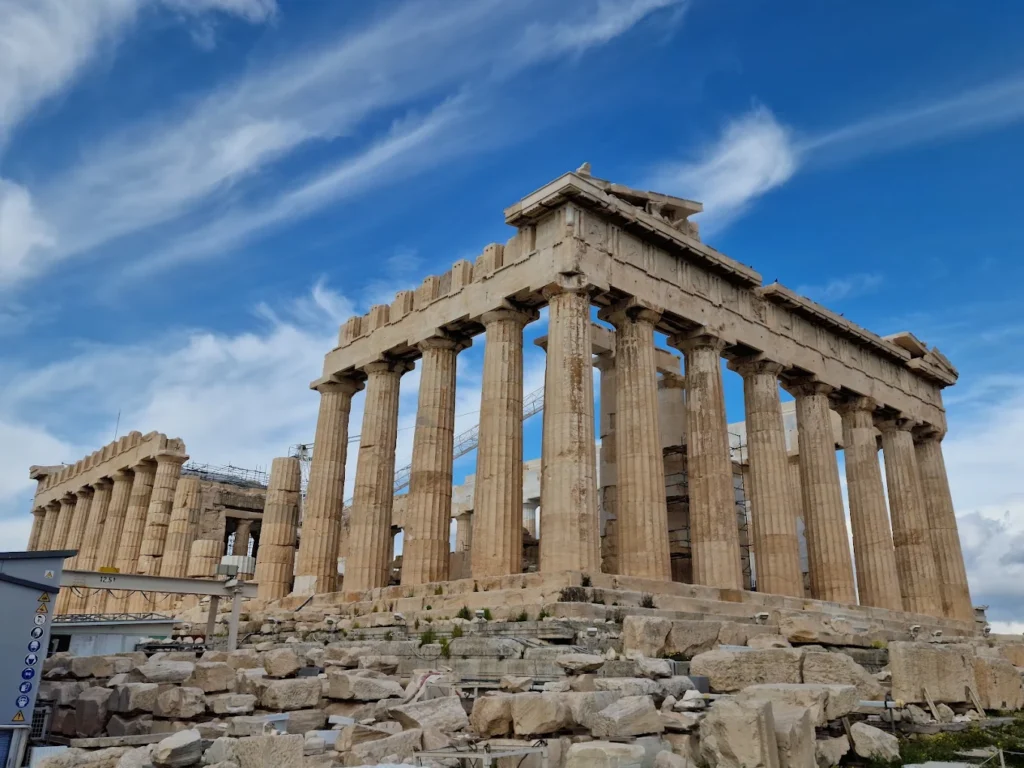
Picture this: You’re standing on a sun-warmed marble terrace as golden hour paints the Parthenon in shades of amber and rose. Below you, the city hums with life—scooters weaving through narrow streets, the distant clatter of taverna plates, and somewhere, a street musician’s bouzouki melody drifting on the evening breeze. This is Athens, where 3,000 years of history doesn’t just sit behind museum glass—it lives and breathes in every corner. If you’re wondering what to see in Athens on your first visit, you’re in the right place. This ancient city can feel overwhelming with its mix of world-famous ruins, vibrant neighborhoods, and countless “must-see” lists. But here’s the truth: the best Athens experience combines those iconic bucket-list moments with quieter discoveries that most tourists rush past. This guide gives you exactly that—a curated collection of 12 spots (7 iconic landmarks you absolutely can’t skip, plus 5 genuine local finds) along with practical tips to beat the crowds, navigate like a pro, and experience Athens the way it deserves to be experienced: with wonder, curiosity, and comfortable shoes. Quick Athens Planning Guide Before we dive into what to see in Athens, here’s a snapshot to help you plan: Planning Element Key Information Ideal Visit Length 2-3 days minimum (4-5 days ideal with day trips) Best Time to Visit April-May or September-October (fewer crowds, perfect weather) Crowd-Beating Strategy Visit major sites at 8 AM opening or 2 hours before closing Getting Around Metro system (efficient), walking (best for neighborhoods) Money-Saving Tip Buy the €30 multi-site archaeological pass (valid 5 days) Essential Download Google Maps with offline Athens map Dress Code Modest clothing for religious sites; comfortable walking shoes mandatory How to Read This Guide I’ve organized Athens sightseeing into clear categories—landmarks, neighborhoods, hidden spots, and day trips—so you can mix and match based on your interests. Whether you’re a history fanatic who could spend all day wandering Athens historical ruins or someone who craves authentic neighborhood vibes, you’ll find your perfect Athens here. Later in this guide, I’ll share sample itineraries for 2 and 3-day visits, but here’s your golden rule right now: Major archaeological sites are least crowded during the first hour after opening (8 AM) or the final two hours before closing. Summer afternoons bring suffocating heat and tour bus crowds—avoid them. The Iconic 7: Athens Must-See Landmarks 1. The Acropolis & Parthenon Why you can’t miss it: This isn’t just Greece’s most famous landmark—it’s the architectural achievement that defined Western civilization’s idea of beauty and democracy. Standing before the Parthenon’s Doric columns, you’re looking at a 2,500-year-old building that once housed a 40-foot gold-and-ivory statue of Athena. Insider tip: Arrive at 8 AM sharp when gates open. You’ll have 45 minutes of relative solitude before the crowds arrive, and morning light makes the Pentelic marble glow softly. Don’t just photograph the Parthenon from the front—walk around to the north side for views framing it against modern Athens below. The Erechtheion’s Caryatid Porch (those famous maiden columns) photographs beautifully from the eastern approach. Practical details: Tickets are €20 in high season (April-October), €10 in winter. The multi-site pass covering 7 archaeological sites costs €30 and is valid for 5 days—get it if you’re visiting multiple ruins. Book online at theacropolismuseum.gr to skip ticket lines. 2. Acropolis Museum Why you can’t miss it: This stunning modern building houses treasures removed from the Acropolis for preservation, including the original Caryatids and the entire surviving Parthenon frieze. The top floor is designed as an exact replica of the Parthenon’s dimensions, with glass floors revealing ancient ruins excavated beneath the museum. Insider tip: Visit the museum after you’ve been to the Acropolis hill—the context makes everything resonate deeper. The rooftop café offers Acropolis views; grab a Greek coffee there while you process everything you’ve seen. Friday evenings (April-October), the museum stays open until 10 PM with reduced crowds. Practical details: €15 entry (€10 in winter); free on certain national holidays. The museum café serves surprisingly good food at reasonable prices for such a tourist location. 3. Ancient Agora & Roman Agora Why you can’t miss it: While tourists mob the Acropolis, the Ancient Agora below often feels refreshingly empty despite being equally important historically. This was Athens’ commercial, political, and social heart for a thousand years—where Socrates debated, merchants hawked their goods, and democracy was born. Insider tip: The Temple of Hephaestus here is the best-preserved ancient Greek temple in existence, yet most visitors barely give it a glance while rushing between sites. Spend time there. The Stoa of Attalos (fully reconstructed) now houses an excellent museum with everyday objects—toys, kitchen items, voting tokens—that make ancient Athens feel human-scale. Practical details: Included in the multi-site pass. The Roman Agora (Tower of the Winds) is nearby but separate; also included in the pass. 4. Temple of Olympian Zeus & Hadrian’s Arch Why you can’t miss it: Size matters here. This temple was the largest in ancient Greece, with columns standing 56 feet tall. Only 15 of the original 104 columns remain, but they’re enough to make you feel tiny and humbled. Insider tip: The site is surrounded by a fence, and honestly? The best views are from outside the gate, where you can photograph the columns framed by the Acropolis behind them. If you’re tight on time or budget, appreciate it from the perimeter and save your €8 entry fee for elsewhere. Hadrian’s Arch stands right beside it and is free to admire. Practical details: Included in multi-site pass; otherwise €8. Takes only 30 minutes to explore fully. 5. Panathenaic Stadium Why you can’t miss it: This is where the first modern Olympics took place in 1896, and it’s the only stadium in the world built entirely of marble. Walking through the entrance tunnel and emerging onto that gleaming white track triggers something primal—you’ll want to run it. Insider tip: Go ahead and run the track (before 2 PM when heat makes it uncomfortable). Climb to the top rows for panoramic views of Athens

What to See in Athens: 12 Iconic + Hidden Spots First-Timers Shouldn’t Miss Read More »
Samothrace Island, Greece

Explore Greece & Samothraki: Your Travel Blog for Inspiration & Updates

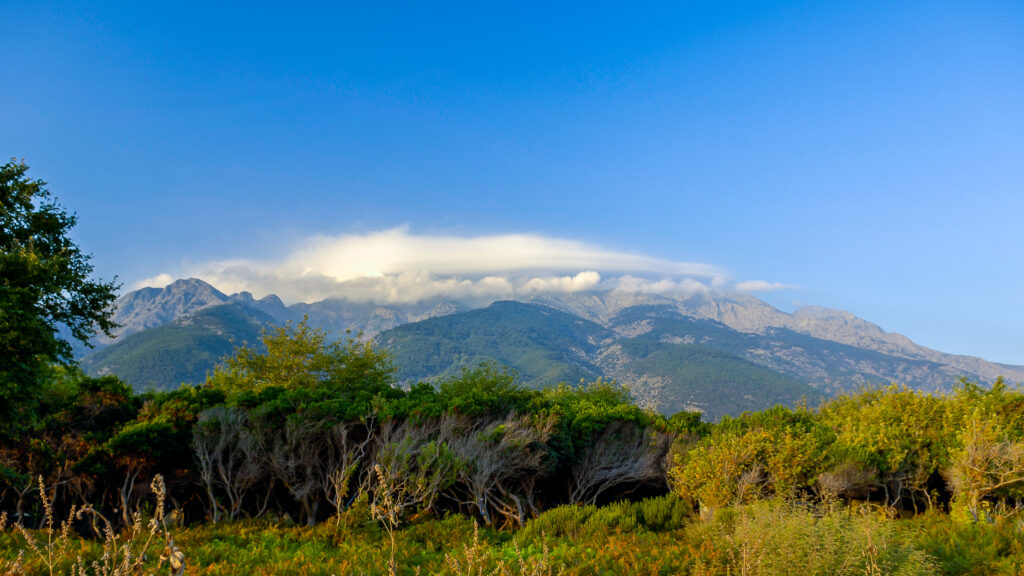
Discover Samothraki, Greece: Maps, Travel Tips, and the Latest Blog Updates for Your Adventure Nestled in the Northern Aegean, Samothraki, Greece is one of the Mediterranean’s best-kept secrets. Known for its dramatic landscapes, ancient mysteries, and authentic Greek island charm, Samothraki remains a hidden gem for those willing to stray off the beaten path. In this guide, we’ll take you through every step of planning your journey—from choosing the best transportation to exploring local tips and cultural insights—so you can experience the island’s magic firsthand. Throughout this post, you’ll find detailed comparisons, practical advice, and key insights that will help you navigate your trip with ease. Whether you’re a seasoned traveler, an adventure seeker, or a culture enthusiast, this comprehensive guide is designed to make your trip to Samothraki, Greece both enjoyable and memorable. Table of Contents Introduction: Why Visit Samothraki? Samothraki is not your typical Greek island destination. Its allure lies in the untouched beauty and authenticity that few places in the Mediterranean can offer. From its towering mountains—most notably Mount Fengari (locally known as Mount Saos)—to the refreshing waterfalls and secluded natural pools, every corner of this island tells a story of nature’s grandeur and ancient mythologies. Travelers are drawn here not just for the scenery, but also for the immersive experience of local life, the historical significance of its archaeological sites (like the Sanctuary of the Great Gods), and the island’s sustainable approach to tourism. If you’re seeking an escape from the overcrowded tourist hotspots and crave an authentic Greek island adventure, Samothraki, Greece should be at the top of your list. Understanding Samothraki: The Hidden Gem of Greece Geographical and Cultural Overview Located in the northern Aegean Sea, Samothraki spans approximately 178 square kilometers. With a modest population of just over 2,500 residents, the island exudes a sense of intimacy and tranquility rarely found in more commercialized destinations. The island’s dramatic terrain—defined by rugged mountains, deep gorges, and cascading waterfalls—creates a landscape that is as challenging as it is beautiful. The island is steeped in mythology and ancient history. It was once revered as a sacred site with its famous Sanctuary of the Great Gods, where mysterious initiation rituals were performed. The myth of the Winged Victory of Samothrace, now a centerpiece at the Louvre in Paris, further accentuates the island’s historical and cultural resonance. This blend of natural beauty and historical depth makes Samothraki, Greece a destination that captivates both the heart and the mind. For a deeper dive into Samothraki’s history and geographical features, you can explore resources such as the Wikipedia page on Samothrace and this dedicated Samothraki site which provide rich details about the island’s past and present. Planning Your Journey: Transportation Options Getting to Samothraki, Greece might require a bit more planning than visiting some of the more accessible Greek islands. The island’s relative remoteness has helped preserve its unspoiled charm, and it’s this very characteristic that makes the journey an integral part of the experience. Here’s a breakdown of the primary transportation options available: Ferry Travel The most popular way to reach Samothraki is by ferry. Most ferries depart from Alexandroupoli, a well-connected port city in northeastern Greece. The ferry ride typically takes about two hours, offering picturesque views of the Aegean Sea. Although schedules might vary by season, ferries run year-round with increased frequency during the summer months. Key Points for Ferry Travel: Air Travel While there is no airport on Samothraki, air travel can be a viable option if you plan to fly into Greece and then make your way to the island. The nearest airports are located in Alexandroupoli or Thessaloniki, from where you can take a connecting bus or drive to Alexandroupoli for your ferry departure. Tips for Air Travel: By Car and Bus For travelers who prefer driving or using public transportation, there are options to reach Alexandroupoli by car or bus from major Greek cities like Athens or Thessaloniki. This option is ideal for those who enjoy a scenic road trip and the flexibility to explore along the way. Advantages of Car or Bus Travel: On the Island: Local Transportation and Getting Around Once you set foot on Samothraki, your adventure has only just begun. The island’s rugged terrain, characterized by narrow mountain roads and scenic hiking trails, calls for a flexible and adventurous approach to getting around. Local Transport Options For more detailed information on local transportation and tips, check out Ferryhopper’s guide to Samothraki which offers practical insights on navigating the island. Comparing Transportation Options To help you decide on the best mode of travel based on your needs and preferences, here is a quick comparison table summarizing the main transportation methods to Samothraki, Greece: Mode of Transport Duration Cost Pros Cons Ferry ~2 hours Moderate Scenic journey, frequent departures Weather dependent, limited schedule in winter Air + Ground Varies Moderate to High Faster overall travel, good for long distances Requires transfers, additional ground travel costs Car/Bus to Alexandroupoli + Ferry Varies Budget-Friendly Flexibility, scenic road trip opportunity Longer travel time, may require navigation Local Rentals (on island) N/A Moderate Flexibility to explore remote areas Limited to island once you arrive, road conditions This table provides a clear snapshot of your options, allowing you to weigh the benefits and potential drawbacks of each method. By planning your trip according to your personal travel style and budget, you can ensure a seamless journey to this captivating destination. Travel Tips and Practical Considerations 1. Booking in Advance Whether you choose to travel by ferry or combine air travel with ground transport, it’s best to book your tickets well in advance—especially during the high season (June to September). Early booking can help you secure the best fares and preferred travel dates. For ferry schedules, websites like Direct Ferries offer comprehensive details. 2. Weather and Seasonal Considerations Samothraki experiences a Mediterranean climate, but its mountainous terrain means that weather can be unpredictable. Summers are generally hot and dry along the coast, while the mountainous interior

Explore Greece & Samothraki: Your Travel Blog for Inspiration & Updates Read More »